

The Canavese, whose main town is Ivrea, are pre-Alpine hills nearly 50 km north of Turin, and the neighbouring Biellese extends around the town of Biella.
The most remarkable site is certainly, to the far north, the Sanctuary of Oropa, the most famous of the Sacred Mounts of northern Italy.
Ivrea is a small town off the beaten track with a few interesting sites, and not far away are the majestic Ducal Castle of Agliè or the small Sacred Mount of Belmonte.
 Show interactive map
 What to see in the Canavese and Biellese
Sanctuary of Oropa 
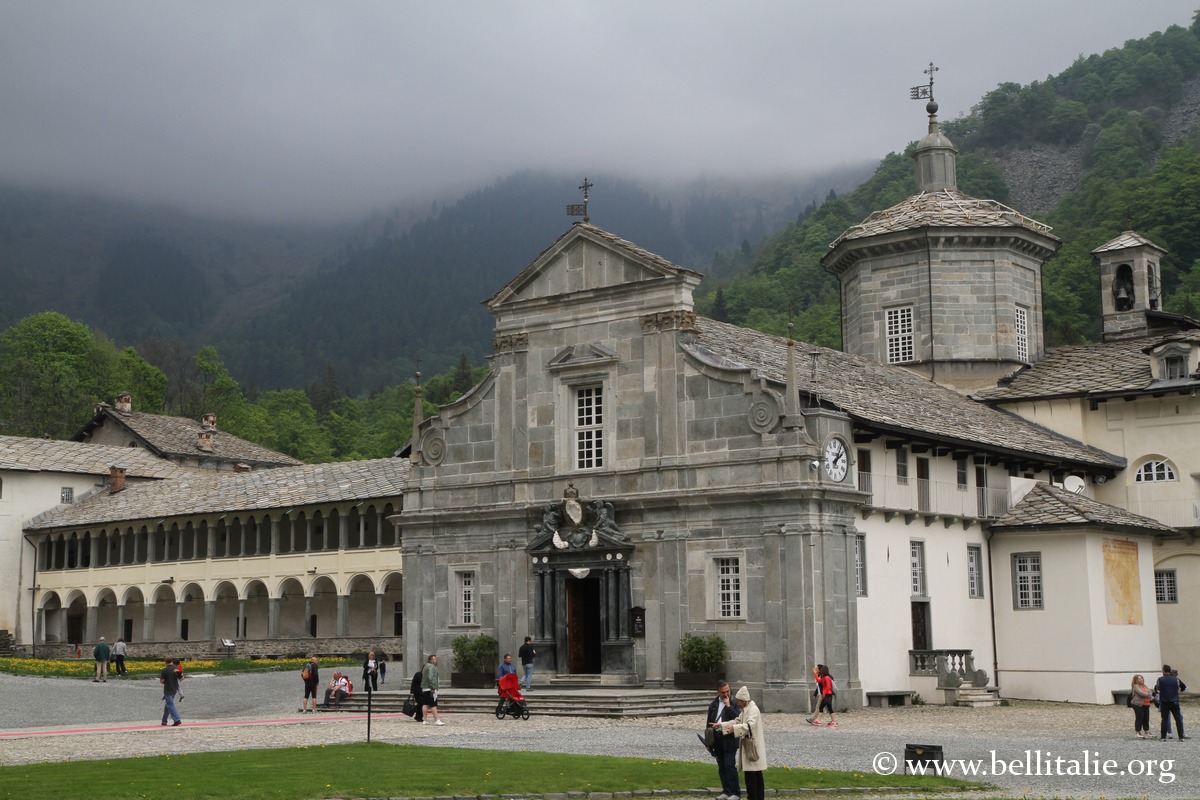
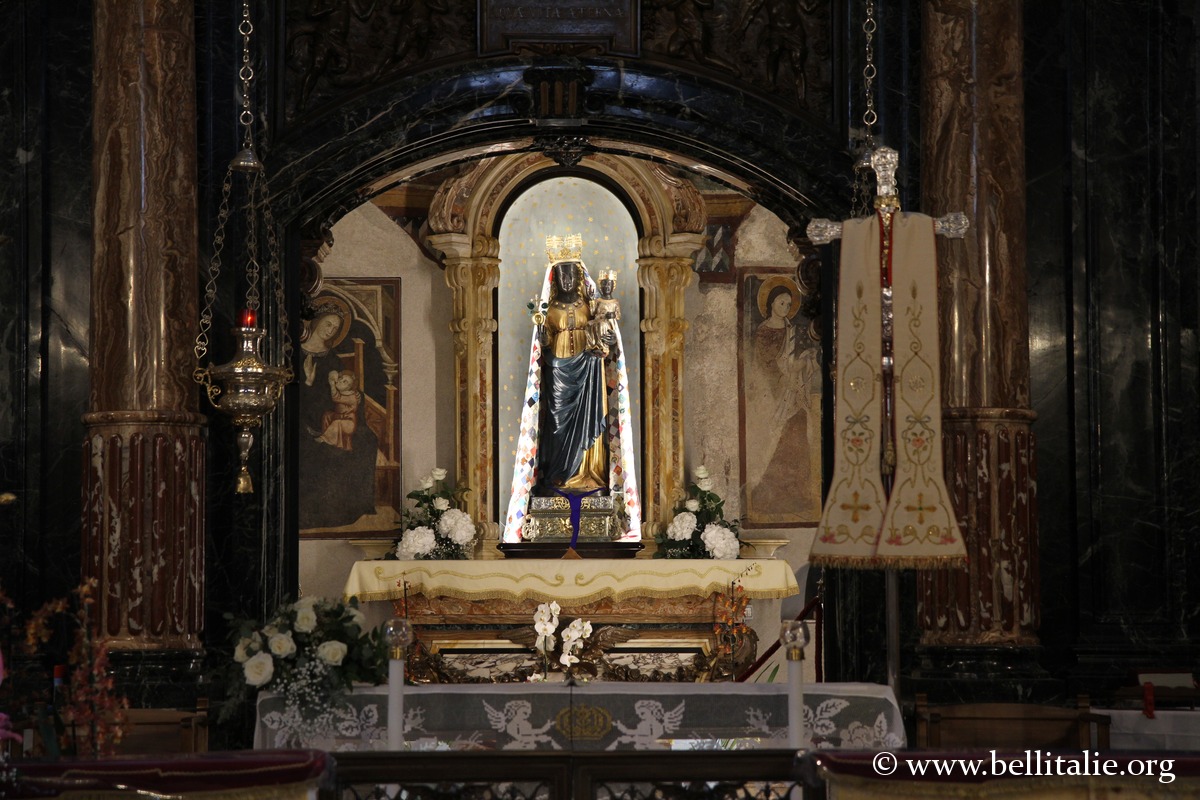
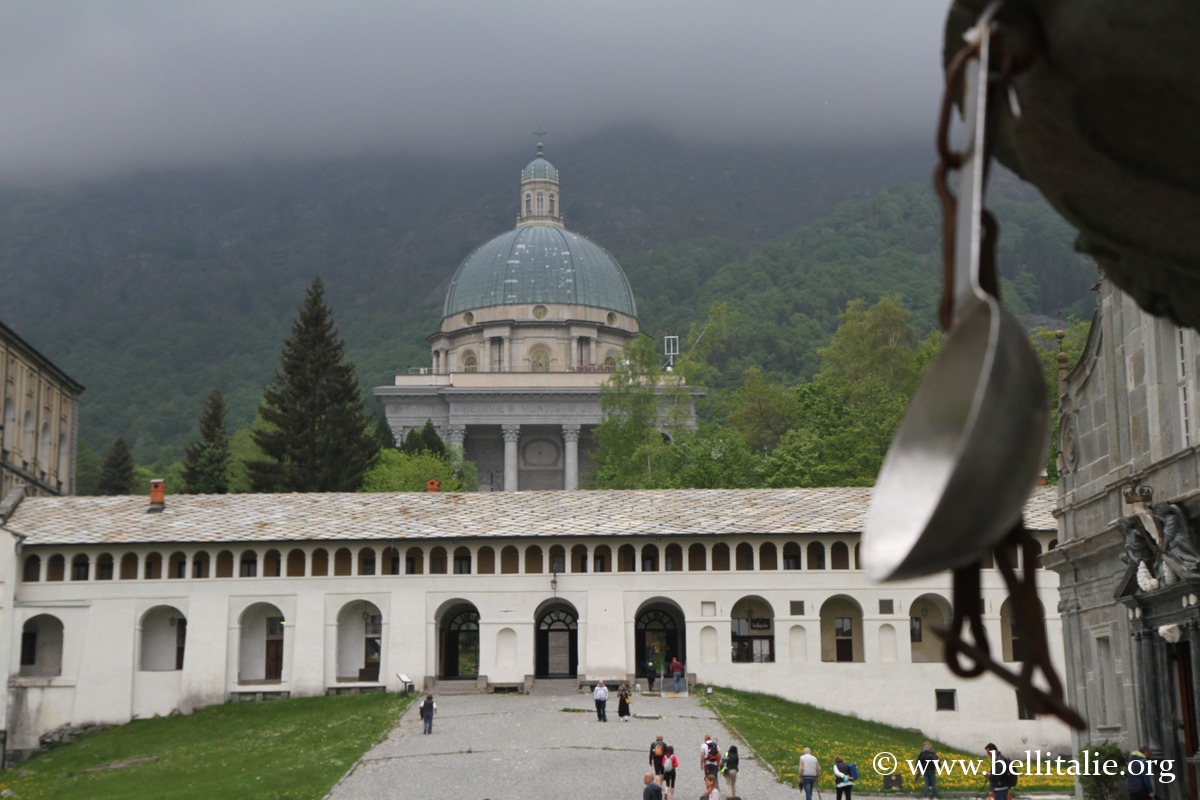
On the Mount of Oropa stands the most famous and most grandiose of the Sacred Mounts, classified by UNESCO since 2003. It is dedicated to the Black Madonna, built at 1,200 metres of altitude in the Biella mountains, amid an amphitheatre of mountains.
It is said to have been founded by Saint Eusebius in the 4th century, and today comprises an old and a new basilica, the treasury museum, the Royal apartment, the historic buildings, and 19 chapels with frescoes on the Black Madonna that make up the sacred path.
Ducal Castle of Agliè
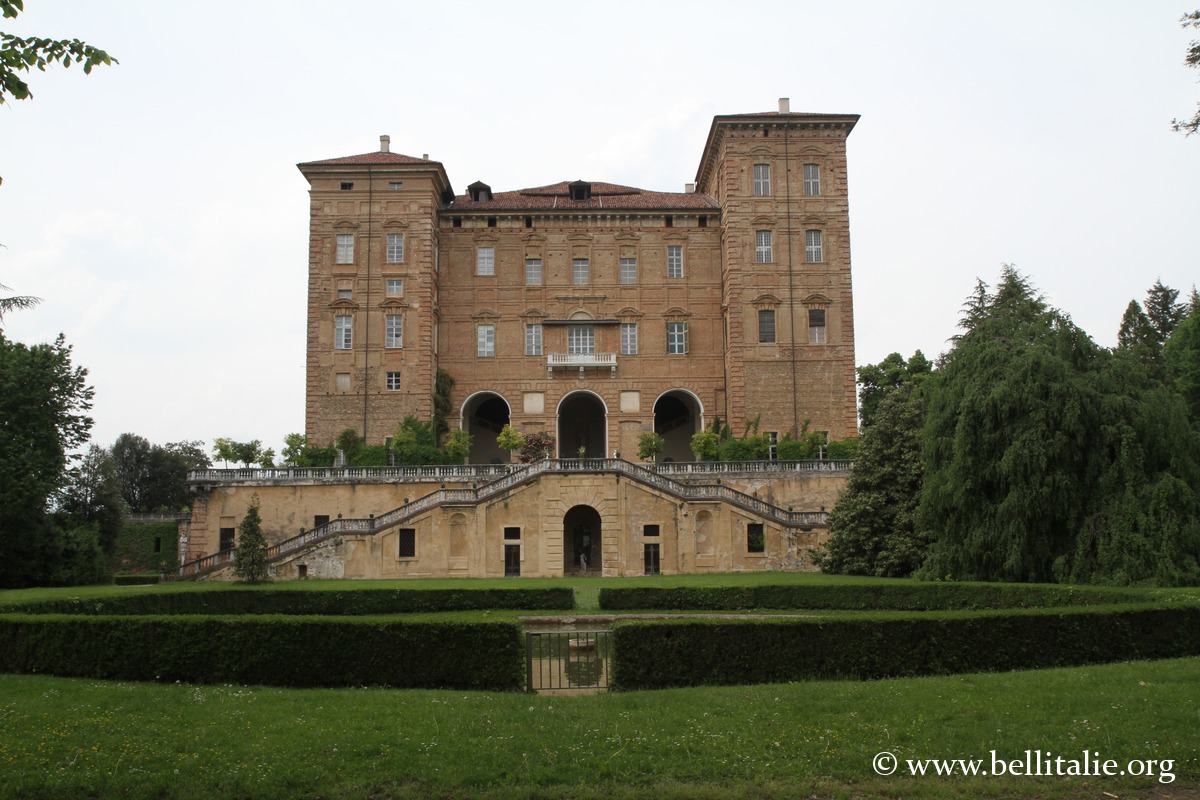 Some forty kilometres north of Turin, the Ducal Castle of Agliè was one of the residences of the House of Savoy. Originally a medieval castle, it was enlarged over the centuries to become an example of a mixture of styles and periods.
Its prestigious elements bear witness to the passage of princes and kings, such as the ballroom decorated with frescoes, the luxurious fittings of the apartments, the furniture and the collections.
The park has greenhouses and centuries-old trees.
Ivrea
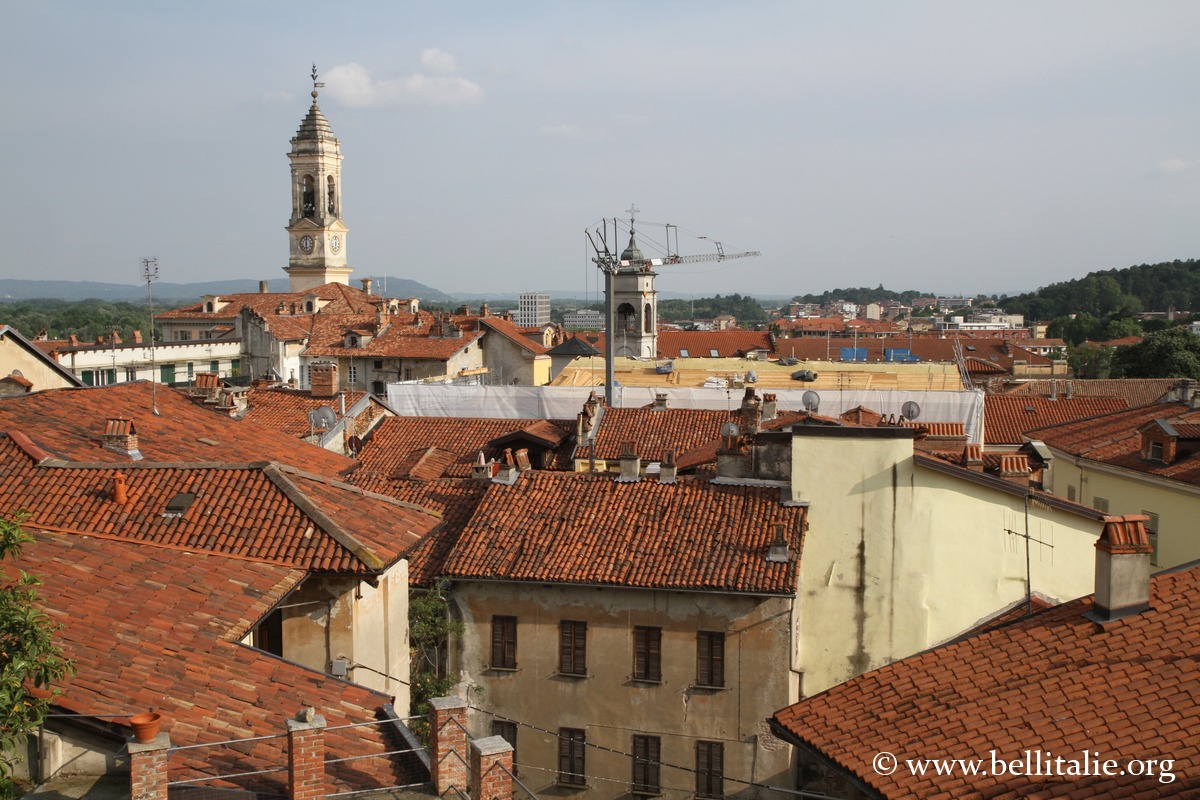
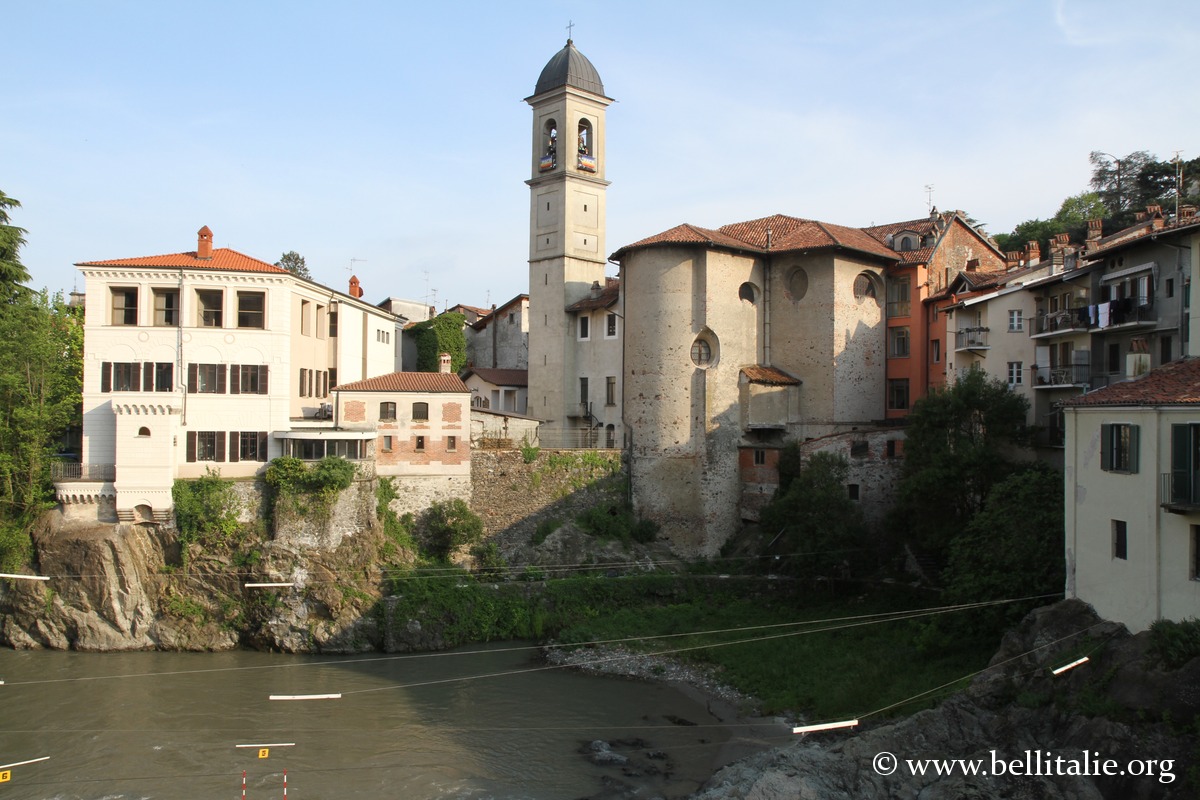
Ivrea (Ivrea in Italian) is a small town and the main one of the Canavese (Canavese in Italian), at the heart of an area rich in stately homes, woods and lakes. It is known worldwide for its Carnival of the Oranges and also as the town of the Italian entrepreneur Camillo Olivetti, an industrialist who developed the town in the 1950s.
Ivrea has a historic centre of moderate interest and modern districts; what can you discover there:
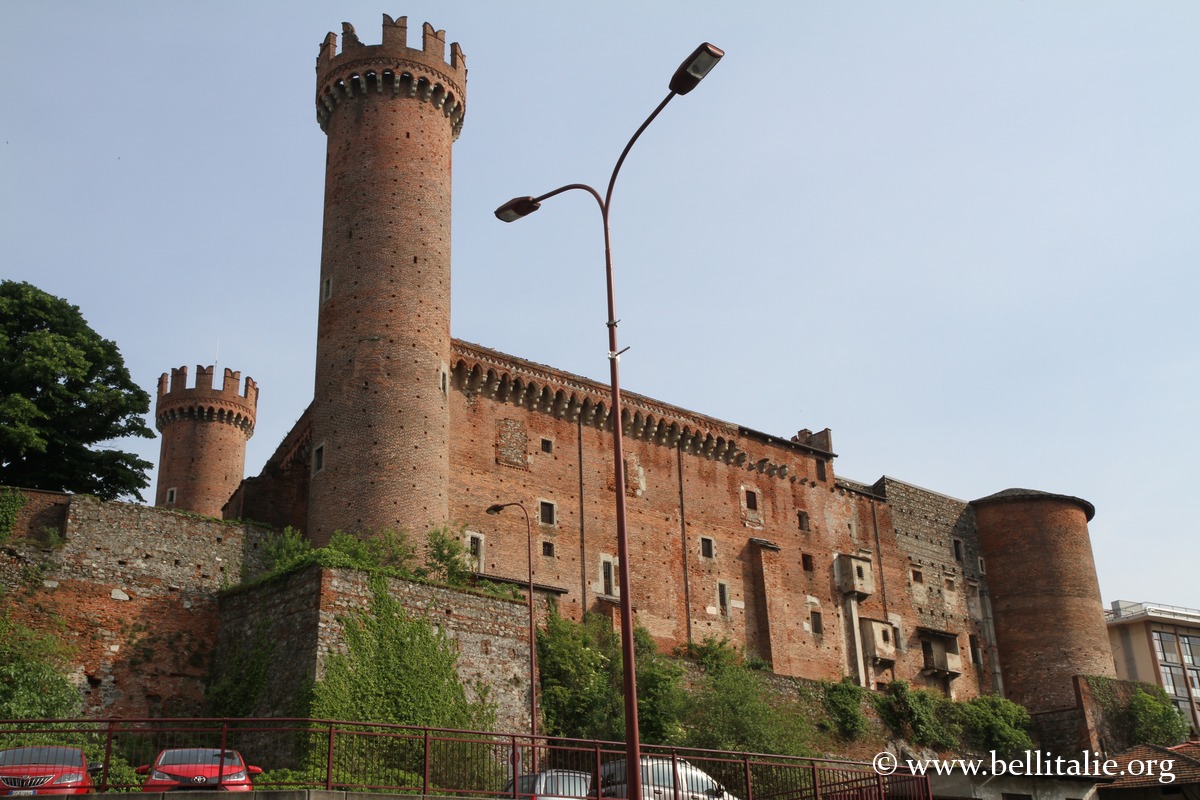
- The castle of Ivrea is its main building with its red brick towers, built in 1358 by Amadeus I of Savoy. Nearby are the town hall and the Bishop’s Palace.
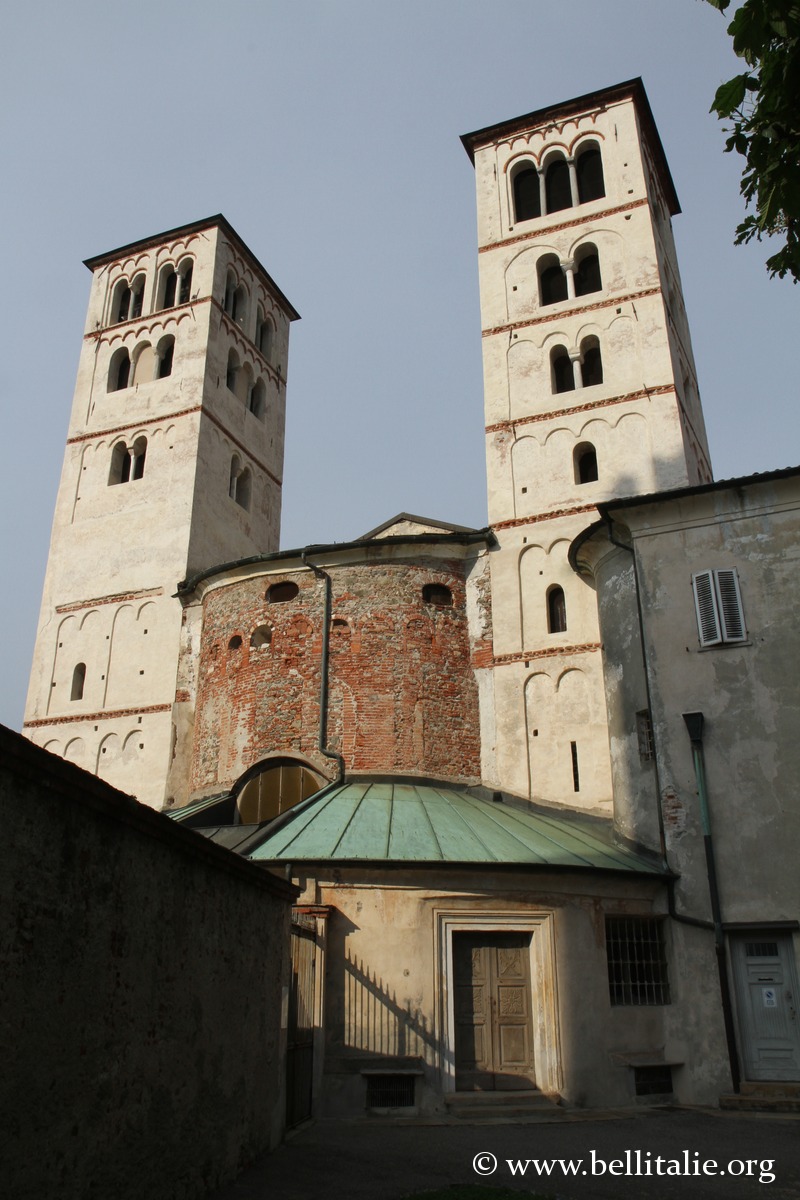
- The nearby cathedral of Santa Maria Assunta, probably built on a Roman sanctuary, has a fine neoclassical facade dating from the 19th-century reconstruction. Of the Romanesque building dating back to the 11th century, the ambulatory, the exterior of the apse, and the two bell towers remain, as well as the crypt with its capitals and also remains of frescoes.
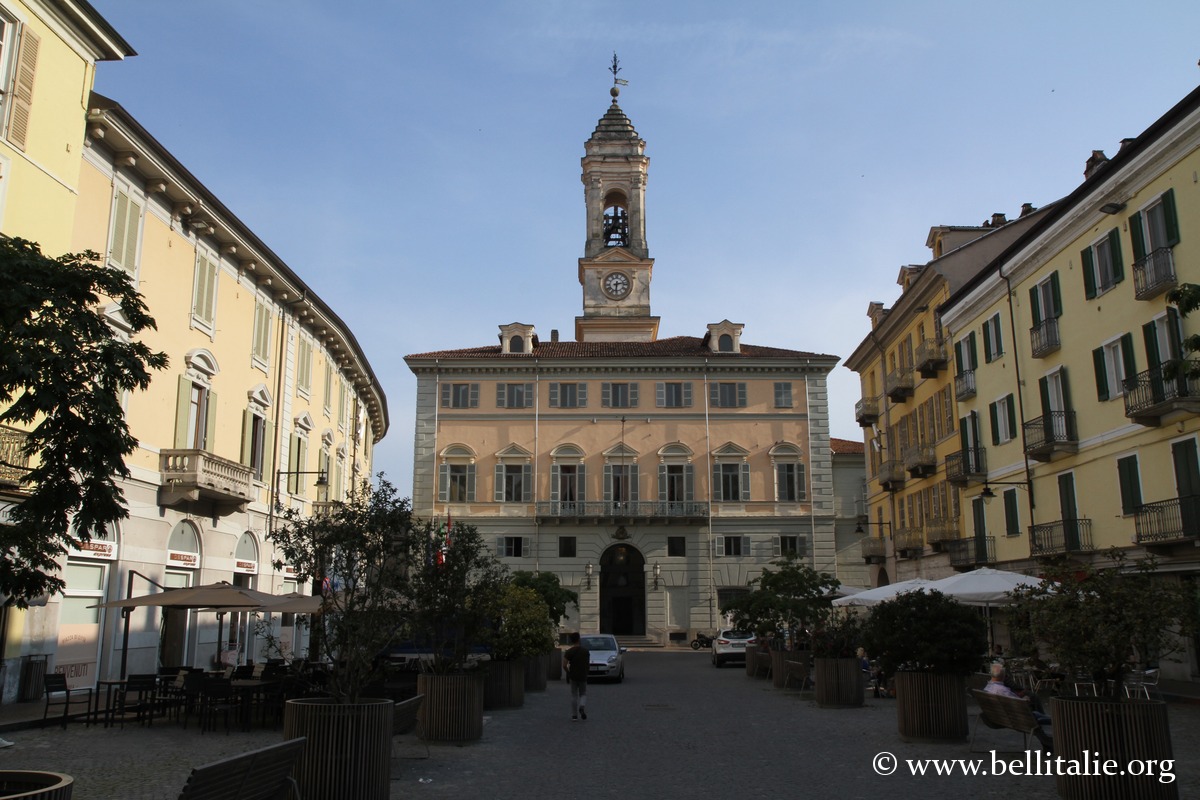
- The heart of the town is the pleasant Piazza Nazionale surrounded by historic buildings including the Palazzo Civico with its pretty bell tower.
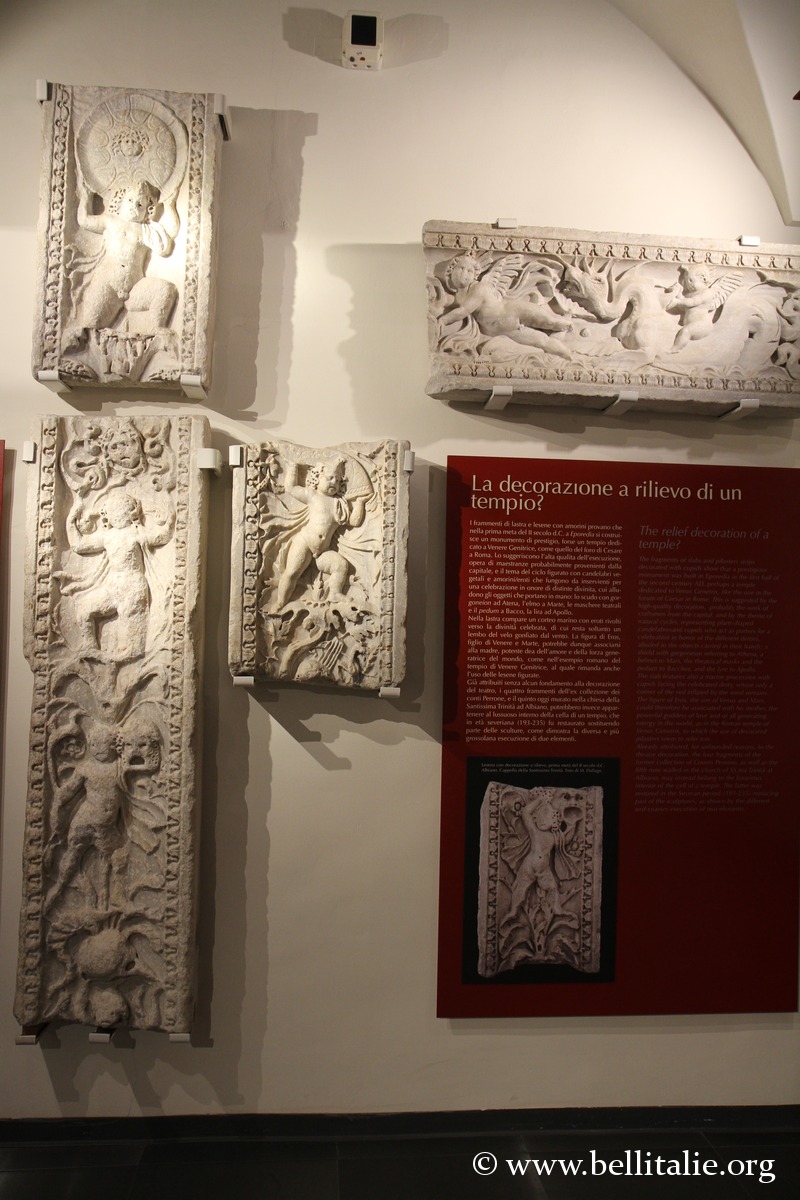
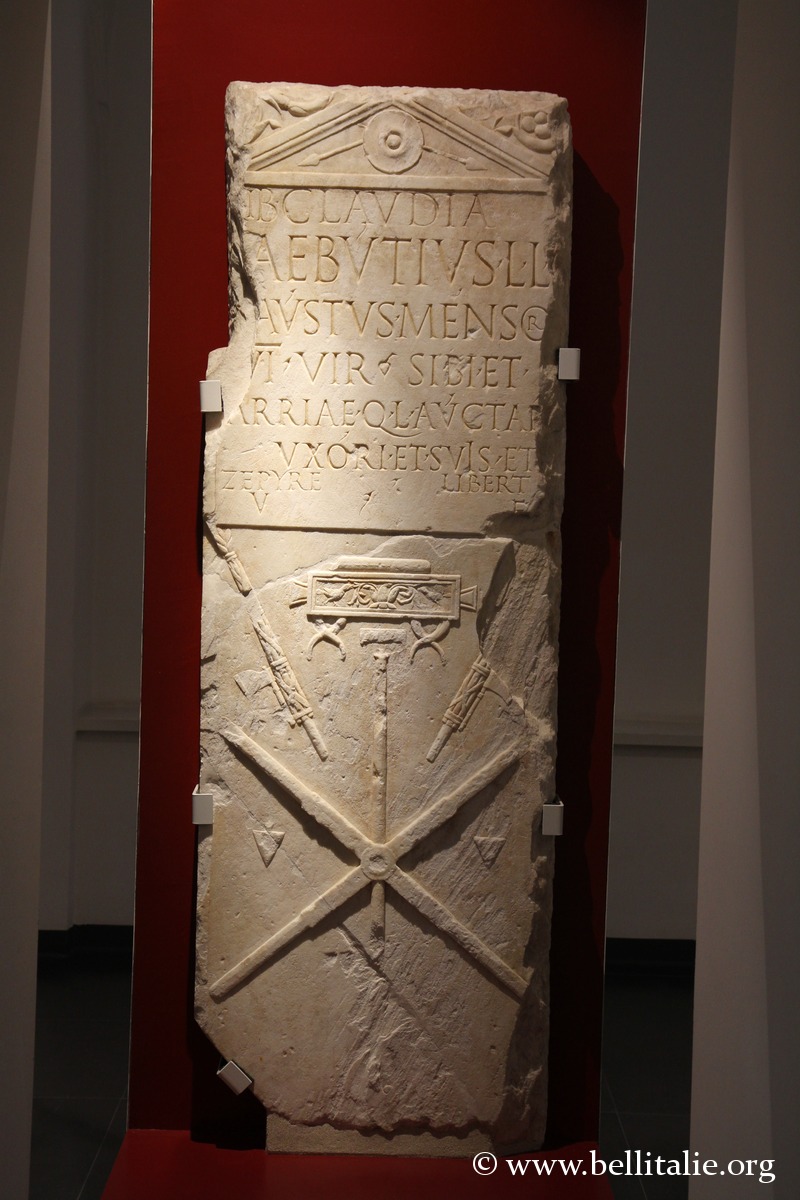
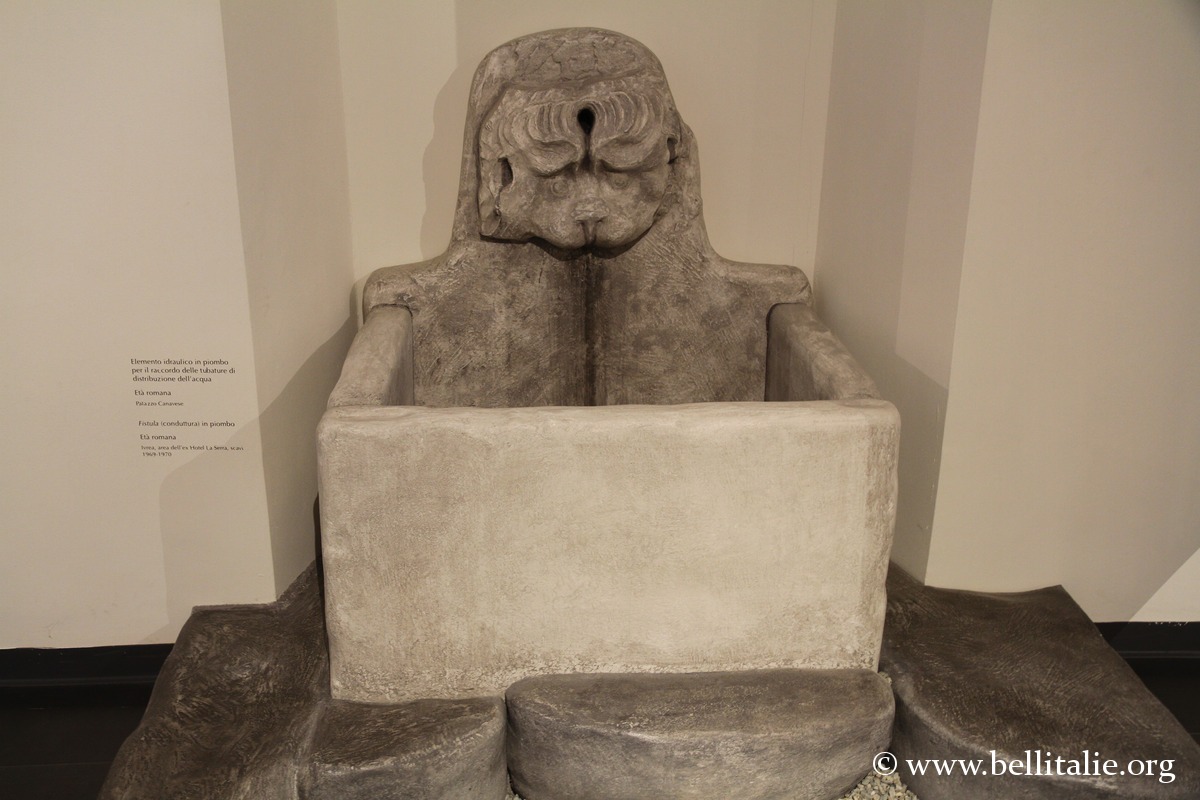
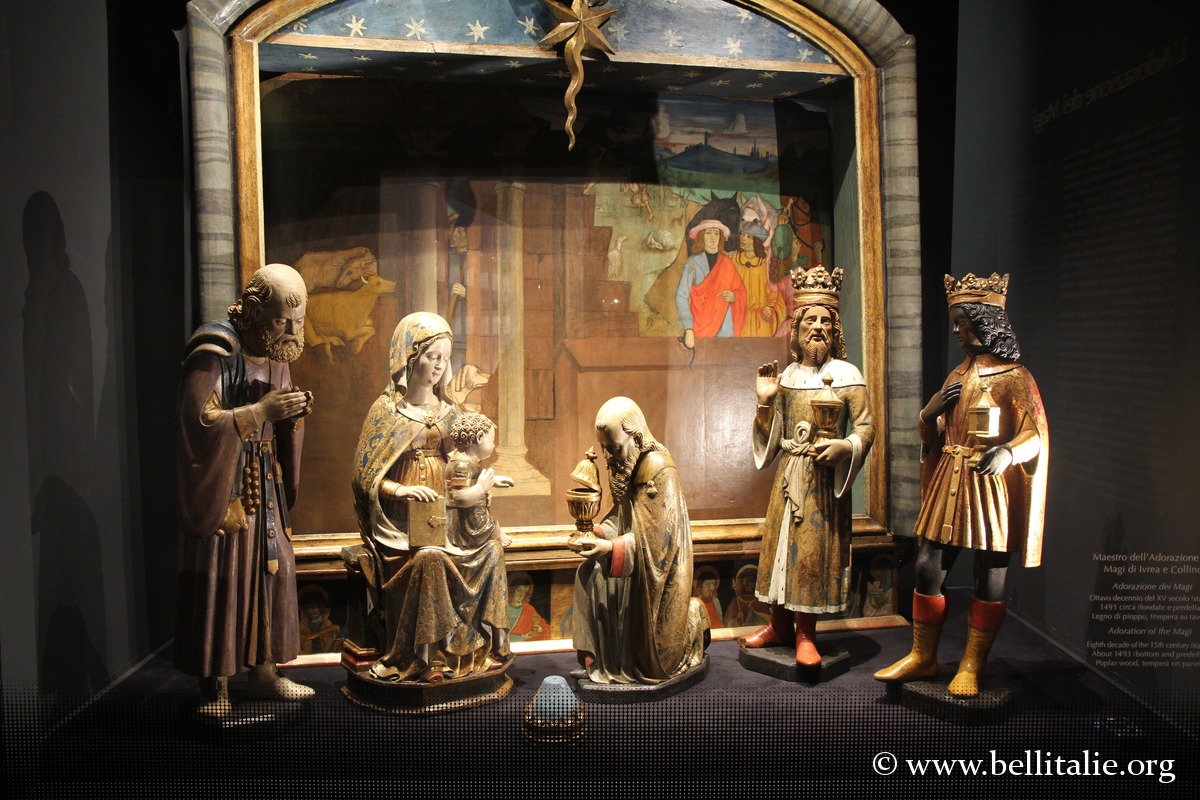
- The P.A. Garda Civic Museum is small but very well designed and pleasant, with a few well-placed texts that highlight the objects of the archaeological collection, with their historical context. It also houses a wooden nativity scene from 1470, and a section of Oriental art.
- The church of San Bernardino, which is in the former Olivetti industrial area on via Jervis, is a Gothic building constructed together with the convent from 1455 by the Franciscans. Poorly maintained, Camillo Olivetti made it his home in 1910. The jubilee wall preserves remarkable 15th-century frescoes.
- An open-air museum of modern architecture (MAM) is dedicated to Olivetti’s cultural heritage, founded in 2001, with the modern buildings past which the route passes.
- The foundations and galleries of the Roman amphitheatre from the 1st century AD remain.
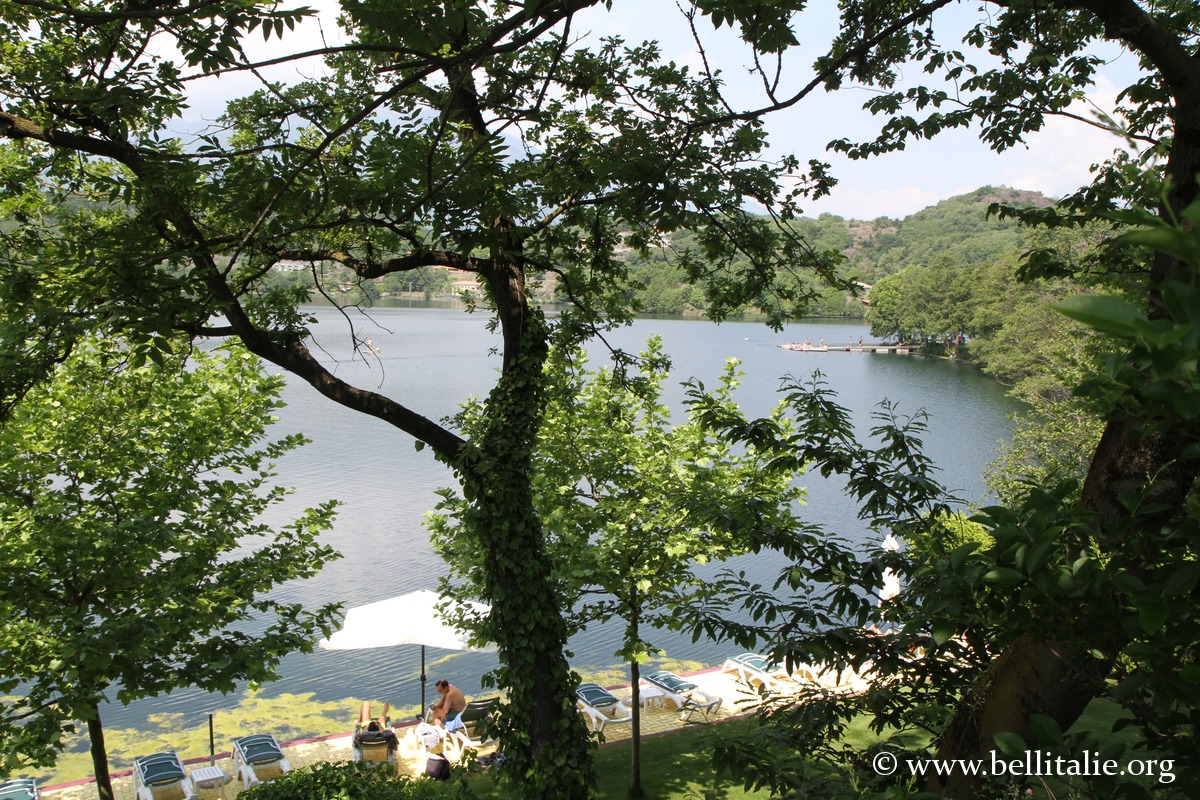
- Five pleasant small lakes are close to the centre.
Via Francigena
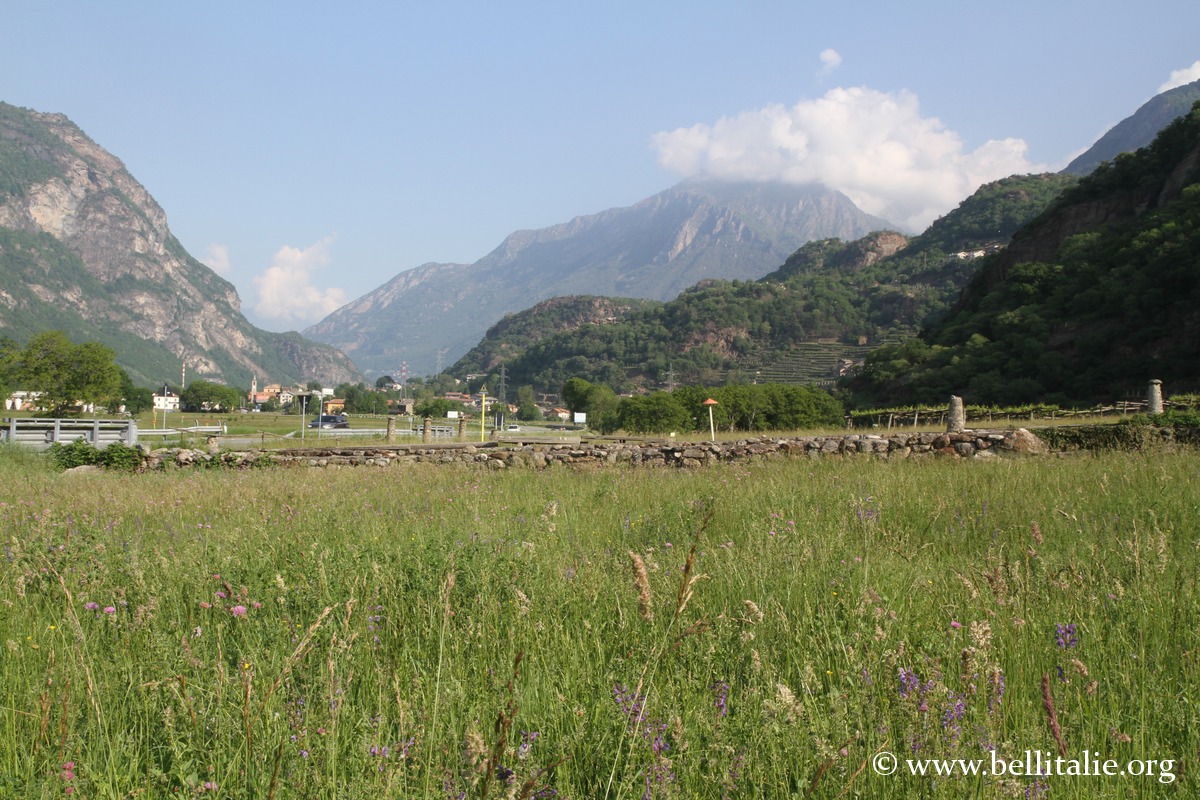
The ancient Via Francigena was used by pilgrims for centuries from northern France or England to reach Rome, through the Aosta Valley and the Dora Baltea valley, or through the Susa Valley. These routes contain many testimonies of this history, religious buildings, monuments, festivals and more. (see the site www.turismotorino.org/fr/experiences/la-voie-francigena-du-piemont)
Sacred Mount of Belmonte
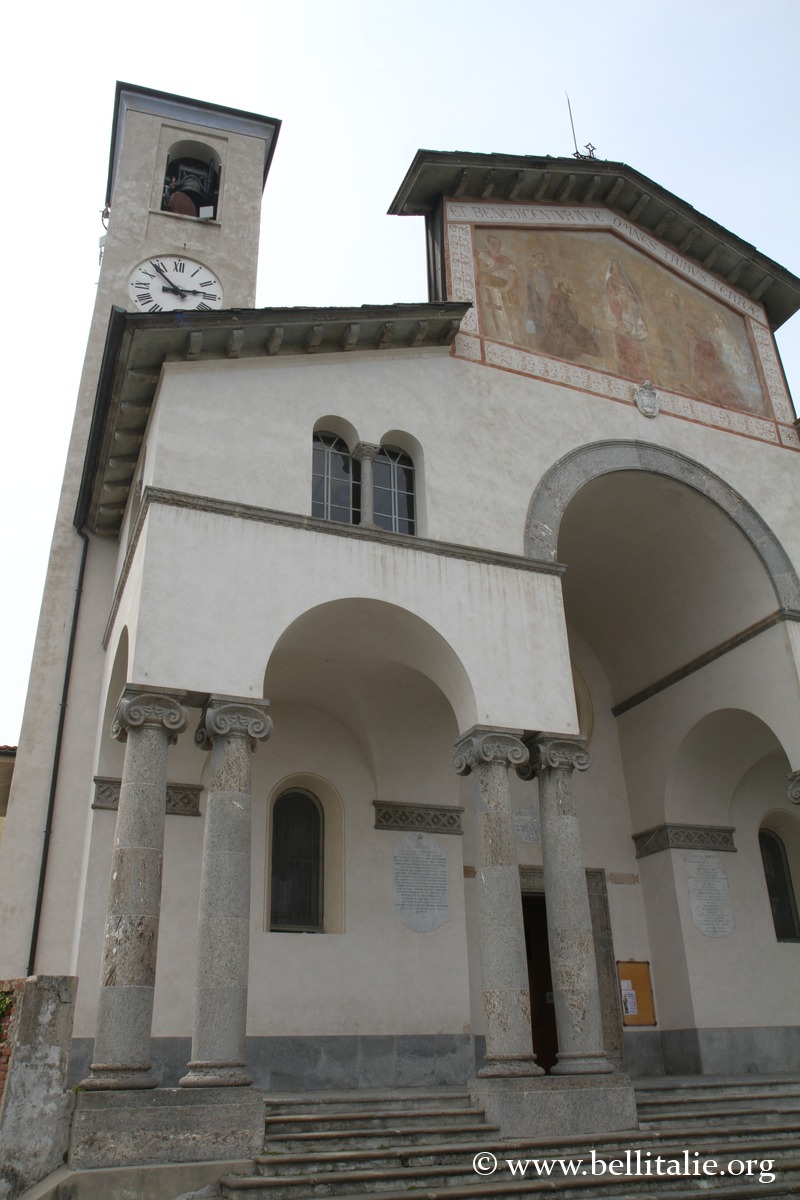
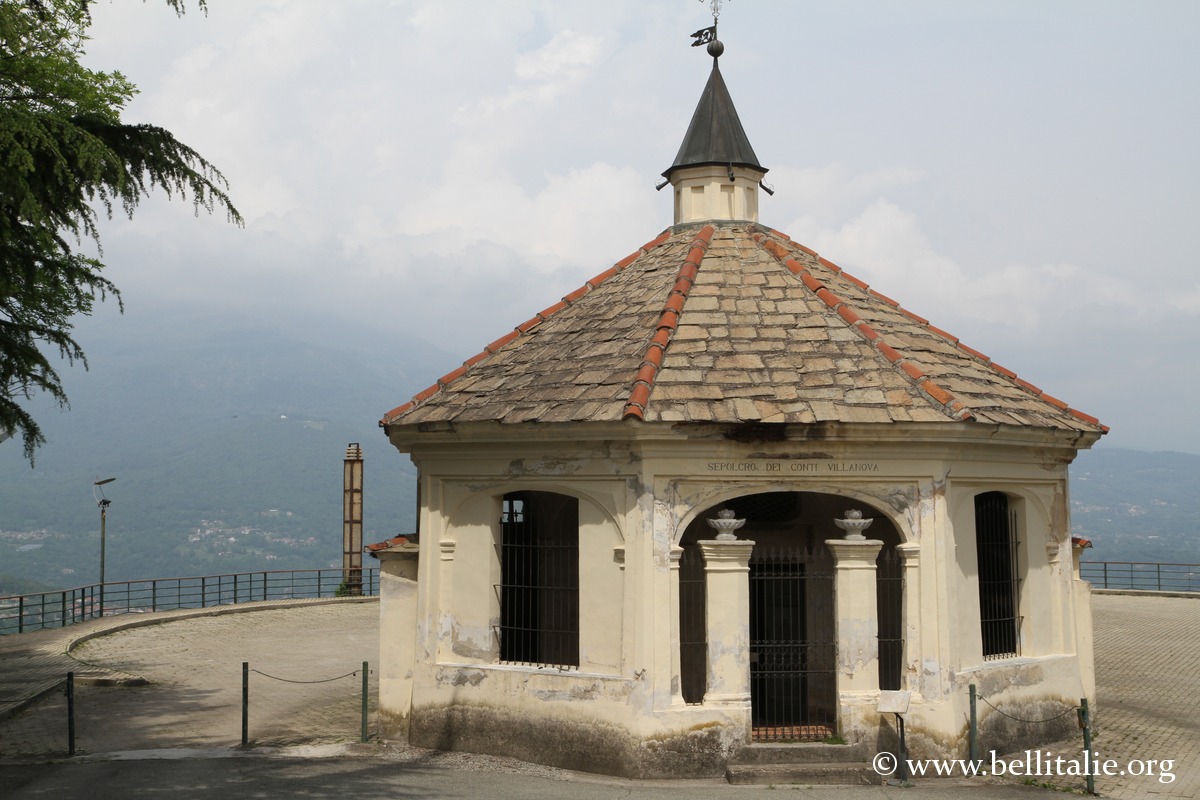
The Sacred Mount of Belmonte, with its sanctuary and the chapels of the Via Crucis (Way of the Cross), is at the top of an isolated, wooded hill on the Alpine foothills north of Turin, at 727 metres of altitude.
-
- Mont sacré de Belmonte
-
- Mont sacré de Belmonte
-
- Via Francigena
-
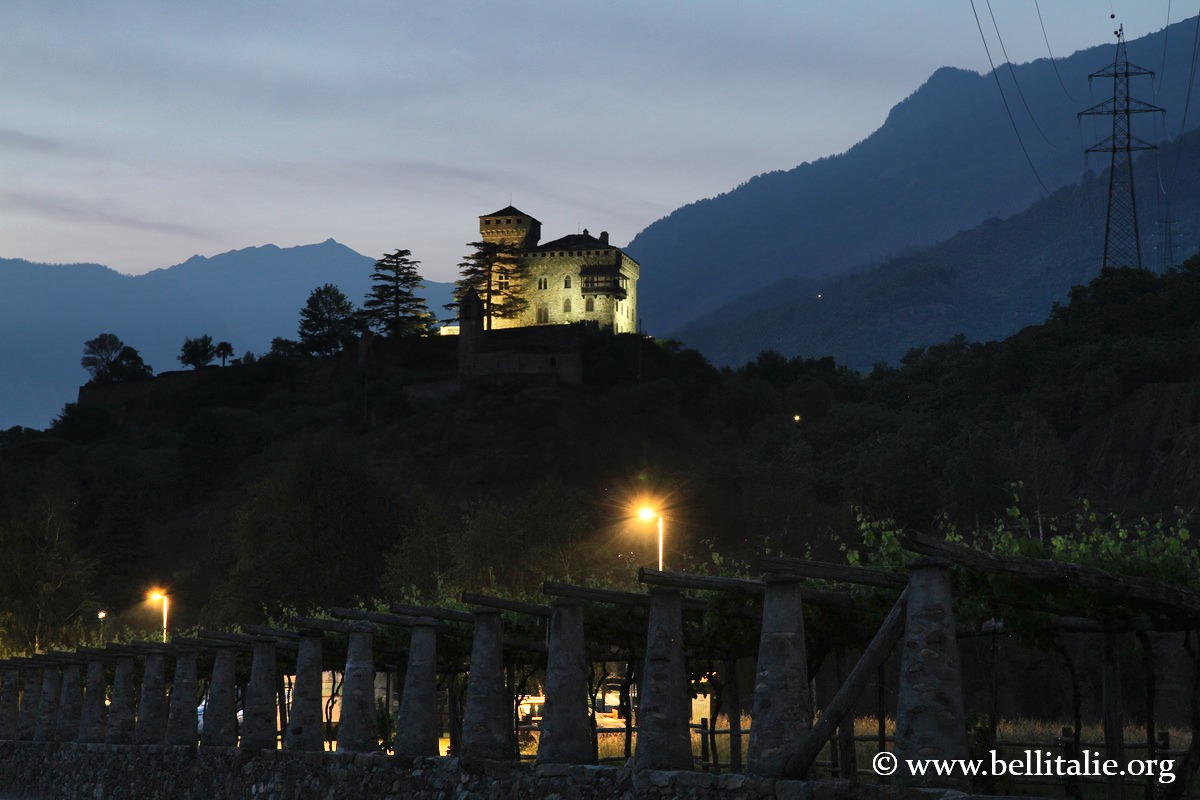
- Château de Montestrutto (Via Francigena)
-
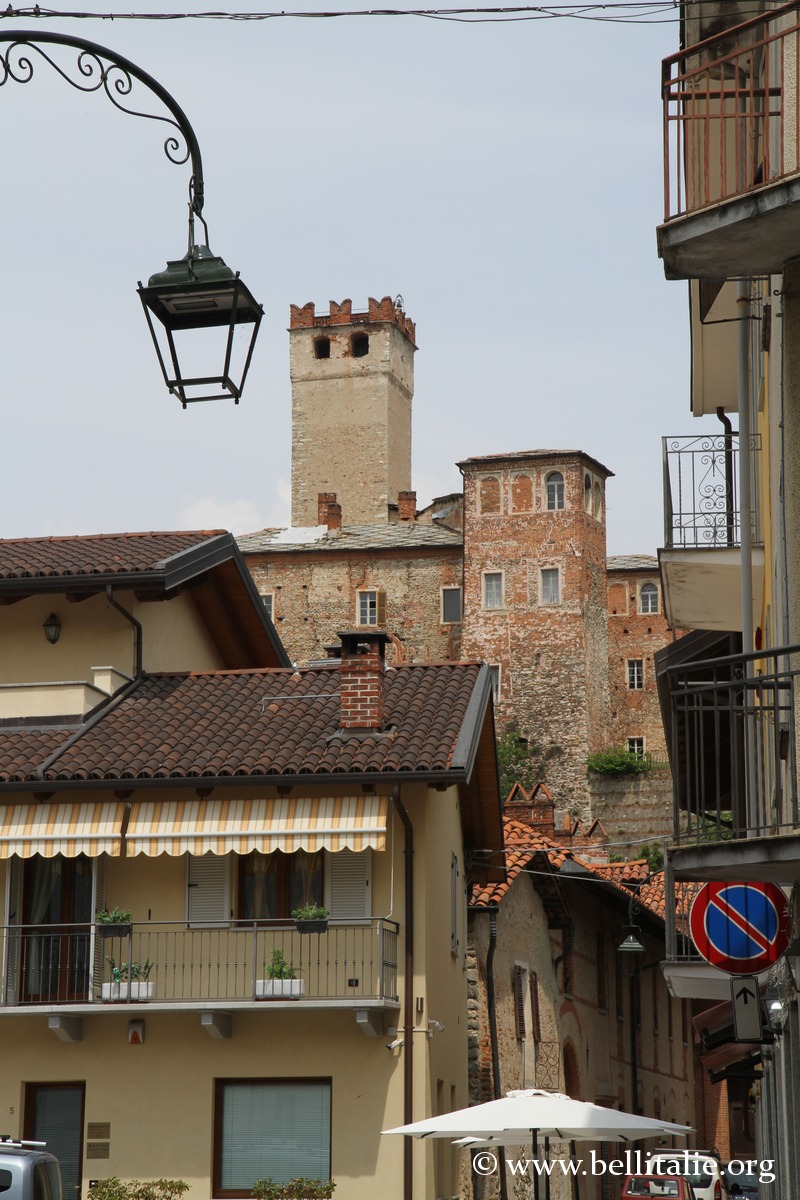
- Rivara
Sources and information
- Tourism portals for the Ivrea area: turismotorino.org
- Tourism portals for the Biella area: www.atl.biella.it


Comments