


Long associated with the automotive industry and the large FIAT factories, Turin nonetheless possesses a particularly rich historical and architectural heritage. A former capital of the States of Savoy and then of the Kingdom of Sardinia, it also played a major role in the unification of Italy. Its elegant centre, largely redeveloped since the late 20th century, today preserves the imprint of several centuries of history, from the Roman city to the great industrial transformations.
Overview of Turin
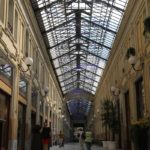
Turin stands out for its highly ordered urban planning, made up of long straight avenues, large squares and nearly 24 kilometres of streets lined with arcades. This regular physiognomy is largely inherited from the developments carried out under the Dukes of Savoy, who made the city a princely capital from the 16th century onwards. Palaces, churches and residences bear witness in particular to the development of a remarkable Piedmontese Baroque, on which architects such as Guarino Guarini and Filippo Juvarra worked. The centre also combines Roman remains, older districts such as the Roman Quadrilateral, covered galleries, historic cafés and 19th- and 20th-century buildings.
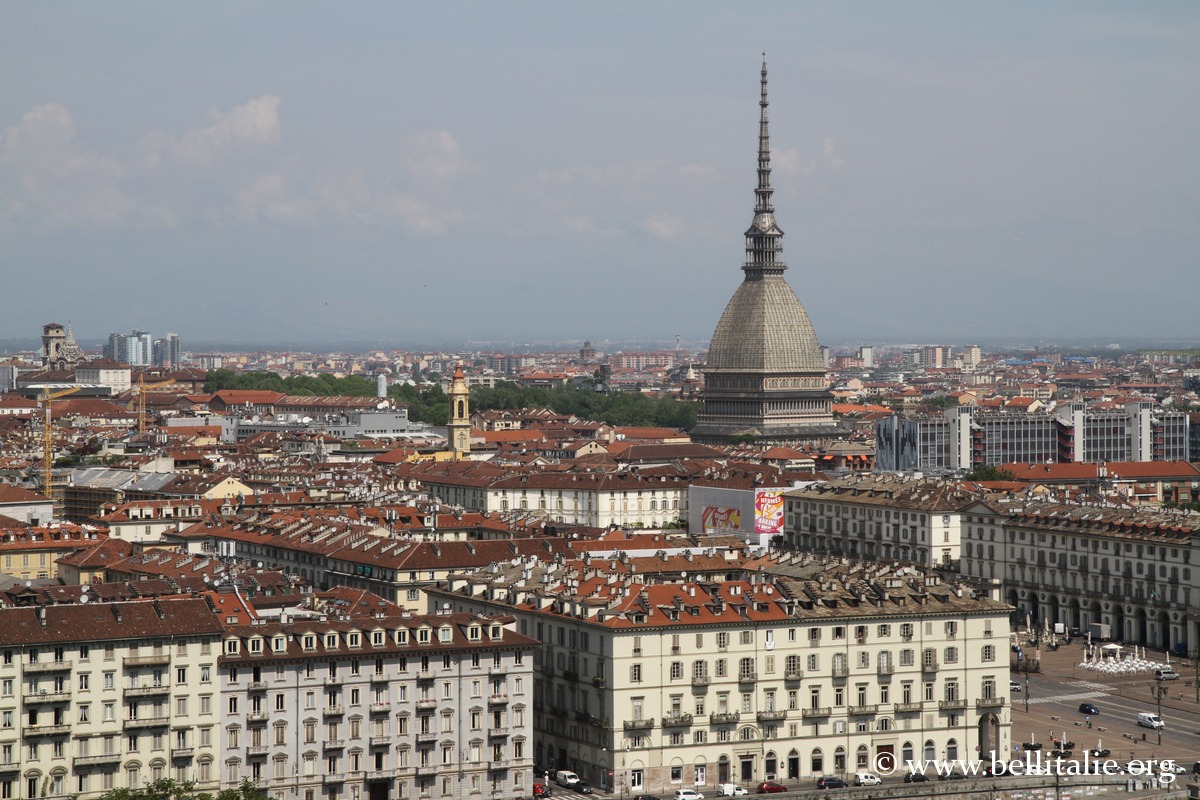
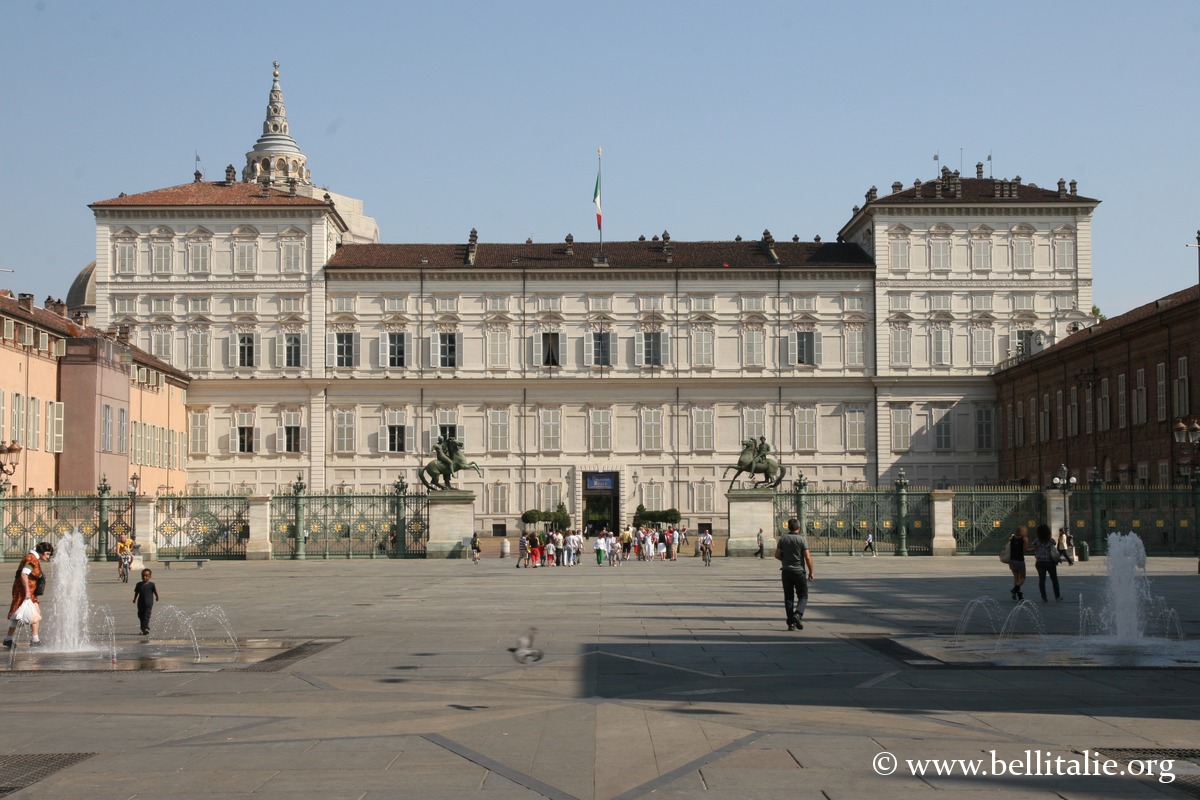
The history of Turin goes back to Antiquity. The region was occupied by the Taurini before the founding, in the time of Augustus, of the Roman colony of Augusta Taurinorum, whose regular layout is still perceptible in the old centre. Gradually incorporated into the possessions of the House of Savoy, Turin became in 1563 the capital of the Duchy of Savoy, in place of Chambéry. It was then the capital of the Kingdom of Sardinia and, in 1861, the first capital of the Kingdom of Italy. Industrialisation profoundly transformed the city in the 19th and 20th centuries, notably with the development of FIAT, before a major urban and cultural reconversion undertaken from the late 20th century onwards.
Main sites of Turin
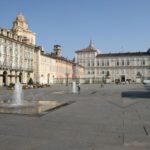
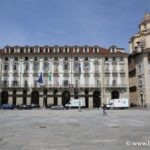
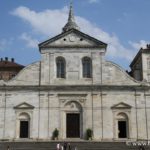
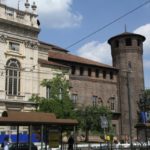
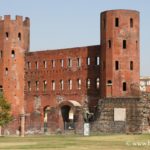
The historic heart of Turin is organised around Piazza Castello, bordered by the Royal Palace and the Royal Museums as well as by the Madama Palace. Nearby are the Cathedral of Saint John the Baptist and the Chapel of the Holy Shroud, as well as the Palatine Gate, an important remnant of the Roman city.
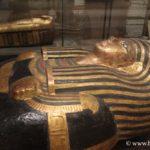
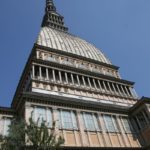
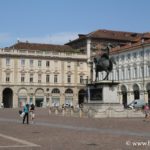
Among the major stops in Turin are also the Egyptian Museum, one of the most important of its kind in the world, the emblematic Mole Antonelliana which houses the cinema museum, and the vast Piazza San Carlo. The historic cafés, the covered galleries and the Porta Palazzo market also contribute to the distinctive character of Turin’s centre.
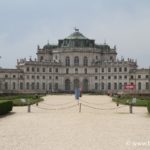
A little further away, the Valentino park and castle border the Po, while the hills and the surrounding area preserve several important residences and sanctuaries, such as the Basilica of Superga, the Royal Palace of Venaria or the Stupinigi Hunting Lodge.
For a more complete overview, see the places to see in Turin, the interactive map of the main monuments and our suggestions for visiting Turin in one, two days or more.
The Savoy royal residences
Turin is surrounded by a “crown” of Savoy royal residences, also known as Savoyard residences (Residenze sabaude in Italian) inscribed as a UNESCO World Heritage site, inherited from the reign of the powerful family over the region in the 17th and 18th centuries.
These palaces are marked by the Baroque period: those of Venaria Reale which is the most sublime with its 400 rooms, galleries and gardens, then the palace of Stupinigi which had the function of a hunting lodge, and then the castles of Rivoli and Moncalieri.
Map of Turin
 Show interactive map
 A selection of hotels and accommodation in Turin
Charming 5* establishments:
- Grand Hotel Sitea
5* in the heart of Turin, refined, near the Egyptian Museum, Michelin-starred restaurant. From around €200 - Principi di Piemonte
Very beautiful 5* hotel in the heart of the centre, lovely spa and comfort. From around €400
Links and information
- Wikipedia article: en.wikipedia.org
- Tourism portals: turismotorino.org
Weather in Turin
Map: where Turin is located
If you see this after your page is loaded completely, leafletJS files are missing.
- What to see in Piedmont
- Turin
- Saint Michael’s Abbey, La Clusa
- Lake Maggiore
- Susa Valley and Chisone Valley
- Susa
- Lake Orta
- Cuneo and Surroundings
- The Langhe
- Montferrat
- Roero and surroundings
- Asti
- Alba
- Domodossola and Val d’Ossola
- Valsesia
- Sanctuary of Mount Oropa
- Saluzzo and surroundings
- Usseaux and Fenestrelle Fort
- Casale Monferrato
- Vercelli
- Ivrea, Canavese and Biellese
- Novara
Turin
- What to see and do in Turin
- Turin in 1 day, 2 days and more
- Piazza Castello in Turin
- Royal Palaces and Museums of Turin
- Egyptian Museum of Turin
- Mole Antonelliana
- Turin Cathedral of Saint John the Baptist
- Piazza San Carlo in Turin
- Palazzo Madama, Turin
- Palatine Gate of Turin
- Royal Palace of Venaria
- Other monuments and places in Turin
- Stupinigi Hunting Lodge
- Rivoli Castle
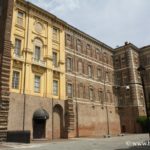
- Moncalieri Royal Castle
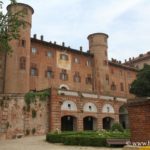
- Turin Hills


Comments
Comments in other languages
The Roman Quadrilateral, which was originally divided by the major Roman roads framing the castrum, today refers to the district west of Piazza Reale. It has been among the areas of the restored center, with its many historic buildings (San Tommaso, the cathedral, the Consolata, the Palazzo di Città, etc.), cobbled alleys, shops, and charming restaurants, cafés, and clubs.
In particular, there is the Al Bicerin café, one of Turin's historic cafés, where the bicerin was invented, a drink made with coffee, chocolate, and cream.