


The Royal Palace of Venaria (Reggia di Venaria in Italian) was erected at the initiative of Duke Charles Emmanuel II by the architect Amedeo di Castellamonte to make it his hunting residence. It was built fairly quickly, from 1658 to 1679, becoming one of the most beautiful and largest residences of Savoy, with an area comparable to that of Versailles.
The Palace of Venaria has been inscribed on the UNESCO World Heritage list since 1997.
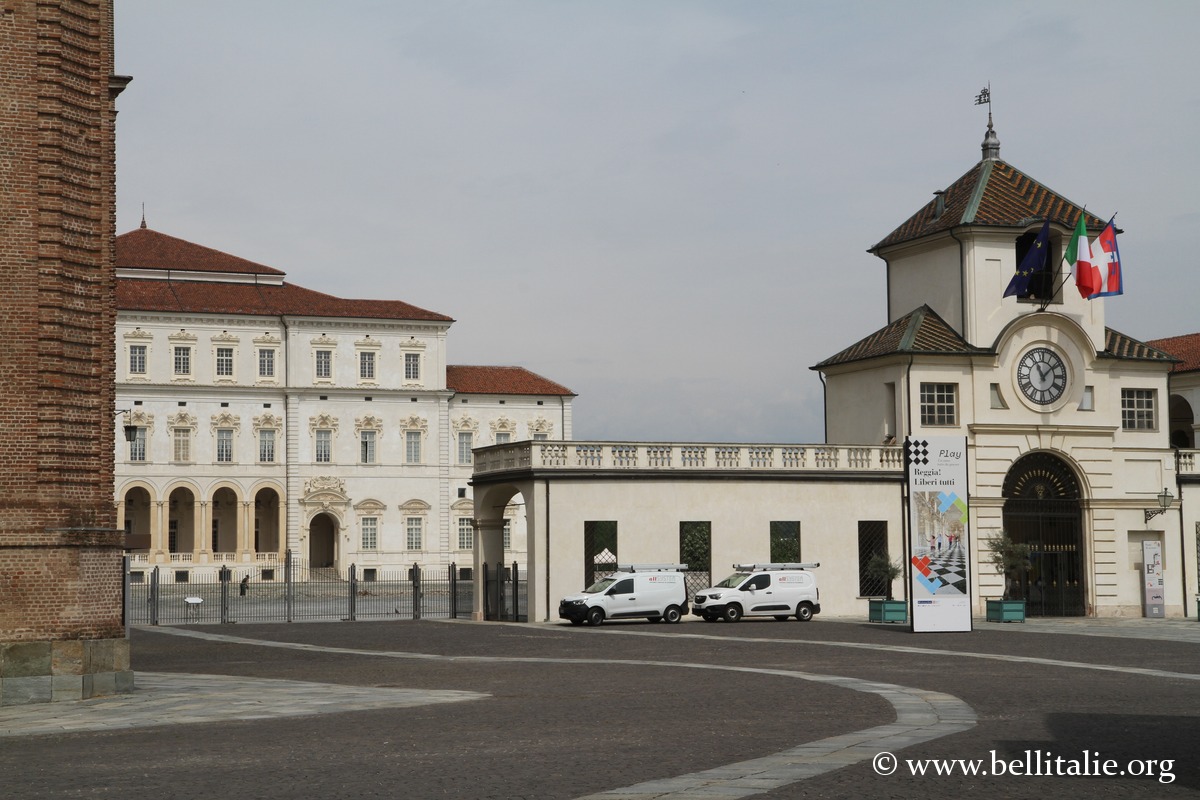
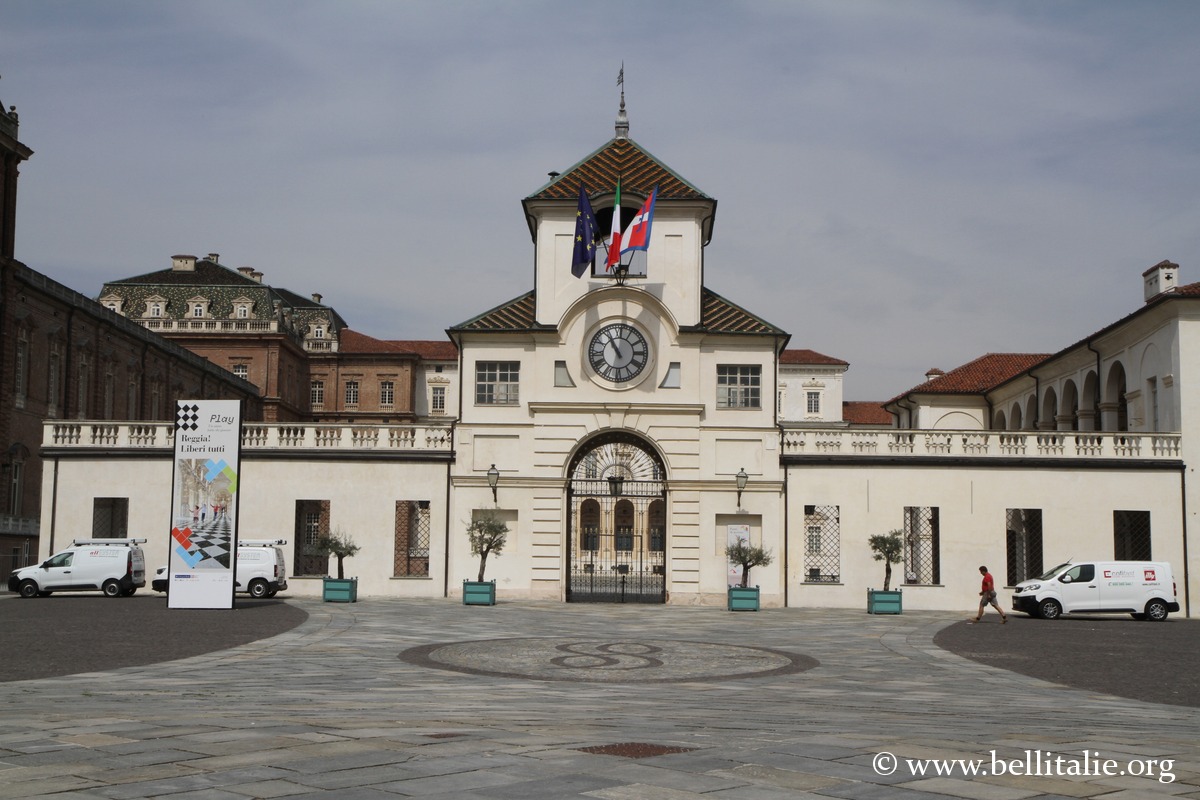
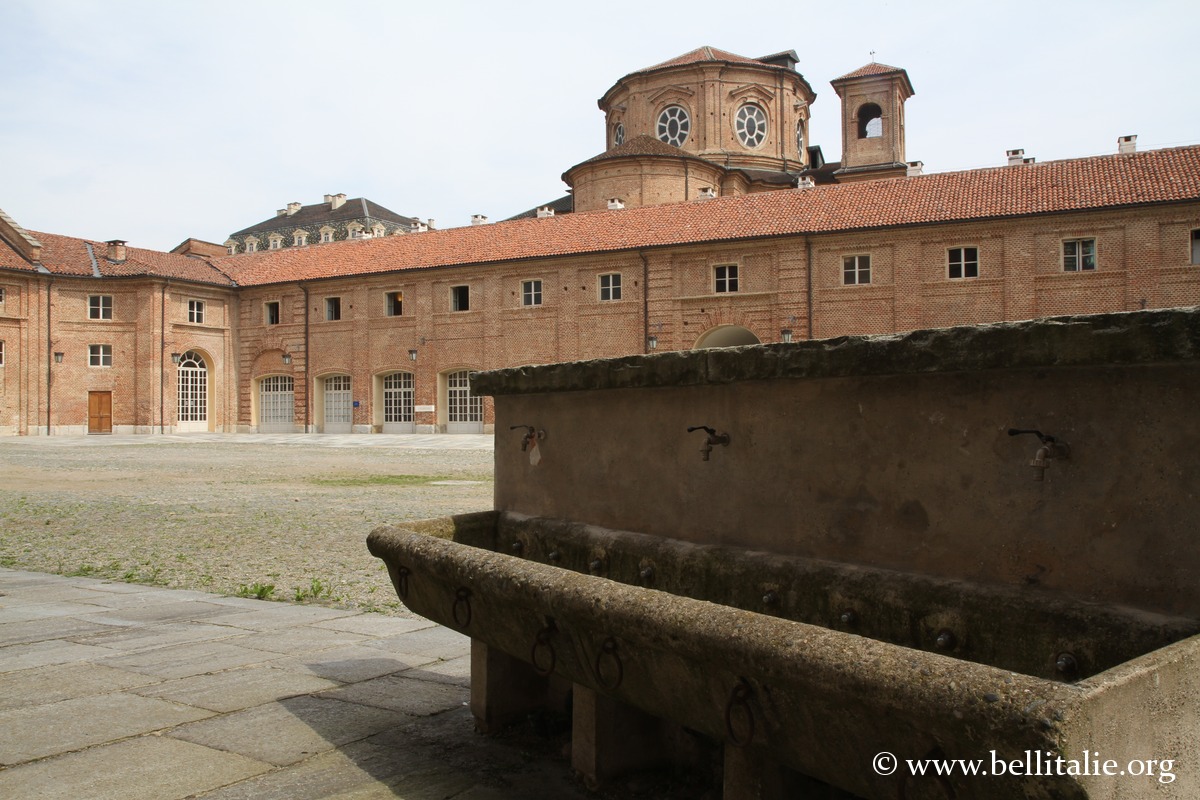
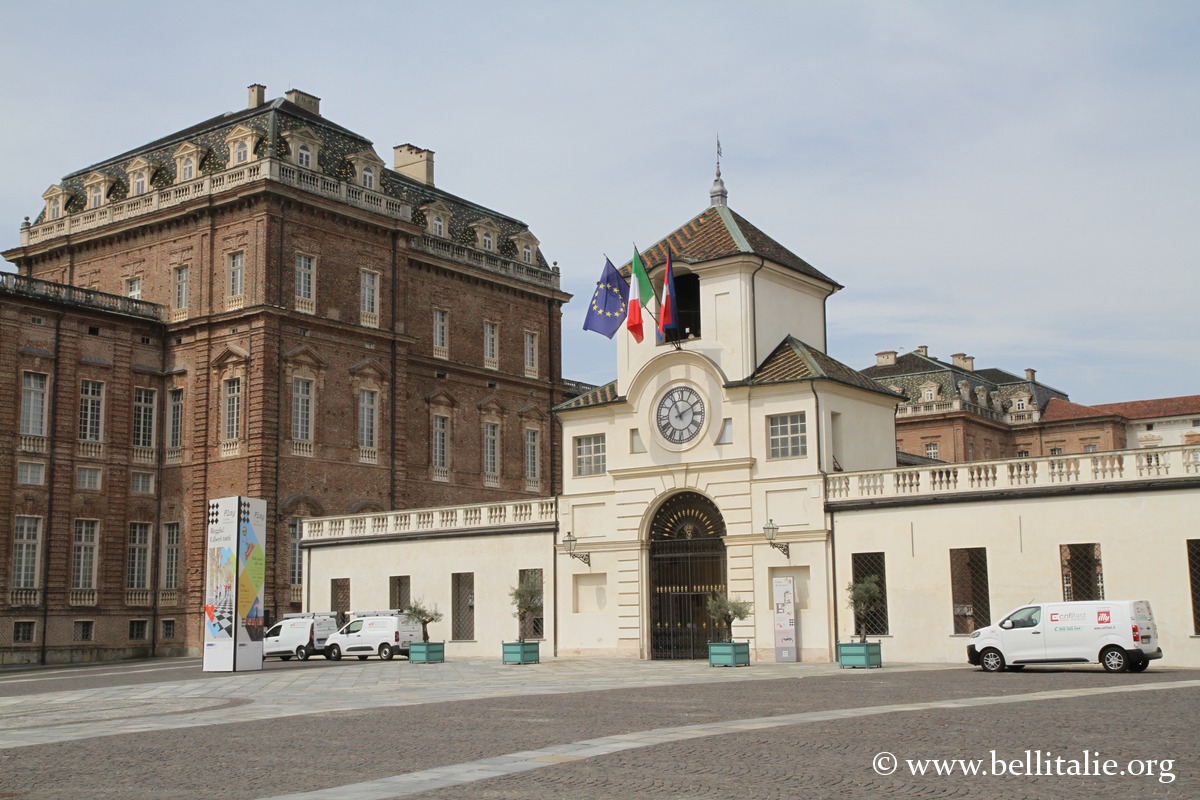
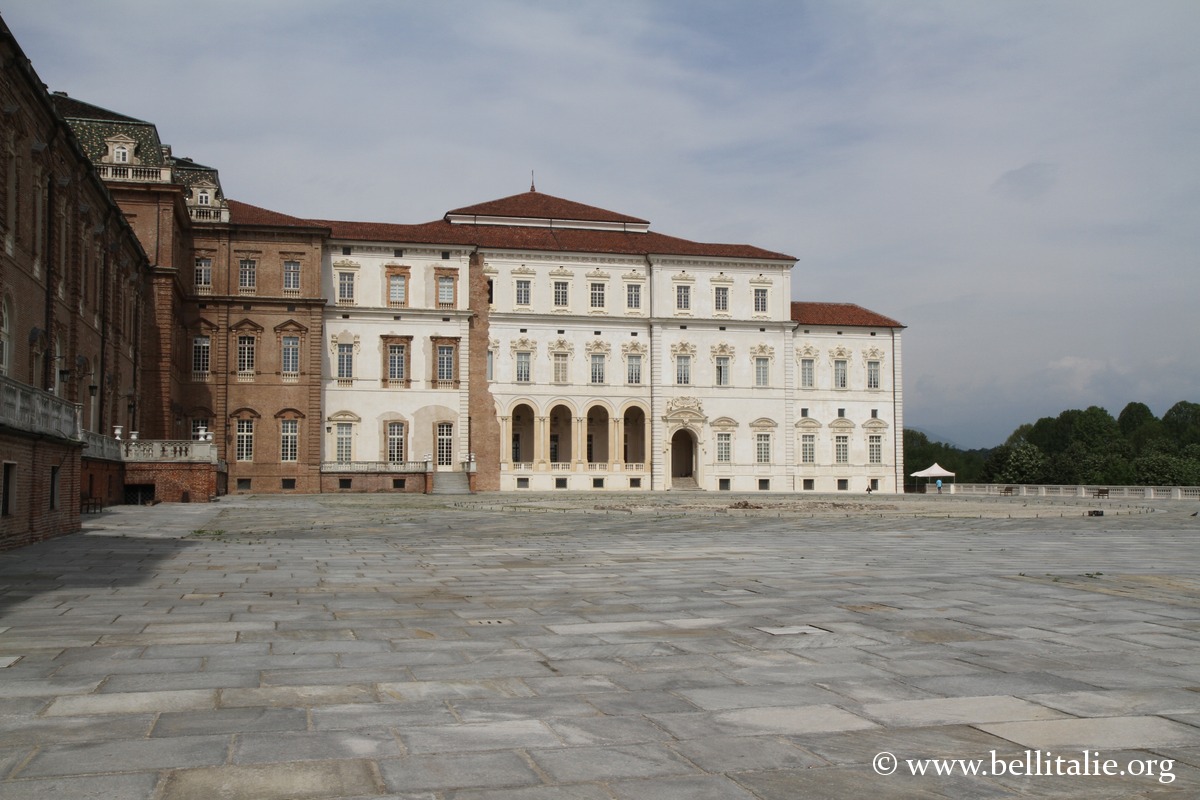
Description and history
Further works continued after the French invasion of 1693 when some buildings were destroyed.
At the beginning of the 18th century, Filippo Juvarra built the Great Gallery and the Church of Sant’Uberto from 1716 to 1729, nestled between the palaces, with a trompe-l’œil dome. During the same period, works concerned the stables and the orangery, with palace facades in the French style. Around the end of the 18th century, the riding school, the staircase of the Palace of Diana and the Sant’Uberto gallery were built.
The vast complex extends over nearly 80,000 m2, including the park and the historic village of Venaria.
Growing over time, the village eventually formed Venaria Reale, which became a municipality in its own right.
The palace gardens were lost when they were turned into a parade ground by Napoleon. After eight years of restoration, the splendid gardens of the palace complex reopened in 2007 with its English-style gardens.
Map and address
Piazza della Repubblica, 4, 10078 Venaria Reale TO
If you see this after your page is loaded completely, leafletJS files are missing.
Information
- Official website: lavenaria.it
- Wikipedia article: en.wikipedia.org
- What to see in Piedmont
- Turin
- Saint Michael’s Abbey, La Clusa
- Lake Maggiore
- Susa Valley and Chisone Valley
- Susa
- Lake Orta
- Cuneo and Surroundings
- The Langhe
- Montferrat
- Roero and surroundings
- Asti
- Alba
- Domodossola and Val d’Ossola
- Valsesia
- Sanctuary of Mount Oropa
- Saluzzo and surroundings
- Usseaux and Fenestrelle Fort
- Casale Monferrato
- Vercelli
- Ivrea, Canavese and Biellese
- Novara
- What to see and do in Turin
- Turin in 1 day, 2 days and more
- Piazza Castello in Turin
- Royal Palaces and Museums of Turin
- Egyptian Museum of Turin
- Mole Antonelliana
- Turin Cathedral of Saint John the Baptist
- Piazza San Carlo in Turin
- Palazzo Madama, Turin
- Palatine Gate of Turin
- Other monuments and places in Turin
- Stupinigi Hunting Lodge
- Rivoli Castle
- Moncalieri Royal Castle
- Turin Hills


Comments