


The Museum of the City of Brescia is located in the Santa Giulia complex. It is a unique place, with a rich archaeological museum blended with the spaces of the former Santa Giulia Monastery. It was inscribed by UNESCO as a World Heritage Site among the sites of “The Lombards in Italy. Places of Power (568-774 AD)”.
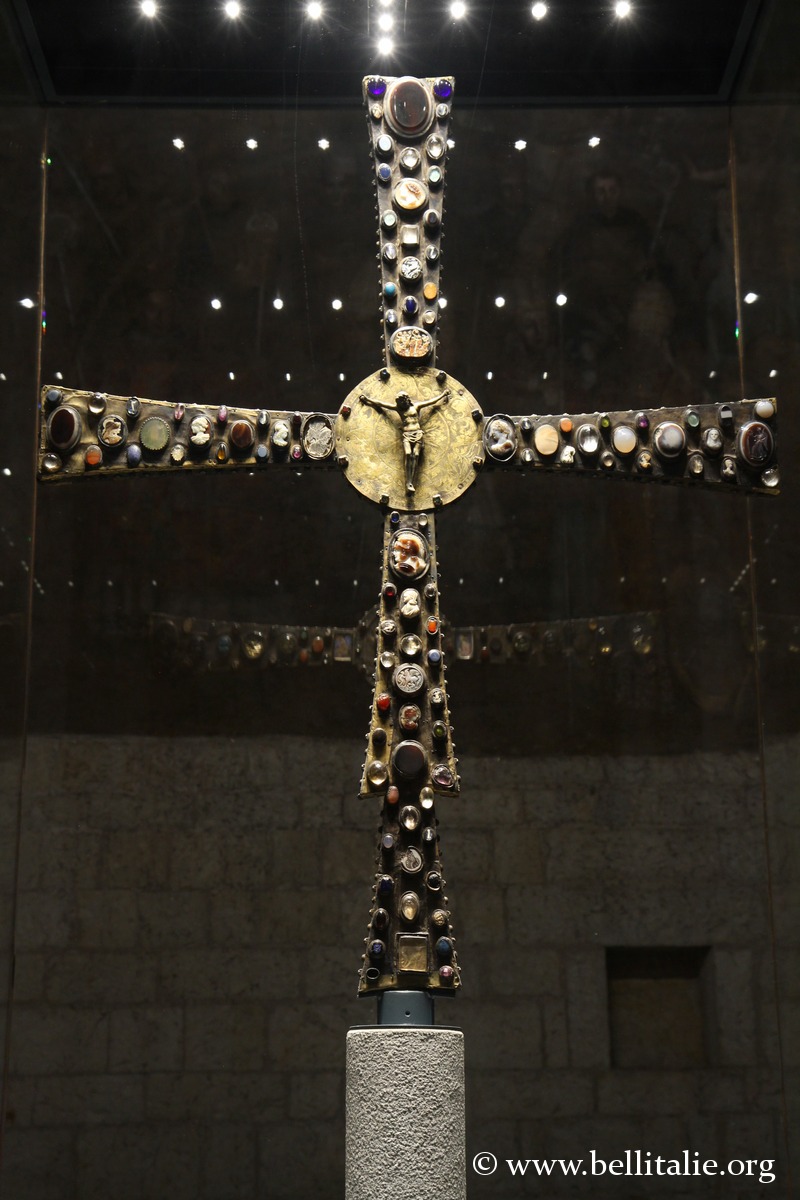
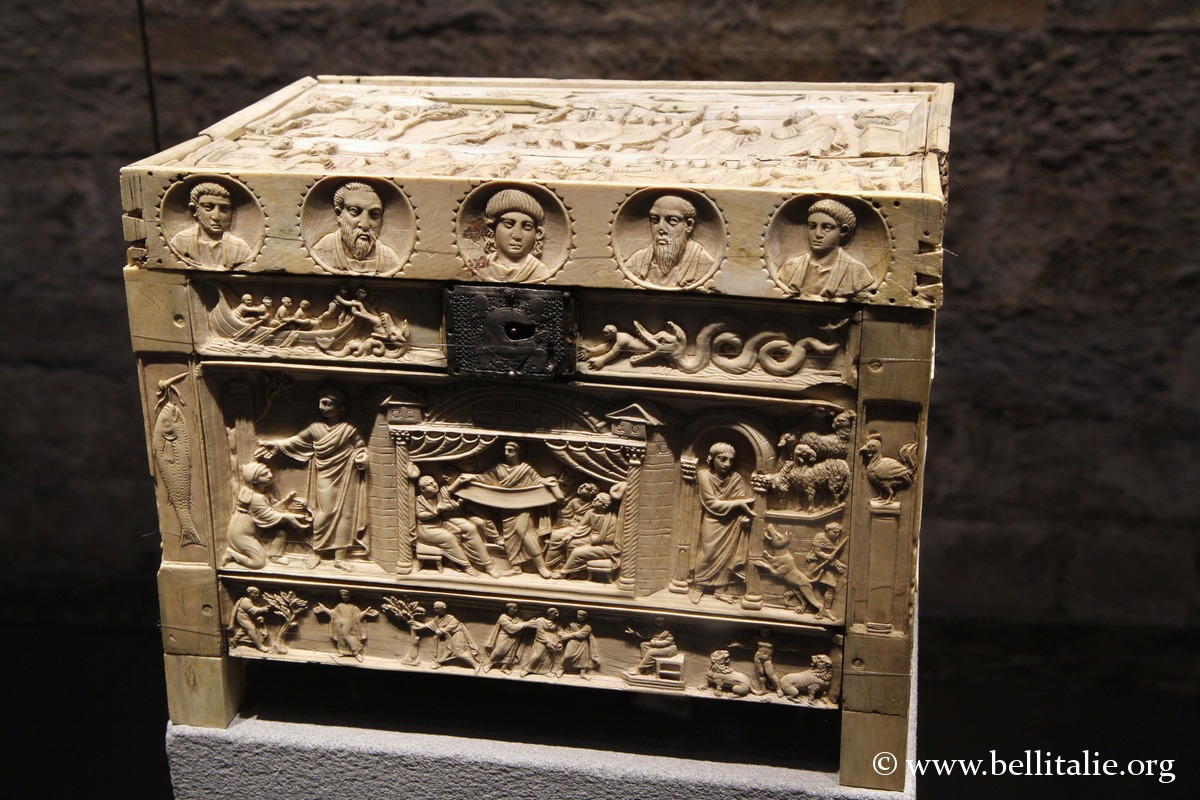
The various sections of the museum are arranged chronologically and thematically, preserving nearly 10,000 pieces, dating from the 4th millennium BC to the 18th century AD. The visit is offered through a route passing through emblematic places of the monastery, but also through an archaeological area with two dwellings from the Roman era (1st-3rd century AD), the Lombard Basilica of San Salvatore (8th century AD), the Nuns’ Choir (early 16th century) and the Romanesque Oratory of Santa Maria in Solario (12th century). In the latter was kept the monastery’s treasure, where the ivory Lipsanotheca that contained the relics is still found, and on the upper level the extraordinary Cross of Desiderius from the Carolingian era, adorned with 212 gems.
Archaeological Museum
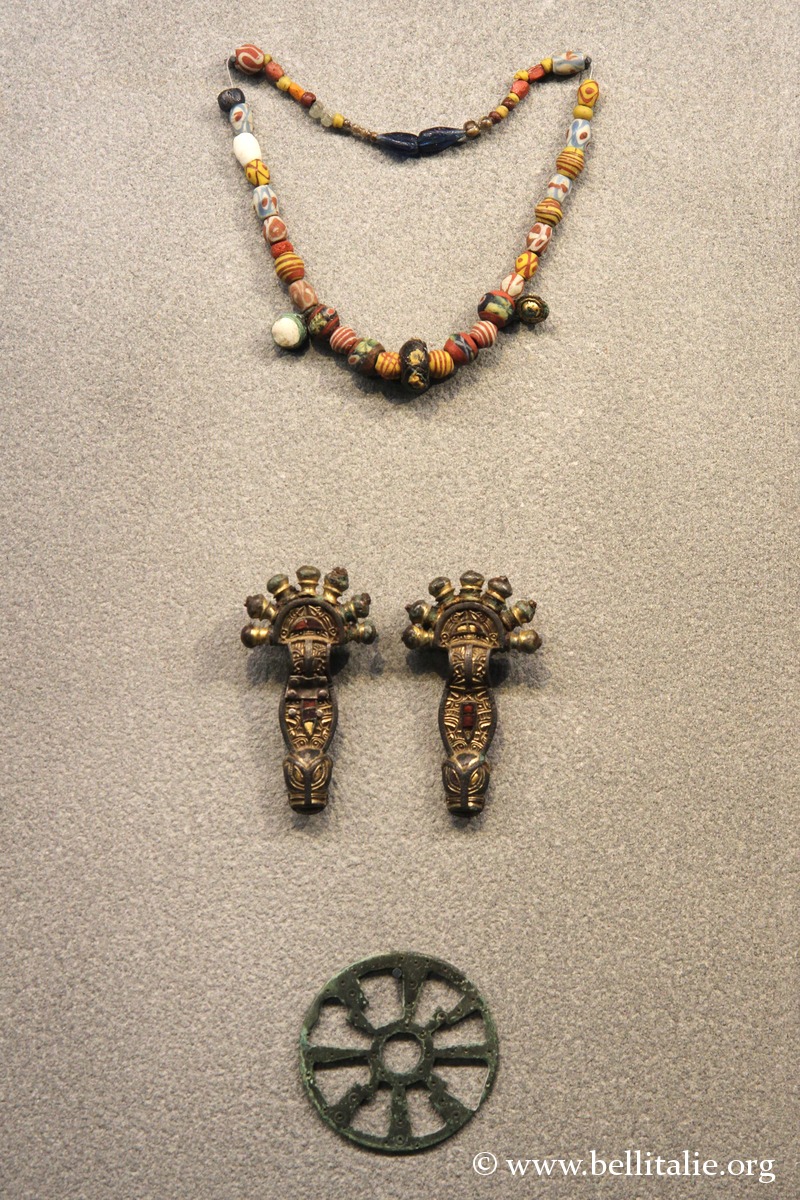
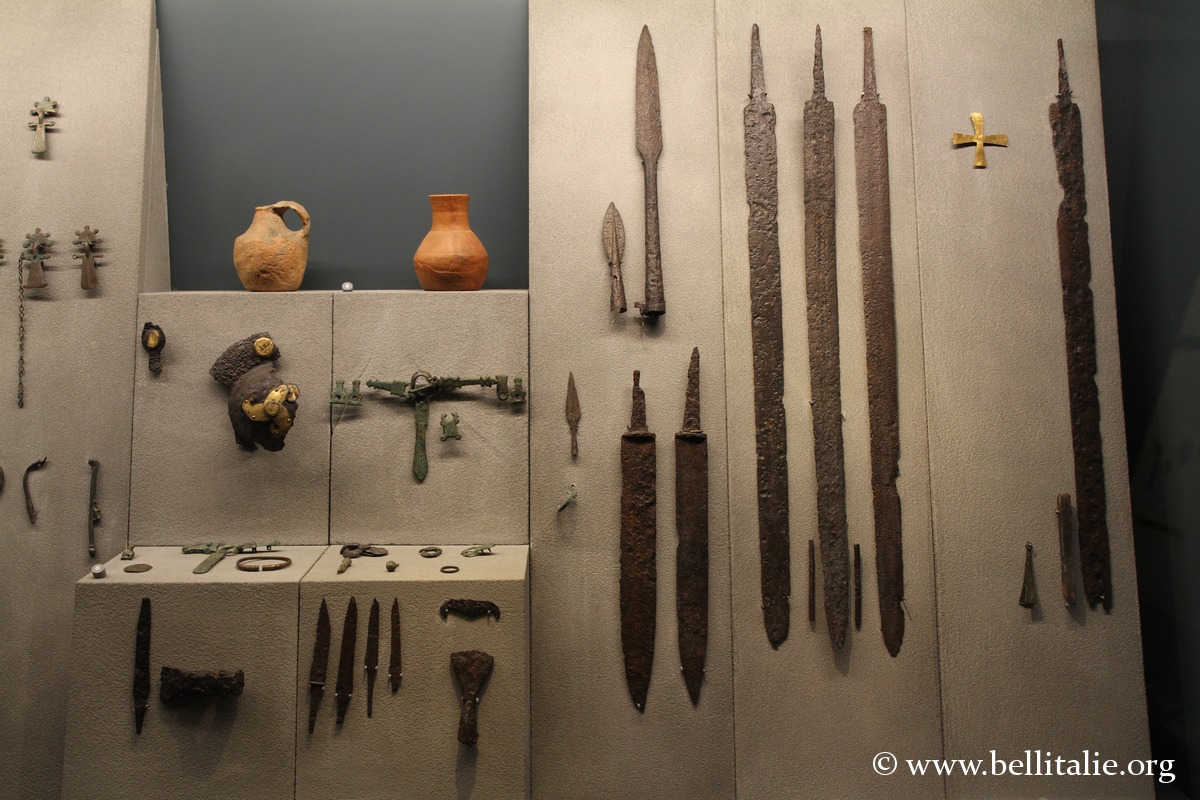
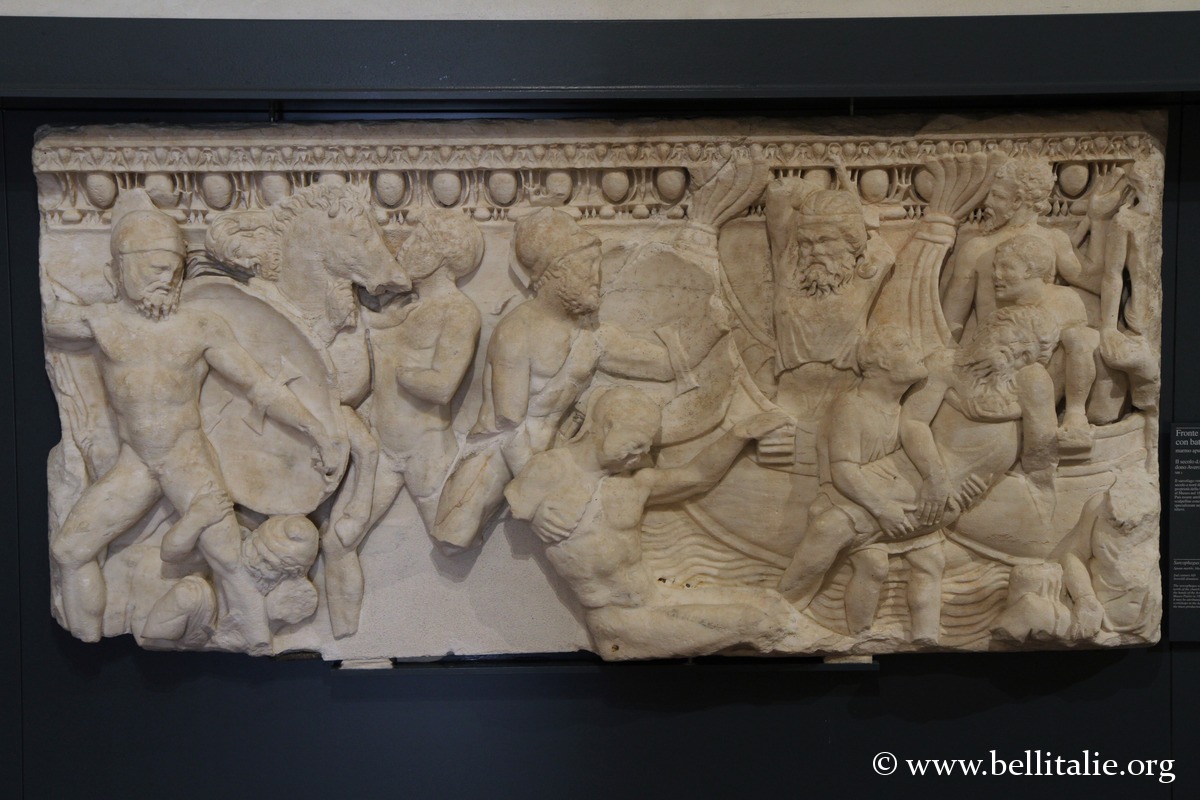
Along a chronological and thematic route, nearly 12,000 works are displayed documenting the history of Brescia from the 3rd millennium BC to the Renaissance.
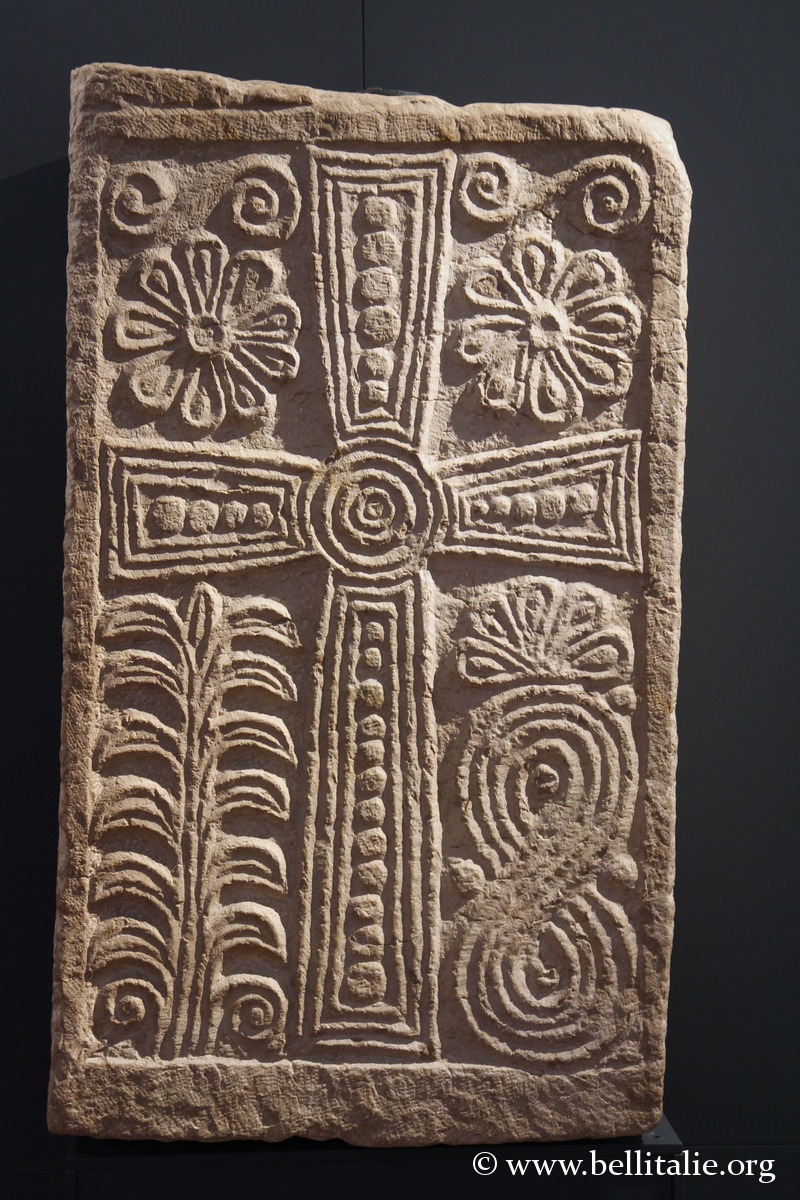
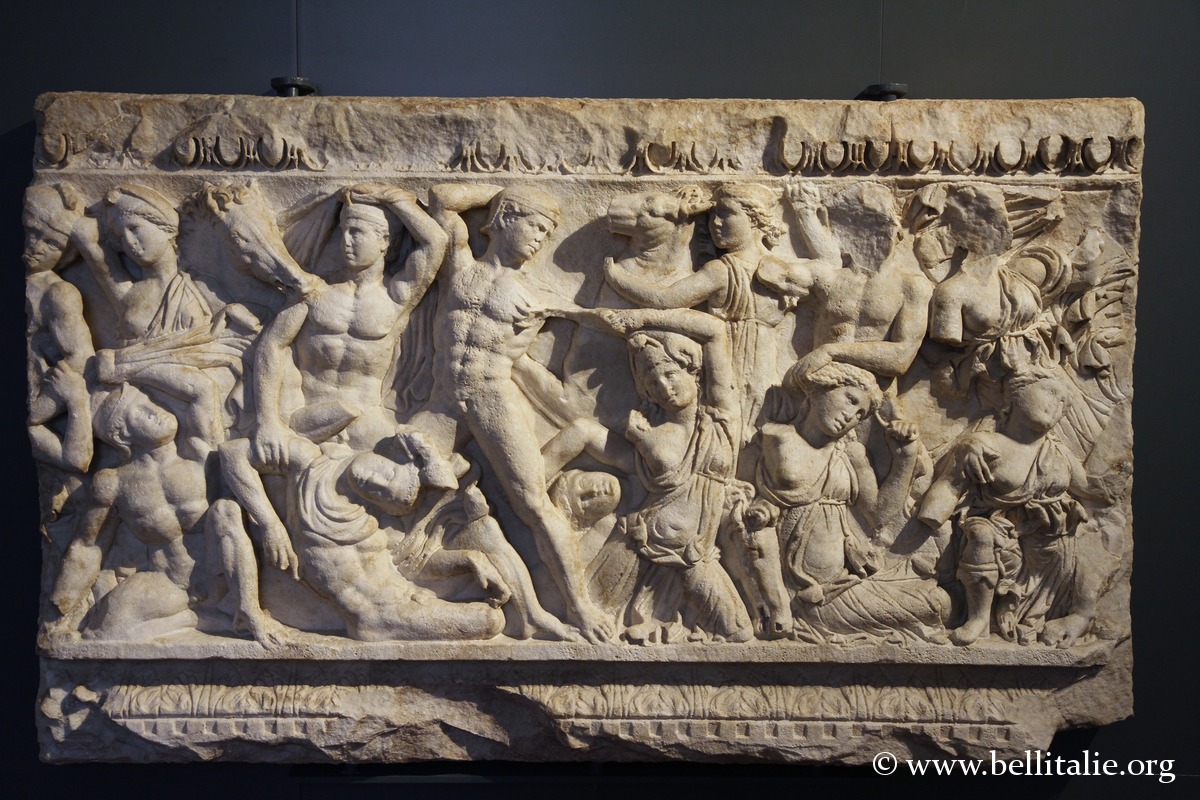
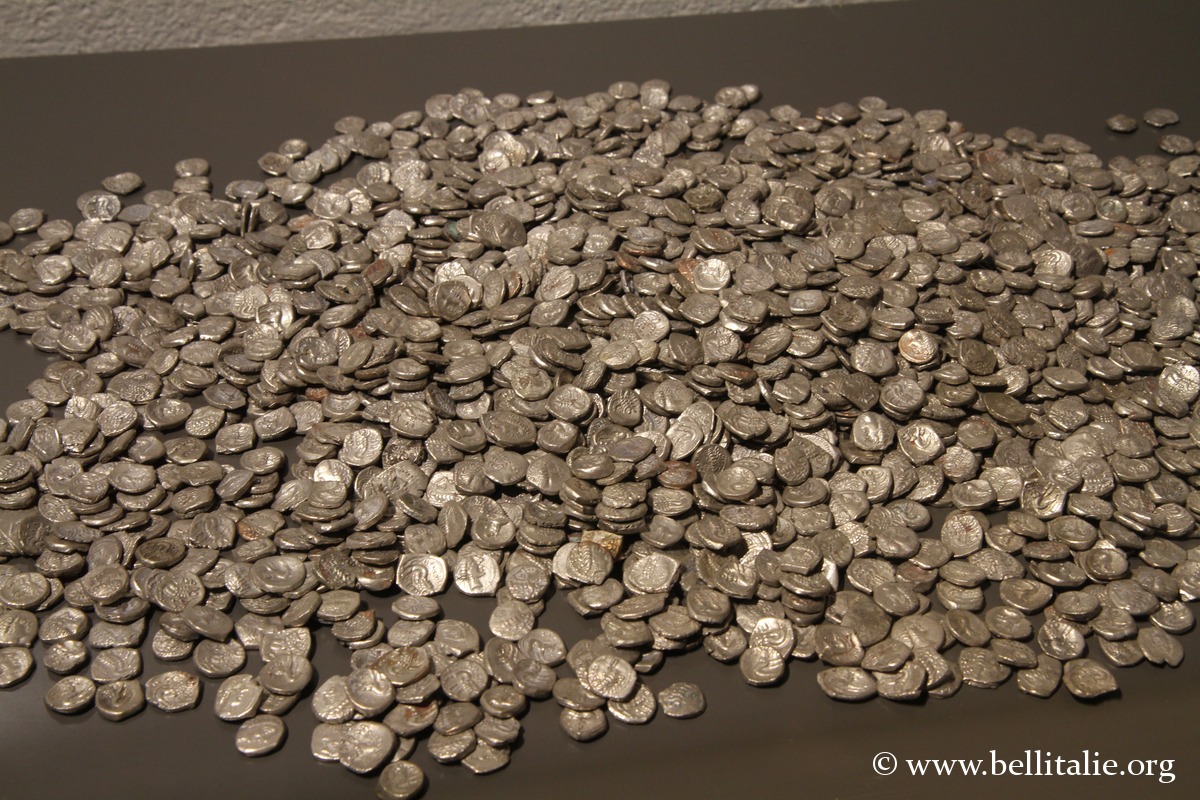
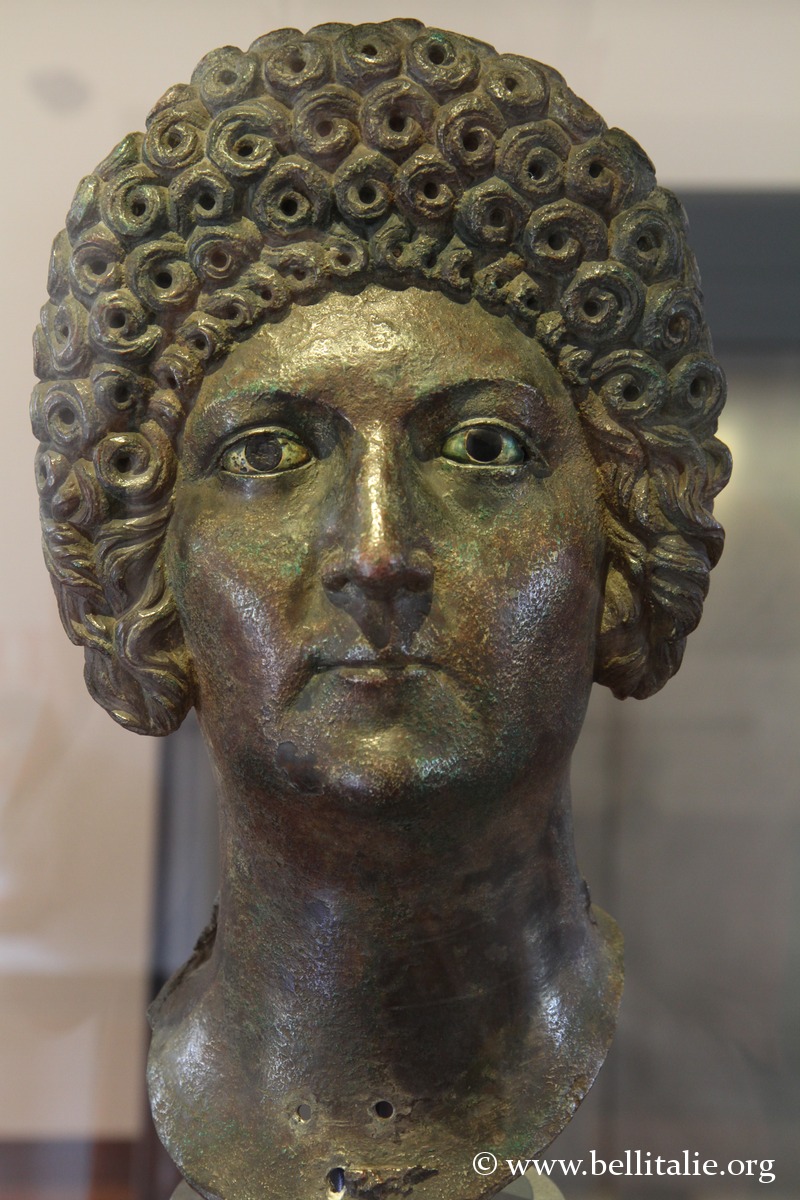
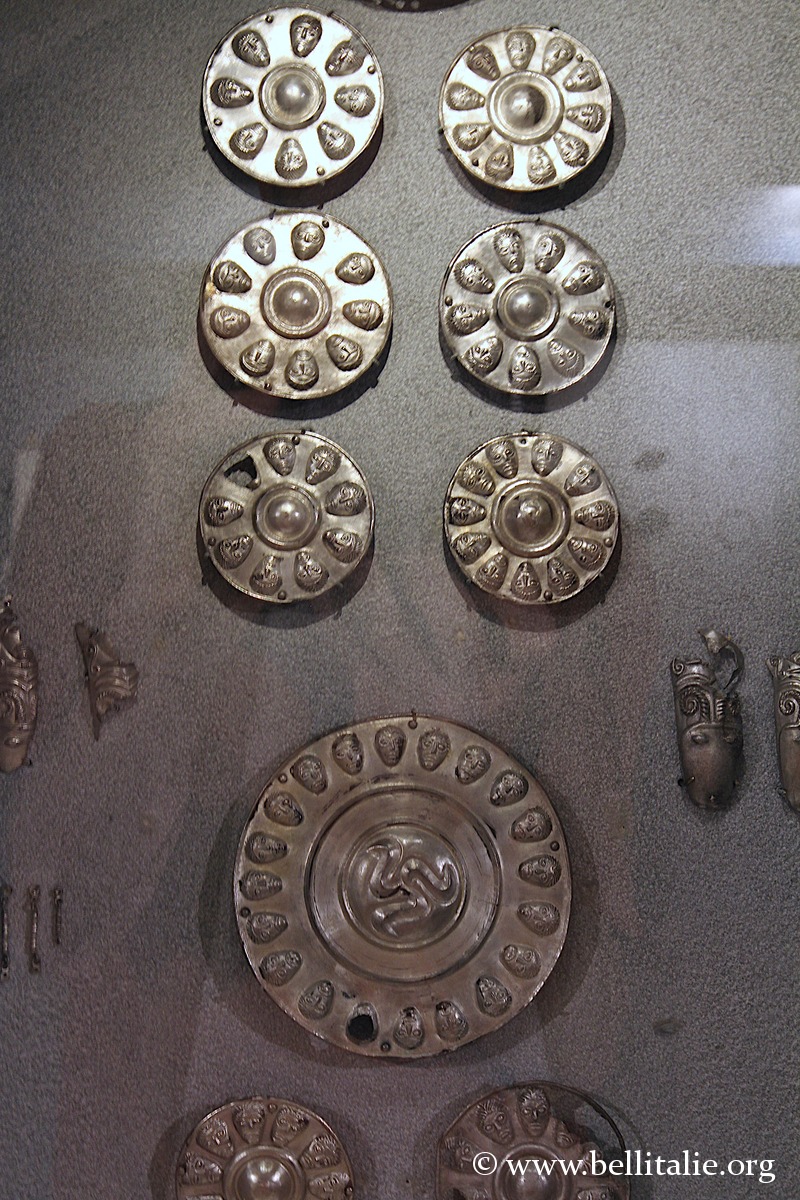
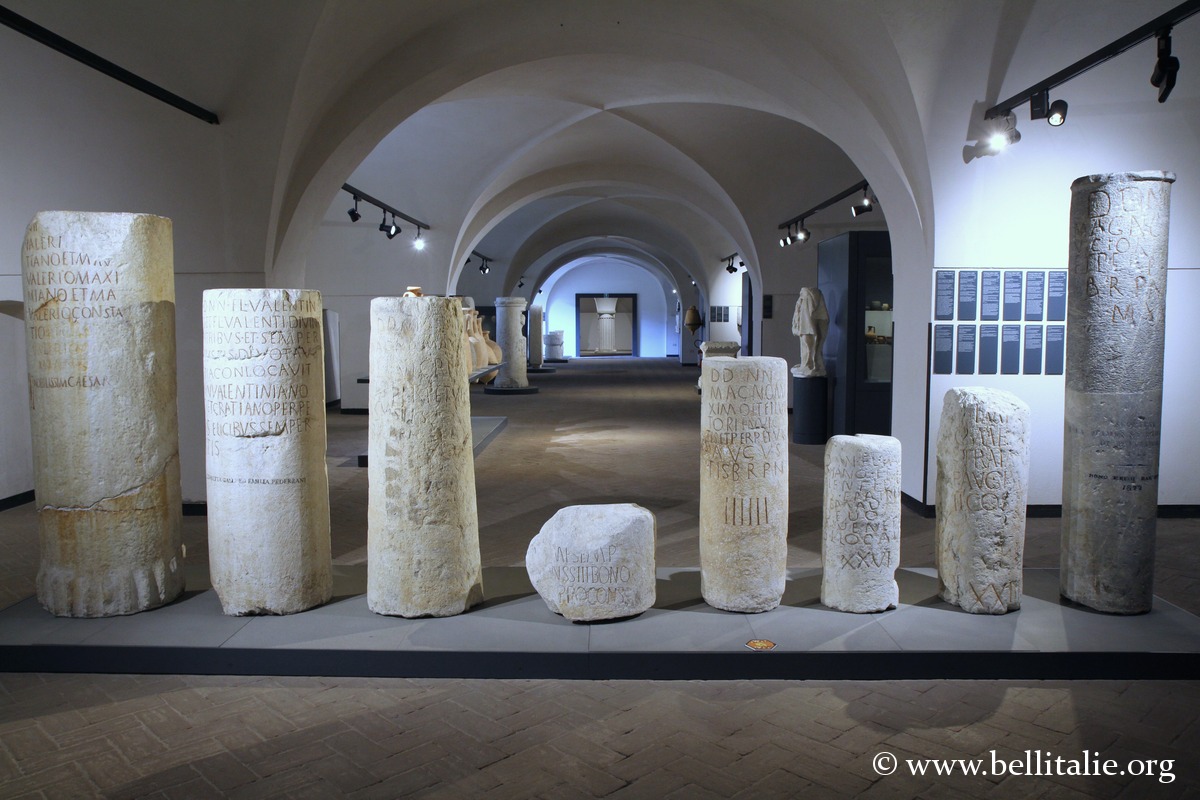
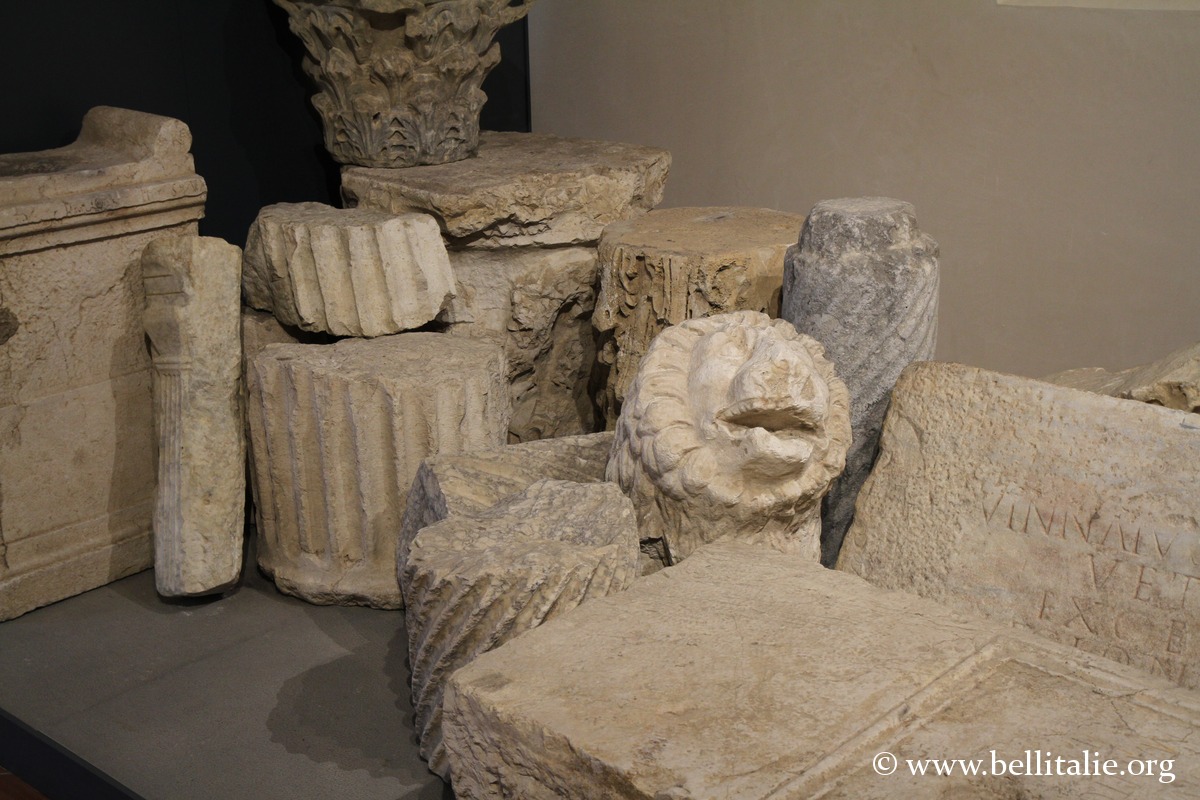
The works come from excavations in the city and its surroundings, but also from collectors. There are some architectural elements from monuments of ancient Brixia, including some from the buildings of the neighboring archaeological park.
The Church of Santa Maria in Solario
The Romanesque oratory of Santa Maria in Solario dates from the mid-12th century and was a private place of worship for the nuns.
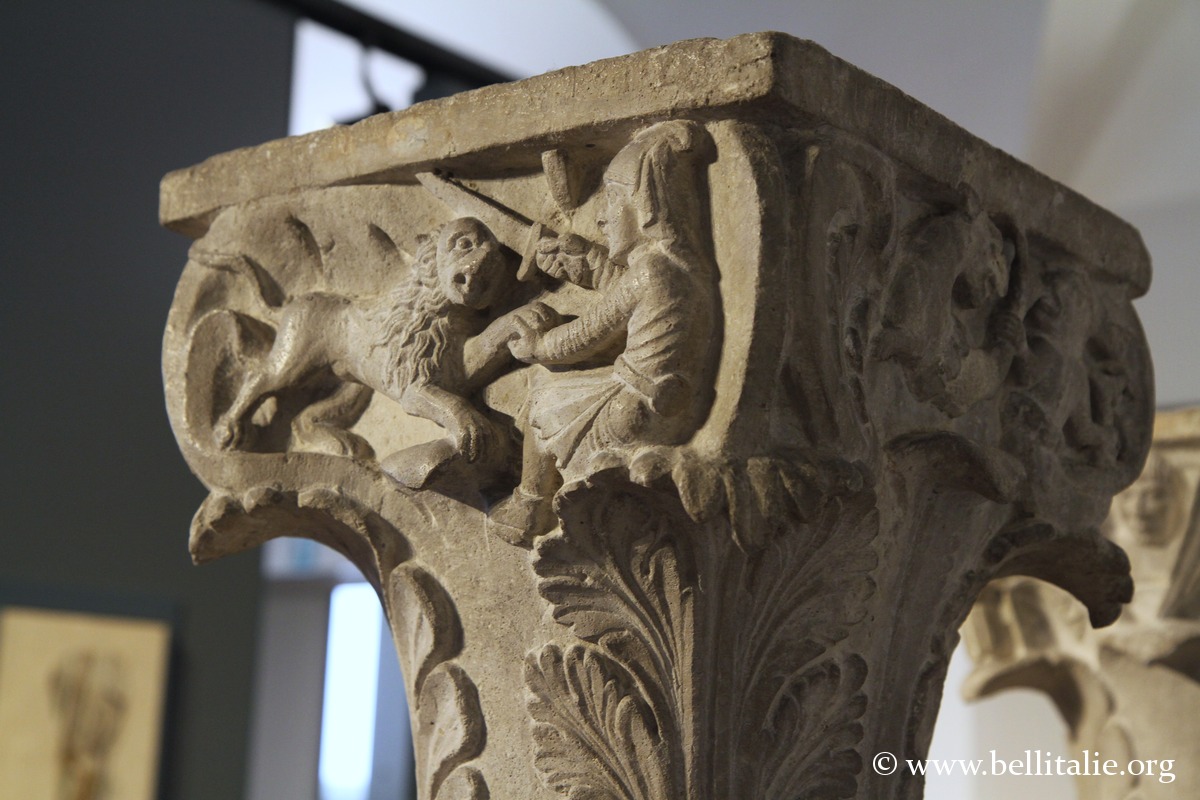
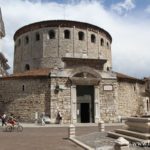
These walls are made of blocks with Roman fragments inserted. It has a square shape, on two levels, topped by an octagonal drum with a blind loggia supported by columns and capitals from the Early Middle Ages.
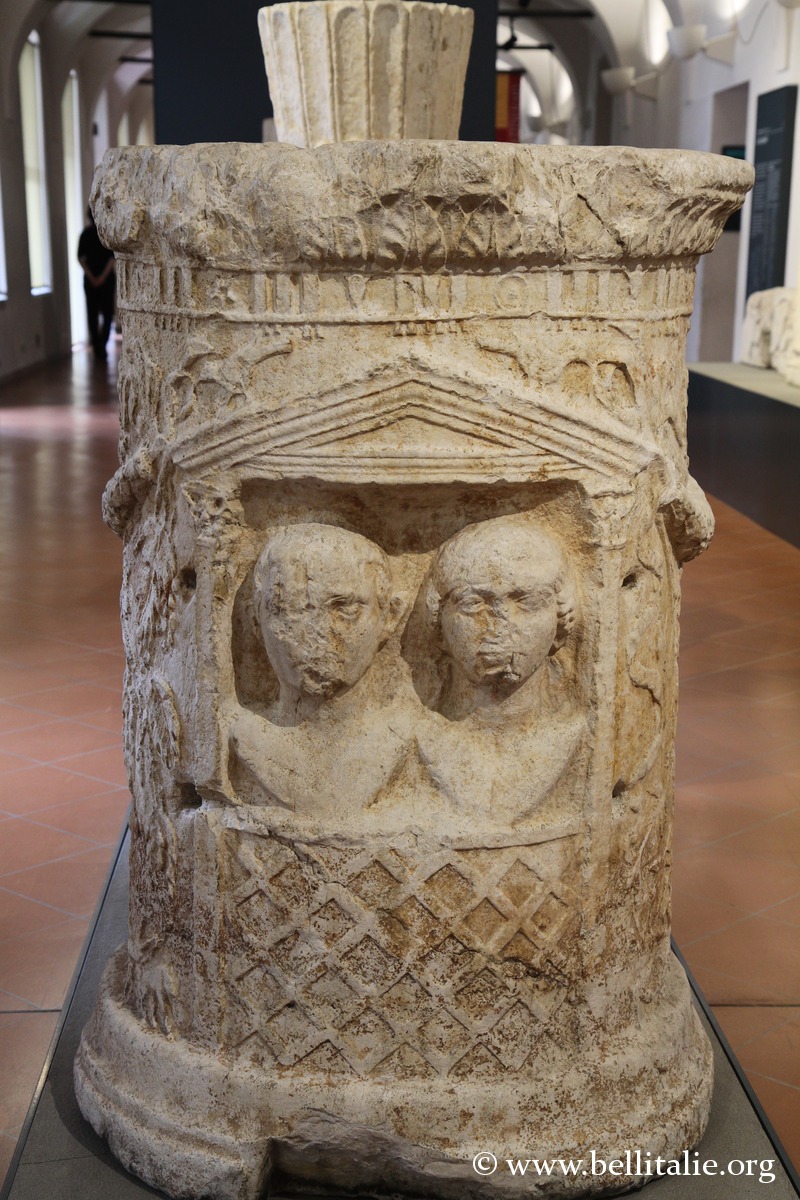
On the lower level, a Roman altar serves as the central pillar. Objects related to the relics of the treasure are displayed here, such as the large ivory reliquary, the Lipsanotheca from the 4th century AD or the cross in gold, pearls and colored stones from the 10th century AD.
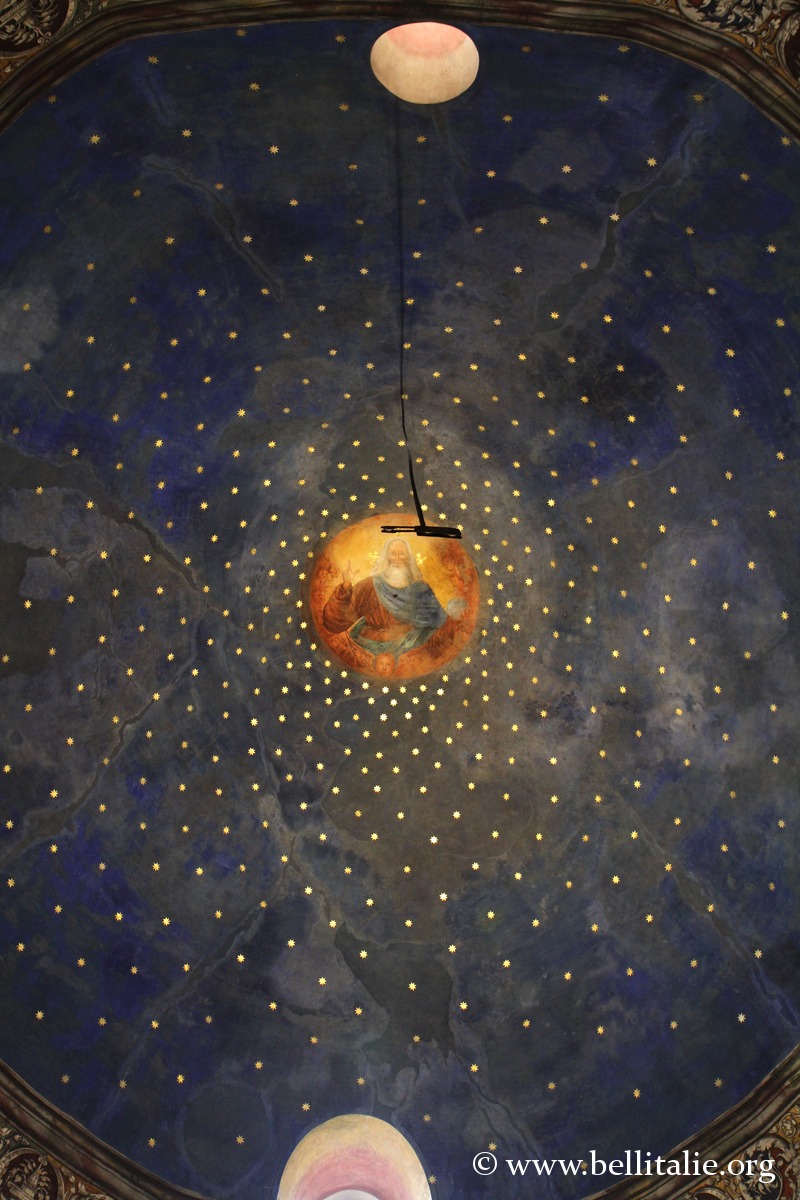
The upper floor, conducive to contemplation, has a painted starry vault, walls adorned with frescoes by Floriano Ferramola (1513-1524), where in the center is displayed the exceptional Cross of Desiderius, a goldsmithing work from the Carolingian era (9th century) with its 212 gems, cameos, colored glass, dating from several periods.
Basilica of San Salvatore
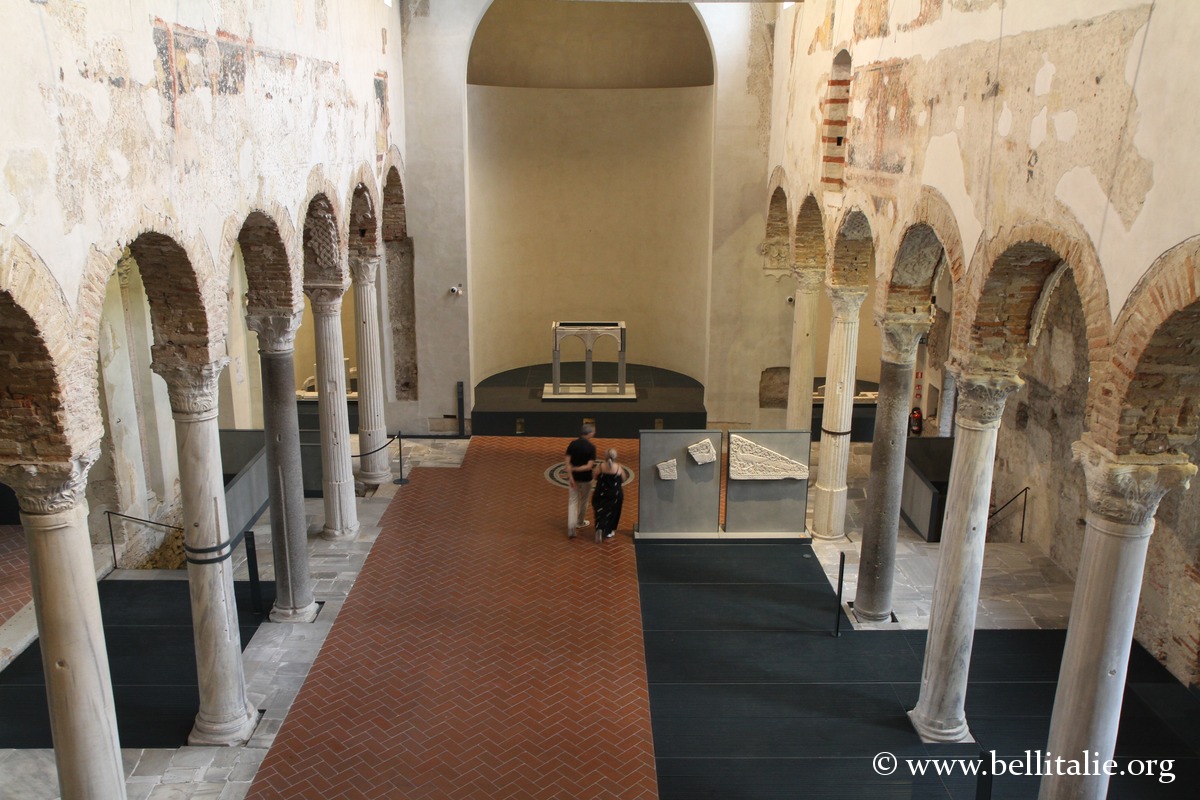
The Basilica of San Salvatore is an important example of Lombard architecture. Originally, the monastery was founded by King Desiderius in 753 AD to dedicate it to the Holy Savior, then he placed there the remains of the martyr Saint Julia (Santa Giulia) in a church-mausoleum.
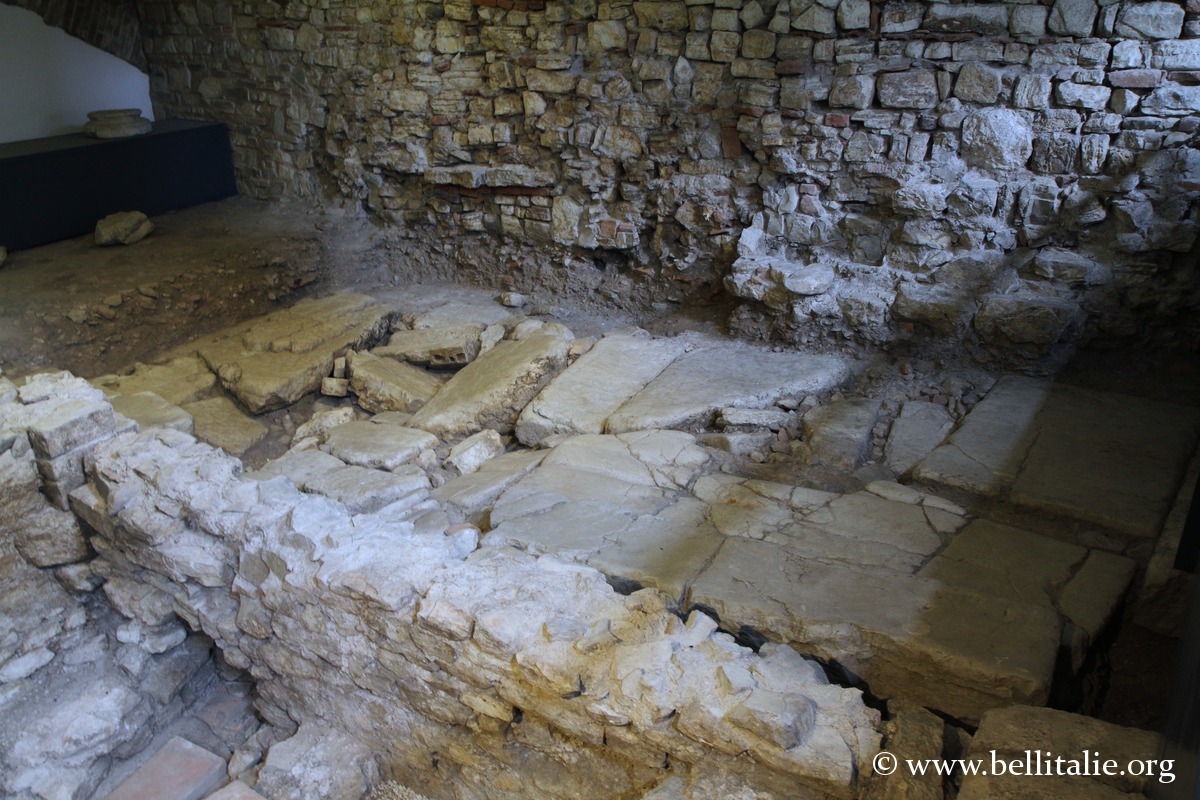
Original walls have been found, but also the remains of a Roman domus (1st-4th century AD), as well as elements prior to the foundation (first Lombard age 568-650) including the bases of an older church.
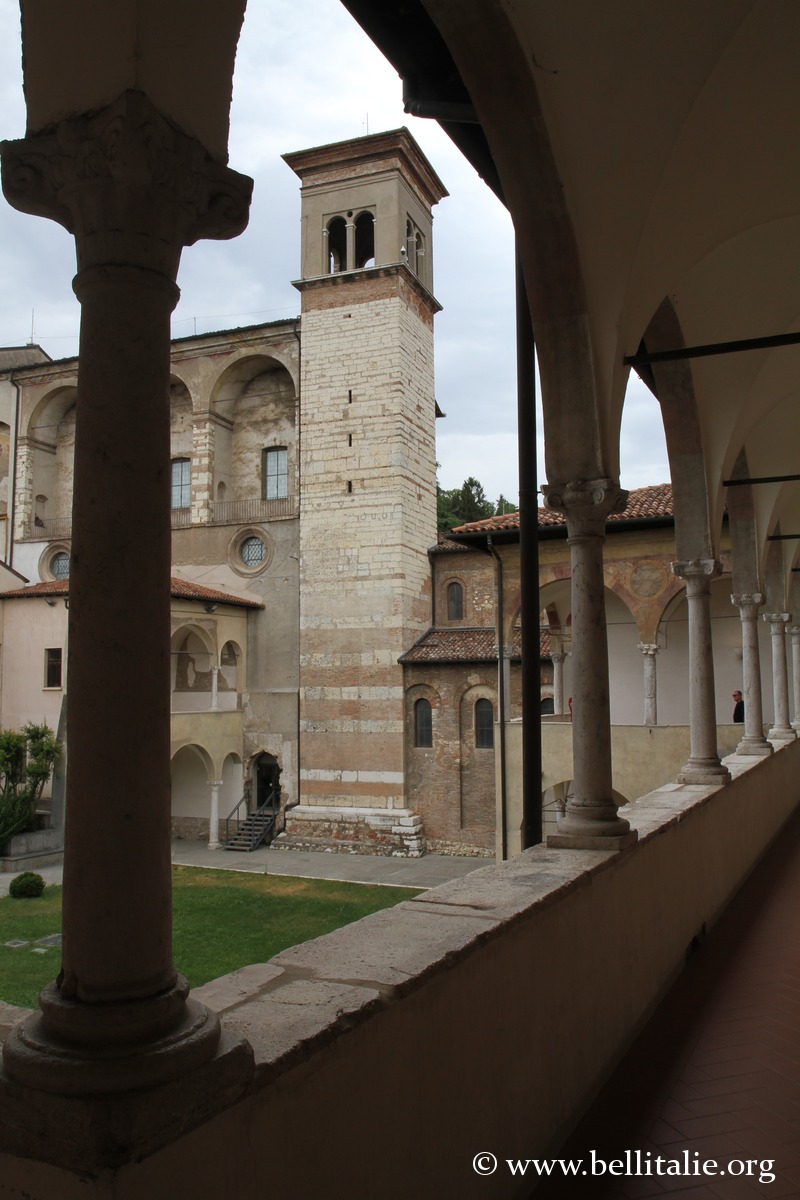
The bell tower was erected around 1300, and during the 14th century the chapels on the north side were created. In 1466 the facade was demolished to build the nuns’ choir on an upper level, thus transforming the lower level into an atrium to San Salvatore.
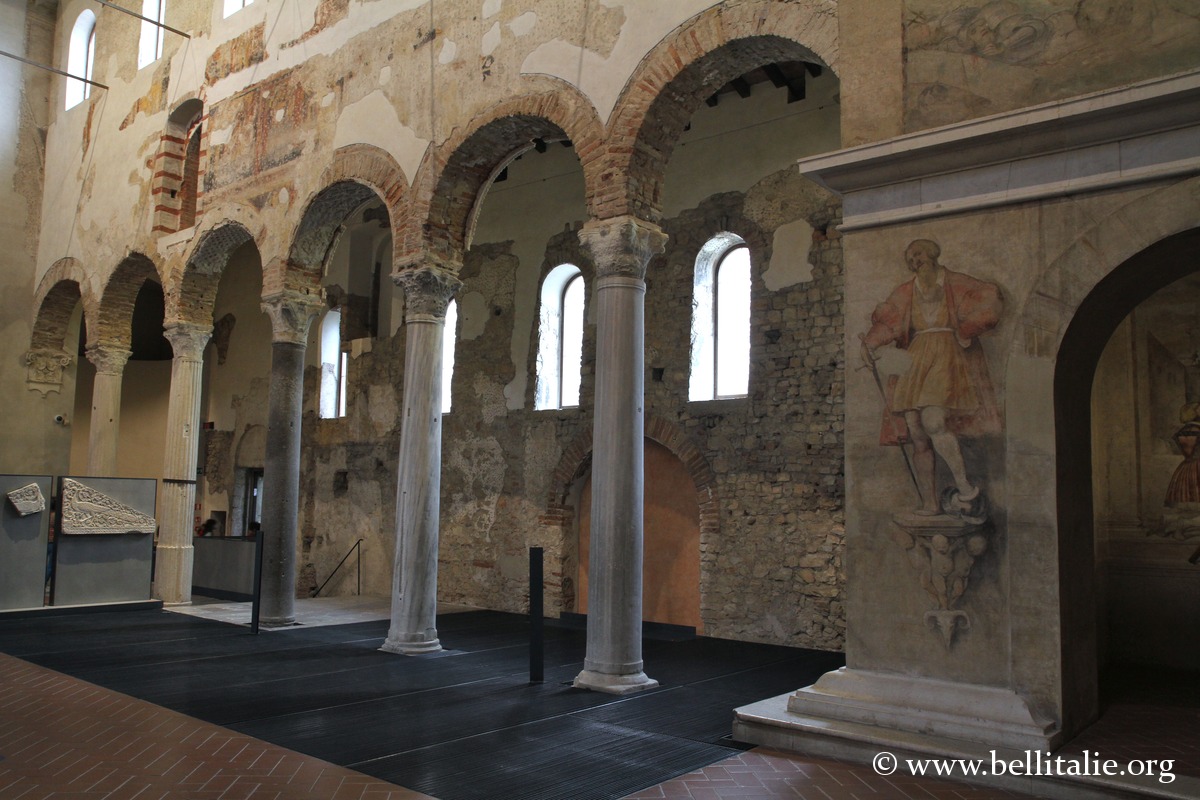
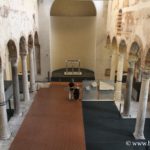
The three interior naves are separated by ancient Roman marble columns, topped with richly decorated capitals. The walls have remains of frescoes on the life of Christ and the martyrs whose relics were in the crypt.
On the counter-facade and in a chapel can be seen frescoes attributed to Paolo da Caylina the Younger, and at the base of the bell tower frescoes by Romanino with episodes from the life of Saint Obizio, executed around 1525.
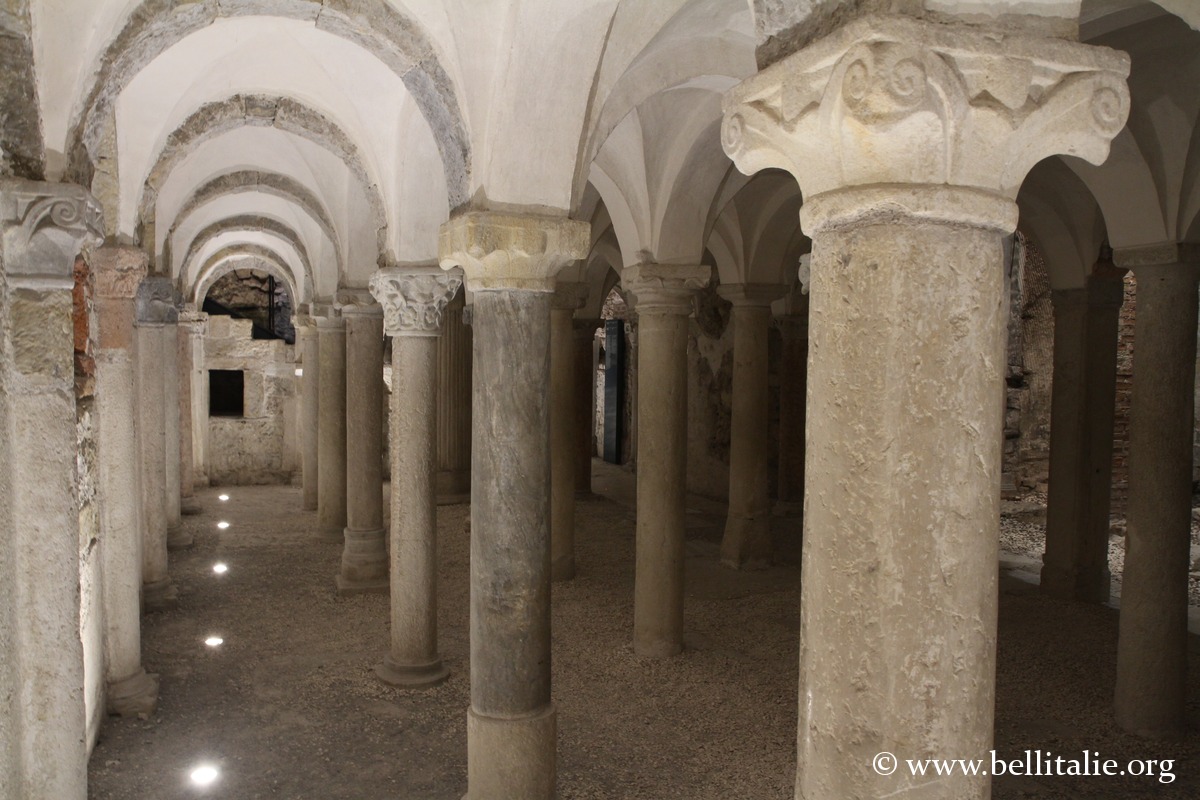
A niche on the right wall is a tomb attributed to Queen Ansa. The crypt, which would date from the 8th century, was enlarged in the 12th century.
The Nuns’ Choir
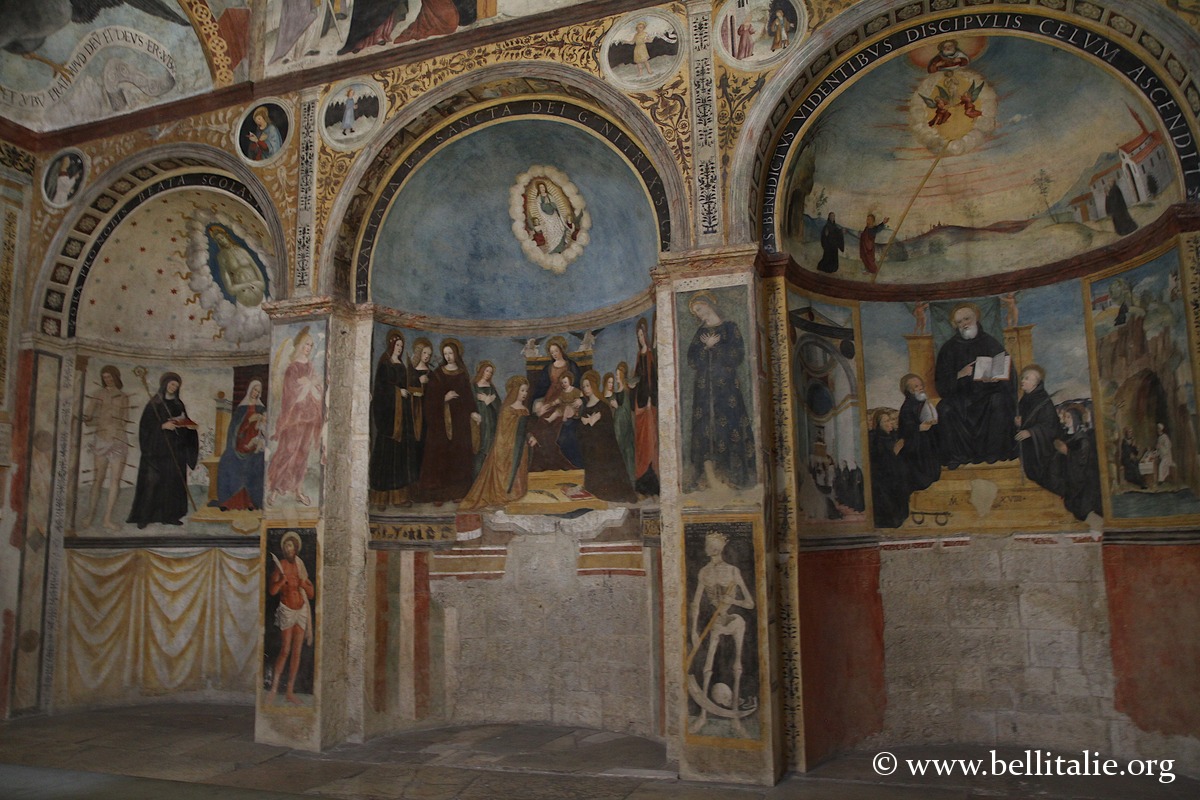
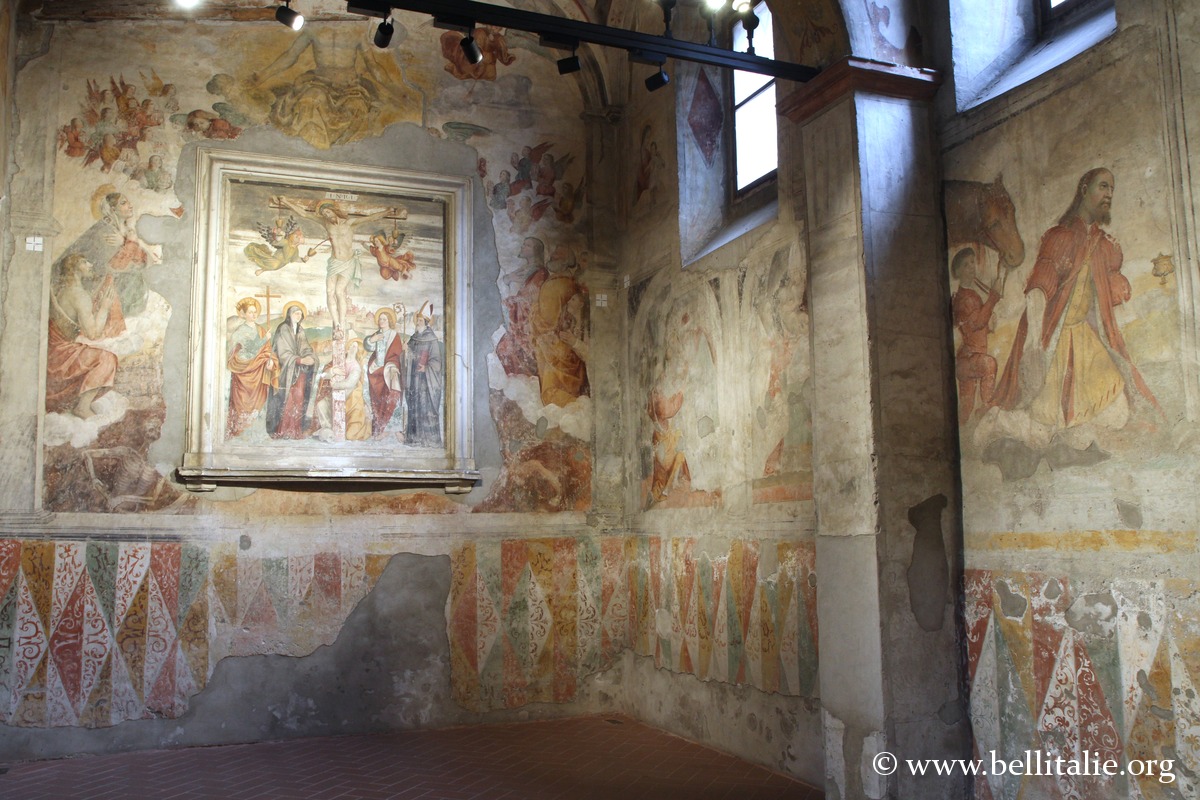
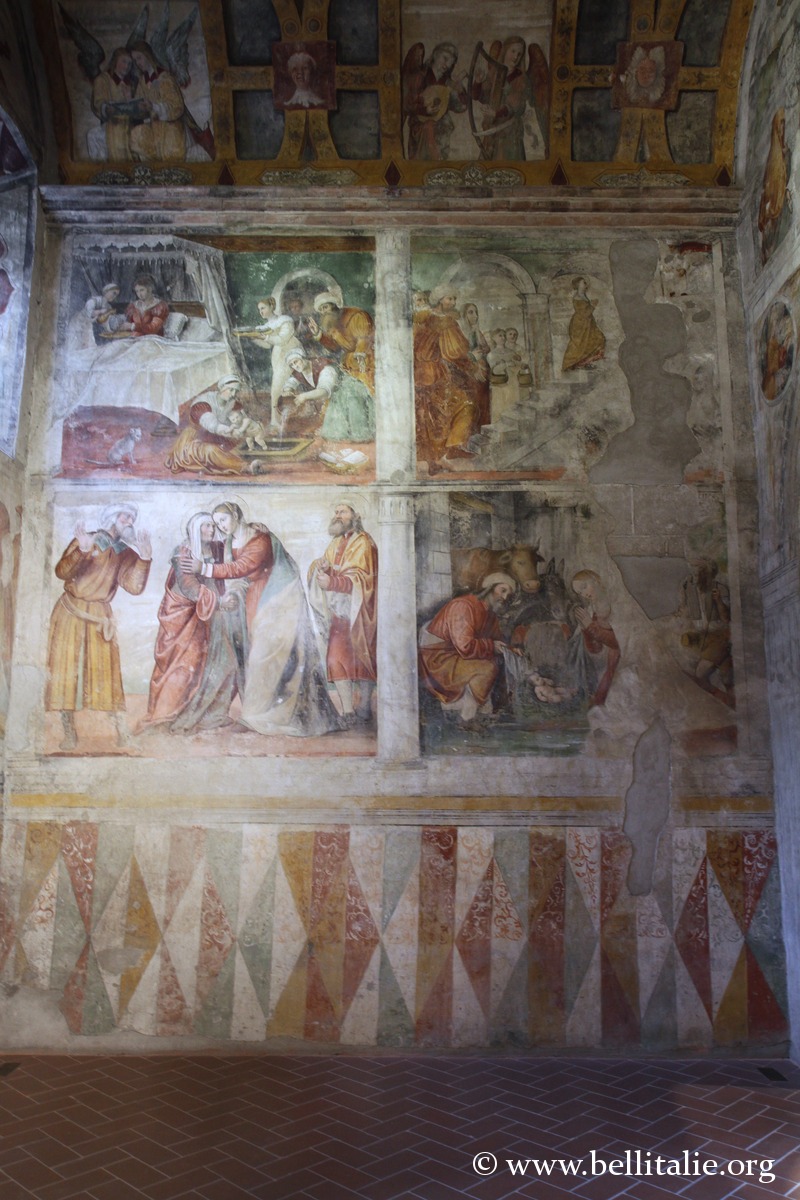
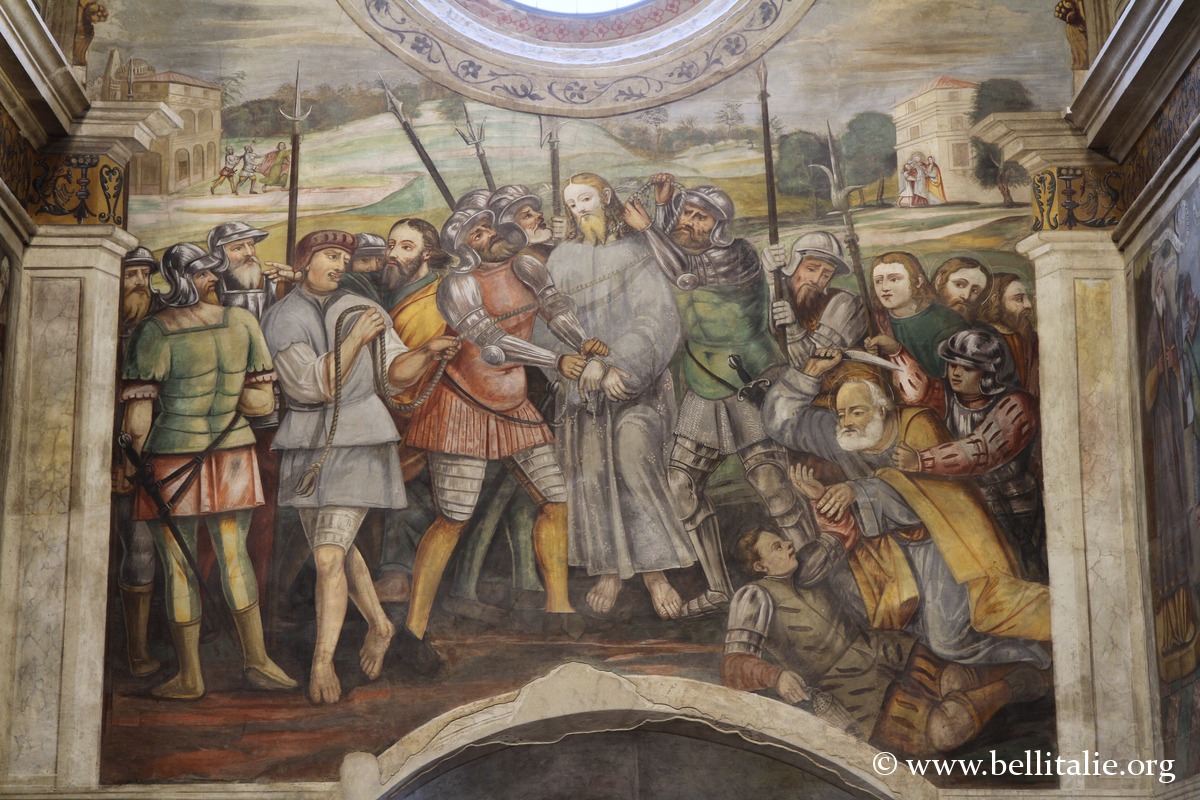
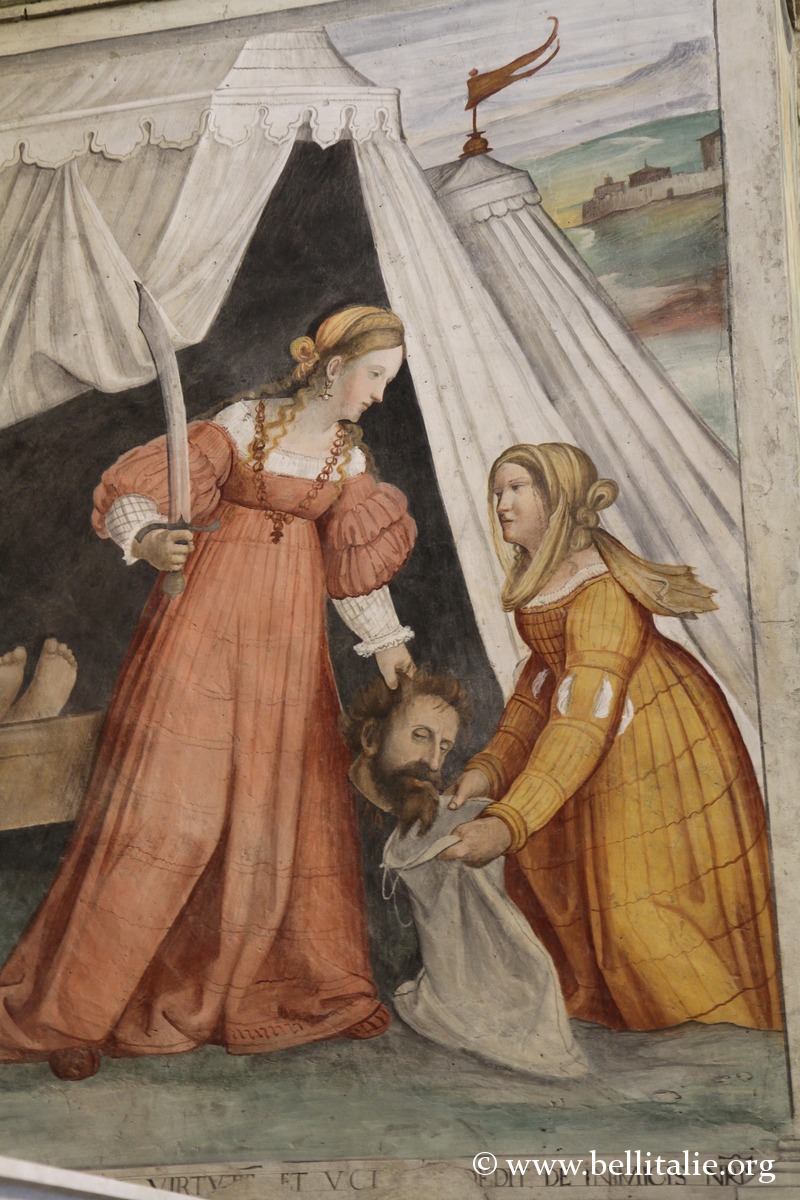
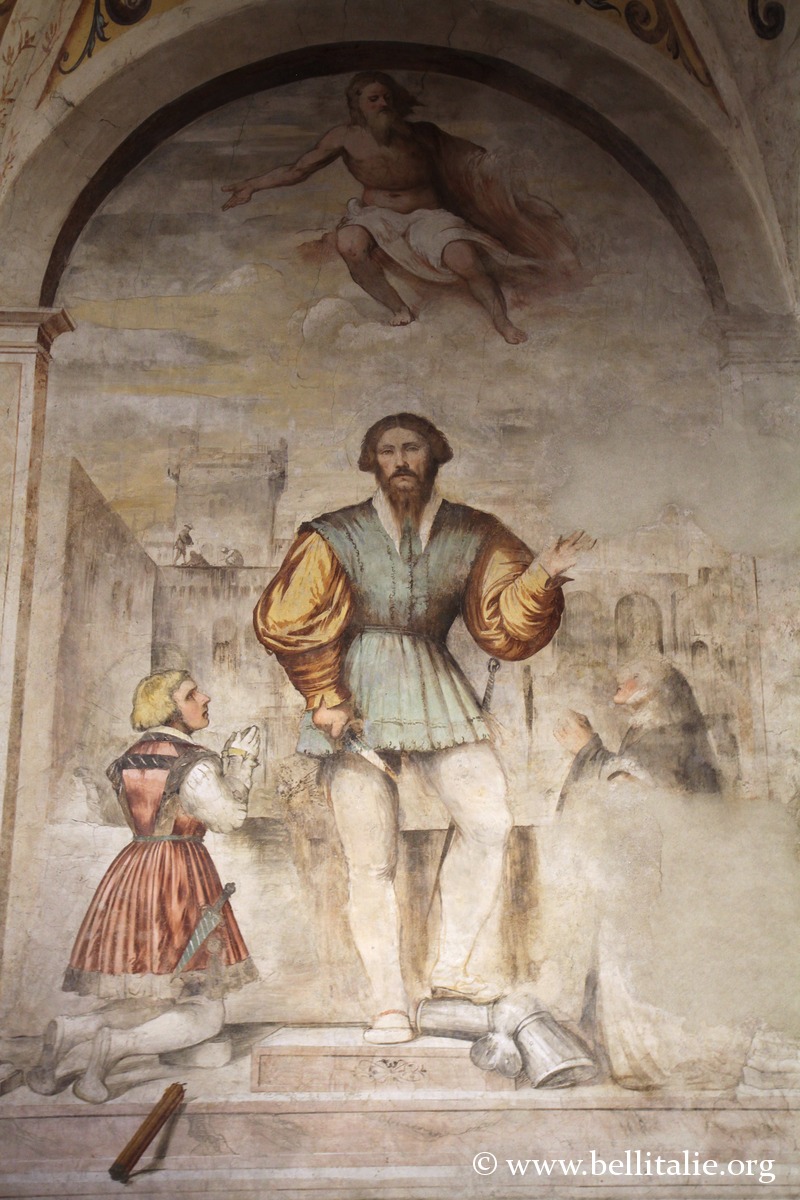
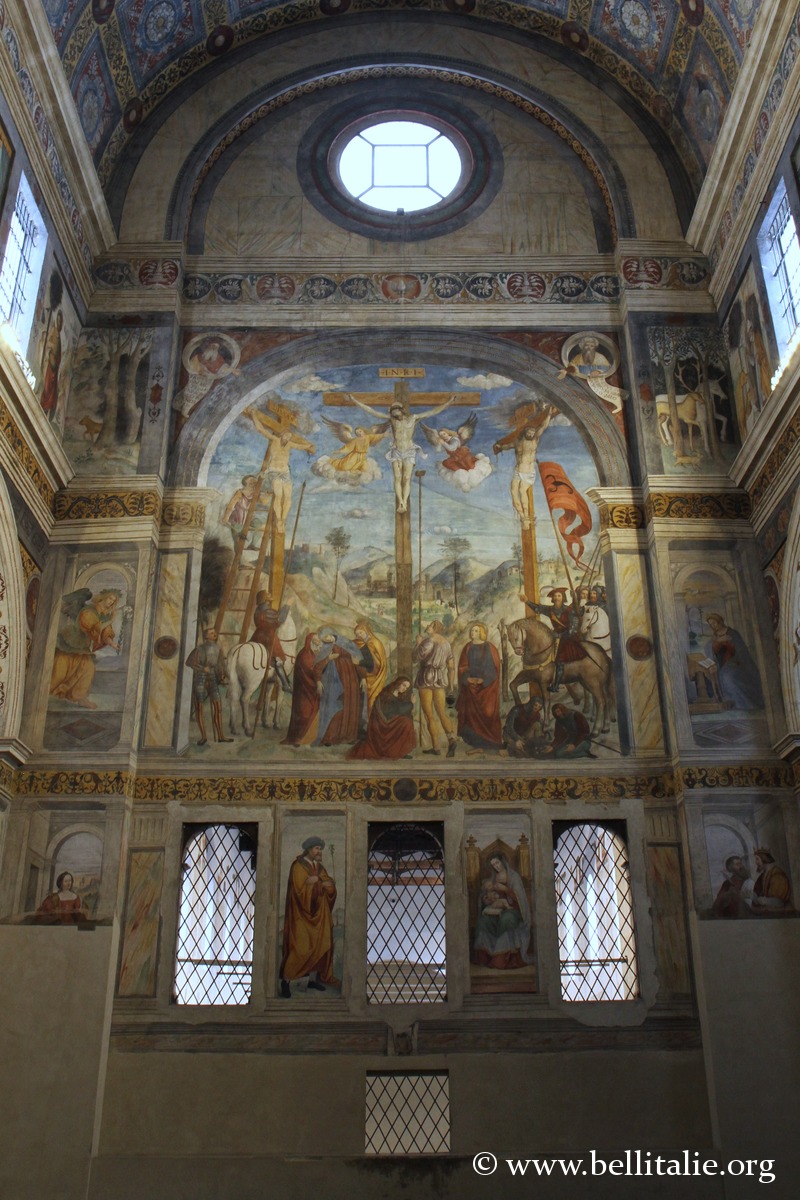
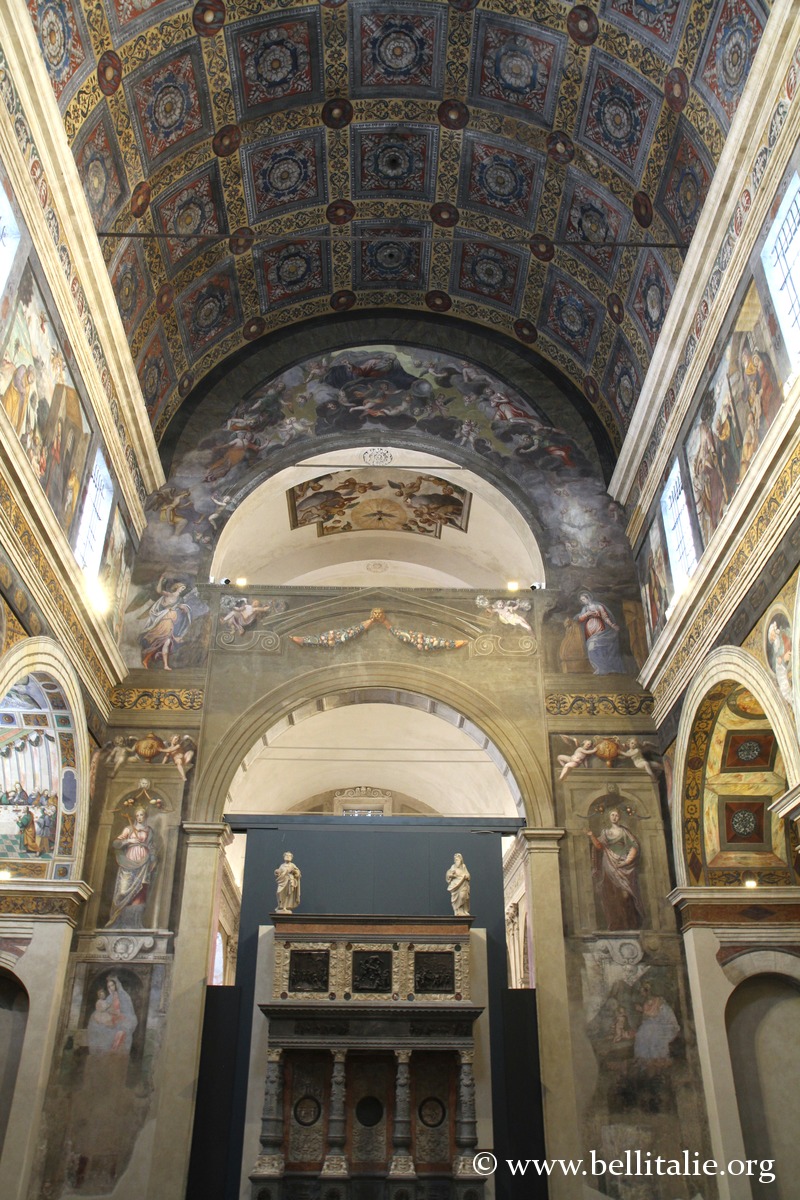
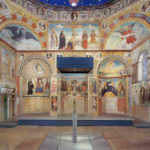
This Choir erected in the 15th-16th centuries is articulated on two levels, following the Benedictine canon, with sumptuous rooms decorated with frescoes by Floriano Ferramola and by Paolo da Caylina the Younger. The colorful scenes, linked to the theme of salvation, represent the childhood of Jesus, the Passion, the Resurrection, etc
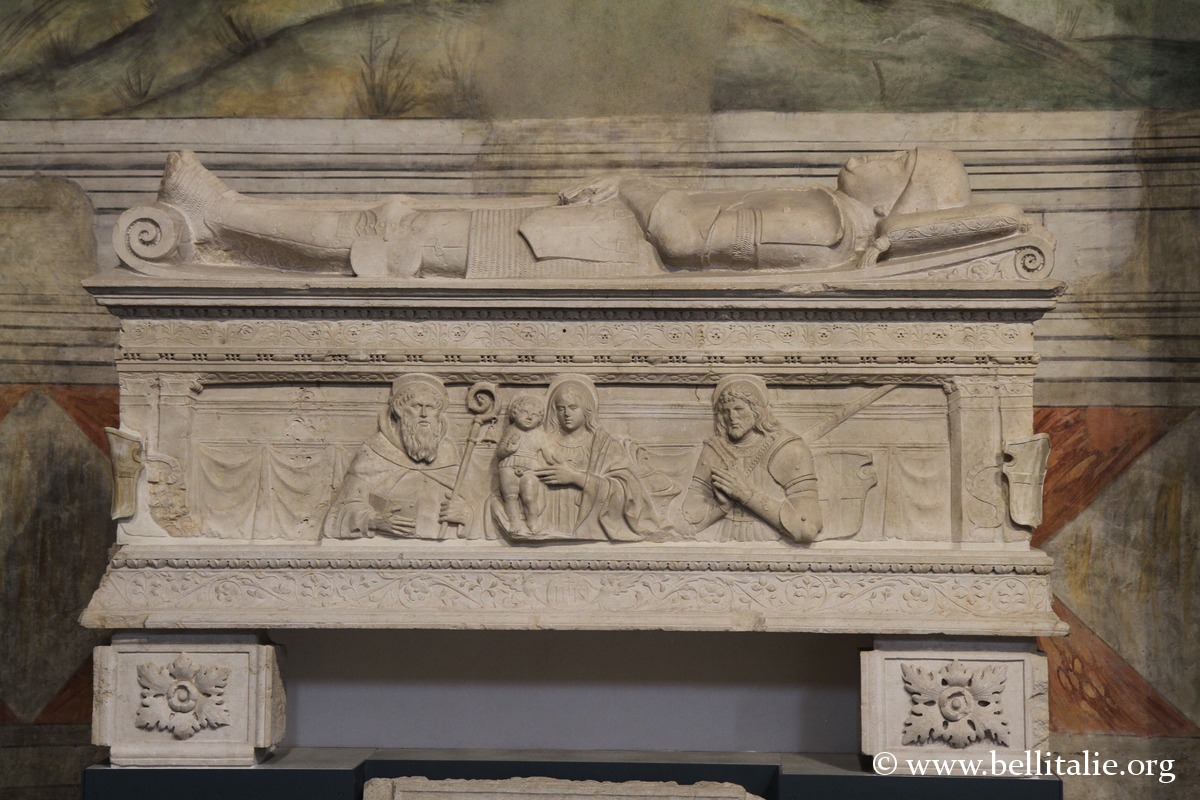
Displayed here are sculptures and funerary monuments from the Venetian era, such as the large Martinengo Mausoleum, a masterpiece of the Renaissance in Lombardy.
Domus dell’Ortaglia
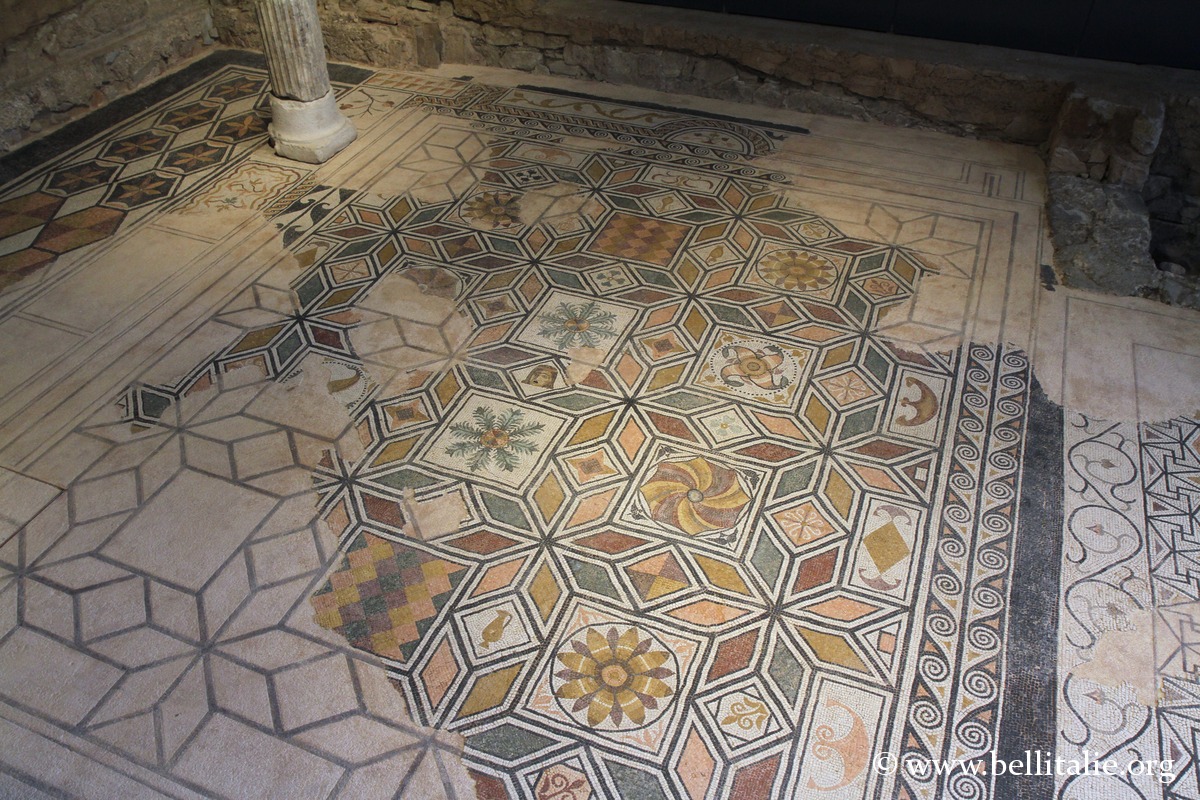
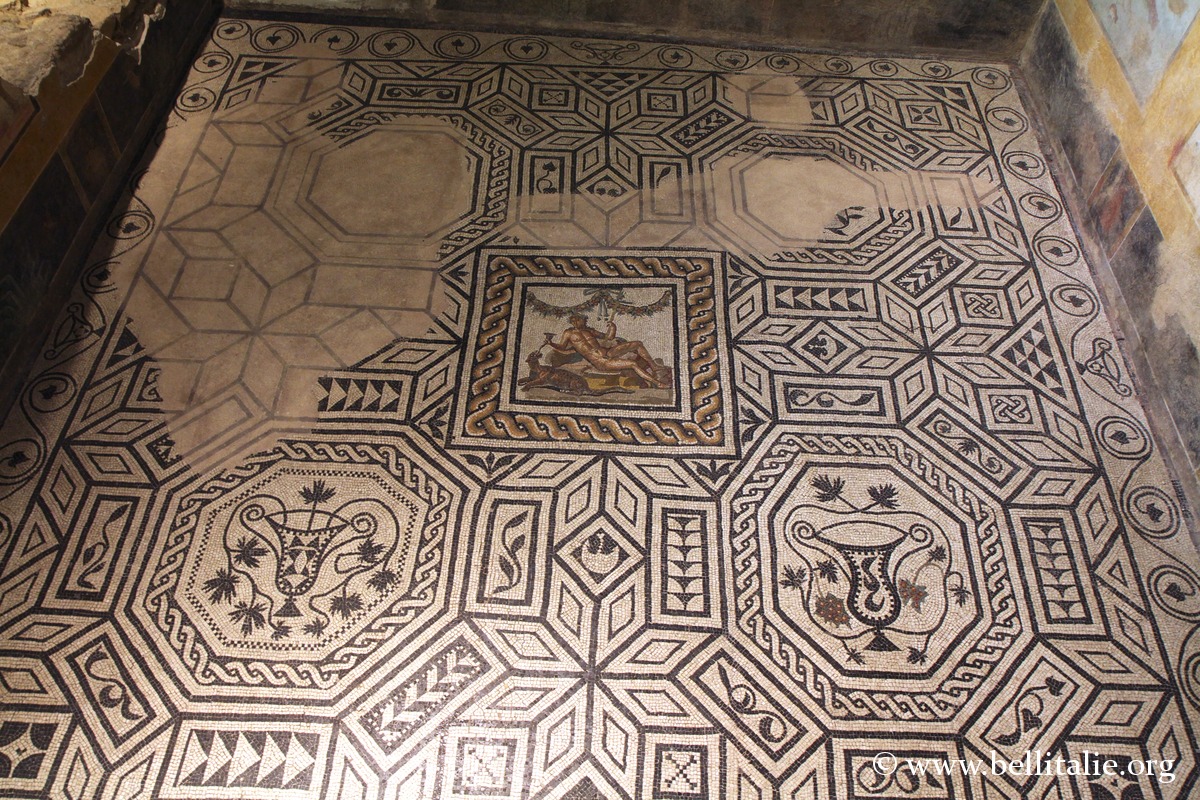
The museum route passes through an archaeological area with the remains of two domus, which was indeed in an ancient Roman residential district, between the center of Brixia and the eastern walls. They were occupied from the 1st to the 4th centuries AD.
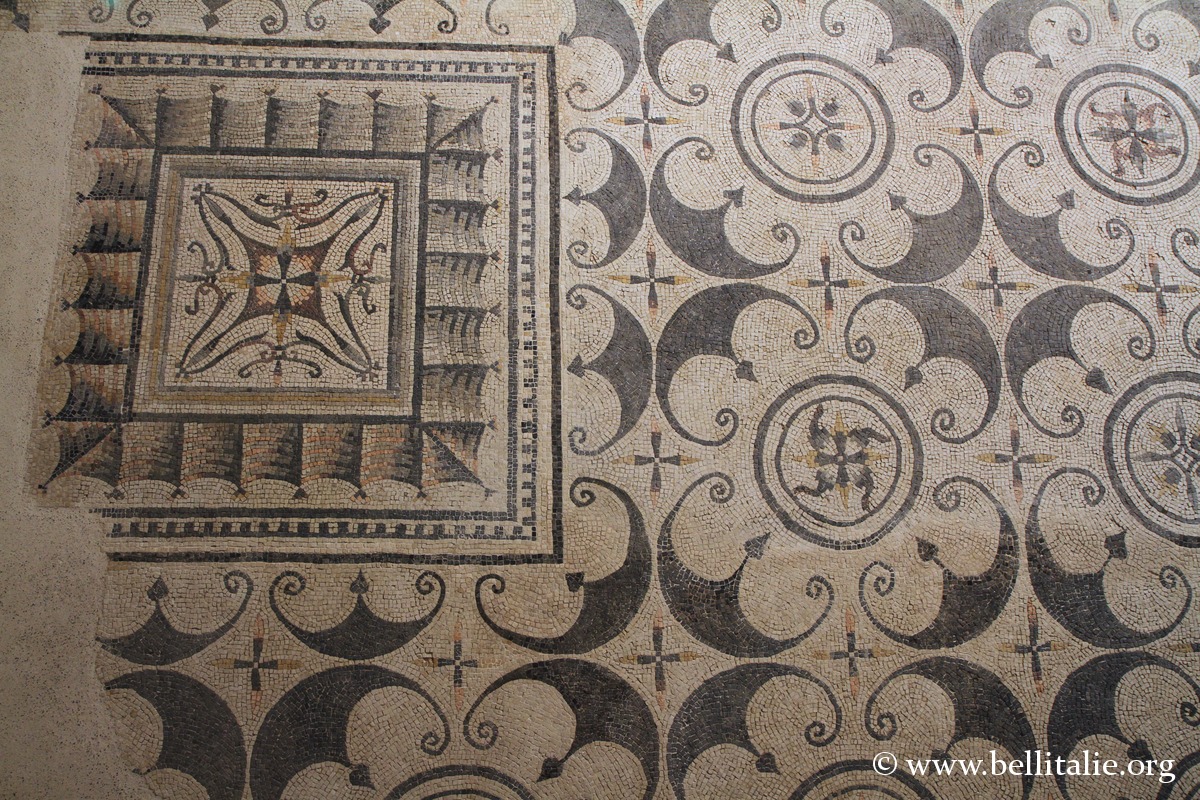
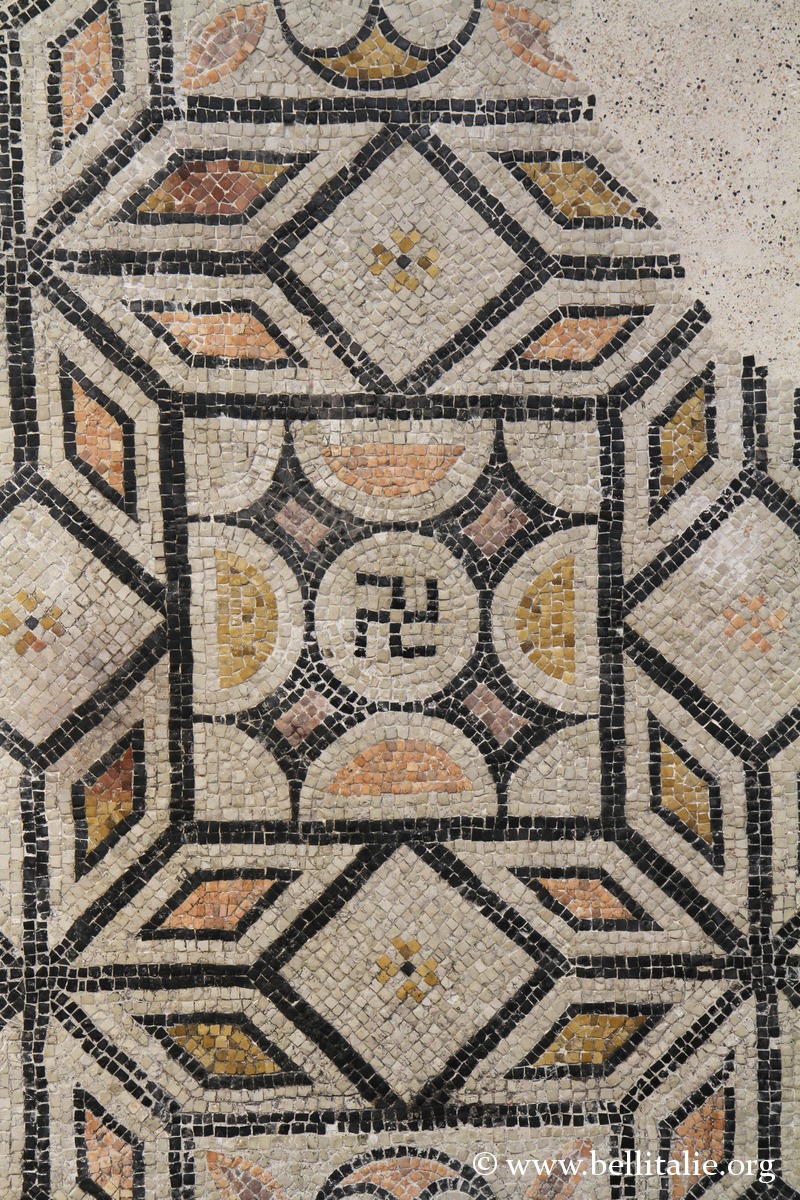
The paved atriums are surrounded by living and private spaces, adorned with mosaics and frescoes. Lead pipes brought running water from the urban aqueducts, notably to supply fountains.
Outside was the Viridarium, the gardens with the horti where fruit trees and aromatic herbs were cultivated, which have been partly reconstituted with their quadrangular boundaries inspired by the results of archaeological excavations. Species of the period have been planted: fig, apple, quince, pear, peach or pomegranate trees, and in the green spaces boxwood, laurel, oleander, myrtle and various rosebushes.
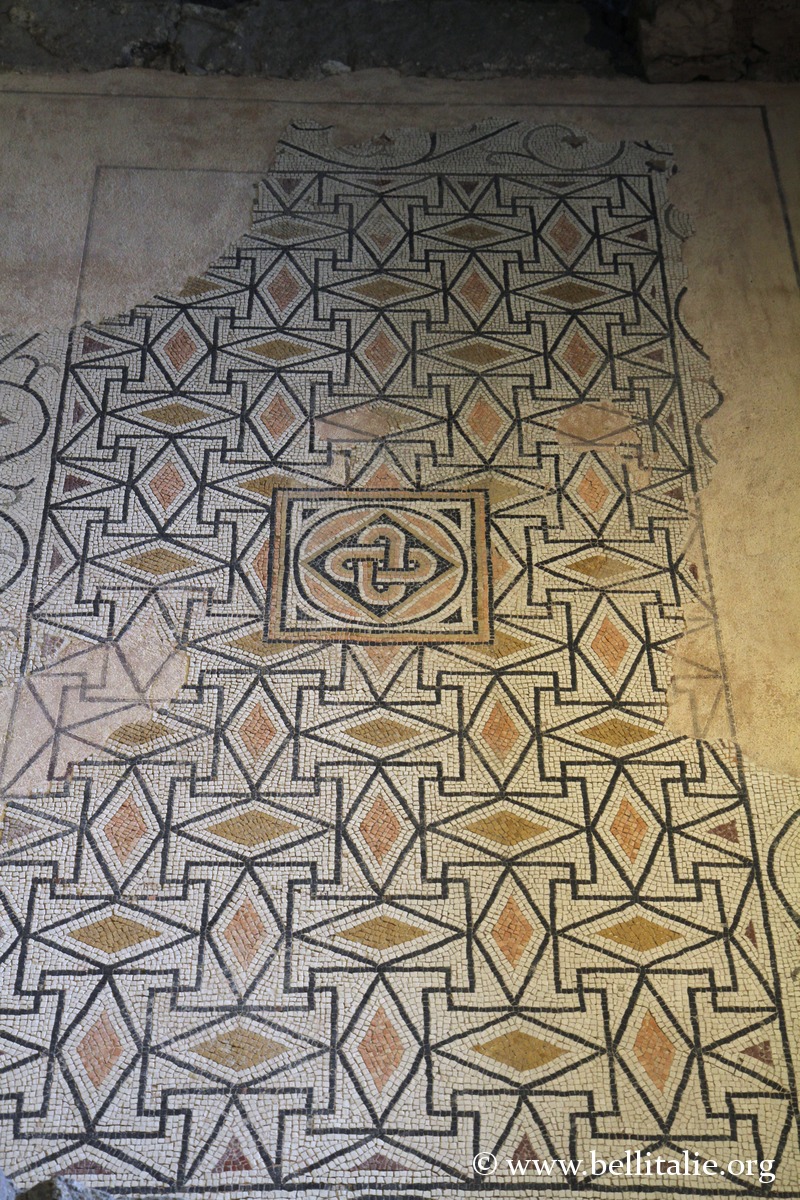
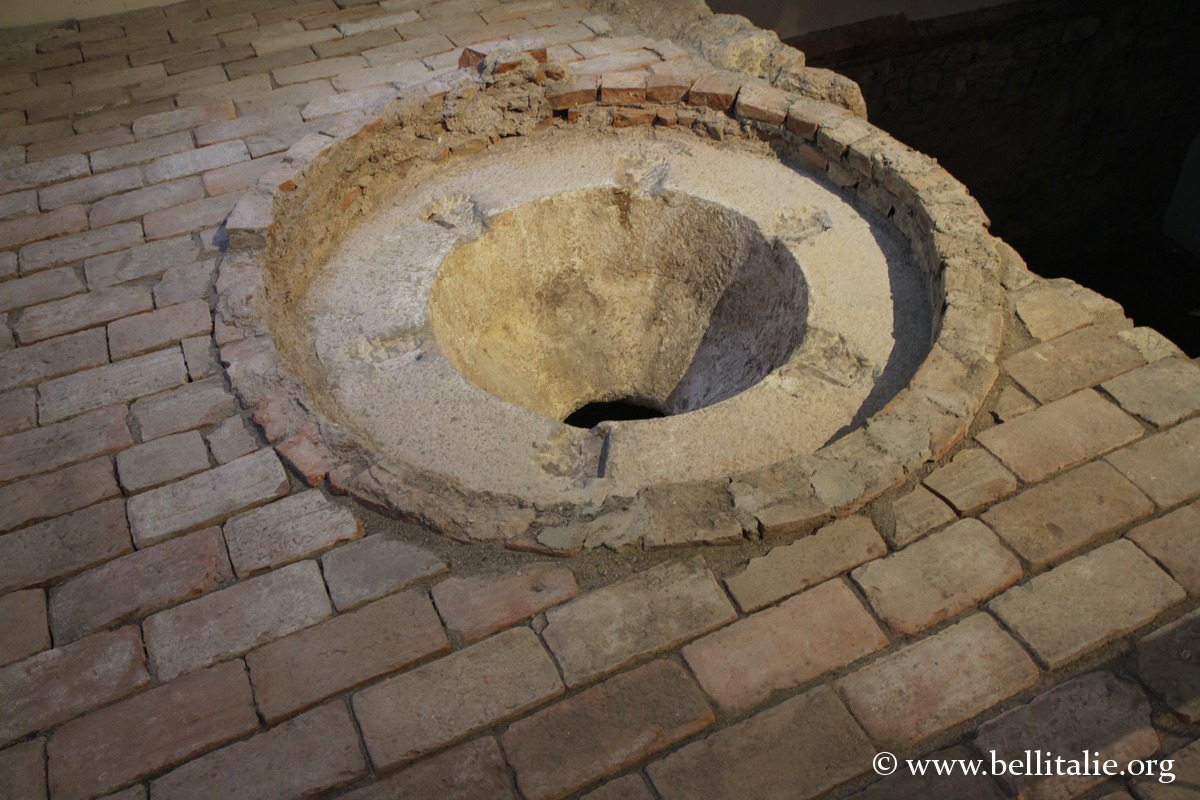
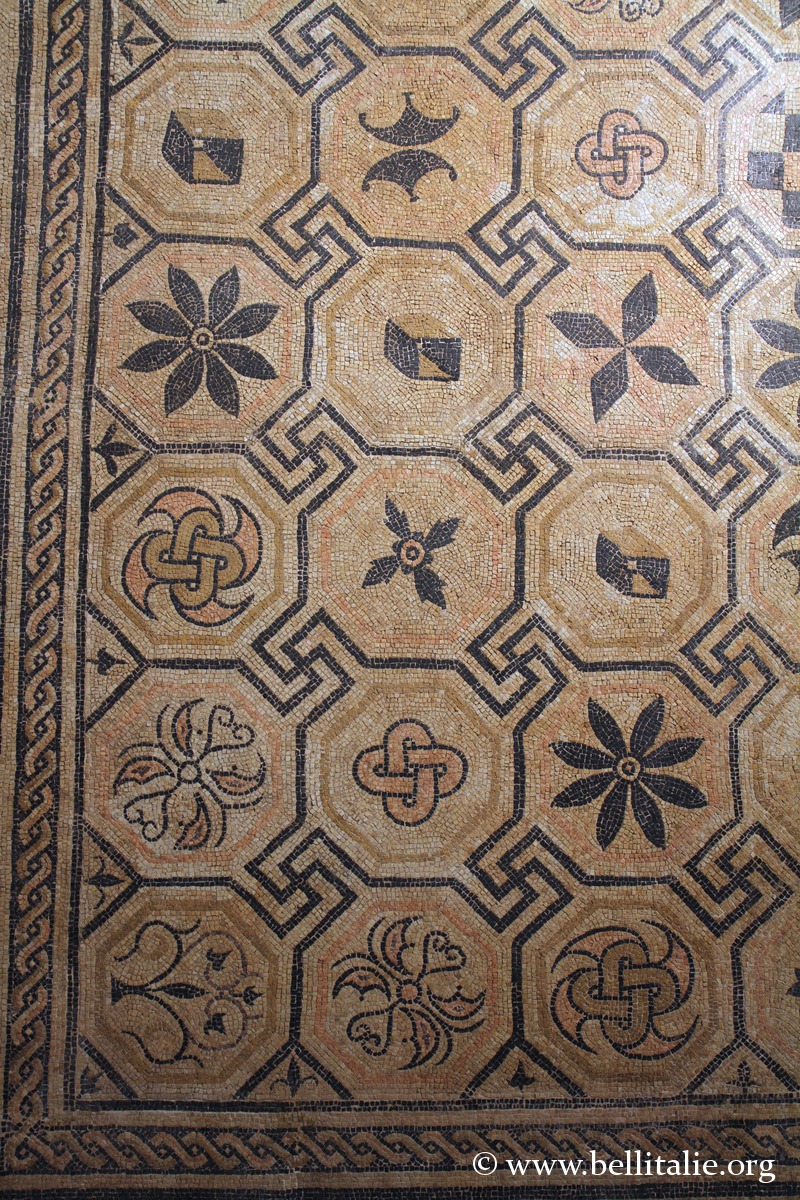
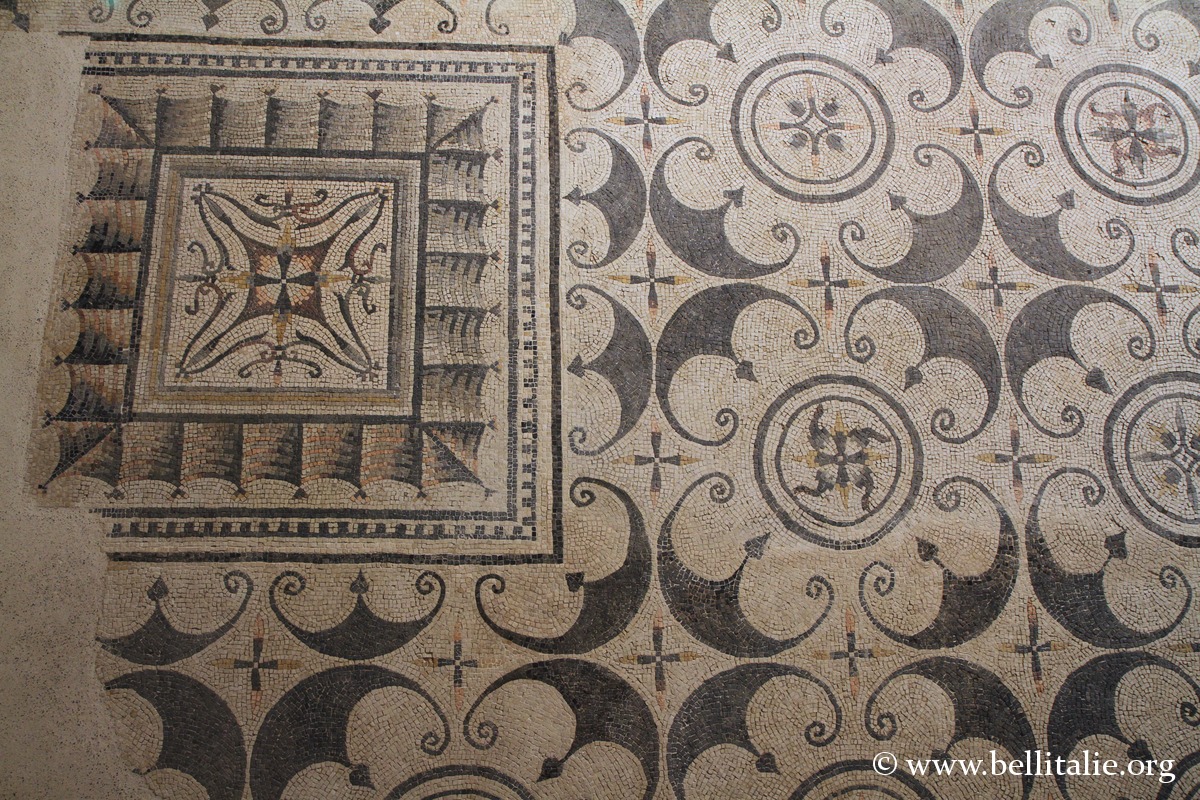
Roman Era Section. The City
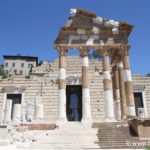
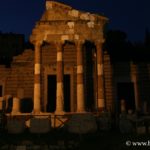
The section puts into context the main Roman monuments of Brixia, some of which can be visited in the neighboring Archaeological Park with the republican sanctuary, the Capitoline Temple and the theater. Models and architectural pieces are discovered here.
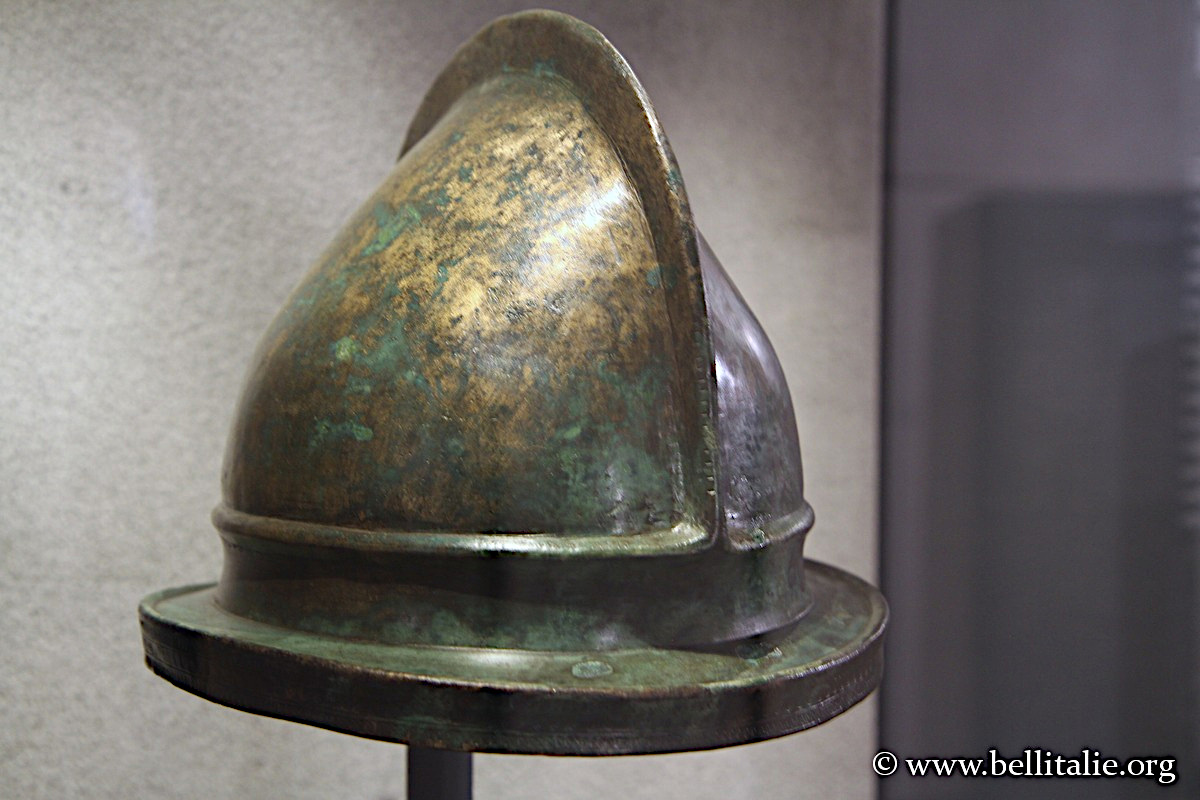
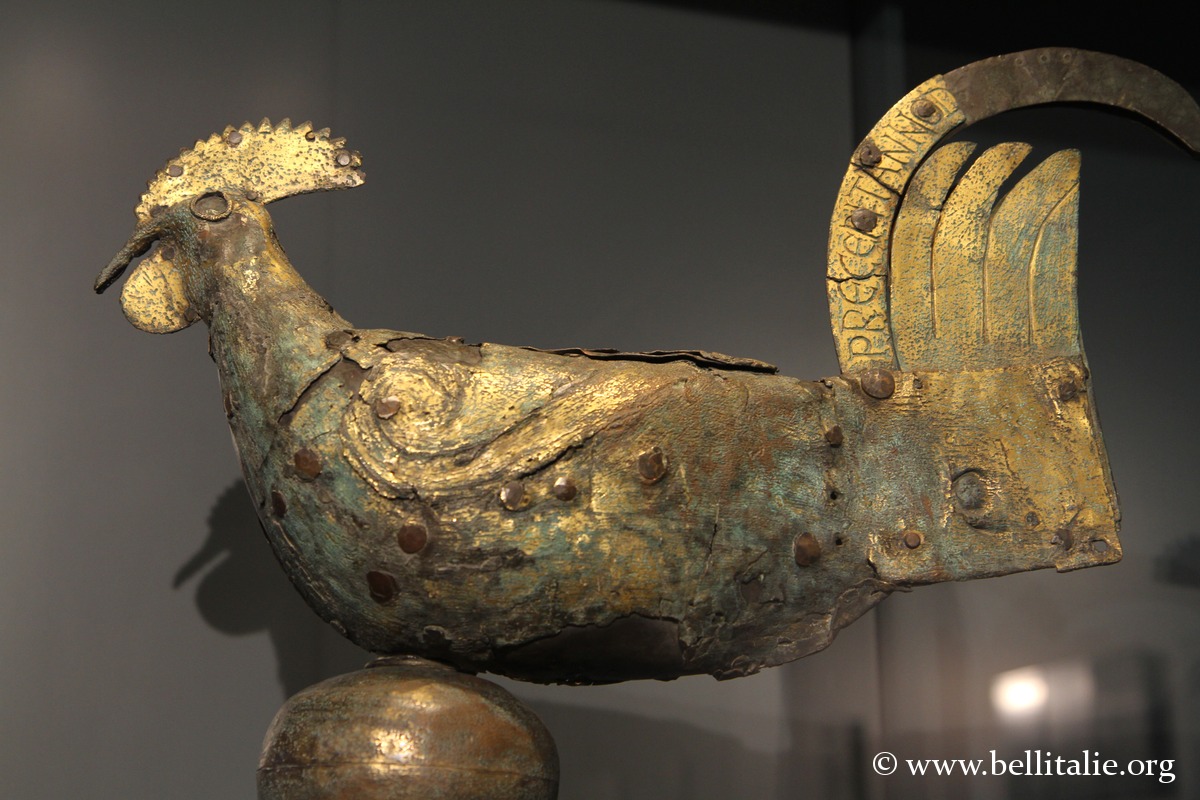
The period of Late Antiquity is also highlighted, when the ancient pagan places of worship were abandoned, as in the area of the Capitolium where two intentional bronze deposits were discovered, including the one from the 19th century with the Winged Victory (displayed in the Temple itself), and the other with numerous cult objects.
Information
- Italian Wikipedia article: it.wikipedia.org
- Tourism portals: www.visitbrescia.it, www.bresciamusei.com
Map
If you see this after your page is loaded completely, leafletJS files are missing.


Comments