


Monza
Located in the heart of the Brianza region, near Milan on the banks of the Lambro, Monza is the third most populous city in Lombardy. Its name first evokes the famous motor racing circuit, but it deserves a visit for its Gothic cathedral and its treasures dating back to Queen Theodelinda, and for the Royal Villa with its large 700-hectare park crossed by the circuit.
Monza Cathedral
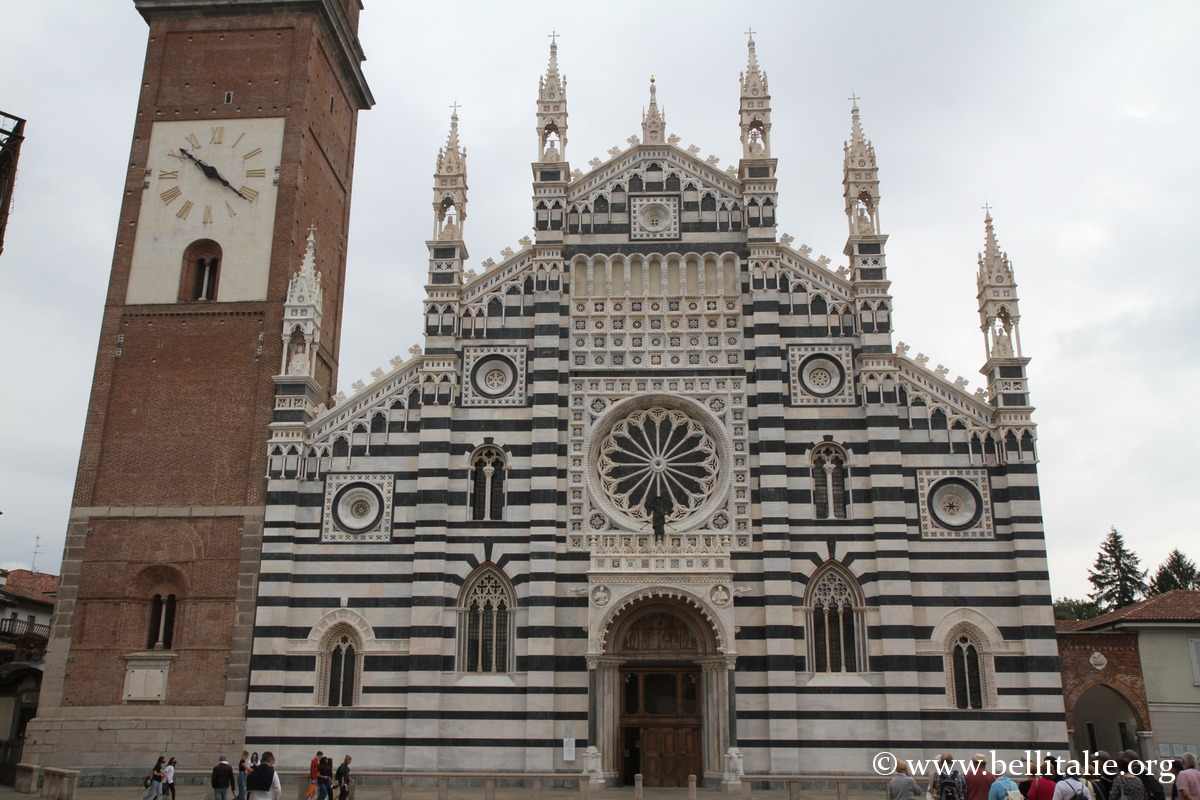
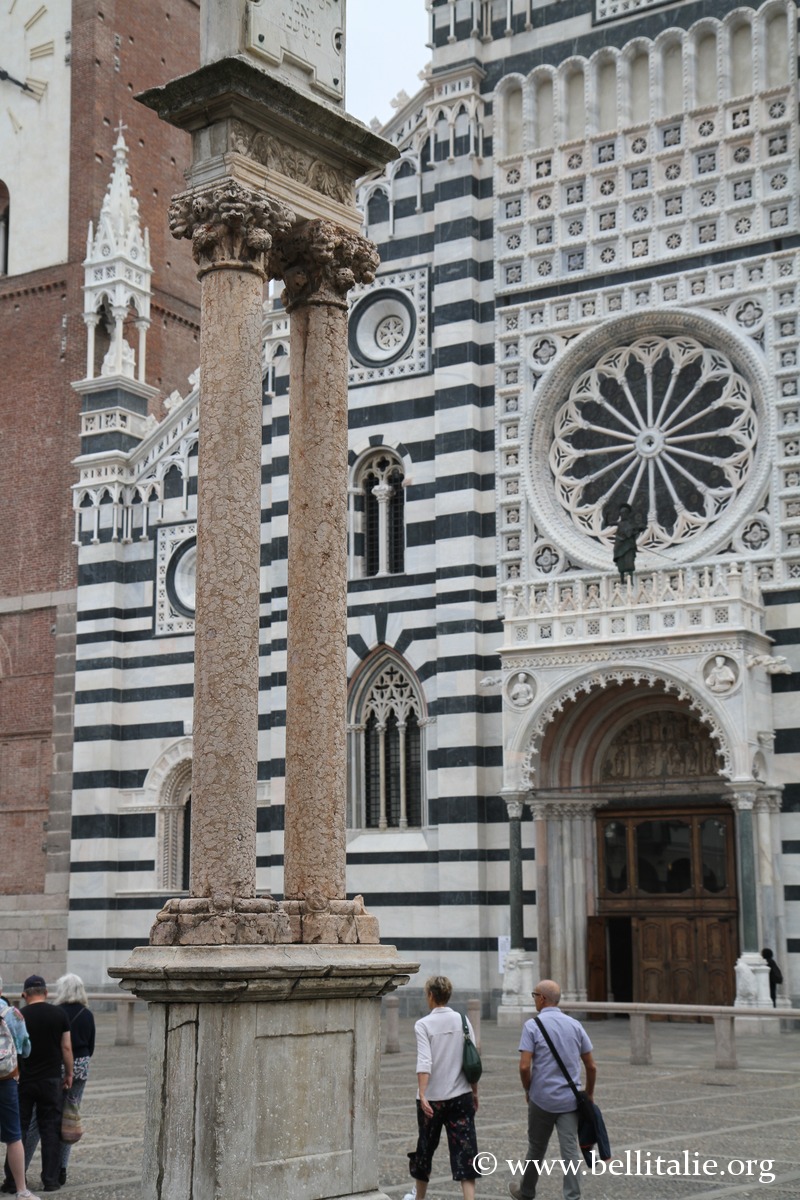
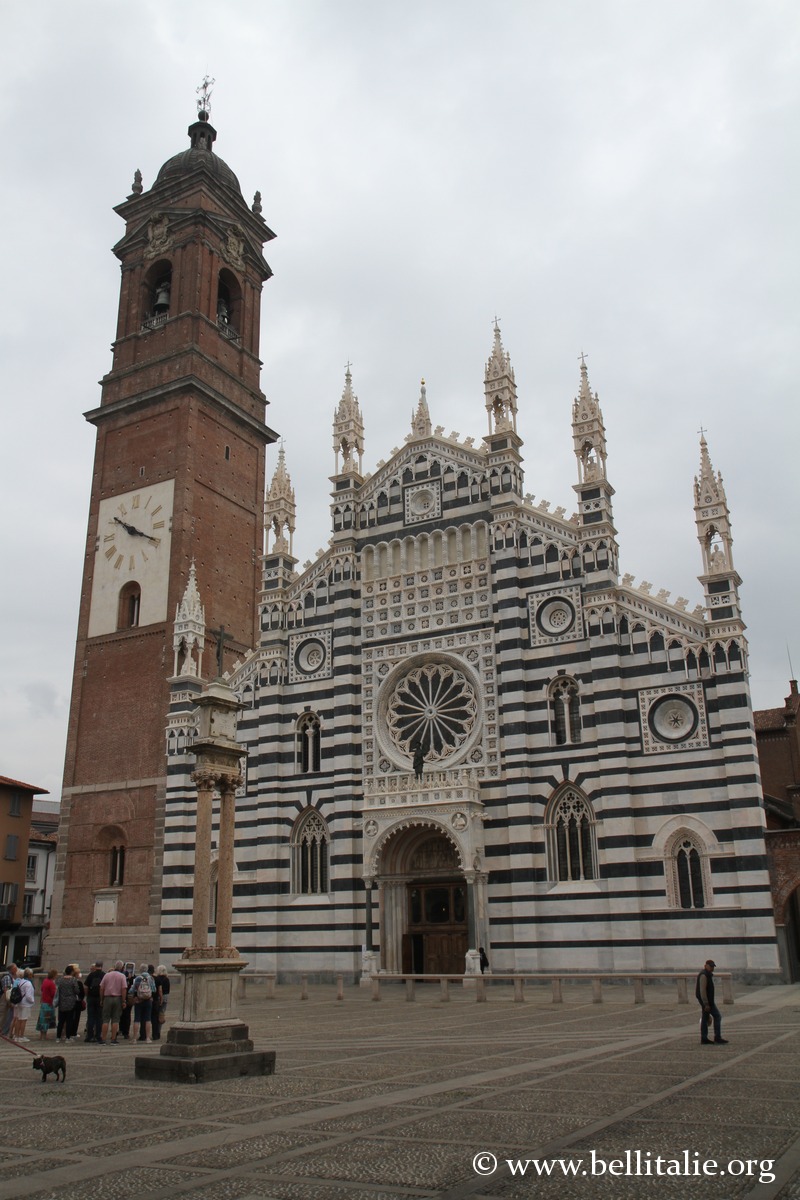
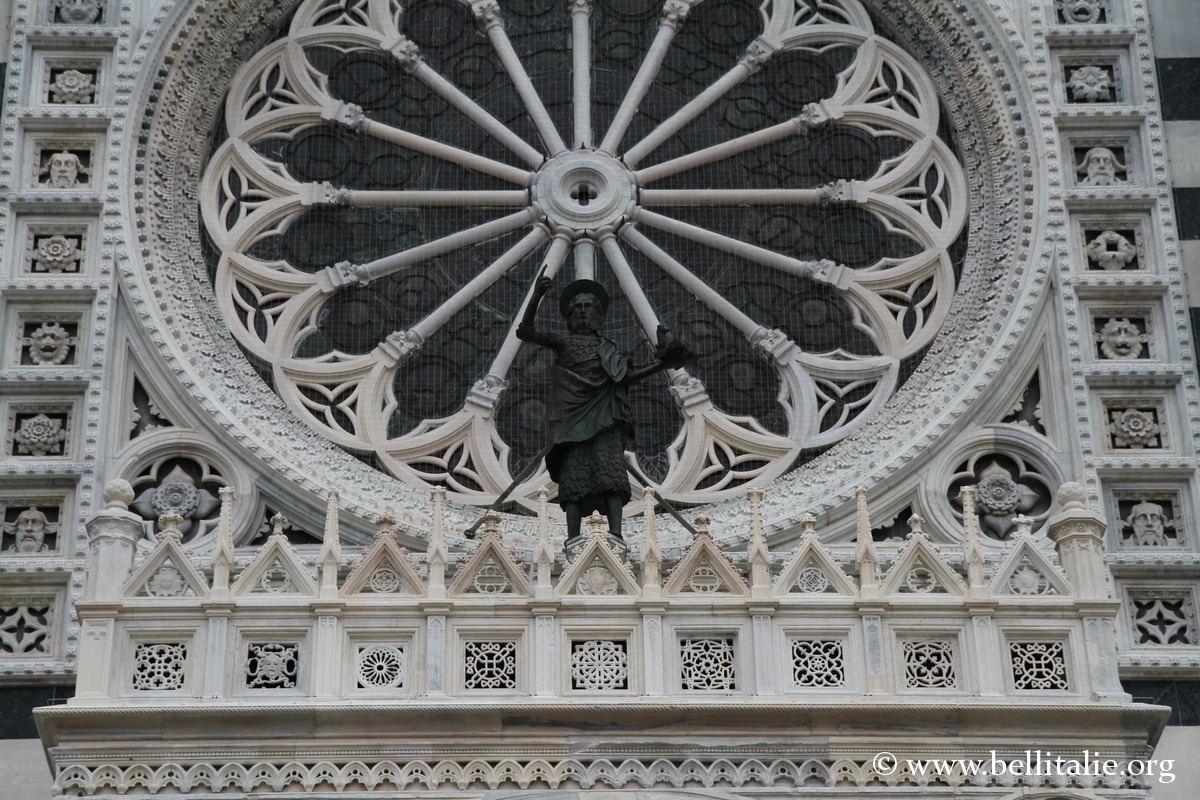
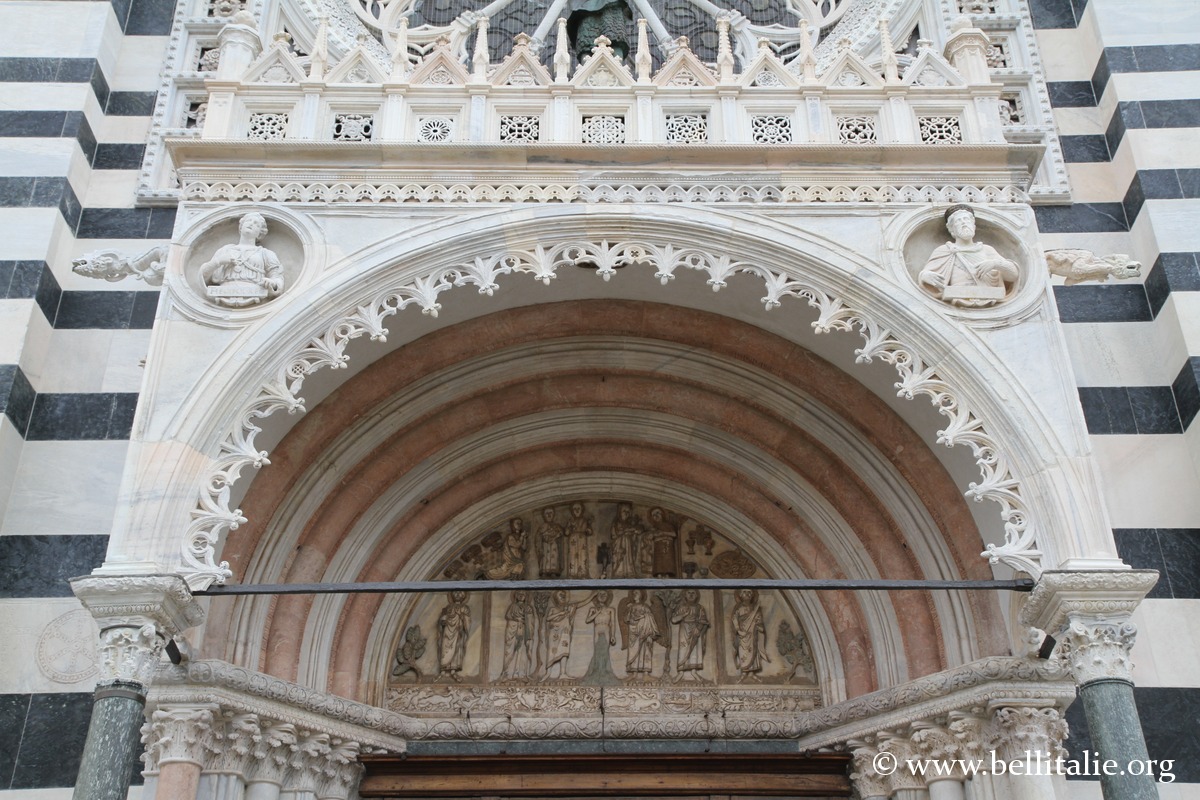
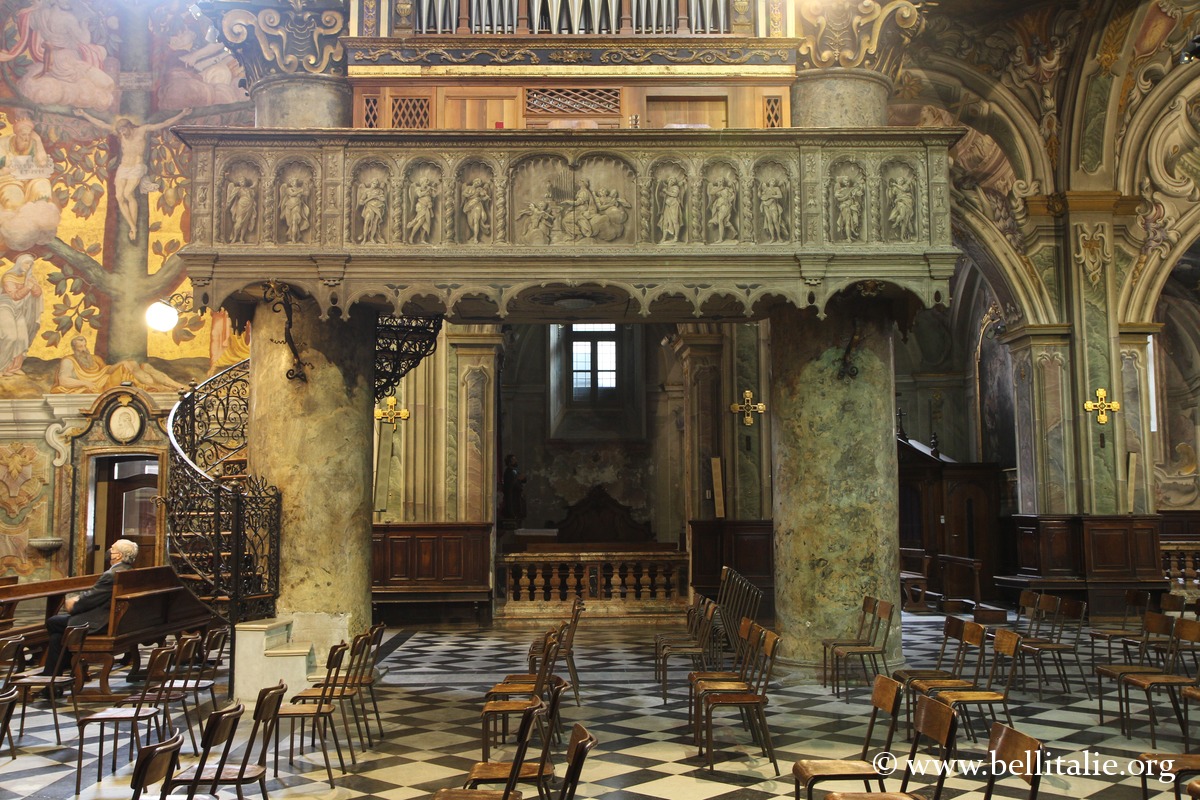
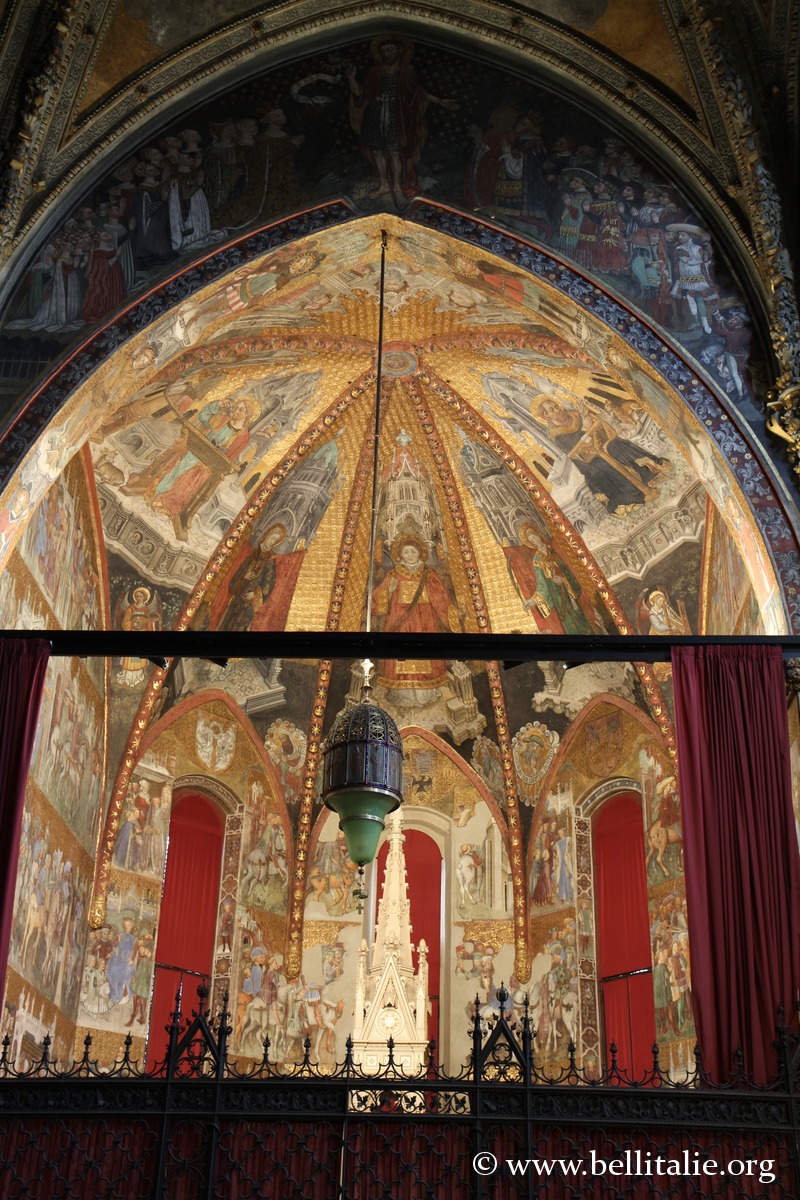
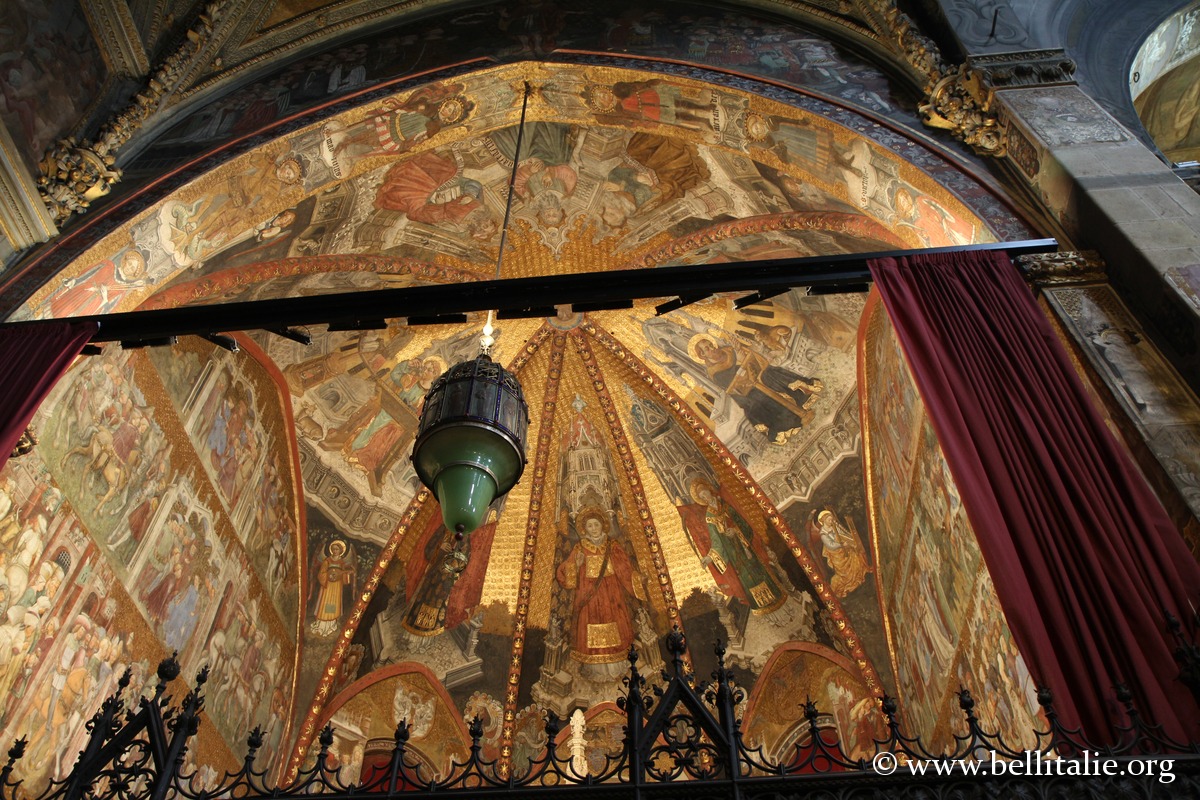
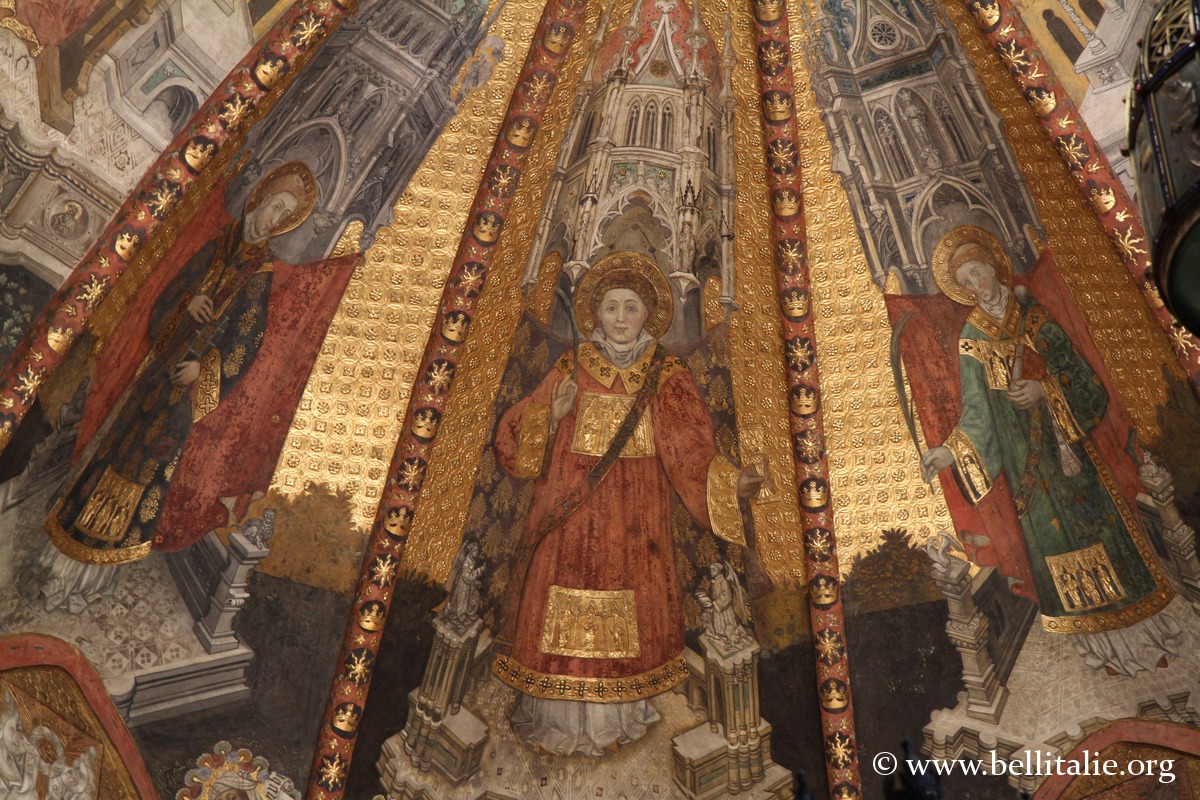
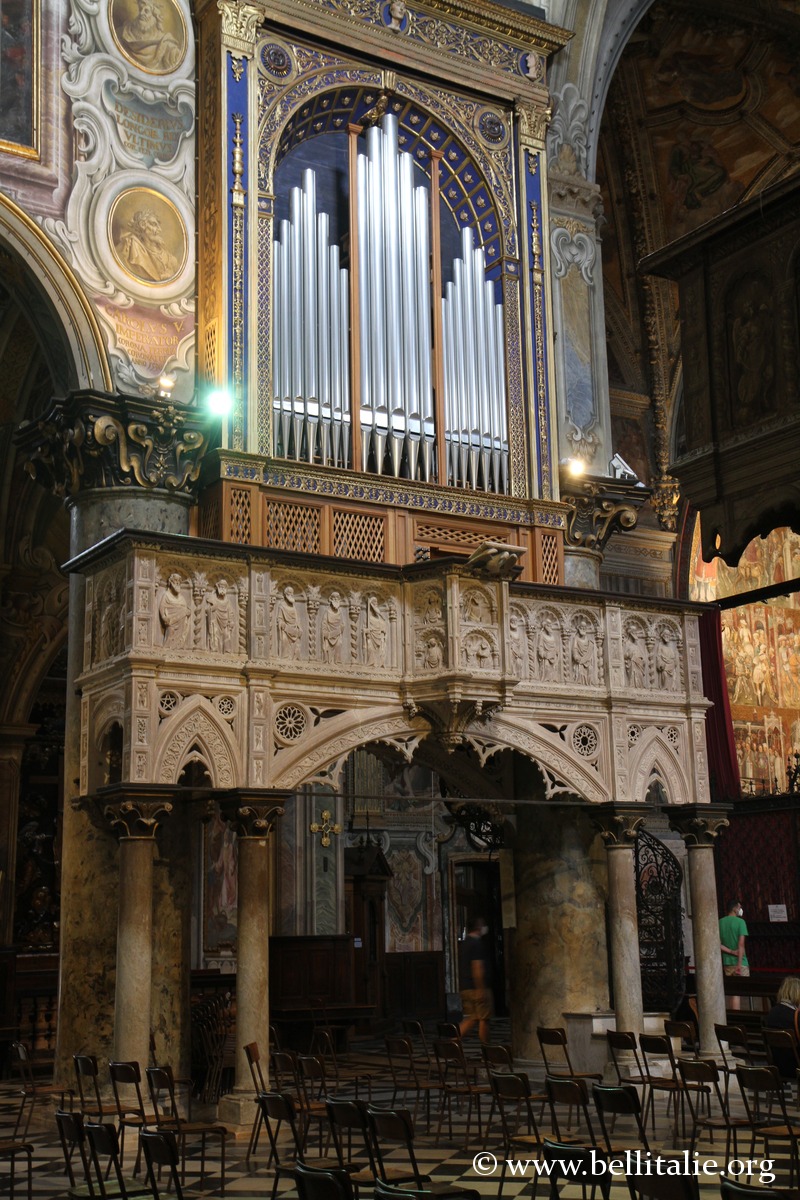
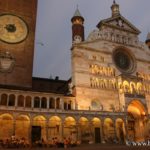
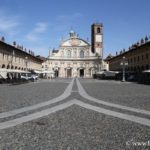
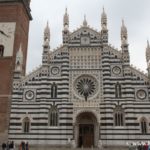
The cathedral dates back to the 7th century AD with the Lombard queen Theodelinda. It is a Gothic building from the 13th-14th centuries with a rich facade, flanked by a less attractive bell tower from 1606, which preserves treasures and the precious Theodelinda Chapel was painted by the Zavattari in 1444. On its altar is the Iron Crown, one ring of which is said to have been forged with a nail from the Cross of Christ. Adorned with gold and jewels, dating from the 5th-8th centuries, it was used in the Middle Ages for the coronation of kings in Italy, like Charlemagne.
Royal Villa and Park of Monza
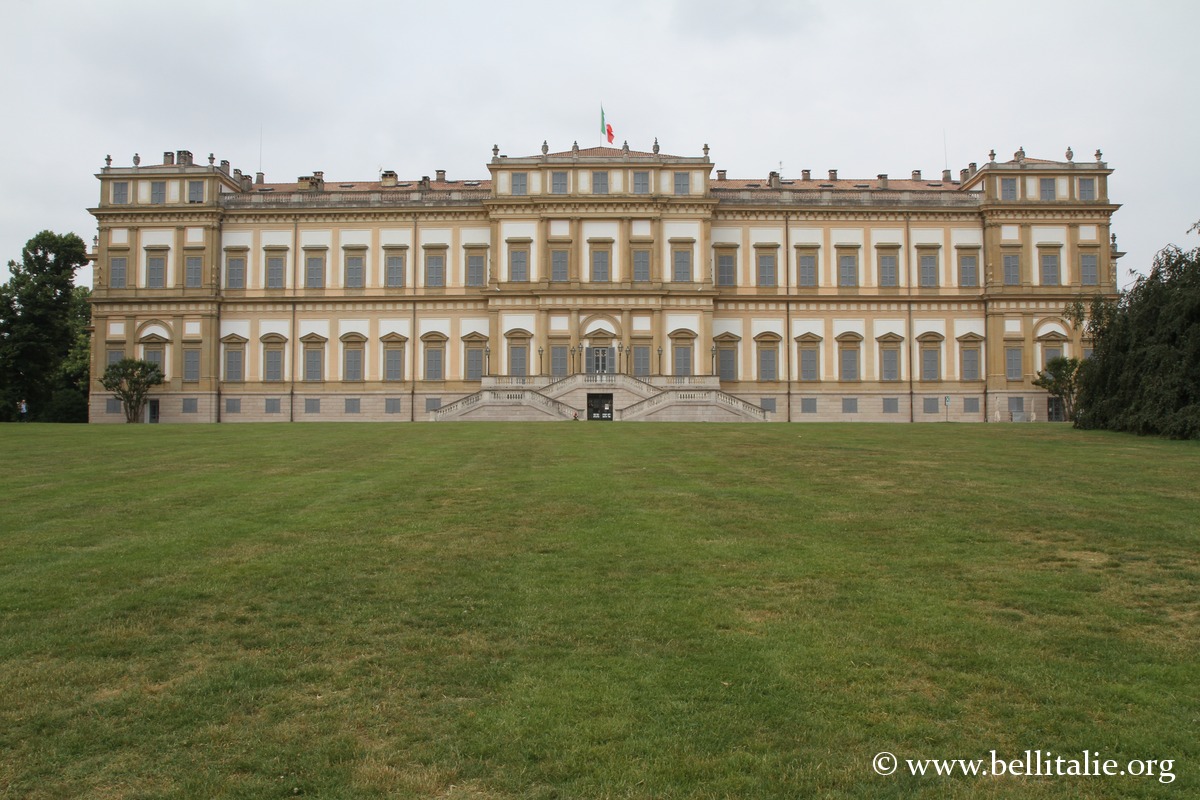
The Royal Villa (1777-1870) was the residence of the Habsburg court, associated with the large park crossed by the motor racing circuit.
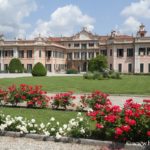
This royal palace, which has seven hundred rooms, was built under Austrian rule over the Duchy of Monza, starting in 1777 by Ferdinand of Habsburg as a country residence, designed by Piermarini at the time when he redesigned Milan.
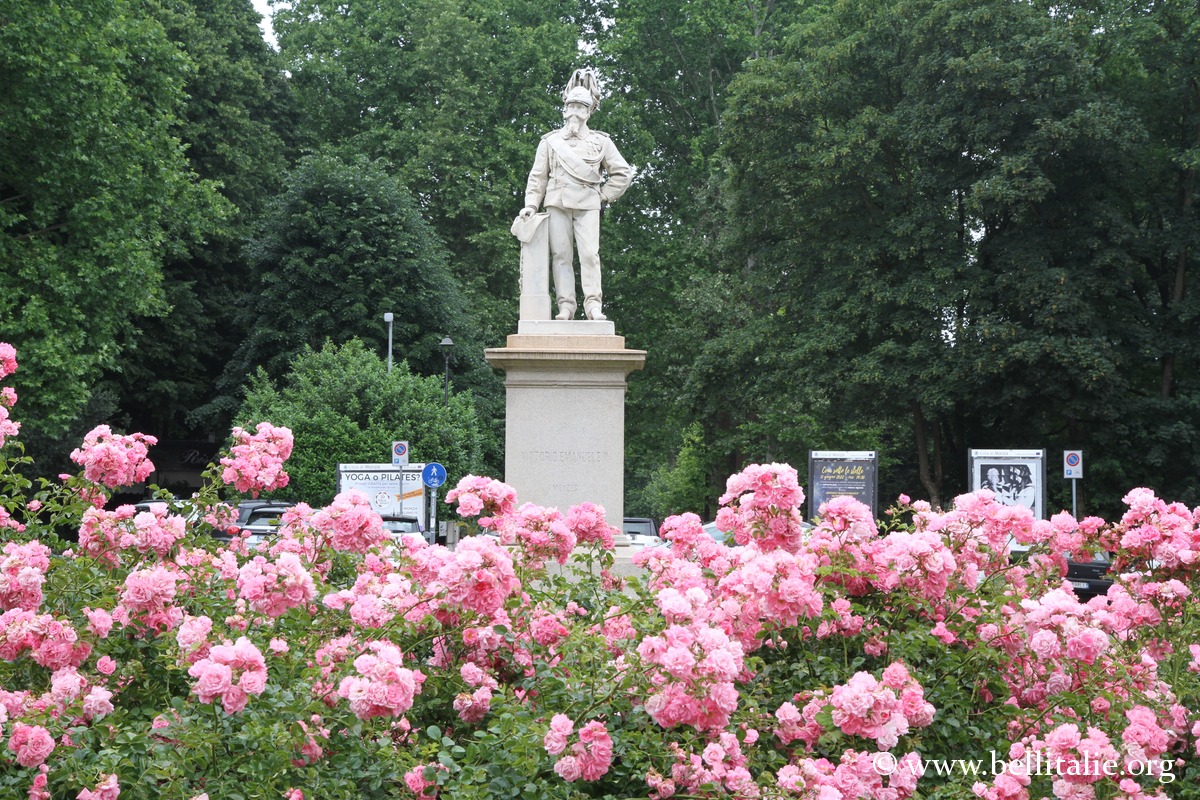
Its large neoclassical facade stands on a rise above the park, with a famous rose garden.
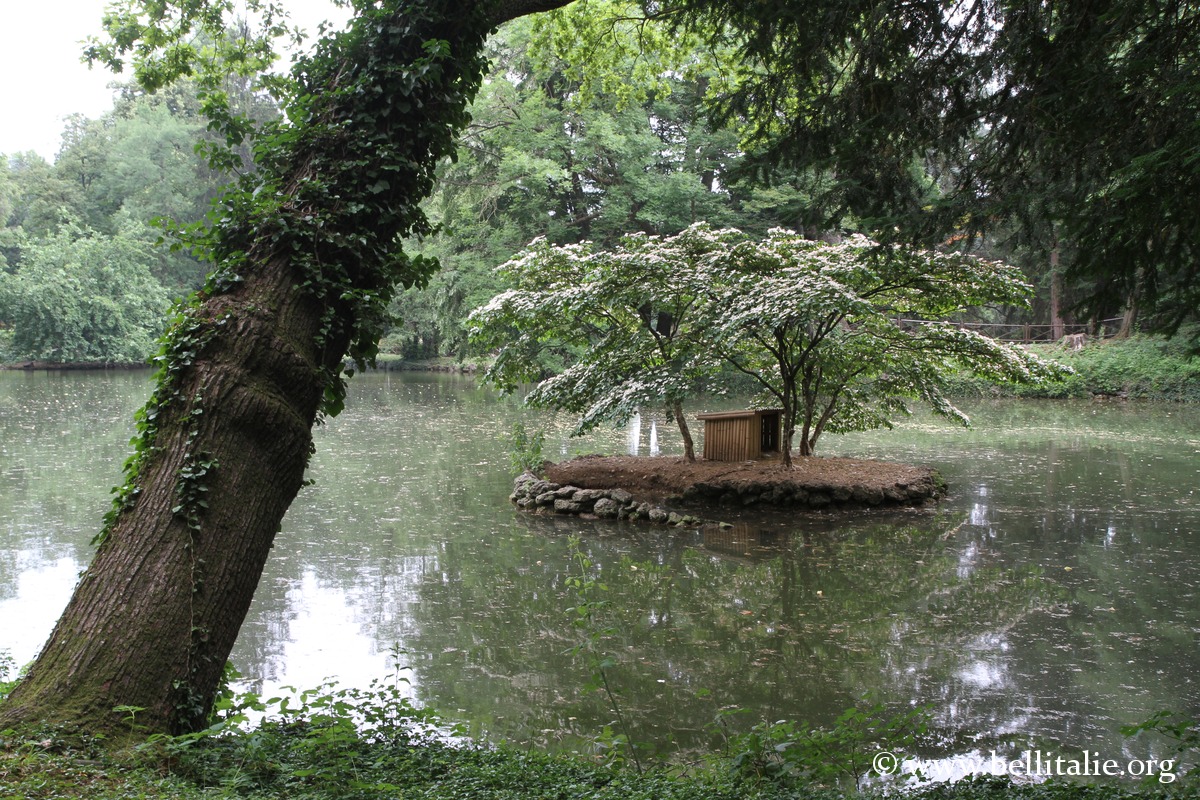
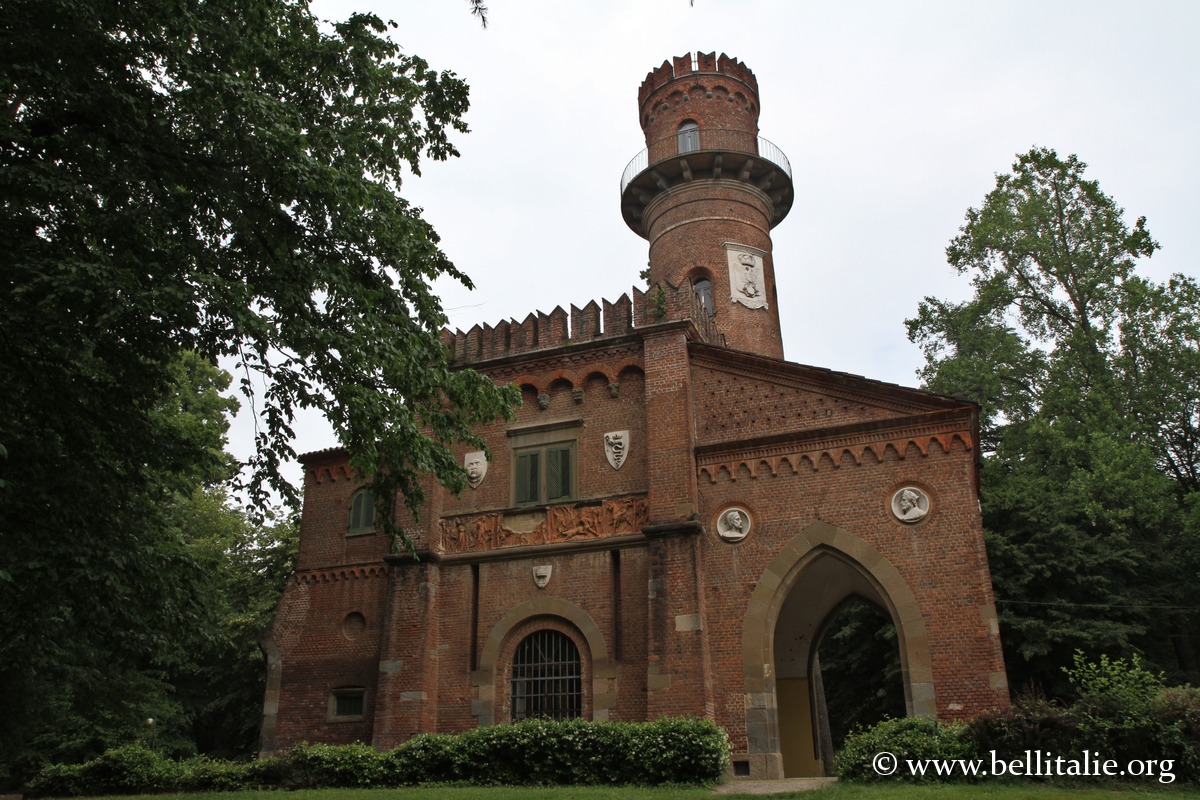
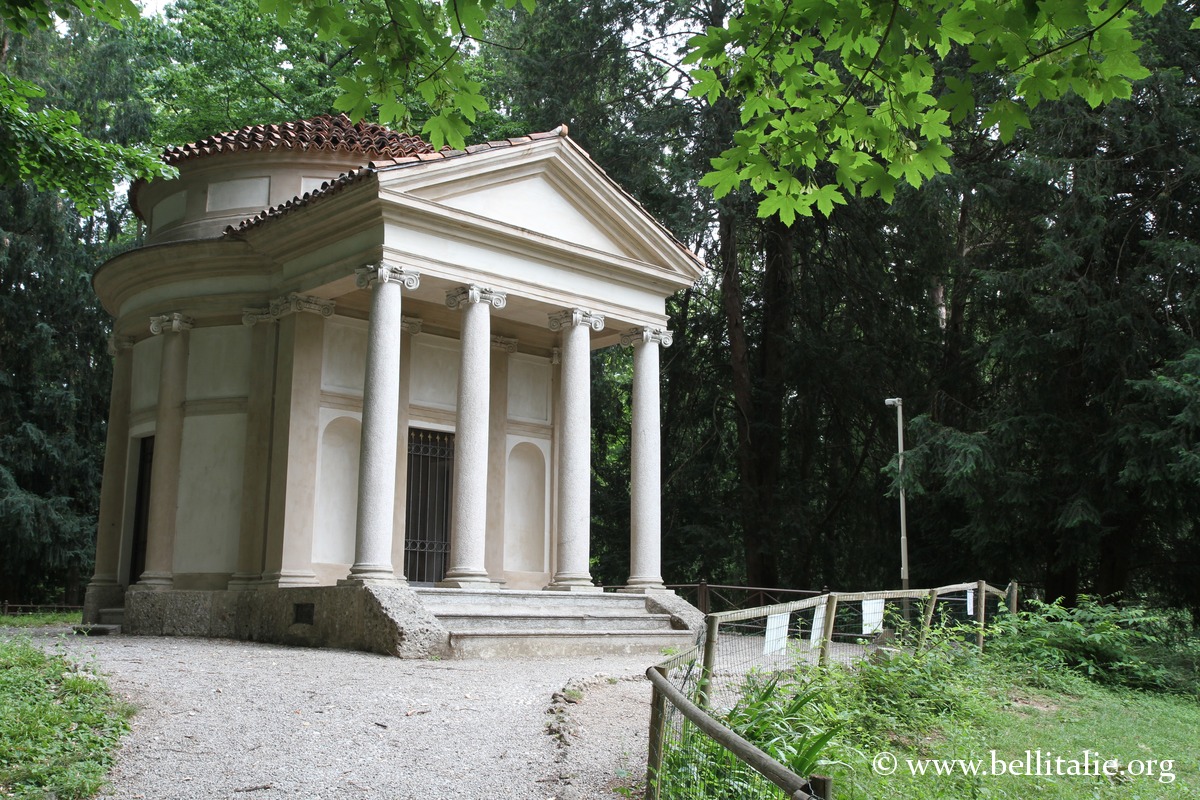
Facing the royal villa, the park covers 700 hectares. It is the fourth largest enclosed park in Europe, surrounded by walls, with meadows, woods, lakes, a river, and neoclassical buildings. It can be visited on foot, by bicycle or by the small train.
Monza motor racing circuit
Not far away, the Monza National Autodrome has been a temple of Formula 1 since 1922.
Other monuments and museum
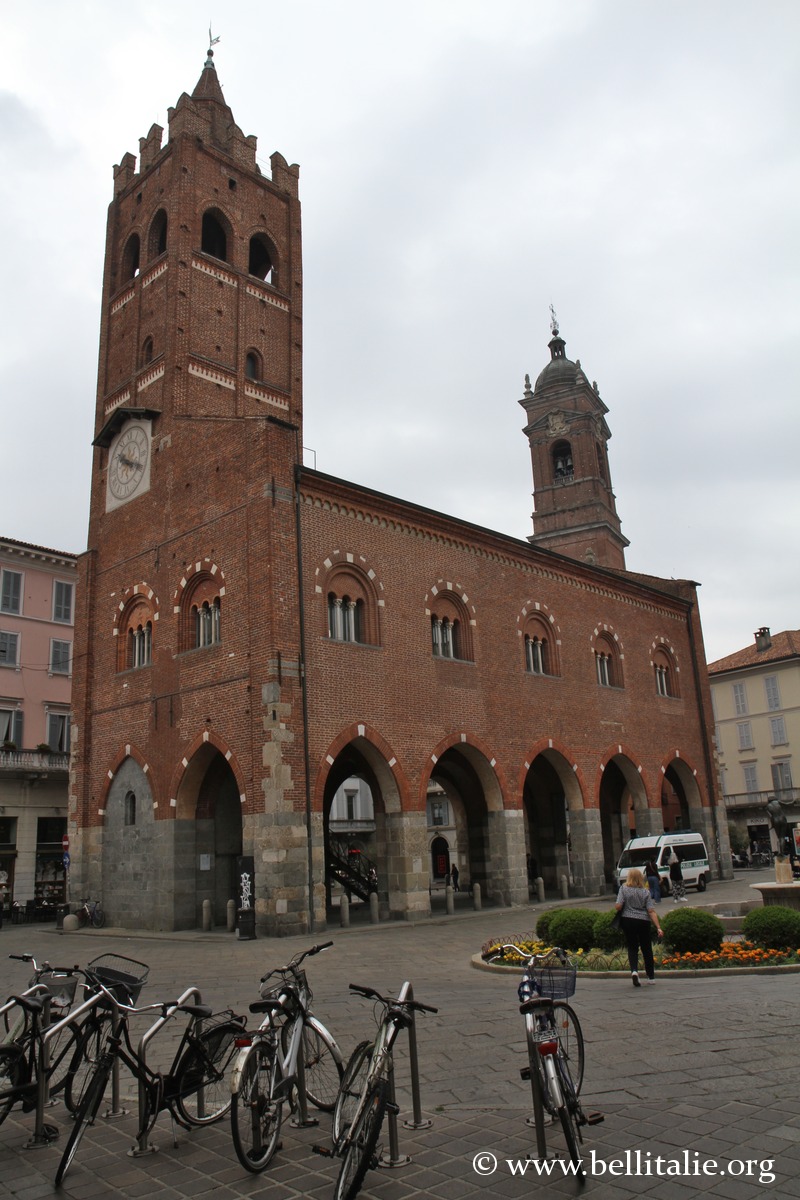
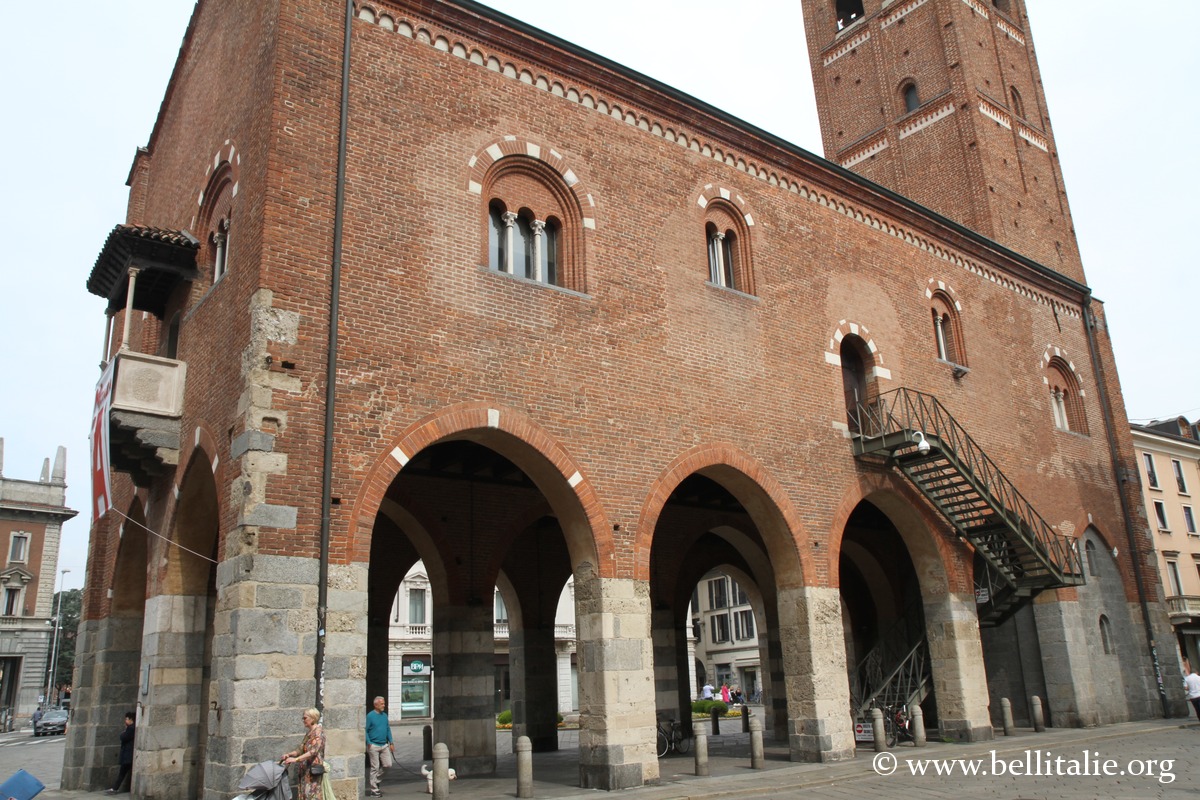
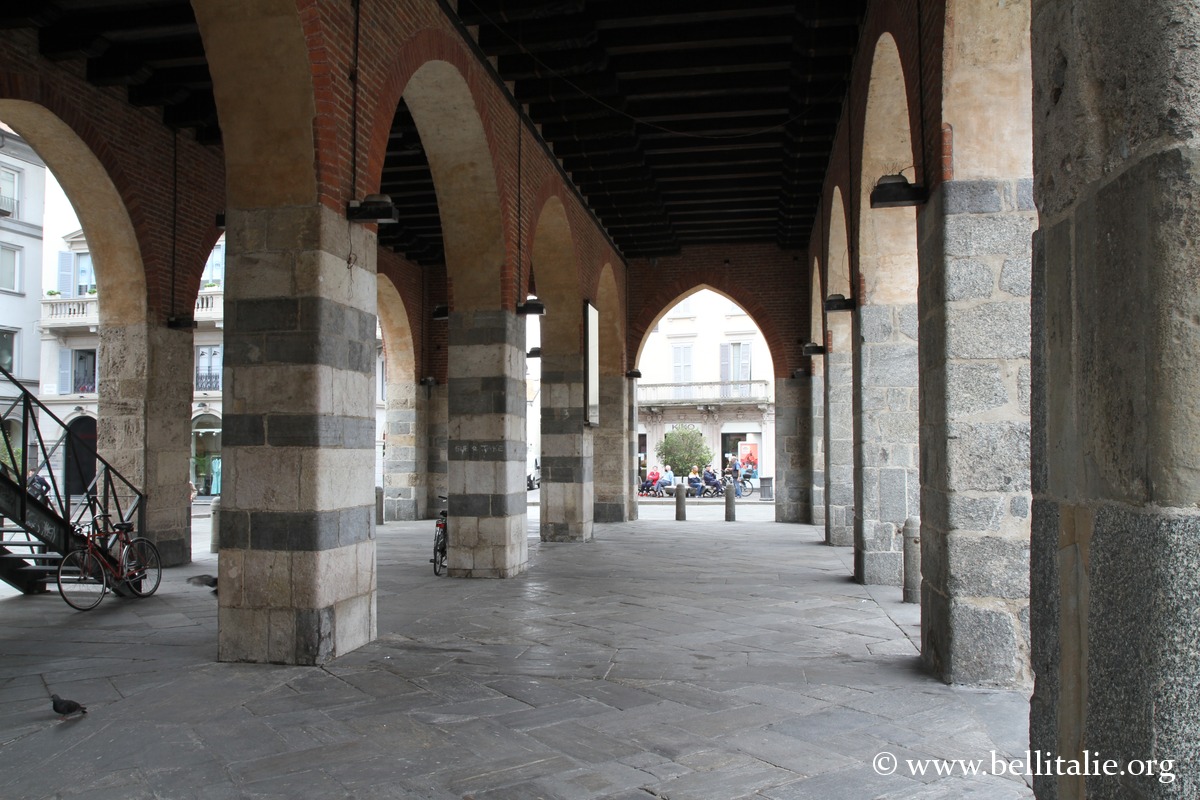
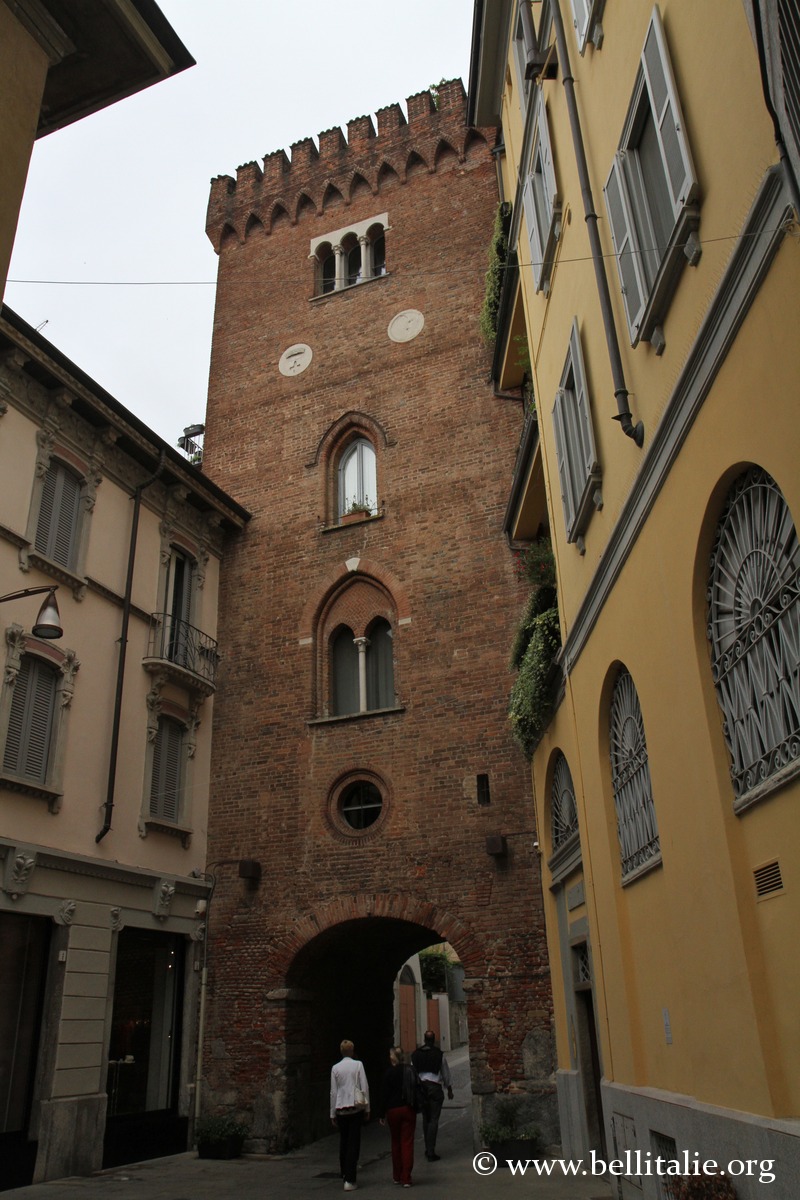
The city center also stands out with the Arengario, the former 13th-century palace and town hall, the 13th-century tower known as Theodelinda, the churches of San Pietro Martire, Santa Maria in Strada and Santa Maria delle Grazie (15th-century Franciscan sanctuary), or the 20th-century Chapel Espiatoria with its beautiful mosaics.
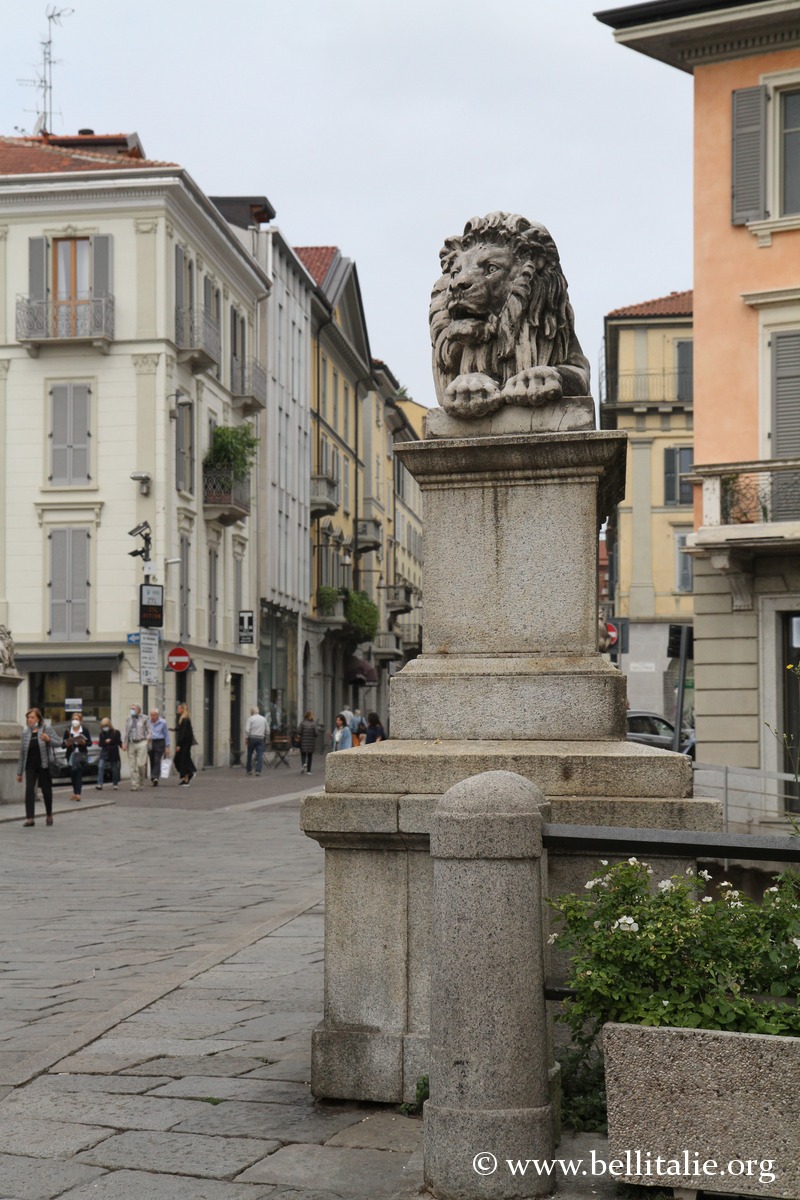
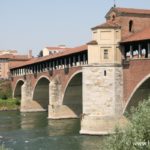
Old bridges span the Lambro, such as the monumental Ponte dei Leoni or the older 14th-century Ponte Nuovo.
The Monza Civic Museum reopened in 2014 brings together 140 works that tell the history of the city, in the medieval complex of the Casa degli Umiliati.
Outside the city you can stroll along the Lambro, on foot or by bicycle, and visit a few villages of the Brianza: Macherio, Carate, Arosio and Inverigo further north.
The Brianza
The Brianza is a geographical area located north of Milan, with Monza at its heart, south of Lake Como, made up of a plain in the southwest and hills in the northeast, with several bodies of water.
Its name is said to derive from the Celtic term brig, which means hill, but some sources link it to the story of Brianteo, a hero in the retinue of the Gallic prince Bellovesus who is said to have occupied Insubria and founded ancient Mediolanum. A third theory attributes it to the Celtic tribe Brigantia that migrated to Lombardy.
At the heart of the second industrial revolution, it became one of the most densely populated regions in Italy.
Vimercate
Vimercate is an active town in the Brianza, with Roman and also medieval traces such as the Church of Santo Stefano or the Ponte di San Rocco, a unique example of a Roman bridge fortified by the Lombards, and the Borromeo hunting lodge.
Noble villas and country residences were built in its territory from the 16th century, such as the grandiose Villa Gallarati Scotti, Palazzo Trotti and the neoclassical Villa Sottocasa, today home to the MUST Museo del Territorio.
Cesano Maderno
Cesano Maderno is one of the most important towns in the province with a remarkable historic center, including the so-called keep, the remains of the medieval fortifications, the 17th-century villa and Palazzo Arese Borromeo, the oratories and Santo Stefano Protomartire, as well as the Cesano Lipu Oasis.
The Palazzo Arese Borromeo is one of the most beautiful palaces in the region, built in the second half of the 17th century, with a 16th-century wing, beautiful halls, a gallery and apartments, including extraordinary frescoes, and the garden.
Adda di Leonardo Ecomuseum
The Adda di Leonardo Ecomuseum is located inside the Adda Nord Park, along the Adda river, to enhance the local natural heritage, with attention to Leonardo da Vinci’s stay in Lombardy. The route is 21 km long over 18 stages, with one of the two examples of the “Leonardo ferry”, imagined in 1513.
Montevecchia
Montevecchia, northeast of the Brianza, is home to the Montevecchia and Curone Valley Regional Park, with its woods and agricultural production including its cheeses. There are also a 60,000-year-old Neanderthal site and a 32,000-year-old Homo sapiens site.
The Sanctuary of the Blessed Virgin of Mount Carmel is of medieval origin, located at the top of the hill with a view over the Brianza. There is also the Villa Albertoni Agnesi built in the 18th century, in Rococo style.
Seregno
In the lower Brianza, the municipality of Seregno preserves an old center, including alleys belonging to the different villages, an old well, the collegiate basilica of San Giuseppe, the neo-Gothic sanctuary of Our Lady of Santa Valeria, the abbey of the Olivetan Monks of Saint Benedict and the Barbarossa Tower.
Information
- Wikipedia article: Brianza, Monza
- Tourism portals: turismo.monza.it, www.in-lombardia.it
Map
If you see this after your page is loaded completely, leafletJS files are missing.


Comments