

Turin and its surroundings
- Turin

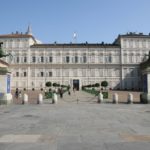
Turin is the Piedmontese capital and has a rich artistic and historical heritage, with its museums, squares, churches and cafés, from the Mole Antonelliana to the Egyptian Museum, by way of the Chapel of the Holy Shroud and the Royal Palace with its museums. - Royal Palace of Venaria

The imposing Royal Palace of Venaria, built from the 17th century onwards, is the most famous of the Savoy palaces, located a few kilometres north-west of Turin, where you can visit its magnificent halls, stables and gardens adorned with rose bushes. - La Mandria Natural Park
The most beautiful natural park in the surroundings of Turin, close to the Palace of Venaria, home to beautiful wildlife including many species of birds. - Stupinigi Hunting Lodge
To the south-west of Turin, the splendid Stupinigi Hunting Lodge was also a royal residence, built in the 18th century, with remarkable salons. - Rivoli Castle – Museum of Contemporary Art. About ten kilometres west of Turin, Rivoli Castle, which dates back to the 9th century, is another of the Savoy residences, home since 1984 to one of the most important contemporary art museums in Italy.
- Moncalieri Castle. About ten kilometres south of Turin, the Royal Castle of Moncalieri was built by the Savoys in the 17th century by enlarging a medieval fortress.
- Turin Hills. Beautiful rolling countryside just east of Turin, with the remarkable Gothic-Romanesque Abbey of Vezzolano.
Susa Valley and Chisone Valley
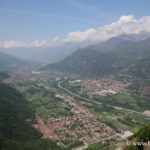
The Susa Valley (Val di Susa in Italian) is a beautiful Alpine valley leading from Turin up into the heights to the west as far as the French border near the resorts of Bardonecchia and Sestriere. It passes through several historic towns, including Avigliana, which had an important castle now in ruins, the Roman town of Susa, and Claviere and Bussoleno.
For centuries it was crossed by military troops, starting with the Roman legions on their way to Gaul. These constant passages have left their mark on the heritage of every era, with churches, castles and forts. It was also the route of the Via Francigena followed by pilgrims
- Saint-Michel de la Cluse
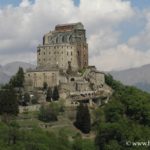
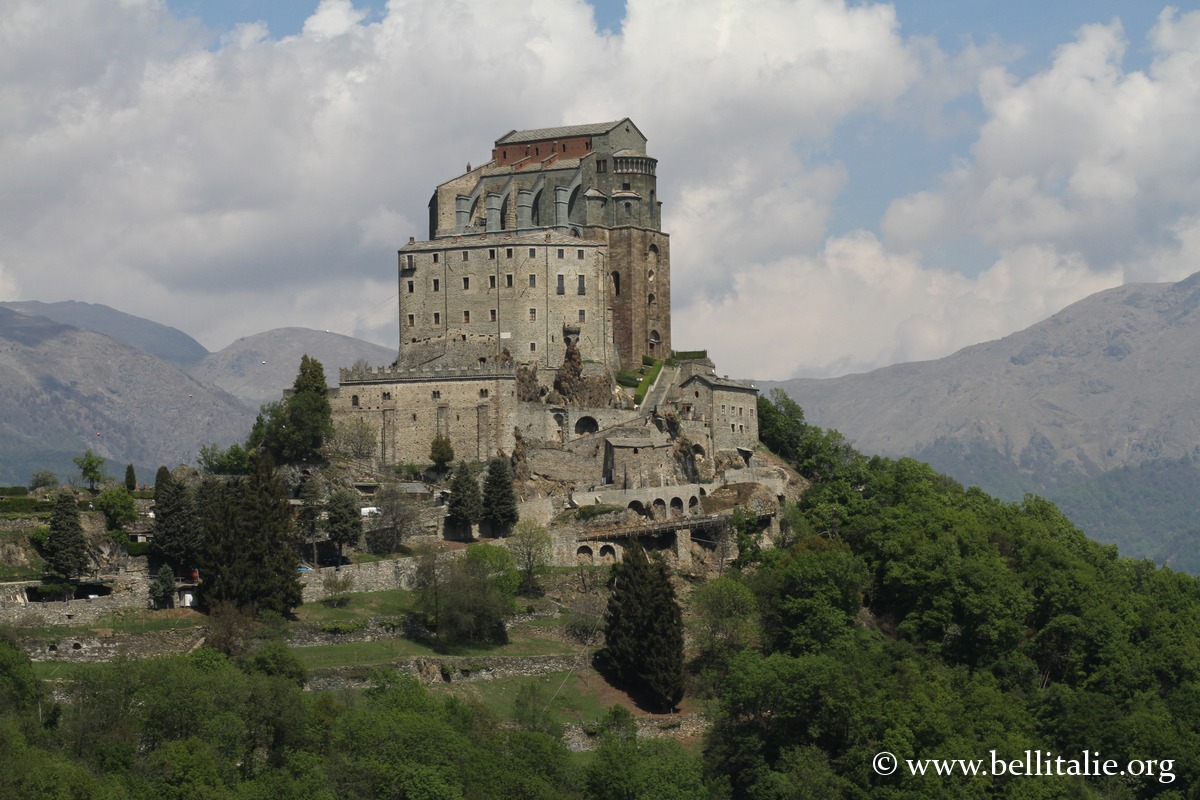
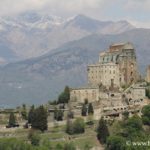
The Sacra di San Michele (Saint-Michel de la Cluse in French) is one of the most beautiful sites and symbols of the region, an ancient Romanesque monastery perched on a rock in a majestic site overlooking the valley, mysterious and steeped in a long history, whose construction dates back to the end of the 10th century AD. - Susa
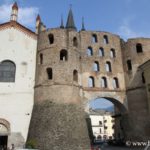
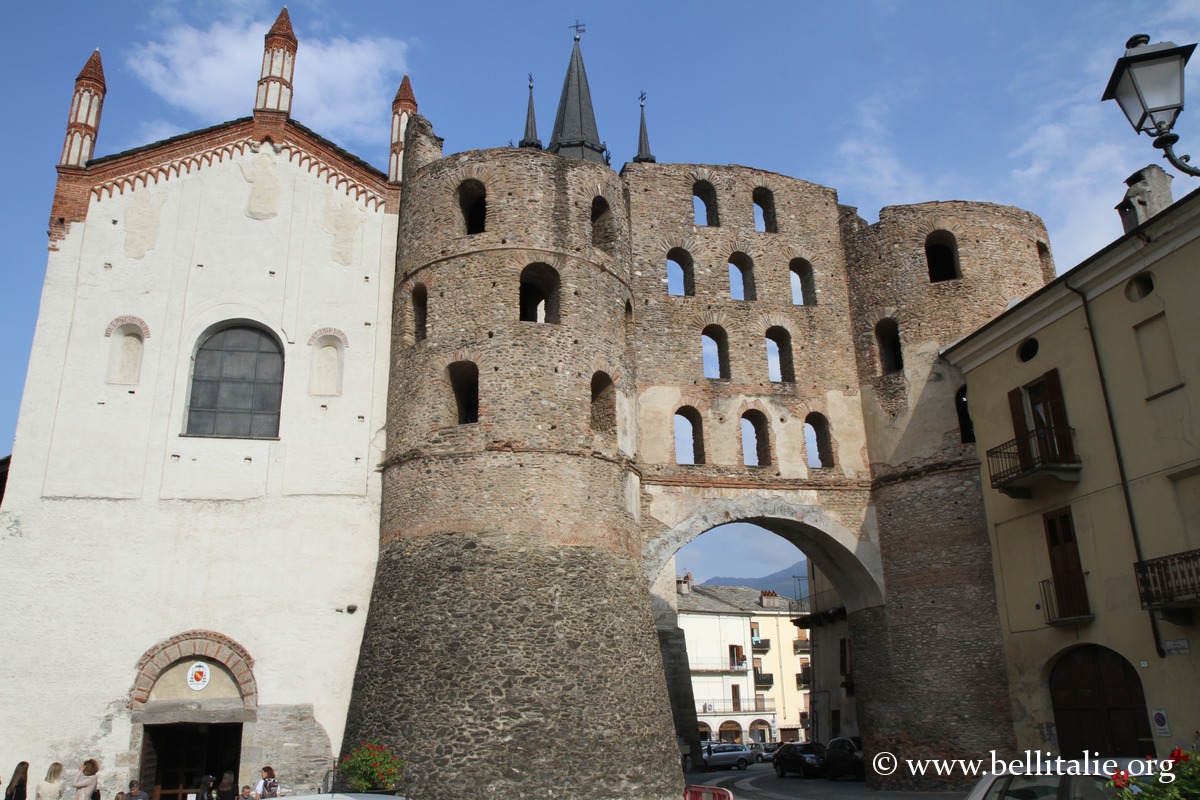
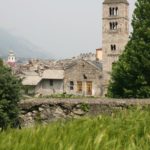
A town on the route to Gaul, the pretty town of Susa has preserved substantial Roman and medieval remains, including the Arch of Augustus, the ancient gate and its cathedral. - Fenestrelle Fort and Chisone Valley
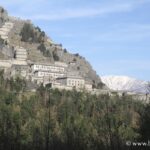
In the Chisone valley south of the Susa valley, the gigantic Fenestrelle fortress was built in the 18th and 19th centuries, with an impressive 3 km-long wall and underground passages. It overlooks and blocks the Val Chisone on the road to the Montgenèvre pass. A stone’s throw away, the pretty village of Usseaux is one of the most charming villages in the region.  Novalesa Abbey
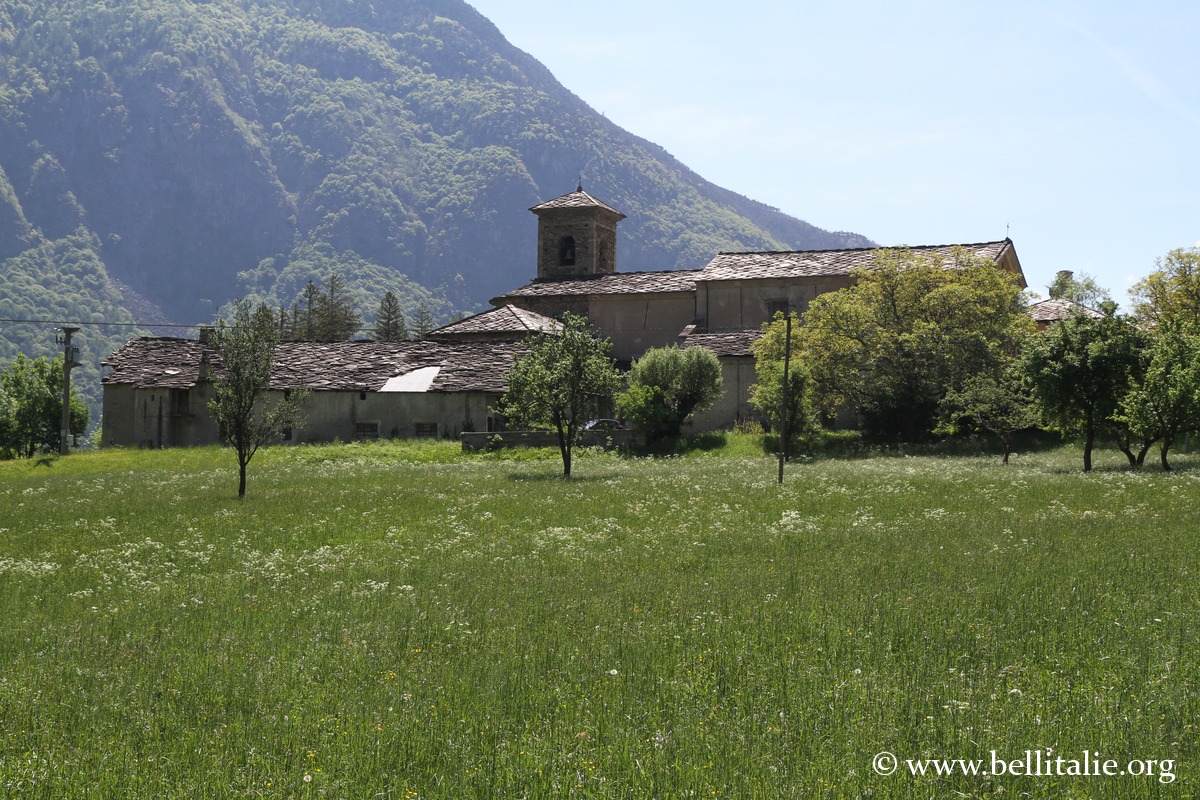
Surrounded by nature, close to several bucolic waterfalls, this beautiful Benedictine abbey has more than 12 centuries of history. Guided tours allow you to discover its history as well as the beautiful frescoes of the chapel of San Eldrado.- Avigliana
The town, dominated by the ruins of a once-powerful castle, preserves streets and buildings dating back to the Middle Ages. You can also visit Alfred Nobel’s former dynamite factory there.  Exilles Fort
This fort in the Susa Valley is one of the oldest monuments and defensive systems in Piedmont, with origins in the 7th century, becoming a castle in the 14th century, then rebuilt as a modern fortress in the 19th century.- Other places in the valley
Exilles Fort, Saint Anthony Abbey of Ranvers, the Gran Pertus tunnel, the Tibetan bridge over the San Gervasio gorges, the Bramafan Fort in Bardonecchia, the Montebenedetto Charterhouse in Villarfocchiardo, the Museum-workshop of prehistory in Vaye, or the village of Chaumont (→ See the dedicated page on the Susa Valley).
Lake Maggiore and the northern Alpine valleys
 Lake Maggiore
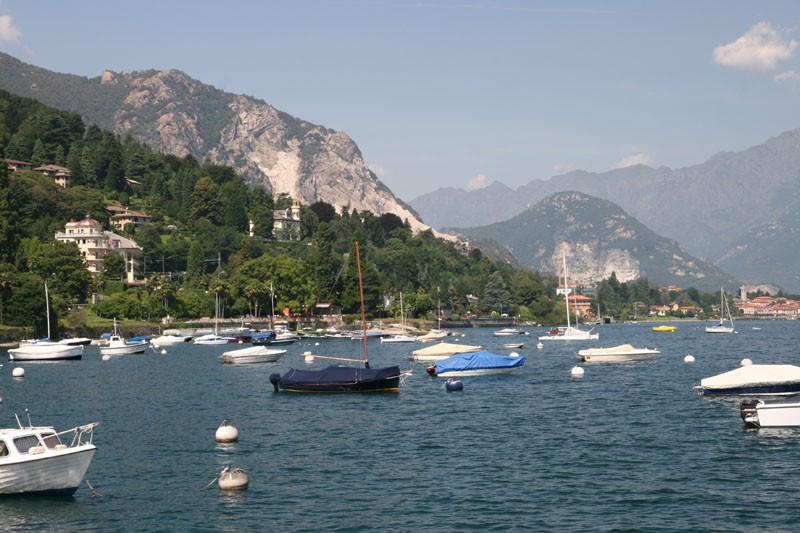
In the north-east of Piedmont, this large lake of the Alpine valleys is to be discovered with its landscapes, its heritage and its history along the shores and on its islands, see its beaches. In particular, one can see the village of Stresa, from where one can reach the Borromean Islands including Isola Bella and the palace and its gardens, the picturesque Isola dei Pescatori and the rich botanical gardens of Isola Madre.- Gardens of Villa Taranto
The terraced botanical gardens of Villa Taranto in Verbania, on the coast of Lake Maggiore. - Borromean Islands
The islands on Lake Maggiore, a small archipelago including Isola Bella and Isola Madre with two palaces rich in decorated and painted salons, and their magnificent flowered gardens surrounded by the beautiful waters of the lake. - Lake Orta
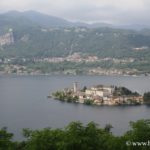
This small lake not far from Lake Maggiore (to the west), is a lovely destination, with its landscapes and its villages including Orta San Giulio. This charming little village of medieval origin is located partly on a peninsula of Lake Orta and on the islet San Giulio with its basilica. - The Ossola Valley , the Val Grande and the tributary valleys
From the Valgrande park in the south, towards the Ossola Valley in the north, including the villages of Domodossola, Vogogna and Mergozzo with its small lake very close to Lake Maggiore. - The Valsesia, to the west of Lake Orta, is a beautiful green valley rising up to Monte Rosa, also rich in sanctuaries with above all the superb Sacred Mount of Varallo .
- Sanctuary of Mount Oropa
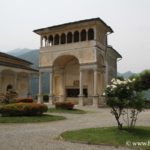
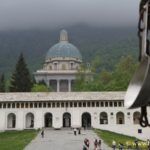
It is the most famous of the Sacred Mounts, dedicated to the Black Madonna, built in the middle of an amphitheatre of mountains at 1200 metres altitude, which is said to have been founded by Eusebius in the 4th century. This vast complex today includes an old basilica, a new church, the treasury museum, historic buildings, and the Stations of the Cross with 19 chapels adorned with frescoes.  Ducal Castle of Agliè
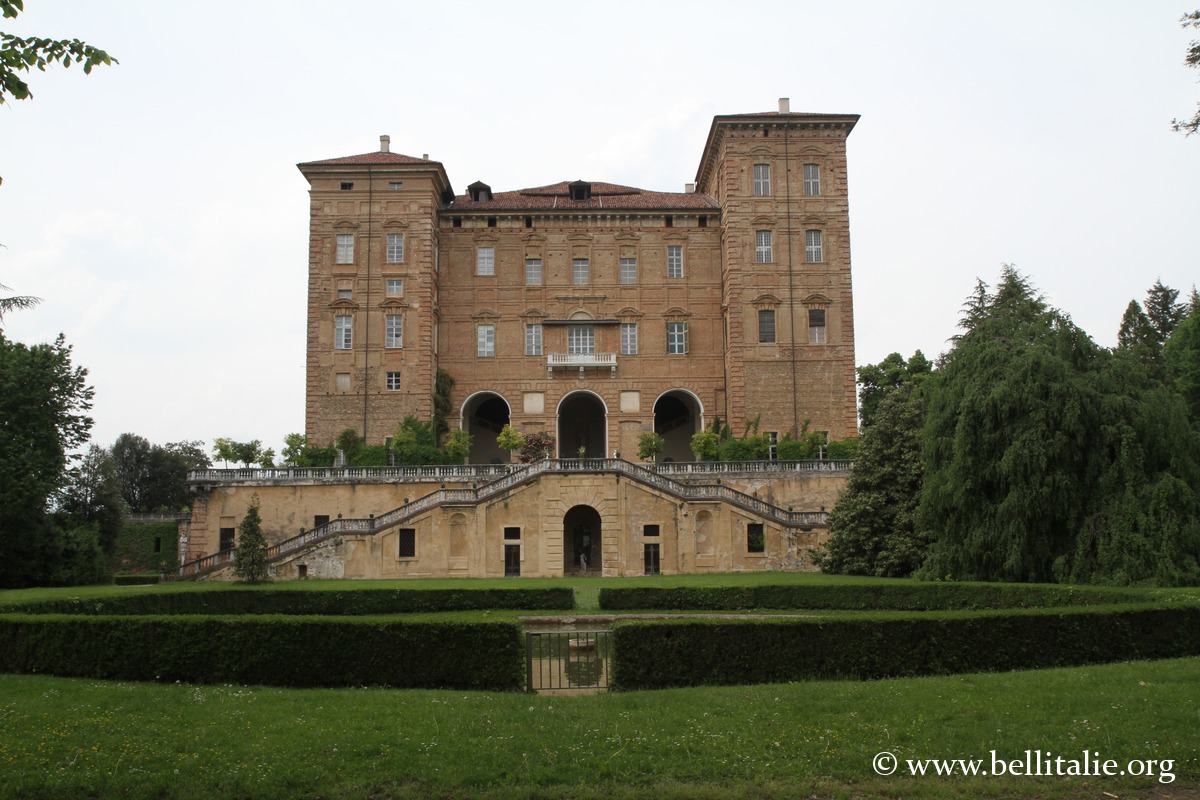
About forty kilometres north of Turin, this Savoy residence was originally a medieval castle, enlarged over the centuries and becoming an example of mixtures of styles and eras. The Ballroom decorated with frescoes, the luxurious furnishing of the apartments and the collections bear witness to the passage of princes and kings. The park has greenhouses and centuries-old trees.- Ivrea
Ivrea is a picturesque town and the main one of the Canavese, the hills nearly 50 km north of Turin rich in residences, forests and lakes. It is the seat of the traditional Carnival of the Oranges and the former industrial town of Olivetti. - Via Francigena
The ancient Via Francigena was used by pilgrims for centuries from the north of France or England to reach Rome, through the Aosta Valley and the Dora Baltea valley, or through the Susa Valley. These routes have many testimonies of this history, religious buildings, monuments, festivals and others. (see the site www.turismotorino.org/fr/experiences/la-voie-francigena-du-piemont) - Sacred Mount of Belmonte
The summits of the Alps
- Milky Way
In the west of Piedmont, La Via Lattea (Milky Way) is the most important ski area in the region, composed of nine localities between the Susa and Cuson valleys. It hosted the Turin Winter Olympic Games in 2006. - Gran Paradiso National Park (Gran Paradiso)
In the north-west of Piedmont, among the beautiful mountains of the region, the Gran Paradiso is a protected natural park straddling the Aosta Valley and Piedmont, ideal for beautiful hikes to discover nature in the warm season. - Mount Viso
It is in the west of Piedmont, with its regional park close to the French Queyras, Mount Viso with its arrowhead appearance is one of the most beautiful Alpine summits of Piedmont, appreciated by hikers and climbers, area of the sources of the Po. - Monte Rosa
In the north of Piedmont, this vast Alpine massif of Monte Rosa, with its 11 peaks of more than 4000 metres, including Monte Dufour and several glaciers in Piedmont, straddling Piedmont, the Aosta Valley and Switzerland.
The Sacred Mounts
The “Sacri Monti”, a Unesco heritage, are a group of religious sanctuaries built on hilltops in the regions of Piedmont (7 sites) and Lombardy (2 sites): the Sacred Mount of Orta with its 20 chapels; the Sacred Mount of Ghiffa on the shores of Lake Maggiore; that of Varallo west of Orta; the Sacred Mount of Oropa which is the most famous; as well as the Sacred Mount of Calvary at Domodossola to the north; and further south, the Sacred Mount of Crea east of Turin; that of Belmonte north of Turin which is perhaps the most modest, and in Lombardy are the Sacred Mount of Varese and that of Ossuccio.
Po Plain to the east
- Vercelli
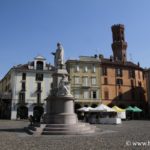
The city of Vercelli, on the road between Milan and Turin, which grew rich thanks to rice cultivation, preserves a remarkable basilica and an interesting historic center. - Novara
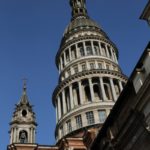
Also on the road between Turin and Milan, in a region of rice fields south of Lake Maggiore, Novara is especially attractive with its dome of San Gaudenzio, the work of Alessandro Antonelli, the creator of the Mole Antonelliana in Turin. - Citadel of Alessandria
To the southeast, toward Liguria, the city of Alessandria is famous for its citadel, one of the most important fortifications of the 18th century, listed as Unesco heritage. - Novi Ligure and Fort of Gavi
Further south, at the foot of the Upper Monferrato, beyond the pleasant little town of Novi Ligure with its beautiful hills whose vineyards produce very good wines, the Fort of Gavi is another well-preserved fortress, once protecting the border between the domains of Savoy and the Republic of Genoa.
Viticultural landscapes of the Langhe, Roero and Montferrato
In southern Piedmont, among other winegrowing areas of the region, the hills of the Langhe, the Roero and the Monferrato, between the Po and the Ligurian Apennines, have been distinguished by Unesco for the quality and the landscape of these five vineyards. Wine is said to have existed there since the 5th century BC, a time when Piedmont was a place of contact and exchange between Etruscans and Celts. The local dialect also includes words derived from these two cultures.
Langhe and surroundings
- Alba and the Langhe
Alba is the capital of the Langhe and of the white truffle. Its region produces great red wines such as Barolo and Grinzane, with its unique and attractive landscape, its hills covered with vineyards and dominated by villages and castles, including the beautiful medieval castle of Cavour, or Barolo, the small town famous for its renowned wine. - Further south, the landscape of the High Langhe (Alta Langa) is rougher and covered with beautiful hazelnut trees which were moreover the basis of Ferrero’s Nutella, a small local company that has come a long way.
- Canelli and the Belbo Valley
East of Alba, in the Belbo Valley, it was in the famous “underground cathedrals” of Canelli that the first Italian sparkling wine was born in 1865.
Roero and surroundings
In the region of Roero, north of Alba, on the left bank of the Tanaro river, the landscape is wilder than in the Langhe, with more rocky winegrowing hills, woods and orchards, in a setting conducive to beautiful excursions.
Several castles are remarkable, such as the medieval castle of Monticello d’Alba, then the castle of Guarene, which was the residence of the counts of Roero, now become a luxurious hotel, and that of Govone.
- Roero
Besides castles, small villages and excursions, Bra is the main town of the Roero, with a heritage of churches and palaces that bears witness to Piedmontese Baroque. Its life is paced by oenogastronomy and an important international event dedicated to cheese. - Tanaro Valley, from Pollenzo to Cherasco
West of Alba, Pollenzo, with its royal castle of character, built from the 14th century, has recently housed a famous university of gastronomy. Cherasco is a charming village, with a picturesque historic center, where regular antique markets are held.
Monferrato
The former marquisate of Montferrat is a gastronomic and wine region, particularly in the Lower Montferrat, where Casale is a town rich in history with a splendid cathedral not to be missed when passing through. It is a region with many castles and villages, vineyards and rice fields descending toward the plain. In the hills west of Asti, the Monferrato Astigiano is also adorned with many small Romanesque churches.
 Asti
Asti
Asti is the heart of the Montferrato Astigiano, having kept its beautiful cathedral and historic palaces. Every year its palio takes place on the third Sunday of September, with historical reenactments, and over a weekend the gastronomic festival.- Casale Monferrato
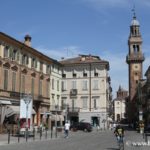
Certainly the prettiest town of the Lower Montferrat, at the foot of the hills, which preserves an astonishing cathedral. - The Lower Montferrat
Gentle hills mingling fields and vineyards, crowned with small villages and castles, isolated Romanesque churches, and the Sacred Mount of Crea. - Vezzolano Abbey
Vezzolano Abbey is a jewel of the Piedmontese Middle Ages in the Montferrat of Asti, endowed with a Romanesque church and a cloister decorated with frescoes, with a garden and well-preserved rooms. - The Upper Montferrat
Toward the Val Bormida and the Ligurian Apennines, the Upper Montferrat is another gastronomic and wine land, where in particular Acqui Terme, called “ the Boiling ”, is appreciated by travelers for its thermal springs, one of whose gateways can be Novi Ligure.
Cuneo and surroundings in southwestern Piedmont
- Cuneo
Cuneo (Cuneo in Italian) is a gateway to several Alpine valleys and a charming town. On its territory, former convents and monasteries have flourished over time. - Mondovì
Charming medieval village in the Cuneo region on the road to Liguria - Pesio Charterhouse
The Pesio Charterhouse, with its cloister and its church, occupies a bucolic site in the green Pesio valley. - Sanctuary of Saint Magnus
In the alpine pastures on the path linking two major valleys, this charming sanctuary preserves remarkable frescoes from the 15th and 16th centuries. - Sanctuary of Vicoforte
This grandiose sanctuary with Baroque decorations is topped by an immense elliptical dome that is one of the largest in the world, covered with 6000 m2 of frescoes. - Royal Castle of Valcasotto
Located in the heart of the valley’s greenery, the Royal Castle of Valcasotto was originally a 12th-century charterhouse. - Alps and Mercantour National Park
South of Cuneo, the Mercantour National Park is a beautiful mountainous region crossed by trails, neighboring the French Mercantour park, with peaks, lakes, forests and pastures.
Marquisate of Saluzzo and surroundings
North of Cuneo and south of Turin lies the area of the former Marquisate of Saluzzo (Saluzzo), with several castles and a beautiful heritage, including the castle of La Manta and its superb frescoes.
- Saluzzo
The small medieval town of Saluzzo has beautiful buildings such as its tower and its palaces. - Castle of La Manta
It is the most beautiful castle of the former marquisate, with a famous room decorated with superb 15th-century frescoes whose iconography is medieval. - Staffarda Abbey
North of Saluzzo, Staffarda Abbey is one of the most important medieval buildings in Piedmont, with its church and the monastery. - Royal Castle of Racconigi
40 km south of Turin, province of Cuneo, it is the most recent of the Savoy Royal Residences, whose interior is exceptionally well preserved, originally a medieval castle, remodeled several times.
Information
- Wikipedia article: en.wikipedia.org
- Tourist portals: viaggi.corriere.it, www.luoghidiinteresse.it, www.guidatorino.com
- Blogs: www.zainoinviaggio.it
- Piedmont wine landscapes: whc.unesco.org,
- Via Francigena: www.italia.it, turismotorino.org
- The Sacred Mounts: www.sacrimonti.org
- What to see in Piedmont
- Turin
- Saint Michael’s Abbey, La Clusa
- Lake Maggiore
- Susa Valley and Chisone Valley
- Susa
- Lake Orta
- Cuneo and Surroundings
- The Langhe
- Montferrat
- Roero and surroundings
- Asti
- Alba
- Domodossola and Val d’Ossola
- Valsesia
- Sanctuary of Mount Oropa
- Saluzzo and surroundings
- Usseaux and Fenestrelle Fort
- Casale Monferrato
- Vercelli
- Ivrea, Canavese and Biellese
- Novara


Comments