


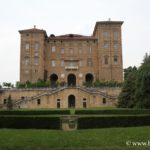
The Rivoli Castle dates back to the 9th and 10th centuries, becoming in 1280 the property of the House of Savoy, used in the 15th and 16th centuries as a military outpost.
In the mid-16th century, during the French occupation of Turin, Duke Emmanuel Philibert of Savoy settled in Rivoli Castle, then modified by his architect Ascanio Vittozzi. Moreover, Charles Emmanuel I was born there on 12 January 1562, son of Margaret of France.
On 14 December 1562, the Duke of Savoy returned to Turin, declared the city the capital of his states in place of Chambéry, and settled there.
The renovation of the castle continued until 1644, but it was sacked at the end of the 17th century by the French.
In the 18th century, renovations were entrusted to Garove, then the architect Filippo Juvara undertook a grandiose project, never completed, but with a Rivoli-Superga axis. Later becoming a barracks, it was partly destroyed by the bombings of the Second World War.
Renovated in the 1970s, the contemporary art museum was inaugurated there in 1984.
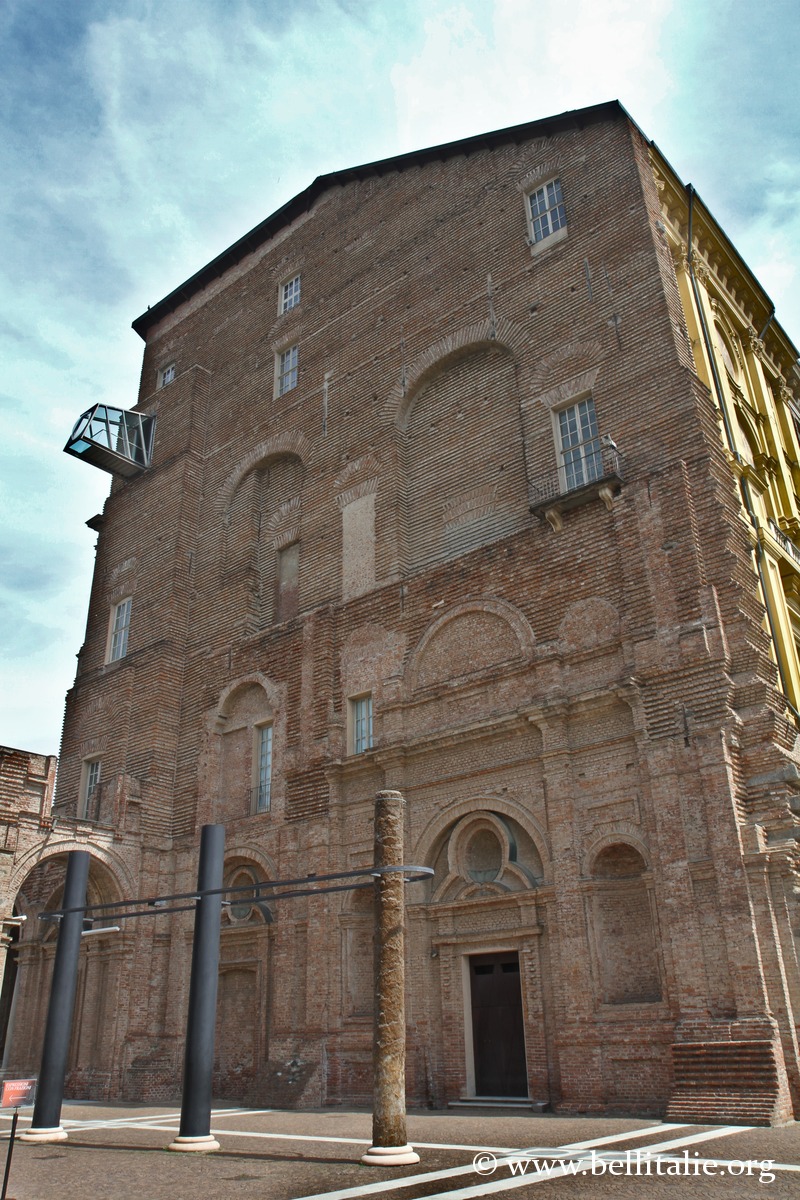
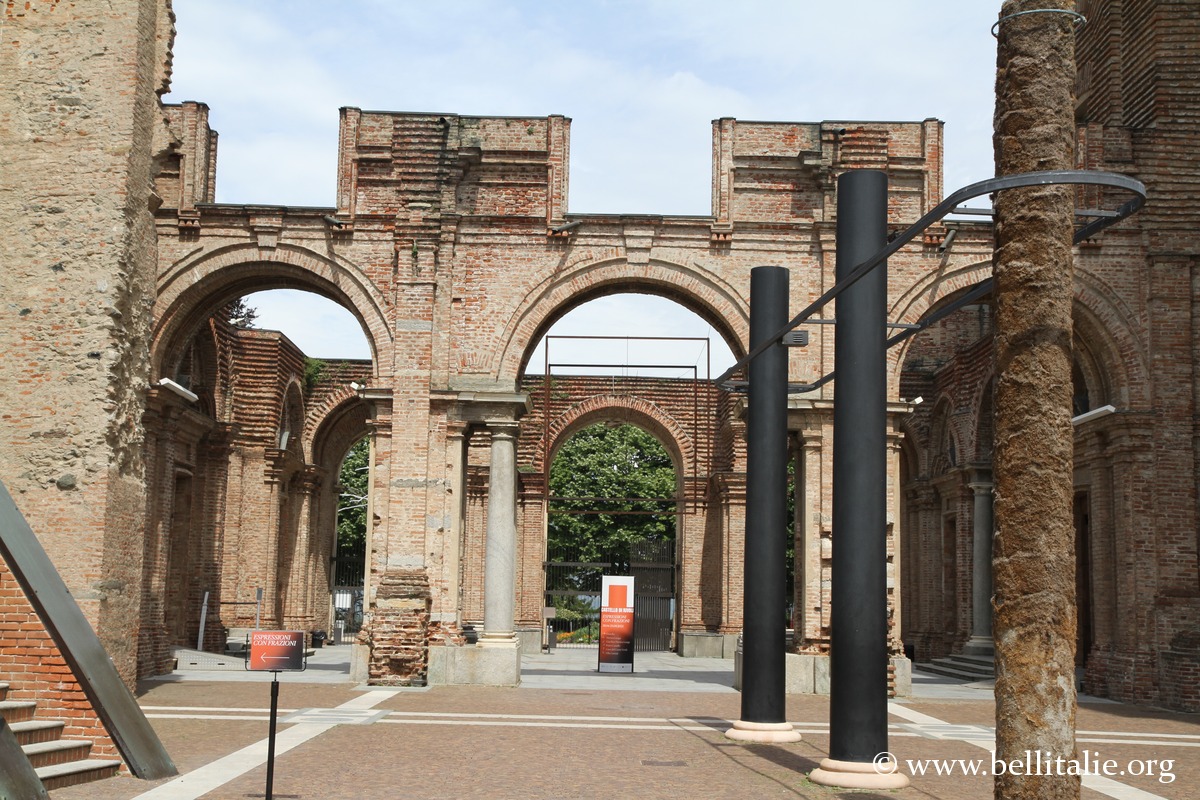
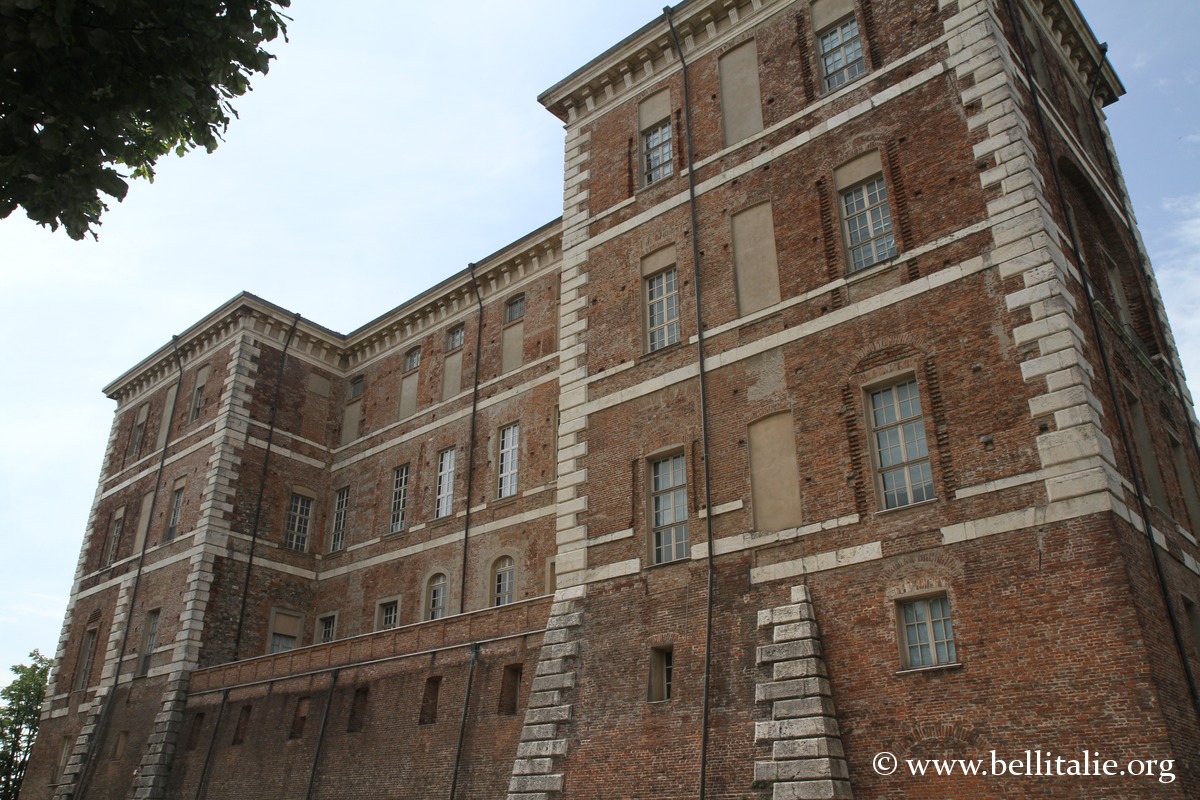
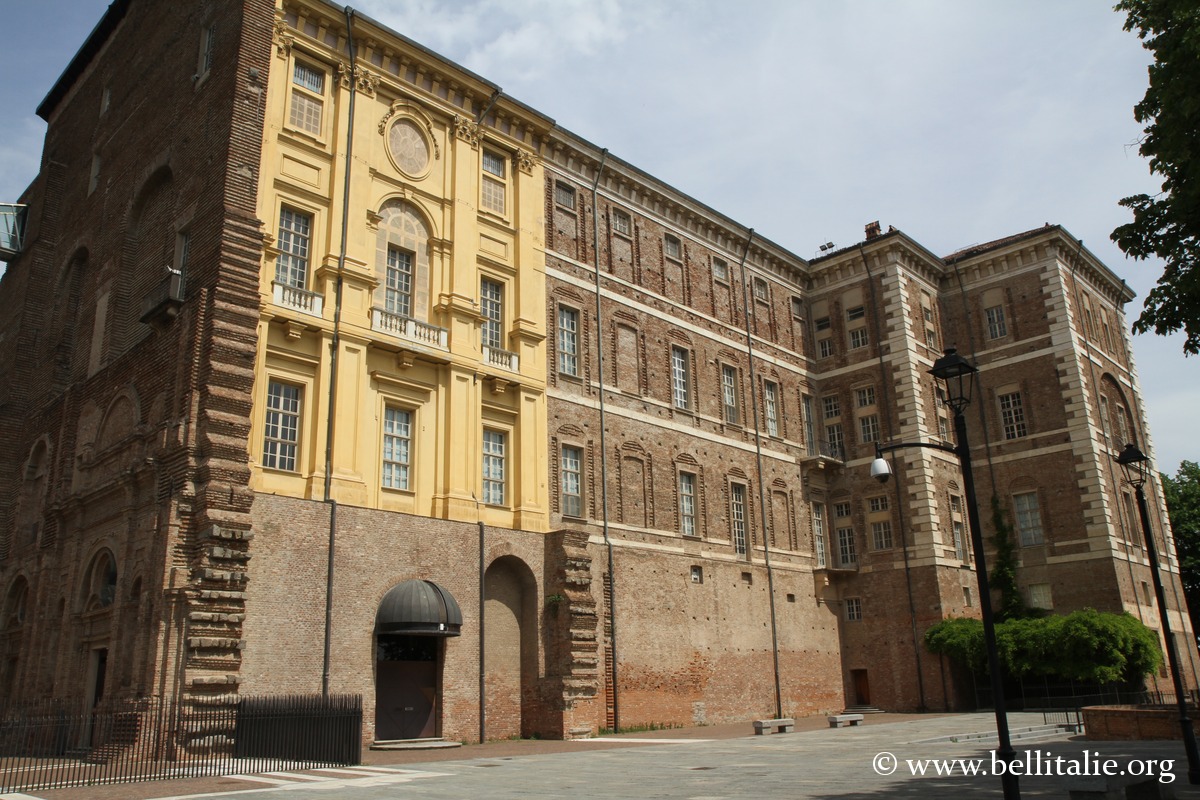
Museum of Contemporary Art of the Castle
Rivoli Castle houses the Museum of Contemporary Art, one of the most important in Italy for contemporary art, which in addition to collecting and exhibiting works of art, is a centre of creativity, research and education in the field of contemporary art, linking the past to the present.
The museum houses within it the Cerruti Collection (on guided tour) of great value comprising nearly three hundred sculptural and pictorial works ranging from the Middle Ages to the contemporary, with ancient books, furniture, carpets, masterpieces ranging from Bernardo Daddi, Pontormo and Ribera to Renoir, Modigliani, Kandinsky, Klee, Boccioni, Balla and Magritte, then Bacon, Burri, Warhol, De Dominicis and Paolini.
Map and address
Piazzale Mafalda di Savoia, 2, 10098 Rivoli TO
If you see this after your page is loaded completely, leafletJS files are missing.
Information
- Official website: www.castellodirivoli.org
- Wikipedia articles: Rivoli Castle
- What to see in Piedmont
- Turin
- Saint Michael’s Abbey, La Clusa
- Lake Maggiore
- Susa Valley and Chisone Valley
- Susa
- Lake Orta
- Cuneo and Surroundings
- The Langhe
- Montferrat
- Roero and surroundings
- Asti
- Alba
- Domodossola and Val d’Ossola
- Valsesia
- Sanctuary of Mount Oropa
- Saluzzo and surroundings
- Usseaux and Fenestrelle Fort
- Casale Monferrato
- Vercelli
- Ivrea, Canavese and Biellese
- Novara
- What to see and do in Turin
- Turin in 1 day, 2 days and more
- Piazza Castello in Turin
- Royal Palaces and Museums of Turin
- Egyptian Museum of Turin
- Mole Antonelliana
- Turin Cathedral of Saint John the Baptist
- Piazza San Carlo in Turin
- Palazzo Madama, Turin
- Palatine Gate of Turin
- Royal Palace of Venaria
- Other monuments and places in Turin
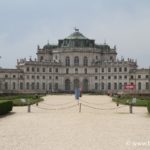
- Stupinigi Hunting Lodge
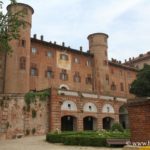
- Moncalieri Royal Castle
- Turin Hills


Comments