


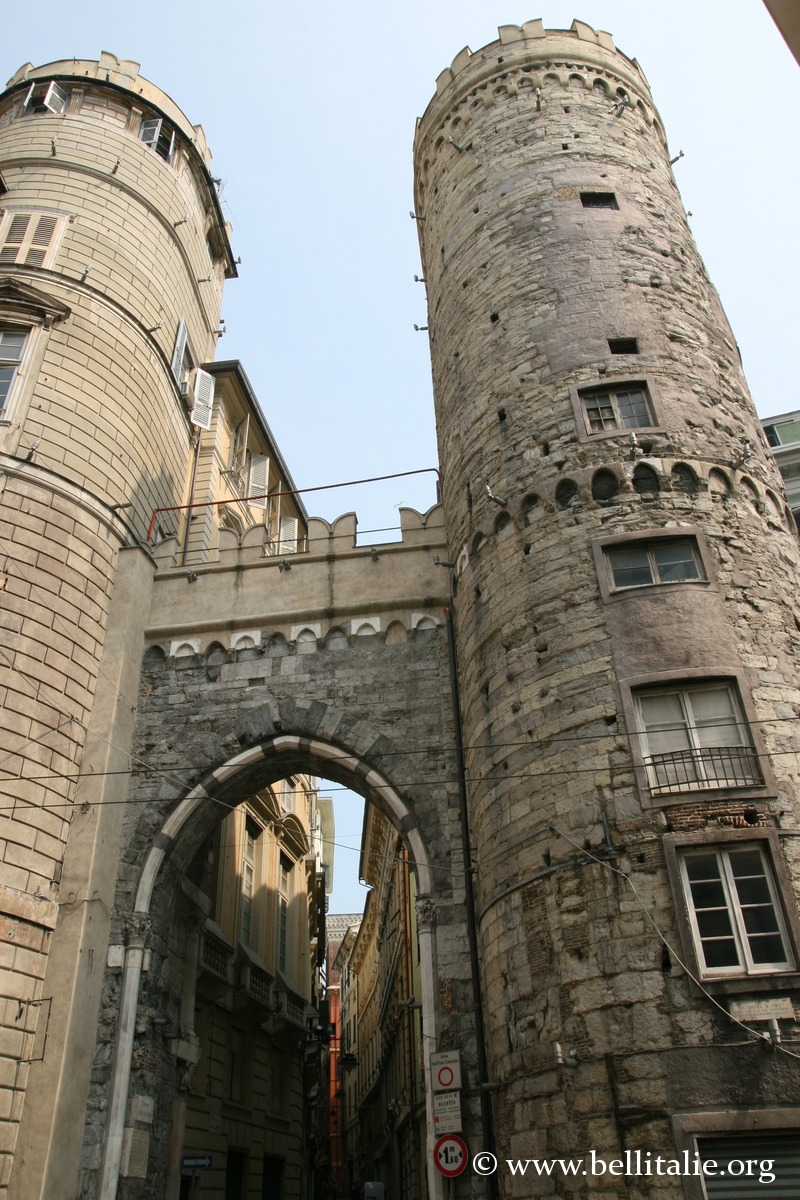
 Genoa is the main city and the capital of Liguria, with nearly 550,000 inhabitants.
An ancient and powerful maritime republic, it remains today less frequented by tourism than many other large Italian cities, despite a particularly rich heritage and a strong identity. Its immense port, its dense historic centre and its palaces bear witness to a history closely linked to trade and the Mediterranean.
Presentation of Genoa
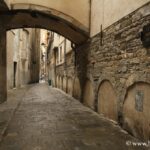
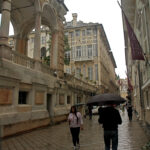
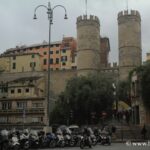
The urban planning of Genoa stretches between the coastline occupied by its vast port and the hills that overlook the old town. The latter preserves ancient gates, tall houses packed tightly against one another, numerous stairways and above all a maze of narrow alleys, the caruggi, characteristic of Liguria.
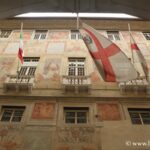
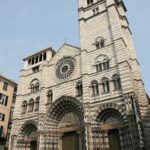
The monumental heart of the city develops notably around via Garibaldi and piazza De Ferrari. Among the main monuments are San Lorenzo Cathedral, the Doge’s Palace, the Carlo Felice theatre, as well as the Strada Nuova, lined with the Renaissance and Baroque palaces of the Palazzi dei Rolli.
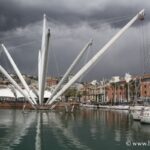
Near the old port and the former arsenals, the Genoa Aquarium is among the largest in Europe. Nearby are also the Galata Sea Museum and several other cultural sites.
What to see in Genoa
Historical aspects
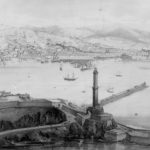
Genoa was in the Middle Ages one of the great Italian maritime republics, rivalling in particular with Pisa and Venice for control of trade routes in the Mediterranean and towards the East. It also played an important role during the Crusades by providing ships, sailors and supplies. Its port remained over the centuries at the heart of its economic activity and is still today one of the most important in Italy. It is also the birthplace of Christopher Columbus, as well as that of Fabrizio De André, a major figure in contemporary Italian song.
From the Renaissance onwards, Genoa also became one of the great financial centres of Europe. The wealthy families of Genoese merchants and bankers financed sovereigns and the great European powers, in particular the Spanish monarchy. This economic power rested on a complex network of banks, aristocratic families and international commercial relations, which made Genoa one of the main European financial centres between the 16th and 17th centuries.
Map of Genoa
 Show interactive map
Weather in Genoa
Location of Genoa
If you see this after your page is loaded completely, leafletJS files are missing.
Information
- Wikipedia article: en.wikipedia.org
- Tourism portals: www.visitgenoa.it
- What to see in Liguria
- Genoa
- Cinque Terre
- Portofino
- Sestri Levante
- Lerici, Tellaro and Montemarcello
- Portofino Natural Park
- Portovenere
- Albenga
- Noli
- Rapallo
- Ventimiglia and Bordighera
- Other places of the Riviera di Levante
- Dolceacqua and Apricale
- From Savona to Arenzano
- Imperia and Cervo
- Finale Ligure and Finalborgo
- Gulf of Paradise – From Bogliasco to Camogli
- Sanremo, Bussana and Taggia
- Seborga, Pigna and Rocchetta Nervina
- Levanto
- From Moneglia to Bonassola



Comments