


The system of the Palazzi dei Rolli is a group of sumptuous Genoese residences built by the aristocracy between the middle of the 16th and the 17th century, as wealthy merchants, bankers and shipowners, at a time when the Republic of Genoa was at the height of its maritime and economic power, and an important Mediterranean city.
These palaces had the particularity of being intended – at the initiative of the public authority by a decree of 1576 – to host illustrious figures passing through Genoa. At that time, the city was indeed frequented by many foreigners.
This site thus represents the first example in Europe of an urban development project laid out by a public authority, and associated with a system of public accommodation in private residences (decree of 1576).
Palaces were built forming the Strade Nuove (new streets in French) of the time, of which the Strada Nuova (present-day Via Garibaldi) is the most important, then via Bensa and via Balbi.
This new district was developed north of the old center and its narrow streets lined with very dense medieval buildings. It was the architect Galeazzo Alessi who designed the urban planning and some of the great palaces. In addition, at the time dozens of family residences were renovated in the historic center.
Marked by the architecture of the late Renaissance and Baroque, there are more than a hundred palaces. They were classified into four categories, each associated with the rank of the guest for whom they were intended.
These residences display different construction techniques, depending on the topography, but share common characteristics. Thus they generally have three or four floors, often with open staircases, courtyards, loggias, atriums and gardens with fountains. The facades are decorated with frescoes or decorations in marble and stucco.
Many interiors have preserved their original decorations, marked by Genoese Mannerism and Baroque. Large halls are decorated with frescoes and have rich furniture, as well as art collections with picture galleries.
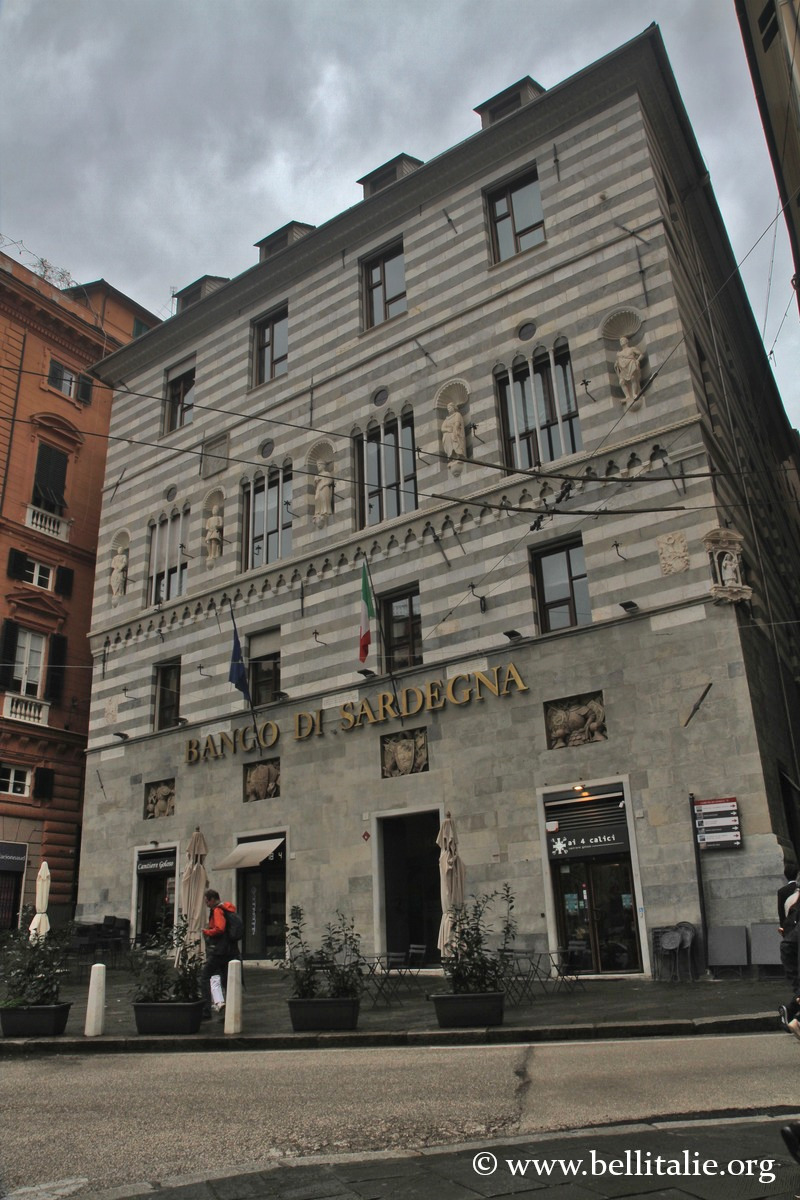
(Piazza Fontane Marose, 3-4)
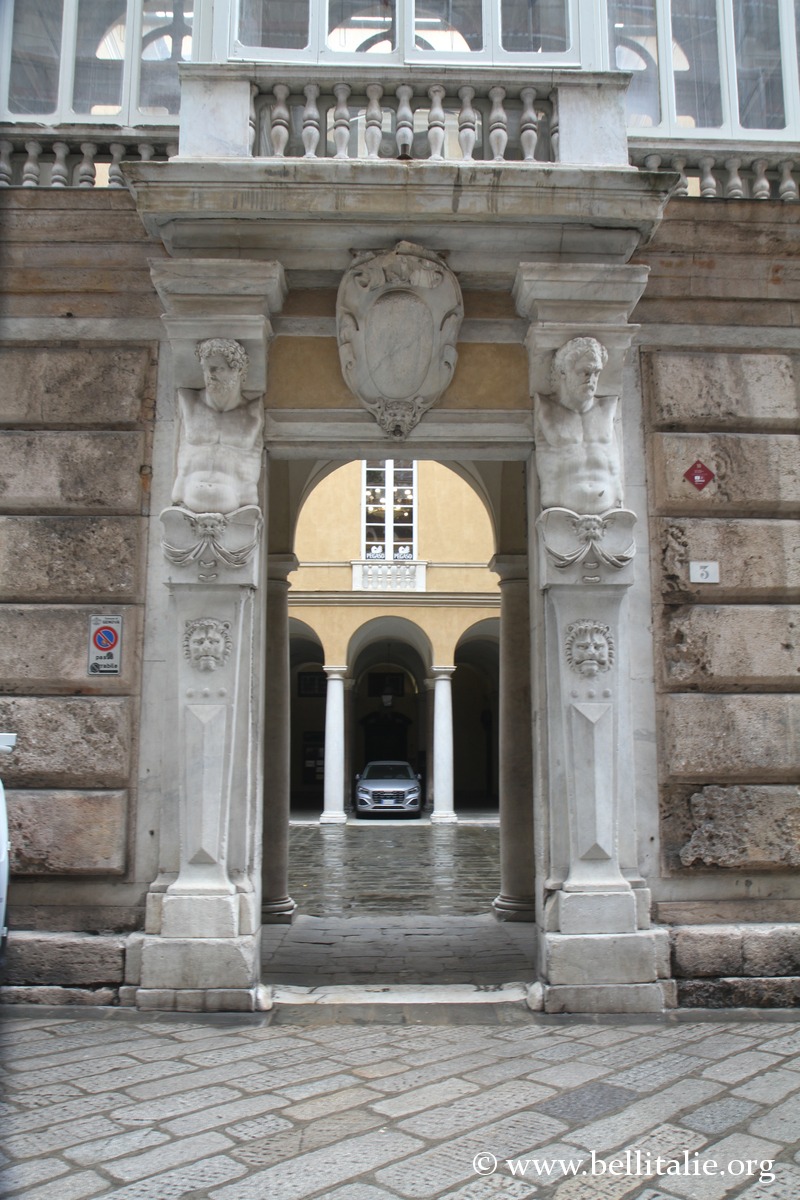
(Via Garibaldi, 3)
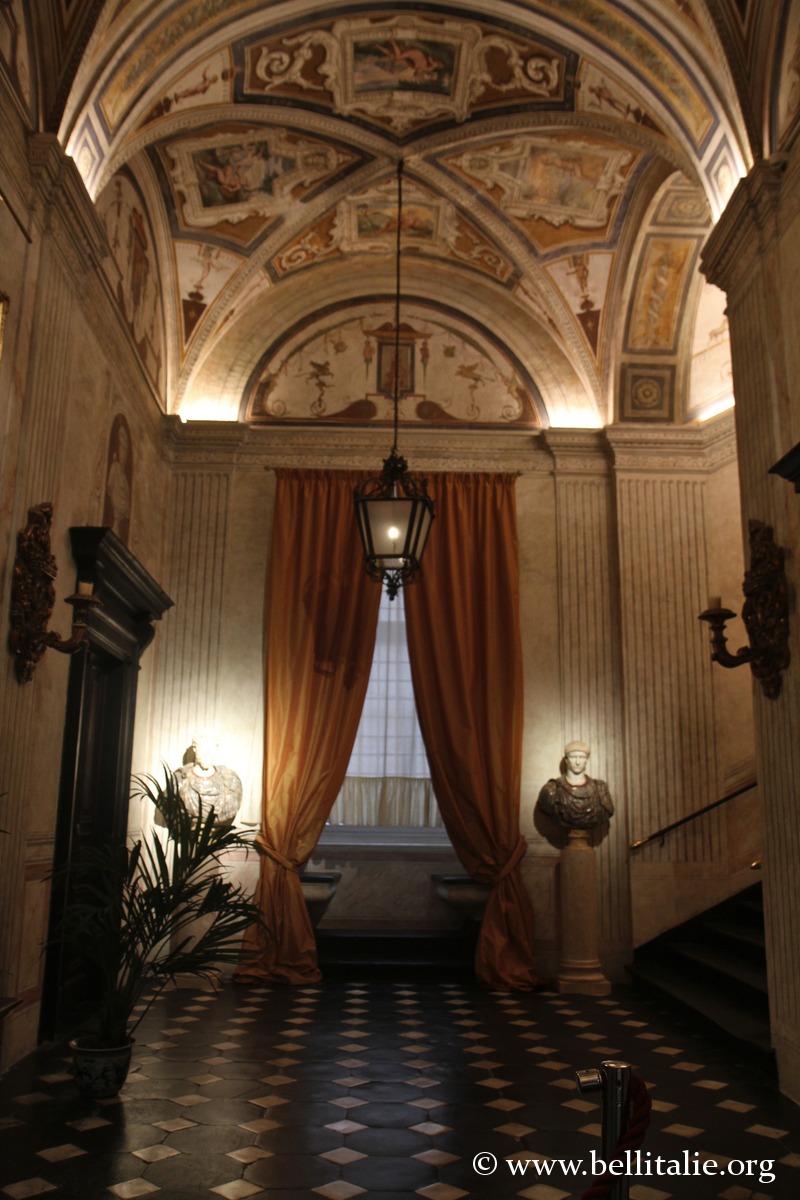
(Via Garibaldi, 5)
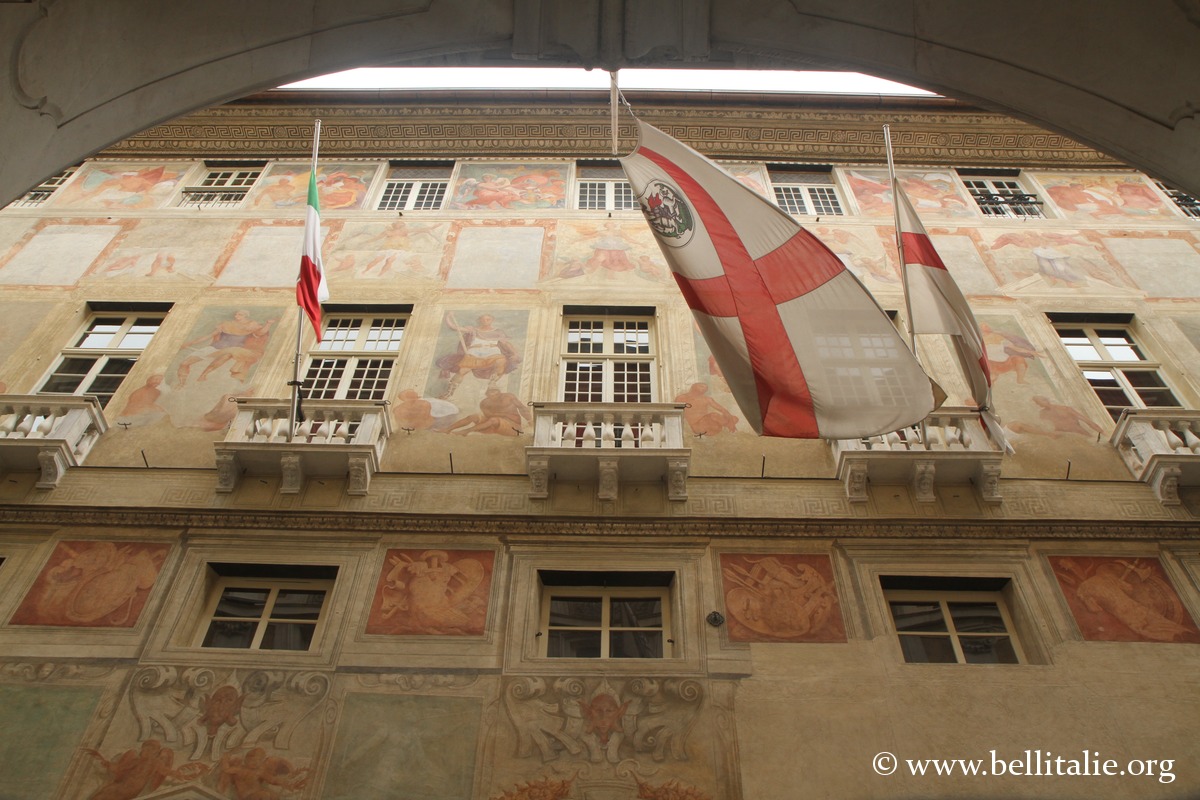
(Via Garibaldi, 5)
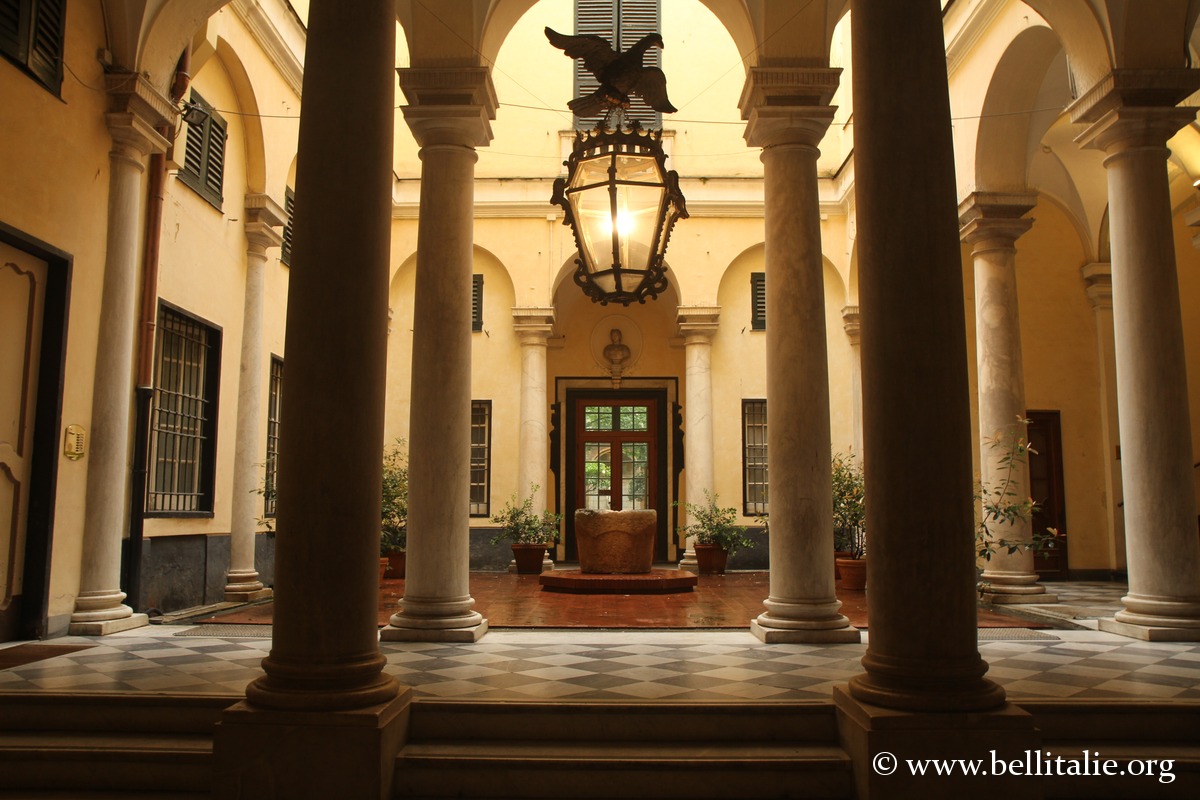
(Via Garibaldi, 6)
In 2006, 42 of these palaces were inscribed on the UNESCO World Heritage list (out of more than a hundred existing), as a mark of a social and economic expression that inaugurated modern urban architecture in Europe. They are discovered by strolling along Via Garibaldi (Strada Nuova), via Balbi, via Bensa and via Cairoli. Some open their doors to visitors most weekends, and offer guided tours during the Rolli Days.
Other palaces can be found elsewhere in the historic center, from Via Lomellini to Piazza Fossatello, Via San Luca or Piazza Banchi.
Some of the palaces still belong to private individuals, while others have become the headquarters of banks or offices, and some were adapted into museums (the museums of the Strada Nuova, the National Gallery of Palazzo Spinola di Pellicceria from the late 16th century, the Royal Palace Museum).
Brief history
The Senate of Genoa issued a decree in 1576 to institute an official list (Lista dei Rolli) of these “public lodging residences” obliging the owners of the palaces built in the Strada Nuova, to offer hospitality to state visitors on behalf of the Republic of Genoa
At the end of the 16th century, the list expanded with other constructions in other streets to reach 150, such as the palaces of via Balbi. At the end of the 18th century, 200 palaces were counted.
The Rolli lists divided the palaces into four categories called bussoli, from I to IV, depending on the prestige of the guest to be hosted. Those of category I were intended for viceroys, princes and cardinals; category II for governors and ambassadors; categories III and IV for minor feudatories.
The palaces of the Strade Nuove always remained inscribed in category I while the other palaces could change category over time.
In the following centuries, the palaces continued their hospitality, notably with travelers and men of letters during their Grand Tour of Italy. However, toward the end of the 19th century, these lodgings were relatively abandoned.
From the 1950s, the city of Genoa adapted Rolli palaces into museums, starting with the Palazzo Bianco and the Palazzo Rosso.
After restorations (with public and private funds), the system of the Rolli palaces counting 42 palaces was inscribed in 2006 on the World Heritage list established by UNESCO.
Gallery
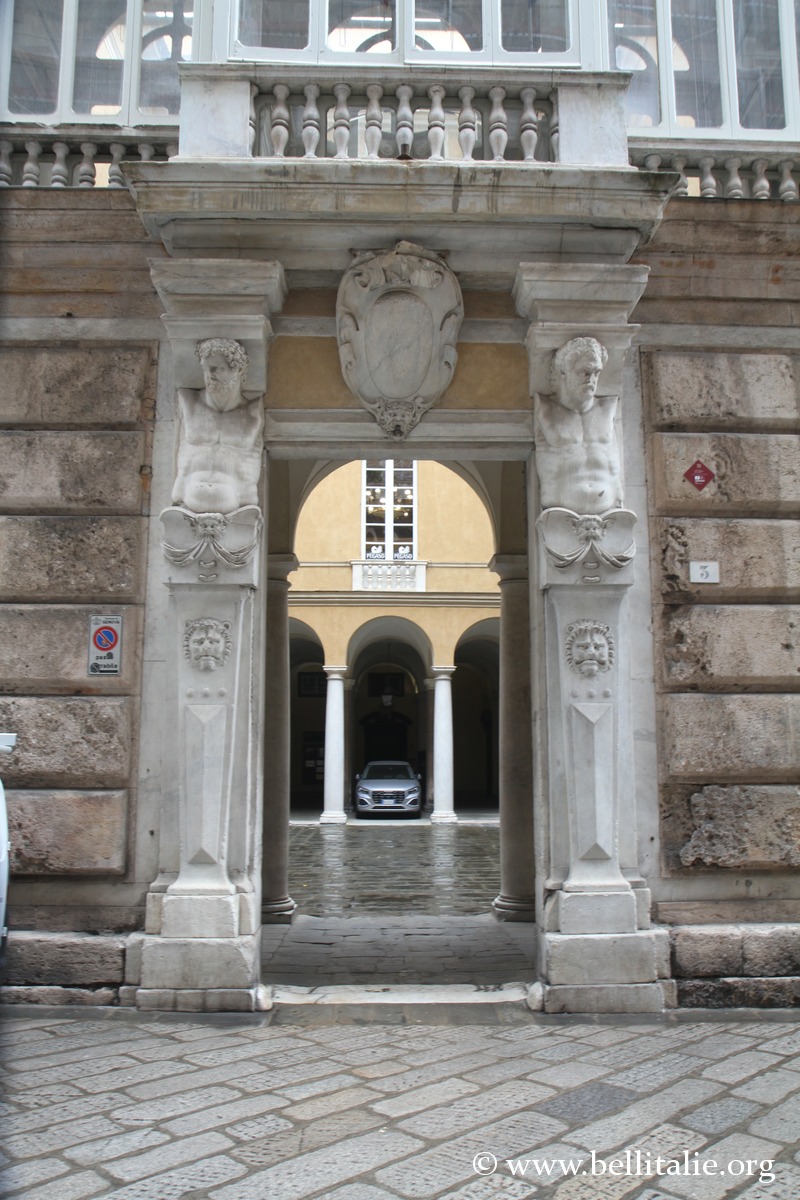
(Via Garibaldi, 3)
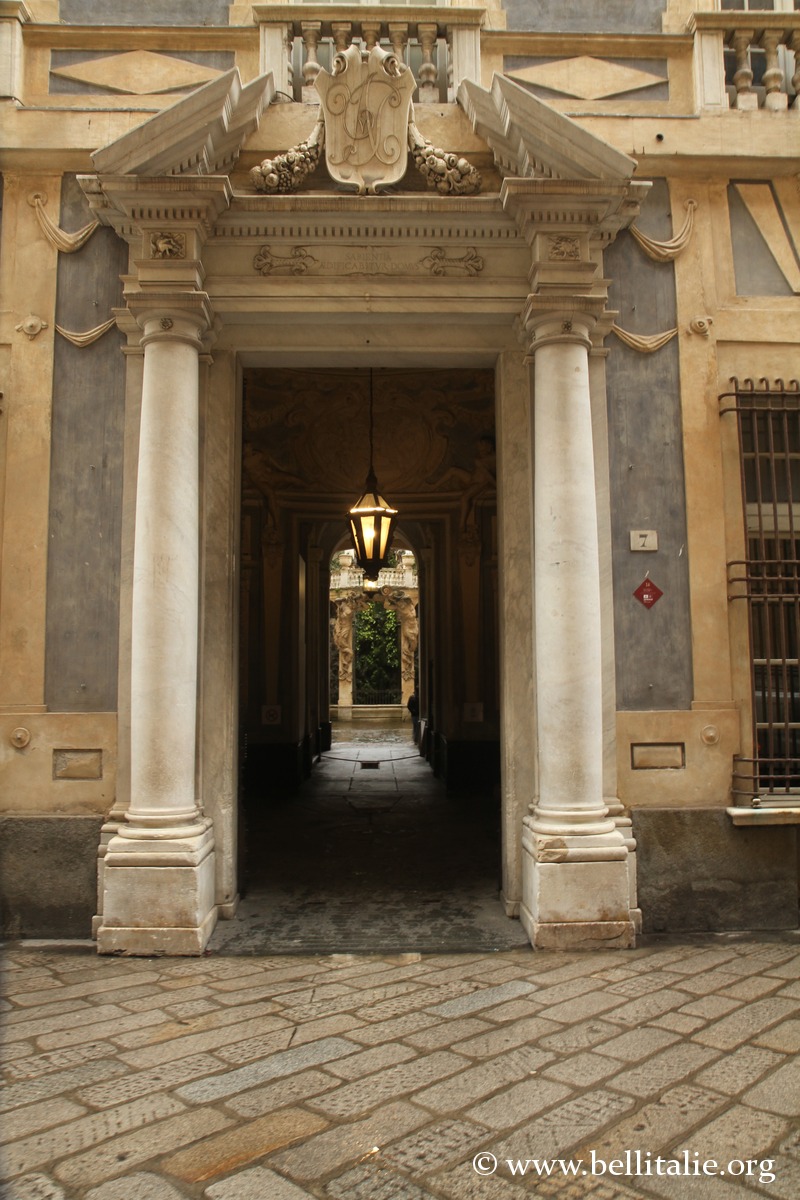
(Via Garibaldi, 7)
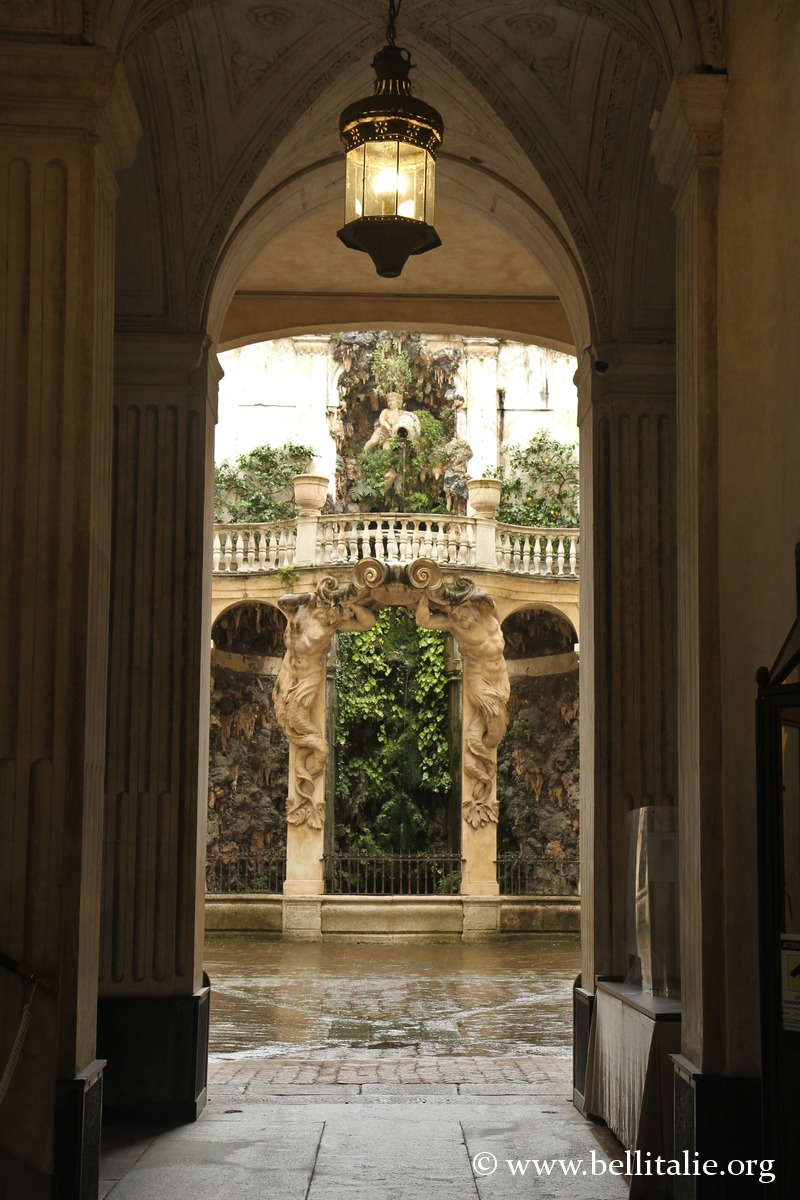
(Via Garibaldi, 7)
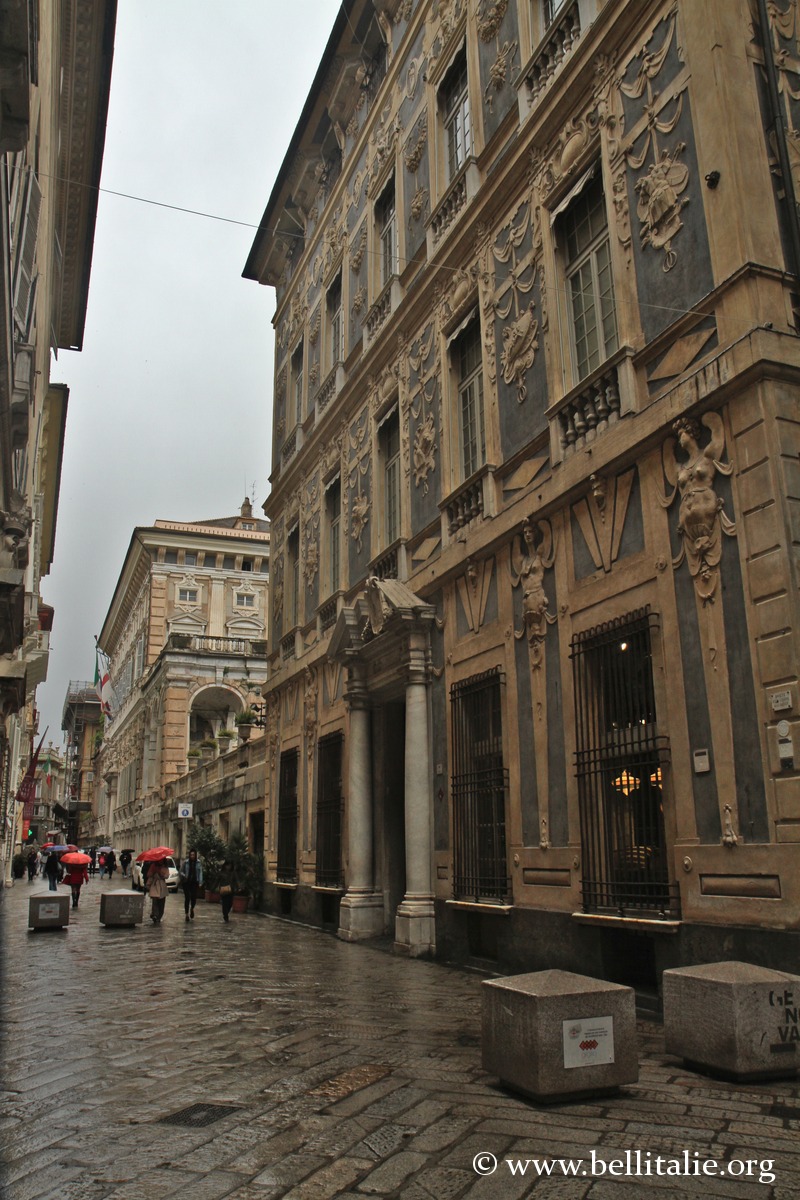
(Via Garibaldi, 7)
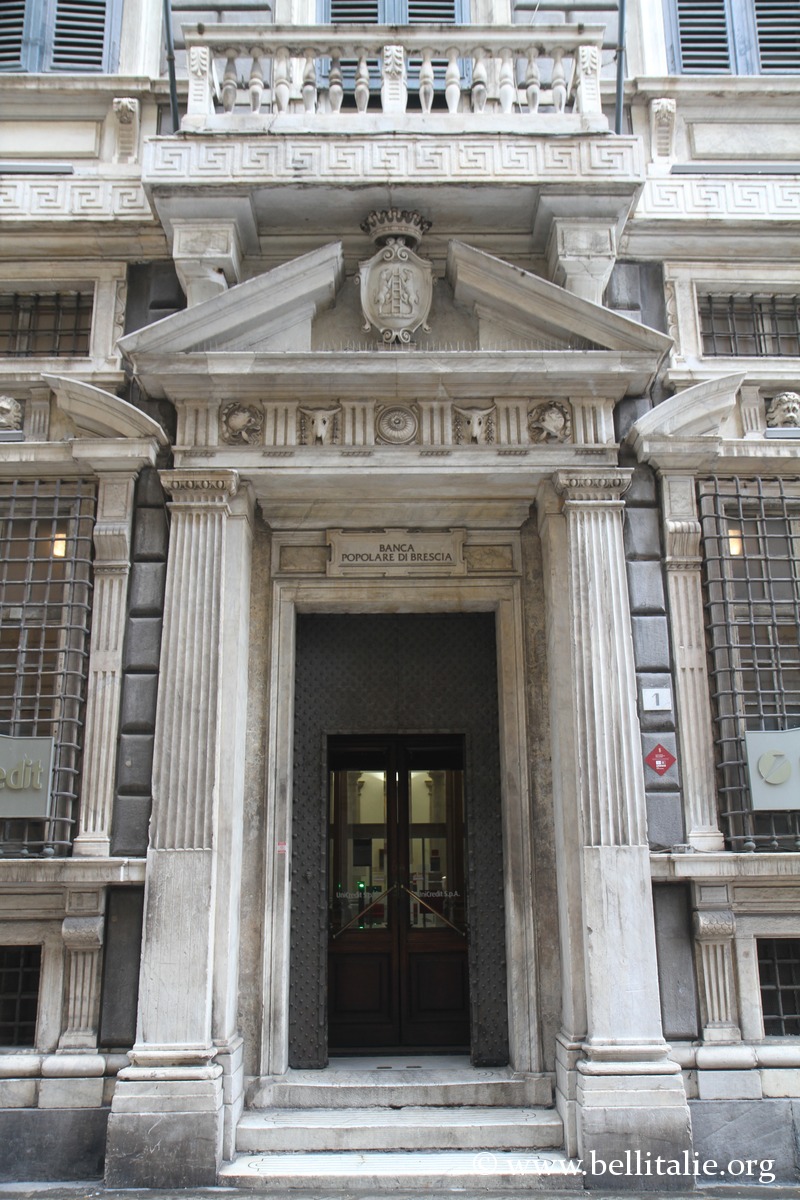
(Via Garibaldi, 1)
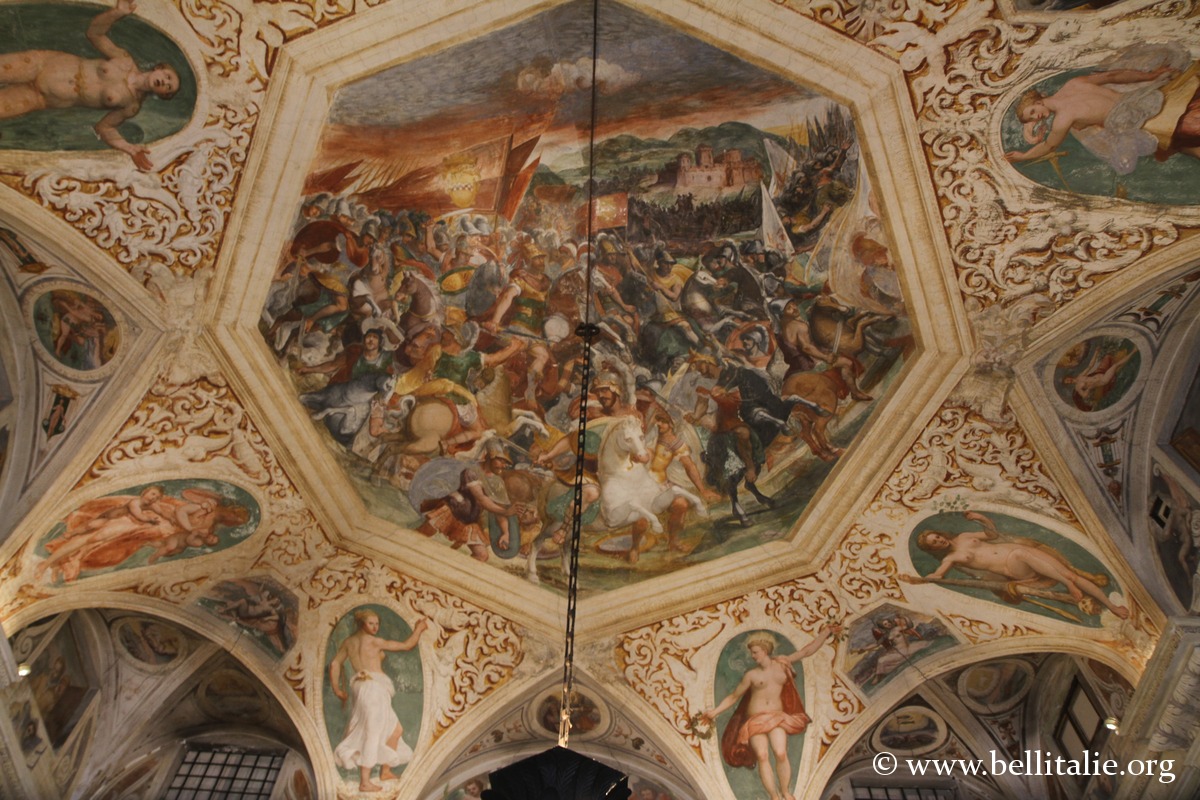
(Via Garibaldi, 5)
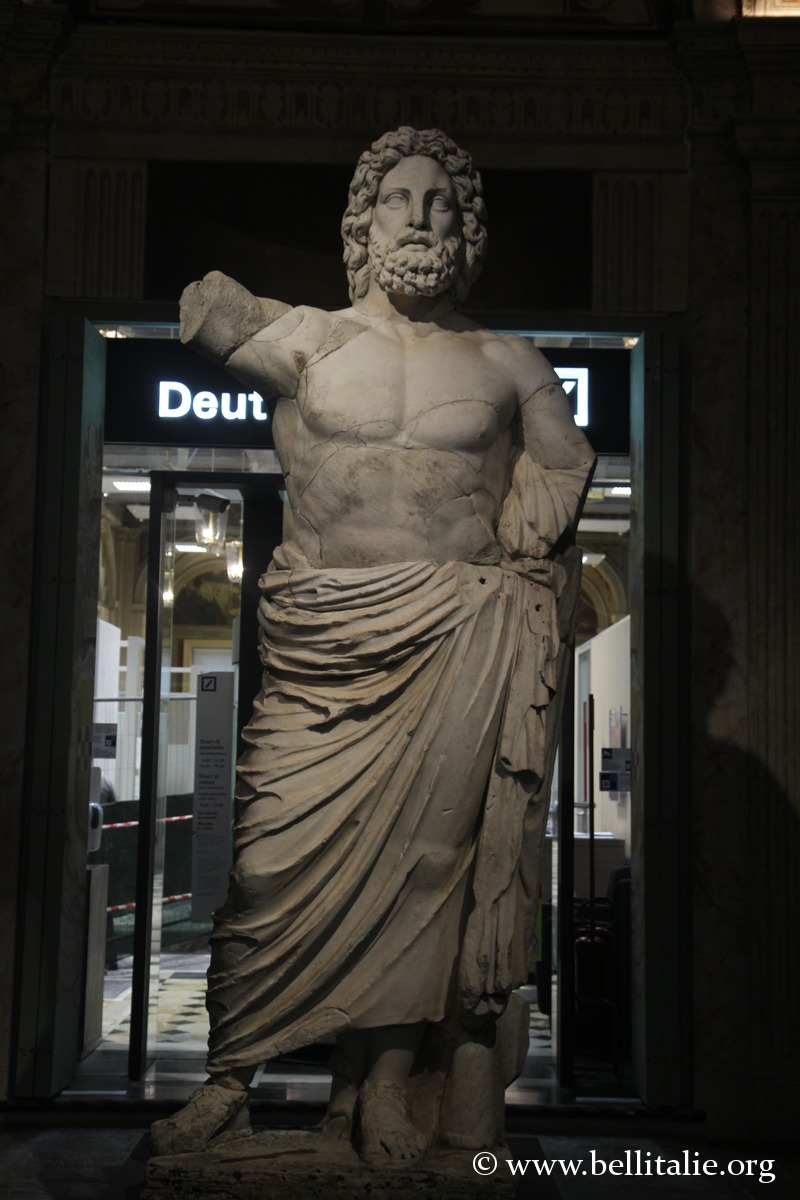
(Via Garibaldi, 5)
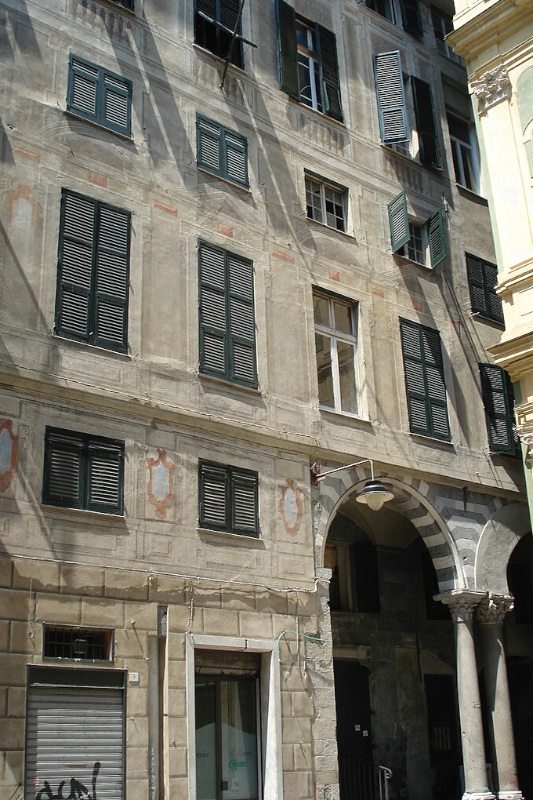
(Vico Scuole Pie al civico, 1)
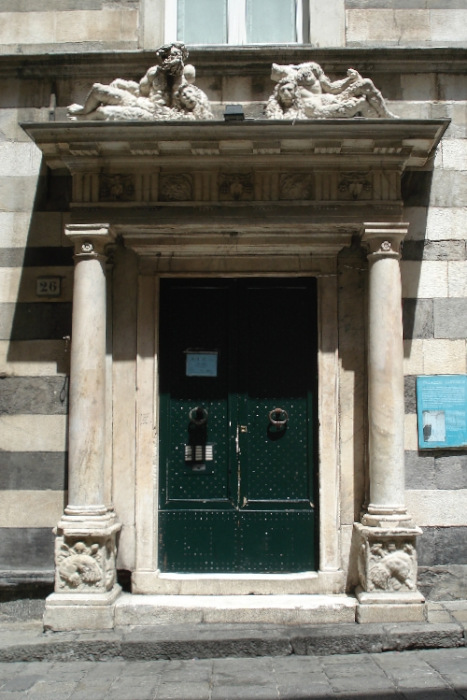
(Piazza San Bernardo, 26)
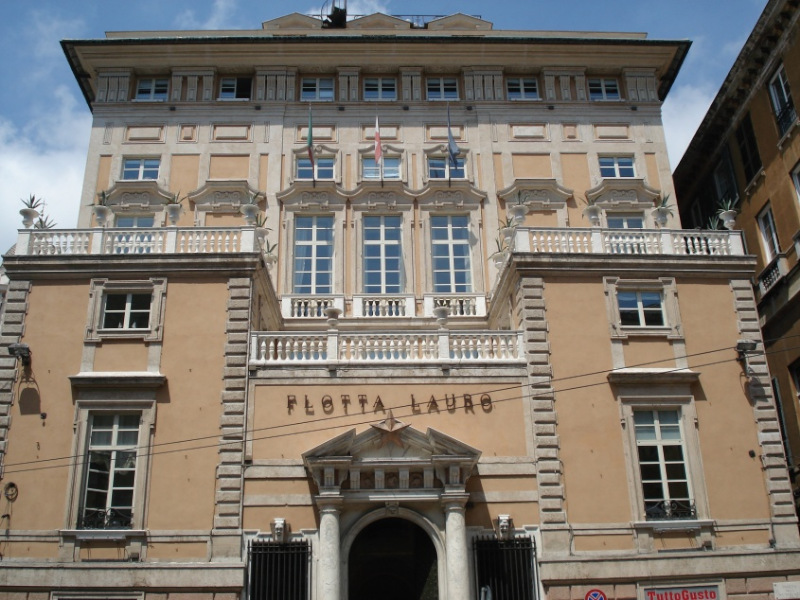
(Piazza della Nunziata)
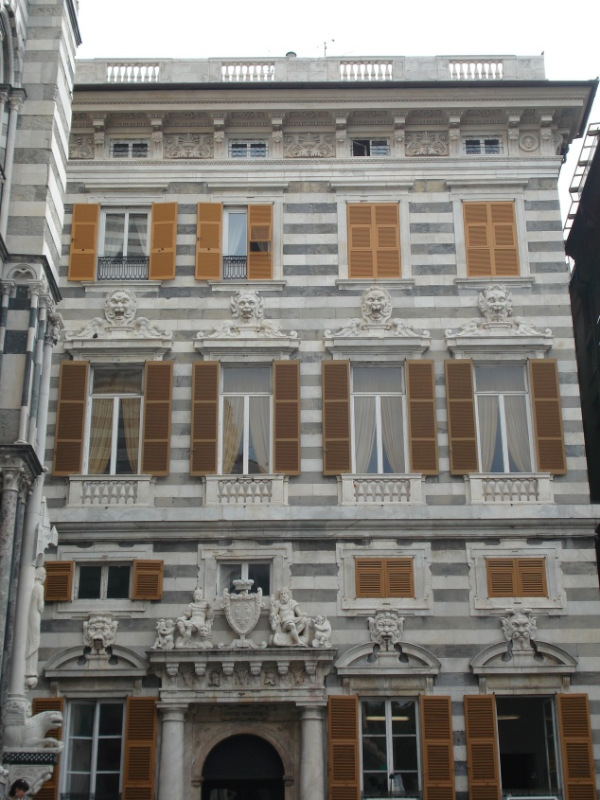
(Via S. Lorenzo, 17)
Information
- Official website: www.rolliestradenuove.it
- The 42 Rolli palaces: www.palazzideirolli.it
- Tourist portals: www.visitgenoa.it
- General information: en.wikipedia.org, whc.unesco.org
Map
If you see this after your page is loaded completely, leafletJS files are missing.
- What to see in Liguria
- Genoa
- Cinque Terre
- Sestri Levante
- Lerici, Tellaro and Montemarcello
- Portovenere
- Albenga
- Noli
- Rapallo
- Ventimiglia and Bordighera
- Other places of the Riviera di Levante
- Dolceacqua and Apricale
- From Savona to Arenzano
- Imperia and Cervo
- Finale Ligure and Finalborgo
- Gulf of Paradise – From Bogliasco to Camogli
- Sanremo, Bussana and Taggia
- Seborga, Pigna and Rocchetta Nervina
- Levanto
- From Moneglia to Bonassola
- Santa Margherita Ligure
- Triora, Argentina Valley and Ligurian Alps


Comments