


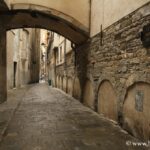
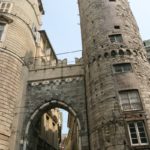
Pretty medieval remains can be found in this corner of Genoa, a historic district called Piano di Sant’Andrea, beyond the Porta Soprana and the medieval walls.
Porta Soprana and Barbarossa walls
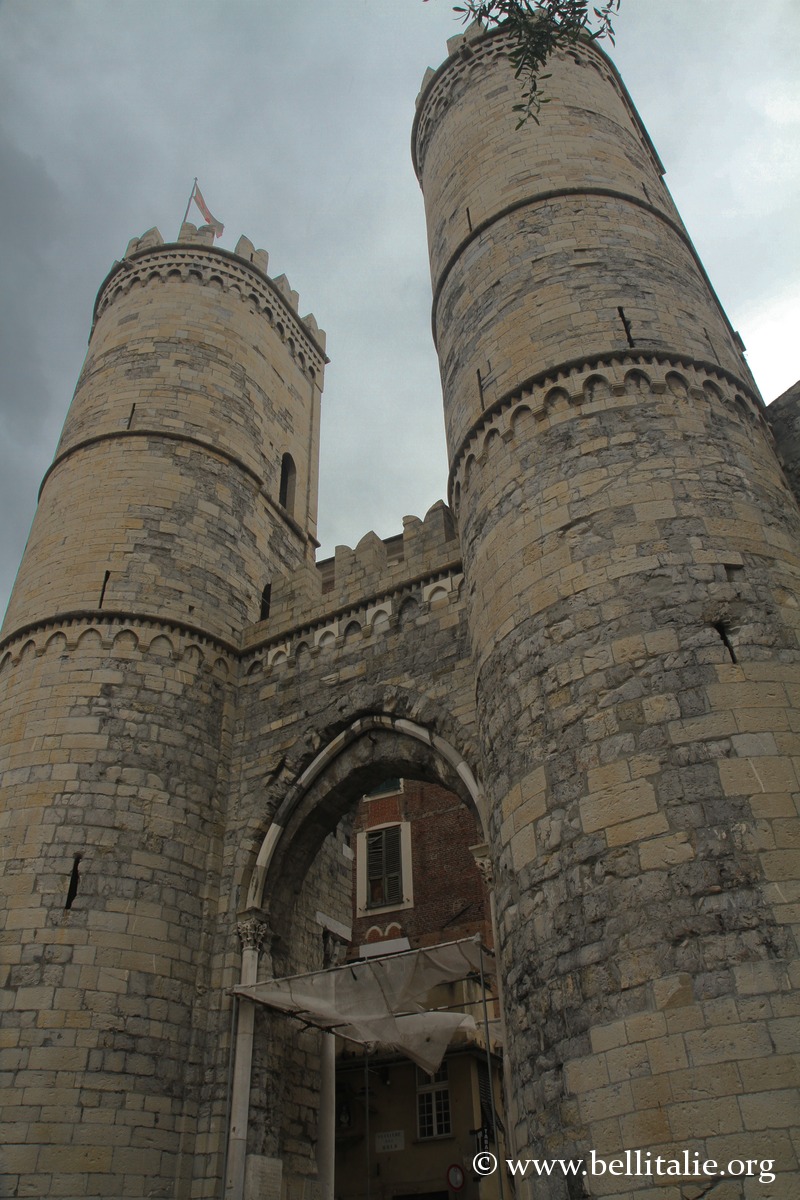
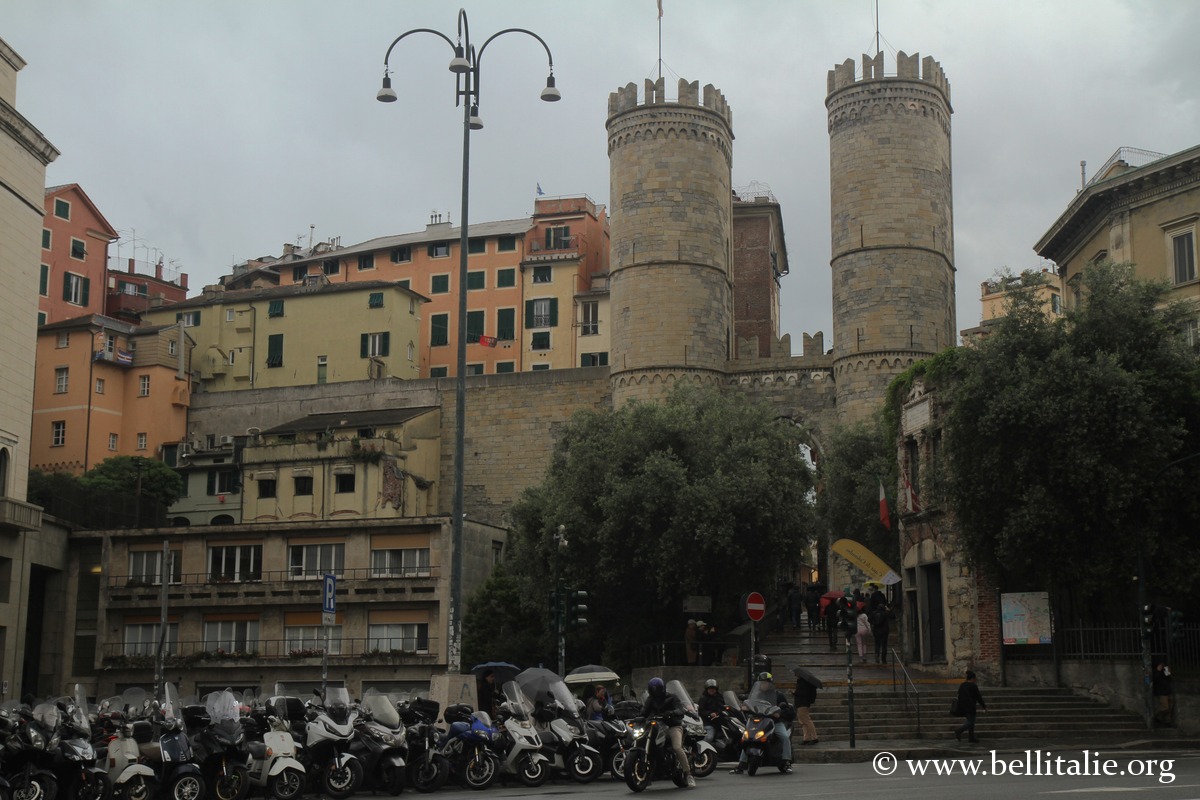
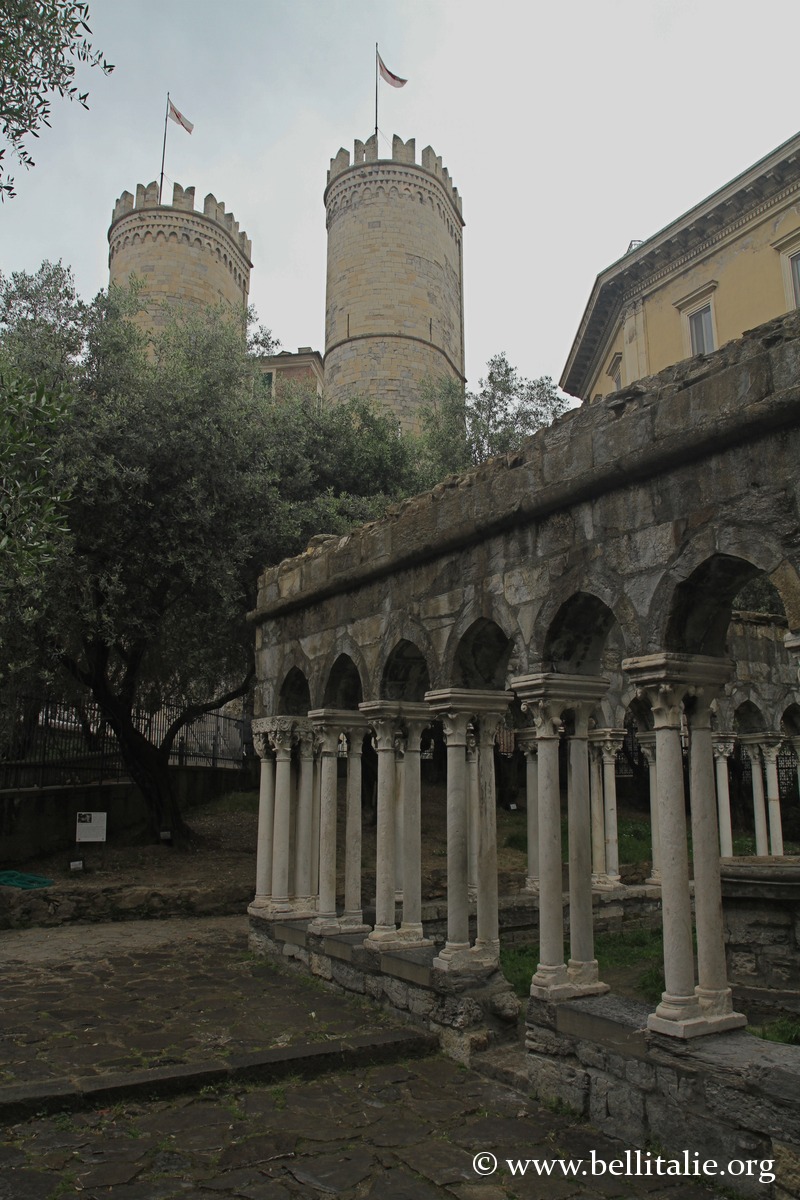
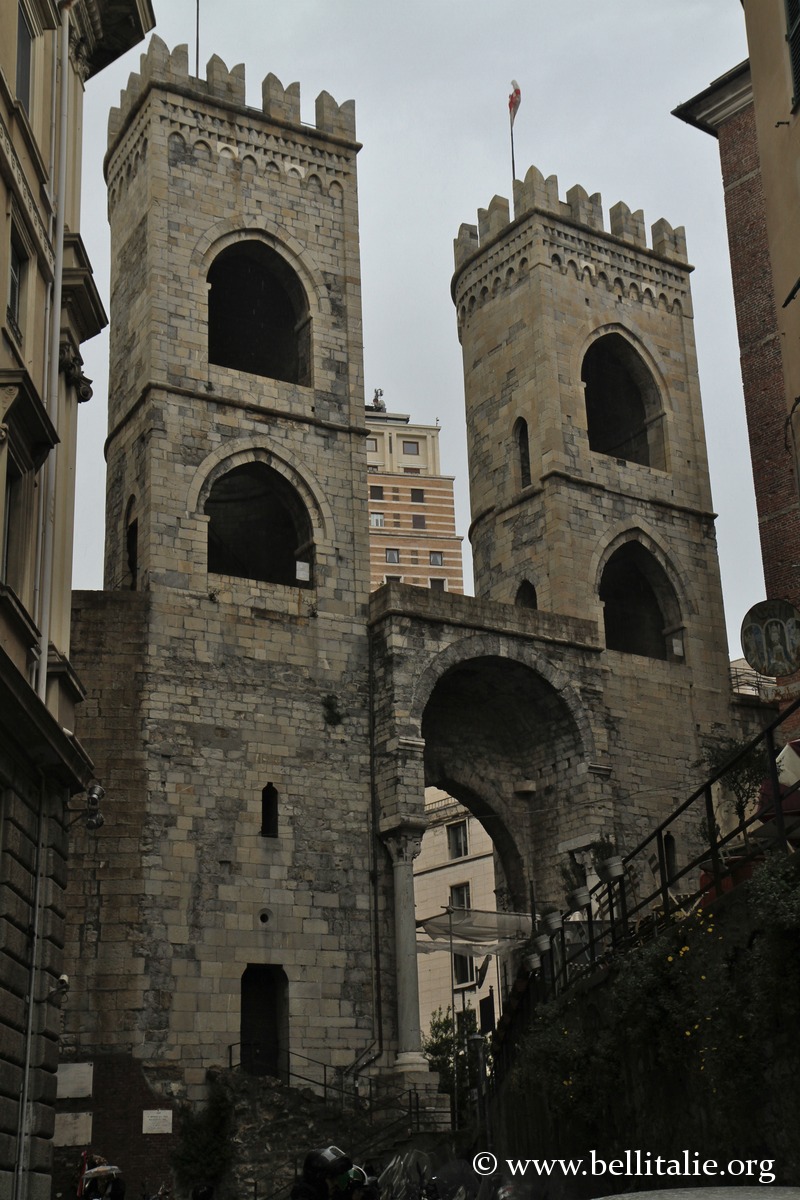
The Porta Soprana, near Christopher Columbus’ house, is one of Genoa’s historic gates, providing access to the historic centre.
The walls into which it is set are known as the Barbarossa Walls, built quickly between 1155 and 1159 to meet the urgent need to defend the Republic of Genoa against the threat of an attack by Emperor Frederick I Barbarossa (which never took place). This undertaking involved most of the citizens and their finances.
The gates with two towers, such as the Porta Soprana, were completed in 1161.
Cloister of Sant’Andrea
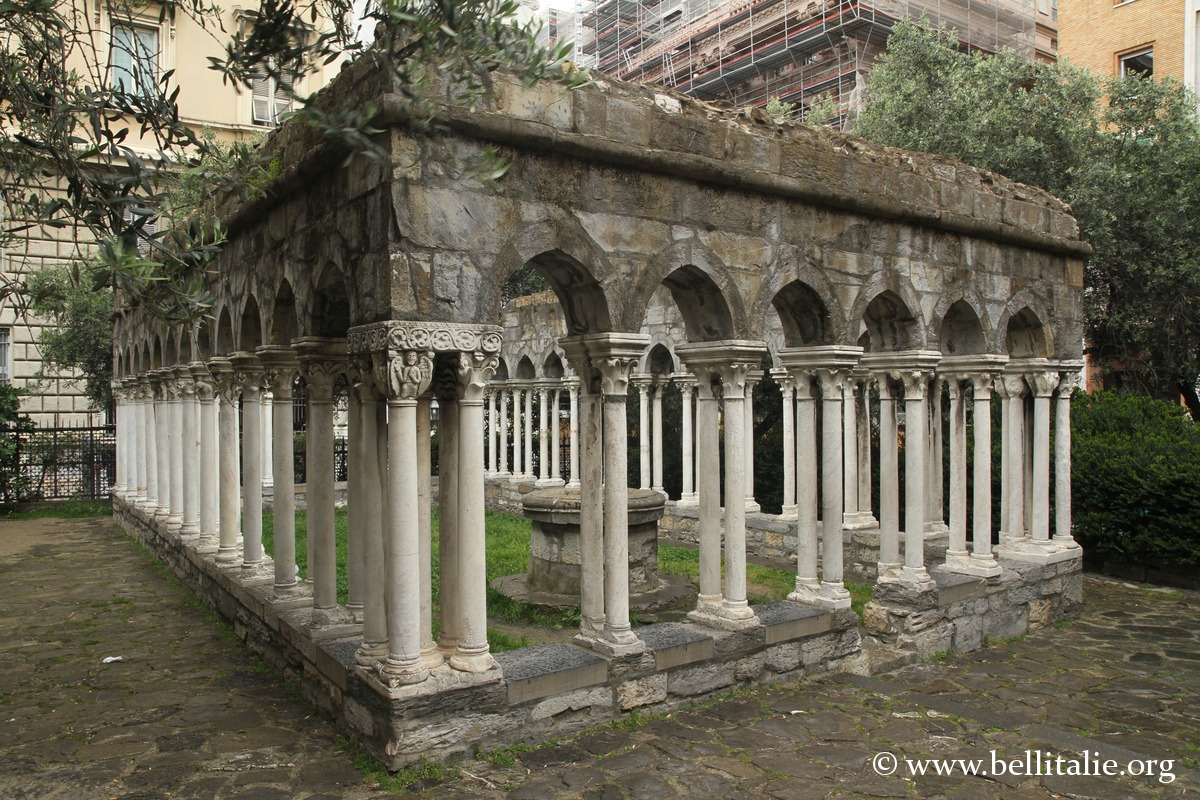
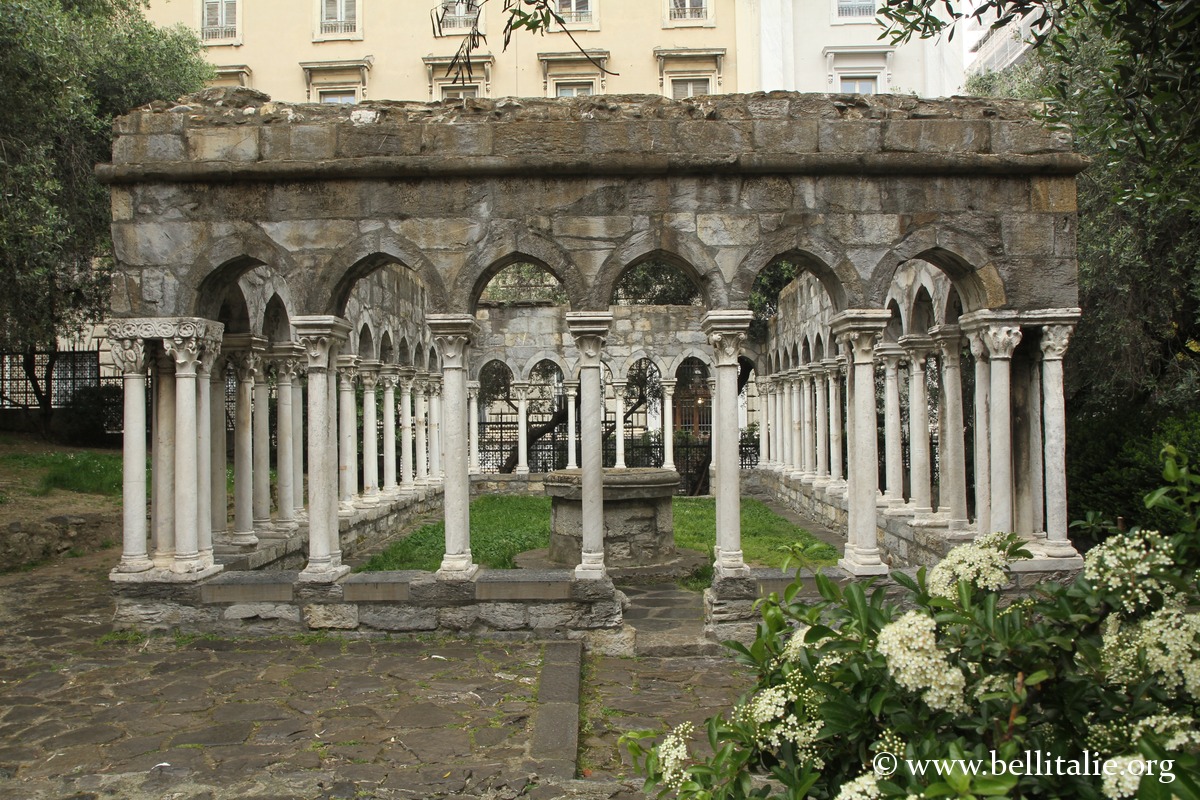
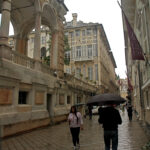
At the foot of the steps leading up to the gate is the pretty Cloister of Sant’Andrea, a Romanesque building dating back to the 12th century. The monastery in which it was set was demolished in the 19th century to build Via Dante. In fact, the cloister was dismantled and reassembled here. The whole medieval district, which was very densely built at the time, was demolished.
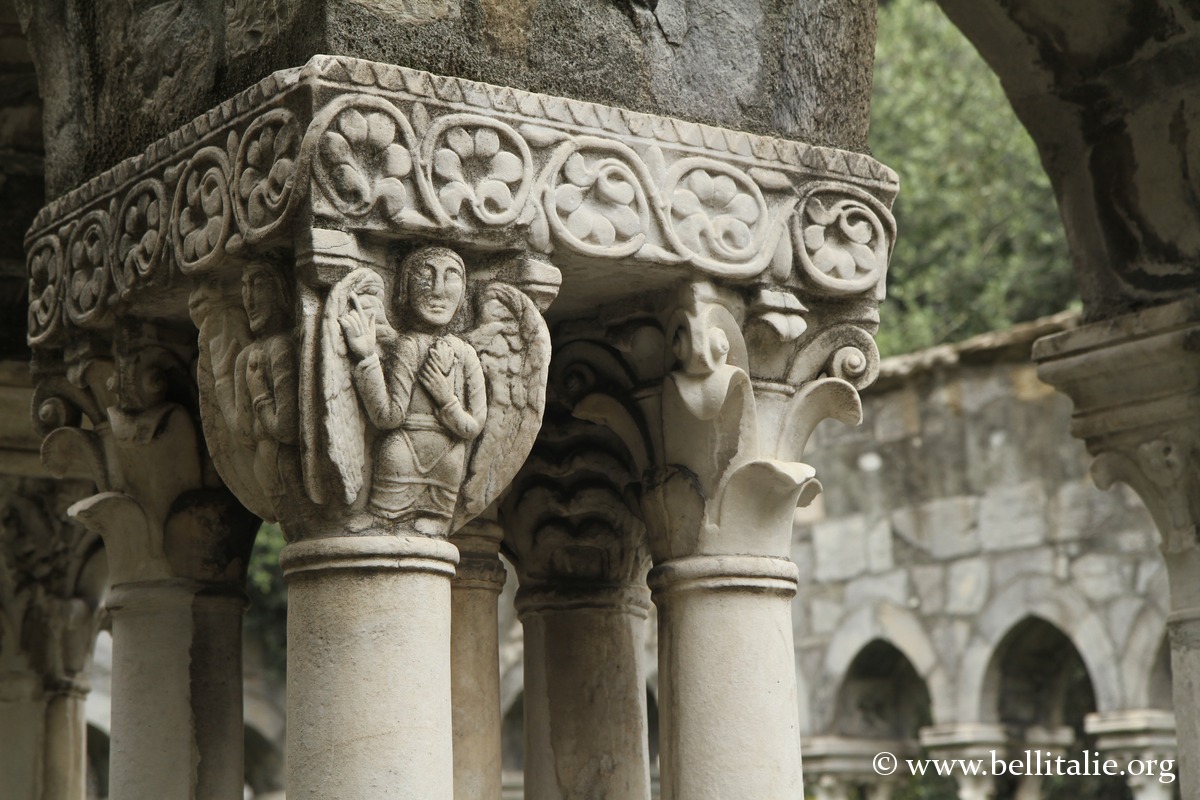
On the south and west sides, the capitals are the oldest, featuring scenes derived from the Old and New Testaments, such as Adam and Eve, the Flight into Egypt, agricultural and pastoral subjects, chivalric scenes, animals and fantastic creatures.
On the north and east sides, the capitals are later, Gothic in style, late 13th century, with floral motifs for example.
Christopher Columbus’ House
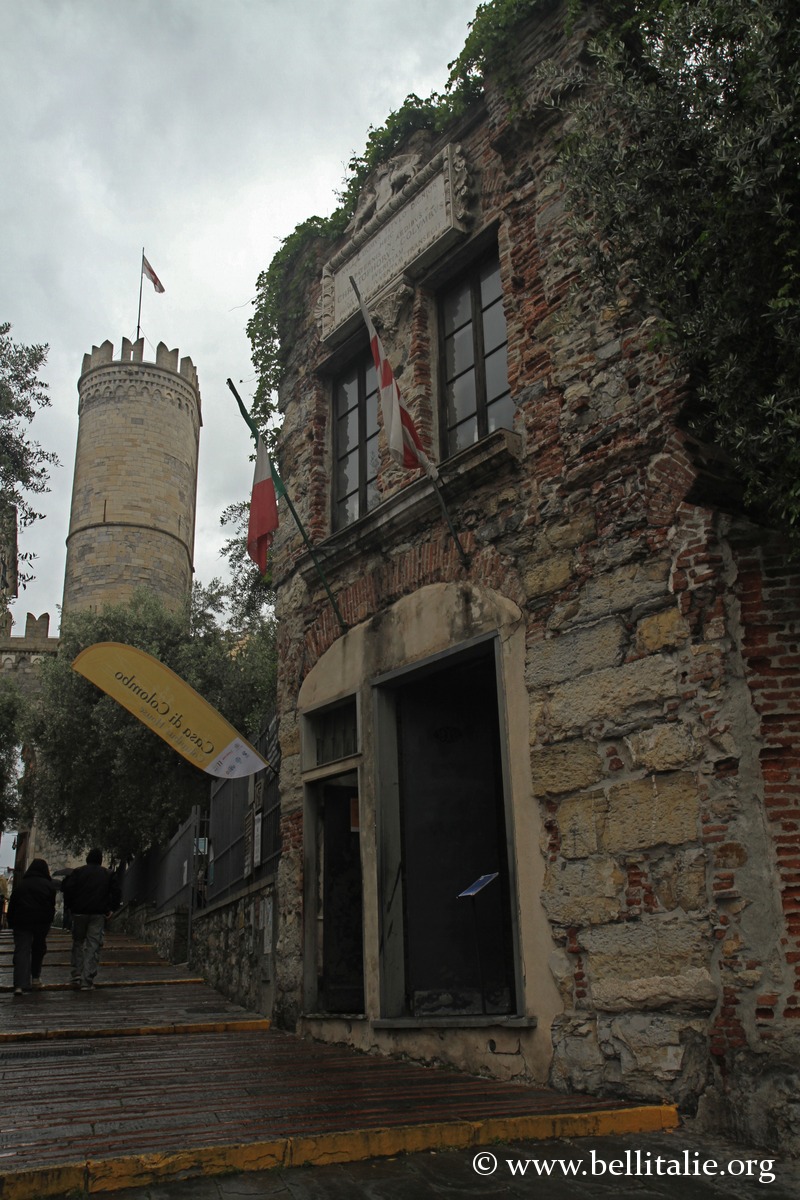
At the foot, on the right of the climb up to the gate, the Christopher Columbus’ House is a house-museum dedicated to the discoverer of the Americas, rebuilt in the 18th century, where he lived as a small child.
Gallery
Map
If you see this after your page is loaded completely, leafletJS files are missing.
Information
- Information:
- Tourist portals: www.visitgenoa.it


Comments