


See below the interactive map of Turin with the main sites of the city.
1. Piazza Castello
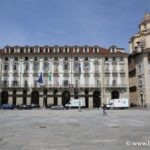
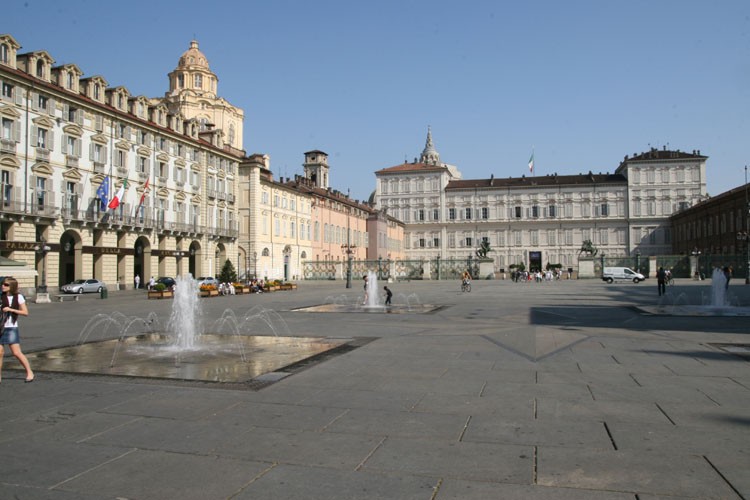 The Piazza Castello has been at the heart of Turin for centuries, the centre of power of the Dukes of Savoy. The second-largest square in the city, it was designed at the end of the 16th century and is lined with important monuments, with arcades, galleries and historic cafés.
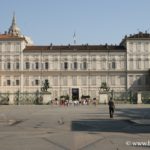
The extension of the Piazzetta Reale leads to the Royal Palace, while in the centre stands the Palazzo Madama, which was originally a castle. Around it are the Royal Theatre, the Royal Church of San Lorenzo, military monuments and administrative palaces. The Royal Palace houses the Royal Museums, including the Royal Library, the Armoury and the Picture Gallery.
Major Turin thoroughfares converge on Piazza Castello, including Via Garibaldi, which is one of the longest pedestrian streets in Europe.
2. Royal Palace and Royal Museums
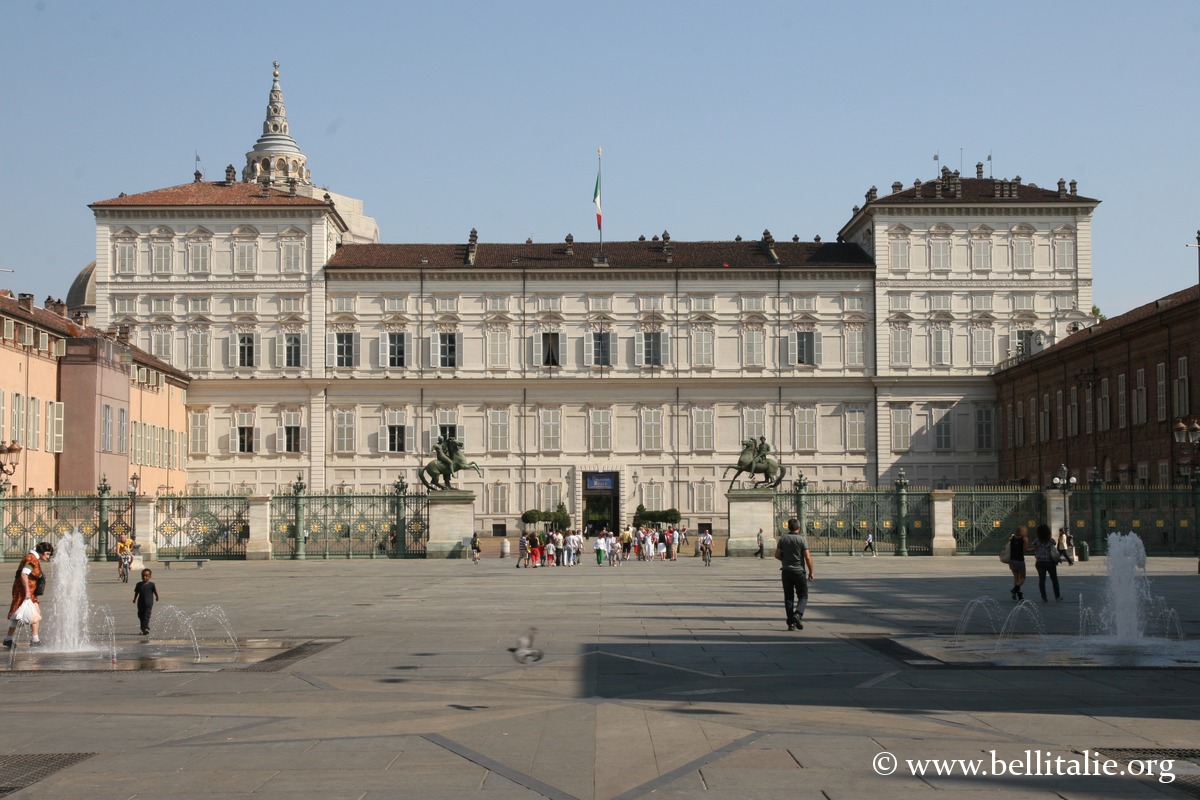 The Royal Museums of Turin, established in 2016, are one of the city’s main attractions, starting with the Royal Palace and its 17th- and 18th-century royal apartments, which was the residence of the royal family of Savoy. They also house the Royal Armoury, the Royal Library, the picture gallery of the Sabauda Gallery, the Museum of Antiquities, the various Royal Gardens and the Chiablese Museum for temporary exhibitions. They also provide access to the Chapel of the Holy Shroud, the masterpiece by Camillo-Guarino Guarini founded in 1690, a rotunda topped by a remarkable dome intended to preserve the Holy Shroud.
Royal Palace and Royal Museums of Turin
3. Egyptian Museum
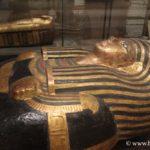
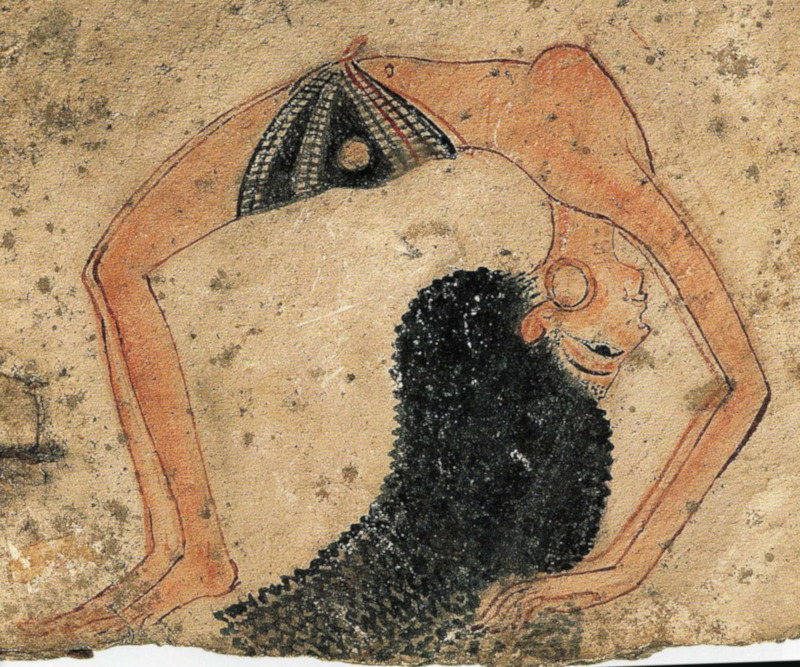 The fabulous Museum of Egyptian Antiquities of Turin was founded in 1826, dedicated exclusively to Egyptian culture, and housed in the 17th-century Palace of the Academy of Sciences. It is the largest Egyptian museum in the world after the one in Cairo, exhibiting nearly 6,500 objects (out of more than 30,000 stored) such as statues, sarcophagi, mummies, steles, papyri, amulets, jewellery, etc.
Among the masterpieces, let us mention the statue of Ramesses II, the tombs of Kha and Merit, the rock temple of Thutmose III, several “books of the dead”, etc.
4. Mole Antonelliana and Cinema Museum
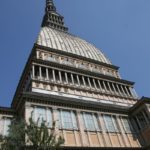
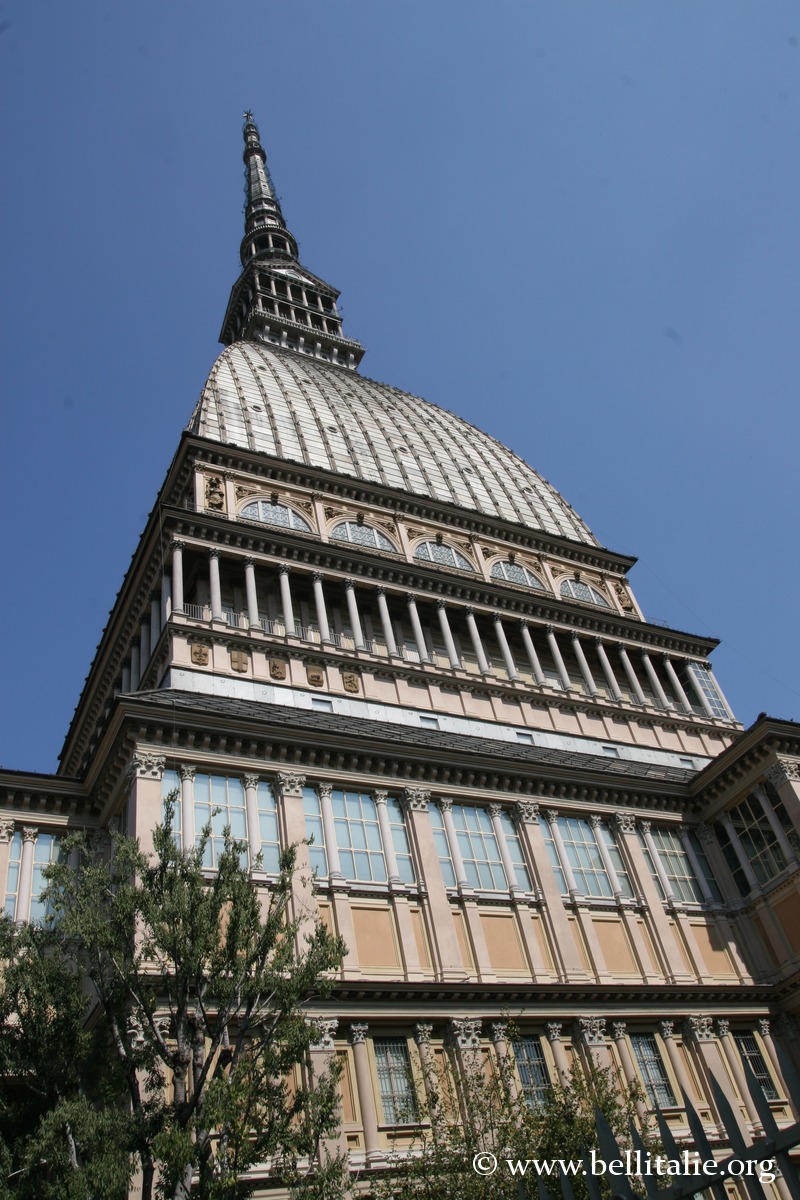 The Mole Antonelliana is the symbol of Turin, a great monument designed by Antonelli and inaugurated in 1889, visible from much of the city with its height of 167 metres.
The initial project of 1863 intended it to become a synagogue, but when the municipality took it over in 1878, it decided to dedicate it to Victor Emmanuel II.
The building with a square base supports a gigantic dome. Inside, a glass panoramic lift leads to 85 metres with a panorama over the city. The ascent can be continued on foot.
It houses the National Museum of Cinema, the only museum of its kind in Italy, with five thematic sections: archaeology of cinema, machinery, posters, installations, and a large hall with the great themes of cinema.
5. Cathedral and Holy Shroud
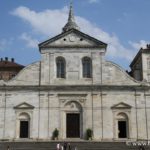
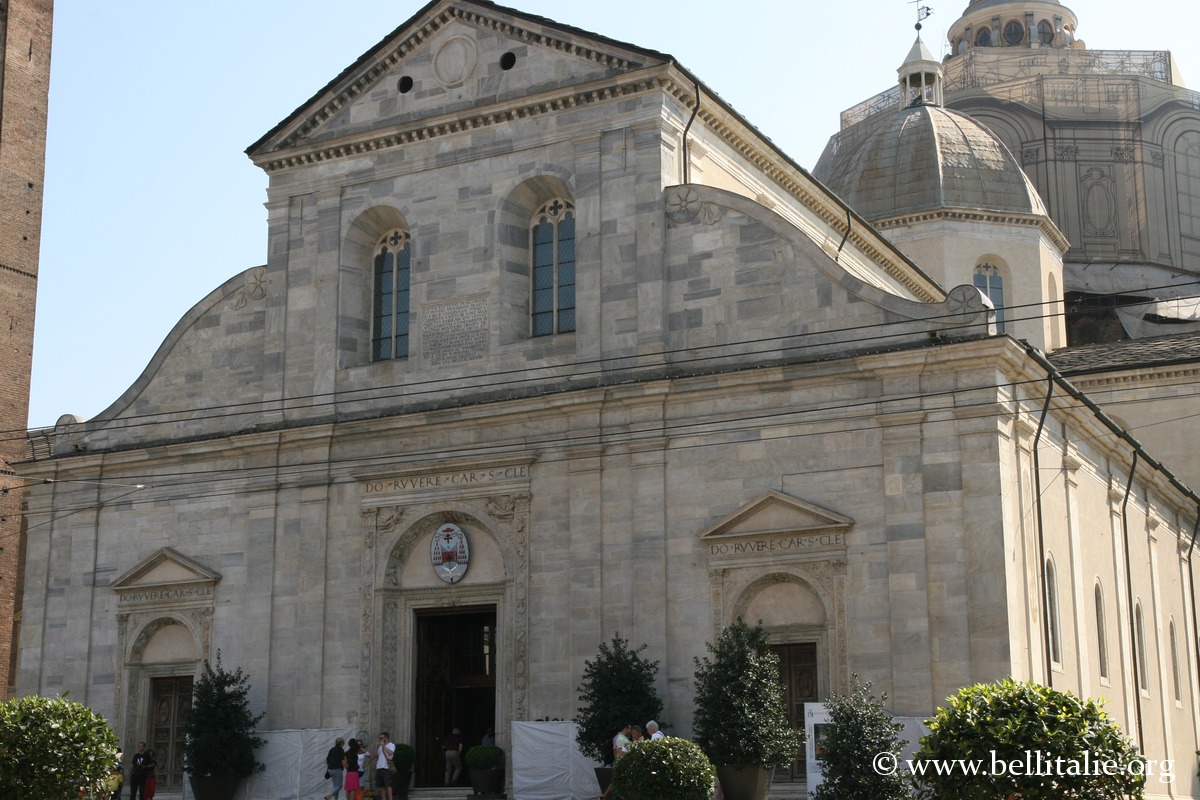 The Cathedral of Saint John the Baptist is one of the few churches in the Renaissance style in the Turin region, built at the end of the 15th century, dedicated to Saint John the Baptist, the patron saint of the city. It was enlarged in the 17th century to preserve the Holy Shroud.
Its beautiful white marble façade is pierced by three portals decorated with reliefs and accompanied by a brick bell tower; the interior has Gothic ornaments.
The Chapel of the Holy Shroud, a UNESCO World Heritage Site since 1997, was the Baroque work of Guarini, with a circular internal plan, with veined black marble and rich decoration consisting of arches, pillars, statues, bronze capitals, etc. Commissioned by Emmanuel Philibert of Savoy in the 17th century, it was intended to house the shroud in which the body of Jesus was said to have been wrapped in his tomb. Restored following a fire, it has been reopened since 2018.
Cathedral of Turin and Chapel of the Holy Shroud
6. Valentino Park and Castle
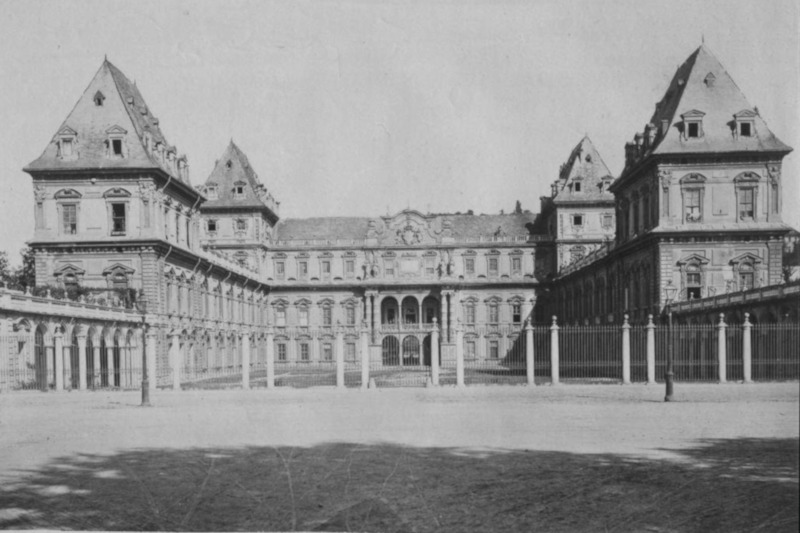 The Valentino Park is the main park in central Turin, bordered by the banks of the Po. It was redesigned in the 19th century by the French landscape architect Barrillet-Dechamps, and laid out with beautiful monuments, statues, fountains and gardens. The Borgo Medievale is a reproduction of a small 15th-century medieval village created for the Italian General Exhibition of 1884.
The Valentino Castle was inscribed by UNESCO on the World Heritage list along with the other royal residences of Savoy. It was rebuilt in the 17th century at the initiative of the regent Christine of France. Today it houses universities.
7. Piazza San Carlo
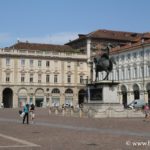
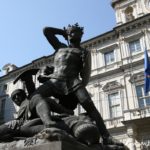
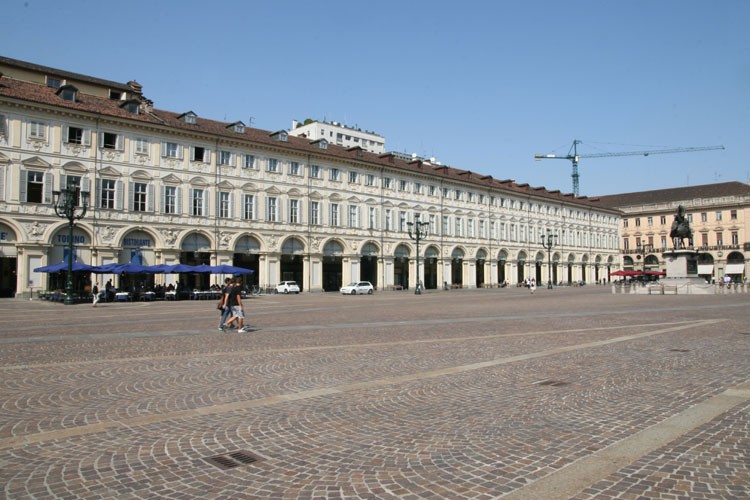 The other most beautiful square in Turin, after Piazza Castello, is Piazza San Carlo. It is called the “Salon of Turin”, with its historic cafés long frequented by high society. It was laid out in the 17th century, with its rectangular shape surrounded by beautiful arcades and palaces, and on the south side two twin 17th-century Baroque churches: Santa Cristina and San Carlo. In the centre is the 19th-century equestrian statue of Emmanuel Philibert of Savoy.
8. Palazzo Madama
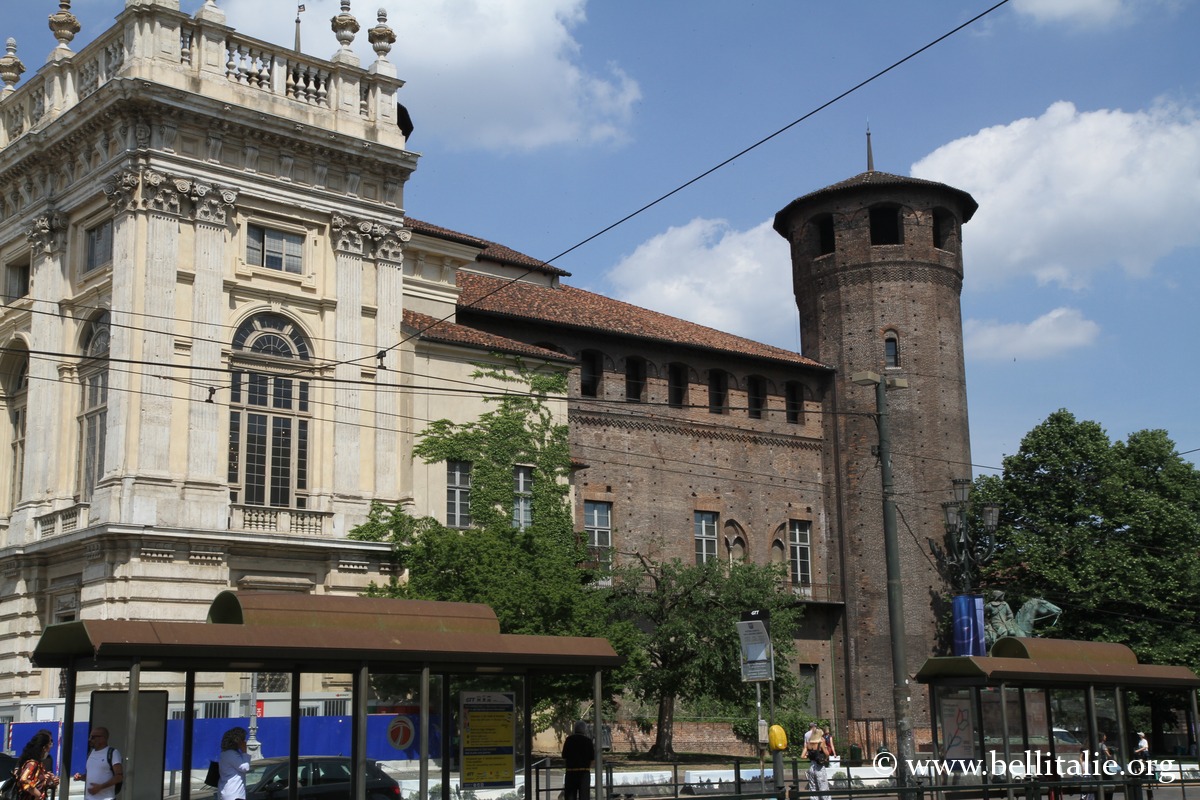 Located on Piazza Castello, the Palazzo Madama is one of the most important buildings in the region, a UNESCO World Heritage Site, which also today houses the Museum of Ancient Art of Turin.
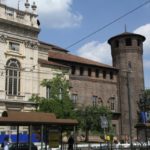
It was originally a Roman gate, transformed into a fort, then into a castle. The building preserves a façade of the old castle with its medieval towers. It housed two royal regents who embellished it: Christine of France and Jeanne of Savoy-Nemours. In 1718, Filippo Juvarra created the Baroque façade and the beautiful staircase of honour.
The Museum of Ancient Art presents Italian and European artistic works dating from the early Middle Ages to the Baroque. There you can discover sculptures, goldsmith work, objects and paintings on the ground floor. The first floor is devoted to painting and furniture art of the 17th and 18th centuries. Then the second is dedicated to the decorative arts of all eras, including fabrics, glass and ceramics.
9. Porta Palatina
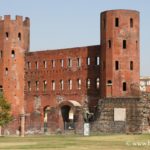
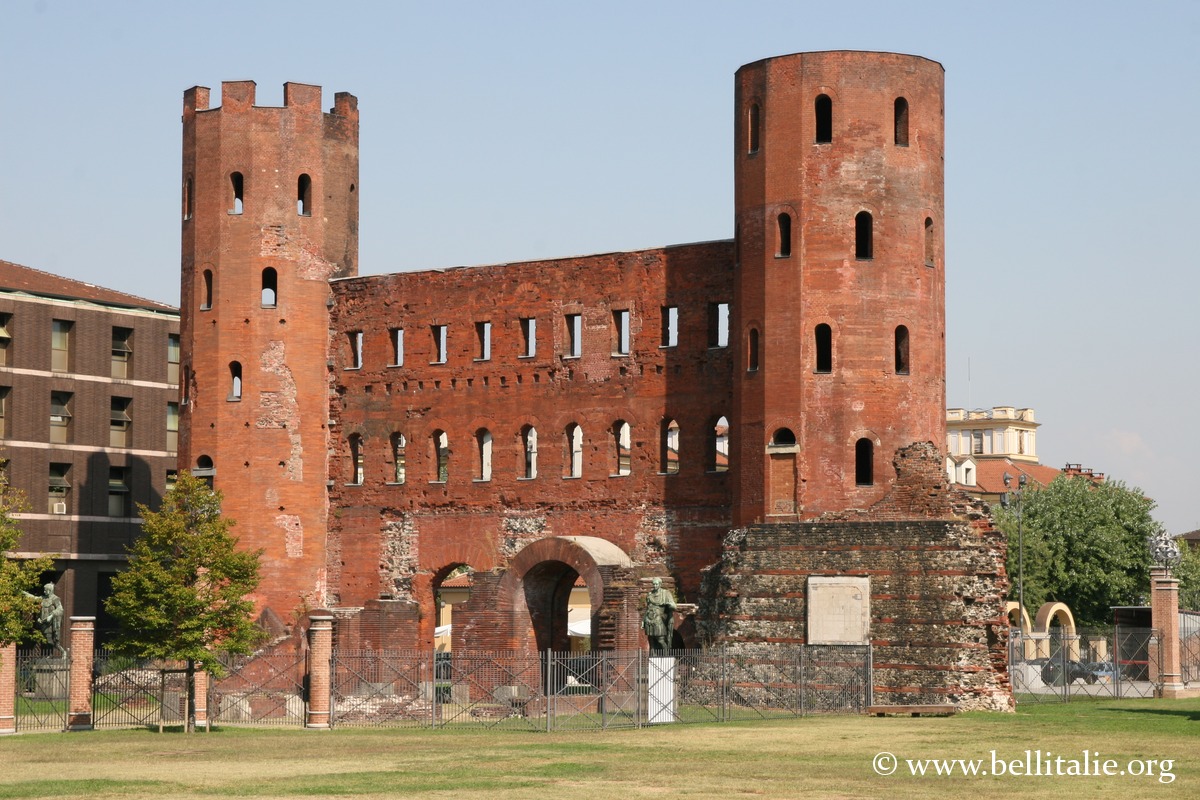 Within a small archaeological area laid out in 2006, the Porta Palatina dates back to ancient Roman times. It was fortified in the Middle Ages, when one of the two 16-faced polygonal towers was rebuilt and fitted with battlements.
It was one of the four gates of the late 1st century BC that provided access to the castrum of Augusta Taurinorum.
It was restored from the beginning of the 20th century and today, only the south-east tower and the central gate are elements of the original Porta Palatina. In front, bronze copies of statues of Octavian Augustus on the left and Julius Caesar on the right were installed.
10. Curiosities of the city
Historic cafés and covered galleries
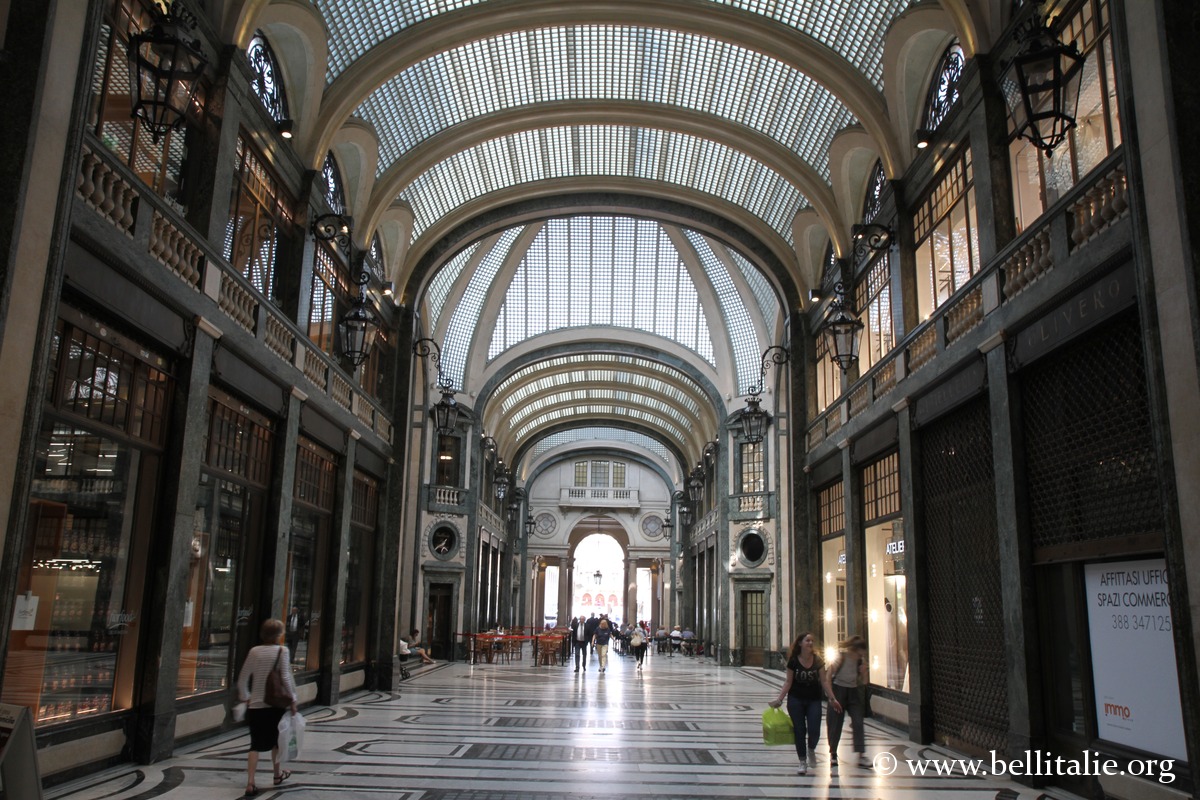 Turin has kept historic cafés that date back to the 19th century and have often kept their original furnishings such as old mirrors, tapestries, wood panelling and porcelain. You can of course enjoy the famous espresso there, but also the city’s typical pastries (see the dedicated comment).
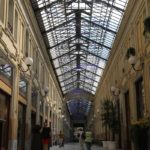
Linking palaces, the galleries of Turin, covered with glass, recall the typical passages of Paris. They are occupied by cafés and restaurants. There are three of them: the Galleria Subalpina between Piazza Castello and Piazza Carlo Alberto, the Galleria San Federico towards Piazza San Carlo and the Galleria Umberto I towards Piazza della Repubblica.
Porta Palazzo Market
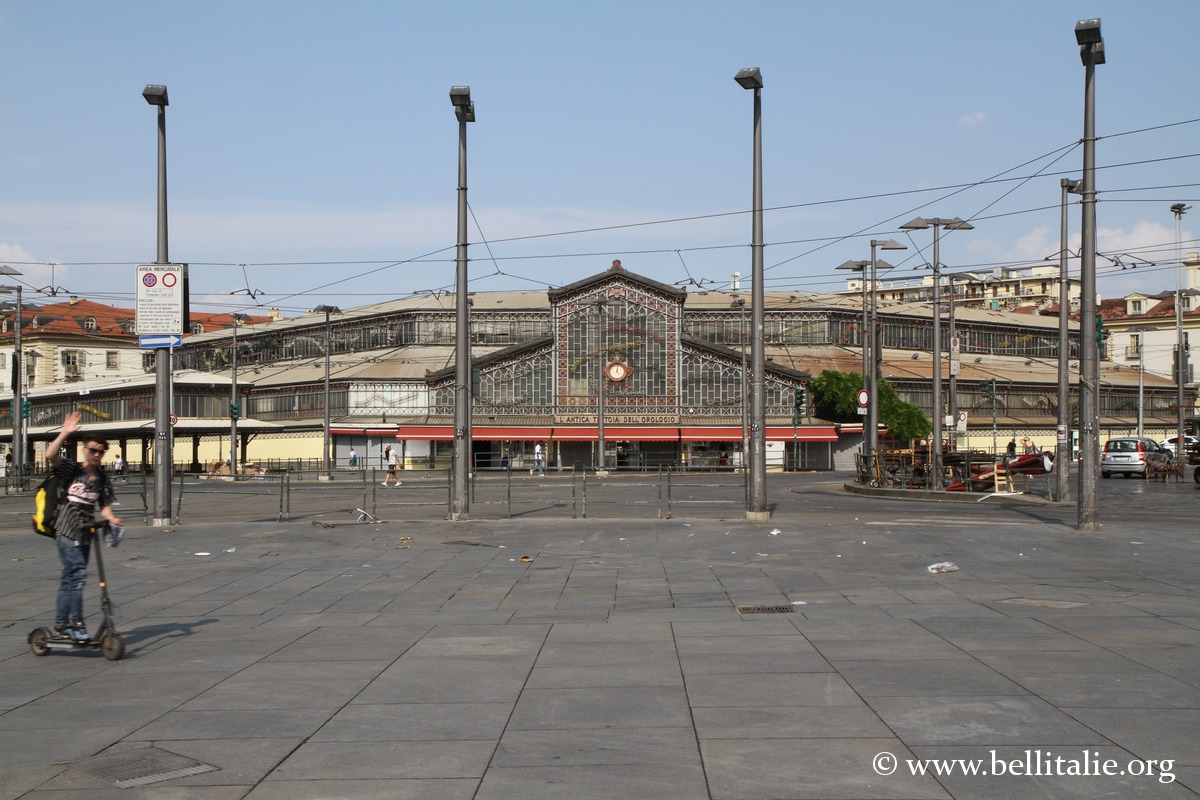 In the Borgo Dora district, it is the largest outdoor market in Europe, lively since the 1950s, with nearly 1000 stalls and a covered section. Often very busy, you can find everything there. From Monday to Friday until 2pm, on Saturdays until 6pm. Nearby, every Saturday, the large flea market is held, the Gran Balon, via Borgo Dora, a flea market and antique dealers’ market.
Other places in Turin and its surroundings, see also more details on the page Other monuments of Turin
 11. Royal Palace of Venaria
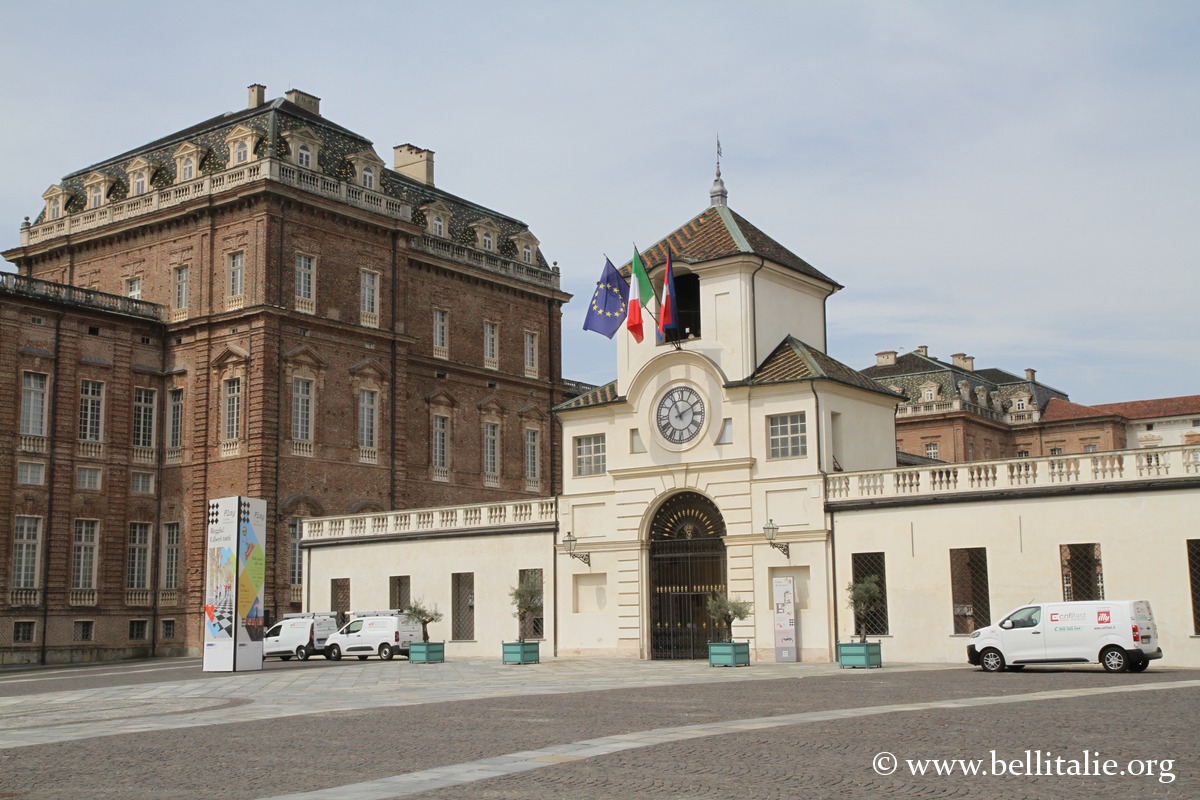
The Venaria Reale was a royal residence, one of the most splendid palaces of the Savoy, built under Charles Emmanuel II from 1659 to 1679, initially as a hunting and leisure pavilion. The first project linked the palace to the city with a two-kilometer-long axis lined with gardens leading to the Salon of Diana.
It was restored shortly after the French destructions in 1693, with the construction of baroque elements such as the Great Gallery of Diana, the Chapel of Saint Hubert, the Scuderia Grande, etc.
Having become a military barracks in the 19th century, it was subsequently abandoned. Entirely renovated, and reopened in 2007, it was inscribed by UNESCO as a World Heritage Site.
 12. Sanctuary of the Consolata
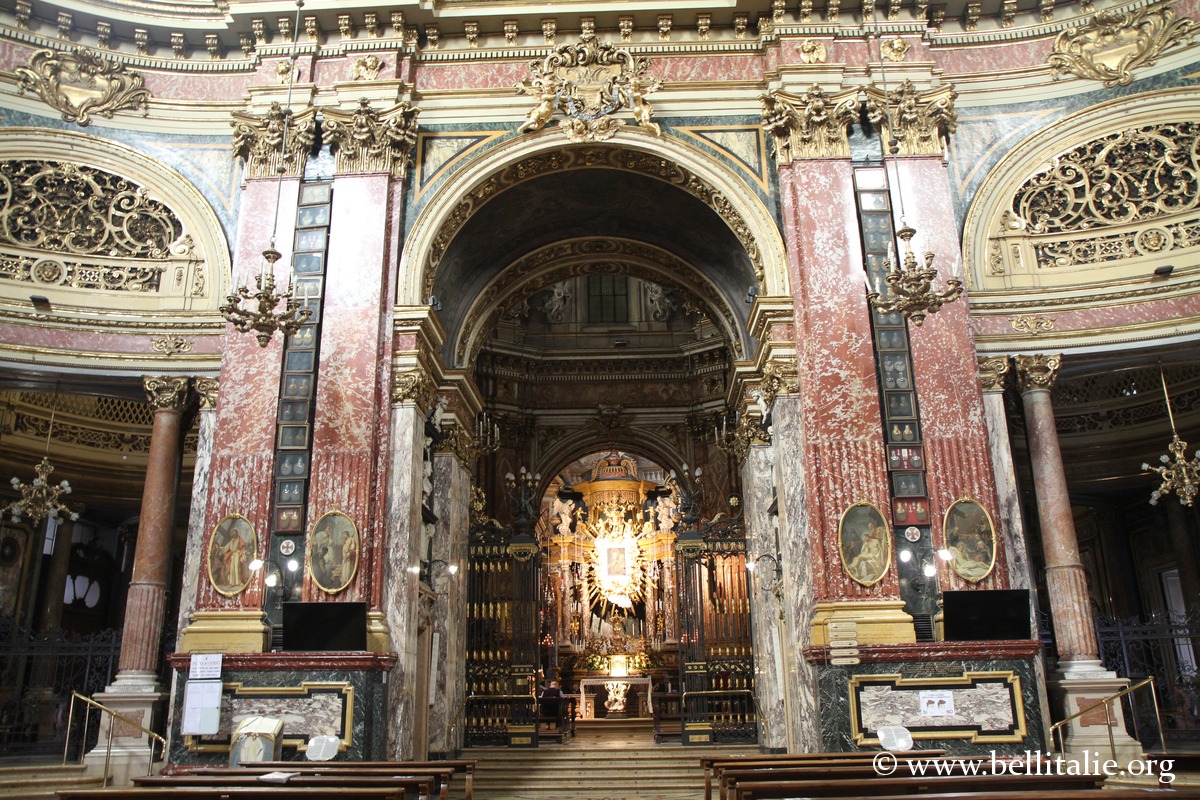
The Sanctuary of the Consolata, (or church of Santa Maria della Consolazione) is one of the most beautiful churches in the city, whose origins date back to the early Christian era.
The building was enlarged and modified several times over the course of time. In the 18th century, the famous architect Filippo Juvarra gave it its baroque character.
Sanctuary of the Consolata in Turin
13. Mount of the Capuchins
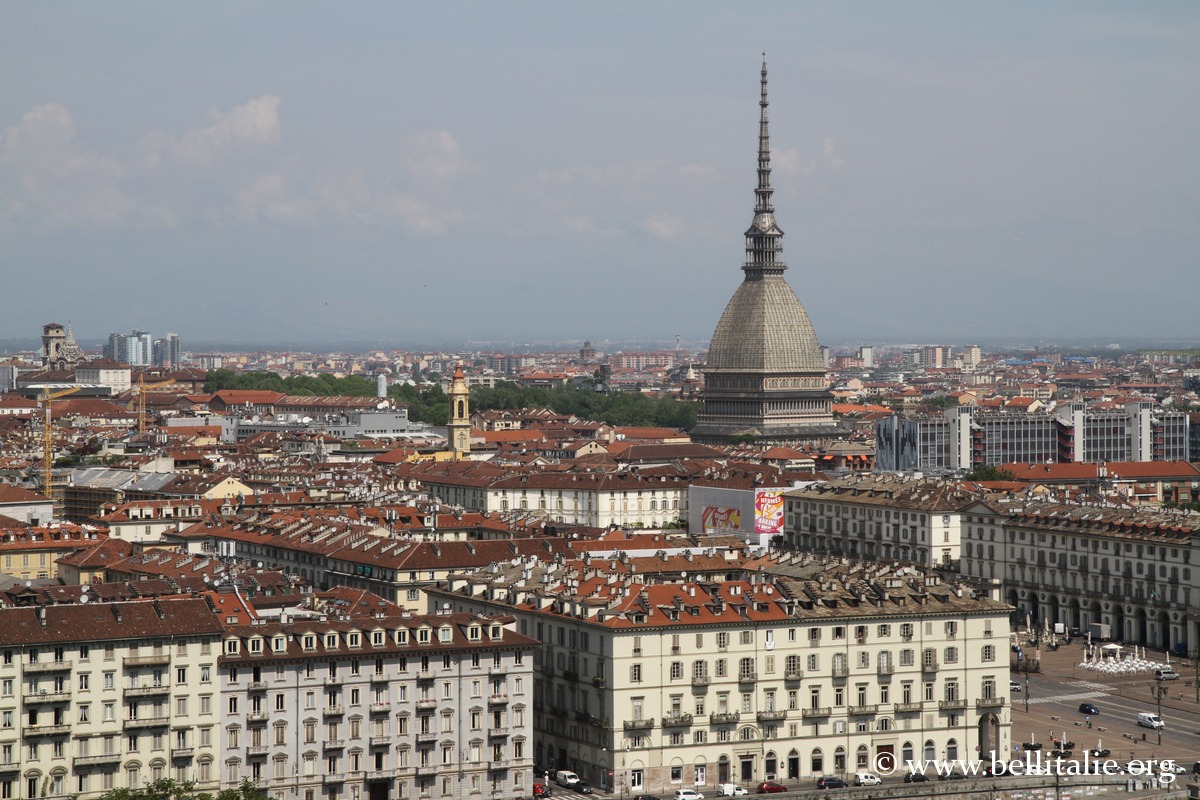 Just on the other side of the Po from the historic center, towards the east, one can climb the small Mount of the Capuchins to enjoy a very beautiful view of Turin with the Alps in the background, right in front of the church of Santa Maria of the Capuchin convent.
Nearby below, the church of the Gran Madre di Dio is a neoclassical building constructed in 1814, inspired by the Pantheon of Rome, in honor of Victor Emmanuel’s victory over Napoleon.
 14. Villa of the Queen
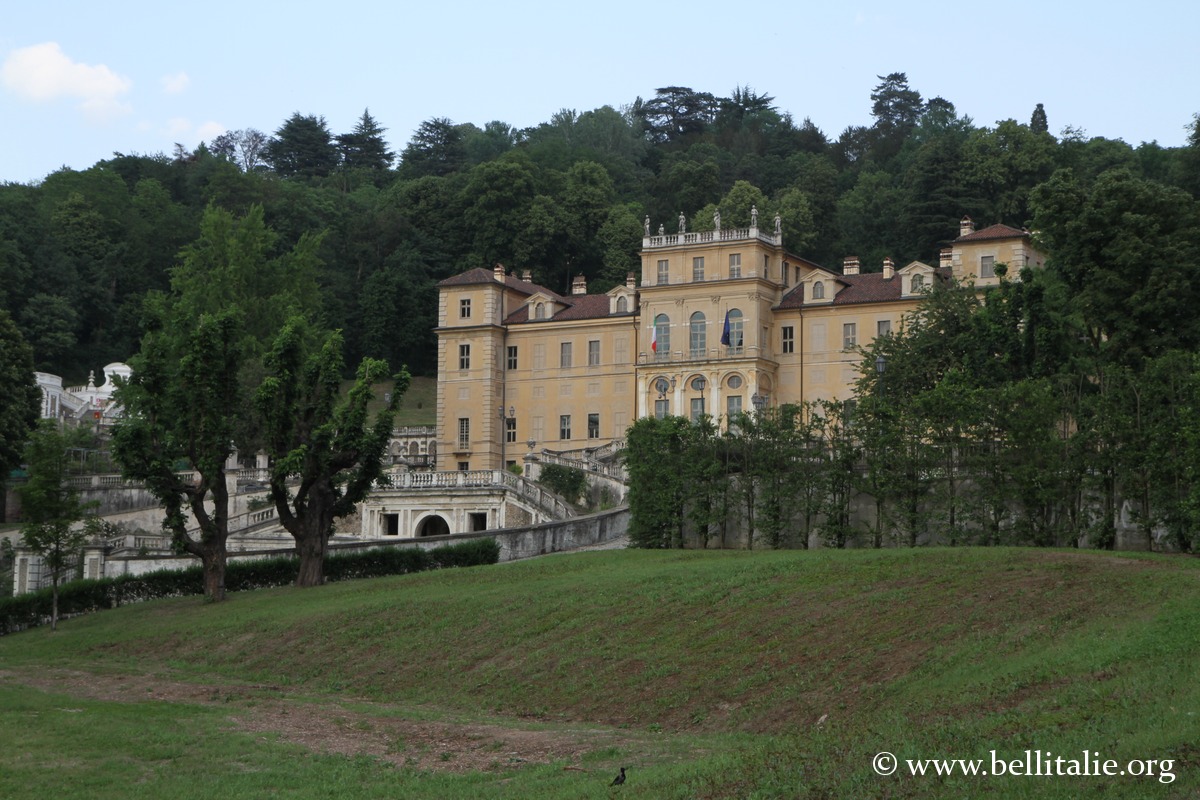
The superb Villa of the Queen (Villa della Regina) was built in the 17th century on the hill to the east of the city center, less than a kilometer from the banks of the Po. It housed the queens of Savoy for centuries.
The exterior is of great charm, with its amphitheater-shaped entrance and its Italian garden and the Solinghi pavilion. The interior notably conserves beautiful Chinese cabinets in lacquered wood and master paintings.
 15. Superga Basilica
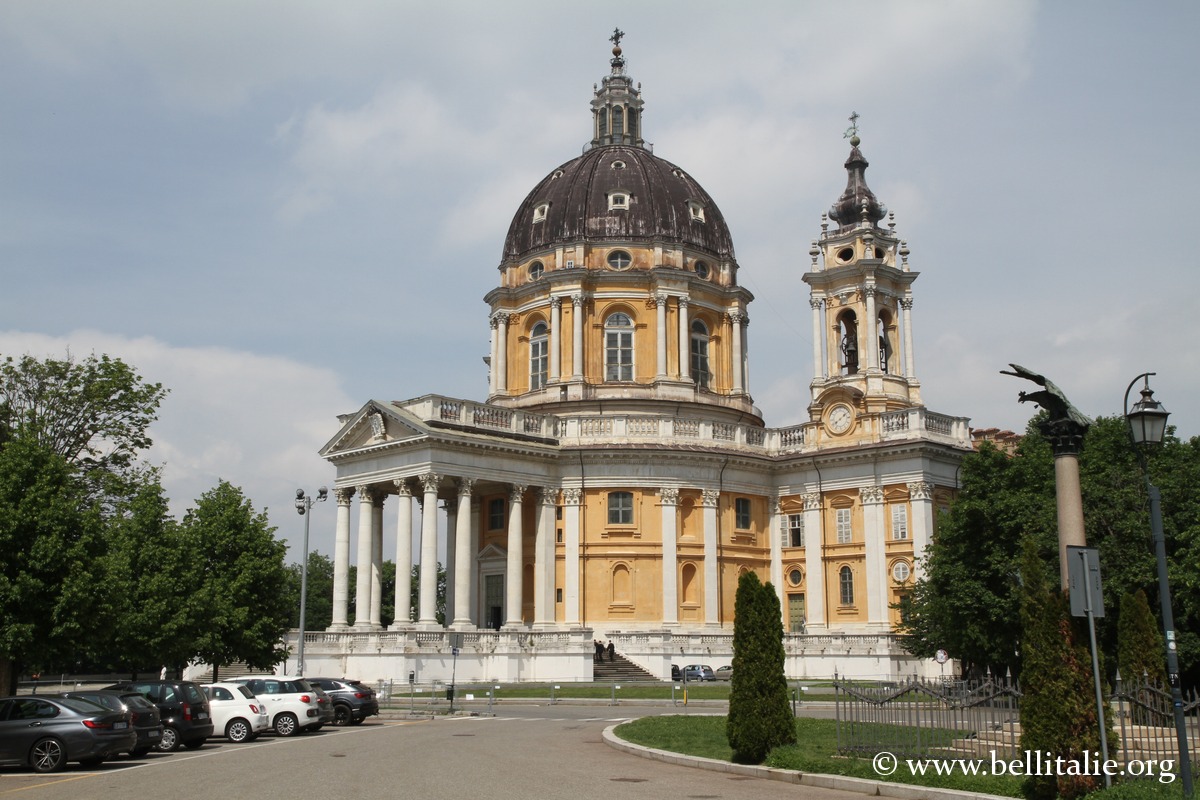
The majestic basilica of Superga, built on a hill a few kilometers from Turin, is the work of the famous baroque architect Filippo Juvarra. It is notably remarkable for its splendid dome in the late baroque style and a large pronaos with its Corinthian columns. Perched on a mount, it is visible from very far around.
16. Lingotto: district of the FIAT factories
South of the center of Turin, Lingotto, reachable by metro, is the district of the site of the former and vast FIAT factories, built in 1916. They were reworked by the architect Renzo Piano to house the Pinacoteca Giovanni and Marella Agnelli, opened in September 2002, on the roofs of the main factory, with the works of art from the private collection of Gianni Agnelli, who was the boss of the Fiat group at the beginning of the 20th century. It conserves 23 paintings and 2 sculptures, including masterpieces ranging from Canaletto to Matisse. One can also discover the FIAT test track built on the roof of the factory and in the district various complexes or shopping centers, and not far away the MAUTO, Automobile Museum.
17. Other museums of Turin
Among the many museums, more or less important, of Turin, we mention:
GAM – Gallery of Modern and Contemporary Art
It is one of the oldest museums of contemporary art, founded in 1863, whose vast collection counts nearly 45,000 pieces dating back to the 18th century, of Piedmontese, Italian and worldwide works, with sculptures, paintings, photographs, installations, engravings, films and videos by artists. One discovers notably works by Boccioni, Fontanesi, Ernst, Klee, Balla, De Chirico, as well as temporary exhibitions.
Gallery of Modern Art of Turin
Palazzo Carignano and Museum of the Risorgimento
It is the richest and oldest museum dedicated to the Risorgimento, housed inside the beautiful Palazzo Carignano, with thematic, sociological and political routes, equipped with numerous multimedia supports.
Museum of the Risorgimento of Turin
MAUTO – the Automobile Museum
MAUTO is one of the most important museums in Europe dedicated to the automobile, with more than 150 models exhibited, which traces the evolution of the car since its creation.
MAO – Museum of Oriental Art
This beautiful museum opened in 2008 is entirely dedicated to Asian art, with more than 1500 works divided into five sections such as Japanese Zen, South and Southeast Asia, China, Japan, the Himalayan area and Islamic art.
Museum of Oriental Art of TurinLa Camera, the Italian Centre for Photography
CAMERA hosts photographic exhibitions, workshops and meetings with professionals.
Italian Centre for Photography of Turin
Pinacoteca Giovanni and Marella Agnelli
25 works from the collection of the family of the former boss of FIAT, in an architectural extension of the historic factories of the automobile manufacturer, built by Renzo Piano, and opened in 2002.
18. Hunting pavilion of Stupinigi
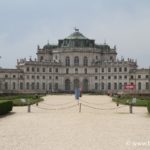
The Hunting pavilion of Stupinigi located south of Turin is one of the most remarkable pavilions of this kind from the 18th century in Europe. The Savoy went there for their leisure and hunting, also choosing the place for weddings and celebrations. With its sumptuous salons, it has also housed the Museum of Furniture since the beginning of the 20th century.
Hunting pavilion of Stupinigi near Turin19. Castle of Rivoli and Museum of Contemporary Art
The Castle of Rivoli has housed the Museum of Contemporary Art since 1984. It is one of the most important museums of this kind in Italy, which also houses the prestigious Cerruti Collection that can be discovered on a guided tour with nearly three hundred sculptural and pictorial works ranging from the Middle Ages to the contemporary.
The castle, which dates back to the 9th and 10th centuries, has experienced many vicissitudes over time, embellished in the 16th century by the Savoy who resided there, renovated by Juvarra in the 18th and then partly destroyed during the last world war.
20. Castle of Moncalieri
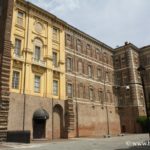
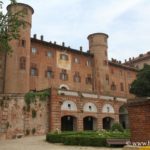
About ten kilometers south of Turin, the Royal Castle of Moncalieri was built by the Savoy in the 17th century by enlarging a medieval fortress. Housing a regiment of carabinieri, one can notably visit the royal apartments.
Royal Castle of Moncalieri21. Turin Hills
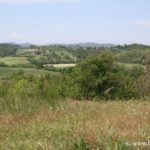
Turin is dominated towards the east by hills, on the western promontory of which is the basilica of Superga. It is the setting of a beautiful rolling countryside up to the Gothic-Romanesque abbey of Vezzelano.
Turin hillsInteractive map
 Show interactive map
Information
- Wikipedia article: en.wikipedia.org
- Tourist portals: turismotorino.org
- Turin markets: mercati.comune.torino.it
- Museums: www.museireali.beniculturali.it, museoegizio.it
- Monuments: Mole Antonelliana, Saint John’s Cathedral (Wikipedia), Palazzo Madama
- Blogs: lesboomeuses.com
- Turin in 1 day, 2 days and more
- Piazza Castello in Turin
- Royal Palaces and Museums of Turin
- Egyptian Museum of Turin
- Mole Antonelliana
- Turin Cathedral of Saint John the Baptist
- Piazza San Carlo in Turin
- Palazzo Madama, Turin
- Palatine Gate of Turin
- Royal Palace of Venaria
- Other monuments and places in Turin
- Stupinigi Hunting Lodge
- Rivoli Castle
- Moncalieri Royal Castle
- Turin Hills
- What to see in Piedmont
- Turin
- Saint Michael’s Abbey, La Clusa
- Lake Maggiore
- Susa Valley and Chisone Valley
- Susa
- Lake Orta
- Cuneo and Surroundings
- The Langhe
- Montferrat
- Roero and surroundings
- Asti
- Alba
- Domodossola and Val d’Ossola
- Valsesia
- Sanctuary of Mount Oropa
- Saluzzo and surroundings
- Usseaux and Fenestrelle Fort
- Casale Monferrato
- Vercelli
- Ivrea, Canavese and Biellese
- Novara


Comments
Comments in other languages
hello,
your site is very interesting for not missing anything in Turin.
The Egyptian Museum and the Automobile Museum are 2 must-sees.
I really liked the view over the city from the top of Mount Capucins early in the morning, when the sun rises and lights up the Alps and then the city ...