


 Asti is the capital of the province of the same name, in the Piedmont region, inhabited in 2021 by nearly 14,000 inhabitants. It lies at the heart of Montferrat, a hilly territory covered with vineyards, green and rich in water.
It is known throughout the world for its wines, in particular for its sparkling wine Asti Spumante, but also for its many medieval towers.
In September of each year, a wine competition is held there, the Douja d’Or. Another very well-known major event takes place in September with the historic Palio, documented since the 12th century, which is held in the piazza Campo del Palio. A procession of more than 1000 people in period costume welcomes the event.
In recent years, the Festival of Asti has gained in importance, as a gastronomic and wine event held during the week preceding the Palio.
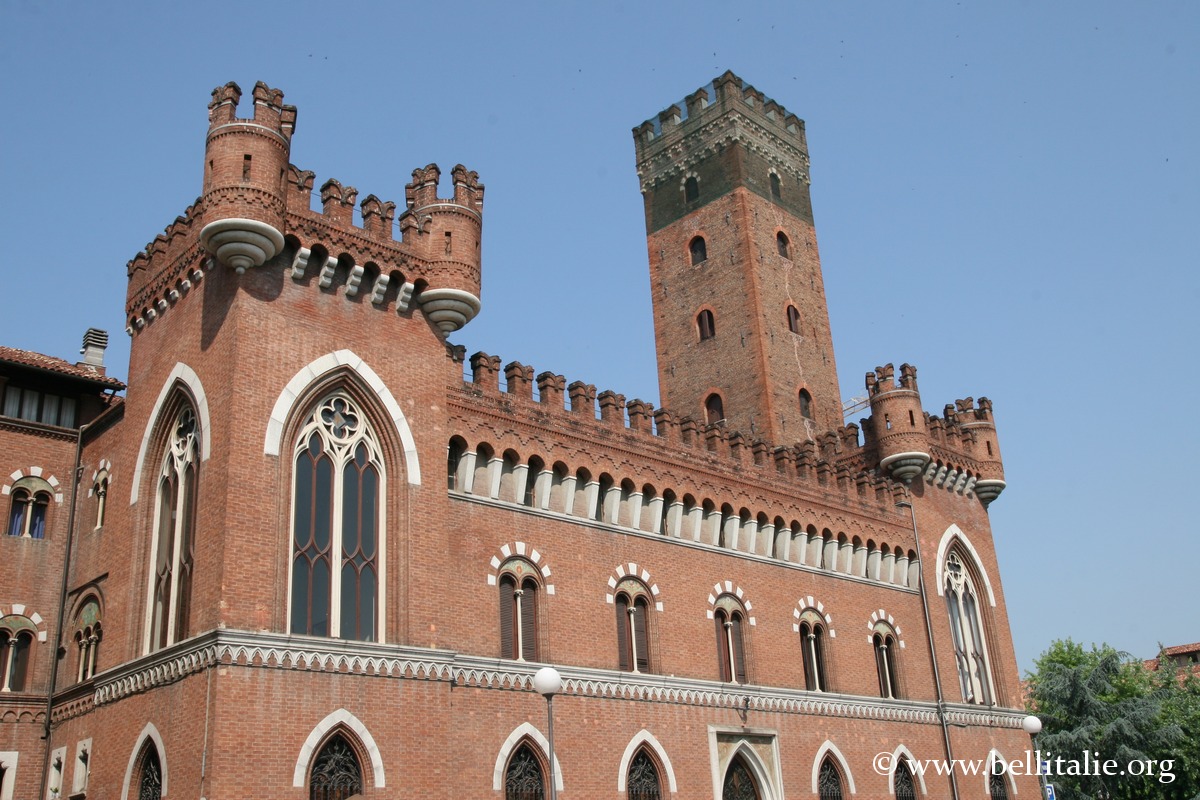
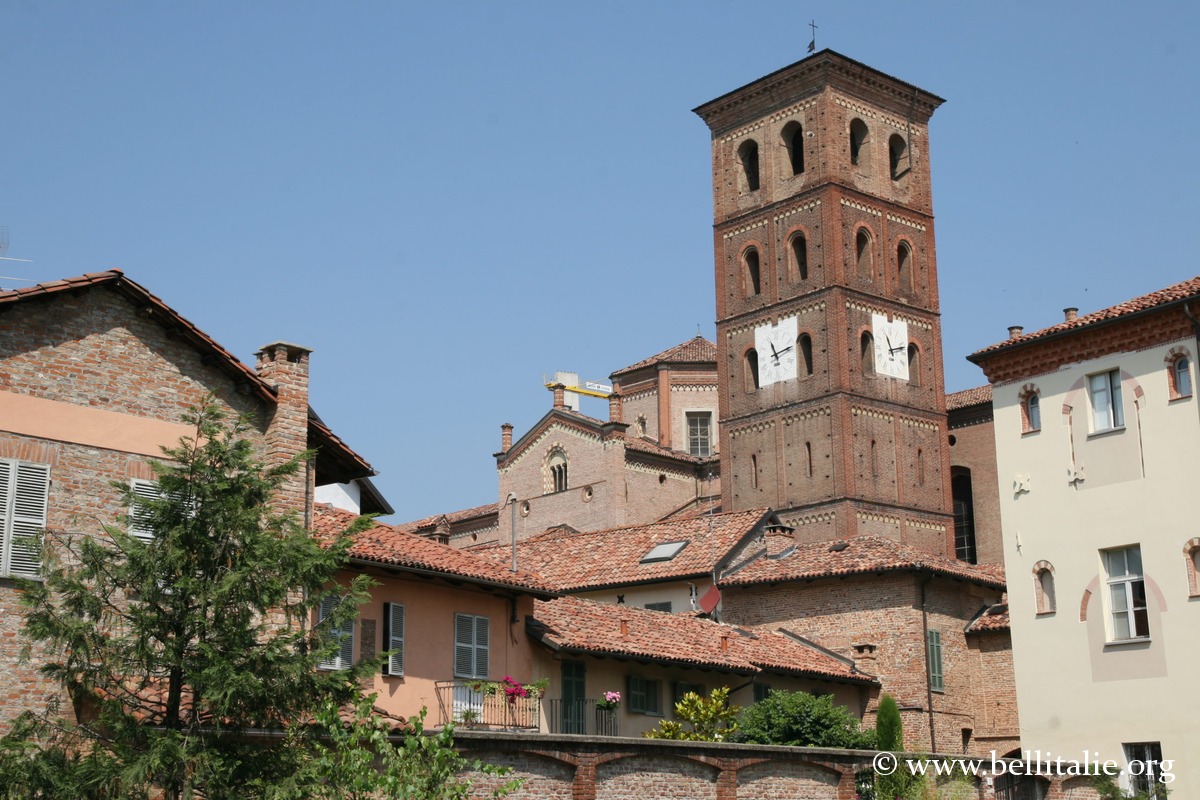
The city preserves many merchants’ houses, and medieval palaces with some beautiful towers that survived from the 120 towers that stood here in the Middle Ages.
Brief history
Under the Roman empire Astis Colonia or Asta Pompeia was a military camp.
A Lombard duchy of Neustria, it became a free commune in the Middle Ages, with the right to mint money and an important trading center in the 12th and 13th centuries.
It was then a possession of the dukes of Milan, then the capital of a duchy given as a dowry to Valentine Visconti when she married the duke of Orléans, brother of Charles VI. The French princes kept it until 1529 when it was ceded to Charles V who then gave it to Savoy.
Sites to see in Asti
1. Cathedral Santa Maria Assunta
Cathedral Santa Maria Assunta
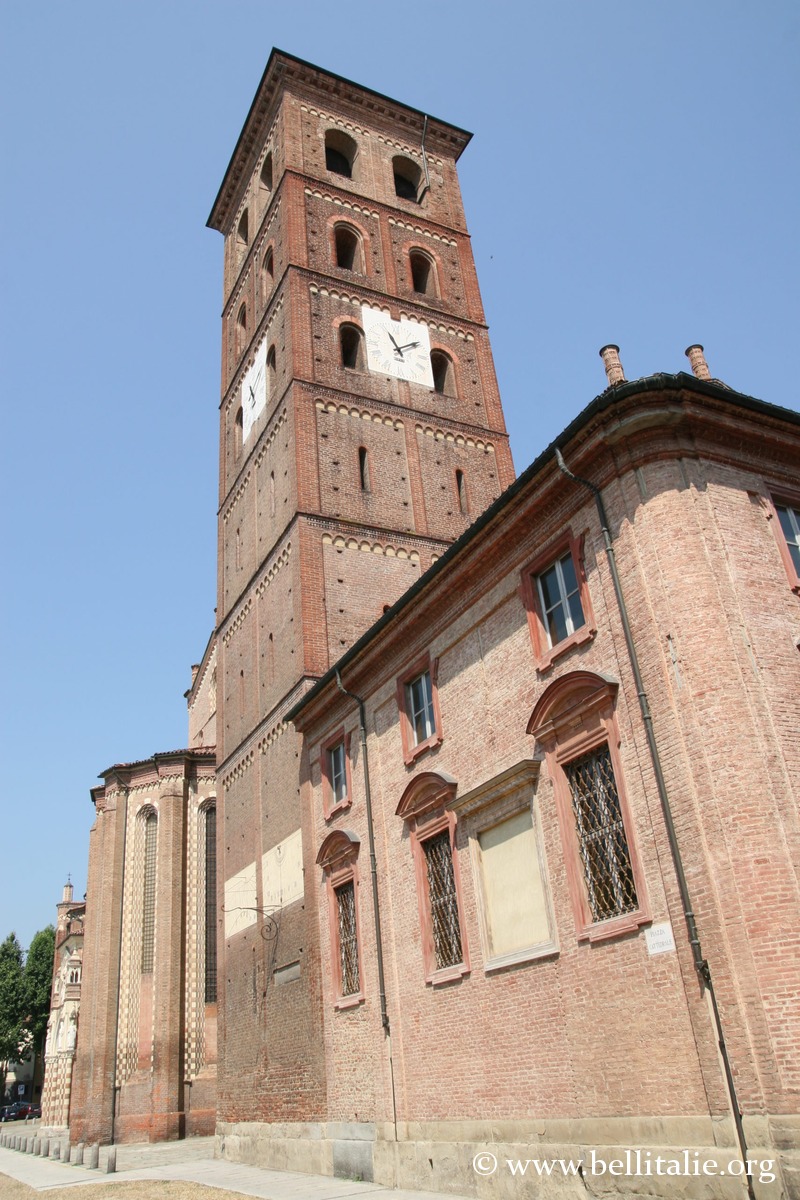
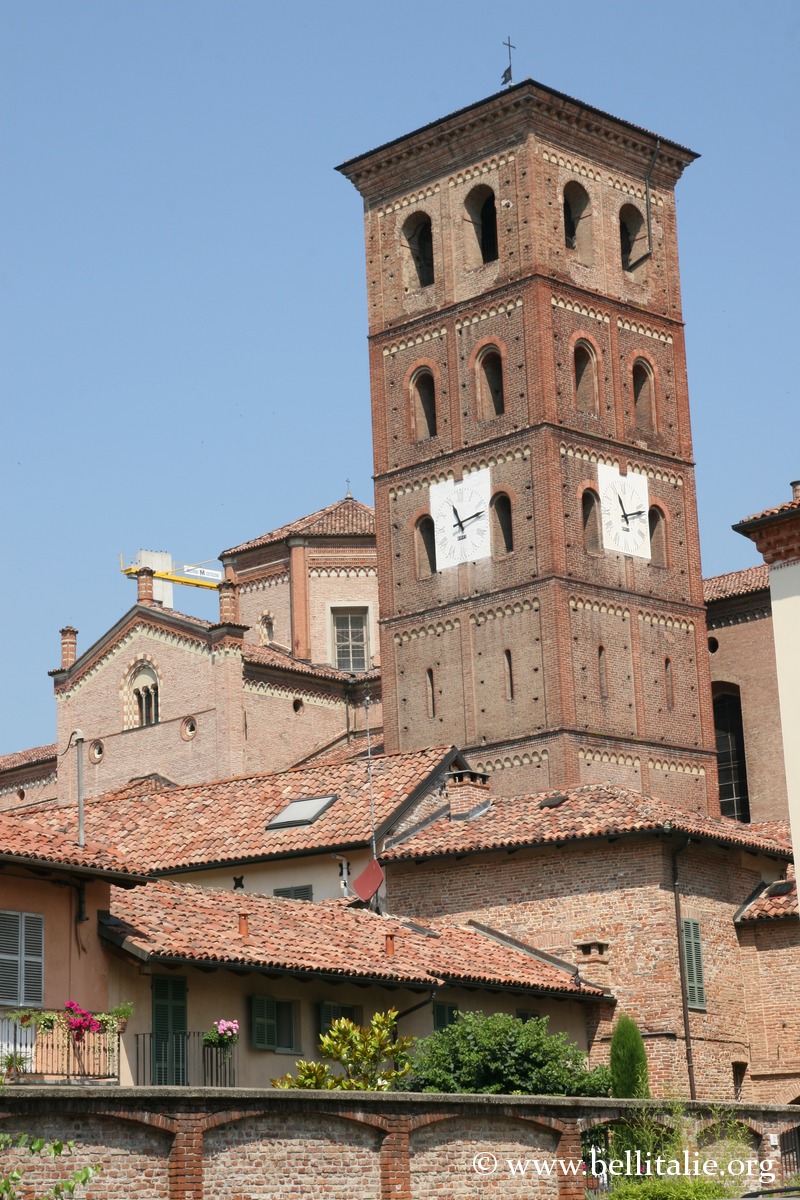
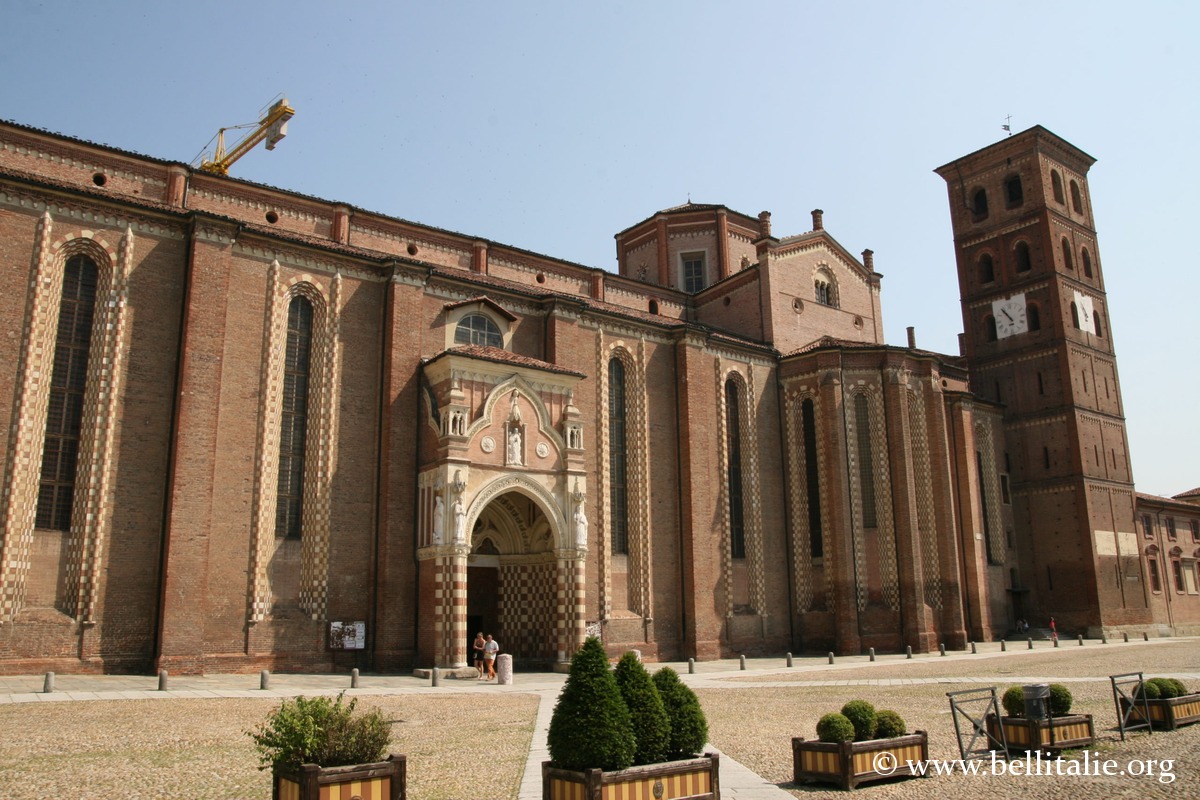
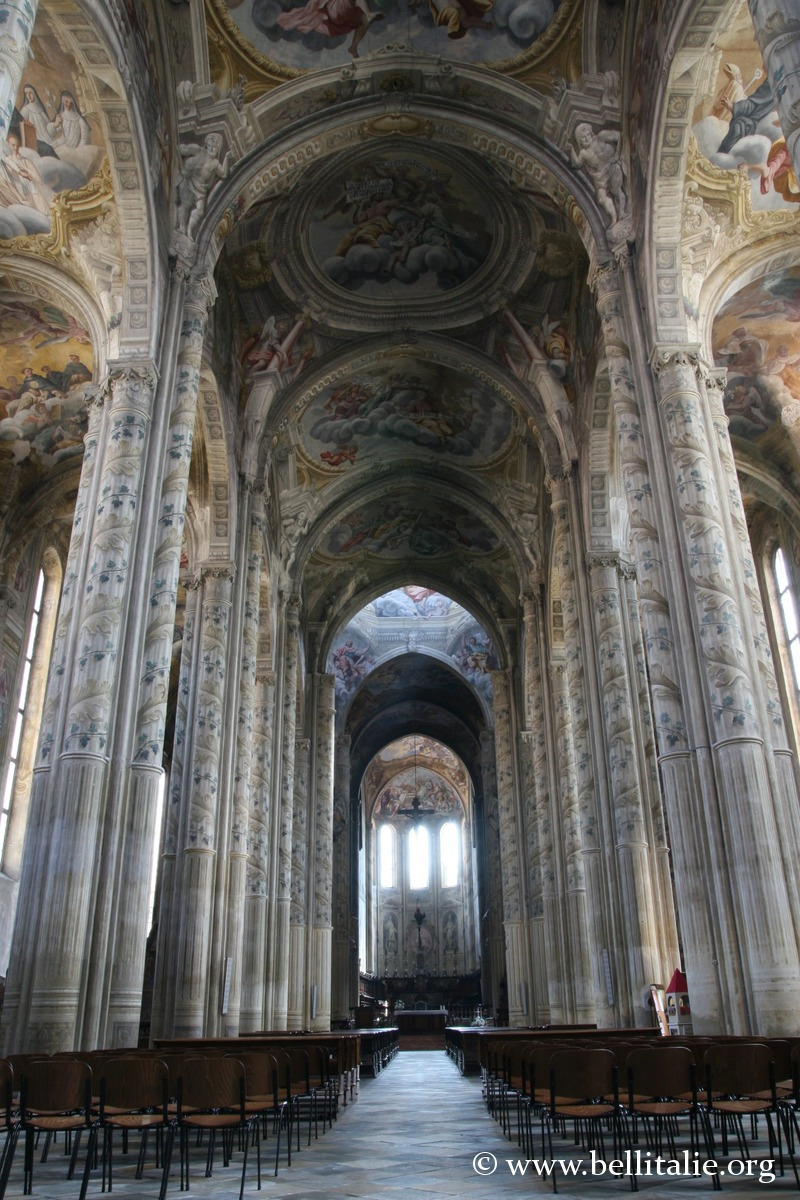
The cathedral Santa Maria Assunta and San Gottardo is one of the most important Romanesque-Gothic constructions in Piedmont, consecrated at the end of the 11th century, then remodeled in the 13th century, with a bell tower seven stories high erected in 1266. The Gothic portal has a beautiful doorway and beautiful rose windows.
The interior is divided into three naves supported by Gothic arches. The chancel keeps a beautiful mosaic floor dating back to the old church. Decorations were added over time, including a bas-relief representing the Assumption, frescoes on the vaults, the majestic altar in 1764, the statue of the Assumption of Mary on the parvis.
Near the last pillar, the funeral stele of bishop Malabaila and the equestrian portrait of Arricino Moneta date from the 14th century.
Under the apse the Crypt of the Bishops houses the tombs of the bishops of Asti and archaeological pieces.
2. Palazzo Mazzetti
The Palazzo Mazzetti, on corso Alfieri, is a majestic Baroque palace that houses the Museum and the municipal picture gallery.
It was built in the 15th century by the Mazzetti family when they settled in Asti in 1442. Over the course of history, prestigious figures were welcomed there, such as James Francis Stuart in 1717, the king of Sardinia Charles Emmanuel III in 1727 and Napoleon in 1805.
The Hall of Honor, the main staircase and certain rooms were made in 1751.
It houses the municipal museum, with an archaeological section, a section on the Republic of Asti, paintings from the 17th and 18th centuries, etc.
3. Trojan Tower or Clock Tower
Torre Troyana
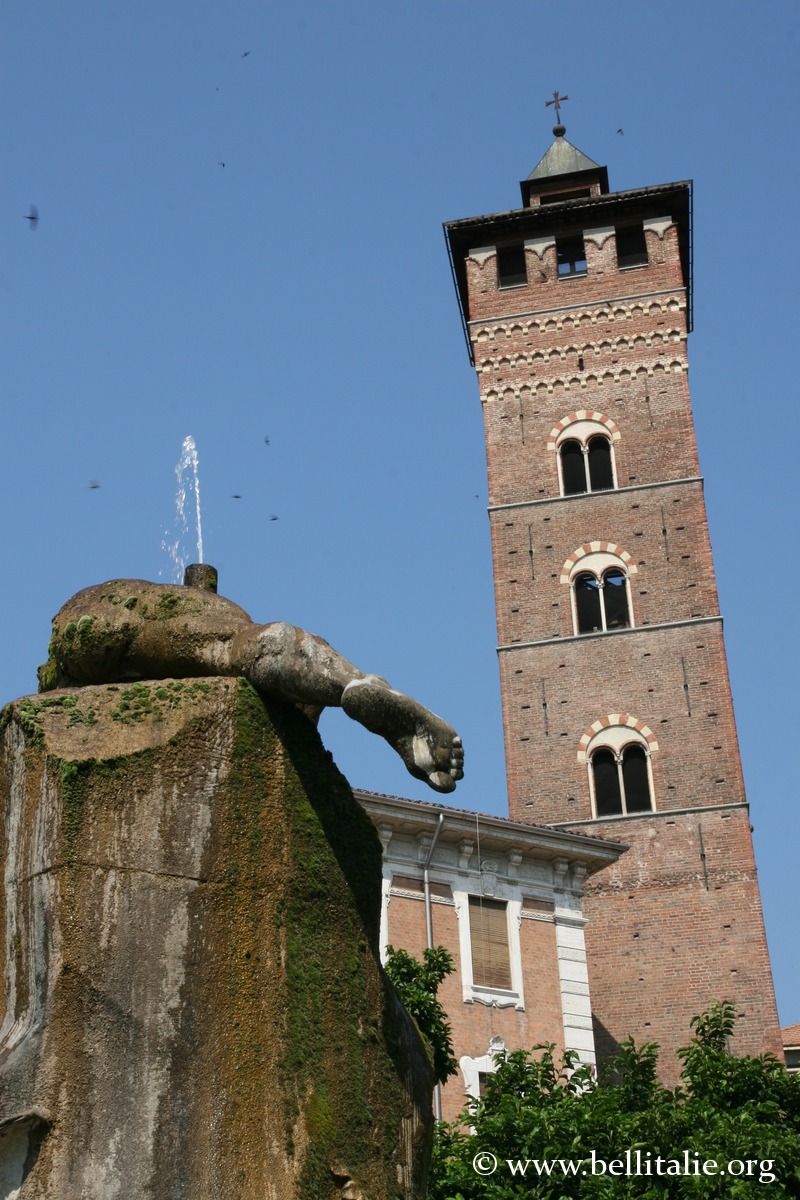
The Torre Troyana is the oldest tower in the city and the best preserved in Piedmont.
Its intact structure dates back to the end of the 12th century, with its open biforas, topped by Ghibelline merlons reaching 44 meters. The bell is one of the oldest in the region, dating from the 16th century, 1.20 meters wide. 199 steps of a wooden staircase lead to the top.
4. Collegiate Church San Secondo
The Collegiate Church San Secondo is the most important basilica in Asti, located on the square of the same name. It is dedicated to the patron saint of the city Saint Second of Asti, who is said to have been martyred and buried here in the year 119.
The current building was made from the 13th century onwards.
The facade was completed in the 15th century, and the pretty central rose window in the 17th century. The interior is divided into three naves ending in apses of different shapes.
In the crypt, which would date from the 6th century, the relics of Saint Second are still preserved.
5. The towers
Of the 120 that Asti had in the Middle Ages, a few beautiful towers remain to be discovered.
Palazzo Medici and Torre Comentina
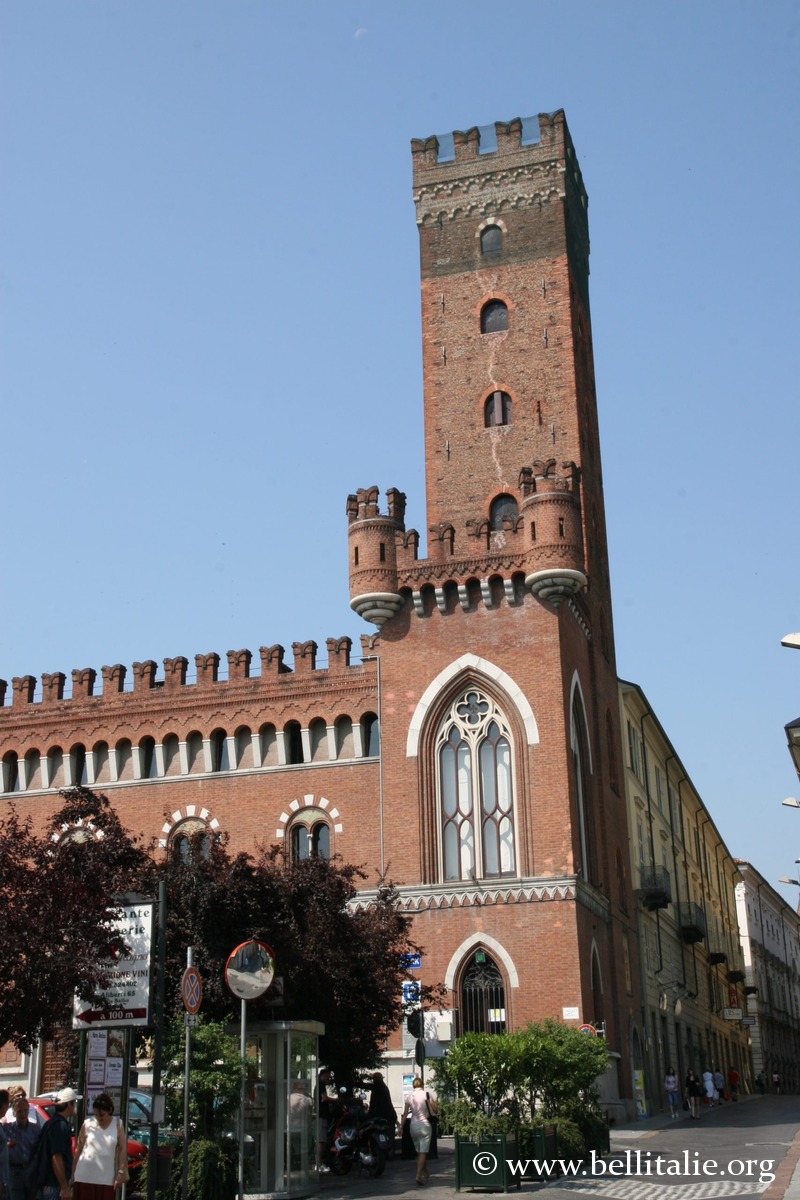
Torre del Comentini, piazza Roma
The Comentina tower, 38.55 meters high, was built in the 13th century. The adjacent Palazzo Medici, neo-medieval, was built in the 19th century.
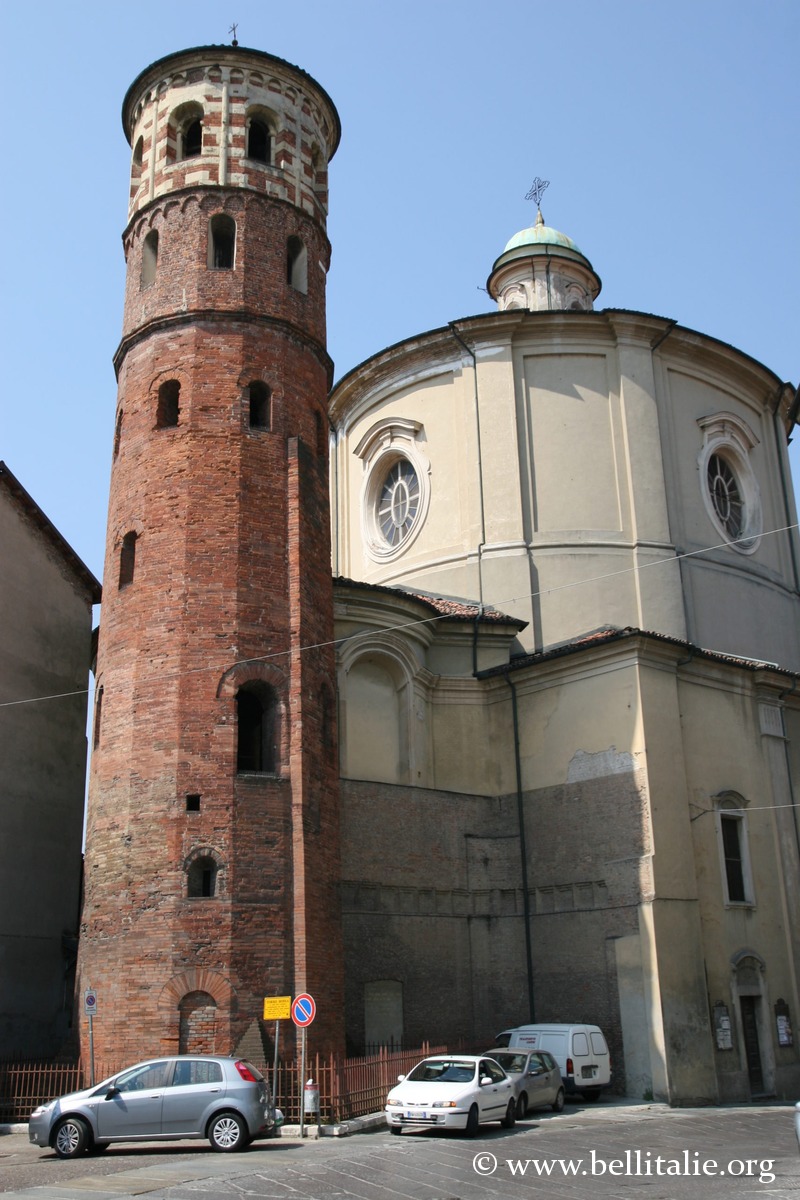
Torre Rossa and Santa Caterina
Torre Rossa
The red tower is a Roman tower, built around the beginning of the 1st century AD. The tuff part dates from the 11th century. It became the bell tower of the church of Santa Caterina in the 12th century.
Other towers : Torre de Regibus, Guttuari tower, the bell tower of the cathedral, torre Gazzelli, then the Natta tower, the quartero tower, the solaro tower, etc.
6. Crypt and museum of Saint Anastasius
Located Coro Alfieri, the crypt of Sant’Anastasio was the crypt of an important early medieval building destroyed at the beginning of the 20th century. It is part of the Museo Sant’Anastasio.
It is said to have been built in the 1st century, near ancient Roman houses. In particular, one can see there remains of Roman paving, remains of Roman dwellings, a funerary plaque from the Roman era, capitals from the 12th century, and several archaeological pieces including tombs from the 8th century.
7. Complex of the Baptistery of Saint Peter
Outside the historic center, the complex of the baptistery of Saint Peter is one of the most important monuments of Asti, which housed the Knights of Saint John of Jerusalem.
The ensemble comprises four constructions built between 1100 and 1300.
The former Priory of the knights of Saint John now houses the Paleontological and Archaeological Museum of Asti,
The current Rotunda of the Holy Sepulchre replaced a pagan temple dedicated to the goddess Diana, with the baptismal font from the 16th century.
8. Palazzo Alfieri
This is the house where Vittorio Alfieri, Italian poet and playwright, was born and grew up. The palace was remodeled in a Baroque style in the 18th century. The tour allows visitors to see the gardens, the arcades and the rooms of the building, retracing the life and work of the playwright. (individual visits on weekends).
9. Paleontological Museum of Asti
The Paleontological Museum has a section with fossils of cetaceans from the region, whales, dolphins, from the Pliocene (between 5 and 2 million years ago) when the Po Plain was occupied by the sea. Another section is devoted to general and territorial paleontology, describing the geological periods between the Miocene and the Pliocene, and an overview of the geological evolution of the last 25 million years.
10. Other sites, church, palace, ancient sites
Remarkable medieval palaces : Palazzo Catena, Via XX Settembre ; Palazzo Zoya ; Palazzo del Podestà ; Palazzo Gazzelli ; Palazzo Natta
Ancient sites : Roman Domus from the 1st century AD (via Varrone), gates (Porta Torre, Porta Arco) and ancient and medieval walls (to the north).
Monuments : the Alfieri theater
Squares : Piazza Roma, Piazza Staturo
Churches : Chiesa della Madona del Portone, Maria Ausiliatrice, San Giuseppe, Santissima Trinità e di Sant’Evasio, San Pietro in Consavia, Santa Caterina
Gallery
-
- Palazzo Medici e Torre Comentina
-
- Palazzo Medici e Torre Comentina
-
- Tour Troyana
-
- Clocher de la cathédrale
-
- Tours d’Asti
-
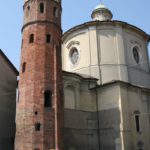
- Torre Rossa e Santa Caterina
-
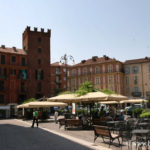
- Torre Guttuari e Piazza Statuto
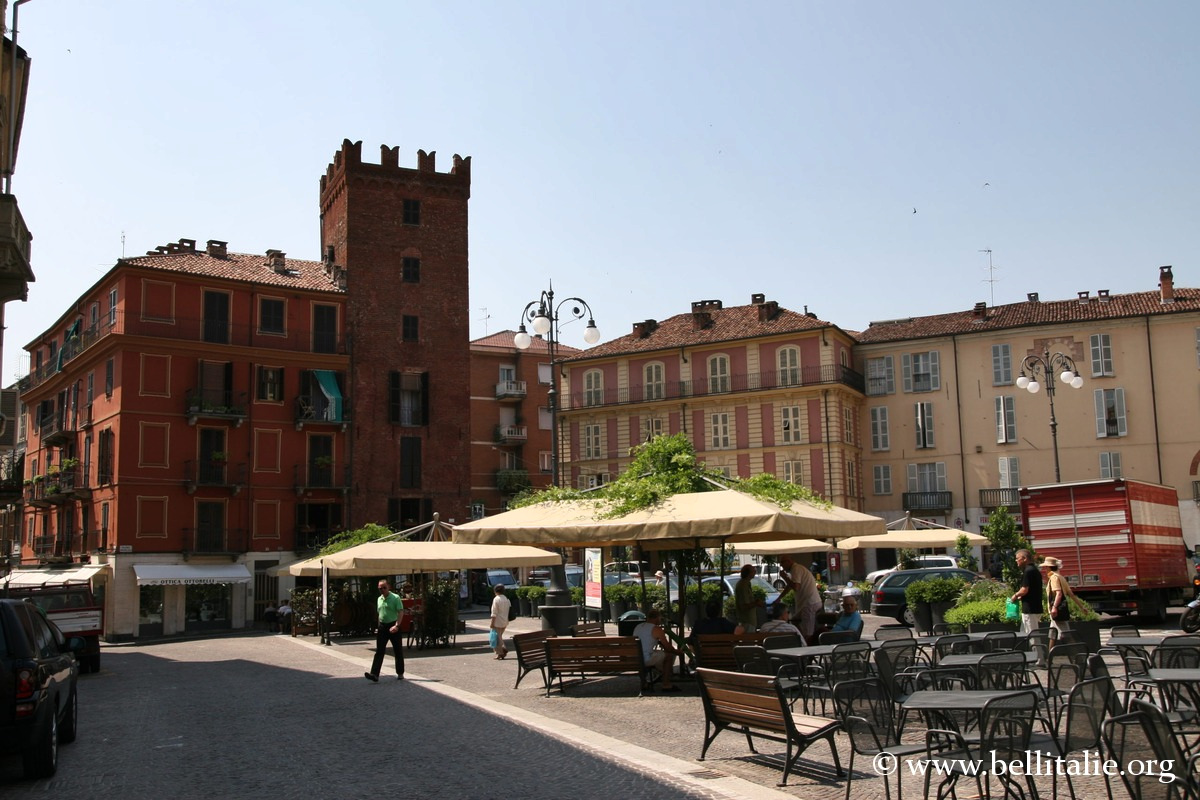
-
- Cathédrale Santa Maria Assunta
-
- Cathédrale Santa Maria Assunta
-
- Cattedrale Santa Maria Assunta
-
- Cattedrale Santa Maria Assunta
Information
- Wikipedia articles : en.wikipedia.org, it.wikipedia.org/wiki/Arte_astigiana
- Official website of the municipality : www.comune.asti.it
- Tourist portals : www.informagiovani-italia.com, turismo.astionline.it
Weather in Asti
Map
If you see this after your page is loaded completely, leafletJS files are missing.
Weather in Asti
- What to see in Piedmont
- Turin
- Saint Michael’s Abbey, La Clusa
- Lake Maggiore
- Susa Valley and Chisone Valley
- Susa
- Lake Orta
- Cuneo and Surroundings
- The Langhe
- Montferrat
- Roero and surroundings
- Asti
- Alba
- Domodossola and Val d’Ossola
- Valsesia
- Sanctuary of Mount Oropa
- Saluzzo and surroundings
- Usseaux and Fenestrelle Fort
- Casale Monferrato
- Vercelli
- Ivrea, Canavese and Biellese
- Novara



Comments