


The Roero is one of the three main historic wine regions of Piedmont, along with the Langhe and Monferrato. Its identity dates back to a period of prestige during the Middle Ages when it was controlled by the Counts of Roero.
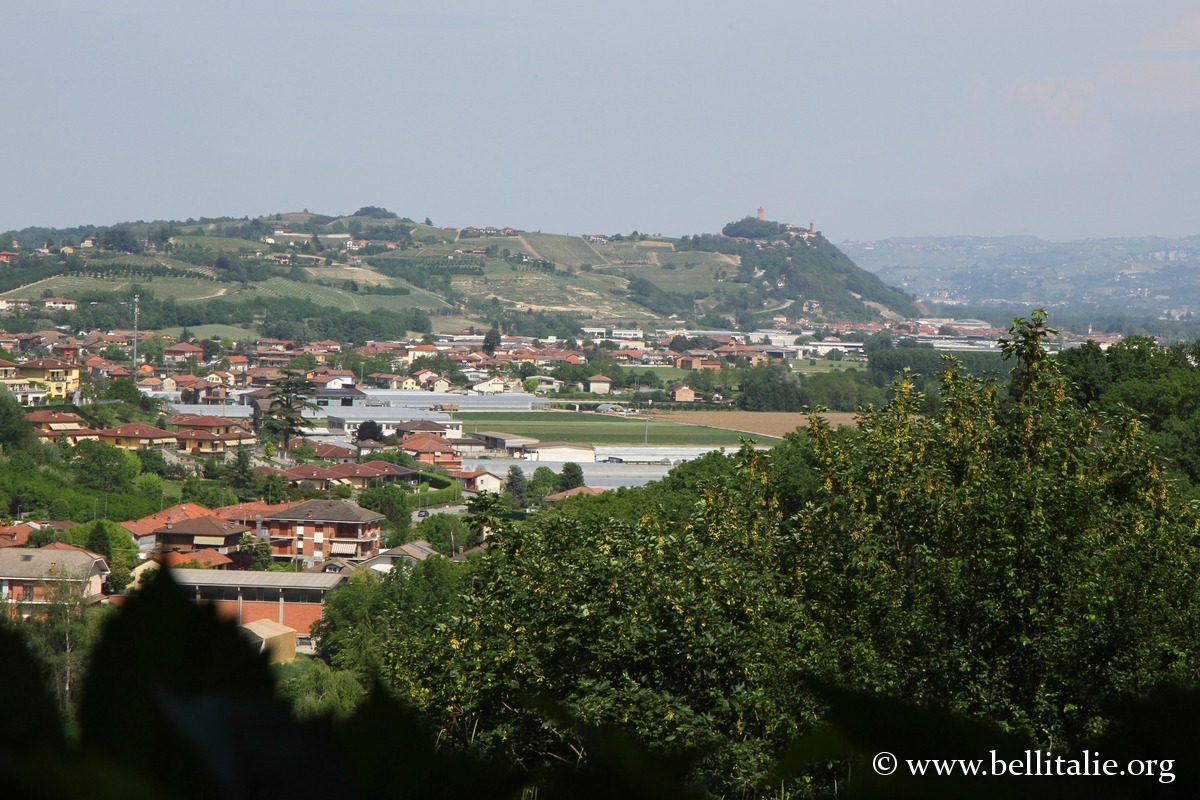
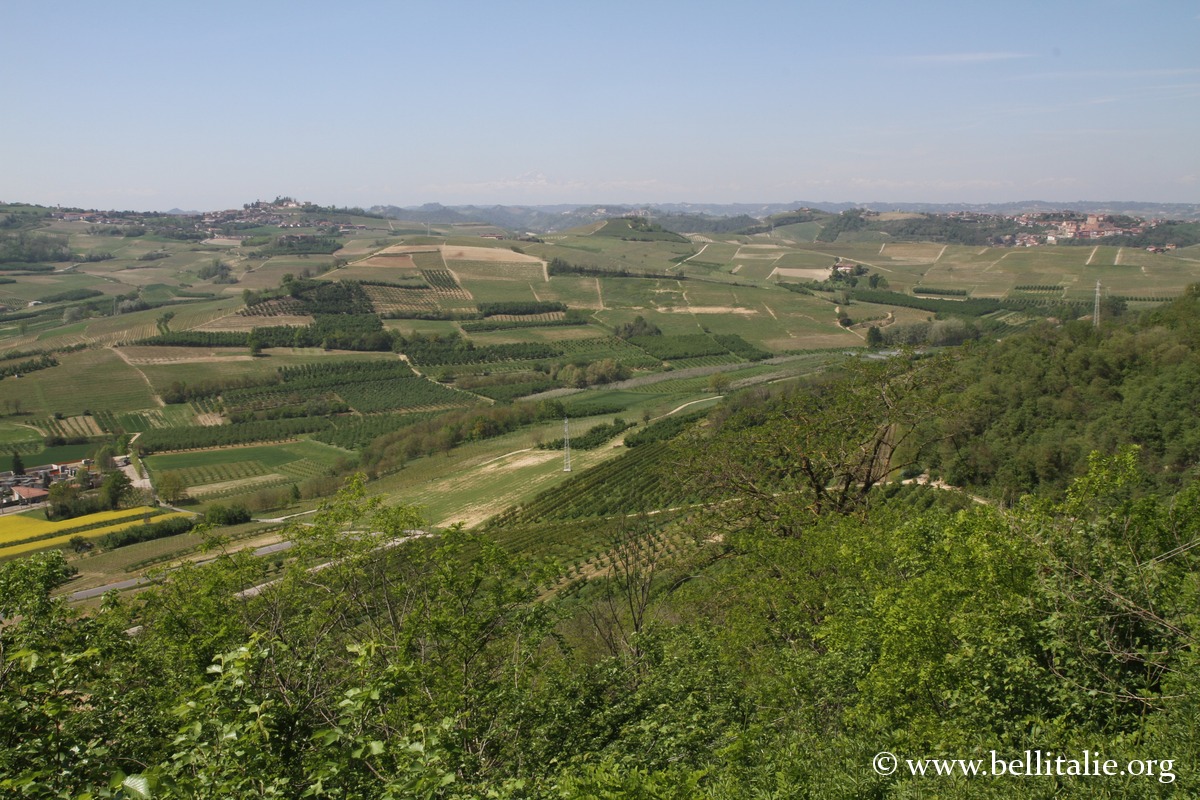
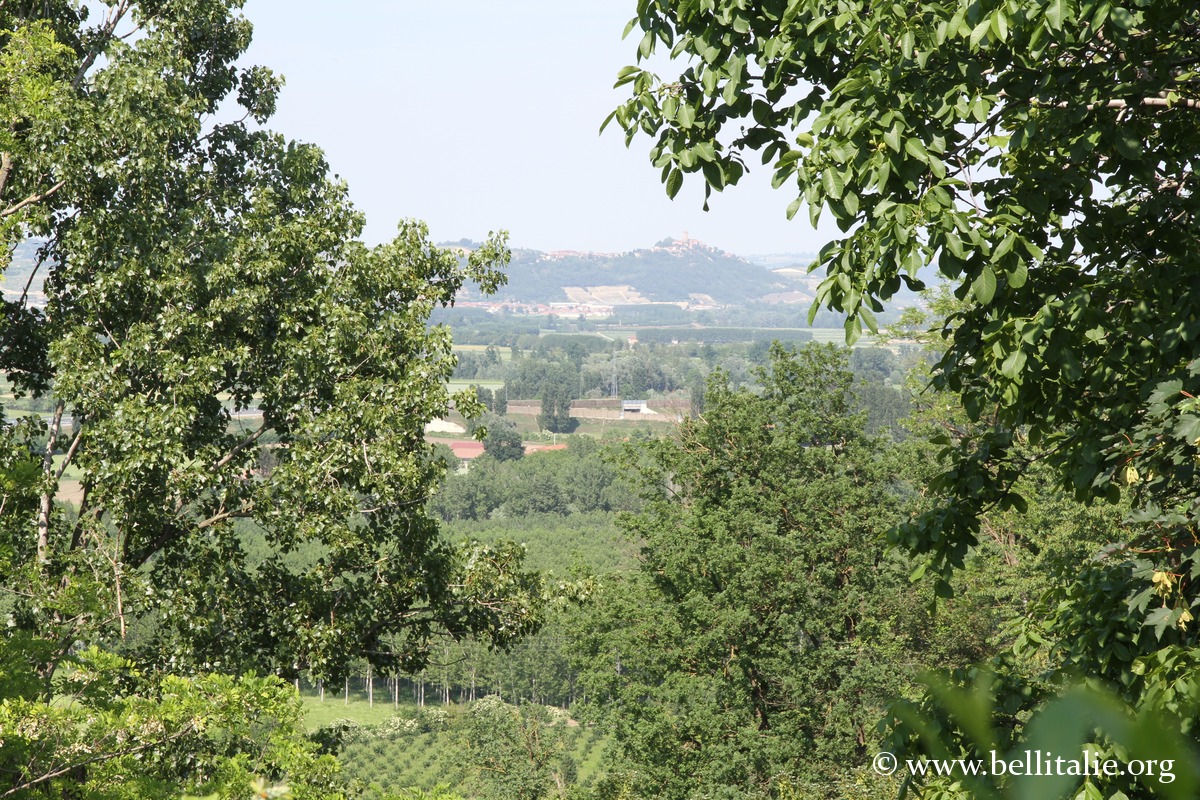
Besides its fine wines, this relatively small territory is not lacking in attractions, thanks to its charming villages and castles built on the “Roero rocks”. To the south, the Tanaro river separates it from the Langhe. The landscape is hilly with vineyards, as well as orchards and hazelnut groves.
The landscape is not covered exclusively with vines as in the Langhe. It is rougher and sometimes wild, with woods and narrow valleys whose sometimes steep walls are sandy. Its canyons were formed by the erosion of the rock by watercourses. Several villages are located along the crest of the rocks (dorsale delle Rocche in Italian).
The town of Bra is considered the capital of the Roero. You can also discover in the region the trails and the Ecomuseum of the Rocche, or the villages and castles of Govone, Magliano Alfieri, Vezza d’Alba, Castellinaldo d’Alba, Monticello, etc.
Discover the Roero
Castles
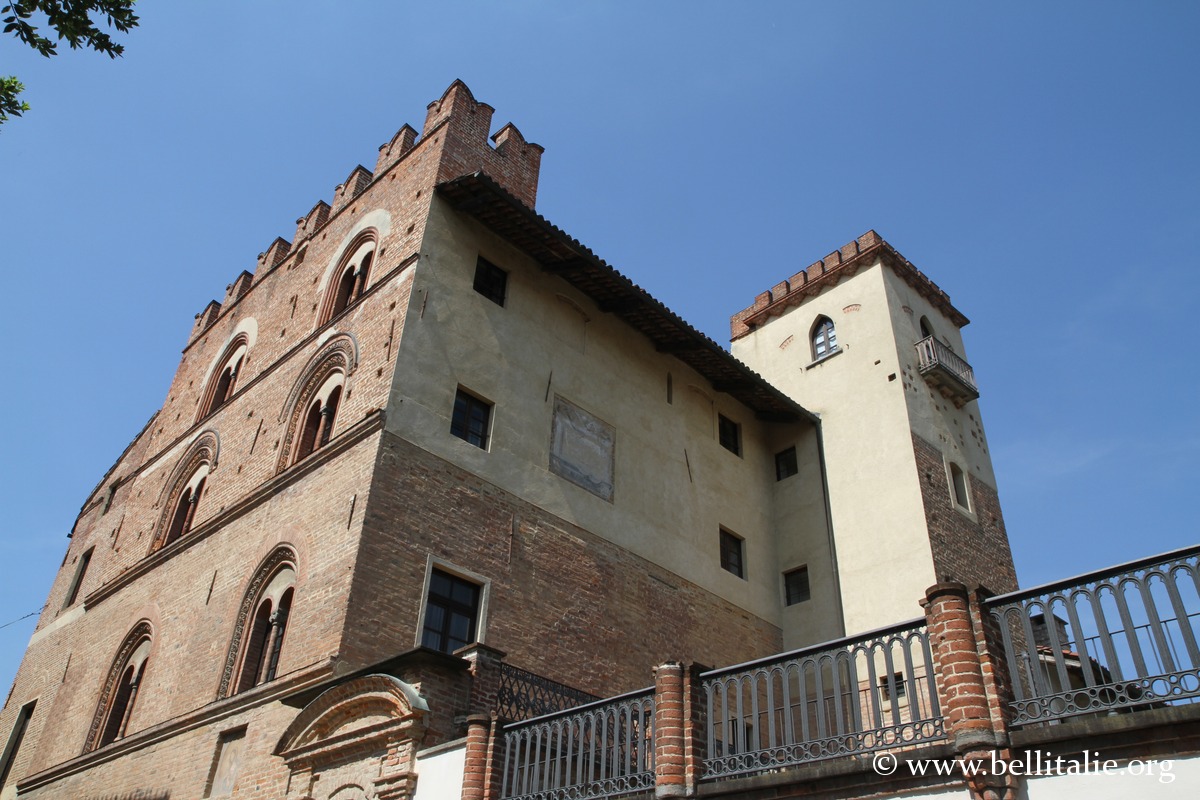
The Counts of Roero owned many castles in the Middle Ages, one of the best known and most beautiful being that of Monticello d’Alba where the Roero lived for nearly six centuries. The interior can be visited at weekends with the hall of arms, which preserves period armour, and the hall of family portraits.
The other beautiful castles are that of Govone, of medieval origin and completely remodelled in the 18th-19th century, which was a residence of the Savoy, and is also listed as a UNESCO heritage site.
The very beautiful castle of Guarene, remodelled in the 18th century, was a summer residence of the Roero family, and today also houses a luxury hotel.
The other interesting castles are first of all that of Magliano Alfieri with its museum, then the more modest ones of Cisterna d’Asti, Sanfrè and Monteu Roero. Some of them house a museum.
Trails
The Ecomuseum of the Roero has established paths that cross the territory over eight municipalities, with more than 100 km, including the S1 Grand Trail of the Roero, the Water Trail, the Game Trail, the Fossils Trail, the Castles Trail. In the municipality of Montà, there is the honey trail, between acacias and hazelnut trees.
Staying in a castle or hotel
- Castle of Guarene
Superb 5* Relais & Château in a sublime 18th-century aristocratic residence dating back to the Middle Ages, with excellent restaurant and wine cellar
In Guarene, between the Langhe and the Roero, from around €600 per night for a couple
Bra
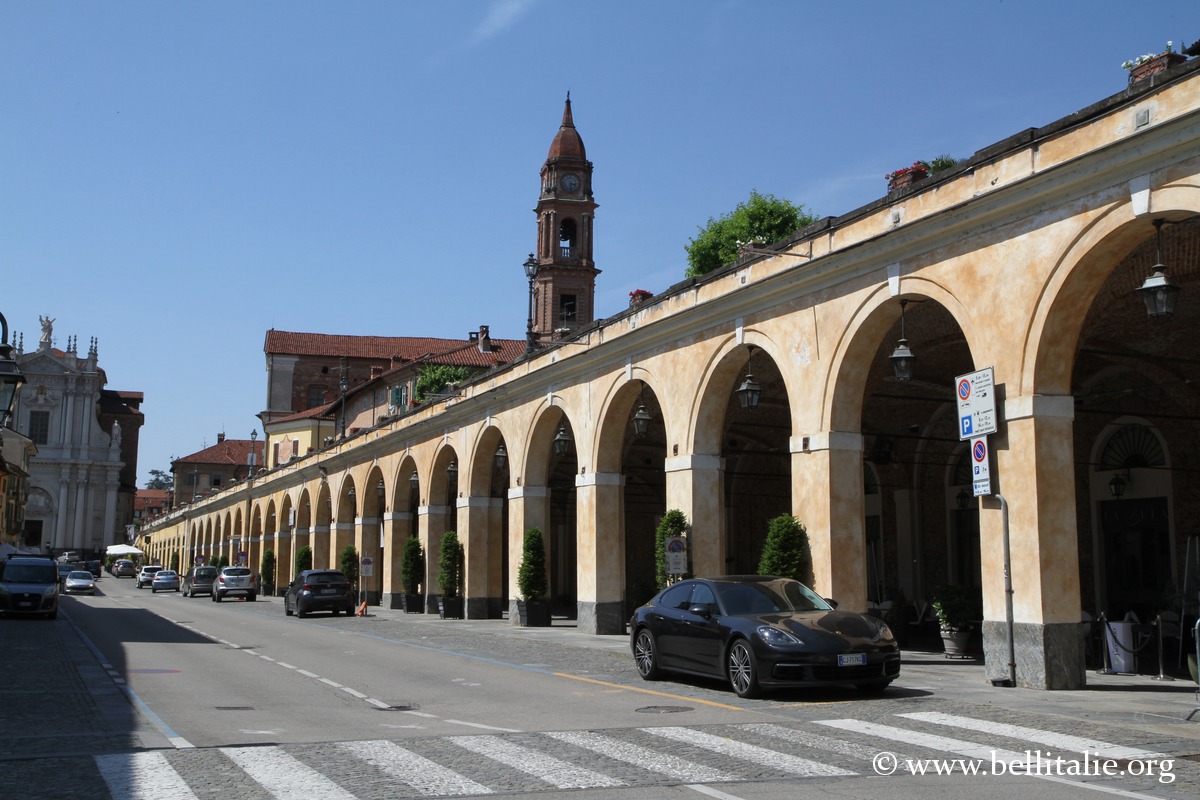
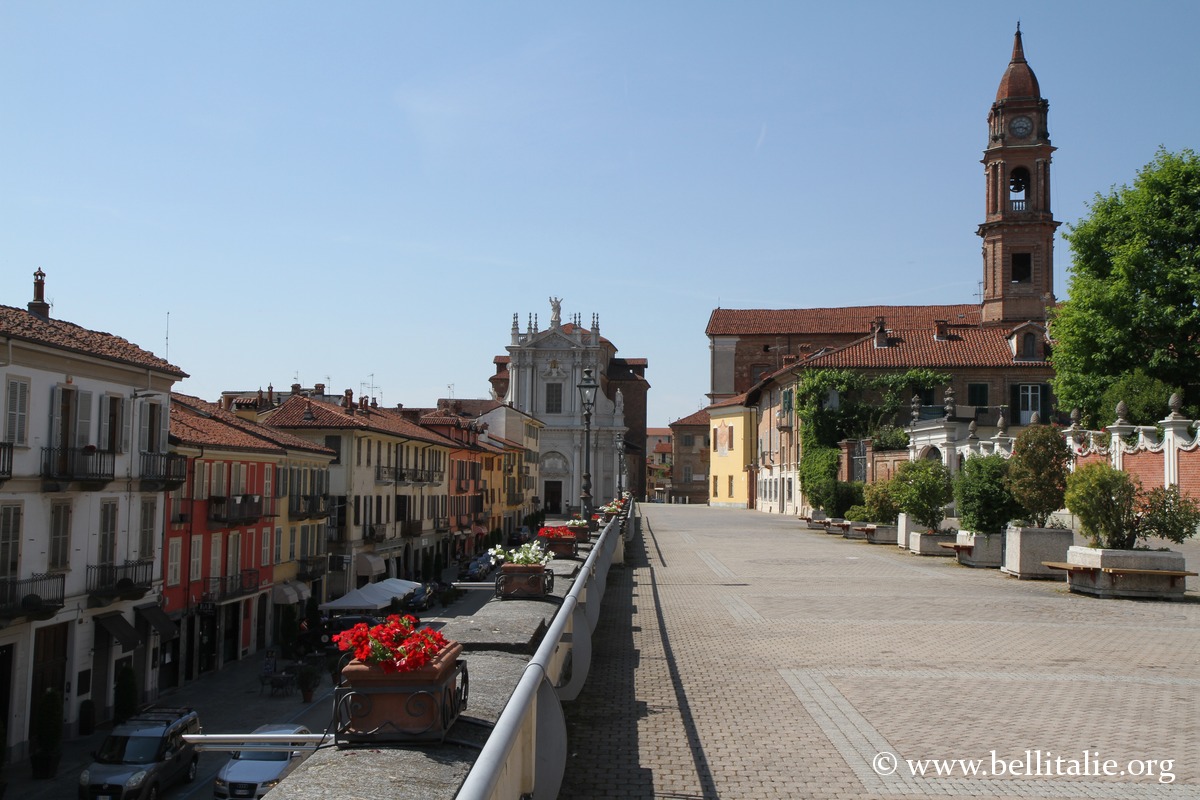
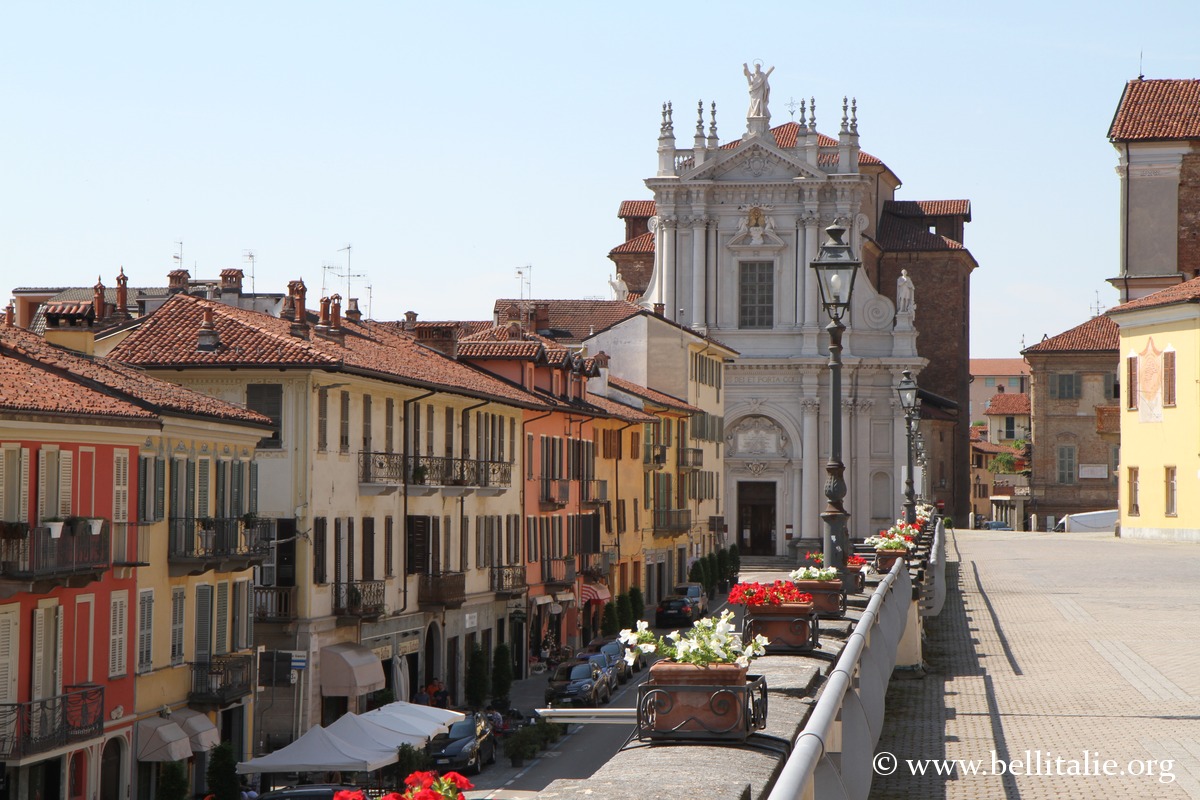
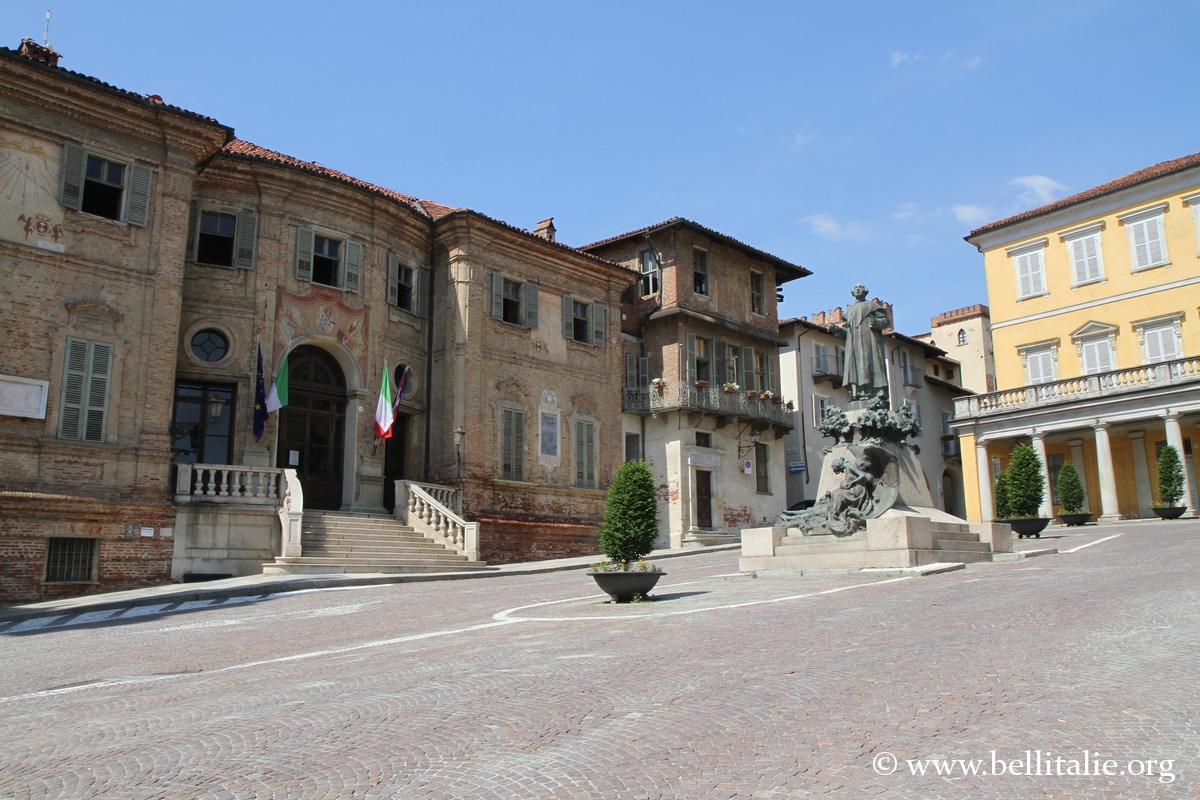
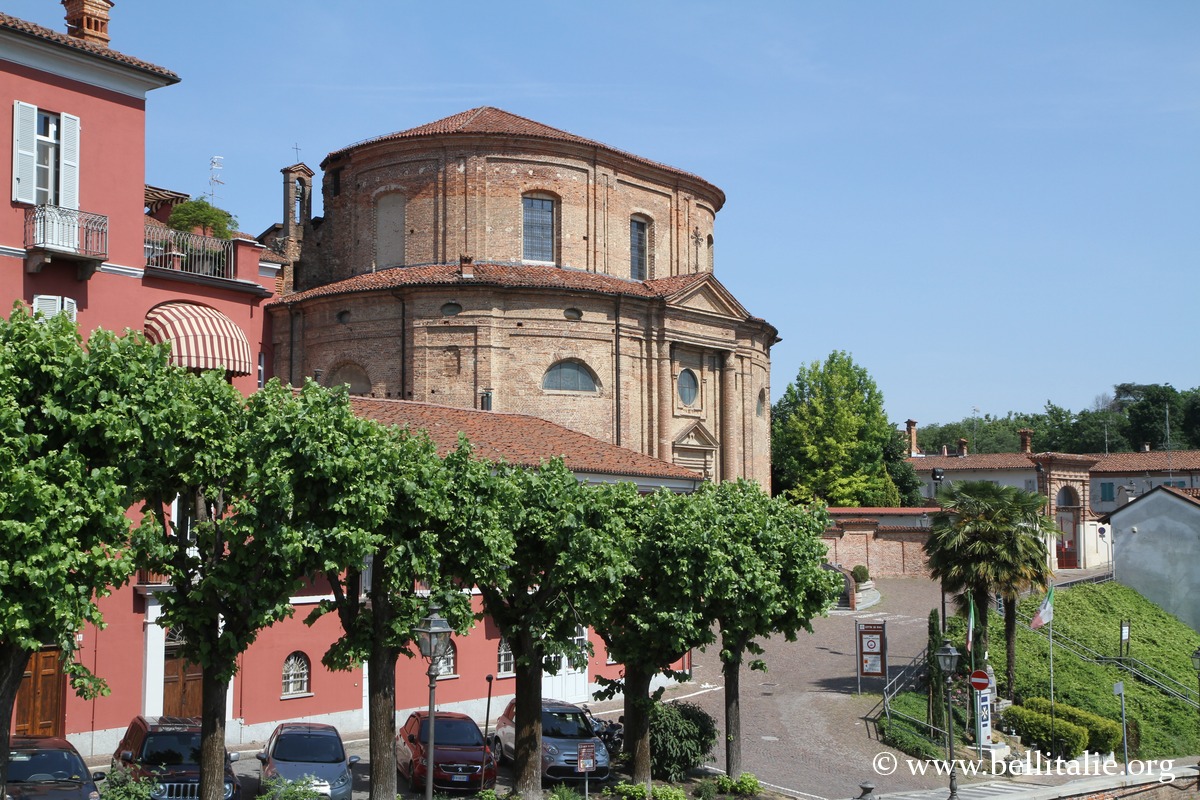
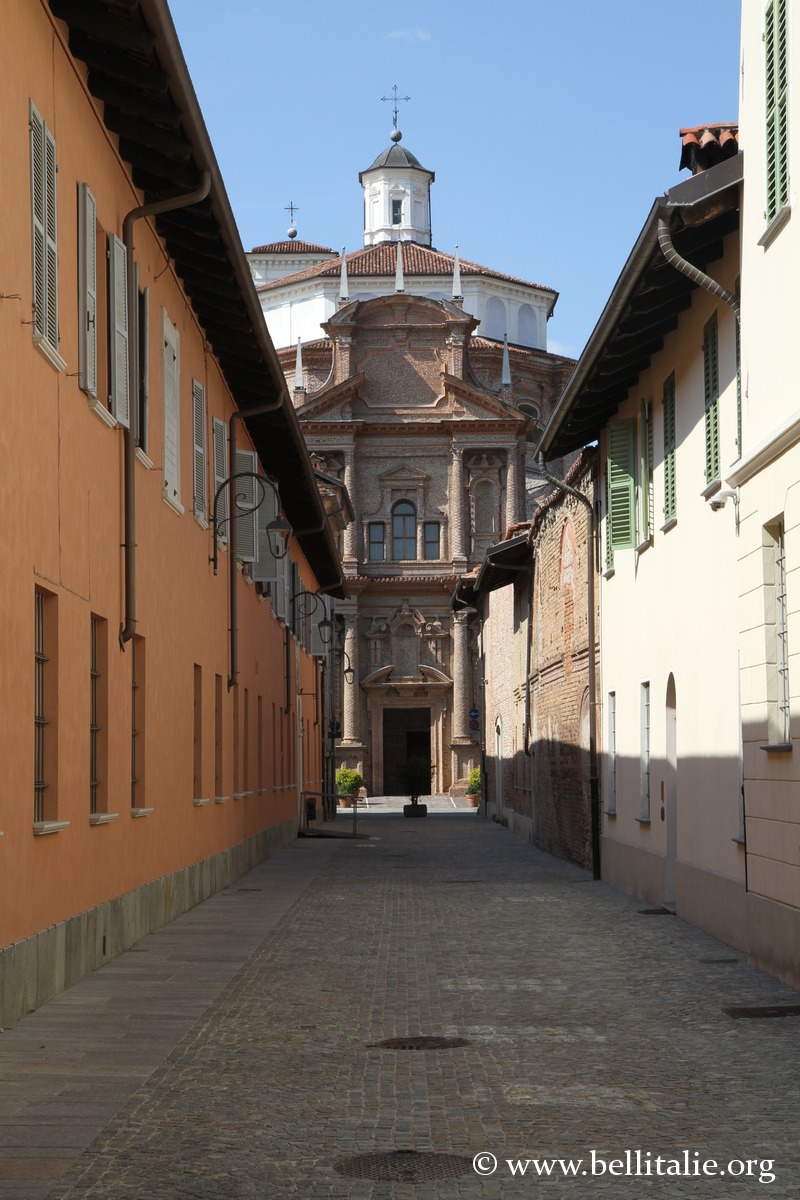
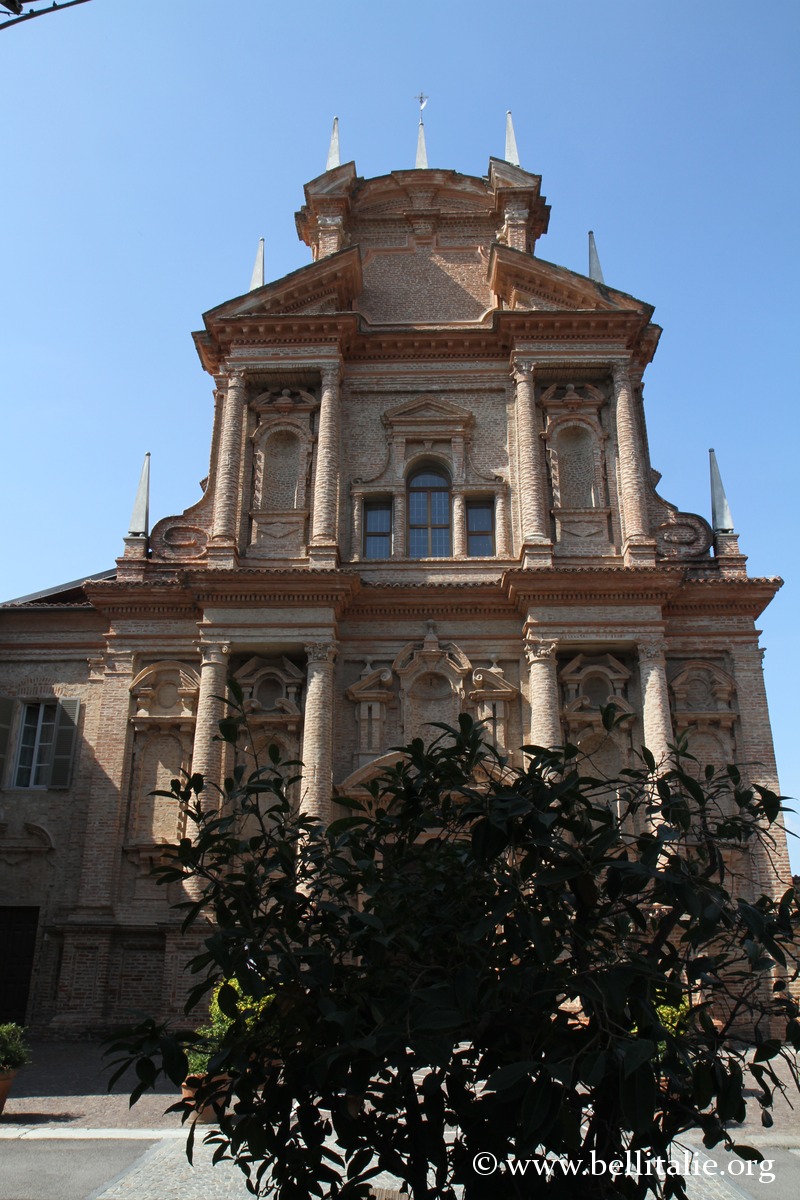
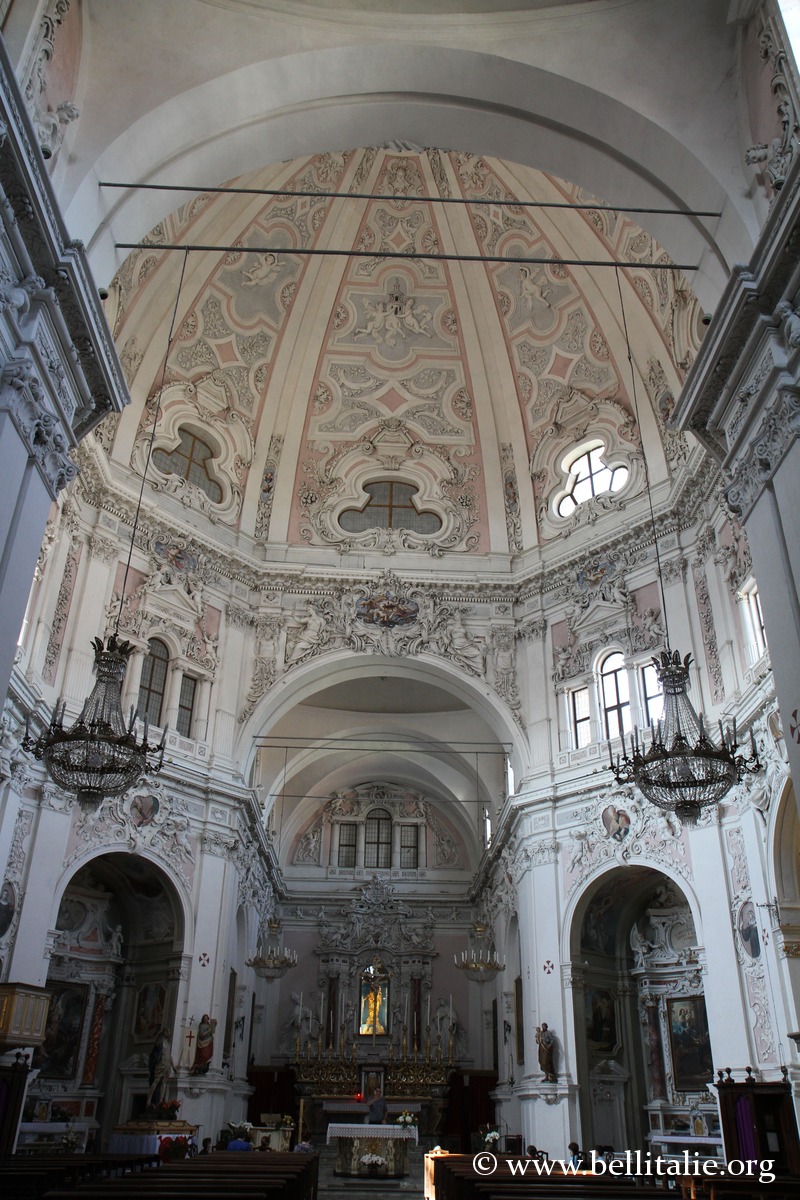
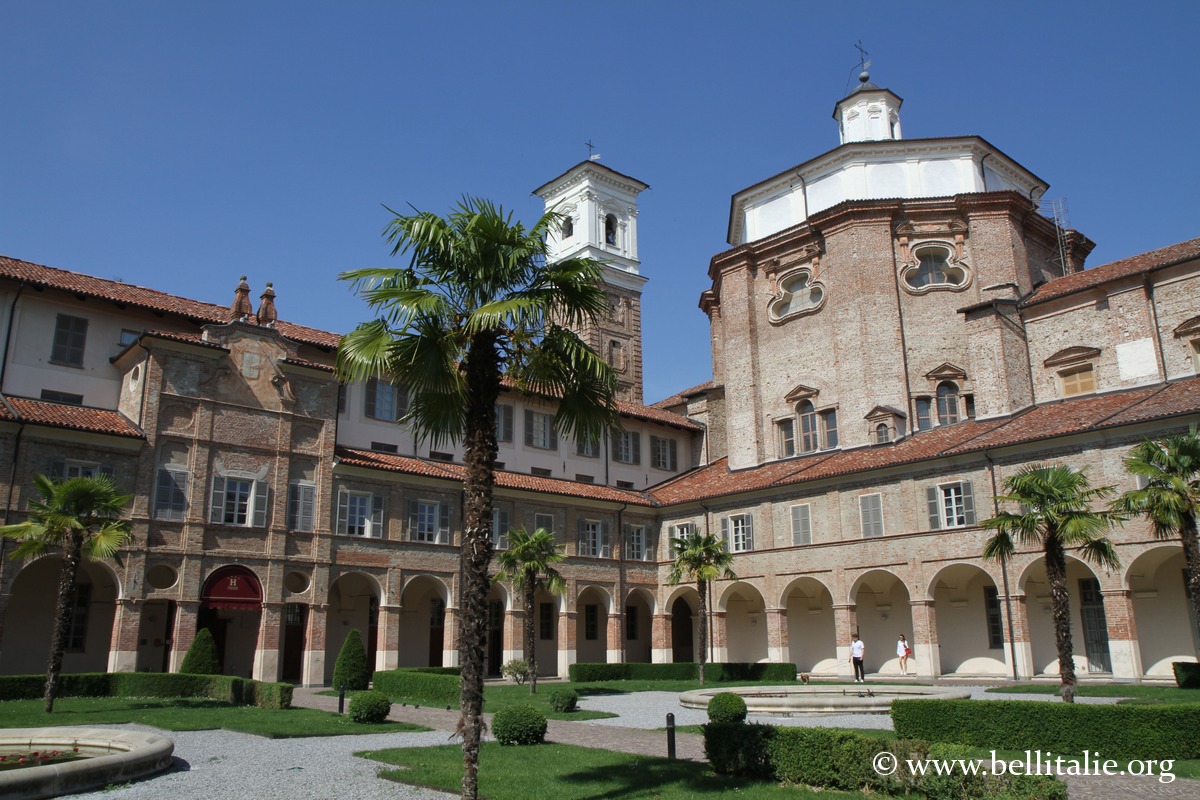
Located in the Tanaro valley, Bra is the main town of the Roero, with a heritage of churches and palaces inherited from the Piedmontese Baroque. Its life is paced by oenogastronomy and a major international event dedicated to cheese.
Main villages of the Roero
Guarene
At the top of a hill overlooking the Tanaro and fertile plains, Guarene is one of the best-preserved villages of the Roero with an elegant historic centre, including pretty churches and palaces.
Its Baroque-style castle built by the Roero is one of the most remarkable 18th-century stately homes in Piedmont.
Govone
Govone is famous above all for its beautiful royal castle of the Savoy, listed as a UNESCO heritage site, and its beautiful panorama. Its charming town is ancient, crossed by communication routes since Roman times.
The castle was a summer residence of Charles Felix of Savoy. A visit allows you to discover the life of the court in the early 19th century. Besides the panorama, the 18th-century Italian gardens are also remarkable.
Monticello
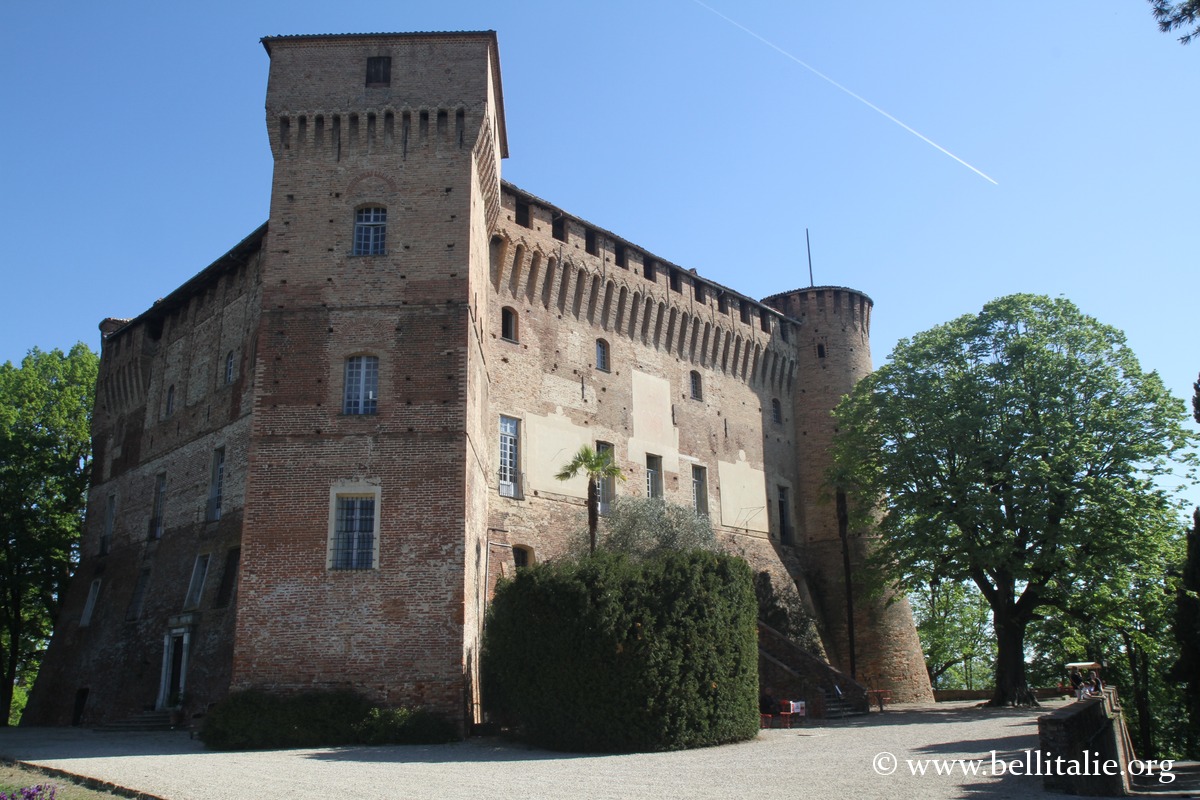
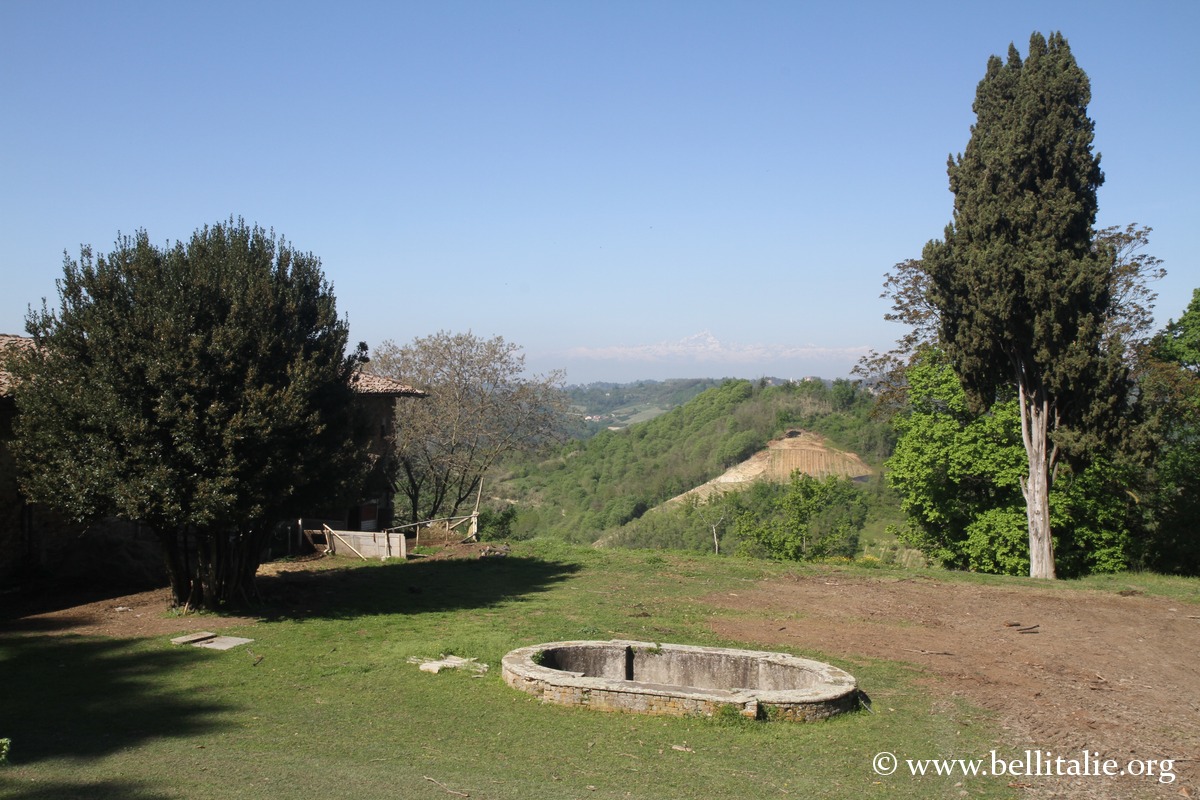
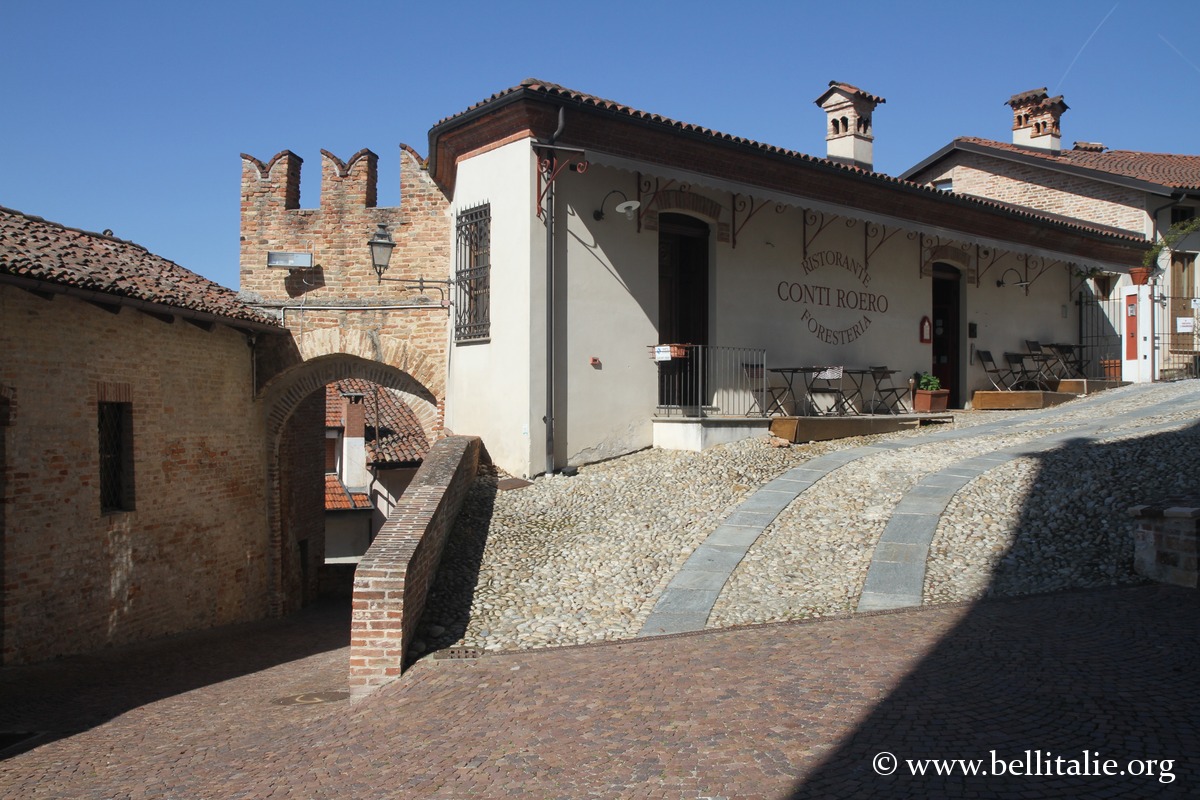
The village of Monticello is dominated by its majestic and massive castle of the Counts of Roero from which the view extends over the whole region. It is one of the best-preserved monuments of medieval origin in Piedmont. It was rebuilt with its current appearance by the Malabaila family between 1342 and 1348 with its beautiful towers, battlements and walkways. It still belongs to the Roero family.
Magliano Alfieri
Magliano Alfieri, with its beautiful castle and museum, enjoys one of the finest panoramas over the Roero, the Tanaro valley and the Langhe, from the pretty garden that overlooks the hill.
Its grandiose castle was built in the 17th century by the Alfieri family and offers two museums to the public.
Vezza d’Alba
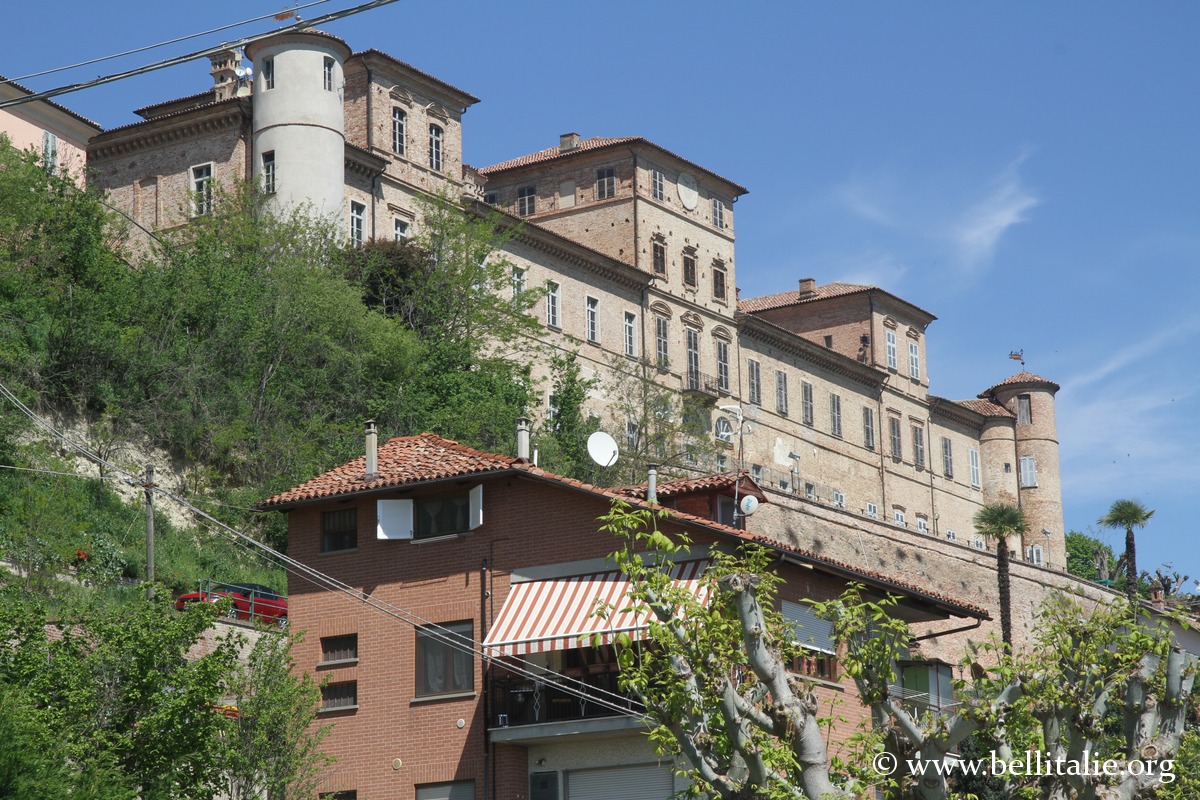
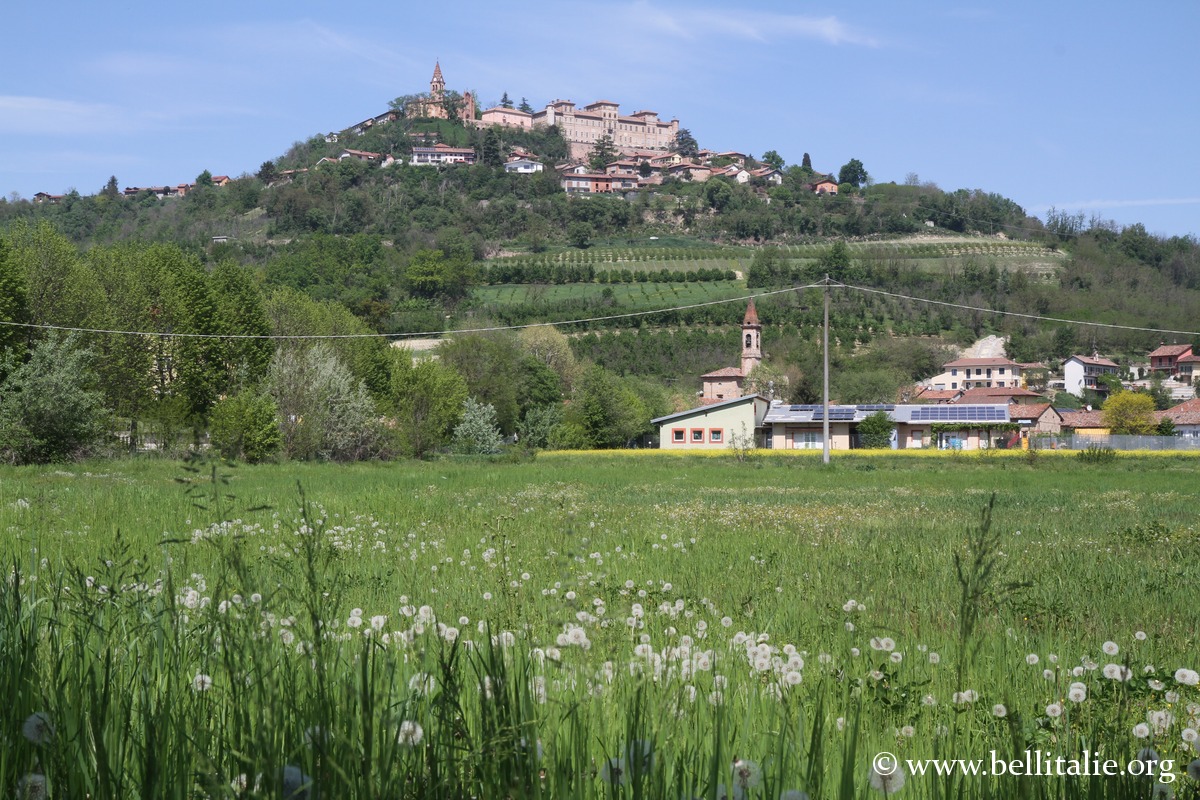
In the heart of the Roero, Vezza d’Alba is an old village where its castle once stood on its Rocca. The surrounding landscape is rugged, with woods and vineyards. Its Museo Naturalista del Roero offers themed trails for hikers, including one dedicated to the truffle. A fair is devoted to this sought-after mushroom in November. Its wine is particularly appreciated, thanks to the vines growing on its sandy soil.
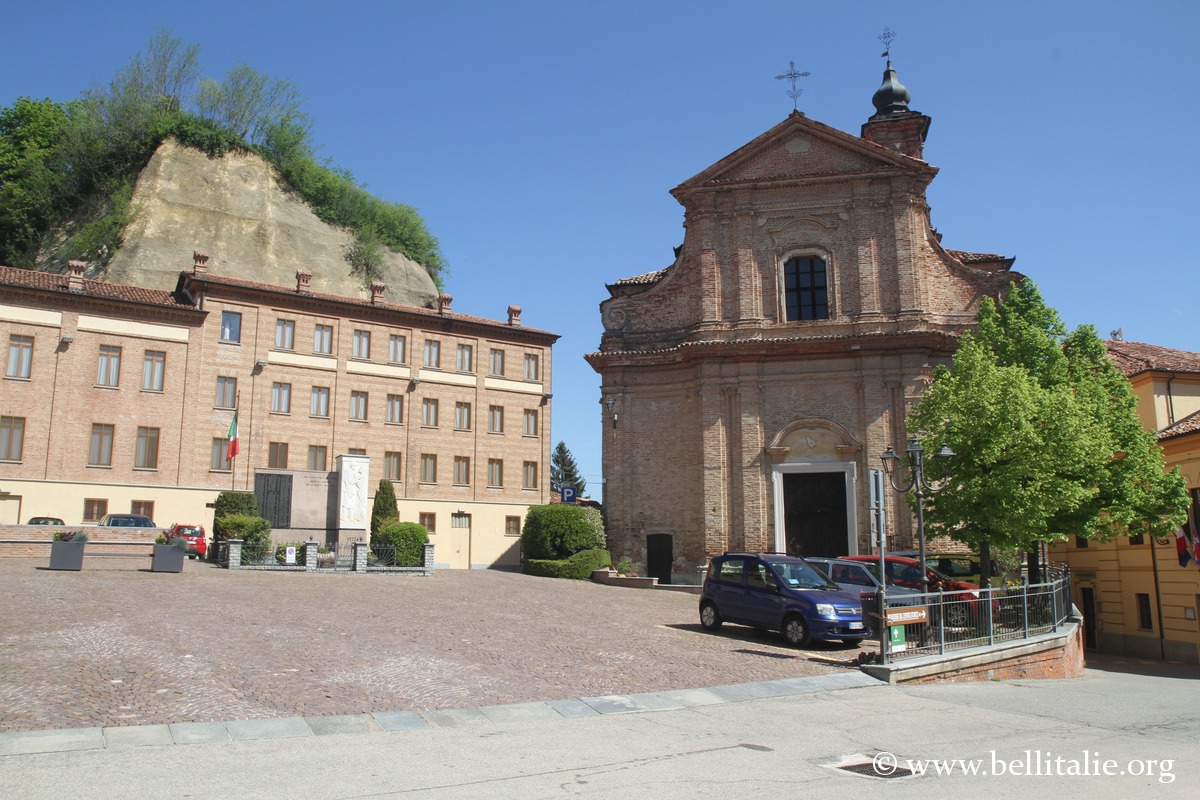
Corneliano d’Alba
On the slopes of the Riddone valley, Corneliano has been a market village for centuries, already located on the Roman road from Alba to Turin, producing peaches and grapes, and a delicate white wine.
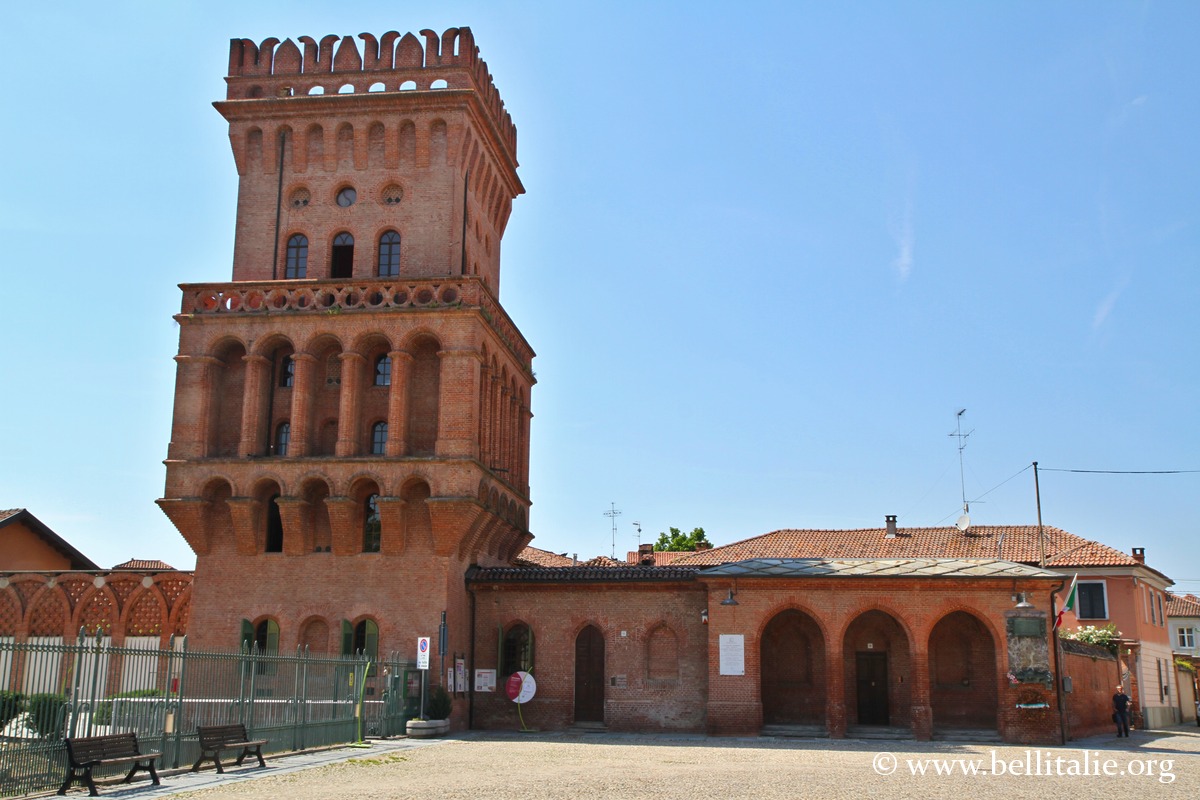
It was a strategic commune in the Middle Ages, whose beautiful 22-metre octagonal tower dominating the village is one of the remains of the castle built by the De Brayda family around the beginning of the 13th century. The village also preserves a beautiful arch around the 14th-century Porte Neuve.
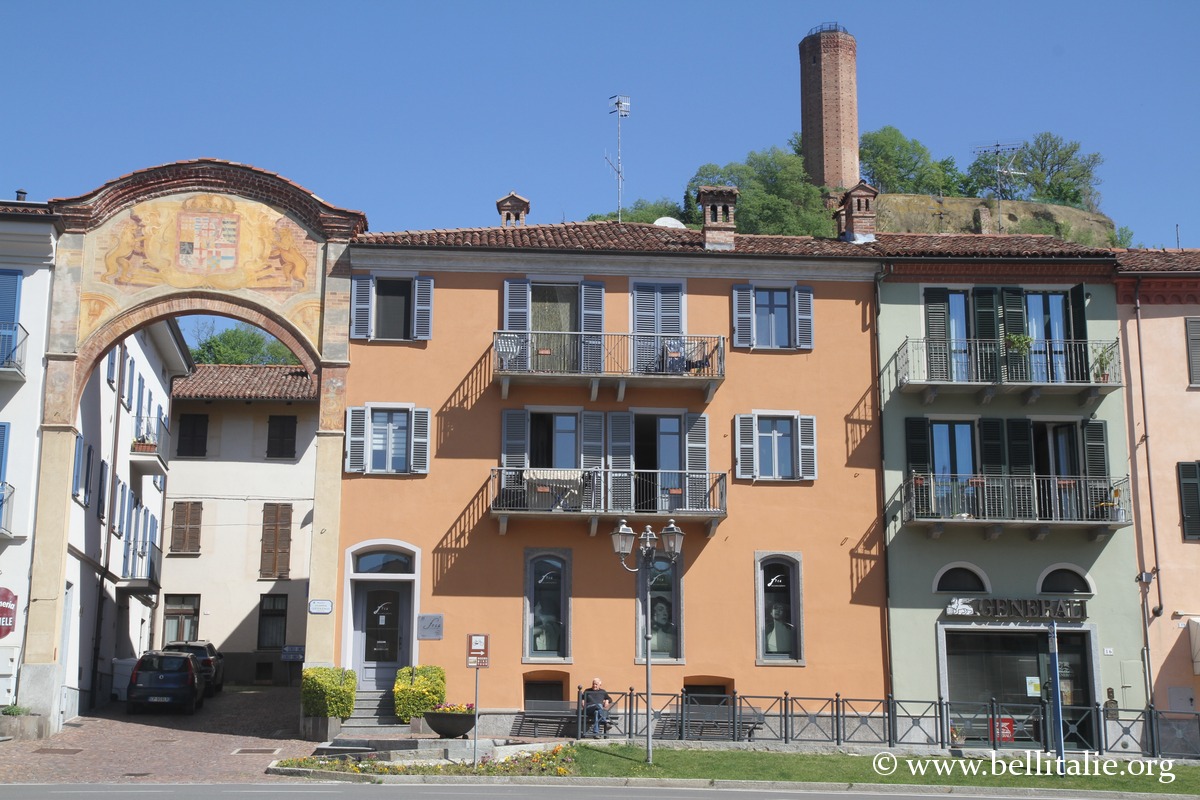
Canale
In the heart of the Roero, the wines of the territory of Canale are also complex and structured thanks to the sandy and clayey soil. This village has several historic cellars, the Enoteca generale and many shops. The grid-patterned historic centre dates back to the founding of “Villanova” by Asti in 1260. A tower from its 13th-century walls remains, transformed into a bell tower. It has historically produced peaches and its Arneis grape is at the origin of the famous white wine Roero Arneis.
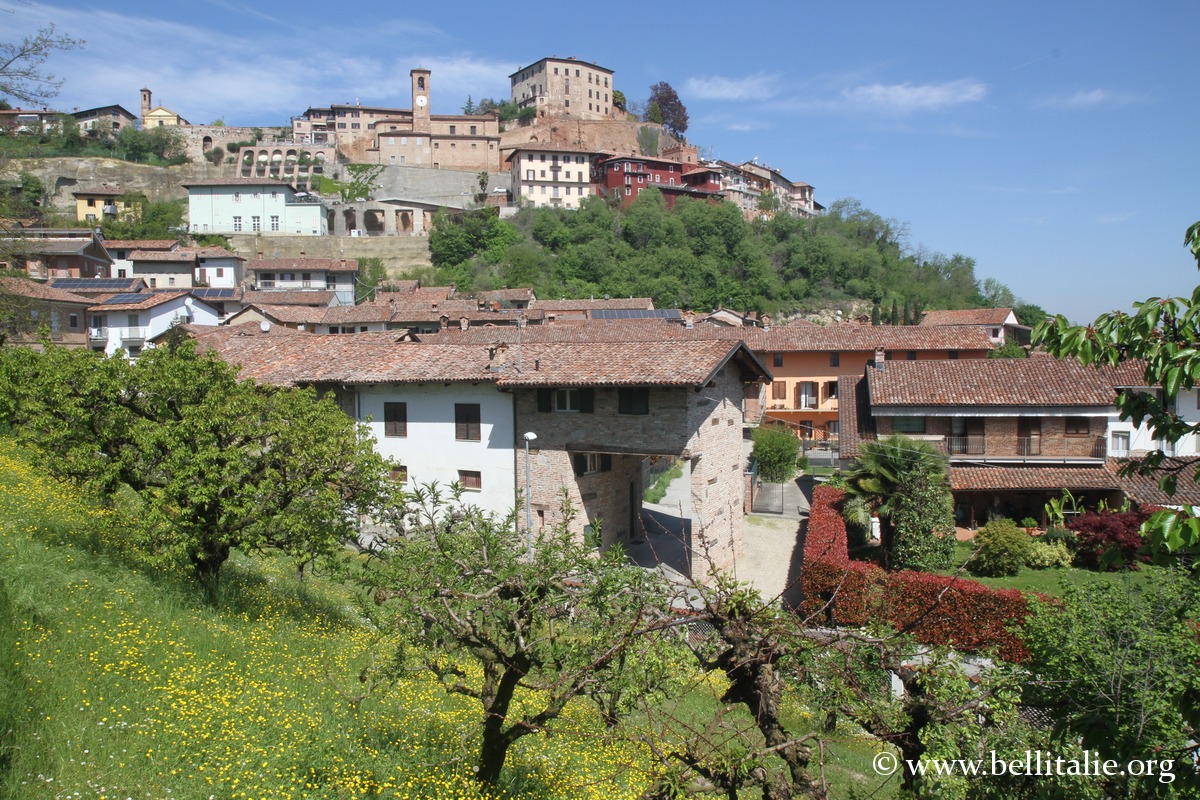
Castellinaldo
Castellinaldo is a pretty village known in particular for its castle (private), and its territory covered with numerous vineyards.
Santo Stefano Roero
The village of Santo Stefano is old, and its medieval castle has disappeared. The “Rocche”, the sandy rocks, mark the landscape, such as the one in the main square. Trails allow visitors to discover the surrounding natural heritage. The remains of its old tower finally collapsed into the ravine in 2002.
Dorsale delle Rocche
Pocapaglia
The old centre of Pocapaglia is perched on the ridge of the “fortresses” with beautiful views. Calvino, the Italian writer, saw a fairy-tale landscape there. The commune indeed lies between hills, ravines known as “fortresses” and woods, a wild landscape to discover along themed trails.
The village is dominated by the castle.
Sommariva Perno
Also located on the ridge of the Fortresses, Sommariva Perno offers discoveries in the heart of nature, with the Roero Forest Park. The village is centred around the Mirafiori Castle.
Baldissero d’Alba
This village is surrounded by numerous woods, with a production of Roero Arneis.
The Colonna castle was rebuilt at the end of the 19th century in Neo-Gothic style, retaining portions of the walls, the tower, the 17th-century construction or the Gothic chapel. It is a private residence.
Montaldo Roero
Montaldo Roero is a village of ancient origin on the ridge of the Fortresses. It stands out for a medieval cylindrical tower, about thirty metres high, from the 14th century, which stood near the disappeared Roero castle.
Monteu Roero
The village of Monteu Roero is known for its castle and its beautiful landscapes, as well as the quality of its wines.
It was occupied by the Romans, and in the 10th century its castle was the heart of a vast estate.
Other villages
Montà d’Alba
Montà d’Alba is one of the most frequented villages with its Sacro Monte dei Piloni. The elevated historic centre allows a stroll near the castle and its majestic park.
The sanctuary of the Sacro Monte dei Piloni occupies a place of worship of ancient origin in the heart of nature with beautiful trails.
Cisterna d’Asti
The territory of Cisterna d’Asti is hilly, mixing vineyards and woods. The commune is on the northern edge of the Roero, the last village on the ridge of the Fortresses. Its origin is ancient, fortified in the Middle Ages, and dominated by its castle with its cistern. Cisterna doc is produced there.
Castagnito
Between plains and hills, the village of Castagnito is dominated by the high ground where the castle stood. The village has soils suited to white wines.
Tanaro Valley
Pollenzo
West of Alba, Pollenzo, with its royal castle of character, built from the 14th century, has recently housed an important university of gastronomy.
Cherasco
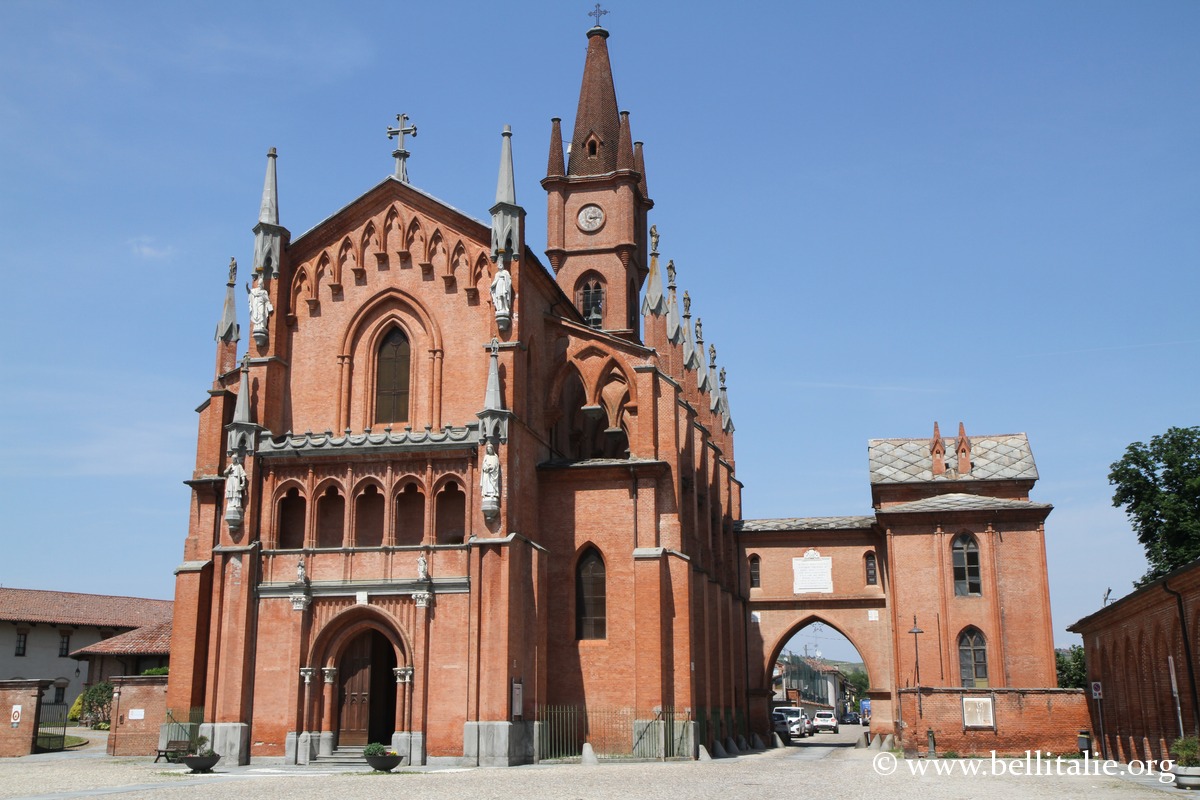
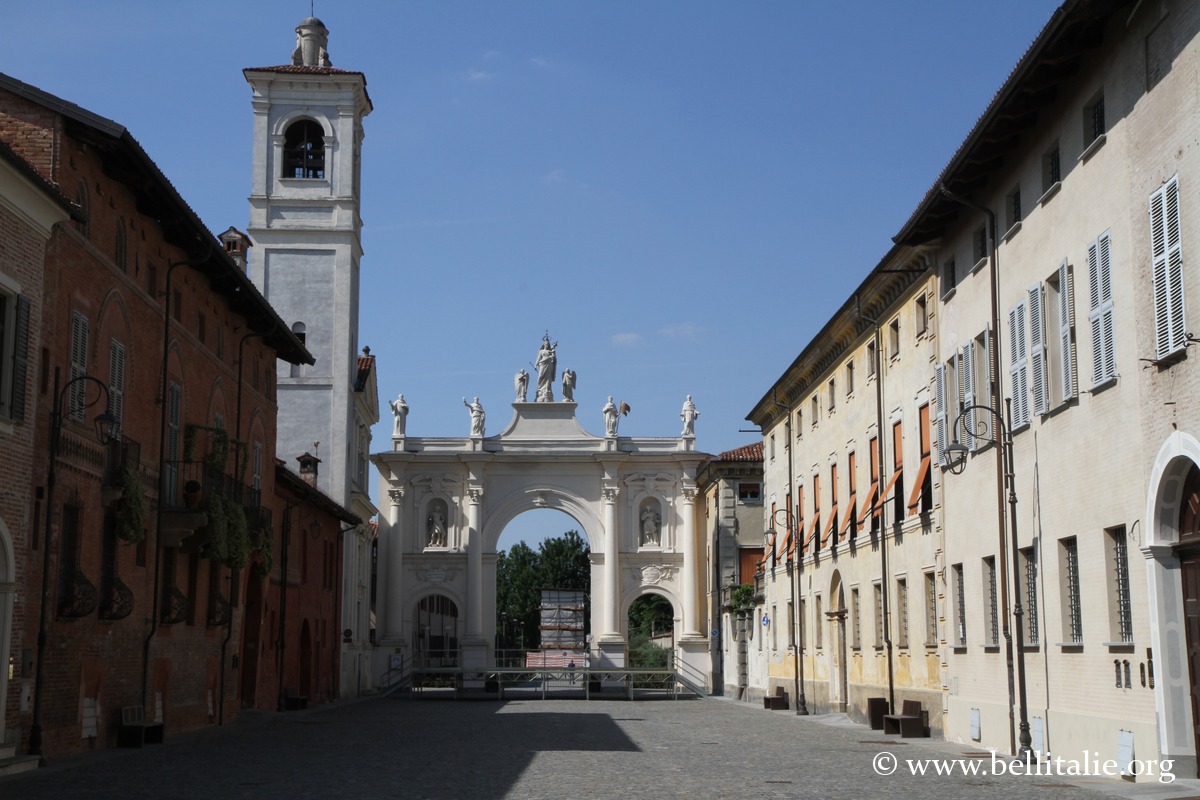
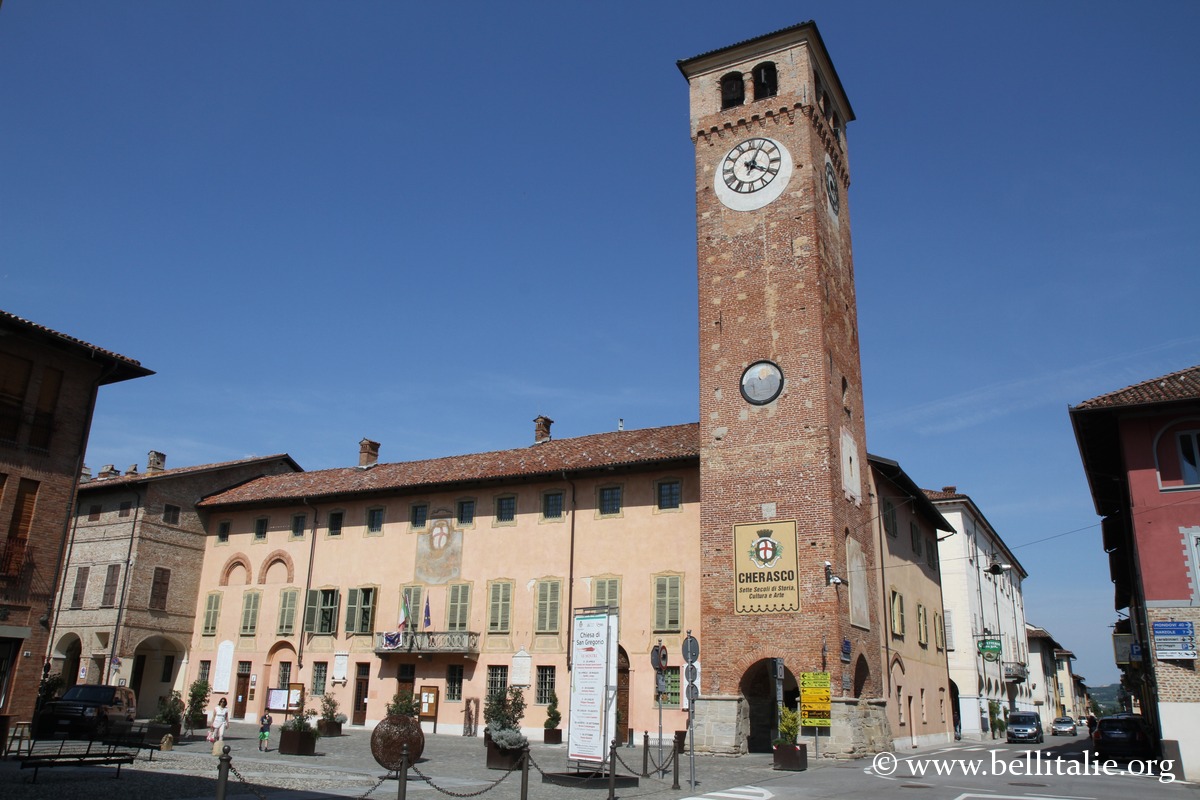
Cherasco lies between the Langhe and the Roero, known for its snails and its antique shops, with a famous antiques market every year. It is also a charming village with a picturesque historic centre, with for example the beautiful sanctuary of the Nostra Signora del Popolo.
Wines and gastronomy
The Roero is known for its very good wines, based on the Nebbiolo grape, with the Roero DOCG and Roero Arneis DOCG.
Map of places
 Show interactive map
 Sources and information
- Tourism portals: www.roeroturismo.it, www.ecomuseodellerocche.it
- Others: en.wikipedia.org


Comments