


Vercelli (Vercelli in Italian) is not the best-known city in the region, one that Italians themselves do not make much of, and yet, like other somewhat anonymous towns, it holds undeniable attractions.
Located on the Via Francigena, it was the seat of an important archdiocese, which saw the construction of churches particularly between the 16th and 18th centuries, passing under the control of Savoy from 1713 onward.
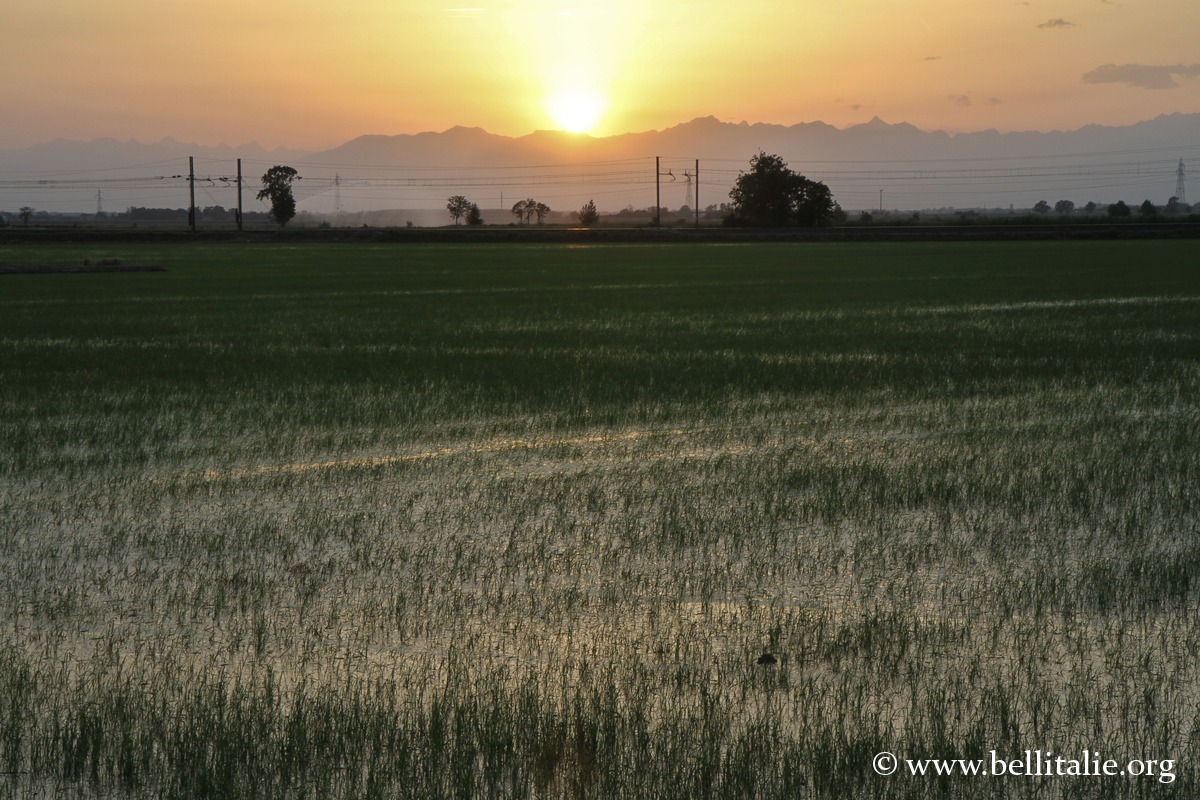
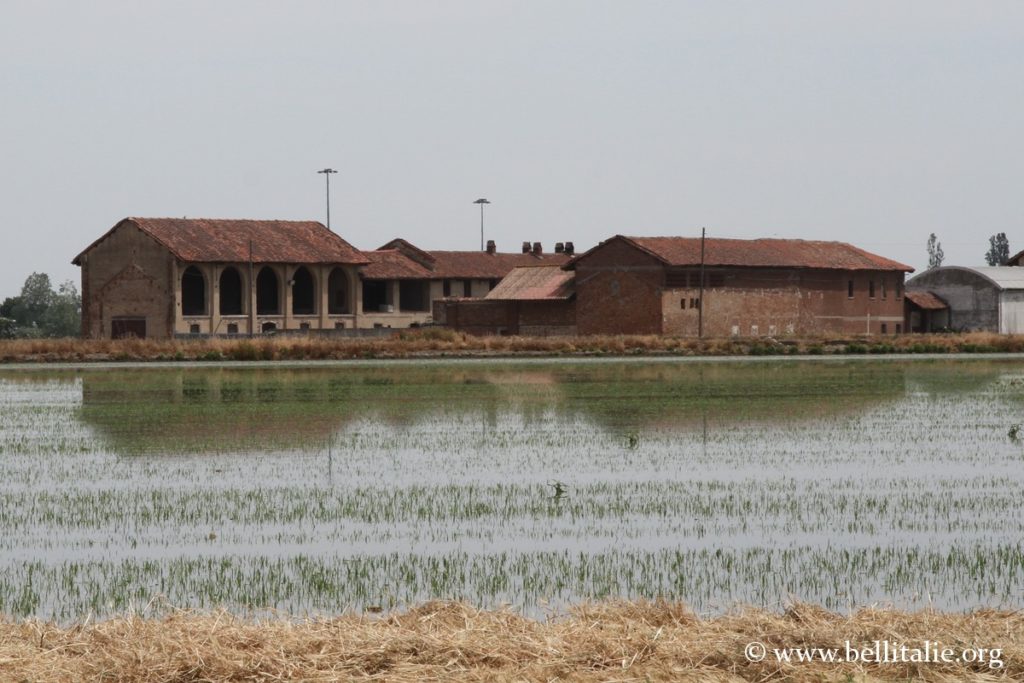
It is rice that the city’s name first evokes. It is indeed considered the Italian capital of rice, which is understandable when crossing the immense rice fields to reach it, particularly impressive when they are flooded. In this area downstream of Valsesia, water is indeed overabundant, and this cereal has been cultivated there since the Middle Ages.
The name of Vercelli is said to be of Celtic origin. Wehr Celt for “rock of the Celts”, which they are said to have founded around the 6th century BC. The Romans conquered it in the 2nd century BC, and although they developed the city, no visible remains from that era survive.
It is above all the majestic Basilica of Sant’Andrea that draws the traveler’s attention, before a few squares, several beautiful towers of medieval origin, and interesting museums and churches.
Places and monuments
Basilica of Sant’Andrea
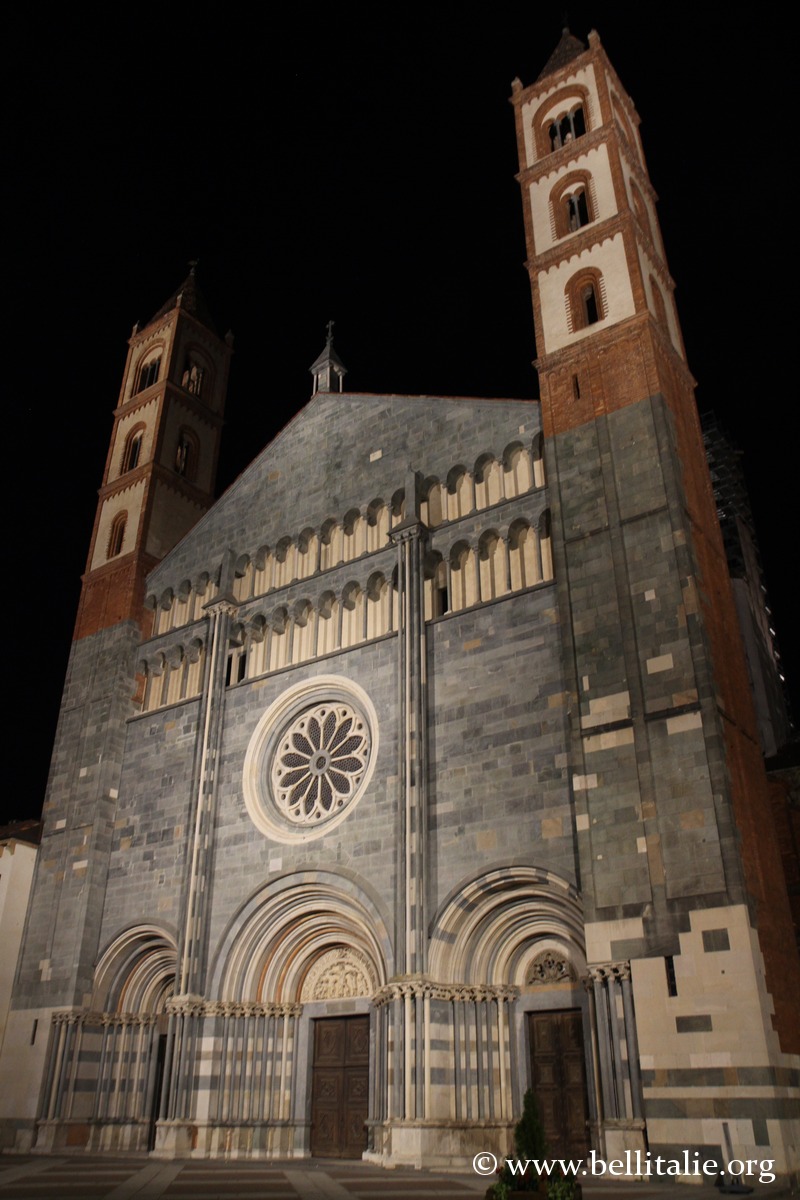
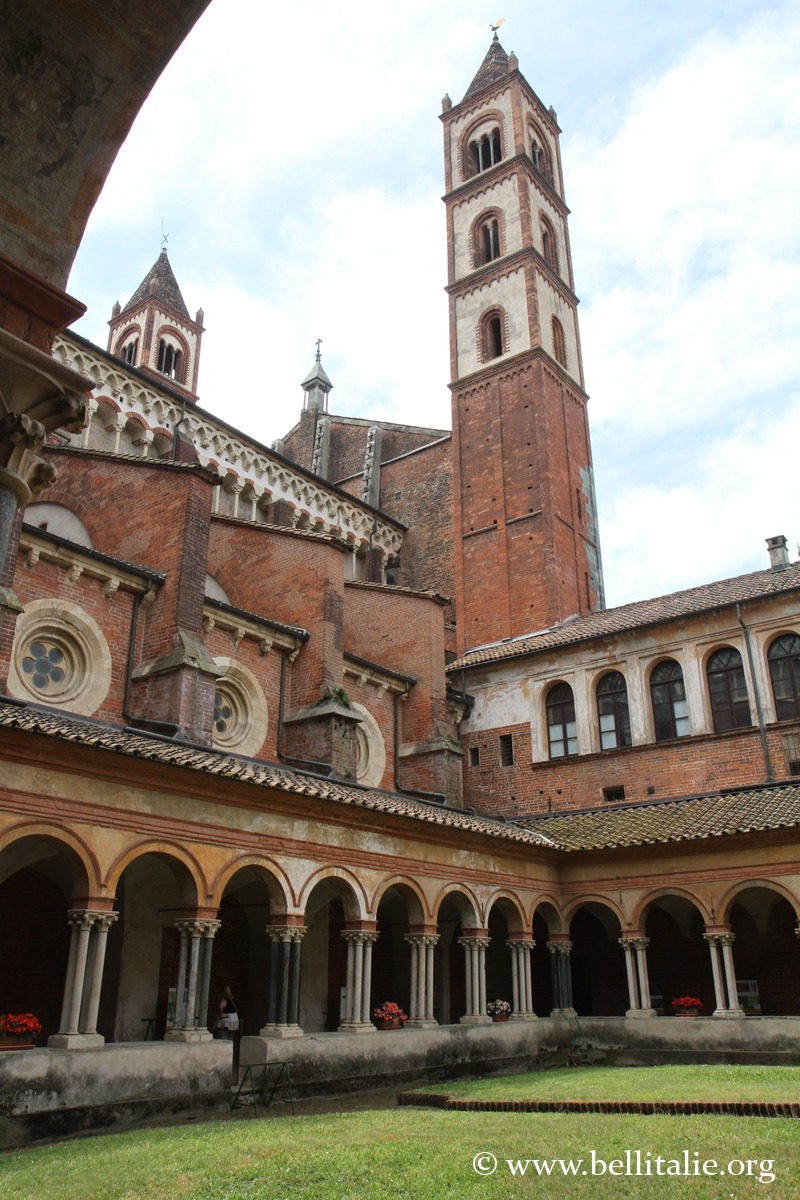
The Basilica of Sant’Andrea (Basilica Sant’Andrea in Italian) is the emblematic monument of Vercelli, the most grandiose, with the tall spires of its bell towers.
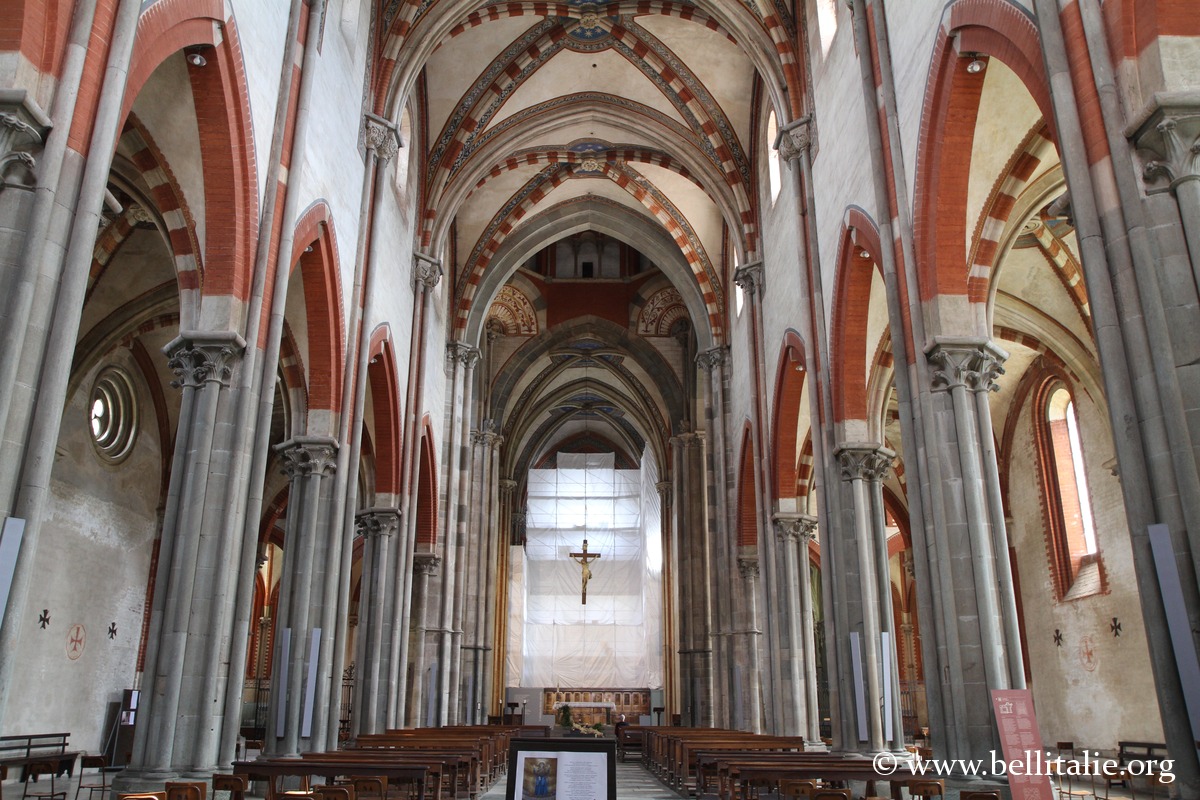
It is located at the edge of the historic center, built between 1219 and 1227, blending the Lombard Romanesque style as seen in its facade with the recent French Gothic (one of the first Gothic manifestations in Italy), and distinguished by the two-tone red of its bricks and its white stones. In its chapter house, a historic event took place when the Guelphs and Ghibellines signed peace in 1310 in the presence of Emperor Henry VII.
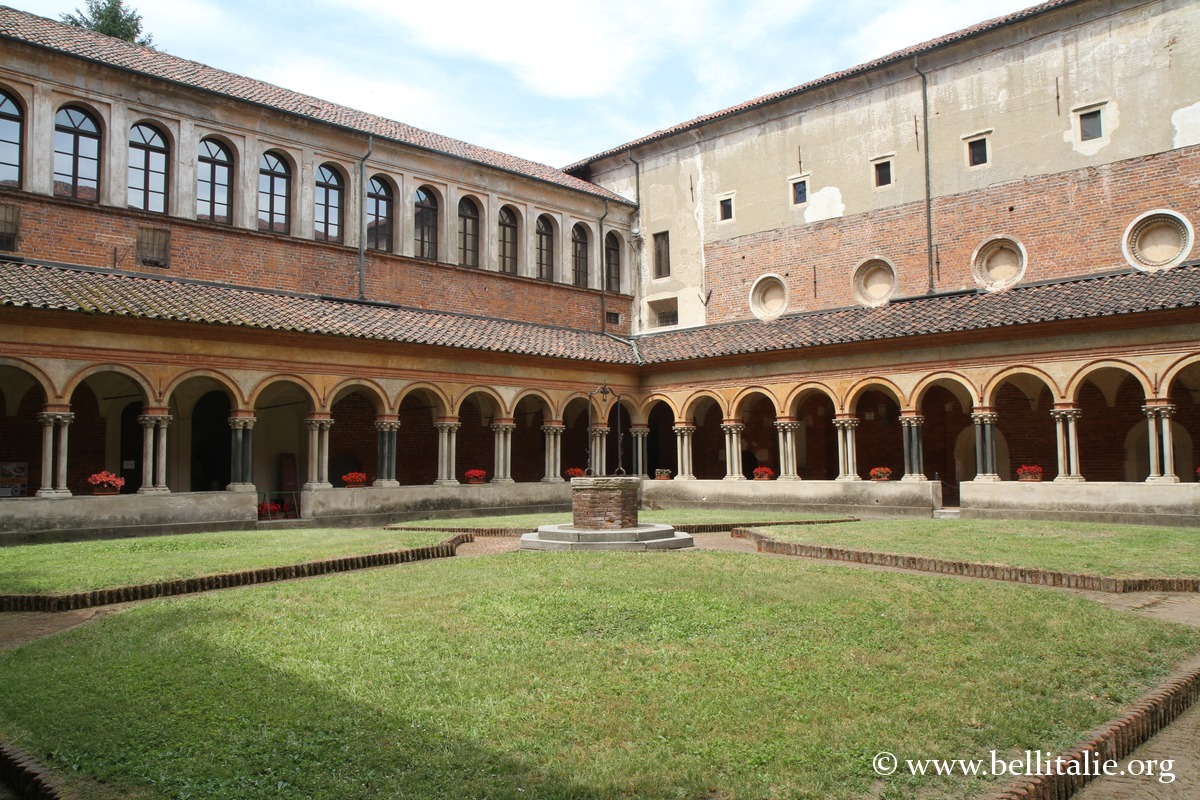
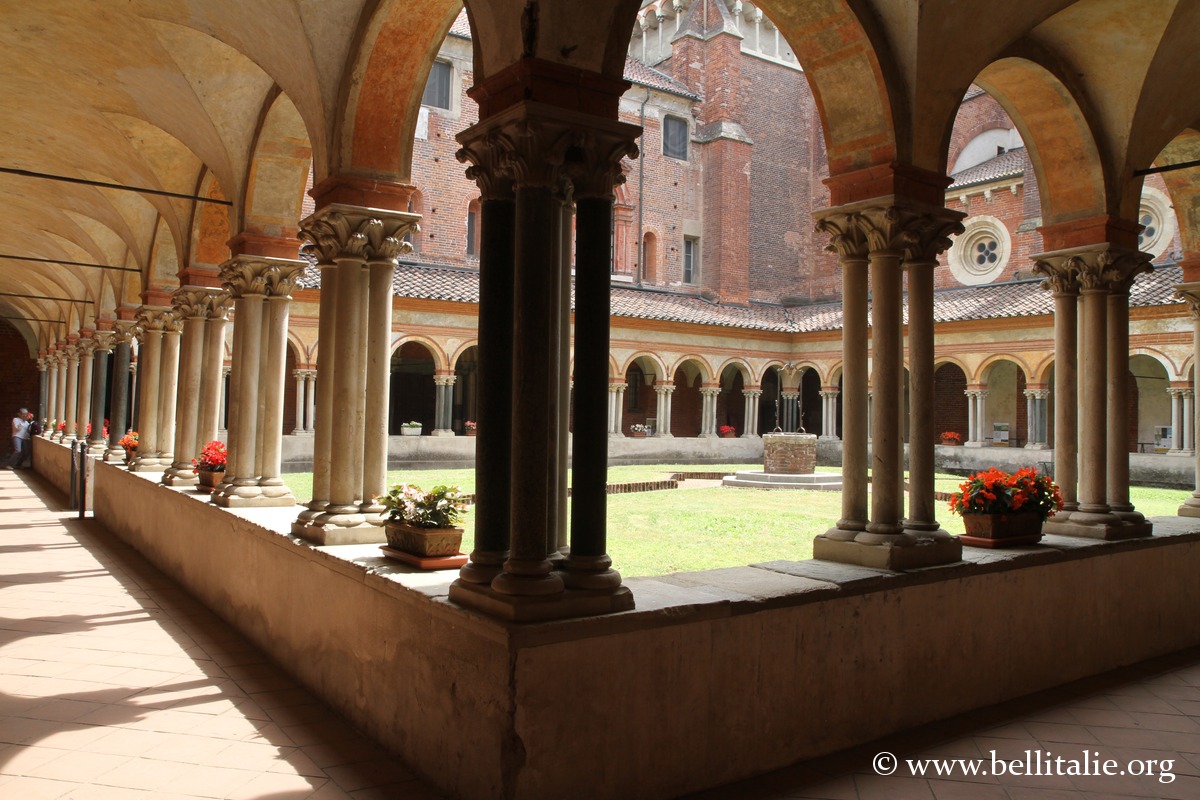
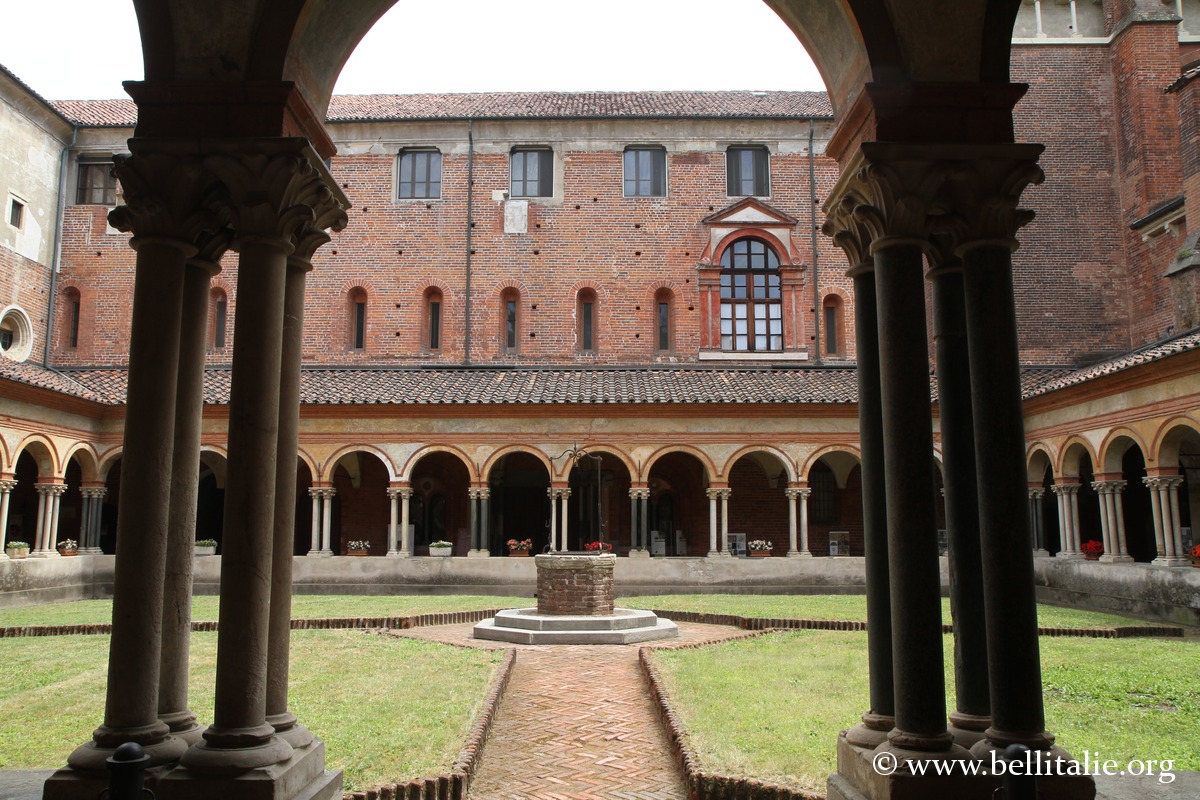
Its three naves bear Gothic pointed arches, and it preserves a painted wooden crucifix from the 14th century, a large pleasant cloister from the 16th.
The Broletto
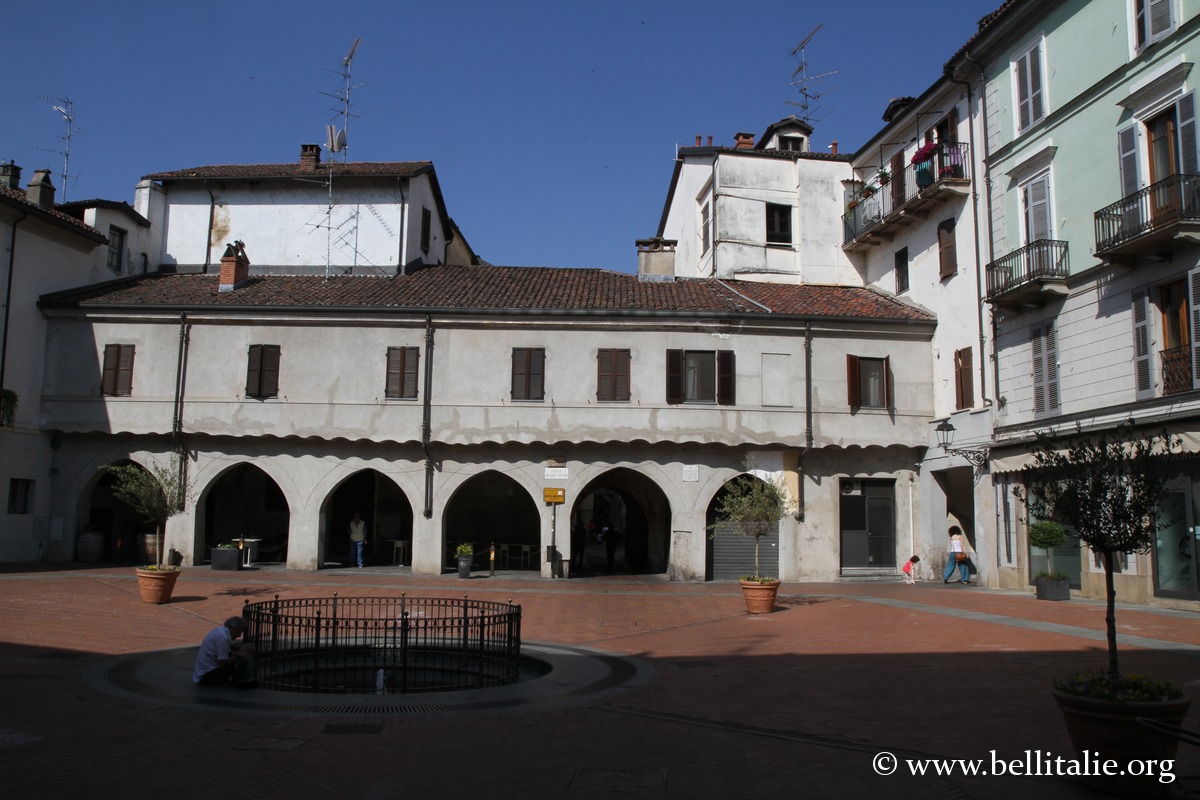
On the small Piazza del Palazzo Vecchio, also known as Piazza dei Pesci because the fish market was held there, the Broletto (Palazzo Vecchio) was the seat of the Commune from the 13th century until the 19th century, of which the Communal Tower remains from the 13th century.
Piazza Cavour
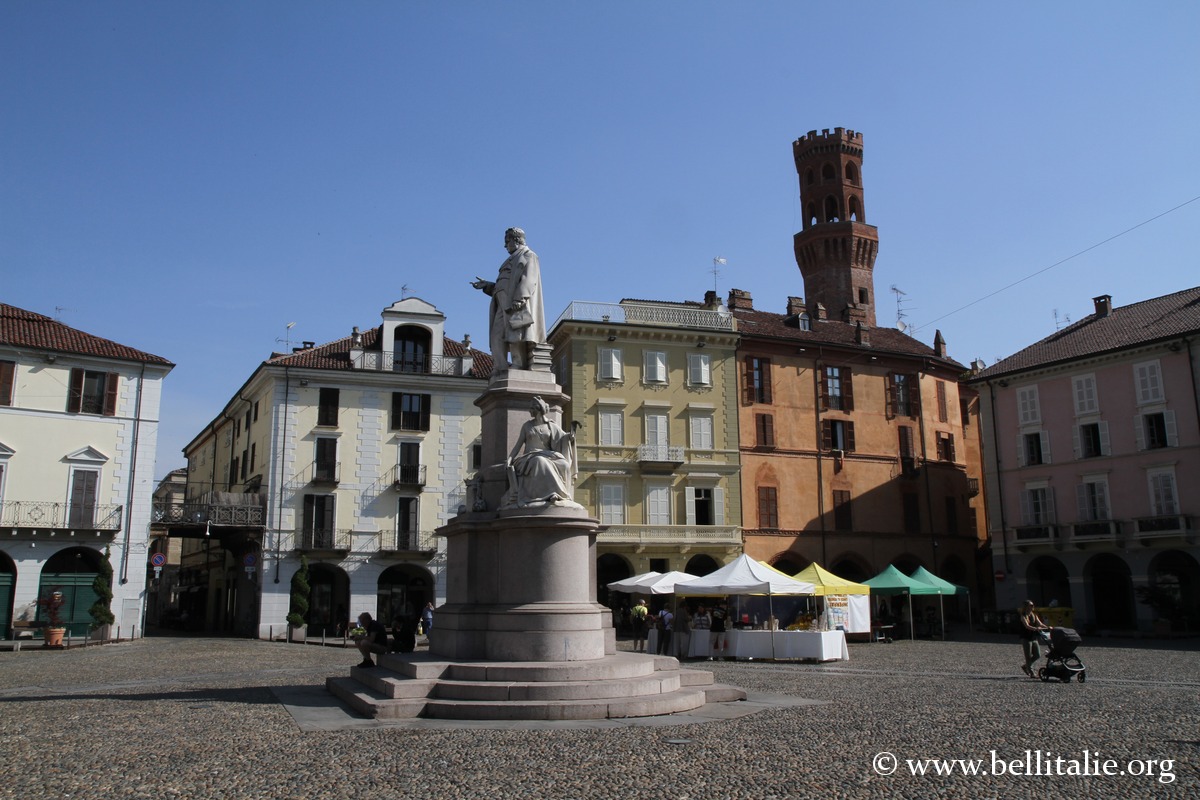
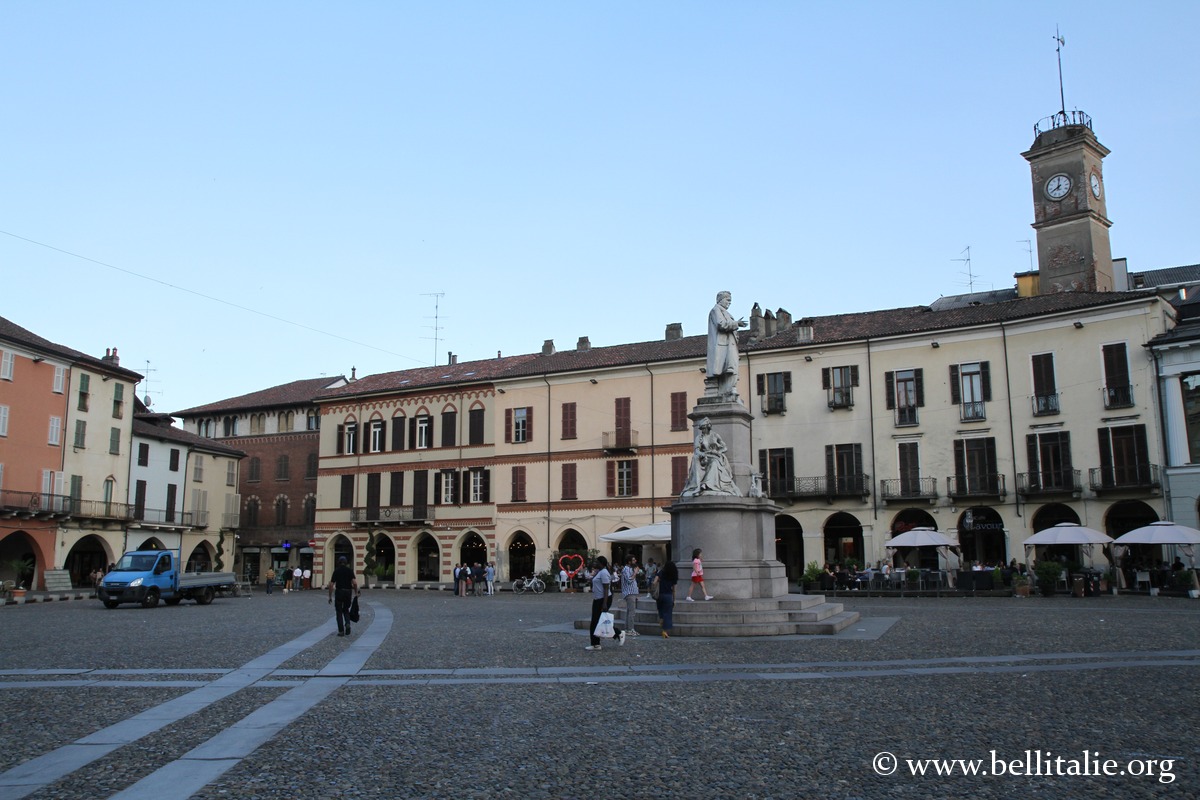
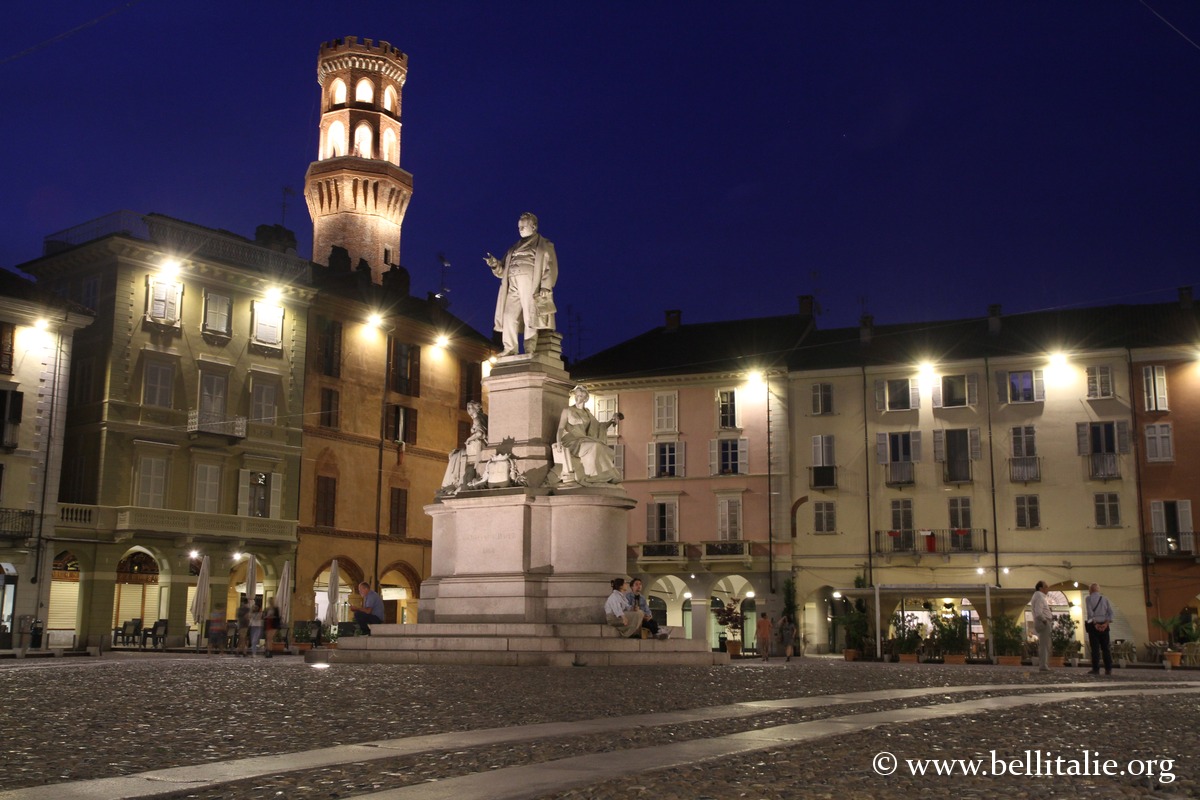
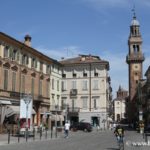
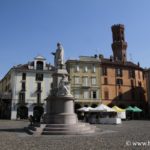
The nearby Piazza Cavour, formerly Piazza Maggiore and where the Roman forum once extended, is the heart of the city, with its typical porticoes, partly from the early 14th century for the pointed-arch ones, and the others from the Renaissance.
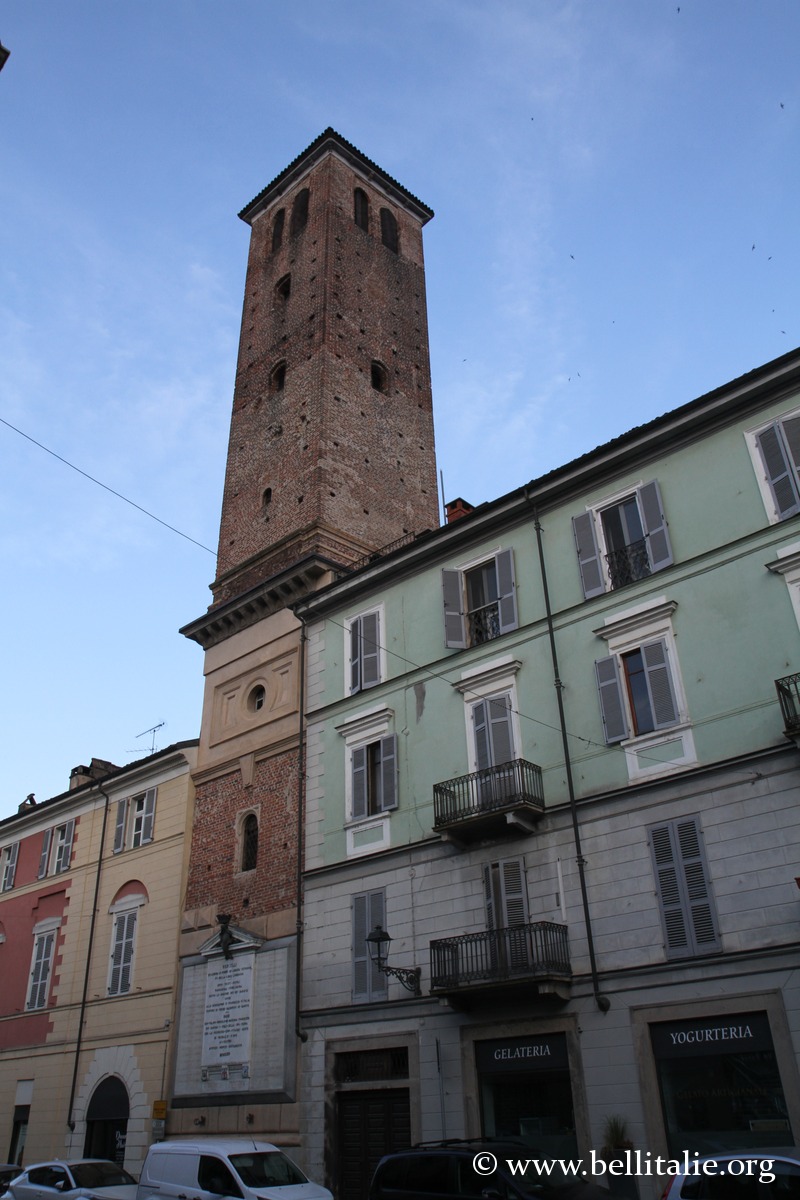
The Tower of the Angel dates back to the late 14th century, with its medieval style, square base with a polygonal upper body.
In the center of the square stands the 19th-century statue of Cavour.
Vercelli Cathedral and cathedral museum
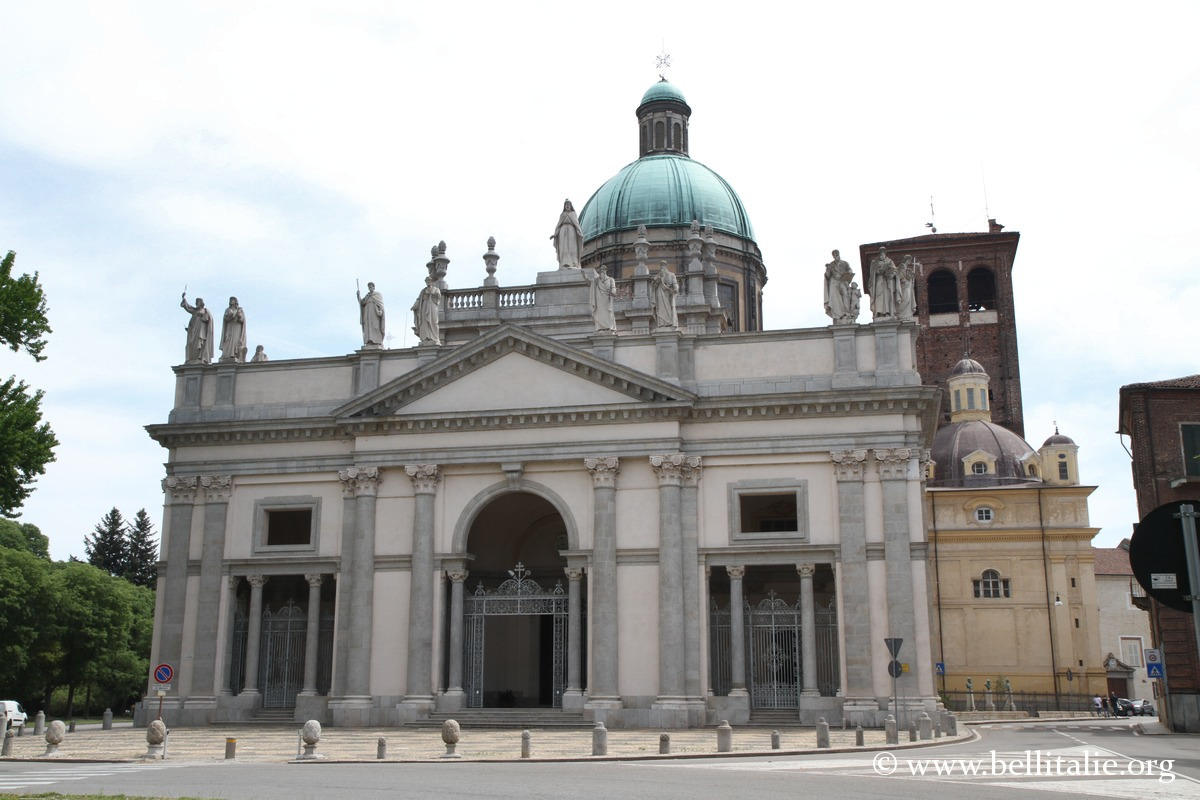
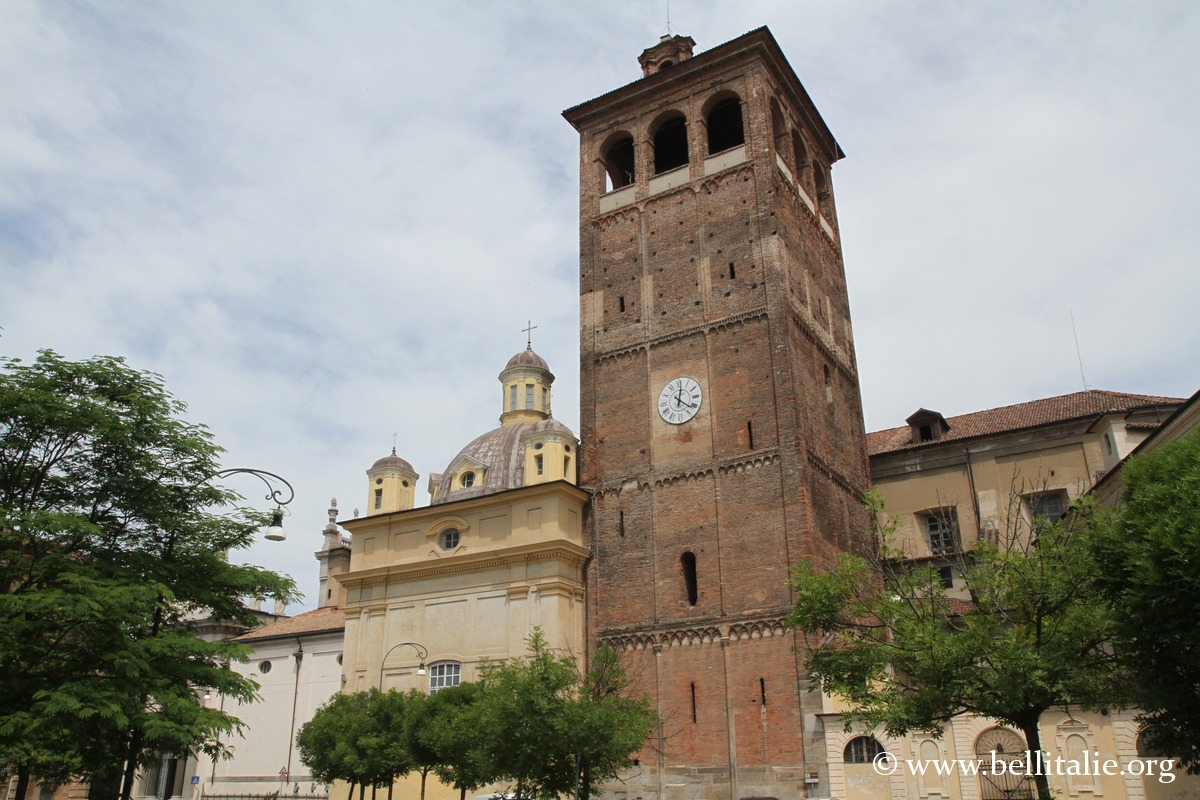
Dedicated to Eusebius with originally an early Christian building from the 5th century, the Cathedral of Sant’Eusebio was rebuilt several times, having architecture from the late 16th to 19th centuries, apart from the great Romanesque bell tower dating back to the 12th century, which contrasts with the 18th-century facade preceded by a neoclassical pronaos, and the great dome of 1832 covered in copper.
The interior preserves a superb silver crucifix from the 10th century, 3 meters tall, or for example the marble statue known as Madonna dello Schiaffo from the 17th century. It contains the remains of Eusebius or of Amadeus IX of Savoy.
The neighboring Archbishop’s Palace houses the museum of the treasury Opera del duomo which preserves reliquaries, urns, chalices and objects, as well as the Library of the Capitular Archives (preserving ancient manuscripts) and the Picture Gallery.
Visconti Castle
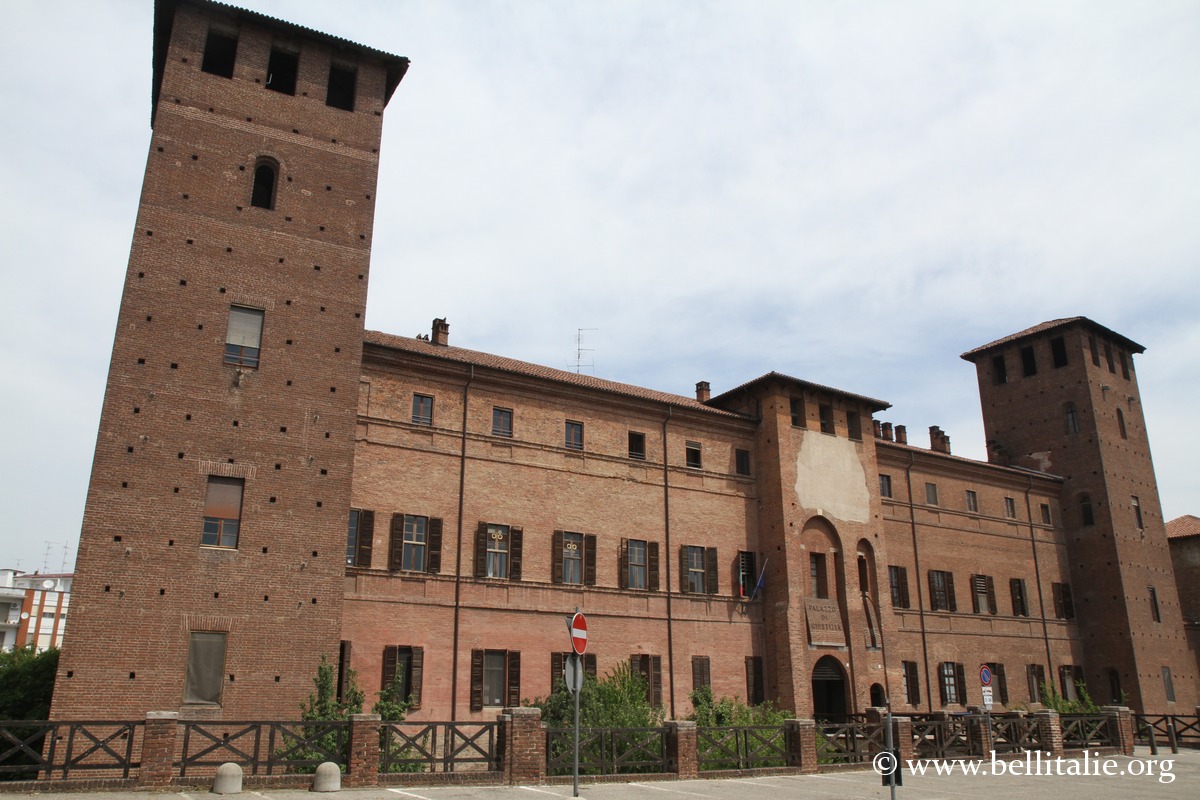
Dating back to the 13th century, the Visconti Castle was a residence of the Savoy, transformed into a prison in the 19th century and then into a courthouse, a role it still holds. The original elements can be seen from the outside with its four brick towers.
Borgogna Museum
The Borgogna Museum is the second picture gallery of Piedmont after the Sabauda Gallery in Turin, open since 1908, preserving notably Renaissance works by masters such as Titian, Baldung, Spranger or Robbe, more generally from the 15th to the 19th century.
The ground floor level preserves beautiful rooms with decorative art objects and furniture, and the upper floors house paintings and sculptures. It presents nearly 800 works in total.
Leone Museum
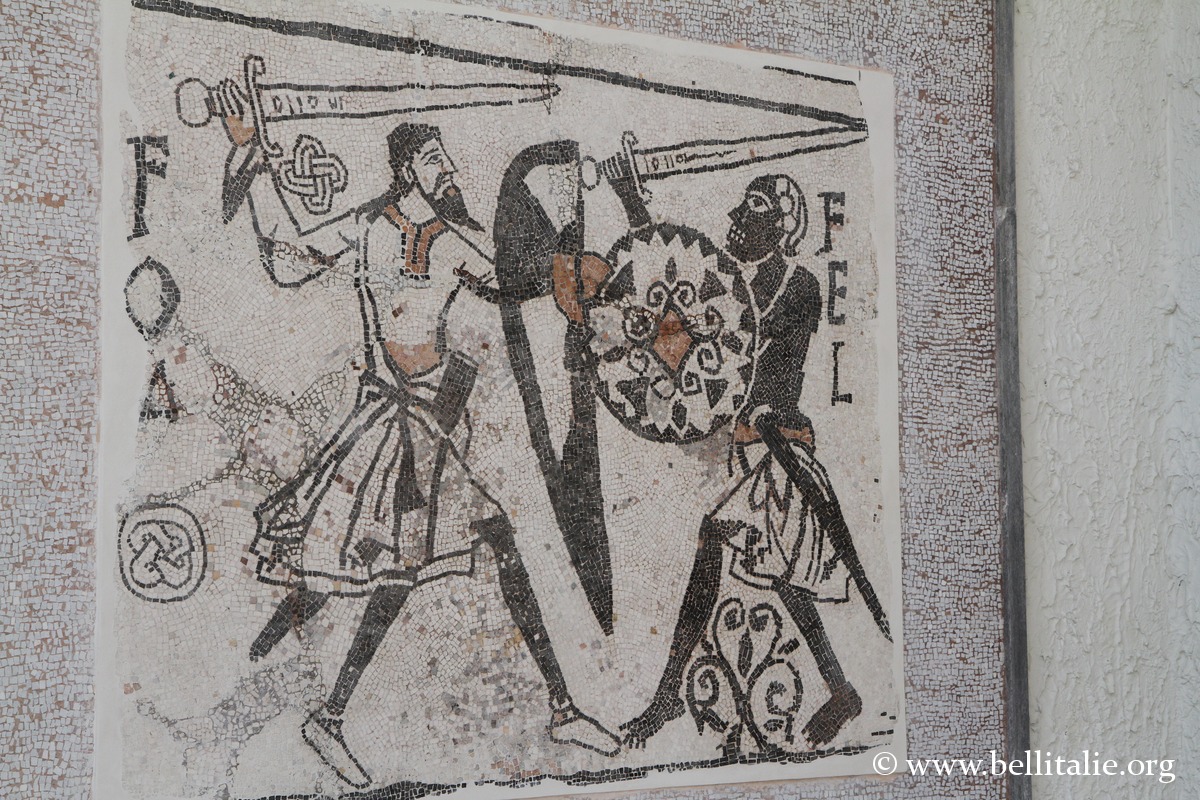
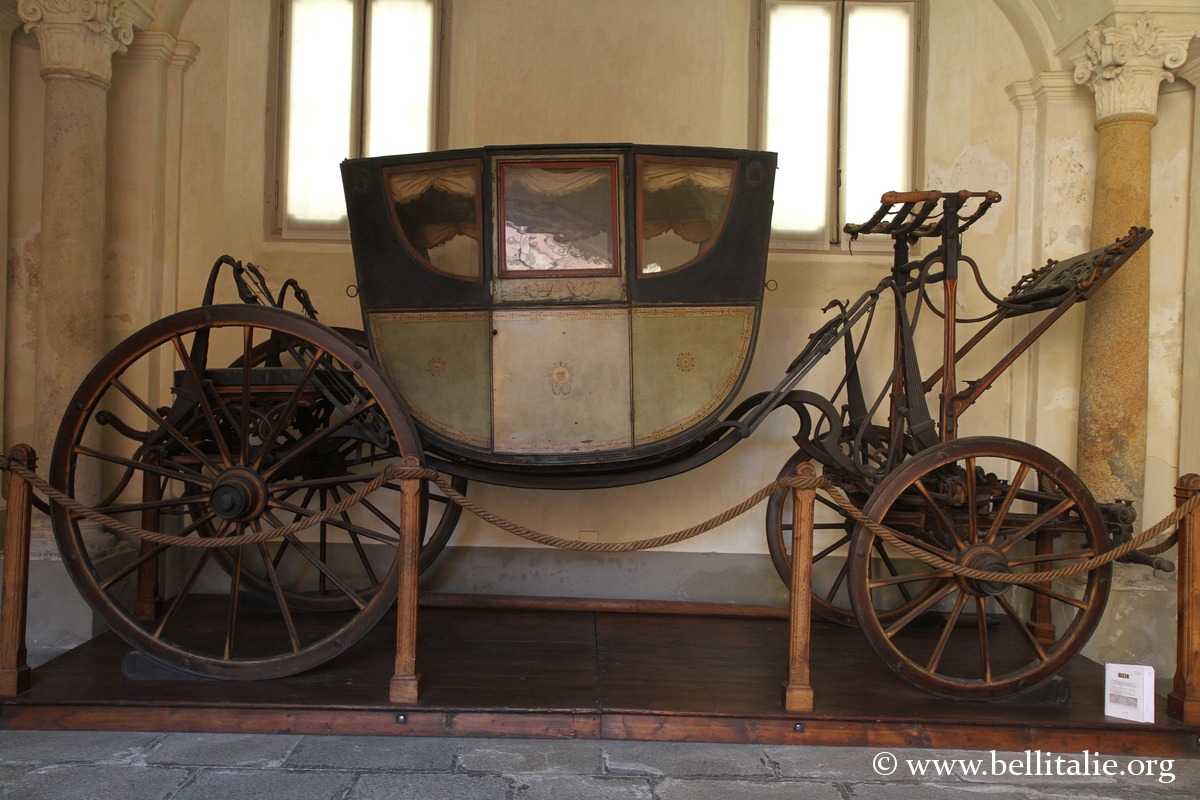
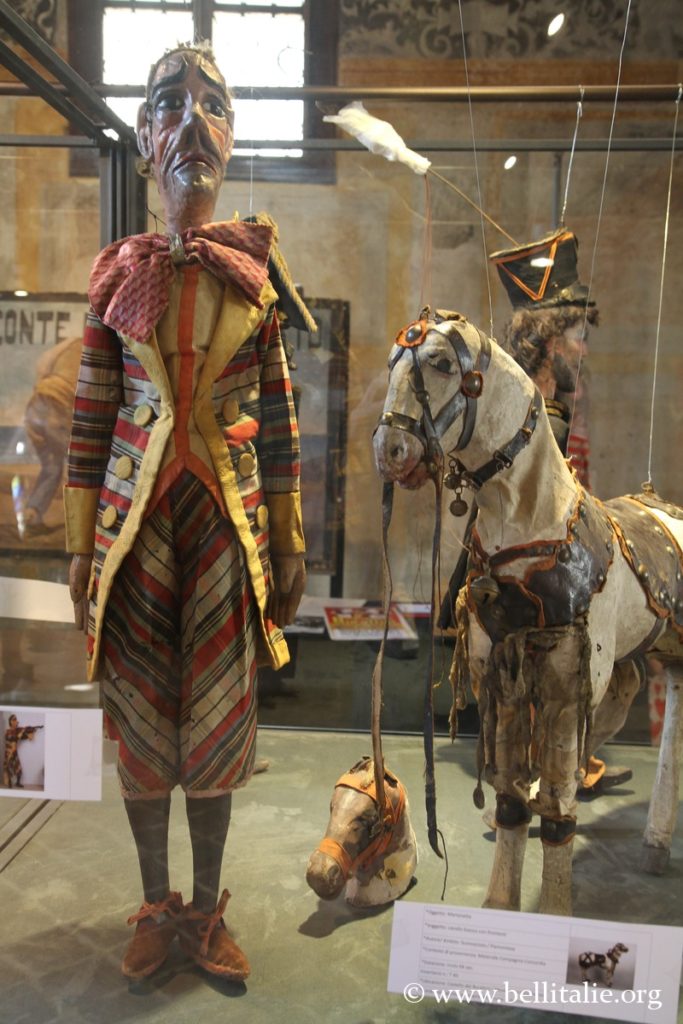
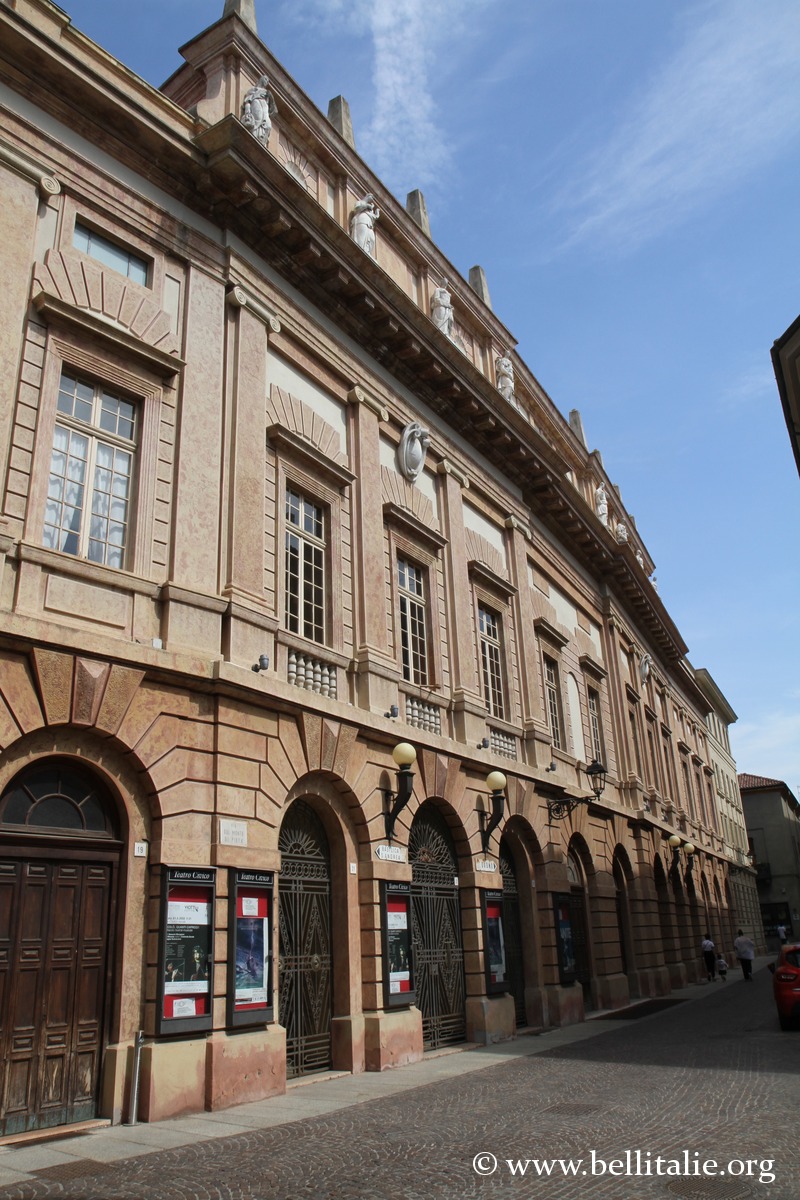
Camillo Leone was a collector notary of the city, whose collection is housed in two historic buildings, the Casa Alciati from the 16th century and the Langosco Palace from the 18th century. It is an eclectic collection, mixing prehistoric weapons, objects from Egyptian tombs, Etruscan vases, medieval mosaics, silverware, porcelain and modern paintings.
MAC – The Luigi Bruzza Archaeological Museum
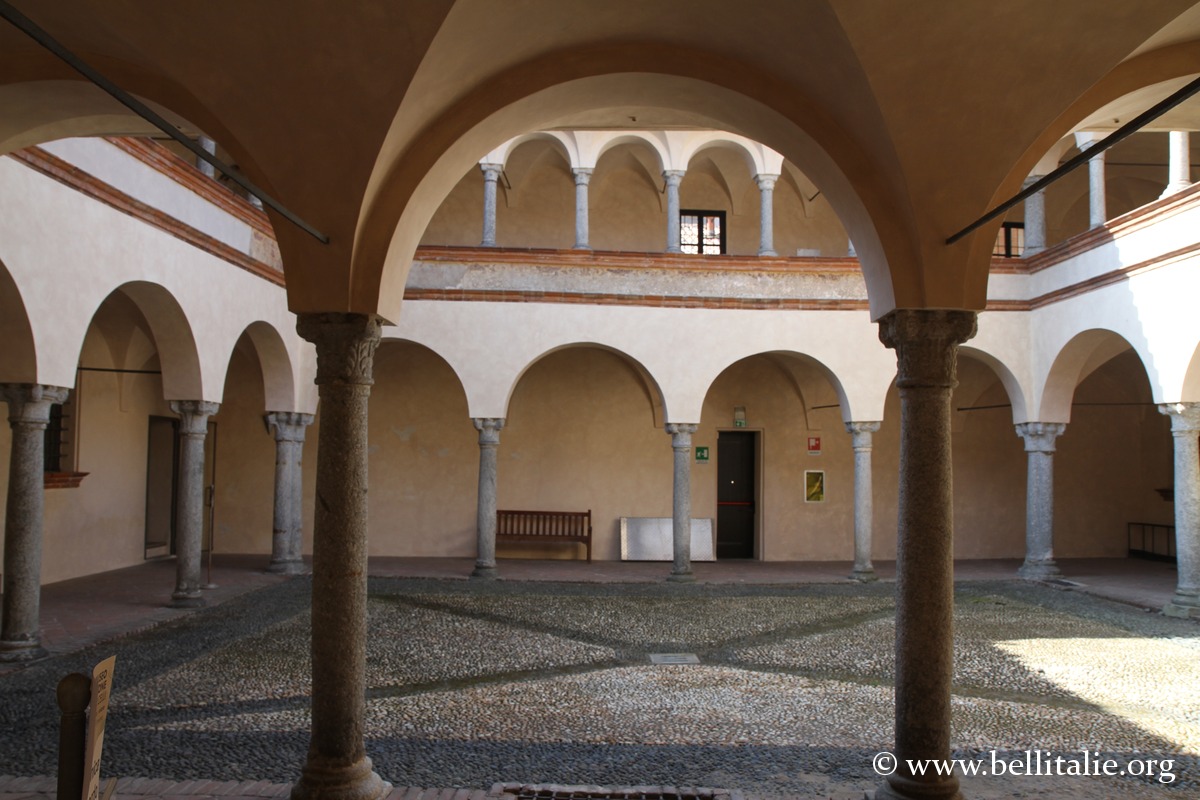
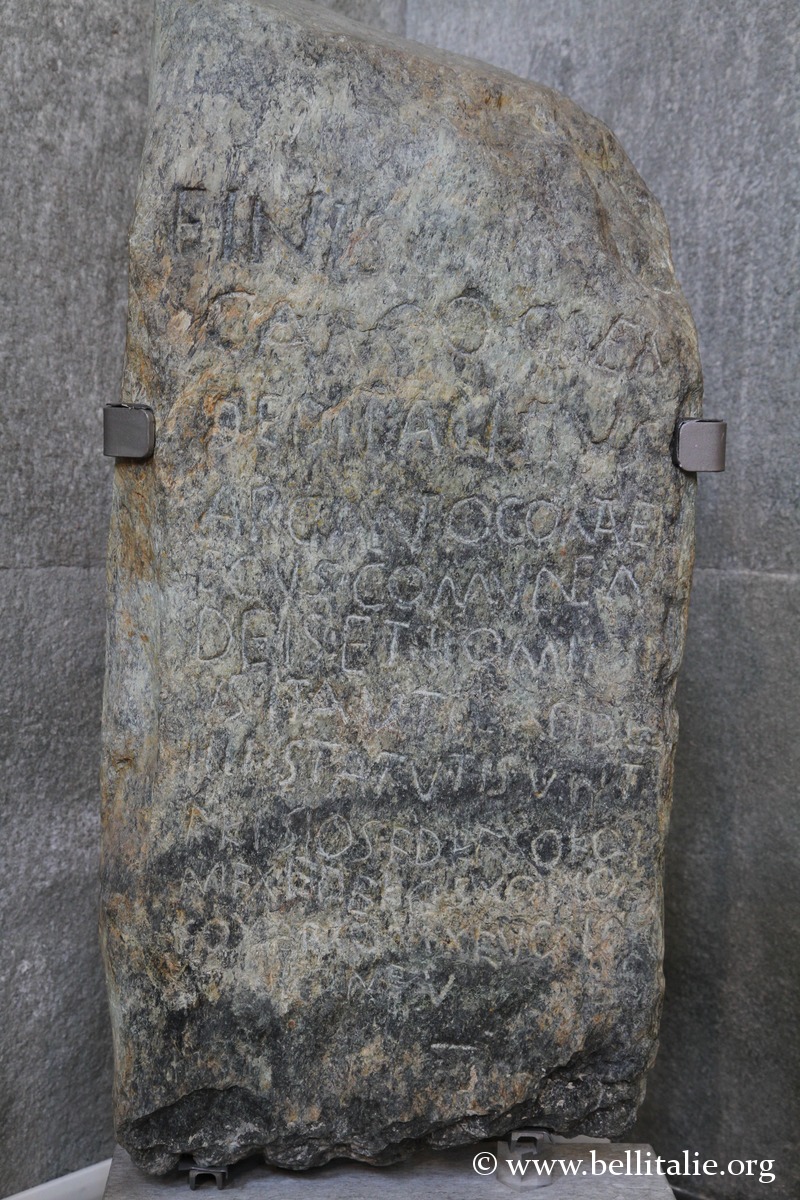
Housed around the cloister of the former Santa Chiara monastery, the archaeological museum is small but modern, gathering discoveries from excavations in the territory, from the origins of the city, organized chronologically and thematically. It has nearly 600 archaeological pieces, accompanied by infographics.
Other places in the city
- On via Foa, one notices houses from the 15th-16th centuries, the Casa Centori and the Casa Tizzoni.
- L’Arca, modern art center,
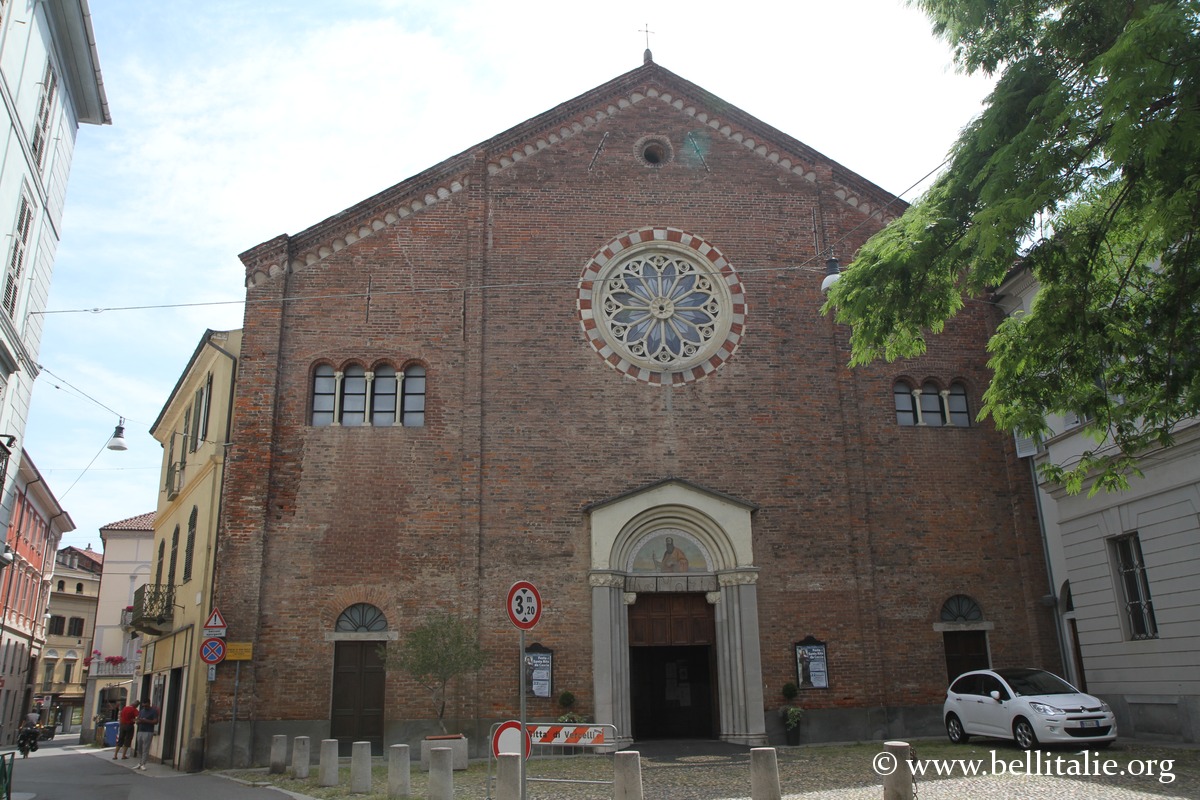
- On Piazza Roma, the Pilgrims’ Hospital dates back to 1224, facing the Basilica of Sant’Andrea
- Synagogue
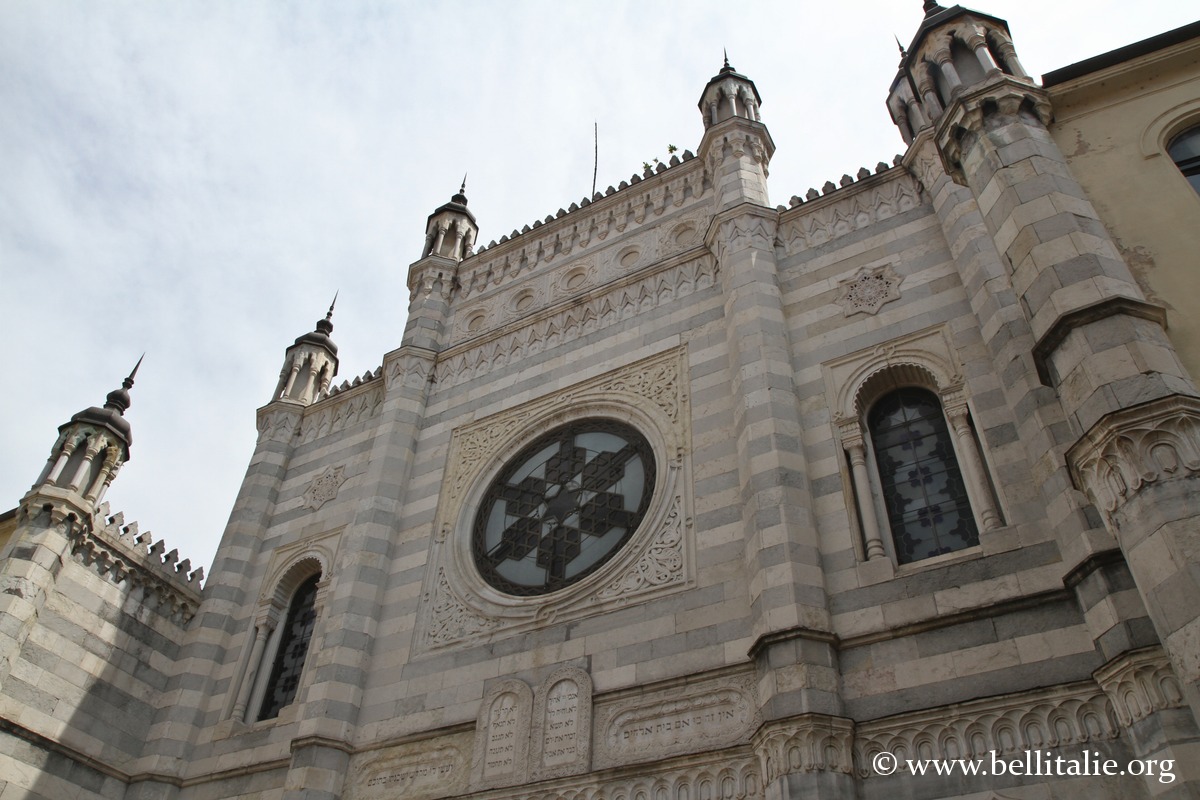
In the former ghetto quarter, the synagogue was built between 1875 and 1878 by Carlo Alberto, with a superb facade in white and blue sandstone in Moorish style that contrasts with the neighboring buildings. - Church of San Cristoforo
Founded in the early 16th century, this church preserves a very beautiful Renaissance interior, with paintings, frescoes of the dome by Gaudenzio Ferrari and of the chancel. - Church of San Francesco
This church near the Borgogna museum is an important Gothic building with a Baroque facade. - The church of San Bernardo
- Towers of Vercelli
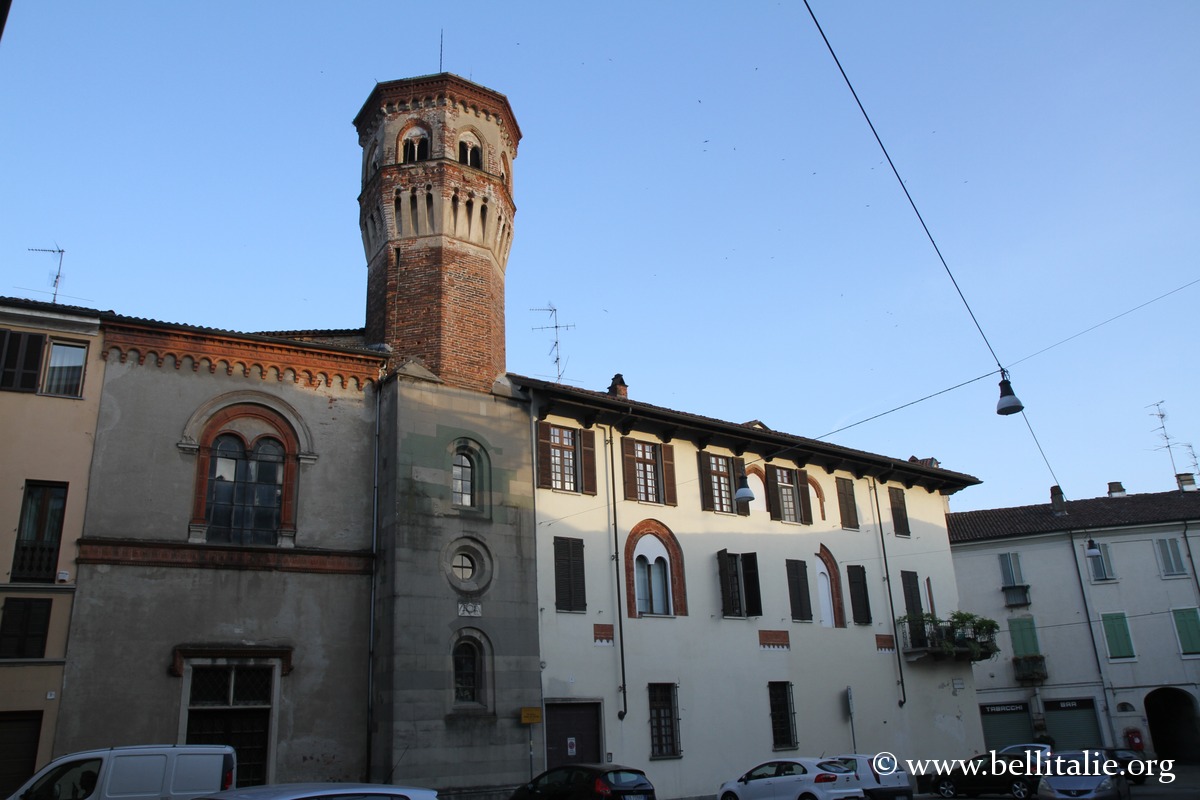
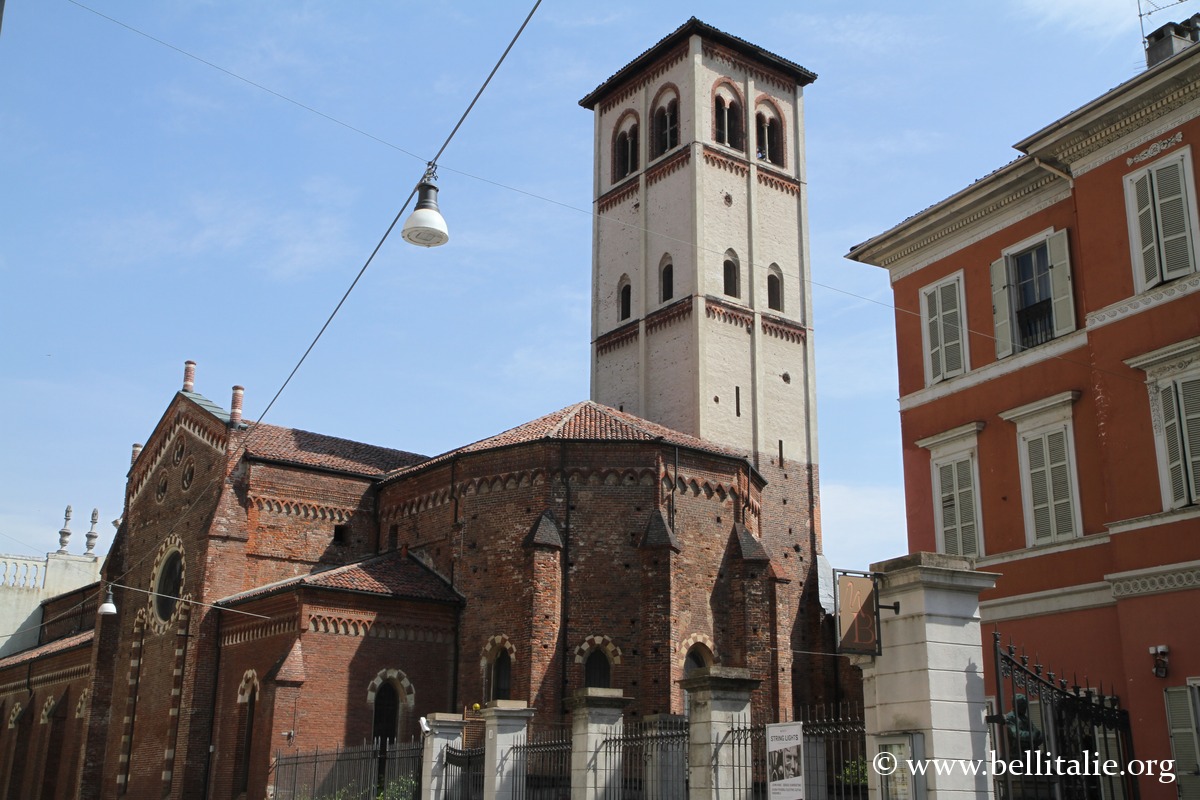
On the horizon, beautiful towers rise from Vercelli, true symbols of the city. The main ones are: Tower of the Angel Piazza Cavour, Torre dei Centori, Communal Tower, Torre San Marco, Clock Tower, Torre dei Tizzoni and Torre dei Vialardi.
Gastronomy
- Bicciolani, a specialty of Vercelli, biscuits made since the Renaissance, with cinnamon and spices.
- La Panissa: risotto with wine and red beans.
Information
- Wikipedia article: en.wikipedia.org
- Tourist portals: www.viaggiaescopri.it, siviaggia.it
Weather in Vercelli
Map
If you see this after your page is loaded completely, leafletJS files are missing.
- What to see in Piedmont
- Turin
- Saint Michael’s Abbey, La Clusa
- Lake Maggiore
- Susa Valley and Chisone Valley
- Susa
- Lake Orta
- Cuneo and Surroundings
- The Langhe
- Montferrat
- Roero and surroundings
- Asti
- Alba
- Domodossola and Val d’Ossola
- Valsesia
- Sanctuary of Mount Oropa
- Saluzzo and surroundings
- Usseaux and Fenestrelle Fort
- Casale Monferrato
- Vercelli
- Ivrea, Canavese and Biellese
- Novara


Comments