


This page complements the page “What to see in Turin?“
Curiosities of the city
The Historic Cafés
Turin has kept historic cafés dating back to the 19th century, decorated with old mirrors, tapestries, woodwork, porcelain, where you can of course enjoy the famous beverage and the typical pastries of the city. These include the cafés around Piazza Castello: Caffè Mulassano and Caffè Confetteria Baratti & Milano, and around Piazza San Carlo: Caffè San Carlo and Caffè Torino (read the list in the comment here).
The Covered Galleries
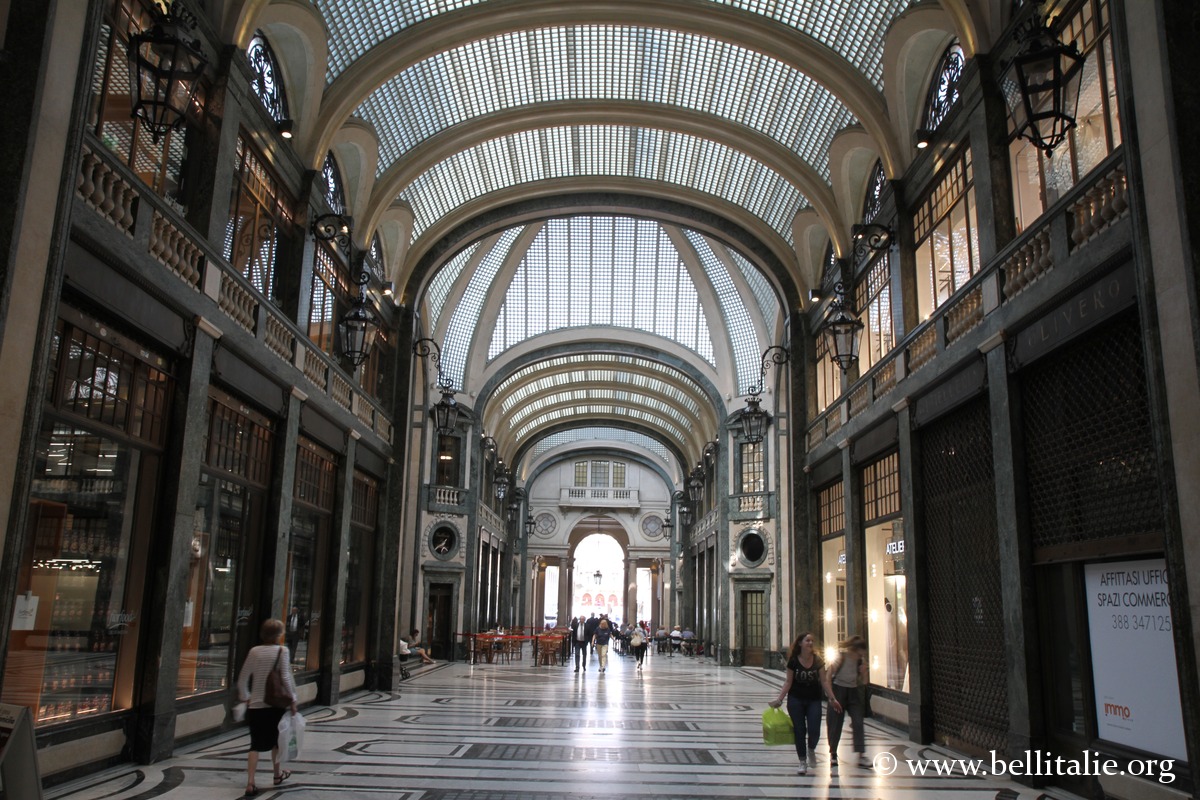
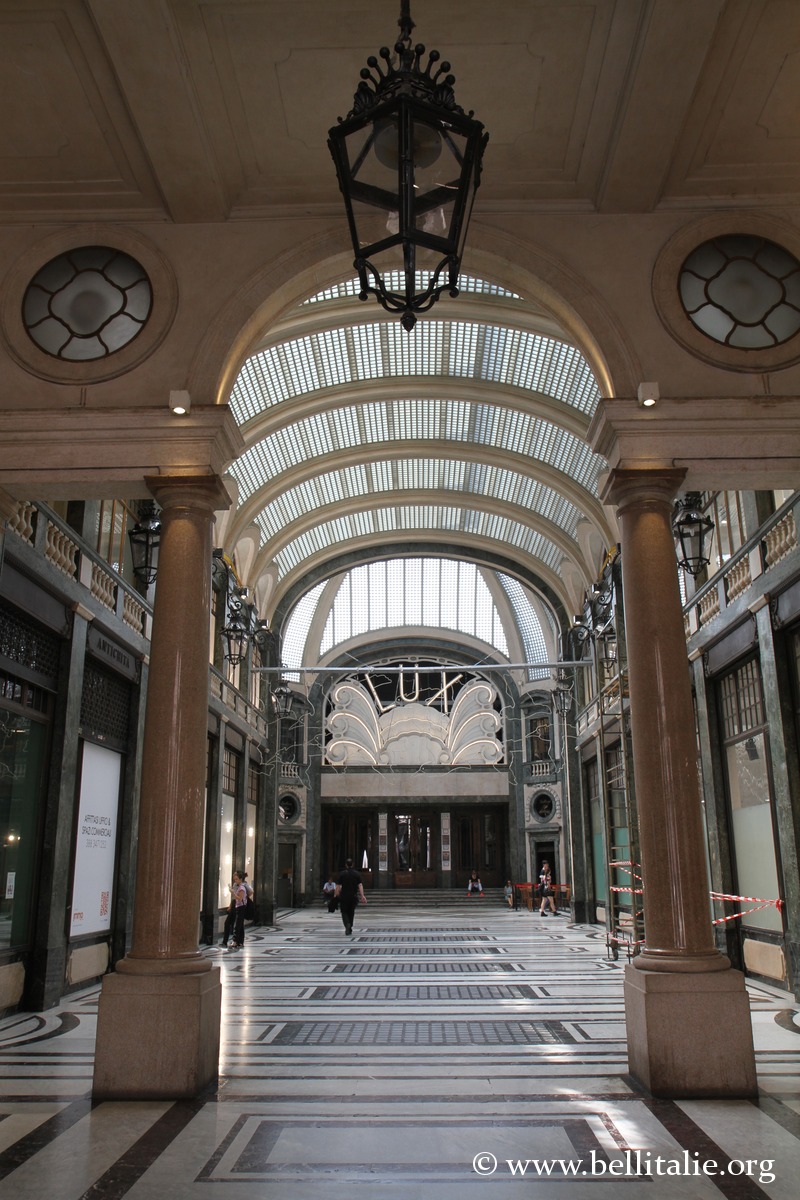
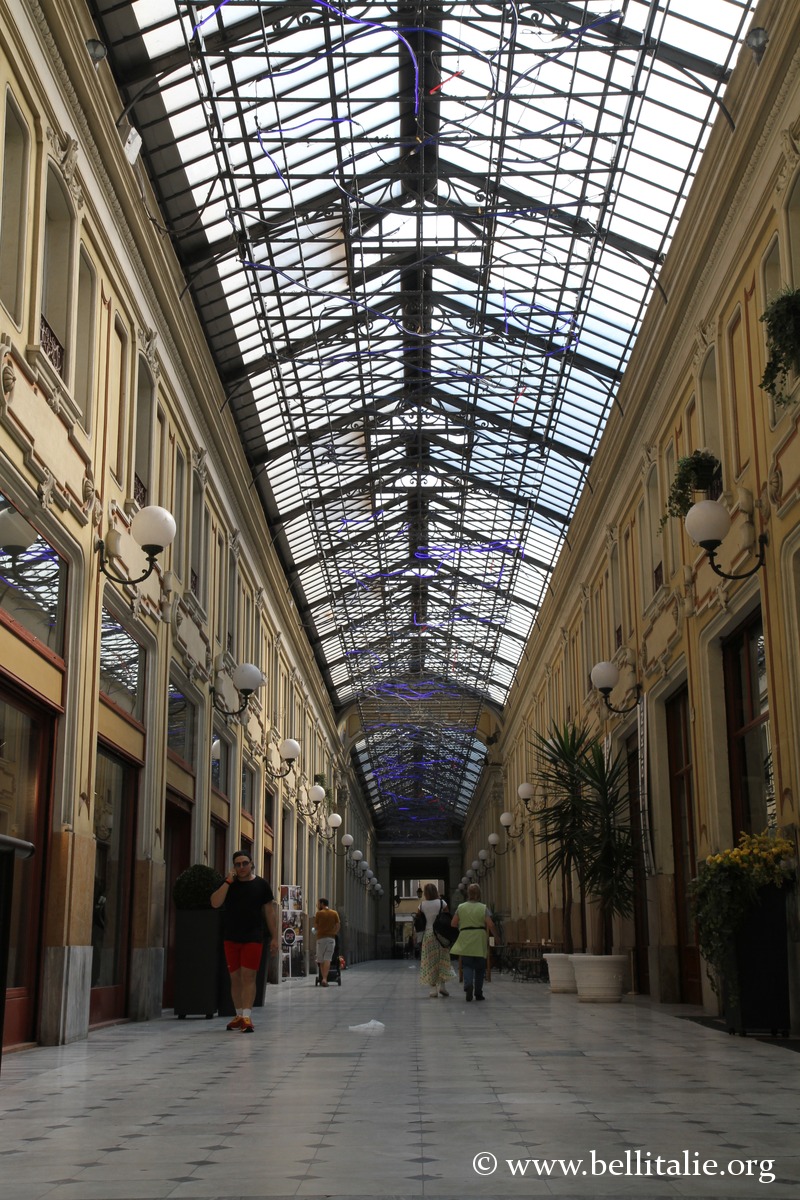
Connecting squares and streets by crossing through palaces, these Art Nouveau-style galleries in Turin are covered with glass, reminiscent of the typical covered passages of Paris. They are occupied by cafés and restaurants. There are three of them: the Galleria Subalpina between the south-east corner of Piazza Castello and Piazza Carlo Alberto, the Galleria San Federico just north of Piazza San Carlo and the Galleria Umberto I leading to Piazza della Repubblica.
-
- Galleria San Federico
-
- Galleria San Federico
-
- Galleria Umberto I
Porta Palazzo Market and Gran Balon
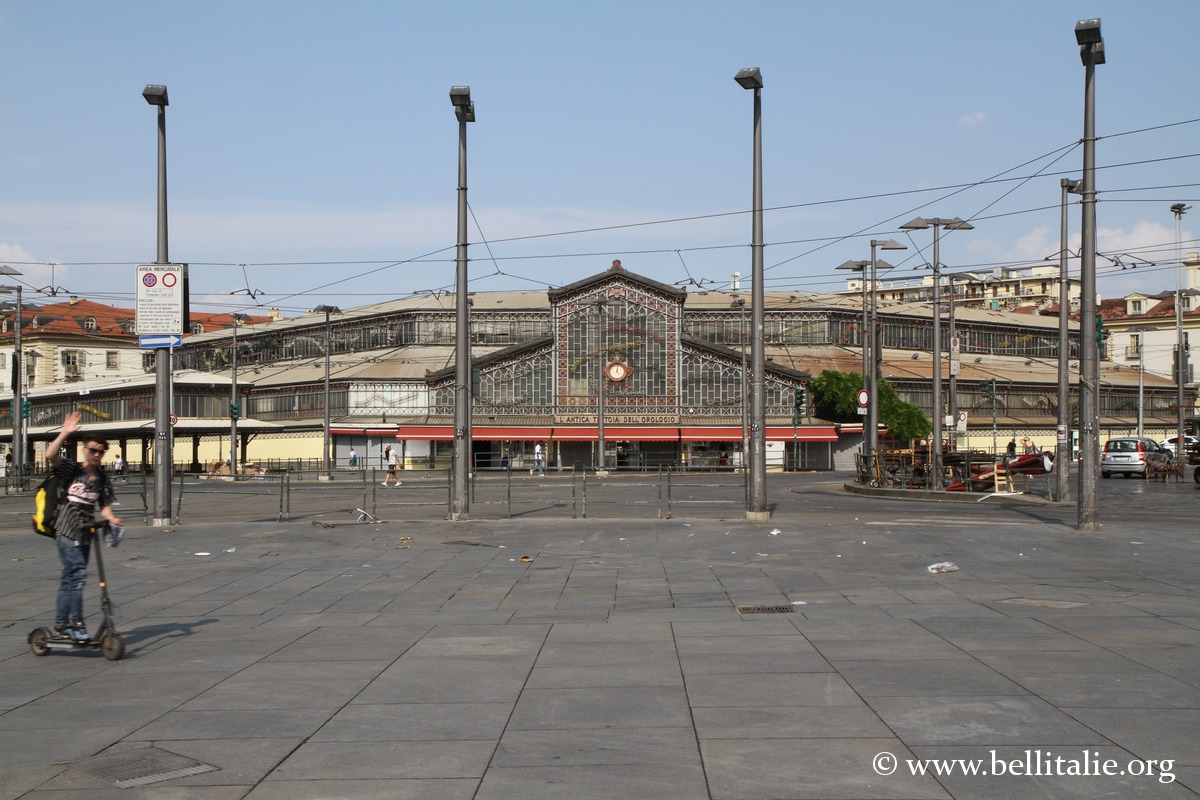
In the Borgo Dora district, the Porta Palazzo market is the largest outdoor market in Europe, bustling since the 1950s, with nearly 1000 stalls, part of which is covered. Often very busy, you can find everything there, from Monday to Friday until 2 pm, on Saturday until 6 pm.
Every Saturday the Gran Balon is held nearby, via Borgo Dora, a flea market and antiques market (link: www.balon.it)
-
- Marché couvert Piazza della Repubblica
Other places in Turin
Royal Palace of Venaria
→ Read the page dedicated to the Royal Palace of Venaria
Sanctuary of the Consolata
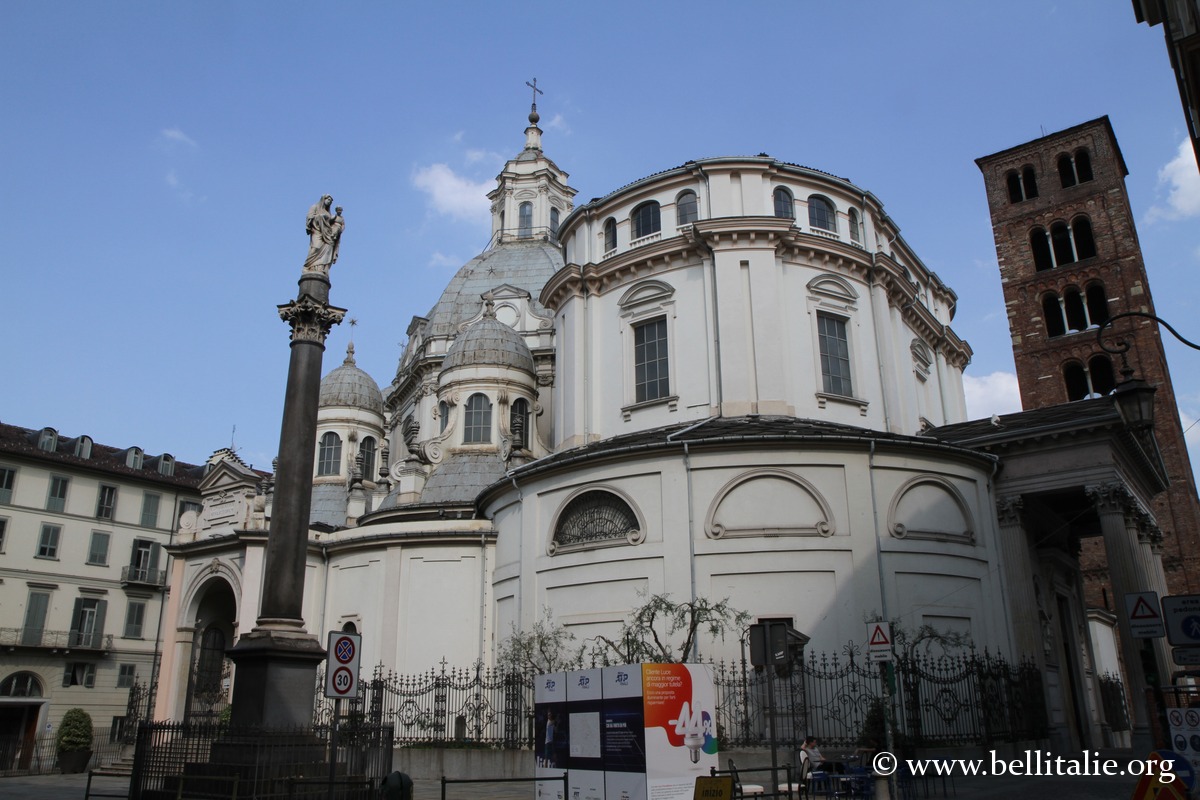
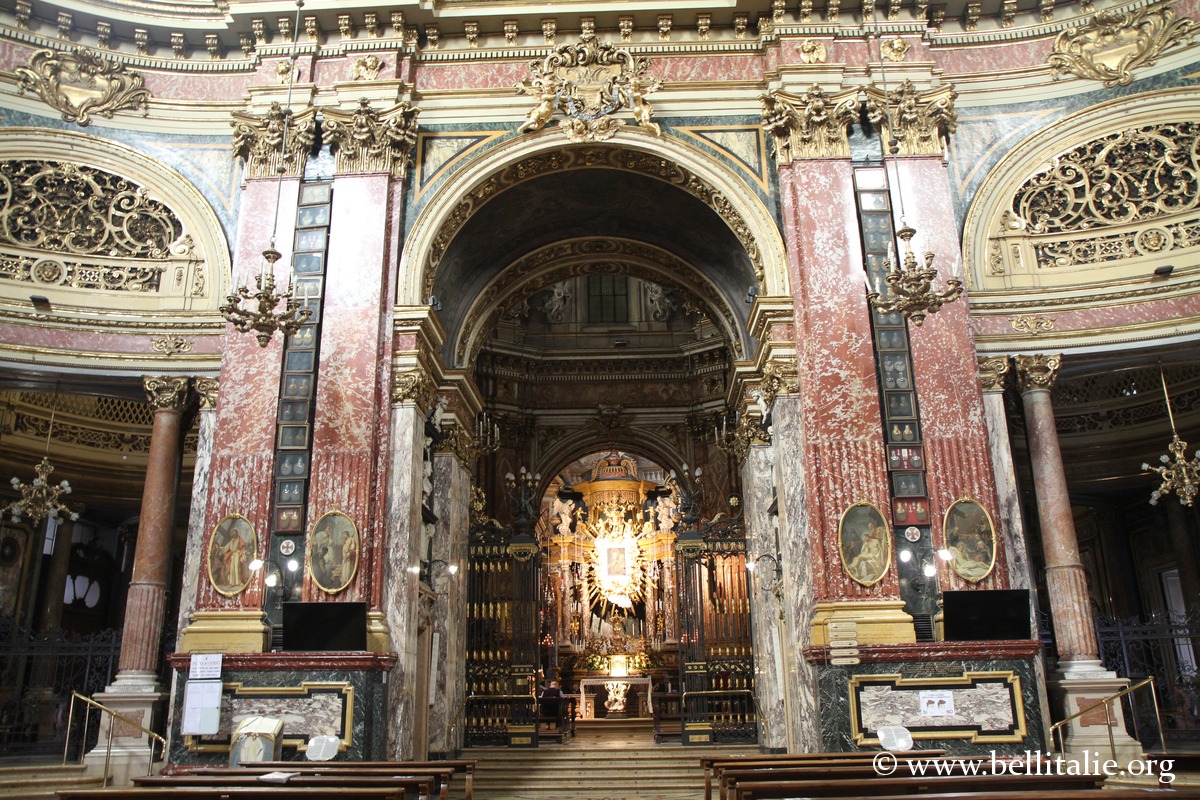
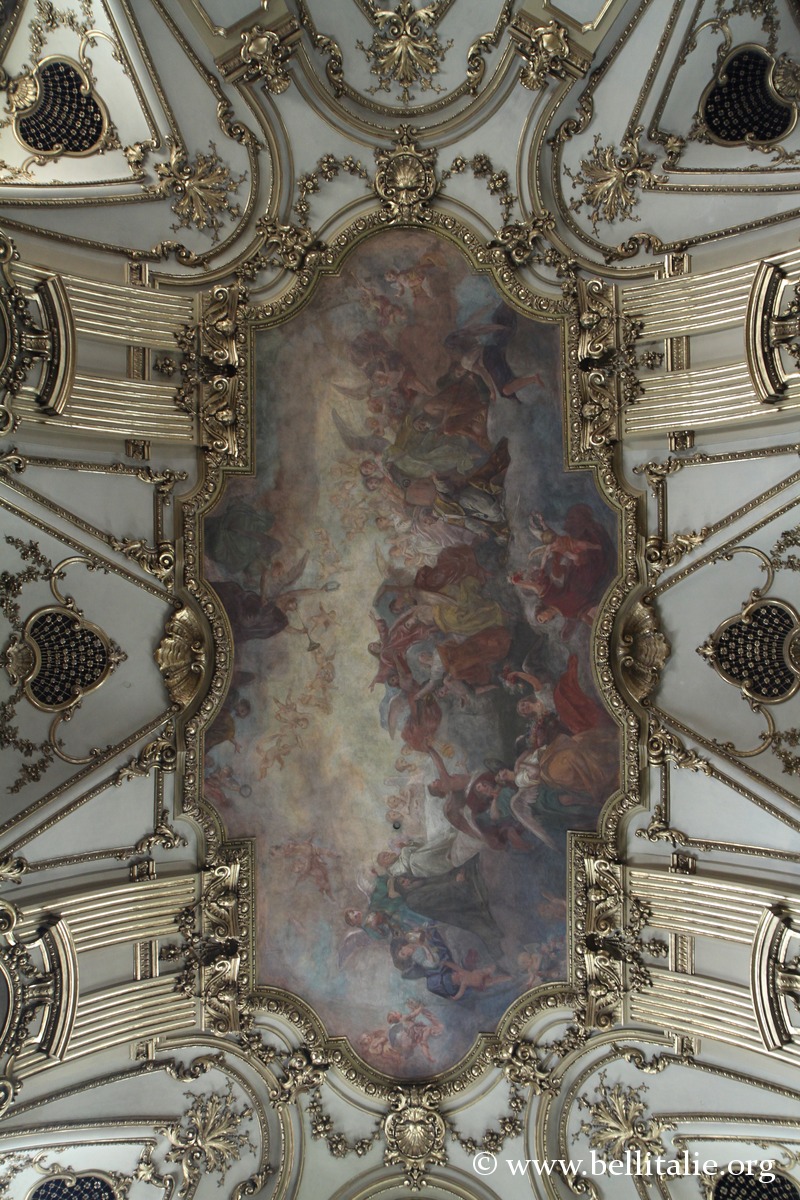
The Sanctuary of the Consolata (church of Santa Maria della Consolazione in Italian) is one of the most beautiful churches in Turin, whose origins date back to the early Christian era.
The building was enlarged and modified several times over the course of time, and it was in the 18th century that the choir of the Baroque basilica was built by the famous architect Filippo Juvarra.
The sanctuary is said to have welcomed in the year 906 Benedictine monks from the abbey of Novalaise who had fled before the advance of Saracen troops.
The sanctuary preserves a miraculous image of the Virgin Consoler which is said to have been found near the church of Saint Andrew by a young blind man from Briançon.
The Cistercians requested the reconstruction of the church in 1678 from Guarino Guarini, which was completed in 1706, then Juvarra carried out the extension with the chancel between 1729 and 1740.
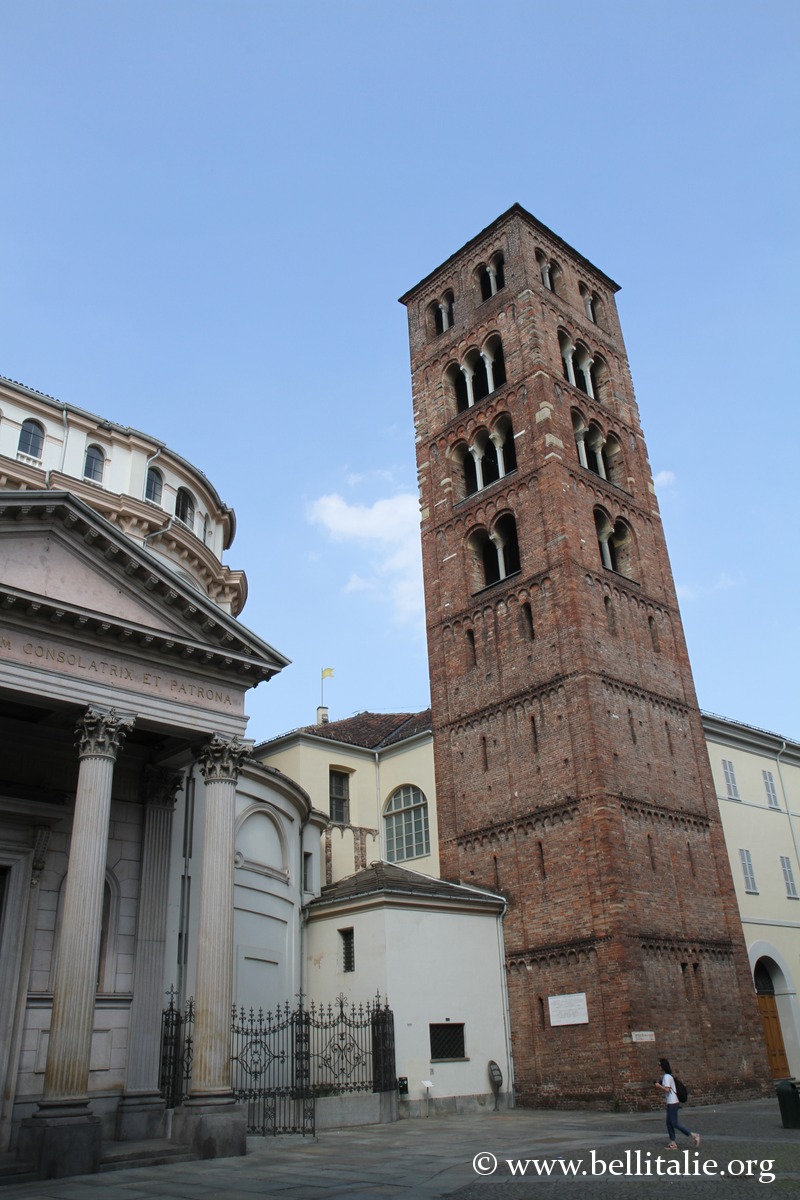
The bell tower dates from the end of the 10th century. It was raised in height in the 13th and 14th centuries.
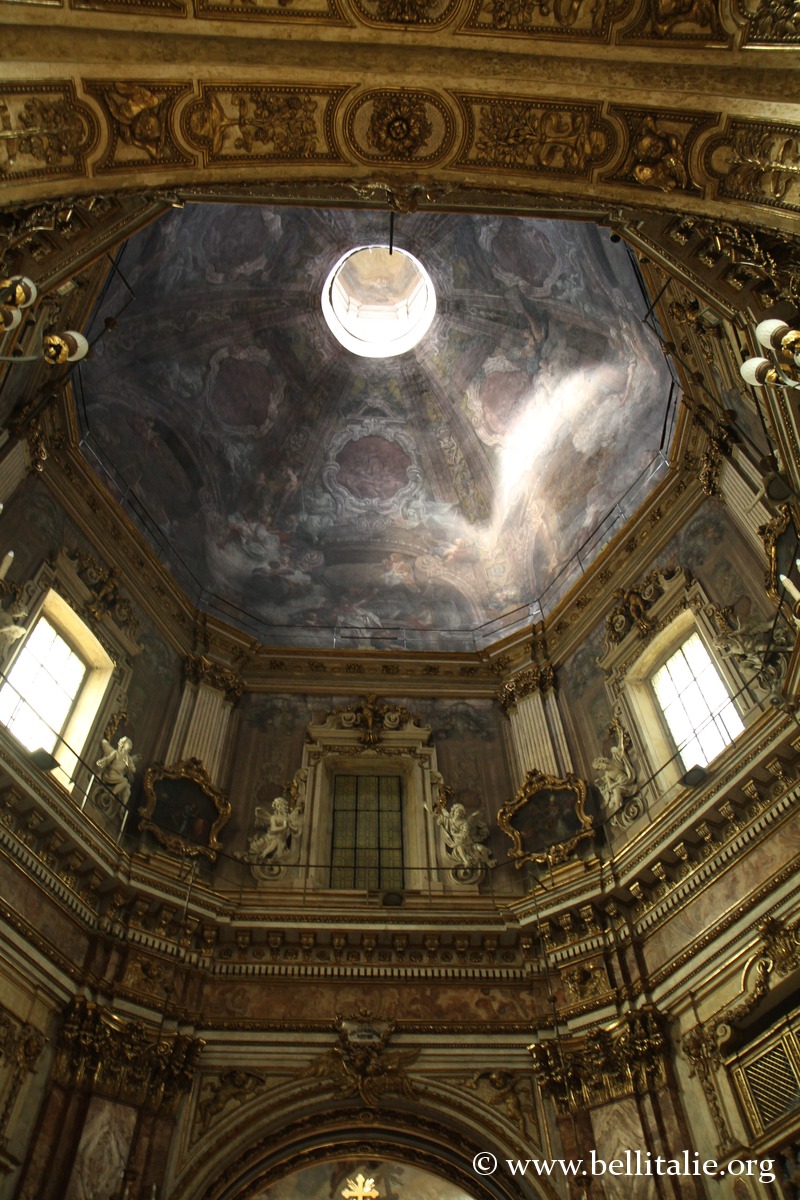
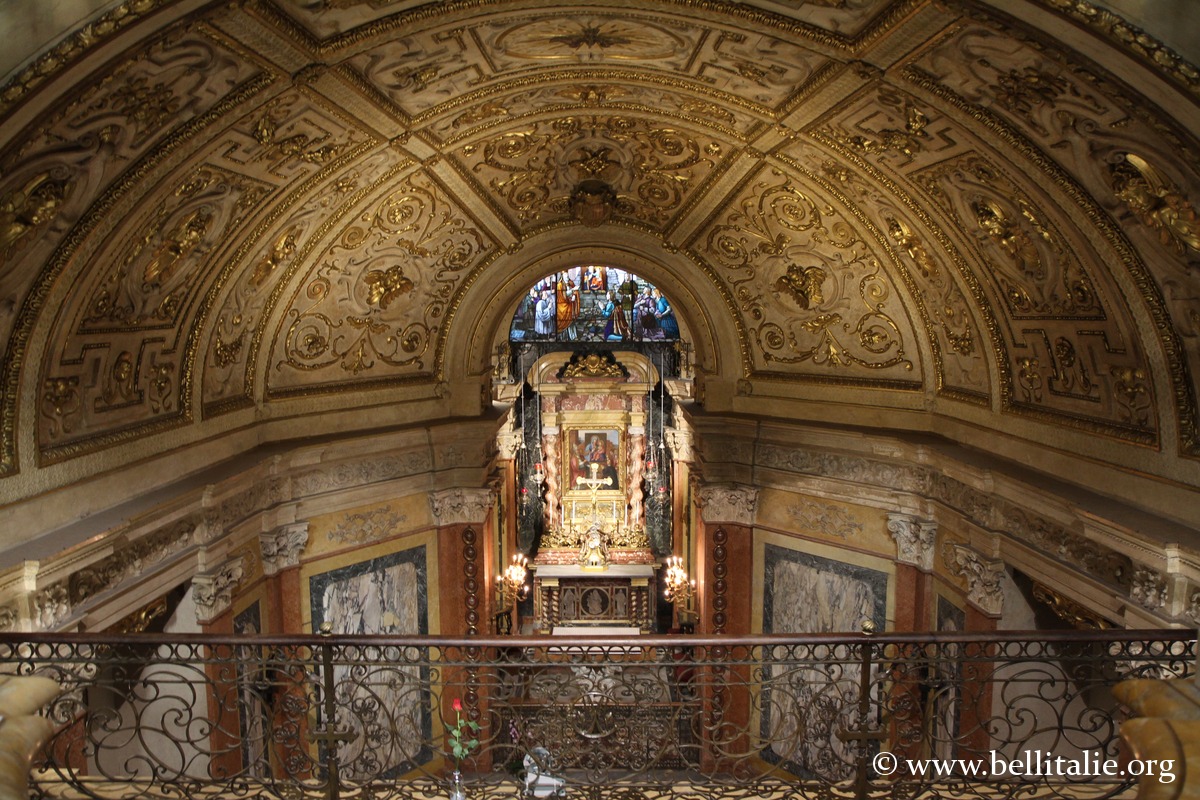
Mount of the Capuchins and Madre di Dio
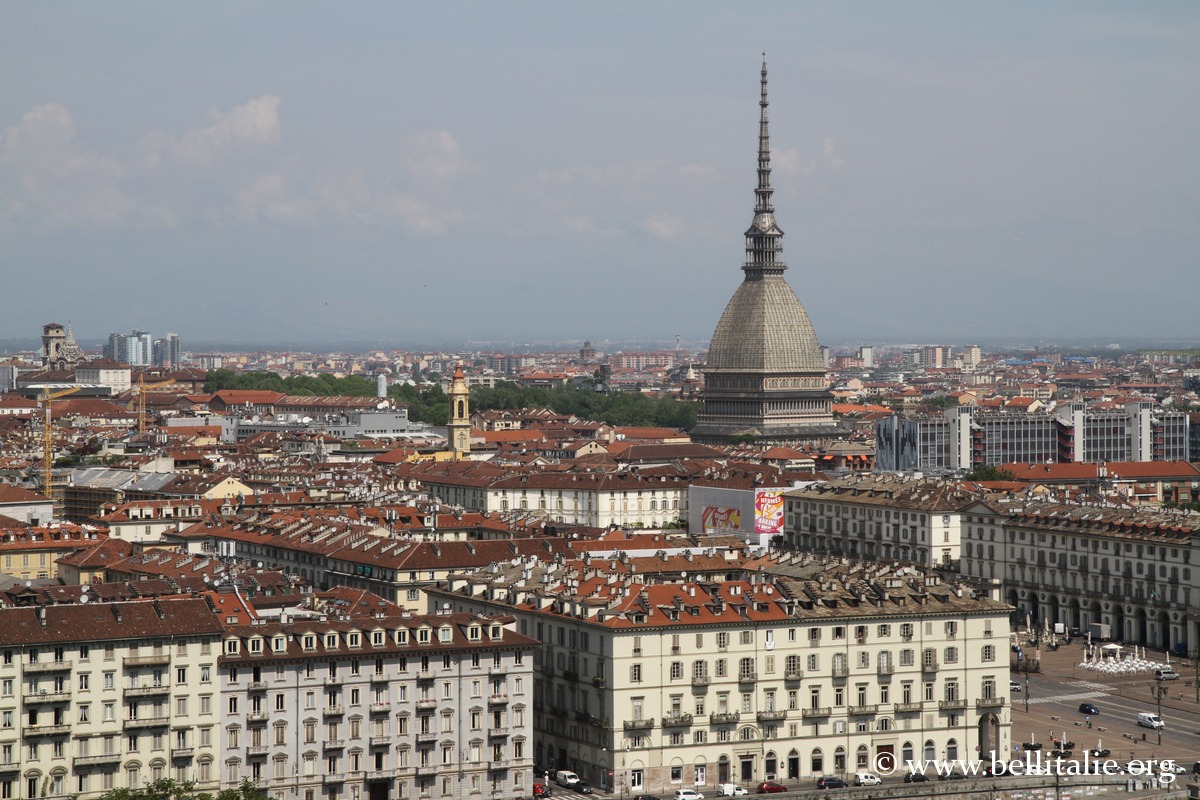
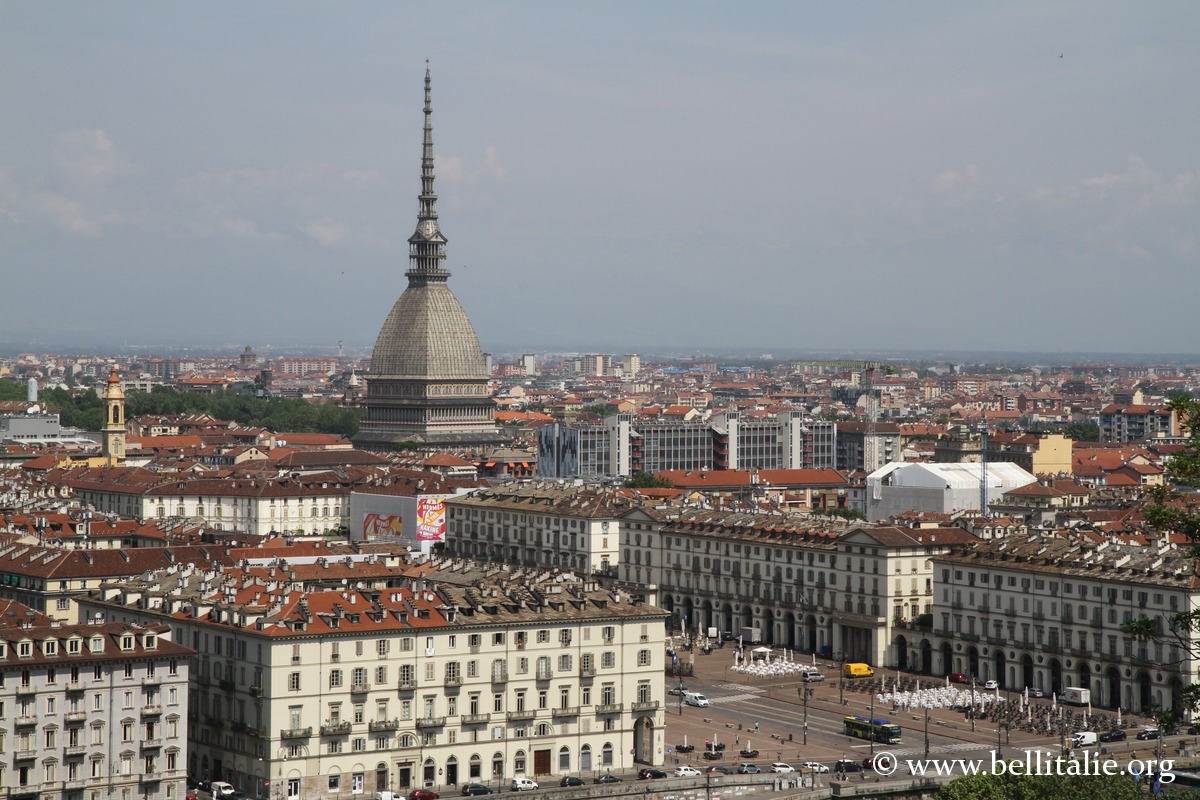
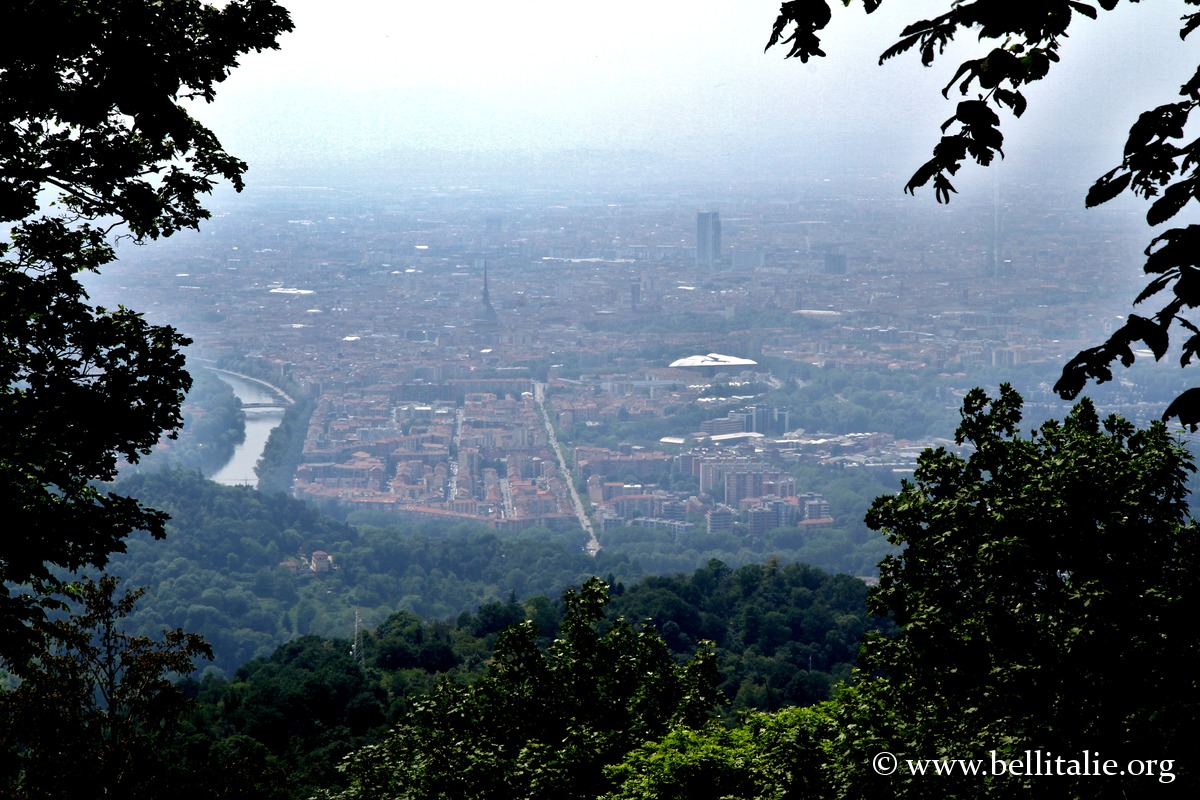
Just on the other side of the Po from the historic centre, past the Vittorio Emanuele I bridge heading east, rises the small Mount of the Capuchins. It offers a very beautiful panorama over Turin and the chain of the Alps in the background.
At the summit stands the church Santa Maria al Monte, in Mannerist and Baroque style built at the beginning of the 17th century, whereas the Capuchin convent is in late Renaissance style. The latter was built in place of a fortification whose origin dates back to the Templars.
The church is crowned by a large lead dome (replaced by a smaller one in 1814), decorated with frescoes inside. During the siege of Turin in 1706, the French gave up seizing the hill, which was interpreted as a miracle.
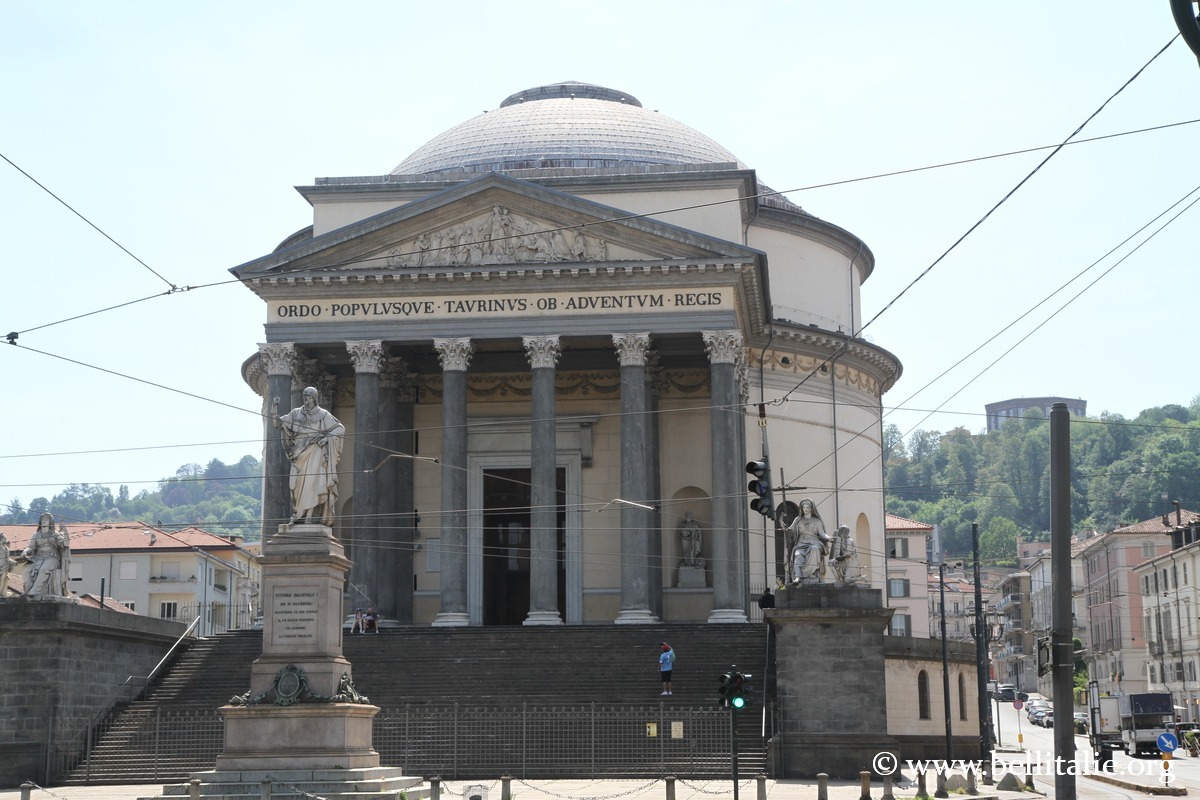
Nearby, below and facing the bridge, the church of the Gran Madre di Dio is a neoclassical building undertaken in 1814 by the city of Turin to celebrate the return of Victor Emmanuel I after the defeat of Napoleon. Completed in 1831, it has a circular plan whose dome is inspired by that of the Pantheon of Rome.
The two statues flanking the access staircase are those of Faith on the right, with a cup in her hand, and of Religion on the left.
The interior notably preserves the statues of Saint Maurice, of Margaret of Savoy, of Amadeus of Savoy, of Saint John the Baptist. Four bas-reliefs represent episodes of The Life of the Virgin (Nativity, Presentation in the Temple, Marriage, Coronation).
-
- Panorama depuis le mont
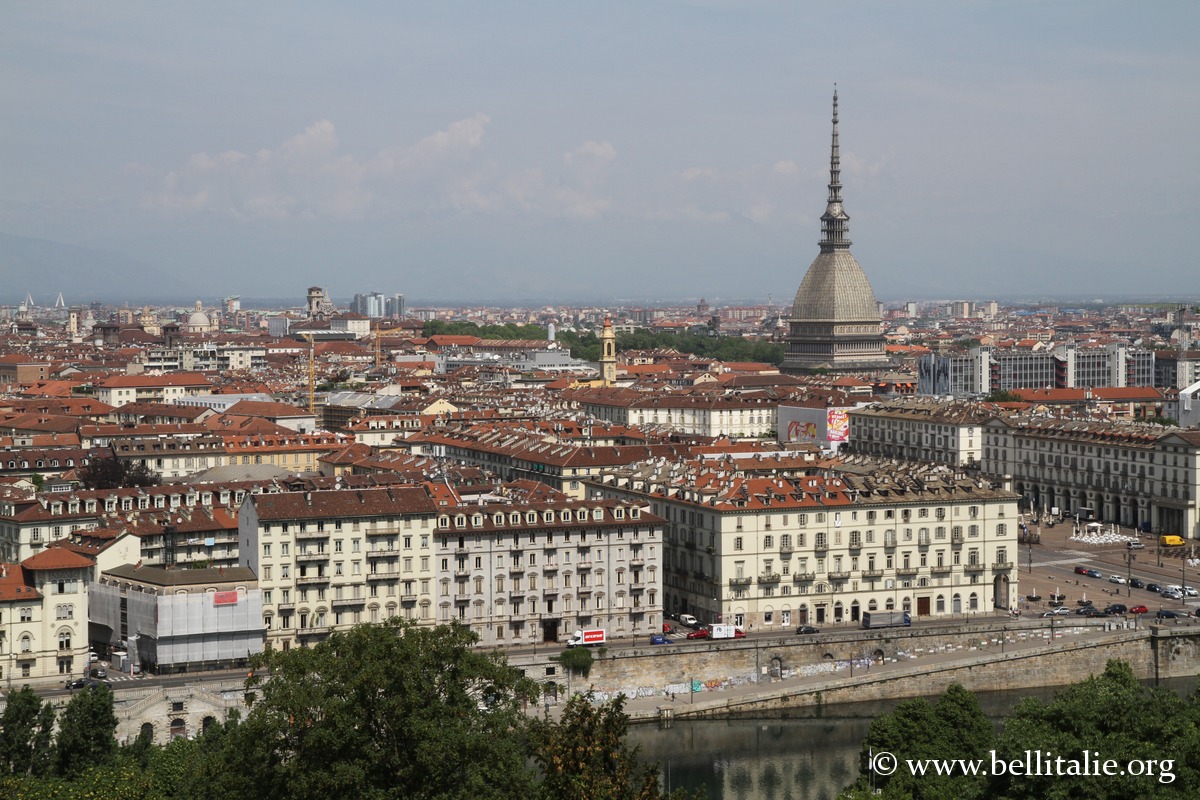
-
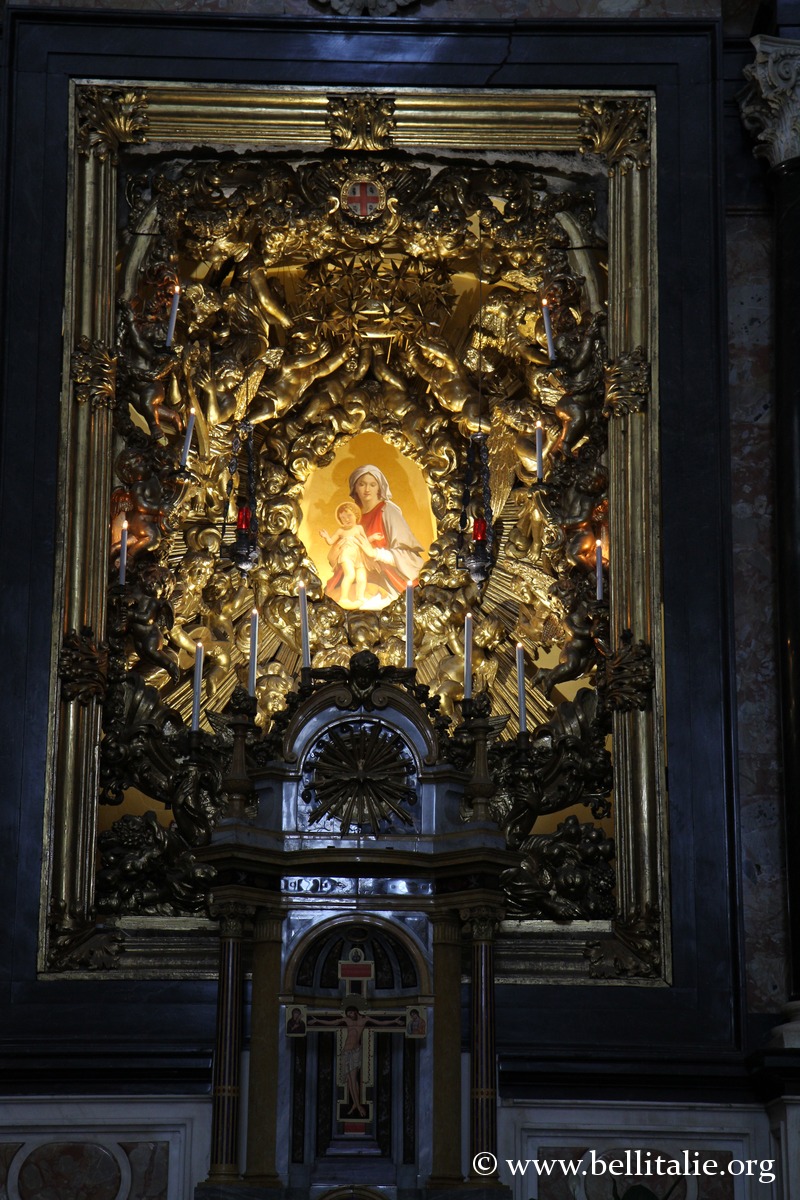
- Eglise Santa Maria des Capucins
-
- Panorama Torino
-
- Madre di Dio
Villa of the Queen
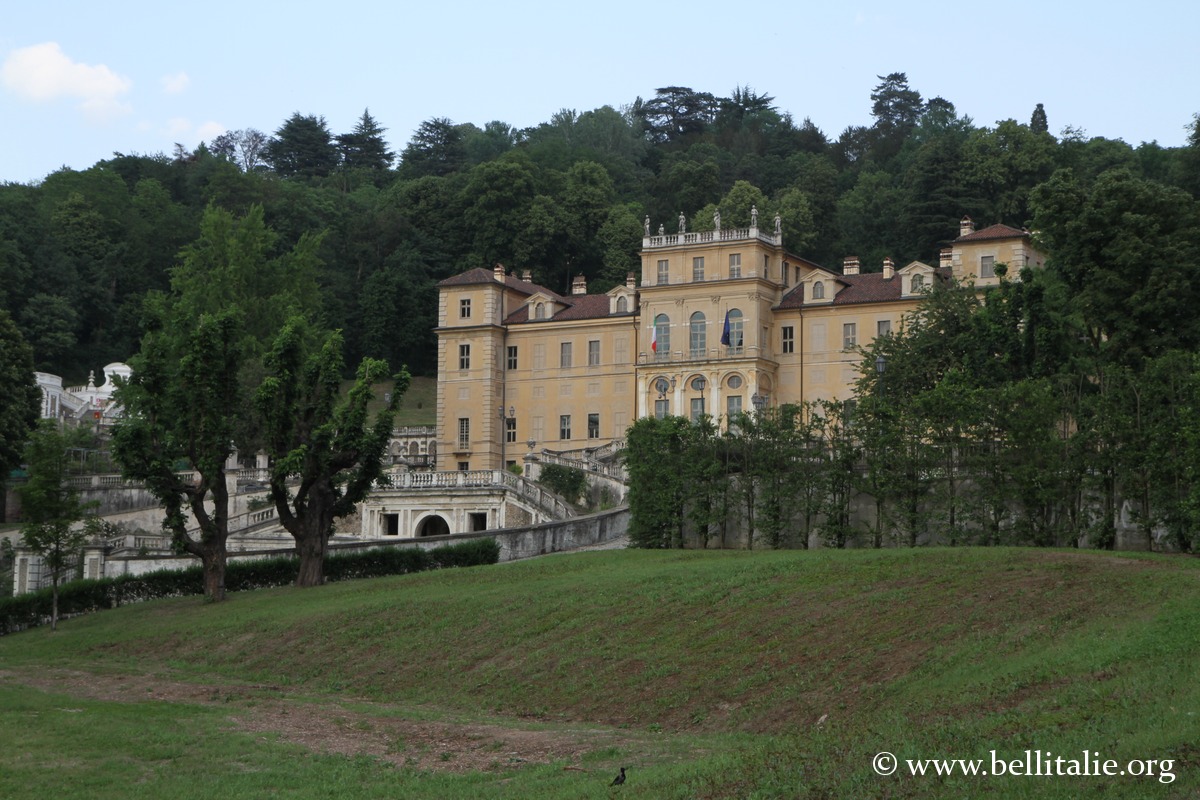
The Villa della Regina (Villa of the Queen in French), was built from 1615 at the initiative of Maurice of Savoy by the architect Ascanio Vitozzi. It housed for centuries sovereigns of Savoy, the first of whom was Ludovica, the wife of Maurice.
It is located on the wooded Hill of Turin, just outside the city centre, and surrounded by the city’s only urban vineyard. Bombed during the Second World War, it fell into abandonment before its recovery in the 1990s.
The charming 17th-century Baroque building today houses numerous canvases by artists such as Daniel Seiter and Giovanni Battista Crosato. It also preserves beautiful Chinese cabinets with their lacquered and gilded woodwork.
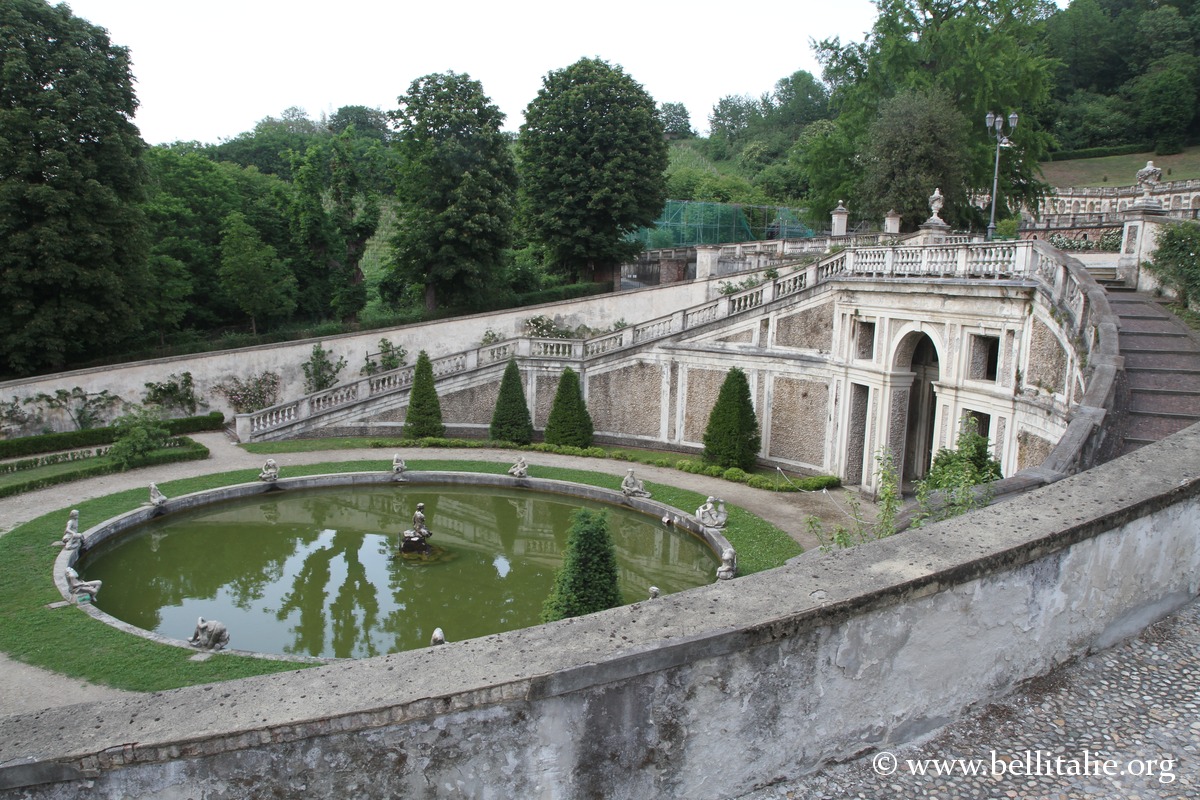
Behind the building stretches a splendid Italian-style garden in the shape of an amphitheatre. There is the pavilion of the Solinghi, a two-storey pagoda-shaped building where the Academy of the Solinghi, a club of intellectuals founded by Maurice of Savoy, gathered.
Superga Basilica
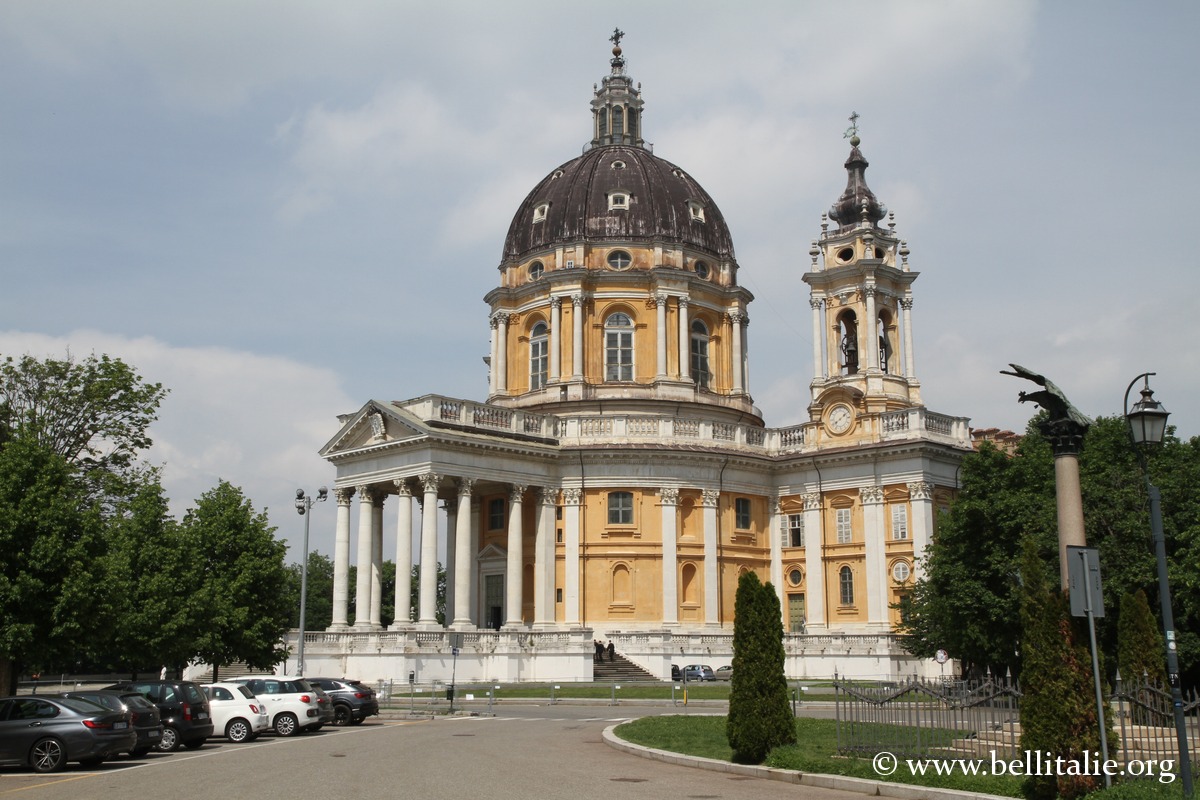
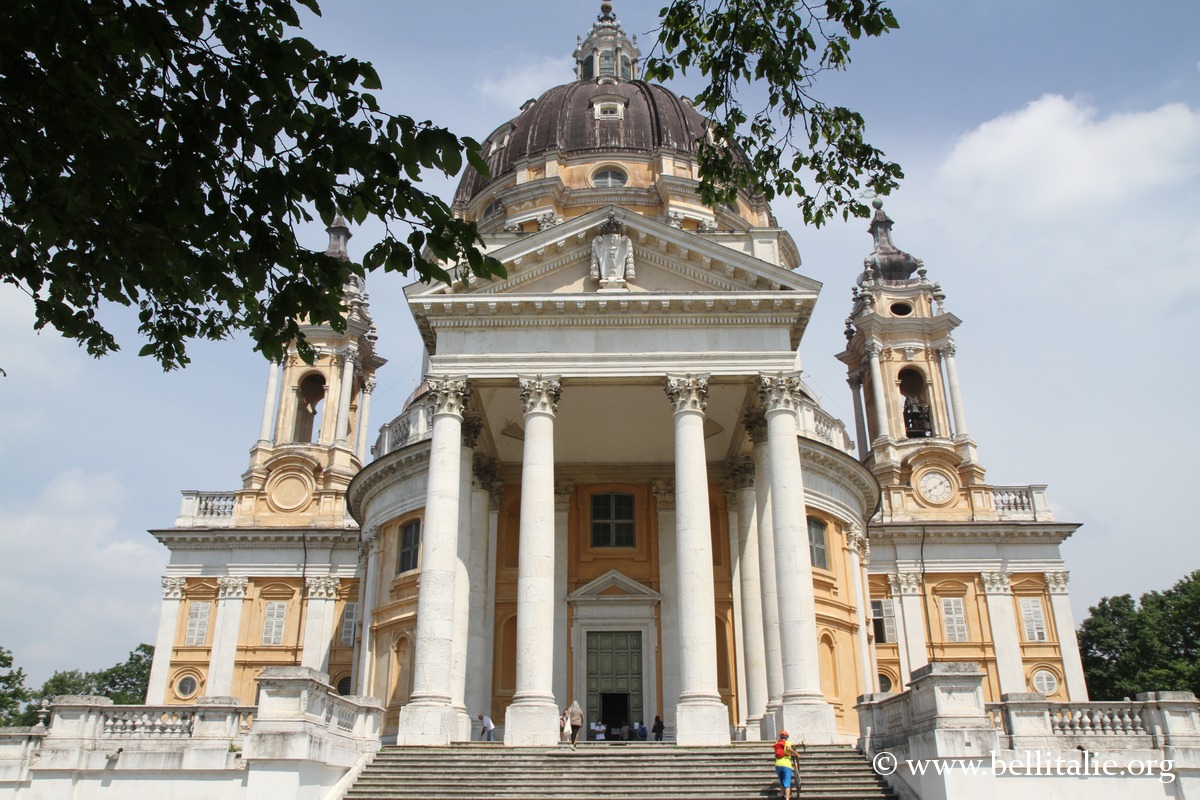
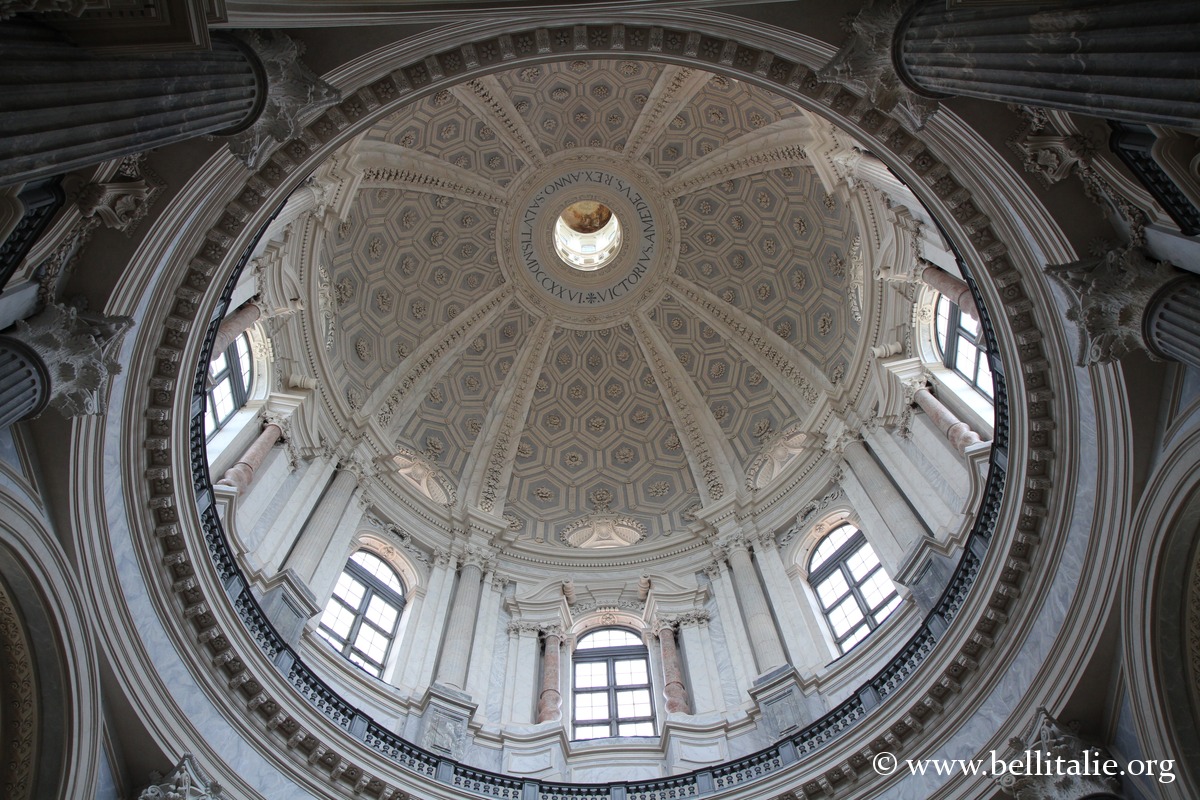
The Basilica of Superga, dedicated to the Nativity of Mary, was built between 1717 and 1731 by Filippo Juvarra on a mount near Turin, to the east in the Turin Hills. It was erected according to tradition following a vow of Victor Amadeus II after the victory won in 1706 over the French. It houses the tombs of the House of Savoy.
It is a large church with a circular plan crowned by a dome reaching 75 metres in height and flanked by two bell towers 60 metres high. You enter it by crossing an imposing pronaos with eight Corinthian columns on the façade.
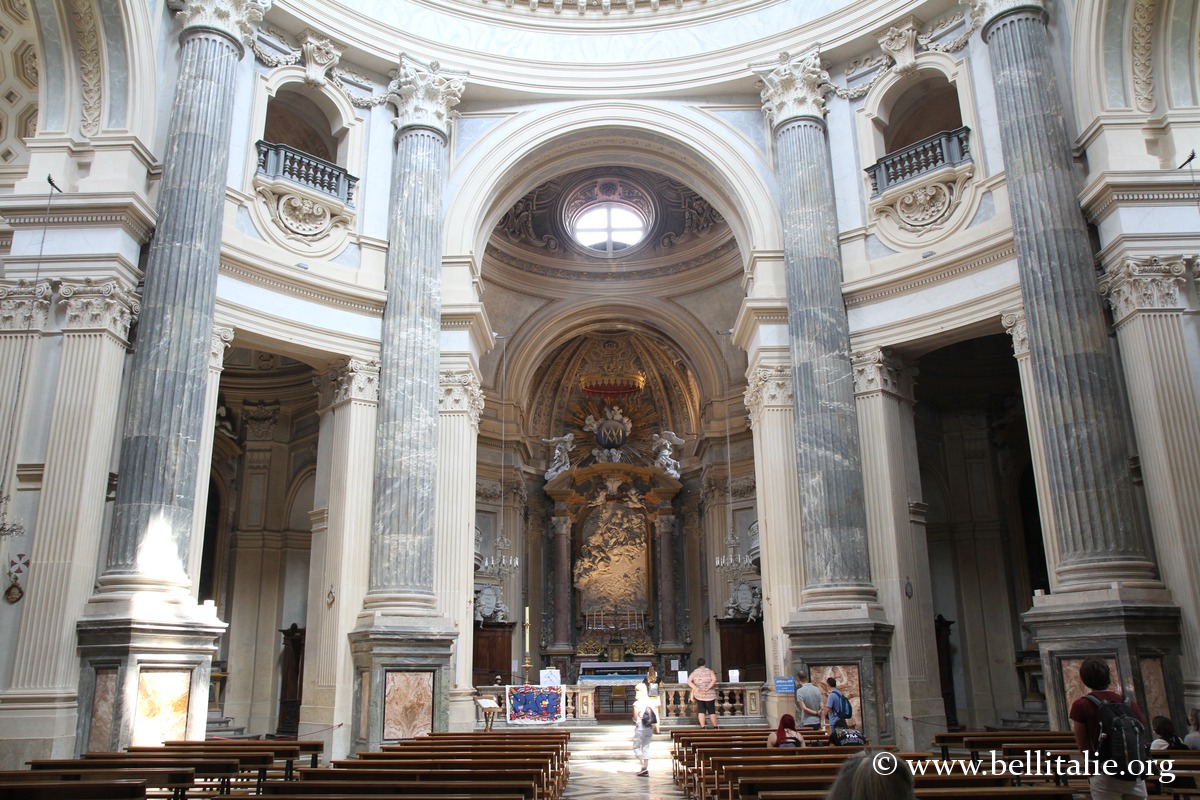
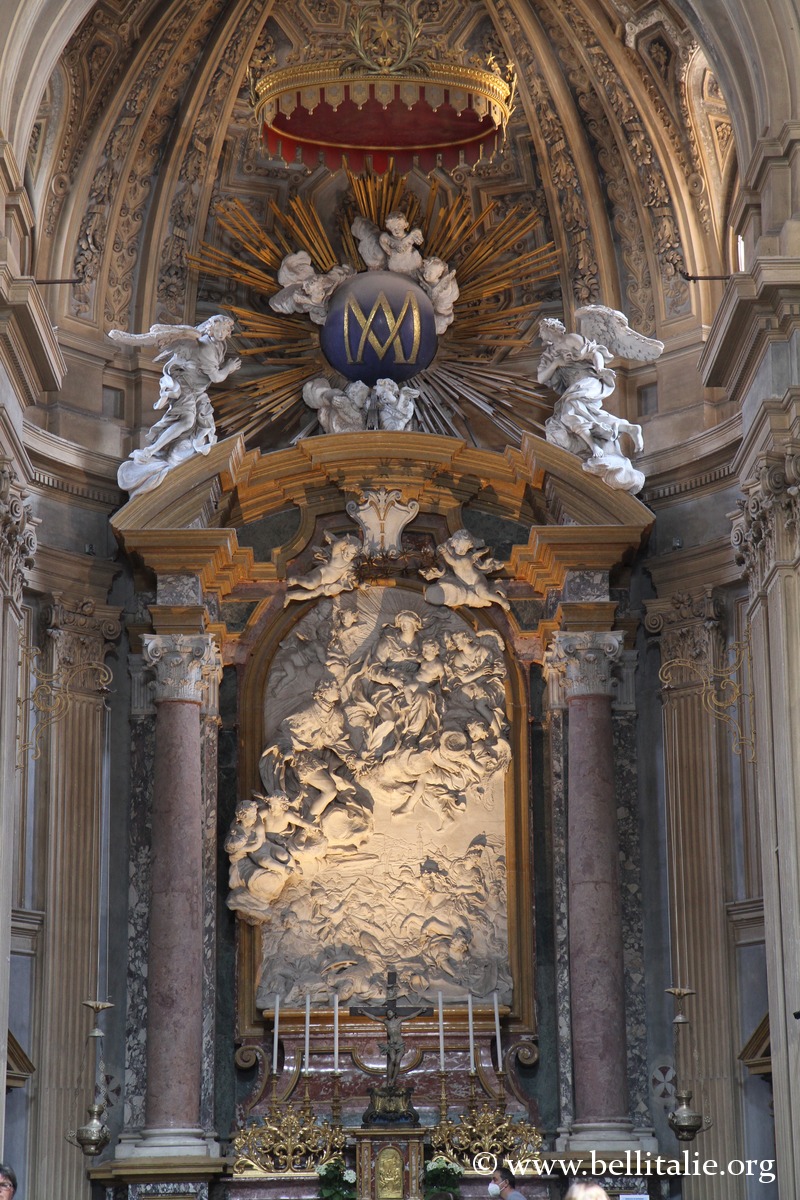
The interior is spectacular with beautiful light, decorated with stuccos and marble altars. Juvarra’s master altar is adorned with a marble bas-relief by Bernardino Cametti which represents the battle of the liberation of Turin. The chapels house works by painters and sculptors such as Beaumont, Bernardino Cametti, Sebastiano Ricci, Carlo Antonio Tantardini or Agostino Cornacchini.
Other museums in Turin
Among the many museums, more or less important, of Turin, let us mention the following.
GAM – Gallery of Modern and Contemporary Art
The GAM (Galleria d’Arte Moderna in Italian) is one of the oldest contemporary art museums, founded in 1863, and the first in Italy to have housed a public collection of modern art. Its vast collection numbers nearly 45,000 pieces, dating back to the 18th century, with works from Piedmont, Italy and around the world, including sculptures, canvases, photographs, installations, engravings, and also a large collection of films and artists’ videos.
It is organised into several thematic routes, also has a video library, and regularly hosts important temporary exhibitions.
The second floor presents 19th-century paintings and sculptures, while the first floor is devoted to 20th-century works, exhibited chronologically from Divisionism to Futurism, via abstract art, Pop art and Arte Povera, with artists such as De Chirico, Dix, Ernst, Klee, Balla, Severini, Boccioni (→ official website: www.gamtorino.it).
Carignano Palace and Museum of the Risorgimento
The Carignano Palace has housed since 1938 the National Museum of the Risorgimento, the richest and oldest museum dedicated to the Risorgimento, the period of the unification of Italy, when the House of Savoy gradually annexed a large part of the other duchies and kingdoms of the peninsula during the 19th century (1815-1861). Turin was then the first capital of Italy, from 1861 to 1865.
The museum is housed on the piano nobile of the beautiful palace, with thematic, sociological and political routes, accompanied by numerous multimedia supports. Renovated in 2011, the modern space describes to the public the period of the Risorgimento in its European context, with a route through two original parliamentary halls: the Chamber of Deputies of the Subalpine Parliament (where the constitutions of 1848 were born), and the majestic hall intended for the Chamber of Deputies of the Kingdom of Italy (with vaults painted by Francesco Gonin, built between 1864 and 1871). This museum also has a very rich library (→ official website: www.museorisorgimentotorino.it).
MAUTO – the Automobile Museum
Created in 1932, the MAUTO is one of the most important European museums dedicated to the automobile. It documents the evolution of the car, as a means of transport and object of worship, from its beginnings to the 1980s, with the exhibition of more than 150 original cars from 80 manufacturers, to which are added scale models, posters and period drawings.
Several unique pieces or prototypes are present and a section is dedicated to racing cars.
It also has a well-stocked bookshop with books on the automobile, a Historic Tire Room, and is the venue for temporary exhibitions.
The museum was renovated in 2011 with its three floors, and a soundtrack where songs from the 60s and the roar of Formula 1 engines resonate (→ official website: www.museoauto.com).
MAO – Museum of Oriental Art
The Museum of Oriental Art of Turin is one of the most recent museums in the city, created in 2008, housed inside the 17th-century Palazzo Mazzonis which is located in the very center of Turin.
The works were mostly previously housed in the City’s Civic Art Museum, others come from foundations and the Piedmont region.
Nearly 1500 pieces are exhibited through five different thematic areas, including the entrance hall with Japanese zen gardens. On the ground floor are the South Asia and Southeast Asia sections. On the first floor are Chinese objects, including works in bronze and terracotta dating from 3000 BC, or rooms dedicated to Japanese art objects. The third floor exhibits a collection of objects from the Himalayan region, and the last floor is entirely dedicated to Islamic art (→ official website: www.maotorino.it).
La Camera, the Italian Centre for Photography
CAMERA (Centro Italiano per la Fotografia) which opened to the public in 2015, is dedicated to national and international photography through a dialogue with artists and institutions.
It offers each year several main exhibitions and a series of complementary exhibitions by Italian and foreign authors. It also offers educational activities with workshops, such as meetings and advanced courses, for schools and families.
On Thursdays, meetings are organized between the public and personalities from the world of photography and culture (Reservations are mandatory, → official website: camera.to).
Other churches
San Filippo Neri
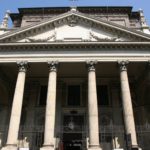
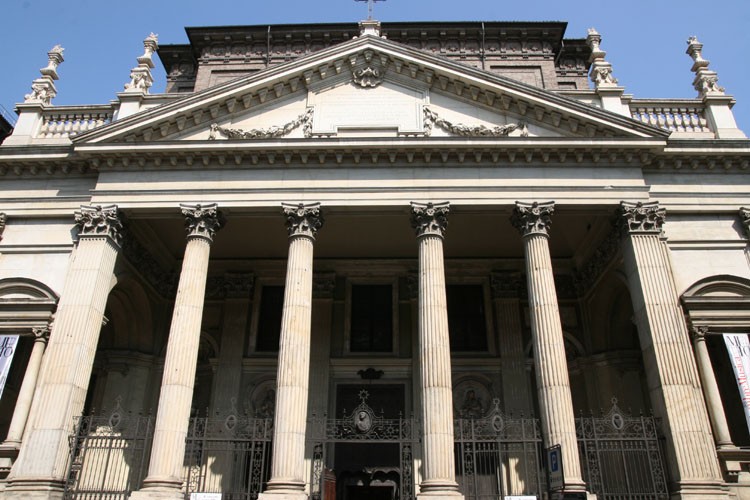
The complex of San Filippo Neri includes the church, the sacristy, the oratory, the tomb and the house of the Fathers. It was erected from 1675, with the participation from 1715 of Filippo Juvarra.
It is the largest church in Turin, preserving a beautiful heritage, frescoes and sacred objects, including a masterpiece of cabinetmaking unique in the world, with the antependium before the main altar that Pietro Piffetti made in 1749. Among the canvases are works by Carlo Maratti, Solimena, Conca, Trevisani.
-
- San Filippo Neri
-
- Église San Filippo Neri
-
- Église San Filippo Neri
Chiesa San Massimo
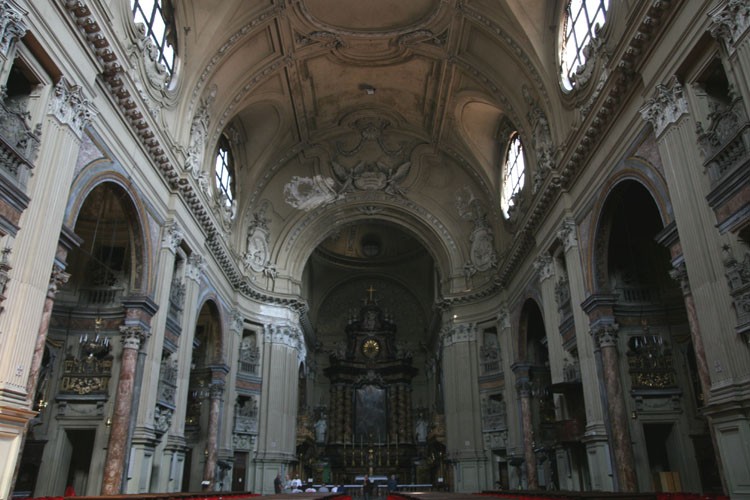
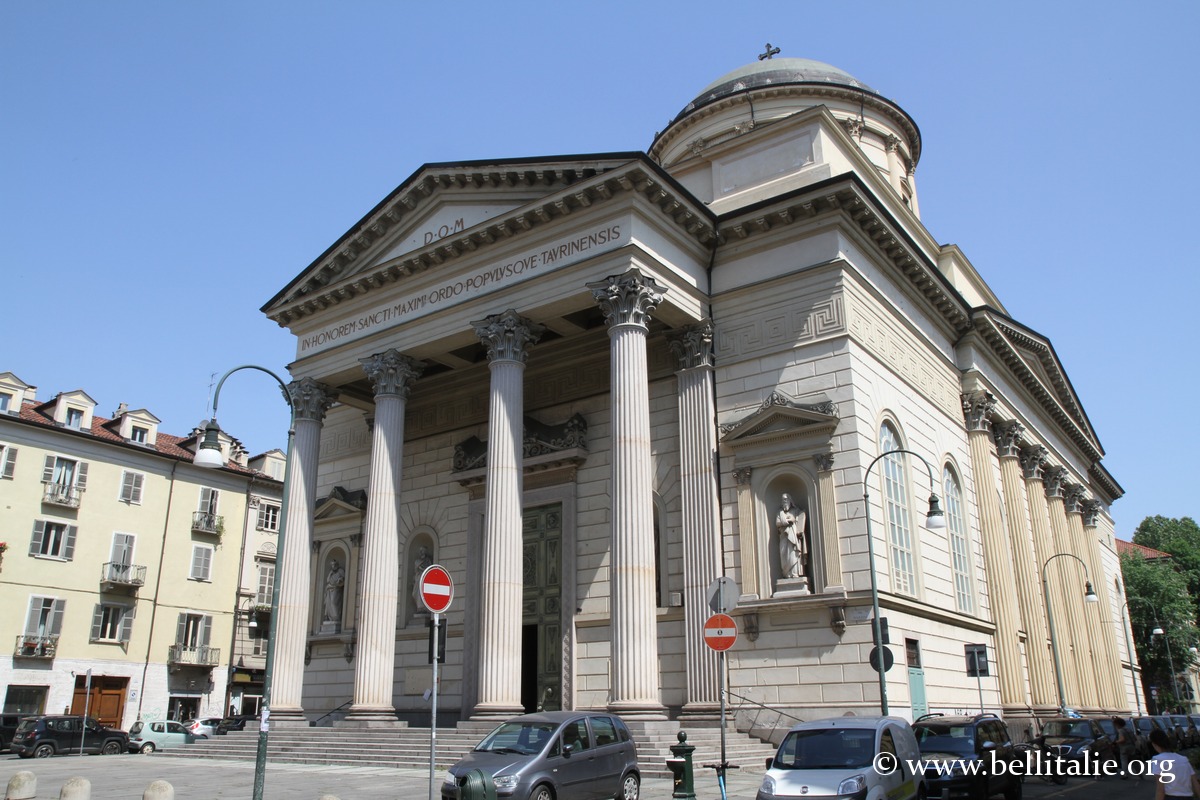
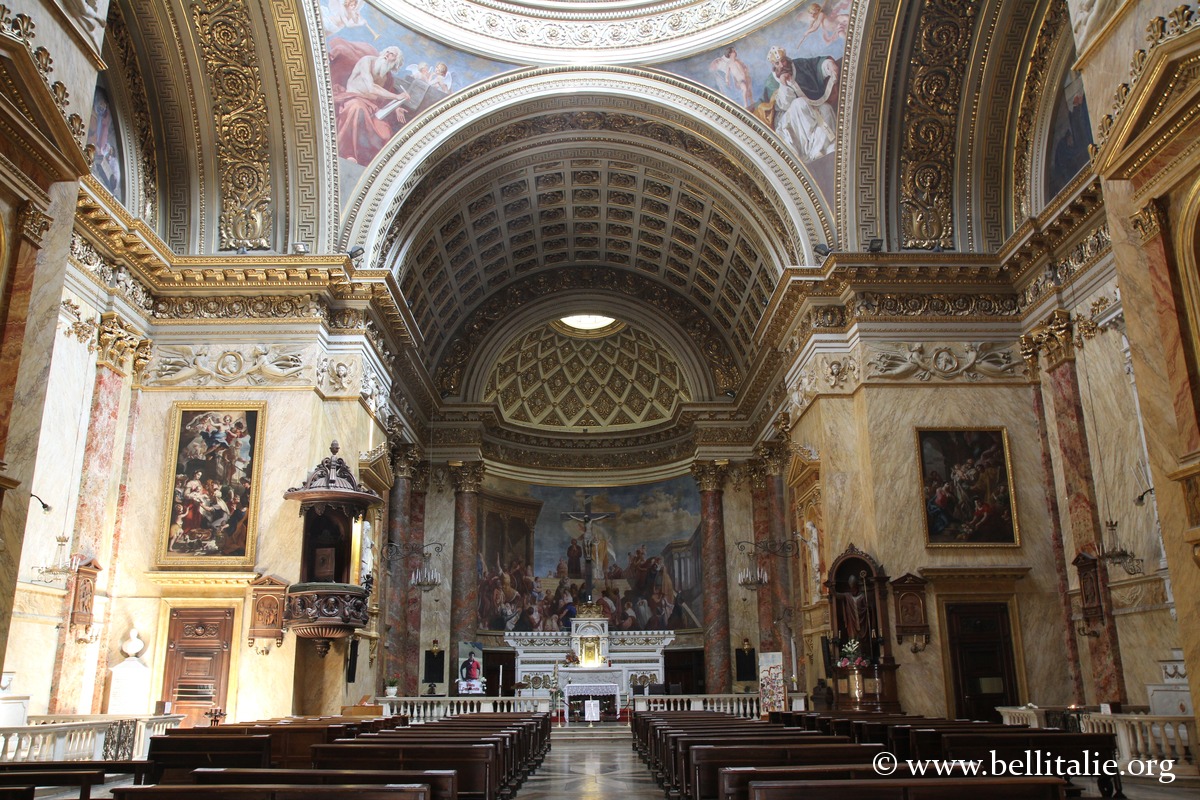
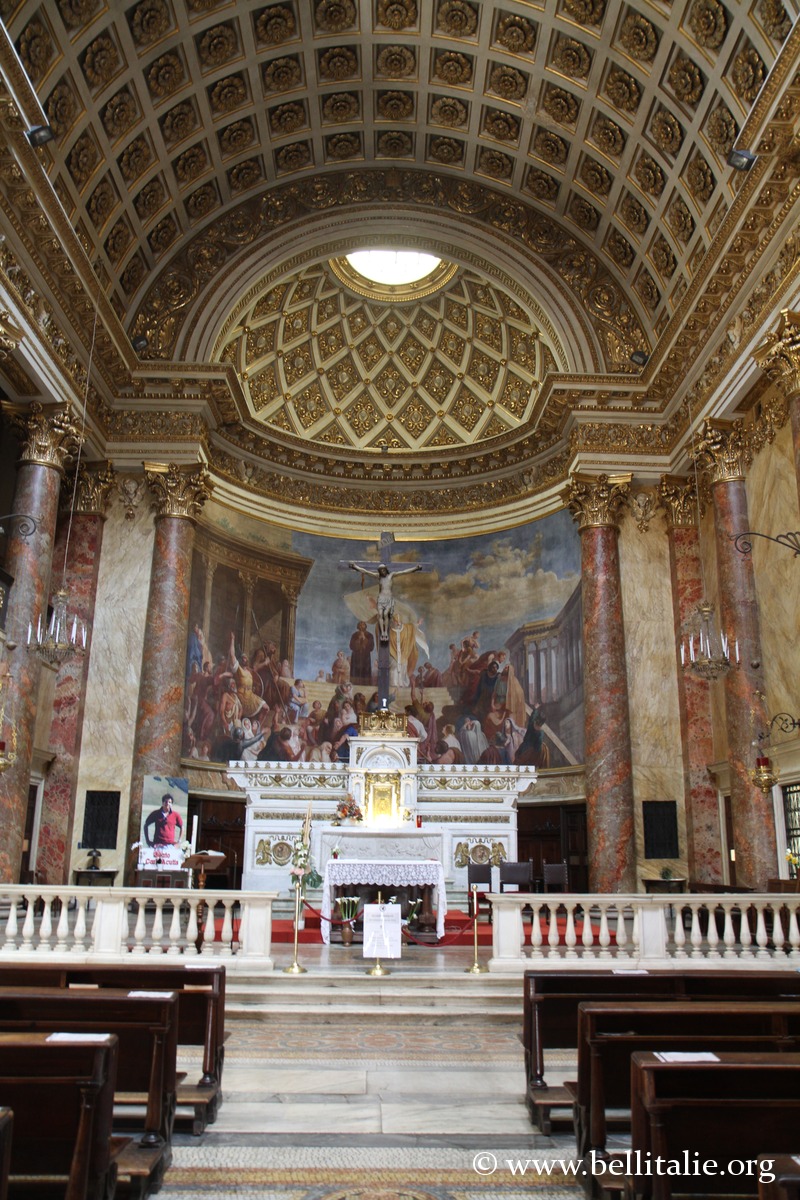
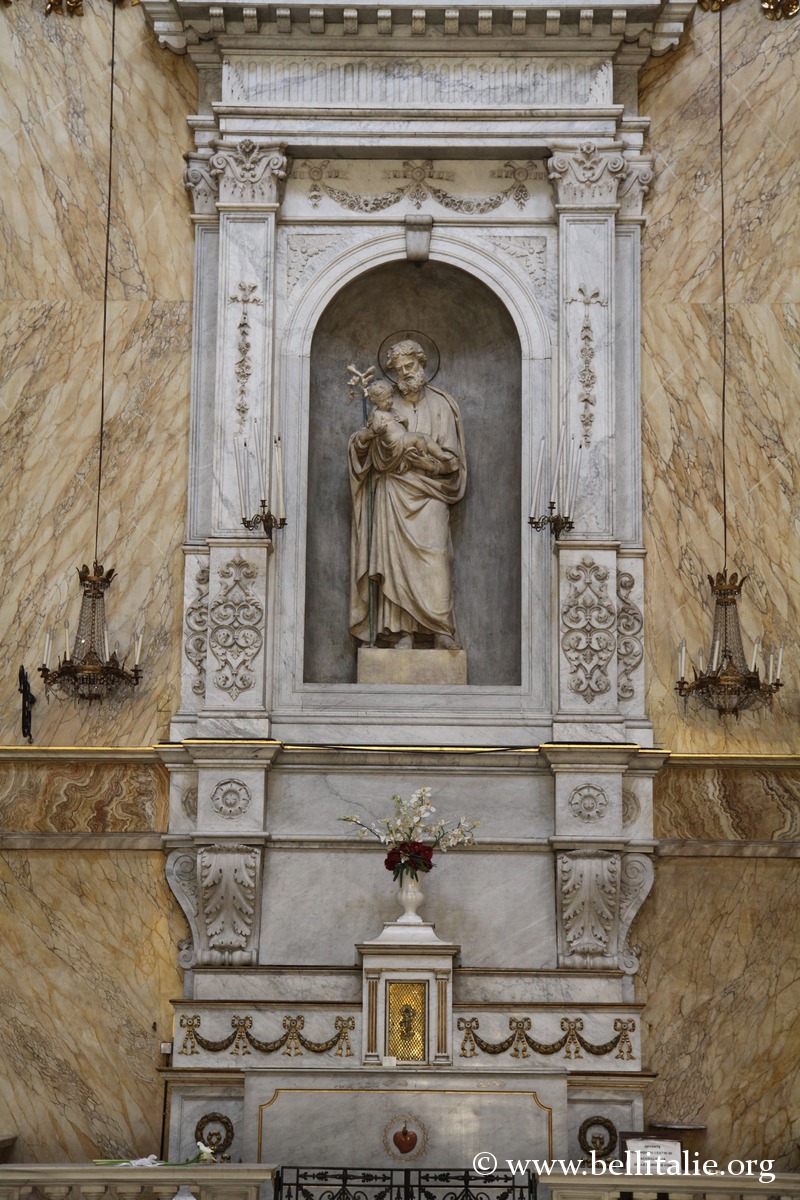
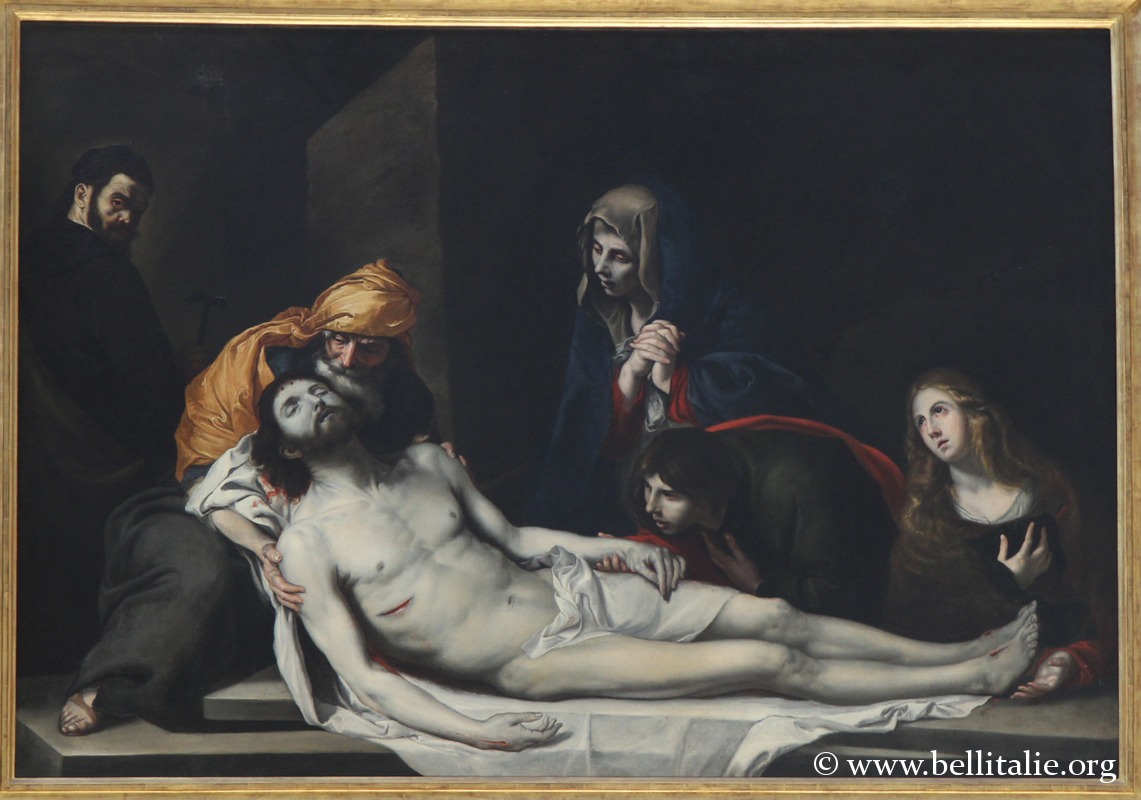
This neoclassical temple was built in the years 1844-53 by Carlo Sada, dedicated to Maximus of Turin (390-423?), first bishop of Turin. Inside is the baptistery made by Cesare Reduzzi, where the altarpiece representing the Nativity of the Virgin is by Legnanino from 1707. In the apse the fresco by Francesco Gonin from 1853 represents Saint Maximus preaching in the cathedral of Turin.
-
- Façade de San Massimo
-
- Abside avec fresque de Francesco Gonin
-
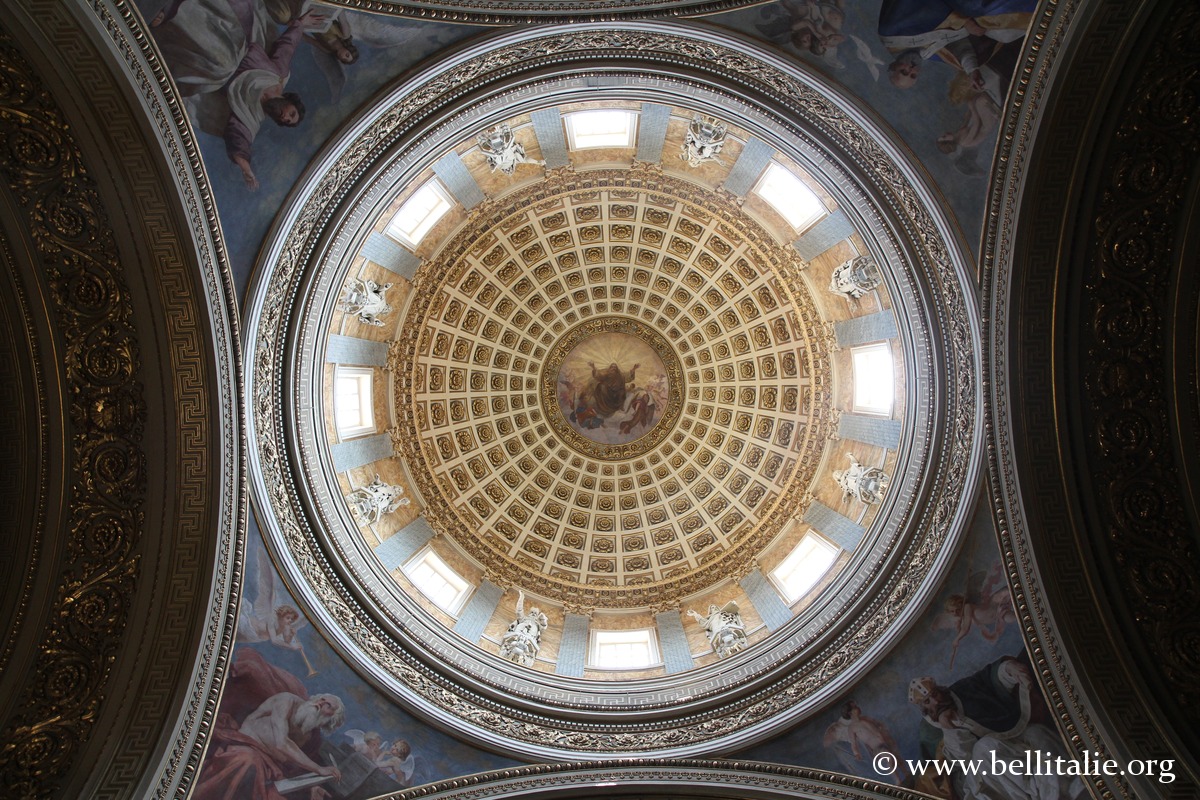
- Coupole et lunettes de Gonin
-
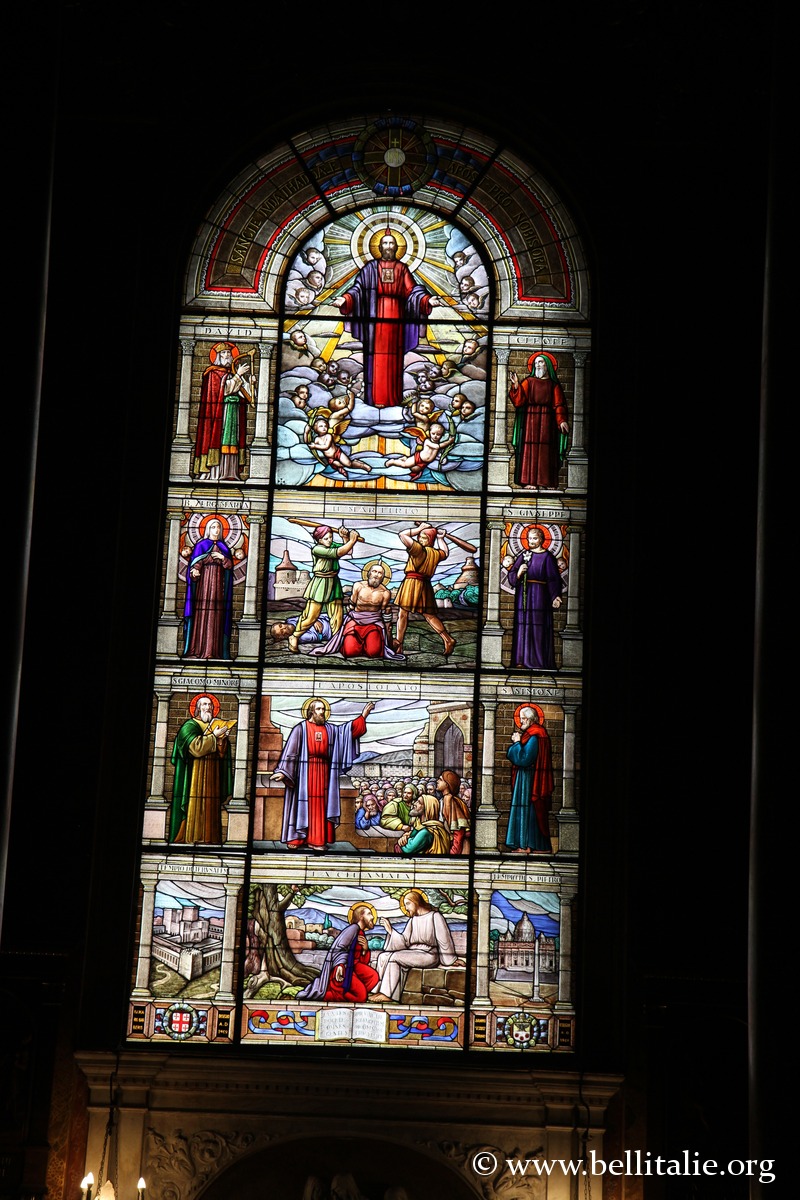
- Vitrail
-
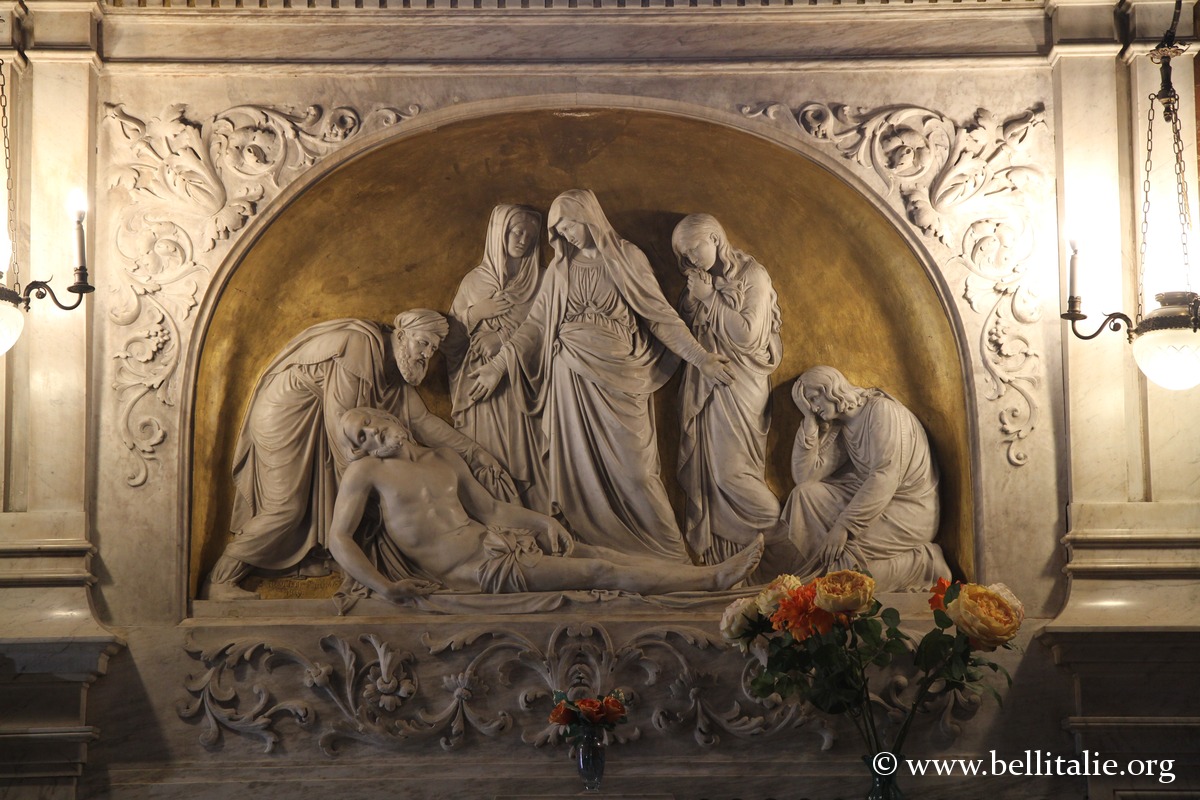
- La Pietà dans la chapelle San Giuda Taddeo
Other squares
Piazza Carlo Alberto and Carignano Palace
The Piazza Carlo Alberto is a historic pedestrian square in the center of Turin, behind the Carignano Palace.
Its name is derived from the King of Sardinia Charles Albert of Savoy, whose family owned a palace on the square. It was once occupied by the gardens of the baroque Carignano palace, until the middle of the 19th century.
On the south side of the square is the 18th-century Palazzo Campana, a university seat of the mathematics department which was once the provincial seat of the Fascist Party. Nietzsche lived between 1888 and 1889 in a building at a corner of the square.
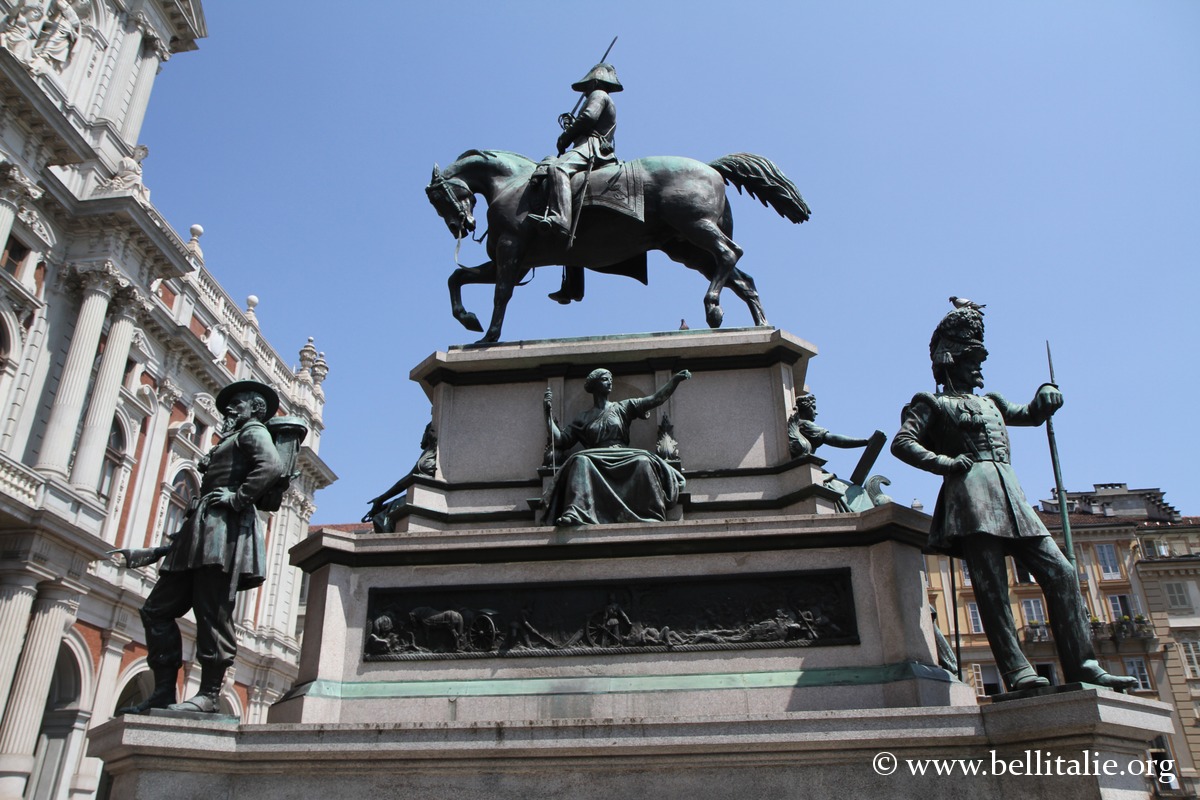
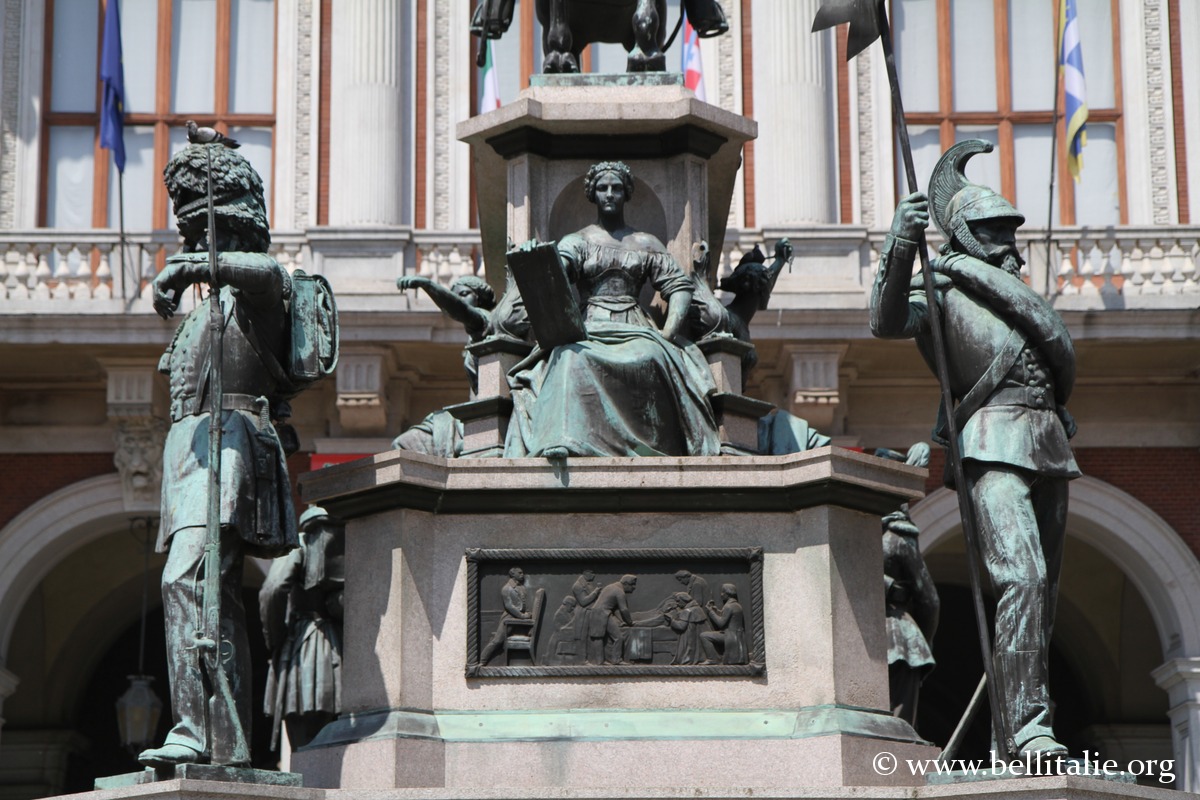
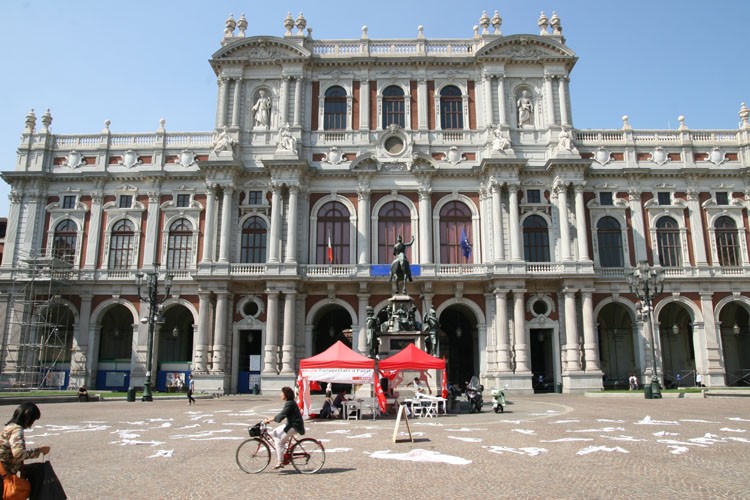
The monument to Charles Albert (Carlo Alberto) is an equestrian statue located facing the rear facade of the Carignano Palace, installed in 1861 by Carlo Marochetti. At the base are four allegorical female figures of the Nation (martyr, liberty, civil equality and status) and four soldiers who represent the corps of the royal Sardinian army (artillery, cavalry, grenadiers and bersaglieri). The four bas-reliefs represent the battle of Goito, the battle of Santa Lucia, the abdication and the death at Porto of Charles Albert.
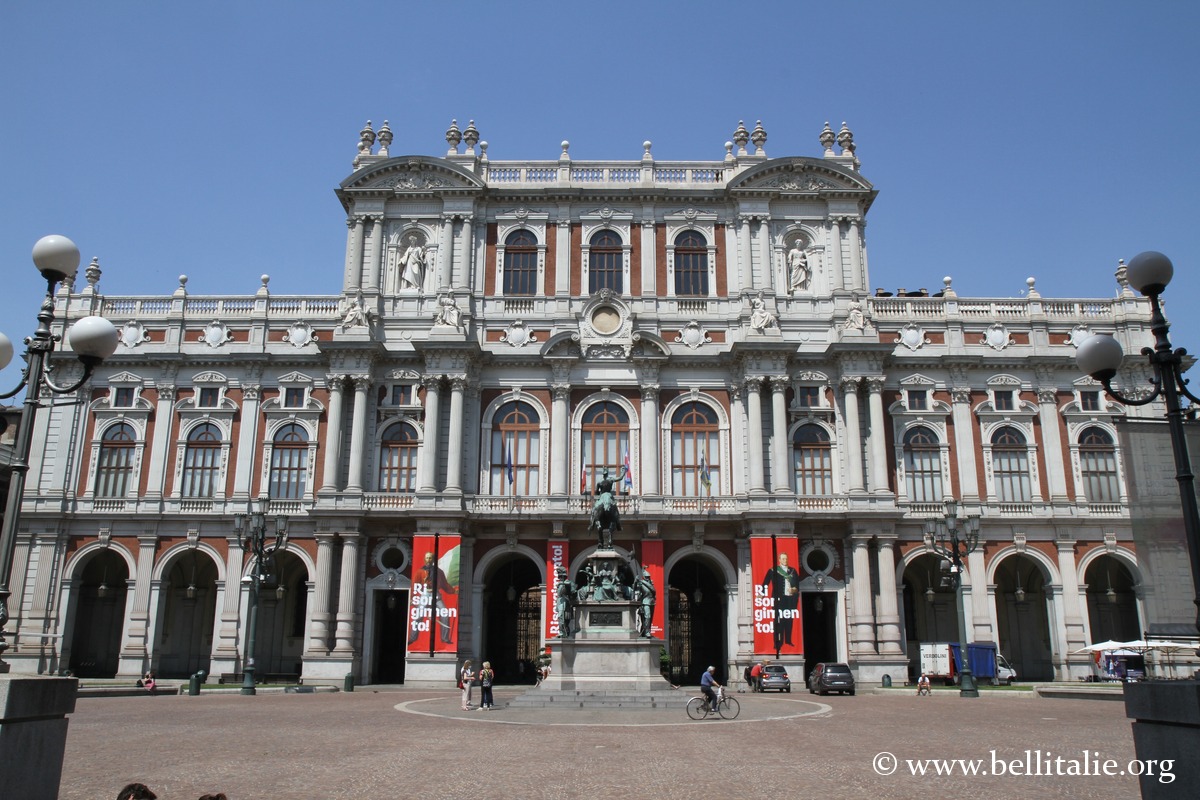
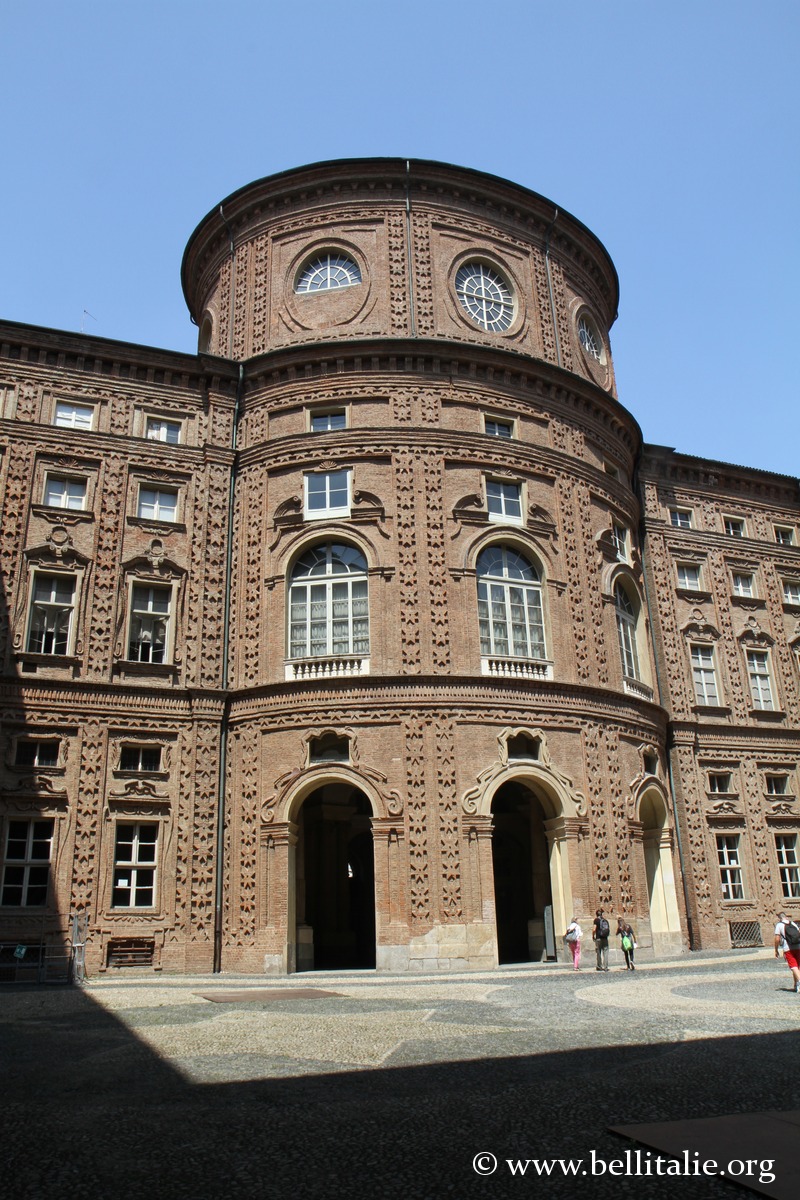
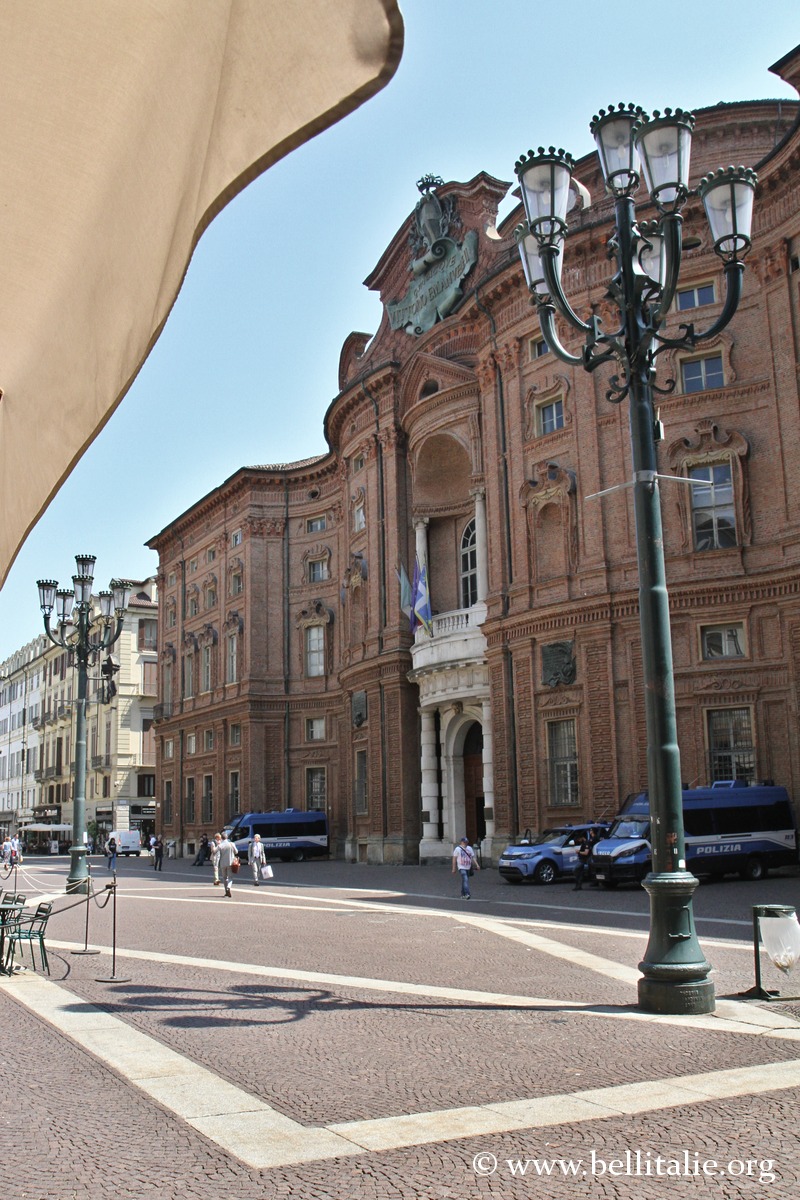
The Carignan Palace (Palazzo Carignano in Italian) is a baroque building designed by Camillo-Guarino Guarini, one of the most beautiful palaces in the city, built around 1679 for the princes of Carignano affiliated with the House of Savoy. Its main facade is curvilinear and topped by a rotunda. There was born in 1820 Victor Emmanuel II, who later became the first king of Italy. It now houses the Risorgimento museum (see the section on other museums).
-
- Palais Carignan, façade arrière
-
- Monument à Charles-Albert
-
- Monument à Charles-Albert
-
- Palais Carignan, façade arrière
-
- Cour du Palais Carignan
-
- Façade du Palais Carignan
Piazza Palazzo di Città and Palazzo Civico
The Piazza del Palazzo di Città is a small pedestrian square in Turin where stands the Palazzo Civico, the City Hall.
With its rectangular shape, it would correspond to the ancient Roman forum of Julia Augusta Taurinorum, at the crossing of the great thoroughfares of the decumanus maximus (today’s via Garibaldi) and the cardo maximus (today’s via Porta Palatina). In the Middle Ages it was called Piazza delle Erbe (dedicated to the vegetable and herb market), and the adjacent square was called Piazza del Grano (dedicated to the wheat market) which is today’s Piazza Corpus Domini.
The baroque Palazzo Civico was built during the 17th century by Francesco Lanfranchi. Its entrance is guarded by the two imposing statues of Eugene of Savoy and Ferdinand of Savoy, Duke of Genoa. The elegant portico dates from 1756.
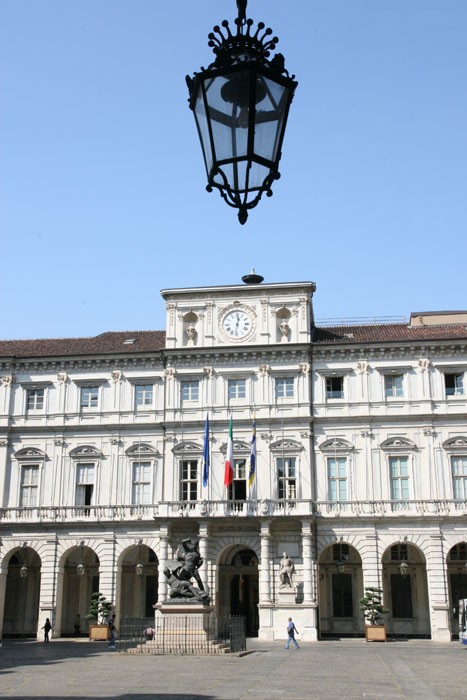
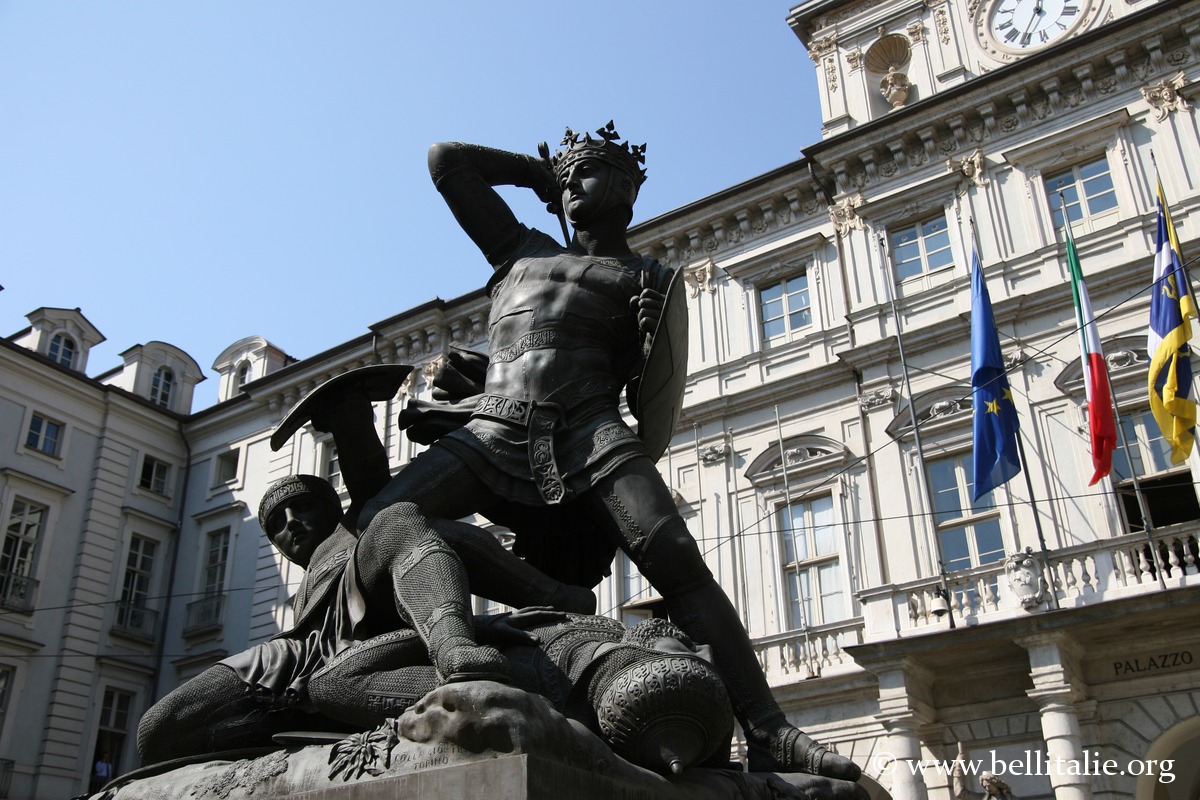
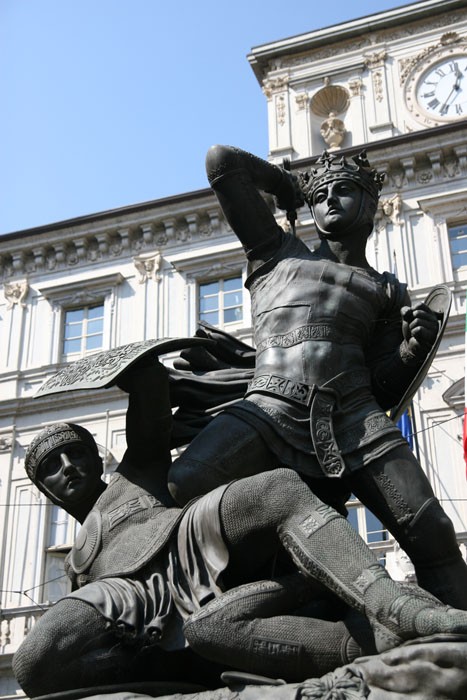
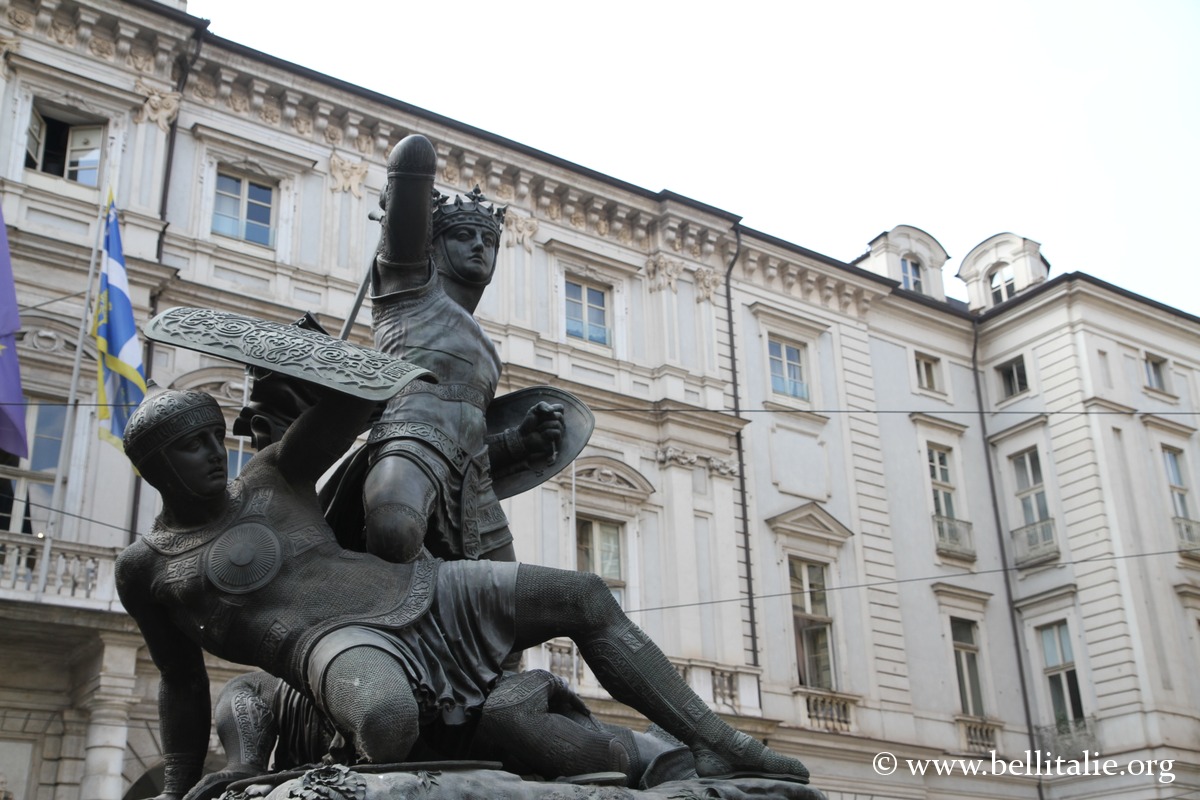
In 1853, was installed the bronze monument dedicated to the Green Count (le comte vert in French) work of the architect Pelagio Palagi and gift of Charles Albert of Savoy to the Municipality after the marriage of his son with the Princess of Lorraine. It represents Amadeus VI of Savoy known as the Green Count who subdues a Moorish soldier, in memory of the wars of the Orient (1358-1372) against the Bulgarians and the Turks, and then claiming the throne of the Byzantine empire.
-
- Palazzo di Città
-
- Statue du Comte Vert
Piazza Vittorio Veneto
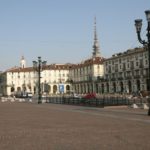
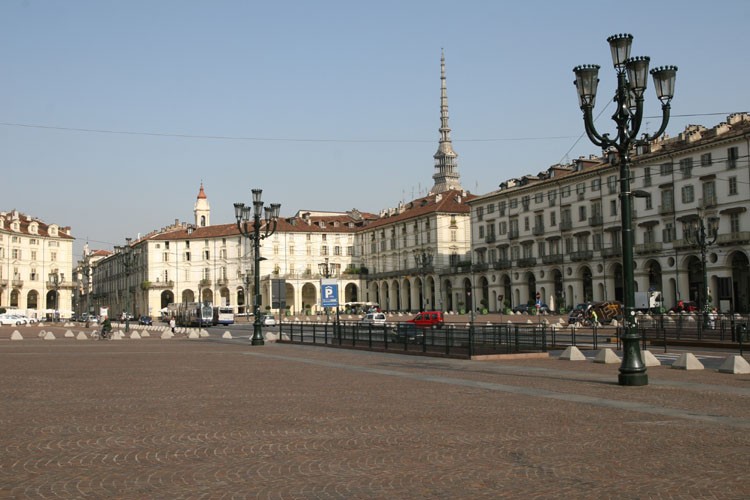
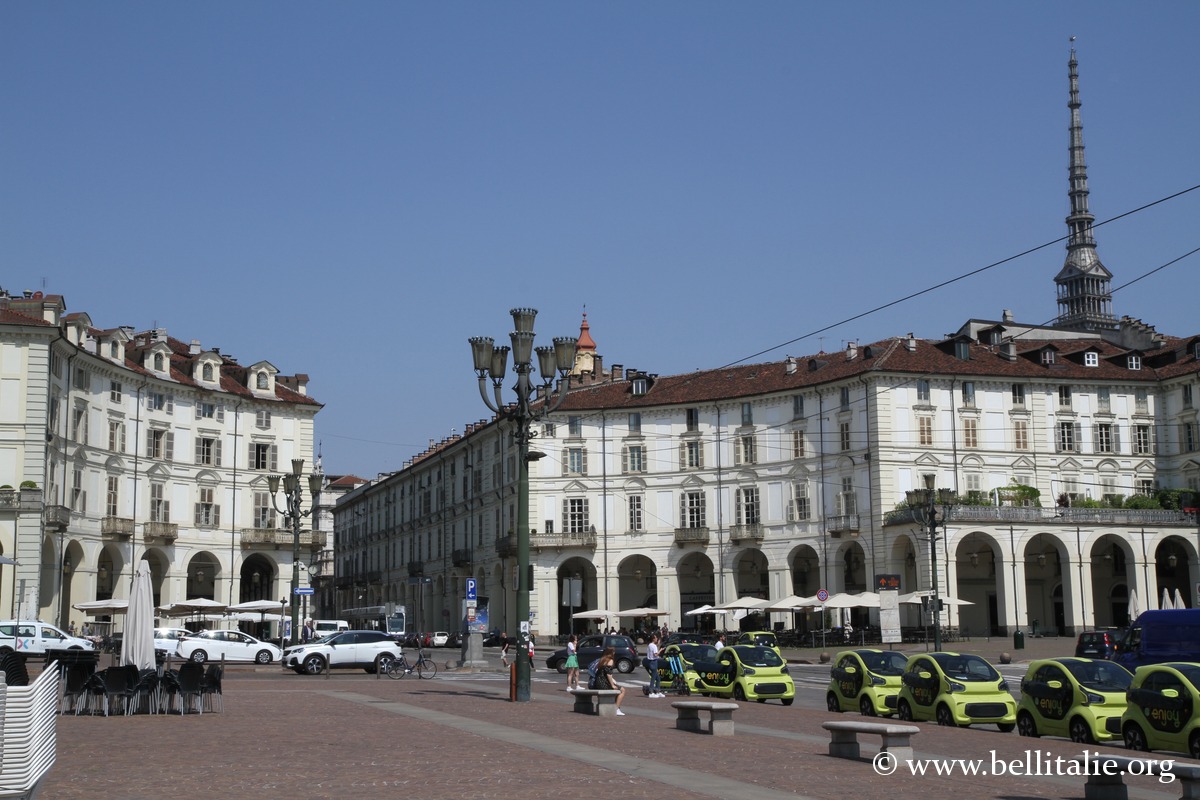
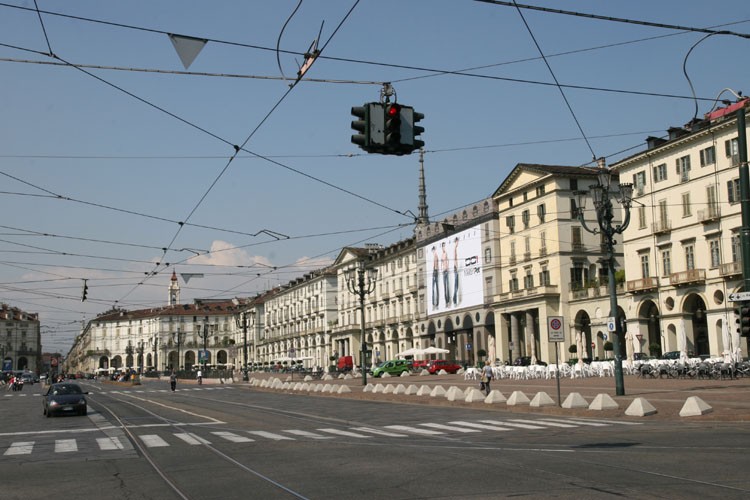
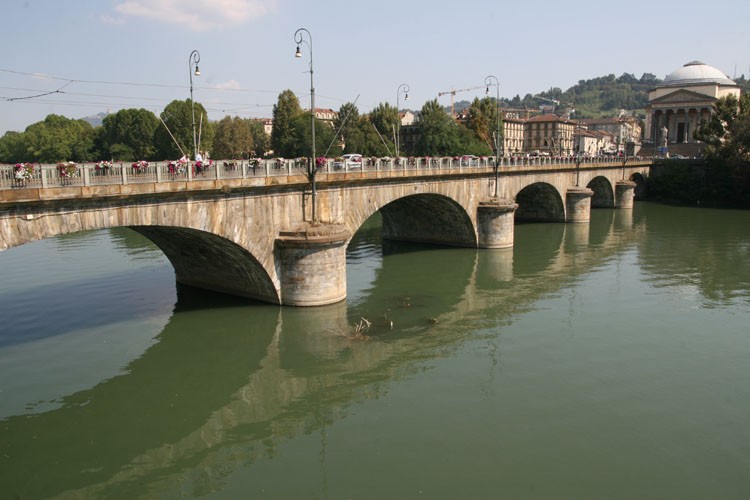
The Piazza Vittorio Veneto is the largest square in Turin with its 360 meters in length, laid out between 1817 and 1825 during the extension of the city to the river, and beyond with the construction of the Vittorio Emanuele I bridge. Previously a parade ground, under Napoleon the city walls were demolished and a stone bridge led here spanning the Po in 1810.
Its name commemorates the battle of Vittorio Veneto of October-November 1918, when the Italian troops prevailed over their Austro-Hungarian adversaries.
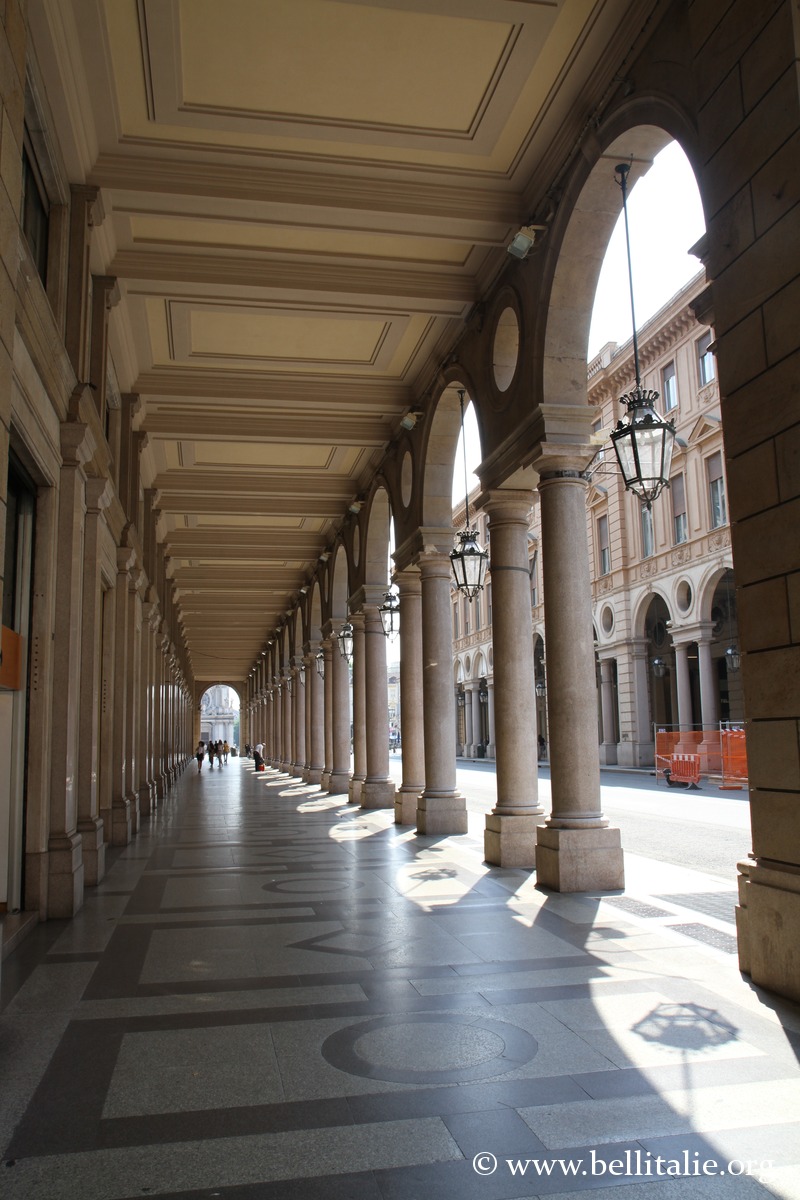
The buildings with arcades on the two large sides of the square were designed by the architect Giuseppe Frizzi.
-
- Piazza Vittorio Veneto
-
- Piazza Vittorio Veneto
Other places of Turin
-
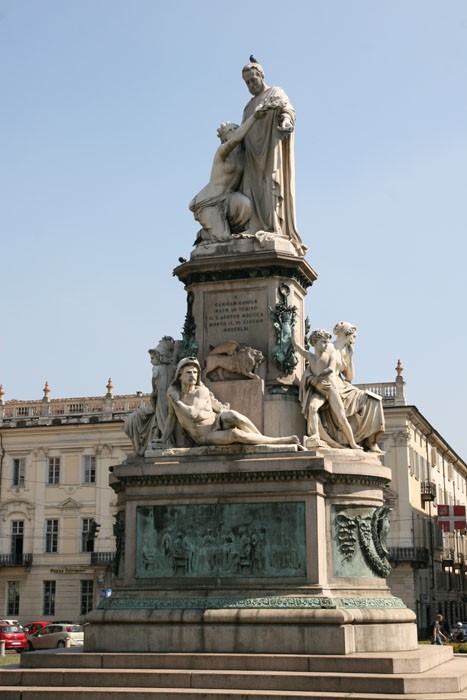
- Monumento a Camillo Benso, Piazza Carlo Emanuele II
-
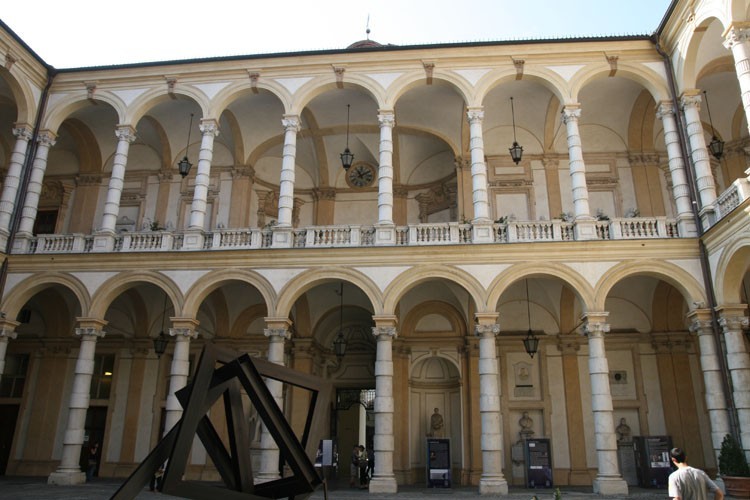
- Université, Via Po
-
- Basilique du Corpus Domini
-
- Pont Vittorio Emanuele I
-
- Via Garibaldi
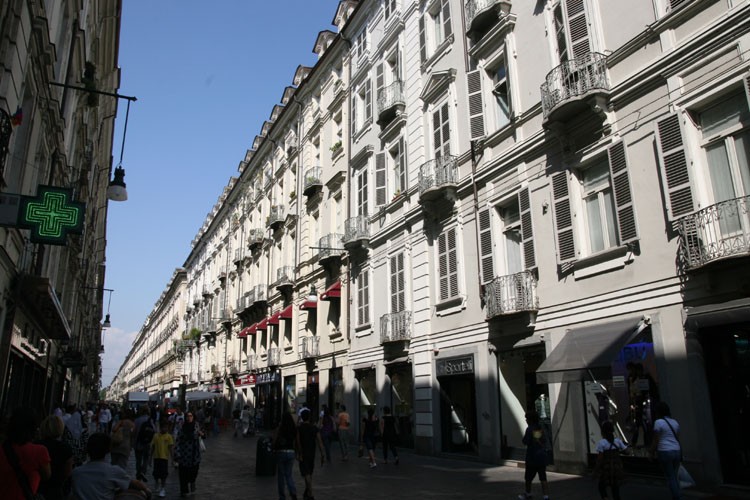
-
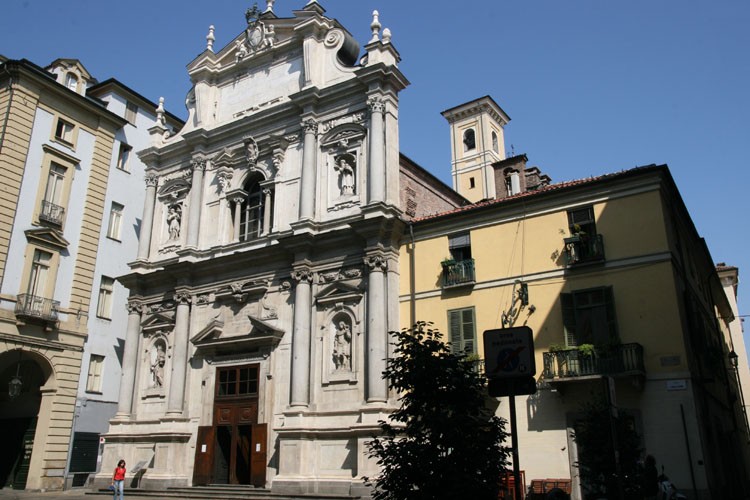
- Chiesa della Santissima Annunziata
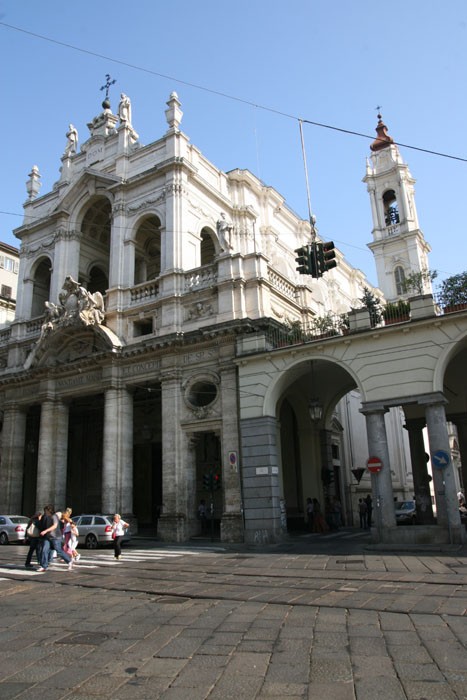
-
- Centre de Turin
-
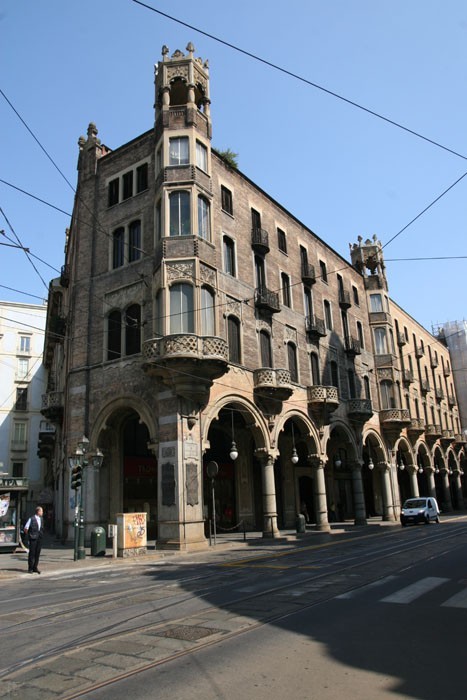
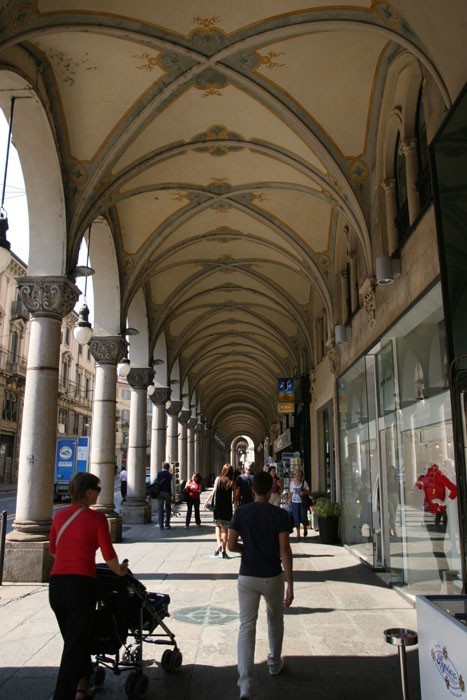
- Arcades
-
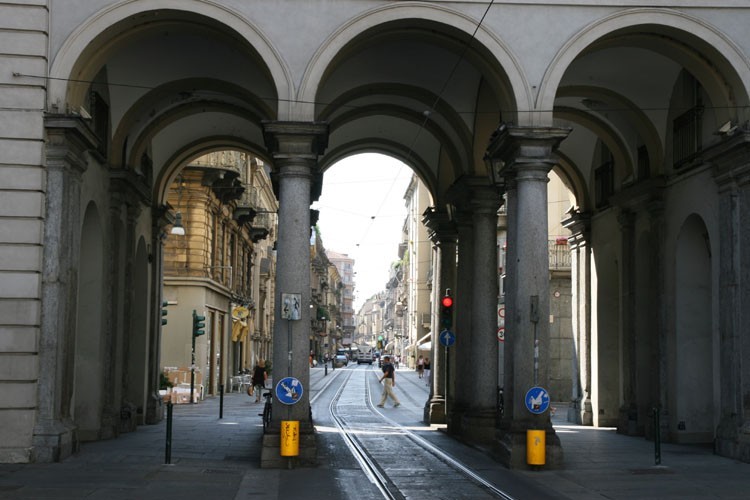
- Arcades
-
- Arcades
-
- Centre
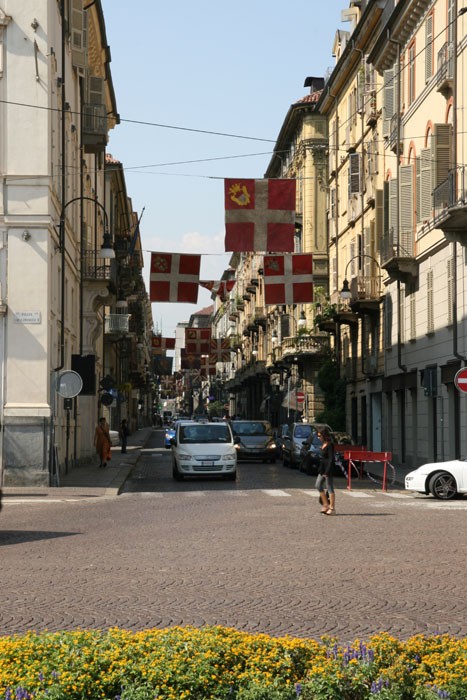
-
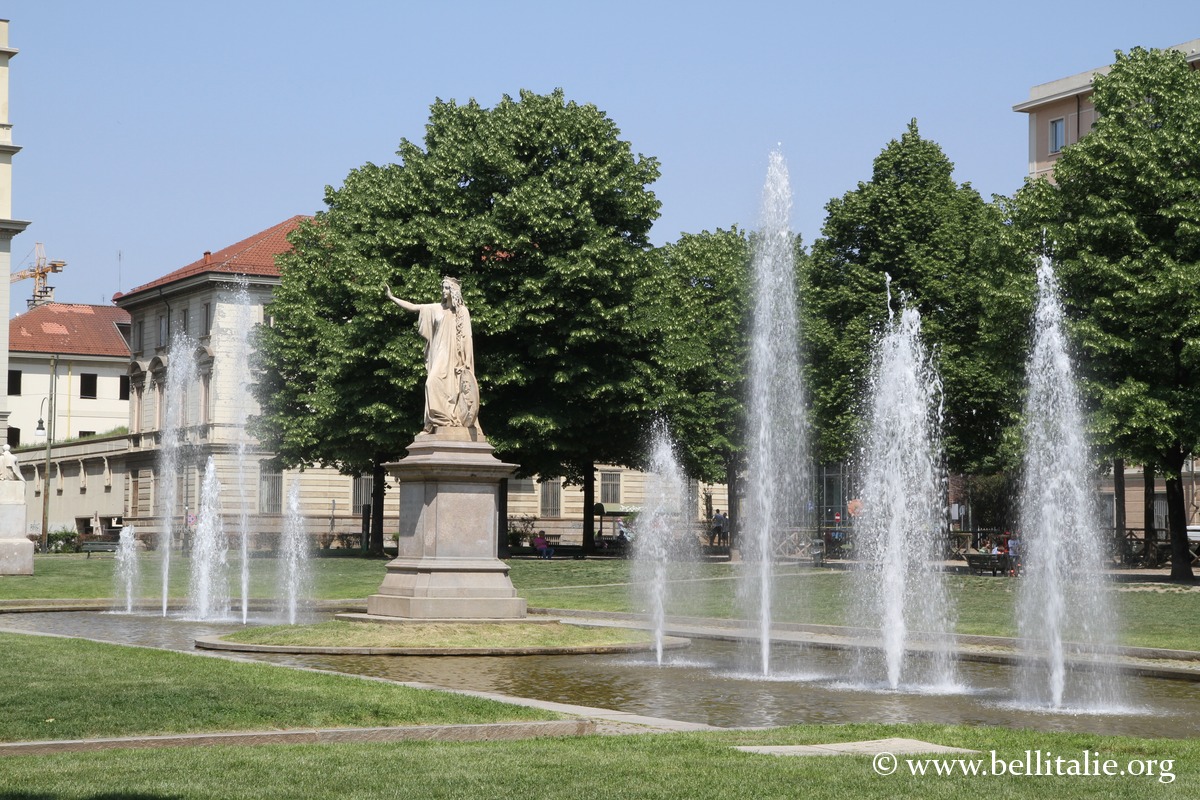
- Jardin Aiuola Balbo
-
- Via della Rocca
Information
- Wikipedia article: en.wikipedia.org
- Tourist portals: turismotorino.orgInformation
- What to see in Piedmont
- Turin
- Saint Michael’s Abbey, La Clusa
- Lake Maggiore
- Susa Valley and Chisone Valley
- Susa
- Lake Orta
- Cuneo and Surroundings
- The Langhe
- Montferrat
- Roero and surroundings
- Asti
- Alba
- Domodossola and Val d’Ossola
- Valsesia
- Sanctuary of Mount Oropa
- Saluzzo and surroundings
- Usseaux and Fenestrelle Fort
- Casale Monferrato
- Vercelli
- Ivrea, Canavese and Biellese
- Novara
- What to see and do in Turin
- Turin in 1 day, 2 days and more
- Piazza Castello in Turin
- Royal Palaces and Museums of Turin
- Egyptian Museum of Turin
- Mole Antonelliana
- Turin Cathedral of Saint John the Baptist
- Piazza San Carlo in Turin
- Palazzo Madama, Turin
- Palatine Gate of Turin
- Royal Palace of Venaria
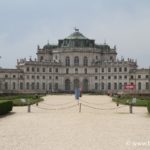
- Stupinigi Hunting Lodge
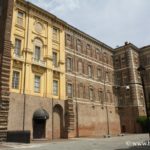
- Rivoli Castle
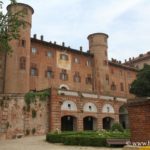
- Moncalieri Royal Castle
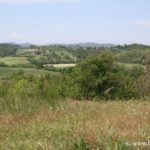
- Turin Hills


Comments