


Lerici 
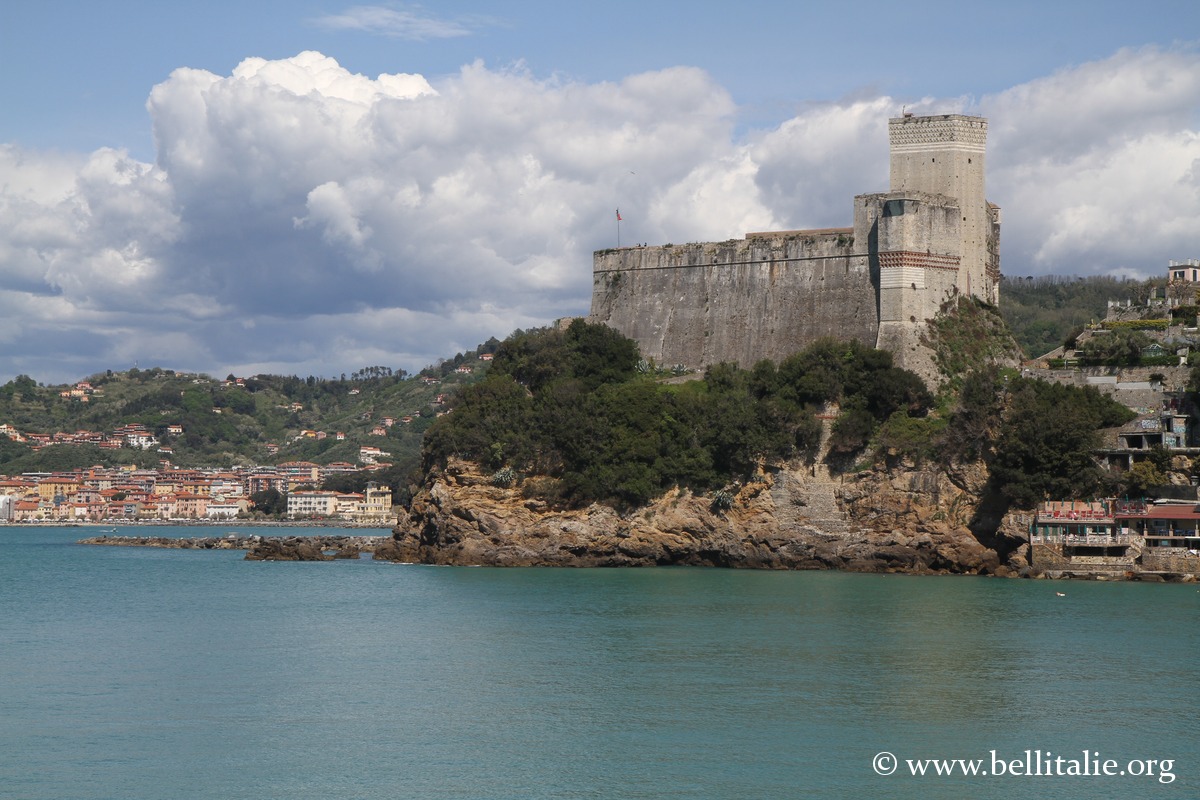
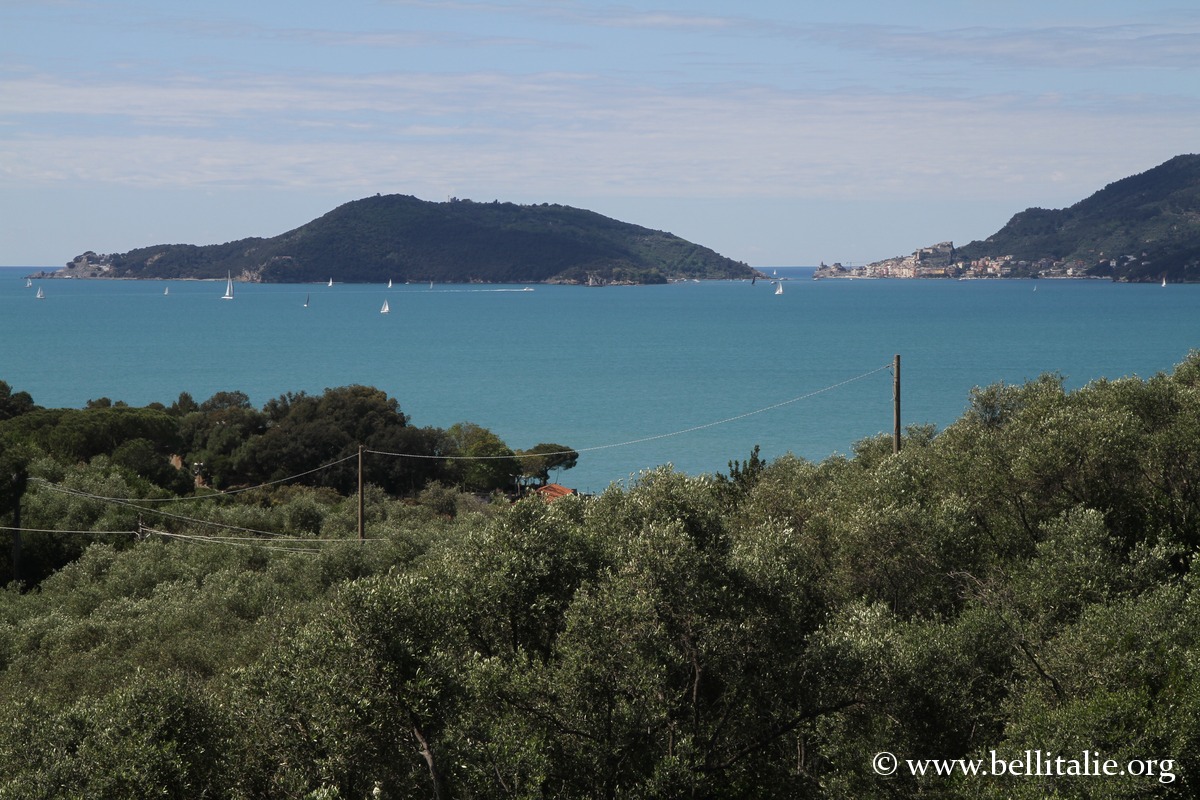
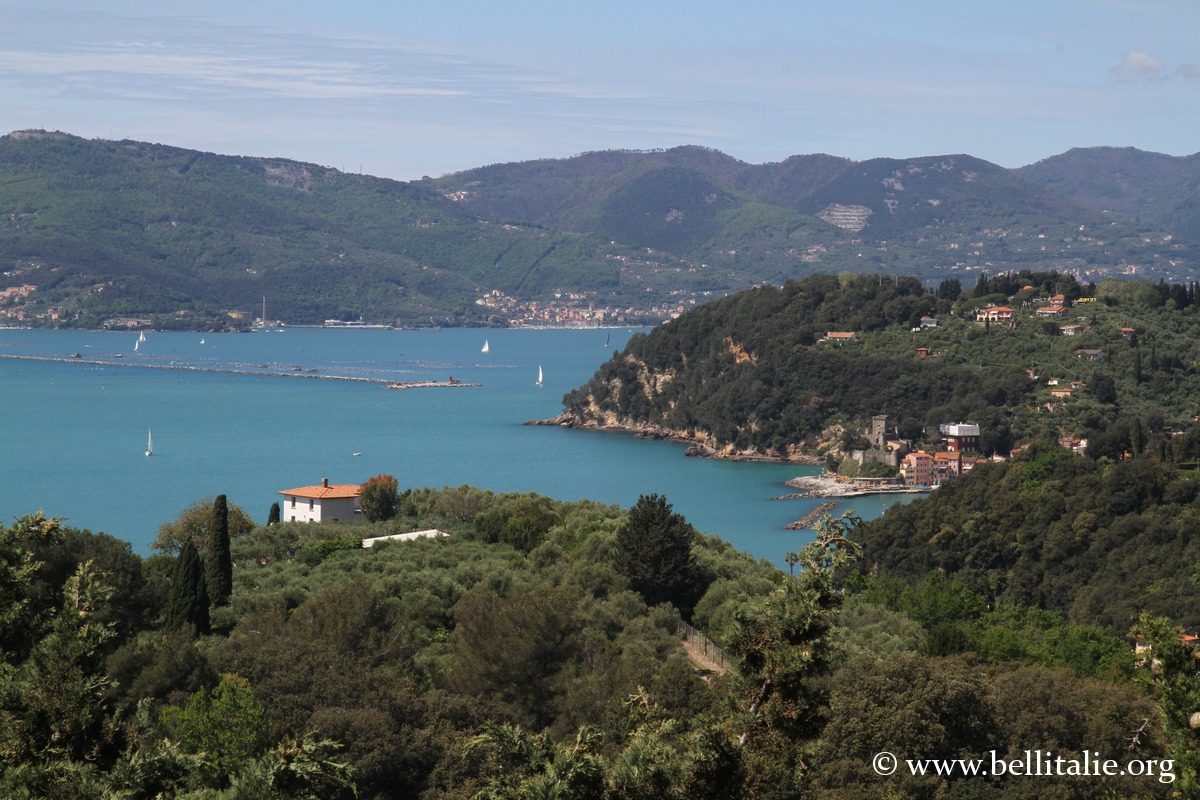
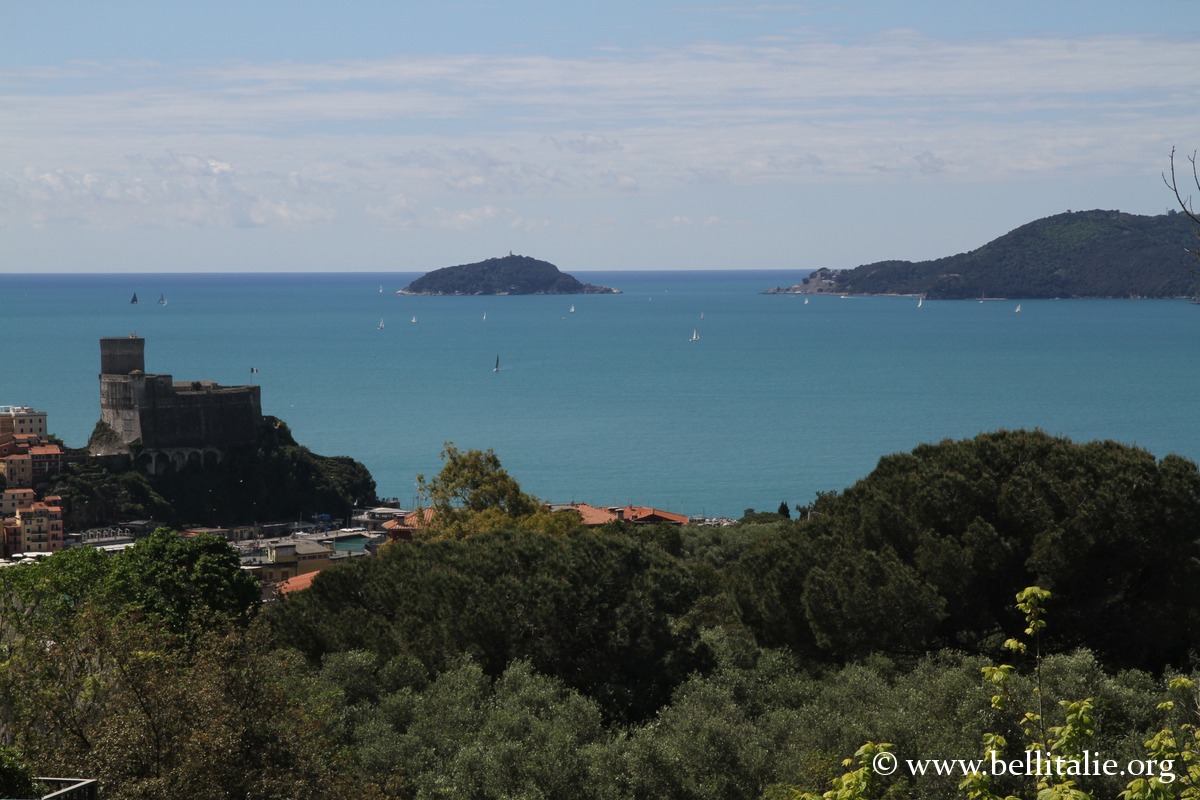
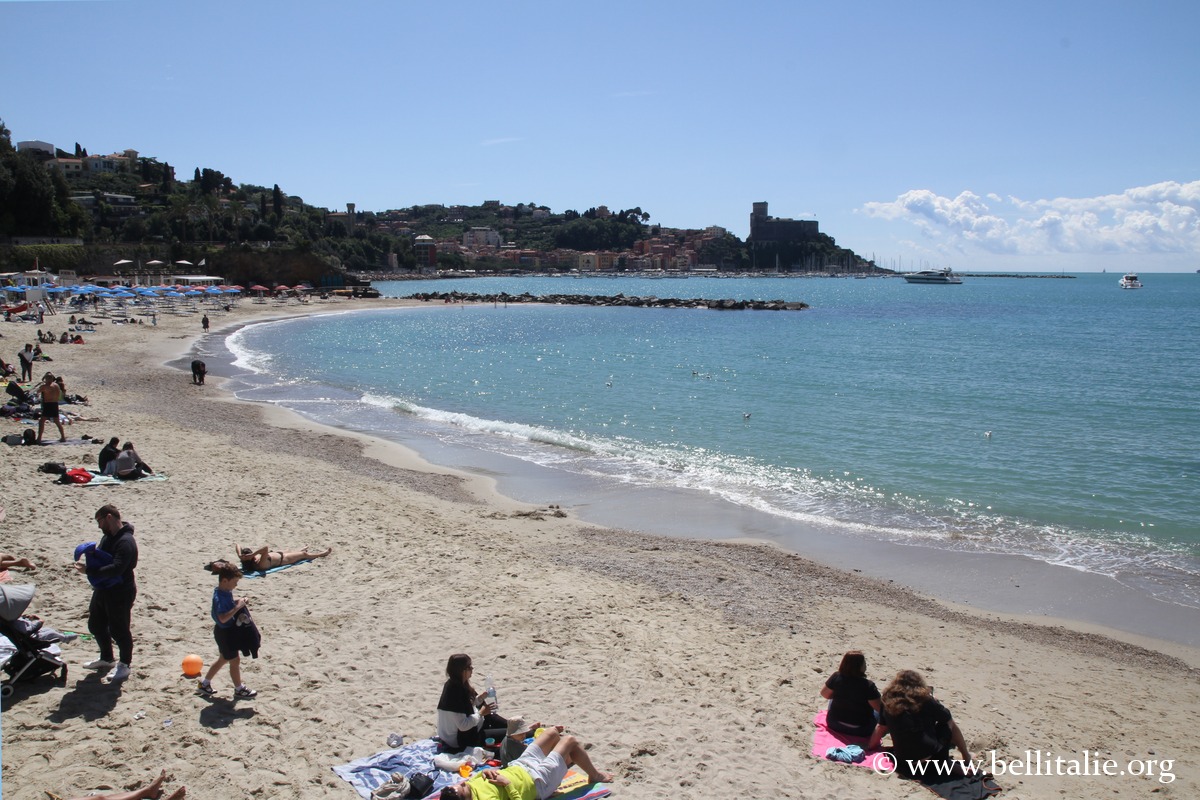
Small town on the Gulf of Poets, Lerici is a charming and popular seaside resort on the Riviera di Levante. It is appreciated for its sandy beaches and the beauty of the gulf, whose entrance is guarded by the mighty medieval castle, dominating the bay from its height on a rock with its feet in the water. It also has a Palaeontological Museum, villas, and not far away the castle of San Terenzo. Among the poets who passed through here, Lord Byron, Percy and Mary Shelley particularly enjoyed Lerici.
What to see in Lerici
The Castle of Lerici, perched on its emerged rock, is a remarkable medieval structure, built in the 11th century by the Pisans and then reinforced over the centuries, notably by the Republic of Genoa, to become this powerful fortress. From there you discover a unique view over the Gulf of Poets.
This building houses the Palaeontological Museum, with an important collection of fossils.
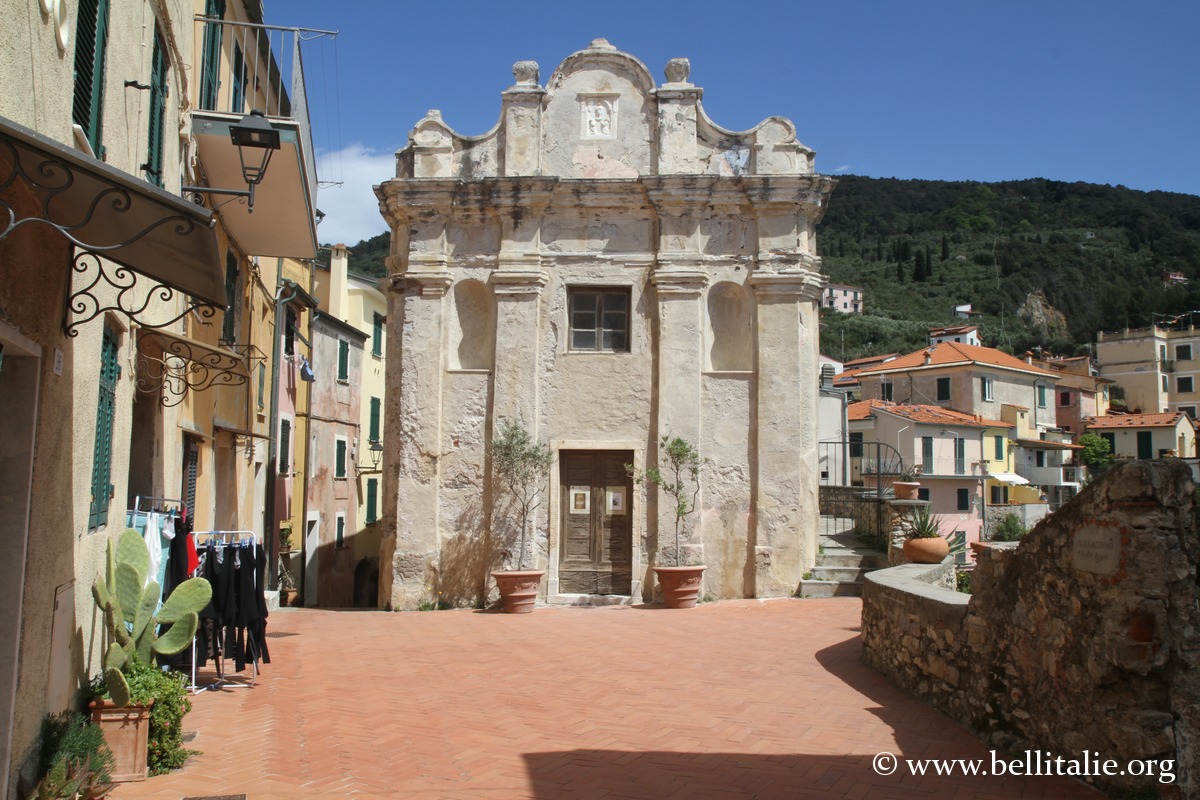
The Piazza Garibaldi is the living heart of Lerici, open to the sea and enclosed by the typical pastel-coloured houses. There you can see the pretty little Oratory of San Rocco, dating from the 13th century, whose bell tower was a Roman tower.
To the north of the bay, the Villa Marigola built in the 18th century has a very beautiful landscaped park, freely accessible, from which there are lovely views of the sea. The place is now a cultural centre. The interior is also rich in decorations with beautiful frescoes.
Surroundings and beaches
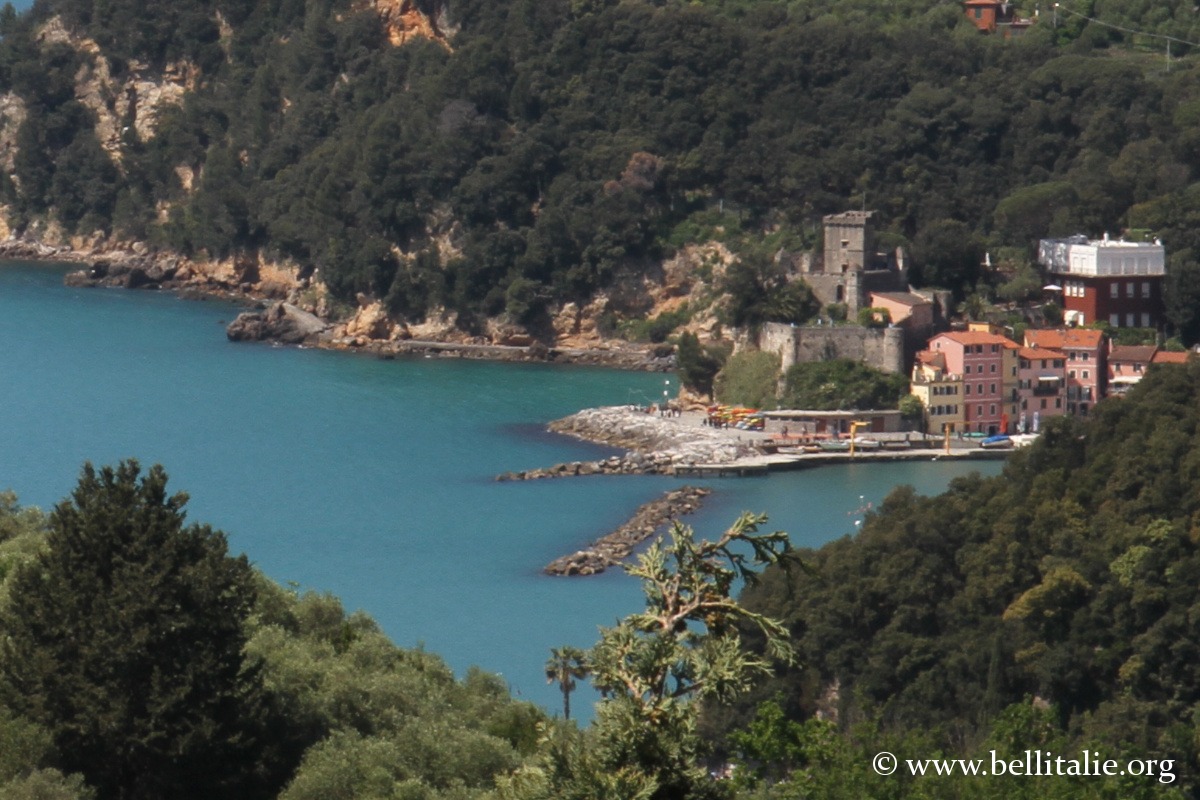
San Terenzo, to the north of the bay, has a pretty beach split by a row of colourful houses with a small harbour, and closed off by the pretty fortress.
Its Villa Magni was the summer residence of the poet Percy Bysshe Shelley and his wife Mary, the author of Frankenstein.
Towards the south of Lerici, Fiascherino is a hamlet with small quiet coves nestled at the foot of green hills.
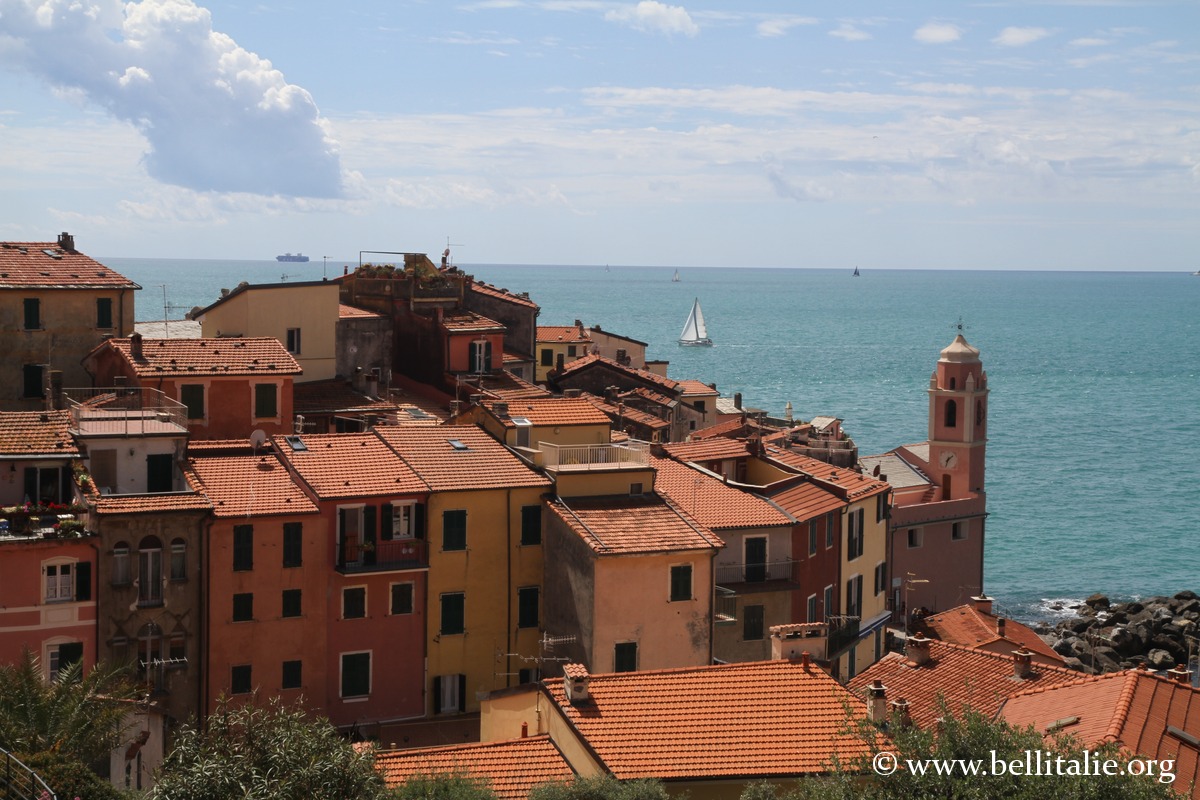
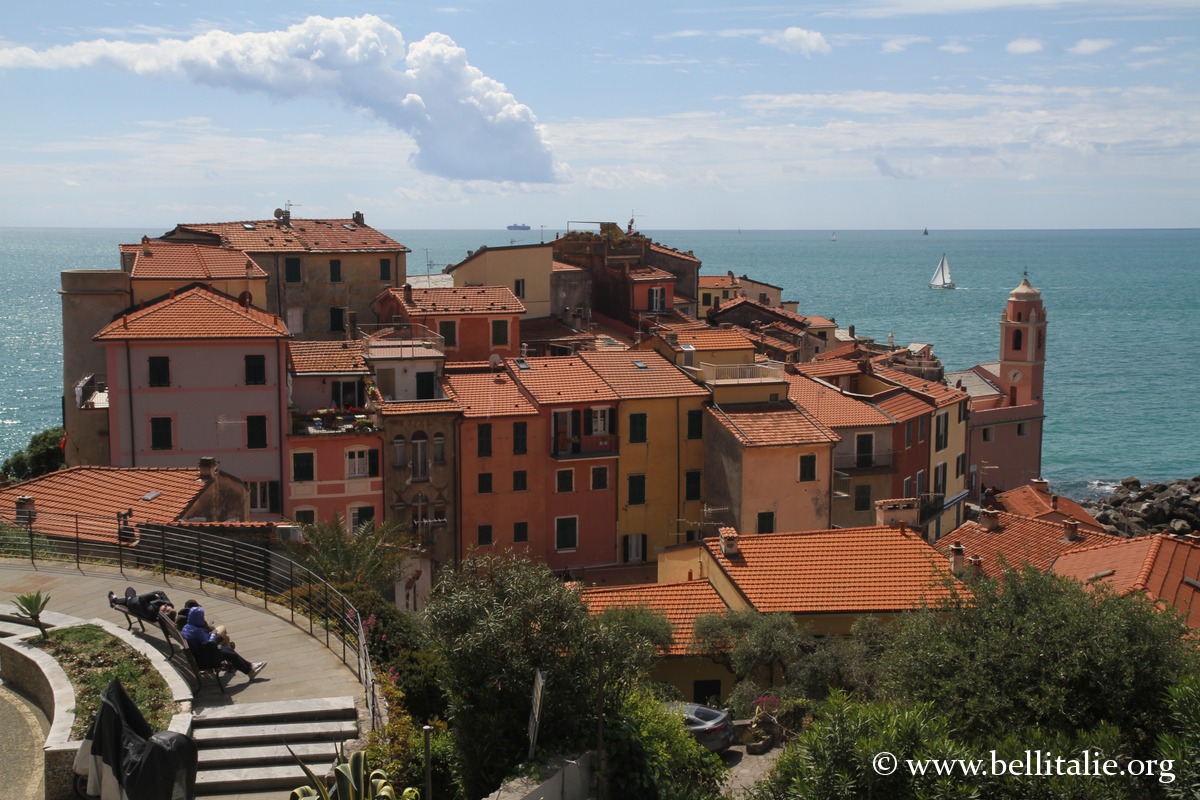
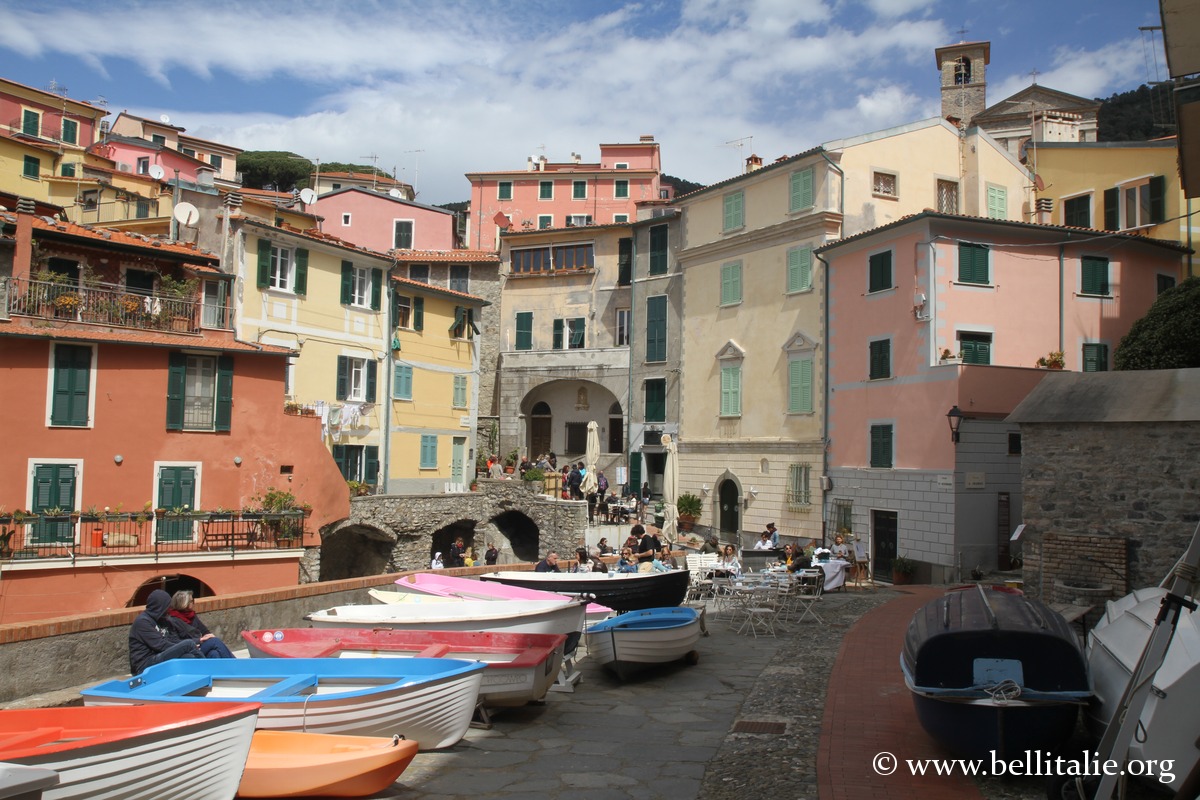
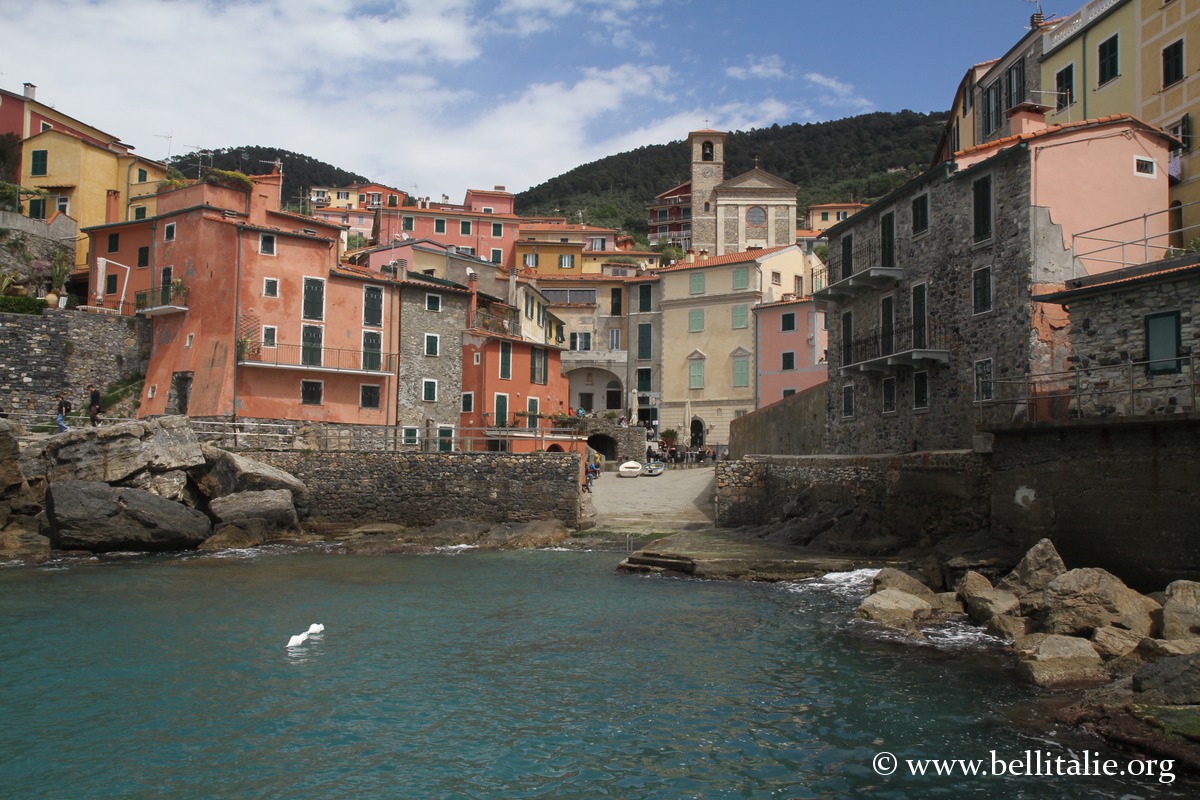
Tellaro is an enchanting old fishing village, very well preserved. A photogenic rocky promontory is lined with colourful houses, dominated by the small church.
To the south in Tuscany there are long sandy beaches, with the seaside resorts of Versilia, such as Forte dei Marmi and Viareggio, or the chic little town of Pietrasanta.
Among the beaches of Lerici and its surroundings: the Lido di Lerici, close to the centre; further north the sandy and well-equipped Venere Azzurra; then the charming sandy beach of San Terenzo to the north; and further on the very beautiful Baia Blu. To the south are those of Fiascherino in two small almost hidden coves reachable by one of the paths.
Walks and excursions in Lerici
With the coast and the surrounding hills overlooking the sea, Lerici offers lovely opportunities for walks, such as the path leading to San Terenzo along the coast. The Montemarcello Ring
in the Montemarcello Regional Nature Park, passes through Punta Corvo, the beautiful wild beach, and offers lovely views over the coast.
Tellaro
Tellaro is an enchanting old fishing village, very well preserved, at the centre of which is a rocky promontory where the heart of the village was built.
Listed among the “most beautiful villages in Italy”, Tellaro generally retains a certain tranquillity, with the pretty church of San Giorgio from the 16th century, painted pink, almost with its feet in the water.
A fish festival is held there every year and at Christmas a unique underwater nativity scene.
Near Tellaro, the Montemarcello-Magra Regional Nature Park is on the border between Liguria and Tuscany, with its opportunities for beautiful hikes through its beautiful nature, offering lovely panoramas over the gulf and the Ligurian Alps.
Not far away is the archaeological site of the Roman town of Luni, founded by the Romans.
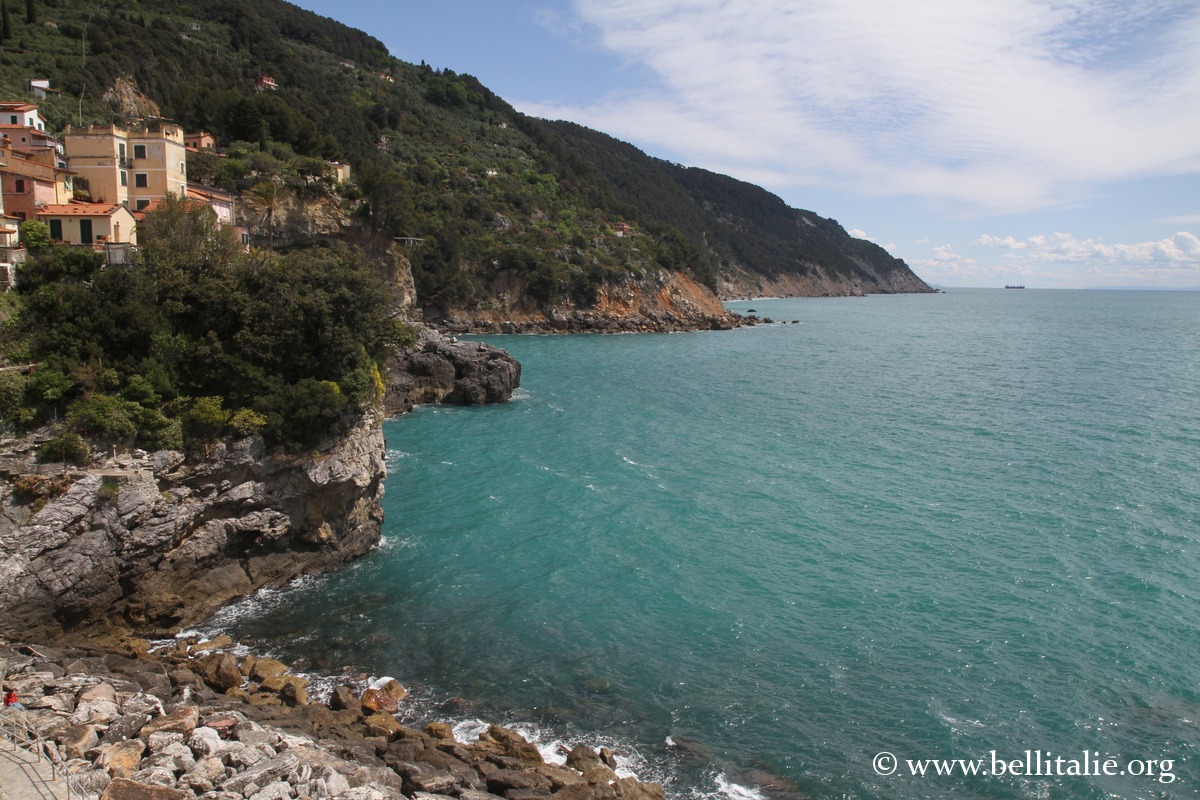
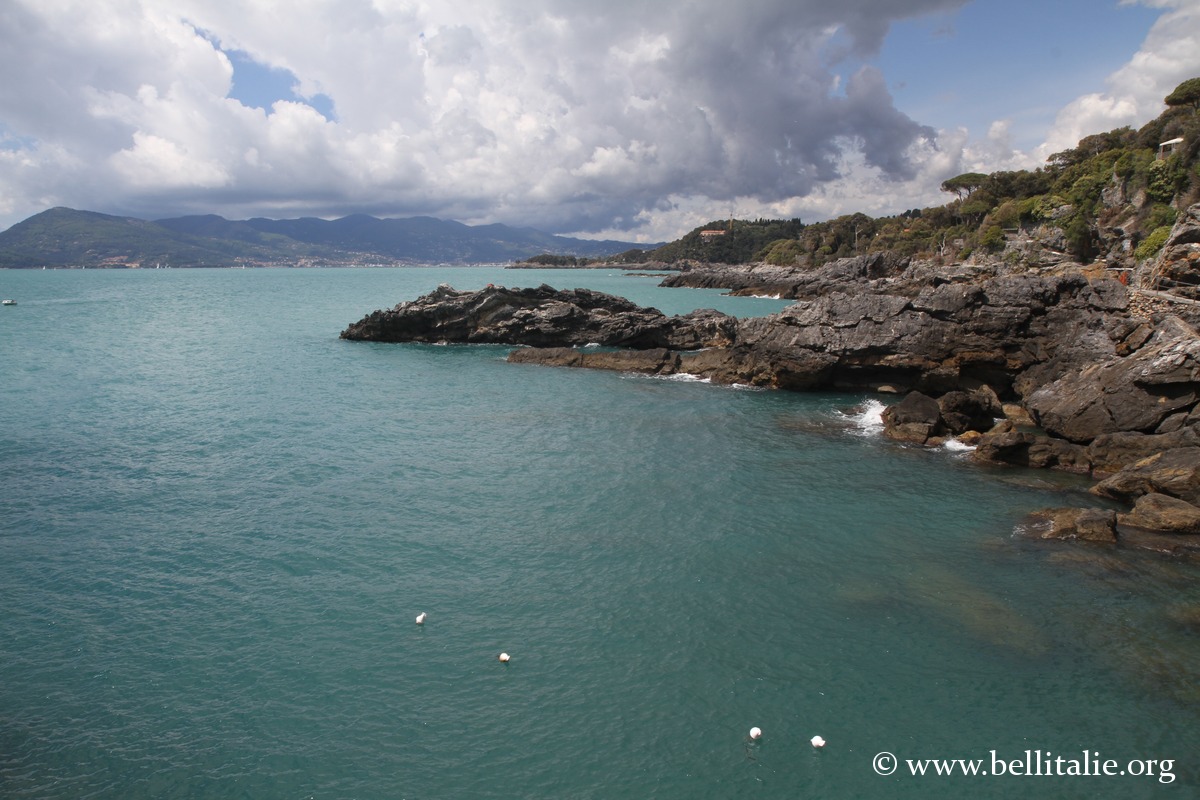
To the north is Fiascherino with the beaches of its two small coves, and to the south are a few pretty rocky coves..
Montemarcello
Montemarcello is a village in a special position, at the top of a promontory on the Ligurian coast, with the appearance of a mountain village overlooking the sea. This mount lies between the mouth of the Magra river and the Versilia coastline, with the Apuan Alps rising in the distance, surrounded by scrubland, among myrtles, olive trees and pines.
The village is made up of narrow streets and stairways between its pastel-coloured houses, its arcades, and an old tower. You can still walk on some paving stones of the ancient Roman road that passed through there, or reach the village by mule tracks, entering through the 15th-century gate.
Around the promontory, from Bocca di Magra the estuary stretches out and was a Roman summer refuge. The monastery of Corvo, founded by the Benedictines in the 12th century, preserves beautiful works of art. Dante Alighieri took refuge here.
Worth mentioning is the church of San Pietro from the 15th-17th century with beautiful triptychs.
To the south are the remains of a fortification, while to the west a path leads to the viewpoint of Punta Corvo at 266 m of altitude.
To the east, the path crosses woods to reach Ameglia, a truly typical village with its maze of narrow streets between its houses clustered around the castle (13th century) with the round tower (11th century), the church of San Vincenzo and its 16th-century marble triptych.
Weather in Lerici
Map
If you see this after your page is loaded completely, leafletJS files are missing.
Information
- Lerici: en.wikipedia.org, lericicoast.it
- Tellaro: en.wikipedia.org, borghipiubelliditalia.it
- Montemarcello: borghipiubelliditalia.it, terredelmagra.com
- What to see in Liguria
- Genoa
- Cinque Terre
- Sestri Levante
- Lerici, Tellaro and Montemarcello
- Portovenere
- Albenga
- Noli
- Rapallo
- Ventimiglia and Bordighera
- Other places of the Riviera di Levante
- Dolceacqua and Apricale
- From Savona to Arenzano
- Imperia and Cervo
- Finale Ligure and Finalborgo
- Gulf of Paradise – From Bogliasco to Camogli
- Sanremo, Bussana and Taggia
- Seborga, Pigna and Rocchetta Nervina
- Levanto
- From Moneglia to Bonassola
- Santa Margherita Ligure
- Triora, Argentina Valley and Ligurian Alps


Comments