


Overview
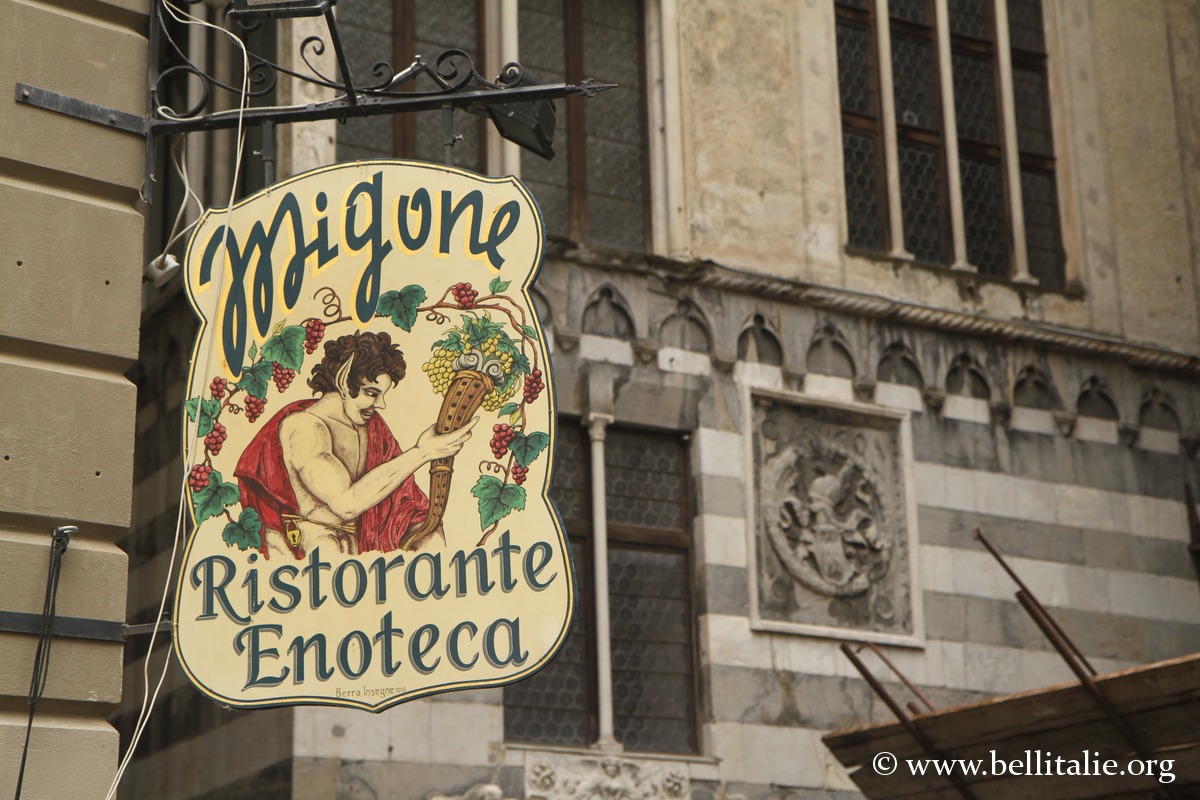
The old town of Genoa is one of the largest historic centres in Europe with its 113 hectares. It is a fascinating district full of history, a witness to the city’s mercantile past which was for a long time one of the most important European cities. You can still find the smells, languages and charms of Mediterranean cultures, with numerous bars, inns, workshops and old grocery shops sometimes more than 100 years old.
Recently revived after decades of neglect, the Strade Nuove area with the Palazzi dei Rolli is now a Unesco World Heritage Site.
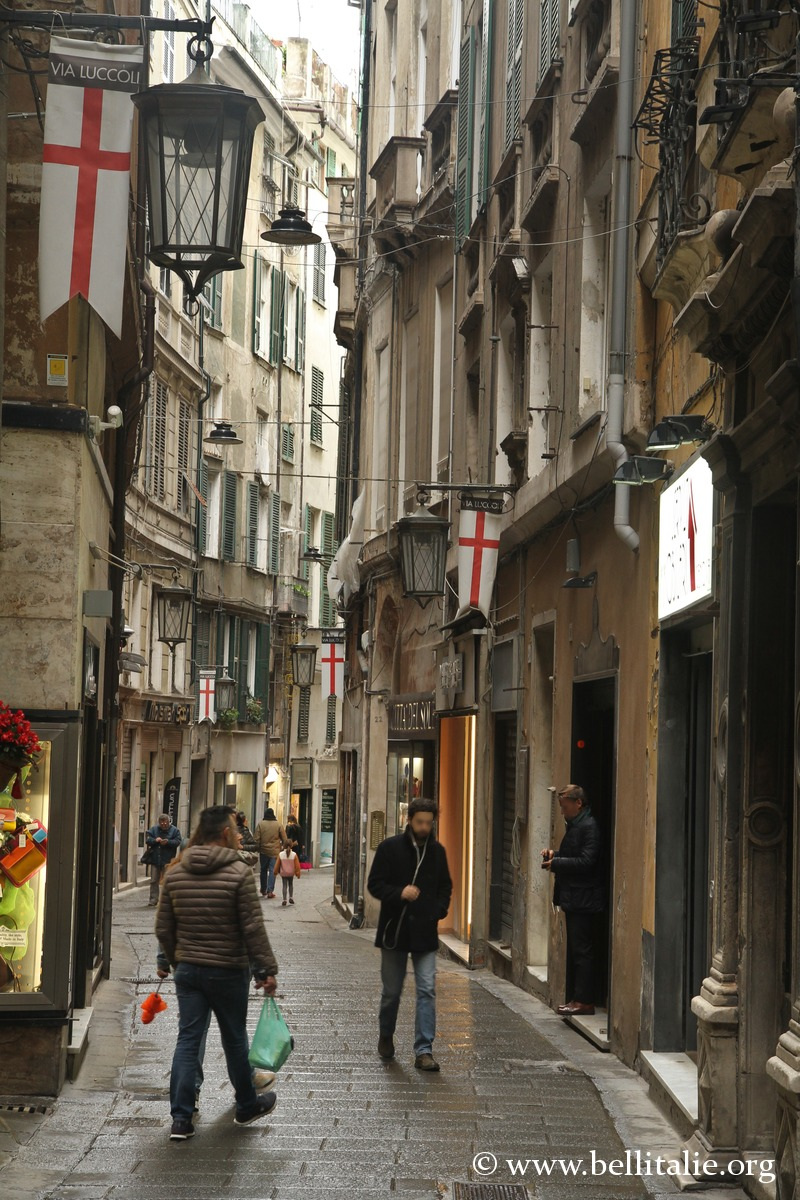
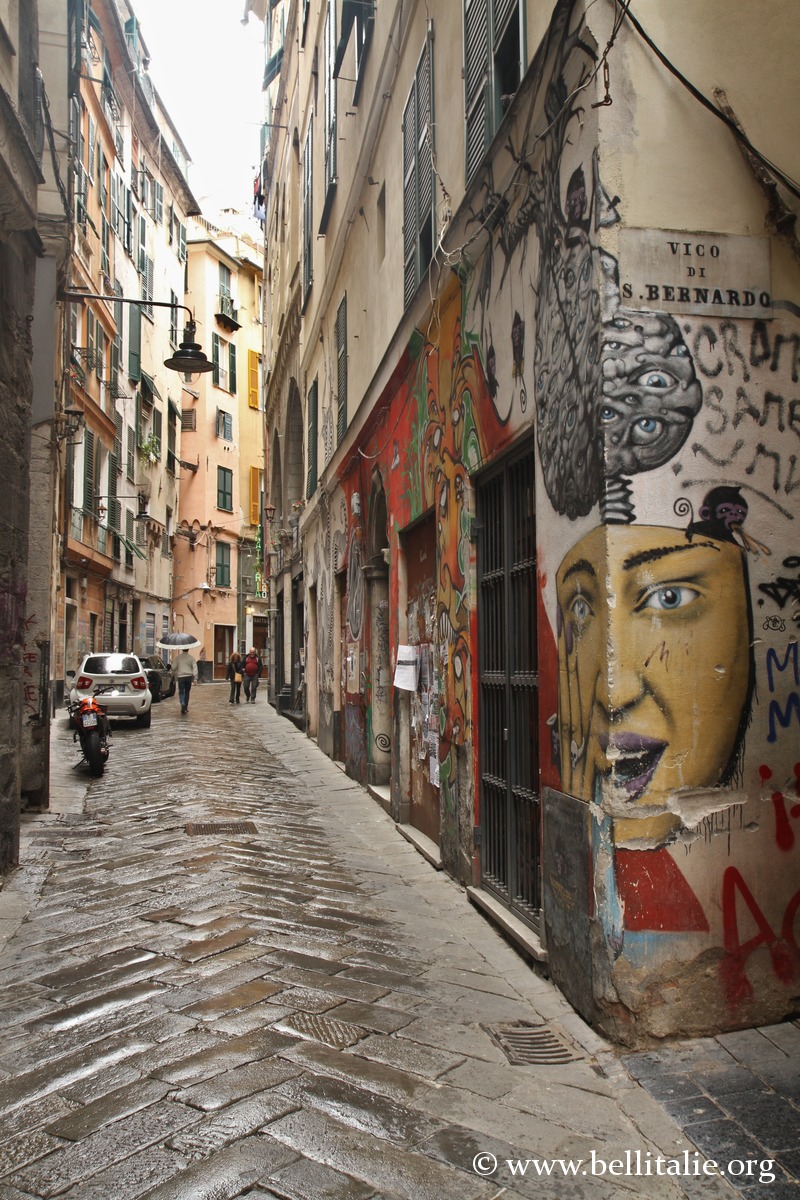
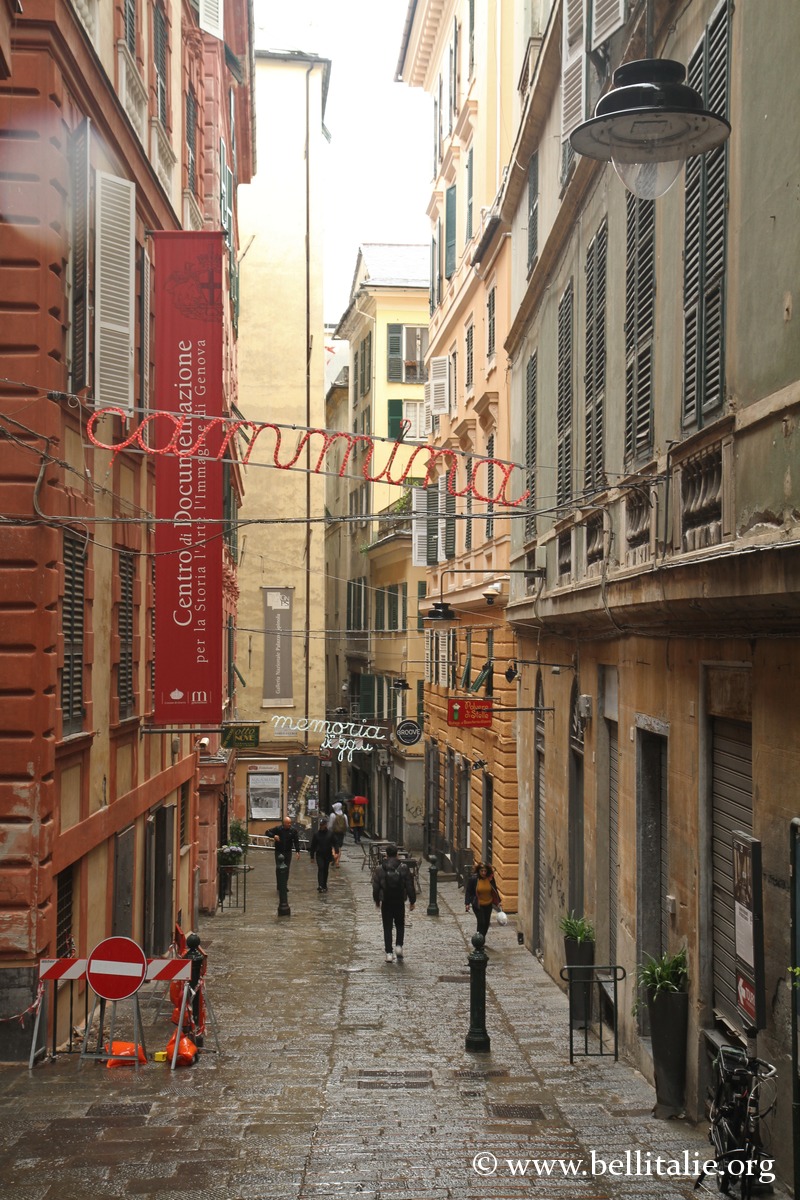
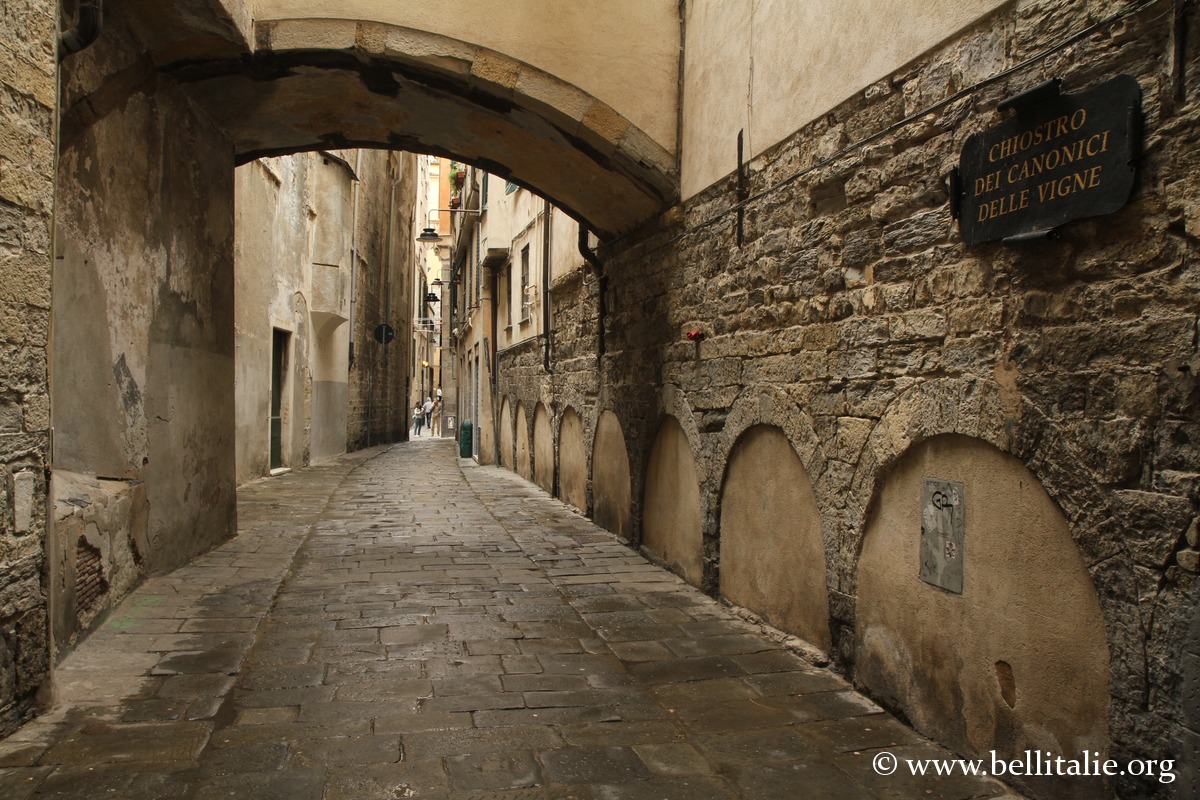
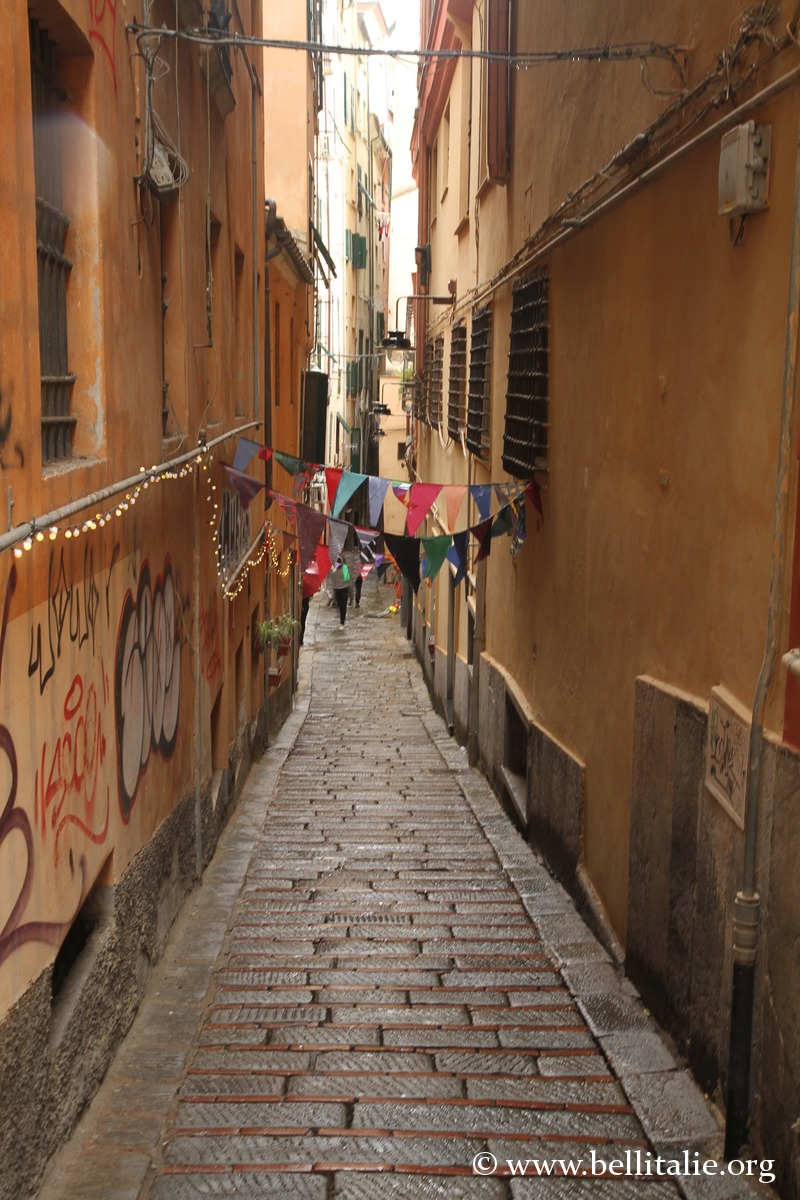
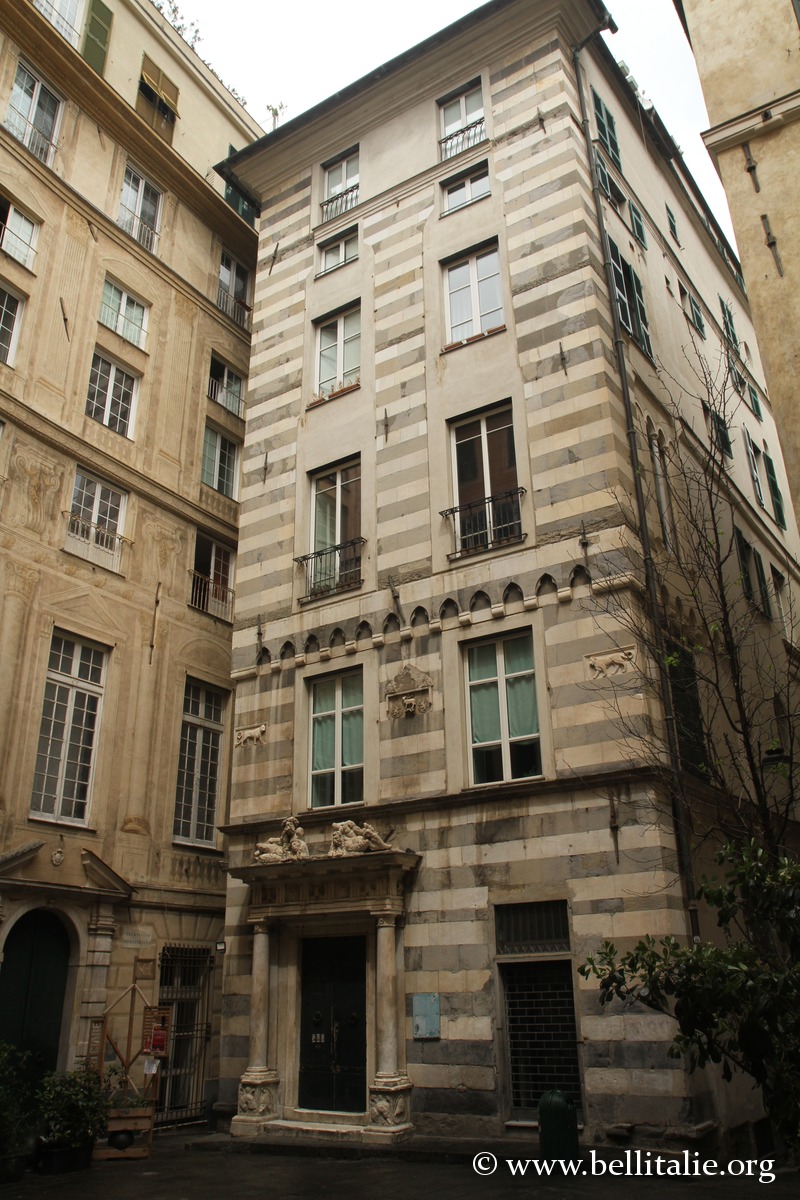
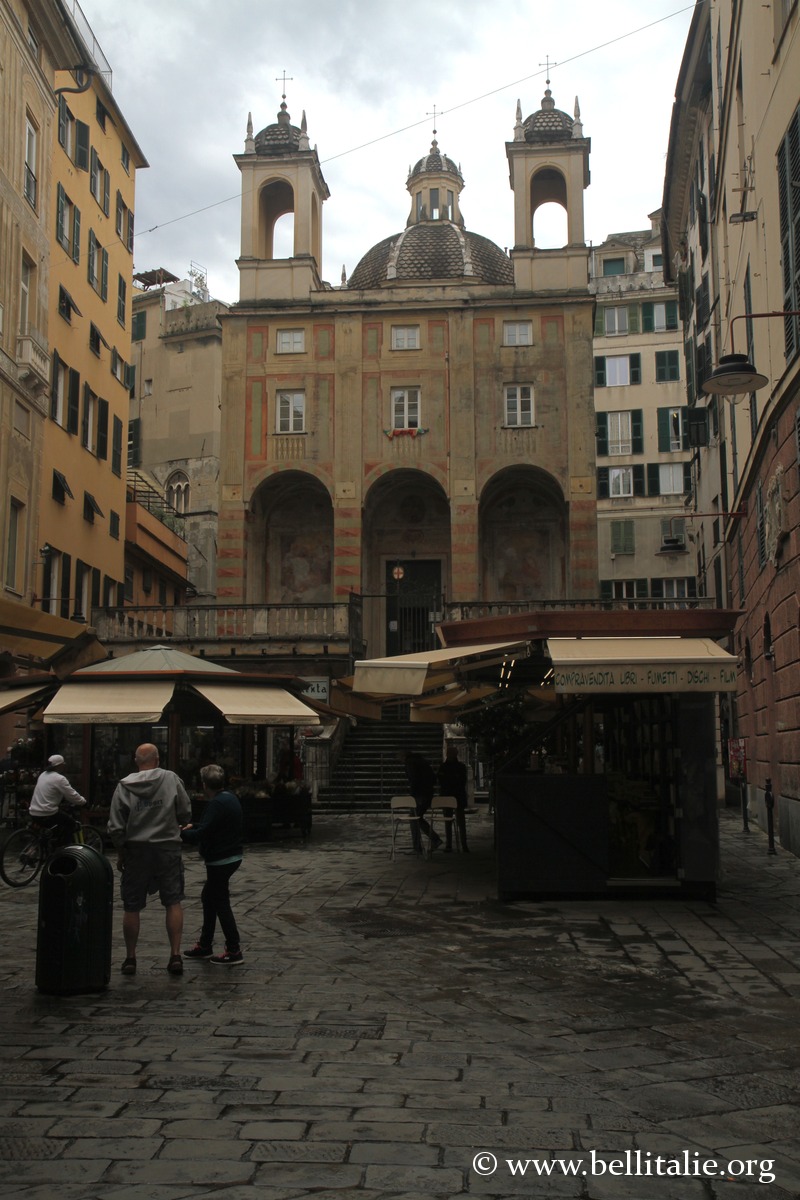
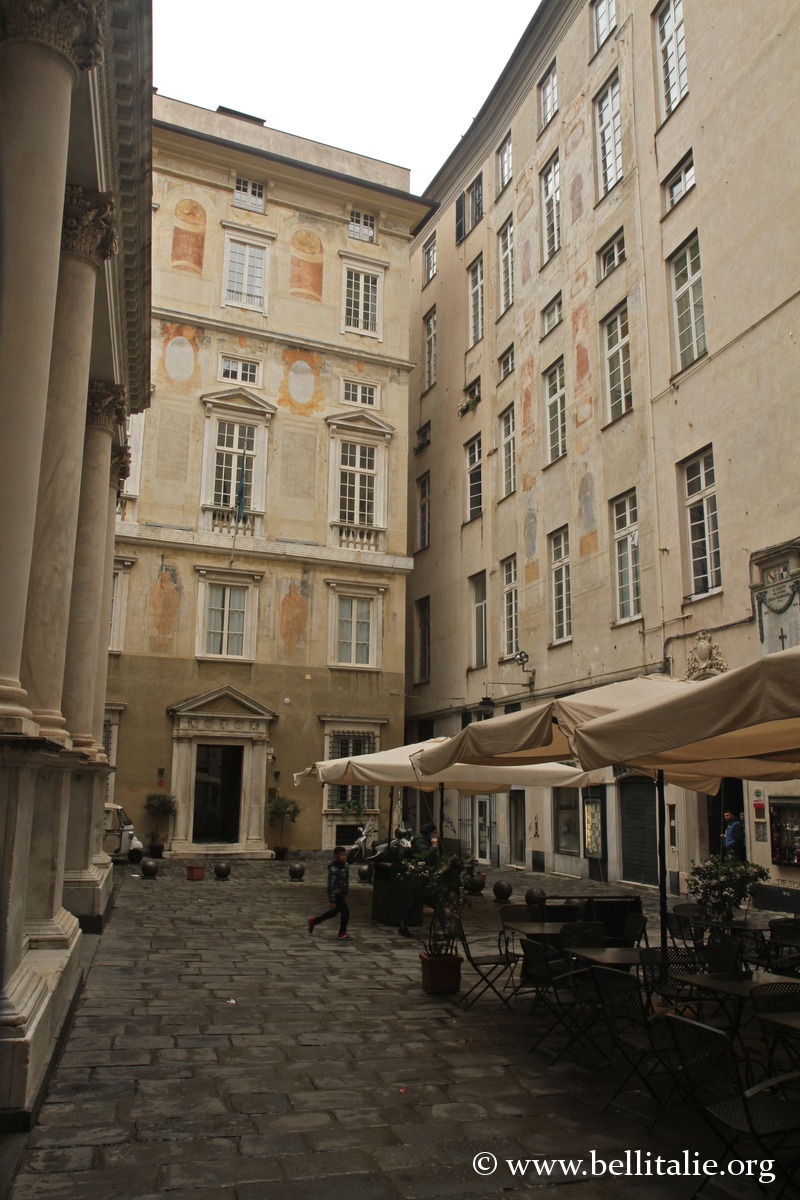
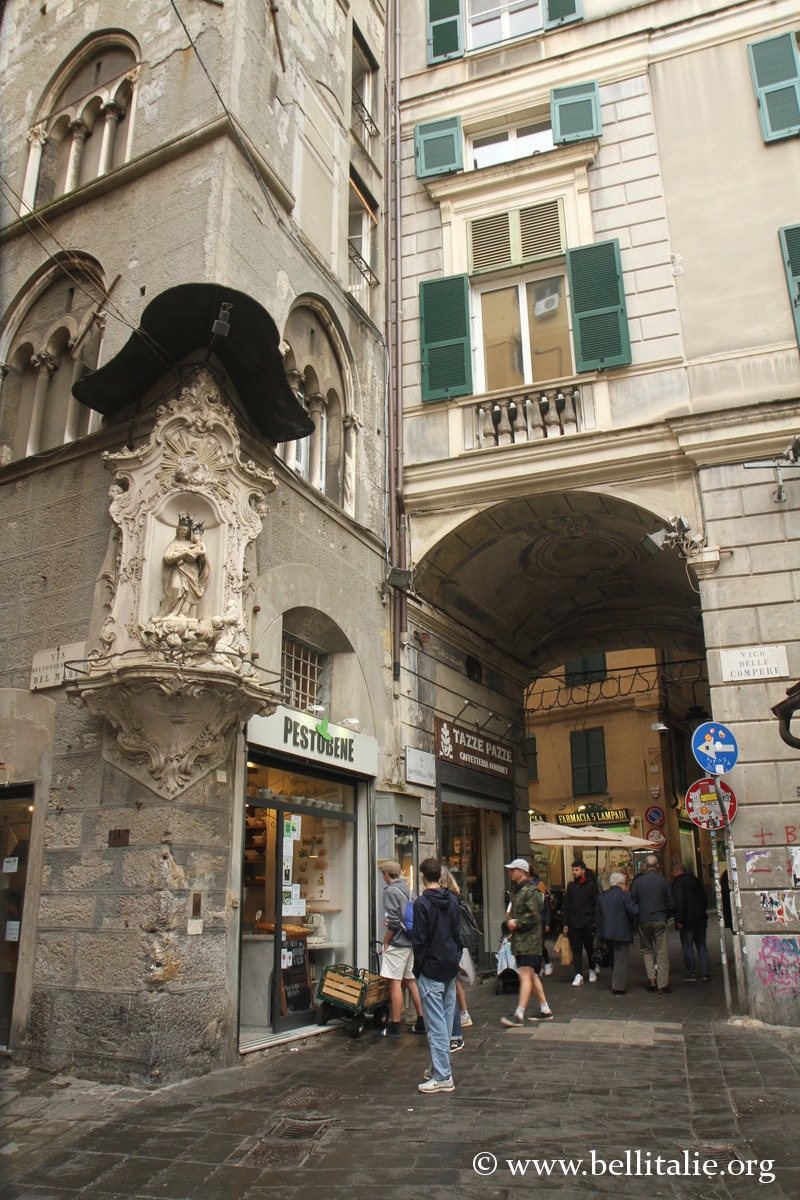
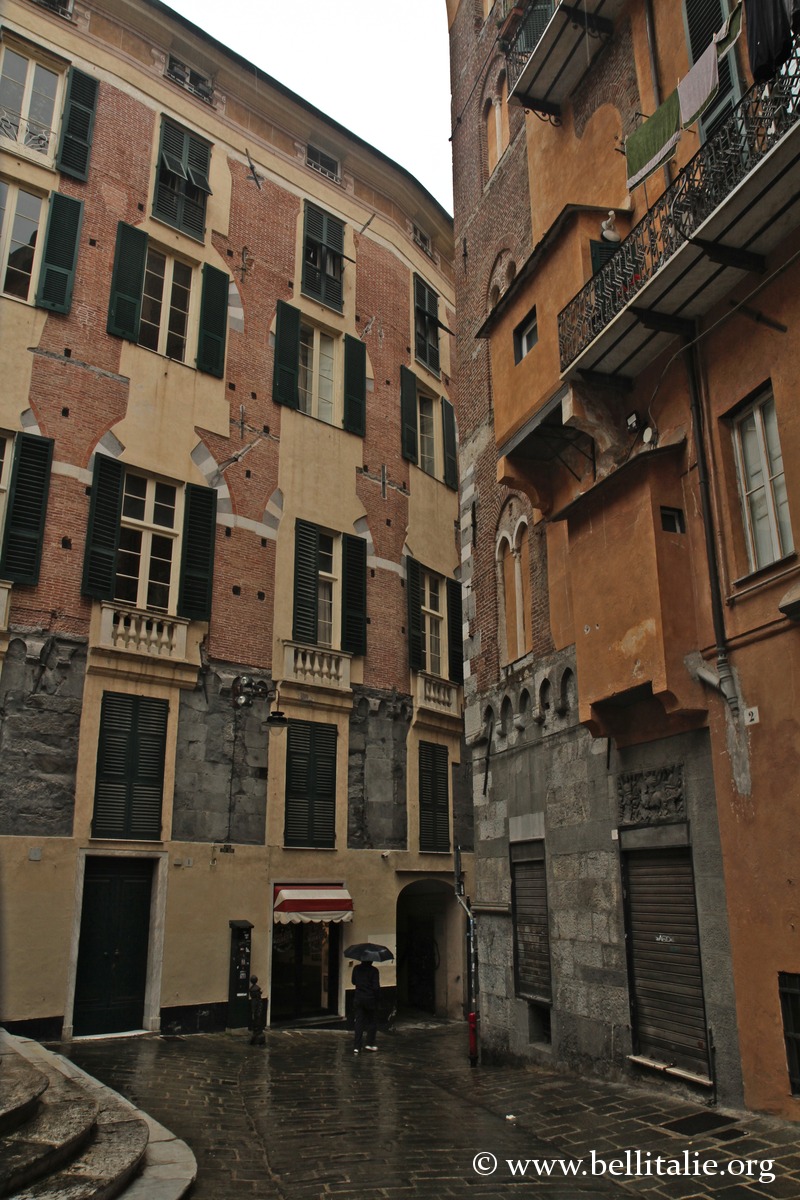
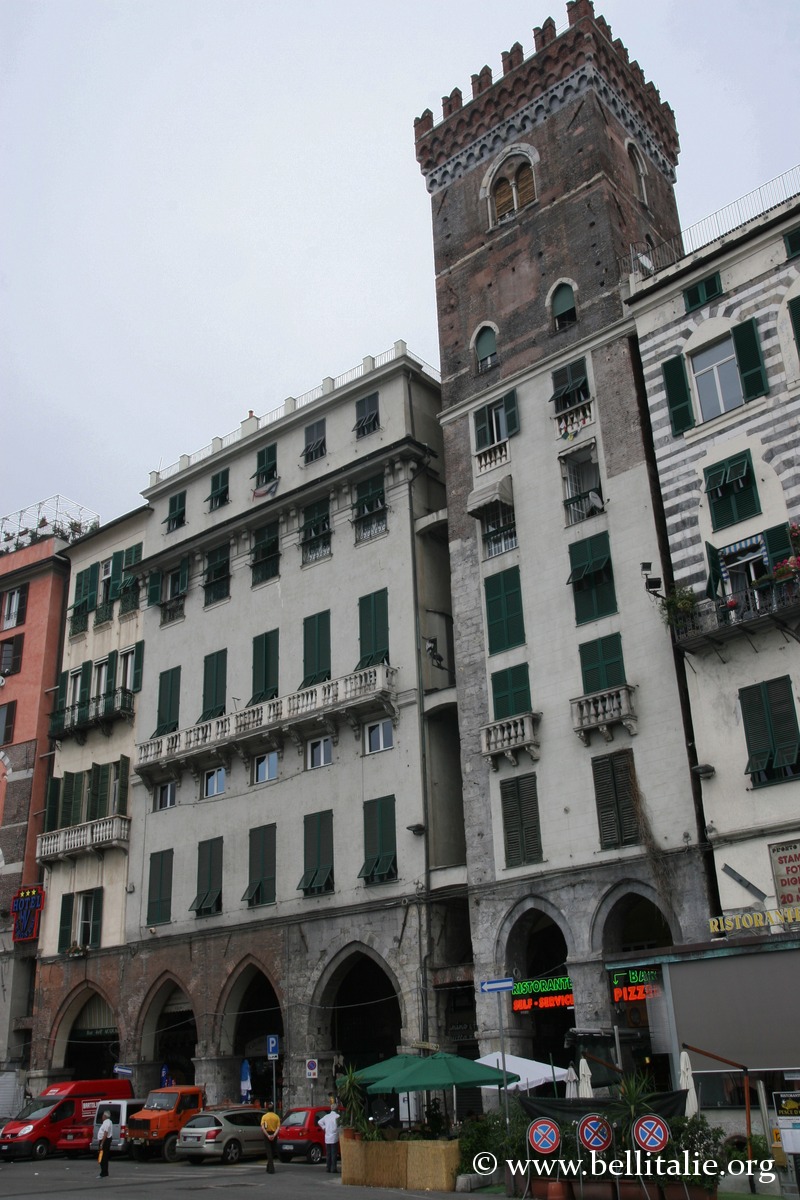
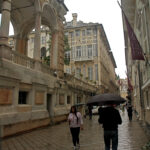
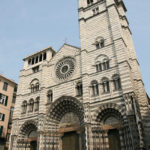
The winding alleys of the heart of the city, of medieval origin, are called caruggi. Overlooking the old port, they are linked by stairways, passing through many small squares (Piazza delle Erbe, Piazza San Donato, etc.), seigneurial palaces that often belonged to powerful families, or historic churches (San Donato, San Matteo, San Luca).
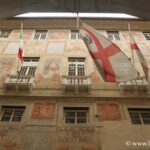
The castrum is the oldest part, dating back to Roman antiquity, where in particular the two beautiful Palazzo Spinola and Palazzo Ducale are found, with the architecture characteristic of the ancient maritime republic.
The historic centre is divided into the six areas called sestieri: Prè, Portoria, Molo, Maddalena, San Vincenzo, and San Teodoro.
The caruggi
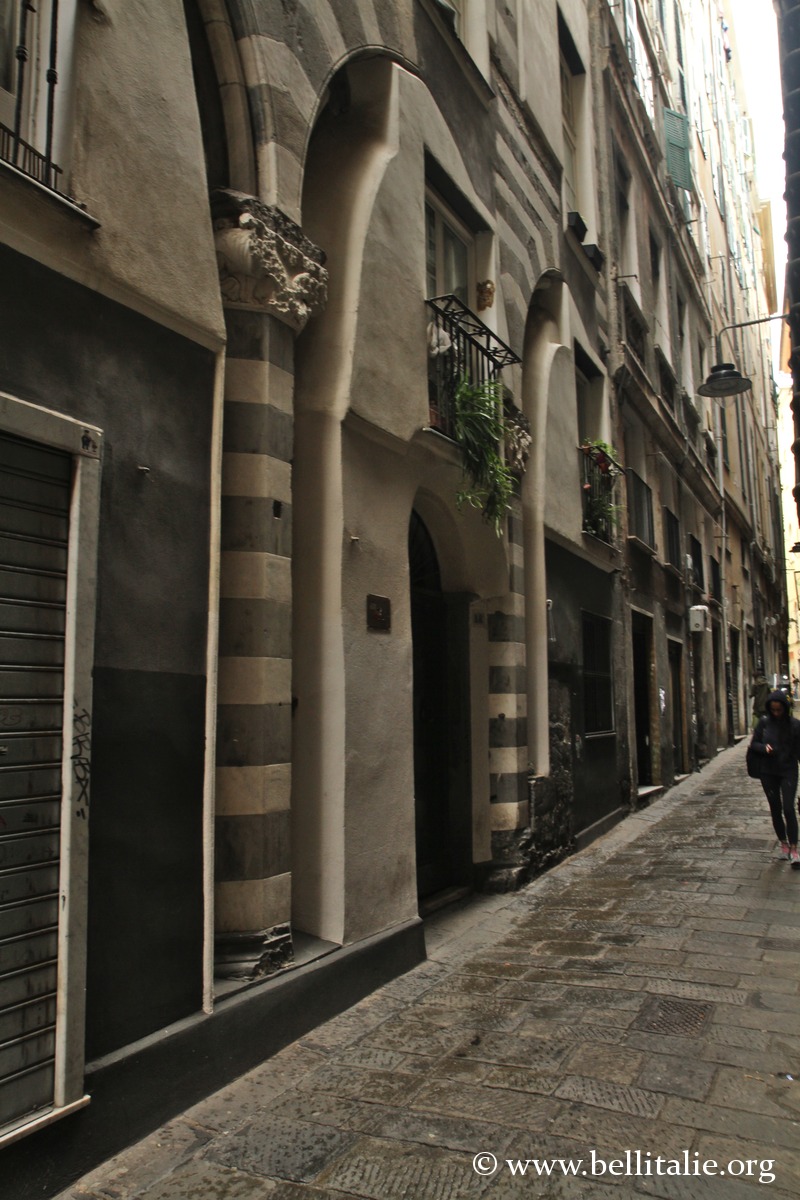
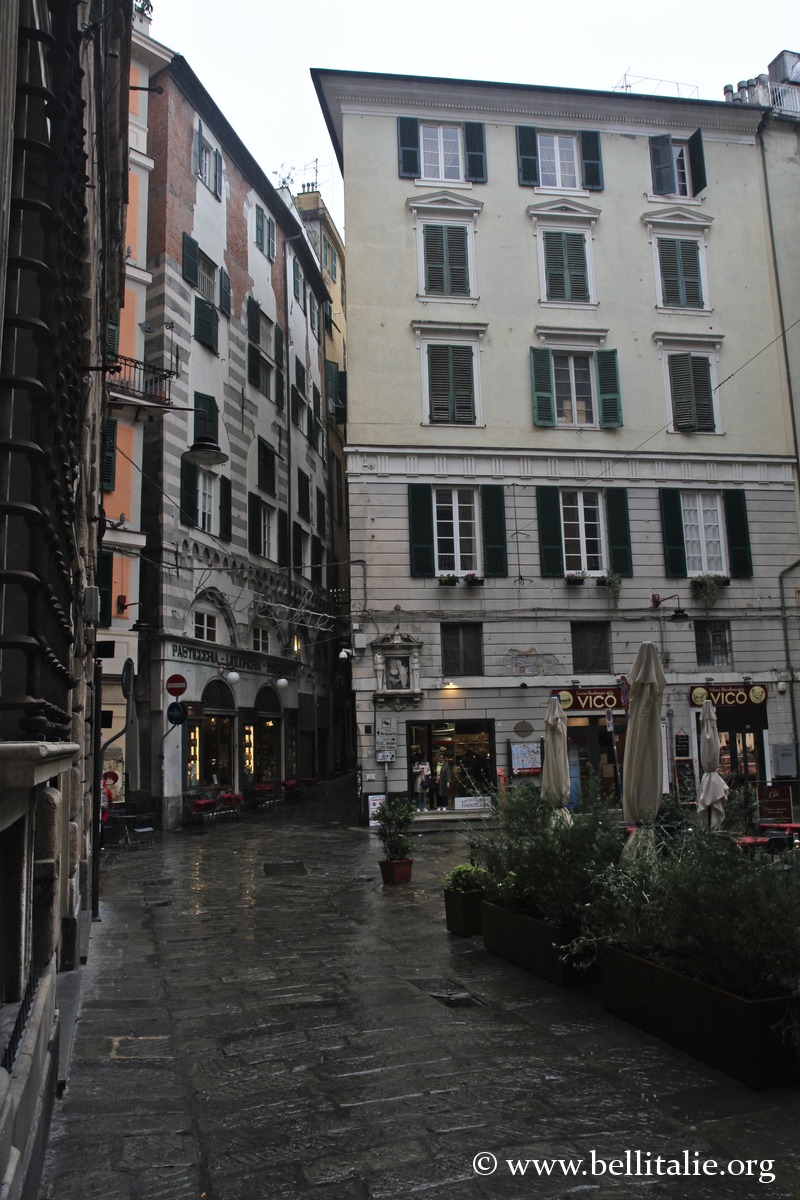
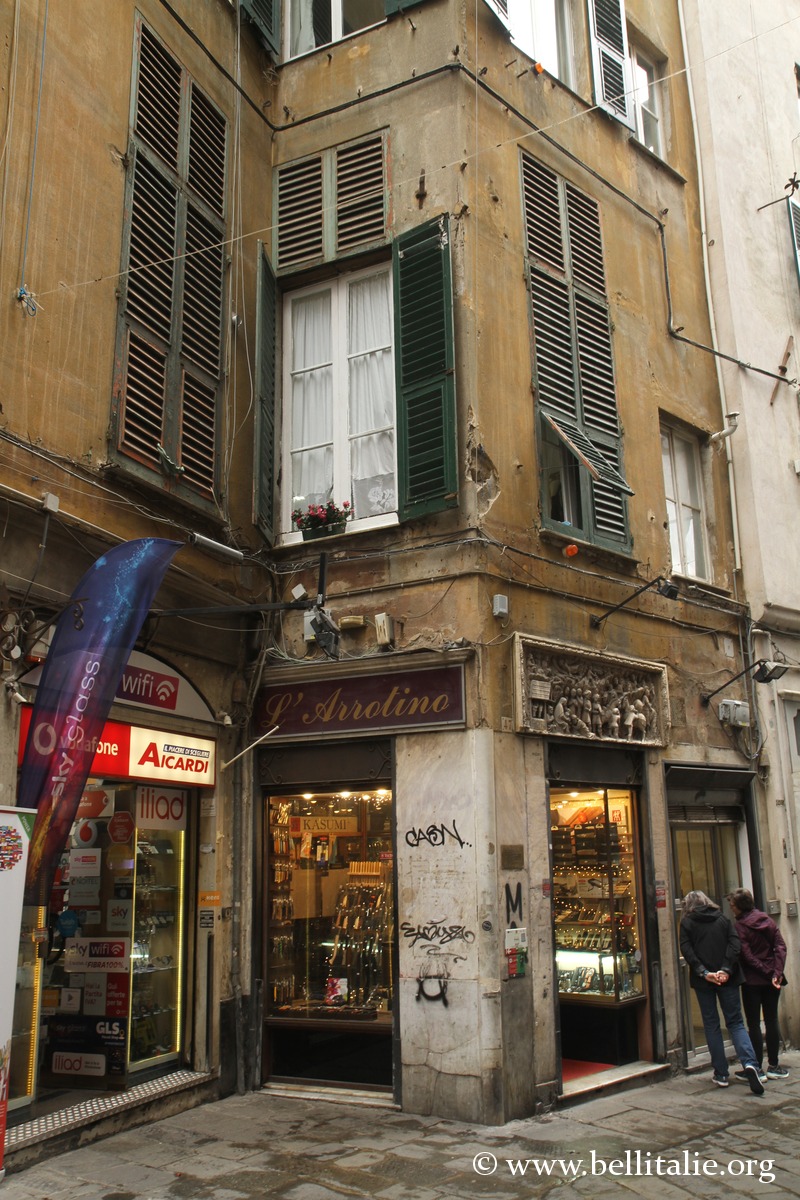
These narrow streets of medieval origin separate relatively tall houses. They are typical of Genoa and Liguria, and also had a defensive function.
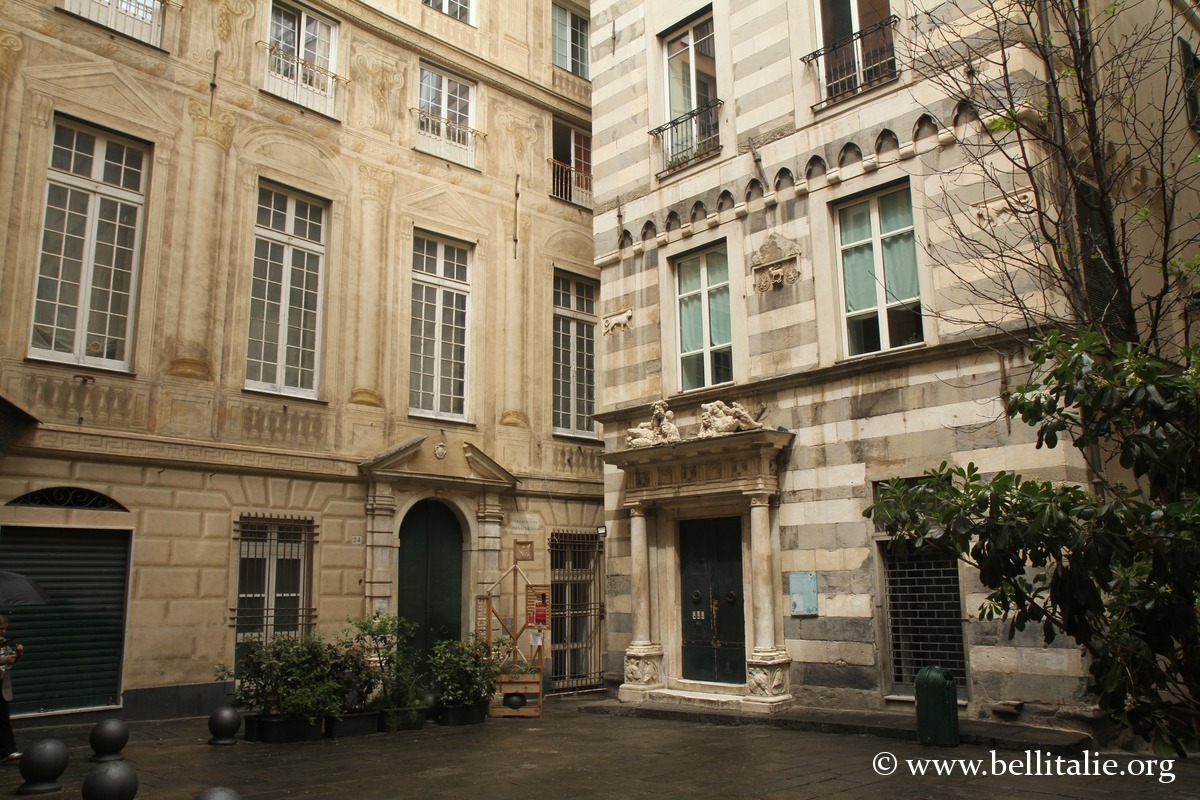
Among the most representative caruggi of Genoa, Via Luccoli was a stronghold of the Spinola family, who owned many palaces there with their beautiful 16th-century façades.
Another famous caruggi is Via San Luca, between Piazza Banchi and Piazza Fossatello, then Via di Fossatello and Via del Campo up to Porta Vaccaria. These charming streets are among the liveliest, with their shops, bars and fast food.
The name of some caruggi recalls the activities that were practised there under the patronage of the guilds, and still are, such as Via degli Orefici (jewellers) or Vico del Ferro (blacksmiths). Many very beautiful votive shrines also served to light the streets.
Gallery
Old Port
See also the page devoted to the old port of Genoa.
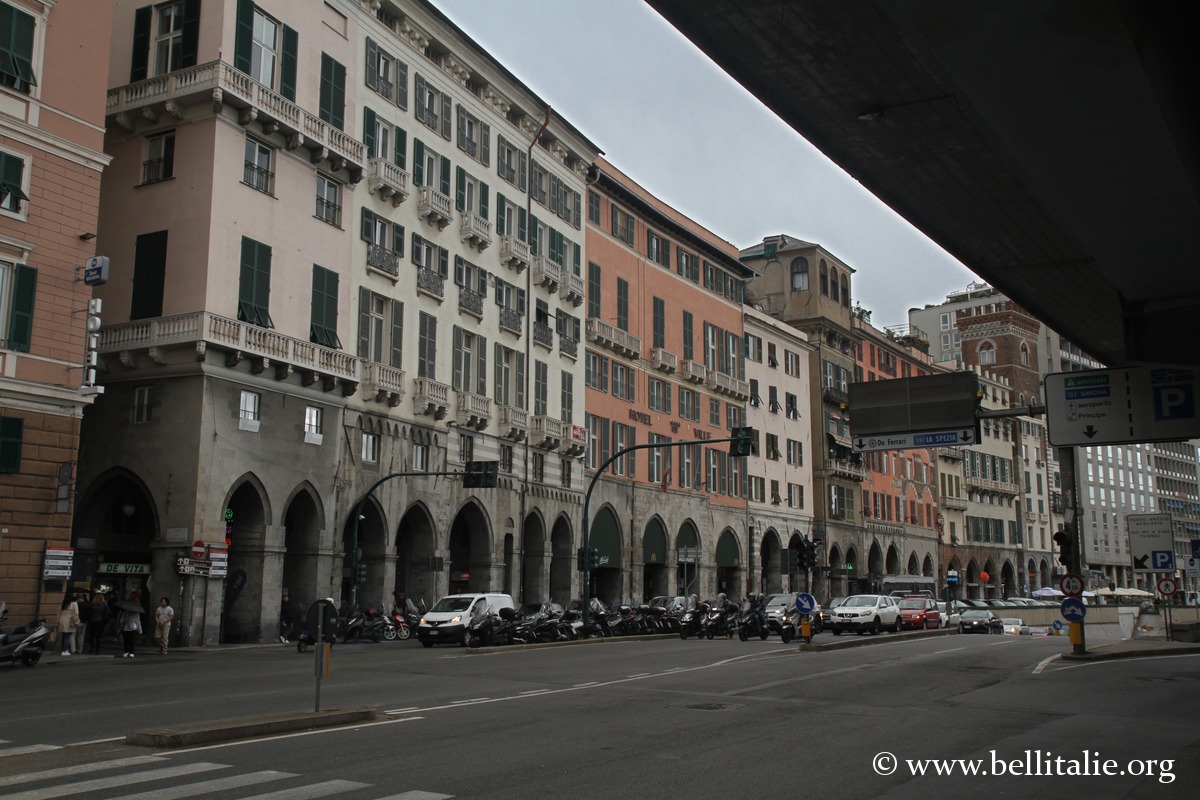
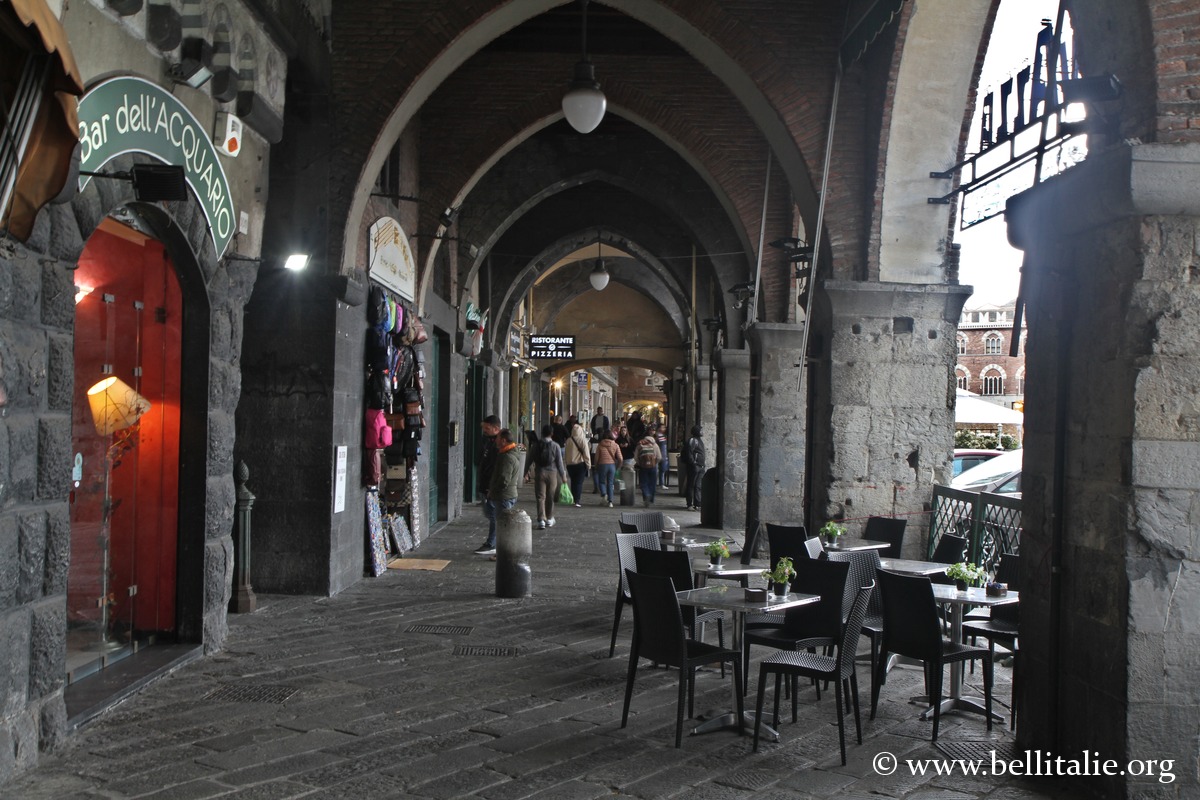
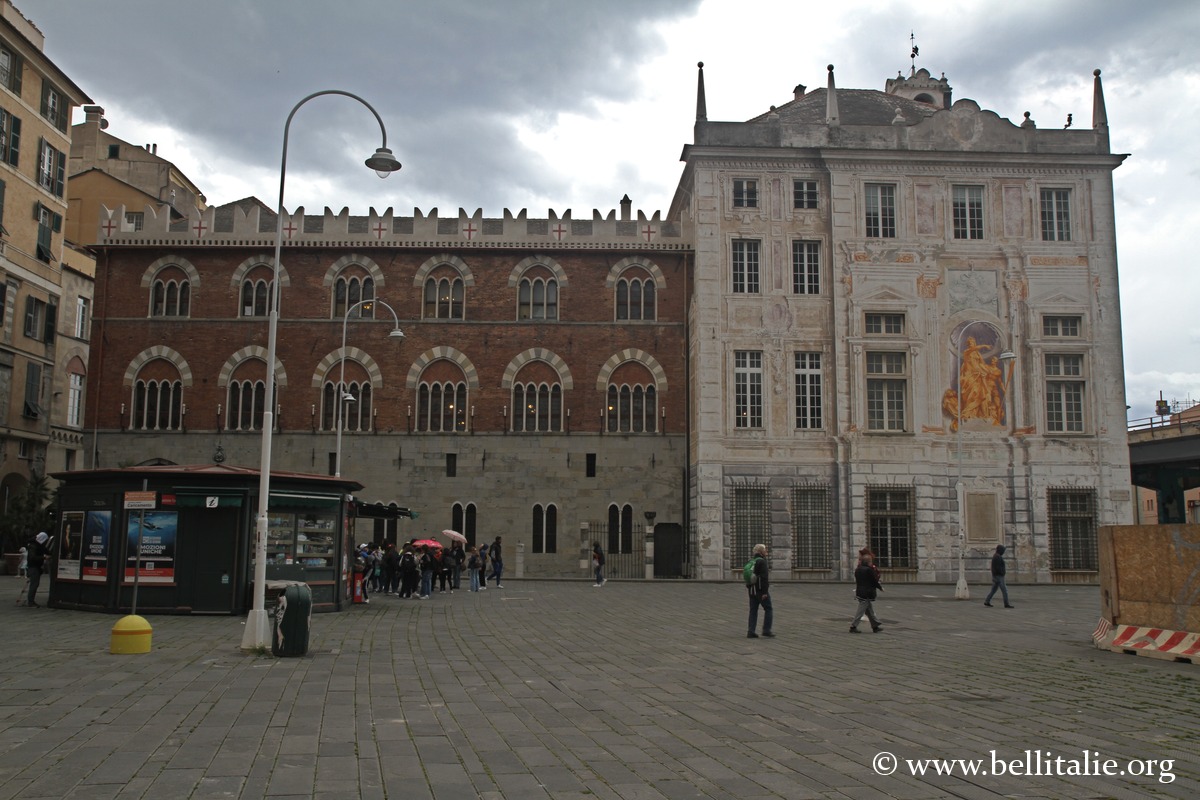
The Piazza Caricamento, lined by Sottoripa and the palaces and towers as well as the Palazzo San Giorgio dating back to the 13th century.
Gallery
Gates and walls of Genoa
The defensive walls that can be seen in Genoa are from several periods.
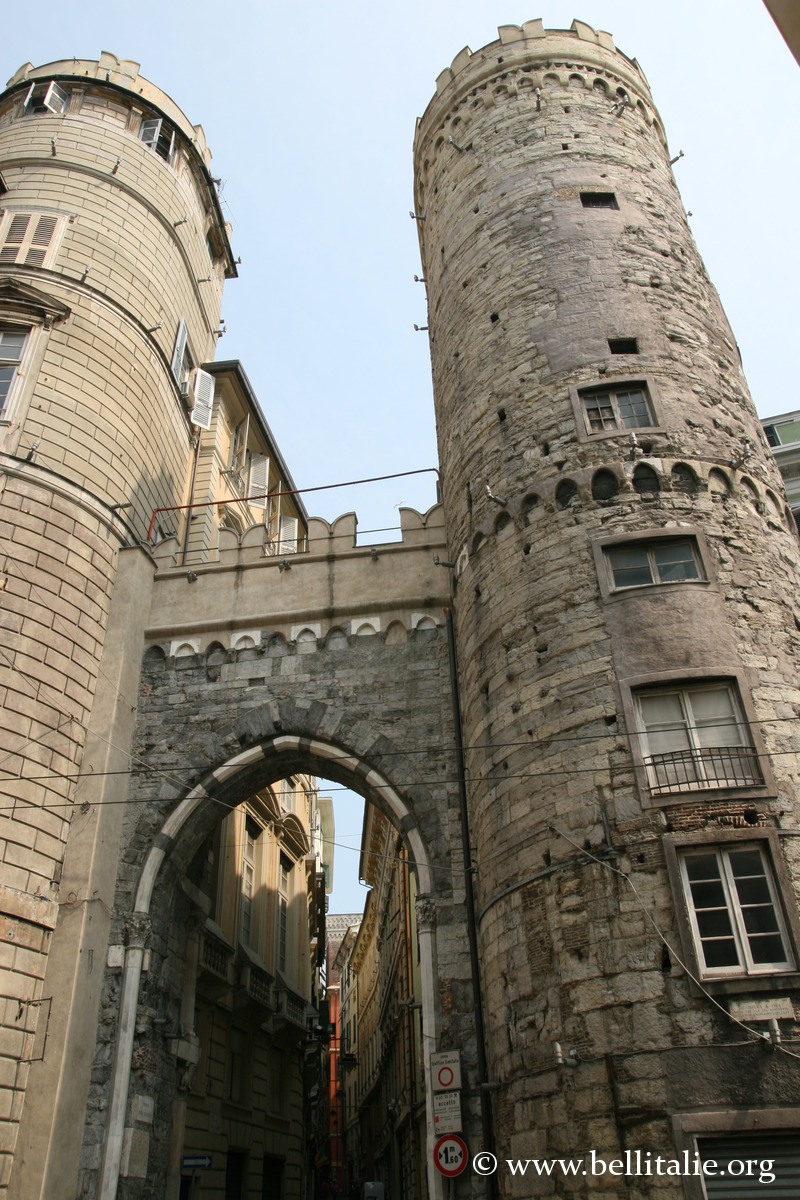
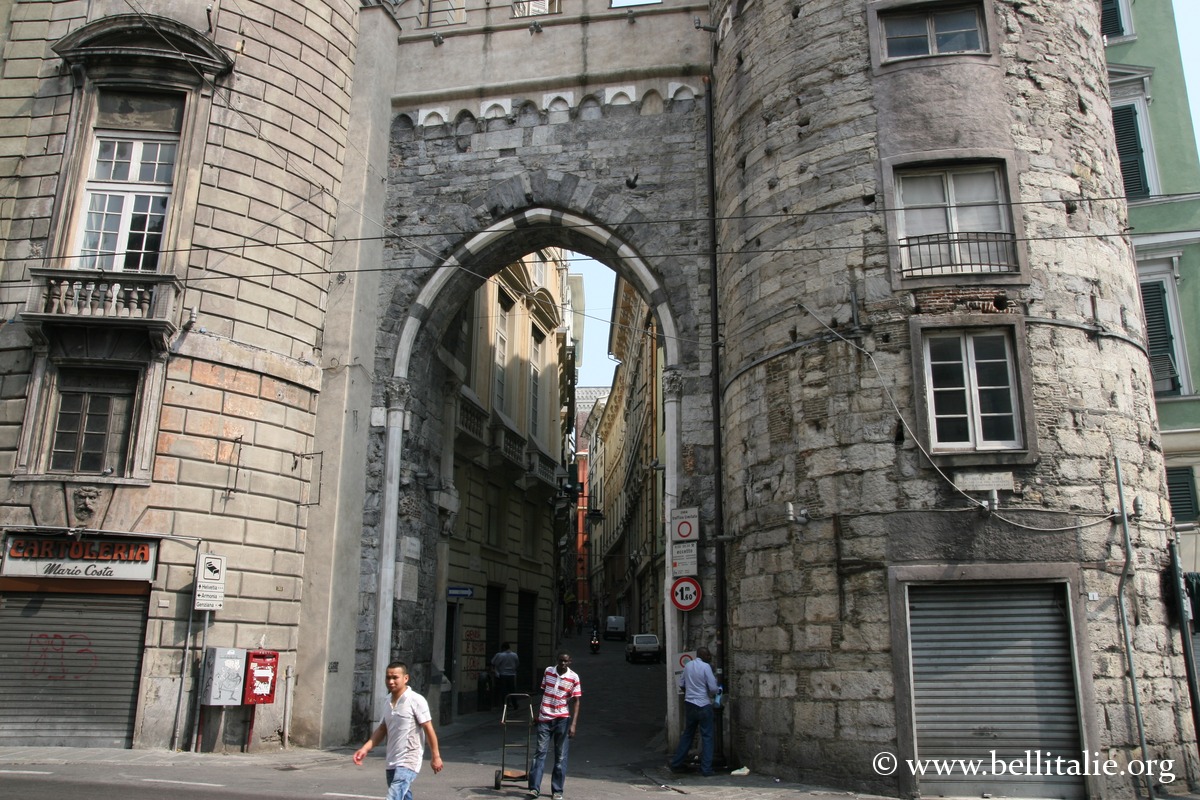
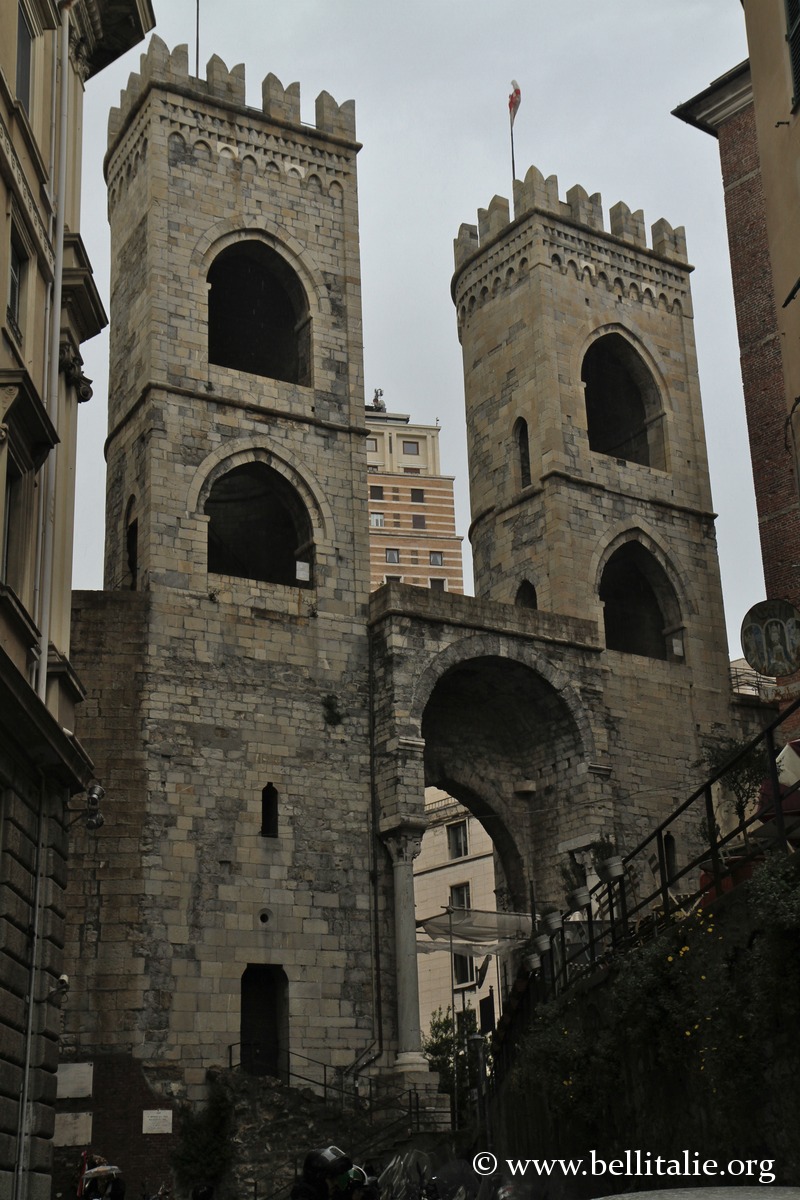
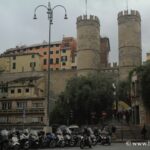
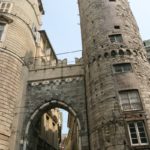
Nothing is known about possible Roman walls, on the other hand there remain beautiful portions of the Barbarossa walls from the 12th century with two of the three monumental gates, the Porta Soprana and the Porta dei Vacca. They were built between 1155-1163 by enlarging the previous walls of the 9th century, for fear of an attack by the Holy Roman Emperor Frederick I Barbarossa.
In the 14th century, the expansion of the population and of trade led to the building of new walls to encompass the new districts, first towards the east, then towards the west. To the east one can still see the Mura de Santa Chiara, Mura del Prato and Mura delle Cappuccine. The westward extension went from the Castelletto fort to the Porta San Tommaso (now disappeared) near the present Piazza Principe station. The walls then extended over 4550 metres to encompass 155 hectares.
The enceinte was modified in the 16th century to adapt to the military revolution with modern firearms, including bastions. Moreover, extensions were built along the sea, as far as the Molo Vecchio. In particular, the Porta Siberia or the Porta degli Archi (moved from its original location) remain.
The Mura Nuove (new walls) are the last and most imposing walls of Genoa, rising to the crest of the hills overlooking the city, built in the first half of the 17th century, under the pressure of the repeated attacks of Charles Emmanuel I of Savoy. They are dominated by the mass of Fort Diamante, extended over nearly twenty kilometres, seven of them along the coast, protecting 903 hectares.
A part was demolished during the 19th and 20th centuries.
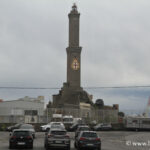
In the second half of the 18th century other fortifications were built, then after the annexation to the Kingdom of Sardinia, a series of forts, towers and coastal batteries was built, making Genoa the best-equipped fortress in the Mediterranean.
Gallery
Map
If you see this after your page is loaded completely, leafletJS files are missing.
Information
- Information: en.wikipedia.org
- Tourism portals: www.visitgenoa.it, www.luoghidiinteresse.it
- Walls of Genoa: www.guidadigenova.it


Comments