


Below is the Tourist map of Brescia with the main sites
1. Santa Giulia Complex
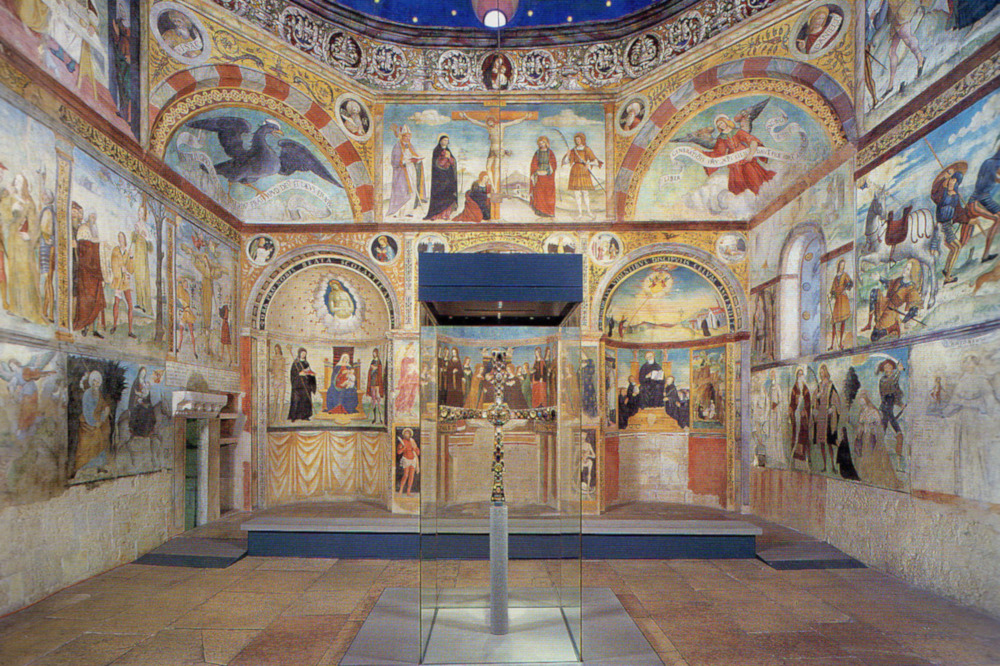
Santa Maria in Solario
The complex of the former Santa Giulia monastery is a Unesco World Heritage Site among the “Longobards in Italy. Places of Power (568-774 A.D.)”.
The buildings house a rich archaeological museum that documents the history of Brescia from the Bronze Age to the 19th century, including the beautiful churches of the monastery, several cloisters and even remains of Roman dwellings.
Among the most beautiful things to see are the Lombard Basilica of San Salvatore, the Oratory of Santa Maria in Solario from the 12th century with the remarkable Carolingian cross or the ivory reliquary, the nuns’ choir decorated with 16th-century frescoes, or the mosaics of the Roman villas of the 1st-3rd centuries AD.
→ See the dedicated page for the Santa Giulia Museum
2. Archaeological Area
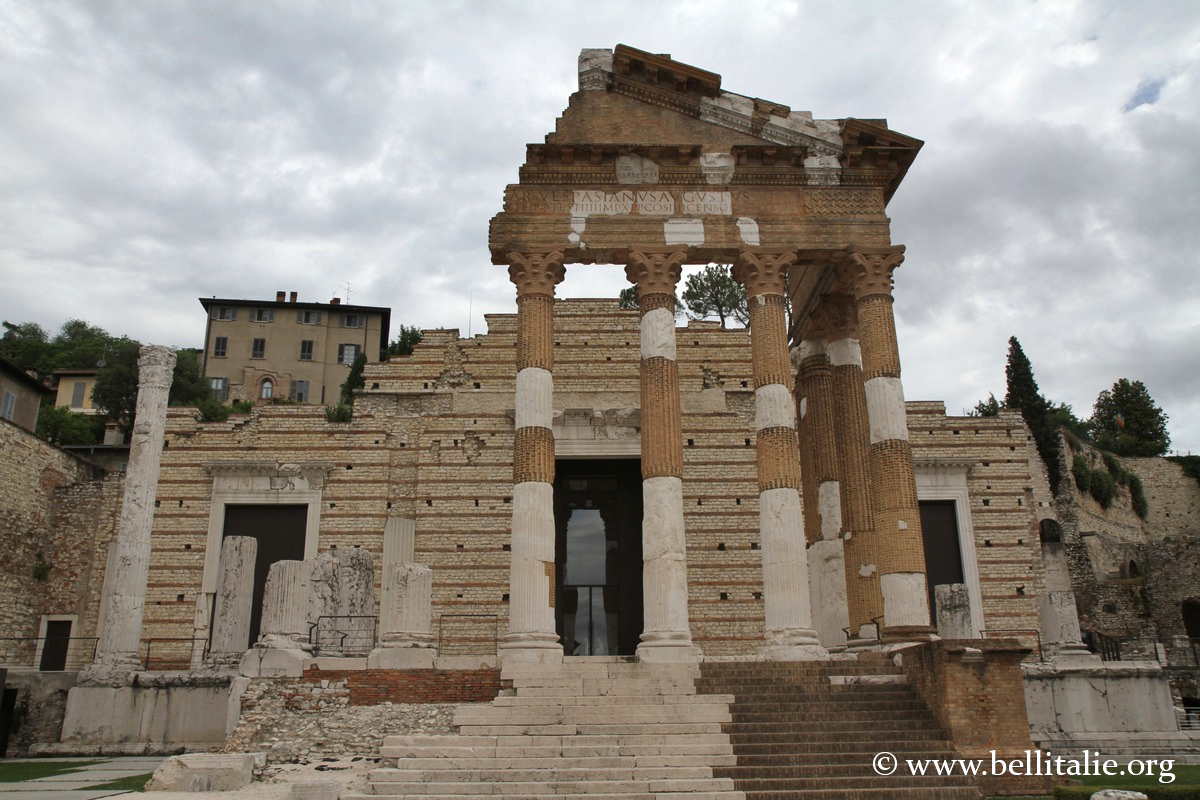
Capitolium
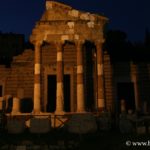
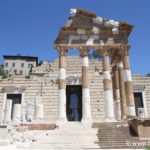
The archaeological area of Brescia, inscribed as a Unesco World Heritage Site, is in the very centre of the city, with remains of the important buildings of Roman Brixia, around the Forum which was the civic heart, and now 4 metres below the current ground level. There are the Capitoline Temple (73 AD), a republican sanctuary, the theatre (1st-3rd century AD), a section of the decumanus, and beyond that the remains of a Roman basilica mixed with dwellings. Of the Capitolium there remain three cells, partly reconstructed Corinthian columns, marble floors and decorations.
A large part can be seen from the outside; the paid ticket allows you to visit the republican sanctuary, the interior of the Capitolium with its objects, above all the Winged Victory, and to walk in the middle of the theatre.
→ See the dedicated article on the archaeological park of Brescia
3. Brescia Castle
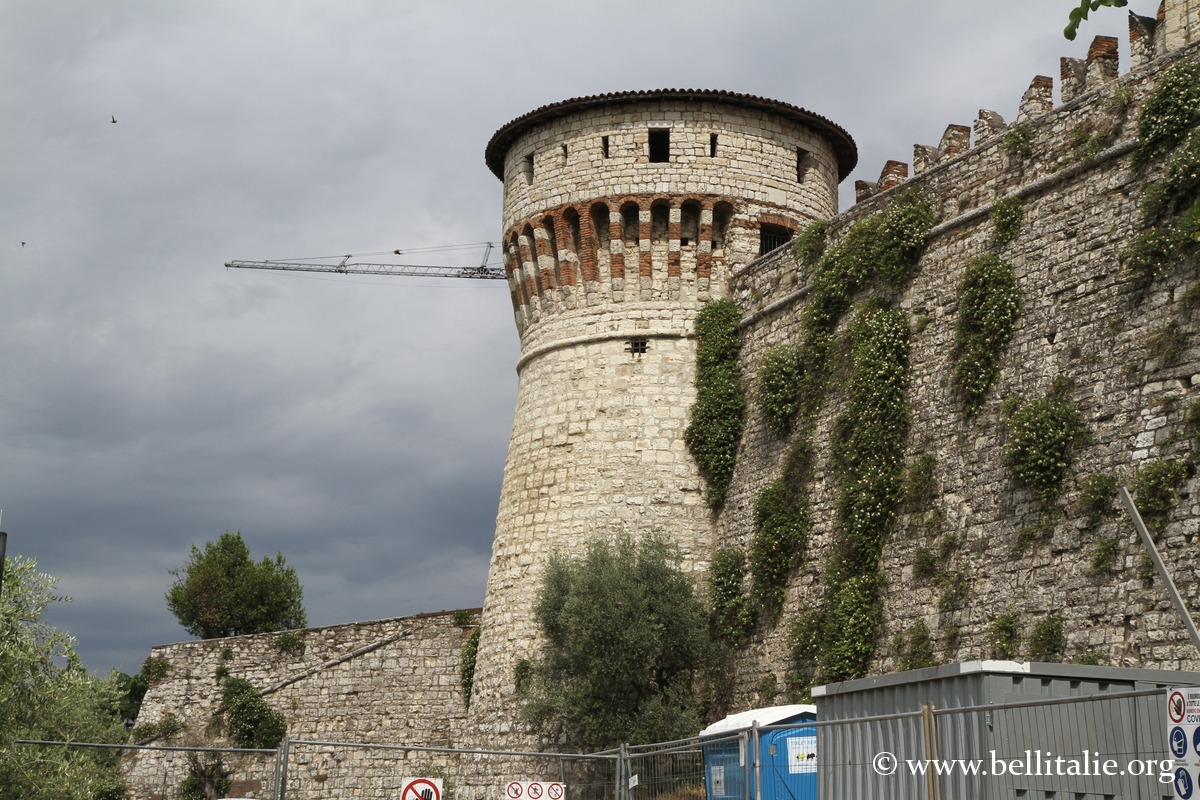
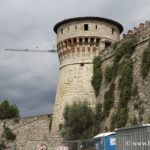
Prisoners’ Tower
The Brescia Castle is a vast fortress built mainly in the 14th-16th centuries on the Cidneo hill that overlooks the city, now within a pleasant public park with its green spaces and its panoramas over the city and the surroundings. It takes about 10 minutes to reach it on foot from the centre. The archaeological evidence goes back at least to the Romans, with in particular oil vats
The structure is well preserved, with walls, halls, a drawbridge, a keep, towers, bastions, and dungeons that can be visited. It also houses the Museum of the Risorgimento, the Museum of Weapons, an old astronomical observatory, and even a steam locomotive.
→ See the article on the Brescia Castle
4. Piazza della Loggia
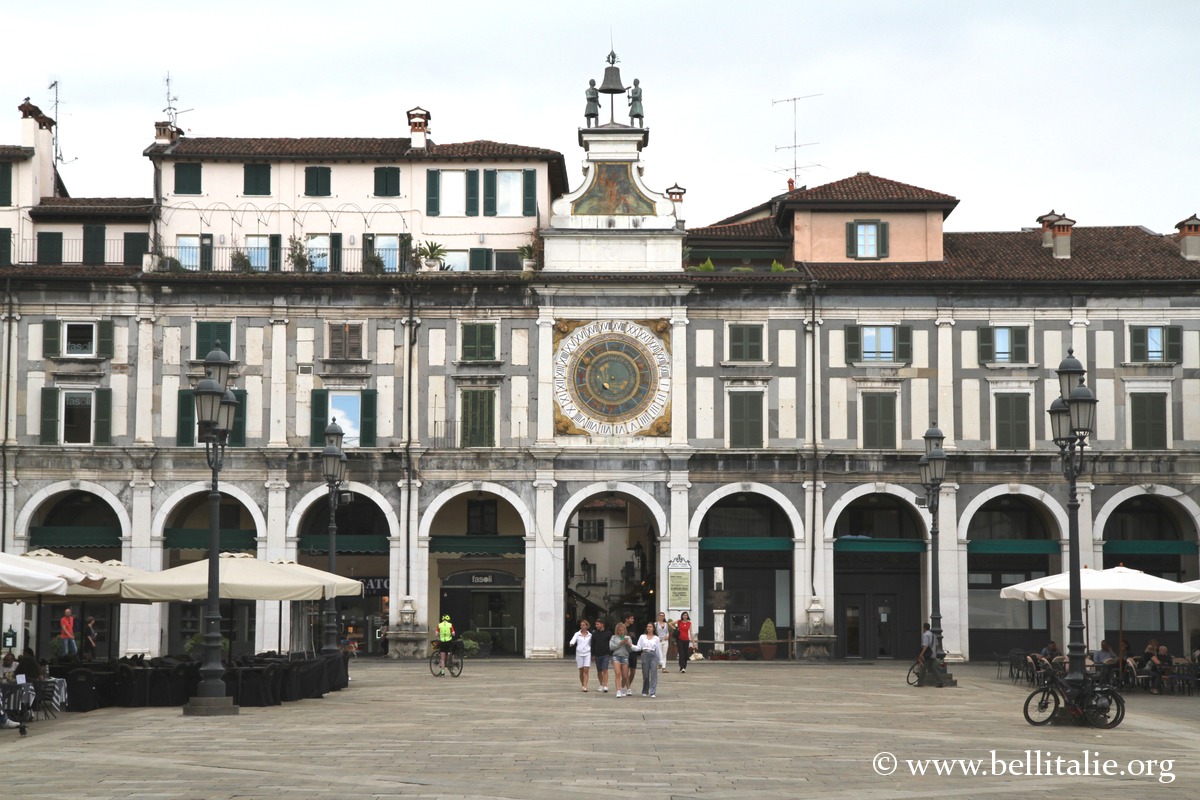
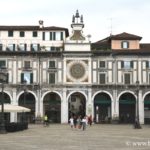
Clock Tower
The Piazza della Loggia is probably the most beautiful square in Brescia, whose varied architecture is marked by the Renaissance and the Venetian period. It is one of the hearts of Brescian life with its cafés and shops.
On the western side, the pretty Palazzo della Loggia in marble is crowned by a reconstruction of a Renaissance dome in the shape of a ship’s hull. It is now the seat of the town hall. Opposite, the Clock Tower from the 16th century is at the centre of a façade with arcades occupied by shops, with its astronomical clock and its two automata. On the southern side, the Monte di Pietà has a façade where Roman steles and tombstones emerge. To the north-east a monument is dedicated to the memory of the dead of the Ten Days of Brescia and under the portico a stele commemorates the Piazza della Loggia bombing of 28 May 1978.
→ See the article on Piazza della Loggia
5. Piazza Paul VI or Piazza Duomo
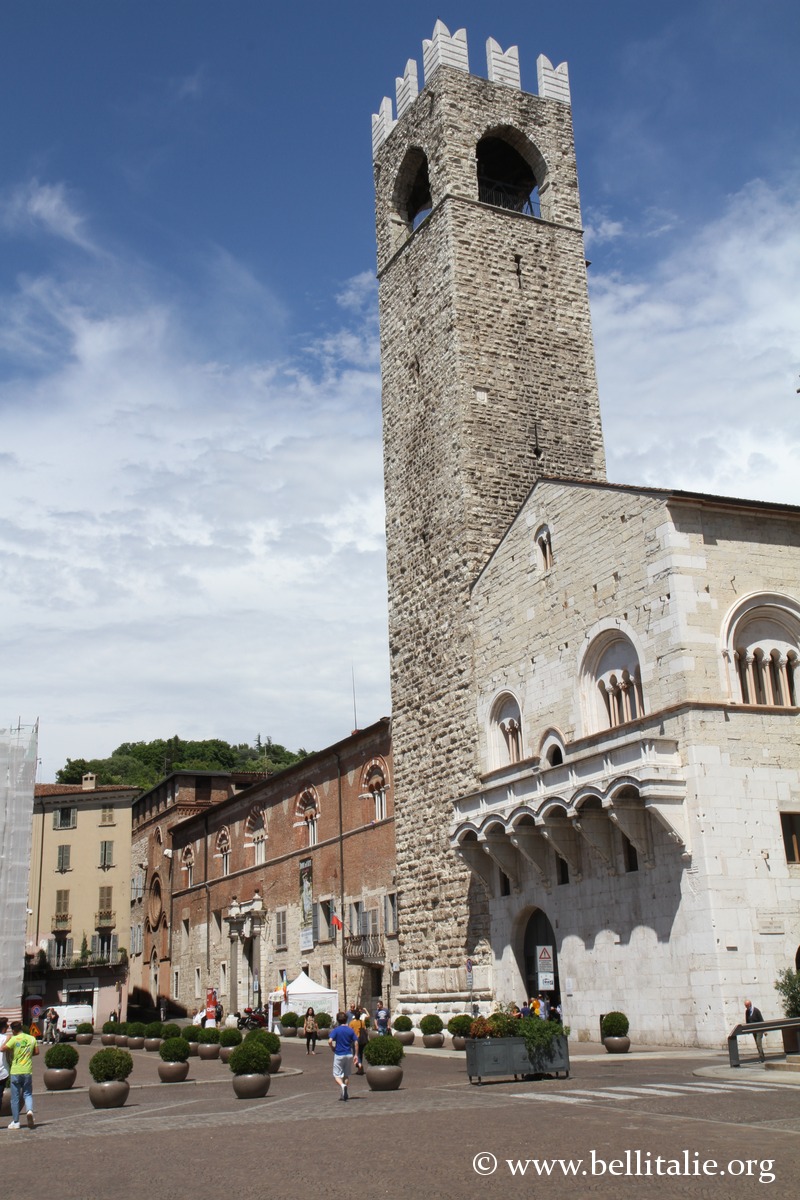
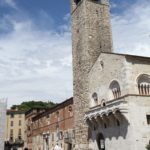
The Broletto
Piazza Paul VI is the other beautiful square in Brescia, also called the Square of the Two Cathedrals, where important buildings stand, both civil and religious, with the Palazzo del Broletto and its tower from the 12th-13th centuries, which is the former seigneurial palace, and the two cathedrals, the circular medieval Duomo Vecchio, and the baroque Duomo Nuovo (17th-19th century) whose dome is the third highest in Italy.
There are also two fountains, the Palazzo Negroboni from the early 20th century or the Casa dei Camerlenghi with its 15th-century mullioned windows.
→ See the article on Piazza Paul VI
6. Duomo Vecchio
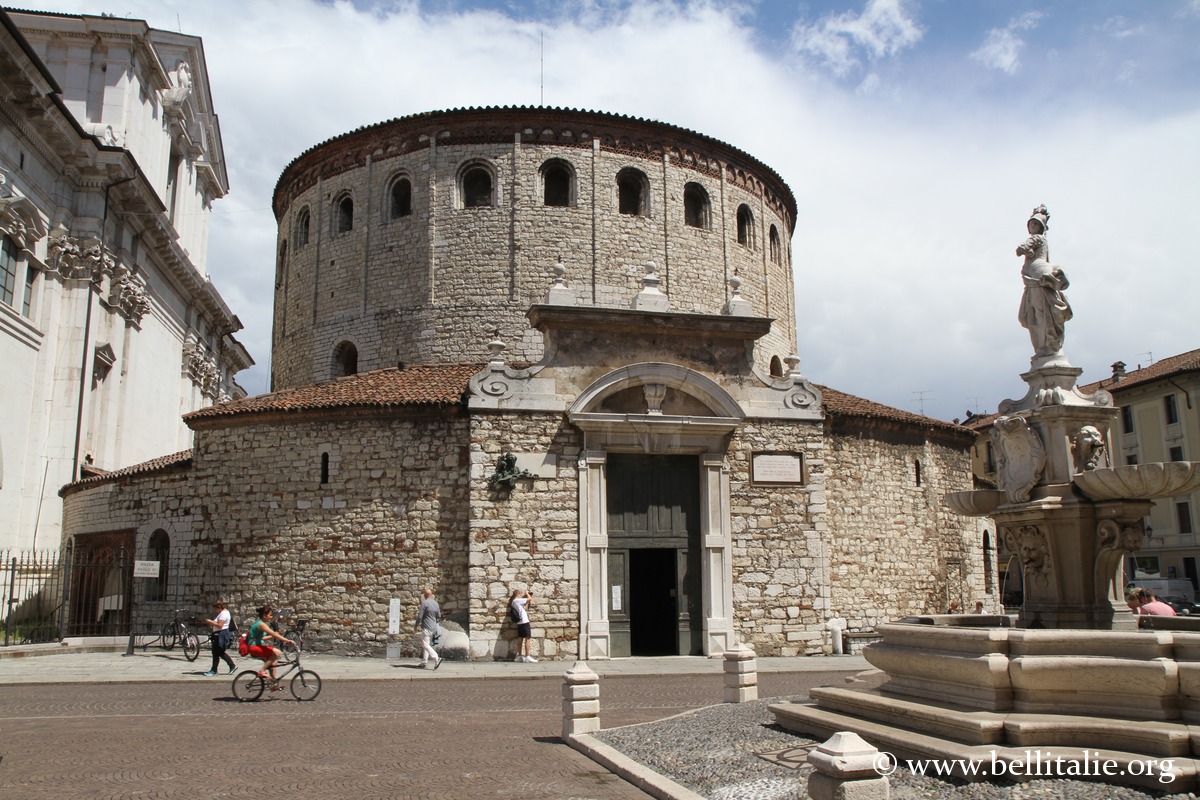
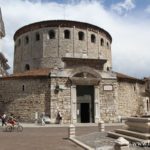
The Rotonda
The Duomo Vecchio (or Winter Co-cathedral of Santa Maria Assunta) is a rare and remarkable example of Romanesque architecture with a circular plan, where from the ancient Palaeo-Christian basilica destroyed in a fire there remain the crypt and portions of mosaics.
Built in the 11th century, it lies below the current level of the square, formed by two concentric cylindrical bodies superimposed on one another.
The interior was enriched over time, preserving Renaissance frescoes as well as works by Romanino, Moretto and Cossali, the beautiful red marble sarcophagus of Bishop Berardo Maggi made in the 14th century, or the crypt of San Filastrio from the 7th-10th centuries.
→ See the article on the Duomo Vecchio
7. Carmine District and Pallata Tower
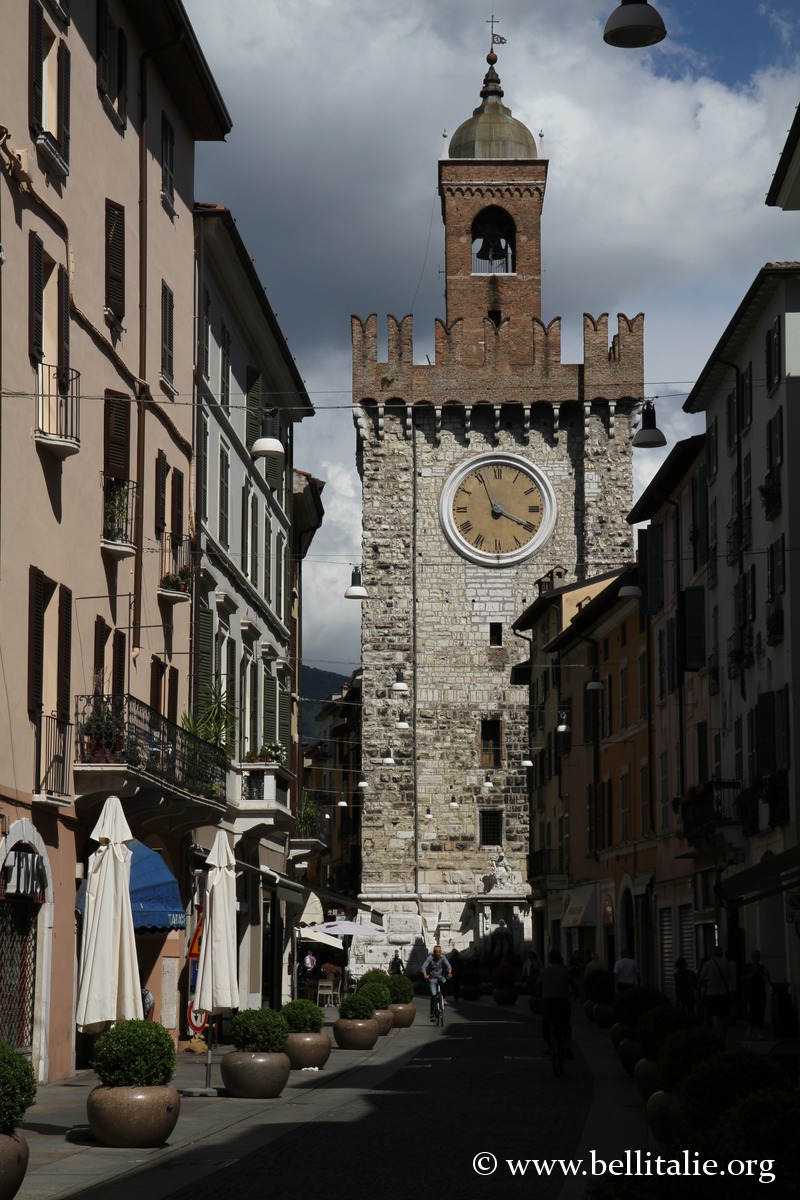
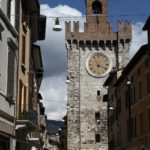
Pallata Tower
Close to Piazza Loggia, the Carmine district is one of the most popular, young and multicultural. Besides its bars and nightclubs it preserves many historic buildings, palaces, churches and old alleys, including the Pallata Tower 32 metres high which goes back to the 13th century, or the Palazzo dei Mercanti built in the 12th century.
It was an important district of merchants and craftsmen in the Middle Ages, with weavers, blacksmiths and goldsmiths, where the now buried canals brought the water that powered the mills. It was relatively abandoned after the Renaissance, then the ghetto was established there for a long time. In the 19th century it was a disreputable district, a place of petty crime and prostitution.
→ See the article on the Carmine District
8. Church of Saint Francis of Assisi
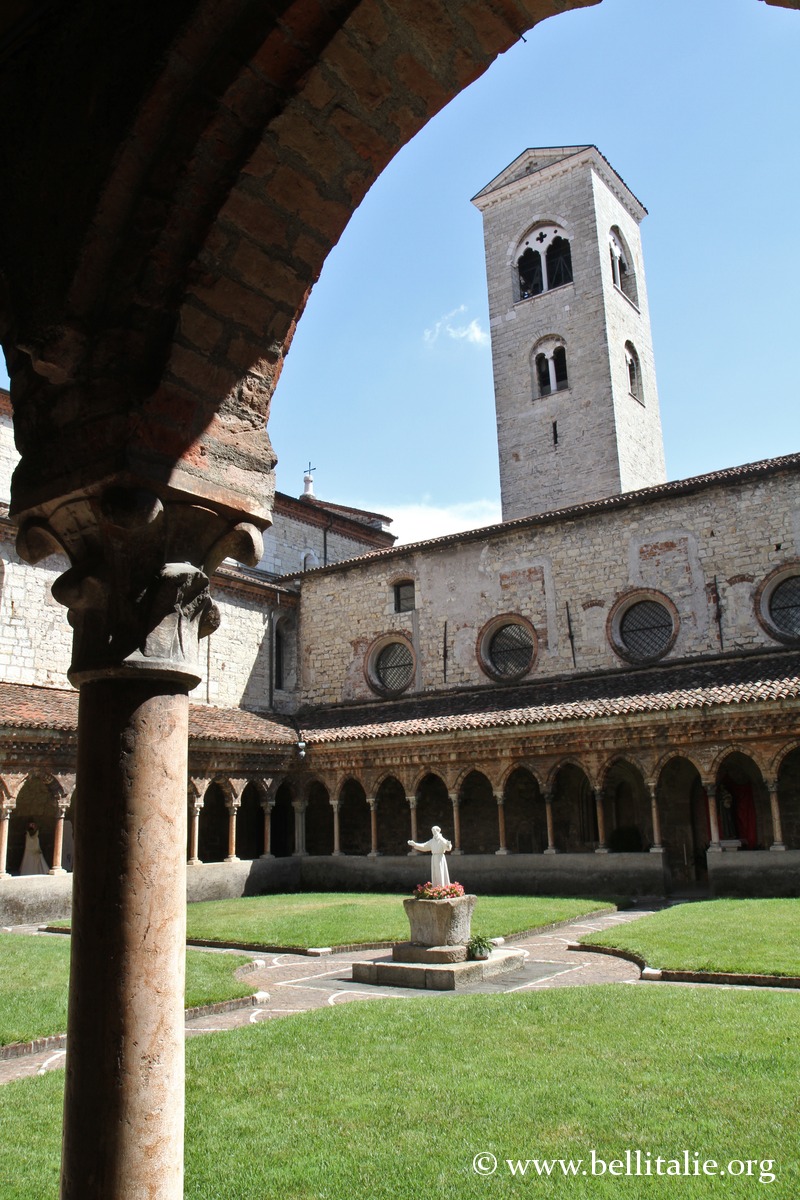
Cloister of San Francesco
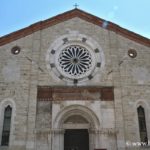
The beautiful church of Saint Francis of Assisi built in the 13th century, between the end of the Romanesque and the beginning of the Gothic period, has a beautiful Romanesque façade with a large rose window. It is notably known for housing a mechanical nativity scene during the Christmas period. The three elegant naves are decorated with frescoes and in the side chapels one discovers works by Moretto and Romanino.
It has two cloisters, including a beautiful large cloister with columns in red Verona marble.
→ See the article on the church of Saint Francis of Assisi in Brescia
9. Tosio Martinengo Art Gallery
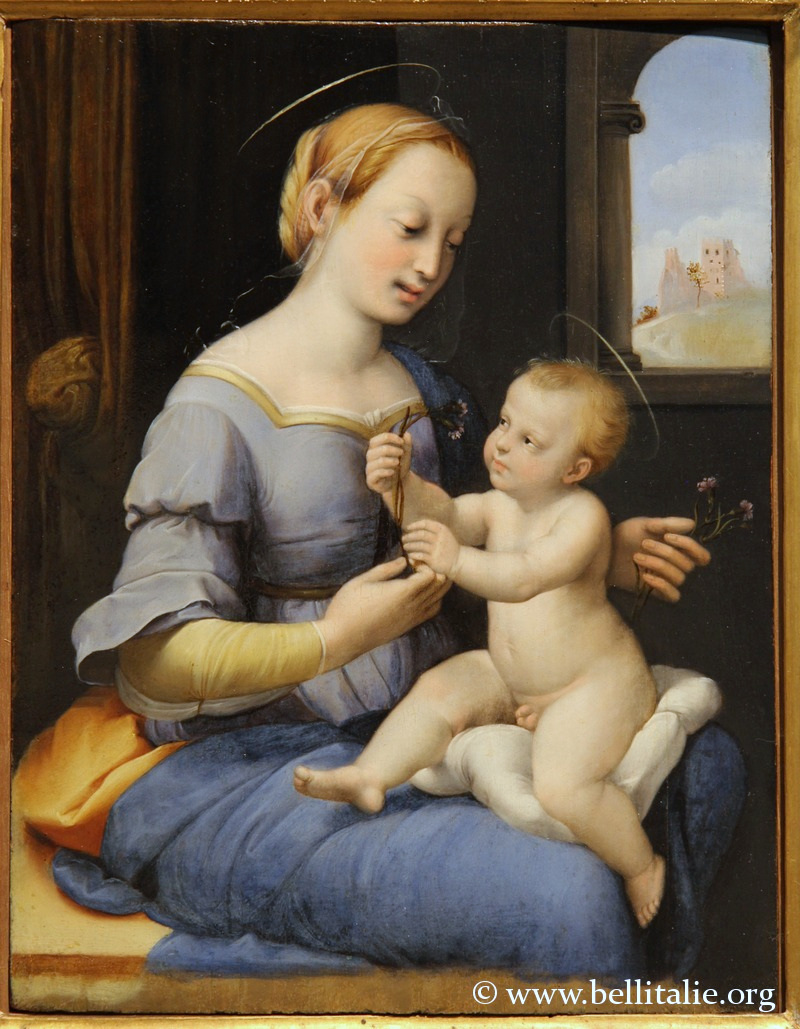
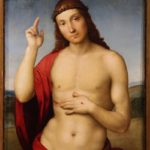
Madonna of the Carnations (Raphael)
Formerly housed in the Palazzo Tosio, the Tosio Martinengo Art Gallery has an important collection extending from the Renaissance to the early 19th century, spread over 21 rooms with ceilings decorated with frescoes, with nearly 500 works, including paintings, sculptures, silverware and objects, such as works by Raphael, Lotto, Ceruti, Hayez, Canova, and more particularly Brescian painters of the Renaissance such as Moretto, Romanino and Foppa.
→ See the article on the Tosio art gallery of Brescia
Other places
10. Duomo Nuovo
See the paragraph on the page about Piazza Paolo VI
11. Church of San Cristo
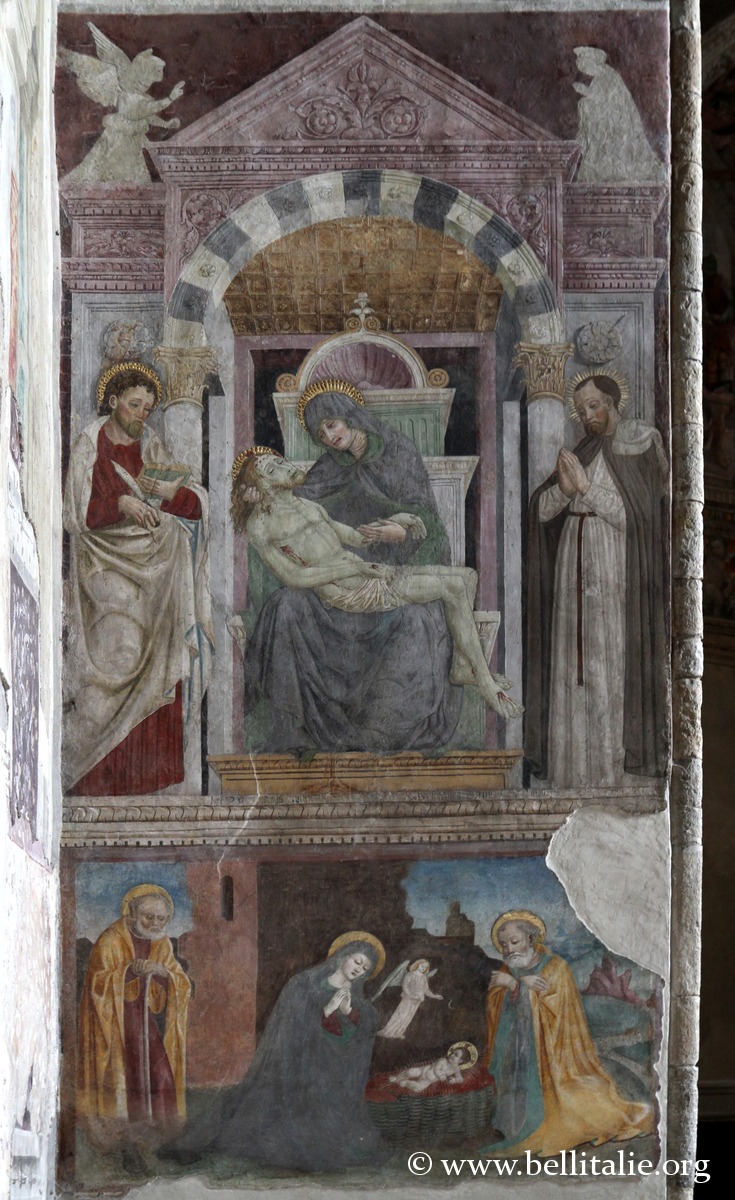 The church of the Most Holy Body of Christ (Santissimo Corpo di Cristo in Italian), located at the top of a staircase, along the street leading to the castle, was built in the second half of the 15th century. It is attached to a vast monastery with three cloisters, run by the Xaverian Fathers, and which has remained very well preserved.
It was entirely decorated with frescoes during the 16th century by Benedetto da Marone, and enlarged later. Some scenes recall those of Michelangelo’s Sistine Chapel, which is why it is designated as the “Sistine Chapel of Brescia”.
12. Church of Santa Maria dei Miracoli
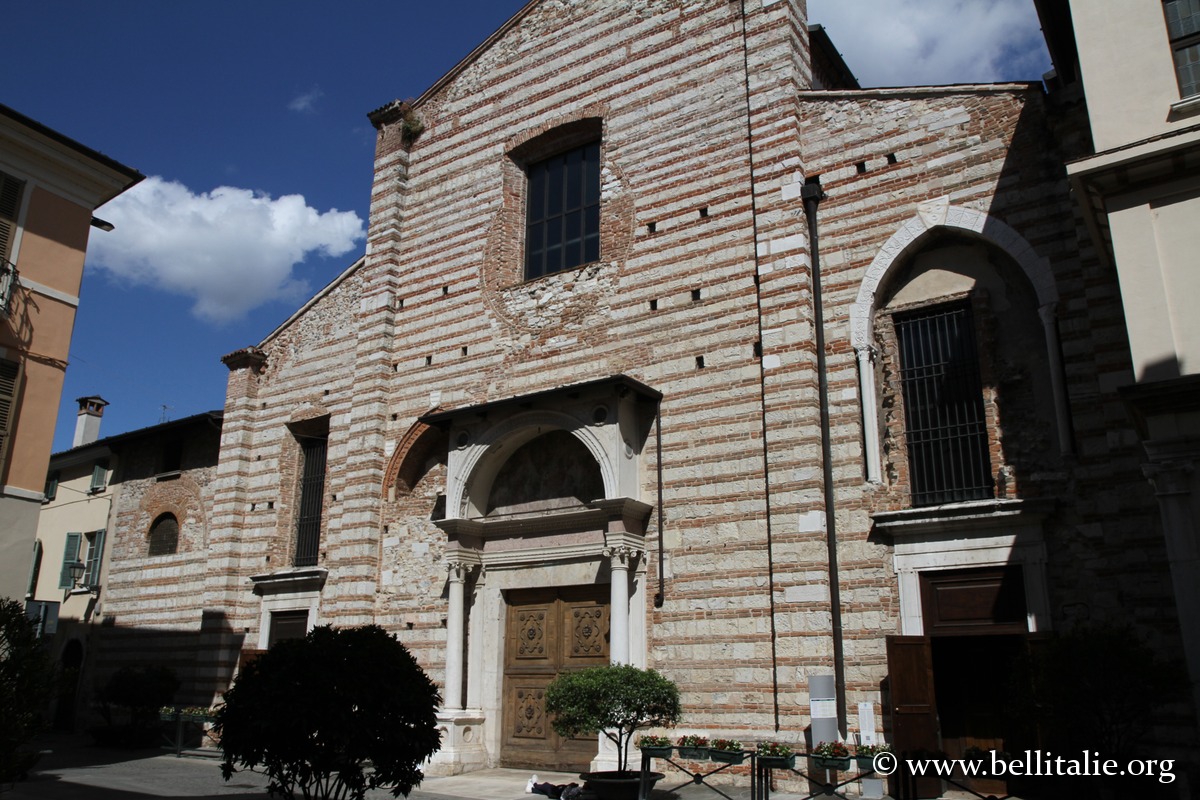
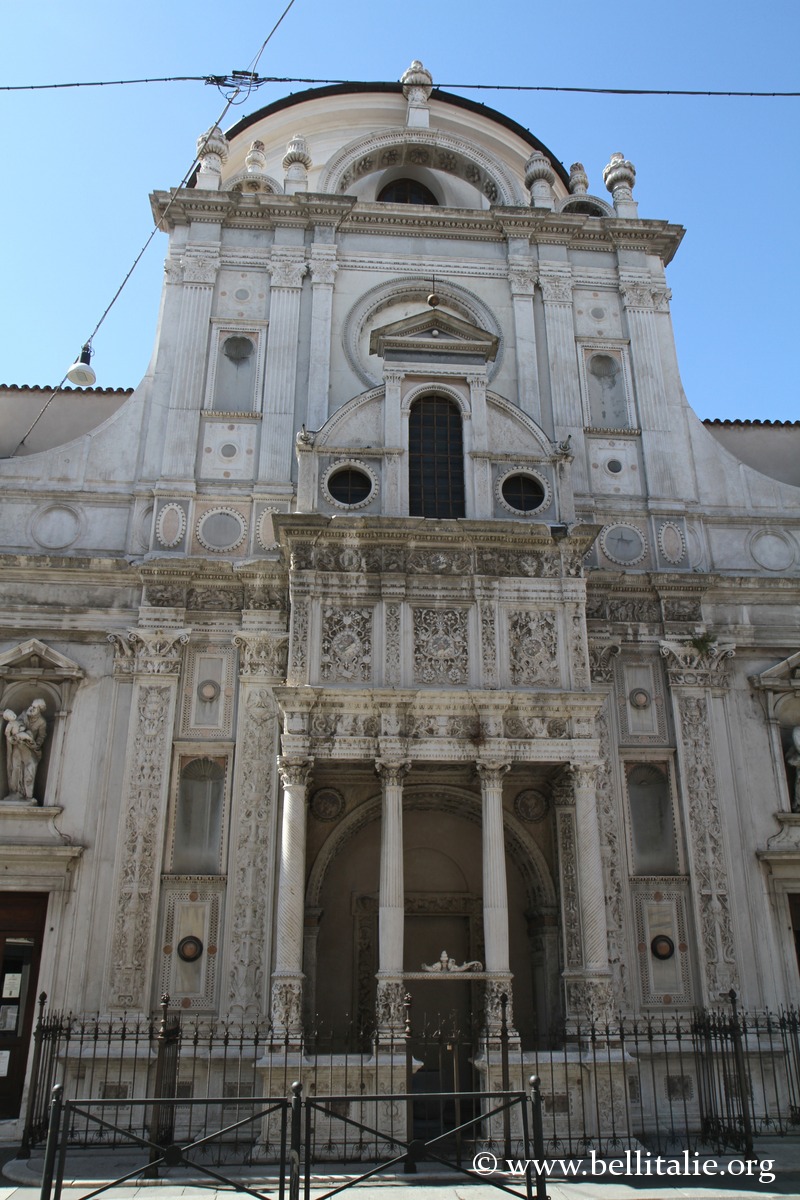 The church of Santa Maria dei Miracoli is a very beautiful building with its finely worked and unusual marble façade, a true jewel of the Lombard Renaissance.
It was built from 1488 to house a miraculous icon of the Virgin and Child that was painted on the outer wall of a house that previously stood here.
The core of the façade was made by the workers who were working at the same time on the Palazzo Loggia, producing capitals, pilasters and friezes. The pretty central prothyrum with four columns was added in the late 16th century, the upper crowning in 1560 and the side parts in the 17th century.
The interior was almost entirely destroyed by the bombing of 2 March 1945 and then restored. Pillars and columns divide the space into three naves topped by four domes. Among the 16th-century paintings it houses, there is the copy of a canvas by Moretto and in the chancel works by Pier Maria Bagnadore, Tommaso Bona, Pietro Marone, or Grazio Cossali.
13. Piazza Vittoria
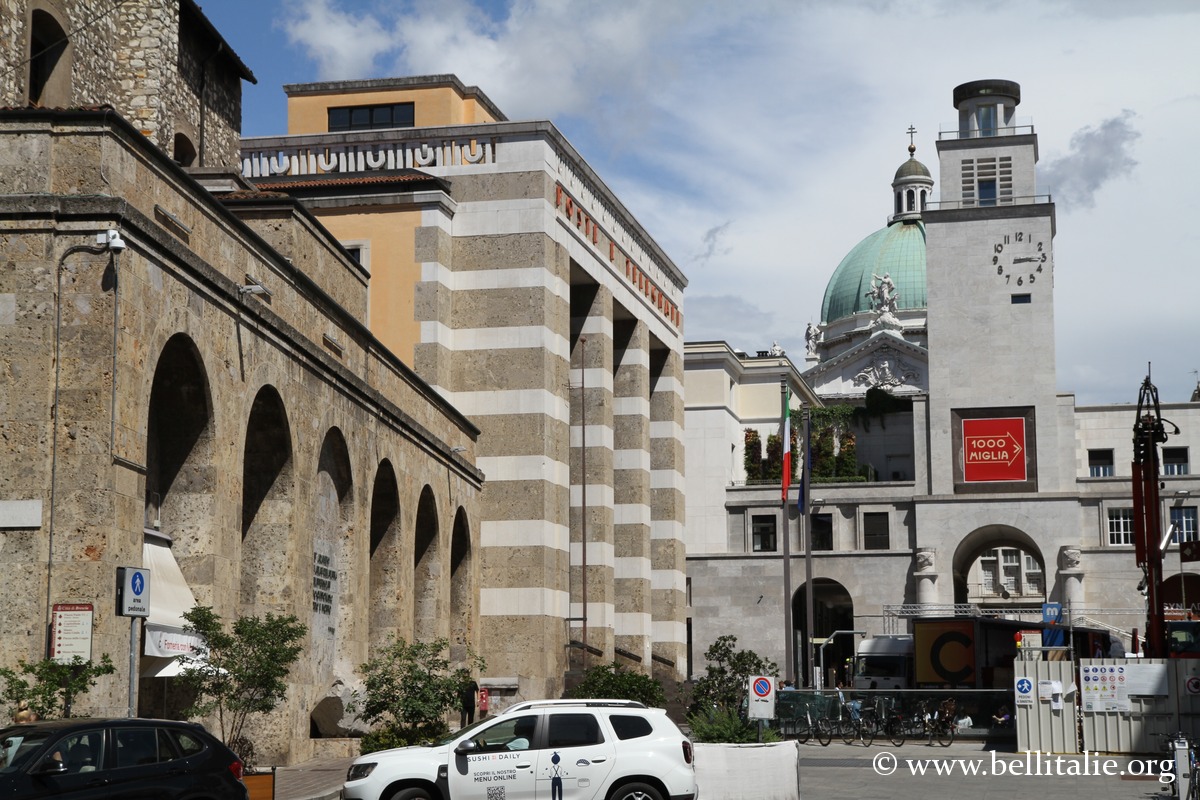 The vast square Piazza Vittoria is the third most important square in Brescia, laid out by Marcello Piacentini between 1932 and 1937, marked by an architecture of the Fascist period with its neoclassical buildings such as the Palazzo delle Poste, the large INA Tower, the Tower of the Revolution, and the quadriportico. It notably hosts food markets. The Arengario is decorated with bas-reliefs representing the history of Brescia.
14. Queriniana Library
Inside the austere Palazzo Vescovile on Via Mazzini, the Queriniana Library is a prestigious library founded in 1747 by Cardinal Angelo Maria Querini at the same time as the building.
It preserves a large collection of works, with beautiful reading rooms and their old wooden bookcases.
It has three sections, a section dedicated to the Risorgimento, an artistic section and a local studies section, with in total more than 300,000 volumes. It notably preserves a collection of old documents of 150,000 items, including more than 1,100 incunabula, 10,000 manuscripts, such as for example a Gospel on purple parchment from the 6th century with its writing in silver letters and decorated with gold.
15. San Giuseppe Monastery and diocesan museum
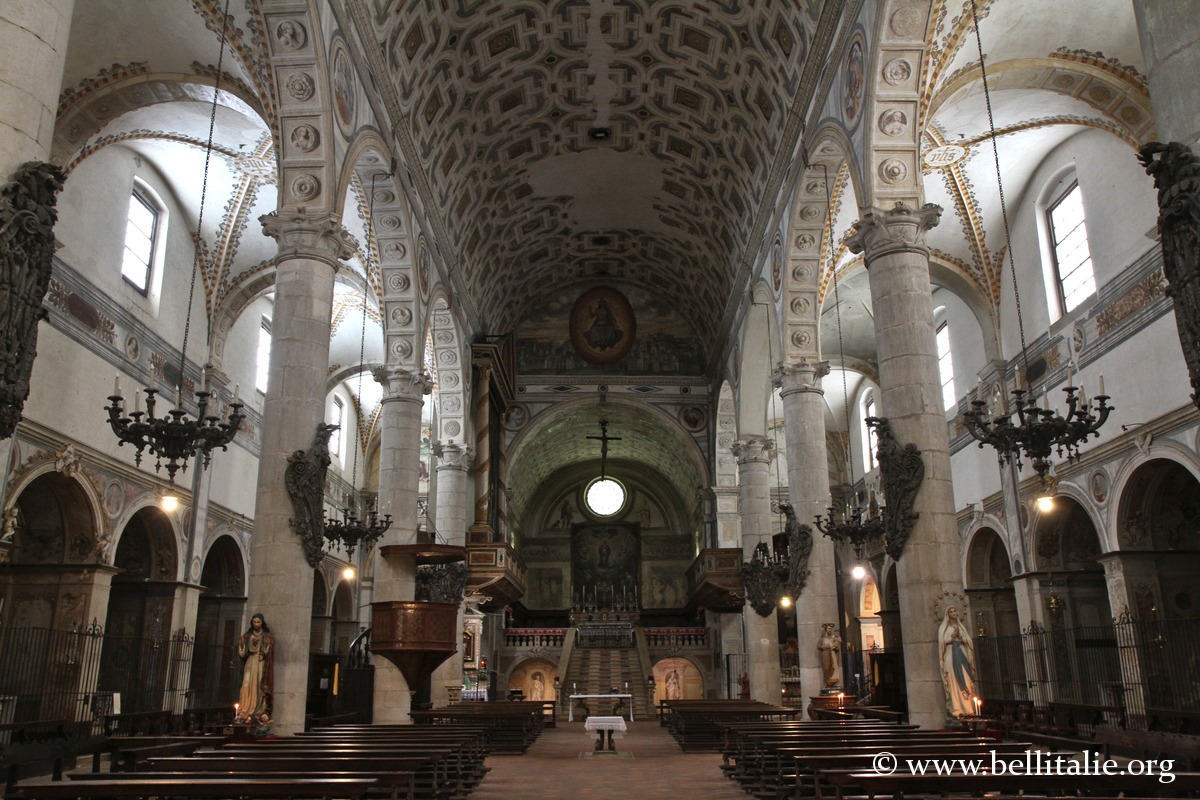 The San Giuseppe monastery includes the church which is mainly Renaissance, with elements of late Gothic, within a 16th-century complex built by the Franciscans.
The façade has three portals and there are three beautiful cloisters decorated with frescoes from the 16th and early 17th centuries, at least the oldest one.
The interesting diocesan museum is housed around one of the cloisters of the monastery.
16. Teatro Grande
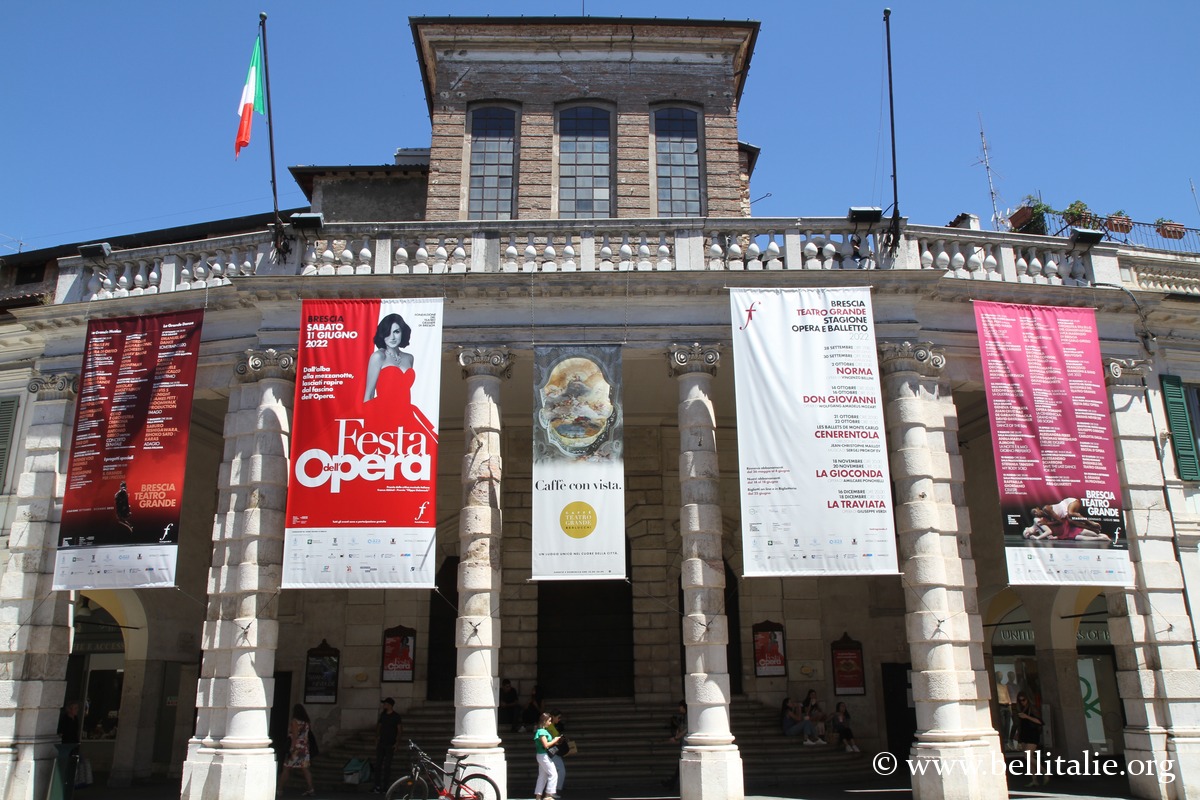 The Teatro Grande is one of the most important theatres in Italy, with a beautiful neoclassical hall built in 1810 and renovated in 1862, with its boxes decorated with frescoes, stucco and gilding, a remarkable ceiling with a balustrade adorned with figures of Olympian deities, and higher up allegorical groups of Dance, Comedy, Tragedy, Music. Its façade dates from the late 18th century.
It hosts traditional and contemporary opera, dance and music performances, including the “International Piano Festival of Brescia and Bergamo”, and the Opera Festival.
The stage preserves part of the 19th-century structure.
17. Mille Miglia Museum
This museum is dedicated to the famous Italian car race of the Mille Miglia (whose first edition took place in 1927), with old cars on a beautiful exhibition route.
It was founded in 2004 in the former Benedictine monastery of Sant’Eufemia, a few kilometres east of the centre of Brescia.
After the introduction and the presentation, the route exhibits a parade of valuable cars dating from 1927 to the 1960s, a section dedicated to contemporary racing, then many souvenirs such as photographs, posters, and even petrol pumps.
18. Church of Santa Maria della Carità
Also known as the Church of the Good Shepherd, Santa Maria della Carità is a very pretty baroque church built in the 17th century on the remains of an older sanctuary to house a reproduction of the Holy House of Nazareth kept in Loreto.
The 18th-century façade is typically baroque with its two orders, statues and paintings, a portal whose columns in Egyptian marble come from the destroyed basilica of San Pietro de Dom.
The interior is octagonal in shape covered by a large dome. The walls are decorated with 18th-century frescoes and stuccoes, with a charming floor in polychrome marbles, or a beautiful high altar behind which is the model of the Holy House.
19. Santa Maria del Carmine
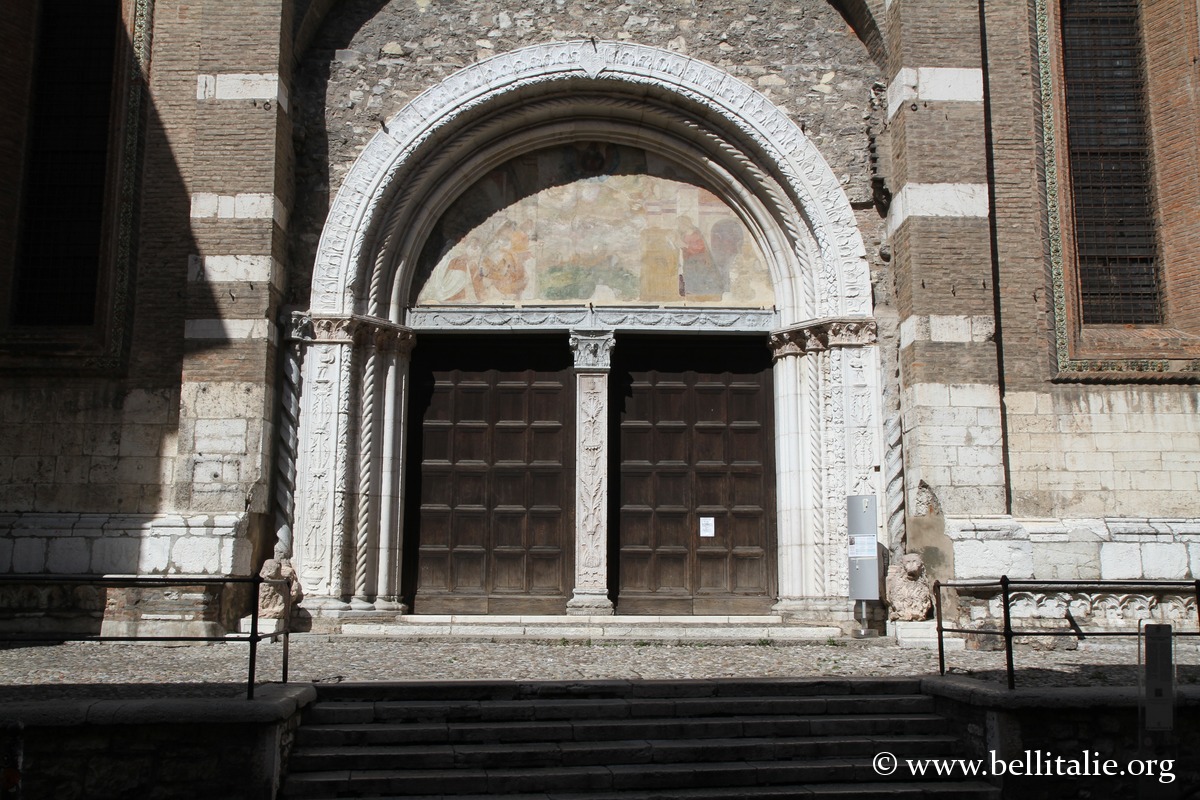 The church of Santa Maria del Carmine, in the Lombard Gothic style, dates from the 15th century and was renovated in the 16th with its unusual brick façade.
Most of its rich artistic heritage has disappeared, but there remains the Averoldi chapel decorated by Vincenzo Foppa with the cycle of the evangelists on the vault from 1477 with the Renaissance altar.
There is also the Fenaroli chapel with the 16th-century tomb, or the one serving as sacristy with frescoes of the Brescian school from 1423-50, the chapel of the Miracle of Saint Eligius with frescoes.
In the apse, behind the baroque altar is the altarpiece by Pieter de Witte, then the partly inlaid choir. Other works are by Jacopo Palma the Younger (the Archangel Saint Michael), an 18th-century altar of Saint Luke housing a small Madonna that a tradition attributes to the evangelist Luke.
20. Church of Santi Faustino e Giovita
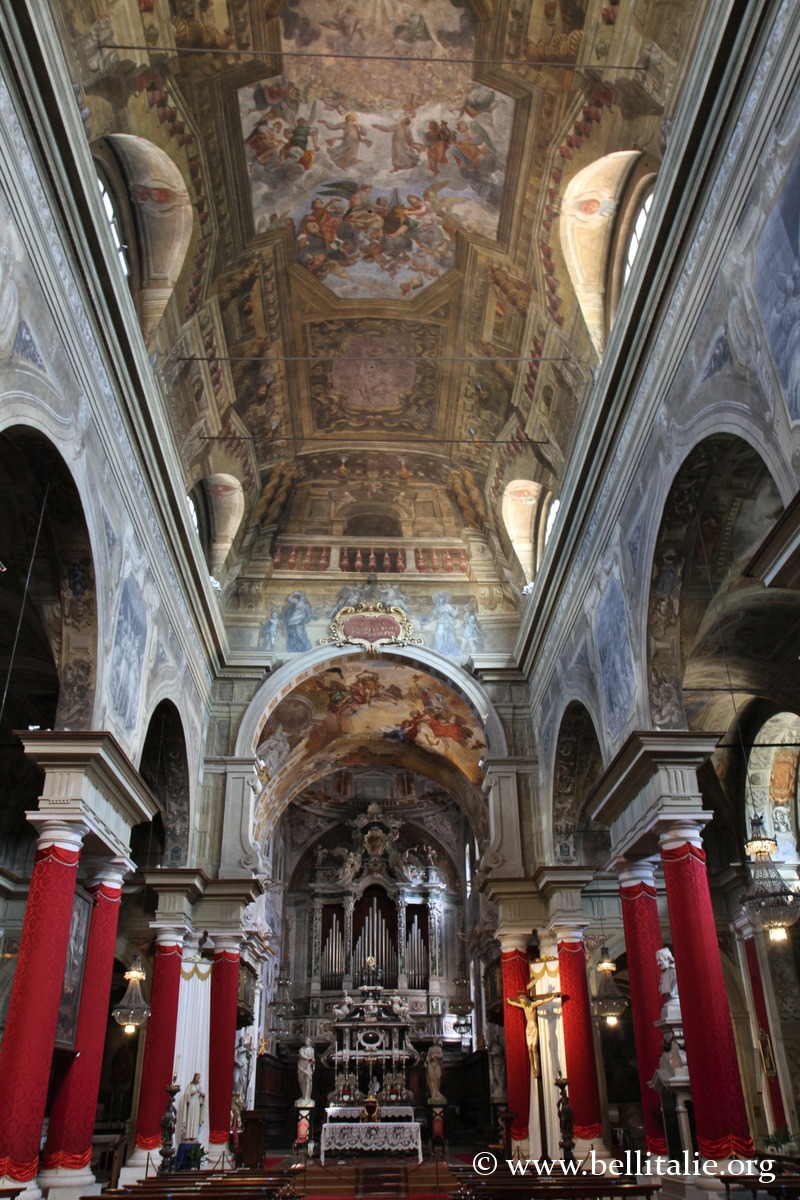 The church of Saints Faustino and Giovita, preserves the remains of the patron saints of Brescia. It was built in 1622 on the remains of an old church attached to a monastery founded in the 9th century, of which only the 12th-century bell tower remains. Its façade with its rich marble ornament is considered the masterpiece of Bernardo Fedrighini which he completed in 1711.
The interior is covered with frescoes, preserving baroque works from the 17th and 18th centuries, by Tommaso Sandrino in the nave, by Giandomenico Tiepolo in particular in the chancel (Apotheosis of Saints Faustino, Giovita, Benedetto and Scolastica), the arch of the high altar, the cantoria of Mengozzi Colonna, and in the presbytery other frescoes by Tiepolo.
21. Church of San Nazaro e Celso
The church of San Nazaro e Celso (Saints Nazarius and Celsus in English) from the 15th century, remodelled in neoclassical style in the 18th century with in particular its façade marked by Corinthian columns, is above all known for preserving the Averoldi polyptych by Titian (1520-22). This represents the Risen Jesus, the Annunciation, Saints Nazaro, Celso, with Altobello Averoldi (the commissioner of the work) and San Sebastiano. The work is distinguished by an influence of Michelangelo in the representation of anatomy and the play of light.
The interior is also adorned with late baroque altars with polychrome marbles, stuccoes and sculptures, works by Paolo Caylina il vecchio (15th century), by Moretto (16th century), etc.
22. Piazzale Arnaldo
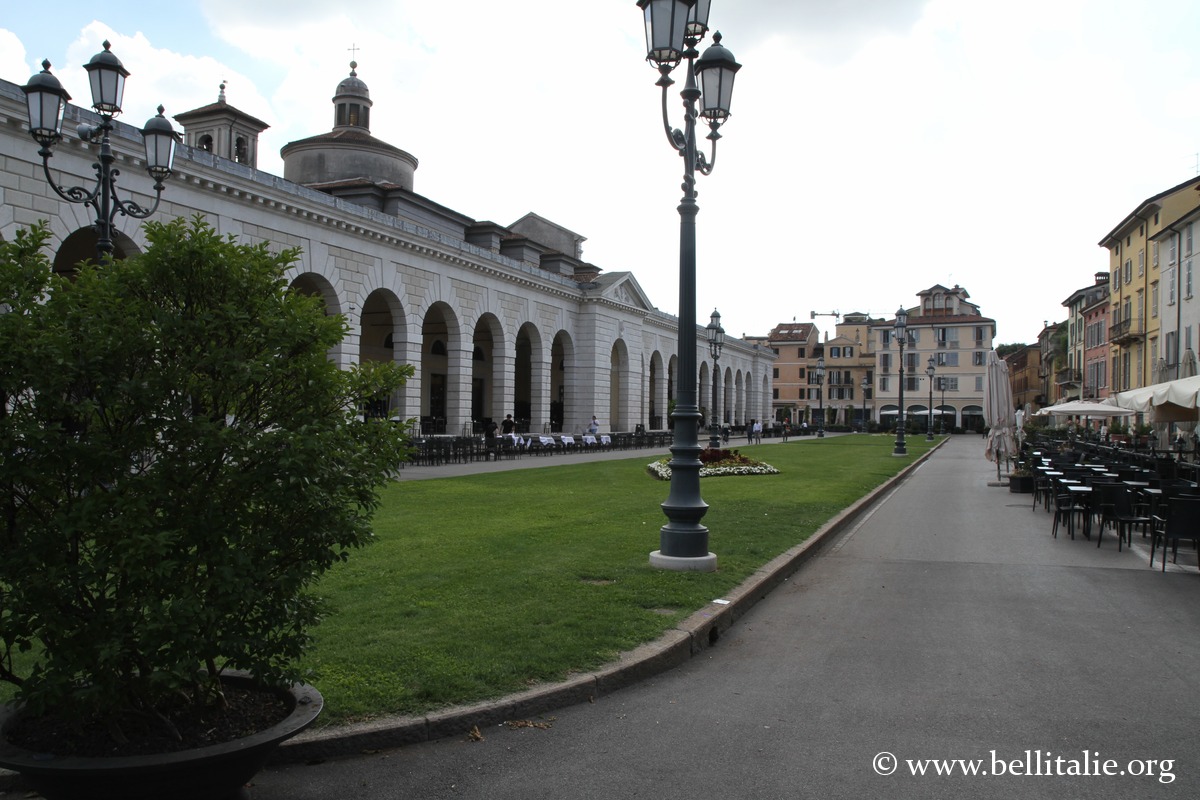 The beautiful large square Piazzale Arnoldo lined with arcades sees its terraces come alive at the end of the day, in particular at the time of the aperitivo. It is a major achievement of neoclassicism in Brescia.
The arcades made it possible to store grain to supply the market formerly located on Piazza della Loggia and then on Via San Faustino. The grain depot was inaugurated in 1823, with twelve underground warehouses and premises above, over 111 metres in length. Another depot was added later on the eastern side. Two fountains are also found at the ends. In 1882 was inaugurated the monument to Arnoldo, famous 12th-century Brescian monk, who was persecuted as a heretic because he opposed the feudal church.
The Liceo Classico is located next to it in a 17th-century building, other palaces date from the 19th century, and the Palazzo Valotti has a beautiful 16th-century colonnade. Through a beautiful baroque gate in wrought iron and stone one glimpses the scenic garden of the Palazzo Martinengo da Barco from the 17th century.
23. Palazzo Tosio
This beautiful palace built in the 16th century and remodelled in the 19th, has become a house-museum, preserving an important private art collection with a collection of neoclassical masterpieces, with sculptures and objects. The art gallery with works by Raphael, Moretto and Lorenzo Lotto was largely transferred to the Tosio Martinengo Art Gallery.
Remains of Roman baths are present in the basement.
The palace opens its doors on special occasions, such as heritage days or others.
24. Other remarkable churches
San Faustino in Riposo
The curious little circular church of San Faustino in Riposo, also called San Rita, is located along the alley between Largo Formentone and Piazza Tito Speri.
Built at the end of the 12th century in brick, it stands out with a dented conical dome with its tiles, at the origin of its nickname “trullo of Brescia”.
It is reached through a small door under the tower of the Porta Bruciata in the Via dei Musei.
The interior was rearranged in the 18th and 19th centuries, it is circular with about thirty seats, the image of Santa Rita, a statue of the Virgin and her ex-votos, the altarpiece of the Virgin and Child between Faustino and Giovita from 1743.
There are remains of paintings on the side walls. Originally, it preserved the 15th-century painting of the Mercanzia by Vincenzo Foppa, moved to the Tosio Martinengo Art Gallery.
Church of Sant’Agata
The church of Sant’Agata has a structure from the 14th and 15th centuries. Its beautiful Renaissance portal is surmounted by baroque statues.
The beautiful imposing interior mixes styles ranging from the 15th to the 18th century, with frescoes and stuccoes, such as the 15th-century chancel, the vaults and the 16th-century balcony, the altars and stuccoes of the 17th century, the 18th-century chapel of the Blessed Sacrament.
It preserves in particular the beautiful altarpiece with Agatha between four saints, a masterpiece by Francesco Prata da Caravaggio.Church and monastery of San Barnaba
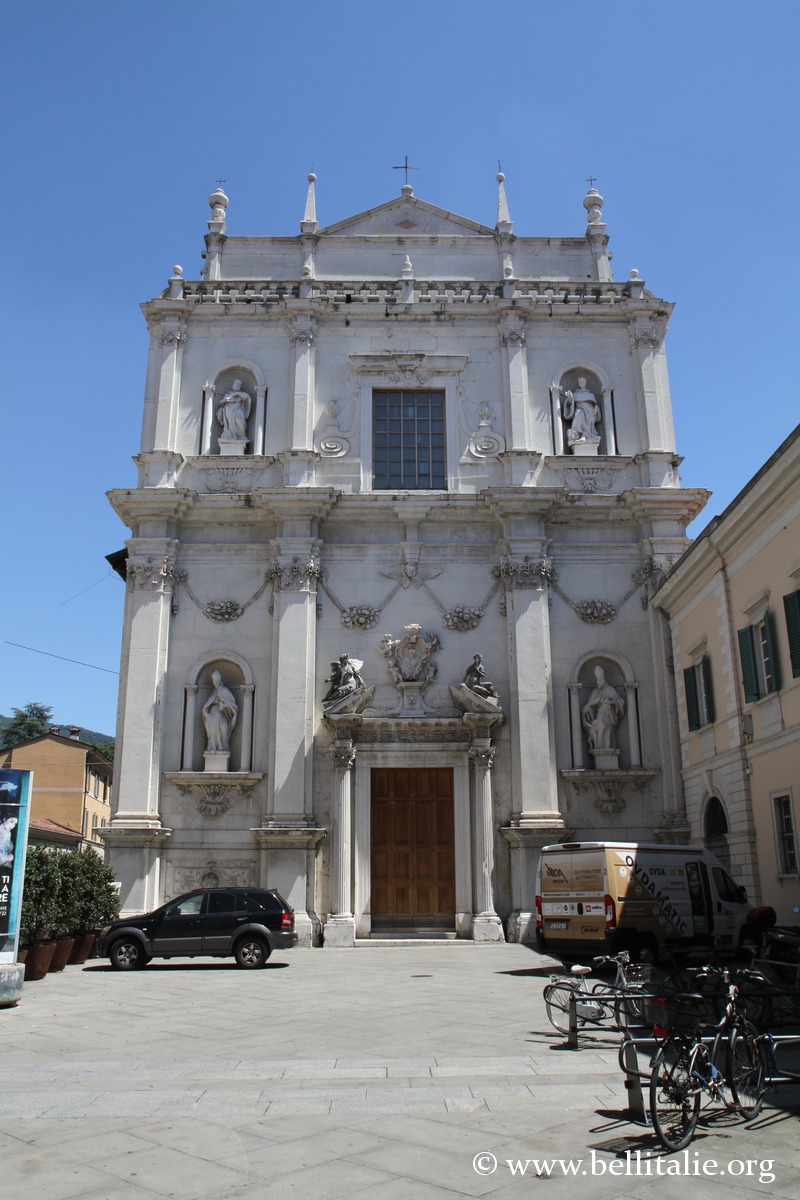
 The church of San Barnaba is deconsecrated and serves as an auditorium integrated into the complex of the Luca Marenzio conservatory occupying the former Augustinian monastery. Built in 1675, it has a beautiful baroque façade.
Inside the complex there are a harmonious cloister and the precious Salone da Cemmo, the former library with a beautiful coffered ceiling, decorated with frescoes in 1490 by Pietro da Cemmo of the canonization of Saint Augustine, the allegory of Saint Augustine.Santi Cosma e Damiano
Of the Romanesque construction of the 12th century, only the bell tower remains. The façade and the interiors mainly date from an 18th-century reconstruction. The 18th-century high altar is in polychrome marble with statues by Antonio Callegari or a 16th-century arch.
The large 15th-century cloister is adjacent and was largely remodelled.San Giovanni Evangelista
 A few steps from the Carmine district, the church of San Giovanni Evangelista goes back to the early days of Christianity, founded in the 4th century by Bishop Gaudenzio, rebuilt around 1445. The severe façade dates from the 15th century, and the portal from the early 16th. The interior was remodelled in the 17th century by incorporating the old terracotta pillars into new stone ones. Of the 15th-century structure, several chapels, frescoes and the polygonal apse remain.
It preserves beautiful paintings by Brescian artists, including Moretto and Romanino.
Among the main works of art, there is an altarpiece of the Assumption by Francesco Paglia, the Massacre of the Innocents(1531) and a Madonna and Child by Moretto, in the chancel a 15th-century wooden Crucifix and behind it works by Moretto. The chapel of the Blessed Sacrament houses a remarkable pictorial ensemble, composed of paintings by Romanino and Moretto, with two cycles having a beautiful expressiveness and a particular luminosity. The elegant cloister with its double loggia dates from around 1487.Santa Maria delle Grazie
This church with a pared-down façade preserves a superb Lombard Renaissance portal which has kept the wooden doors from 1490, as well as an interior decorated with baroque frescoes and stuccoes.
It is characterised by an interior lavishly decorated with an abundance of stuccoes and frescoes between late Mannerism and the early baroque, preserving precious paintings by Pietro Rosa, Alessandro Maganza, Moretto, Francesco Maffei, Francesco Giugno, a 15th-century wooden crucifix.
Its pretty cloister, between the basilica and the 19th-century sanctuary (replacing that of the 13th century), was rebuilt in 1876 in neo-Renaissance style. It has in the centre a fountain adorned with a statue.San Pietro in Oliveto
Near the castle and in the green surroundings of the Cidneo hill, the church of San Pietro in Oliveto is part of the Carmelite complex.
The building is characterised by an elegant Renaissance façade from the 16th century in white stone, a Romanesque apse, and two 16th-century cloisters.
The harmonious interior in Renaissance style has chapels introduced by columns with arcades and reliefs. The choir is decorated with large canvases by the Brescian painter Ricchino (1566), above the organ a remarkable canvas by Andrea Celesti (late 17th century). It also preserves paintings by Paolo da Caylina the Younger.
One enjoys a beautiful panorama from the eastern loggia, adjacent to the cloisters.
Information
- Wikipedia article: en.wikipedia.org
- Tourist portals: www.turismobrescia.it, www.in-lombardia.it, www.visitbrescia.it
- Museums of Brescia: www.bresciamusei.com
Map
 Show interactive map


Comments