


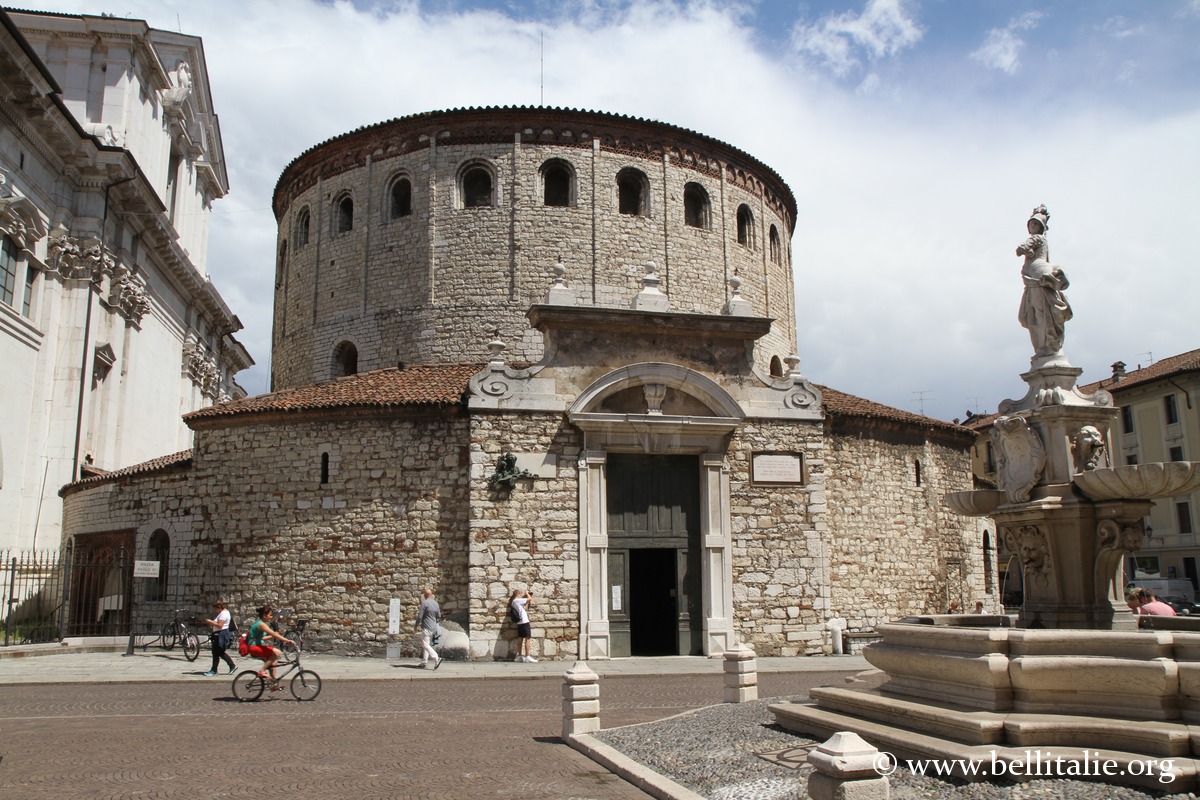
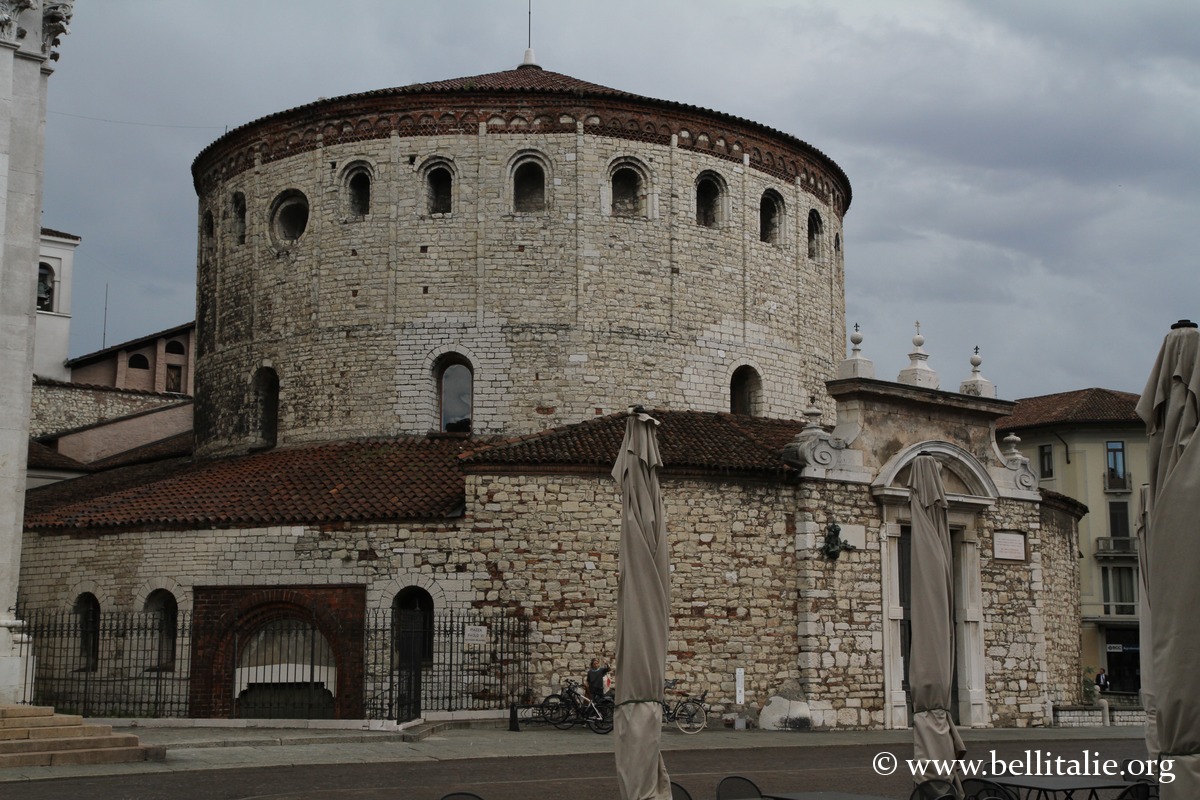
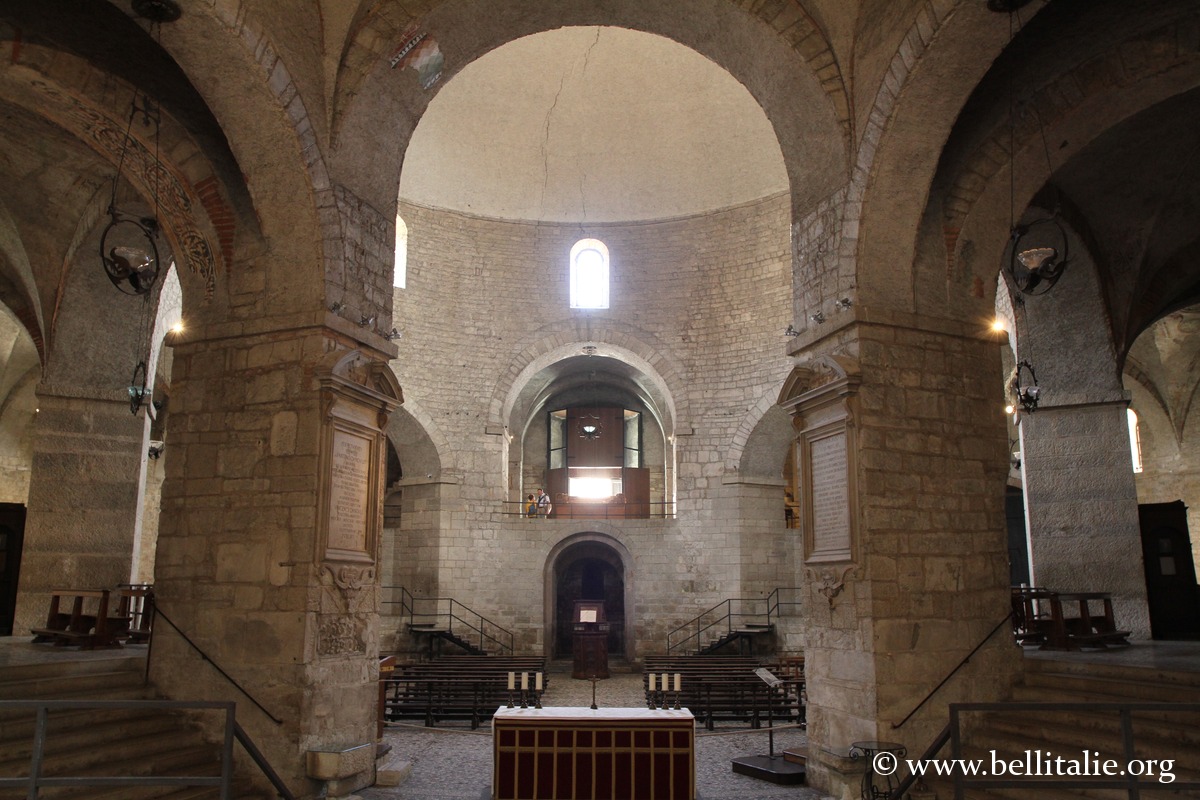
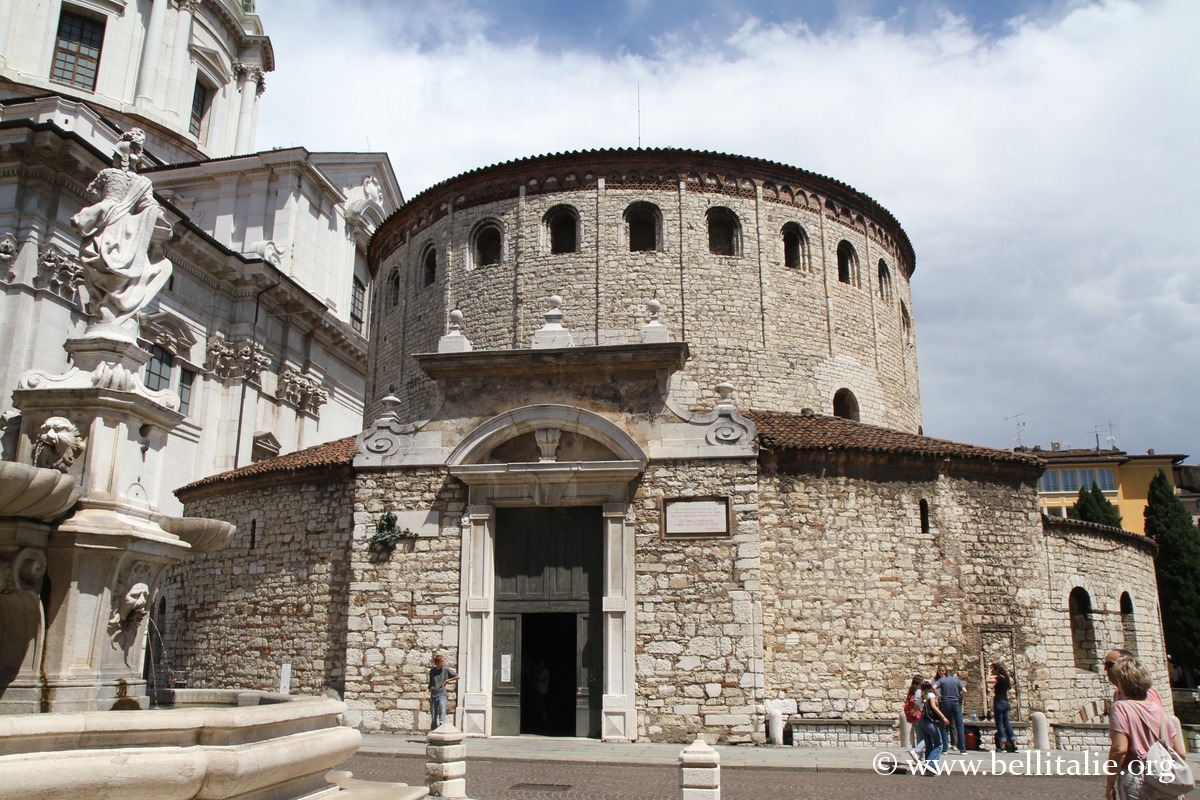
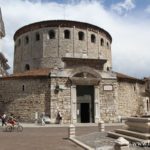
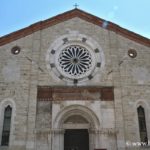
The Duomo Vecchio, also known as the winter co-cathedral of Santa Maria Assunta, is a rare and remarkable example of Romanesque architecture with a circular plan.
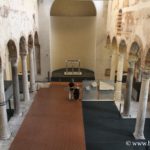
Built in the 12th century, it now lies below the current level of the square, and is made up of two “superimposed” cylindrical volumes.
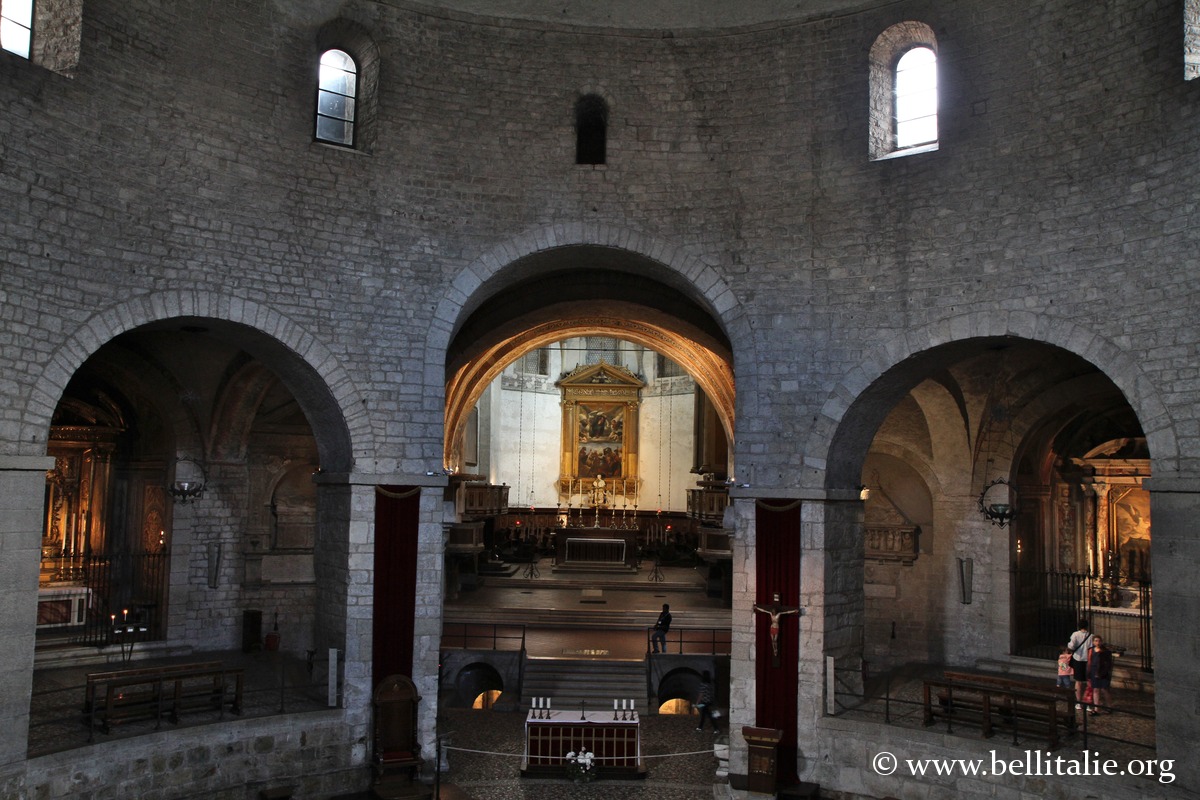
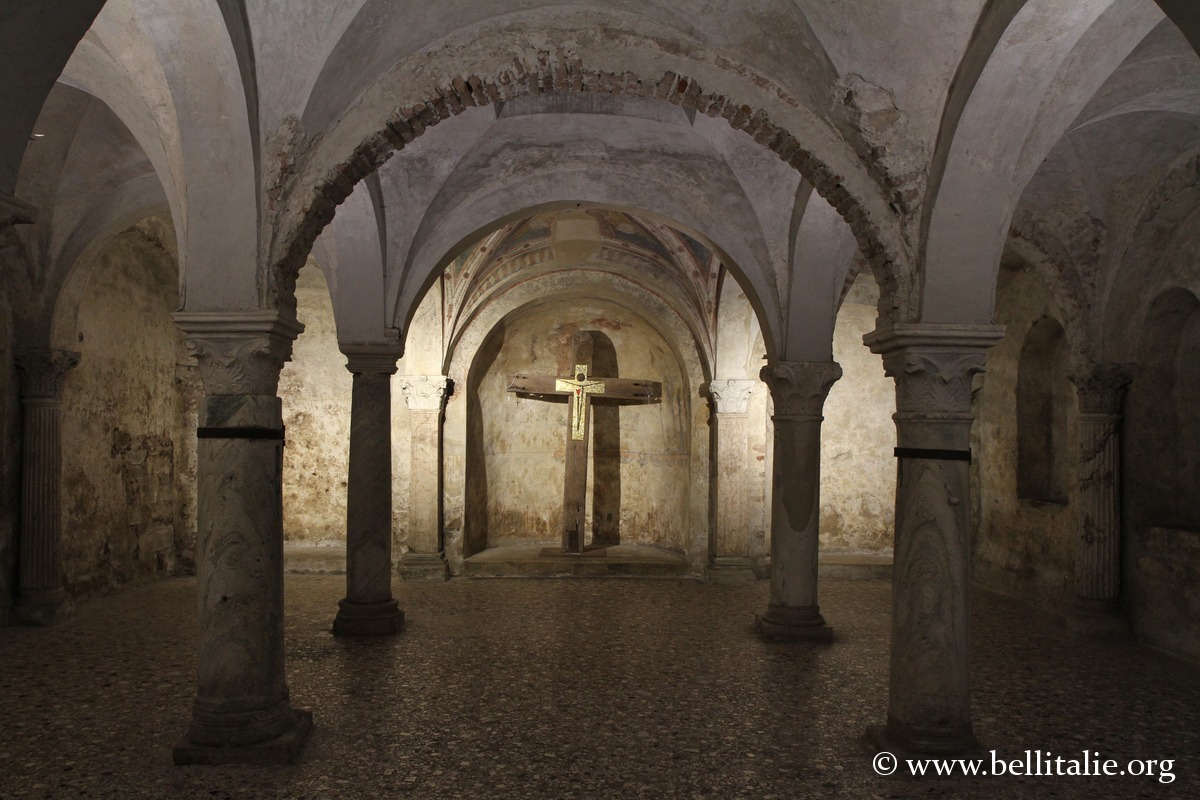
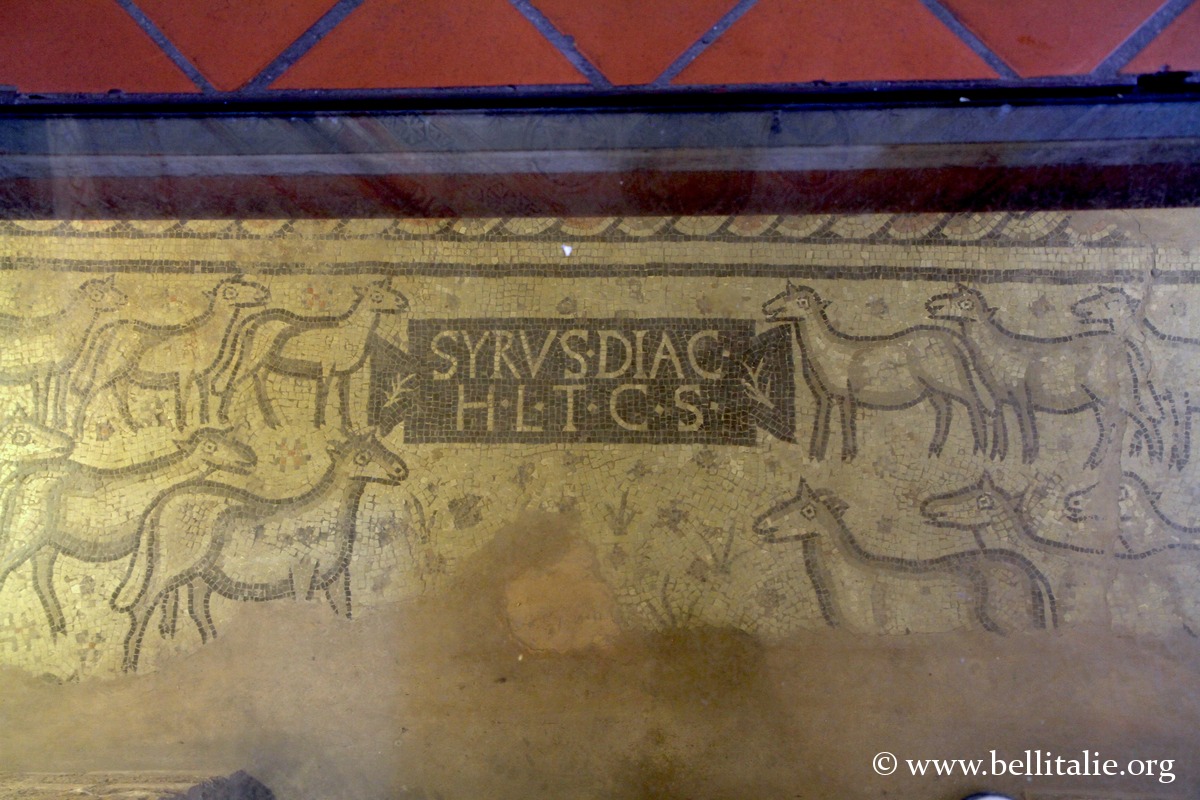
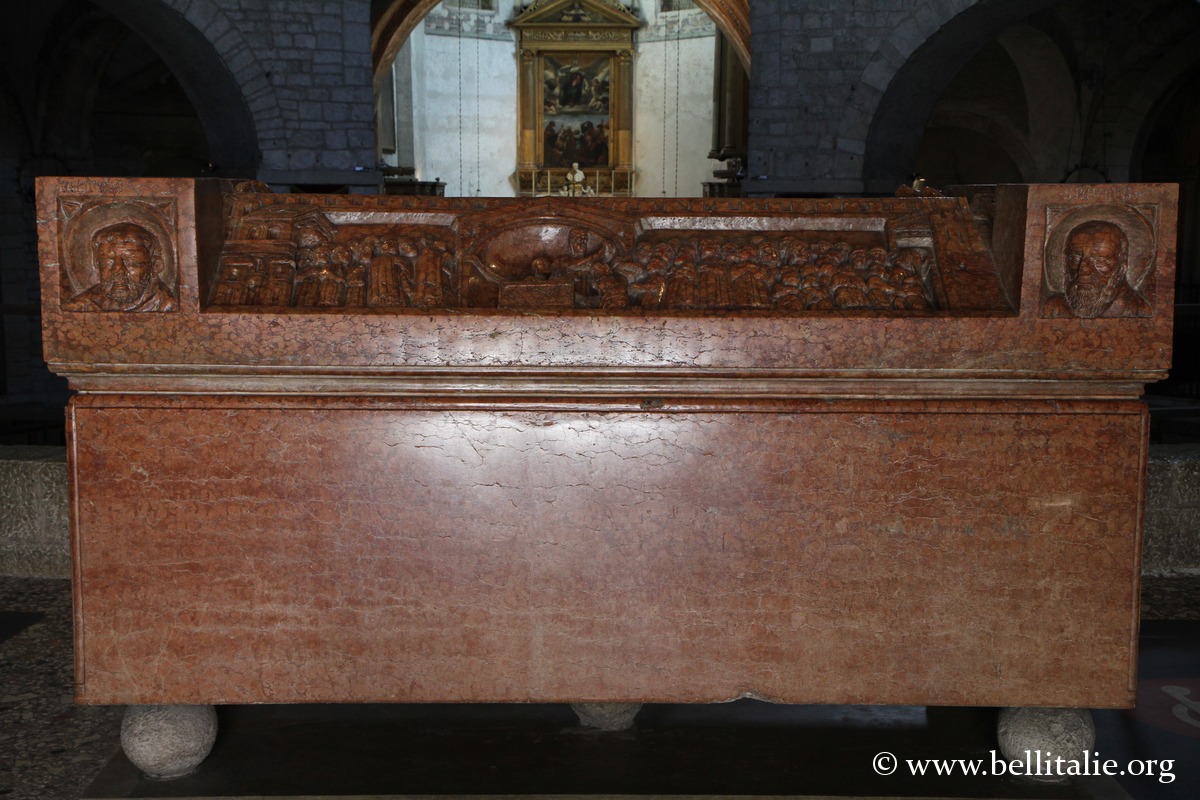
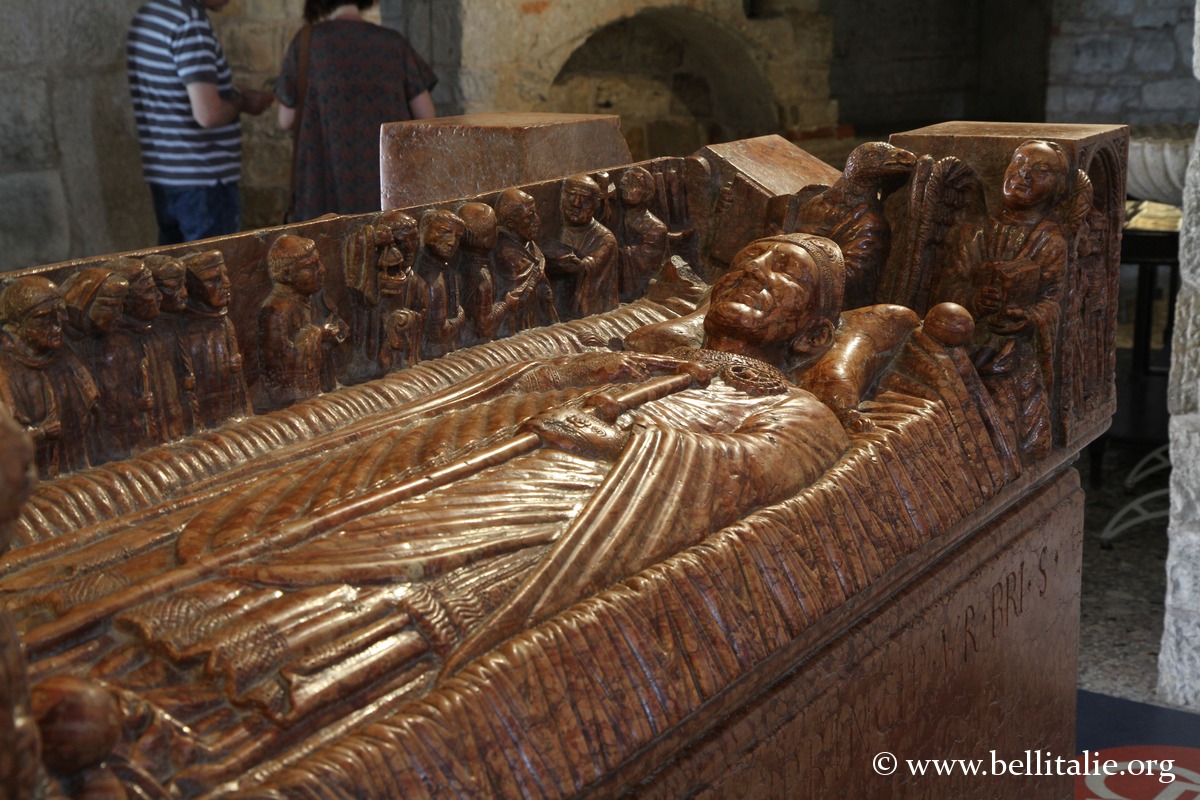
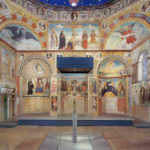
The interior was enriched over time. It preserves remains of mosaics from the ancient early Christian basilica, Renaissance frescoes, splendid works by Romanino, Moretto, Cossali, the beautiful sarcophagus of Berardo Maggi, who was the first bishop of Brescia, made in the 14th century, and also the crypt of San Filastrio (from around the 10th century).
Historical overview
The Rotunda was built at the beginning of the 12th century on the site of the early Christian basilica of Santa Maria Maggiore de Dom, probably dating from the 7th century and destroyed by the fire that ravaged Brescia in 1095.
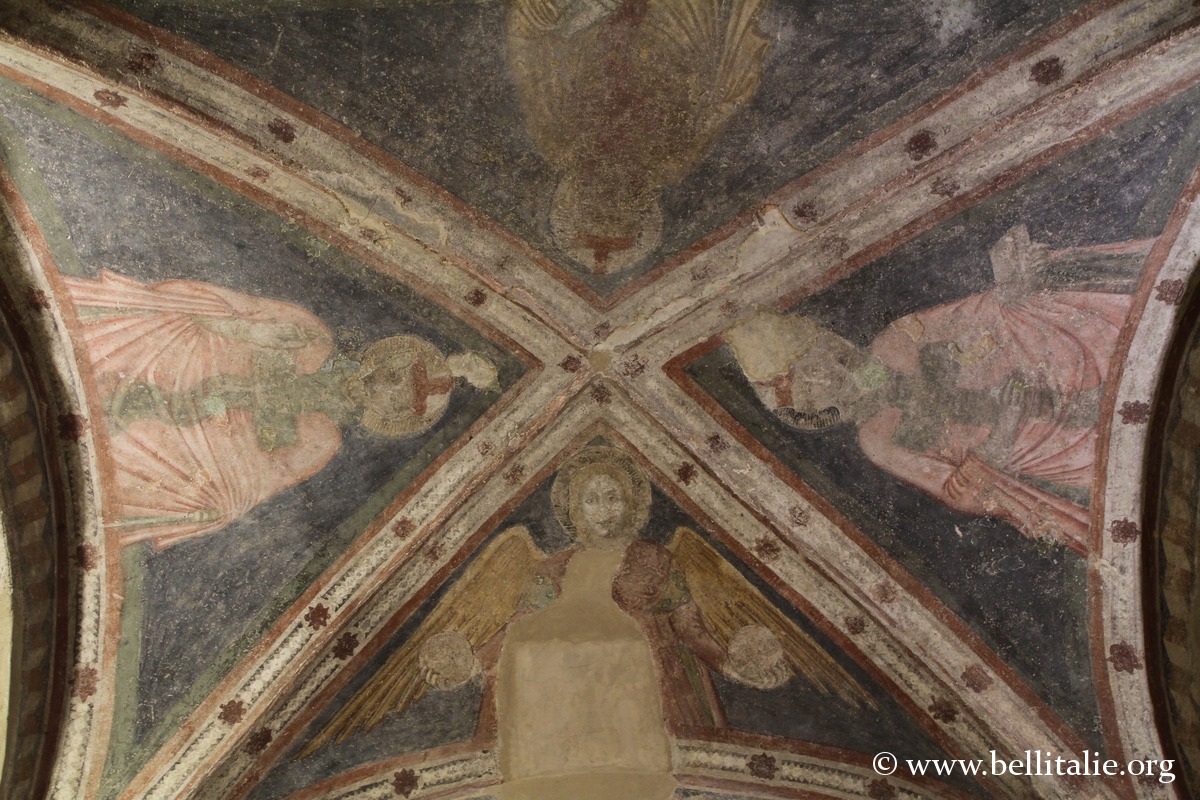
The original body in the Lombard Romanesque style underwent extensions over time but was preserved. At the end of the 12th century, the choir was enlarged and the interior decorated.
Architecture
The rotunda is made of irregular cut stones and covered with tiles, with a central body decorated with Lombard bands and arcatures, topped by a dentilated frieze, surrounded at the base by a circular ambulatory in which the main entrance, dating from 1571, opens.
The interior houses a cycle of paintings created by the Brescian painters Moretto and Romanino for the Chapel of the Blessed Sacrament of the basilica of San Pietro in Dom, transferred here after its demolition.
There are remains of 13th-century frescoes and a large canvas by Francesco Maffei showing the church with a bell tower (since collapsed).
Near the entrance is the red Verona marble sarcophagus of Bishop Berardo Maggi (d. 1308), covered by a lid decorated with bas-reliefs depicting the oath of peace established by the bishop between the Guelphs and Ghibellines of the city, and on the corners the busts of Saints Peter and Paul.
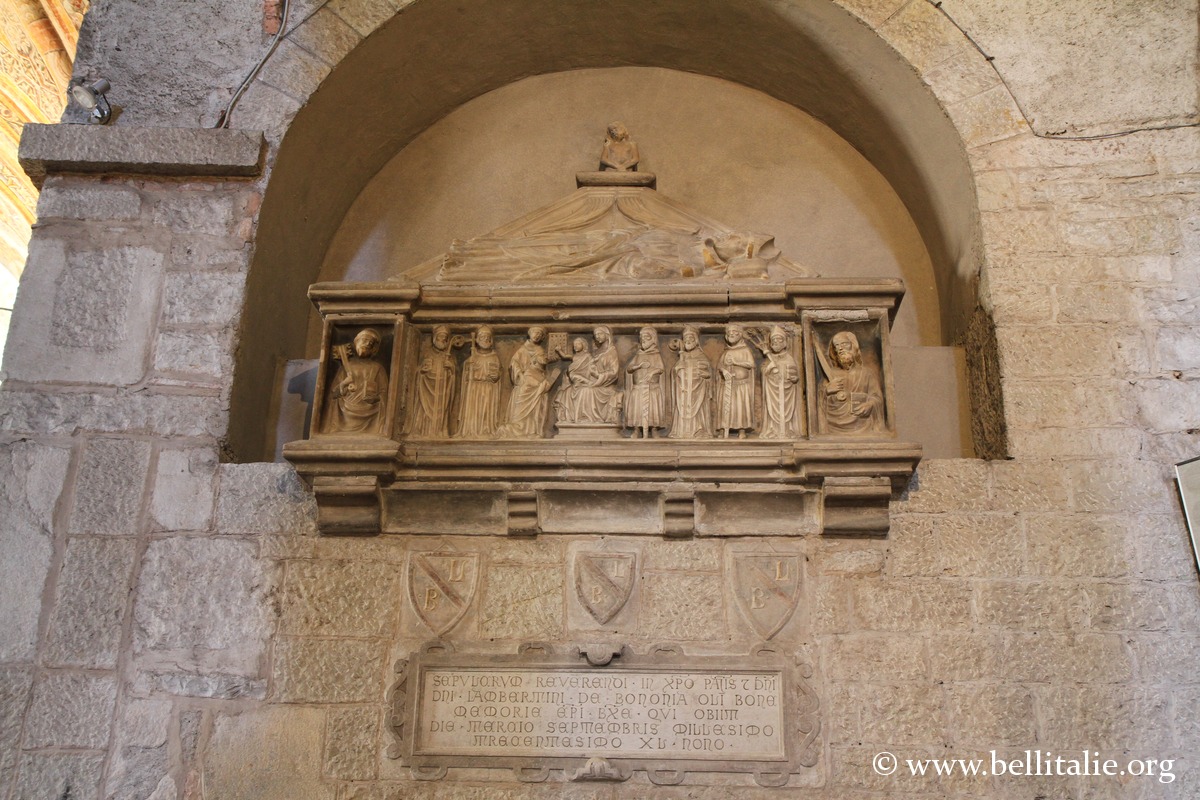
It also houses a tomb by Bonino da Campione and the organ by Giangiacomo Antegnati.
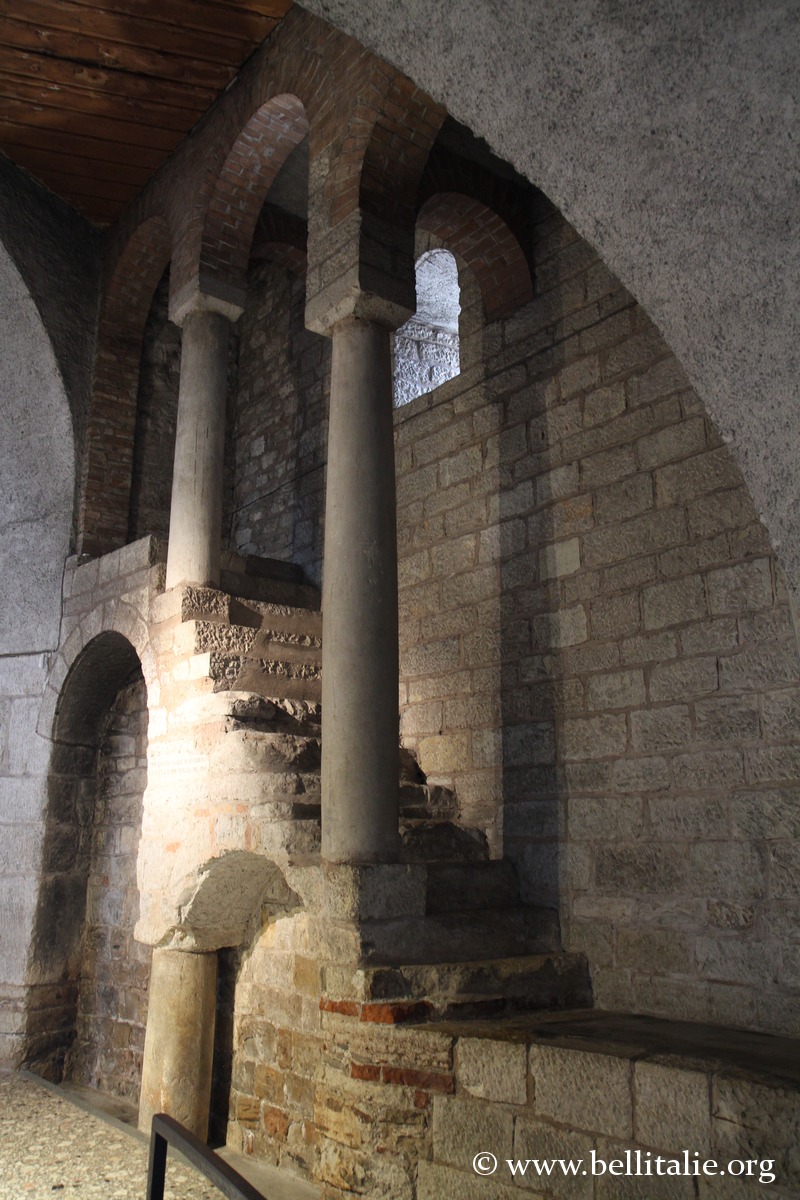
The hypogeal crypt of San Filastrio, which dates back to the 6th century, was restored in the 8th century, with vestiges of some floor mosaics from the 5th-6th centuries.
Information
- Wikipedia articles: Duomo Vecchio
- Tourism portals: www.visitbrescia.it, museodiocesano.brescia.it
Map
If you see this after your page is loaded completely, leafletJS files are missing.





Comments