


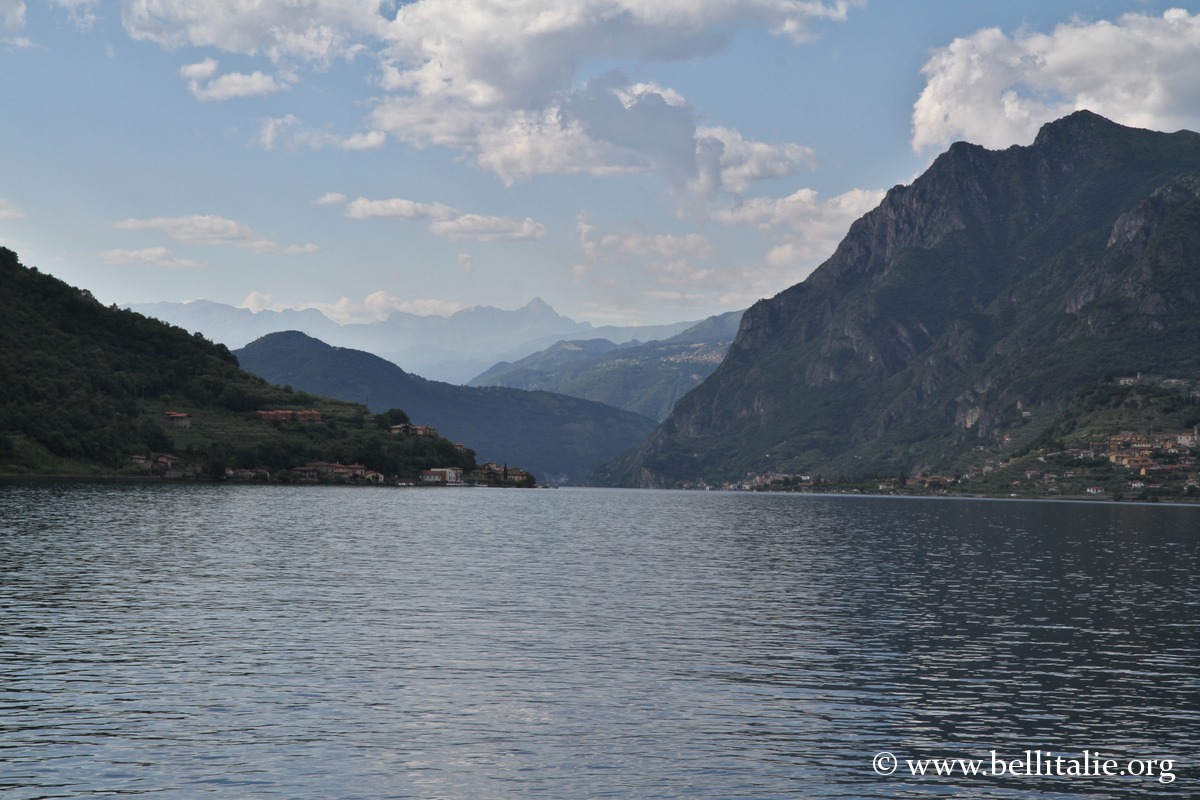
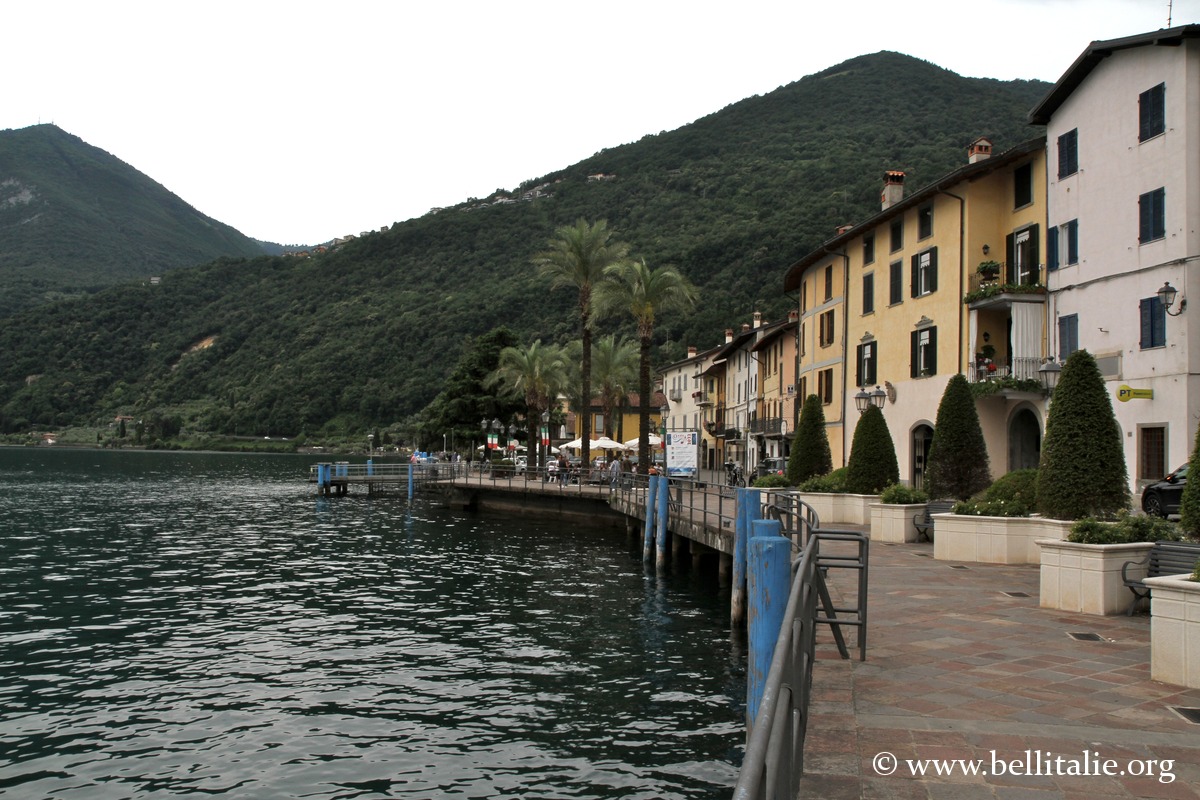
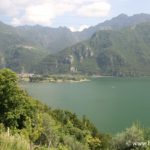
Situated between Bergamo and Brescia, the small Lake Iseo is a place of character in a charming and peaceful region made up of green hills and olive groves, between the valley to the north that descends from high Alpine peaks from Val Camonica, and the vineyards to the south of the hills of Franciacorta.
It lends itself well to a short stay, between spring and autumn in particular to make the most of its natural setting, its viewpoints, trails and walks along the lake, the lake island of Montisola, the cellars of Franciacorta, as well as the small villages, but also its good food.
One of the most charming paths is the Antica Strada Valeriana which runs along the eastern shore, others climb east up the slopes of Mount Guglielmo to more than 1900 metres, passing by the Pyramids of Zone, a formation of sand and rock created by erosion.
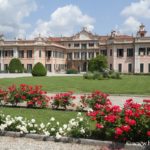
Just south of the lake, the Sebino Peat Bogs nature reserve precedes the gentle landscape of Franciacorta with its vineyards, villas and castles.
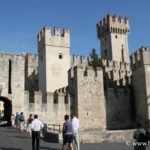
Around the lake several castles or churches have their own character, in villages such as Lovere, Pisogne, Sarnico and Iseo. They are linked to Lombard history, such as the castle of Iseo and its former priory of Sant’Andrea, the beautiful frescoes by Romanino in the 15th-century Madonna della Neve in Pisogne. the
Cycle and pedestrian paths have been laid out on portions of the shore, such as between Vello and Toline.
Sports enthusiasts will find plenty to enjoy, with sailing, water skiing, windsurfing, canoeing, or its beautiful golf course in the heart of Franciacorta.
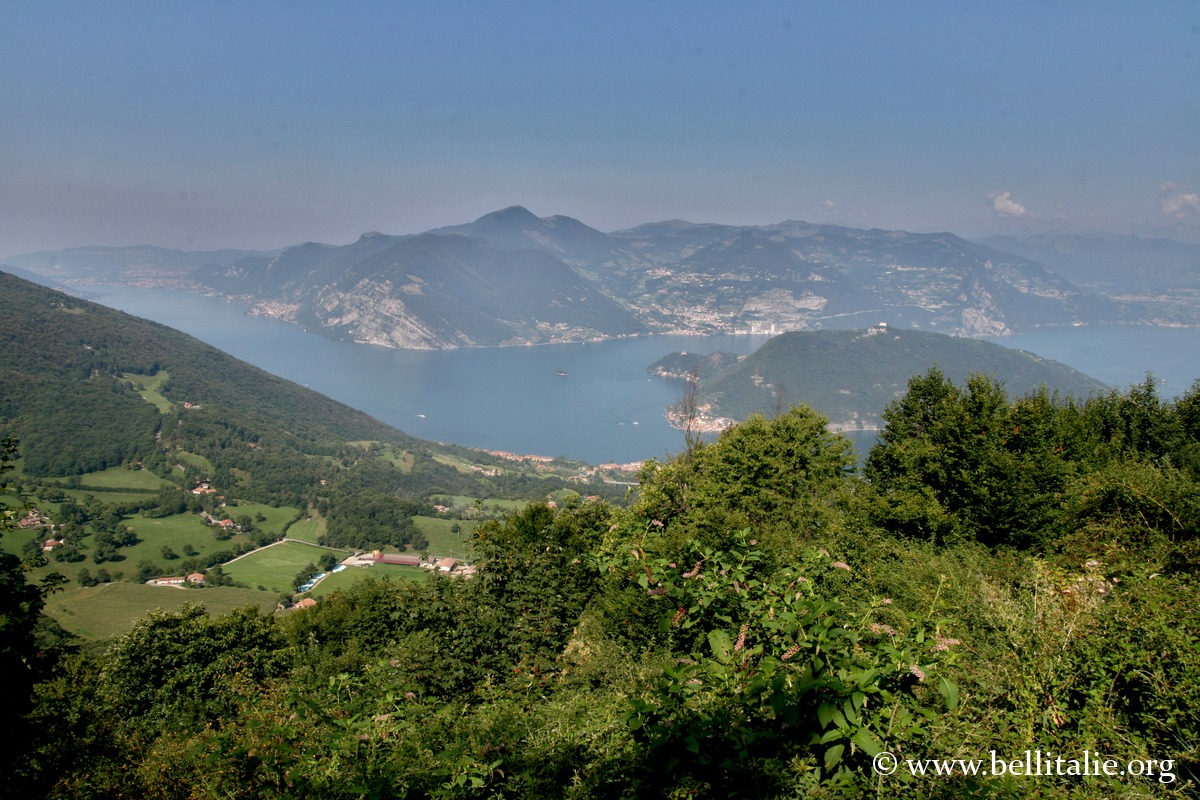
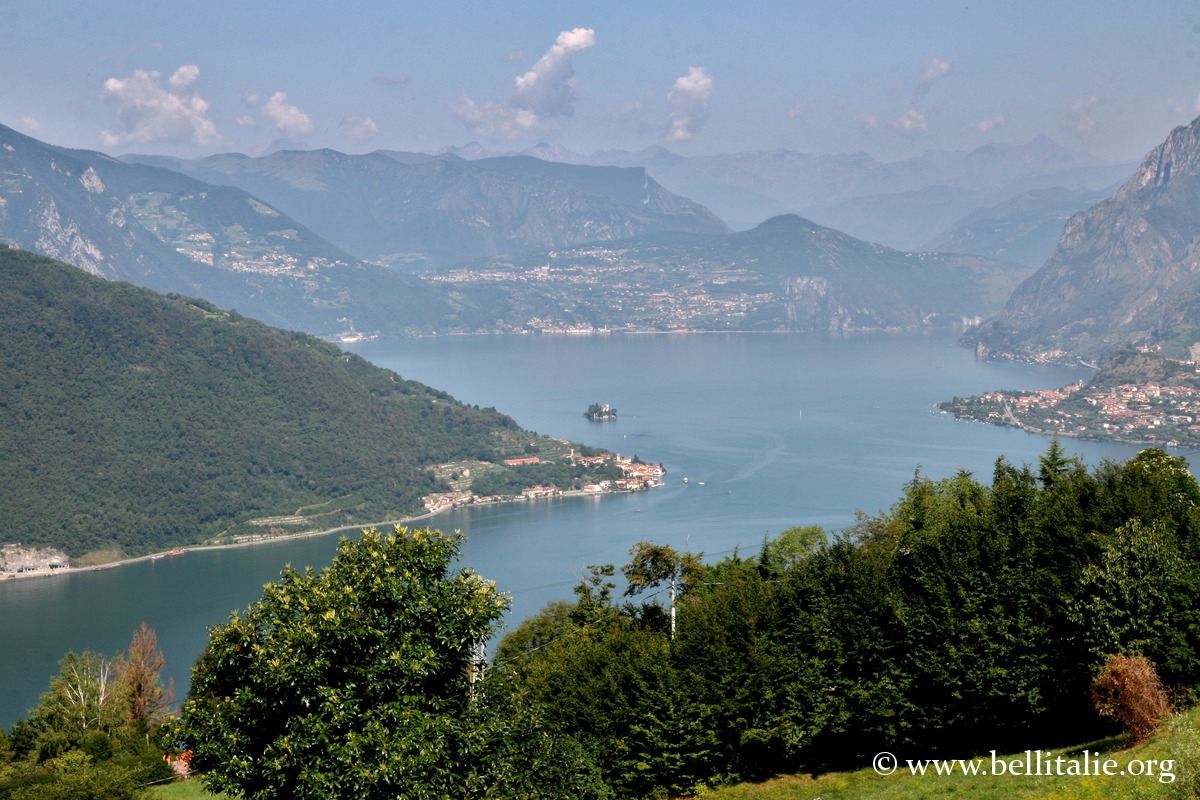
The lake has kept its renowned artisanal production of fishing nets and wooden boats.
Food and wine combines the wine of Franciacorta with the culinary specialities of the lake, such as tench stuffed with polenta from Clusane, dried sardines, beef in oil from Rovato, the skewers of Gussago. Olive oil production is also renowned, as around Marone and on Monte Isola.
Sites to discover at Lake Iseo
Lovere and surroundings
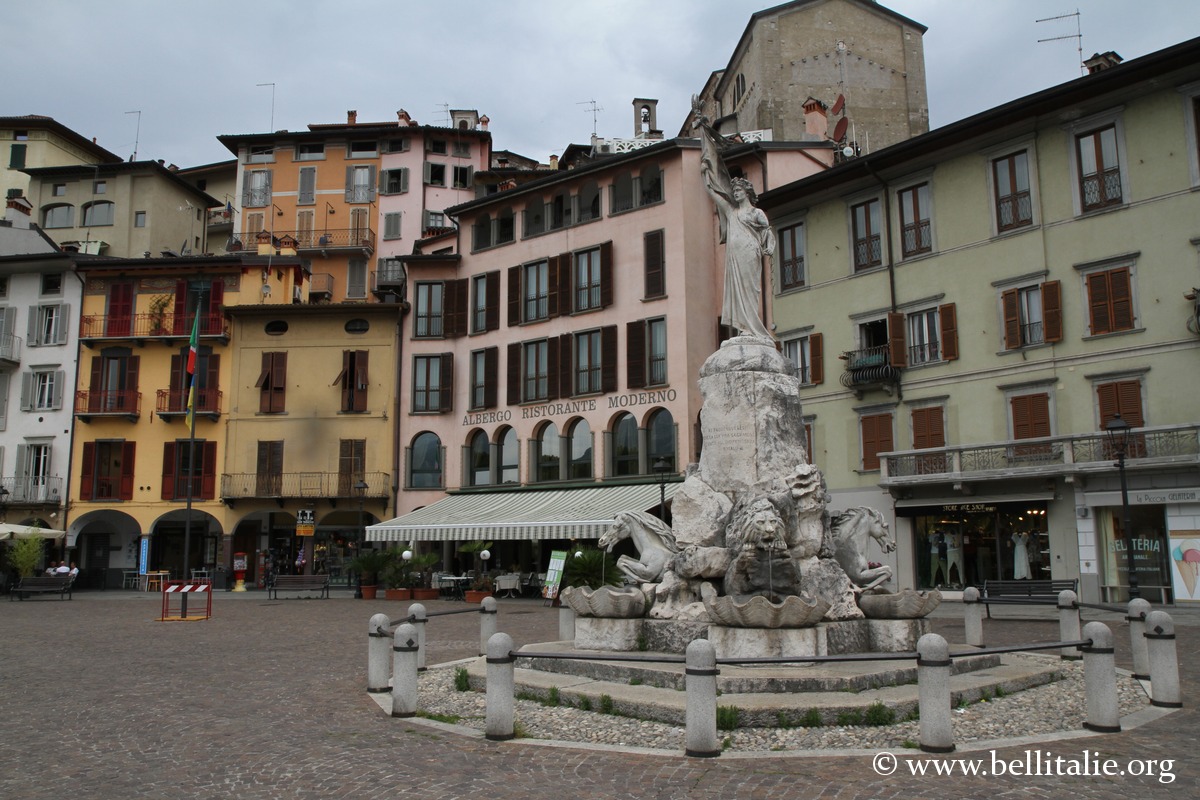 Lovere is, along with Iseo, Pisogne and Sarnico, one of the most lively villages on the lake, with its restaurants and bars facing the shore, its tourist harbour or its picturesque centre which preserves some remarkable monuments such as the basilica of Santa Maria in Valvendra, or the Tadini Academy museum.
Remains of a 14th-century fort overlook Lovere, and to the south the Orridi are beautiful pierced cliffs crossed by the road and which drop sheer into the water.
Monte Isola
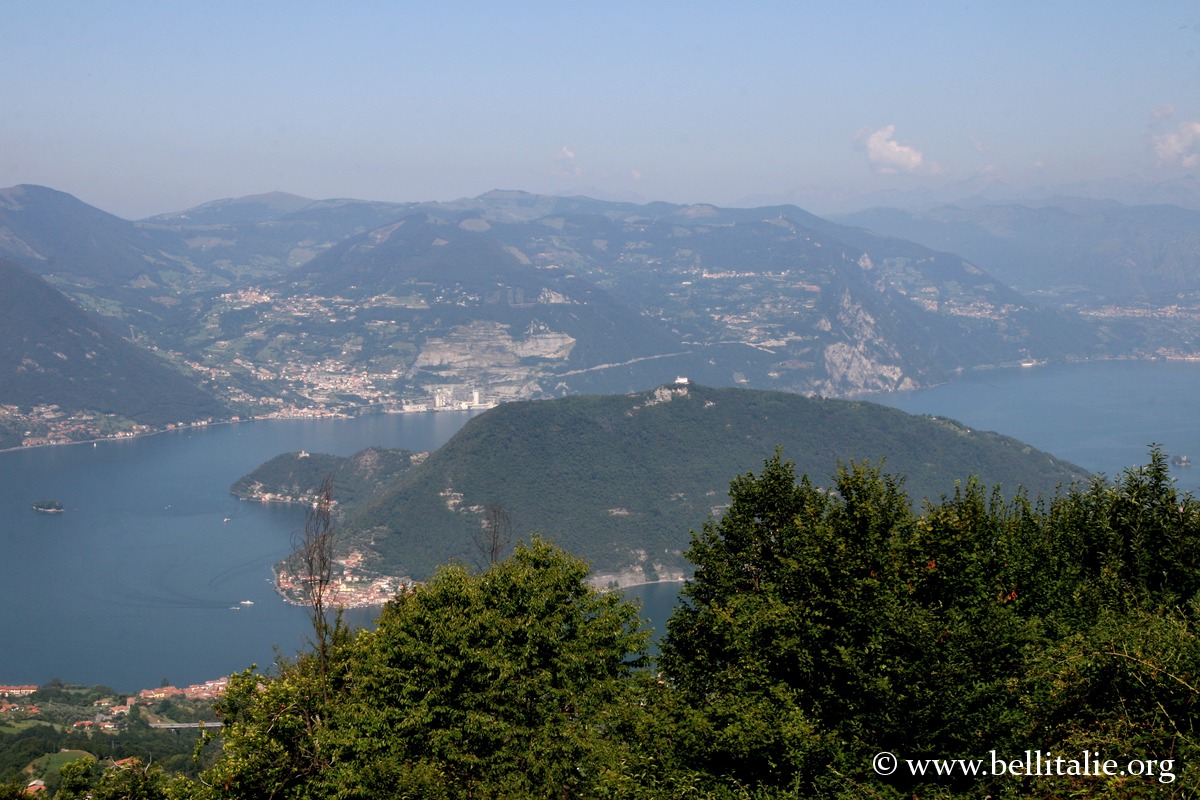 Monte Isola is one of the largest lake islands in Europe and very charming. It is a mountain that emerges from the lake up to 600 metres in altitude, around which are found some picturesque villages, hamlets, and small harbours.
The sanctuary of the Madonna della Ceriola crowns the island, where a beautiful panorama also opens up. To the south-west stand the beautiful remains of the castle of Rocca Martinengo. The wooded slopes and olive groves allow for some very beautiful walks.
Iseo and Franciacorta
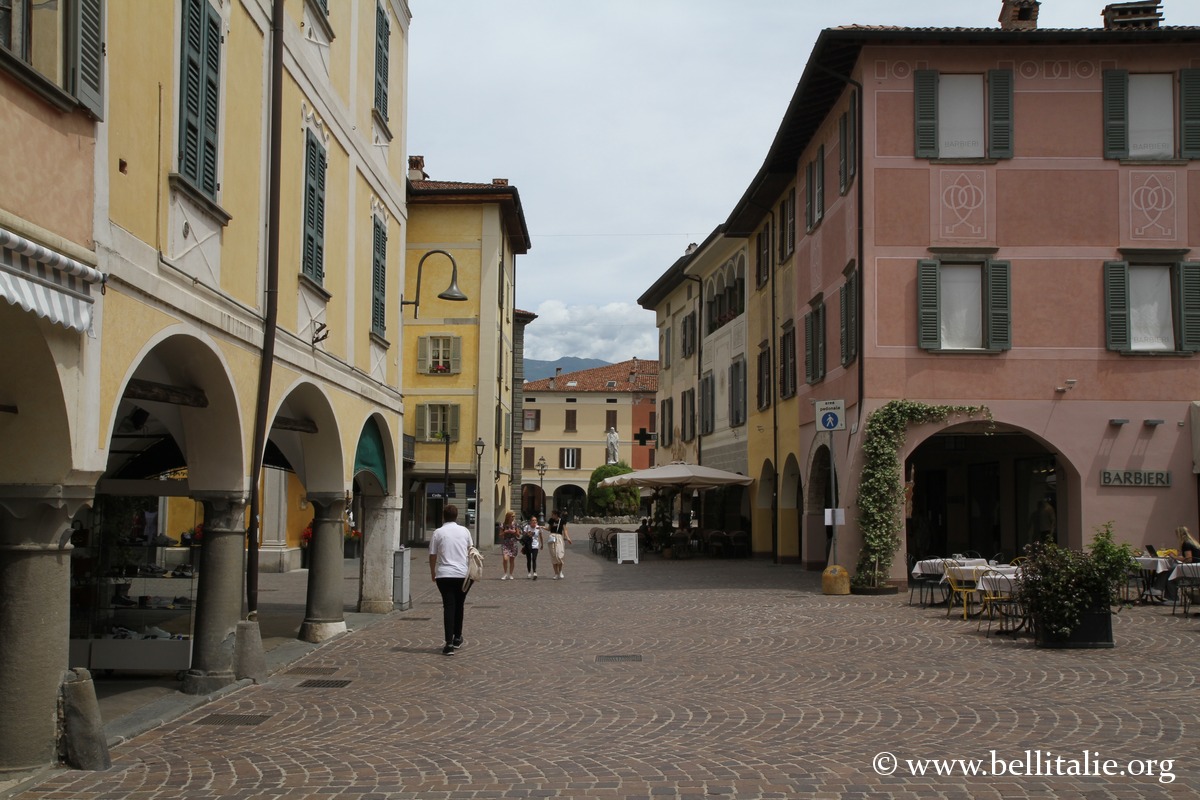 Iseo is, along with Lovere, the main village on the shores of the lake, equipped for tourism with its restaurants and shops, also having preserved a medieval centre, a castle and several churches including the beautiful Romanesque church of Sant’Andrea.
Nearby is the nature reserve of the Sebino Peat Bog, and in the hills to the south stretch the vines of Franciacorta, which produces an appreciated sparkling wine, with its castles, cellars and palaces.
The Antica Strada Valeriana runs along the lake from the heights of Pilzone near Iseo, to Pisogne over 25 km.
Pisogne
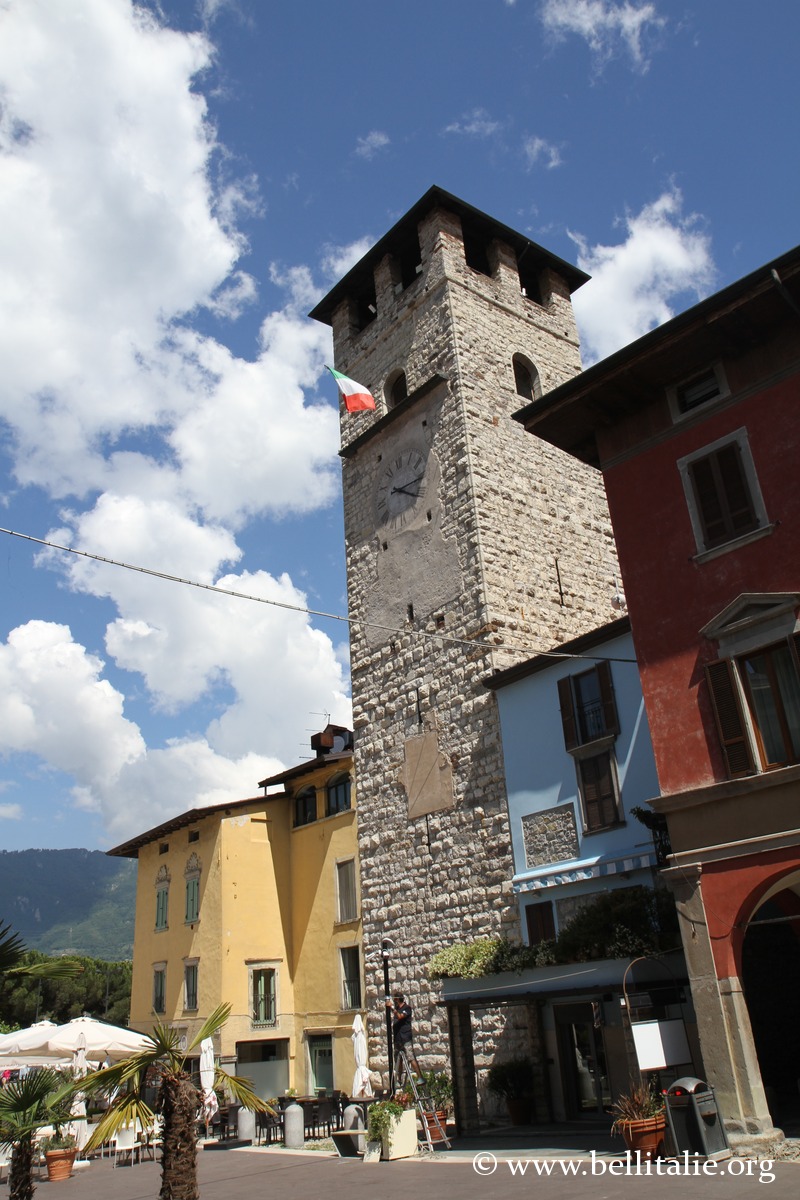
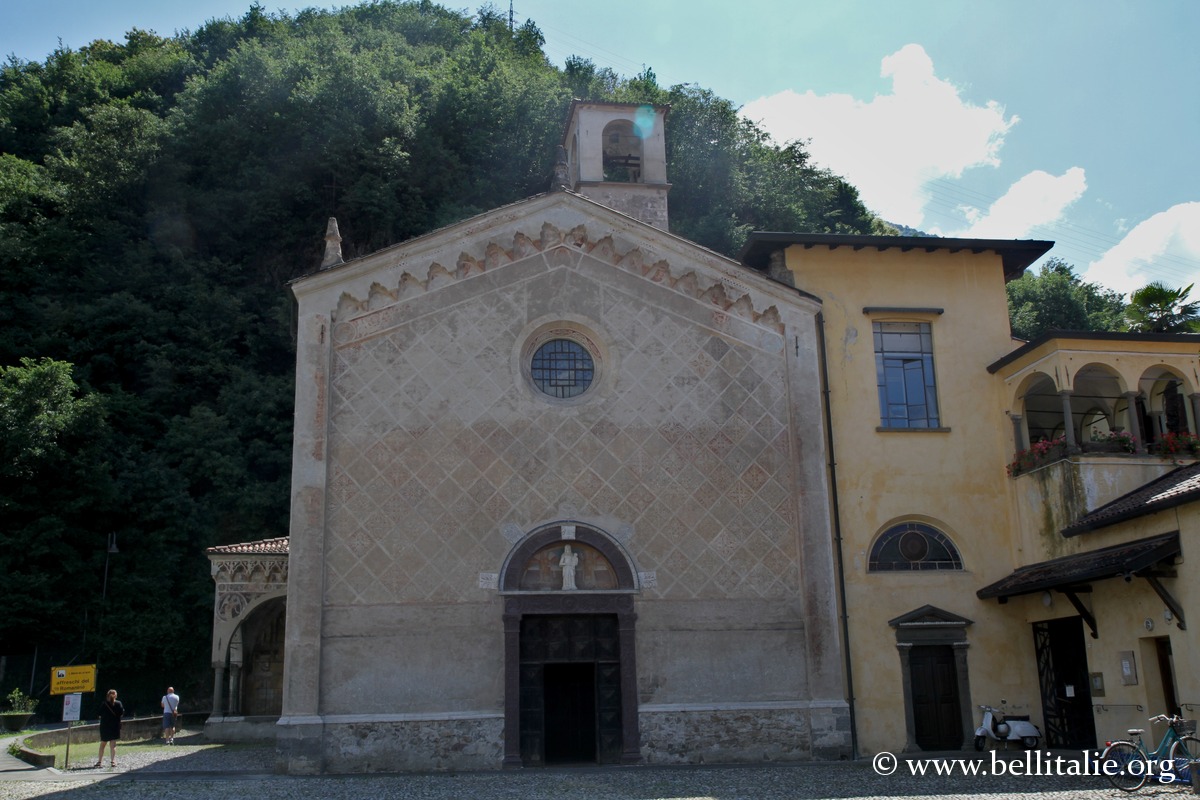
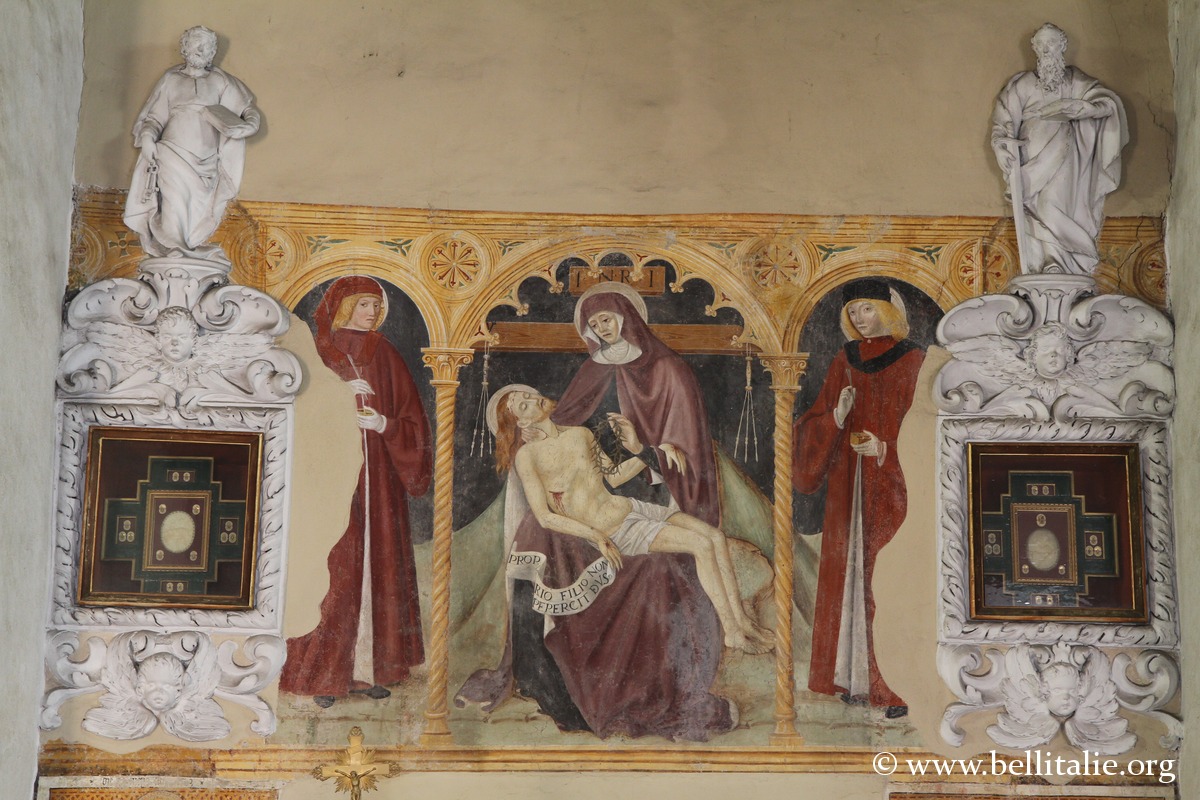
A village situated to the north-east of the lake, near the mouth of Val Camonica and at the outlet of the Trobiolo valley, Pisogne lies between lake and mountain. Its historic centre has narrow alleys, old palaces, squares and restaurants and some monuments such as, on the central square, the Bishop’s Tower from the 13th century, rebuilt in the 18th, the church of Santa Maria in Silvis from the 15th century, and above all on the Val Palot road the church of Santa Maria della Neve from the 15th century decorated with a remarkable cycle of frescoes by the Brescian Renaissance painter Romanino, which depicts the Passion of Christ.
Between Marone and Pisogne, the old road has been converted into a cycle path over 5 km, and from the surroundings the Antica Strada Valeriana descends south to Pilzano near Iseo, over about 25 km.
The iron mine of Pisogne, the Miniera 4 ossi, has recently been reopened to the public. They were dug with picks for the oldest galleries.
-
- Pisogne
-
- Pisogne
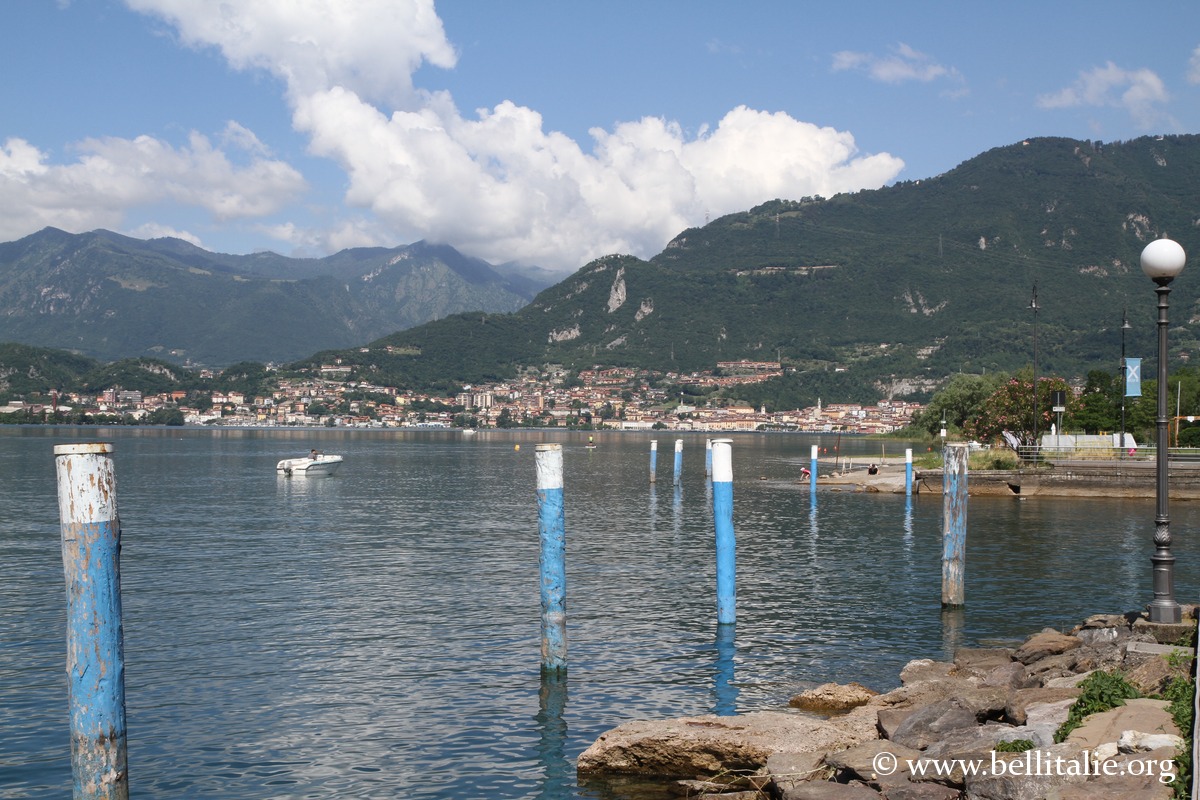
-
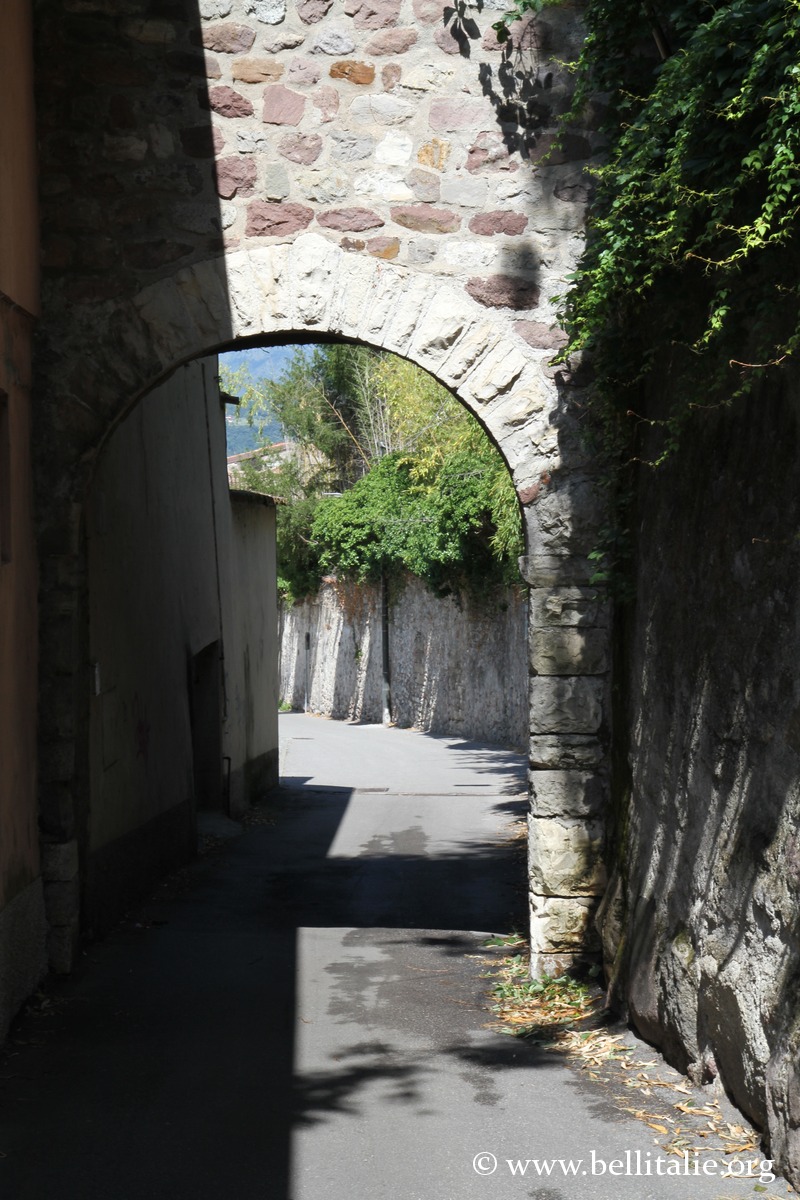
- Pisogne
-
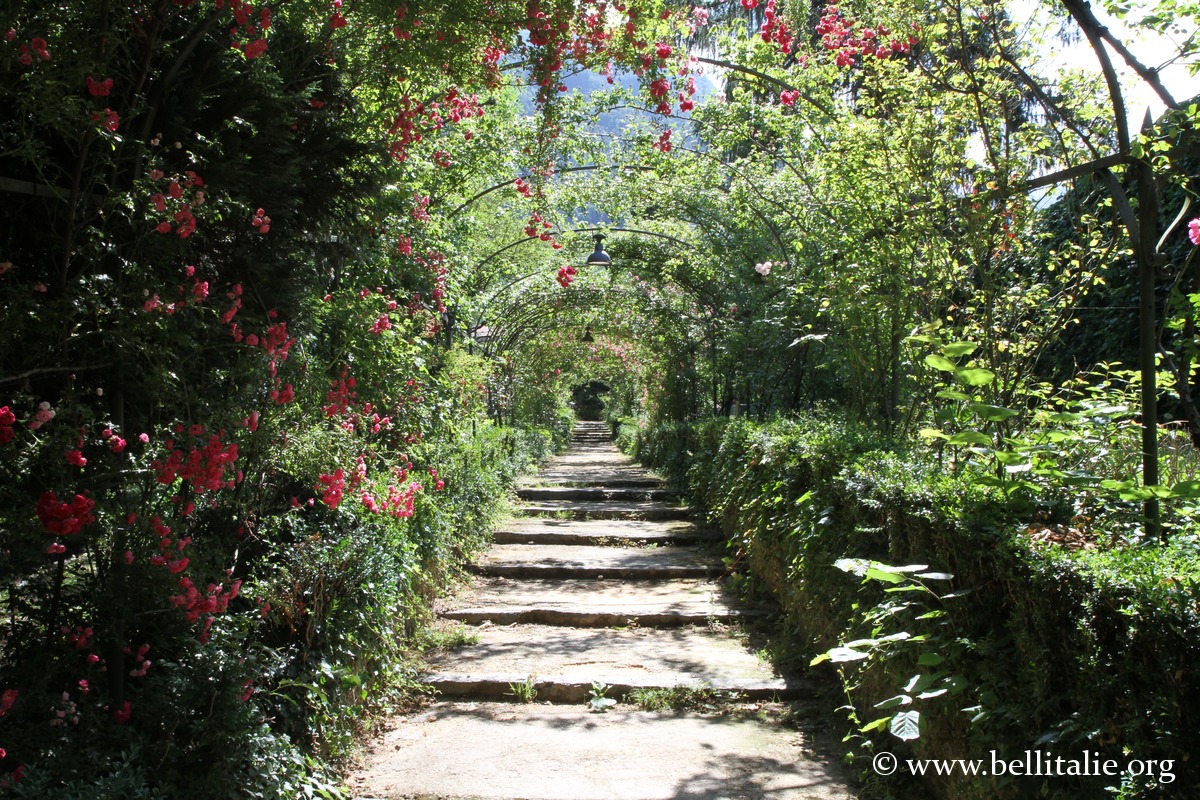
- Parc communal
-
- Romanino, Santa Maria della Neve
-
- Romanino, Santa Maria della Neve
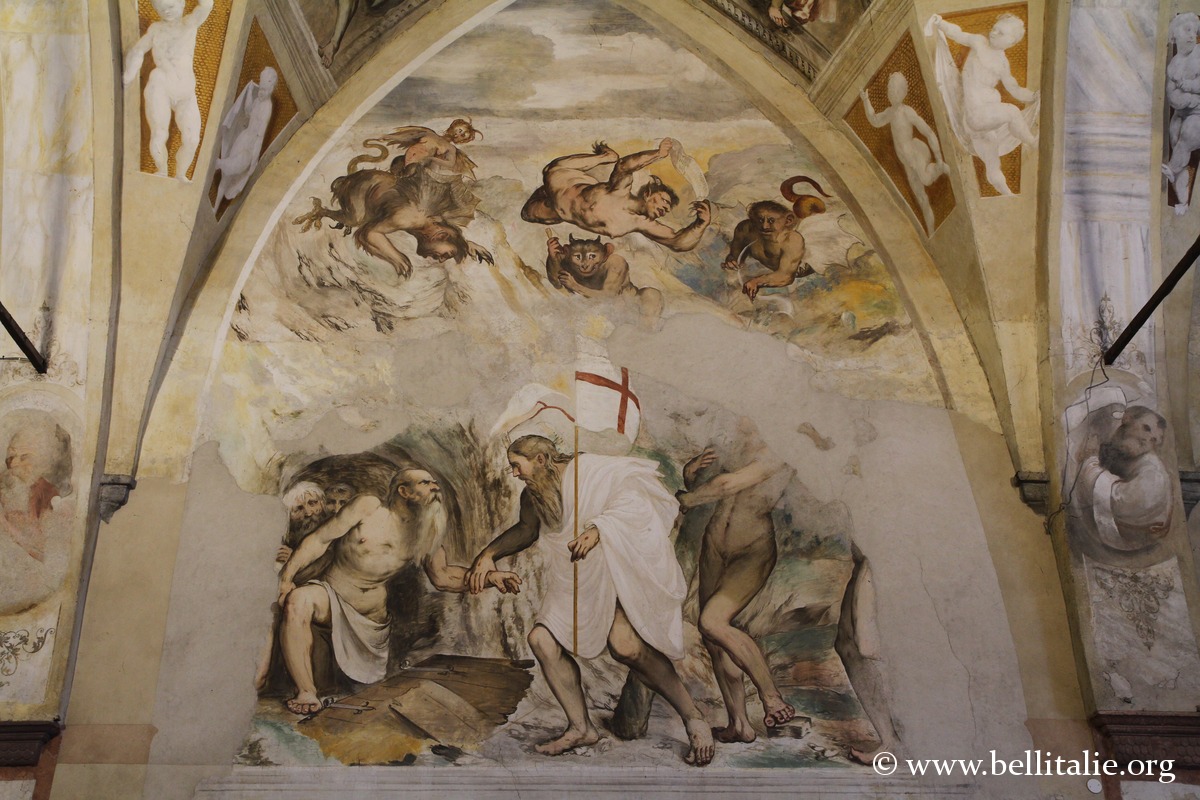
-

- Romanino, Santa Maria della Neve
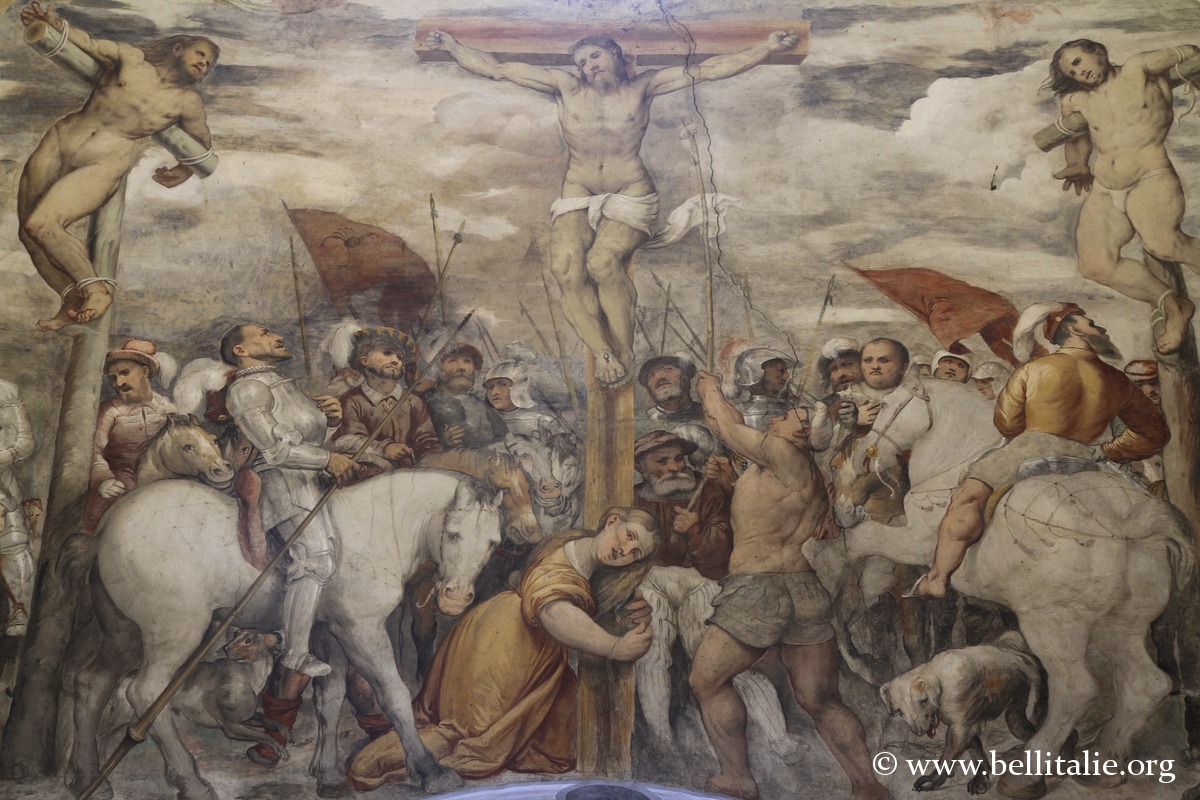
-
- Romanino, Santa Maria della Neve
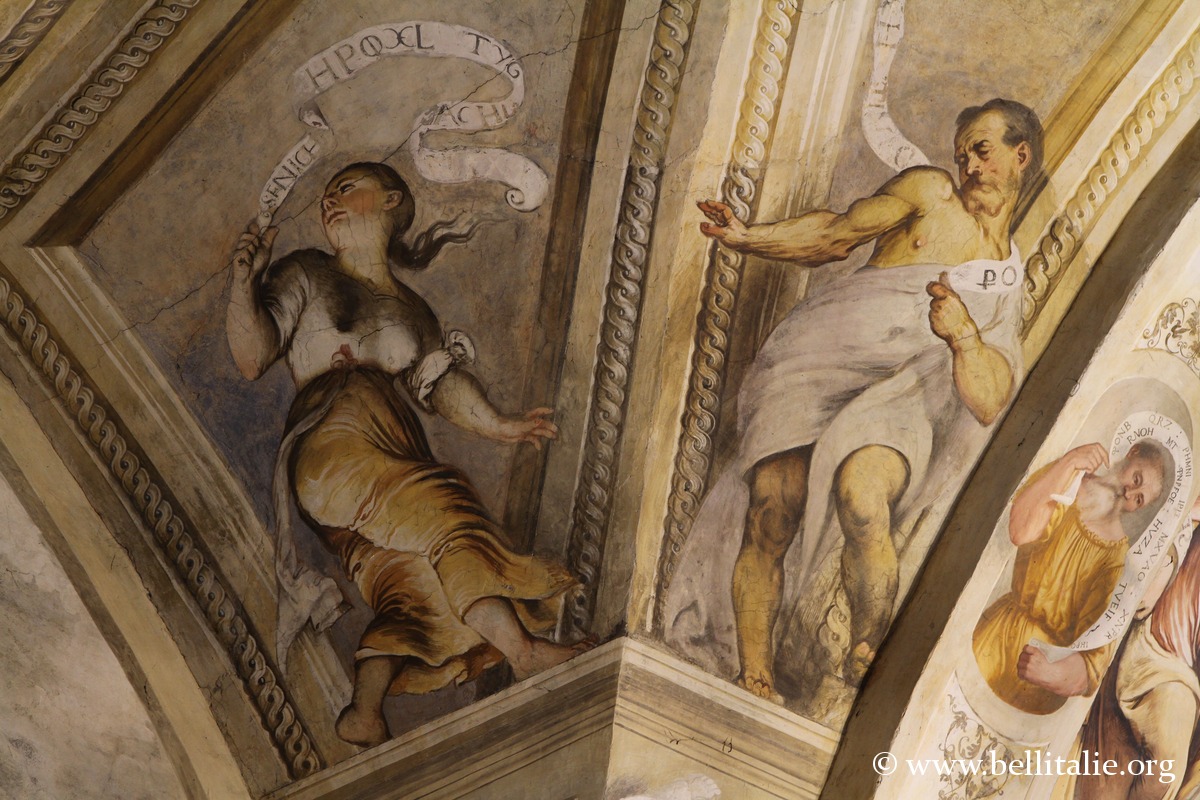
-
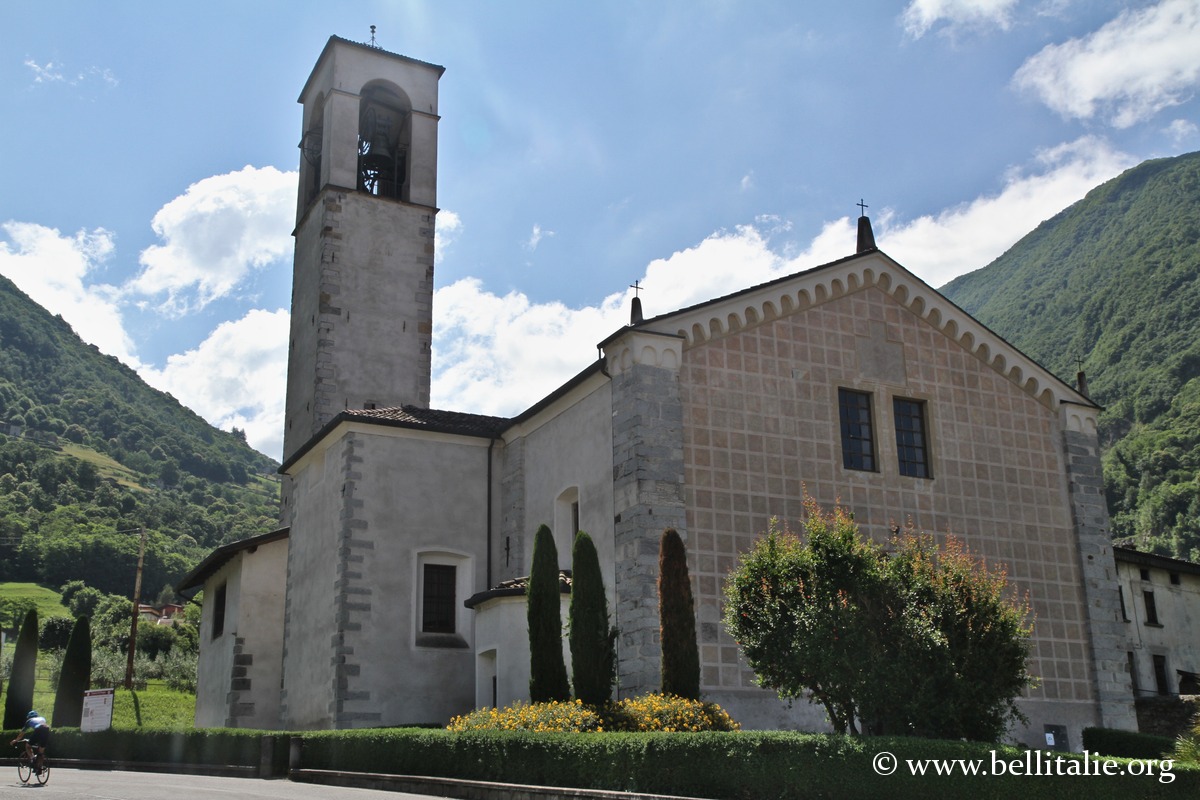
- Santa Maria in Silvis
Via Valeriana and Val Camonica
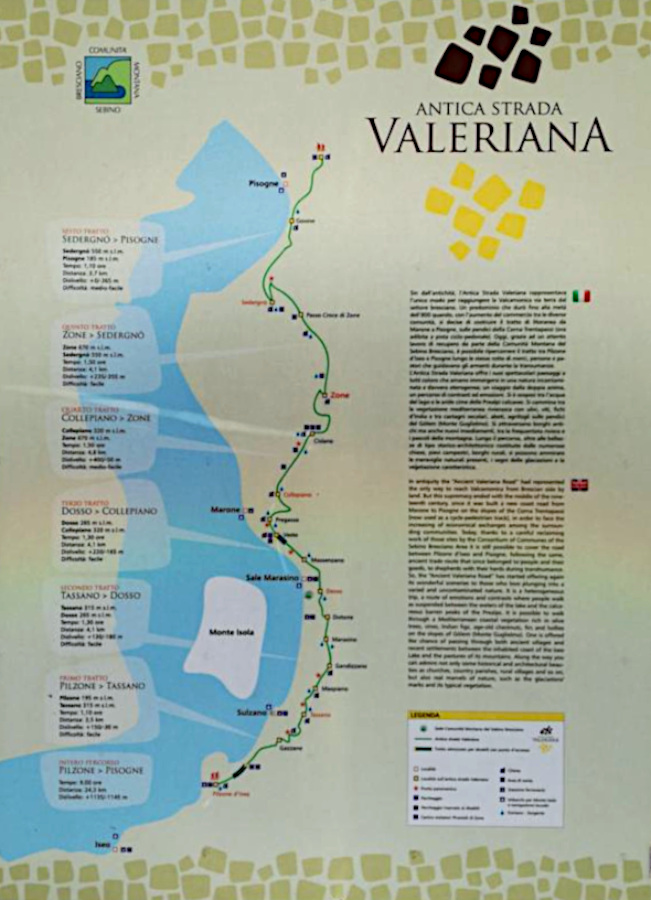 The via Valeriana led from Brescia in the south to Val Camonica to the north passing by Lake Iseo, running alongside the Oglio river. It was frequented in the Middle Ages by pilgrims and merchants, and passes by ancient sites such as the Sanctuary of Minerva at Breno, the Amphitheatre of Cividate Camuno.
Portions of Roman road remain around Lake Iseo, where the Antica Strada Valeriana can be walked, running along the heights to the east with beautiful hiking trails, over nearly 24 km between Pilzone near Iseo and Pisogne. Its marking is a yellow and brown V. It crosses olive groves, meadows and woods, passing by a few villages, churches, and beautiful panoramas over the lake.
You can do the outward journey on foot, entirely or in part, and return by road using public transport, boat or train.
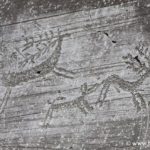
To the north of the lake, Val Camonica is known for its rock engravings including those of the Naquane National Park, nearly 40 km away, which is classified by UNESCO, with 104 engraved rocks along five routes.
Mount Guglielmo and Zone
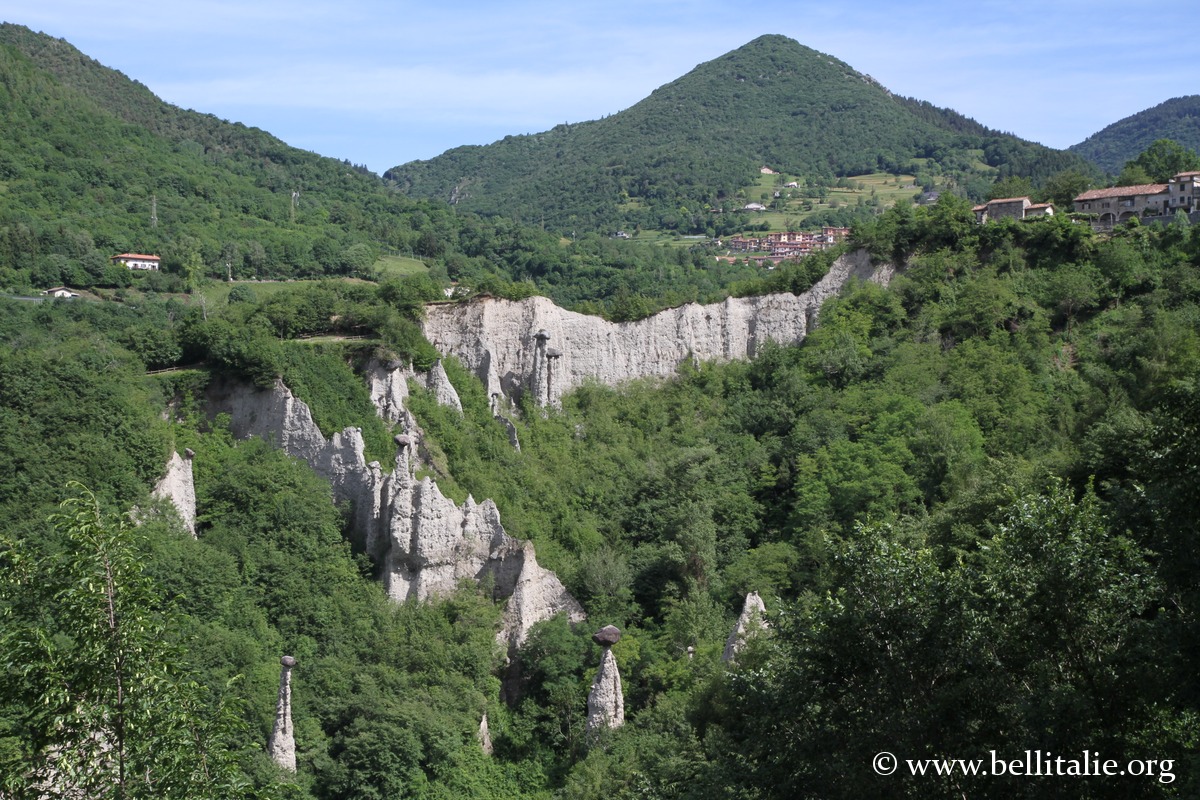 The slopes of Mount Guglielmo to the east of the lake are a region suited to hiking, with the peaks of Montisola and Adamello, the Corna Trentapassi, which is reached by paths offering beautiful views over the lake.
Down towards Marone, the Pyramids of Zone are a small reserve with curious rock formations due to erosion in the shape of earth pinnacles crowned with rocks.
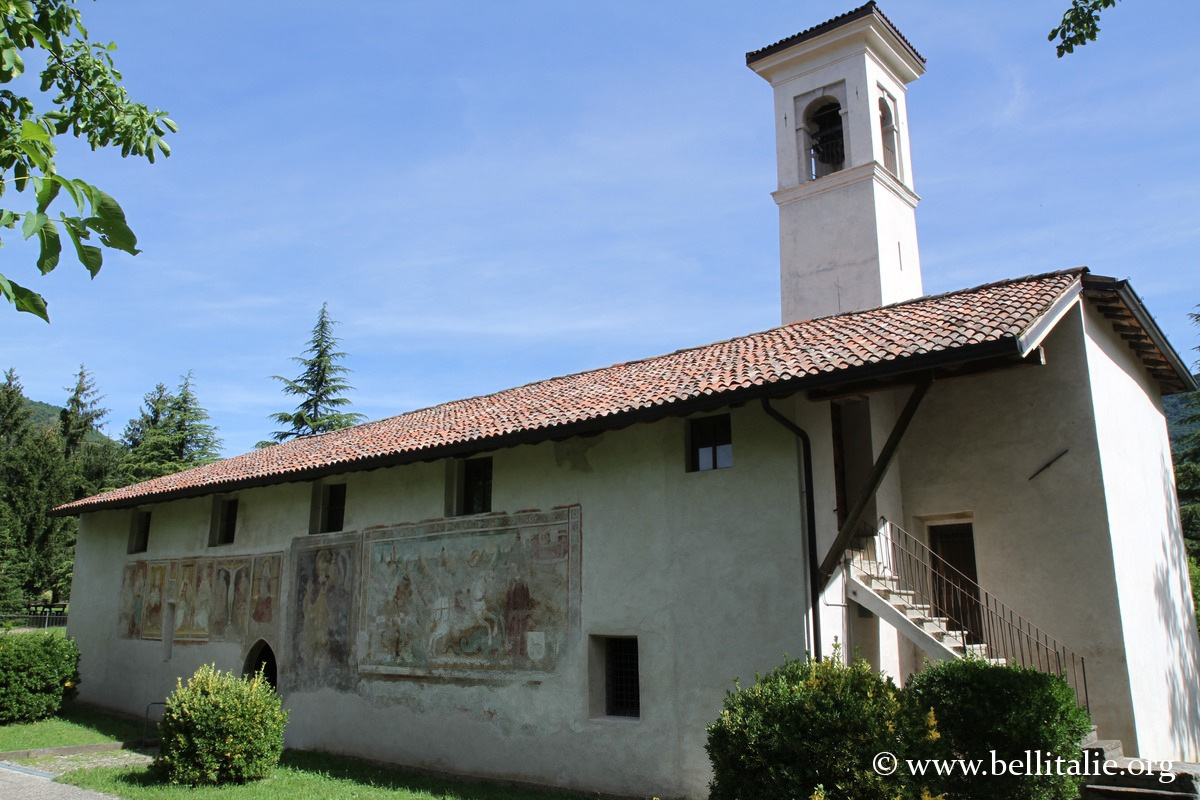
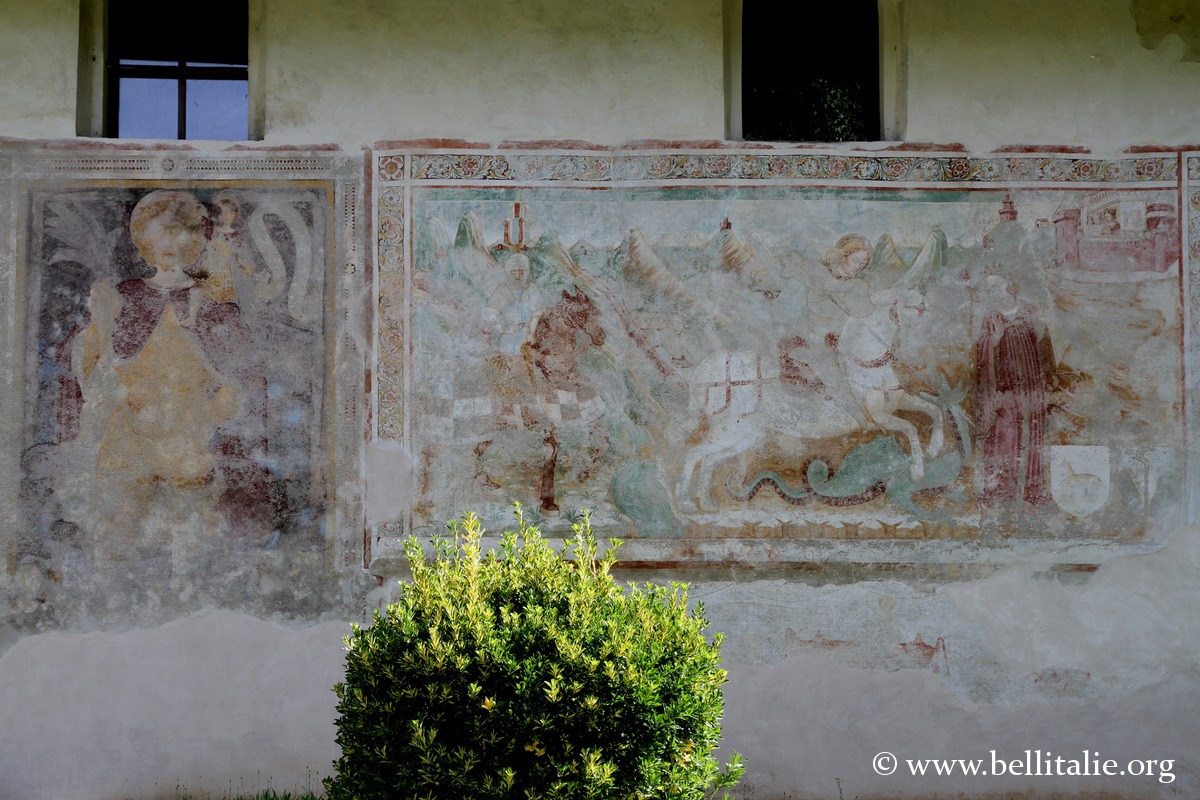
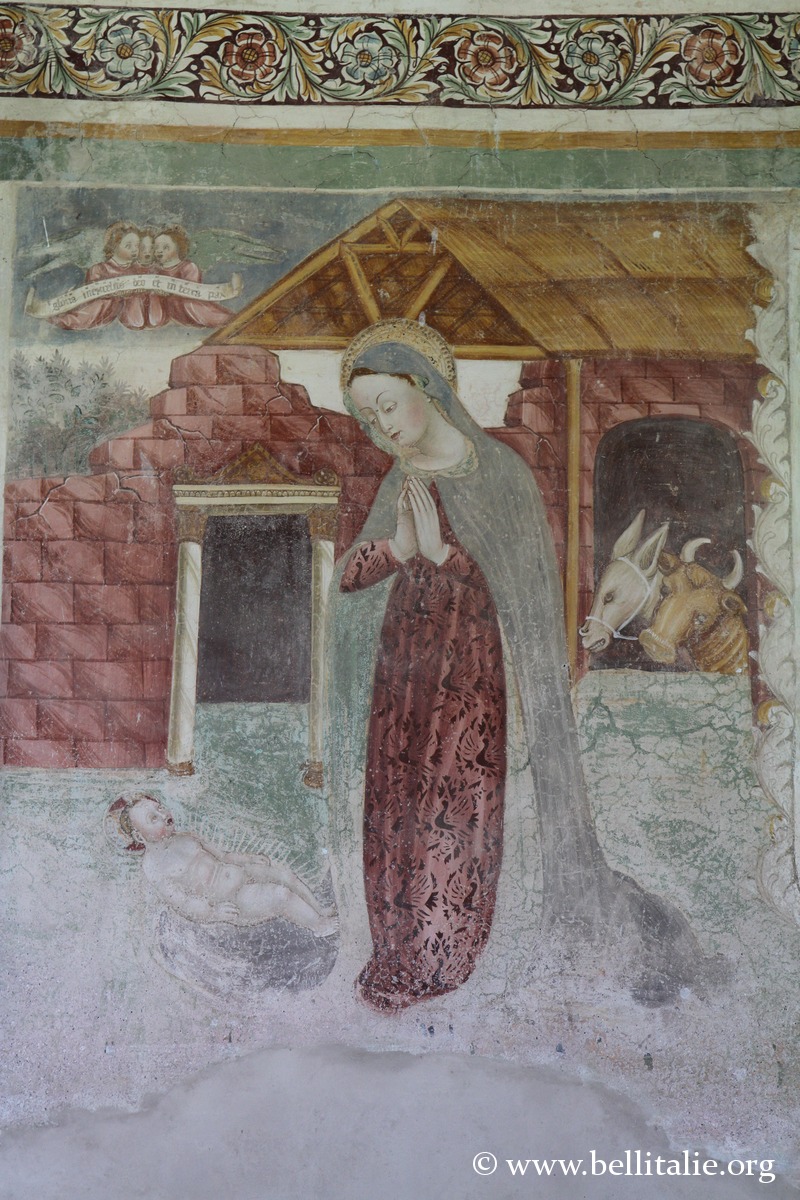
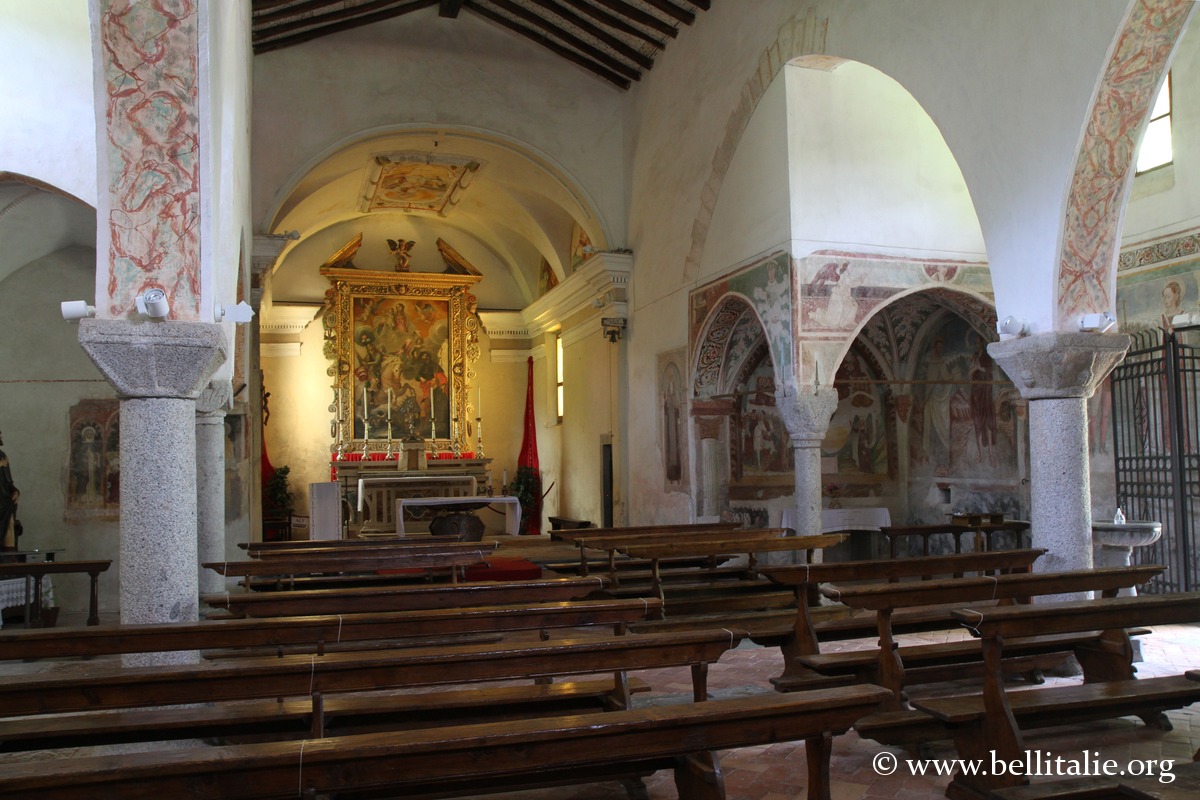
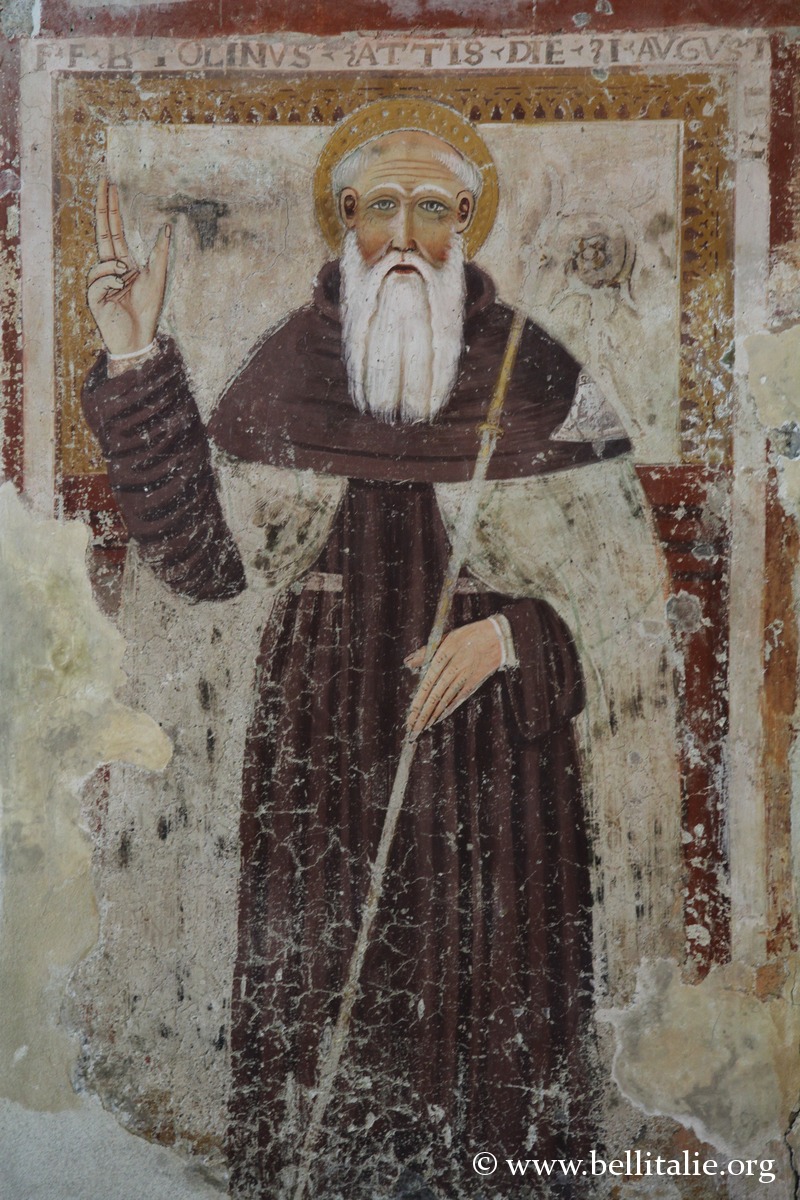
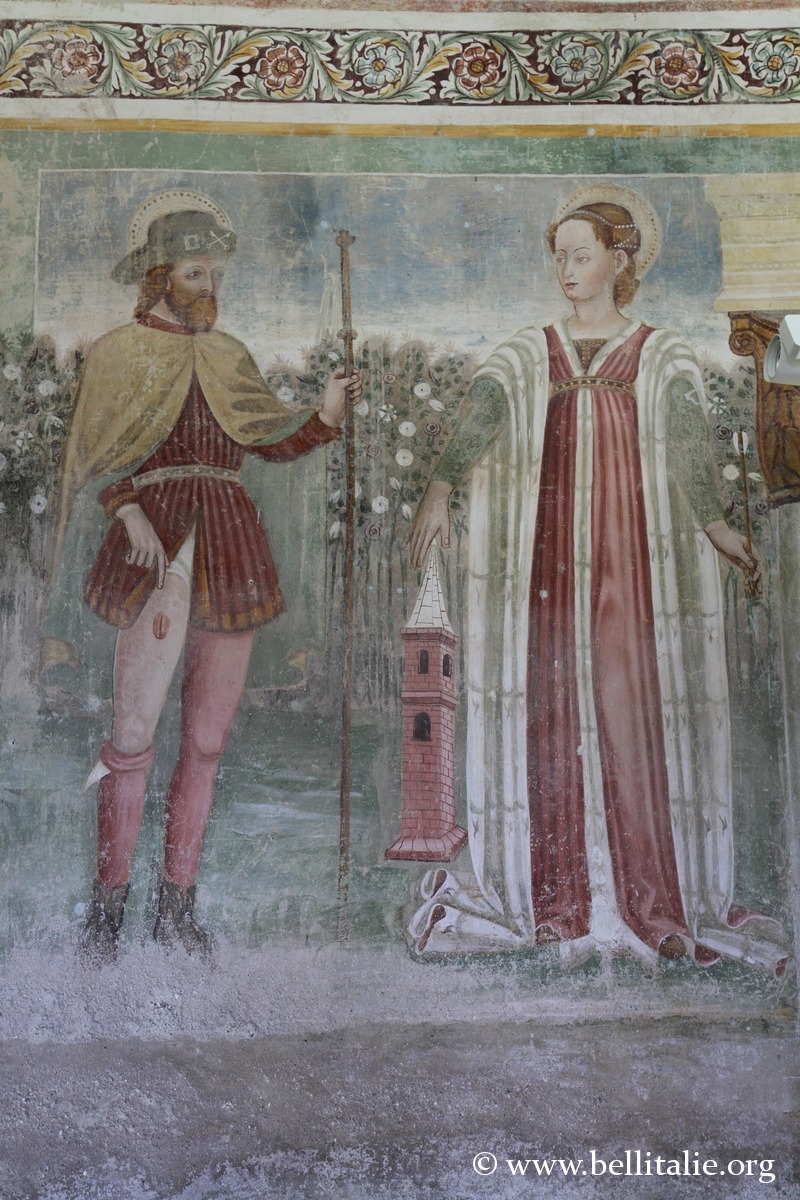
At Zone there is the small church of San Giorgio Cislano. From this village, paths towards the slopes of Mount Guglielmo pass by dinosaur footprints or to the gnomes’ wood with animals or gnomes carved in the wood.
-
- Pyramides de Zone
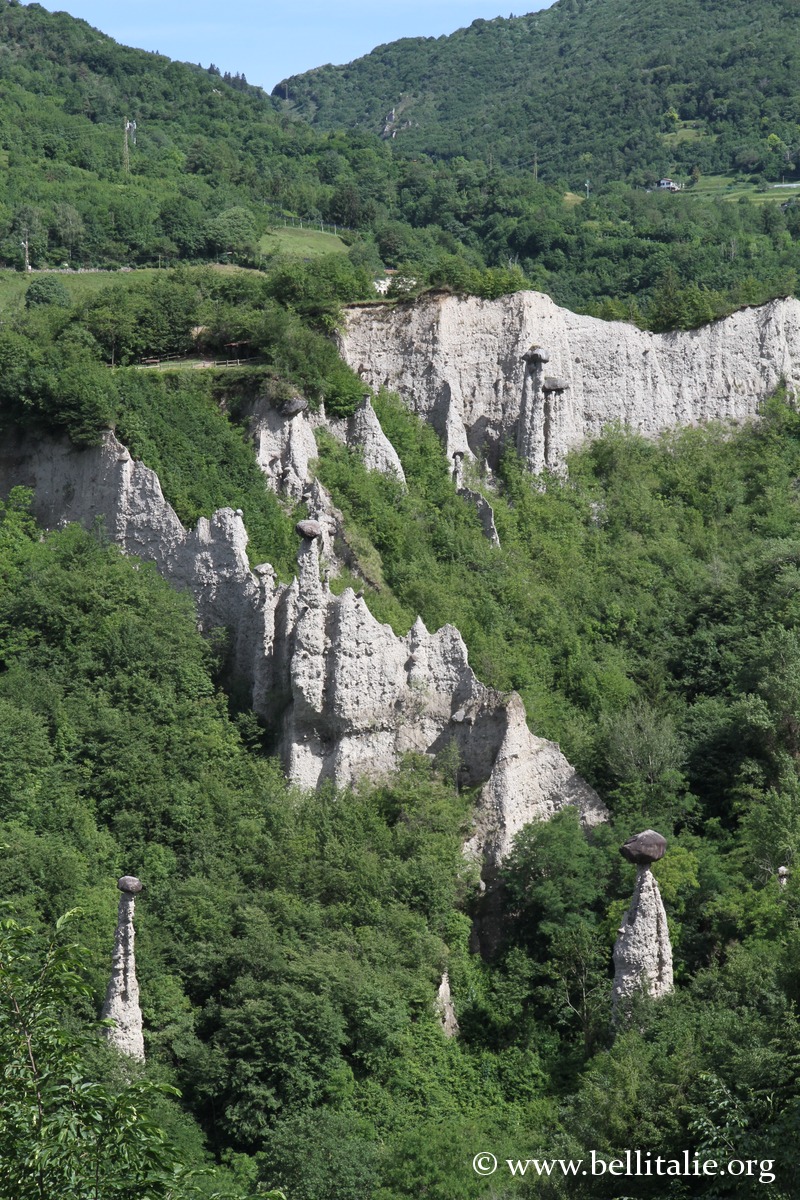
-
- Pyramides de Zone
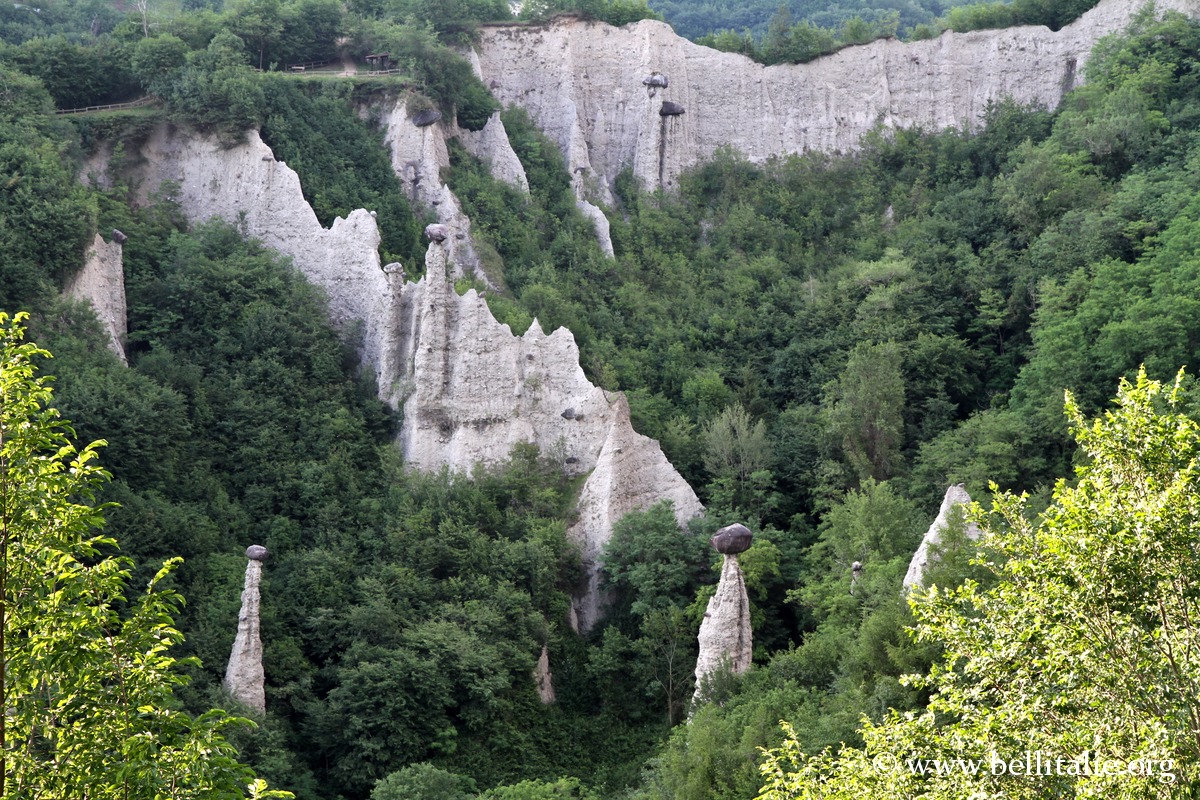
-
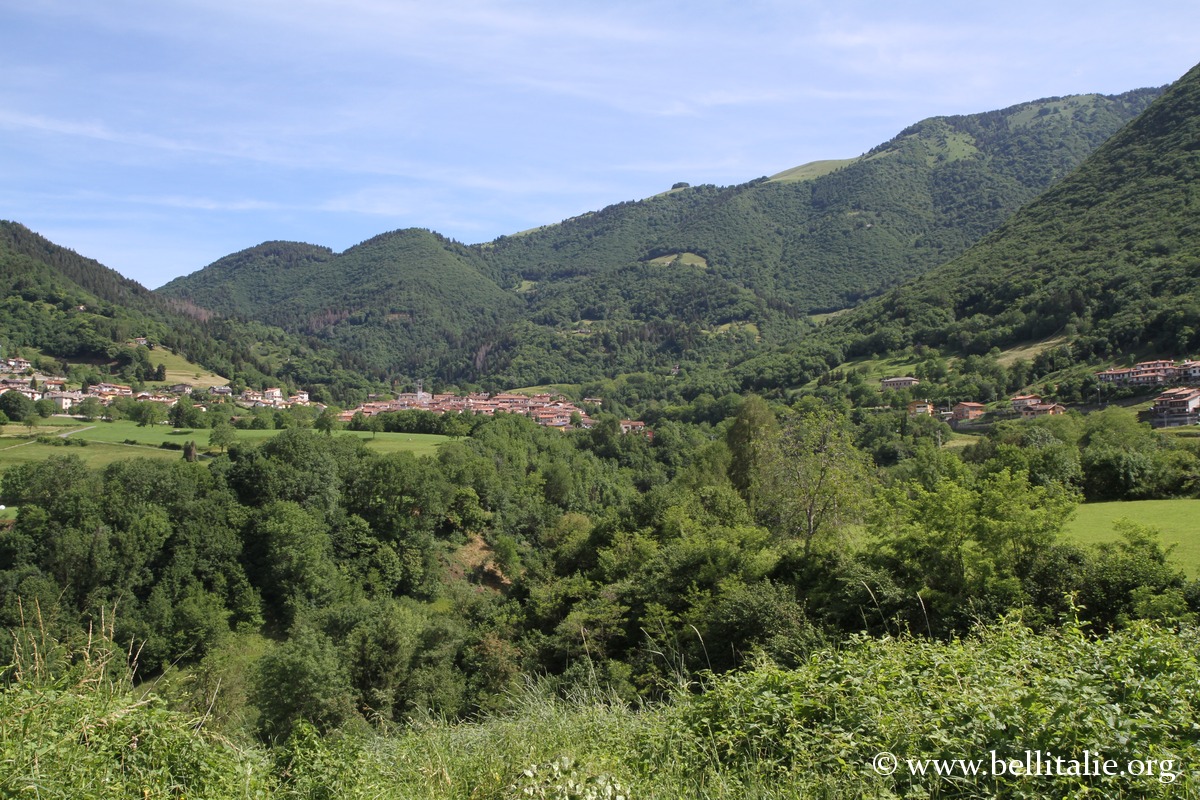
- Zone
-
- San Giorgio Cislano
-
- San Giorgio Cislano
-
- San Giorgio Cislano
-
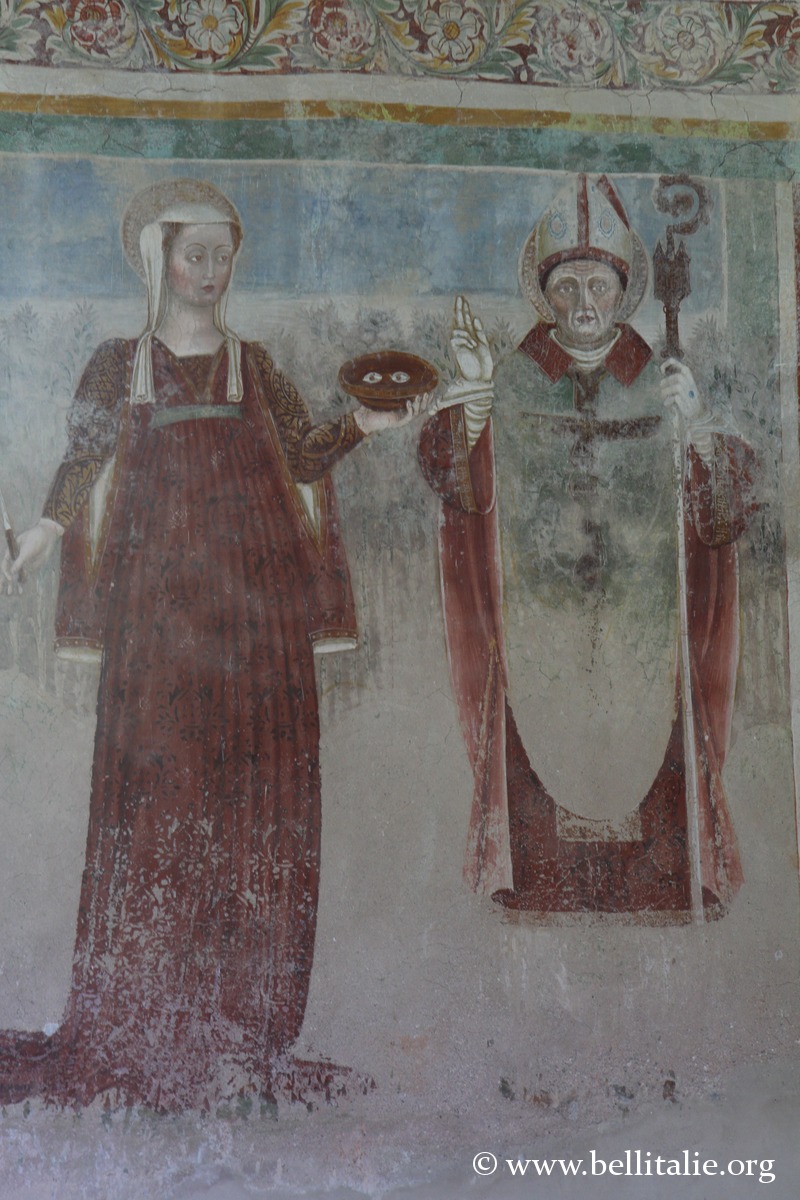
- San Giorgio Cislano
-
- San Giorgio Cislano
-

- San Giorgio Cislano
-
- San Giorgio Cislano
Predore and Sarnico
To the south of the western shore of the lake, Roman baths have been found at Predore dating back to the 2nd and 3rd centuries AD.
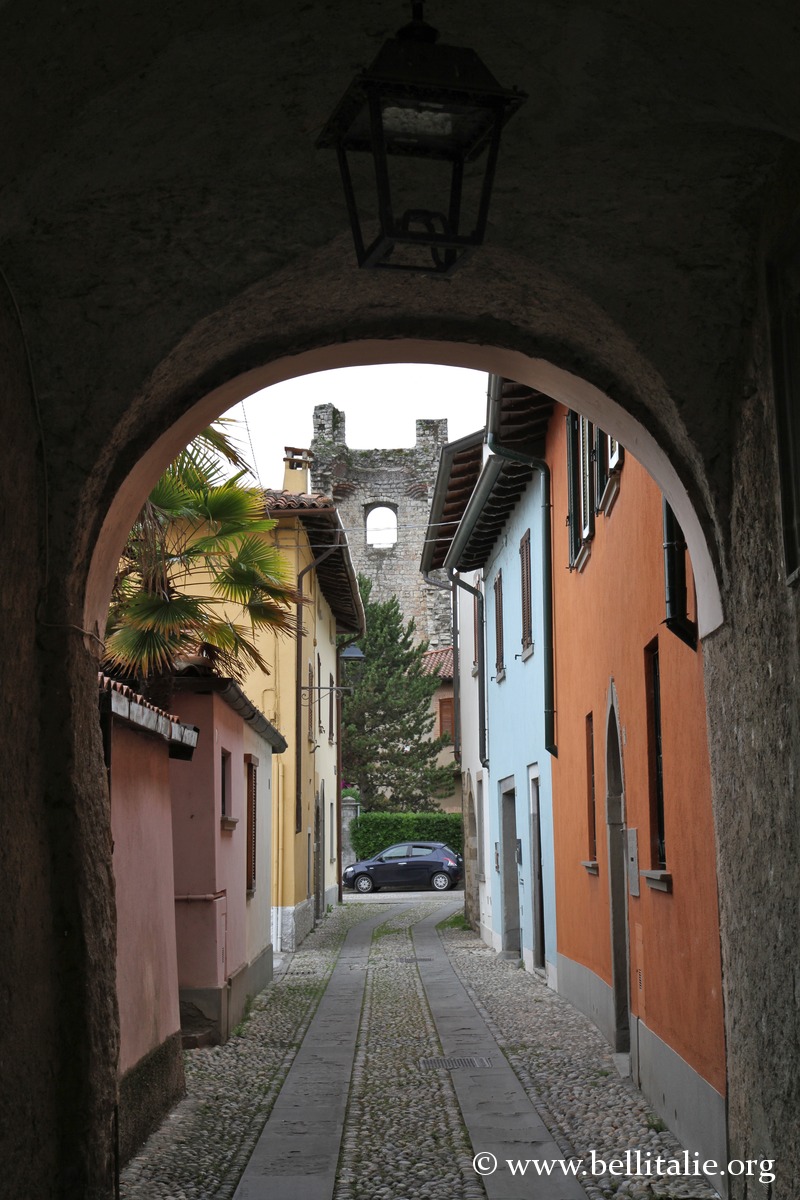
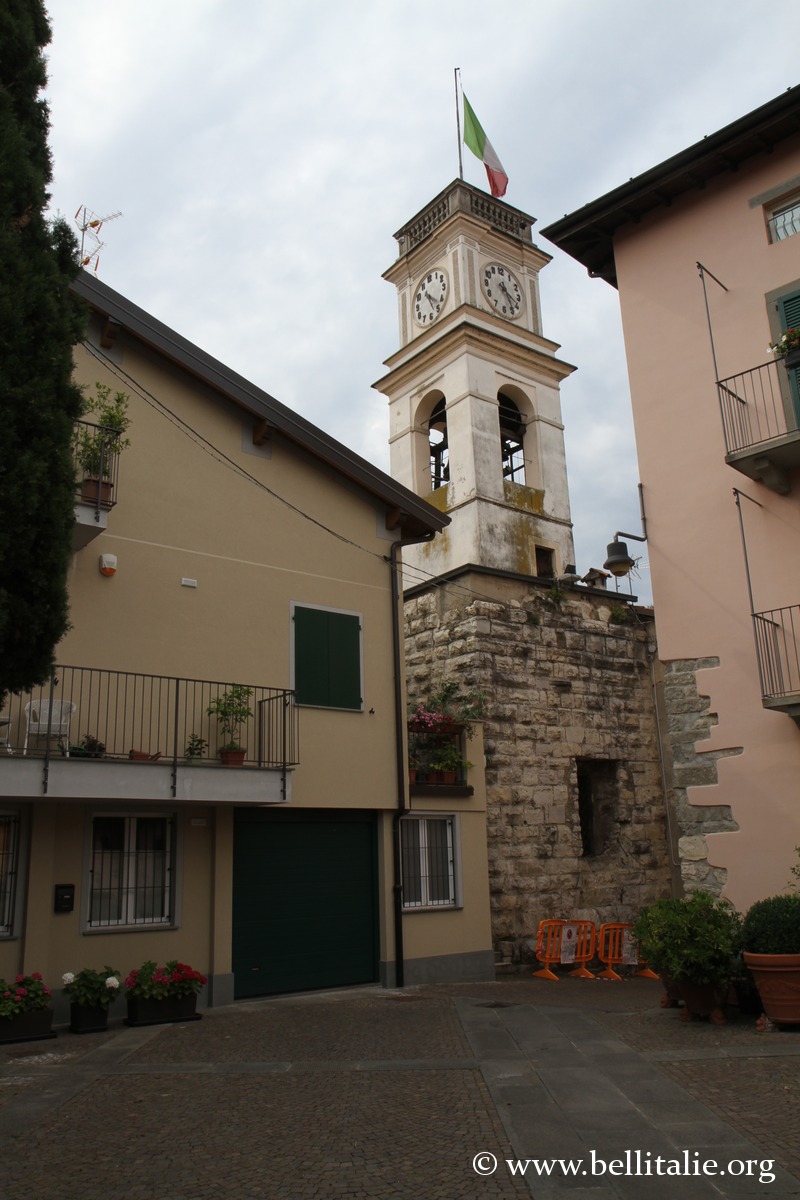
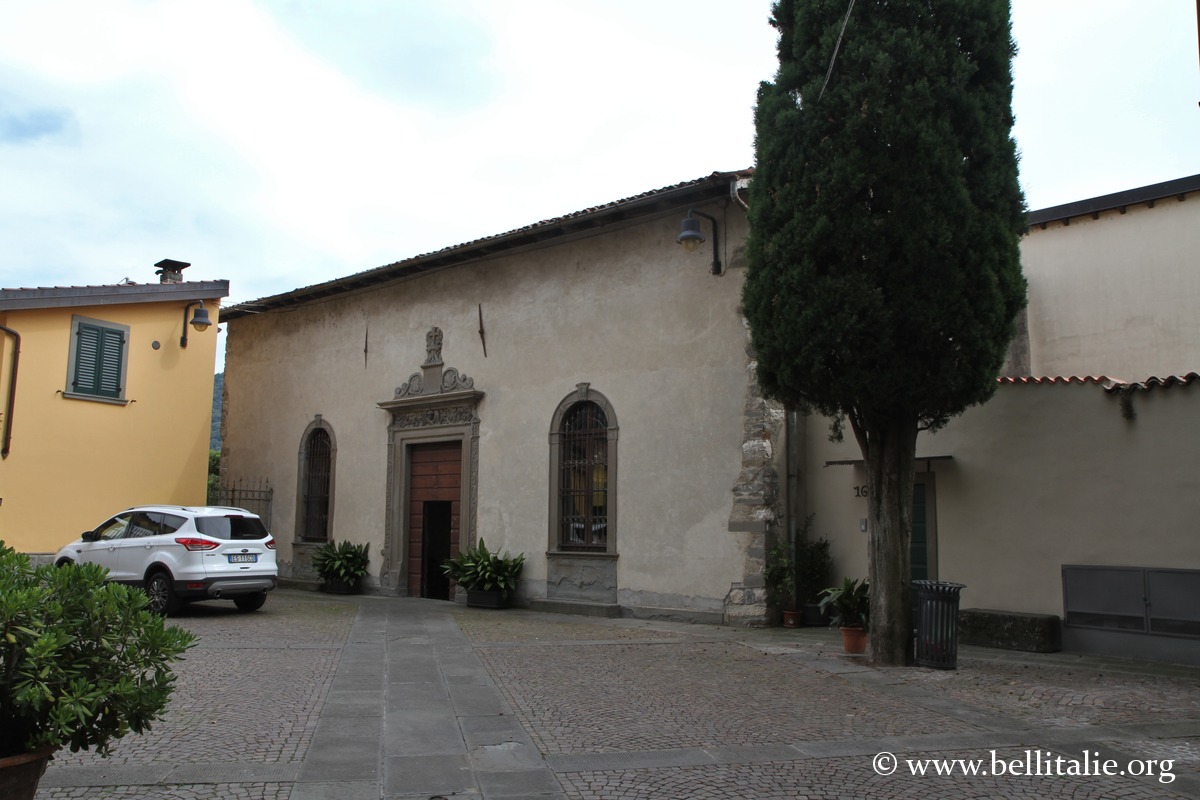
Sarnico is a small town on the edge of the downstream point of the lake with beautiful spacious and pleasant squares, its Gianni Bellini Picture Gallery in the old quarter, and Art Nouveau villas by the architect Giuseppe Sommaruga. It is a lively and active centre, appreciated in particular for walks along the lake. The Middle Ages have left their mark there, with portals, alleys or porches along the via Lantieri, or old houses with massive walls. Its small church of Saint-Paul dates from the 15th century, the Clock Tower stands on the old tower from the early 11th century, in the via Parigi a house corresponds to the medieval tower of the 12th century.
-
- Predore
-
- Sarnico
-
- Sarnico
-
- Sarnico
Other places around the lake
-
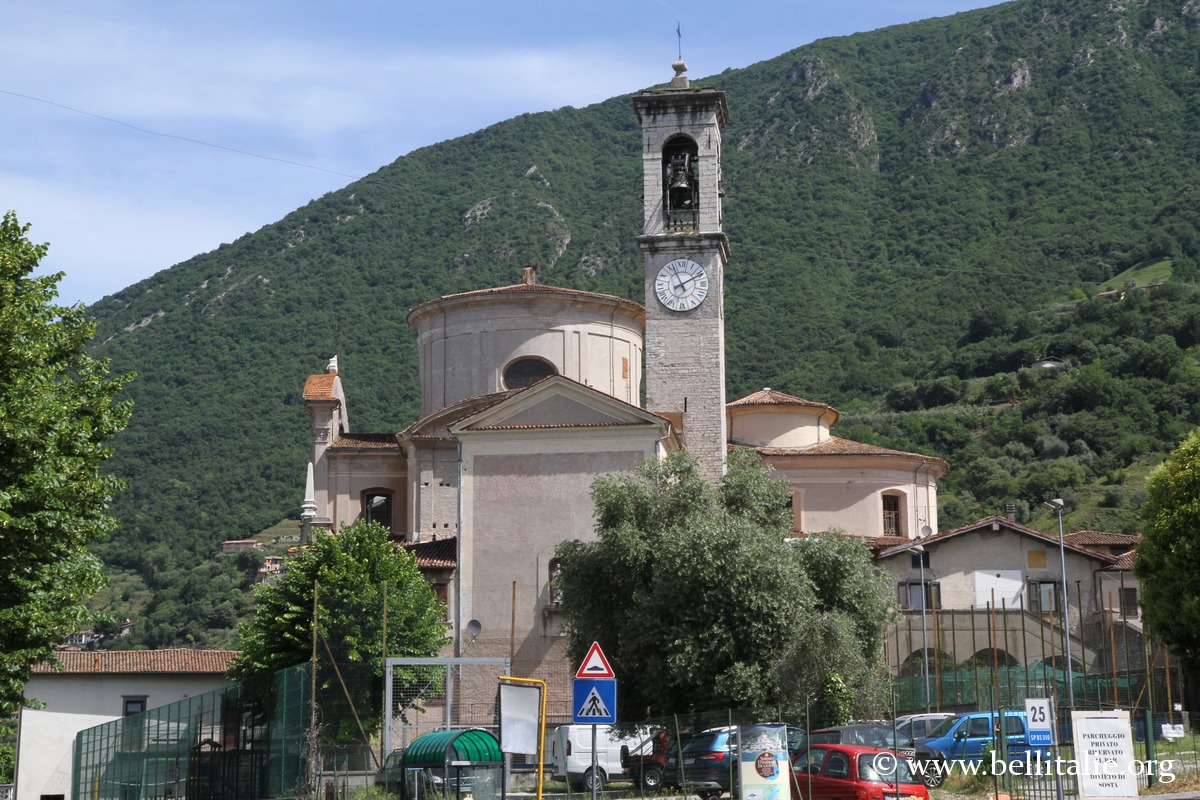
- Marone
-
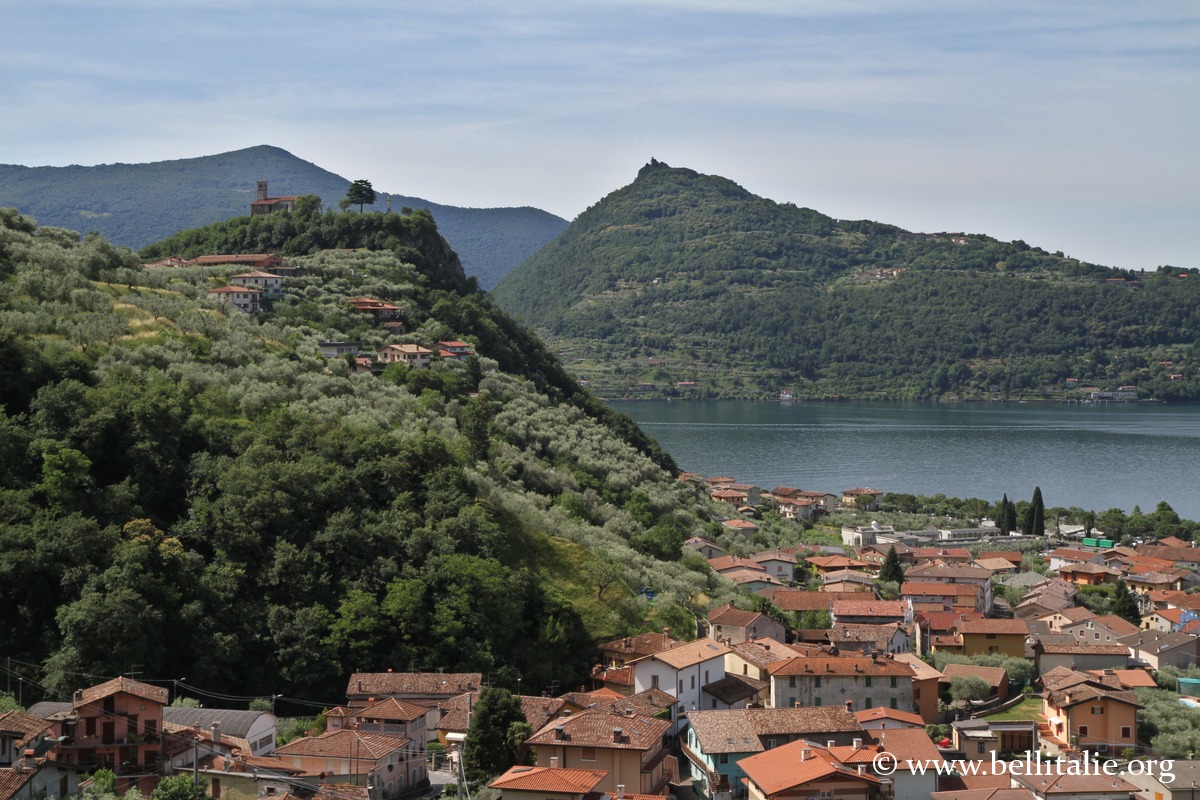
- Marone
-
- Marone
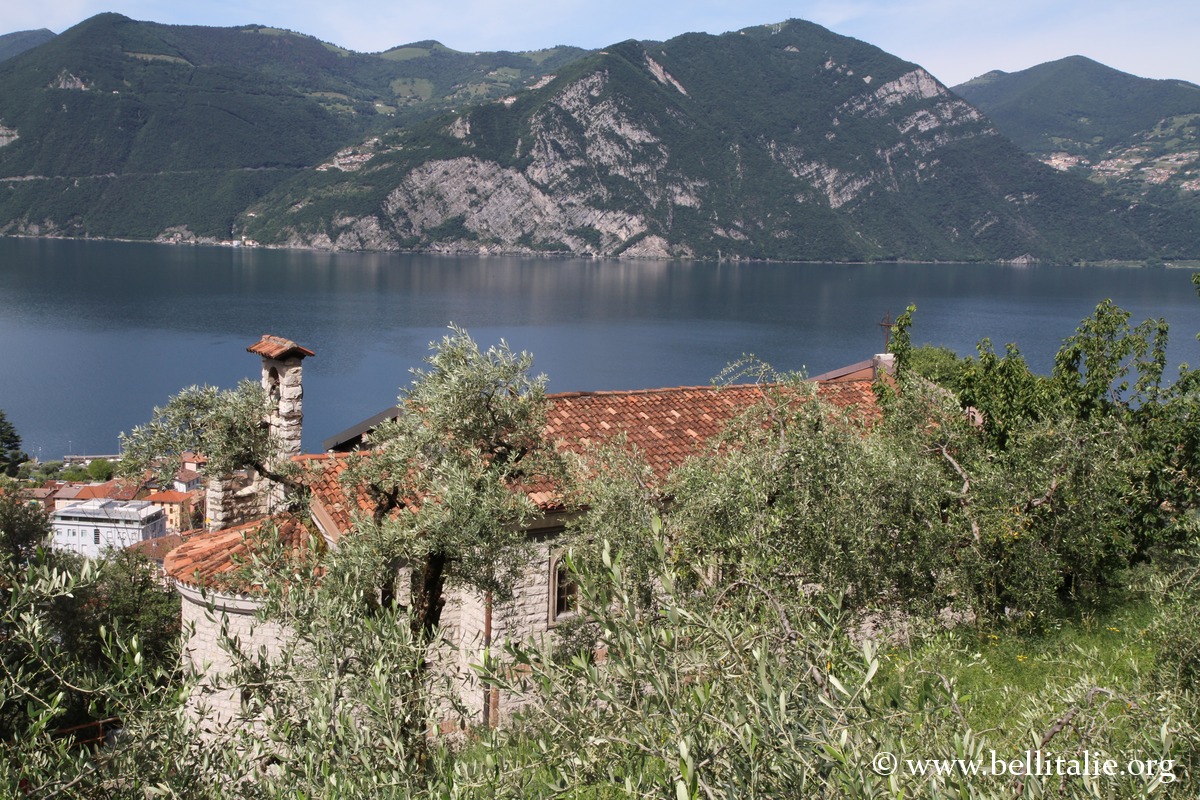
-
- Marone

-
- Marone
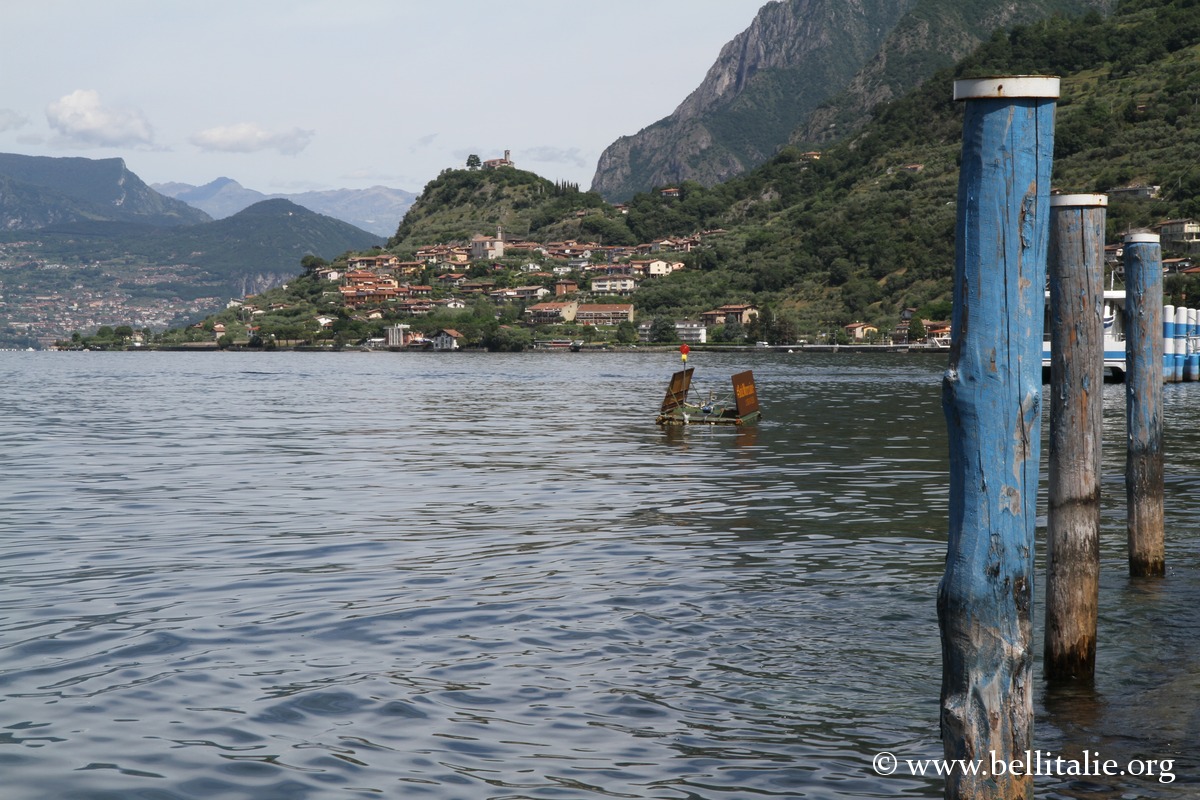
-
- Sulzano
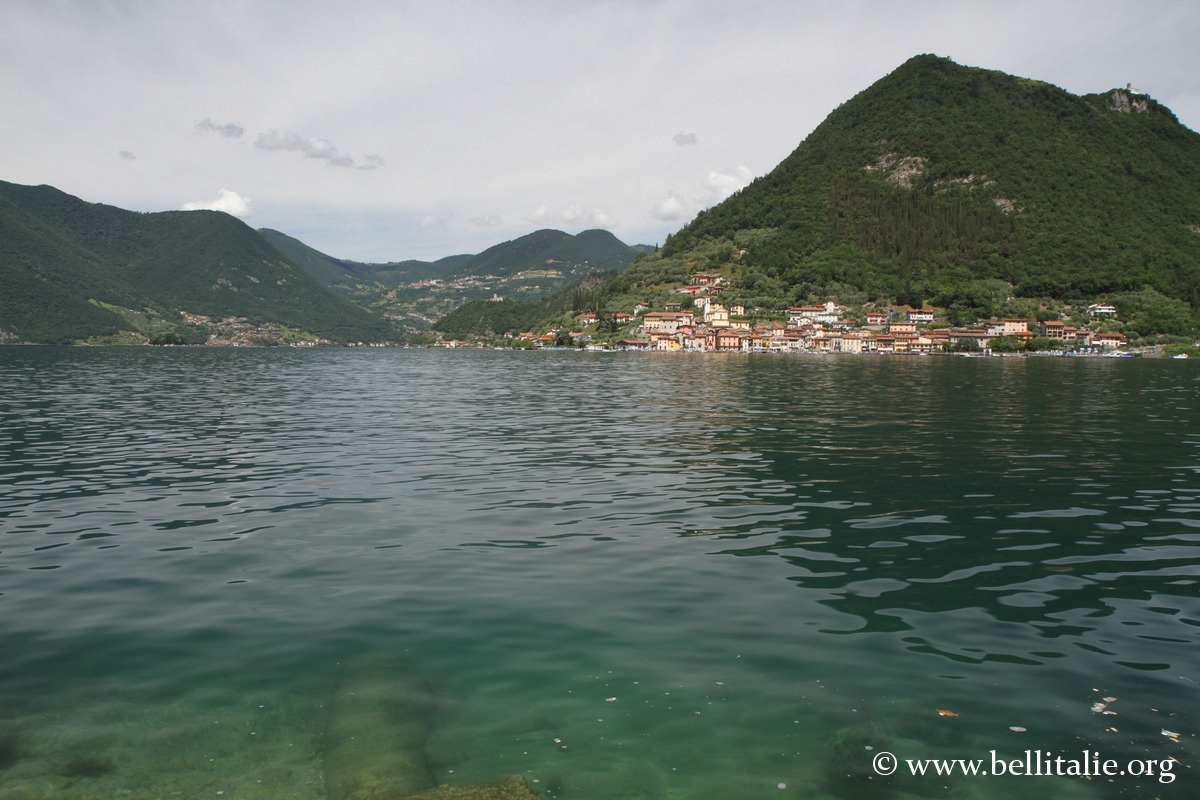
-
- Sulzano
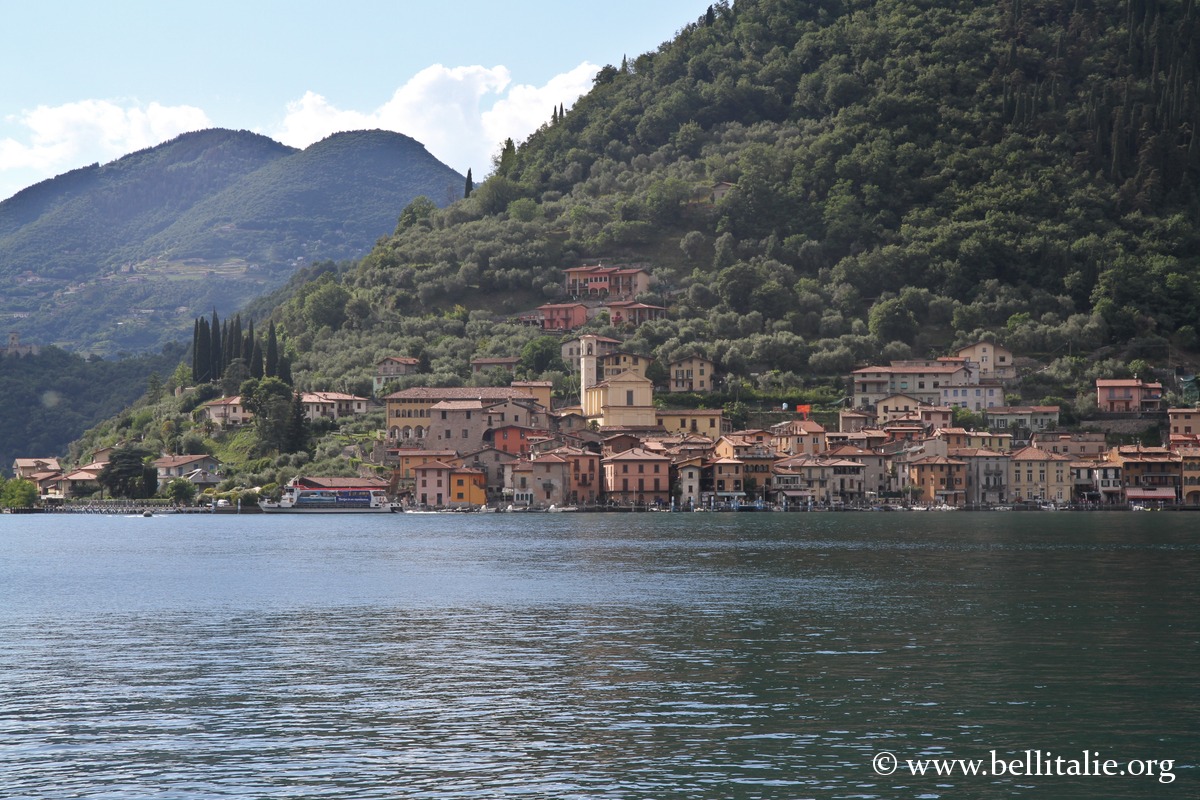
-
- Sulzano
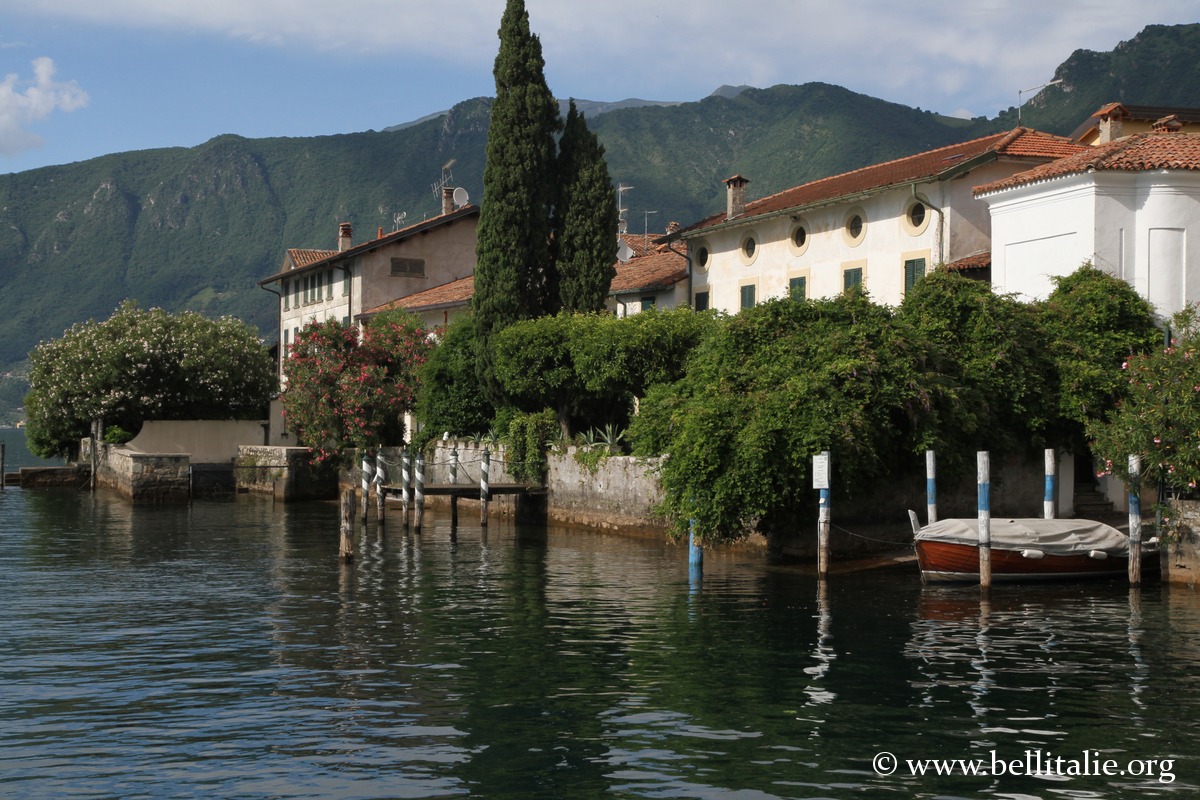
-
- Sulzano
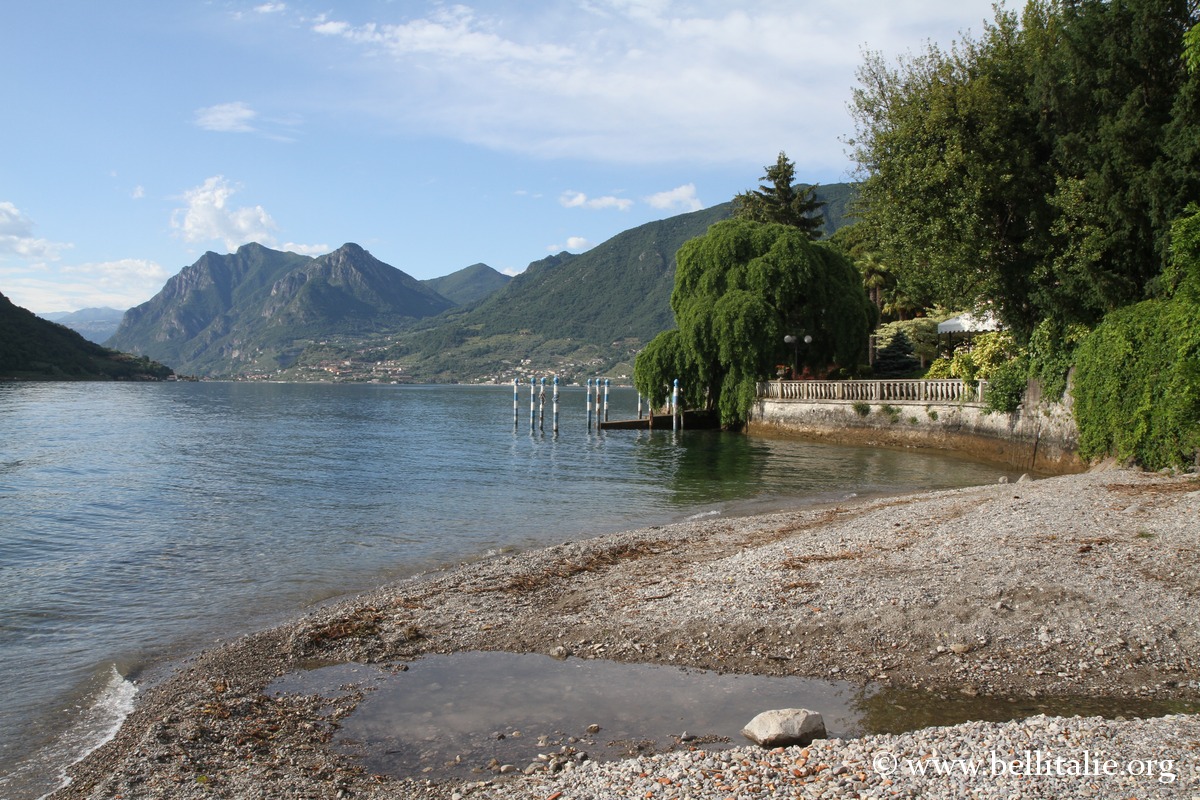
-
- Tavernola Bergamasca
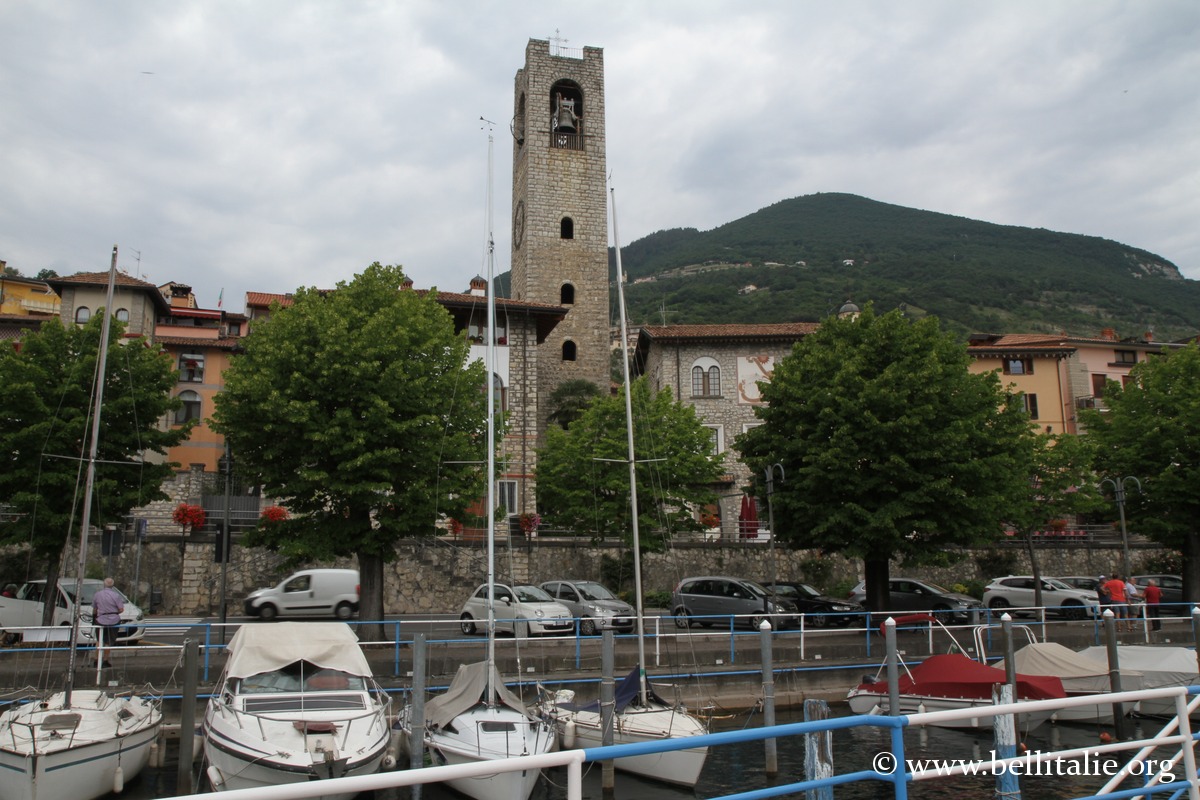
-
- Tavernola Bergamasca
Weather on Lake Iseo
Map
 Show interactive map
 Information
- Wikipedia page: en.wikipedia.org
- Tourist portals: www.in-lombardia.it


Comments