


Close to Como and Milan, between lakes and mountains, Varese is a city rather ignored by tourists, and yet pretty and interesting. It is indeed a garden city that stretches over several hills, just upstream of its namesake lake. It attracts as much for its lake as for its villas, its Estense Palace, and the heritage of the surroundings such as the Masnago Castle and the Sanctuary of the Sacred Mount.
Here below are the most remarkable places of Varese and its surroundings.
1. Gardens and Estense Palace
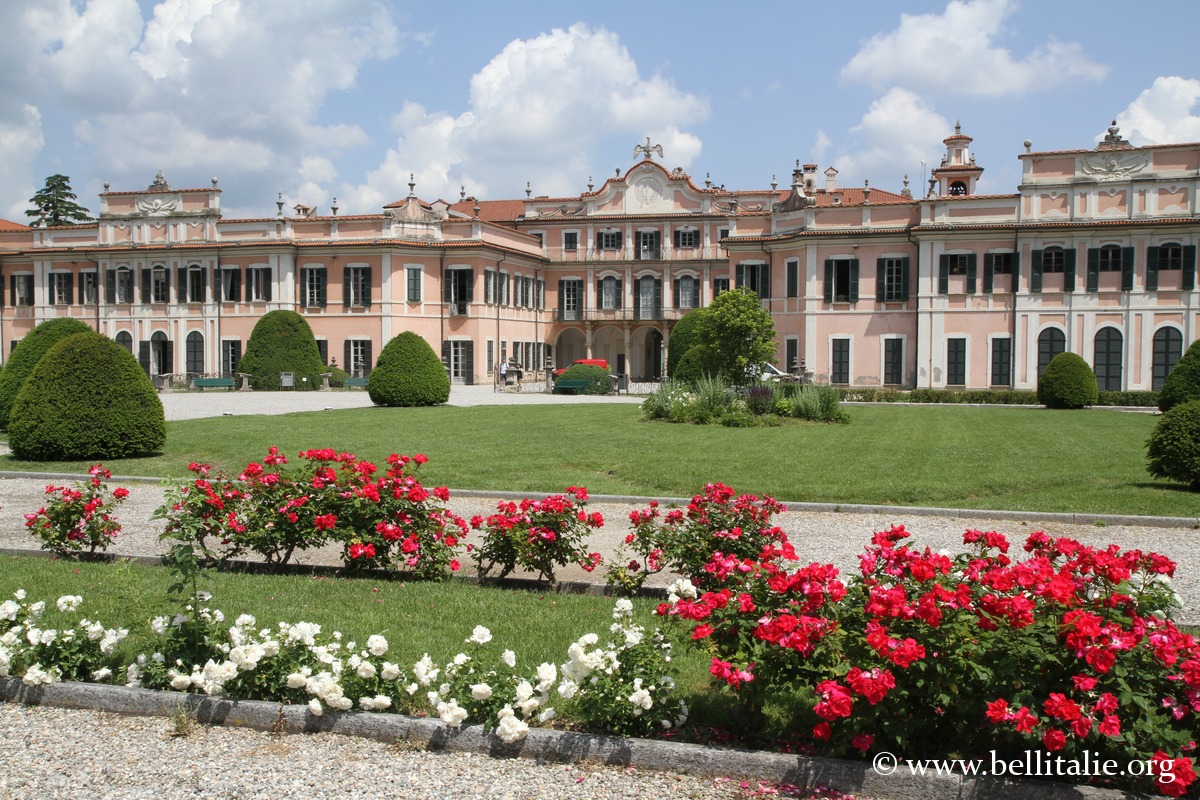
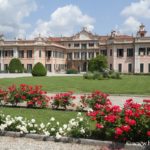
The Este Palace (Palazzo Estense in Italian) and its gardens were described as the “Little Versailles of Milan” by the writer Giacomo Leopardi, notably for its blend of French and Italian art.
The Baroque palace now houses the town hall. It dates from the second half of the 18th century, built on the basis of an old villa to make it the summer residence of the Duke of Modena Francesco III d’Este.
Inside, one can notably see the famous Salon Estense with its large marble fireplace.
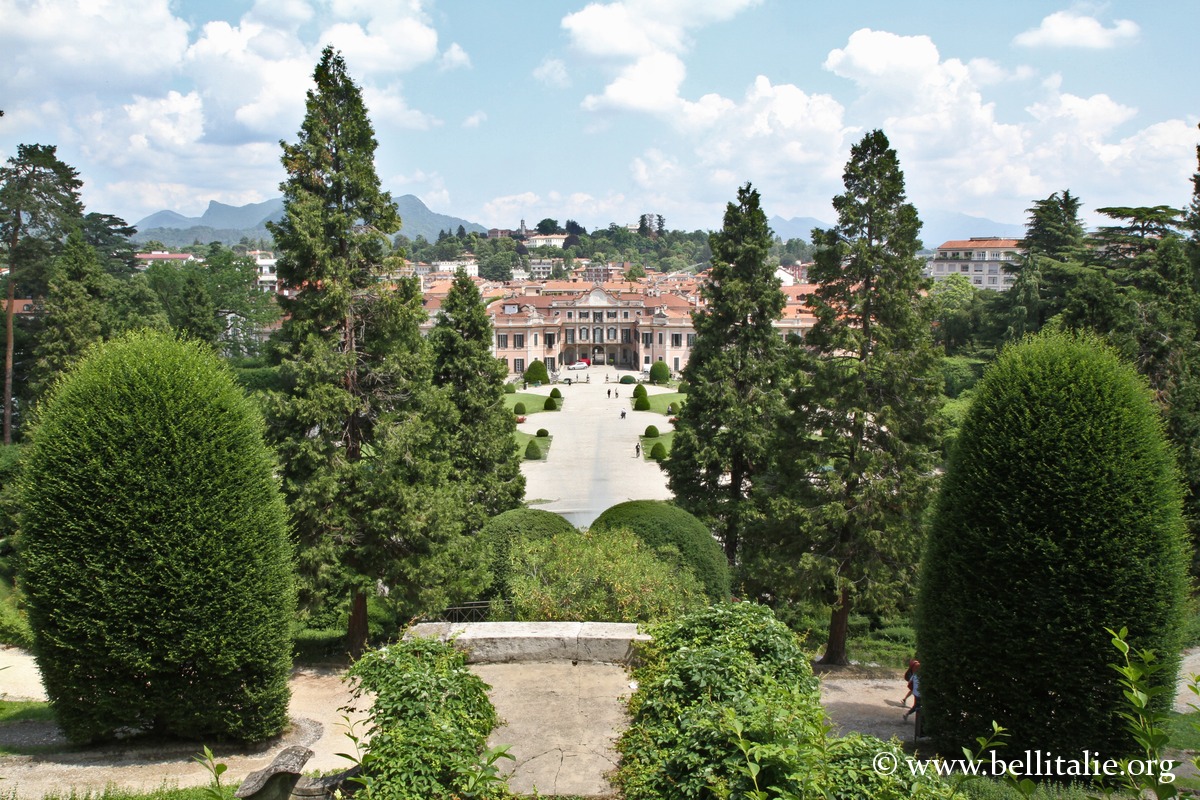
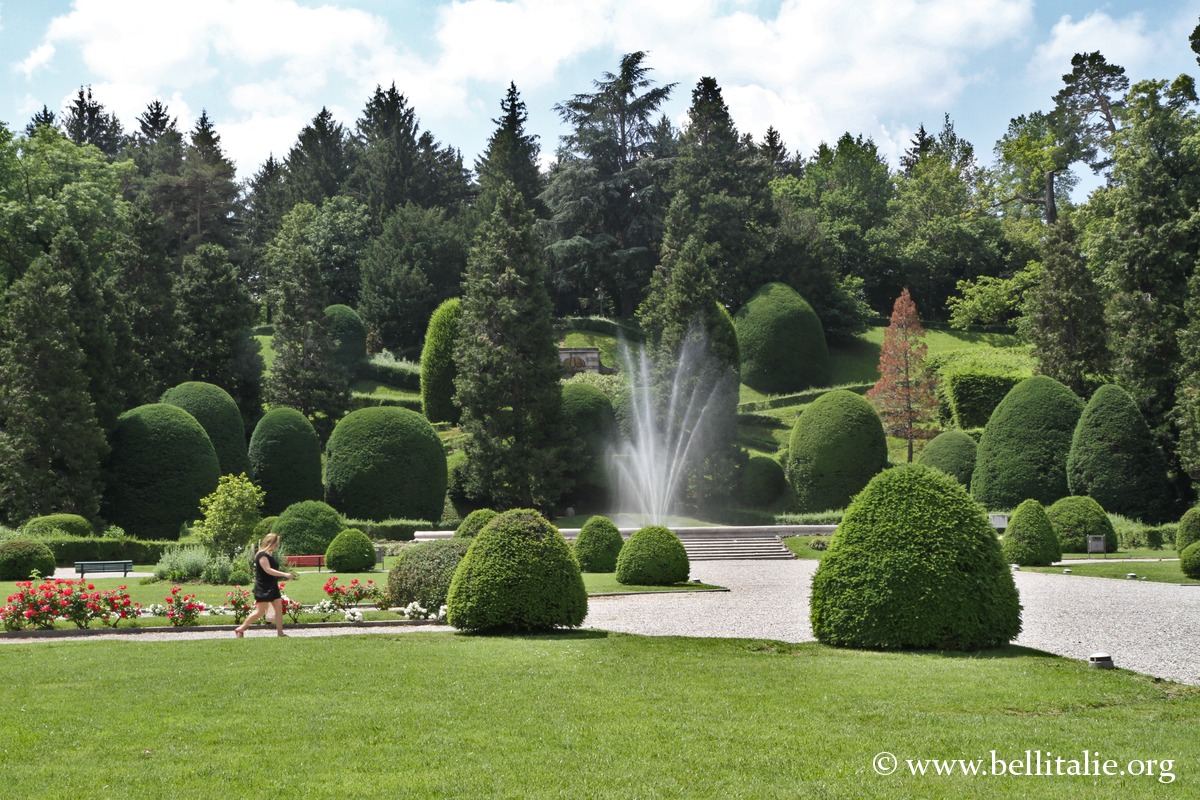
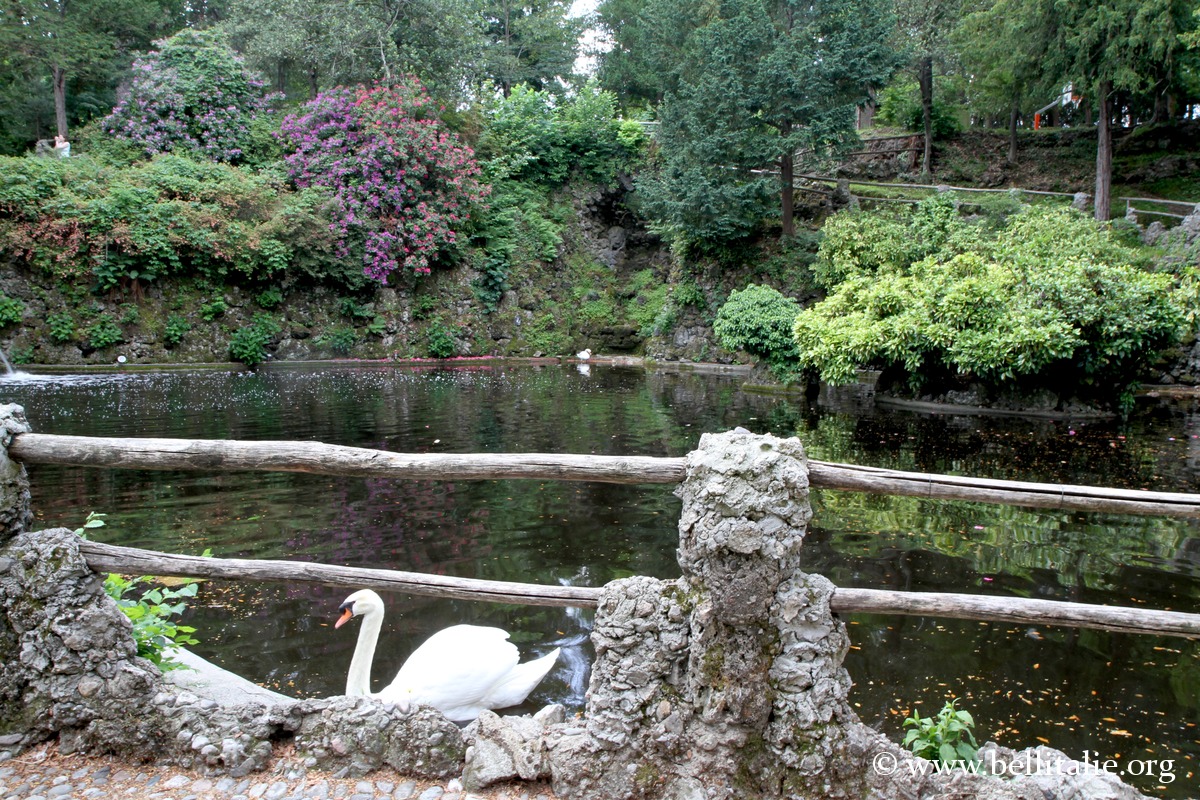
The vast gardens were laid out in the 18th century, inspired by those of the Imperial Palace of Schönbrunn in Vienna. It is one of the most beautiful in Lombardy, picturesque and bucolic with its paths, flower beds, a large basin, stairs and fountain, with the Villa Mirabello and the Torretta del Robbioni up high.
2. Villa Mirabello and archaeological museum
Located in the gardens of the Este Palace, the Villa Mirabello was built in the 18th century and remodeled in the 19th century. Its Robbioni Tower was only reopened to the public in 2018 with its belvedere.
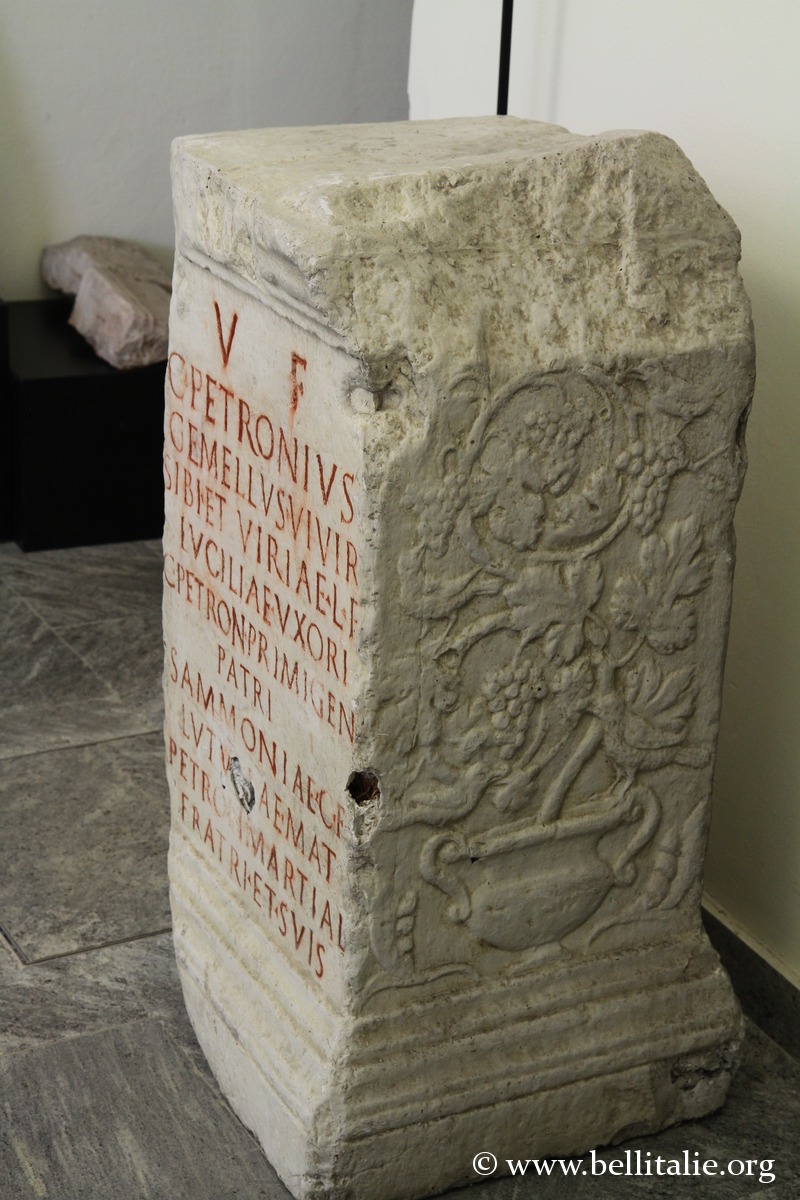
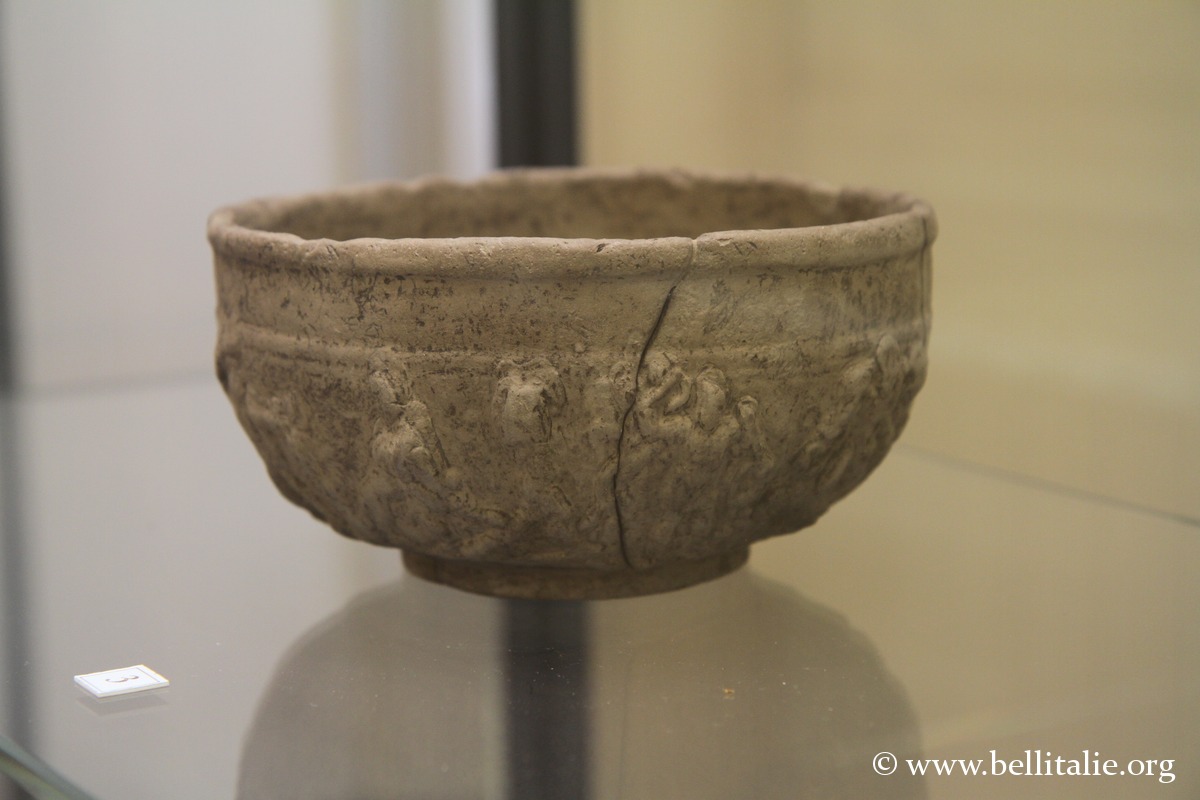
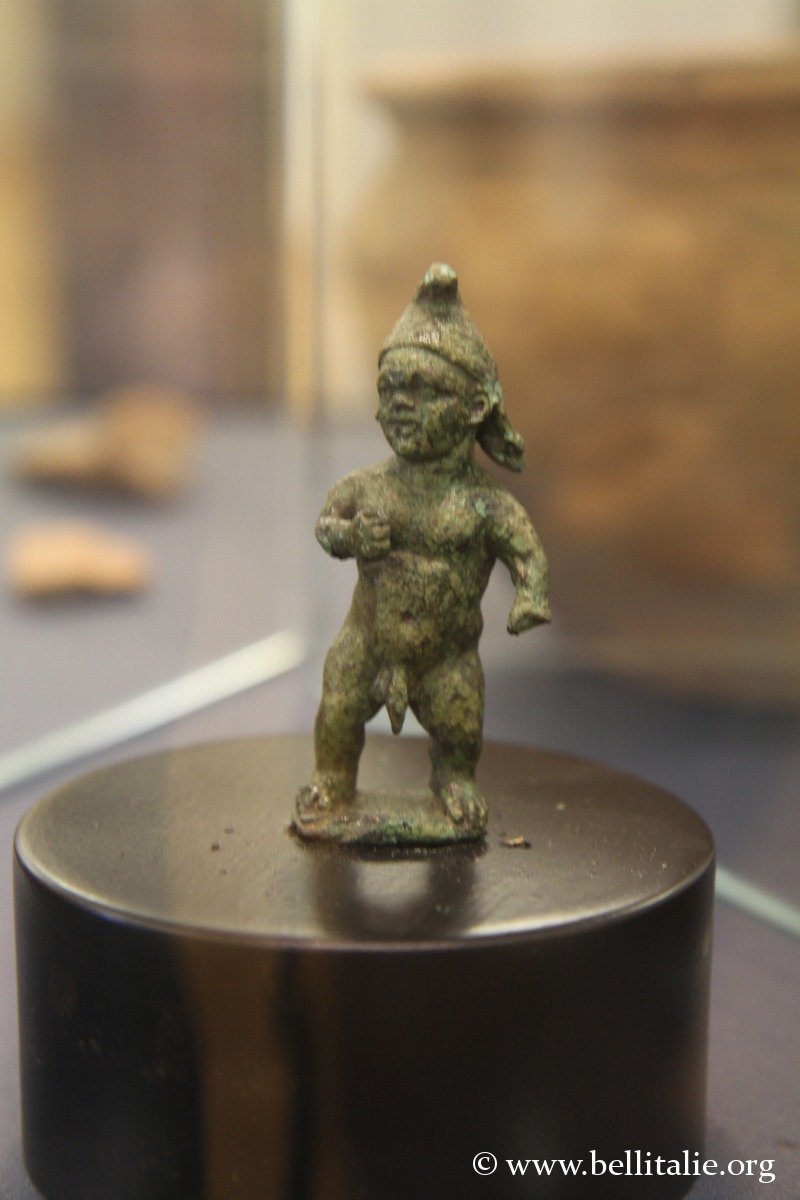
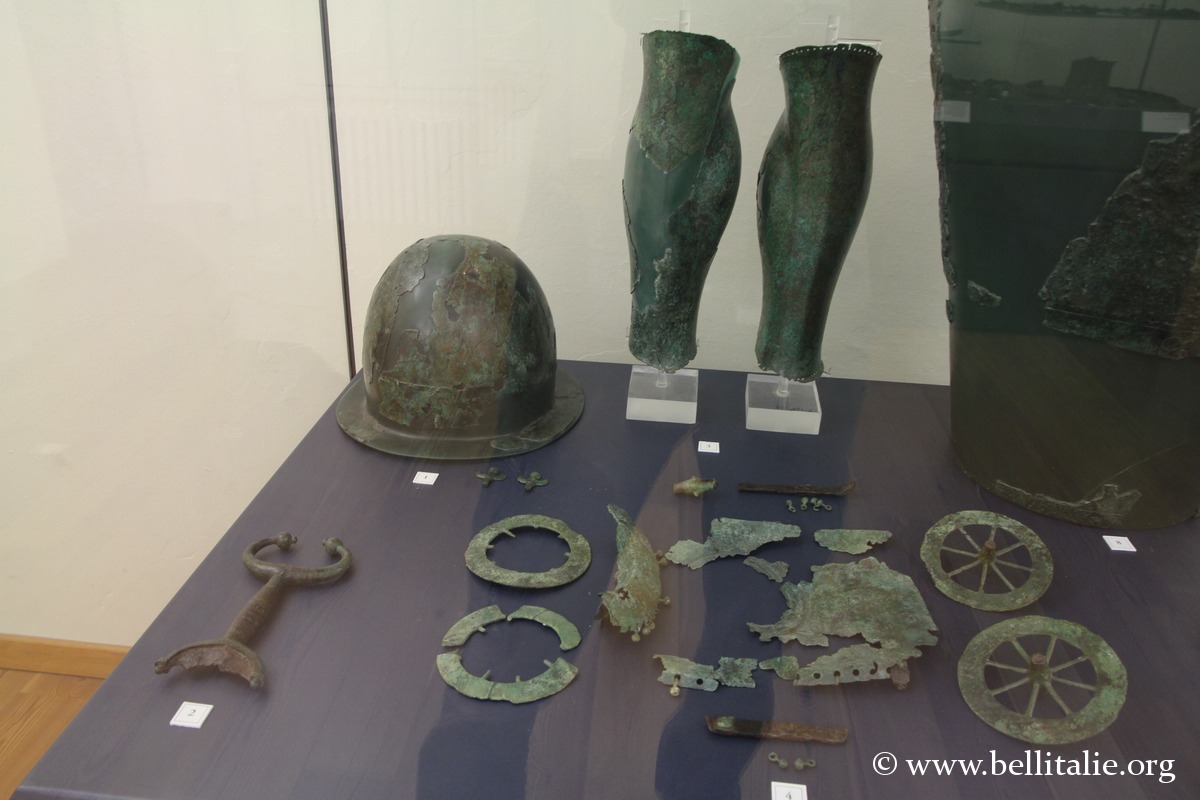
In the 20th century the Civic Archaeological Museum and the Risorgimento Section were installed there, housing the historical and archaeological testimonies of the territory of Varese.
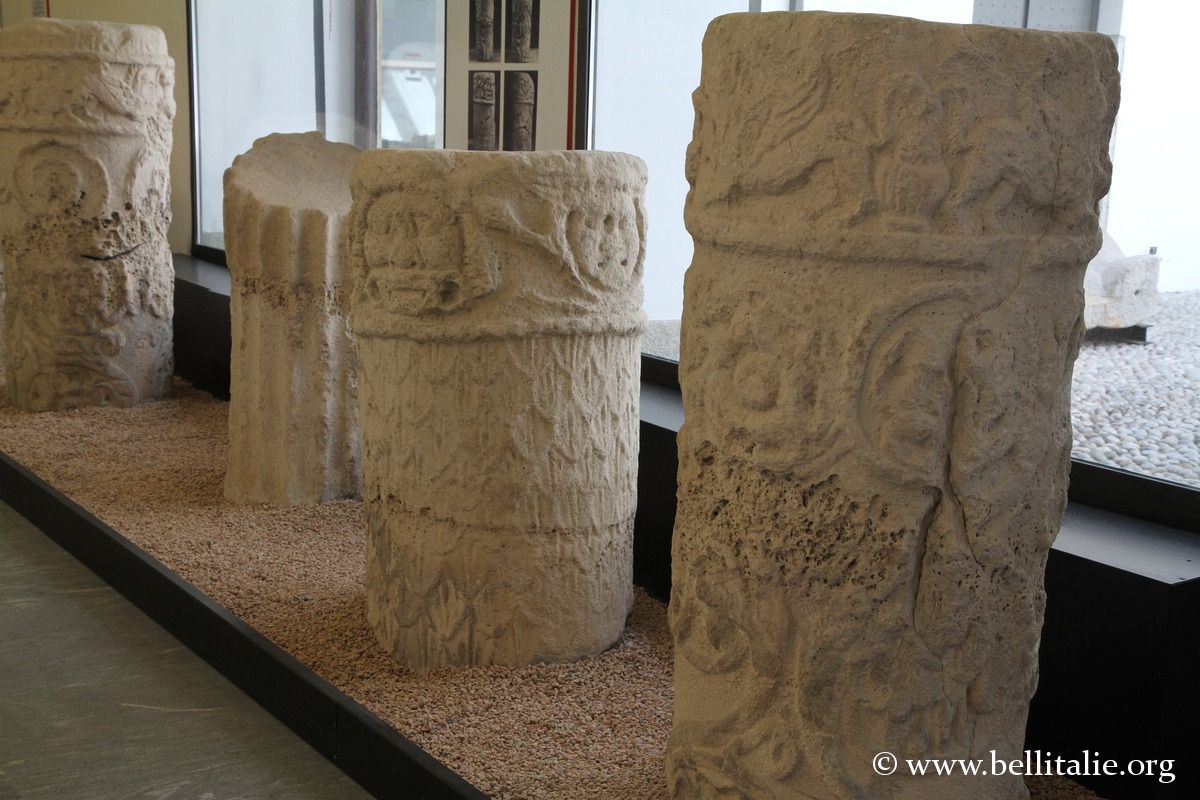
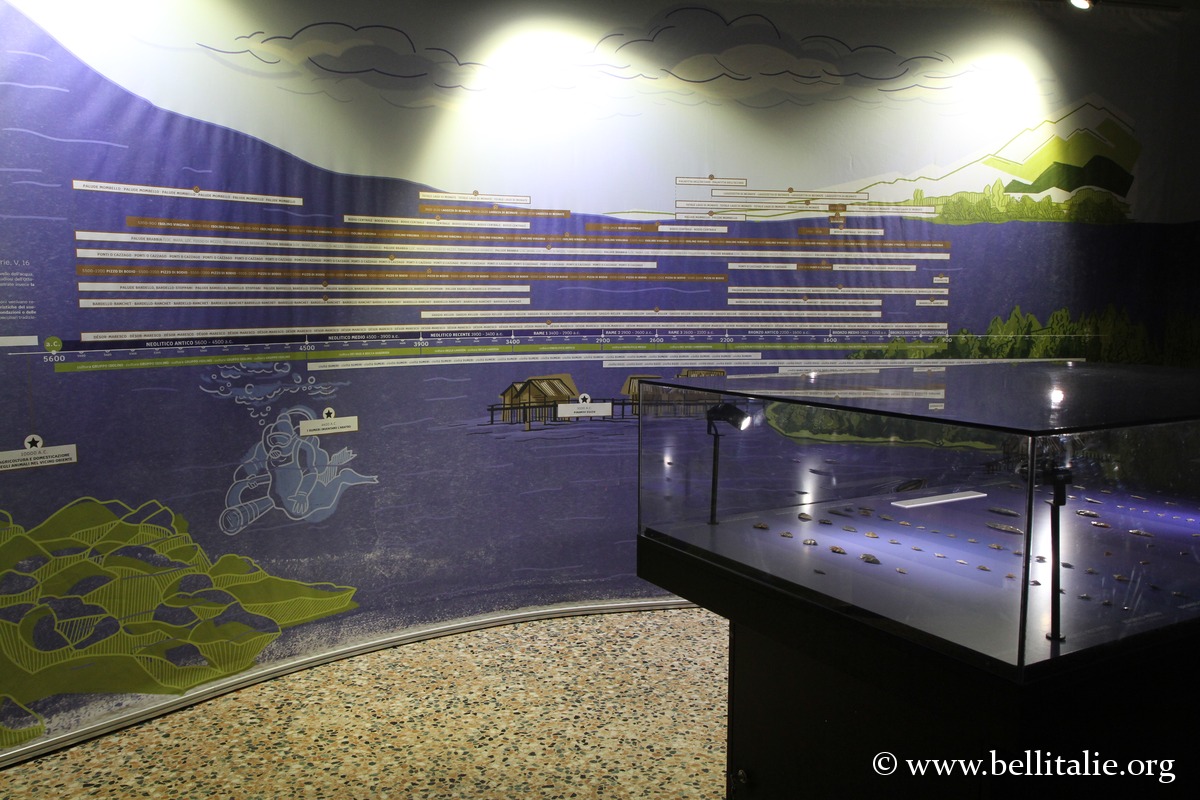
The museum is interesting, well laid out with admittedly a limited number of exhibited objects, but which are well showcased and documented with their context. It covers different eras from Prehistory, the metal ages and the Roman period, with notably a lapidarium.
3. Sacred Mount of Varese
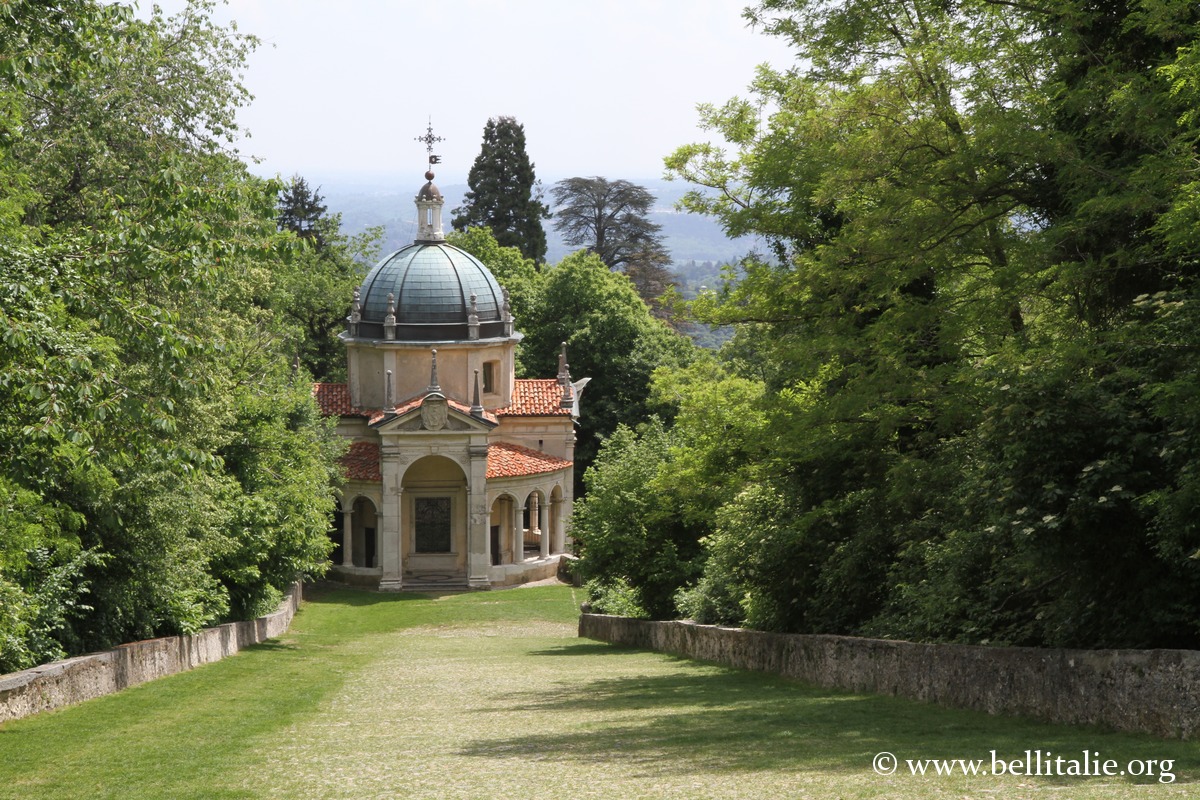
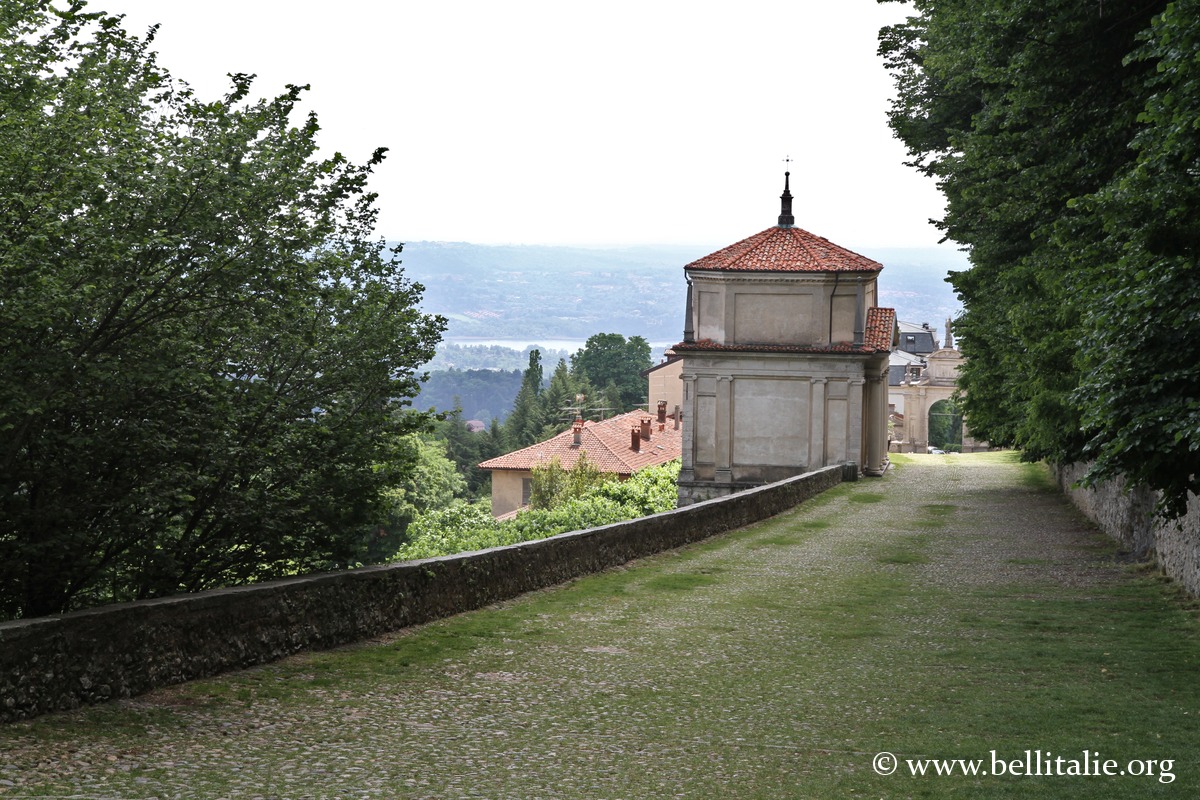
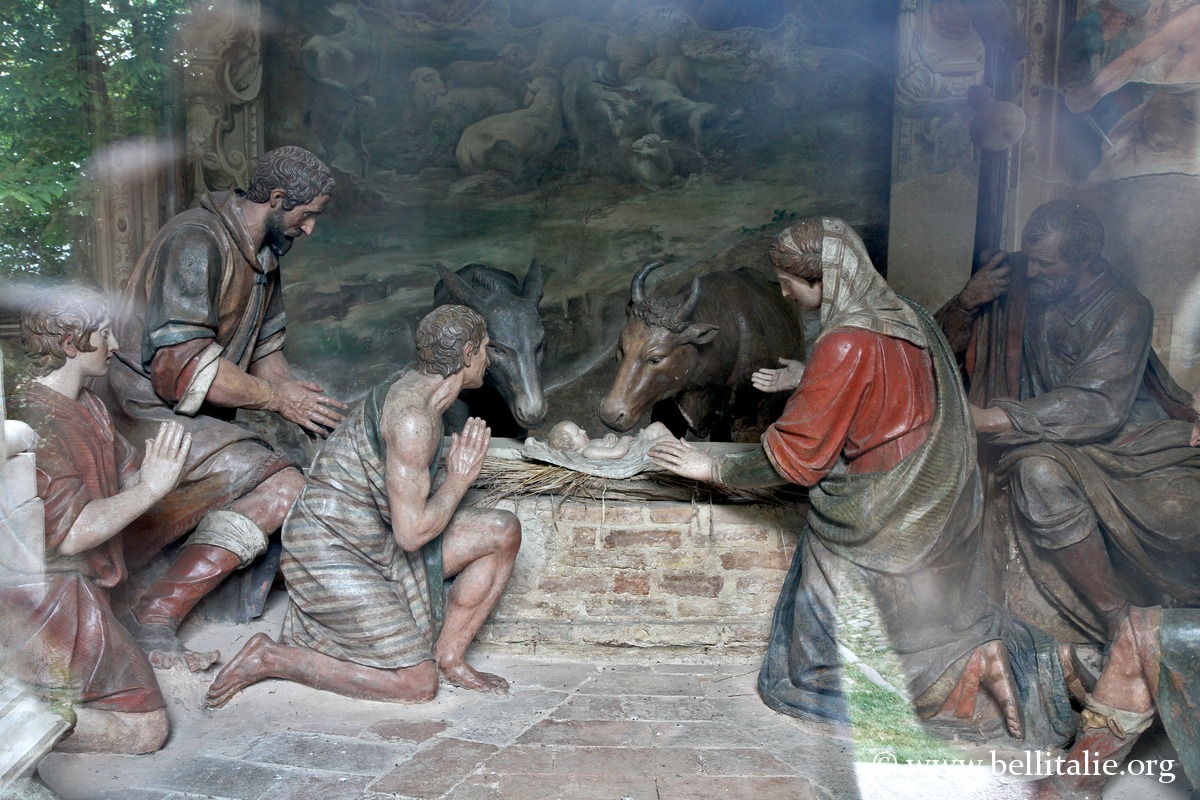
The Sacred Mount of Varese is as much a very beautiful scenic itinerary as an important religious site, long a pilgrimage destination. Important artists of the Duchy of Milan contributed to its realization. It is part of the Group of Sacred Mounts of Piedmont and Lombardy inscribed in 2003 on the UNESCO heritage list.
Several routes give access to the fourteen chapels, with at the top the Sanctuary of Santa Maria del Monte. One can reach the route from the bottom, the top or between the two. The entire climb measures nearly 2 km with 230 meters of elevation gain.
4. Historic center
Corso Matteotti
The Corso Matteotti is the main pedestrian artery that crosses the city center of Varese, with its arcades and typical houses converted into shops, which formerly housed workshops on the ground floor and the artisans’ dwellings upstairs.
The paving is made of a volcanic rock extracted in the surroundings, a pretty pink porphyry.
Piazza del Podestà and Arco Mera
The Corso borders the Piazza del Podestà where stands a bronze statue dedicated to the battle of Varese led by Garibaldi in 1859. It is separated from the Piazza Vittore with the basilica by the monumental and elegant passage of the Arco Mera with its sculptures.
The Praetorian Palace (Palazzo Pretorio in Italian) dating from the 16th century goes back to the communal era of Varese and houses the Town Hall nowadays. Its interior was remodeled in the 19th century.
Next to it, the Courtyard of the Broletto from the 16th century formerly housed the grain market, with its portico, which was integrated into the Broletto (Palazzo Biumi) dating back to the 14th century.
Basilica San Vittore
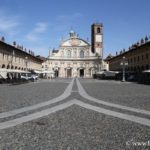
On the small square of the same name, the Basilica San Vittore is the main church of Varese, dedicated to Saint Victor, including the Gothic Saint John baptistery and the Baroque bell tower. It was built in the 16th-17th centuries on an old church of the 7th century. Its Neoclassical facade dates from the end of the 18th century. A cannonball on the facade dates the battle of Varese of 1859, fired by the Austro-Hungarian army.
The interior preserves decorations including frescoes and marble statues.
The bell tower of the Campanile del Bernascone reaches 80 meters, erected from 1617 and finished only in 1773. Its stone staircase of 230 steps leads to the bells and the large panoramic terrace.
The rectangular baptistery was built in the 16th century on an old building of which it kept the baptismal font and frescoes.
Former monastery of Saint Antonin
On the Corso Matteotti, the Sant’Antonino convent dates back to the 16th century with nuns sent by Carlo Borromeo to Varese.
Now private property included in the Casa Veratti complex, the refectory was acquired by the municipality in 1986 and is used for exhibitions. One can visit the beautiful and peaceful cloister.
Casa Perabò
In an alley of the historic heart of Varese, the Casa Perabò has a splendid Gothic window that dates from the 15th century, restored in the 21st after a violent hailstorm.
5. Villa and Panza Collection
North of Varese outside the historic center, the elegant Villa Panza from the 18th century is surrounded by a beautiful garden of more than 3 hectares and a greenhouse. It preserves an important collection of American contemporary art assembled since the 1950s by Count Giuseppe Panza, with about a hundred visible works including monochrome canvases, minimalist sculptures, neon sculptures by Dan Flavin, photographs by Wim Wenders, etc.
Panza also invited famous artists to decorate the rooms of the villa and turn them into works of art.
It also hosts temporary exhibitions.
6. Other places outside Varese
From an old medieval fortress, the Masnago Castle became a lordly residence, within the very beautiful Mantegazza Park with its botanical garden. The main structure dates from the 15th century, with in addition a medieval tower, and a noble wing from the 18th century whose rooms are decorated with frescoes. Its main interest is the cycle of refined Gothic-style frescoes in the Hall of the Slaves and in the Hall of Vices and Virtues.
Villa Pogliaghi house-museum
10 km north of Varese, on the Sacred Mount, the Villa Pogliaghi was built by Ludovico Pogliaghi. It became the museum dedicated to his art collection. Its rooms preserve archaeological collections, paintings and sculptures from the Renaissance and the Baroque era, etc.
Schiaparelli Astronomical Observatory
14 km north of Varese, on Mount Campo dei Fiori at 1226 meters of altitude, the Schiaparelli Astronomical Observatory is open all year to everyone, for young and old.
It is one of the largest observatories in Italy, with its three domes, which allows daytime or nighttime visits.
Comabbio Lake Cycle Path
Around the small Lake Comabbio nearly 3 km southwest of Varese, winds a pleasant cycle path of nearly 13 km along it, reachable from Varese near Parco Berrini, passing by Lake Varese.
Information
- Wikipedia article: en.wikipedia.org
- Tourist portals: www.in-lombardia.it,
- Lake Varese: www.in-lombardia.it
Map
If you see this after your page is loaded completely, leafletJS files are missing.


Comments