


Castelvecchio
On the banks of the Adige, the Castelvecchio of Verona (lit. Old Castle in English) was originally a military fortress built in brick in the 14th century at the initiative of Cangrande II della Scala (or Scaligeri) and quickly became a princely residence as well.
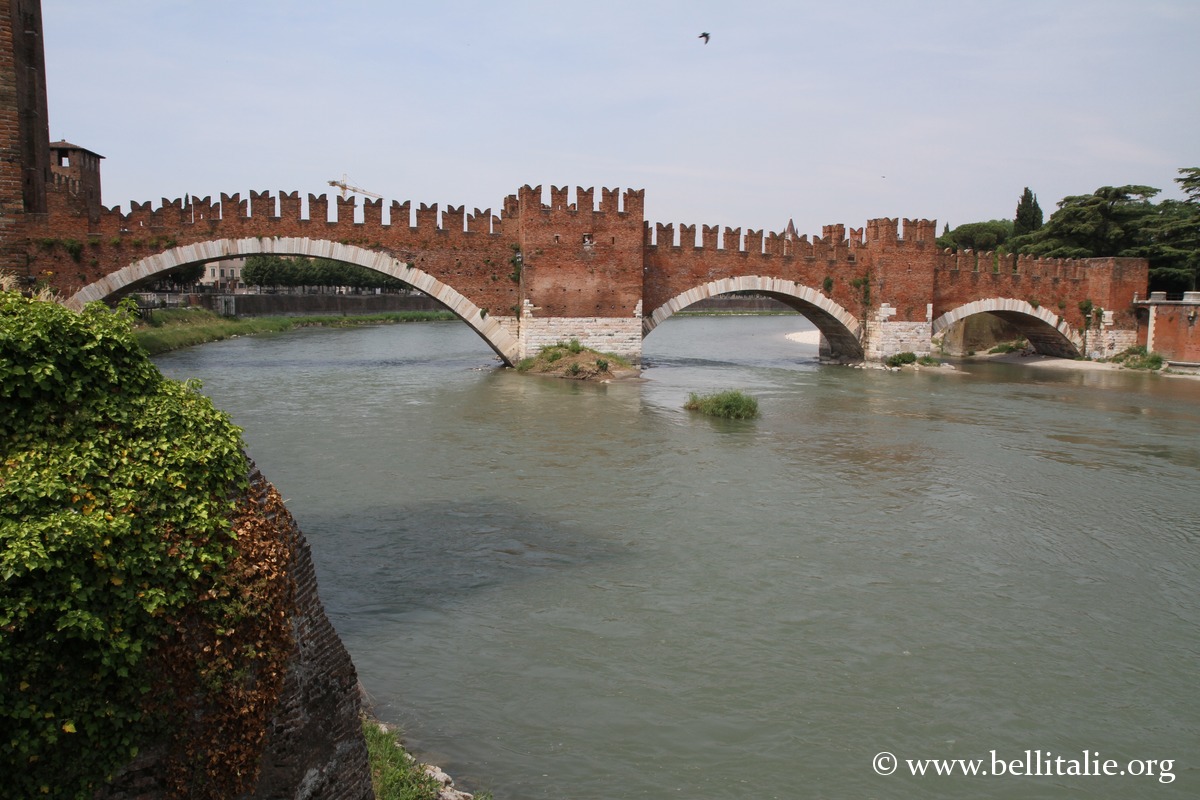
It served both for defense against external enemies and to face uprisings of the population during internal conflicts with the Scaligeri, with a bridge that could allow escape.
After the fall of the Scaligeri, from 1404 the Venetians used it as an arms depot, then it served as a barracks under French and Austrian rule.
In 1797, it was the scene of clashes between the Austrians and the Napoleonic army that occupied it, after which the facade along the Adige was rebuilt in a neoclassical style.
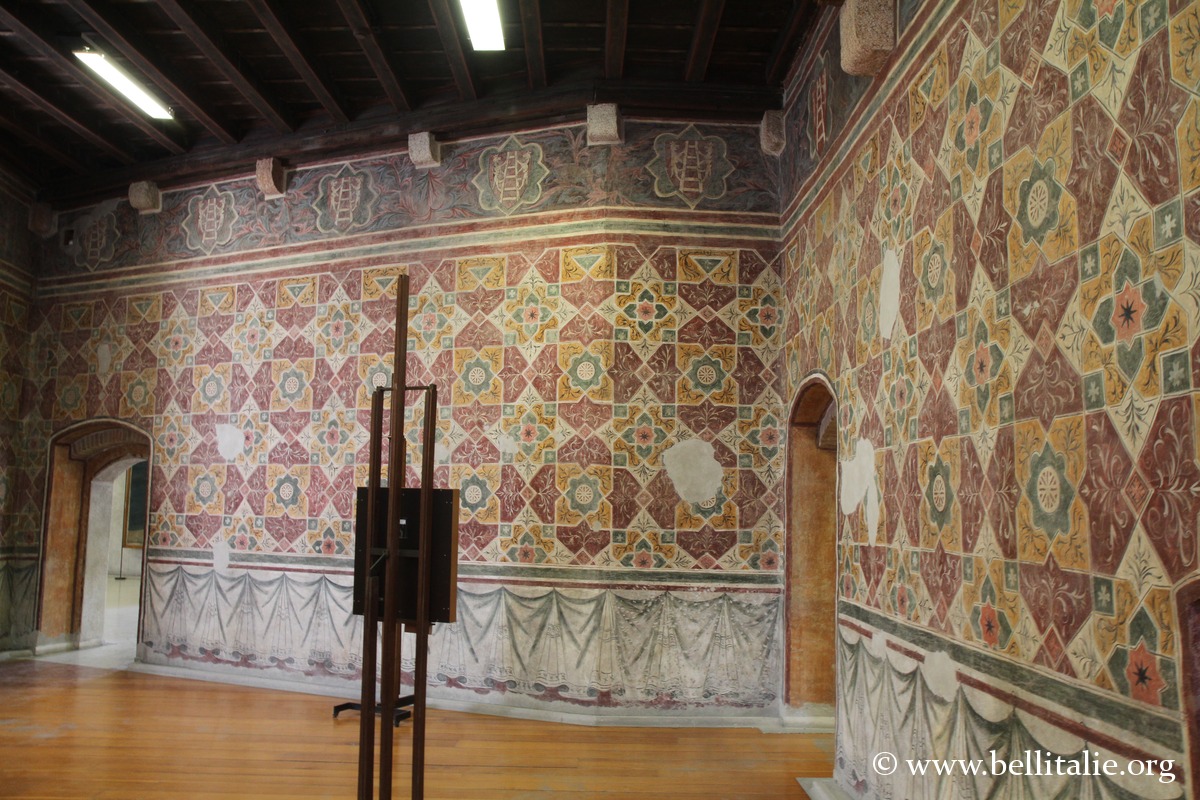
The restoration of the 1920s replaced the military elements with late Gothic and Renaissance elements.
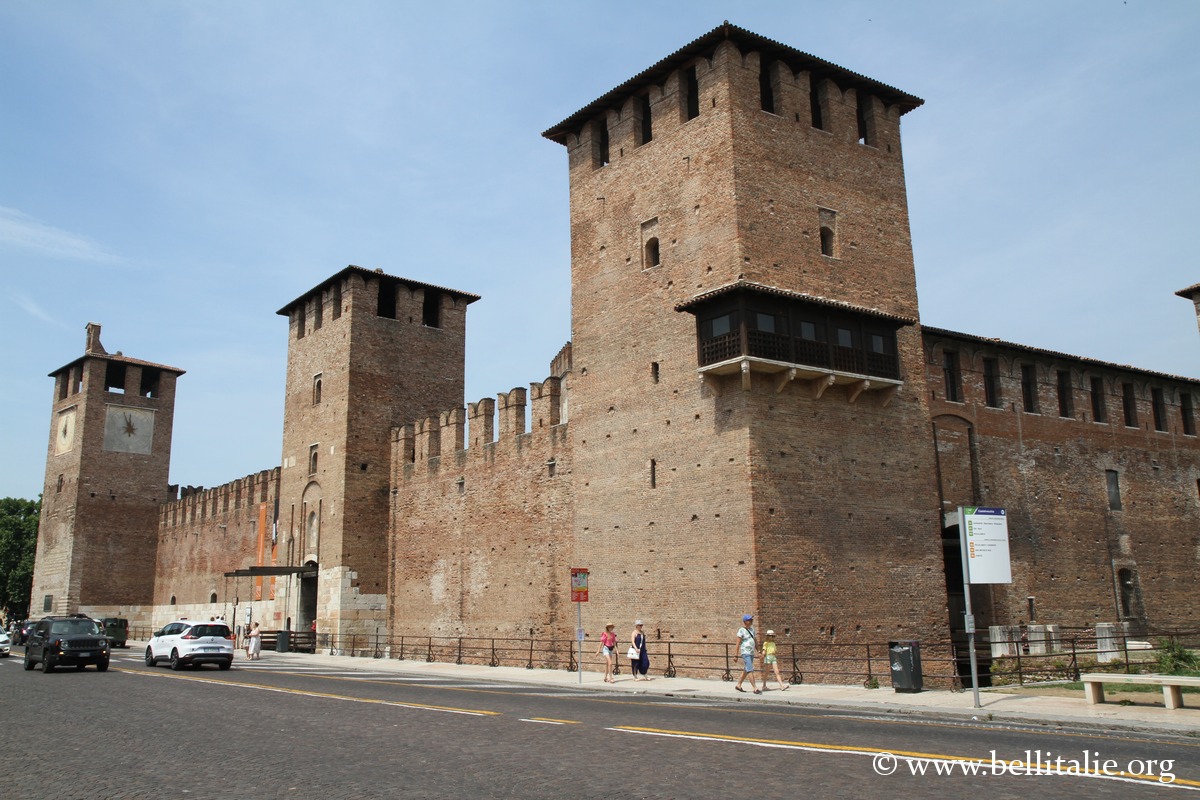
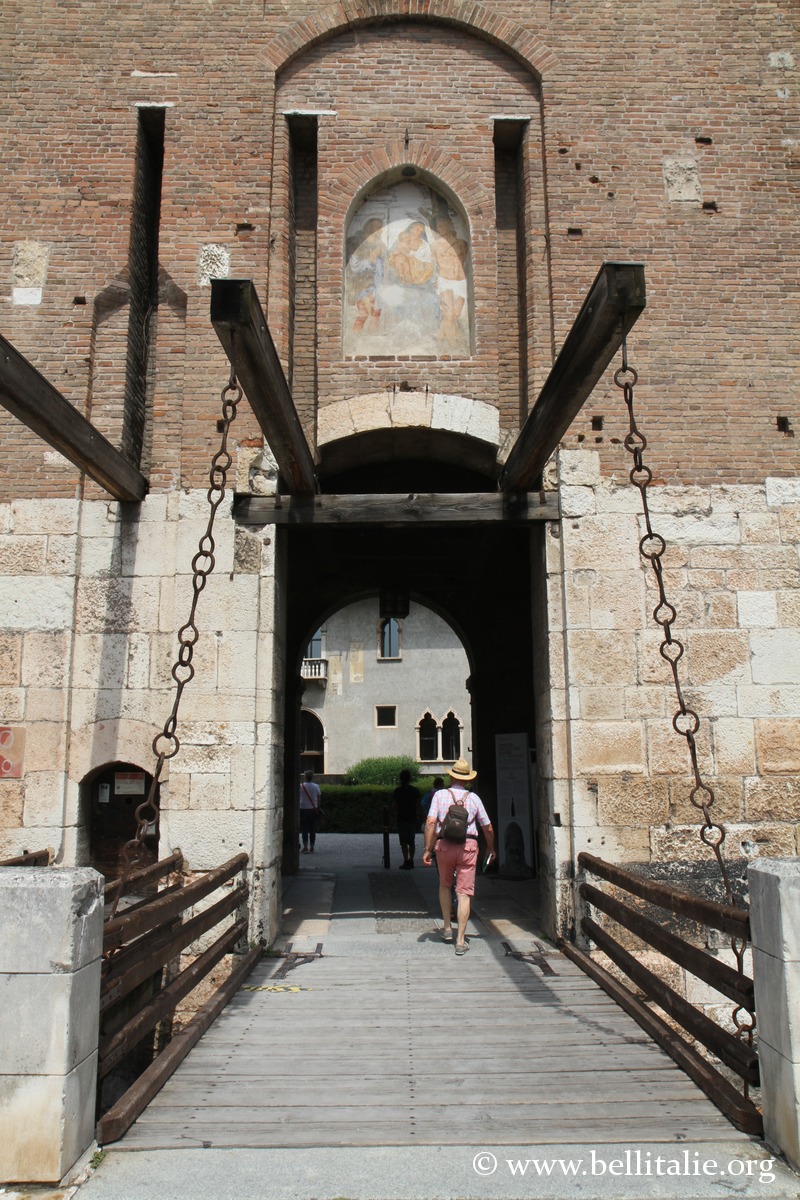
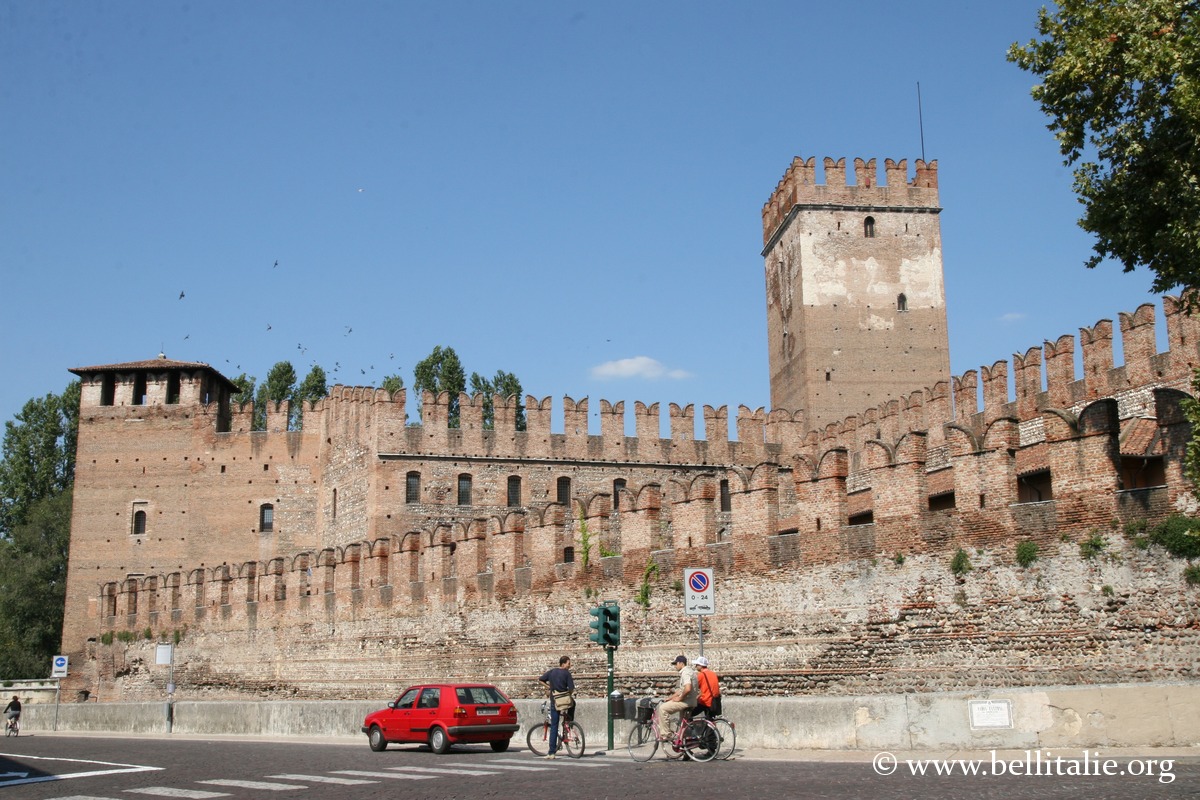
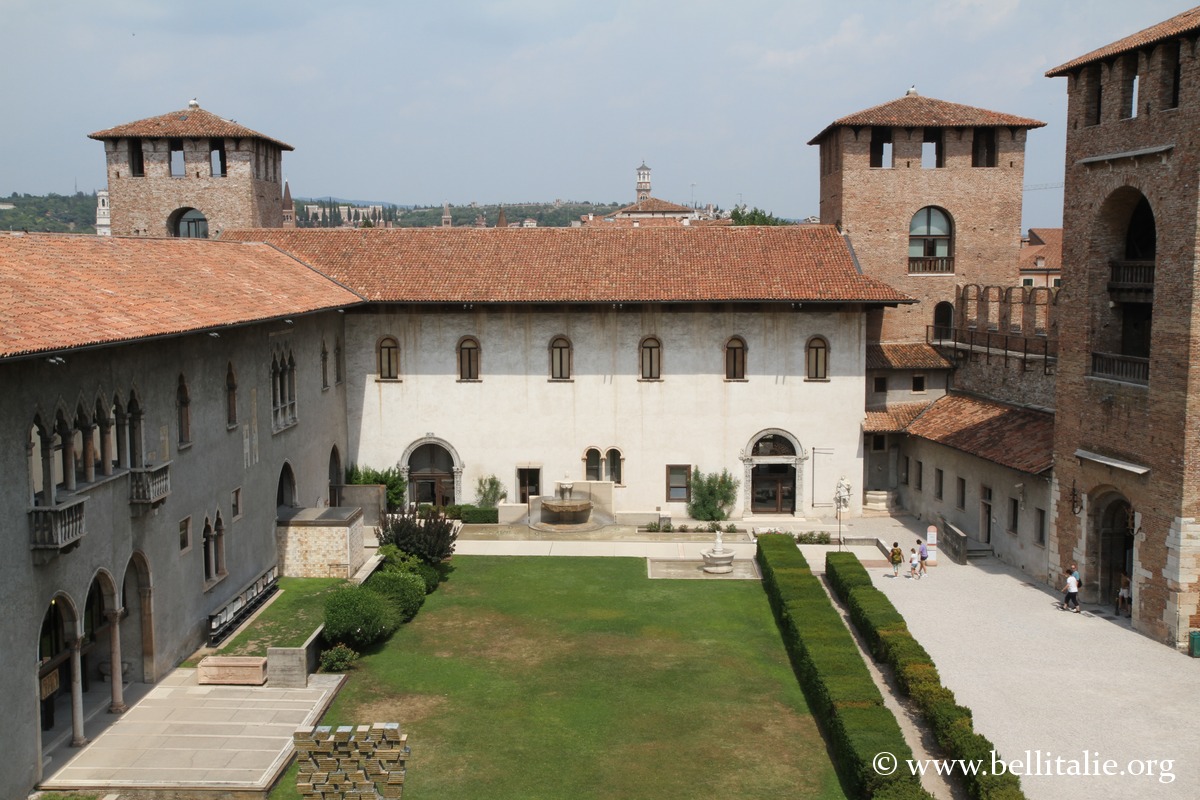
The Castelvecchio complex brings together two main elements: on one side the large courtyard with the parade ground, on the other the palace with a smaller courtyard and a double enclosure.
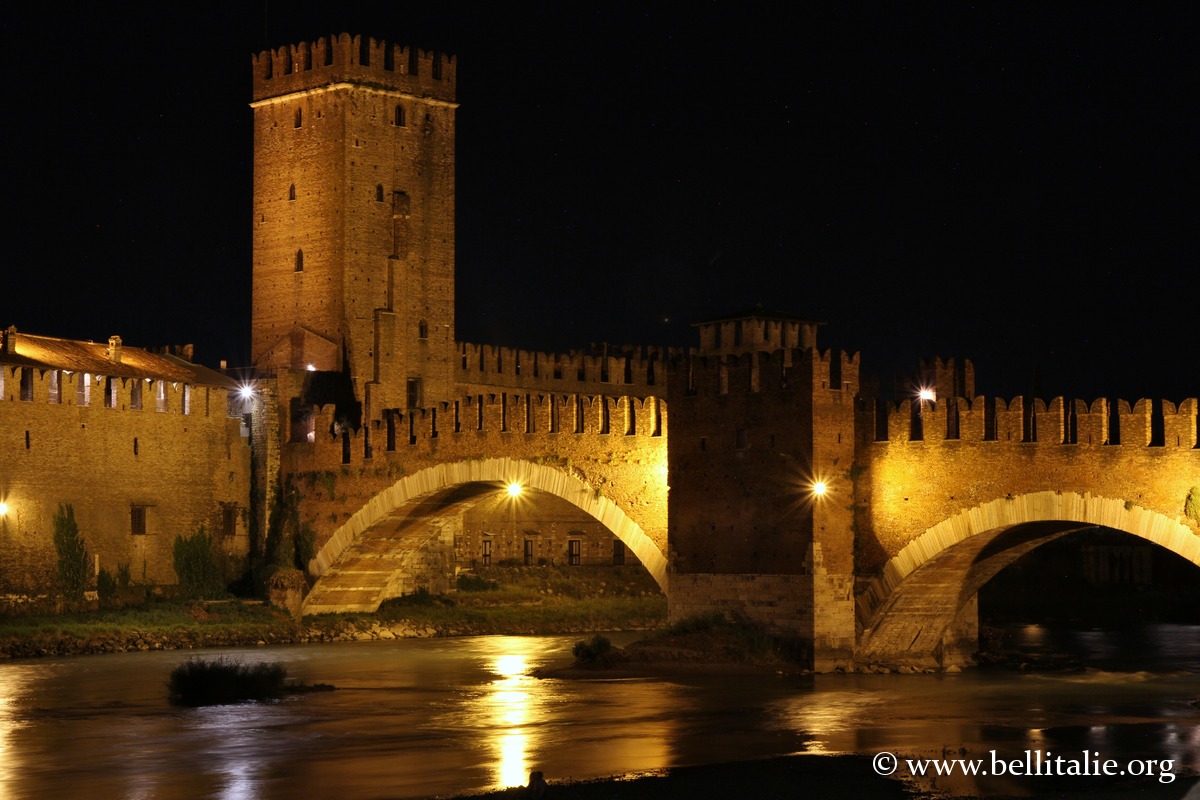
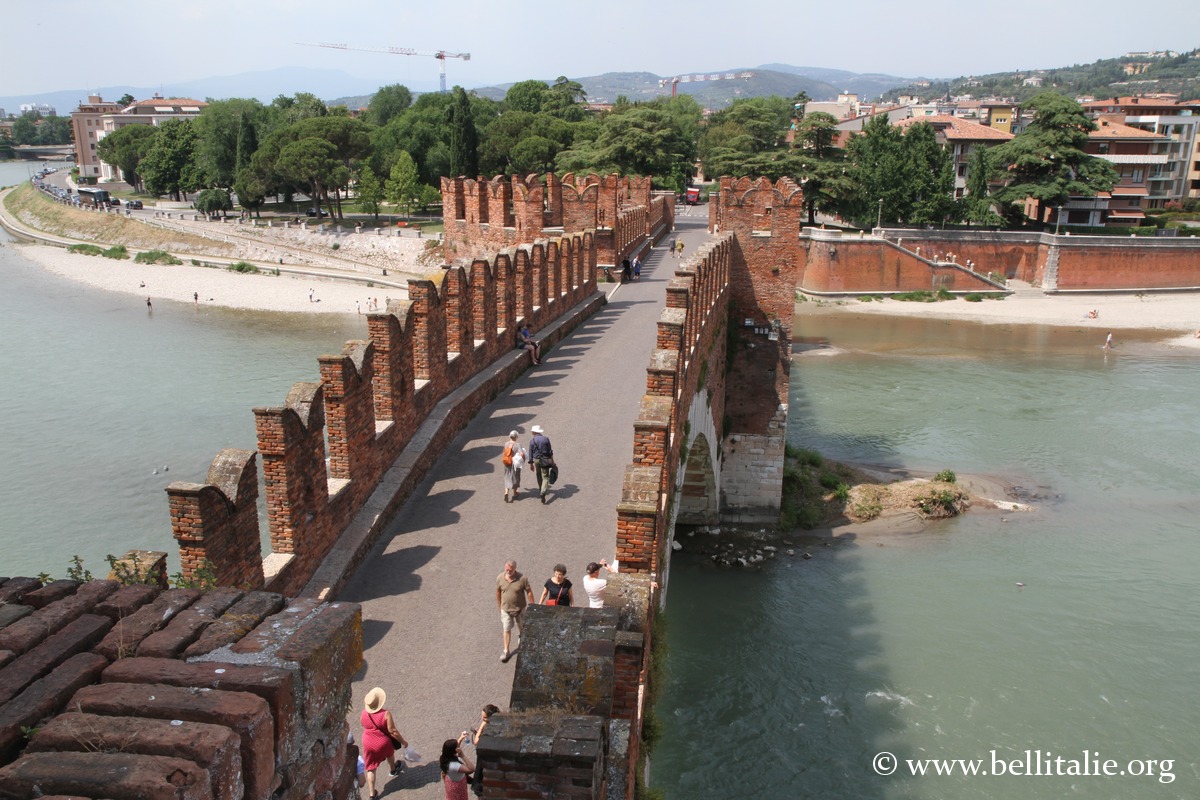
From the great tower of the keep in the center one reaches the Scaliger Bridge.
Scaliger Bridge
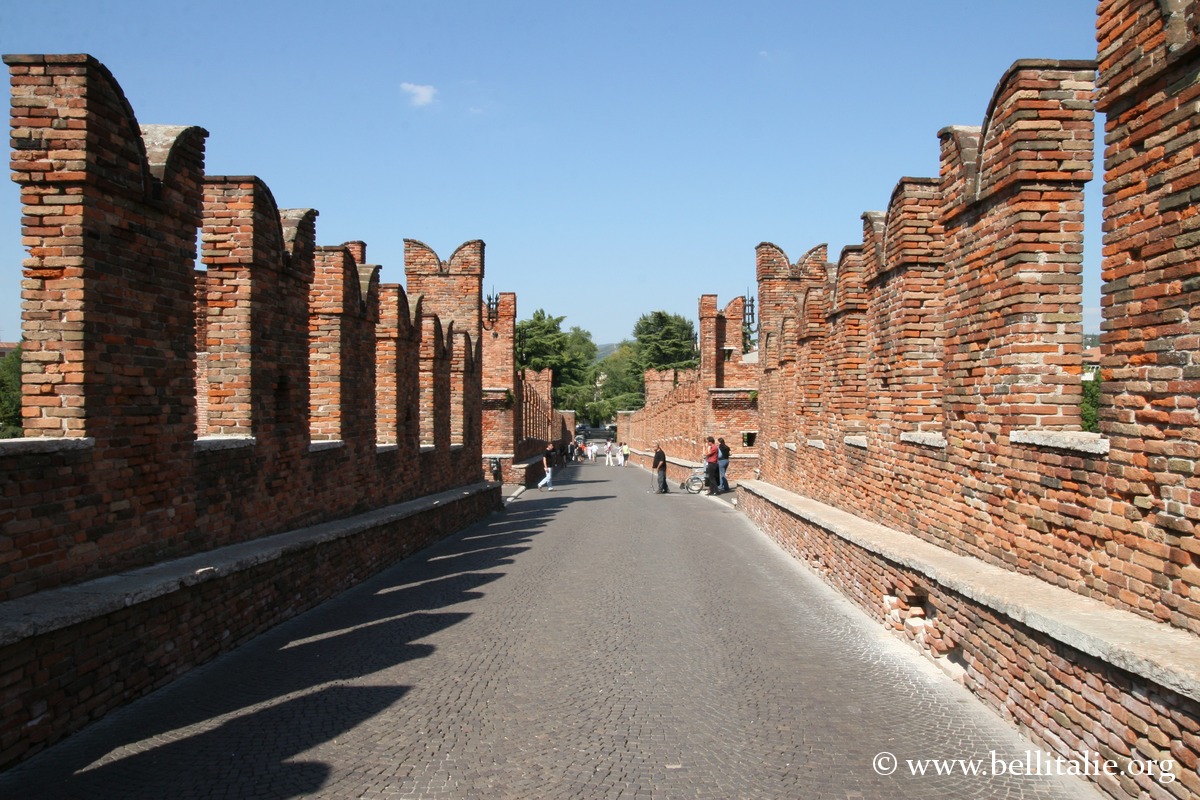
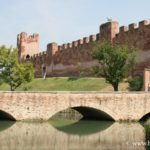
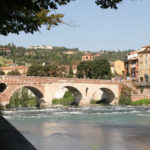
The Scaliger Bridge is the crenellated bridge that crosses the Adige and is connected directly to the interior of the Castelvecchio. It was rebuilt in the 1950s with the stones of the 14th-century building that the Germans blew up during their retreat in 1945. Crossing it is a lovely walk with beautiful views of the city.
Castelvecchio Museum
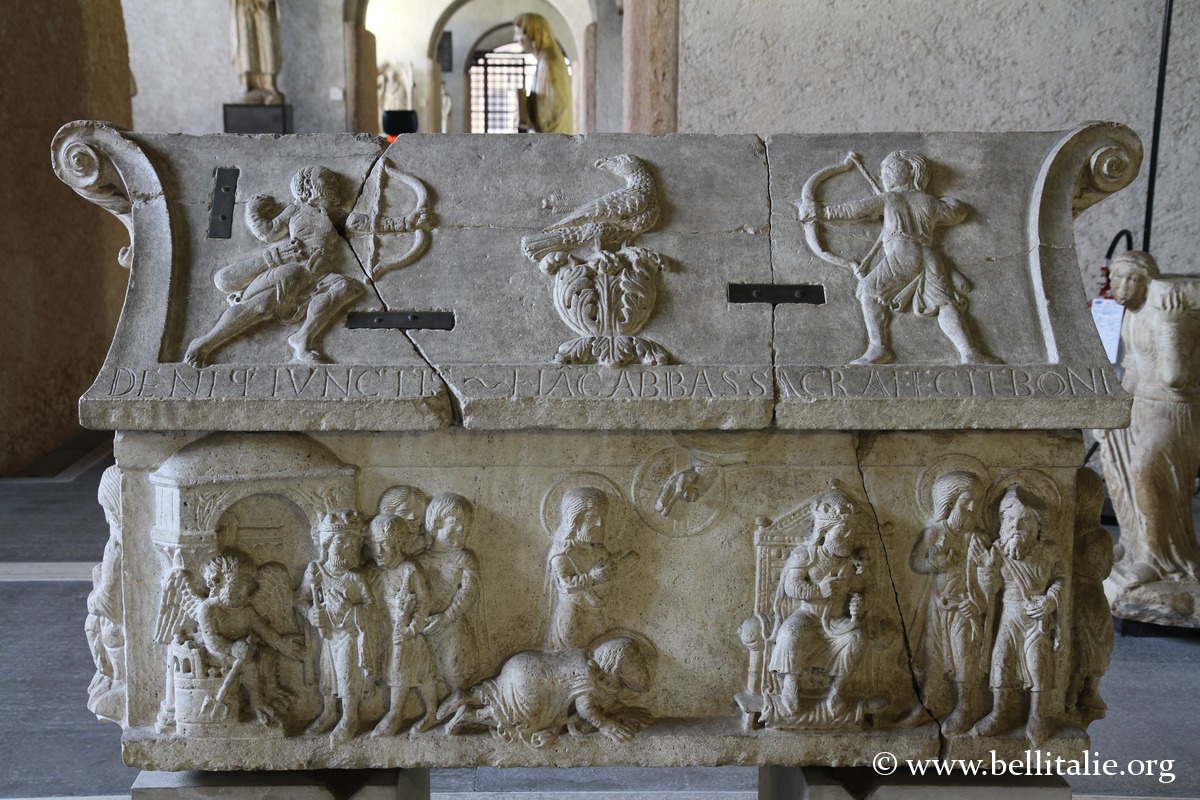
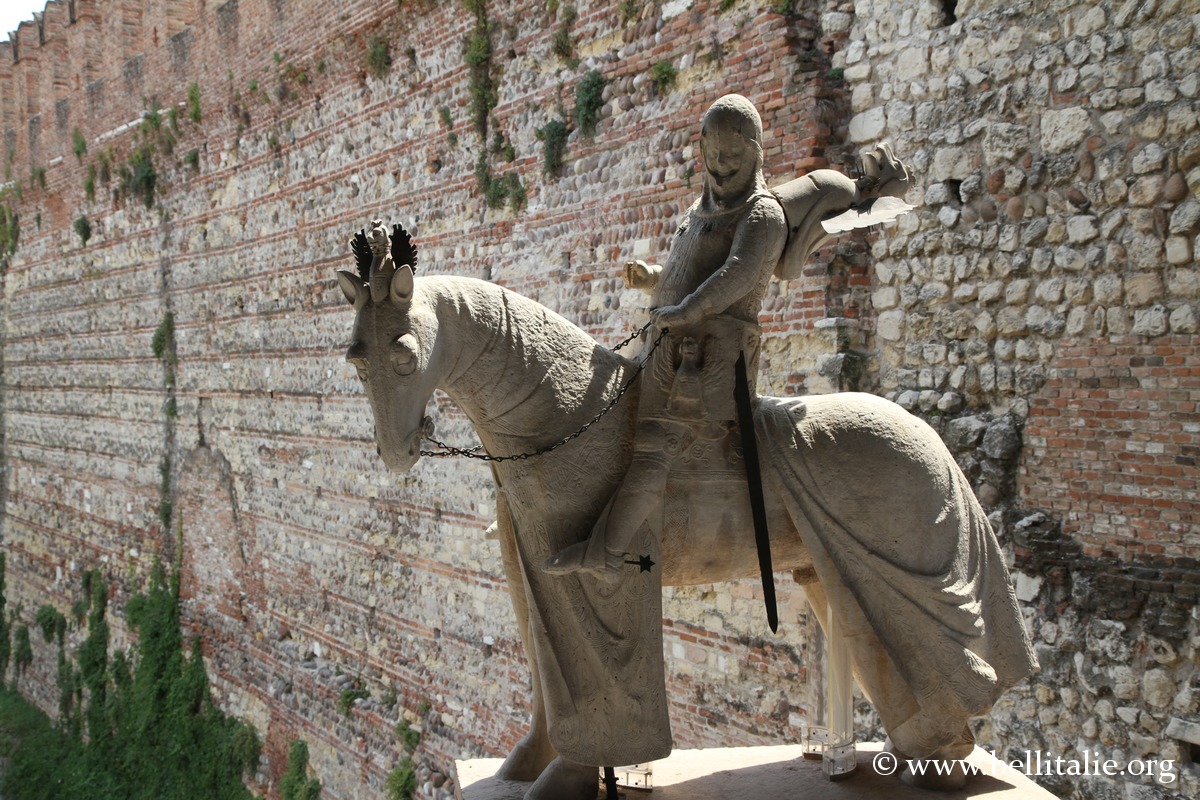
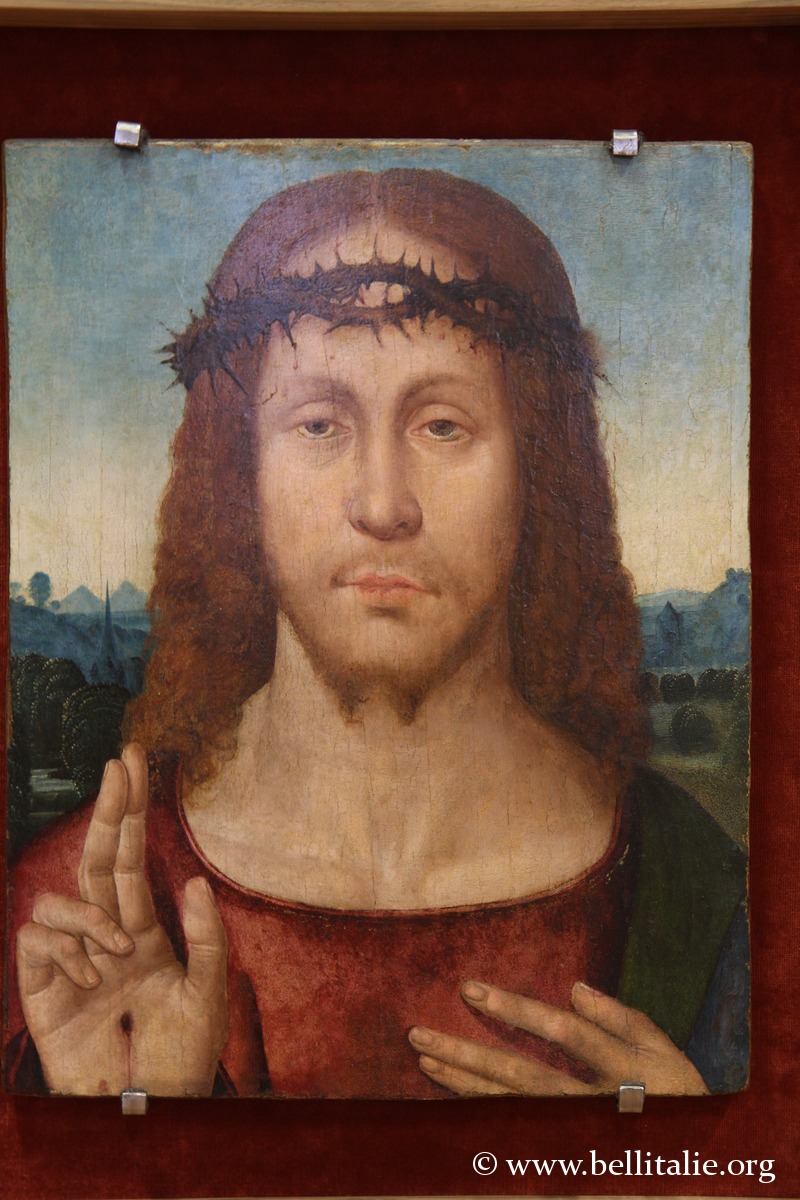
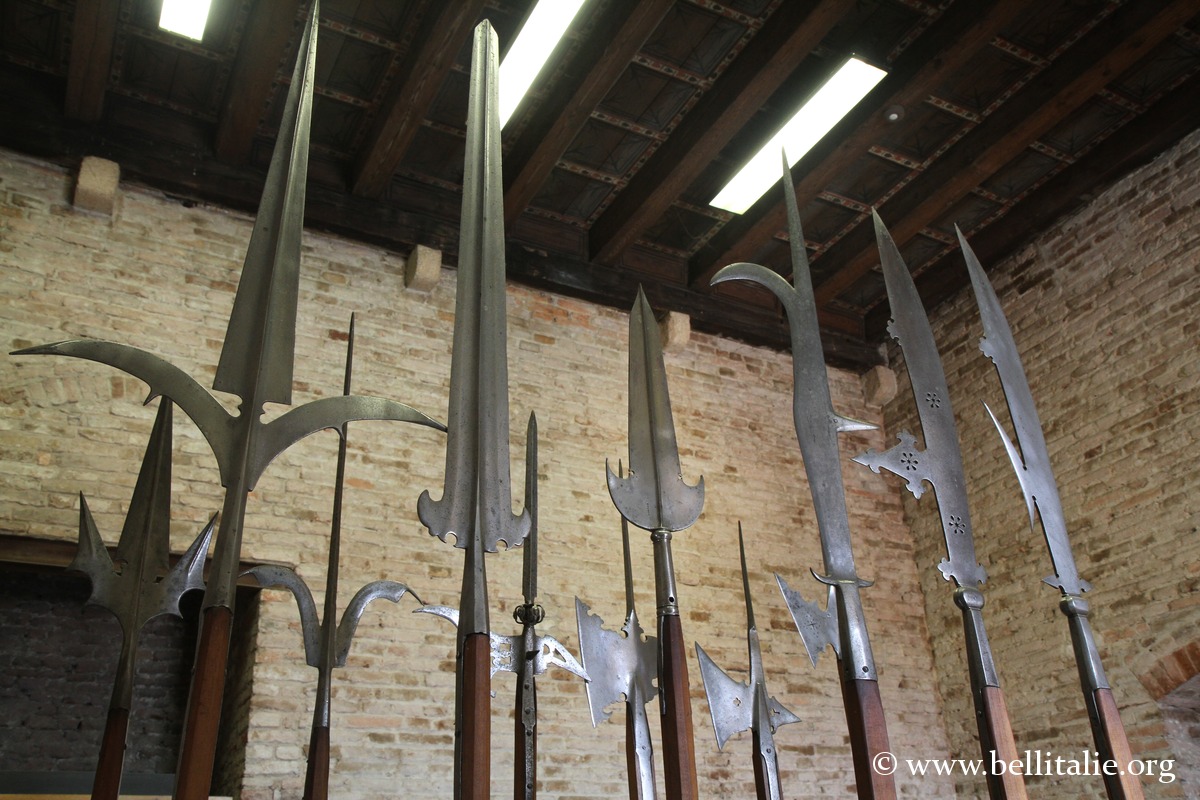
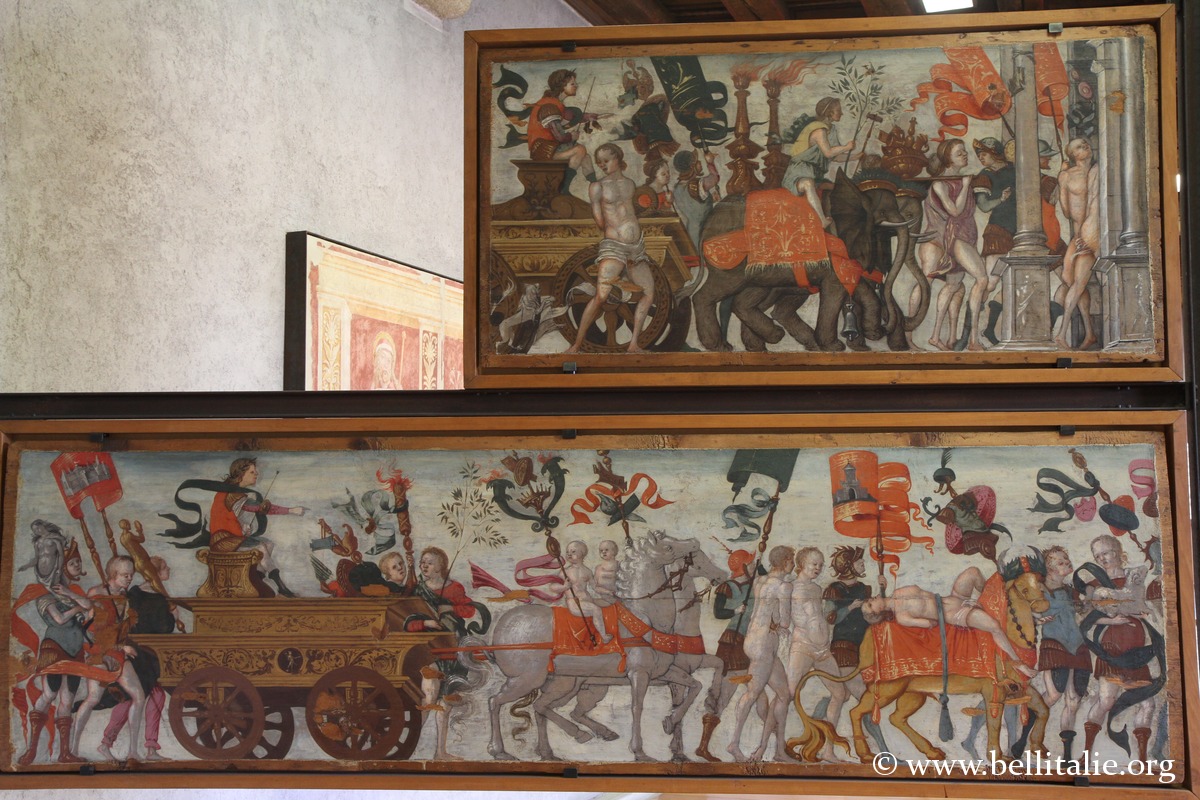
The castle houses the municipal museum with its collections ranging from the Middle Ages to the modern era, passing through the Renaissance. Of moderate size, it preserves a few masterpieces including paintings and sculptures by Veronese and Venetian masters, such as the Holy Family by Mantegna, the Portrait of a Woman by Rubens, a Penitent Saint Jerome by Bellini, a Madonna by Pisanello, or works by Veronese. It also displays a collection of edged weapons, sculptures or sarcophagi.
Information
- Official website: museodicastelvecchio.comune.verona.it
- Wikipedia article: en.wikipedia.org
- Tourist portals: www.turismoverona.eu
Map
If you see this after your page is loaded completely, leafletJS files are missing.

- What to see in Verona
- History of Verona
- Verona Arena
- Piazza delle Erbe and Lamberti Tower
- Piazza dei Signori in Verona
- Basilica of Sant’Anastasia
- Verona Cathedral Complex
- Basilica of San Zeno
- Roman Theatre of Verona
- Church of San Fermo
- Museum of Frescoes and Juliet’s Tomb

- Church of Santa Maria in Organo
- Verona’s Monuments


Comments