

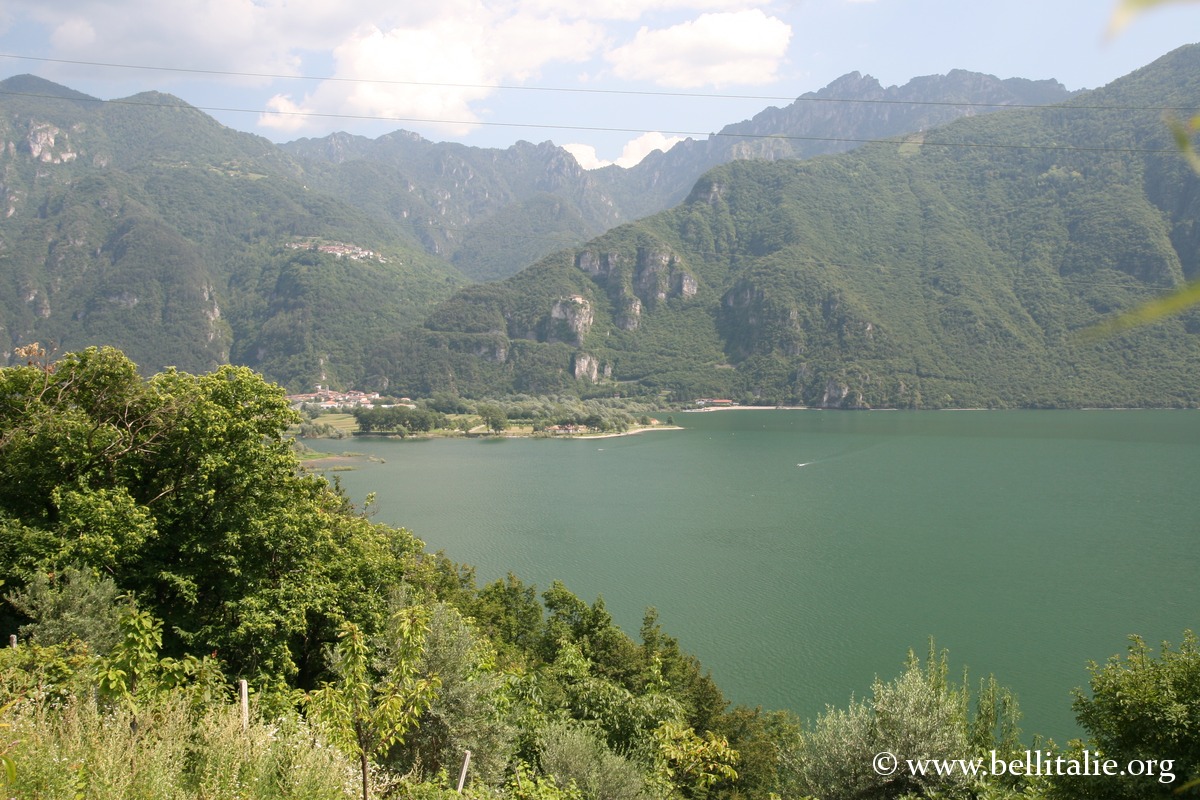
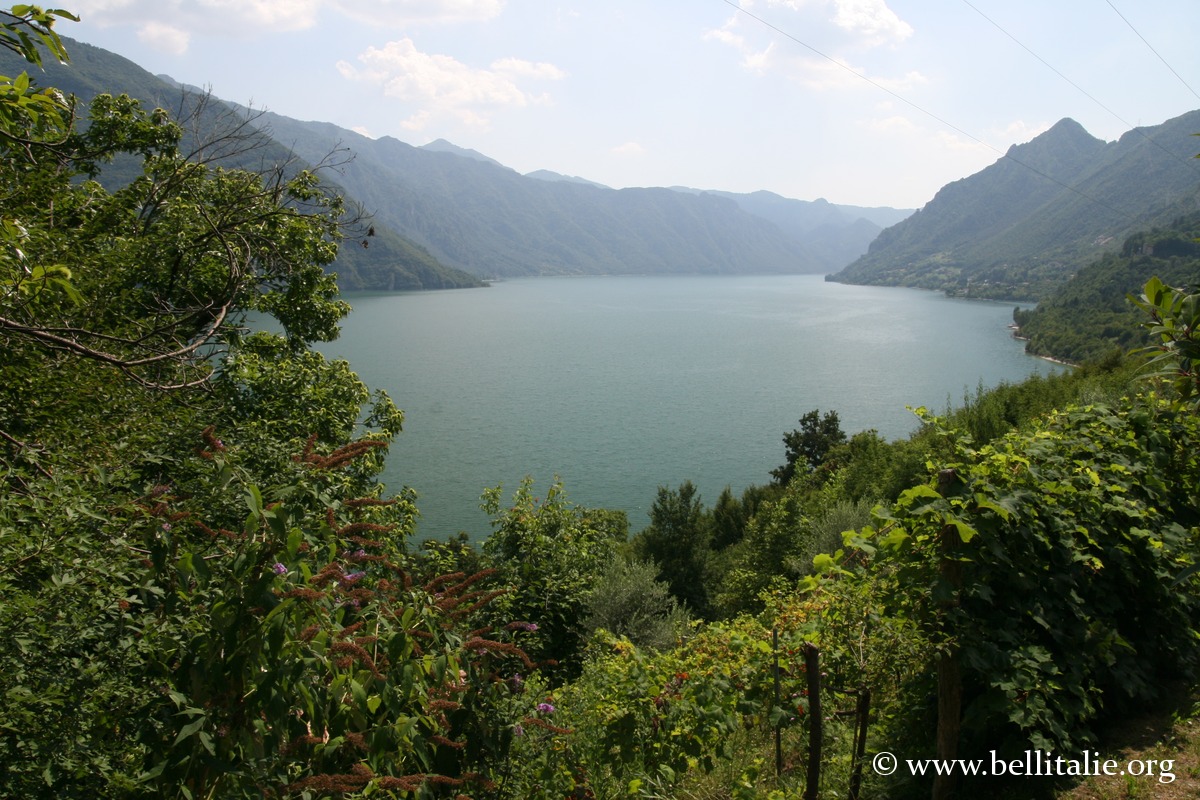
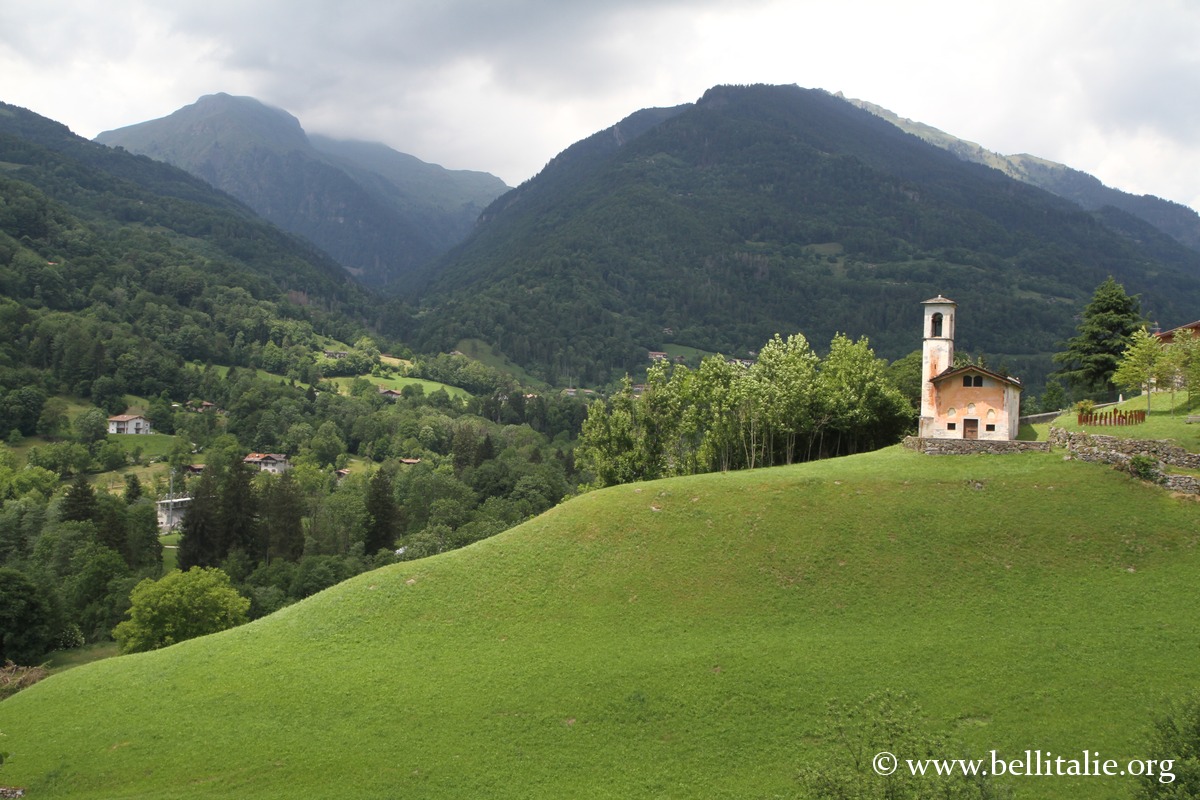
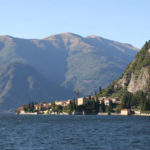
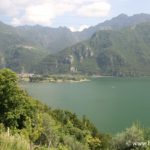
Separated from Lake Garda by a mountain, the beautiful little Lake Idro, perched at 400 metres above sea level, is little known, with its cool waters and low tourist numbers. At the foot of the Little Dolomites, it nestles among the woods and greenery of the mountain slopes. The overall picture exudes a peaceful atmosphere.
It is located 15 kilometres as the crow flies from Lake Garda, and about 35 km north of Brescia.
Besides a few pebble beaches and water sports, its surroundings are well suited to cycling, hiking, climbing, even skiing in winter on the slopes of Mount Maniva, and to discovering the beautiful Little Dolomites of Brescia.
Around Lake Idro
Rocca d’Anfo
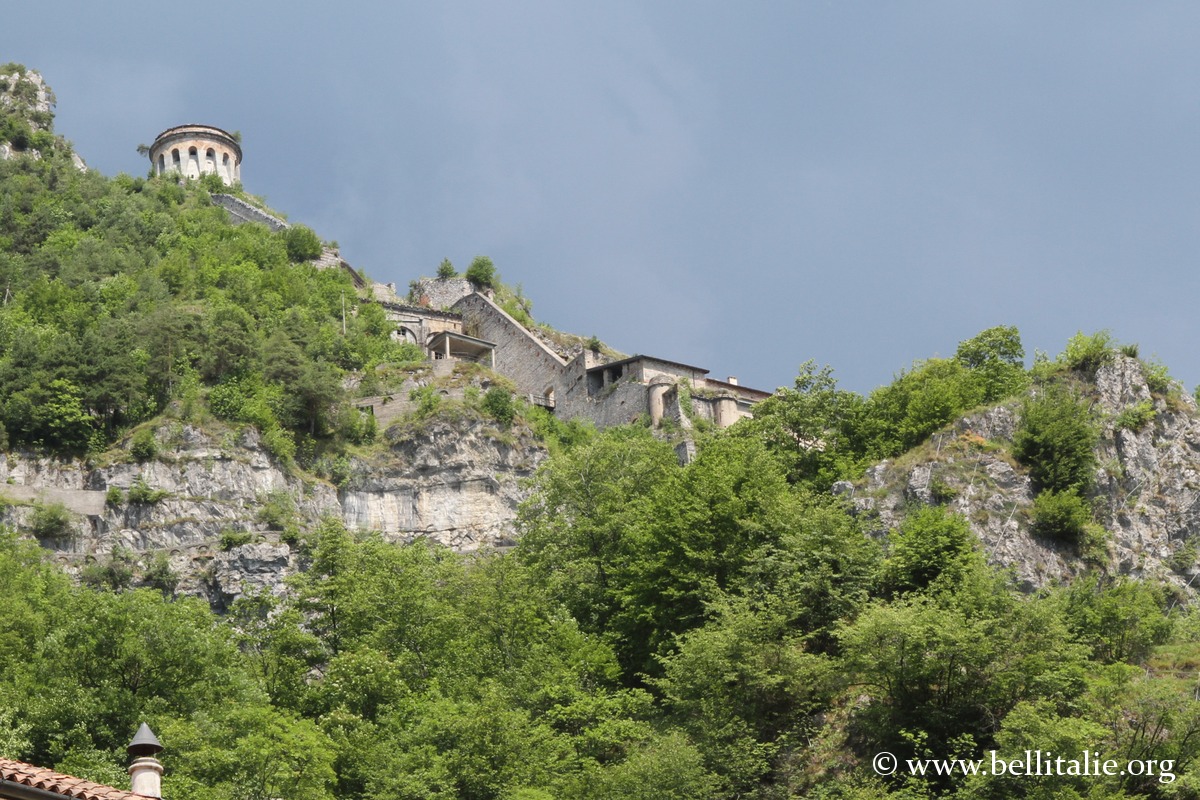
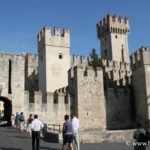
The fort of Rocca d’Anfo is the most beautiful site around the lake, perched on Mount Censo, built by the Visconti in the 15th century, enlarged in the 15th century by the Republic of Venice, then later by Napoleon, and subsequently fortified by the Italian army.
Today it forms a unique mixture of batteries, towers and barracks, surrounded by Venetian walls, and housing a museum of military objects.
Cima Ora
A destination popular with hikers, the Fort of Cima Ora at 1,539 metres, on the heights behind the Rocca d’Anfo, is a fortification from the beginning of the First World War, with a fine view over the lake and the surroundings.
Bagolino
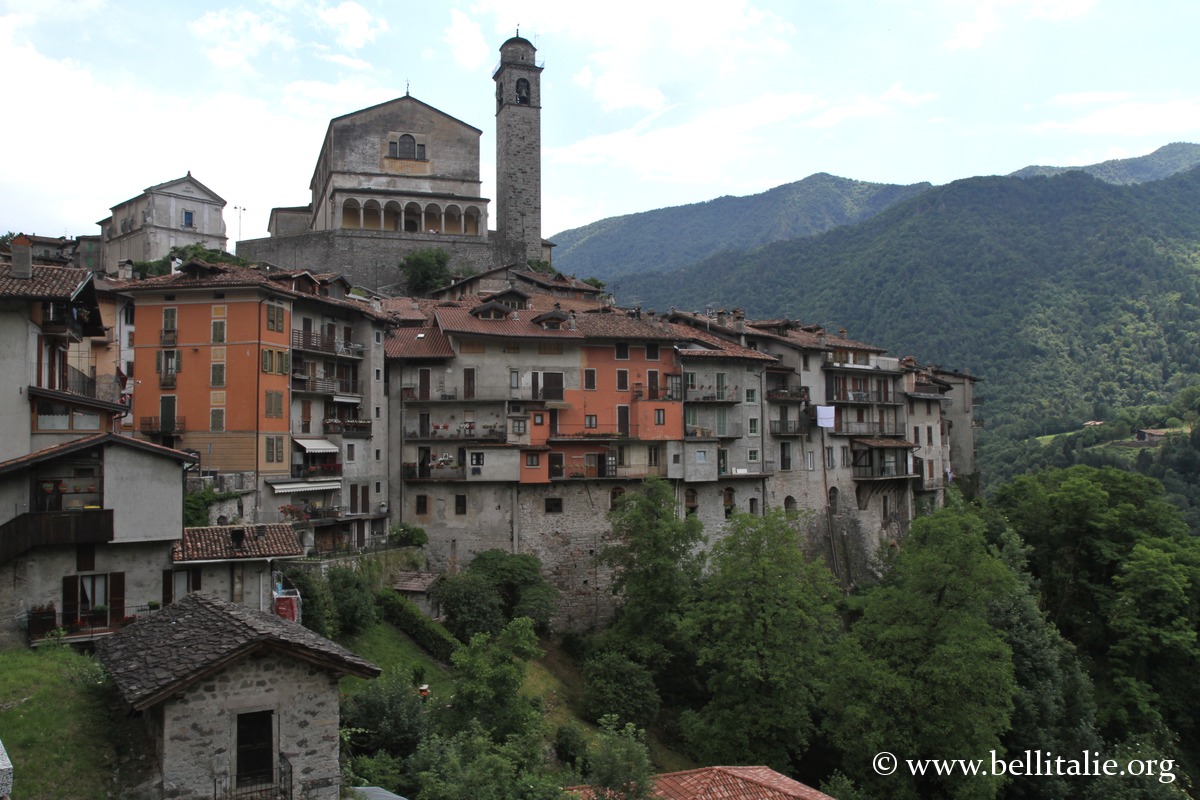
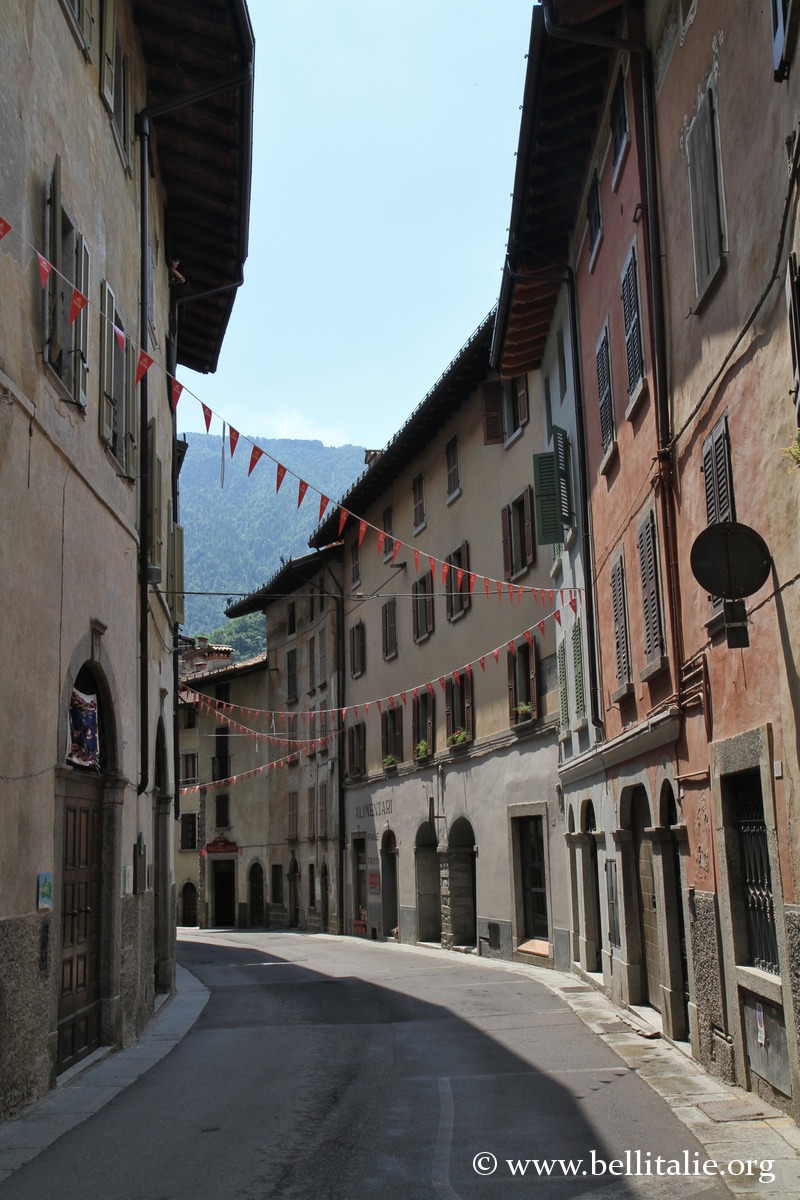
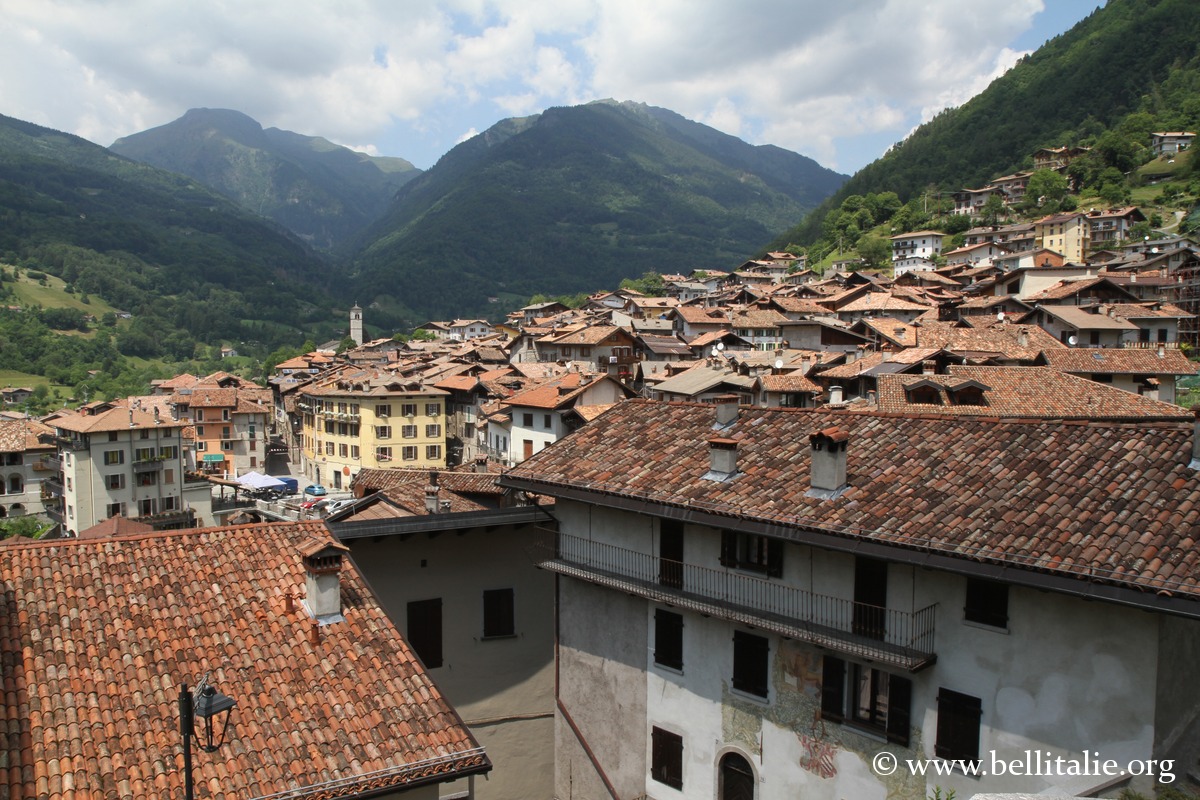
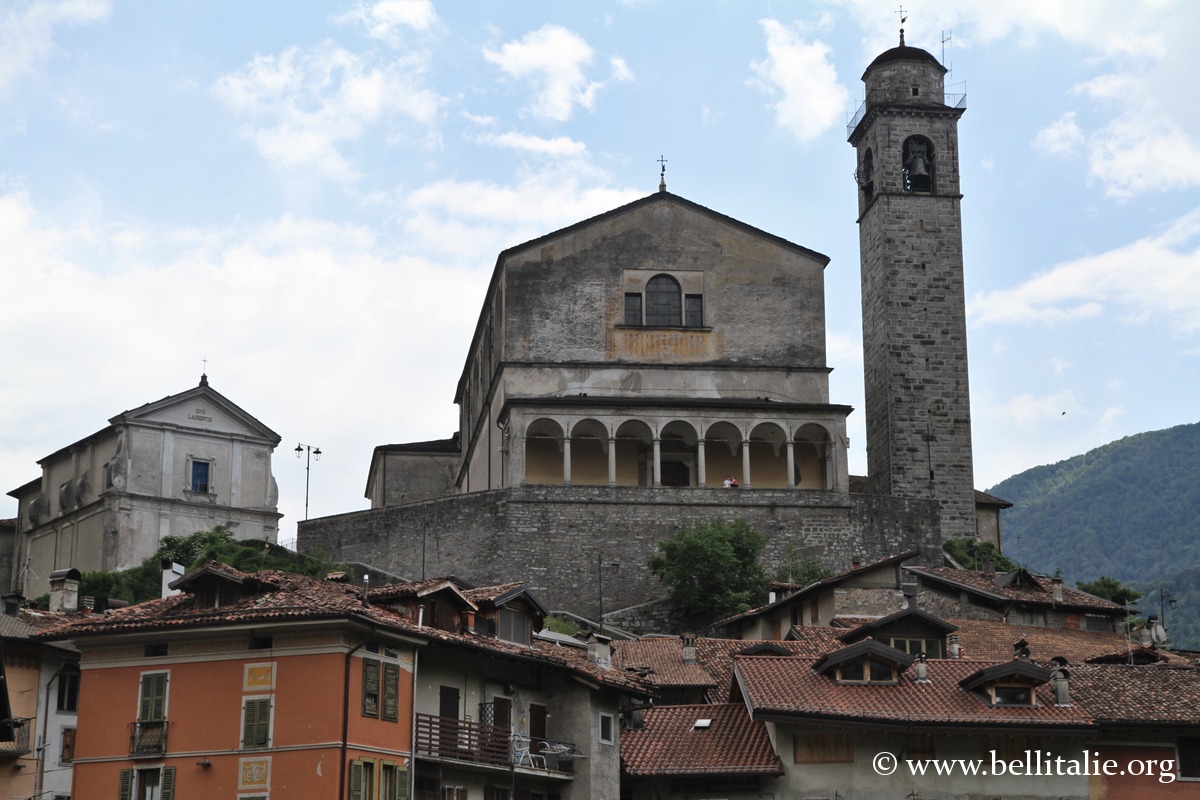
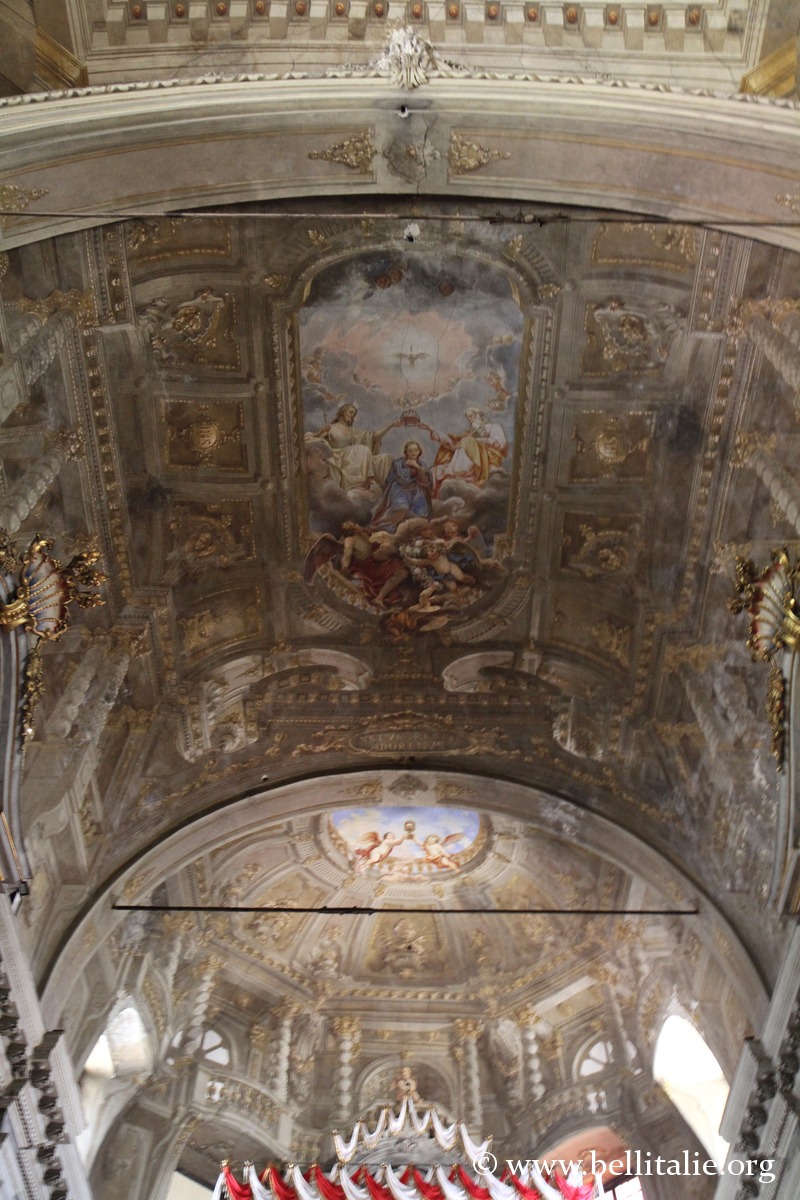
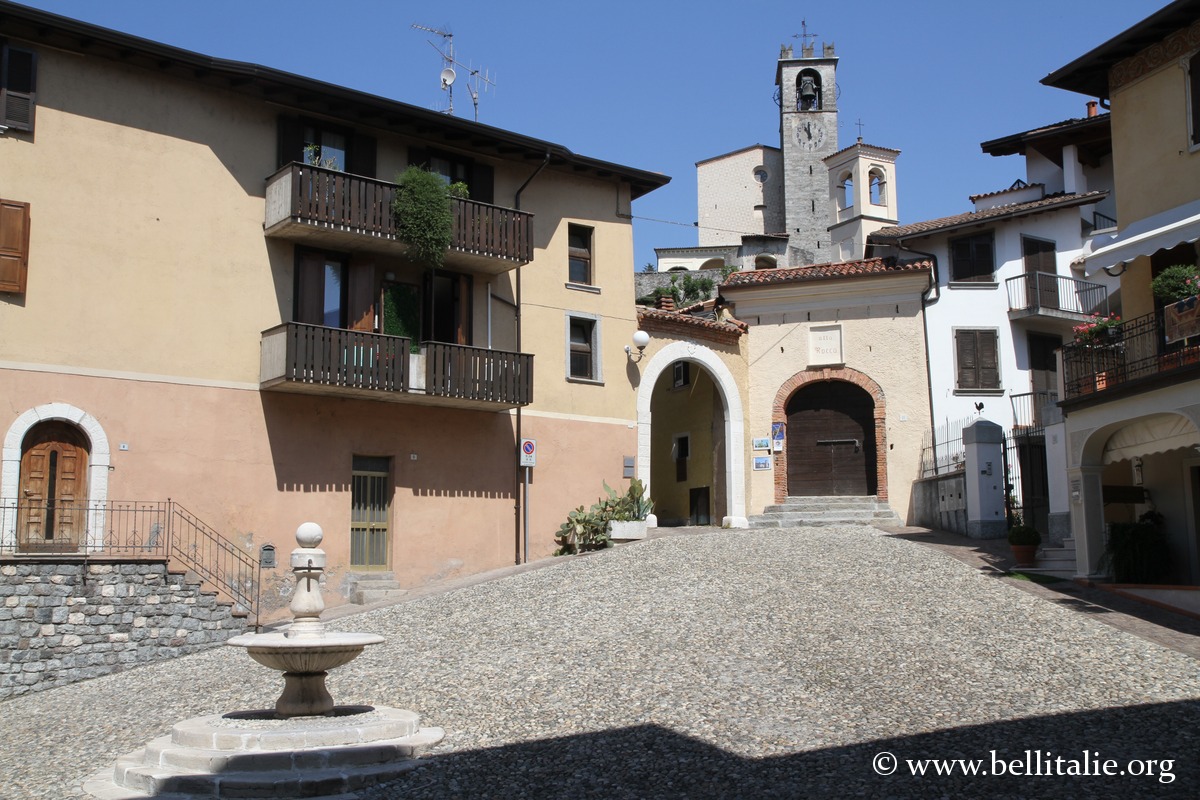
In the small valley north of the lake, Bagolino is a large medieval town known for its carnival that dates back to the 16th century. It nestles among the mountains with its typical houses, cobbled streets and stairways. Its church of San Giorgio is a fine 17th-century building, with a fresco on the vault created by Tommaso Sandrini, and works by famous artists such as Tintoretto, Titian, etc.
It is also known for Bagoss, its hard-paste cow’s milk cheese.
Others
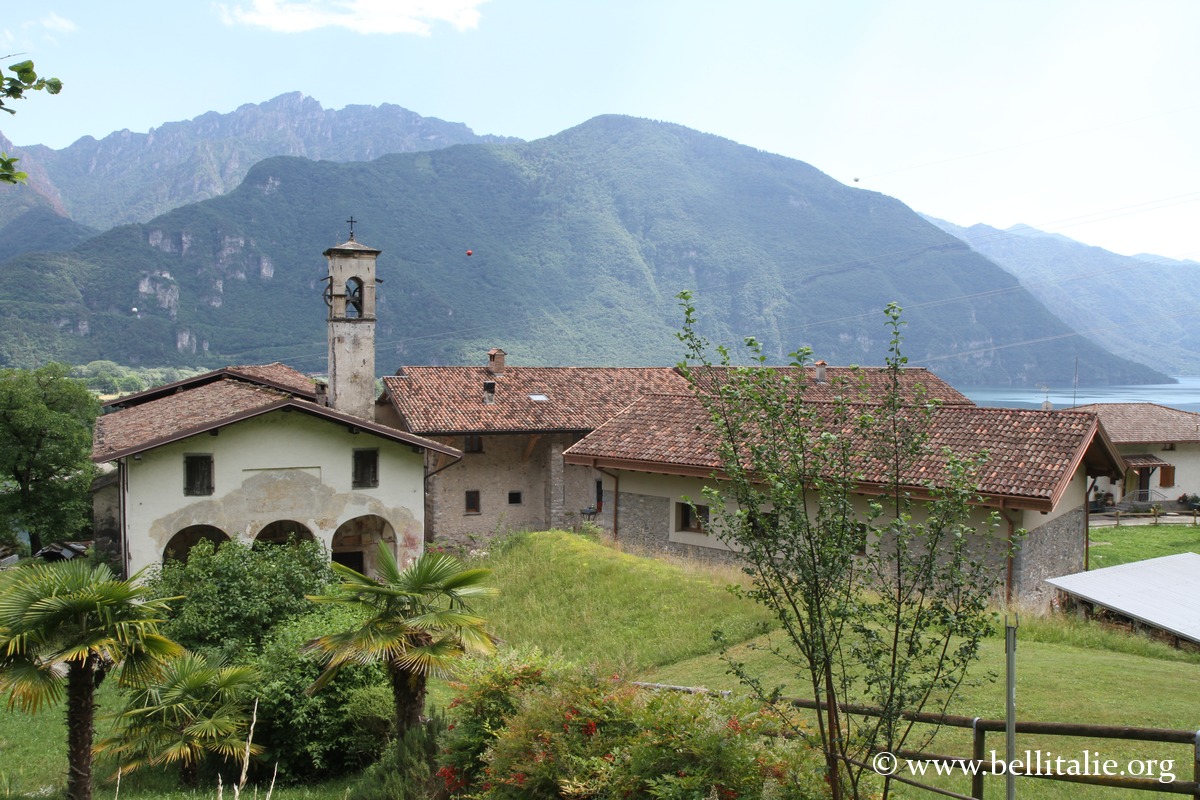
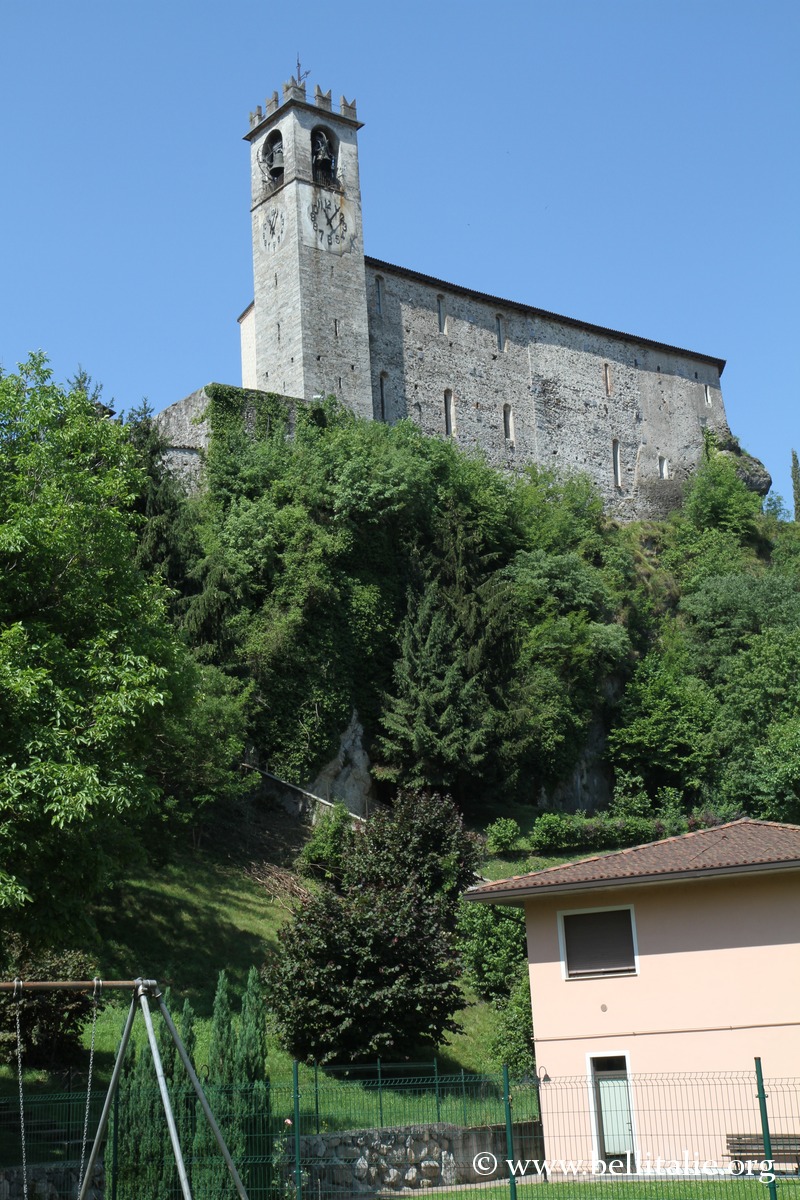
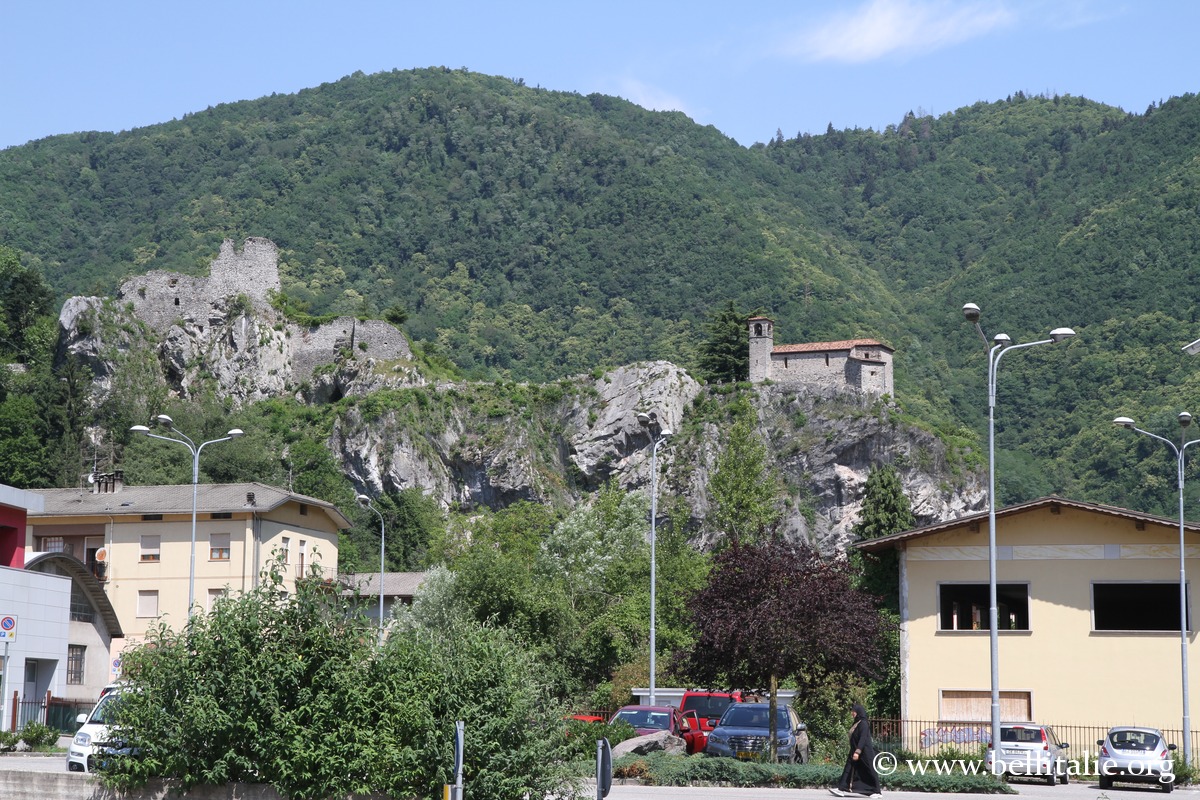
Above the eastern shore of the lake, the Castle of San Giovanni di Bondone is a fortress at the top of a rocky spur, built during the 12th century.
Downstream of the lake, the church of Santa Maria ad Undas preserves a fine apse of Romanesque origin, dating back to the 14th century with lovely frescoes.
Sabbia Valley
In Gavardo, in a fine 15th-century building, the archaeological museum documents the history of the Sabbia Valley with many discoveries and fossils, from the Palaeolithic to modern times, including the skeleton of a prehistoric bear, as well as a section on pile-dwelling culture.
Not far from Brescia, the Monastery of San Bartolomeo de Serle, which dates back to the end of the 11th century, commands a fine panorama over Mount Orsino, at 993 m above sea level, with a view of Lake Garda. Medieval remains have been uncovered, such as 14th- and 15th-century frescoes.
In Odolo, you can discover the Iron Museum, with hydraulic hammers and other machines and objects
The Sanctuary of Madonna della Rocca at Sabbio Chiese, with a fine view over the Sabbia Valley, dates back to a 10th-century fortress. At Casto, the Madonna della Neve is a pretty sanctuary built in the 16th century, preserving a painting by Moretto.
At Paitone is the 16th-century Sanctuary of the Beata Vergine, which is very well preserved, having been enlarged with a portico in front of the façade overlooking a broad church square. The archives report other exceptional and unexpected healings that took place here.
At Pertica Alta, 19th-century smelting furnaces are archaeological evidence of the industry of the Sabbia Valley, where the iron extracted from the mines of the Trompia Valley was brought. The small church of Sant’Andrea o dei Morti, in the open countryside, is in the 14th-century Lombard Gothic style.
At Pertica Bassa is the Museum of the Resistance and Folklore, bearing witness to the partisan era and the farming tradition of these mountains.
Map
If you see this after your page is loaded completely, leafletJS files are missing.
Information
- Wikipedia page: en.wikipedia.org
- Tourist portals: www.in-lombardia.it, www.vallesabbia.info, www.visitbrescia.it, www.in-lombardia.it


Comments