


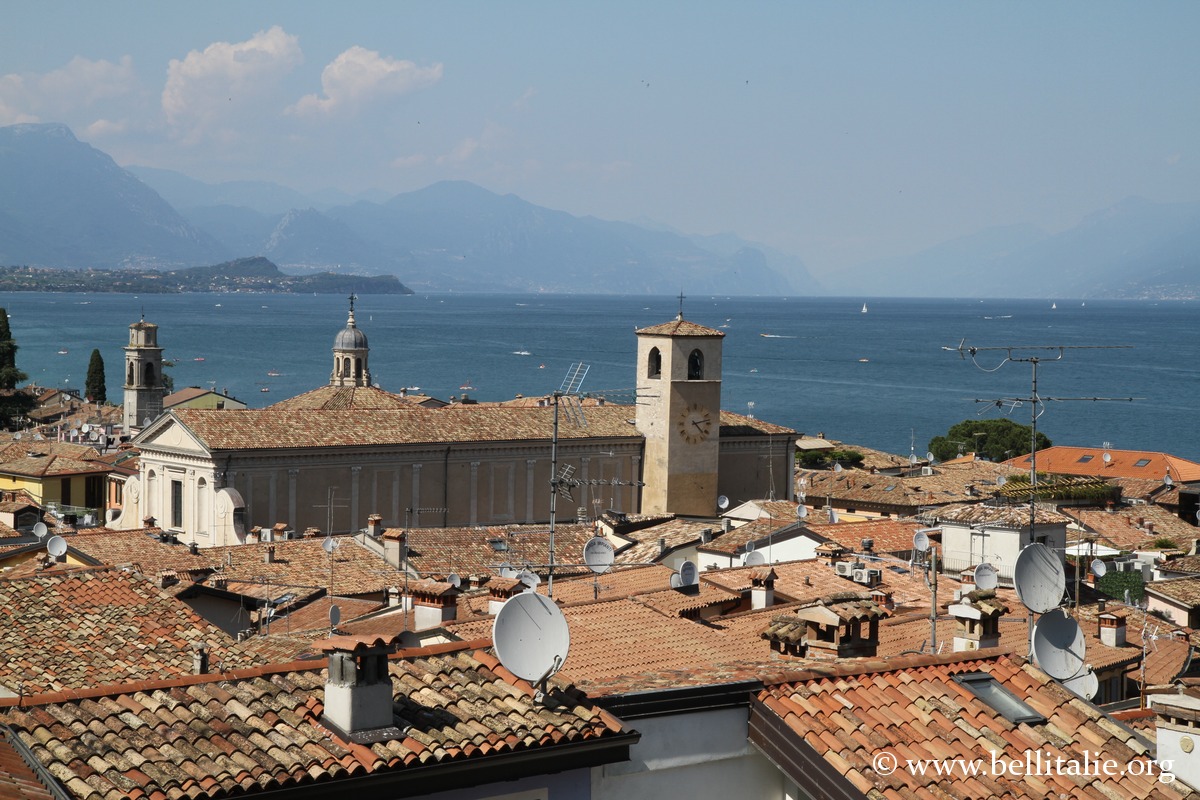
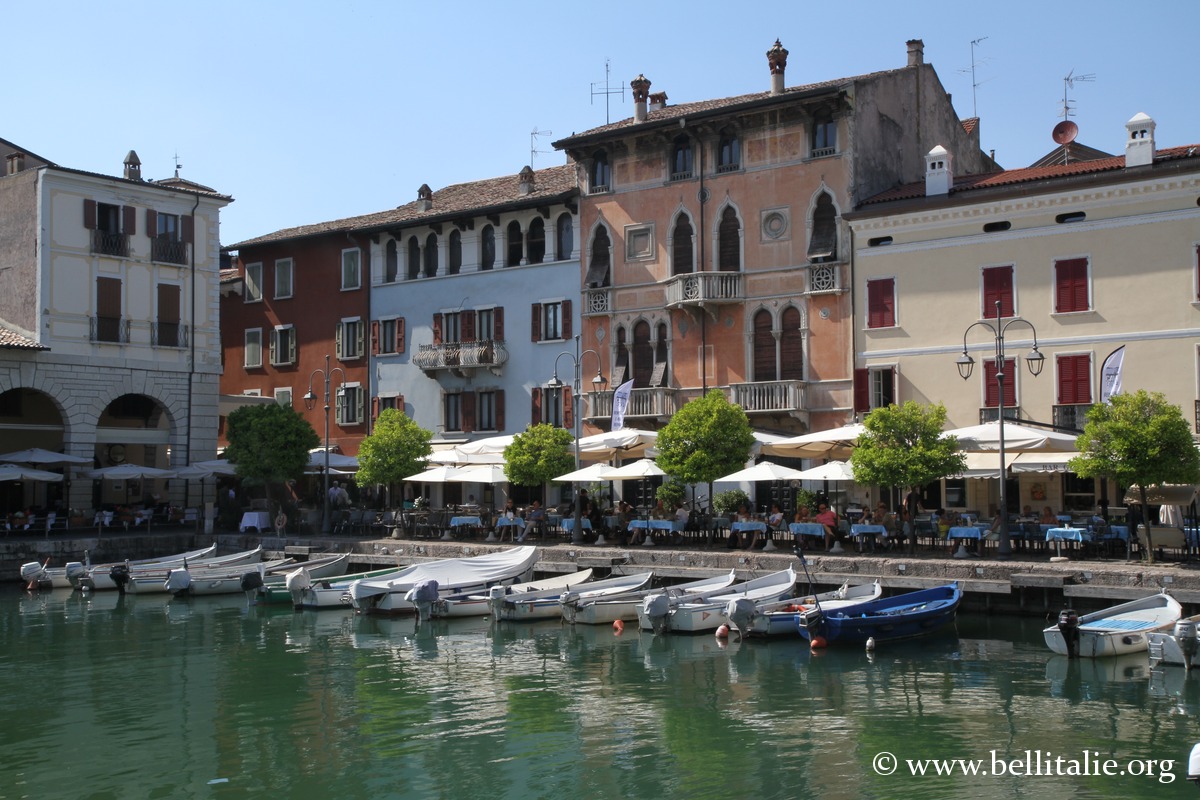
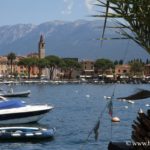
Desenzano del Garda, located to the southwest of the lake, is a pleasant, lively little town of nearly 29,000 inhabitants, with its old harbour, its old castle in a commanding position, and the remains of a Roman villa that include lovely mosaics.
The town centre has many bars and restaurants, and various water sports are offered on the lake.
In the Middle Ages, Desenzano was a small, highly coveted fiefdom, a possession of Verona from the 10th century, then of Brescia. Armed with a castle before the 13th century, it was one of the first towns to come under the rule of the Republic of Venice.
Roman Villa
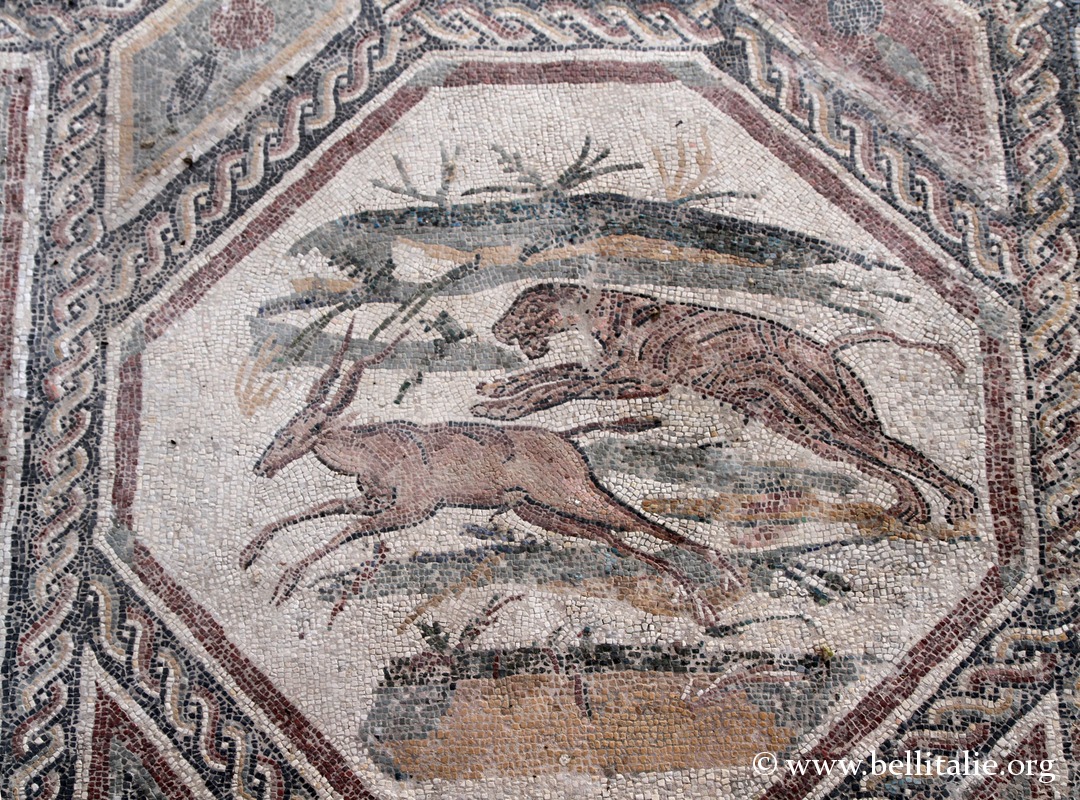
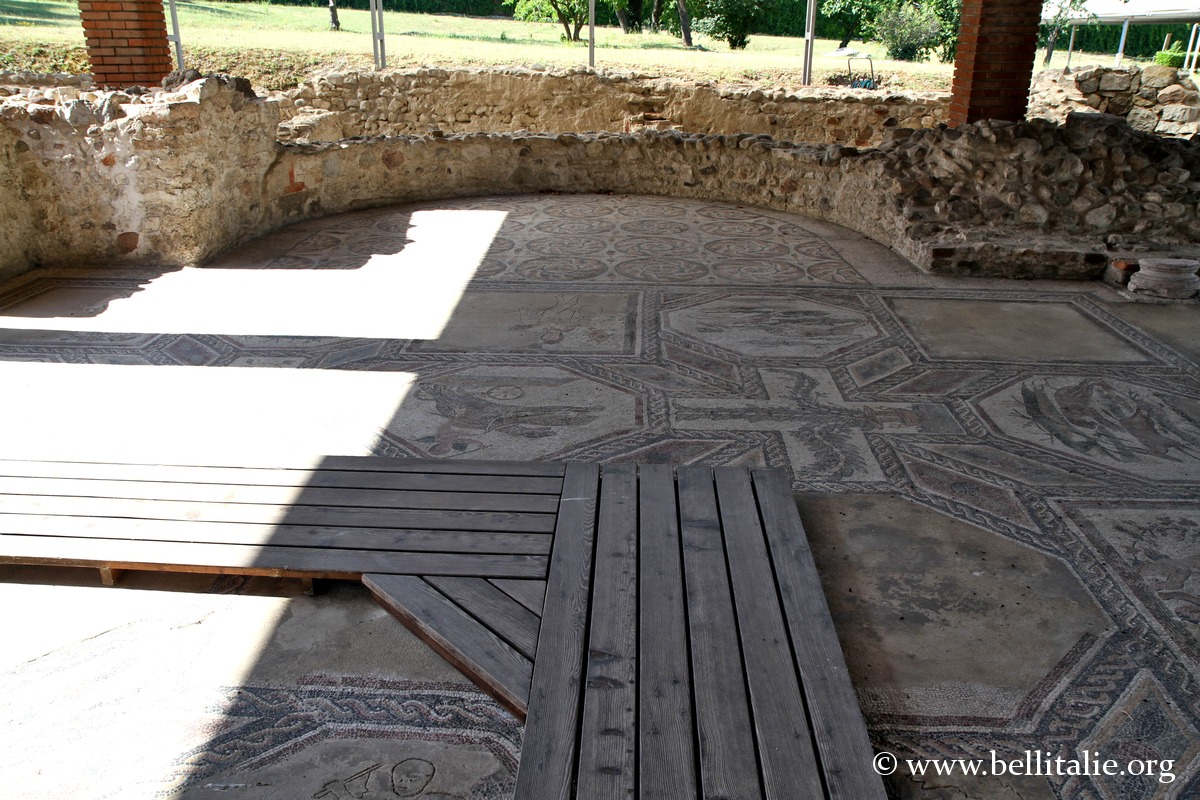
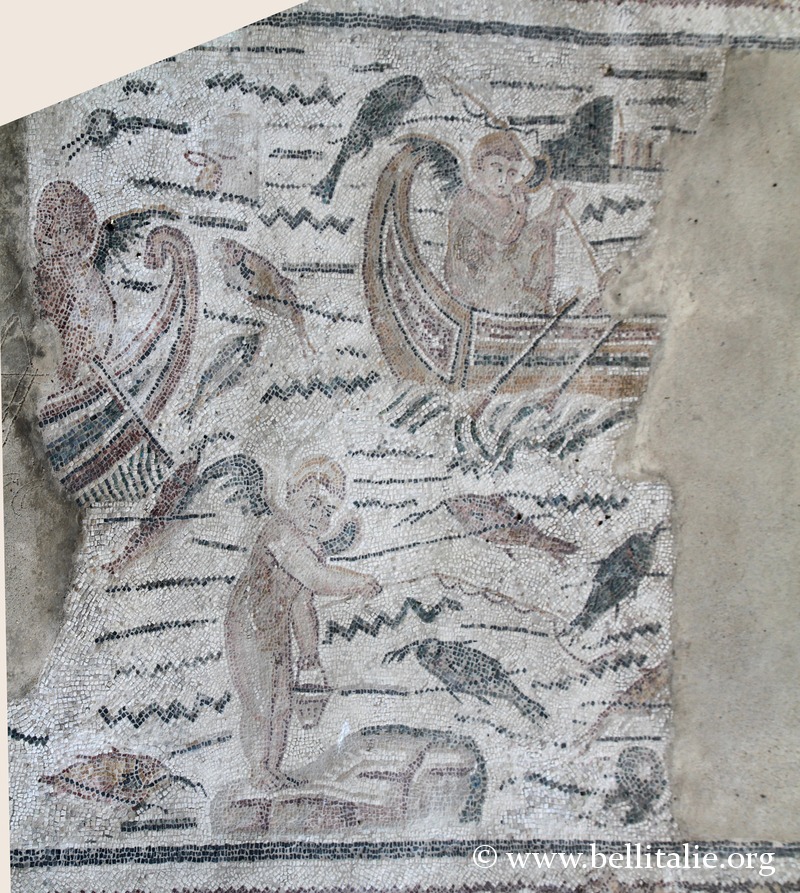
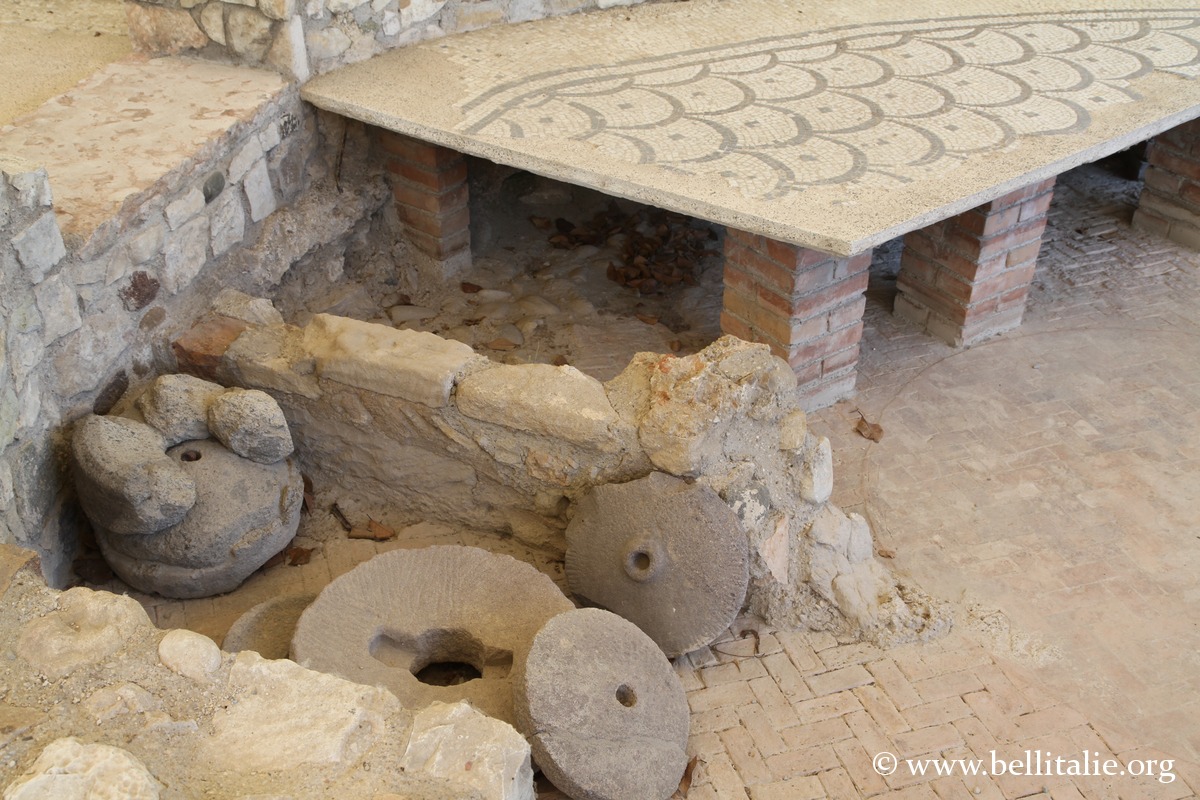
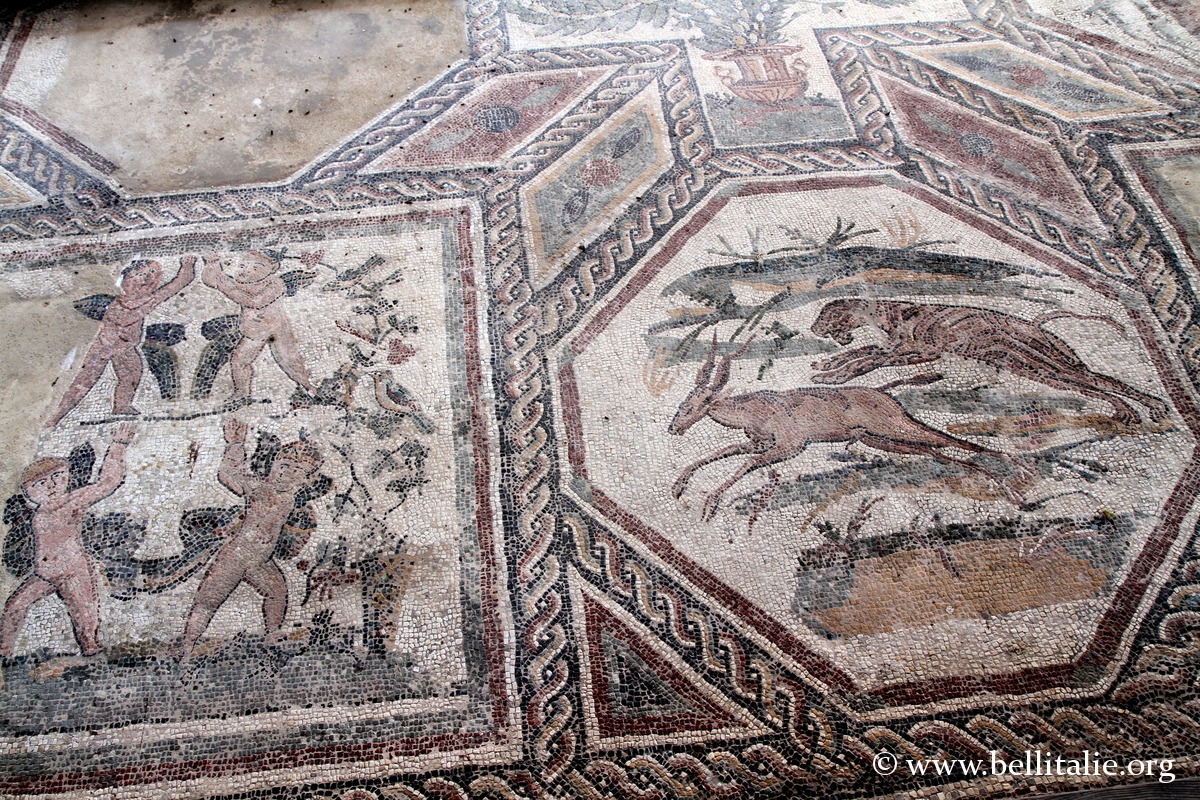
Discovered in the 1920s, the remains of this large Roman villa, which was closer to the shore of the lake, span from the end of the 1st century BC to the 5th century AD. Above all, very beautiful mosaic floors remain. The Antiquarium displays a rich selection of materials from the excavations.
Cathedral
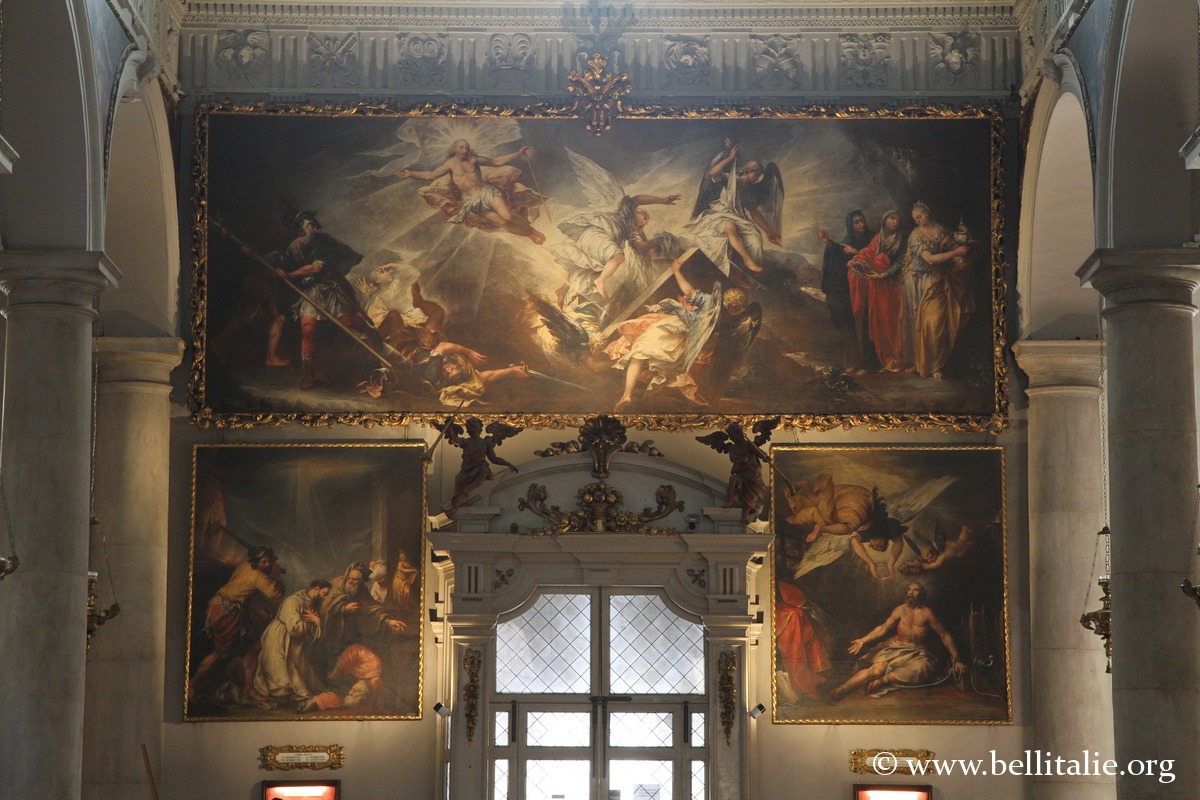
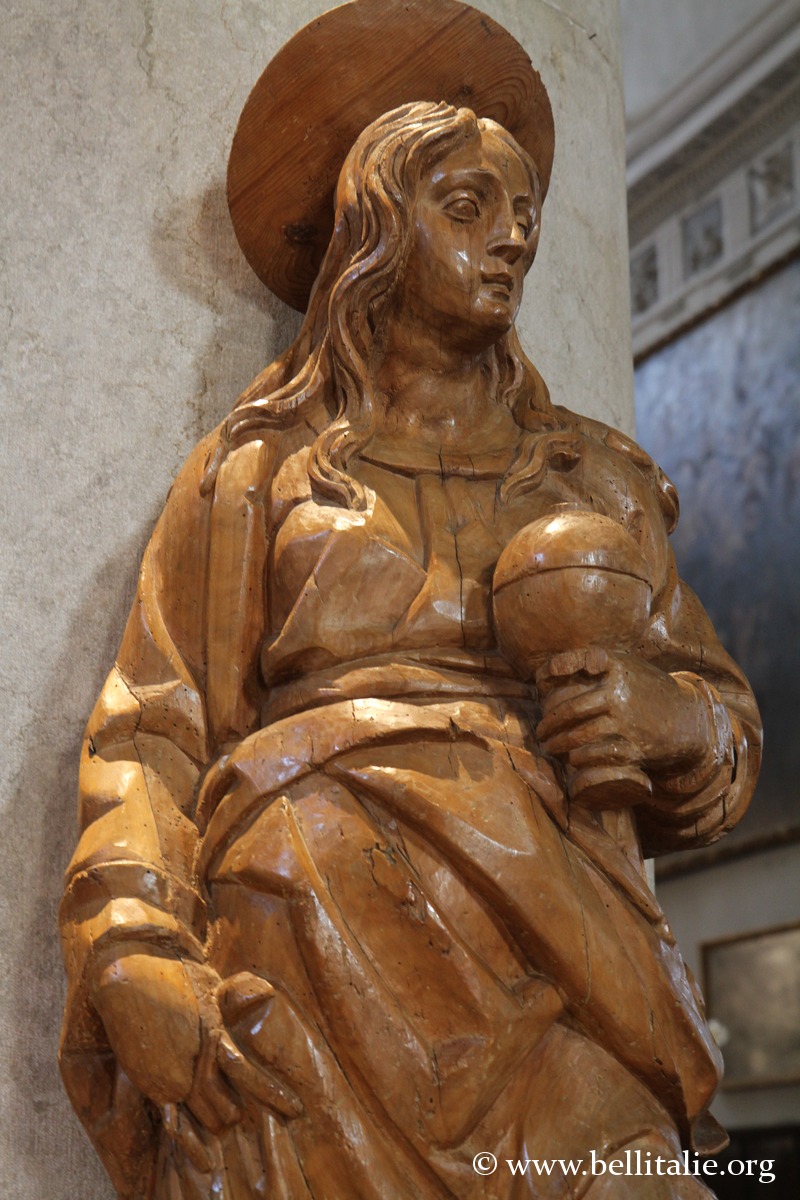
The cathedral dedicated to Maria Maddalena was built on an old church between 1586 and 1611. Its façade has Baroque ornaments, while the interior is a fine example of the late Renaissance in the province of Brescia.
Above all, it preserves The Last Supper by Tiepolo (1738), in the Chapel of the Blessed Sacrament.
Desenzano Castle
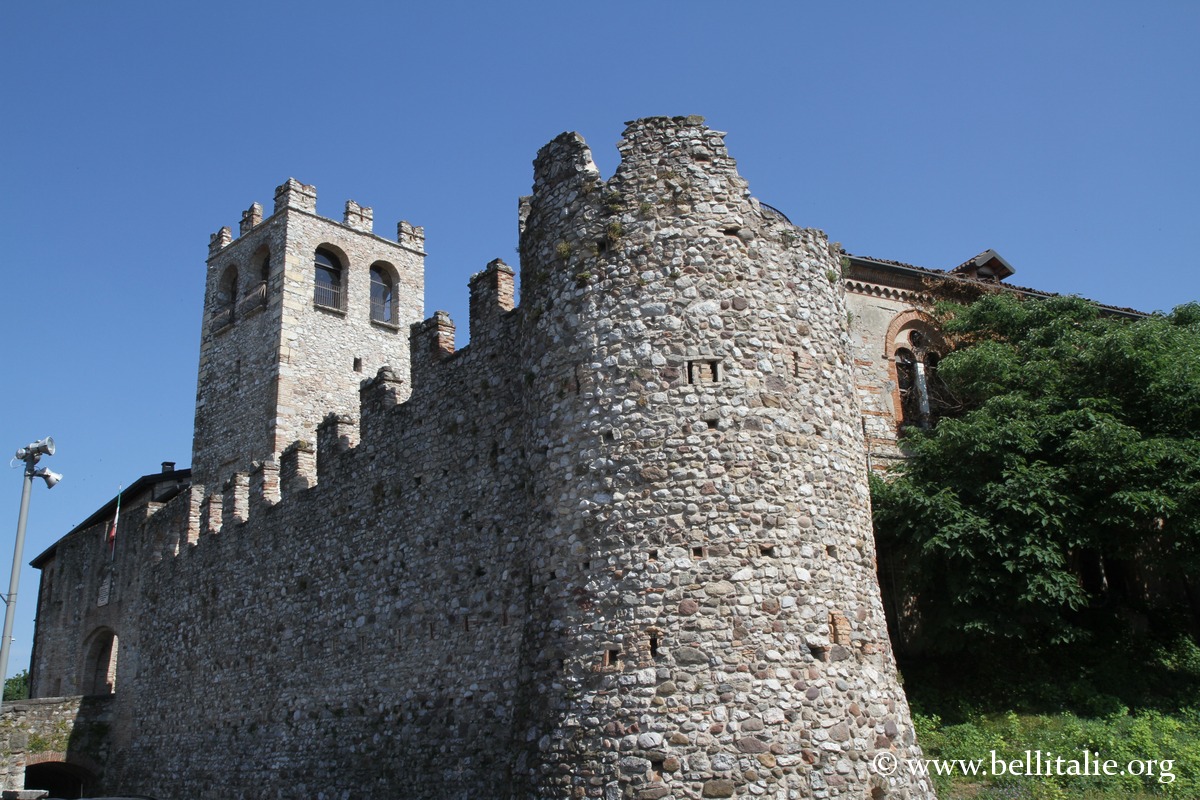
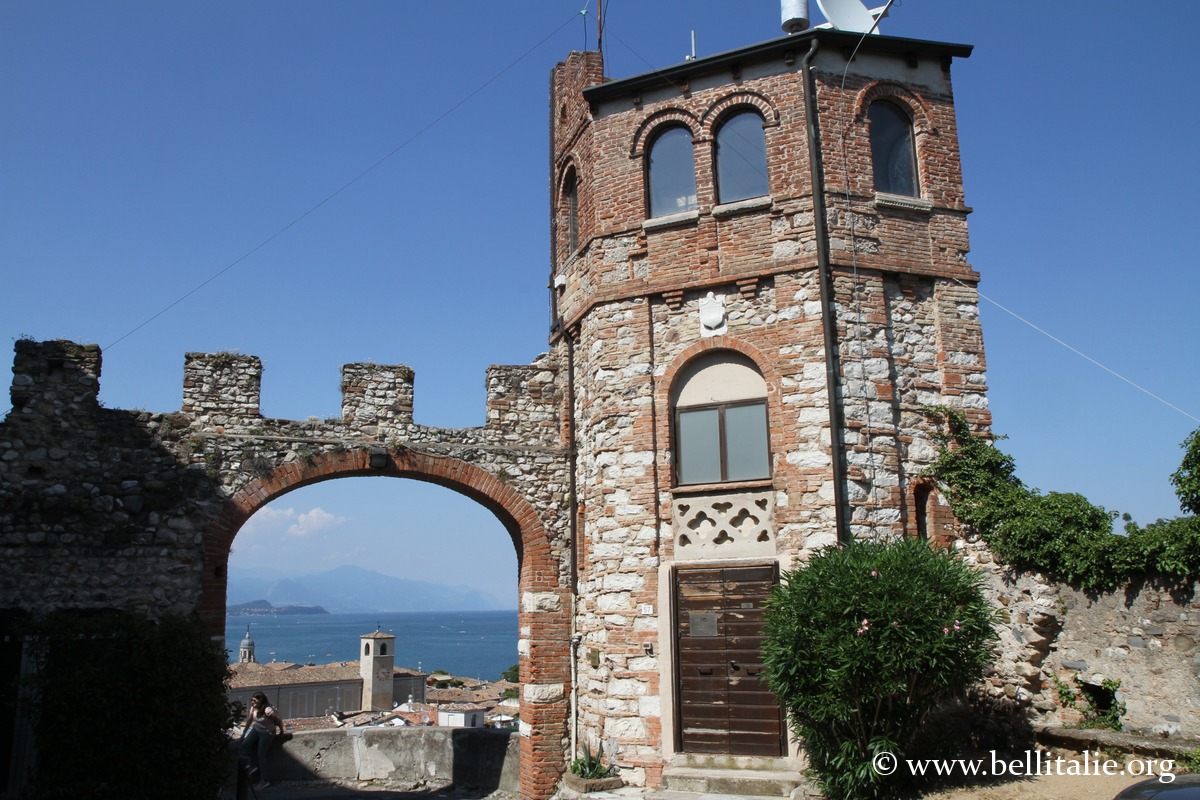
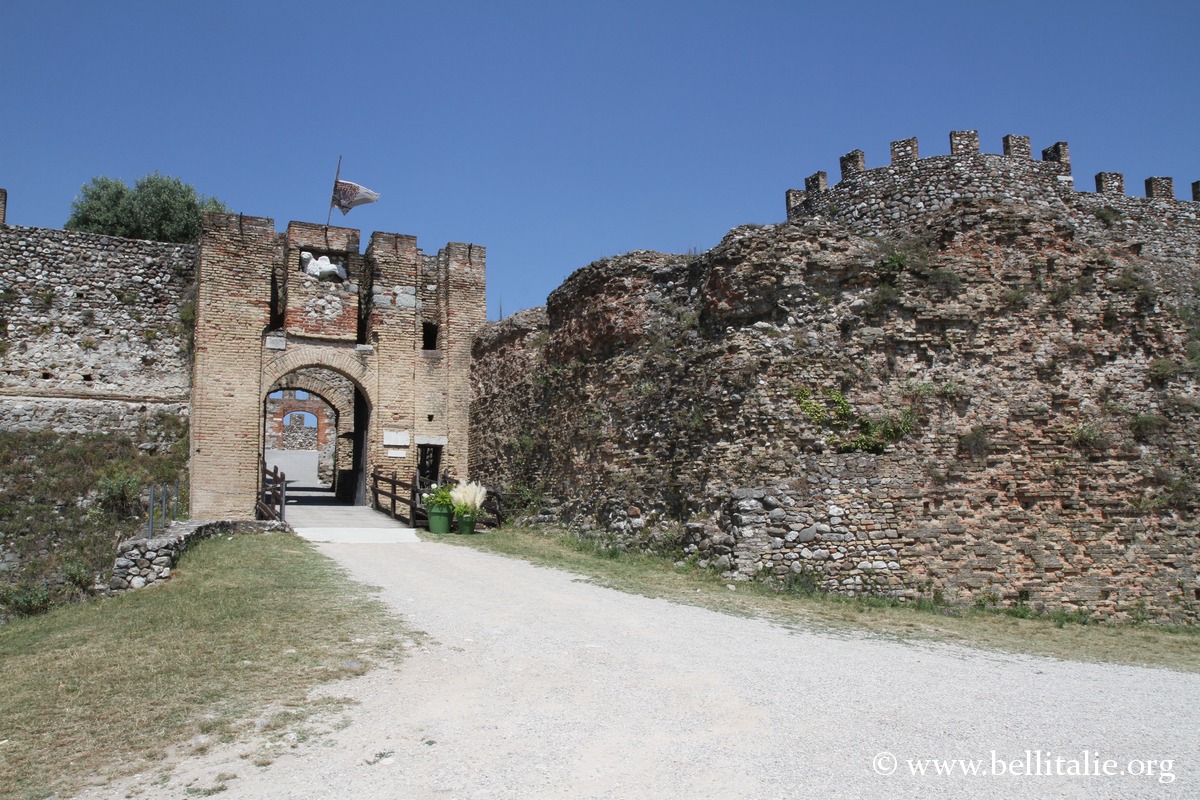
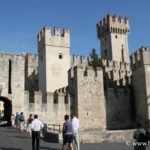
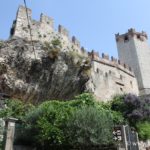
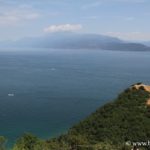
From its commanding position, there is a very beautiful view from the terrace of the castle over the lake and the town. It is a fortress of ancient origin, which perhaps succeeded a Roman castrum. It was rebuilt in the communal era and reinforced in the 15th century, when it contained 120 houses and a church dedicated to Saint Ambrose. Essentially only the walls, four towers, and the entrance keep with the remains of a drawbridge remain.
Old Harbour
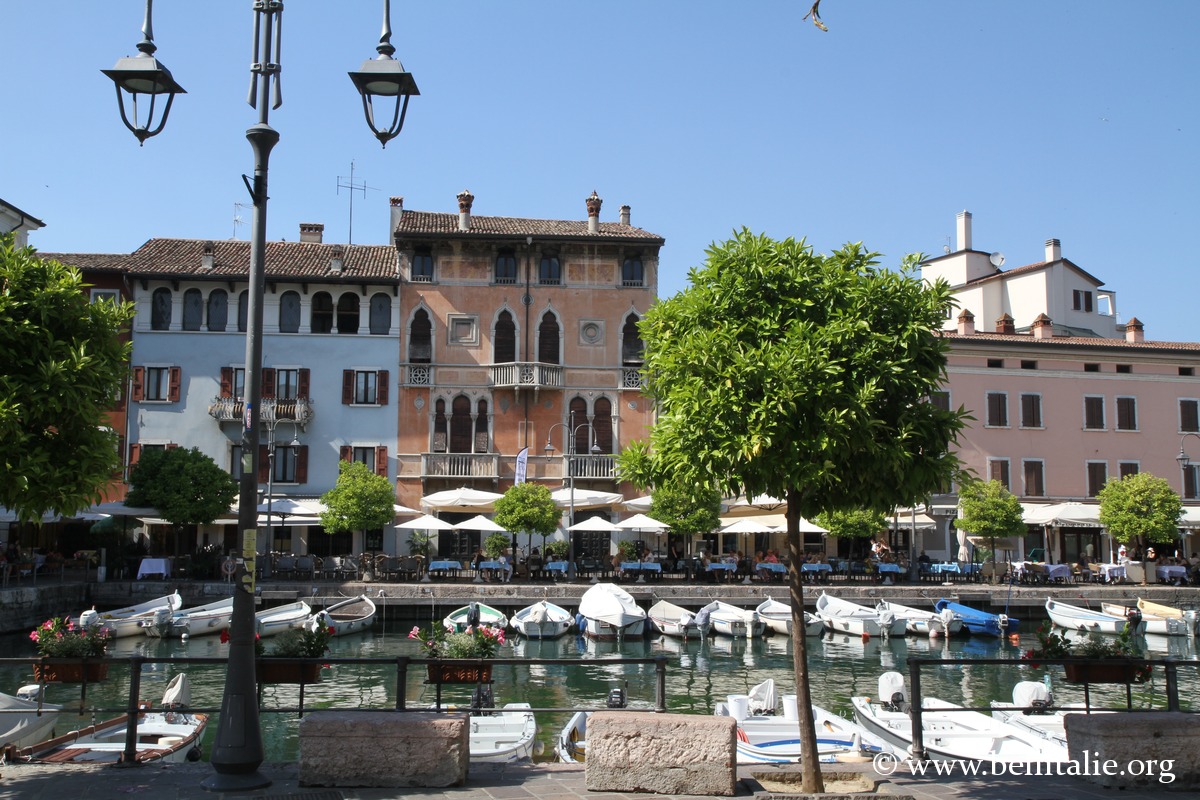
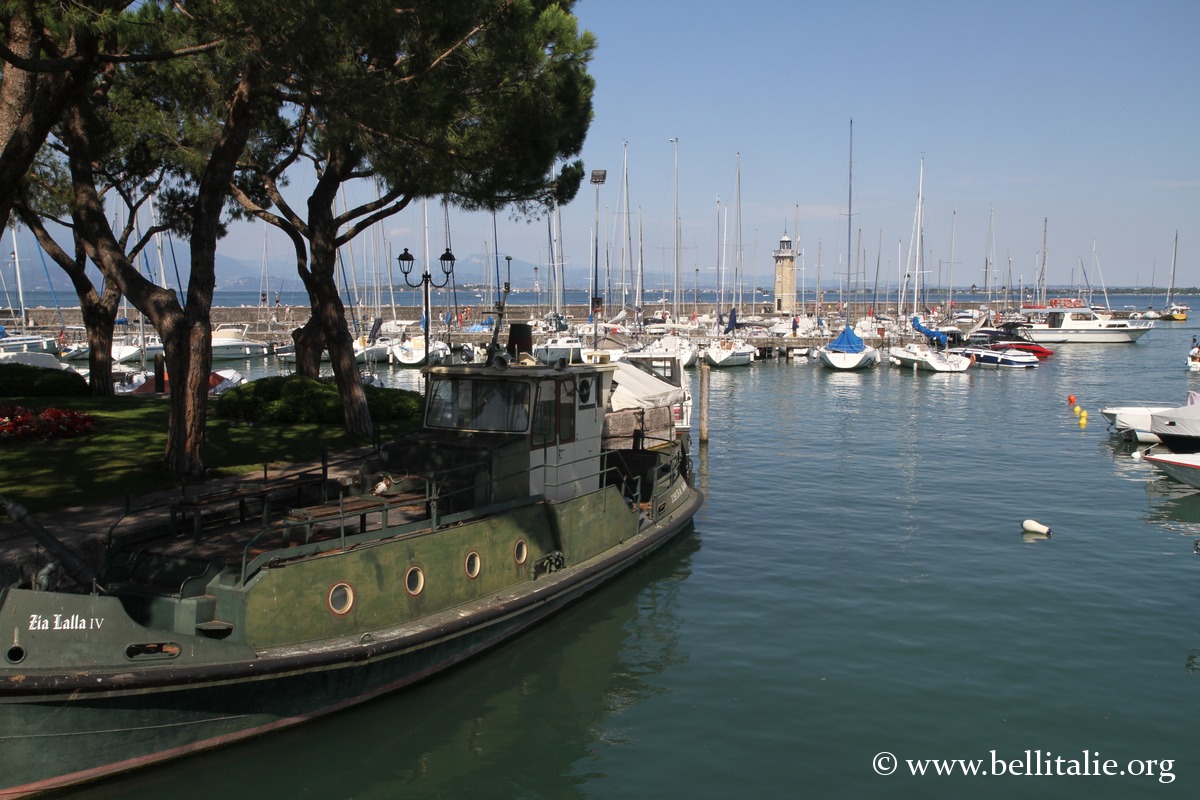
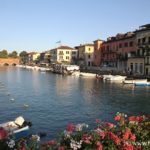
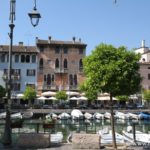
The charming old harbour was built during the Republic of Venice, mainly to serve for the unloading of goods. It was first closed by a drawbridge, then by a Venetian bridge. It was surrounded by a walkway in 2016.
Archaeological Museum
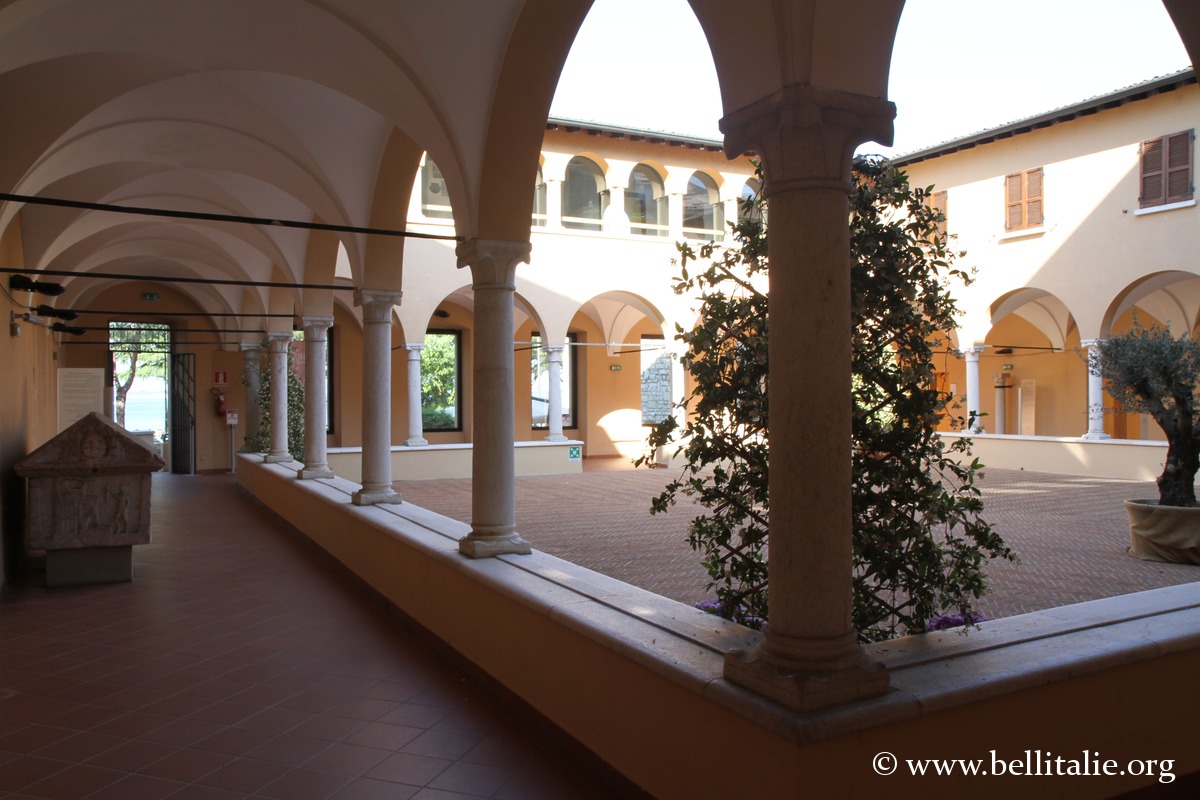
The town also hosts a particular archaeological museum inaugurated in 1990, devoted to the archaeological evidence of the Desenzano area, and especially to prehistory with the Bronze Age pile-dwelling culture, which was very widespread in the region and where one of the oldest ploughs in the world is found (approx. 2000 BC).
With the 2011 UNESCO inscription of the pile-dwelling sites of the Alpine arc, the museum was enriched with new materials from other places, including remains of this culture around the lake: Padenghe, Moniga, Lugana Vecchia, Porto Galeazzi and Maraschina.
One section of the Museum is dedicated to the most recent periods, from Roman times to the Renaissance and the period of the rule of the Republic of Venice.
Lonato del Garda
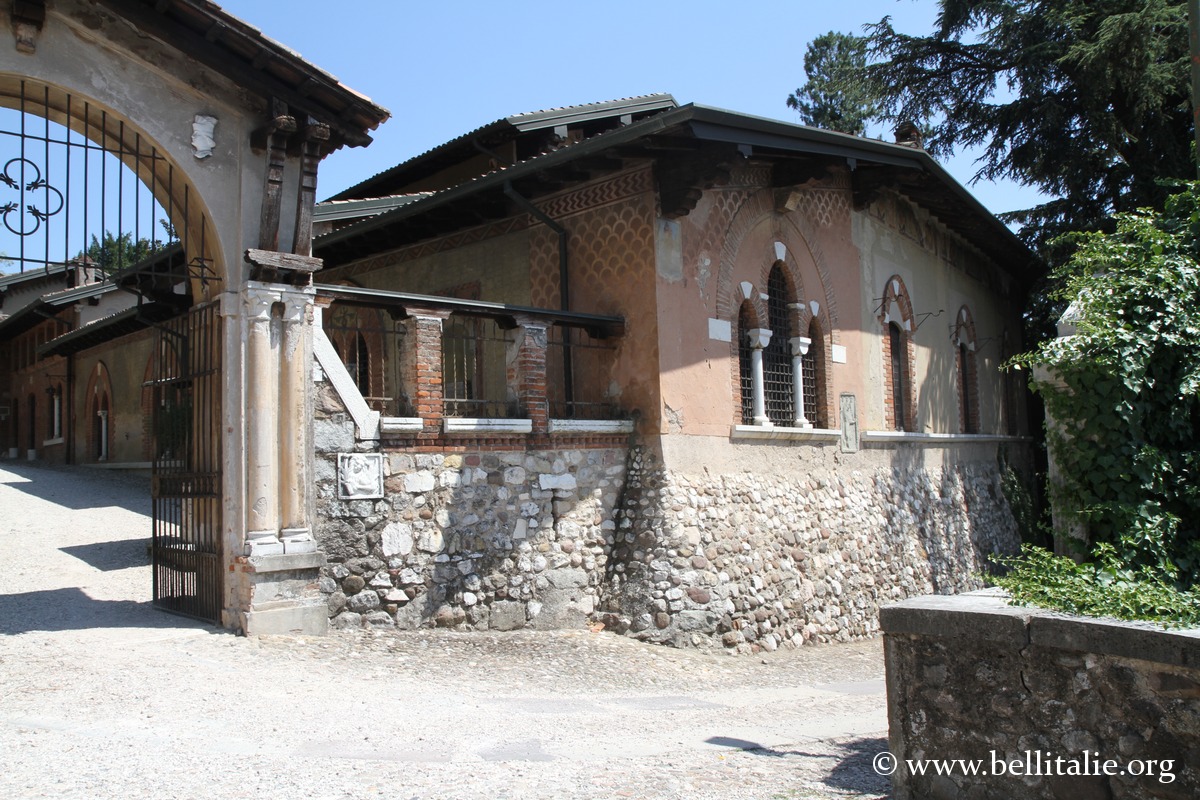
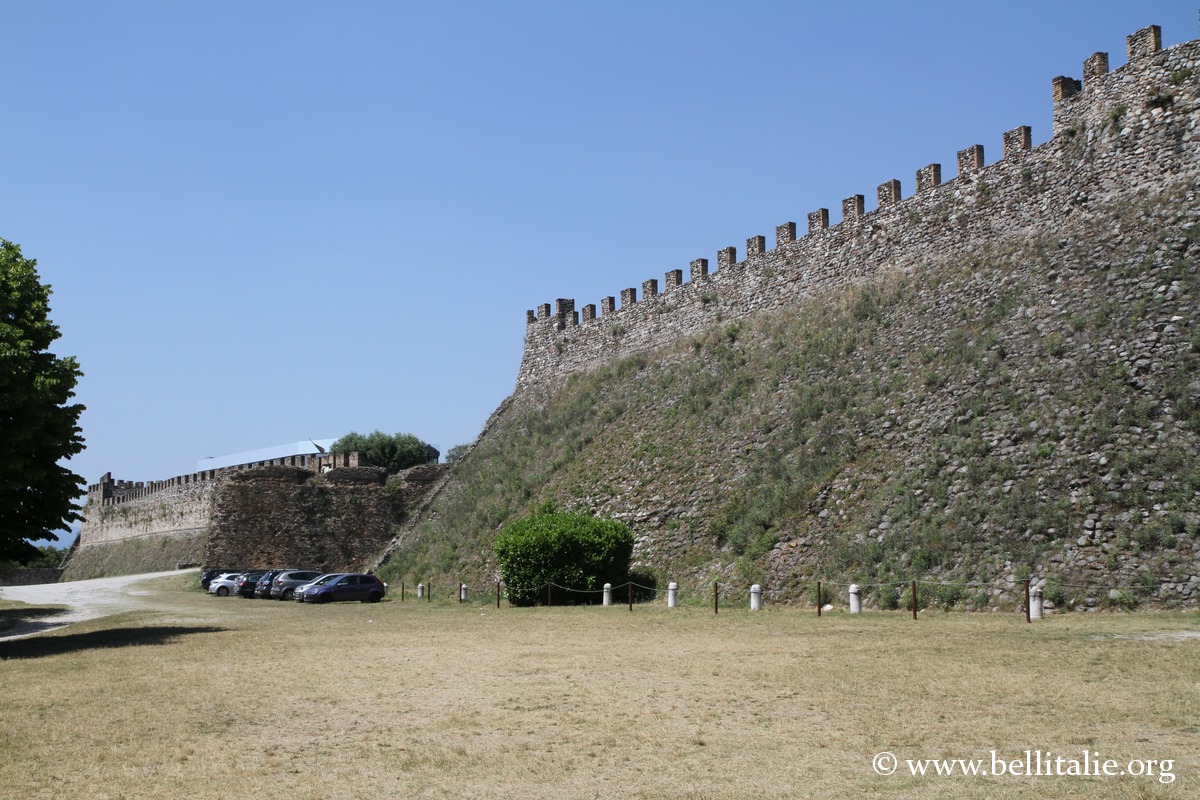
A few kilometres from Desenzano, Lonato del Garda preserves a powerful fortress and the beautiful medieval Broletto palace.
Information
- Wikipedia article (in Italian)
- Tourism portals: www.in-lombardia.it, www.visitdesenzano.it
Weather in Desenzano
Map
If you see this after your page is loaded completely, leafletJS files are missing.


Comments