


East of Piedmont, south of Lake Maggiore, Novara is the second most populous city in the region after Turin. It has long been a crossroads between Turin, Milan, Genoa and Switzerland, a position that has favored its economic development.
It is generally ignored by travelers, considered above all an industrial city. Yet Novara was founded on the hill around 90 BC by the Romans, creating its grid-like urban layout. The city was prosperous also in the Middle Ages, and among its monuments stands out the great dome of San Gaudenzio, a 19th-century work by Alessandro Antonelli, the creator of the Mole Antonelliana in Turin.
Together with the neighboring city of Vercelli, the province of Novara produces half of Italy’s rice, being largely occupied by vast rice fields, flooded in April and May.
Basilica of San Gaudenzio
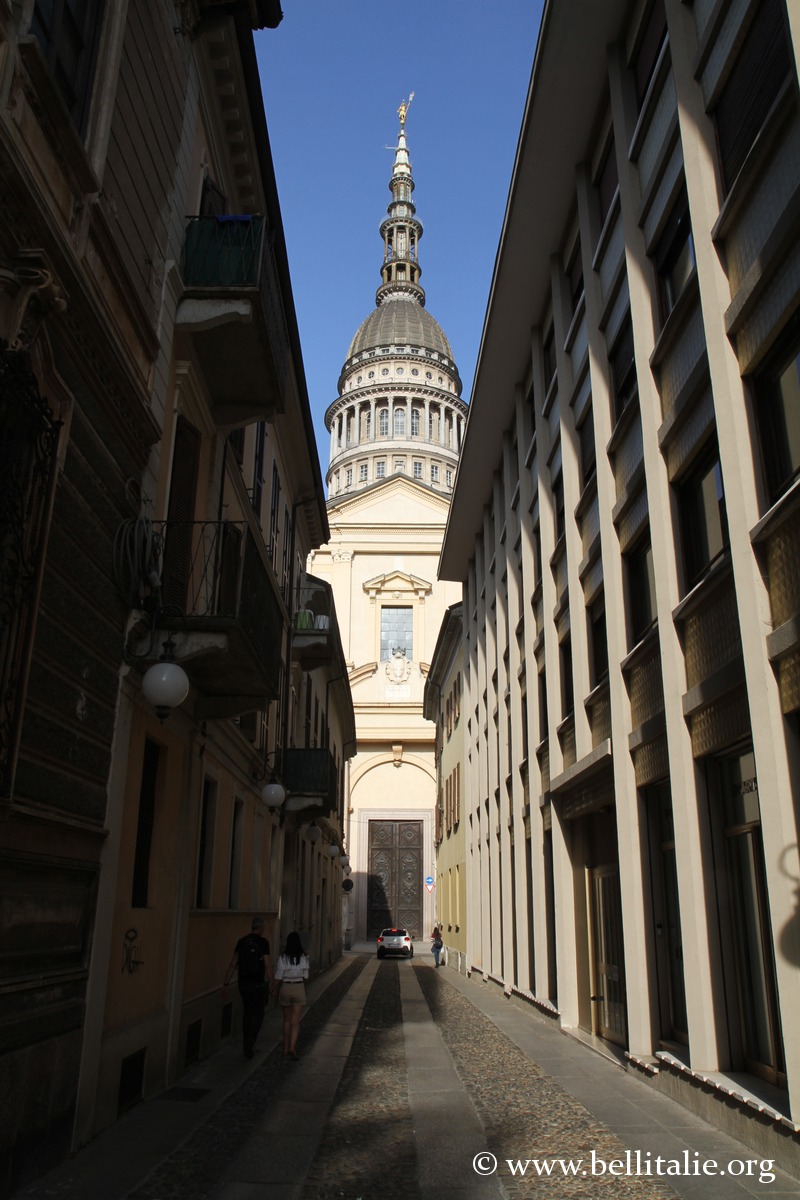
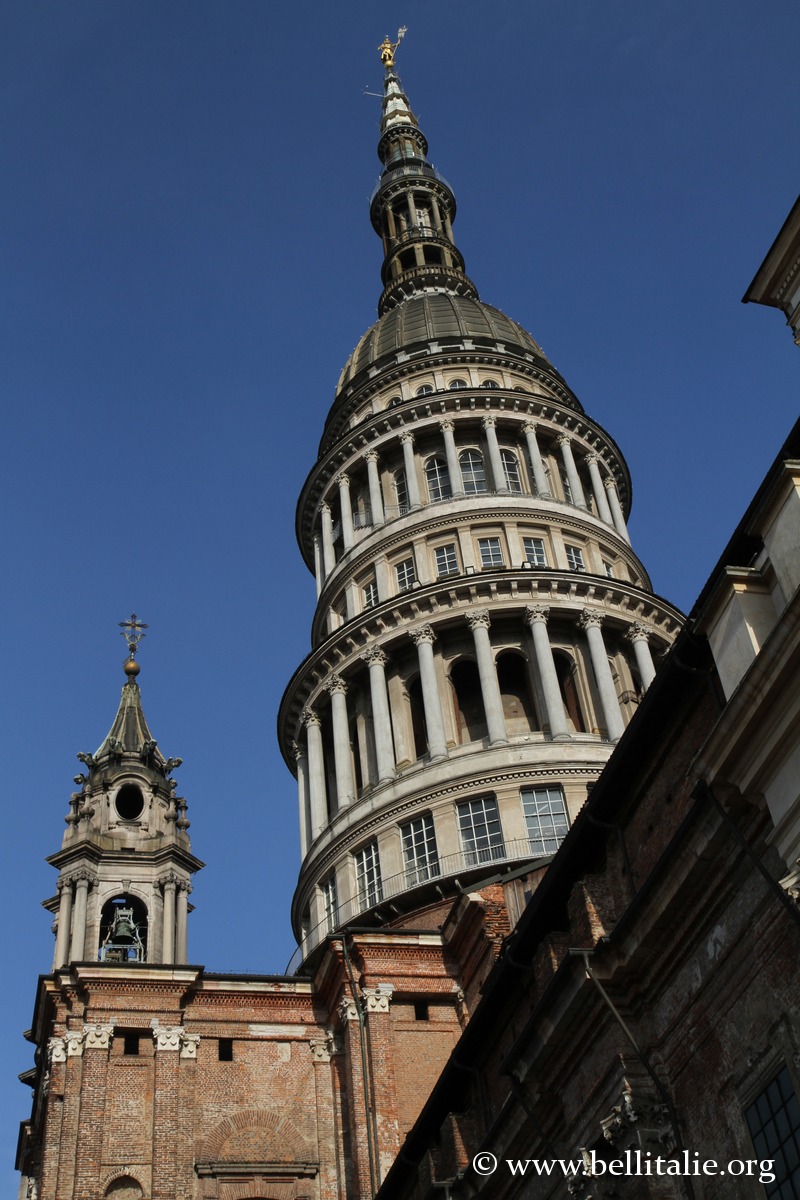
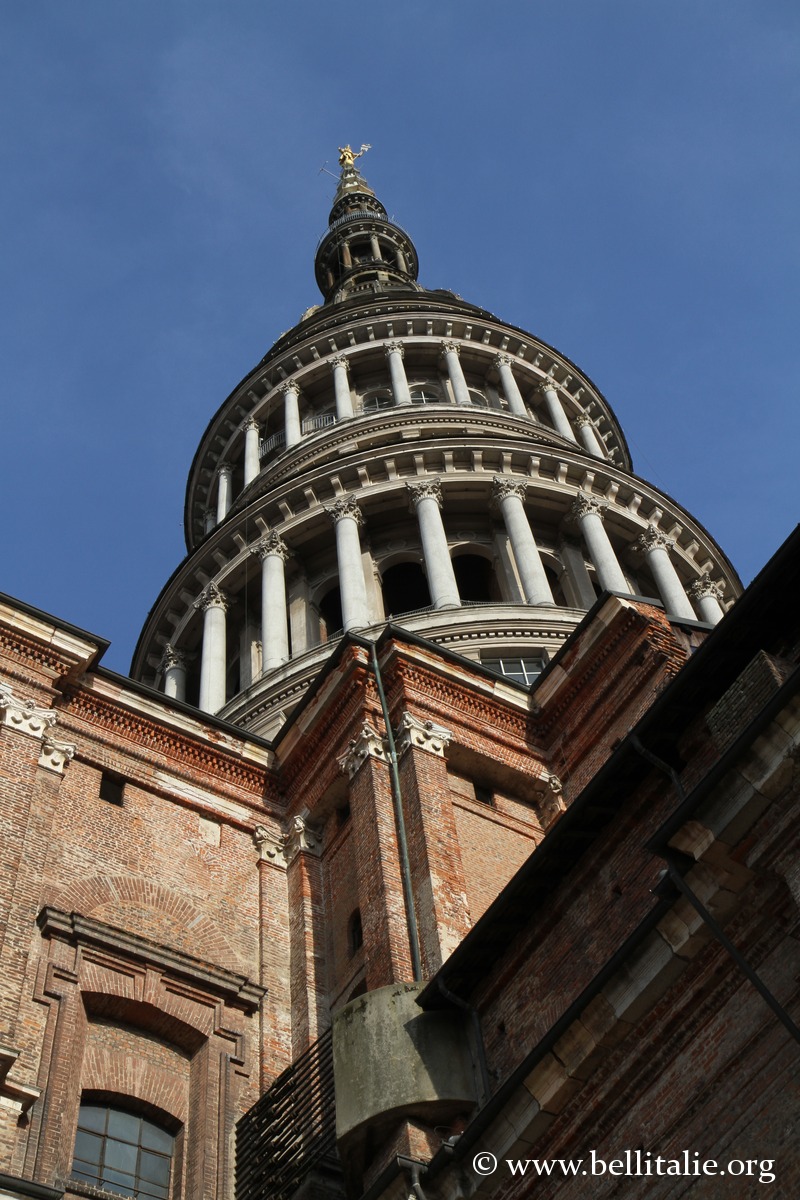
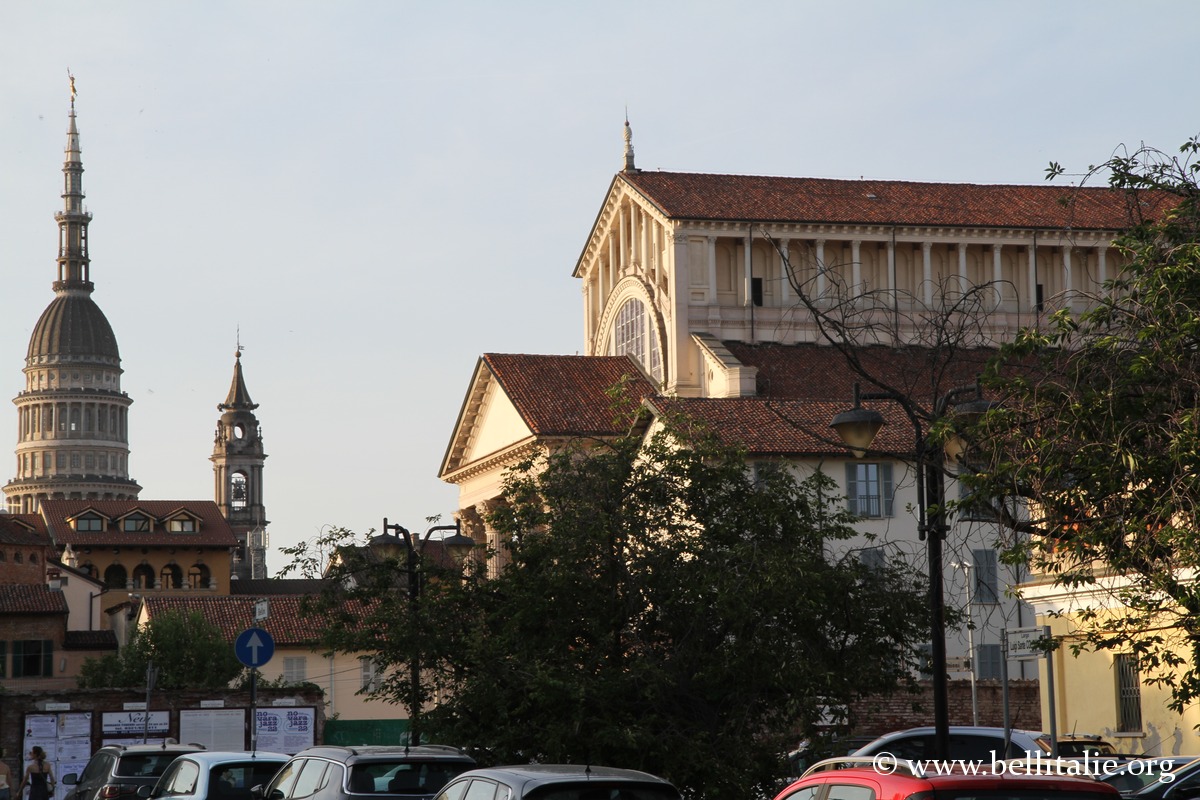
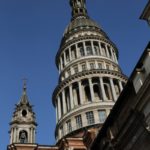
The Basilica of San Gaudenzio is the symbolic monument of Novara, famous for its immense dome rising over 120 meters in height, visible from far away.
The complex also consists of the church and the bell tower. The basilica dates back to the end of the 13th century, rebuilt in the 16th century by Pellegrino Tibaldi, with a beautiful wrought-iron chandelier at the center of the nave, while the bell tower dates from the 18th century. In the 19th century, Alessandro Antonelli was at work erecting the dome as well as the monumental facade.
Near the Basilica of San Gaudenzio, Casa Bossi was a beautiful 19th-century residence, renovated by Alessandro Antonelli, with its beautiful courtyard and a sumptuous interior, though deteriorated, an imposing facade with its pediment and neoclassical colonnades.
Cathedral and Piazza Duomo
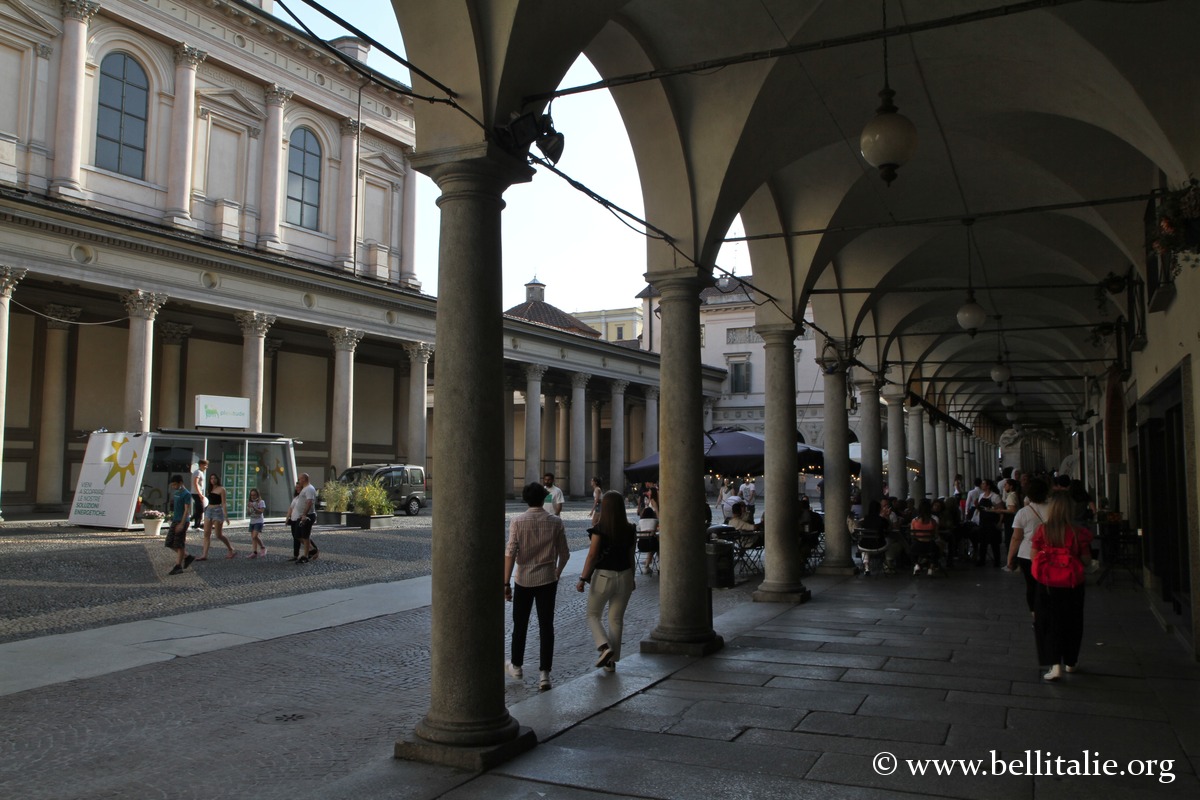
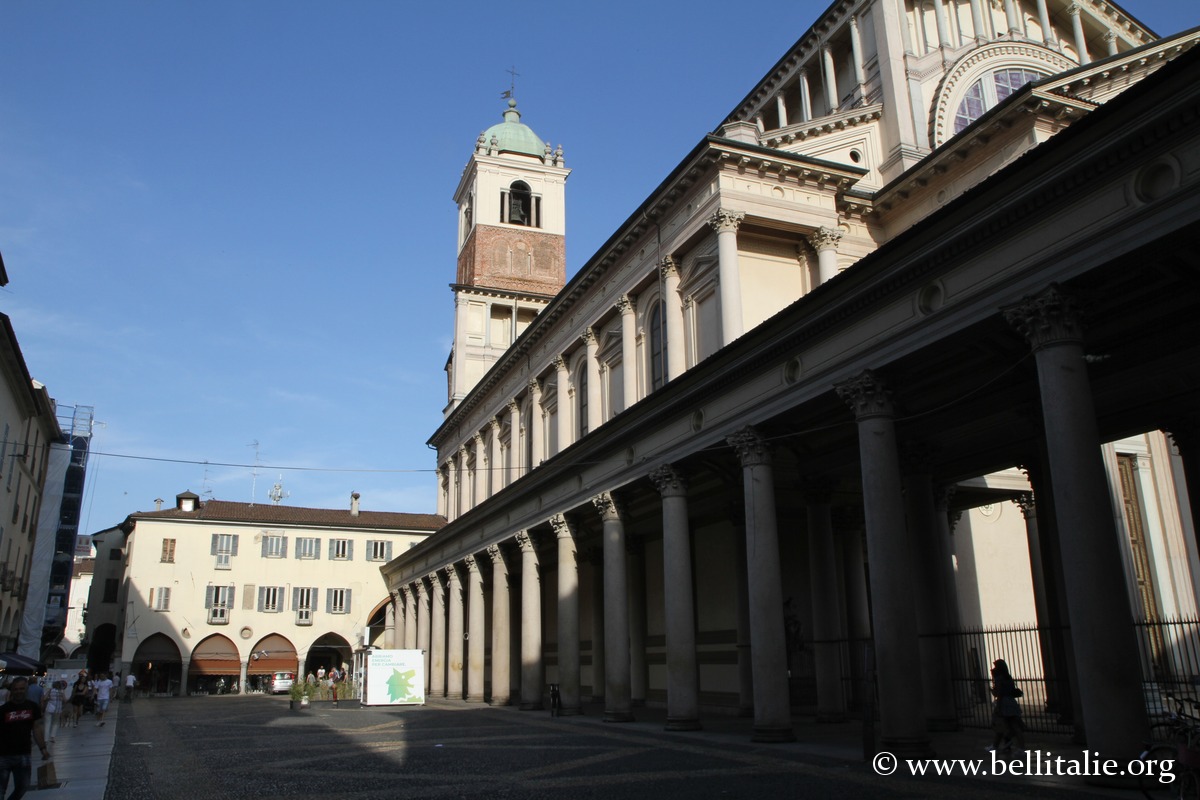
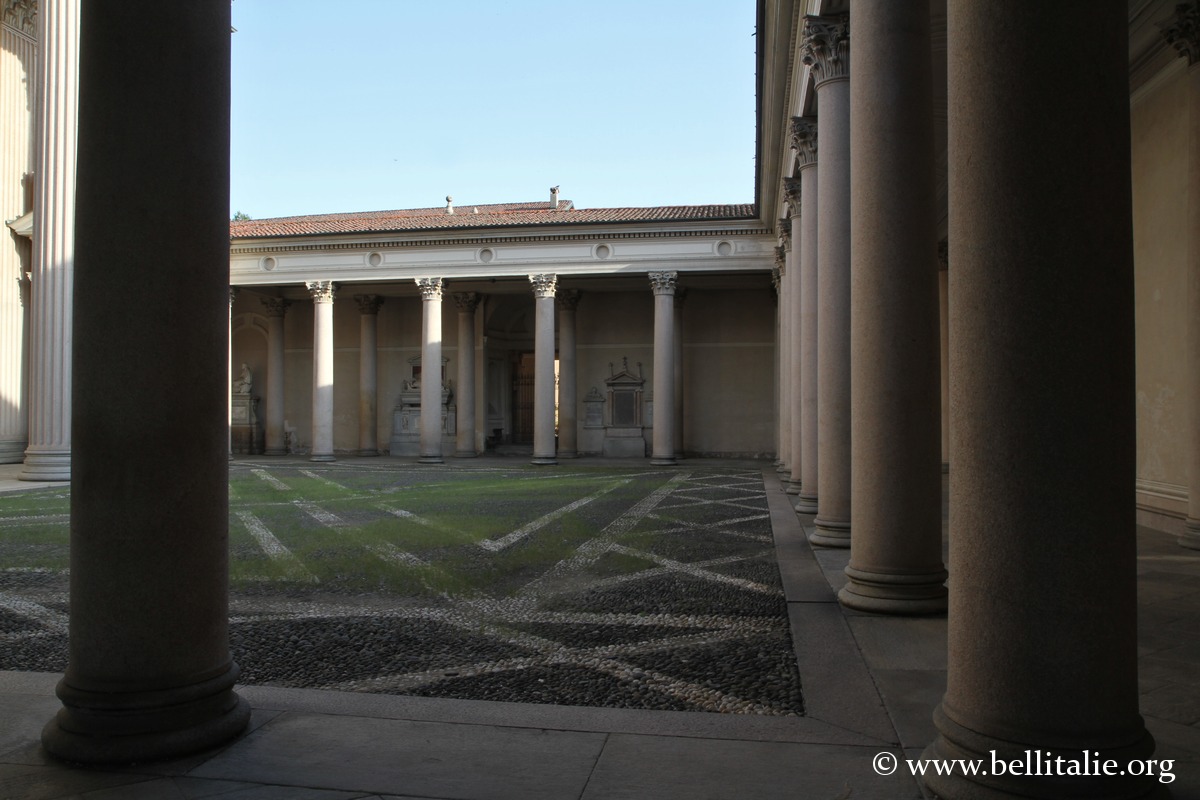
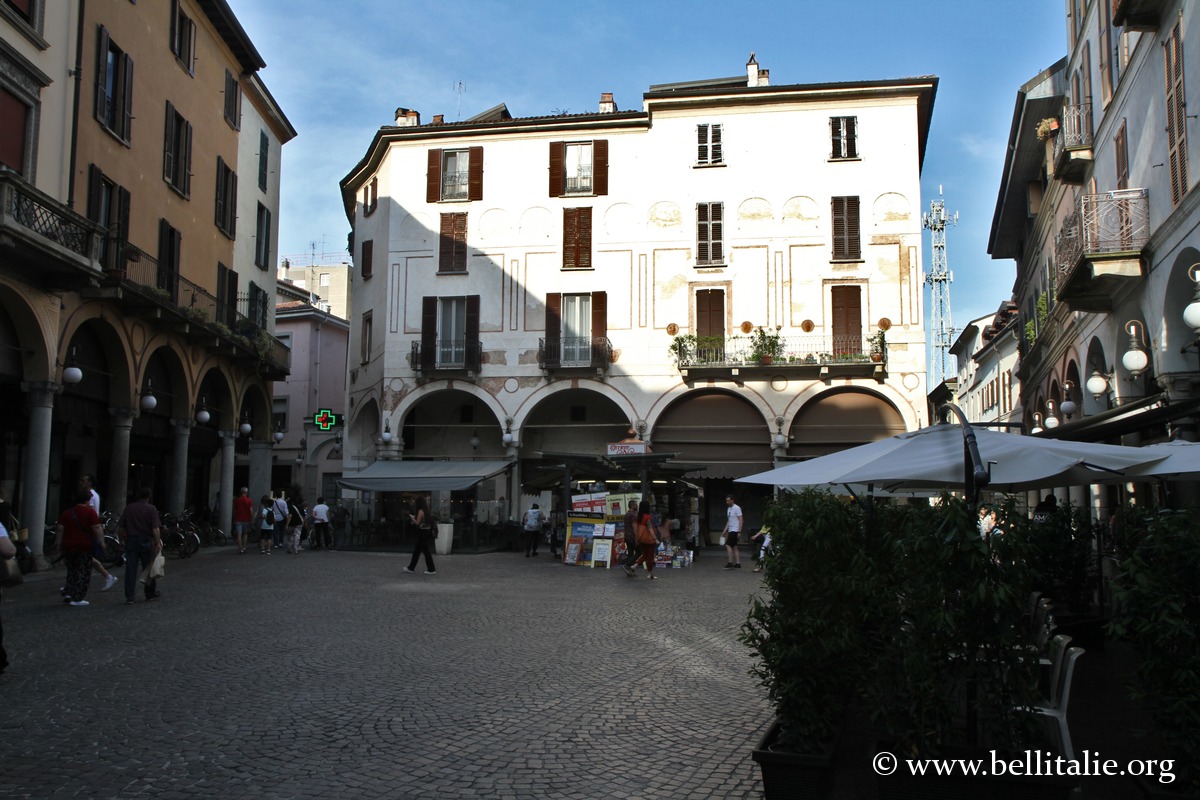
The Cathedral of Santa Maria Assunta, running alongside the charming Piazza della Repubblica (or Piazza Duomo) lined with cafes, is a neoclassical complex, featuring in particular the beautiful portico by Alessandro Antonelli.
Antonelli’s original project for this vast building remained unfinished. Inside, the three naves are divided by majestic orange stucco columns, with a central nave covered with barrel vaults. It preserves beautiful paintings and organs.
The baptistery located opposite the cathedral is the oldest building preserved in Novara, and among the earliest paleochristian churches in Piedmont. Built around the 5th century, its dome was added in the 11th century and it preserves a very beautiful pictorial cycle on the Passion of Christ.
The cloister of the Canonica is located behind the episcopal palace which houses the Museums of the Duomo presbytery. They are divided into two sections, with the Lapidary Museum and the Treasury Museum. The first preserves works dating from the 2nd century BC to the 3rd century AD, including urns and epigraphs. The second preserves in its 11 rooms works, objects, and discoveries from the churches of the diocesan territory.
Arengo del Broletto
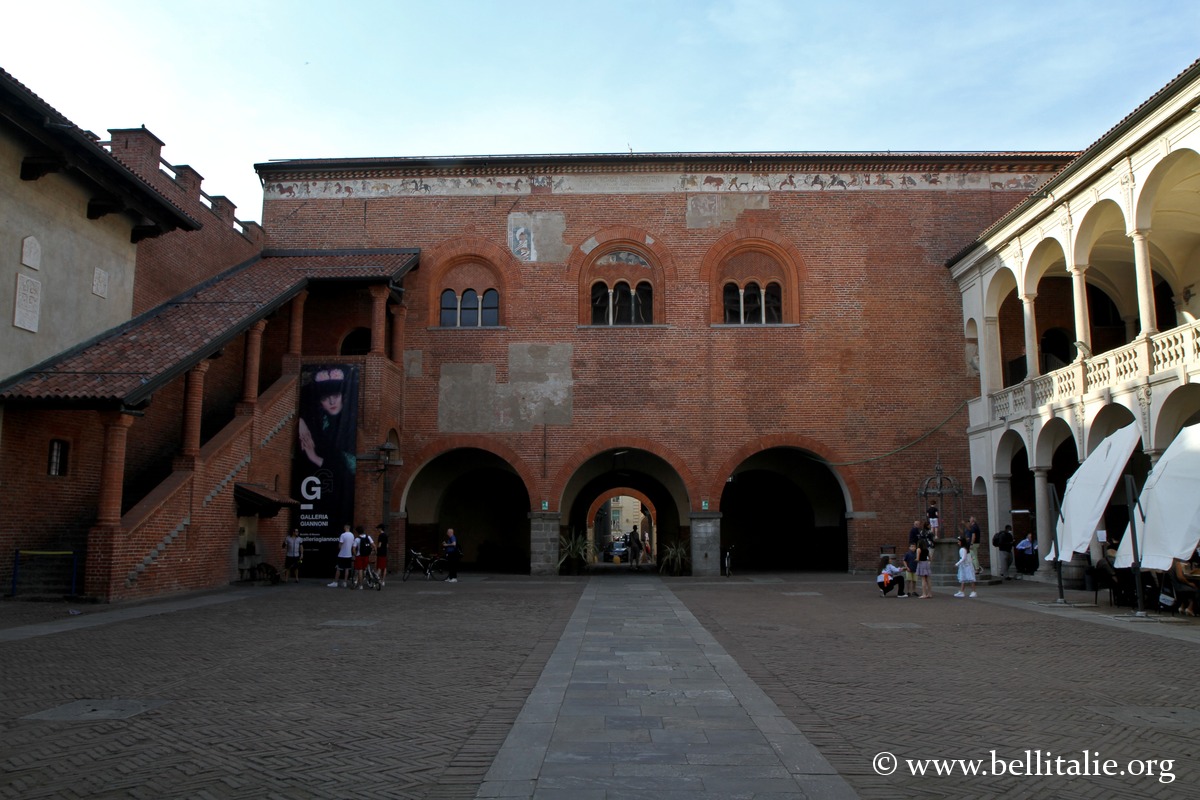
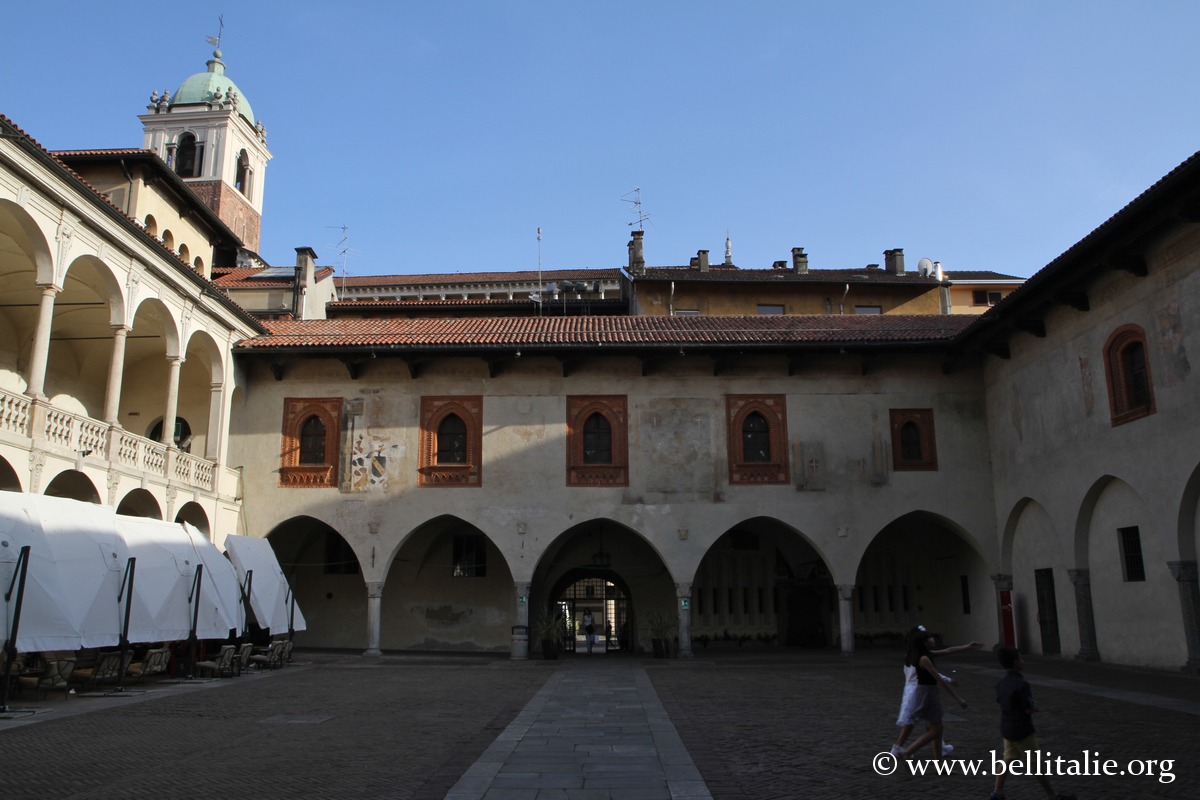
The Arengo of the Broletto is an architectural complex of medieval origin, with four buildings from several periods around the rectangular pedestrian courtyard known as the Arengo.
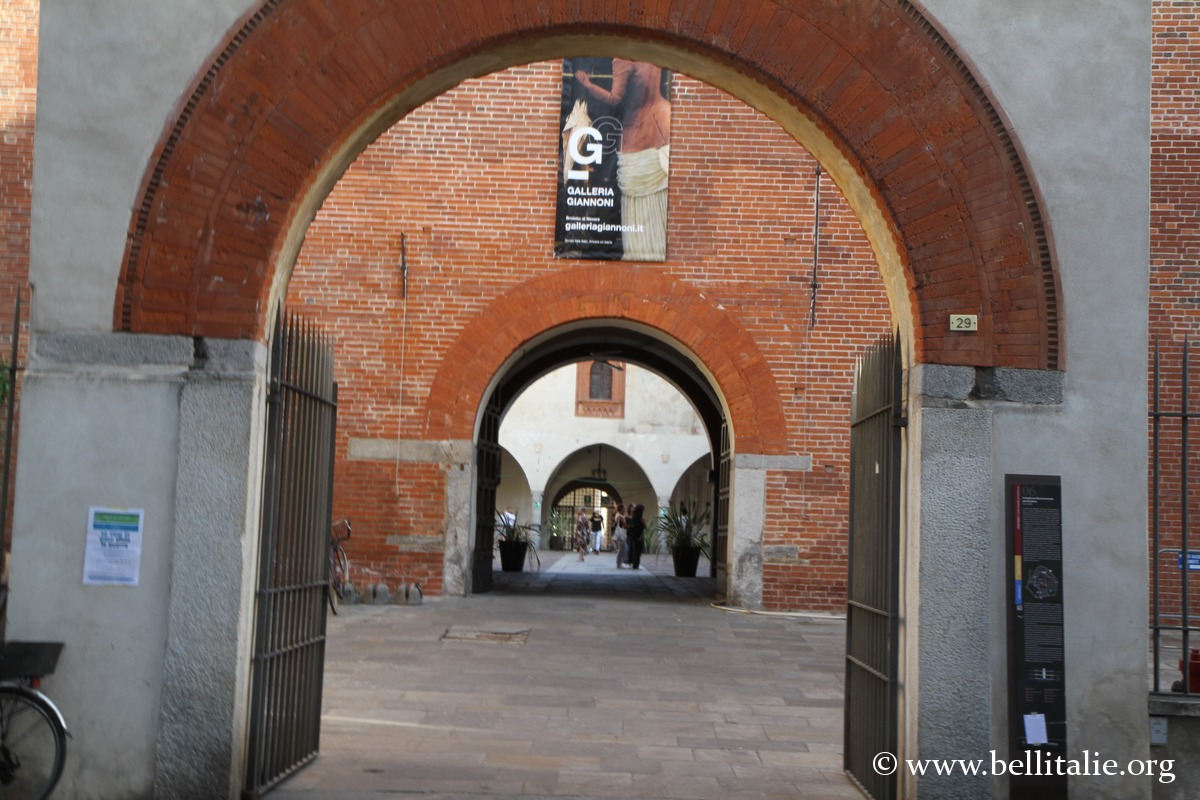
It was the heart of civic life, with the Palazzo del Comune, or a building that houses the Gallery of Modern Art with more than 800 Italian paintings from the 19th-20th century.
Visconti Castle
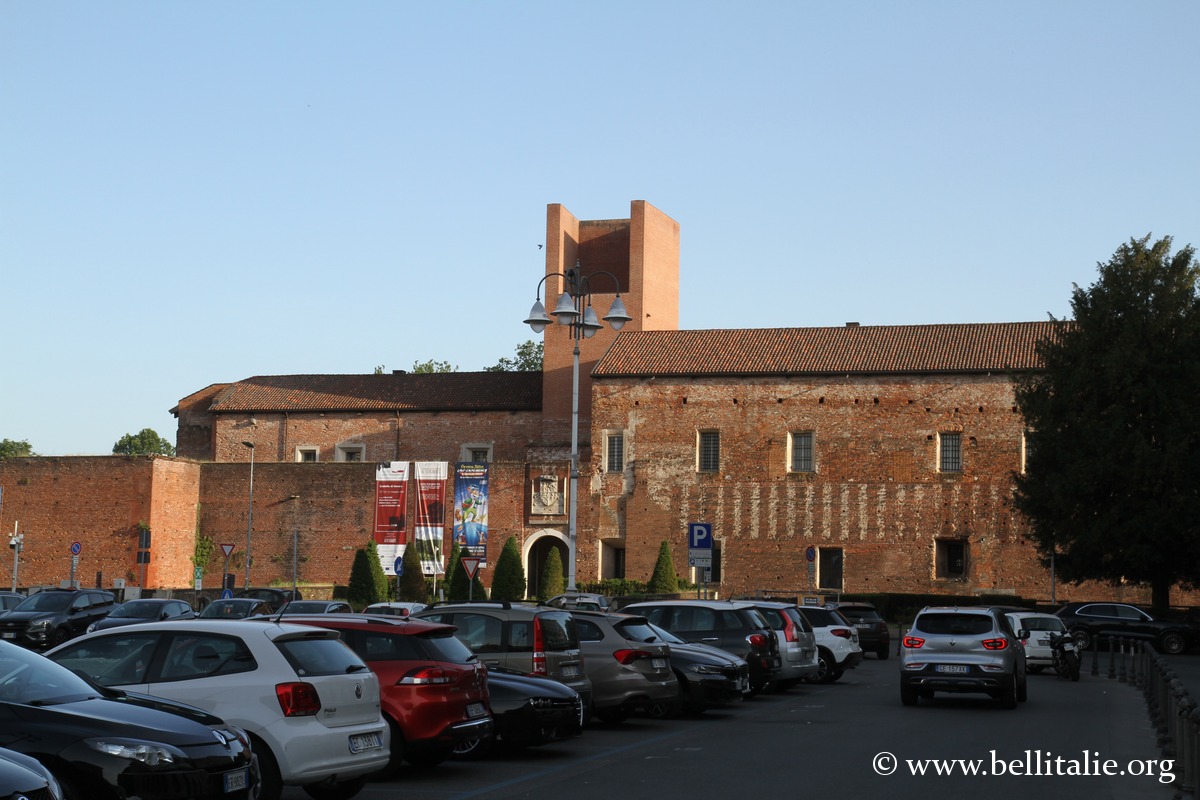
The Visconti Castle is an ancient important fortress, dating back to the 13th century, built to ensure political control over Novara. It rests on ancient Roman walls and only the Rocchetta with its battlements and partly the main gate remain of the original building.
Coccia Theatre
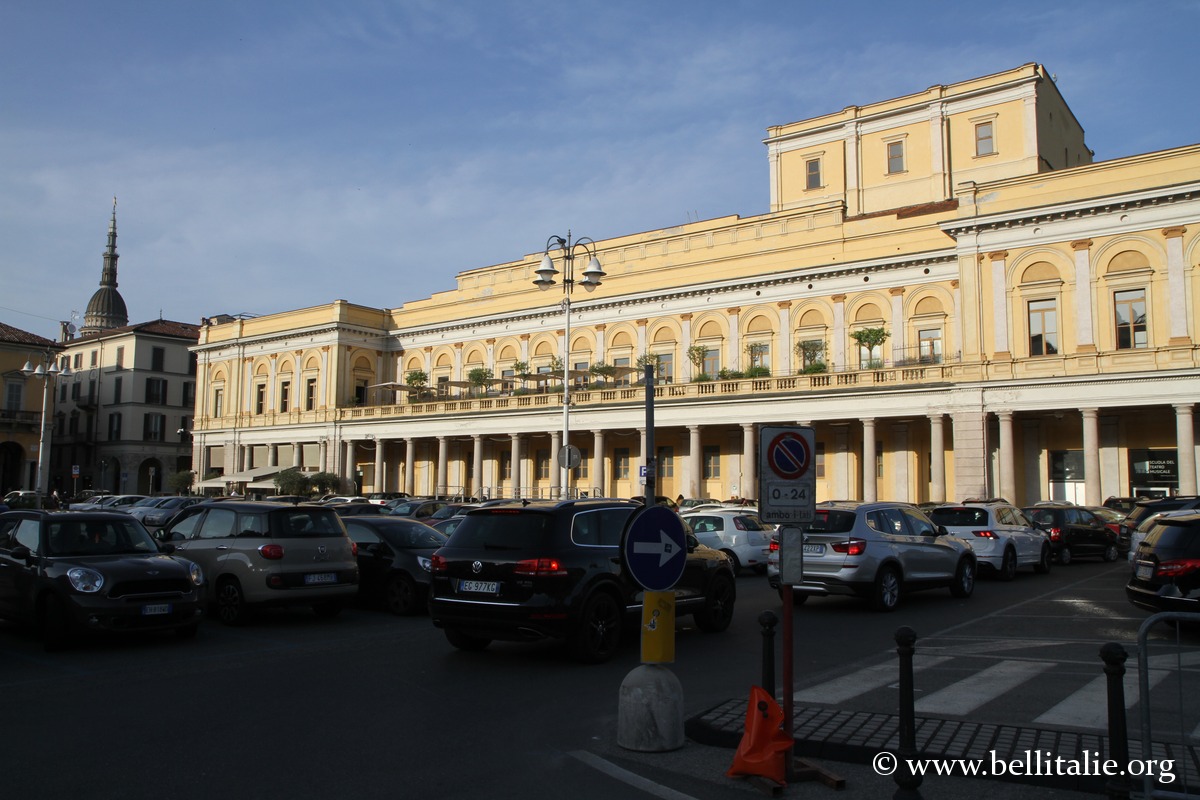
The Coccia Theatre is the main opera house of Novara, which is a neoclassical reconstruction of the old Teatro Nuovo, surrounded by a portico of pink granite with Doric columns. The interior has a vast horseshoe-shaped hall with rich Renaissance-style decoration.
Other churches and palaces
The Baroque church of San Marco (Saint Mark), near Corso Italia, is richly decorated with colored marbles, canvases and carved wood, including the panels that tell the story of the procession of Saint Charles Borromeo.
The small church of Ognissanti (of All Saints) of Romanesque origin was substantially renovated, and preserves beautiful frescoes including a Madonna del Latte attributed to Giovanni de Campo.
Several historic palaces intersect around the streets of the center, the richest of which is the Palazzo Tornielli Bellini via Negroni, and visitable by appointment, currently owned by a commercial bank. Its majestic rooms are decorated with furniture and works of art, including the Room of the Abdication, where King Charles Albert abdicated on March 23, 1849.
Worth mentioning are the Palazzo Tornielli via Greppi and Palazzo Natta Isola seat of the Province of Novara and of the Prefecture.
Abbey of San Nazzaro della Costa
The beautiful religious complex of the Abbey of San Nazzaro della Costa brings together the convent with its church, on a hill near the cemetery. It probably dates back to the 10th century, was occupied by the Poor Clares and then by the Franciscans. Over time it was enlarged and embellished, with beautiful frescoes, notably preserving a famous Annunciation in a chapel.
Pyramid of Bicocca
The district of Bicocca on the outskirts was the site of a famous battle between Piedmontese and Austrians in 1849, following which King Charles Albert abdicated in favor of Victor Emmanuel II, an important event during the Italian Risorgimento. In memory, the pyramidal ossuary, 16 meters high, was erected in 1879
Gastronomy
Novara biscuits (the Novaresi) are an institution, as at the historic Camporelli biscuit factory, whose nourishing recipe comes from the Middle Ages, based on flour, egg and sugar.
Information
- Wikipedia article: en.wikipedia.org
- Tourism portals: www.turismonovara.it
Weather in Novara
Map
If you see this after your page is loaded completely, leafletJS files are missing.
- What to see in Piedmont
- Turin
- Saint Michael’s Abbey, La Clusa
- Lake Maggiore
- Susa Valley and Chisone Valley
- Susa
- Lake Orta
- Cuneo and Surroundings
- The Langhe
- Montferrat
- Roero and surroundings
- Asti
- Alba
- Domodossola and Val d’Ossola
- Valsesia
- Sanctuary of Mount Oropa
- Saluzzo and surroundings
- Usseaux and Fenestrelle Fort
- Casale Monferrato
- Vercelli
- Ivrea, Canavese and Biellese
- Novara


Comments