


Strada Nuova
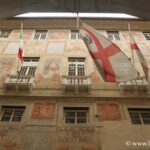
Named ” Strada Nuova ” when it was laid out in the mid-16th century, the beautiful street Via Garibaldi is also called ” Via Aurea ” for its sumptuous palaces where the most prestigious Genoese families settled, when the Republic of Genoa was at the height of its financial and maritime power. It has nearly a dozen of them, including Palazzo Cambioso, Palazzo Carrega Cataldi, Palazzo Podestà and Palazzo Dorio-Spinola. Marked by the Genoese Renaissance and the Baroque, it is listed as a UNESCO World Heritage Site.
Museum route
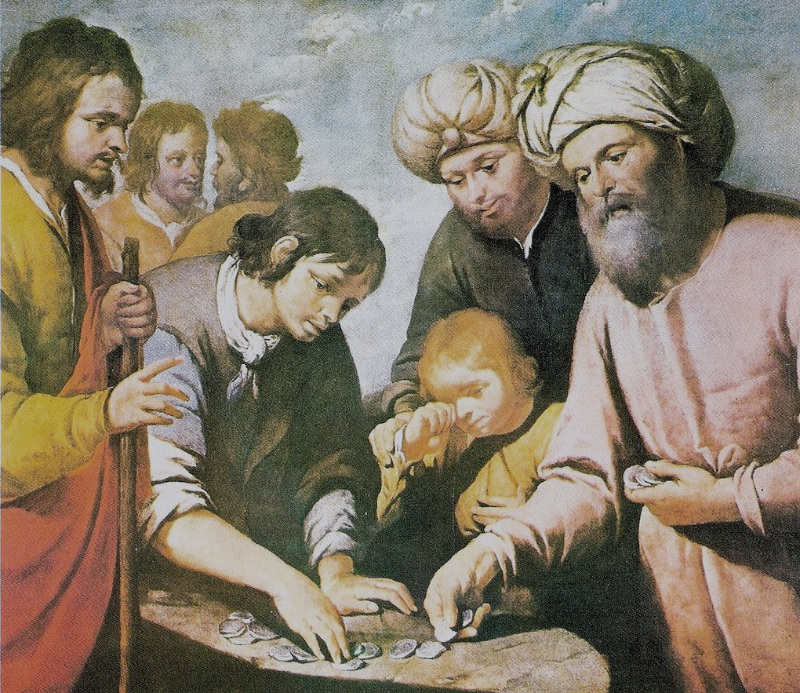
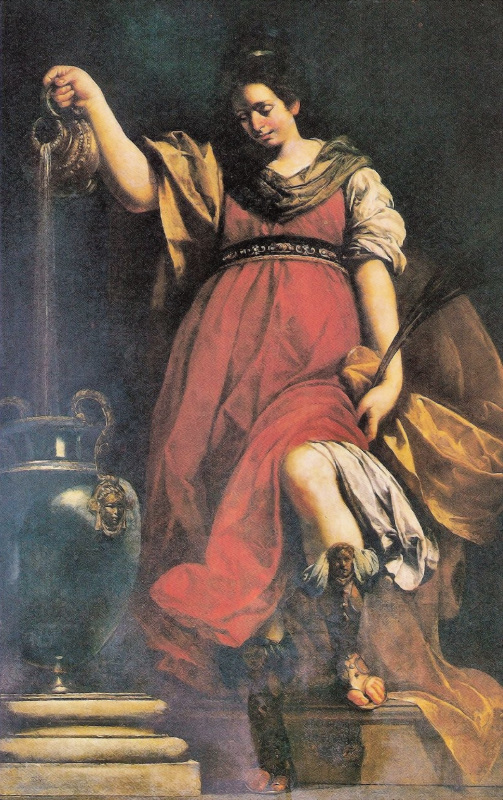
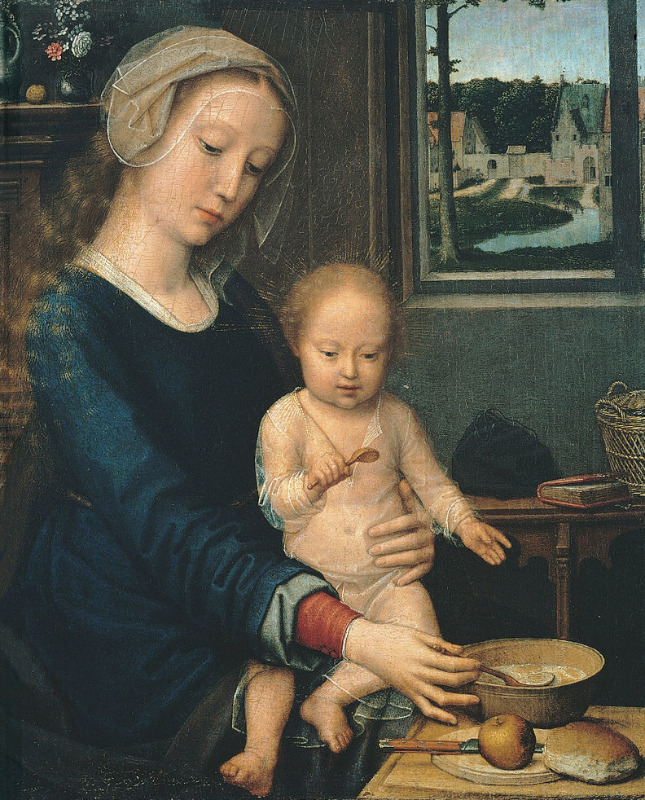
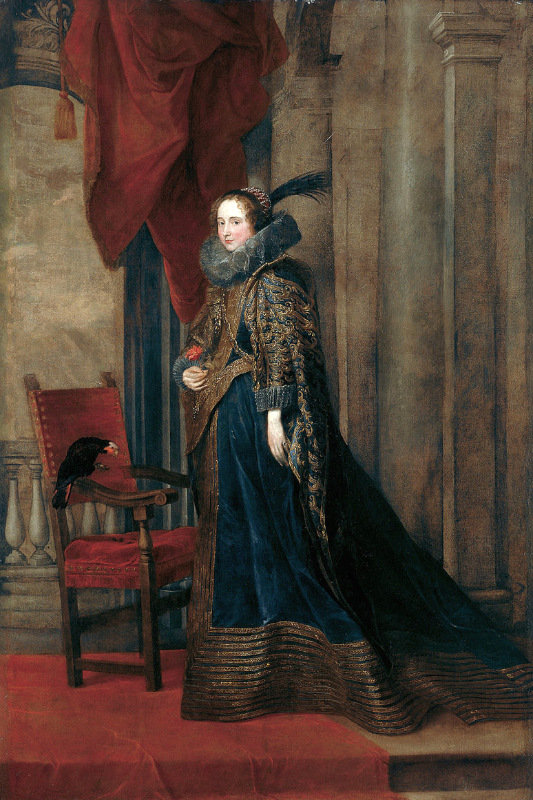
Since 2004, a museum route (Musei di Strada Nuova) has linked the three palaces: Palazzo Rosso (Red Palace in English), Palazzo Bianco (White Palace in English) and Palazzo Doria Tursi. It thus forms the largest art museum in the city, consisting of nearly 75 rooms, with a route that winds between courtyards, loggias, gardens, terraces and views.
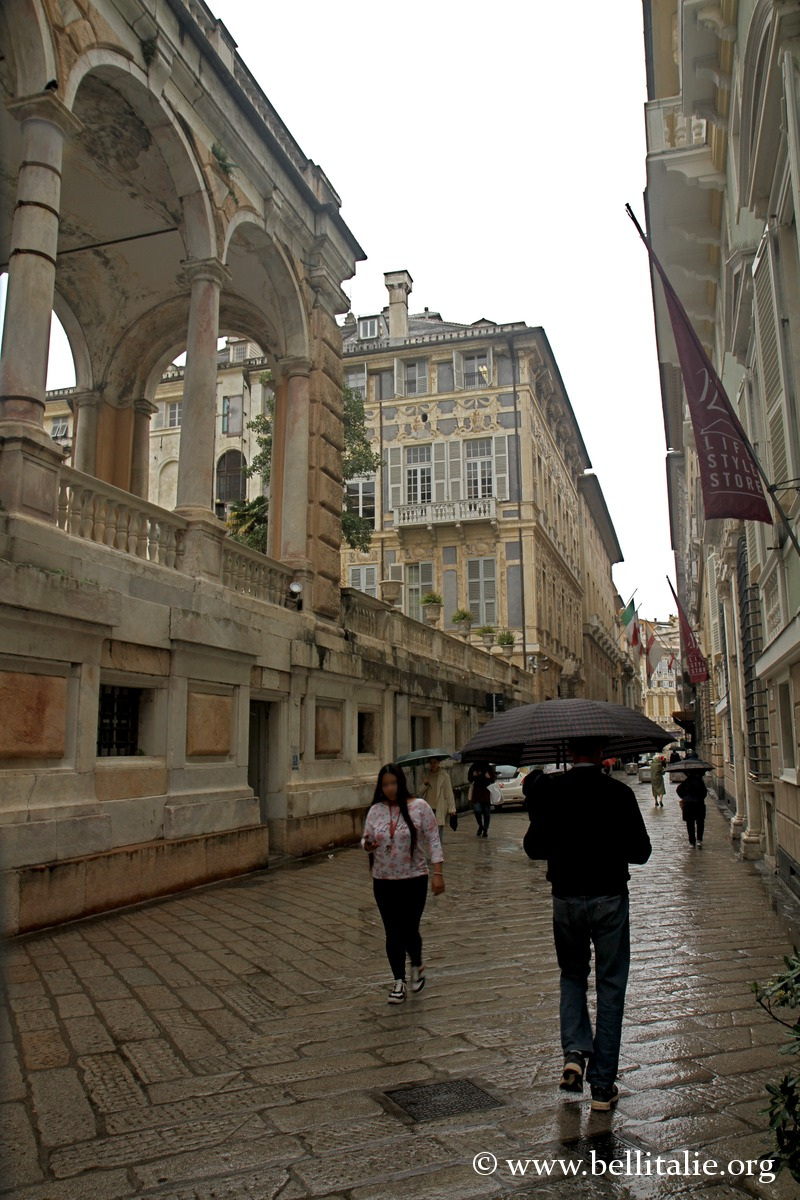
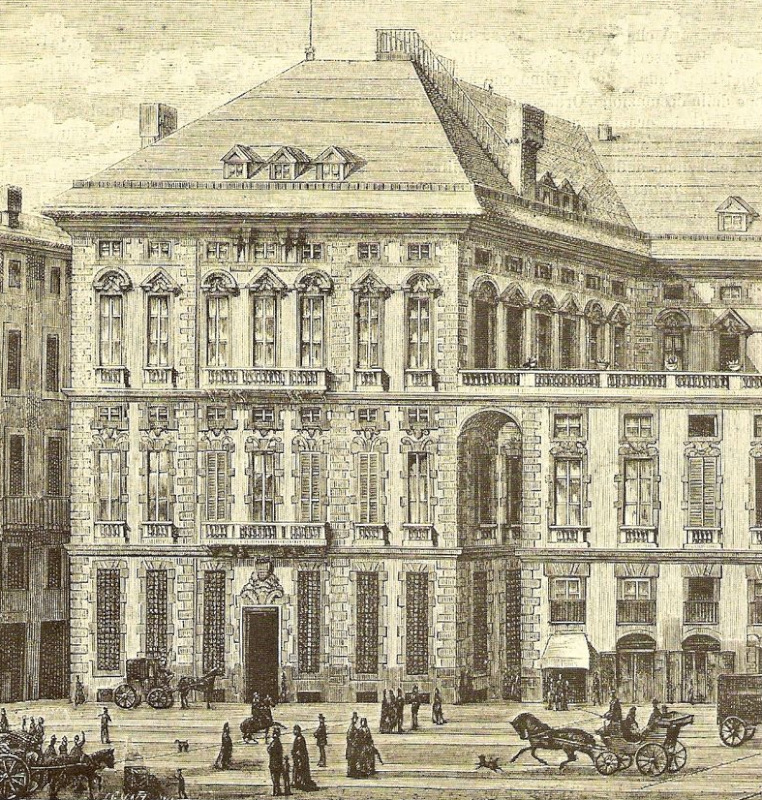
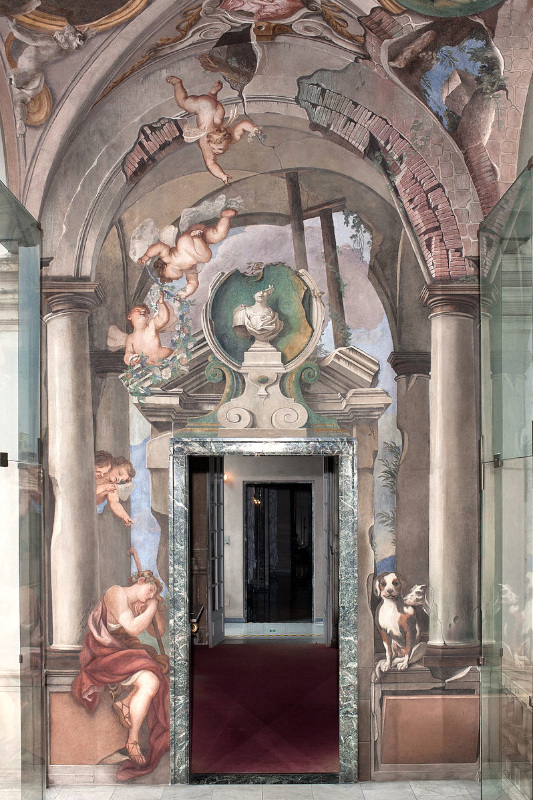
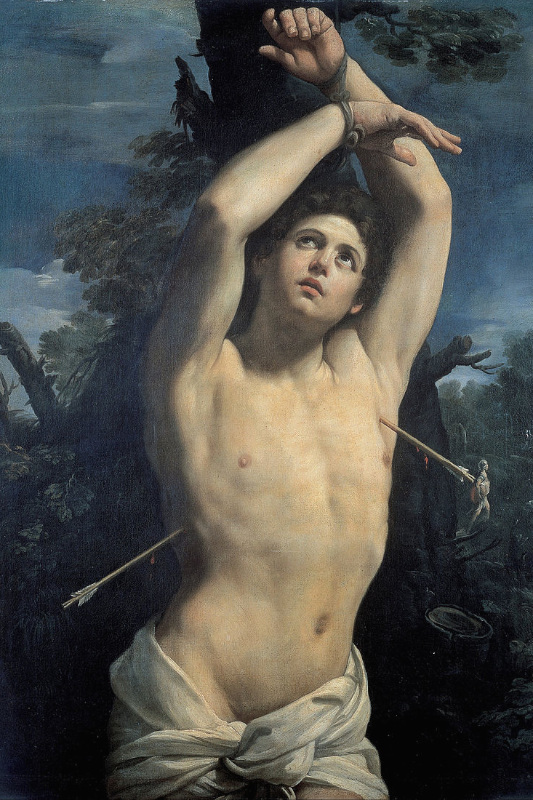
The Palazzo Rosso is a true museum palace adorned with frescoes and stuccos, which preserves historic furniture and, in the gallery, the collections accumulated by the Brignole and Sale families, works from the 15th to the 19th centuries, including canvases by Van Dyck, Veronese or Guercino. From the “miradore” one enjoys a beautiful view of the city.
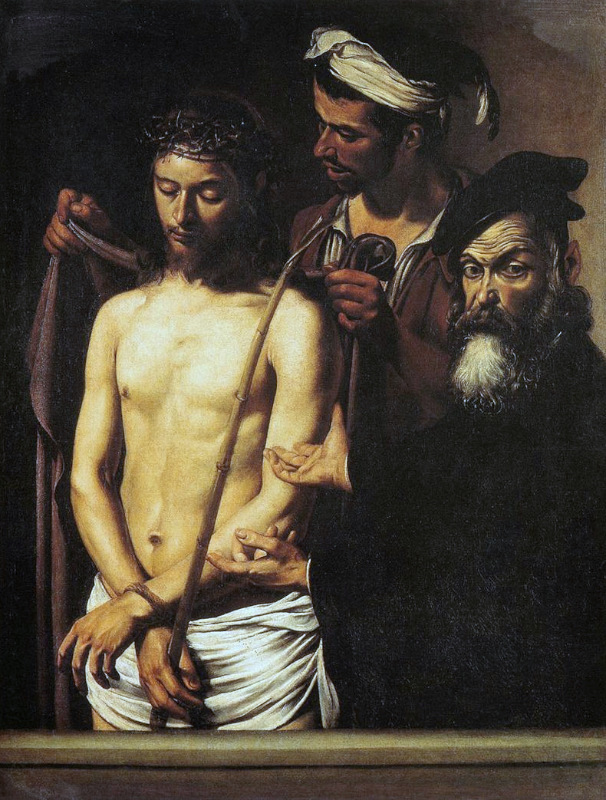
As for the Palazzo Bianco, it houses the main picture gallery of Liguria, with a collection of art in Genoa and Italian painting (including the Ecce homo by Caravaggio), Flemish (Rubens, Van Dyck), Spanish, and others from the 15th to the 18th centuries.
The passage between Palazzo Bianco and Palazzo Tursi goes through the remains of the former San Francesco di Castelleto convent, with tombstones, remains of arches, an archaeological area and a garden with remains of medieval buildings of Genoa.
The Palazzo Doria-Tursi, which is also the City Hall, was the largest private palace. It contains the 18th-century painting section, a collection of decorative art – ceramics, tapestries –, coins and weights of the Republic of Genoa, but also the famous violins of Paganini – famous Genoese violinist and composer – or the sculpture of the Maddalena Penitente by Canova (its plaster cast, approx. 1795).
Gallery
Information
- Official website: www.museidigenova.it
- Tourism portals: www.visitgenoa.it
Map
If you see this after your page is loaded completely, leafletJS files are missing.
- What to see in Liguria
- Genoa
- Cinque Terre
- Sestri Levante
- Lerici, Tellaro and Montemarcello
- Portovenere
- Albenga
- Noli
- Rapallo
- Ventimiglia and Bordighera
- Other places of the Riviera di Levante
- Dolceacqua and Apricale
- From Savona to Arenzano
- Imperia and Cervo
- Finale Ligure and Finalborgo
- Gulf of Paradise – From Bogliasco to Camogli
- Sanremo, Bussana and Taggia
- Seborga, Pigna and Rocchetta Nervina
- Levanto
- From Moneglia to Bonassola
- Santa Margherita Ligure
- Triora, Argentina Valley and Ligurian Alps


Comments