


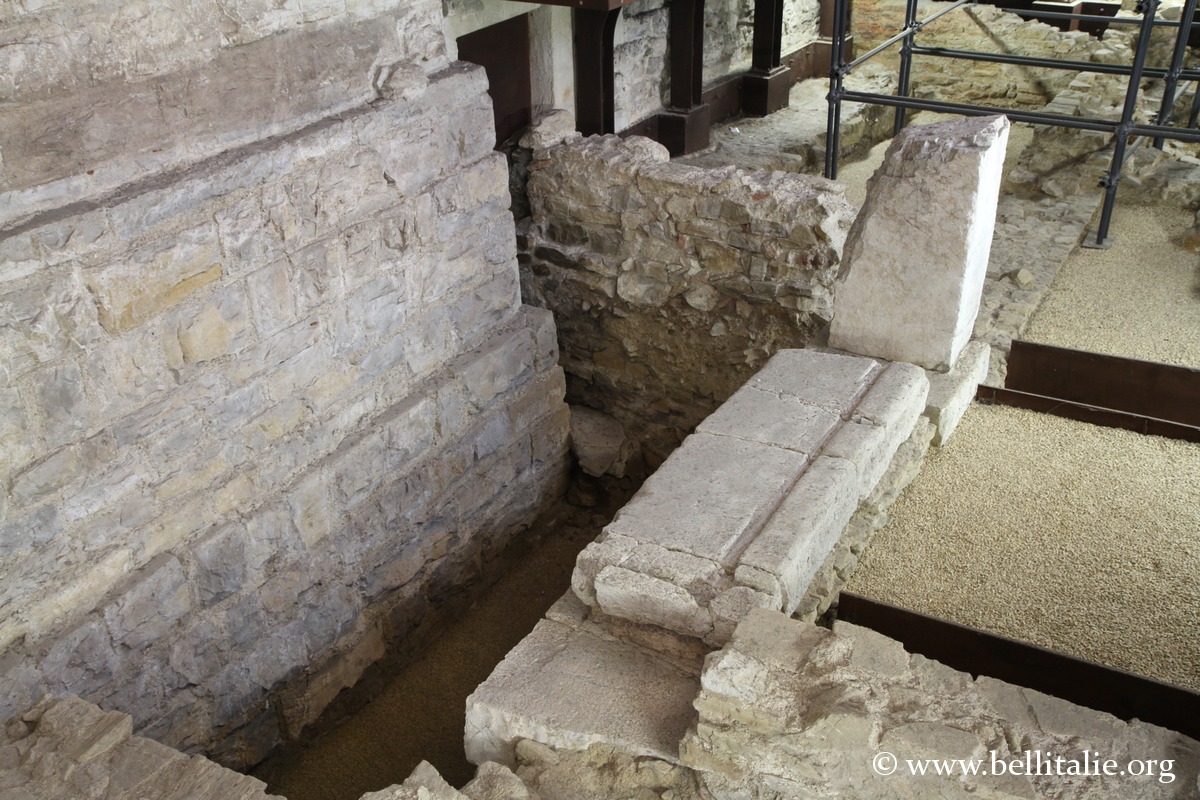
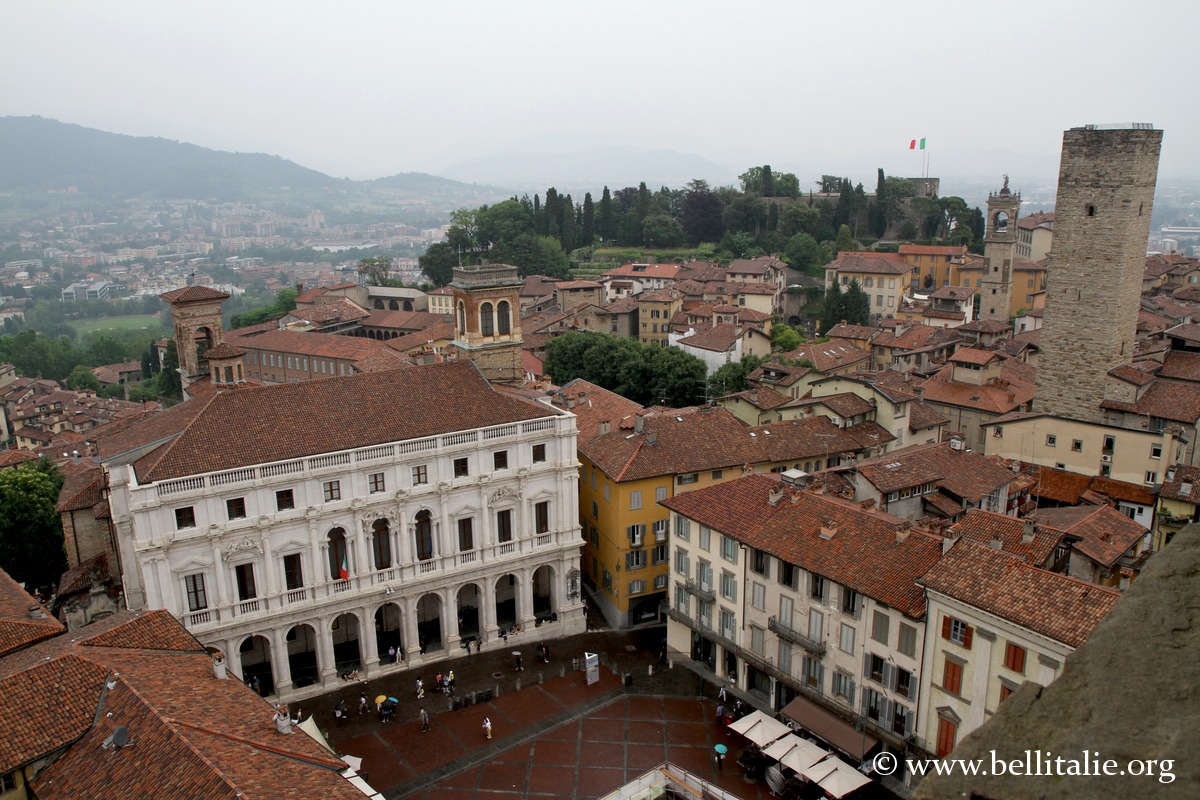
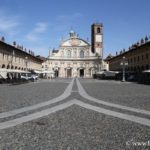
The Piazza Vecchia is the main square of the medieval city of Bergamo (the Città Alta), which was for centuries the seat of political power, built on the same site as the ancient Roman forum.
Its harmony earned it compliments from Le Corbusier during his visit, who considered that every stone was in its place.
The square was laid out from the end of the 12th century, after the construction of the Palazzo della Ragione, and by demolishing the houses from the 14th century onwards.
Description of the square
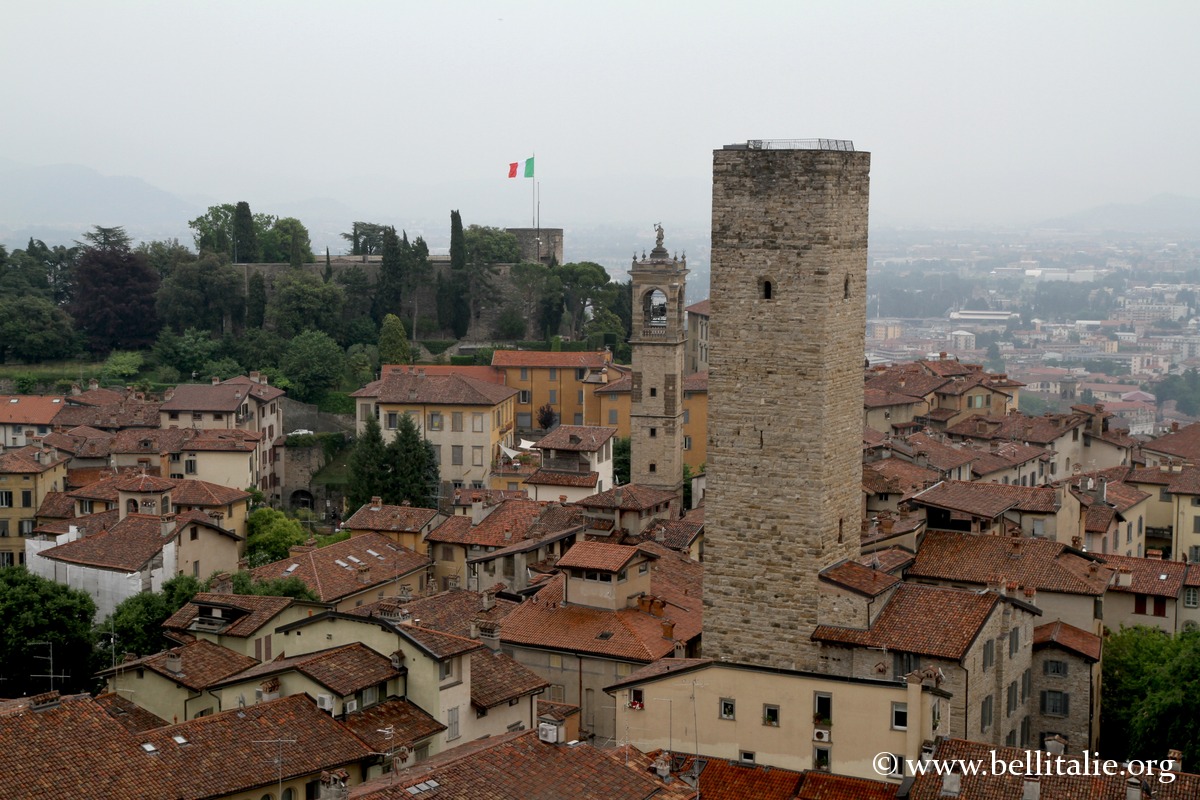
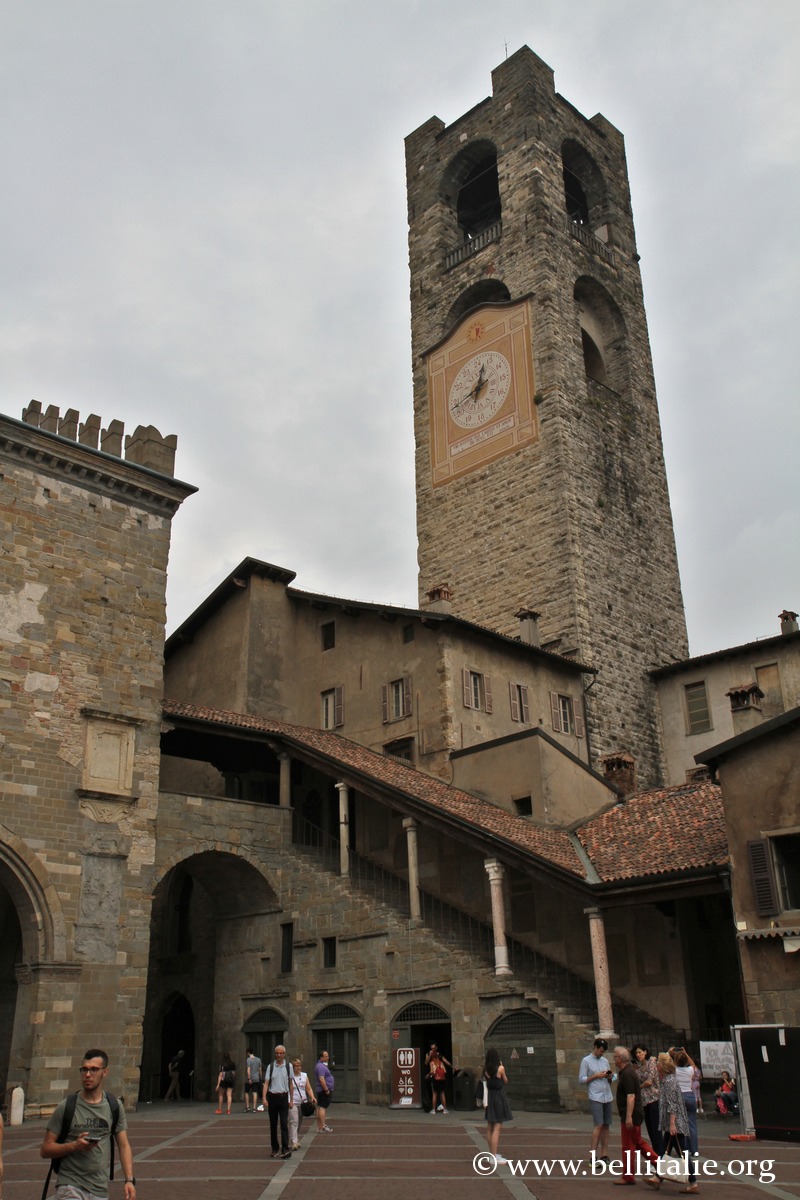
Besides the bars and restaurants that surround it, it is framed by the Torre Civica tower, the 52-metre-high bell tower (whose top can be reached to enjoy the view over the city), erected in the 12th century, the university, the Angelo Mai Library, which houses a fine collection including 600 antique volumes, the Palazzo Nuovo (now the town hall) and the Palazzo della Ragione from the end of the 12th century.
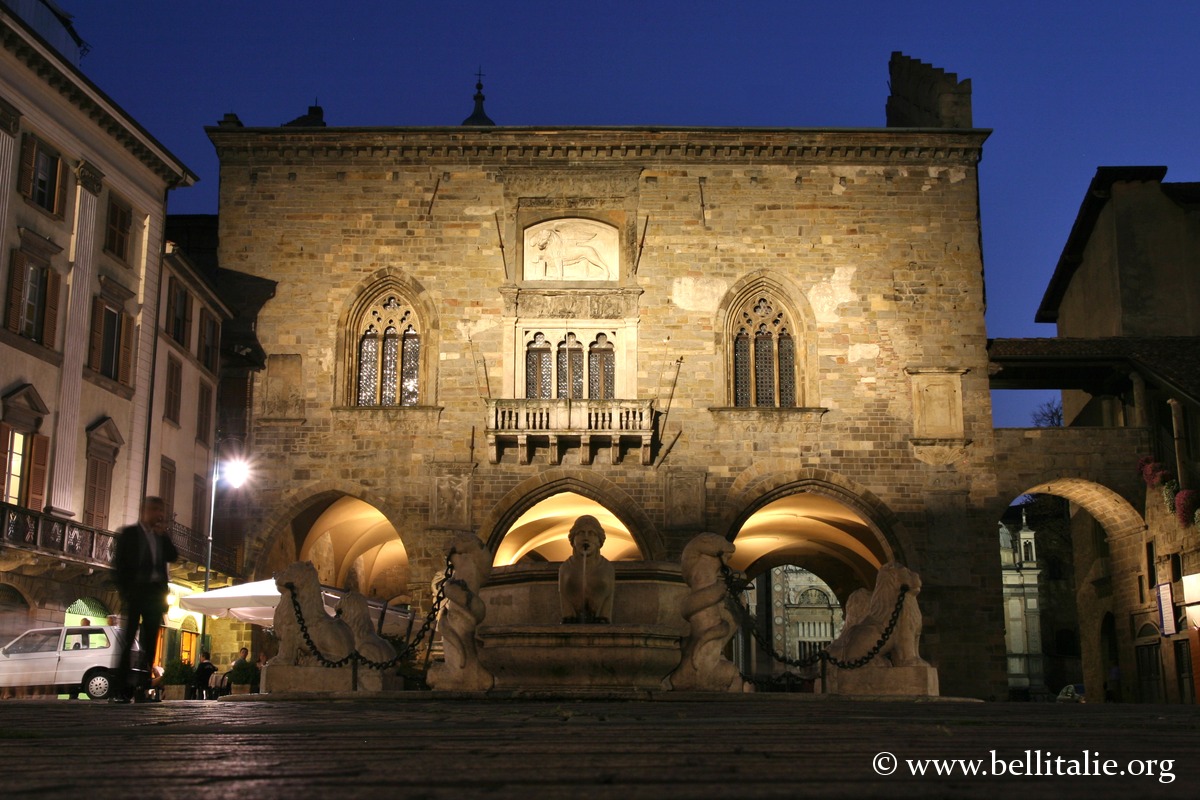
In the centre, the pretty Contarini fountain was installed in 1780, offered to the city by the podestà of Venice to provide easily accessible water for the people of Bergamo. It is decorated with sphinxes beside four lions, symbols of Venice.
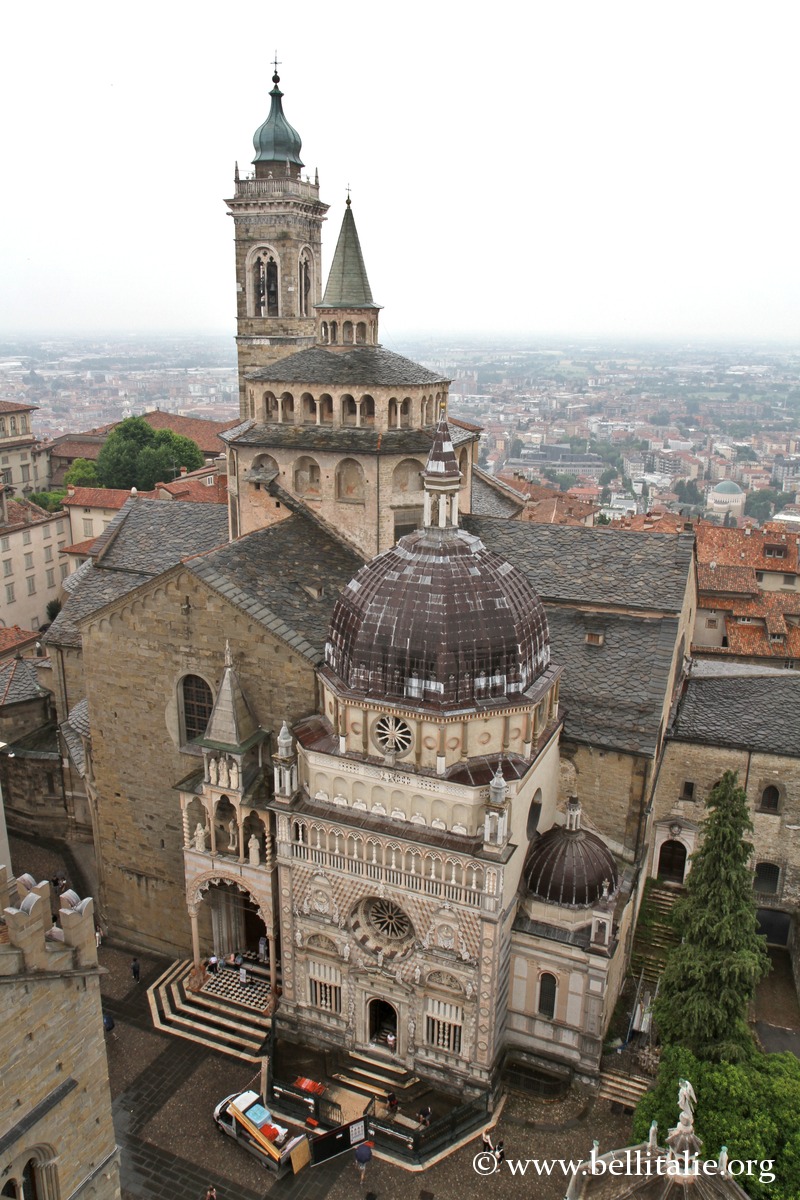
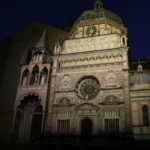
Behind the Palazzo della Ragione is the Piazza Duomo with the cathedral and the Colleoni Chapel built in 1476.
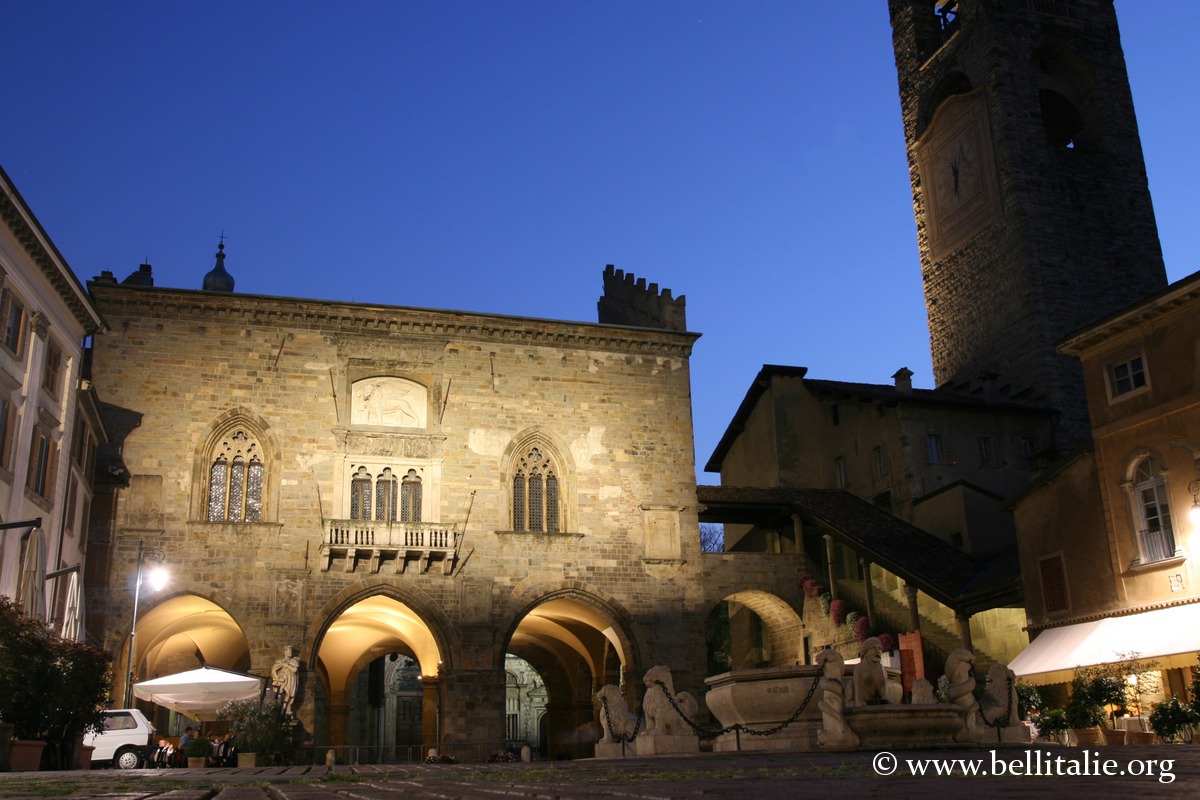
Palazzo della Ragione
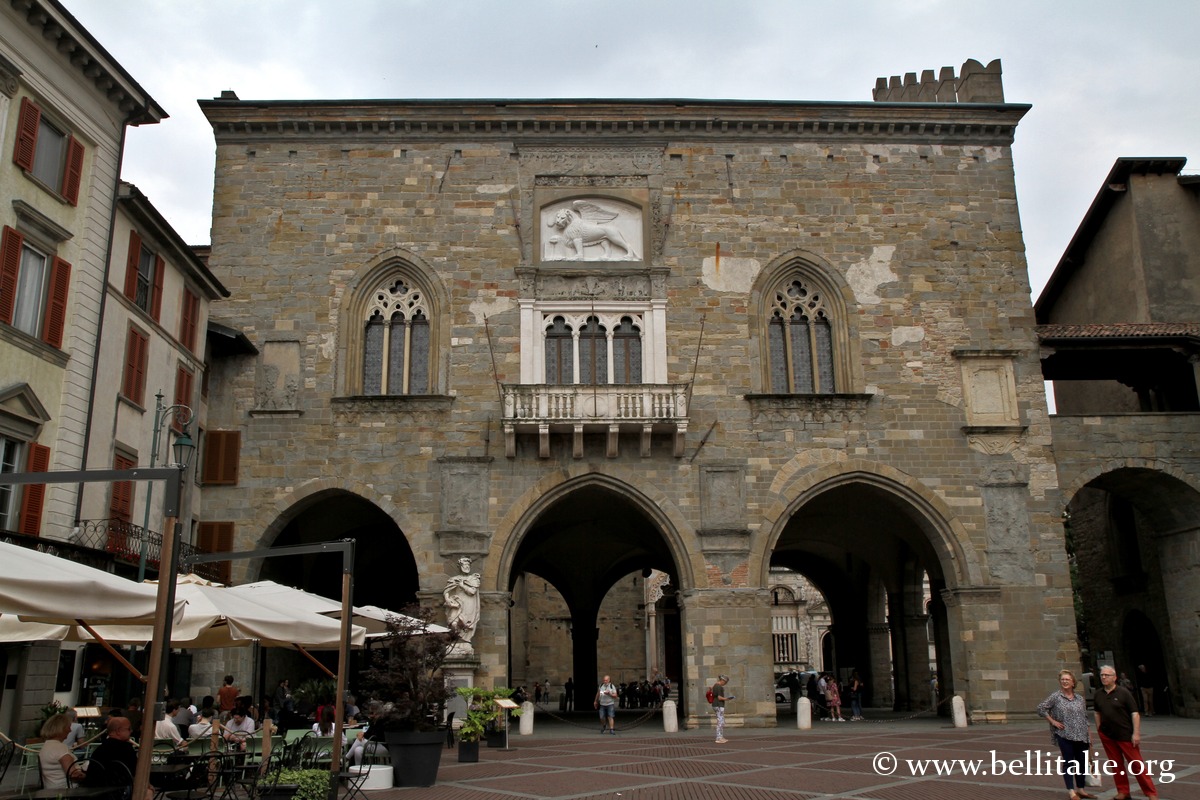
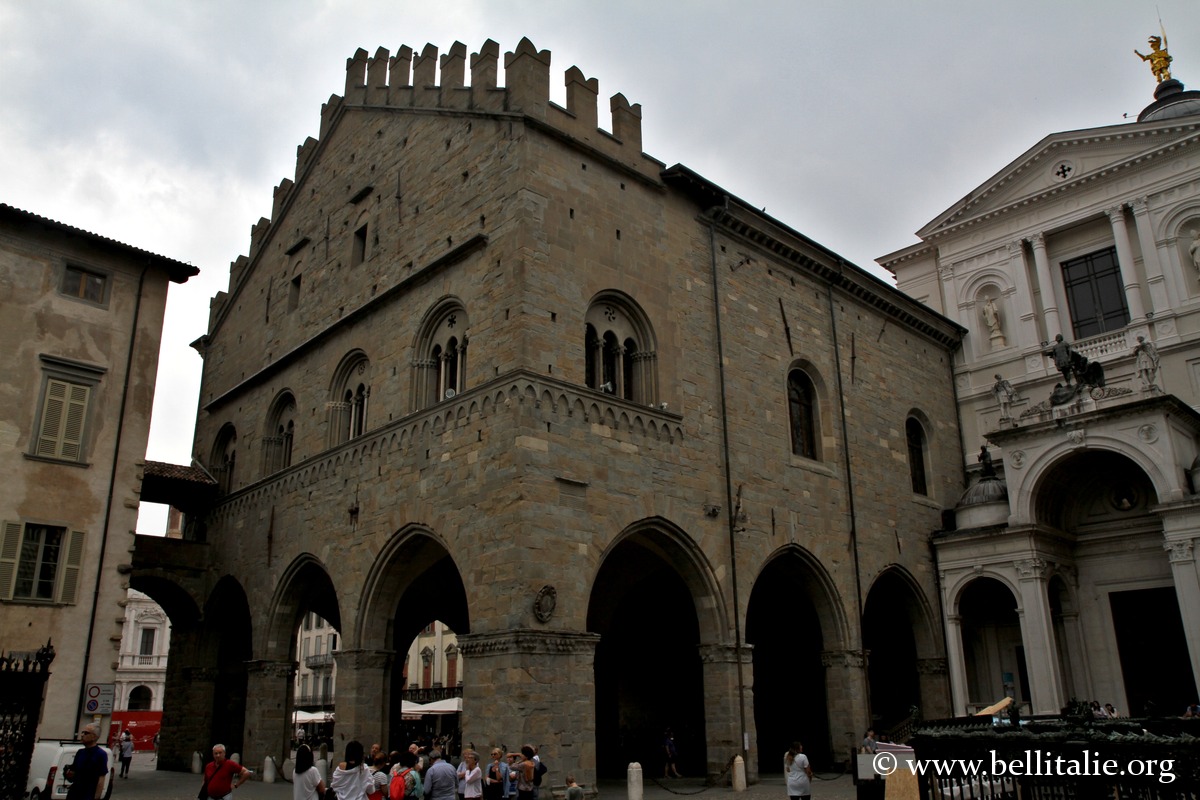
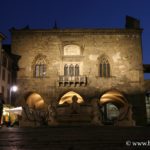
The Palazzo della Ragione is the oldest civil palace in Bergamo, built at the end of the 12th century when the first Lombard communes developed within the Holy Roman Empire.
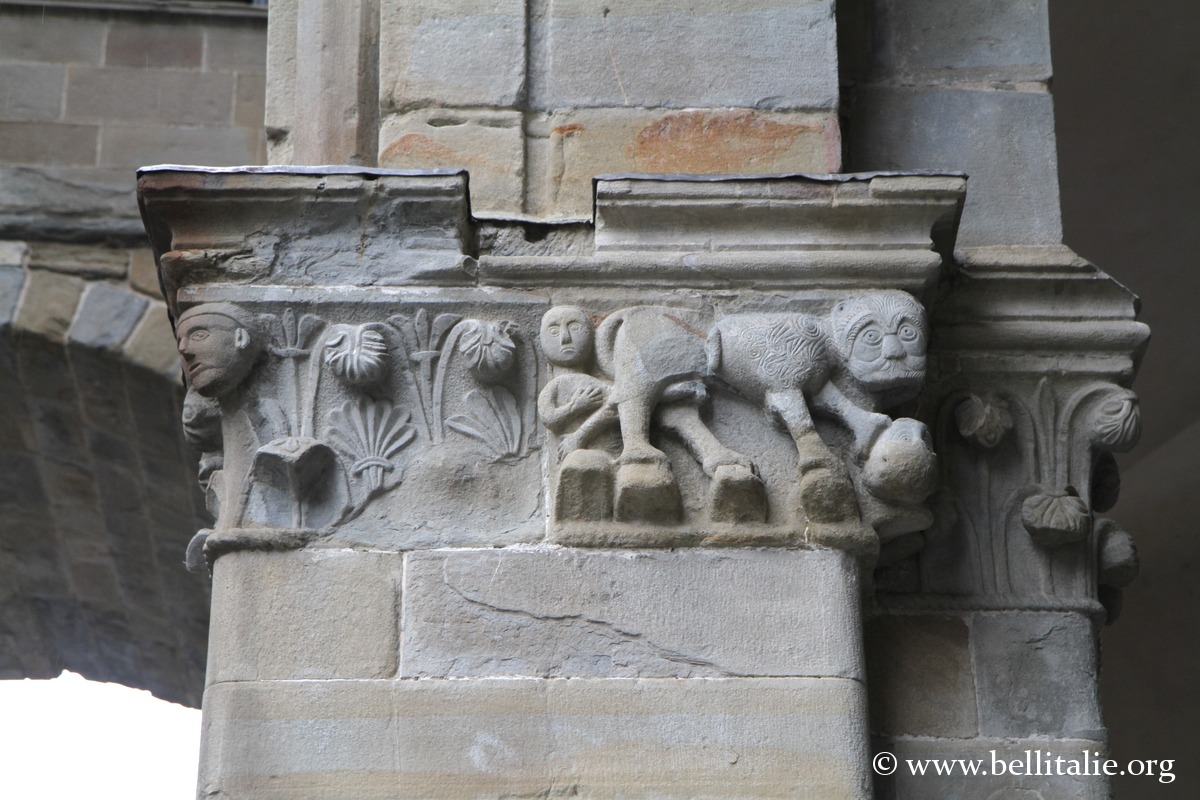
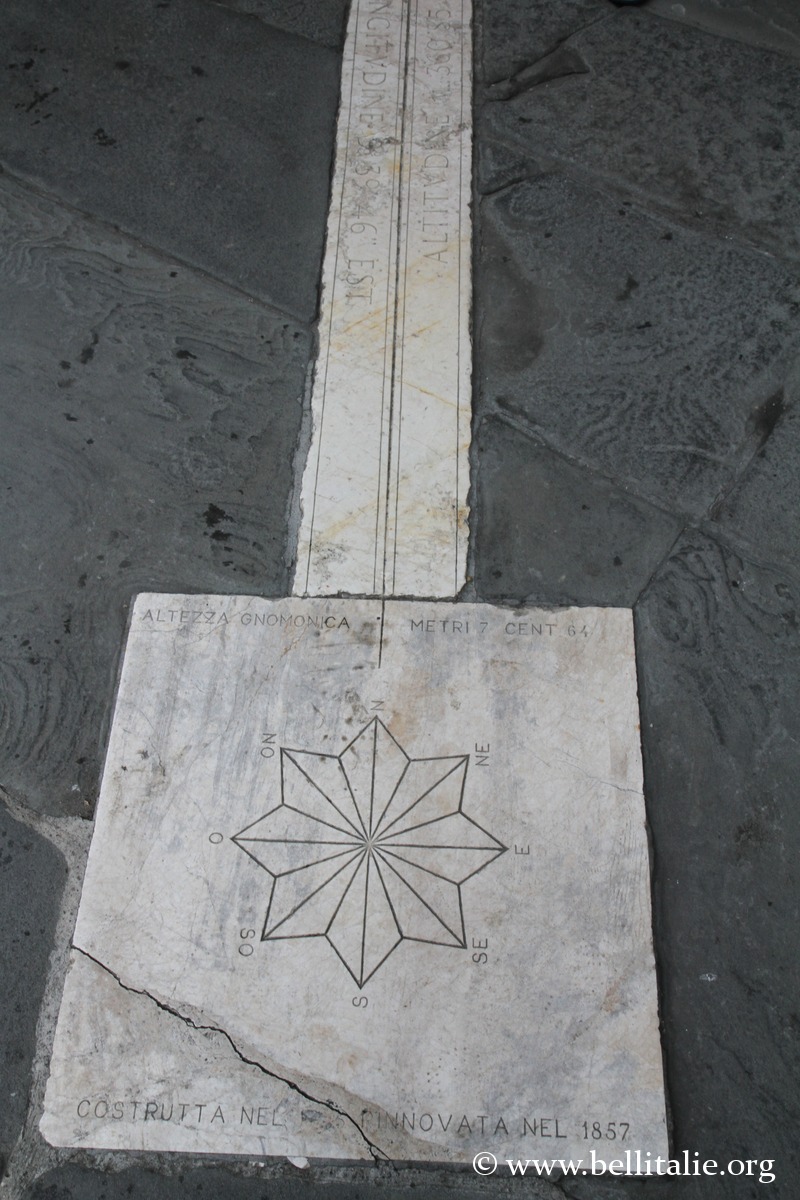
With the arrival of the Venetians in the 15th century, it was transformed into a court of law. Having been rebuilt over the course of history, its current appearance dates from 1540. Its portico separates the Piazza Vecchia from the Piazza del Duomo. Beneath the loggia of the palace, the sundial was installed in 1798 by Abbot Giovanni Albrici. Through a pierced disc, sunlight shines through at true solar noon, also indicating the zodiac sign of the current month.
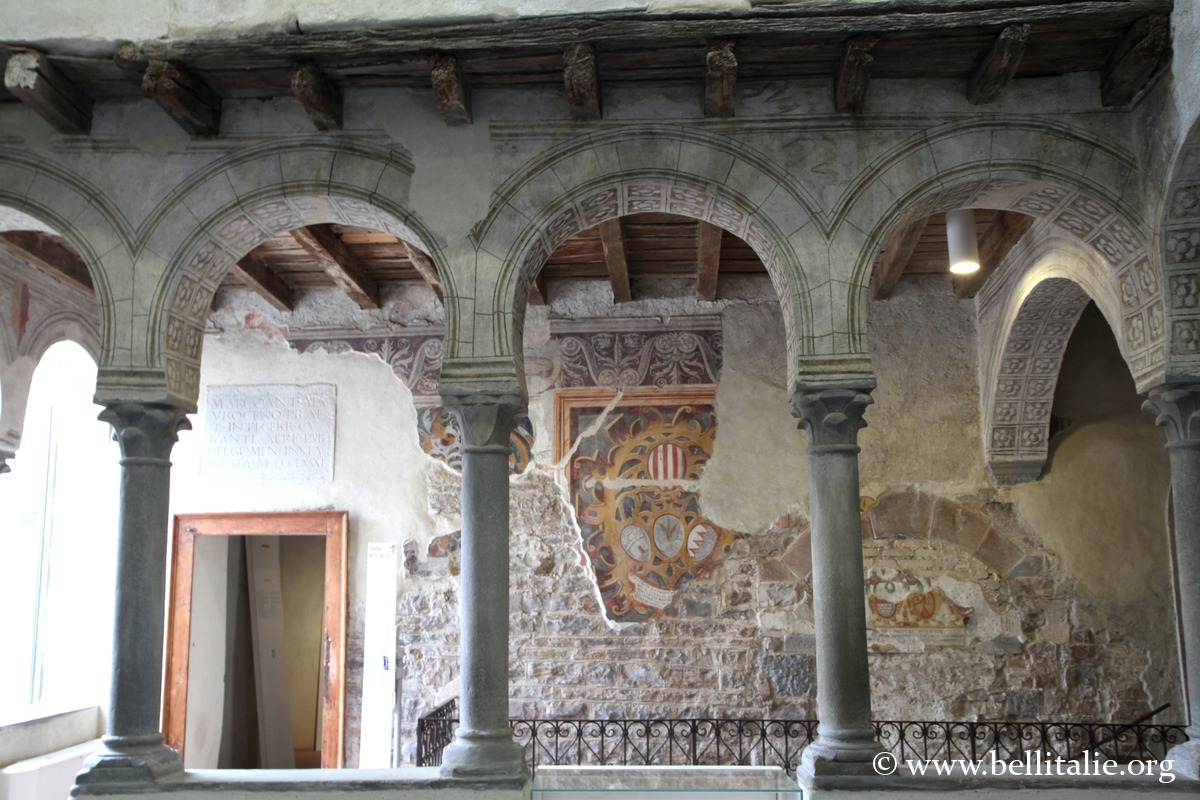
On the first floor of the palace, the splendid Sala delle Capriate overlooks the Piazza Vecchia with its balcony. It houses a collection of frescoes with nearly 100 pieces recovered from the city and its surroundings, including some of those that adorned the façade of the Palazzo del Podestà. Visiting the palace is free, except during exhibitions.
Torre Civica and Palazzo del Podestà
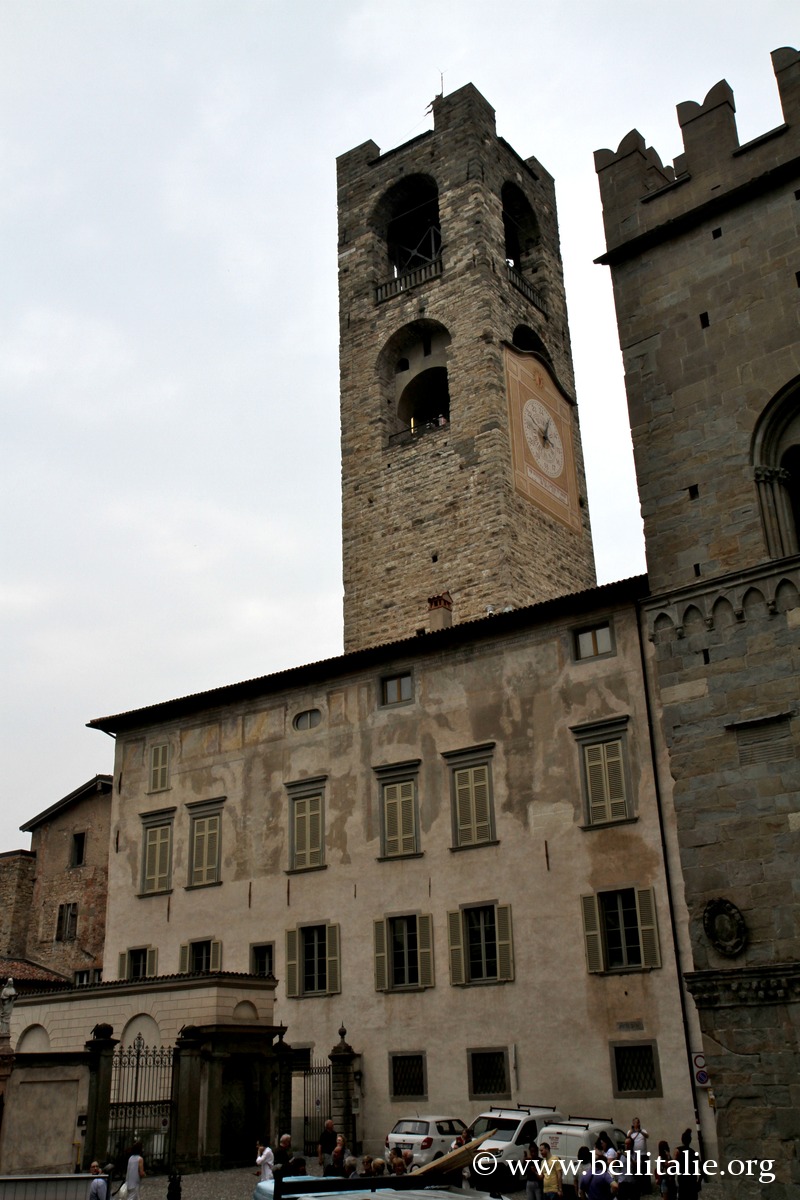
The bell tower dominating the Piazza Vecchia, the Torre Civica, is also called “Campanone” (the great bell tower). Standing 53 metres high, it was erected around the end of the 11th century. Its bells still ring 100 times at 10 p.m. and have done so for more than 350 years to warn of the closing of the gates of the Upper Town. The latter are of course still open today, at least until the next war. Built by the Suardi-Colleoni family, like the adjoining Palazzo del Podestà, it originally measured 38 metres in height. It was raised in the 16th century by the municipality, adding the bell chamber and the clock. You can go up either by taking the stairs and offsetting a little of the local feasting, or by the lift to burn off your winter fat.
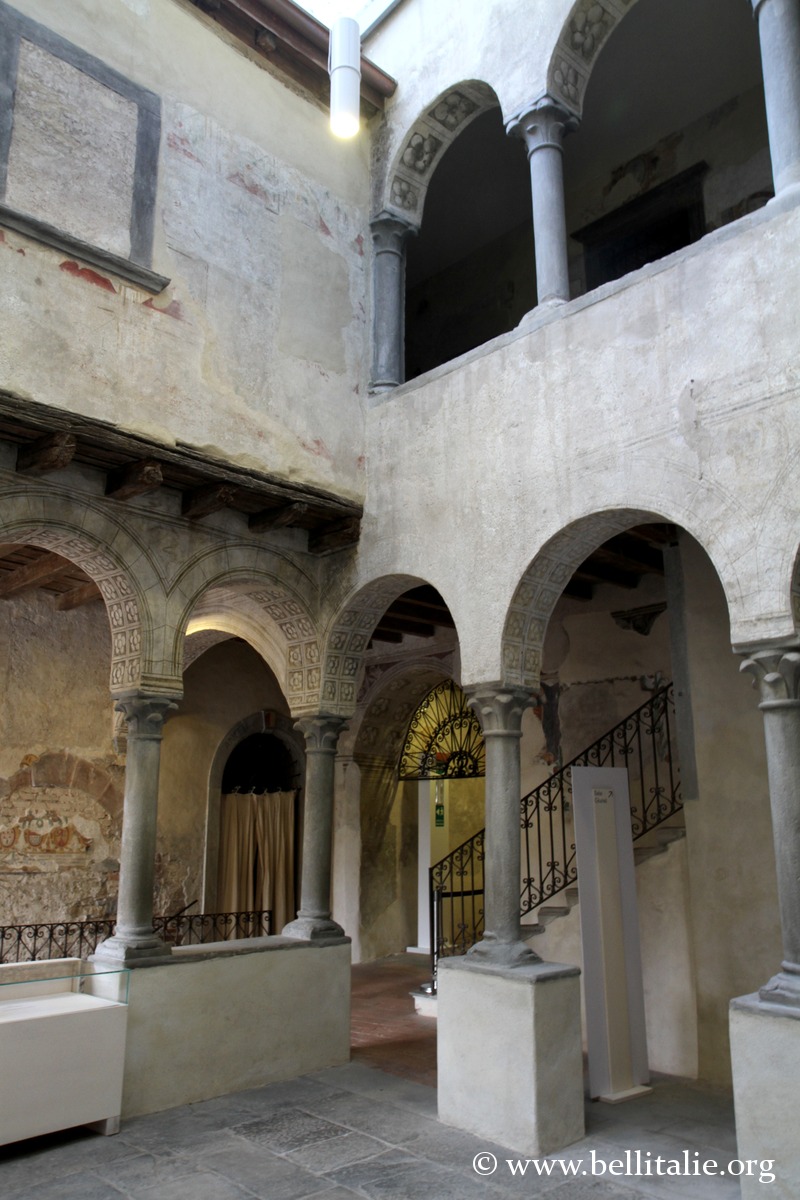
The adjoining Palazzo del Podestà was often remodelled. Today it houses a museum on the history of Bergamo. On its façade, Bramante had painted seven philosophers, the only fragment of which is kept in the Palazzo della Ragione.
Information
- Article Wikipedia
- Tourism portals: www.visitbergamo.net
Map
If you see this after your page is loaded completely, leafletJS files are missing.





Comments