


On the Piazza Duomo of Bergamo stands the most important religious building in the city, the Basilica of Santa Maria Maggiore (Basilica di Santa Maria Maggiore in Italian), whose construction was begun in the 12th century. The small octagonal baptistery located on the western side was built in 1340 by Giovanni da Campione.
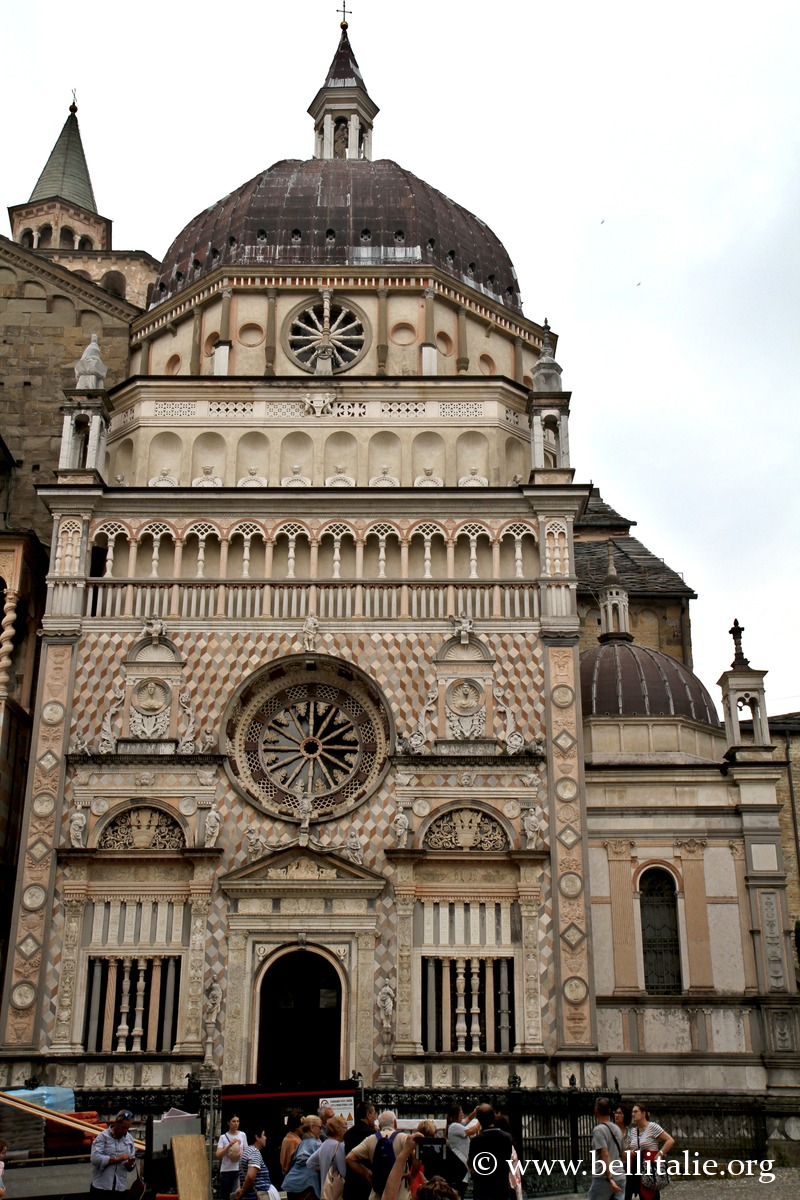
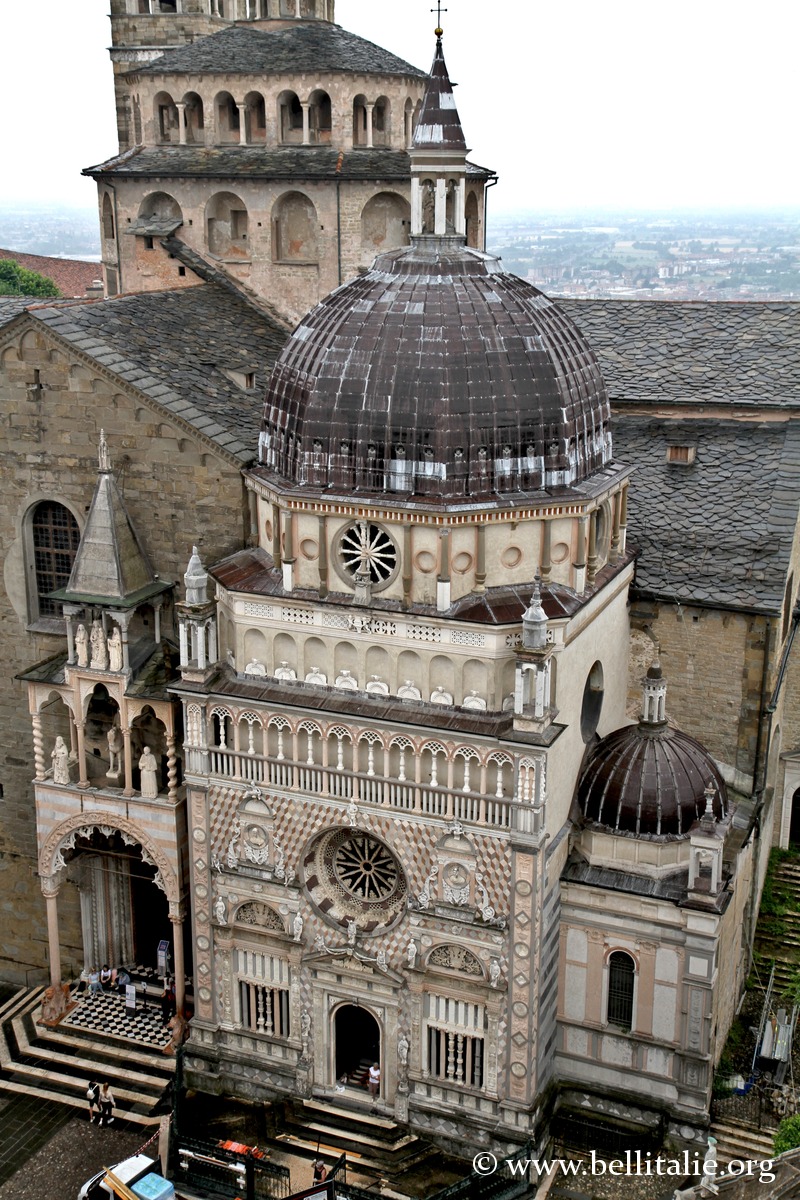
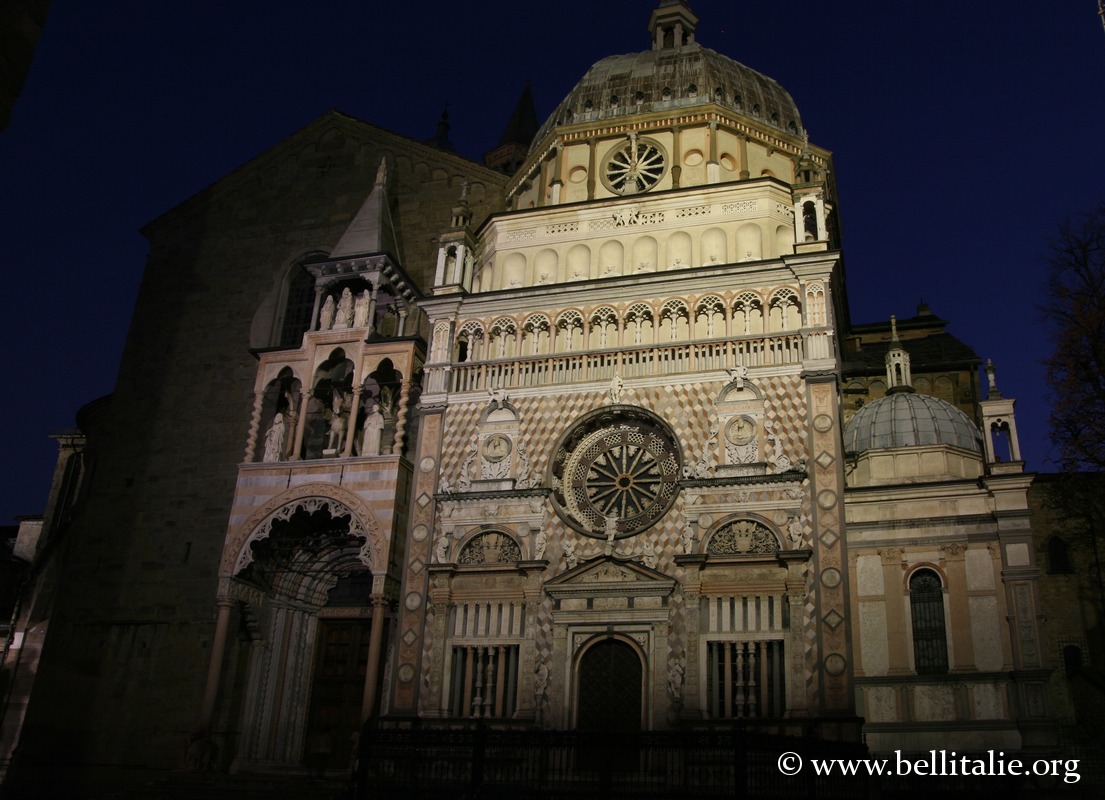
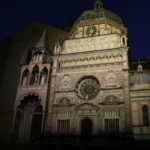
The splendid Colleoni Chapel (1472-1476), which is attached to the basilica, was built by the architect Giovanni Antonio Amadeo on the commission of the famous condottiere Bartolomeo Colleoni. It is a remarkable building of the Lombard Renaissance.
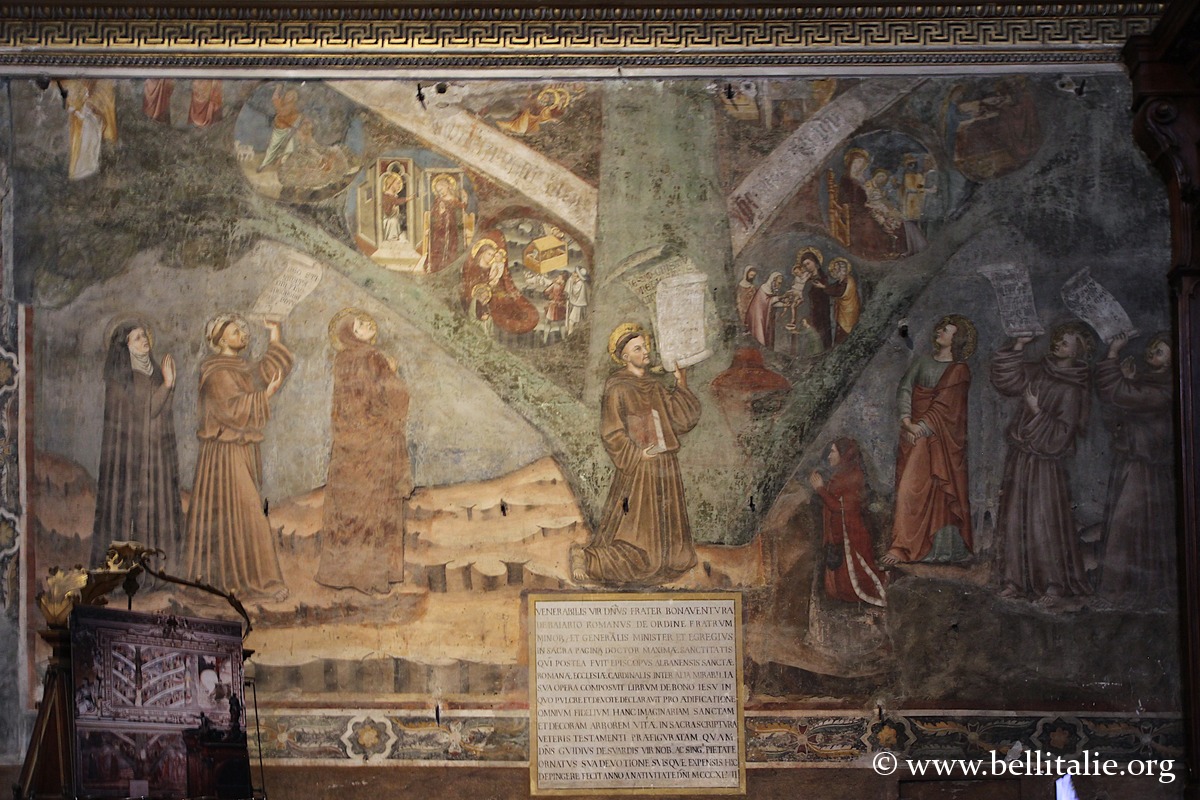
Basilica of Santa Maria Maggiore
The Church of Santa Maria Maggiore was built from 1137 following a vow made by its inhabitants in 1133 to ward off the plague epidemic. The works spanned a total of nearly five centuries.
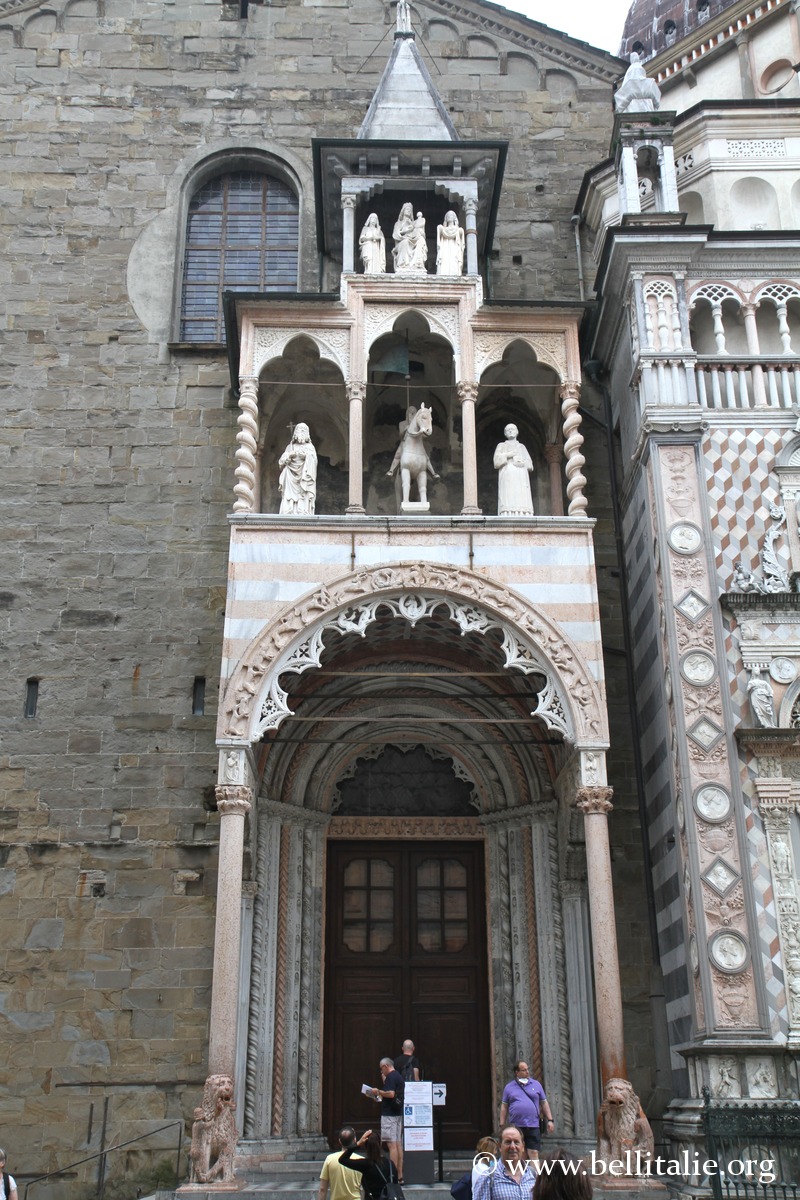
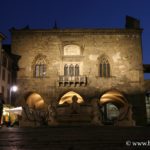
It has a central facade in Romanesque style, particularly sober and without a central portal. One therefore enters through the side portals. The one located on the north side is called the “portal of the red lions” because of the two red lions supporting the columns of the porch, whereas the south entrance is instead designated as the “portal of the white lions”.
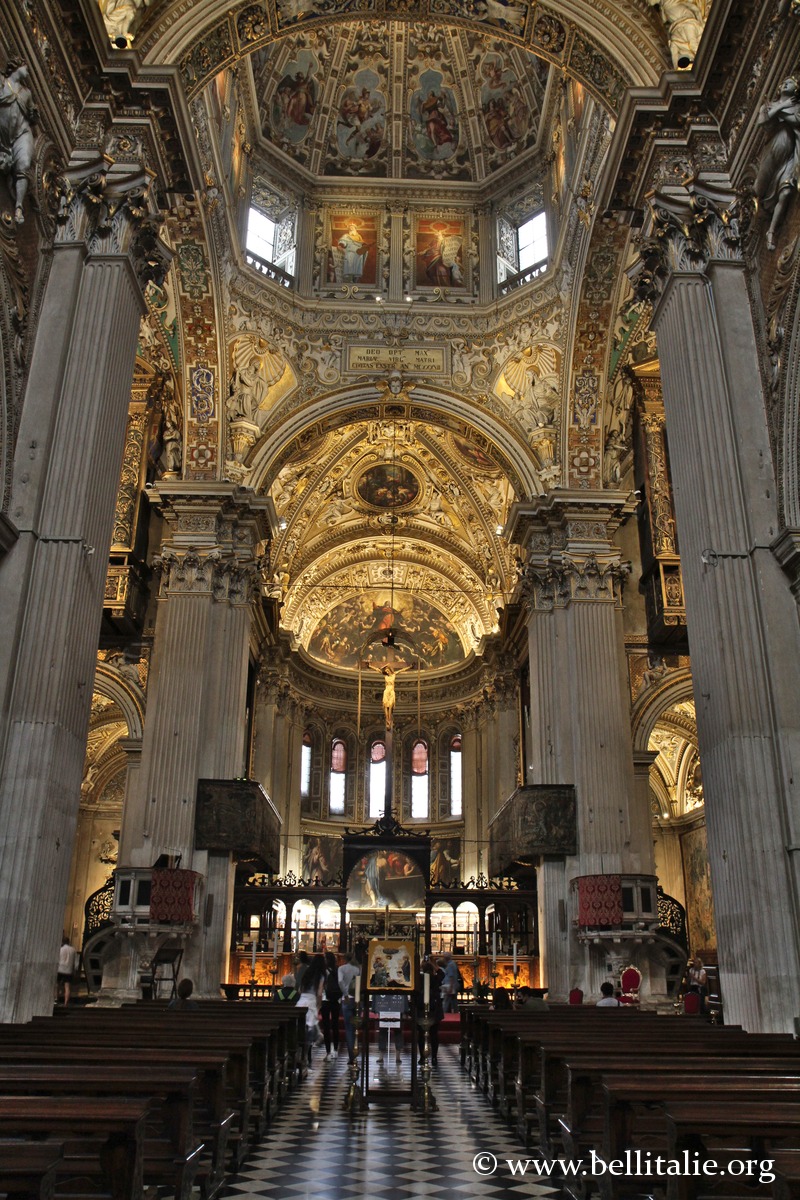
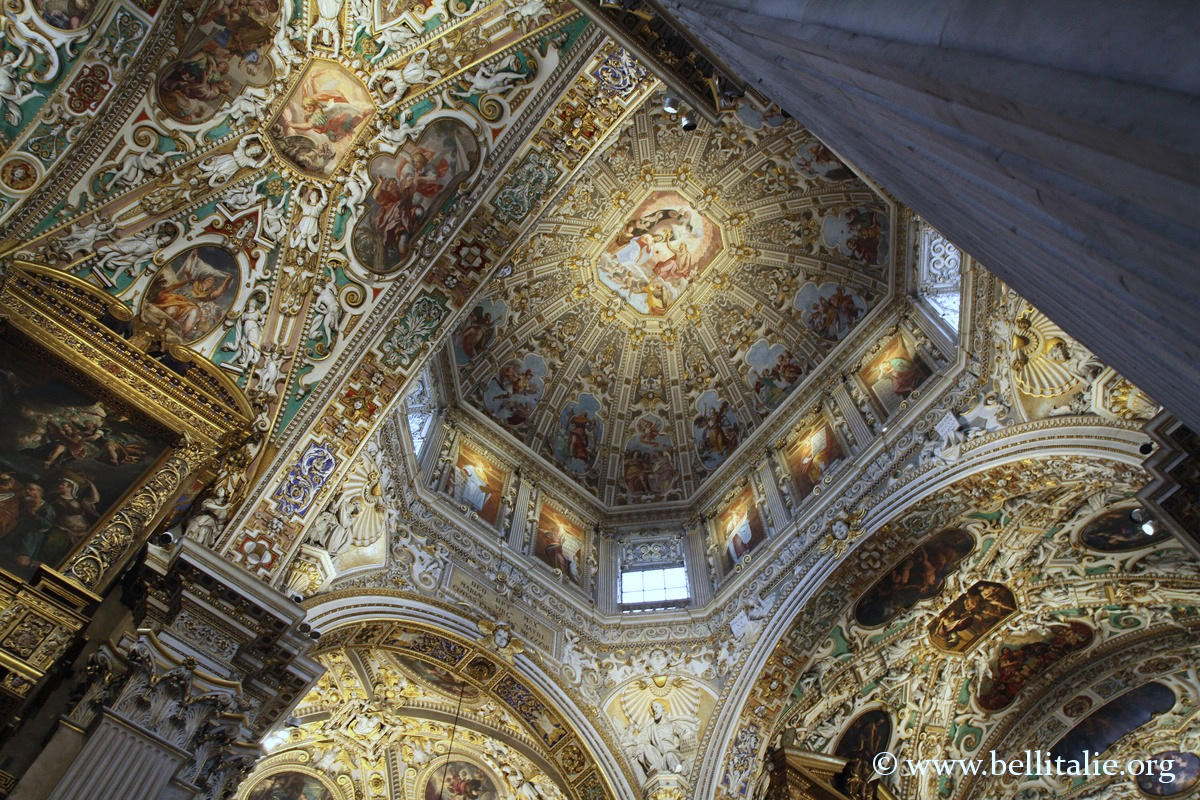
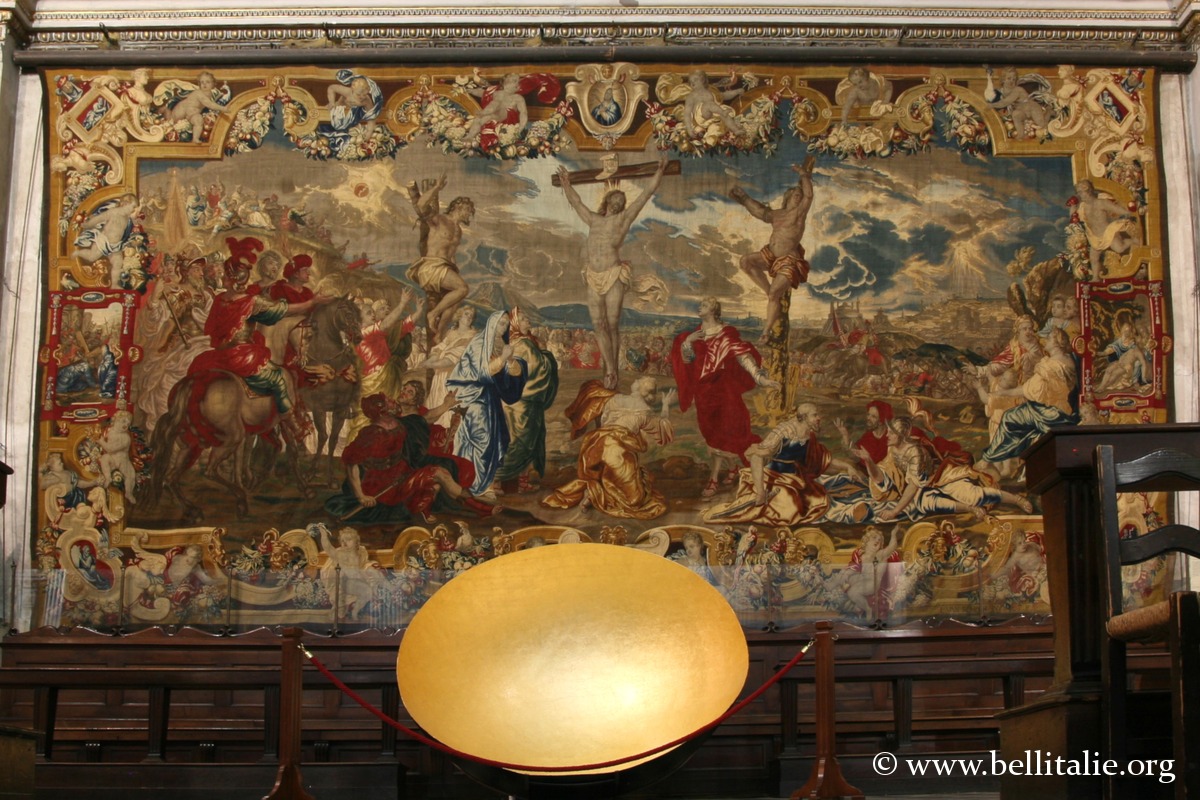
The interior of the basilica is rich in Baroque decorations with its paintings and stuccoes, a beautiful crucifixion by Ludwig van Schoor, the crossing of the Red Sea by Luca Giordano, the funerary tombs of Gaetano Donizetti and Simone Mayr, and above all the choir with 16th-century marquetry devised by Lorenzo Lotto.
Colleoni Chapel
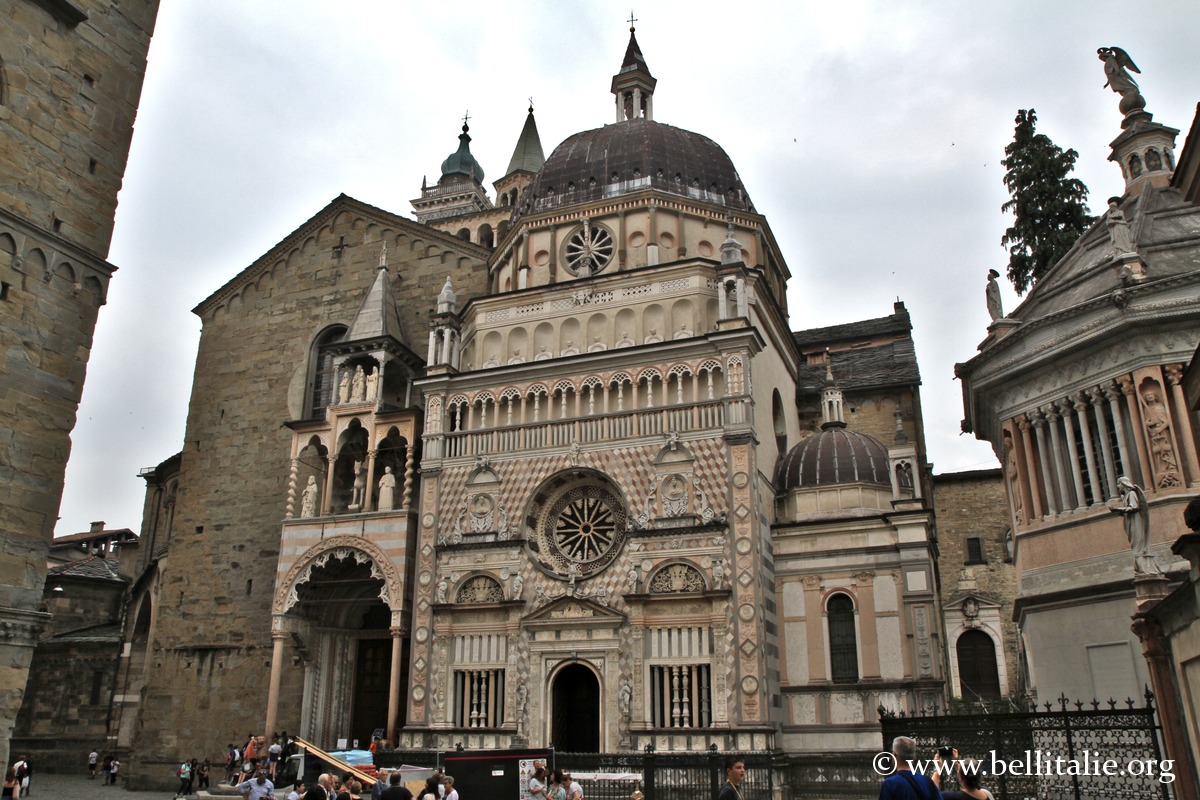
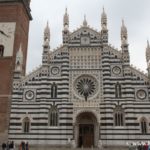
Next to the basilica, the Colleoni Chapel was built between 1470 and 1476 at the initiative of Bartolomeo Colleoni, a mercenary captain, known as condotierre in Italian, to make it his mausoleum.
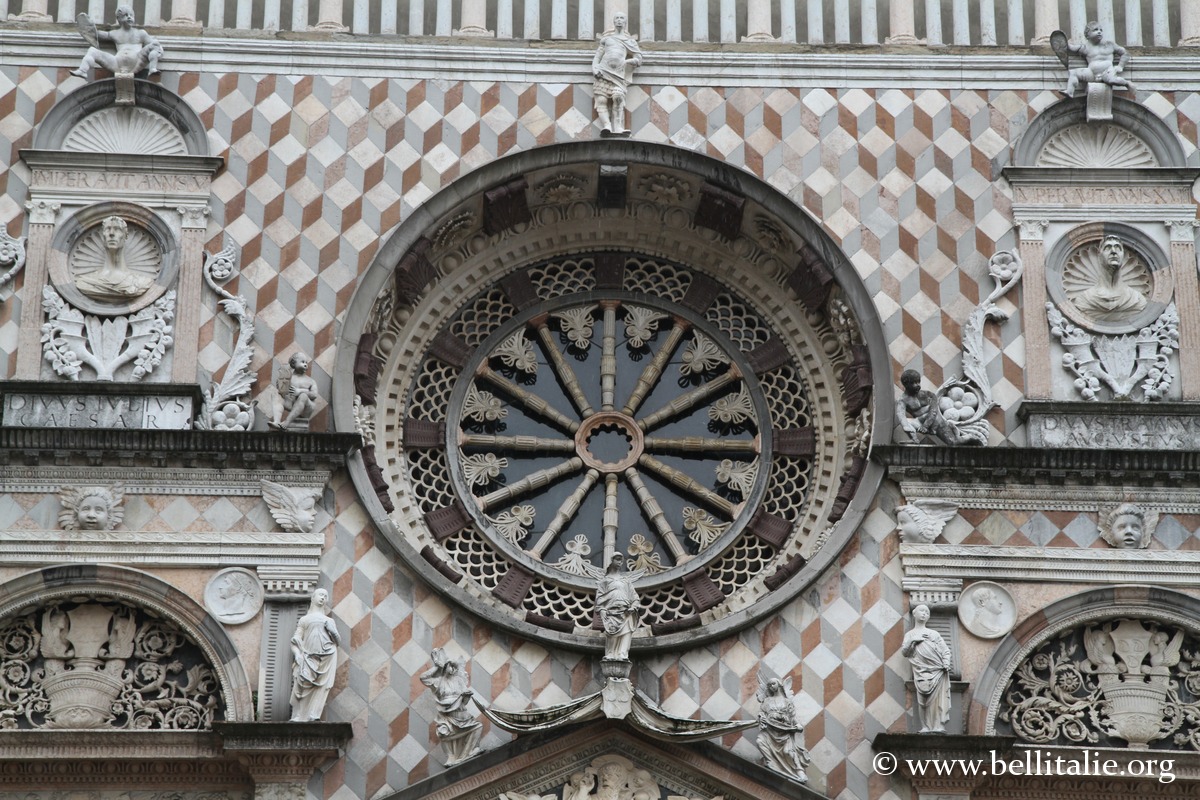
It is one of the most important works of the Italian Renaissance. Its very beautiful facade stands out in particular with polychrome lozenges, or a rose window flanked by two niches occupied by the busts of Caesar and Trajan. Inside, the frescoes of the dome are the work of Giambattista Tiepolo. One notices in particular the Tomb of Colleoni with the equestrian statue of the condotierre in gilded wood and its two sarcophagi, as well as the tomb of his daughter Medea.
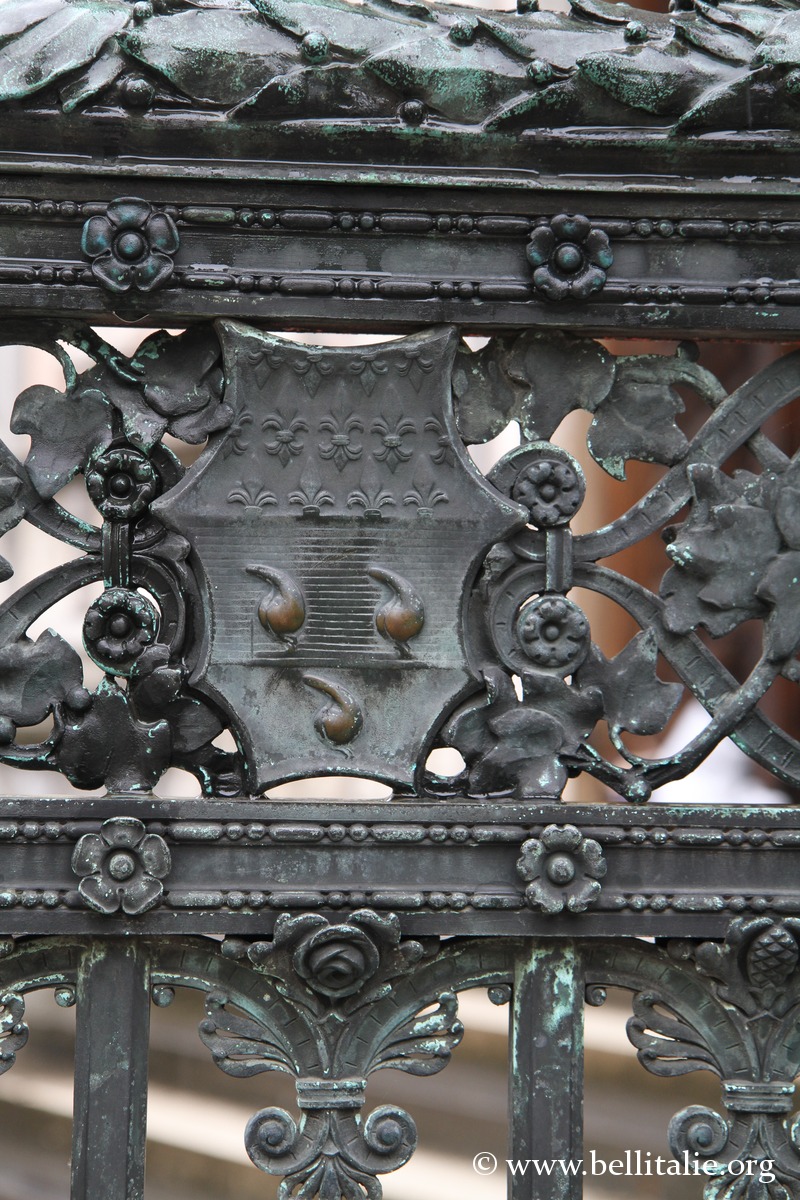
Inside and on the exterior grille, one can see the coat of arms of the Colleoni, where the three curious commas in fact represent testicles, highlighting the virility of the figure without bothering with nuance.
Long sought without success, the body of Bartolomeo Colleoni was only found in 1969. It was in fact not kept in one of the two sarcophagi, but in the cornice that adorns the monument.
Information
- Wikipedia articles: Colleoni Chapel, Santa Maria Maggiore
- Tourist portals: Colleoni Chapel on visitbergamo.net, Santa Maria Maggiore on visitbergamo.net
Map
If you see this after your page is loaded completely, leafletJS files are missing.




Comments