

The Montferrat (Monferrato in Italian) is divided into several regions, with the Lower Montferrat to the north of the provinces of Asti and Alessandria, the Montferrat of Asti to the west, the Casalese Monferrat on the plain of Casale Monferrato, and the Upper Montferrat in the foothills of the Ligurian Alps to the south.
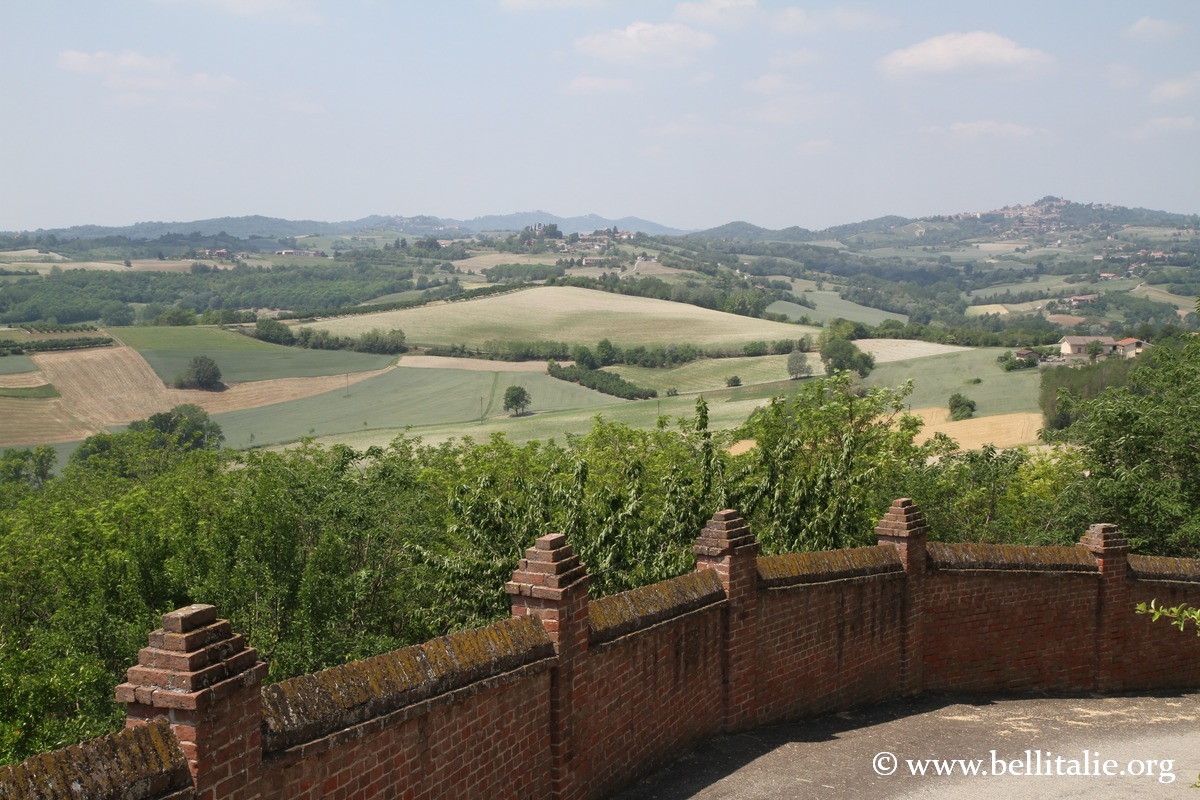
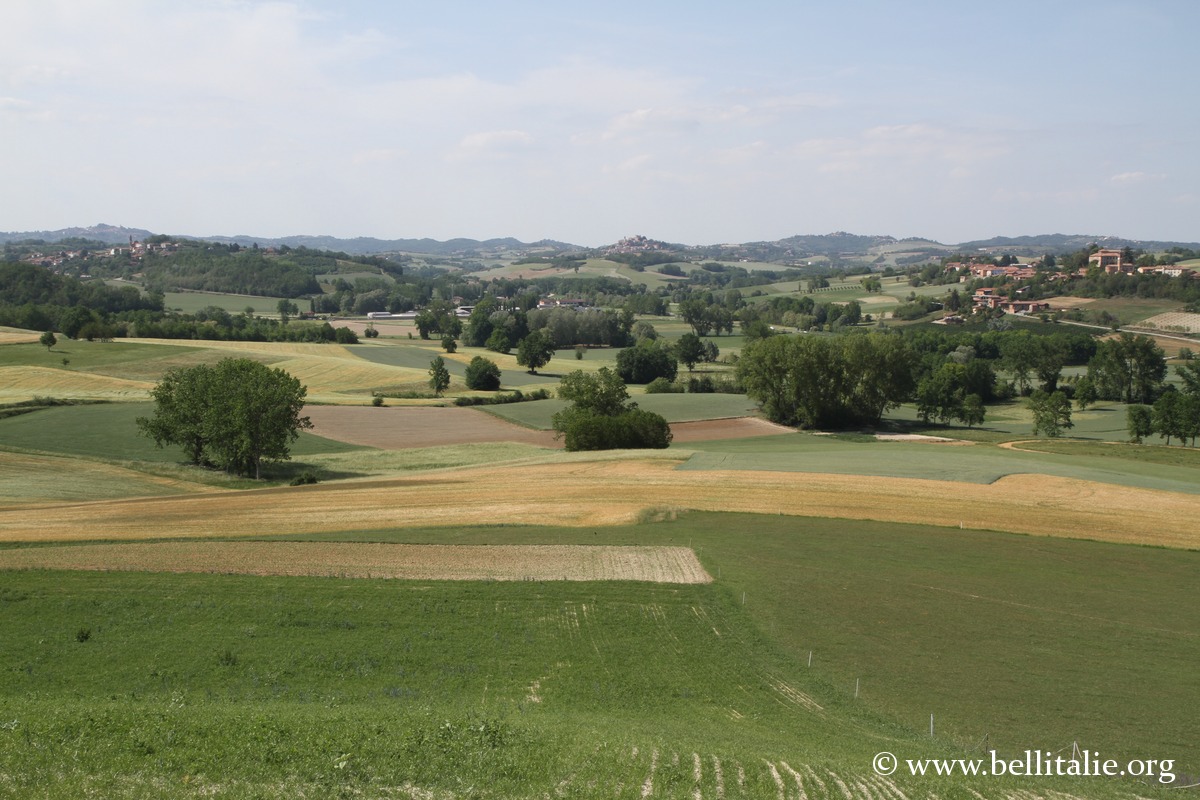
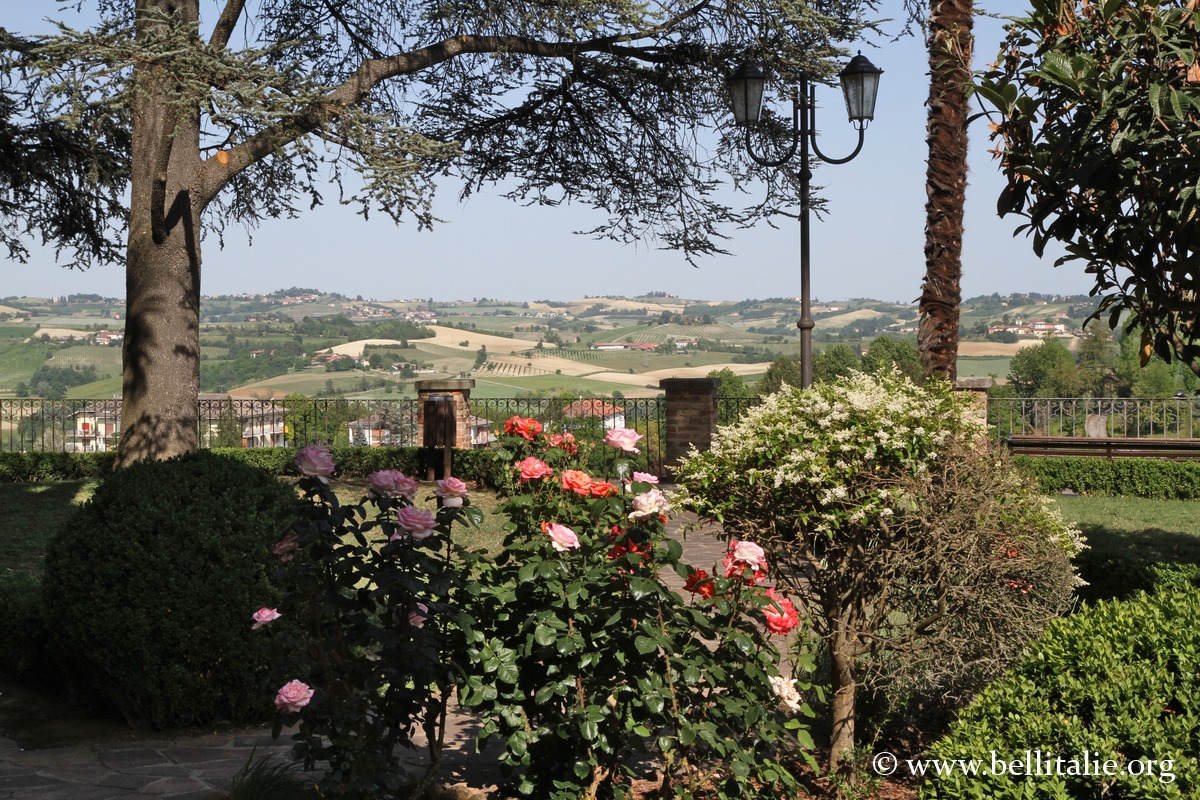
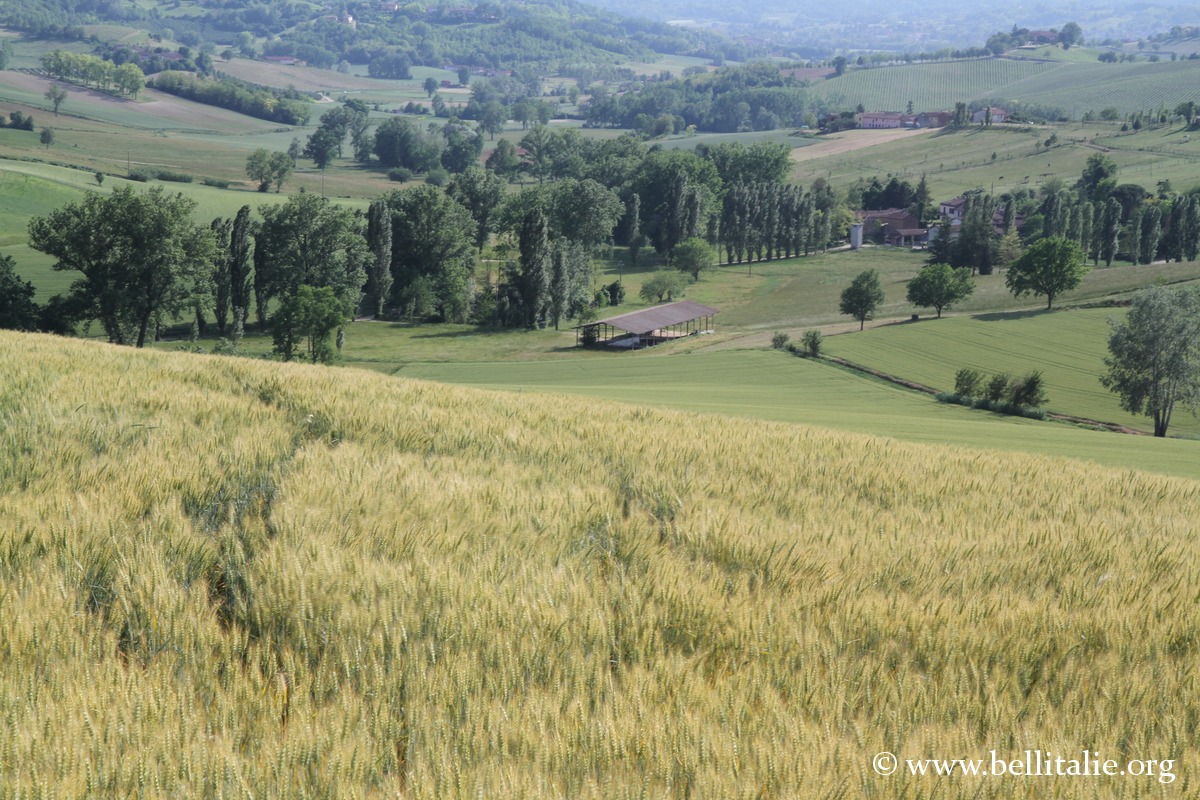
We focus here on the Montferrat of Asti and the Lower Montferrat, a charming wine-growing region of verdant hills, which deserves to be better known, although its tranquillity and authenticity preserved from mass tourism are also appreciated.
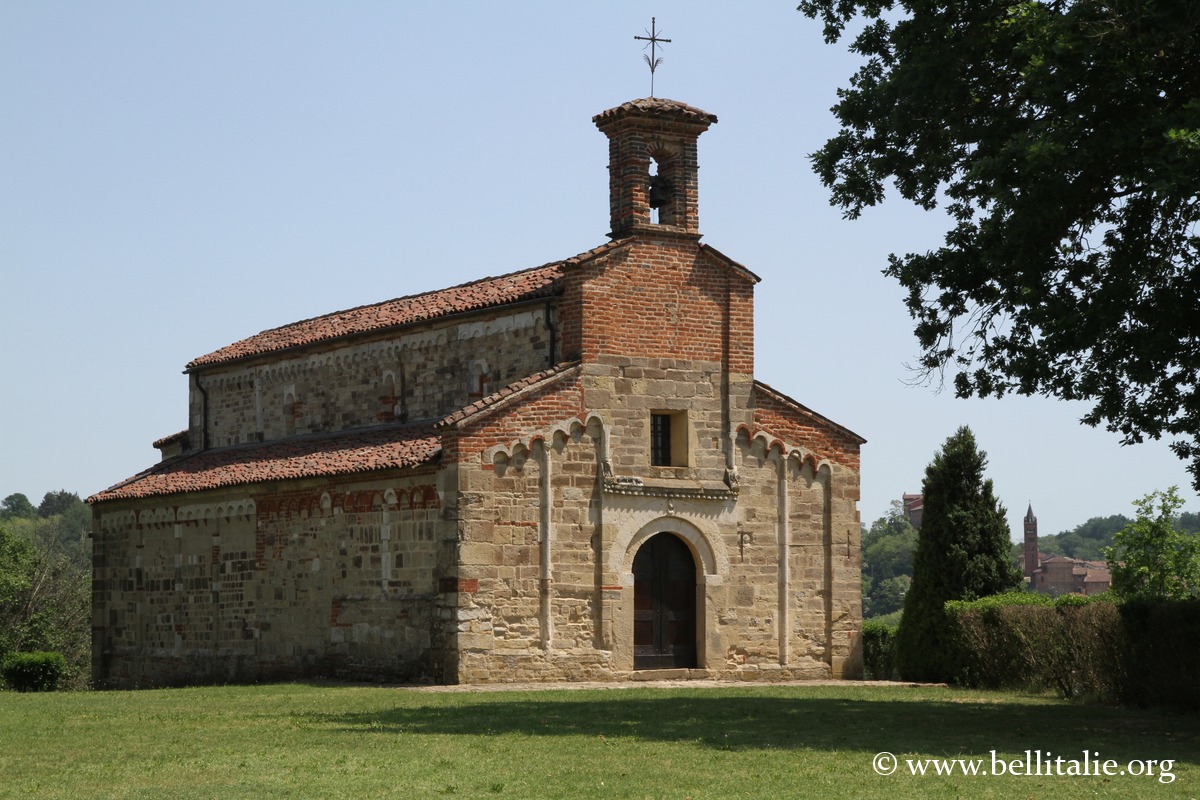
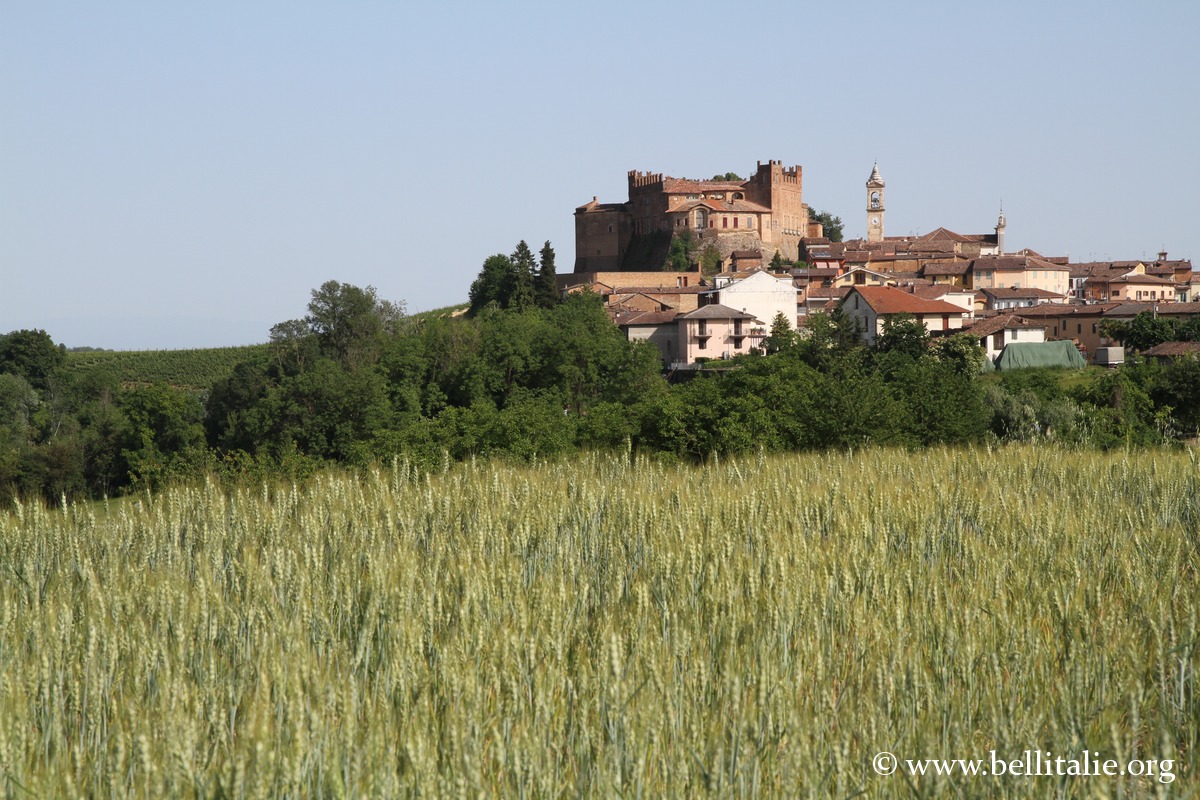
One sees many charming brick villages on the tops of small hills surrounded by vineyards, many beautiful isolated Romanesque churches and a fairly considerable number of castles. Very easily accessible and uncrowded, the region can for example be discovered by cycling along the “panoramic route”, but also by discovering its delicate wines (Barbera, Dolcetto or Ruchè for the reds, Cortese di Gavi for the white, Monferrato Ciaret for the rosé, etc.), the local white truffles, and even grappa, whose nerve centre of production is Altavilla Monferrato.
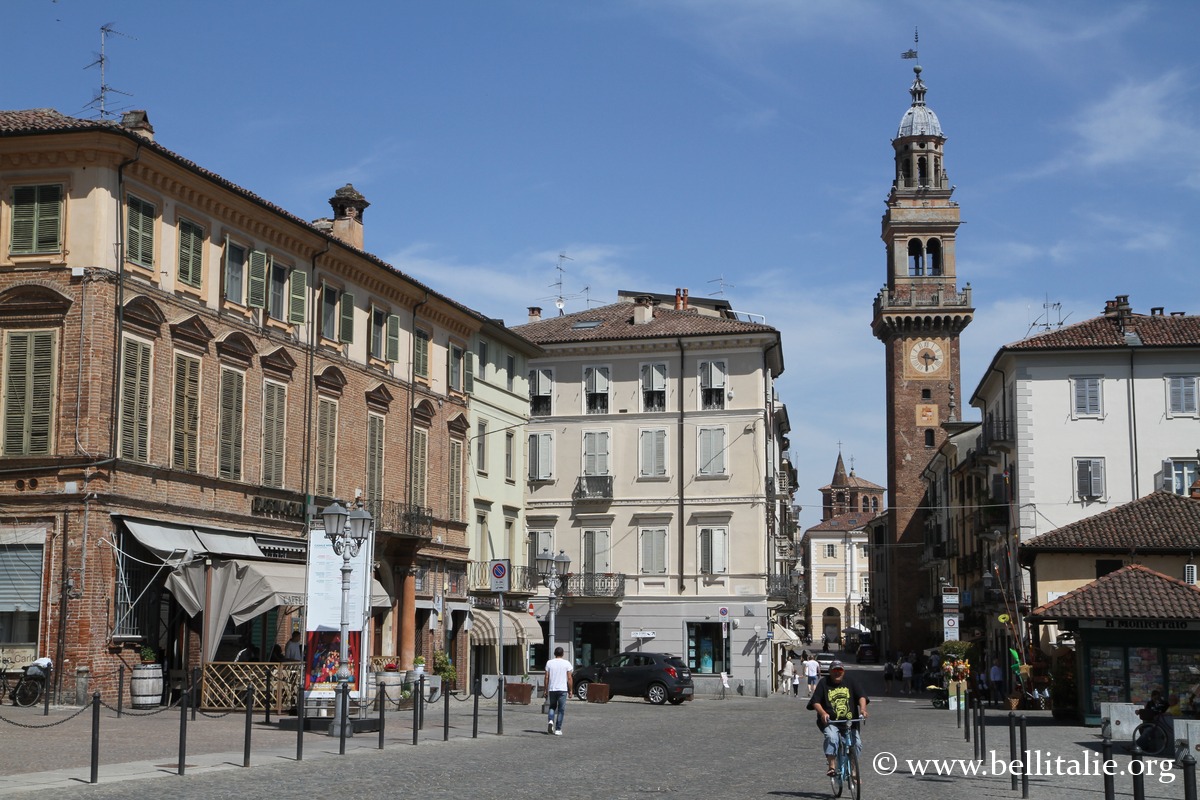
Its capital is Casale Monferrato, at the northern foot of the hills along the Po, a superb little town
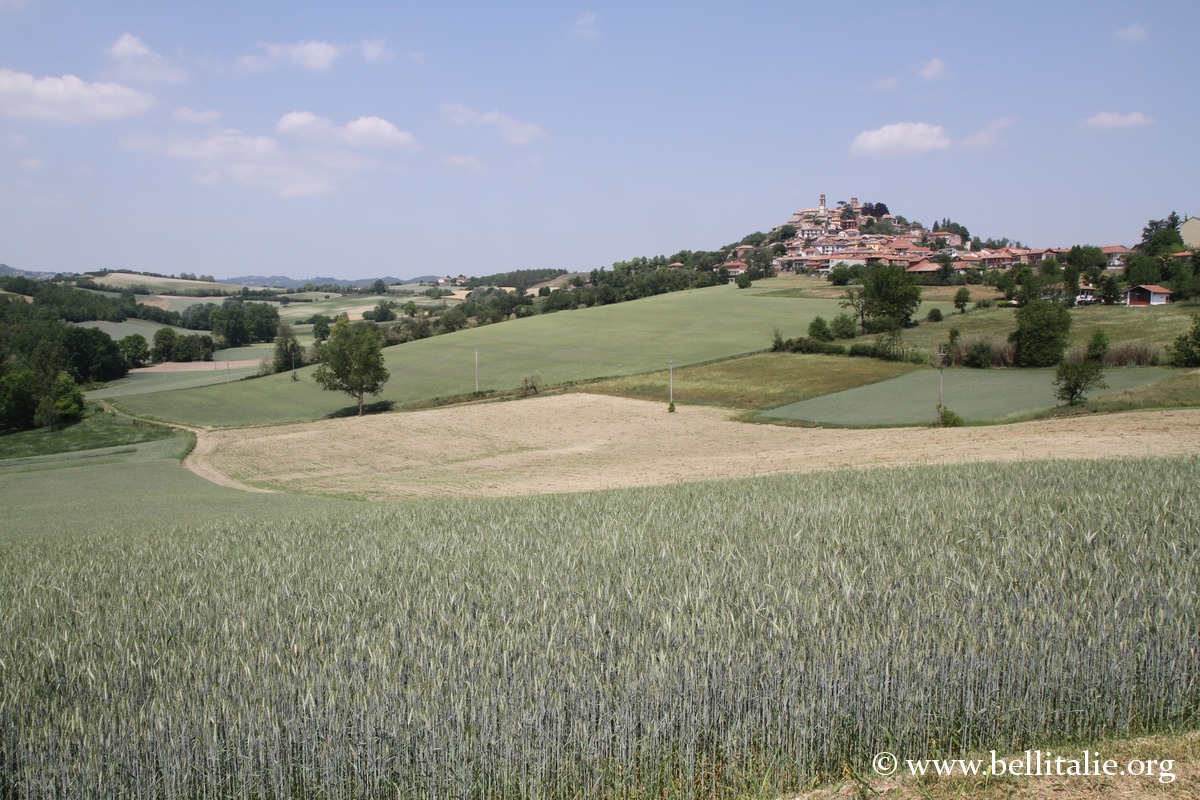
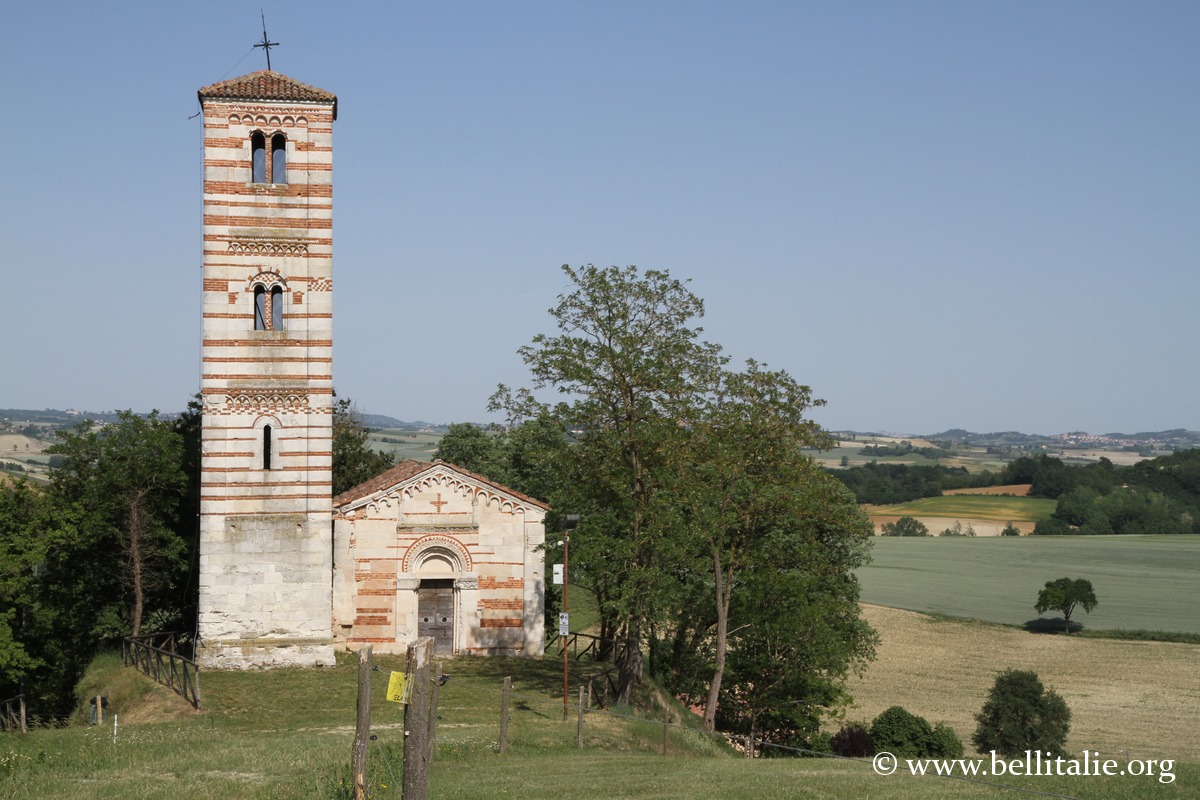
Winemaking is reputedly of high quality, where the wine is kept in the historic infernot, old cellars that were dug into the tuff beneath the dwellings, which more generally served as refrigeration for provisions. This rock full of marine fossils attests that millions of years ago the Lower Montferrat was a seabed. It is one of its features that allowed the region to be inscribed, along with the neighbouring Langhe and Roero, as a UNESCO World Heritage Site.
 Show interactive map
 Places to discover
Casale Monferrato 
Dating back to antiquity, this very pretty town has beautiful churches, arcades, palaces and the very beautiful Castle of the Gonzagas.
The cathedral of Casale Monferrato is also remarkable, with its beautiful blue ceilings. The Monferrato Casalese extends across the plain, with its rice fields and its river environment.
The Sacred Mount of Crea
The sanctuary of Crea is one of the sacred mounts of Piedmont and Lombardy, a group also inscribed as a UNESCO World Heritage Site since 2003.
The peaceful and silent place attracts as much for contemplation and devotion as for Sunday picnics. One can reach the top of the hill with the Chapel of Paradise by passing through 23 chapels and 5 hermitages.
Cella Monte
Among the many charming villages of the Monferrat, Cella Monte is one of the most charming, listed among the “most beautiful villages in Italy”. It preserves beautiful infernot, houses an ecomuseum of stone, beautiful palaces, and is also known for its white truffle from Valle Ghenza.
Villages and castle around Cella Monte
Not far from Cella Monte, to the east, is Rosignano Monferrato with its beautiful panorama over the Montferrat, perched on its hill, a pretty little centre with its alleyways at the foot of the castle, not far from one of the most beautiful Giant Benches (Panchina Gigante no. 41 Red Grignolino). The castle of Uviglie is a little further east, and much further east are the charming castle of Sannazzaro and Pomaro.
South of Cella, Camagna stands out with the astonishing cylindrical dome of its church, Vignale also has a giant bench and a beautiful panorama, Moleto a small church facing a beautiful view over the hills.
Much further south, Montemagno has a beautiful fortress, or the elegant Piazza San Martino with its beautiful Baroque staircase, near the remains of the pretty Romanesque church of Santi Vittore e Corona, and the little Madonna di Vallinò lost in a field. Not far away, Castagnole Monferrato is the village of the good Ruchè wine.
To the west of Cella, Treville, which is very beautiful seen from afar, also has a beautiful belvedere from its church. Ozzano Monferrato is a small town that has at the foot of its castle the superb church of San Salvatore with its vaults and its old frescoes. The village of Moncalvo preserves a pretty historic centre, old palaces and a beautiful panorama.
Villages, churches and castles in the west of the Montferrat
On the border with the province of Turin and its hills, lost among the hills and their greenery, the superb Abbey of Vezzolano is revealed, then many small villages, such as Montiglio, Cortanze with its castle, the Romanesque church of San Secondo in Cortazzone, Montechiaro d’Asti with the Romanesque church of Saints Nazarius and Celsus on a small mound incongruously placed on the slope of a field. At Castell’Alfero, there is space around the castle with a viewpoint over the surrounding hills, and not far away is Montemagno with its rather inconvenient fortress.
Stays in a castle and other accommodations
Visiting the Montferrat is an opportunity to stay in a castle, such as one of those selected here:
- Castle of Gabiano (Gabiano, 40 km from Asti, 25 km from Casale Monferrato)
North of Asti, near the Po on the northern edge of the Montferrat, a very beautiful authentic medieval castle dating back at least to the 12th century, in the heart of a large wine estate, good restaurant, wines and swimming pool - Relais Castello di Razzano (Alfiano Natta, 20 km north of Asti)
In the hills north of Asti, a very beautiful agricultural estate with its inner courtyard and its noble residence over two centuries old, with its cellars and a lovely swimming pool - Castle of Bubbio (Bubbio, 35 km south of Asti)
South of Asti, a lovely 3* hotel in the castle of the village of Bubbio, with its garden. The castle, which dates back to the Middle Ages, has preserved the medieval tower from that period, and was renovated in the 19th century in a beautiful neo-medieval style.
Sources and information
- Panoramic cycling route: www.piemontescape.com
- Discoveries and itineraries: www.percorsimonferrato.com, www.percorsimonferrato.com
- What to see in Piedmont
- Turin
- Saint Michael’s Abbey, La Clusa
- Lake Maggiore
- Susa Valley and Chisone Valley
- Susa
- Lake Orta
- Cuneo and Surroundings
- The Langhe
- Montferrat
- Roero and surroundings
- Asti
- Alba
- Domodossola and Val d’Ossola
- Valsesia
- Sanctuary of Mount Oropa
- Saluzzo and surroundings
- Usseaux and Fenestrelle Fort
- Casale Monferrato
- Vercelli
- Ivrea, Canavese and Biellese
- Novara



Comments