


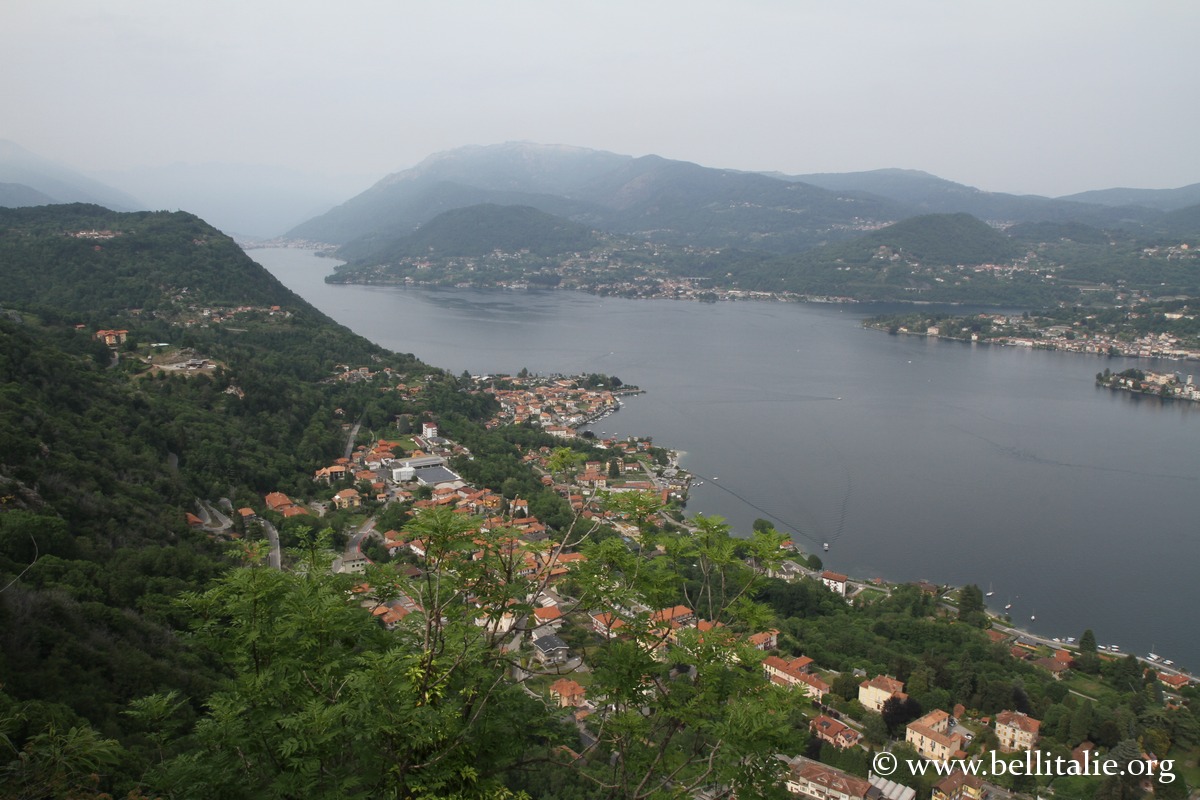
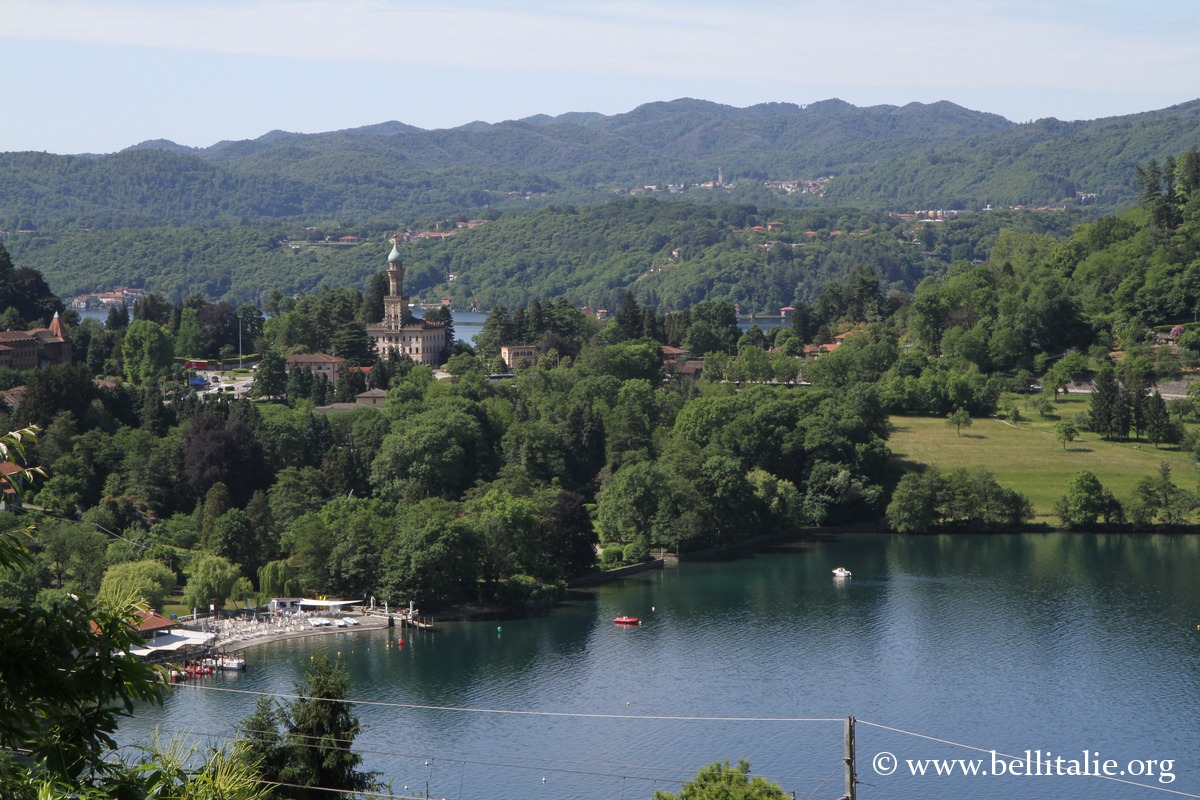
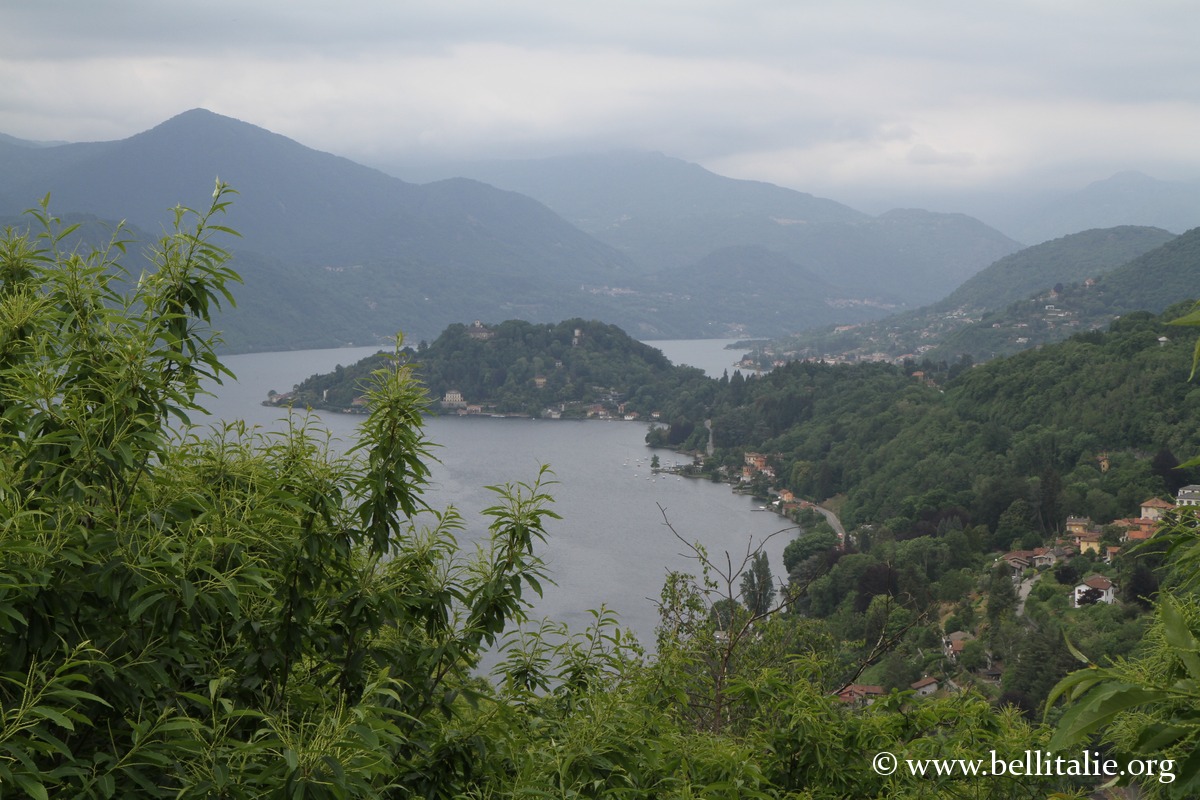
A few kilometres west of Lake Maggiore, Lake Orta is a charming destination with its beautiful landscapes, its tranquillity, its small towns and a relatively mild climate. It was formed thousands of years ago by the melting of the great Simplon glacier.
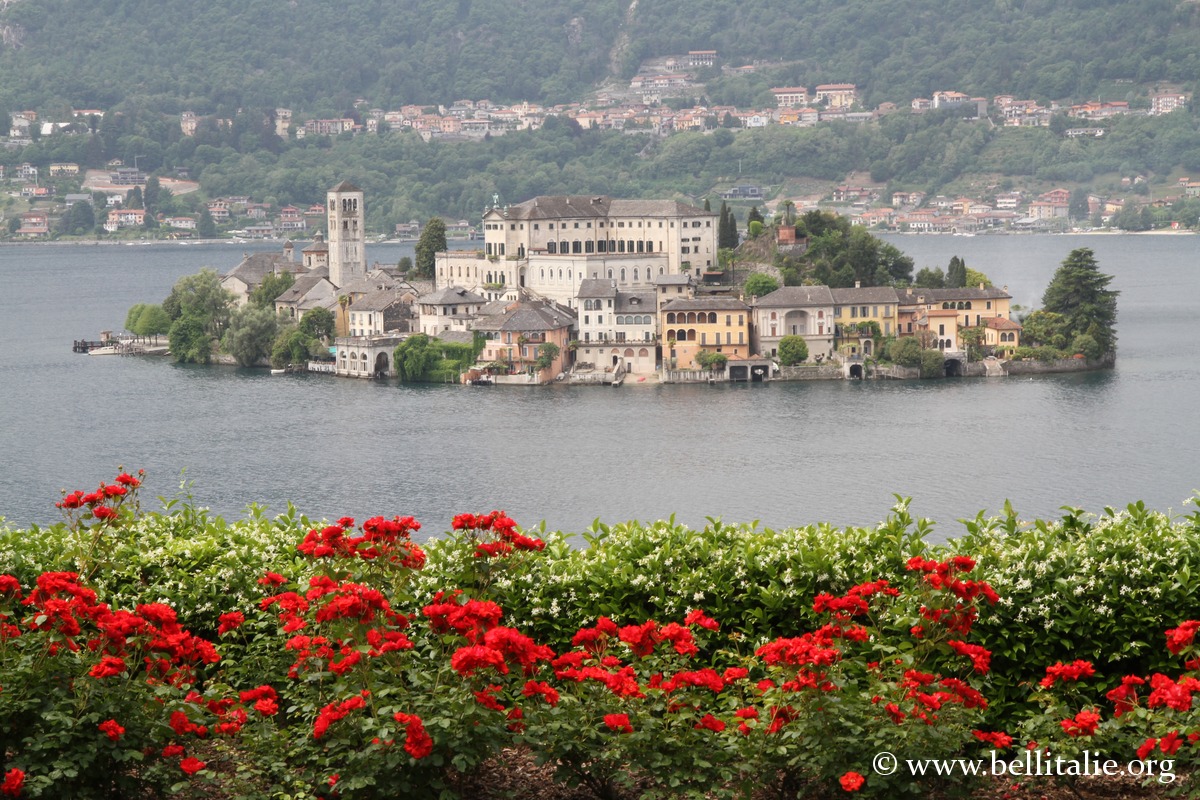
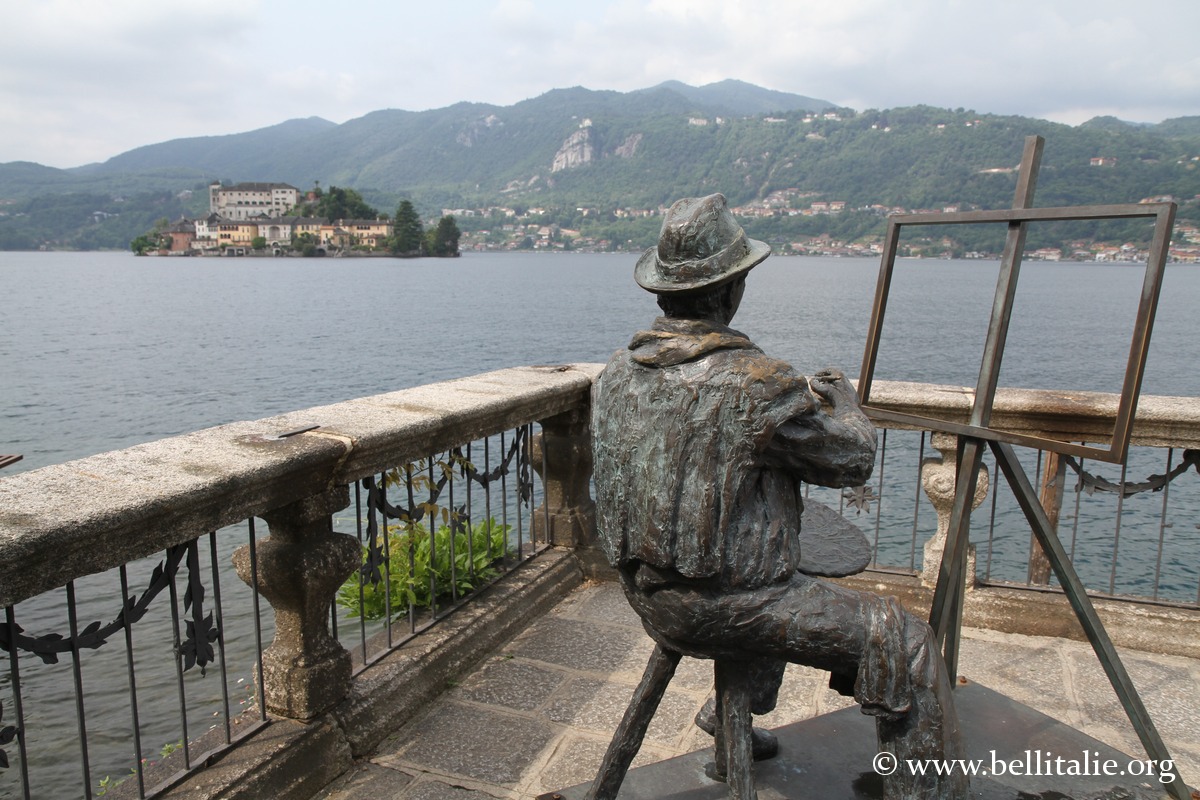
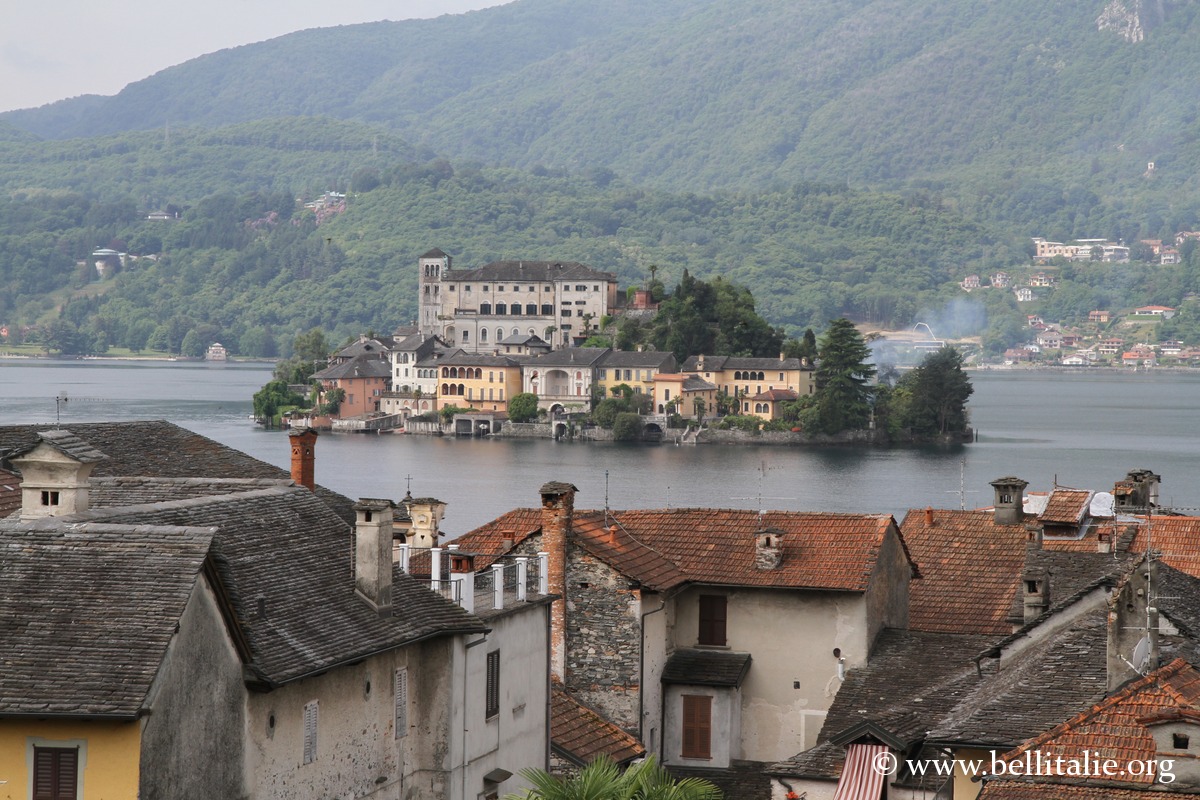
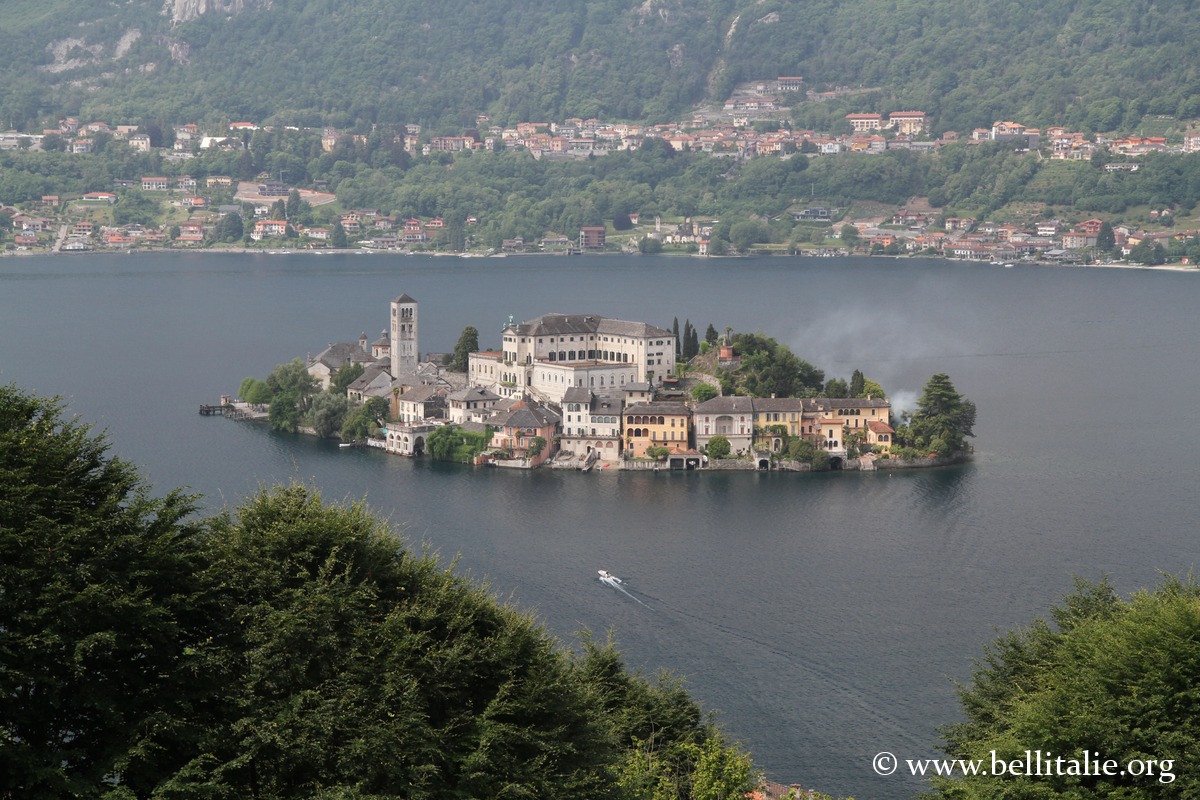
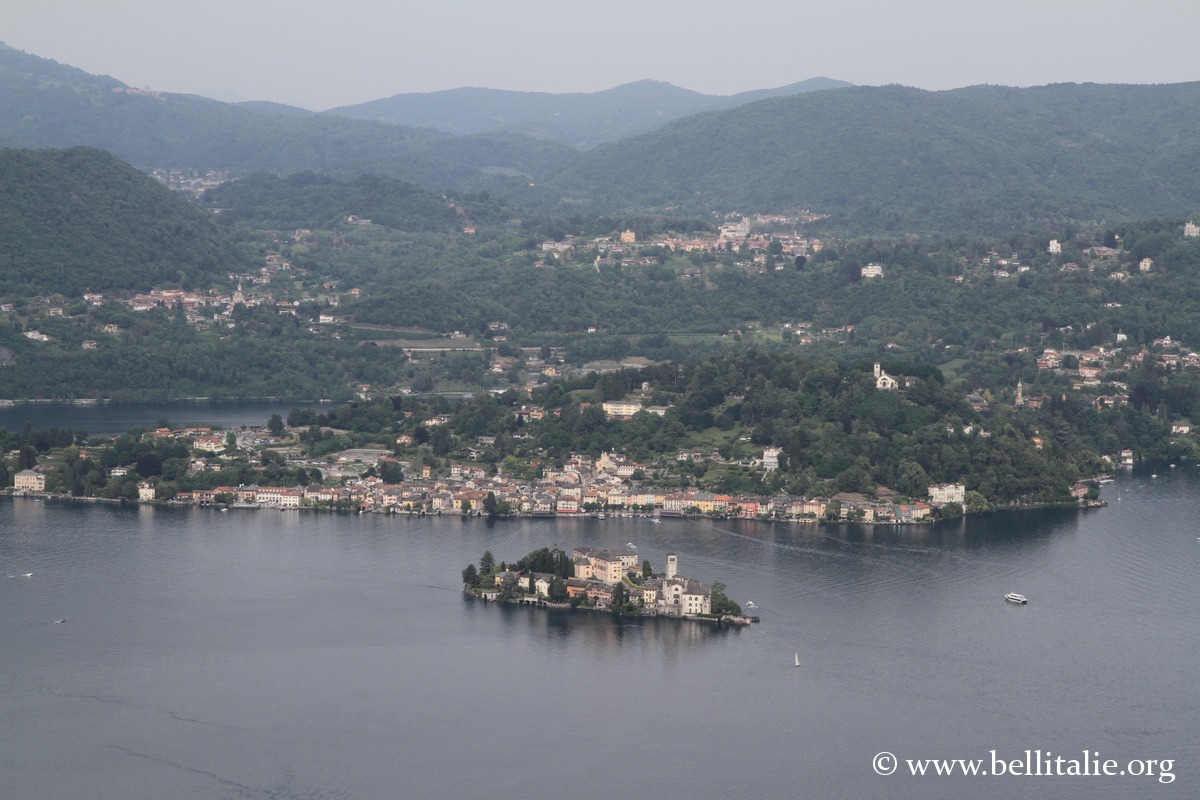
It is less congested and more bucolic than the large neighbouring lake, although Orta San Giulio is a charming tourist town with many attractions, including the pretty medieval centre situated on a peninsula at the foot of the sacred mount. Just opposite, a 5-minute boat ride away, the islet of San Giulio is called the “island of silence” for its atmosphere of contemplation, with its convent and a remarkable basilica. It has been considered sacred since the year 390, when Julius of Orta, a saint of Greek origin, died there.
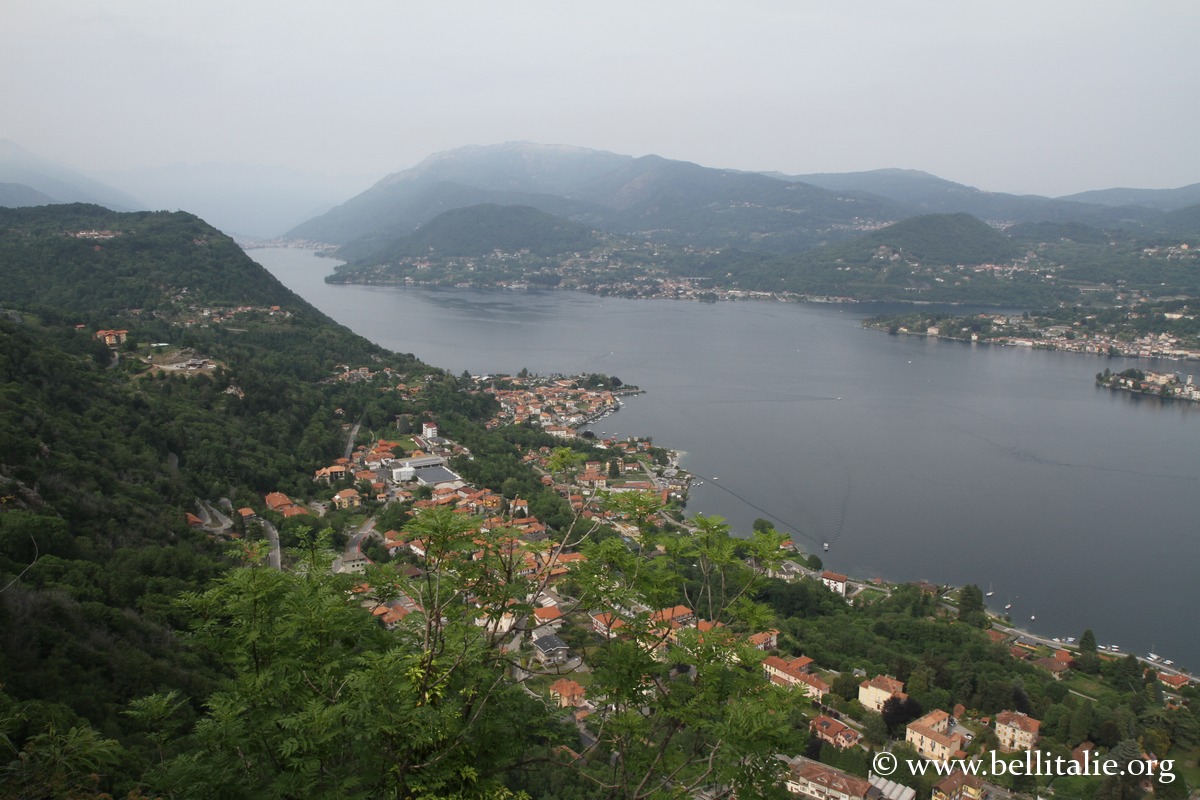
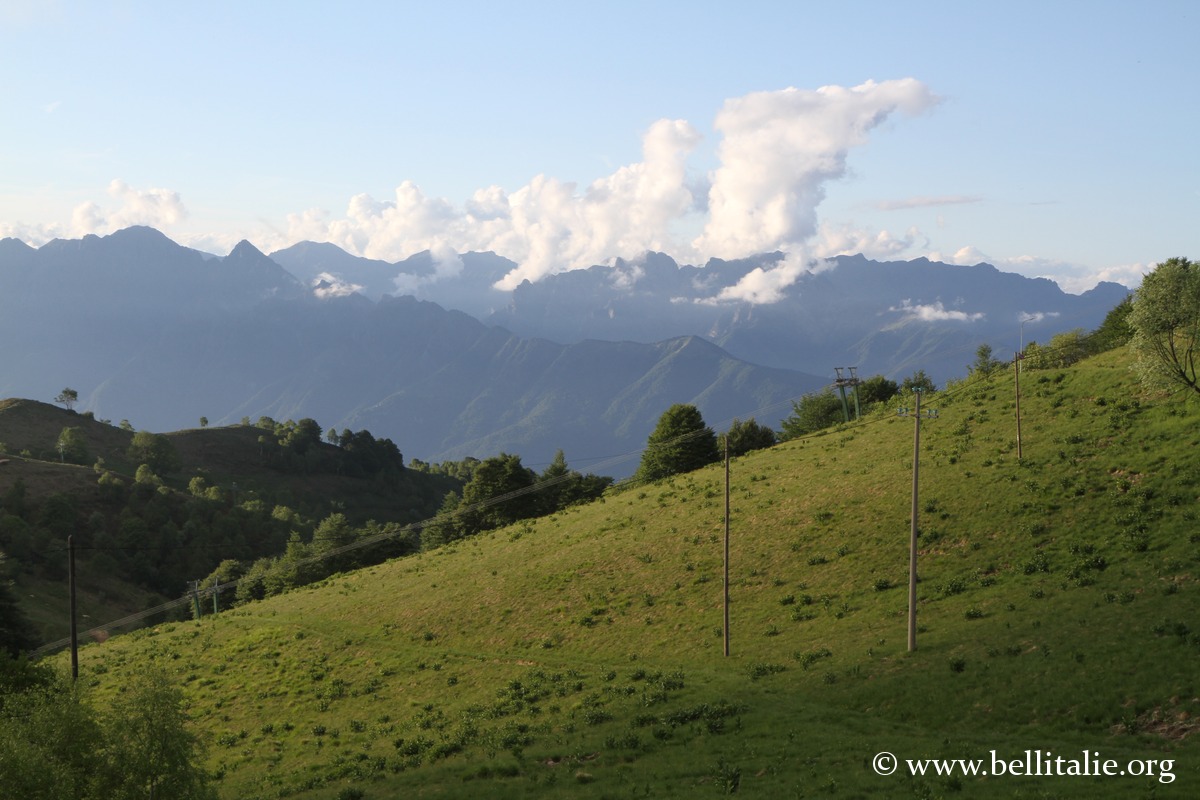
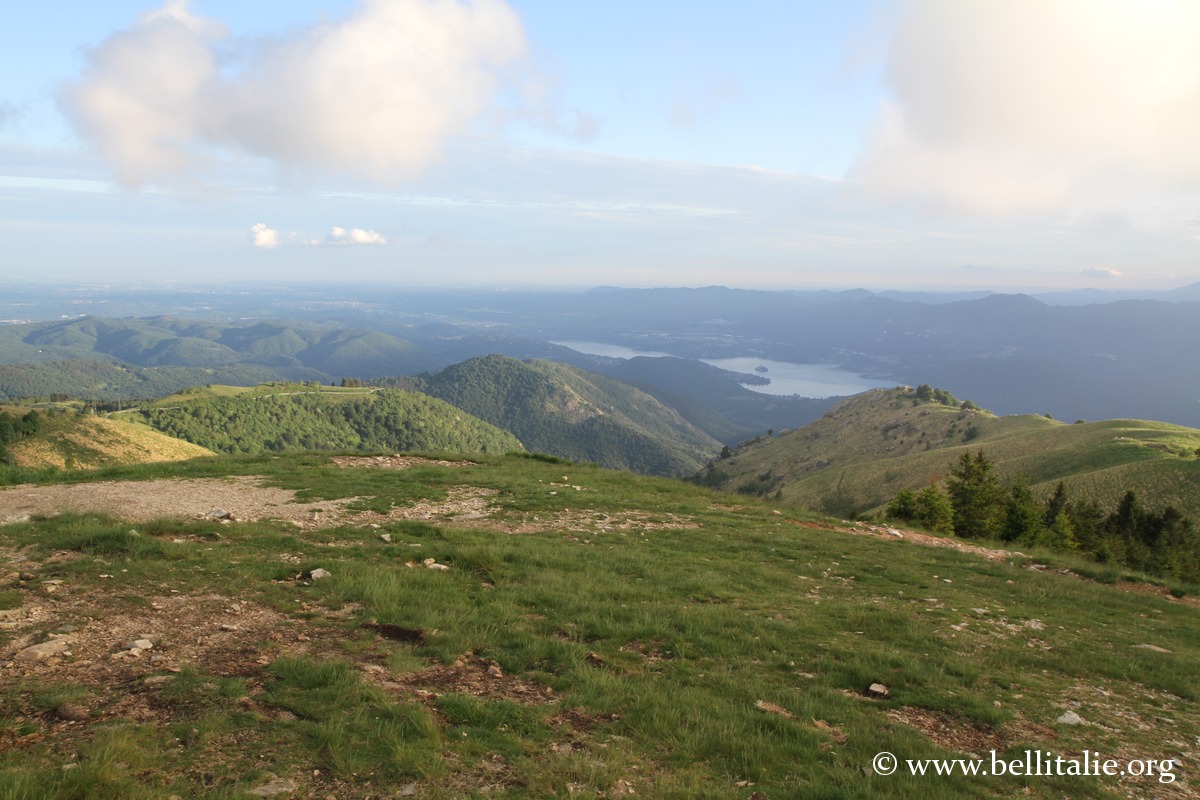
The lake measures nearly 12 km in length from north to south and between 1 and 2 km in width. Around it one discovers beautiful panoramas, several sanctuaries or Romanesque basilicas, nature reserves, and charming villages. On the eastern side, the hills are quite gentle and rise higher and higher until they culminate with Mount Mottarone at 1491 metres, separating the lake from Lake Maggiore. The west is more steep.
Main places around the lake
Orta San Giulio
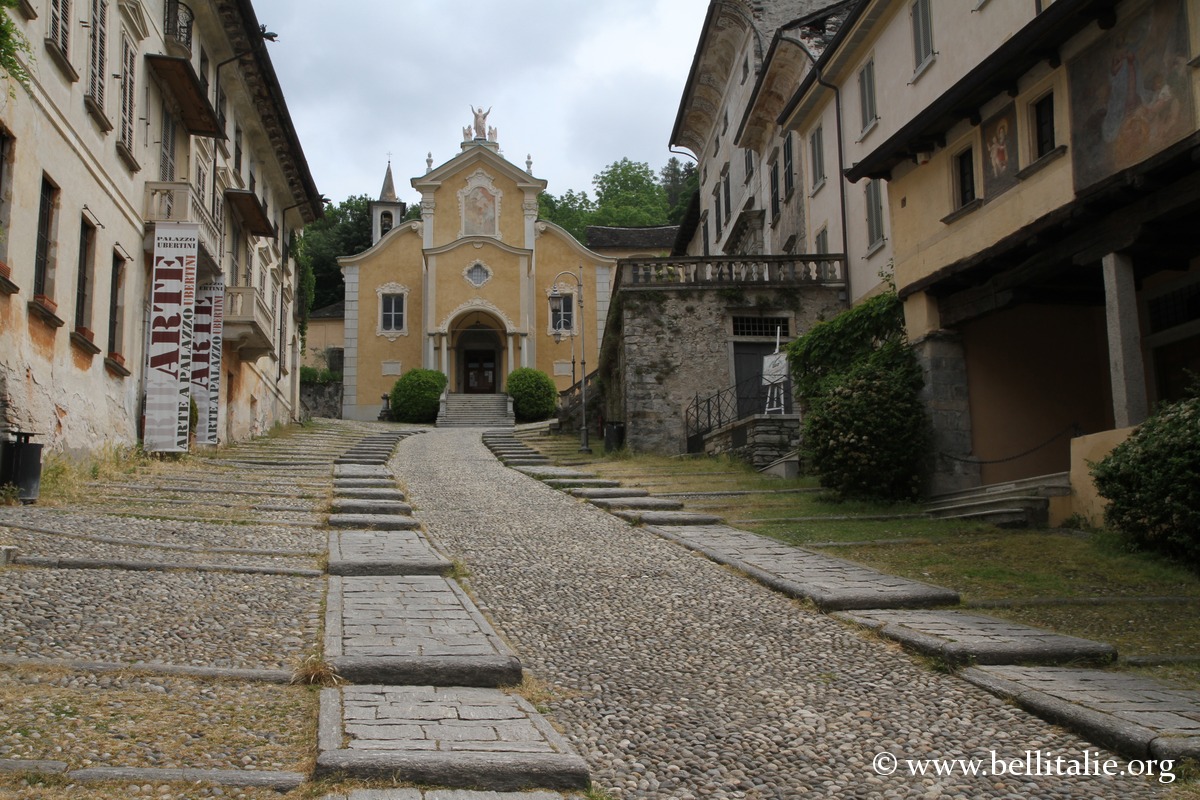
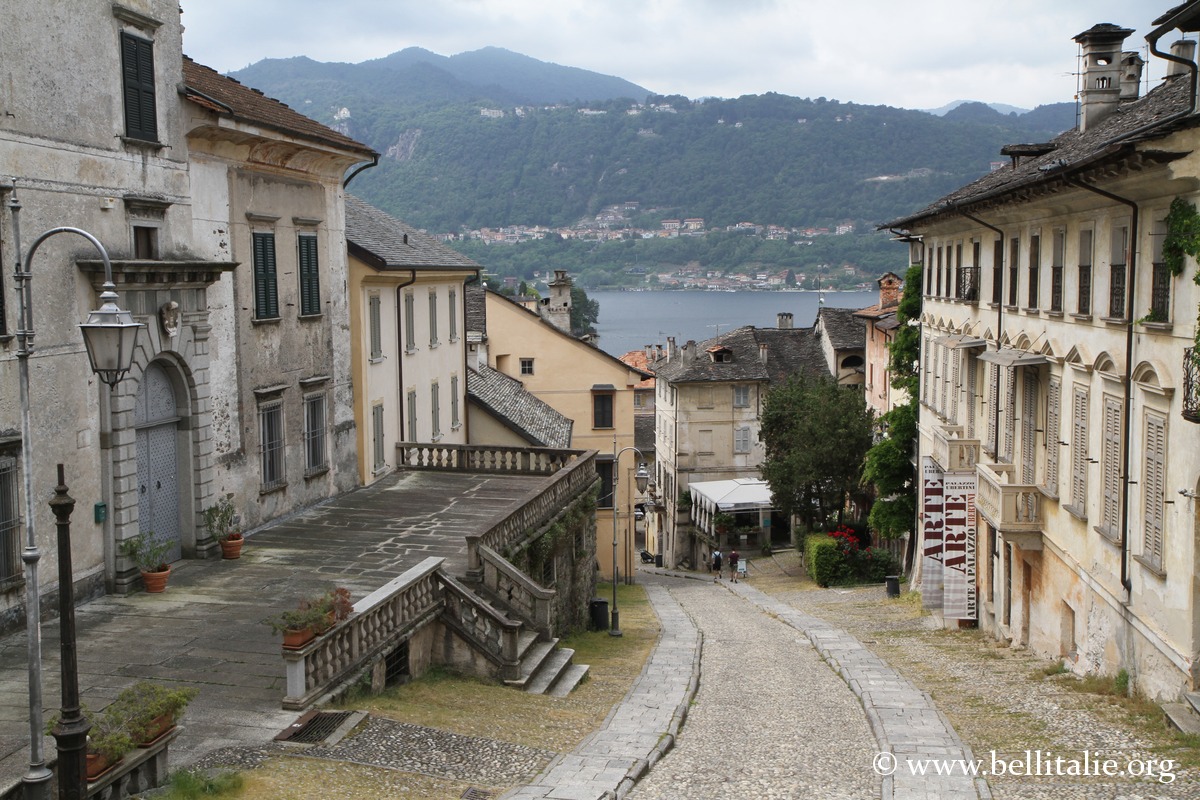
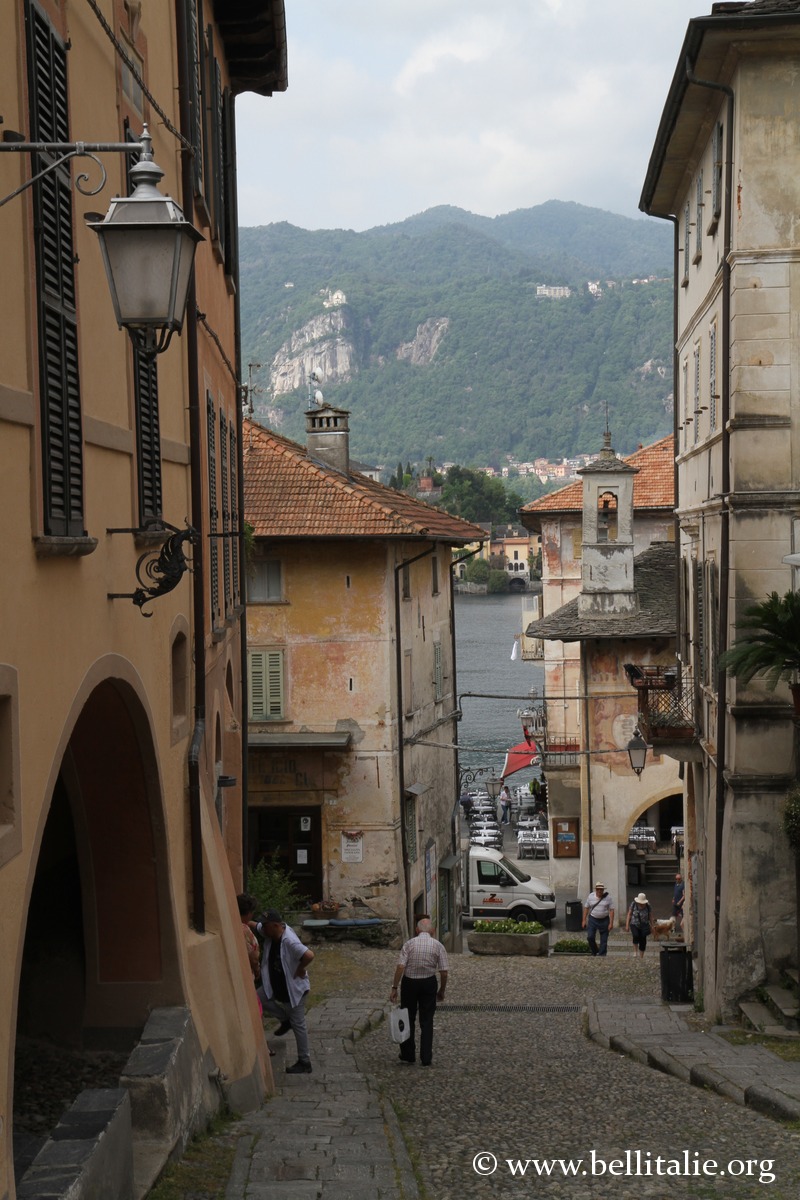
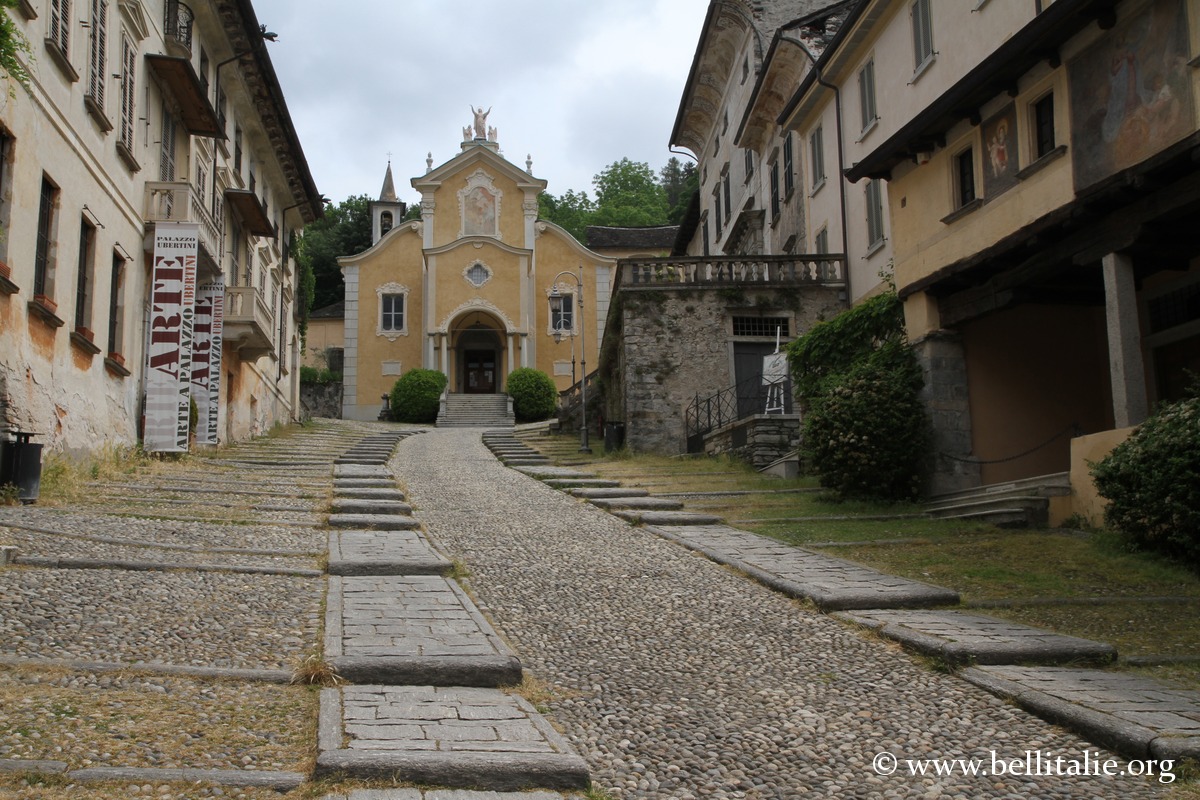
Orta San Giulio is the main destination of the lake, on a peninsula dominated by the Sacred Mount. It is a village listed among “the most beautiful villages in Italy”, whose pretty alleys and a few buildings of medieval origin, palaces and villas can be explored, as well as its trattorias, restaurants and many tourist shops.
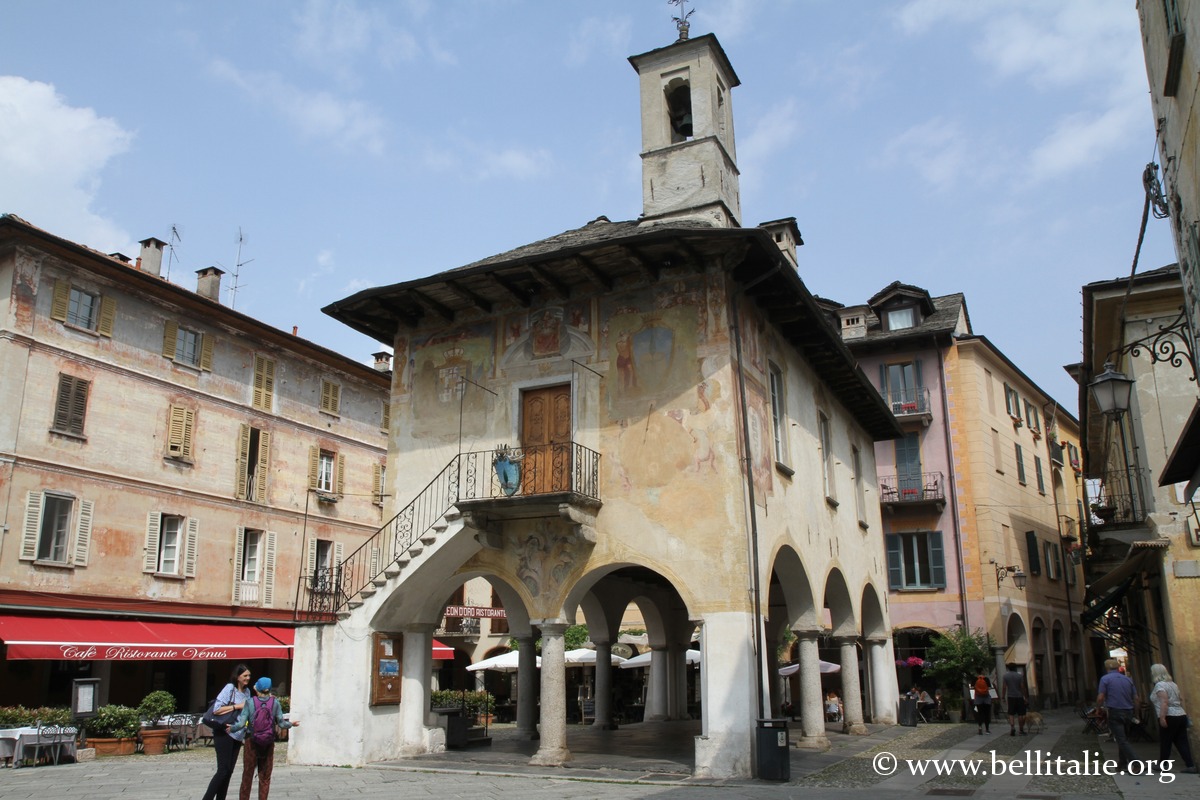
Its heart is the charming Piazza Motta with its arcades or the 16th-century Palazzotto, from which the boats to the nearby islet of San Giulio also depart. One can also discover Villa Bossi with its garden facing the lake, the church of Santa Maria Assunta, or the 14th-century Casa dei Nani with its wall frescoes.
Note: if you are by car, the car parks are a little expensive. The one at Monte Sacro (Cemetery) is free but a steep climb separates it from the centre.
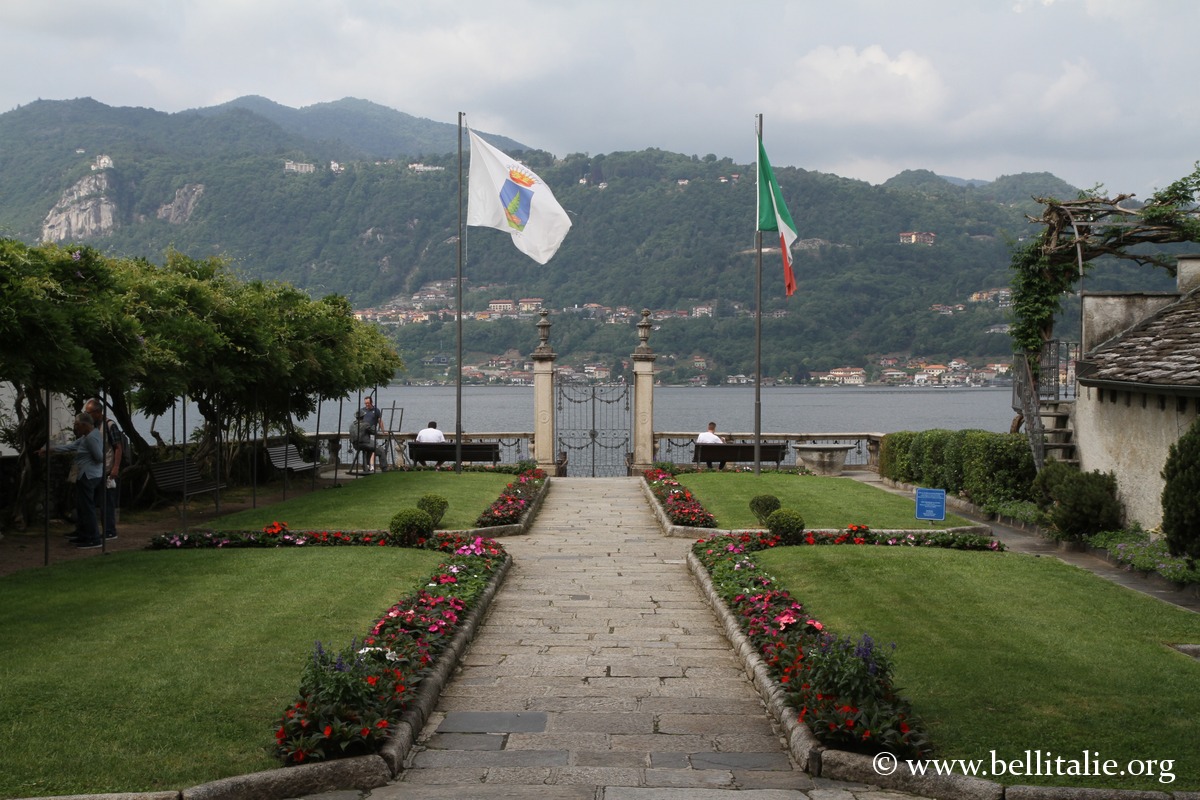
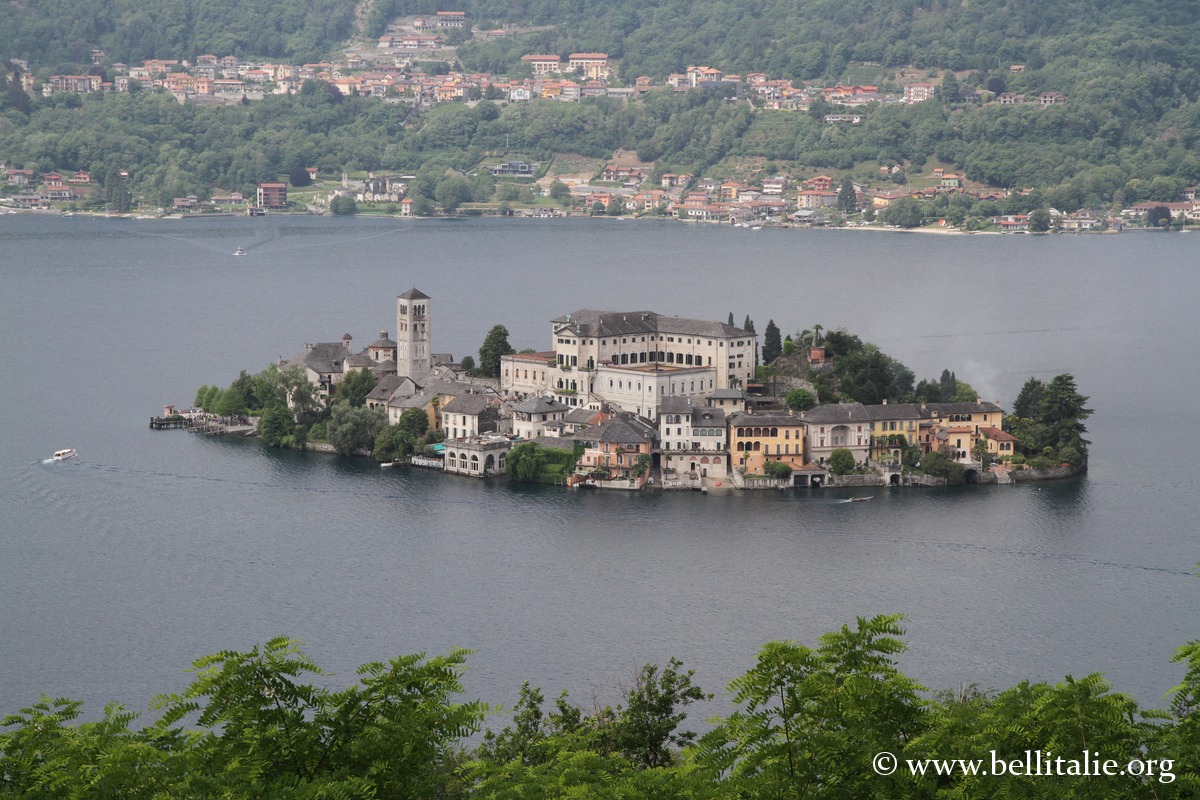
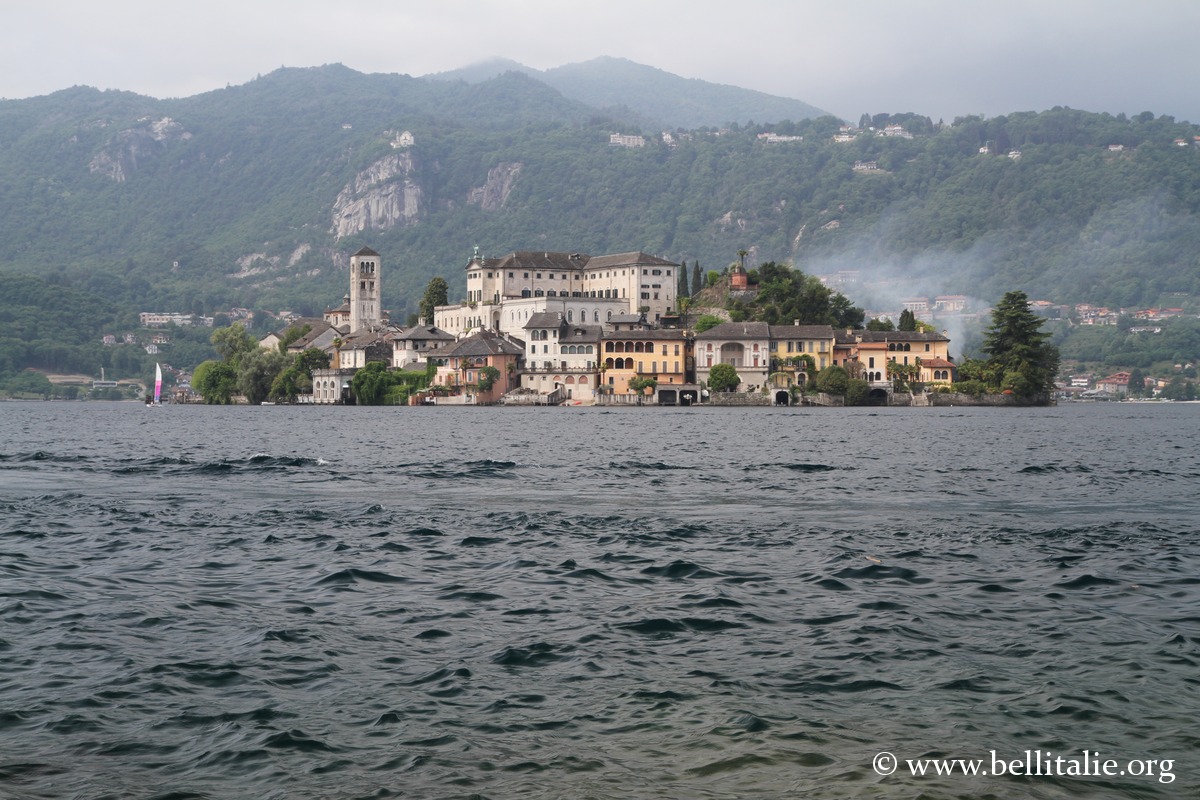
Island of San Giulio and Basilica of Saint Julius
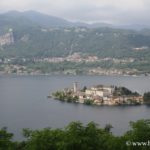
Just opposite Orta, a 5-minute boat ride away, the small island of San Giulio (Isola San Giulio in Italian) is the wonder and the only island of the lake, a haven of peace with the abbey of the Benedictine nuns (Abbey Mater Ecclesiae founded in 1973) of the basilica, which one explores along the small pedestrian street that goes around it, passing by the former houses of the canons.
The first church was very old and dated back to the end of the 4th century. There was also a medieval castle, demolished in the 19th century to erect the sanctuary.
The Basilica of Saint Julius (Basilica San Giulio in Italian) is a remarkable building that has kept its Romanesque exterior architecture, including the 12th-century towers, or the great lantern tower.
The interior, on the other hand, was remodelled later, essentially in the 17th and 18th centuries, although some superb old 14th- and 15th-century frescoes remain on the side walls, or the magnificent 12th-century Romanesque ambo in black marble from the quarries of Oira (located in the nearby Val d’Ossola). The crypt preserves the remains of Saint Julius.
Sacred Mount of Orta
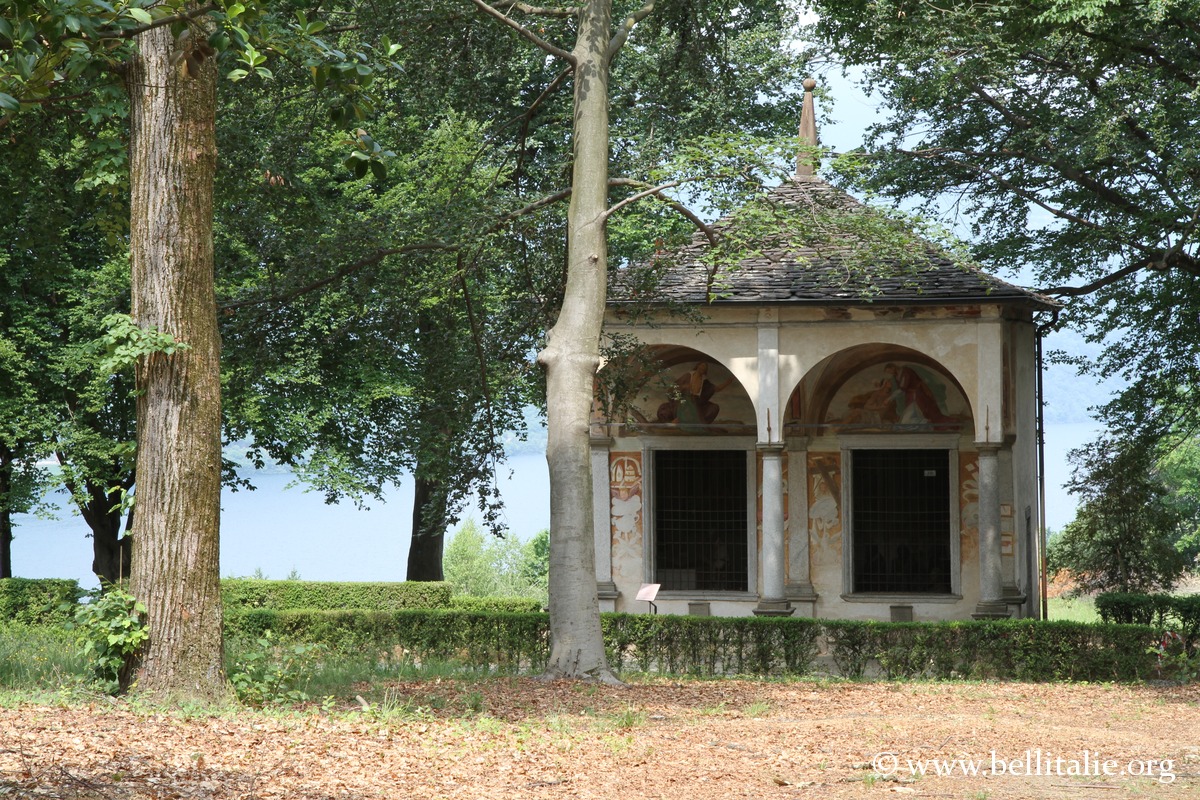
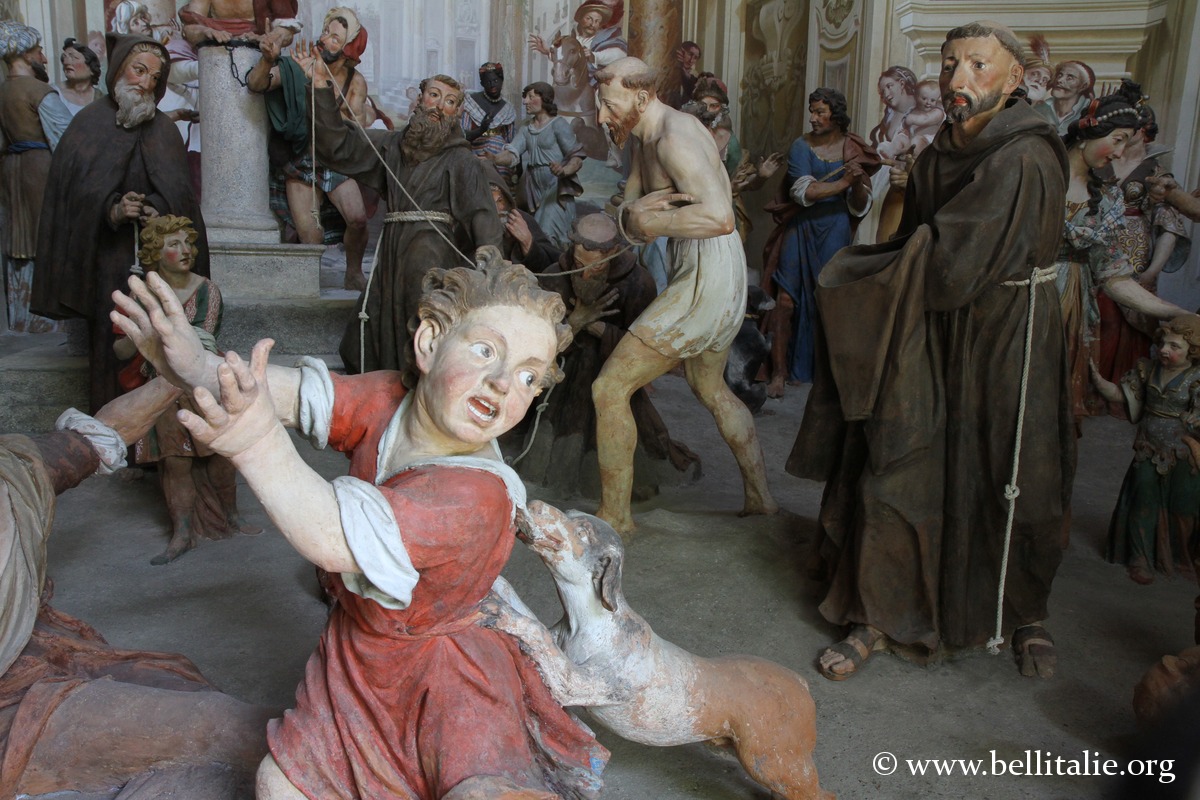
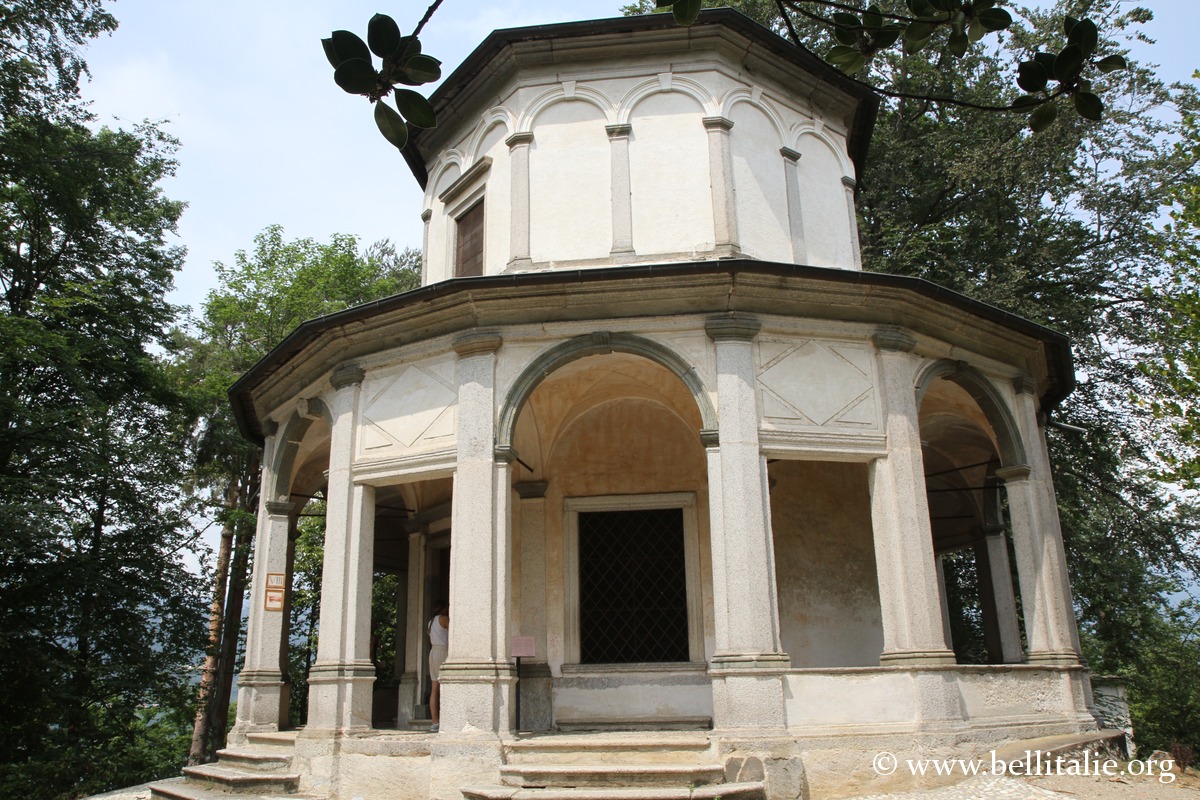
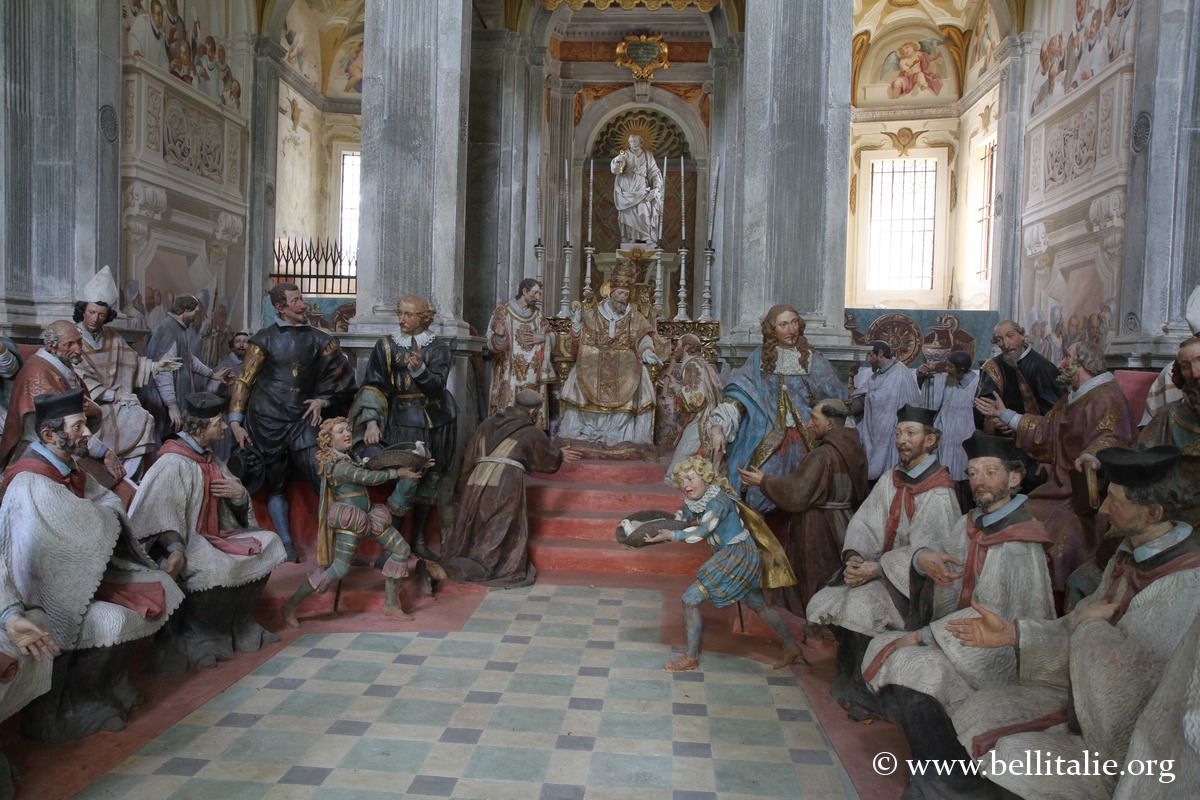
This sanctuary dedicated to Saint Francis of Assisi is located on the mount dominating the peninsula just above the village, whose summit can be reached on foot, where there is a route with 20 17th-century chapels decorated with frescoes by Morazzone and statues depicting episodes from the life of Saint Francis. One also enjoys a very beautiful panorama of the lake and the islet.
Mottarone
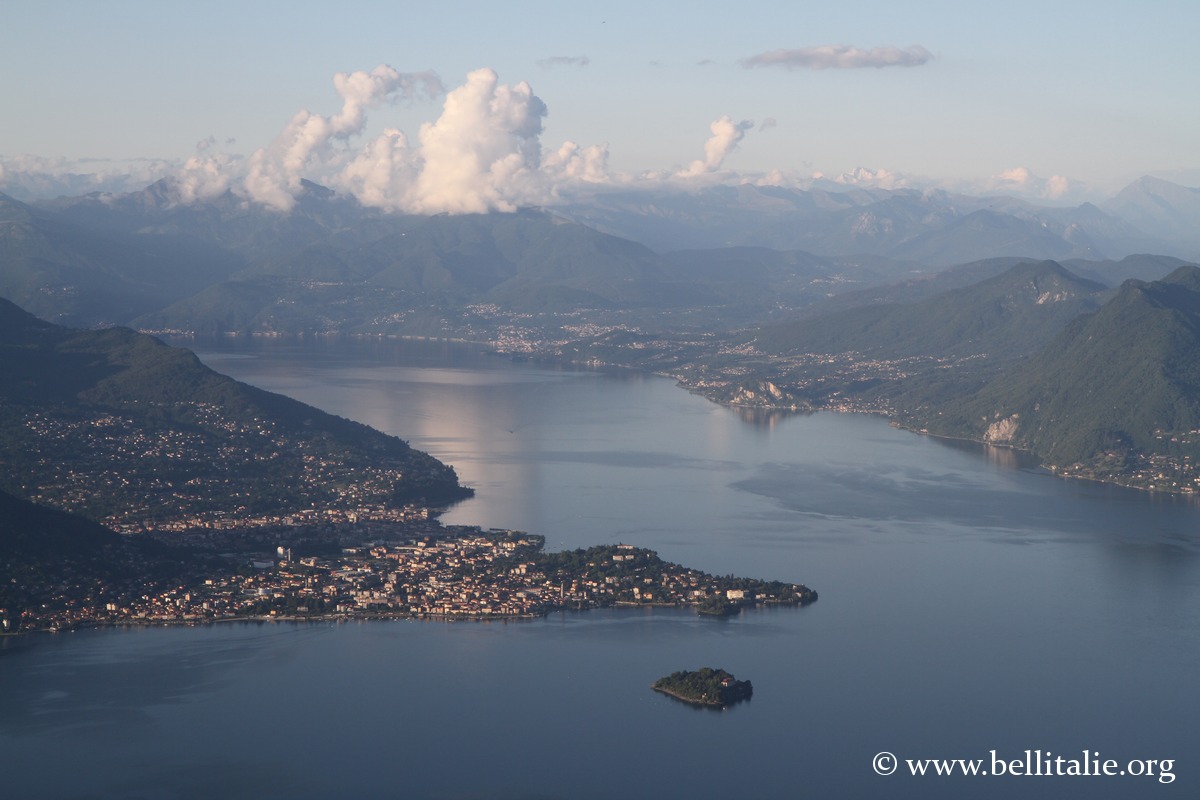
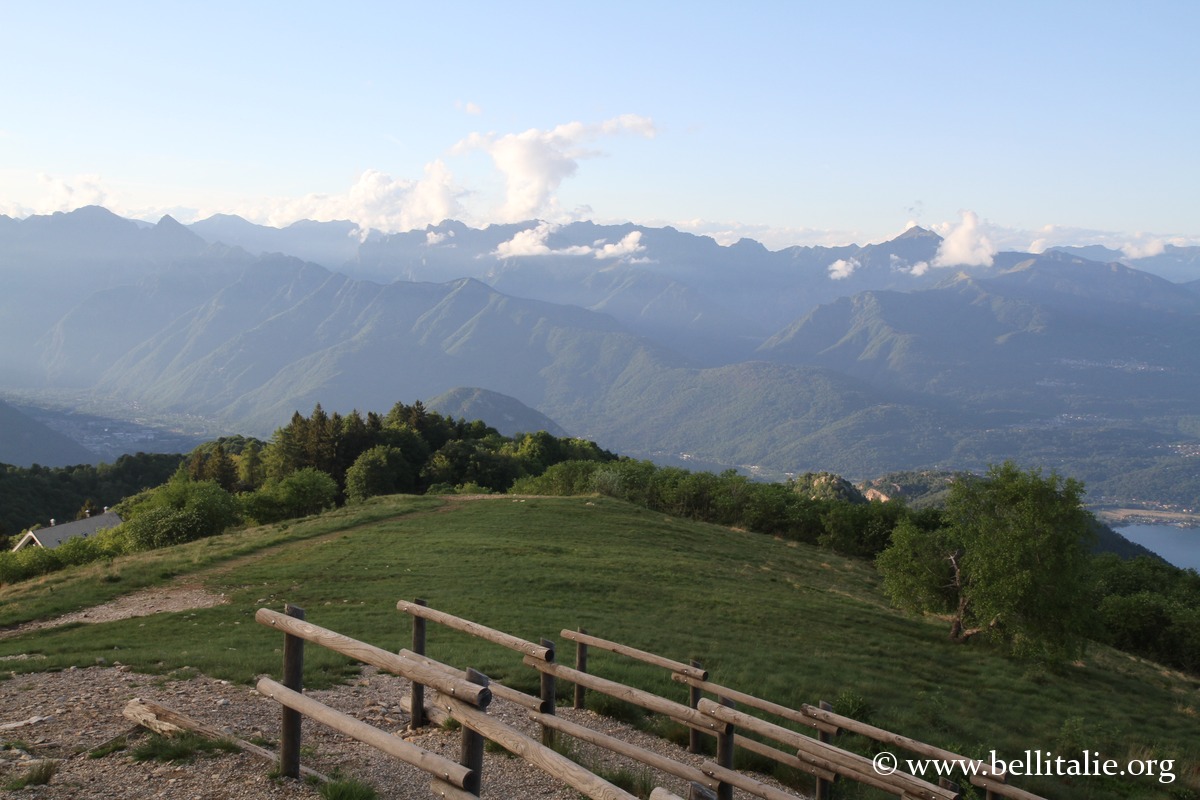
Between Lake Orta and Lake Maggiore, at 290 and 190 metres of altitude respectively, Mottarone dominates them with its 1491 metres, from where the 360-degree view is superb over the two lakes and reaches as far as Monte Rosa. It has several times been on a stage of the Giro, the Italian cycling tour, and it is also a ski resort
Madonna del Sasso
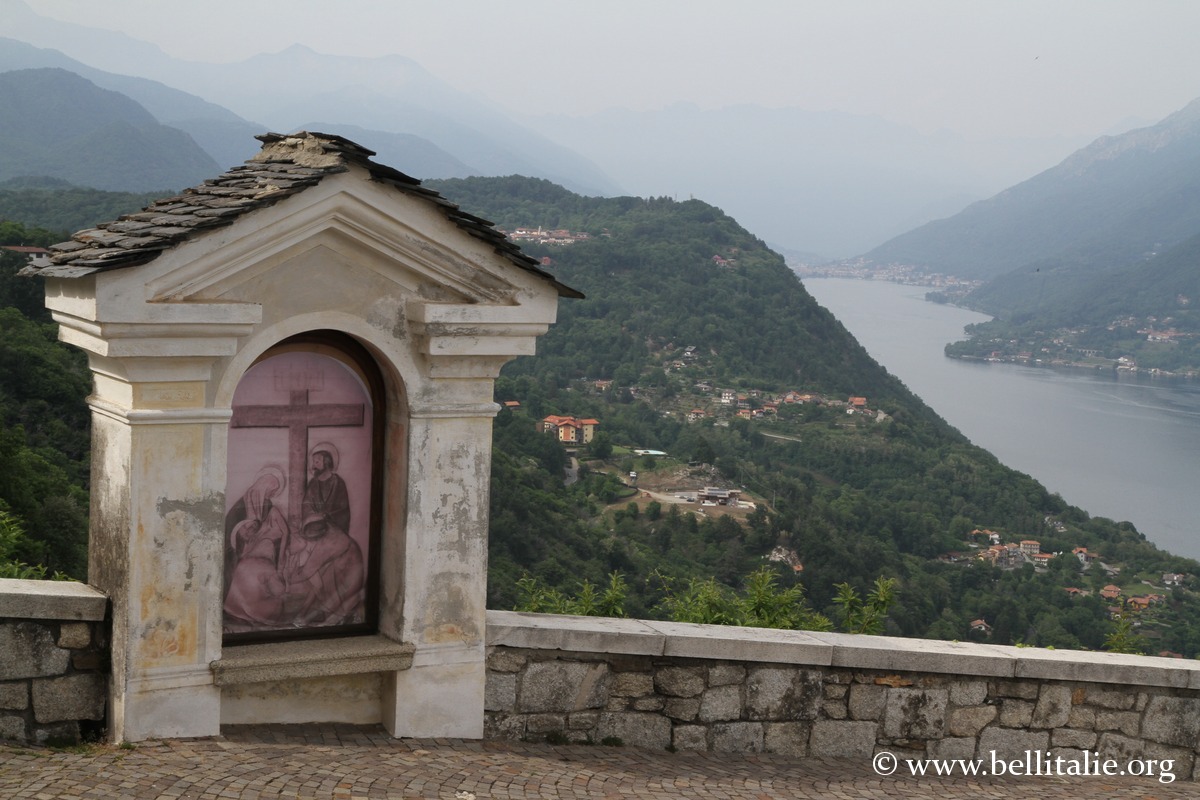
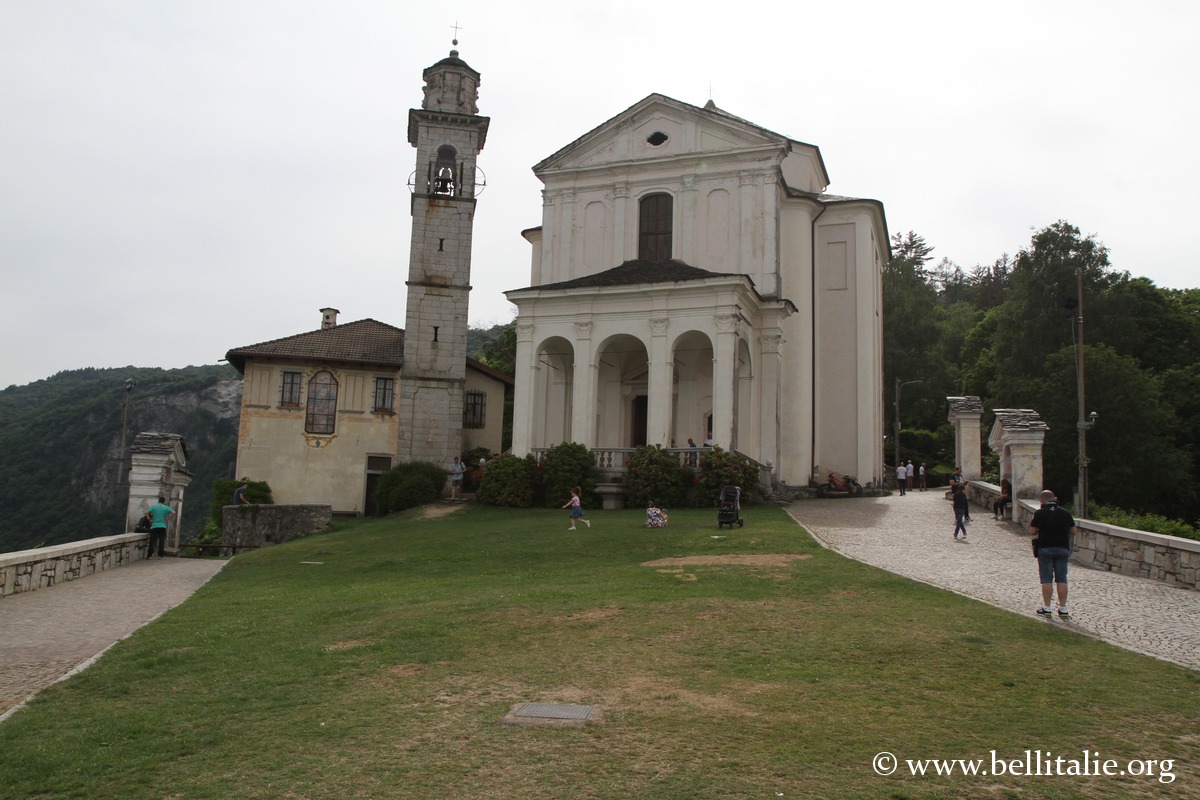
On the western side of the lake, it is one of the most beautiful spots around it. The sanctuary of the Madonna del Sasso indeed occupies a panoramic position, perched on a rock overlooking the lake by 350 metres, from the “balcony of Cusio” where the view extends over the whole lake.
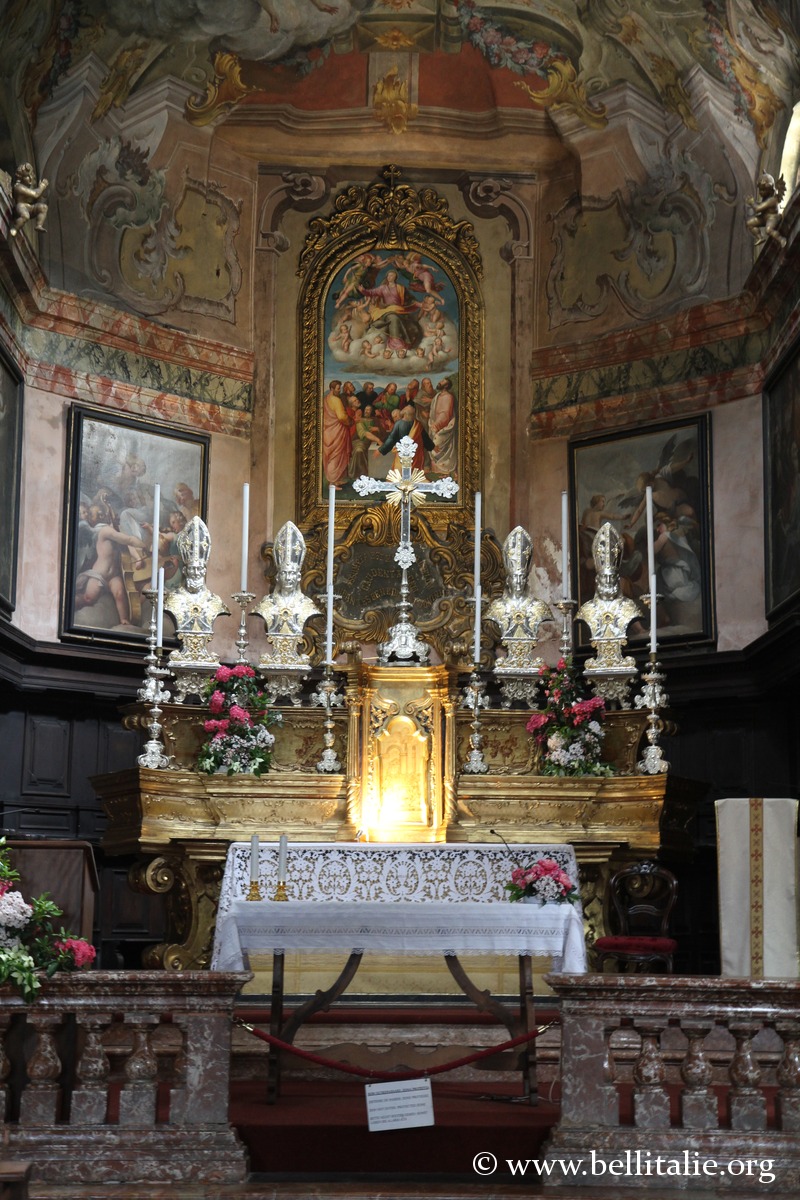
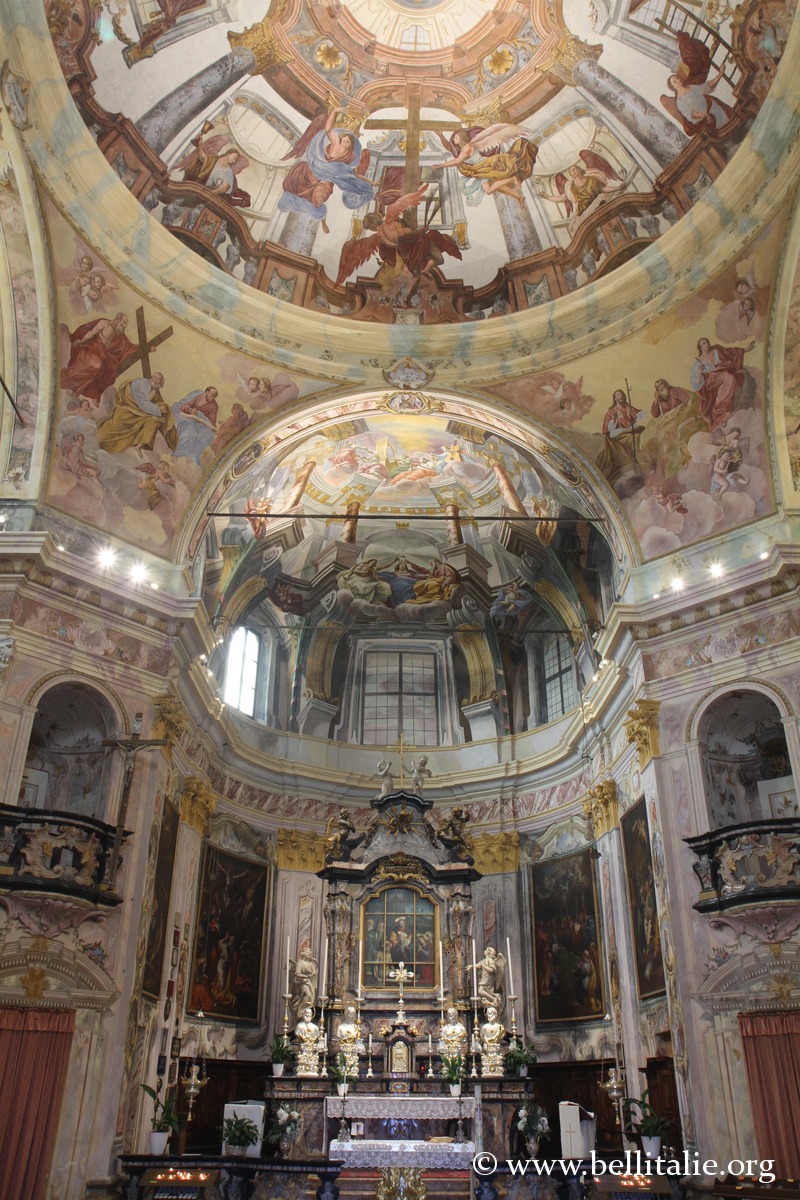
The church was built in the 18th century in place of an old chapel, with inside the dome adorned with pretty frescoes by Lorenzo Peracino, sculptor and painter from the nearby Valsesia.
Omegna
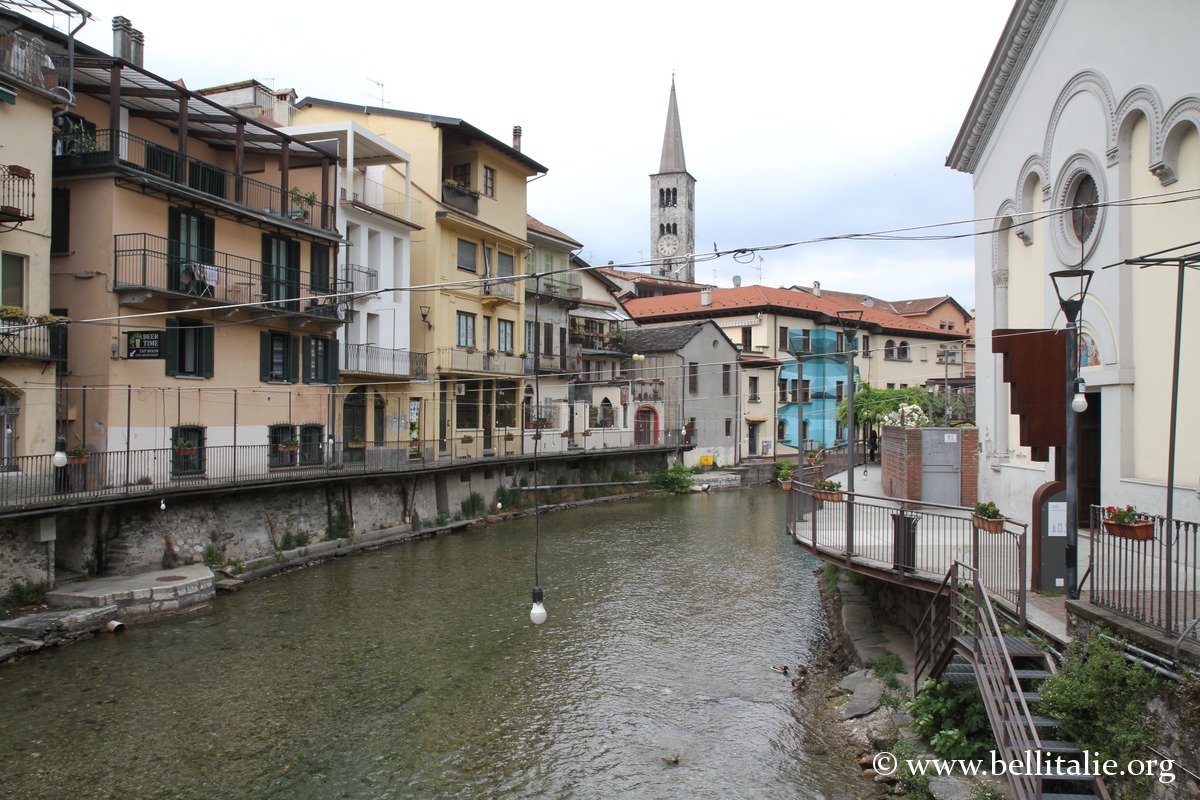 At the northern mouth of the lake, Omegna is a small industrial town that dates back to Roman times, as evidenced by the remains of a gate. It is crossed by the Nigoglia canal which flows into the lake, lined by a pretty promenade. One can also see there the collegiate church of Sant’Ambrogio which dates back to the 10th century, or San Gaudenzio outside the town to the north, and a Fantasia centre for children in the centre.
Beaches
A few beaches, free or equipped/paid, are accessible, including at Orta the Bagnera beach (free) about one kilometre from the centre at Luci sul Lago, Miami beach (equipped) 4 km south of Orta, the Lido di Gozzano (equipped) located to the south which is the largest of the lake, that of Roncalo sul Lago south of Pella (free), that of Pascolo (free), or those of Pettenasco (equipped/free).
Other places on the eastern side
Miasino
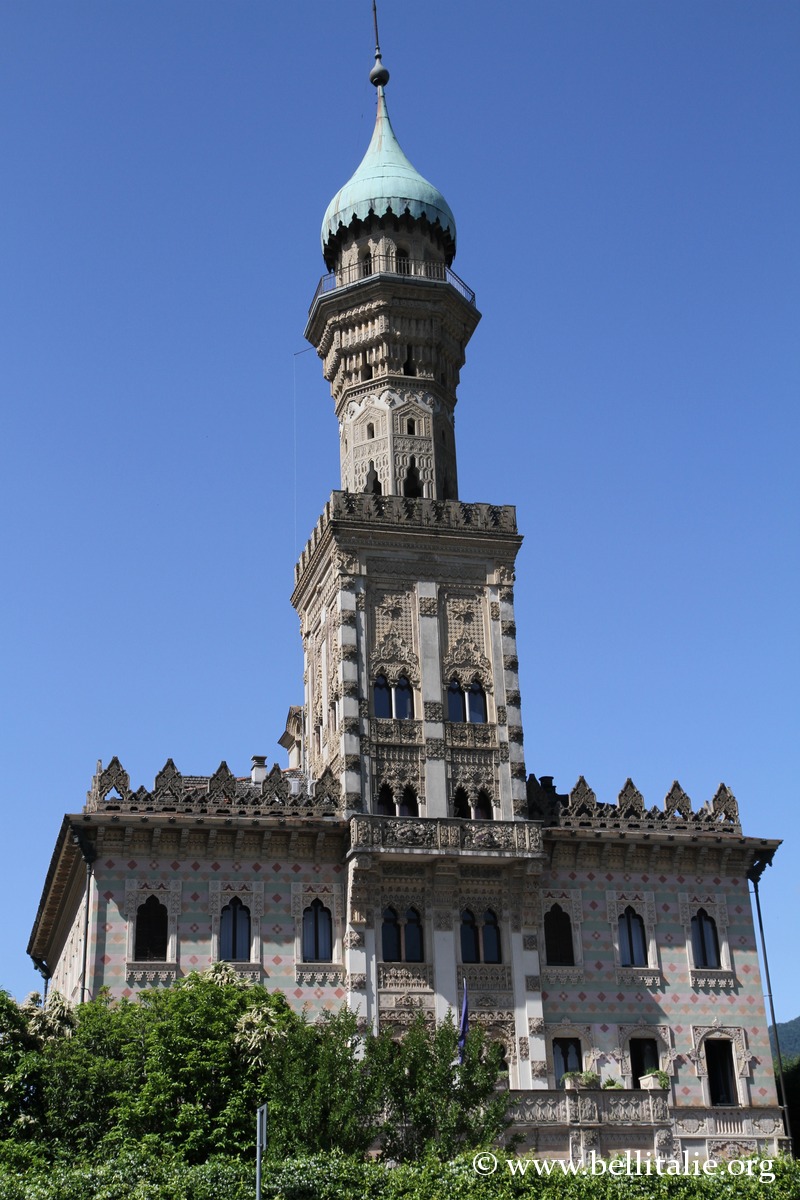
Miasino is a charming village near Orta, with its villas, especially the Villa Nigra, notable for its loggias and wall frescoes.
Armeno
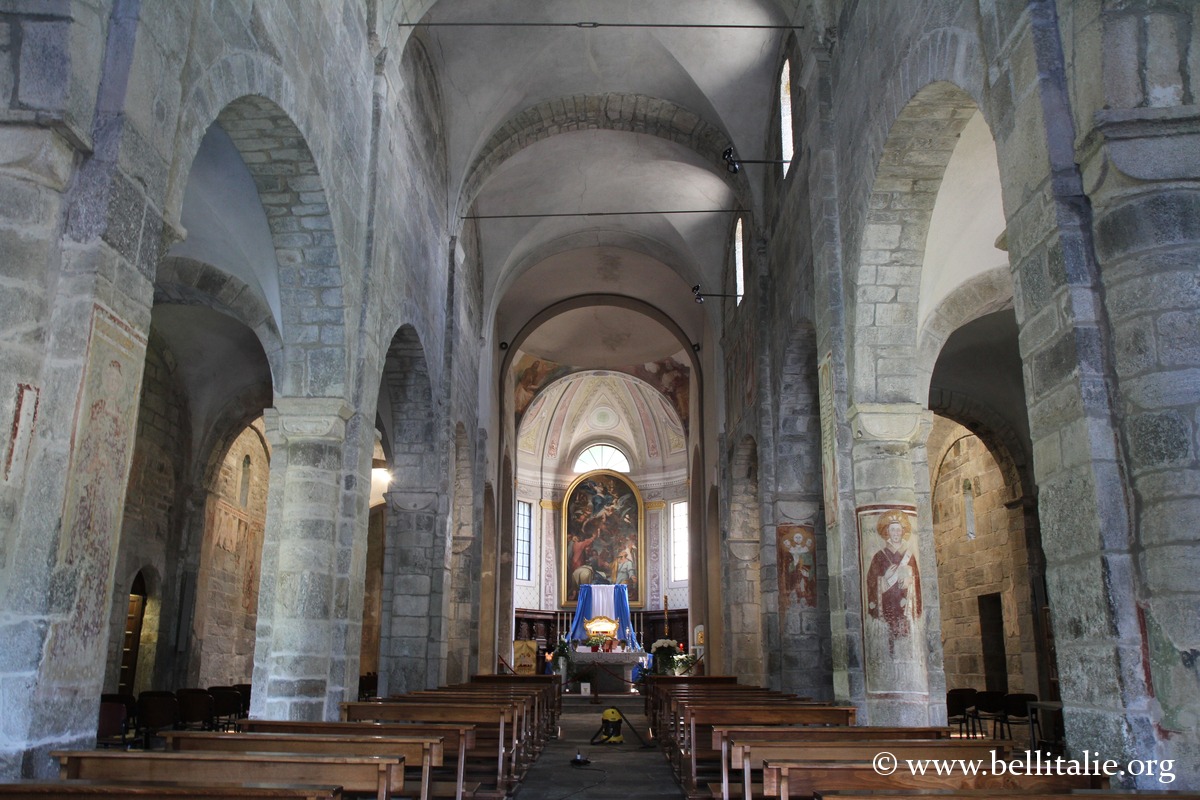
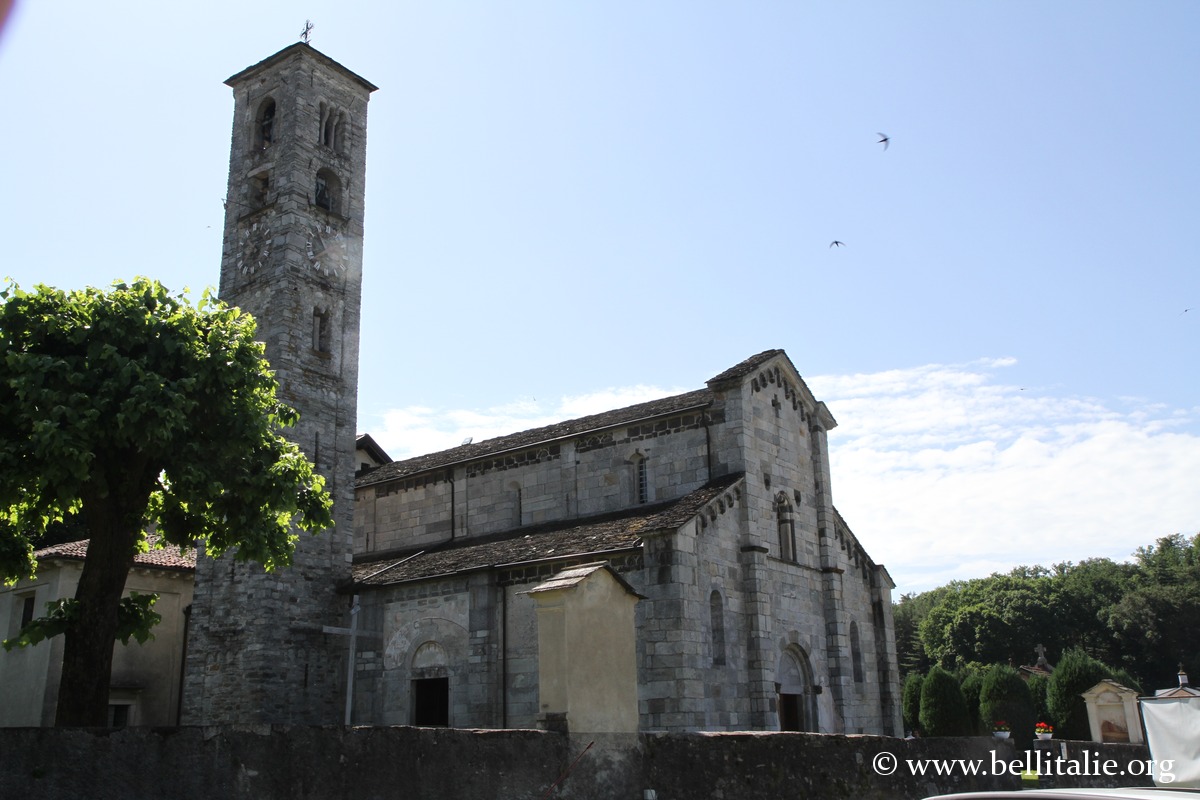
Santa Maria Assunta
Ameno
The sanctuary Madonna de la Bocciola is located in the Vacciago district of the commune of Ameno, with a very beautiful view of the lake
Tower of Buccione and park of Mont Mesma
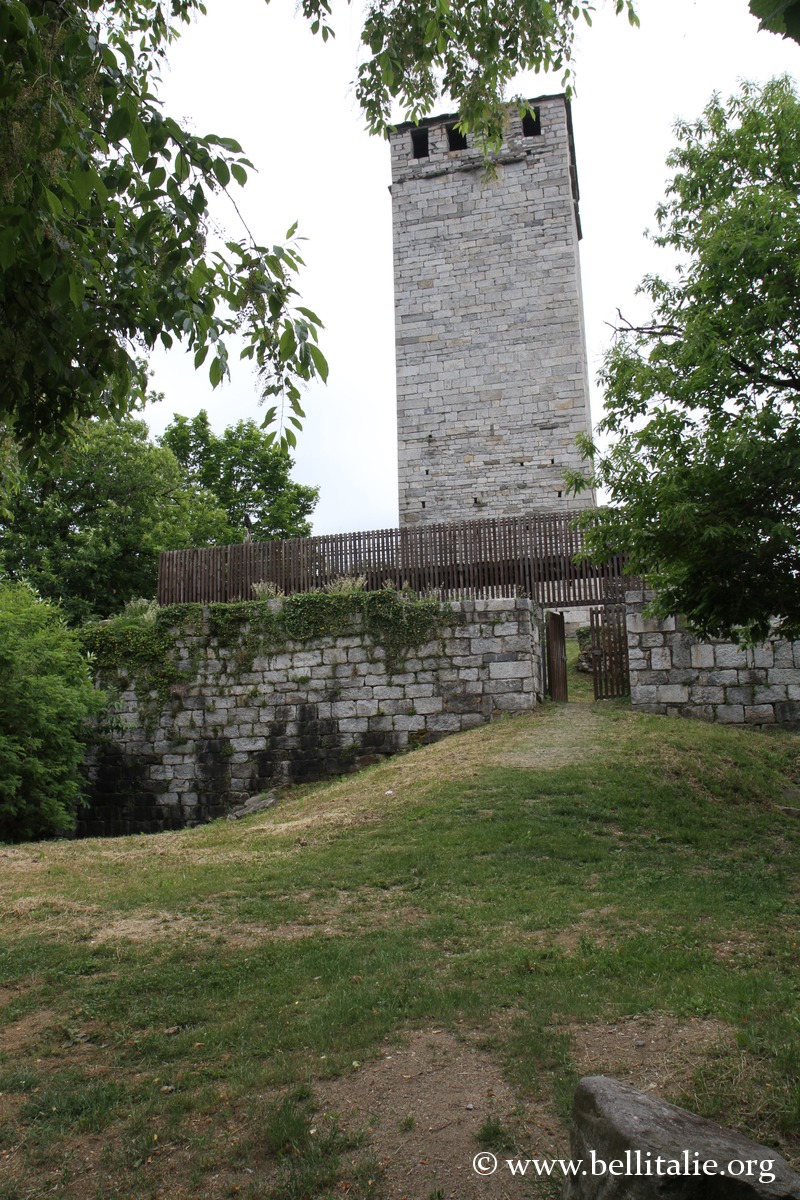
Tower of Buccione, a medieval tower dominating the lake, with the nature reserve of Mont Mesma, whose 17th-century Franciscan convent is reached by a Stations of the Cross path.
Pisogne
Santa Maria della Neve in Pisogne: superb 16th-century frescoes by Romanino, and the church of San Gotardo.
Legro
The wall paintings of Legro
Mont Fallo
Mont Fallo including the village of Coiromonte
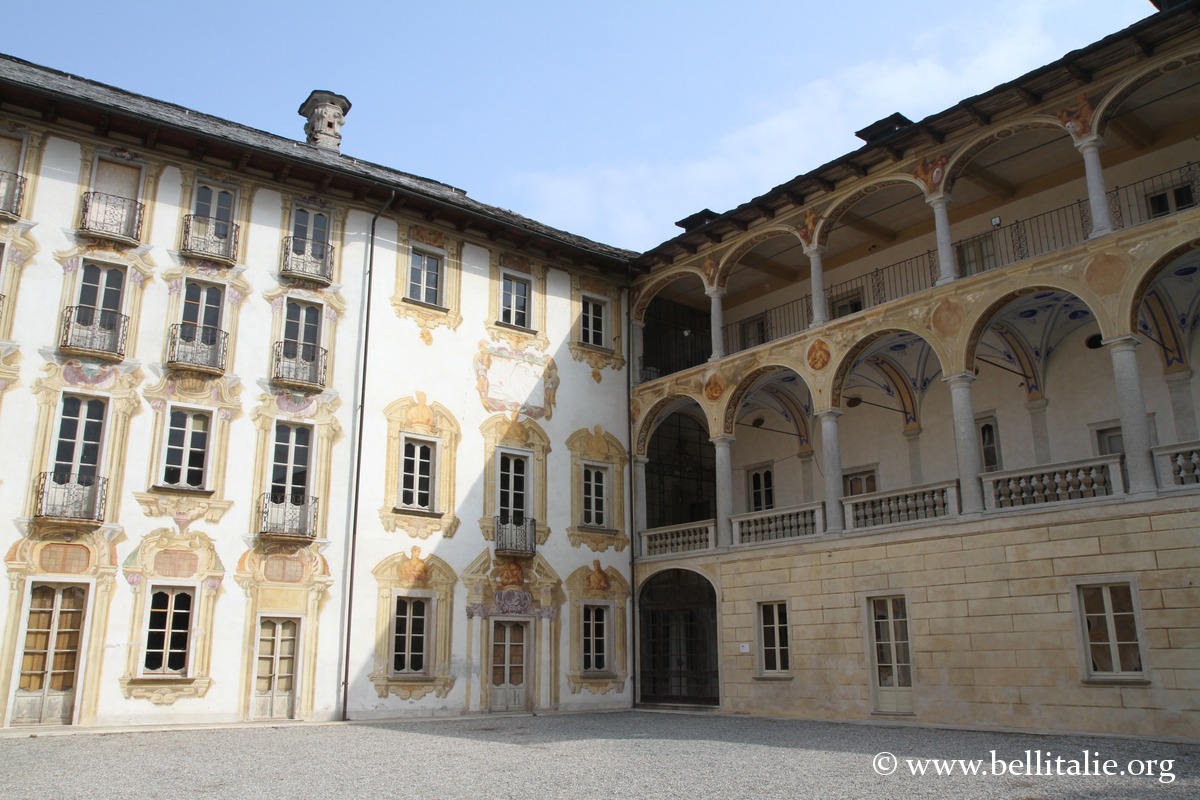
Other places on the western side
Strona Valley
Green winding valley west of Omegna, where woodworking known since the 16th century is still practised, in addition to cheeses. The main villages are Valstrona, Germagno, Chesio, Loreglia and Massiola. At its summit at 1300 metres of altitude is the Walser village of Campello Monti, inhabited only in summer. A 5 km walk from Campello to Lake Capezzone.
Pella
Church of San Filiberto in Pella, from the 11th century.
Quarna
To the north-west, a pretty viewpoint at Quarna Sopra, at 800 metres of altitude, near Quarna Sotto which has produced wind musical instruments for centuries.
Gozzano
2.5 km south of the lake, in Gozzano the basilica of San Giuliano
Gallery
-
- Îlot d’Orta San Giulio
Information
- Wikipedia articles: en.wikipedia.org
- Tourist portals: www.lagodorta.piemonte.it, www.lelacmajeur.com
Weather in Orta
Map
If you see this after your page is loaded completely, leafletJS files are missing.
- What to see in Piedmont
- Turin
- Saint Michael’s Abbey, La Clusa
- Lake Maggiore
- Susa Valley and Chisone Valley
- Susa
- Lake Orta
- Cuneo and Surroundings
- The Langhe
- Montferrat
- Roero and surroundings
- Asti
- Alba
- Domodossola and Val d’Ossola
- Valsesia
- Sanctuary of Mount Oropa
- Saluzzo and surroundings
- Usseaux and Fenestrelle Fort
- Casale Monferrato
- Vercelli
- Ivrea, Canavese and Biellese
- Novara


Comments