


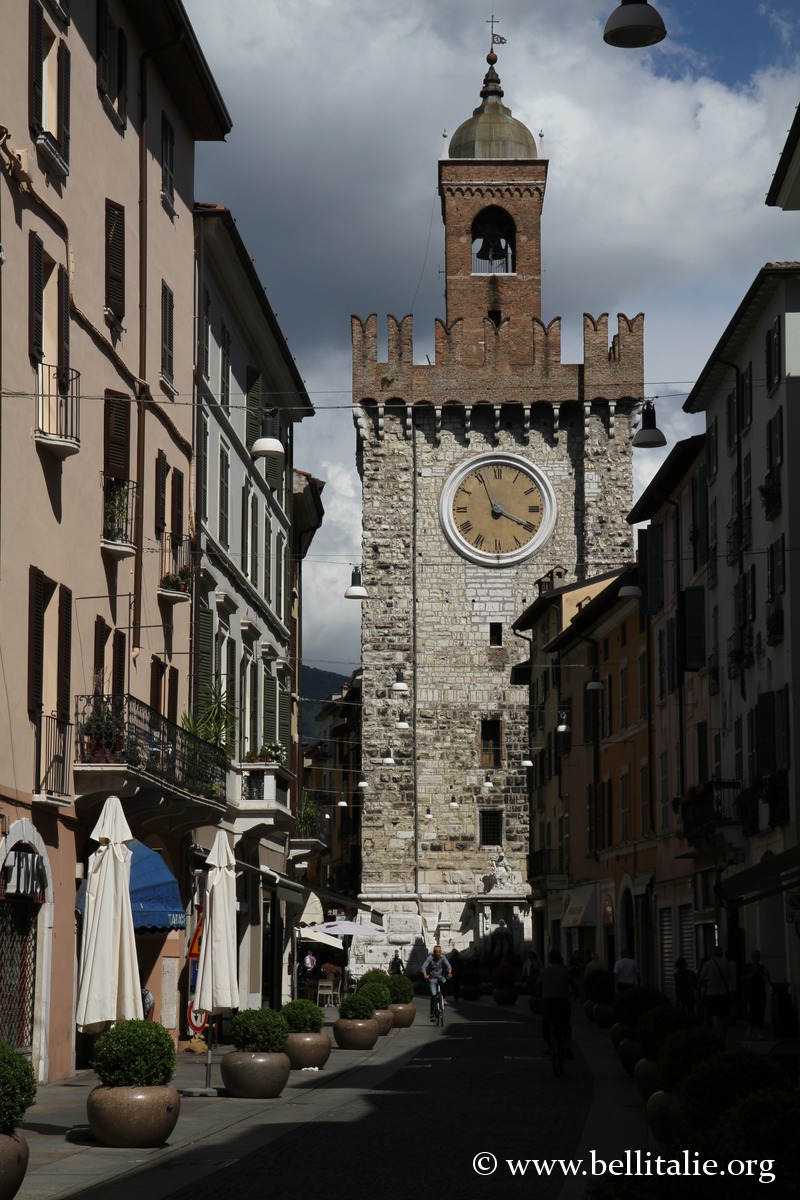
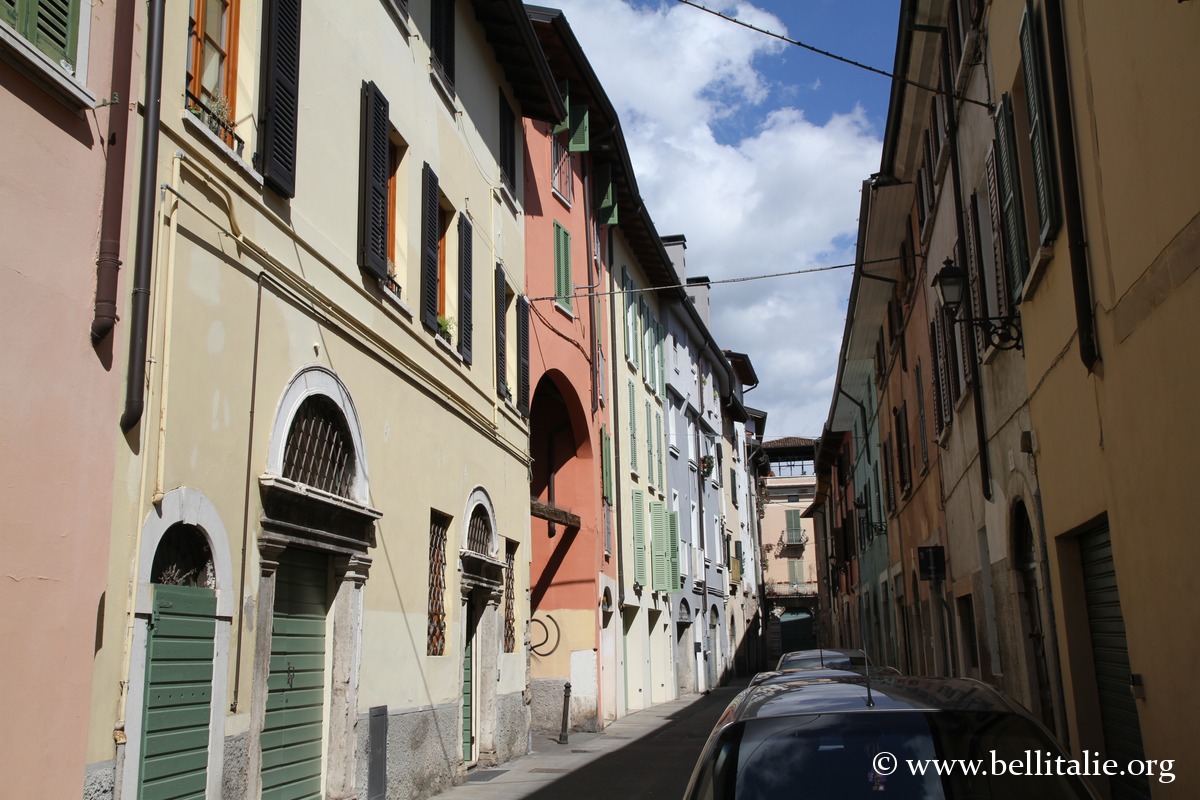
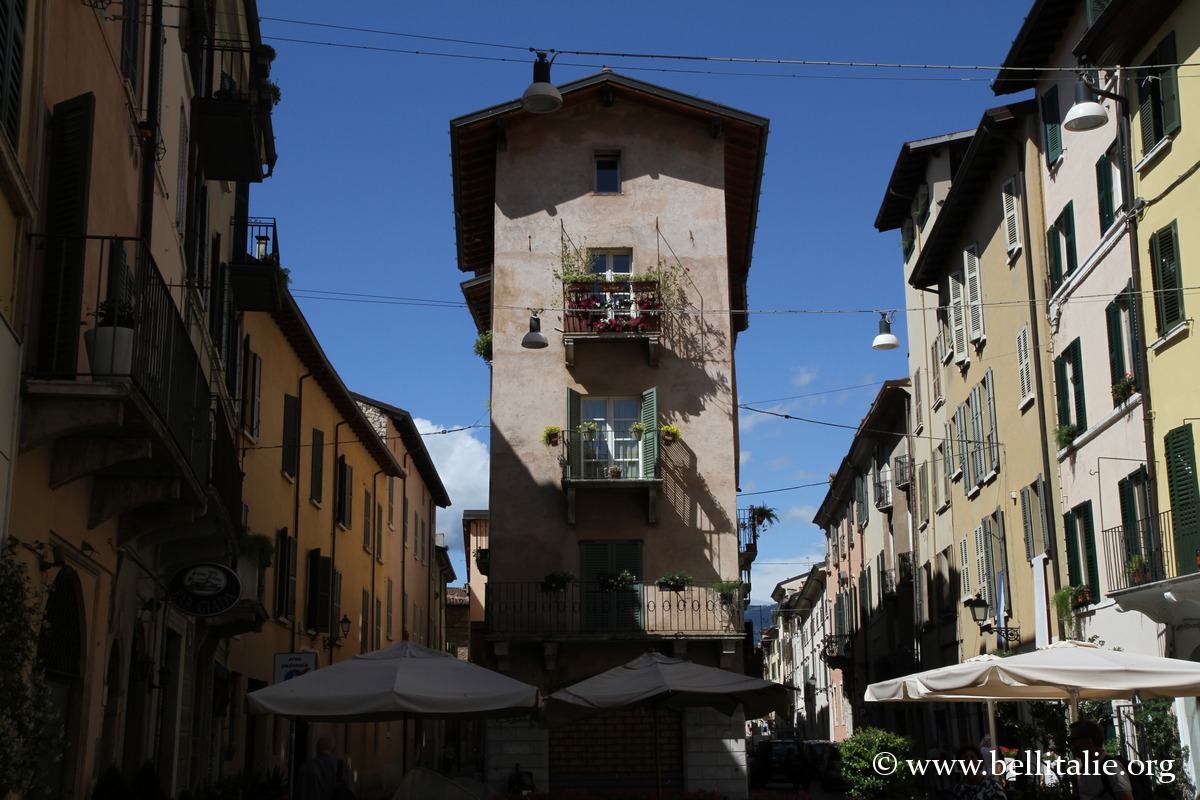
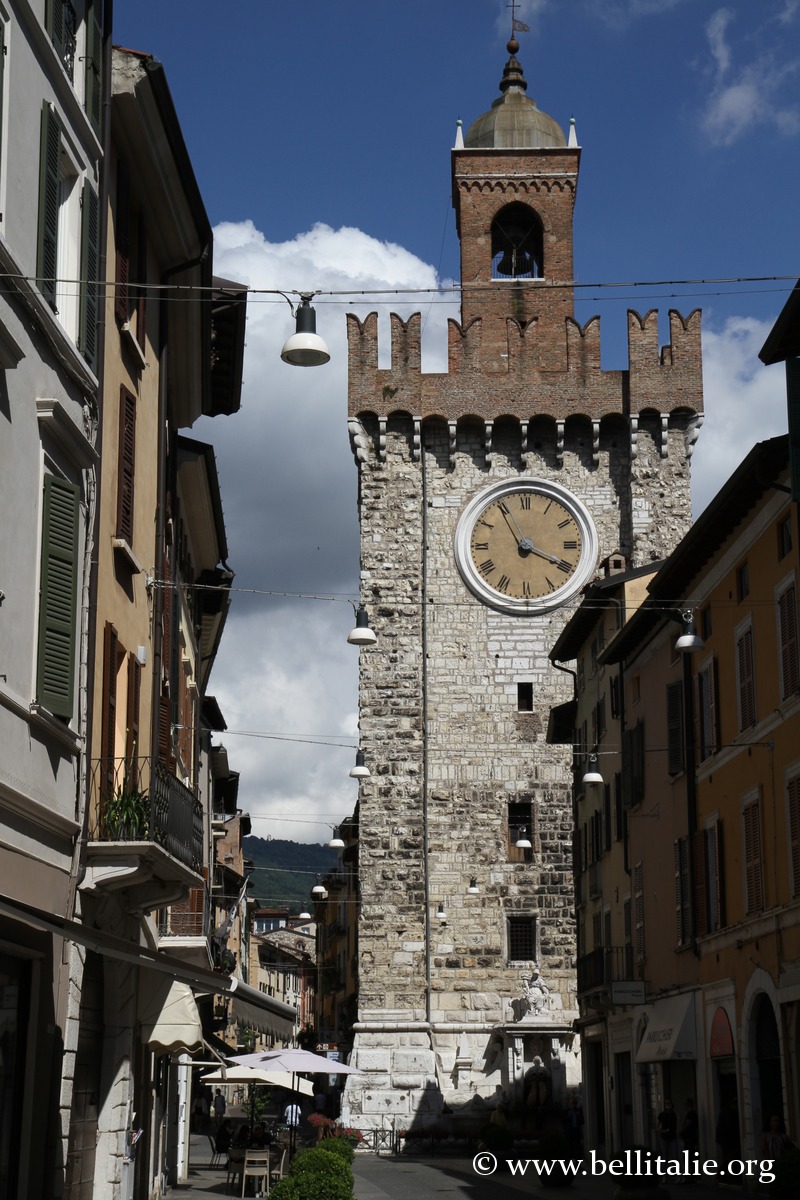
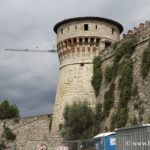
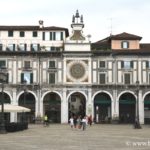
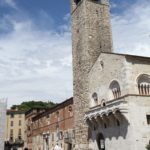
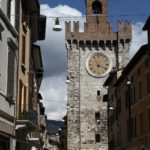
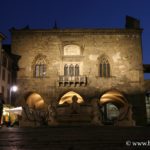
Close to Piazza Loggia, the Carmine district is a working-class, multicultural neighborhood frequented by young people. Beyond its bars and nightclubs, it preserves many historic buildings, such as palaces, churches, and old alleyways, including the beautiful Torre della Pallata tower, which dates back to the 13th century, 31 meters high, with at its base the Bagnadore fountain placed in 1596, where the symbols of the city’s two rivers, the Garza and the Mella, are depicted. The Palazzo della Mercanzia, which dates back to the 12th century, with a loggia, was the seat of the guilds.
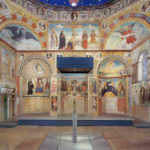
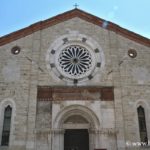
At least two churches are worth a detour, including Santa Maria del Carmine, in the Lombard Gothic style, dating from the 15th century, and the church of Santi Faustino e Giovita (Saints Faustinus and Jovita), from the 17th century, whose interior is Baroque and preserves treasures such as a fresco by Tiepolo.
Historical Overview
Crossed by now-buried canals, this district saw the establishment of forges and water mills from the Middle Ages onward, with many merchants and artisans such as weavers, armorers, and goldsmiths, as well as the seat of the guilds at the Palazzo della Mercanzia, dating back to the 12th century.
It was also there that the mendicant orders settled, giving rise to monumental complexes where renowned Brescian artists such as Foppa, Moretto, and Romanino worked.
Later, the district began to be abandoned, and then the ghetto was established there by the religious authorities. For a long time, it was enclosed by walls and gates closed from sunset to dawn.
In the 19th century, it was an unhealthy and ill-frequented district, with bars, petty crime, and prostitution.
Information
- Wikipedia articles: Palazzo delle Mercanzie, Torre della Pallata
- Tourism portals: www.visitbrescia.it
Map
If you see this after your page is loaded completely, leafletJS files are missing.







Comments