


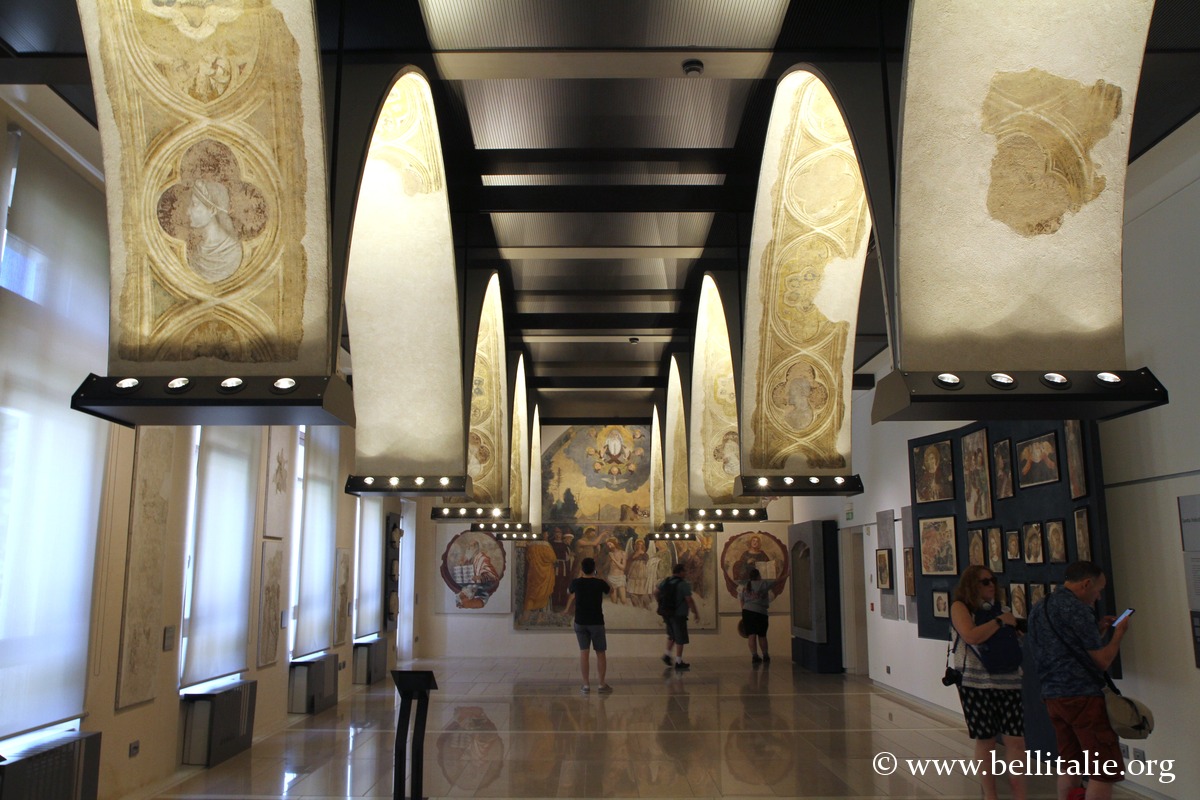
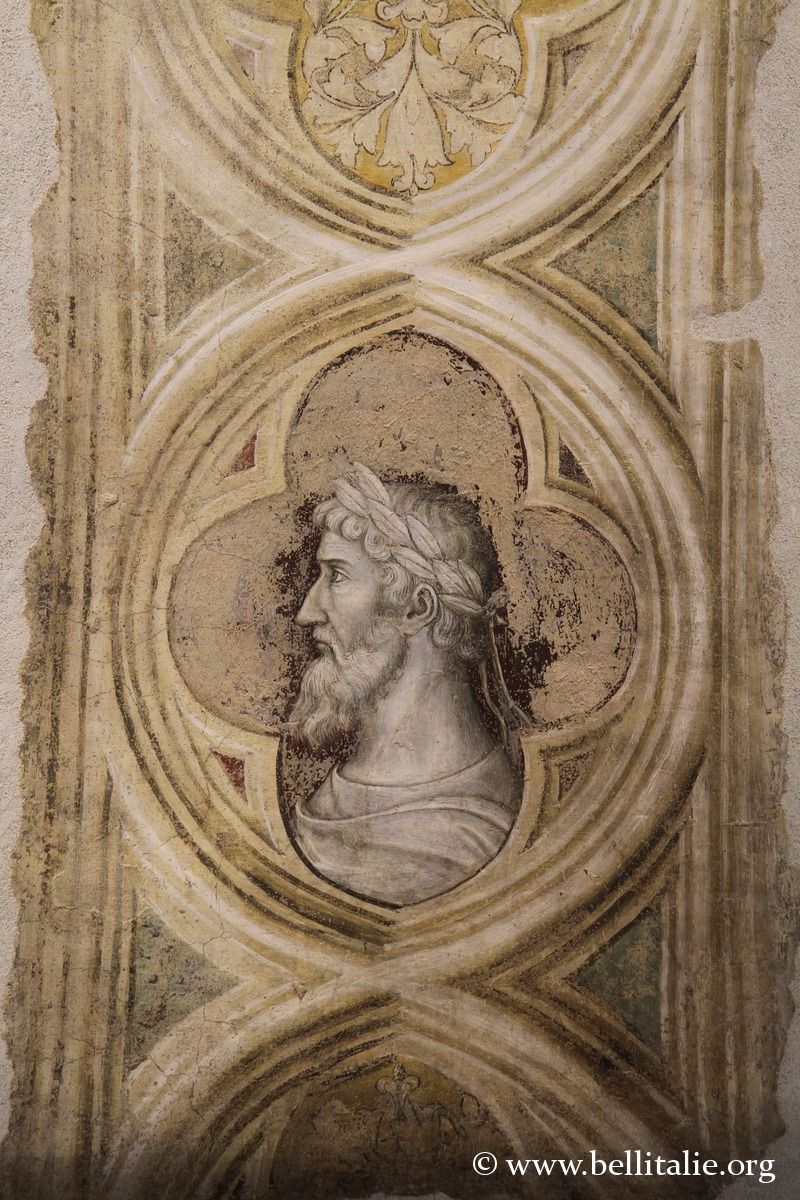
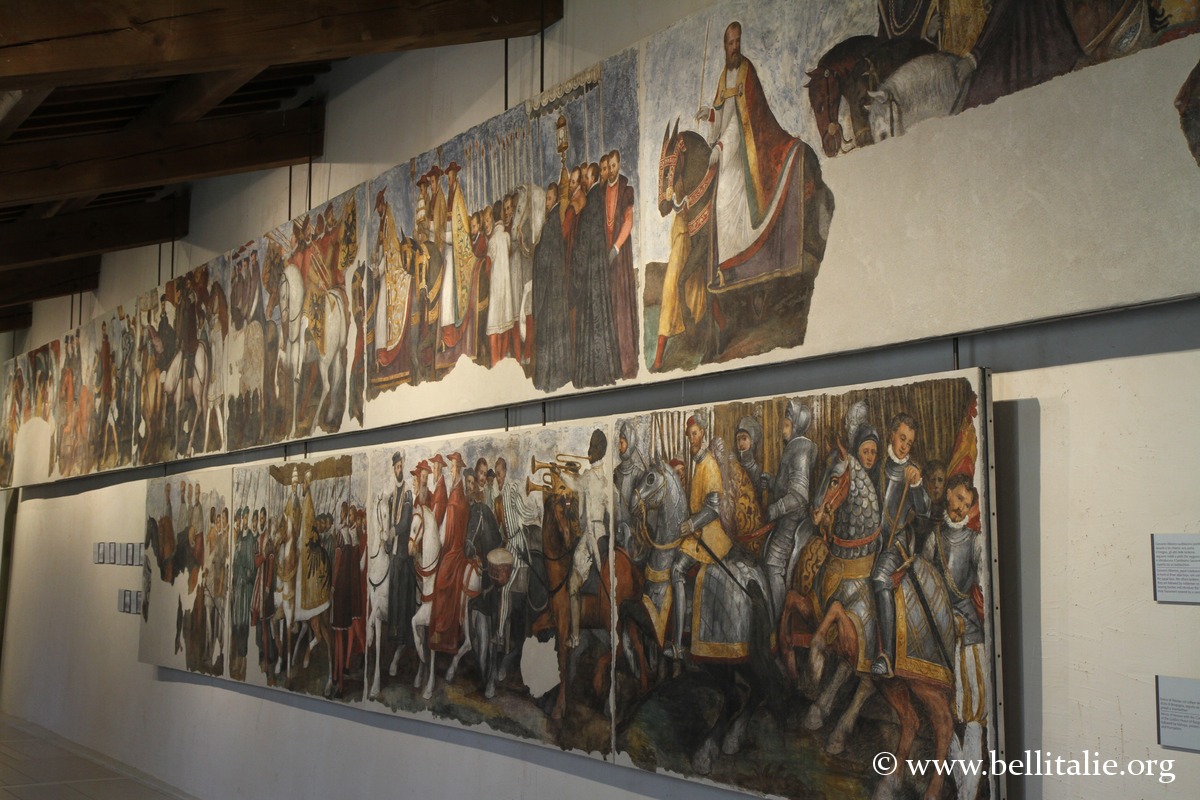
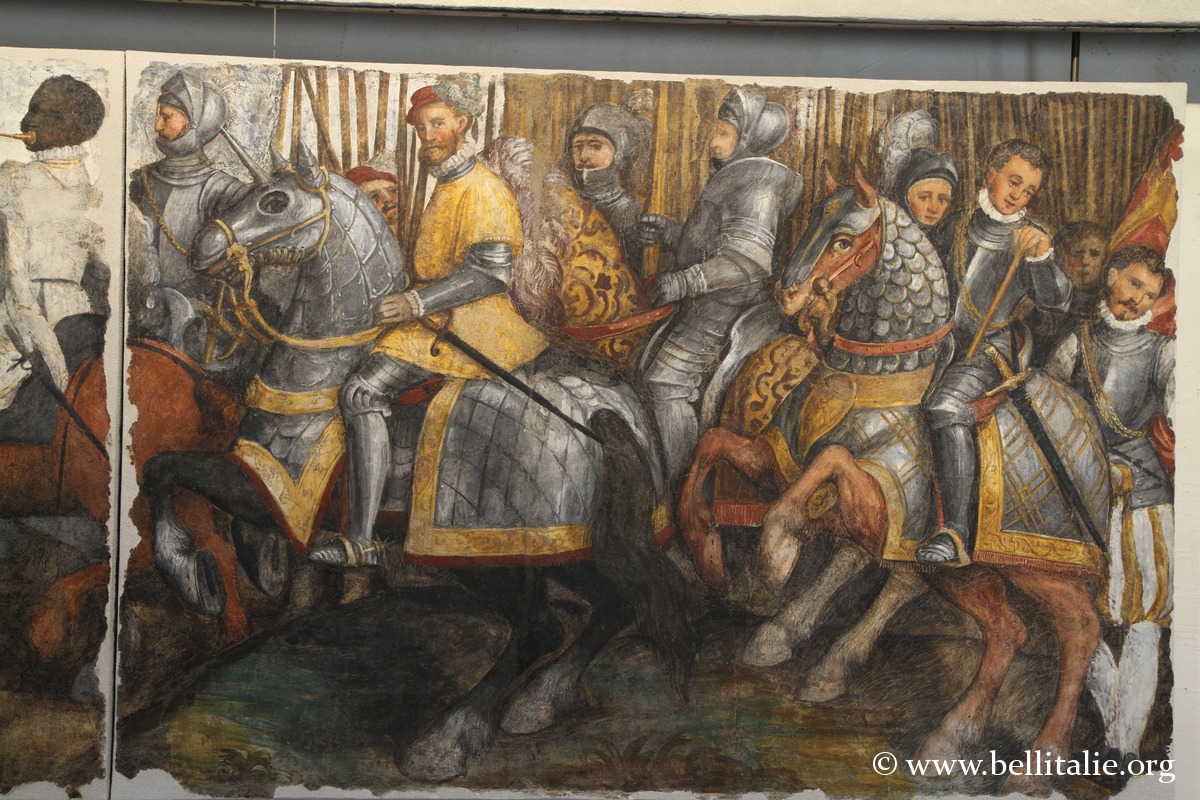
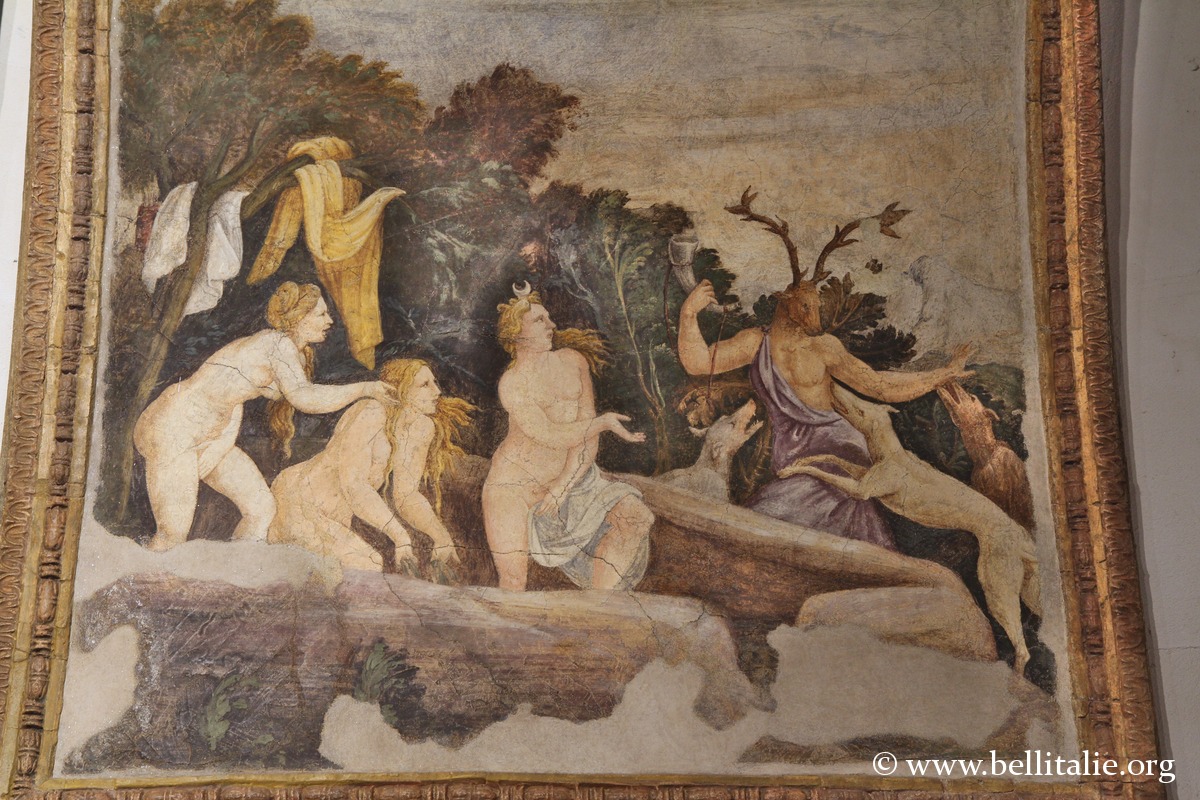
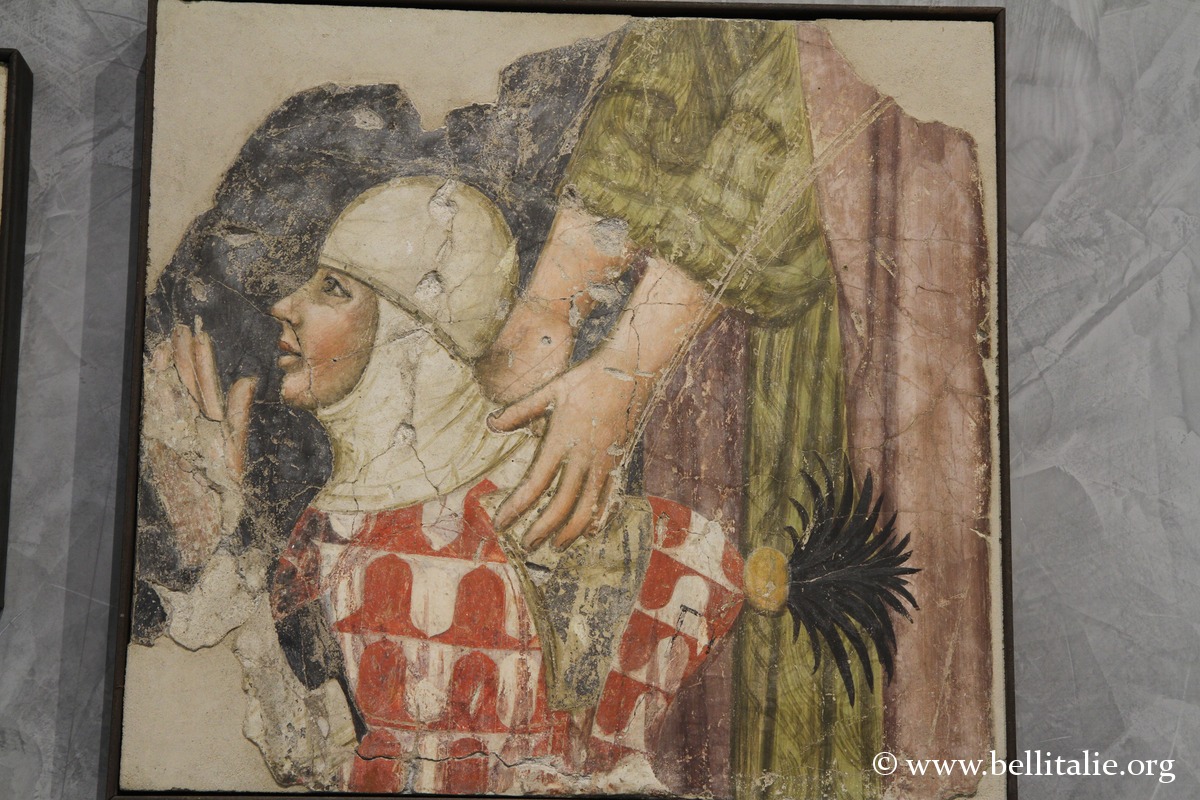
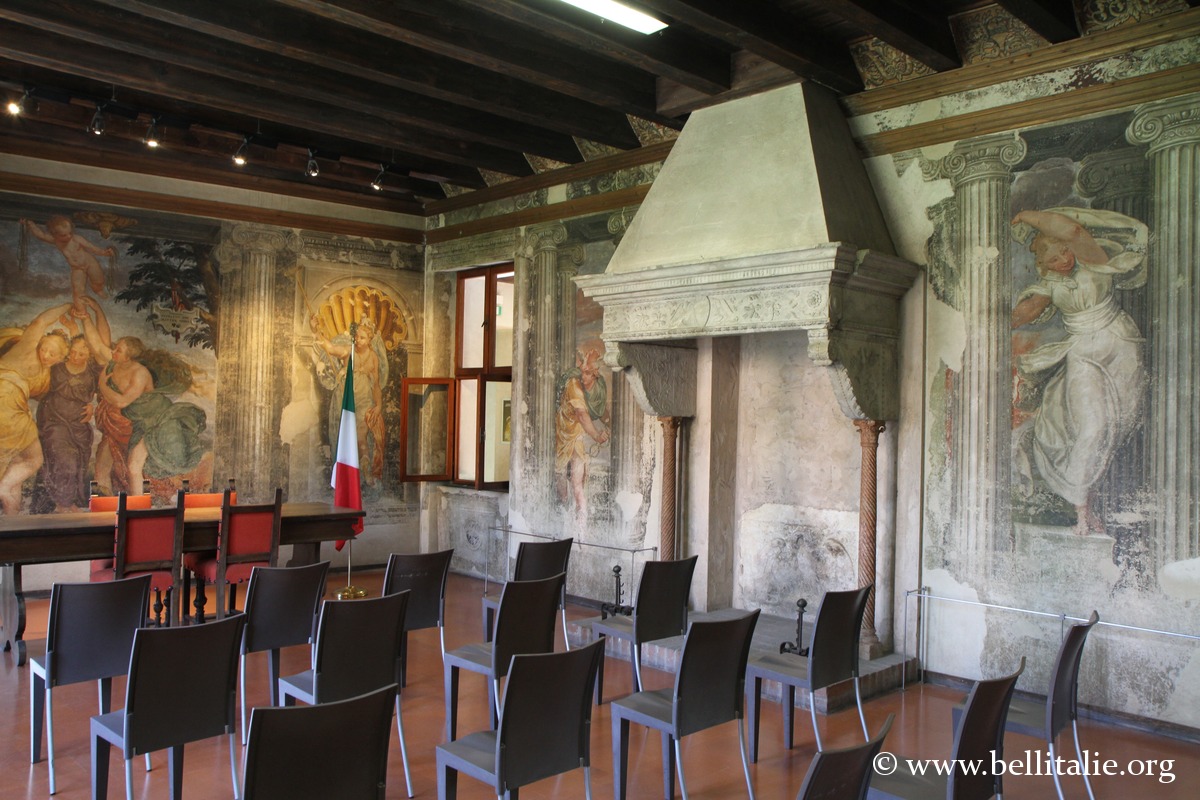
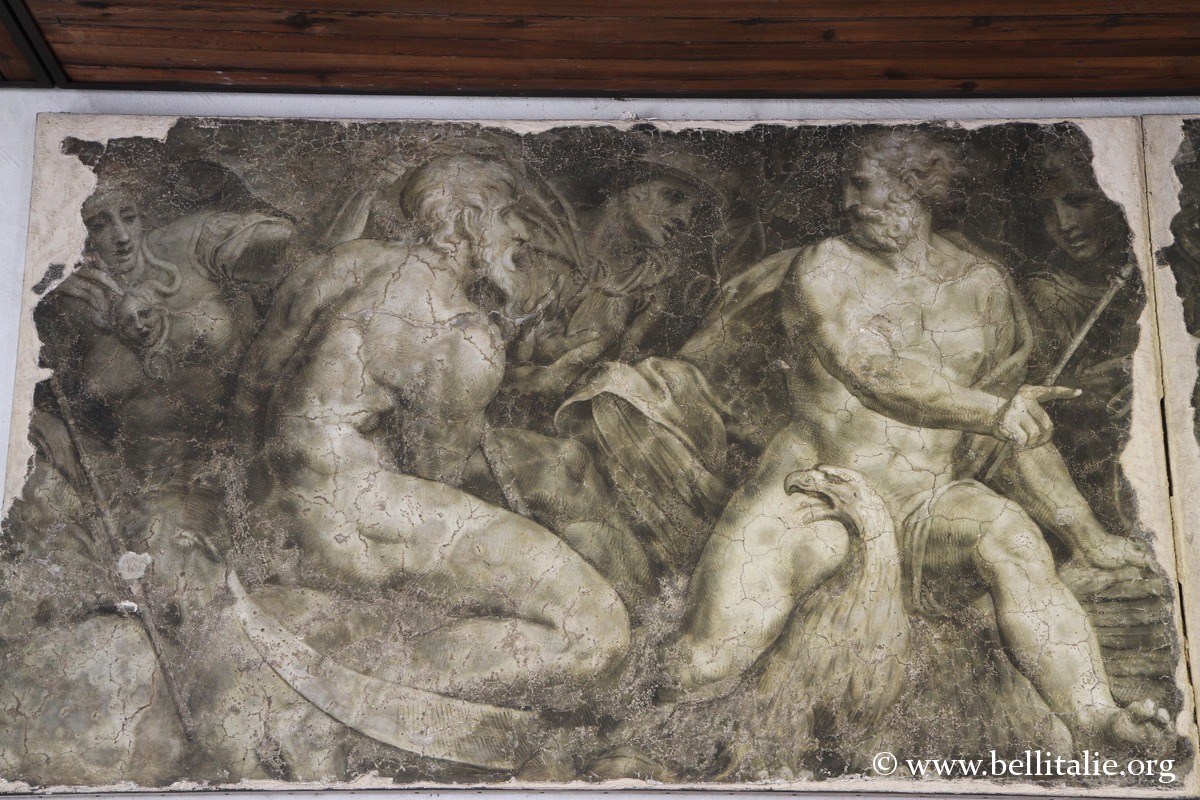
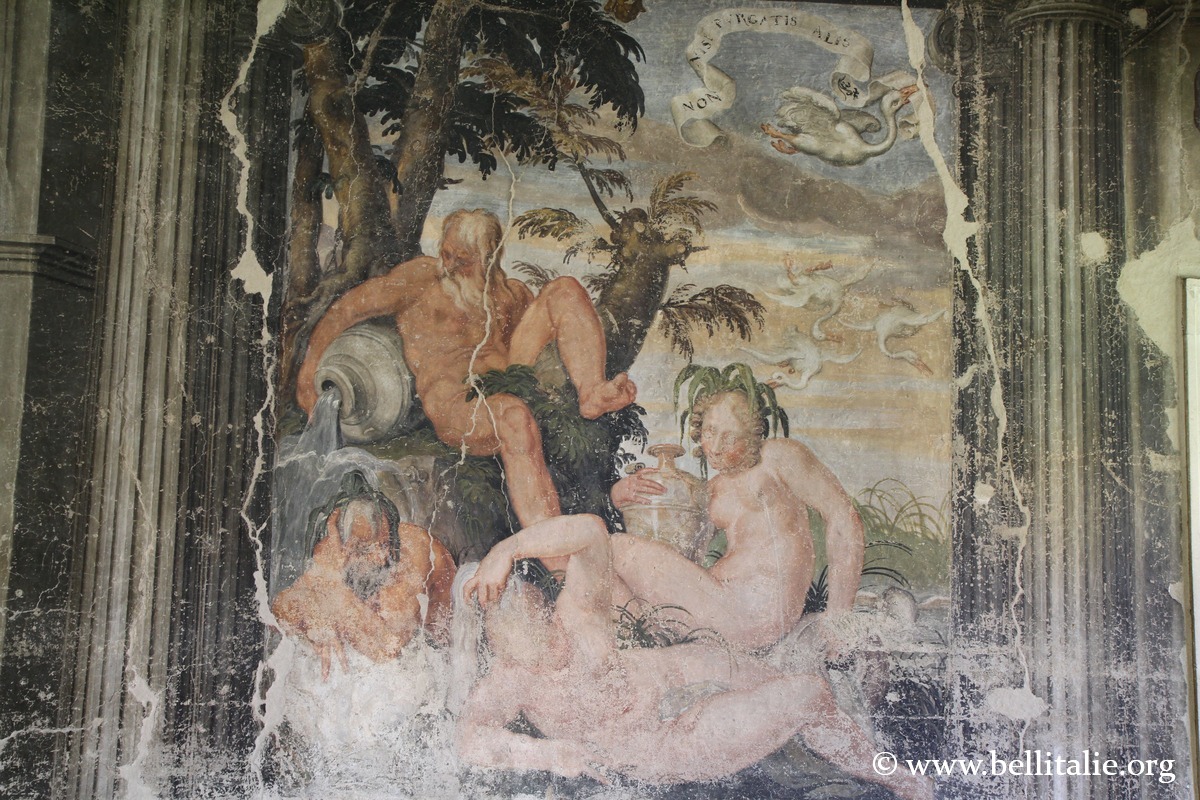
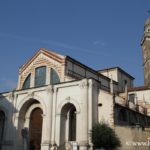
Housed inside the former convent of the Franciscan Sisters which dates back to the 13th century, the G.B. Cavalcaselle Museum of Frescoes was inaugurated in 1973. It preserves important frescoes taken from the facades of churches or houses of the city, painted between the 10th and 16th centuries.
In the church of San Francesco, large painted canvases from the 16th to the 18th century are preserved.
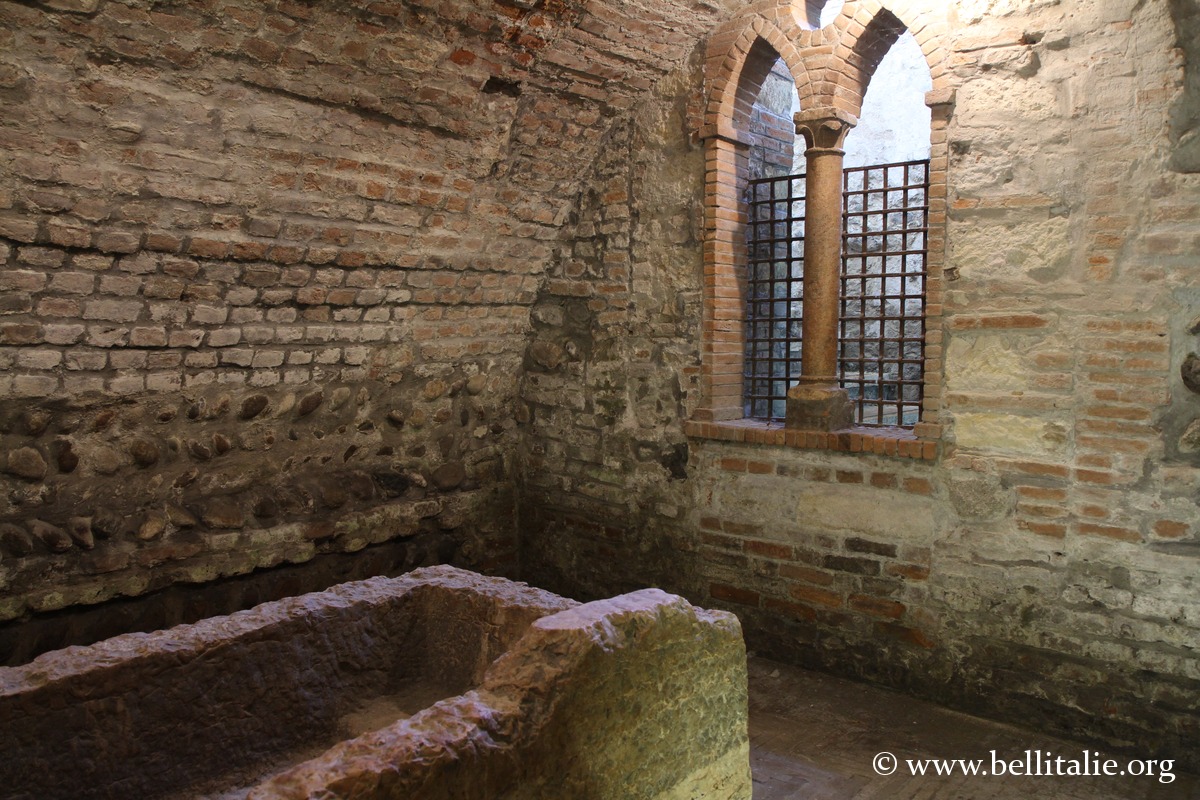
In the underground crypt is the ” Tomb of Juliet ” a sarcophagus that was placed here and is said to be that of the legendary Shakespearean character of Juliet (Giulietta Capuleti). This place was opened to the public in 1935 and has become a tourist attraction.
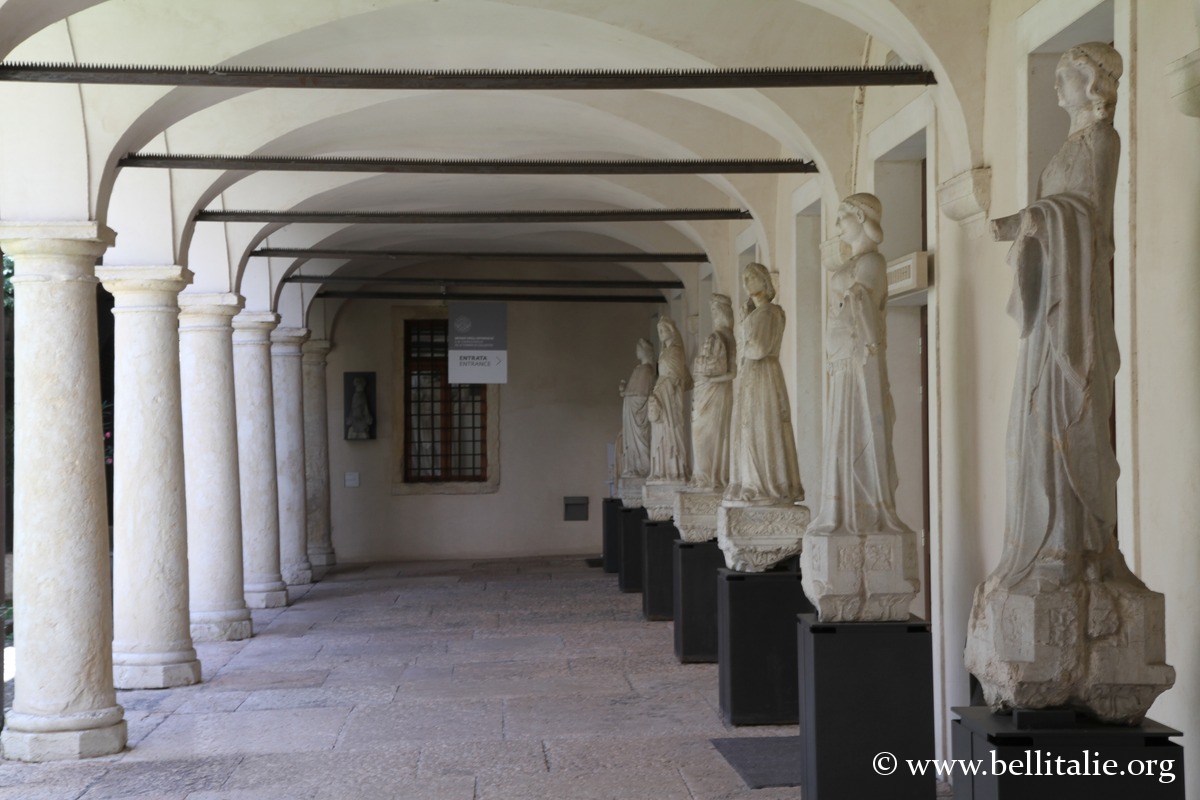
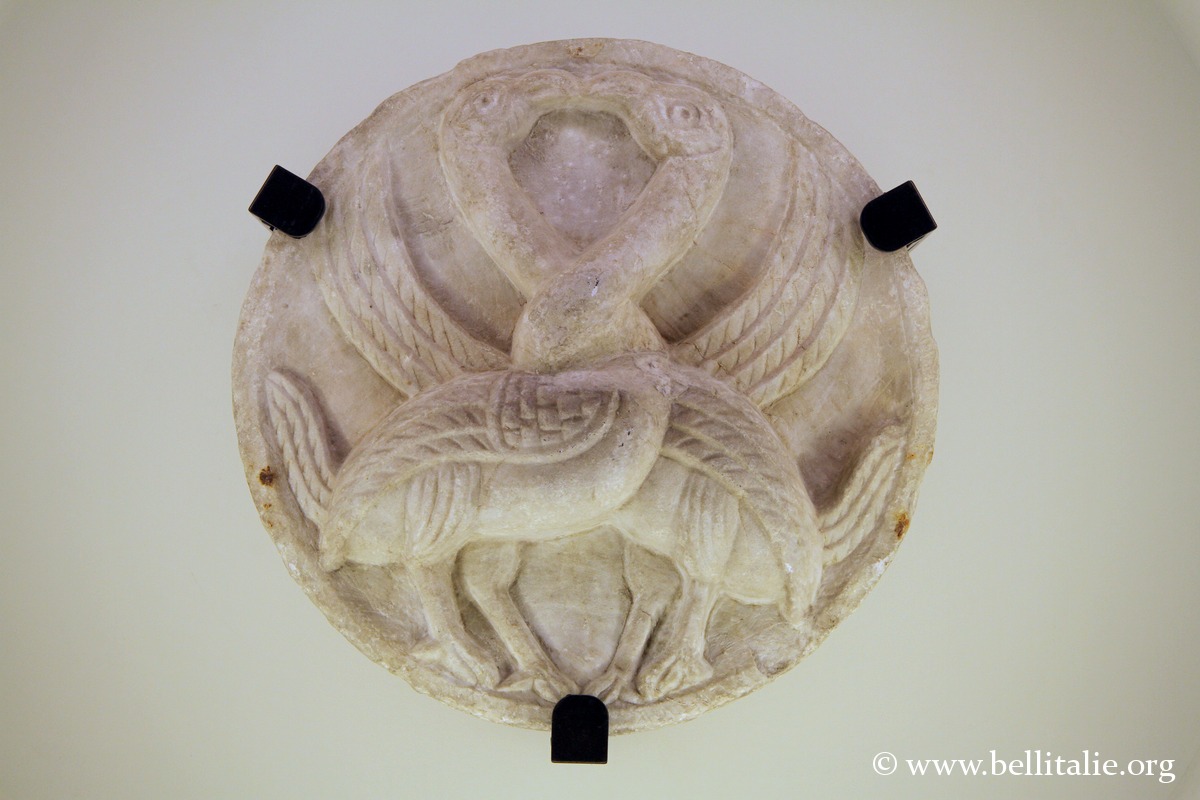
In the underground there is a deposit of Roman amphorae from the 1st century AD found during excavations in the region, and in the courtyard are placed medieval and modern sculptures and stones intended for the installation of a lapidarium.
Information
- Wikipedia article: it.wikipedia.org
- Tourist portals: www.turismoverona.eu
- Official website: museodegliaffreschi.comune.verona.it
Map
If you see this after your page is loaded completely, leafletJS files are missing.





- What to see in Verona
- History of Verona
- Verona Arena
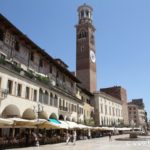
- Piazza delle Erbe and Lamberti Tower
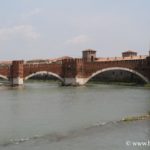
- Castelvecchio and Scaliger Bridge
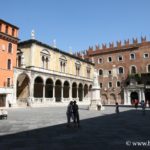
- Piazza dei Signori in Verona
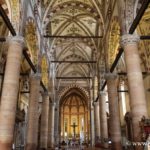
- Basilica of Sant’Anastasia
- Verona Cathedral Complex
- Basilica of San Zeno
- Roman Theatre of Verona
- Church of San Fermo
- Church of Santa Maria in Organo
- Verona’s Monuments


Comments
Comments in other languages
Juliet's tomb?? If you believe it, why not. Respect for beliefs