


Ca’ Granda
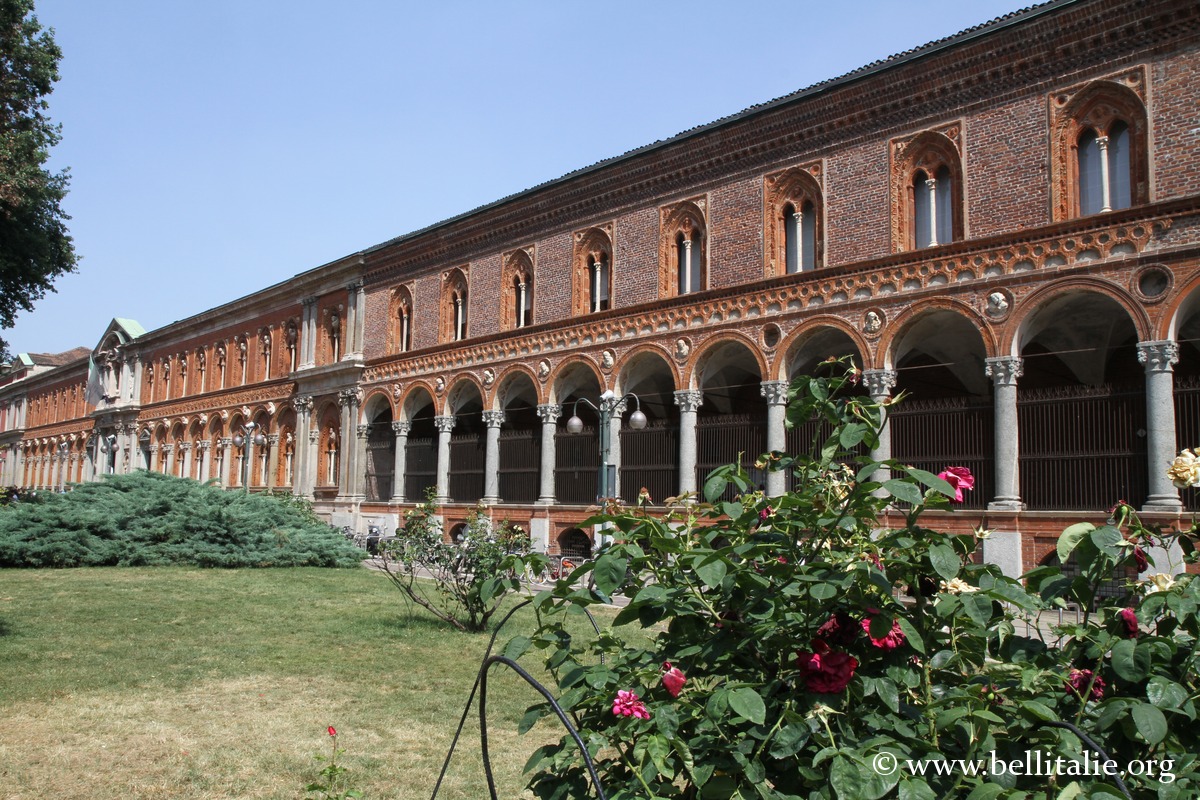
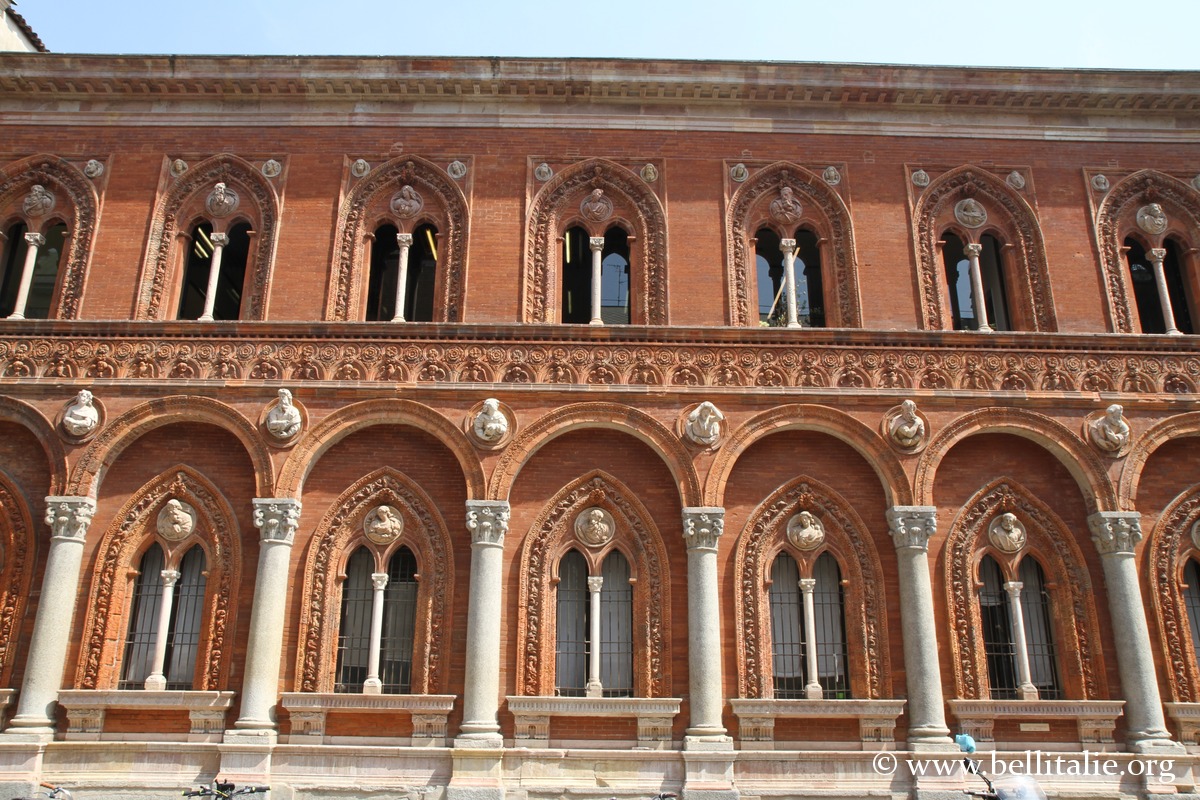
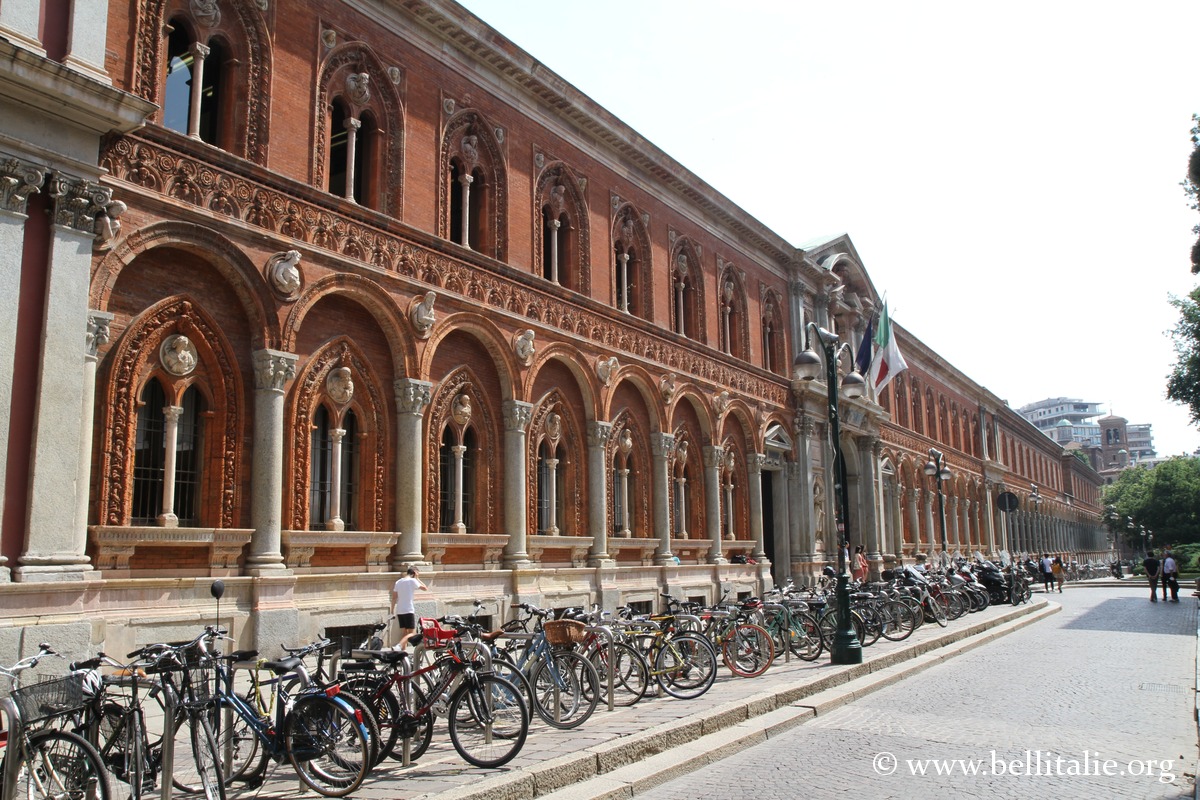
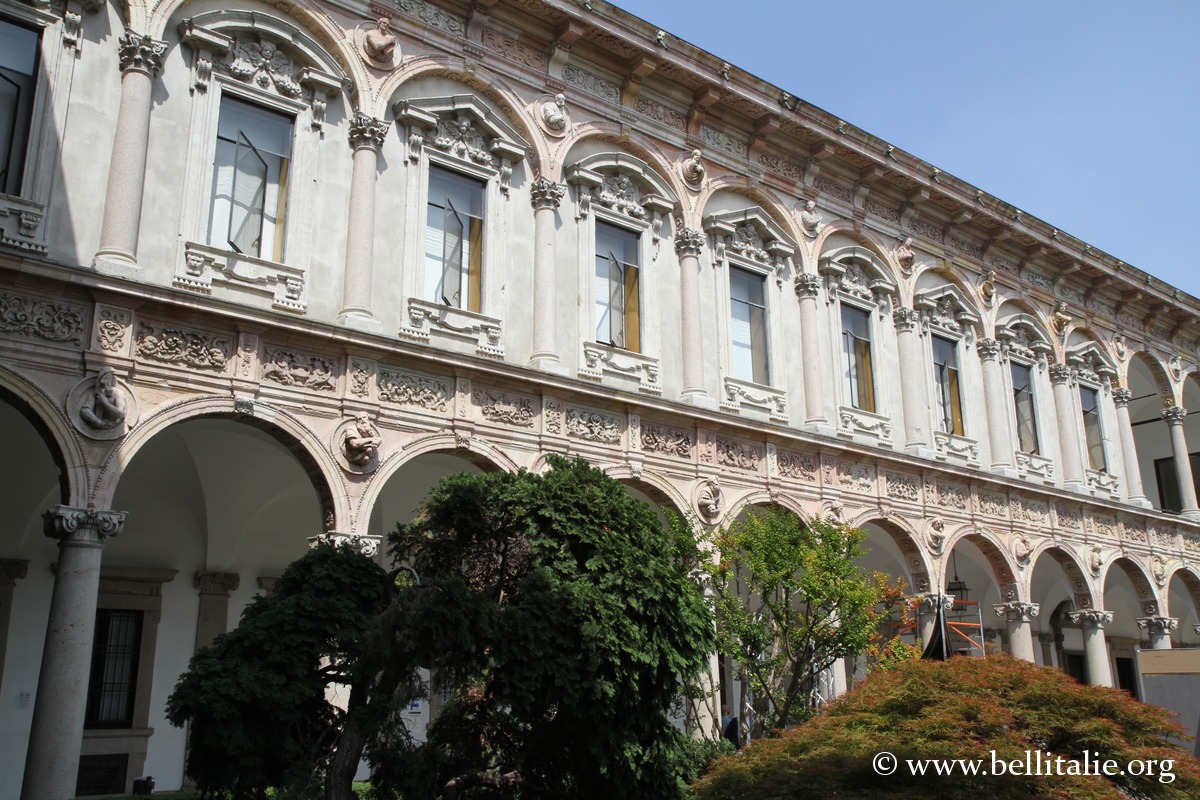
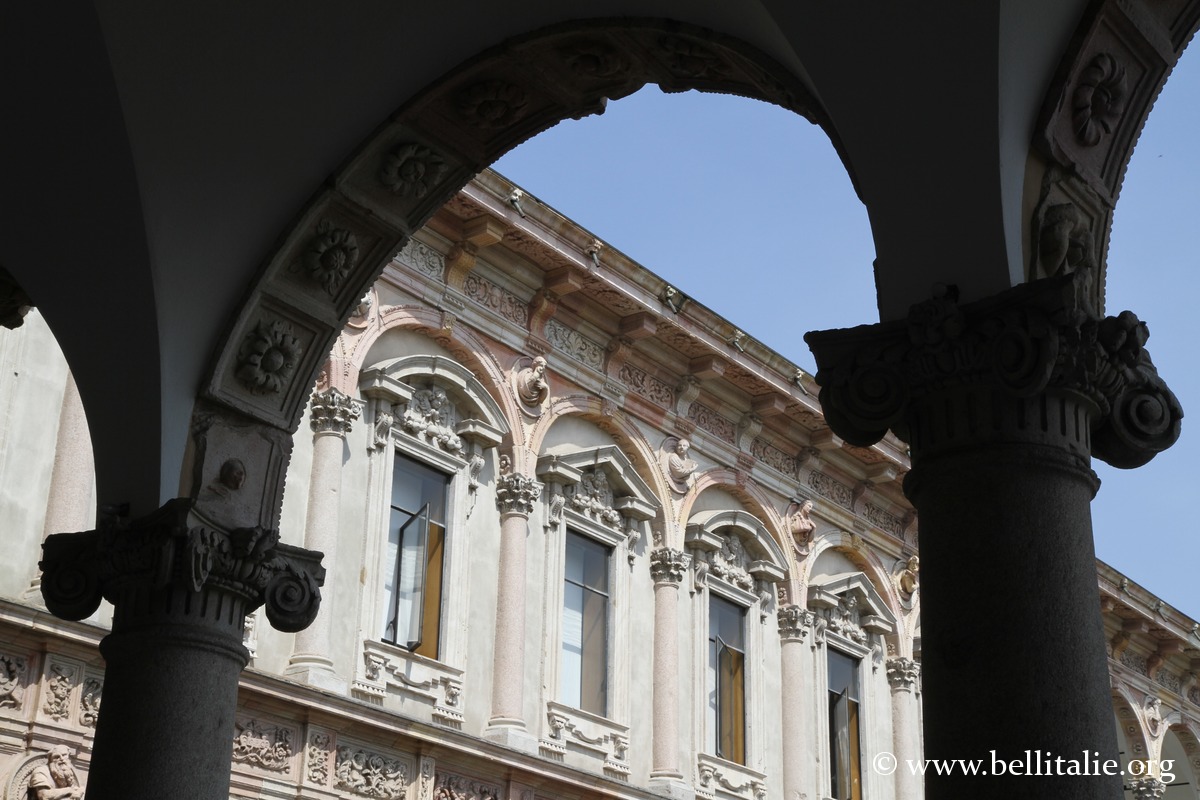
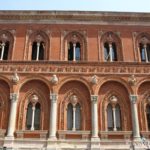
Built from 1456 by Duke Francesco Sforza to become the most modern hospital in Europe, it was the main hospital of Milan until 1939. Devastated by bombing in 1943, it was rebuilt, and then became the seat of the University of Milan.
Its long and beautiful façade runs along the via Festa del Perdono.
Rotonda della Besana
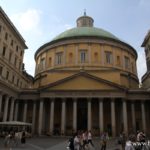
The Rotonda della Besana was built in 1695 as a cemetery for the dead of the Main Hospital of the Ca’ Granda, with the church of San Michele at the centre in the middle of a circular portico.
The church, now deconsecrated, is used as an exhibition space and the seat of the Children’s Museum.
The charming portico features columns with capitals in the shape of a skull.
Having served as a barracks and a barn, it has been a public space since 1939 when it was ceded in 1939 to the Municipality of Milan for art exhibitions and cultural events.
San Vittore al Corpo
Basilica rebuilt between 1560 and 1602 by the Olivetans of the convent (now the seat of the National Museum of Science and Technology), with three naves adorned with rich white and gilded stuccoes, and 17th-century canvases.
Santa Maria presso San Satiro
A precious testimony of the Renaissance. The interior is small but has a famous trompe-l’œil apse by Bramante.
Sant’Alessandro
Baroque church built by the Barnabites in the 17th century, whose interior preserves rich canvases.
Sant’ Eufemia
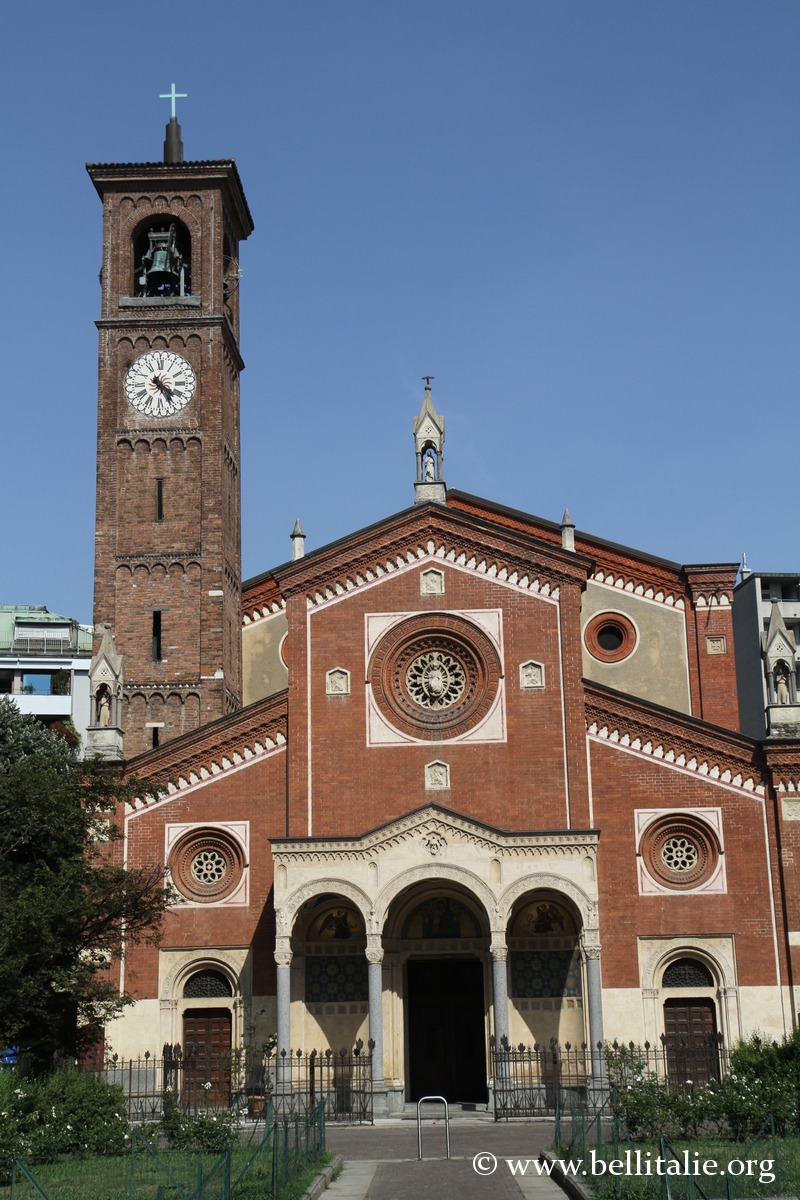
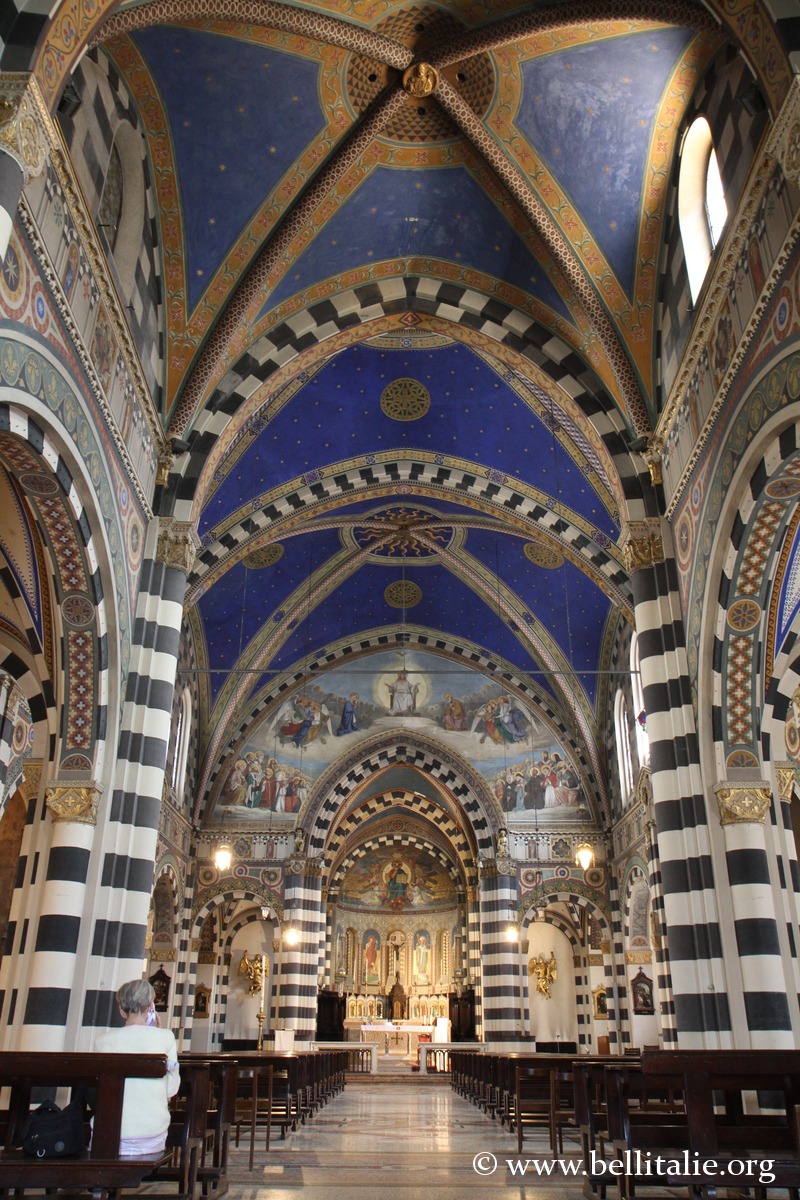
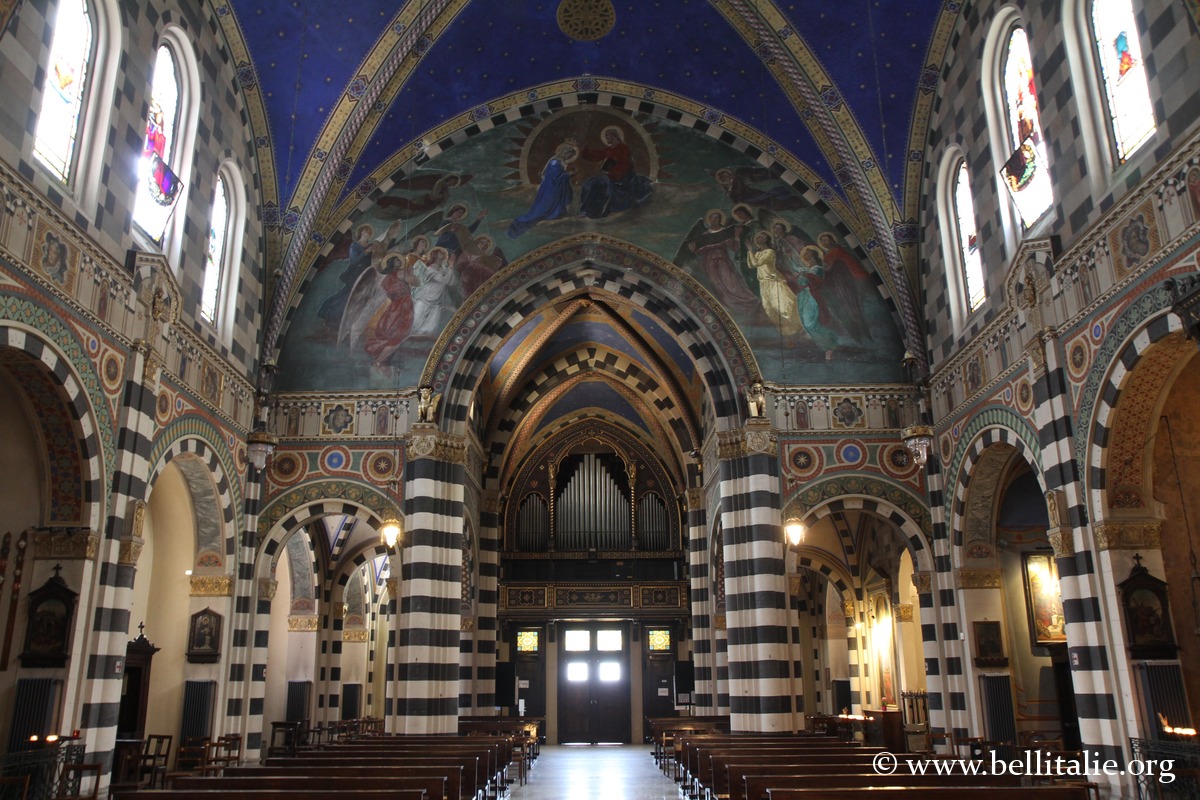
Dating back to the 5th century, the basilica Sant’Eufemia, rebuilt in the 16th and then in the 19th century, has a beautiful Neo-Gothic interior with 16th-century canvases. With perfect acoustics, the church was used in the 1950s to record operas by Maria Callas.
Santa Maria dei Miracoli presso San Celso
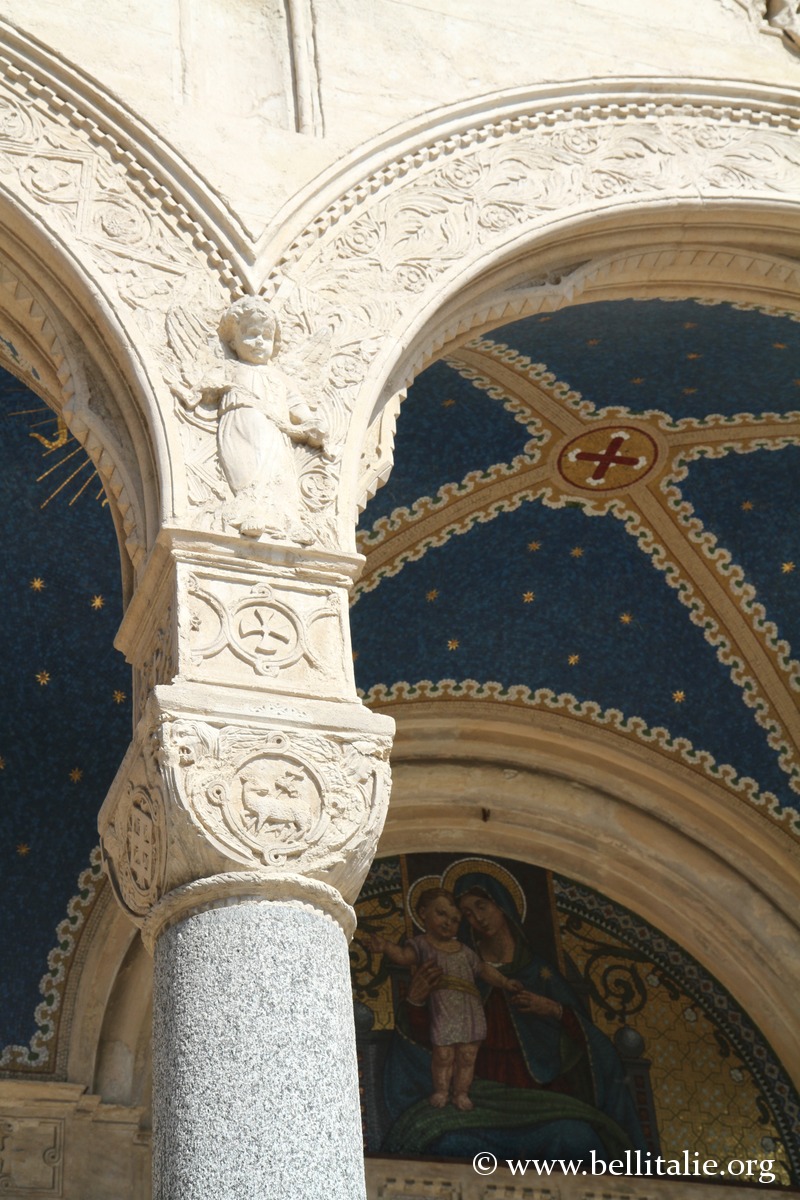
A fine example of the Lombard Renaissance, featuring a remarkable 16th-century quadriportico preceding it, with the octagonal dome of the late 15th century, or the imposing Mannerist façade built in Carrara marble from 1572.
San Marco
Built in the 13th century in a Gothic style, this large church was heavily remodelled in the Baroque style in the 17th century, with an interior adorned with frescoes. The façade was reworked in the 19th century but features the original Gothic marble portal.
In 1874 the “Messa da Requiem” by Manzoni was celebrated, conducted by Verdi. The church indeed has exceptional acoustic qualities, and the city’s main musical ensembles hold concerts there.
Spanish Walls
Along the 10 km of the Spanish walls, a portion of a corner can be seen towards the Piazzale Medaglie d’Oro.
Casa degli Omenoni
In the via degli Omenoni, the 16th-century Casa degli Omenoni has eight telamons adorning the façade, sculpted by Leone Leoni.
Casa Fontana Silvestri
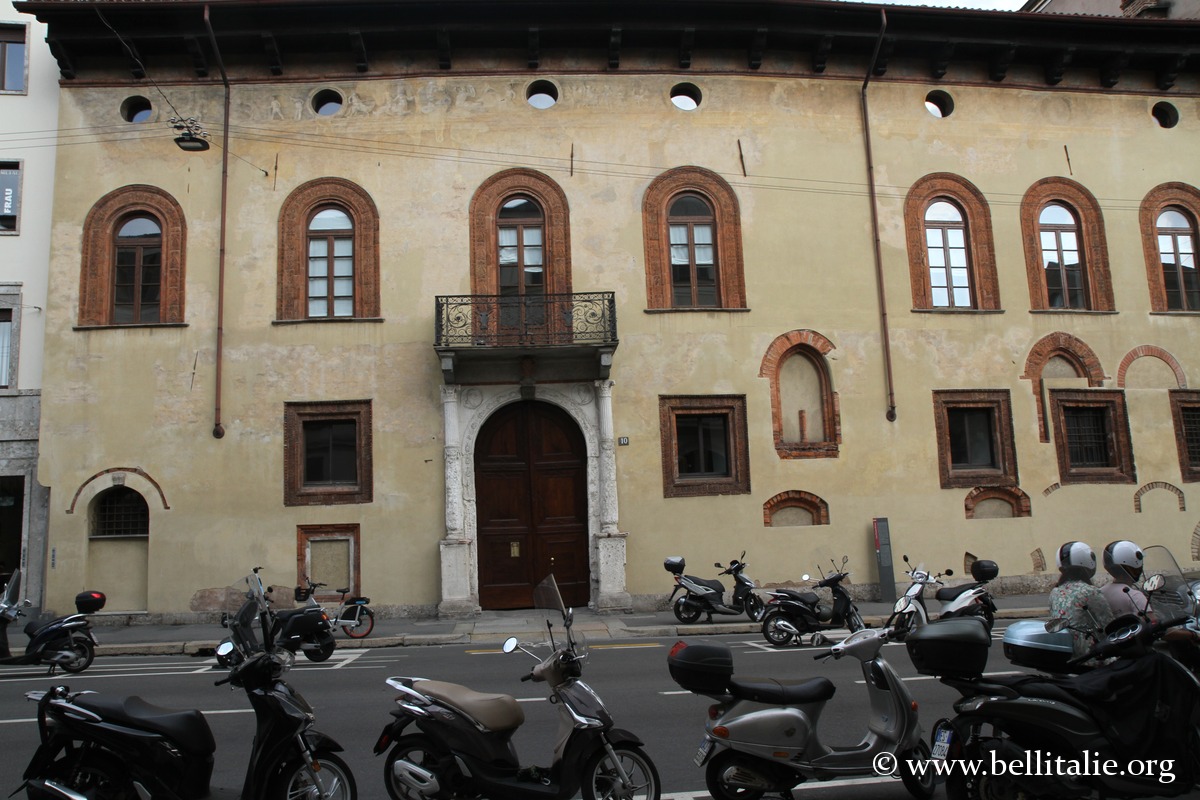
The Casa Fontana Silvestri, on the Corso Venezia, is a Renaissance palace from 1475 and one of the oldest houses in Milan, having a pretty courtyard and remains from the period.
Palazzo del Senato
In front of the Palazzo del Senato (Senate Palace), from the 17th century, there is a bronze sculpture by Joan Miro.
Palazzo delle Stelline
The Palazzo delle Stelline, from the 16th century, was for a long time an orphanage for young girls. It now houses several institutes, including the French Institute of Milan.
Palazzo Borromeo
The Palazzo Borromeo is a Gothic residence, one of whose rooms, which can be visited, features late Gothic frescoes.
Information
- Tourist portals: www.yesmilano.it
- What to see in Milan
- Itinerary ideas for visiting Milan
- Milan Cathedral
- Sforza Castle of Milan
- Victor Emmanuel II Gallery in Milan
- The Last Supper and Santa Maria delle Grazie
- Milan’s La Scala
- Basilica of Sant’Ambrogio in Milan

- Piazza dei Mercanti and Medieval Milan
- Selection of hotels and luxury hotels in Milan
- Leonardo da Vinci Museum of Science and Technology
- Brera Art Gallery
- Basilica of San Lorenzo, Milan
- Navigli District and Canals of Milan
- San Maurizio al Monastero Maggiore in Milan
- Milan Civic Archaeological Museum
- Basilica of Saint Nazarius in Milan
- Other Renaissance and Baroque monuments
- Neoclassical, 18th and 19th centuries in Milan
- The Museums of Milan
- Shopping, the Fashion Quadrilateral and Markets in Milan
- Squares and other sites of Milan



Comments