


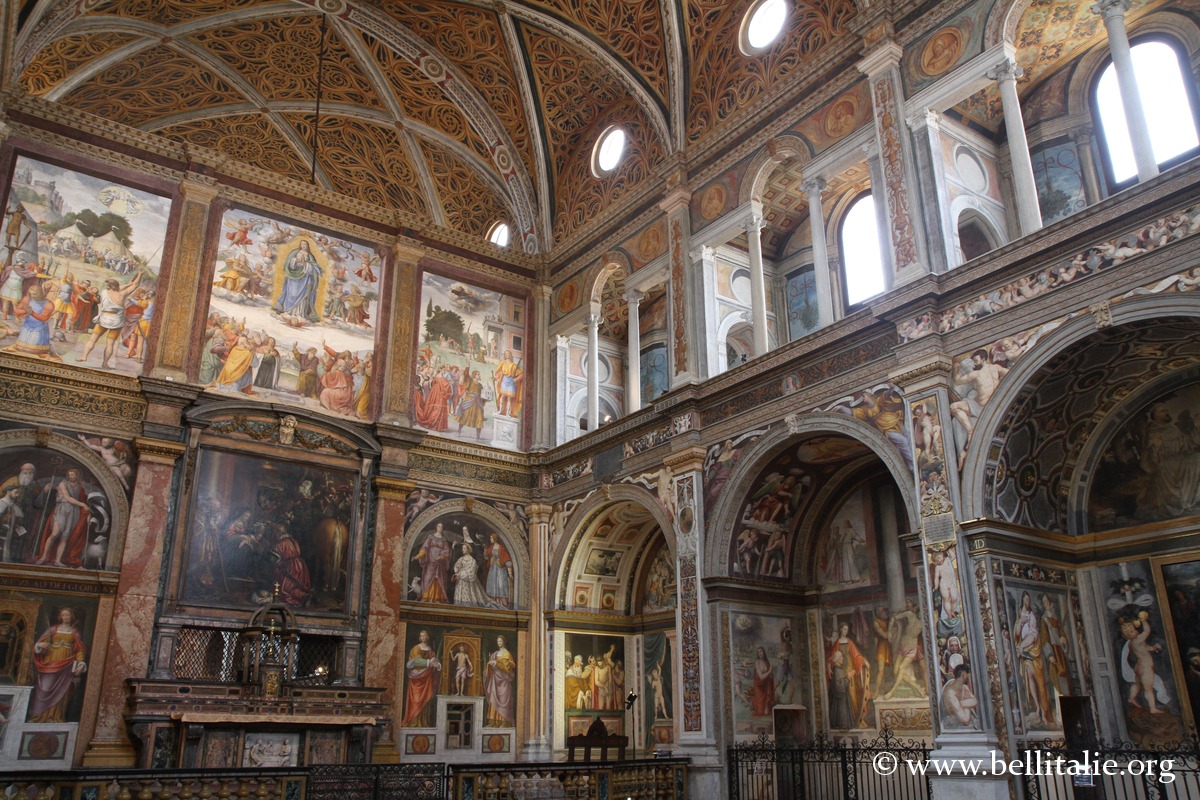
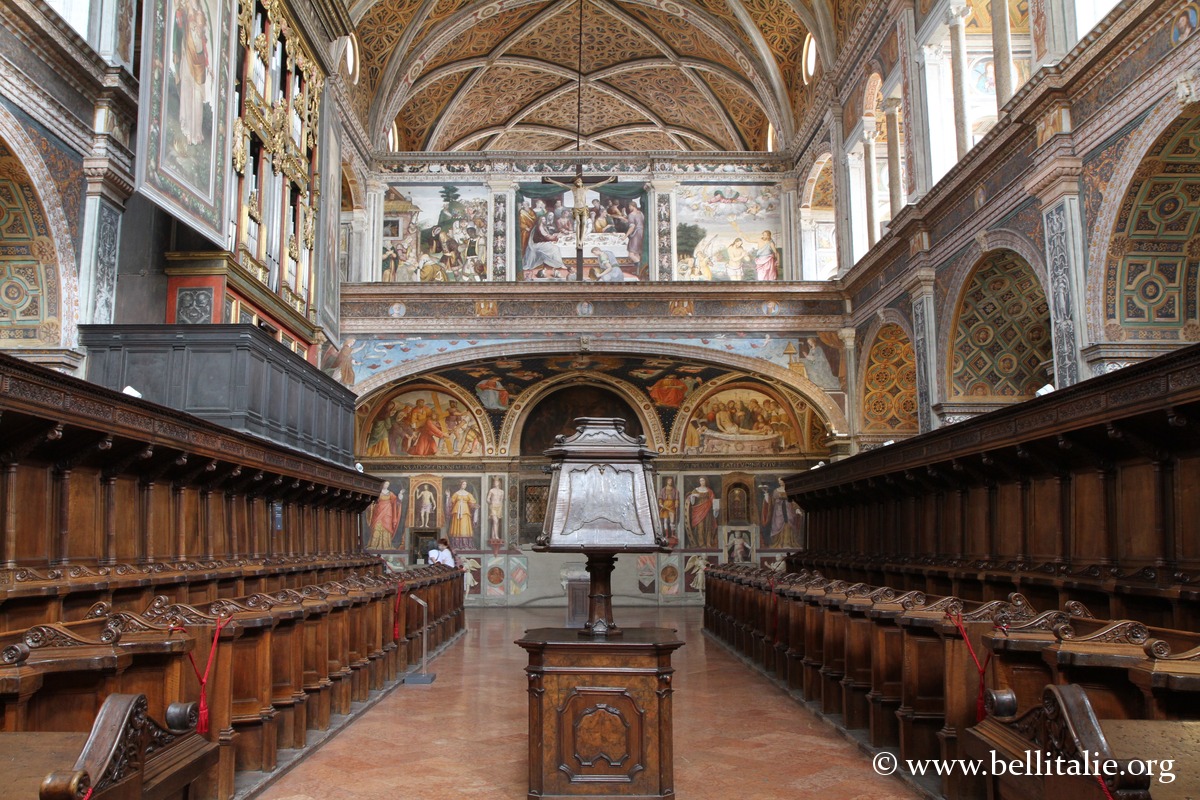
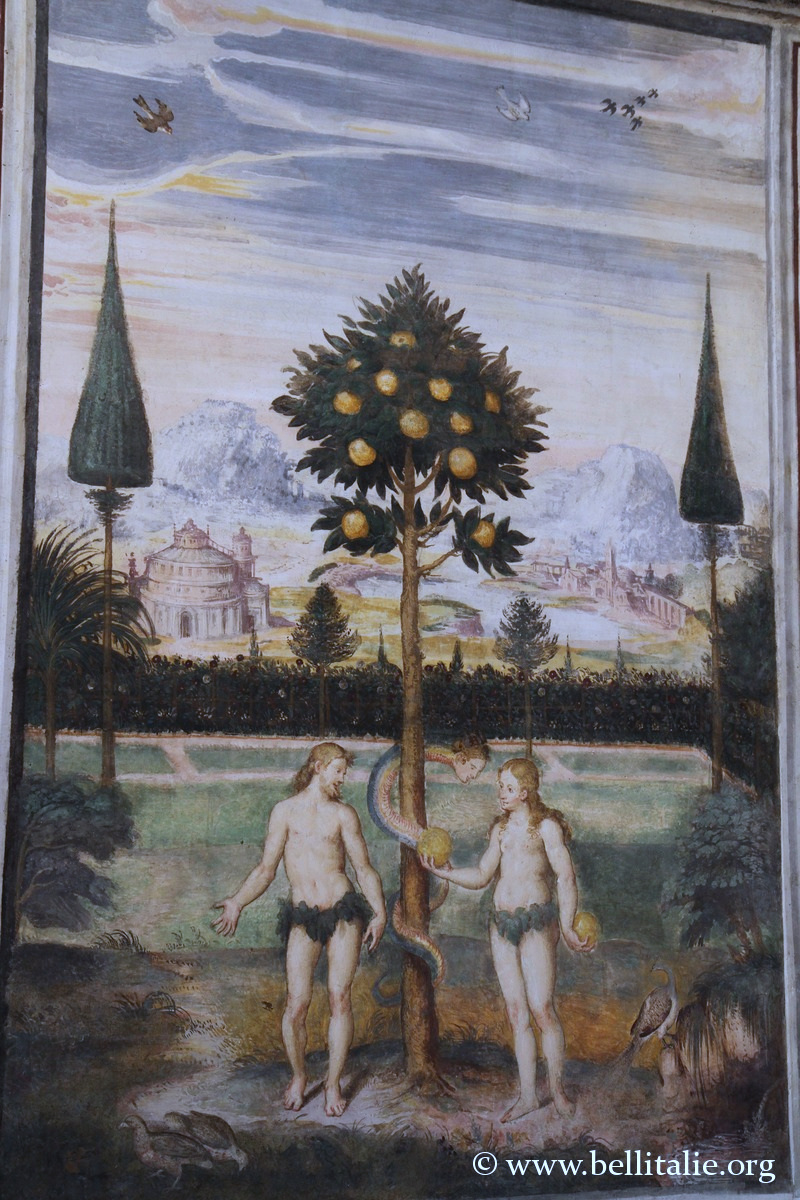
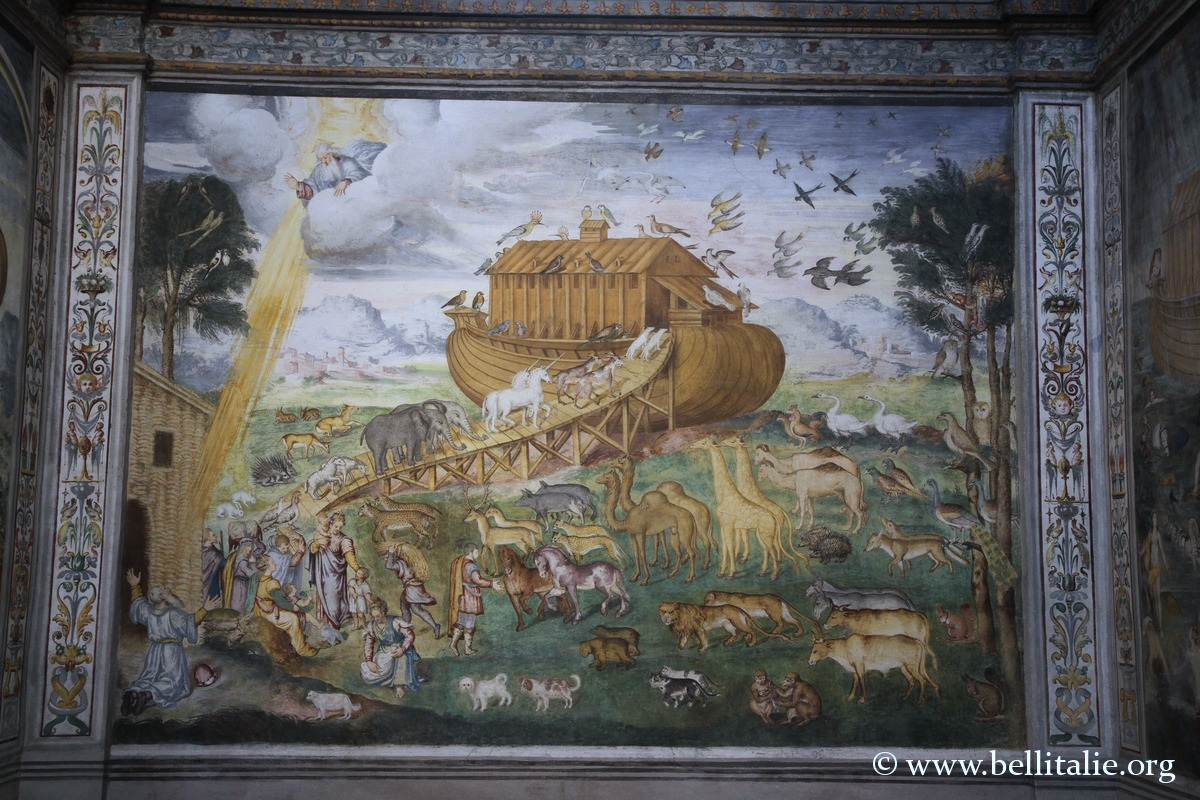
Saint Maurice of the Monastero Maggiore (San Maurizio al Monastero Maggiore in Italian) is one of the most remarkable churches in Milan, San Maurizio, built at the beginning of the 16th century and designated as the “Sistine Chapel” of Milan. Indeed, behind an austere grey stone facade, the interior is an explosion of superb frescoes, which cover the entire structure.
Presentation
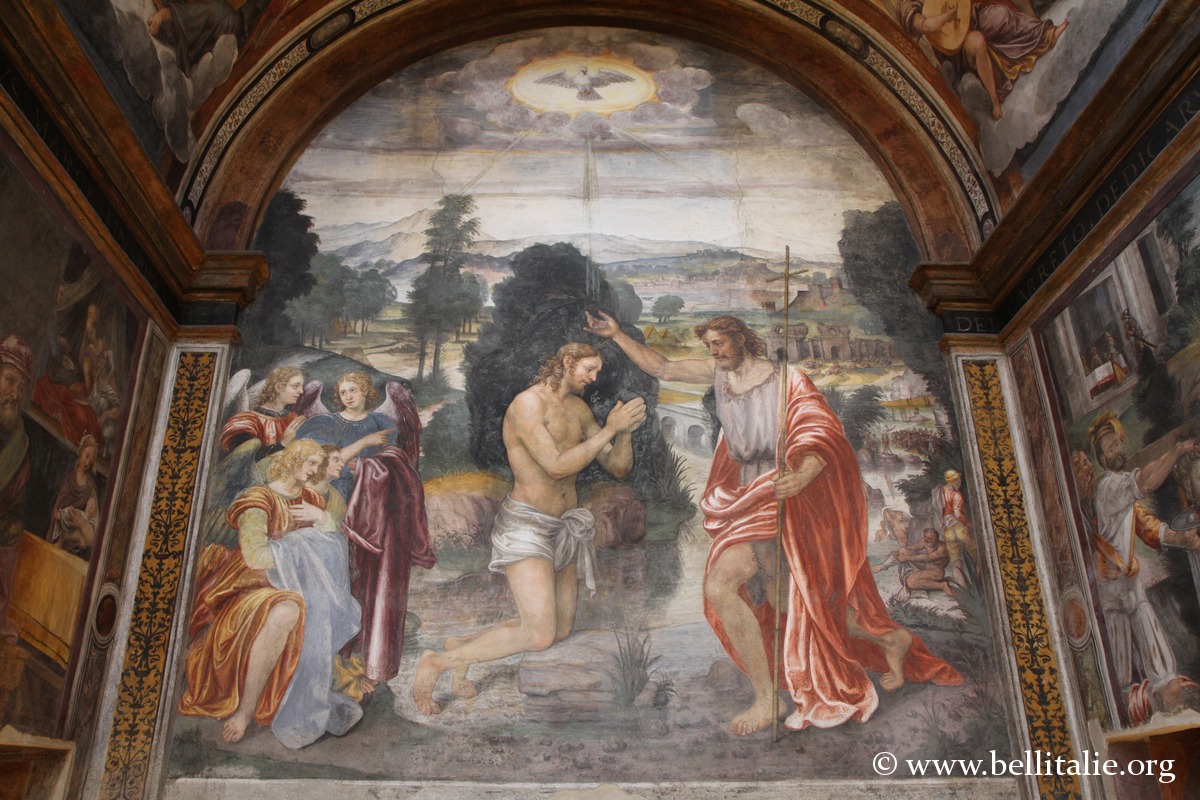
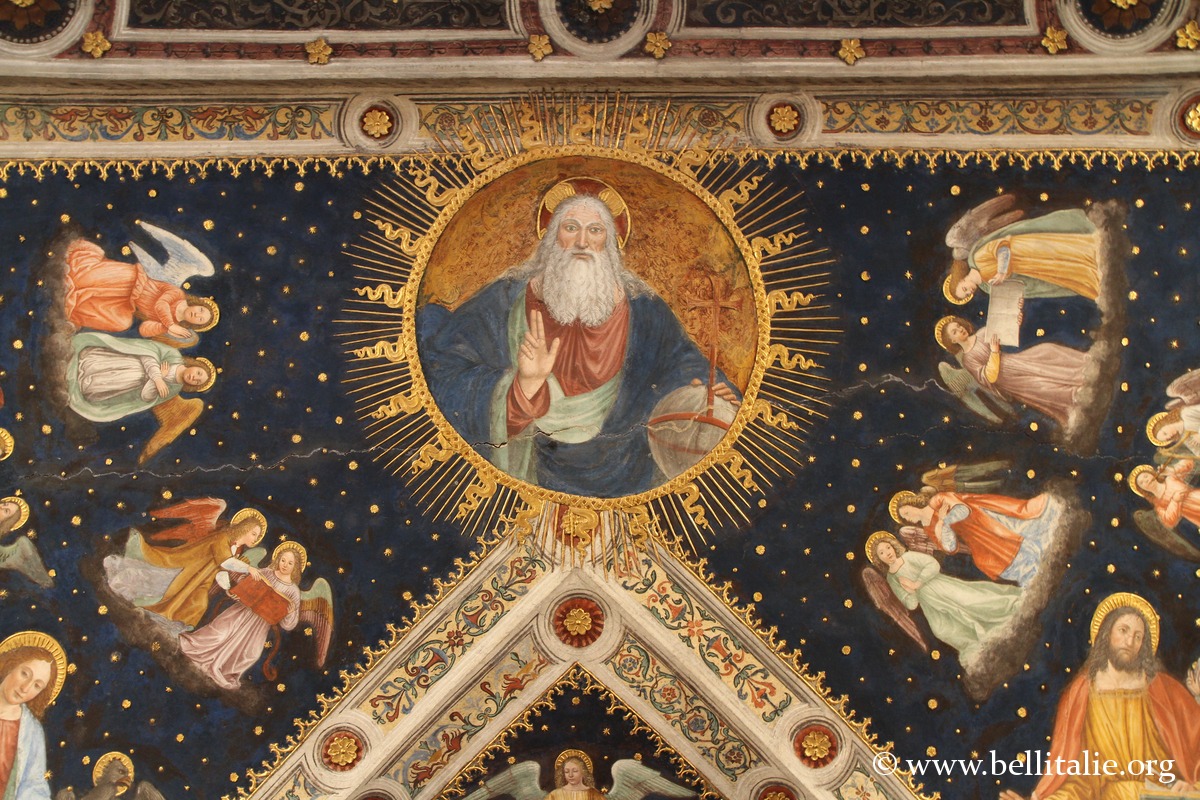
The many beautiful frescoes date essentially from the 16th century, executed by masters of Lombard painting such as Bernardino Luini, Boltraffio who was a pupil of Leonardo da Vinci, Antonio Campi, Vicenzo Foppa, or Simone Peterzano, the master of Caravaggio.
The monastery on which it depended, partly demolished in 1799, had been run since the 11th century by the Benedictines. Its cloister is now part of the archaeological museum, with remains of Roman fortifications. The construction of the church began in 1503, on the ruins of an old church attached to the monastery.
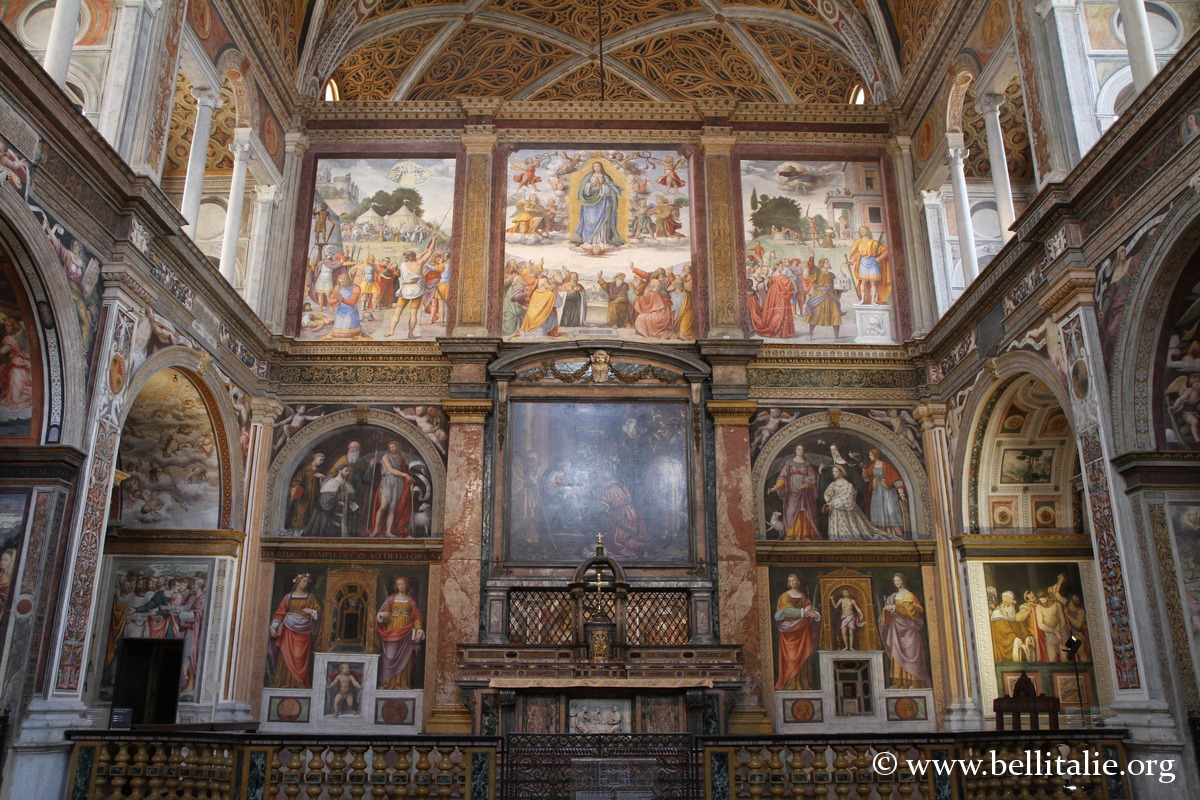
The church of Saint Maurice is a large rectangular space, whose rood screen, covered in frescoes, separates the space dedicated to the faithful from the choir where the cloistered religious attended mass and could receive communion through a small window.
Access to the church is on Corso Magenta, while from via Luini one reaches the nuns’ choir. Nowadays the whole can be visited.
In the chapels the frescoes of Lomazzo stand out, as do the paintings of Antonio Campi, along with the famous paintings of Bernardino Luini which illustrate the Histories and the Martyrdom of Saint Catherine of Alexandria.
The lunettes in the serliana loggia represent Saints and Martyrs attributed to Giovanni Boltraffio. The organ is a rare example of its kind, the work of Gian Giacomo Antegnati, of the 16th-century Milanese school.
Map
If you see this after your page is loaded completely, leafletJS files are missing.
Information
- Wikipedia page: en.wikipedia.org
- Tourist portals: www.lombardiabeniculturali.it
- What to see in Milan
- Itinerary ideas for visiting Milan
- Milan Cathedral
- Sforza Castle of Milan
- Victor Emmanuel II Gallery in Milan
- The Last Supper and Santa Maria delle Grazie
- Milan’s La Scala
- Basilica of Sant’Ambrogio in Milan

- Piazza dei Mercanti and Medieval Milan
- Selection of hotels and luxury hotels in Milan
- Leonardo da Vinci Museum of Science and Technology
- Brera Art Gallery
- Basilica of San Lorenzo, Milan
- Navigli District and Canals of Milan
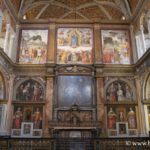
- San Maurizio al Monastero Maggiore in Milan
- Milan Civic Archaeological Museum
- Basilica of Saint Nazarius in Milan
- Other Renaissance and Baroque monuments
- Neoclassical, 18th and 19th centuries in Milan
- The Museums of Milan
- Shopping, the Fashion Quadrilateral and Markets in Milan
- Squares and other sites of Milan


Comments