


Presentation
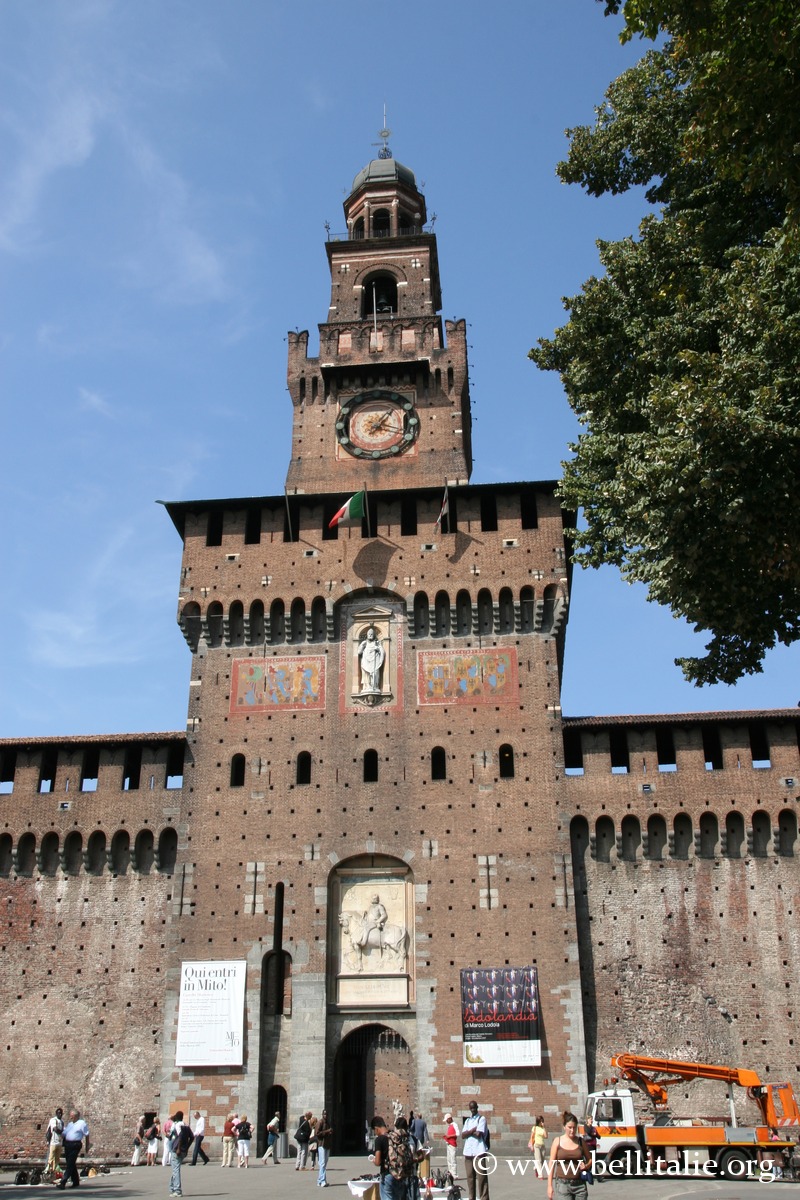
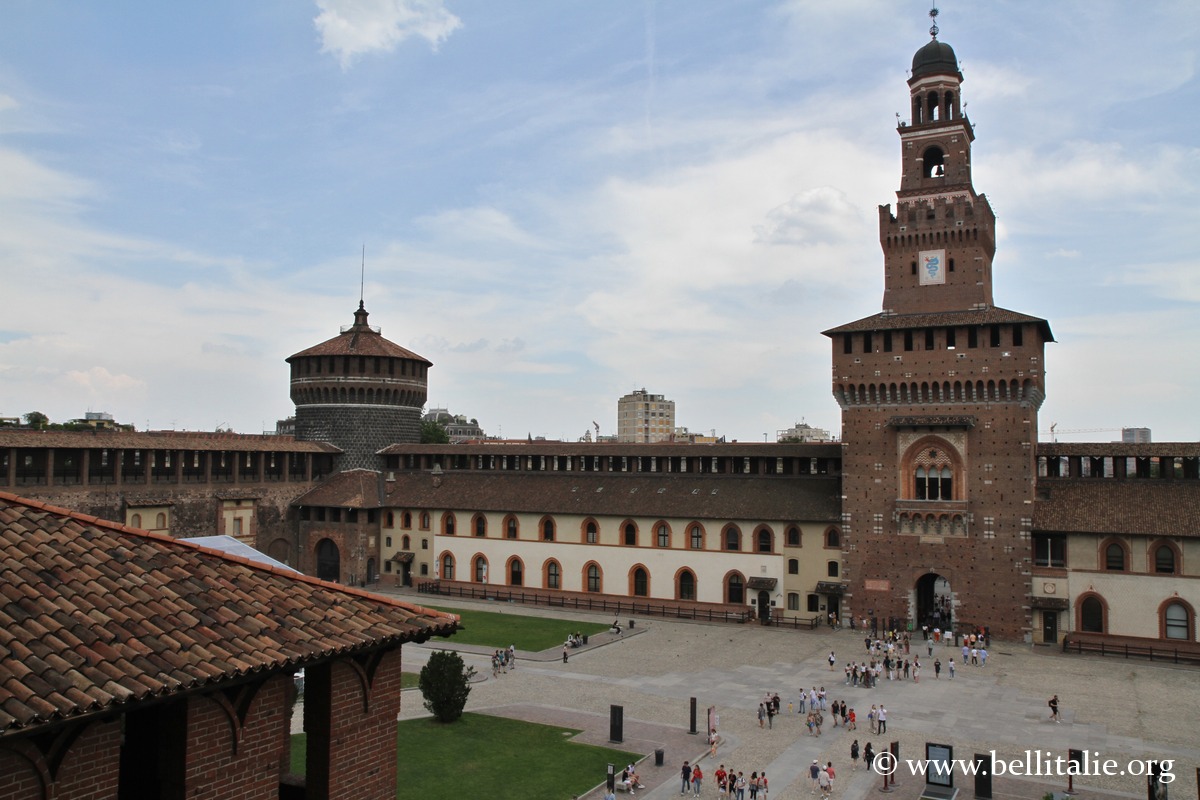
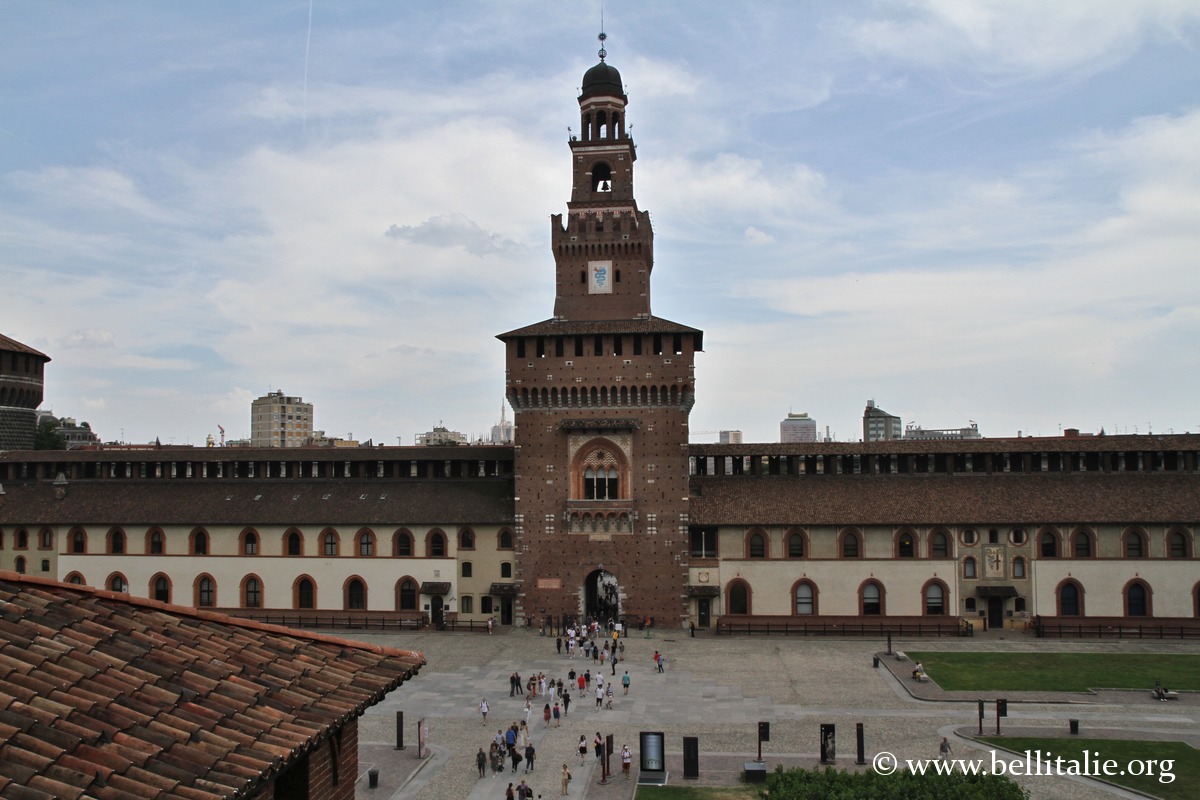
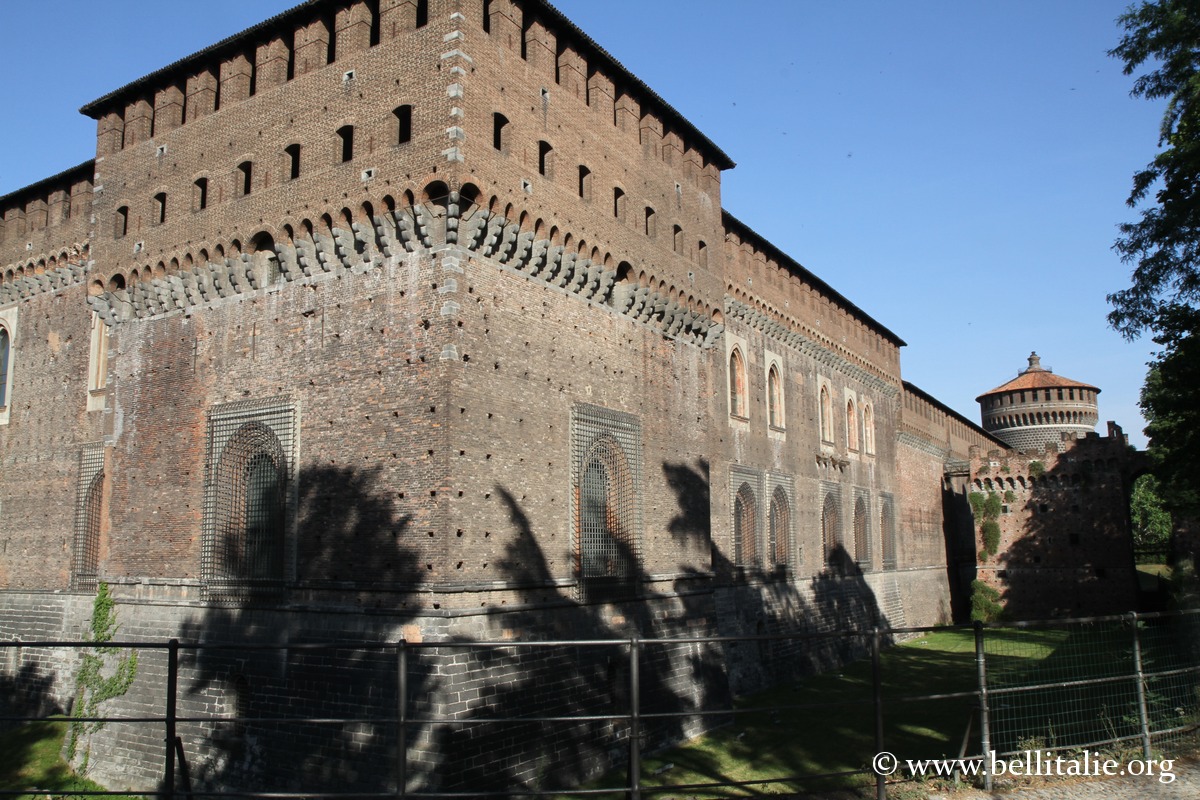
In the city centre and near the beautiful Sempione Park, the mighty Milanese fortress, called the Sforza Fortress, is one of the largest castles in Europe. This defensive castle was transformed into a seigneurial residence in the 14th-15th centuries, first under Galeazzo II Visconti from 1368, with works completed for the Duke of Milan Francesco Sforza.
It then became the residence of the Dukes of Milan, being embellished on occasion by numerous artists such as Leonardo da Vinci in the time of Ludovico Sforza, who set up his workshop there and painted several frescoes, or Bramante. The lords of Milan resided there until the 16th century, when the building once again took on the role of a military citadel, generally controlled by foreign powers until the 19th century, including Austrians, French, and Spaniards. During this period, the castle became a place hated by the Milanese, being associated with war and the oppression of the occupiers.
Avoiding demolition, it was completely restored at the end of the 19th century.
Visit and museum
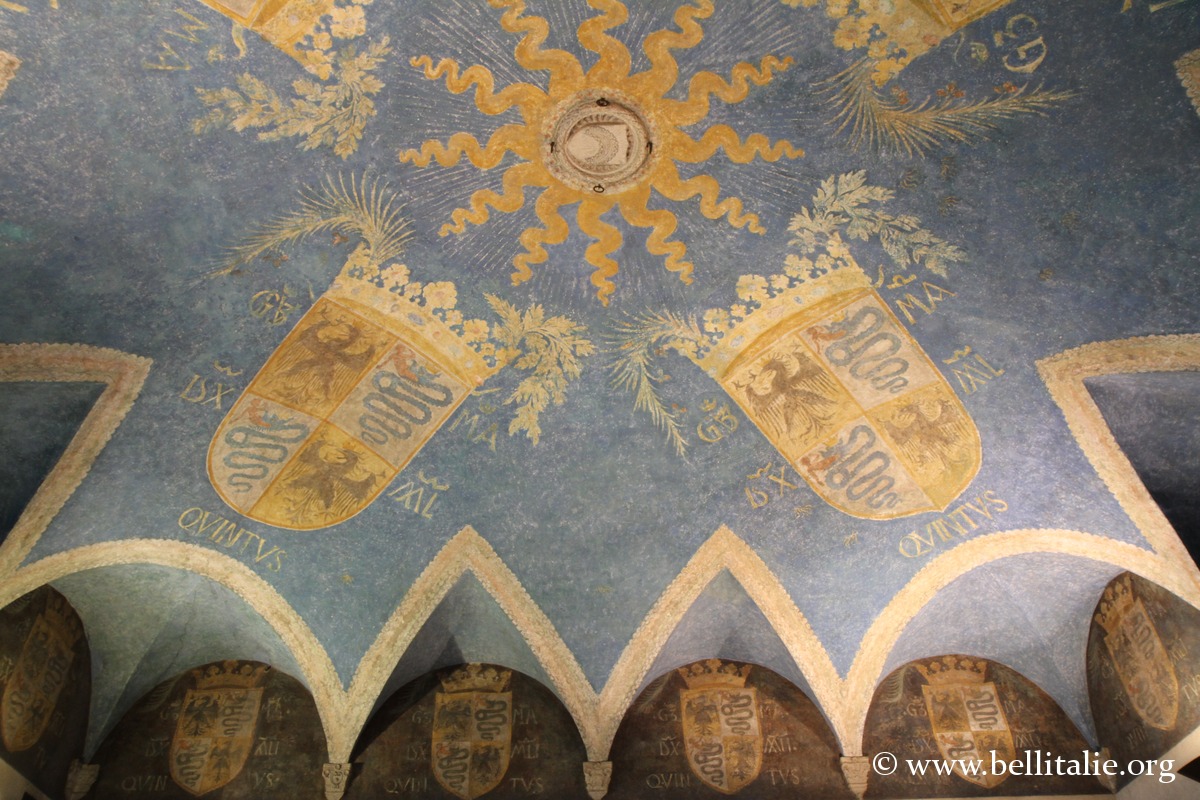
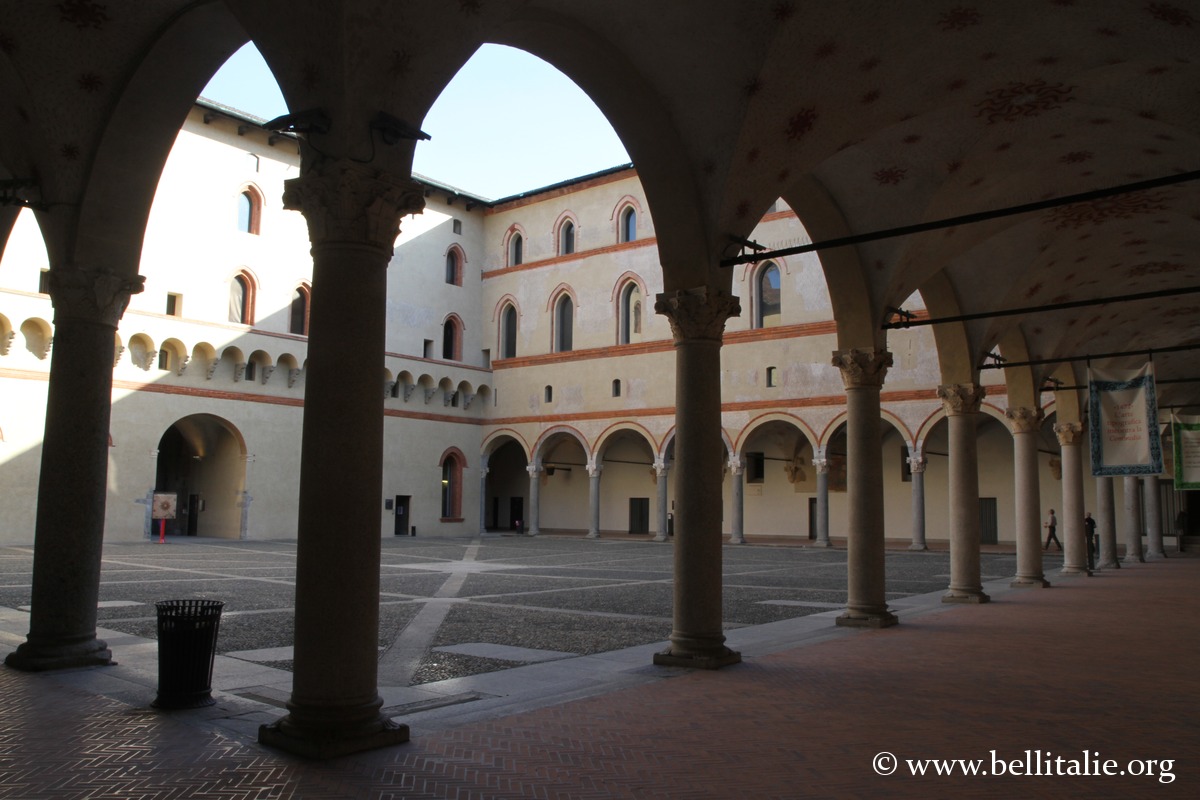
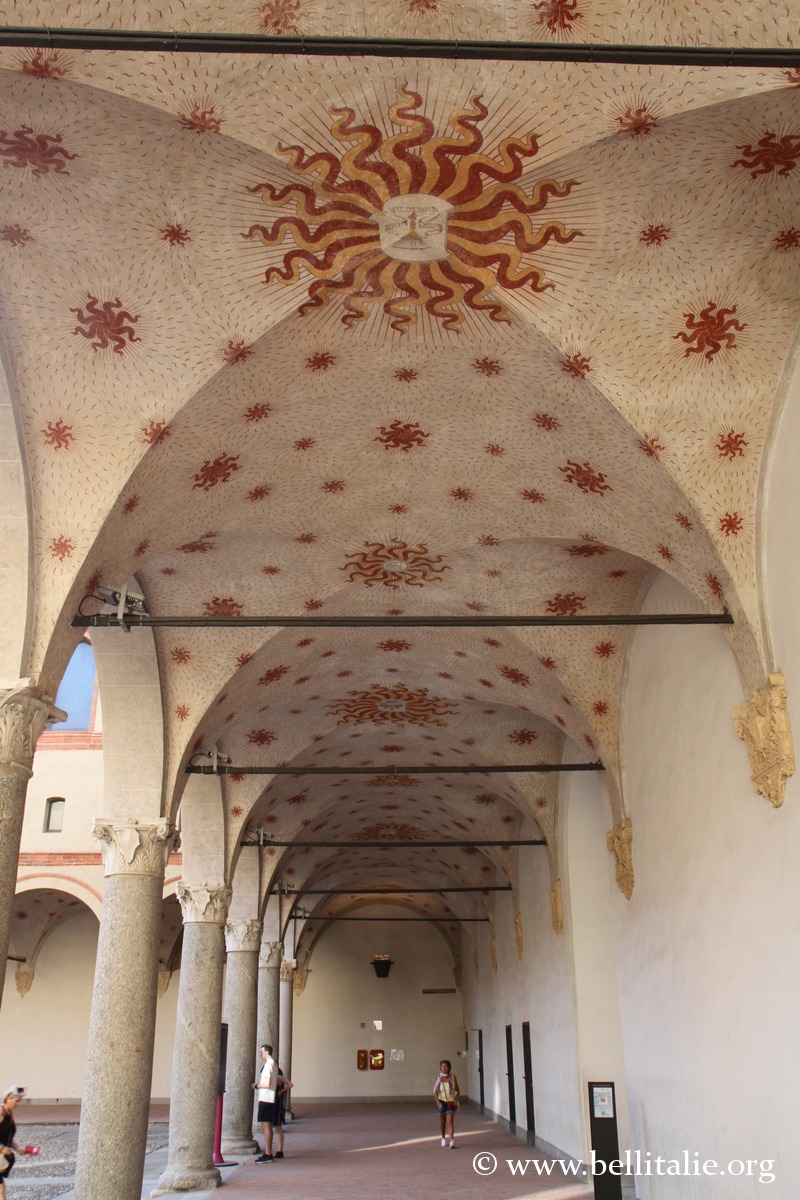
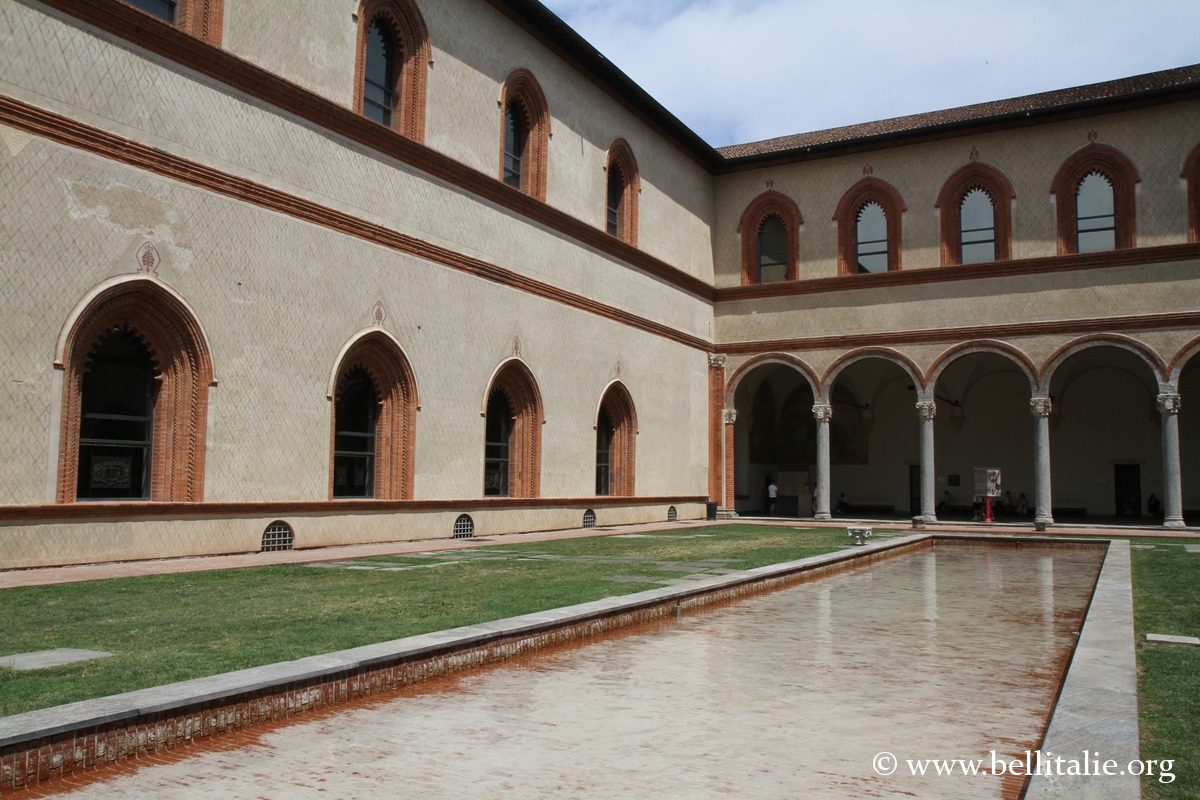
While the exterior is massive and imposing, the interior offers graceful courtyards with elegant salons. Due to the many rearrangements, only the Salla delle Asse (Hall of the Axes) is original.
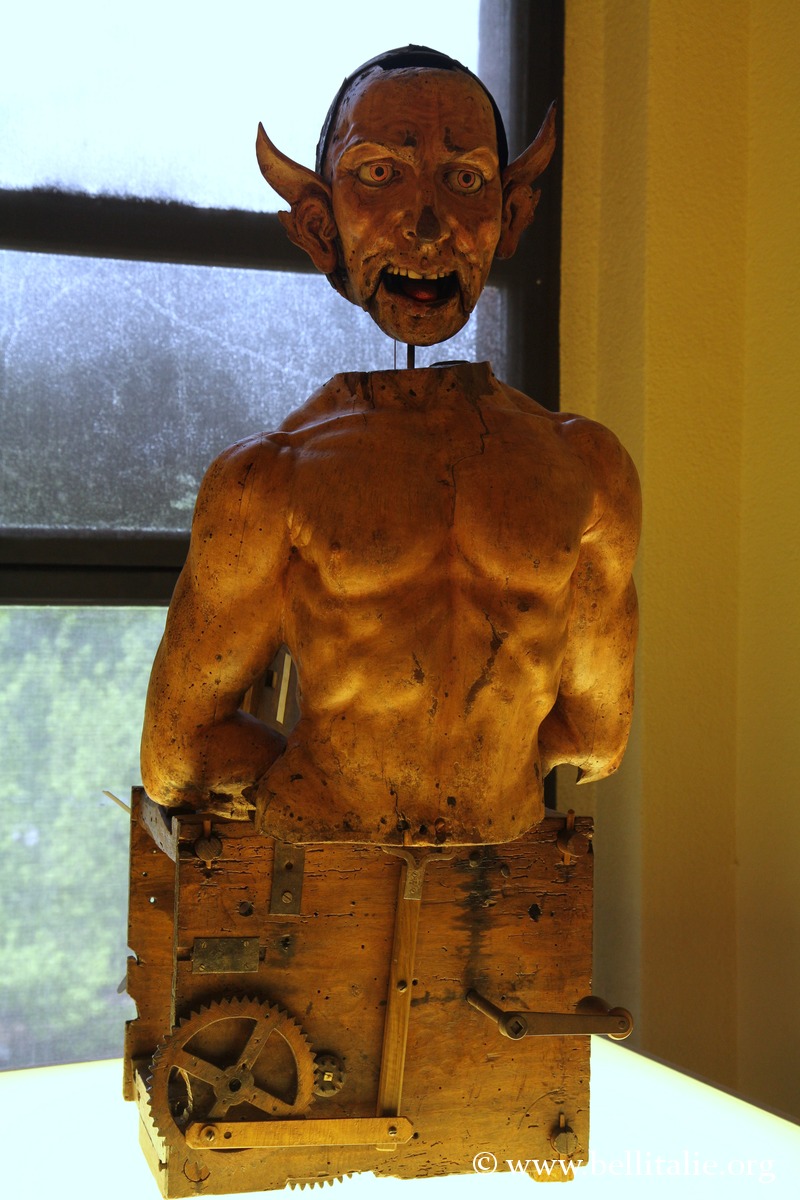
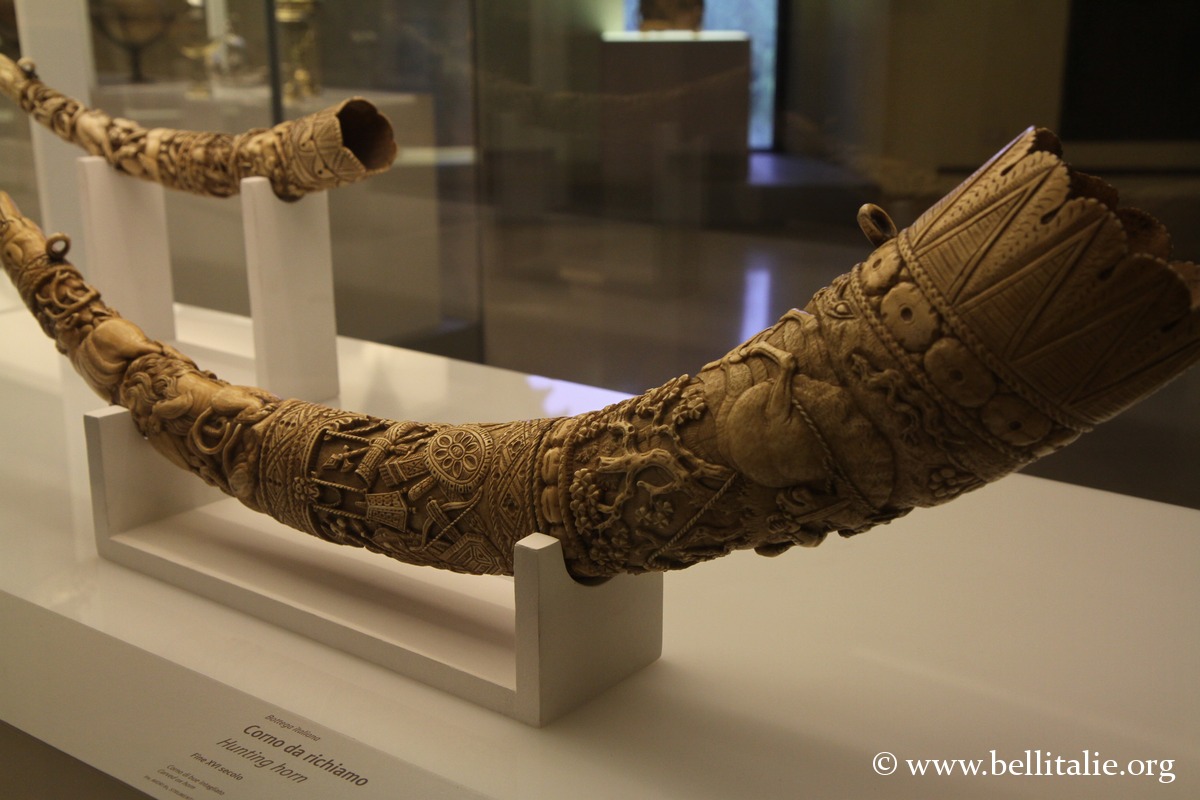
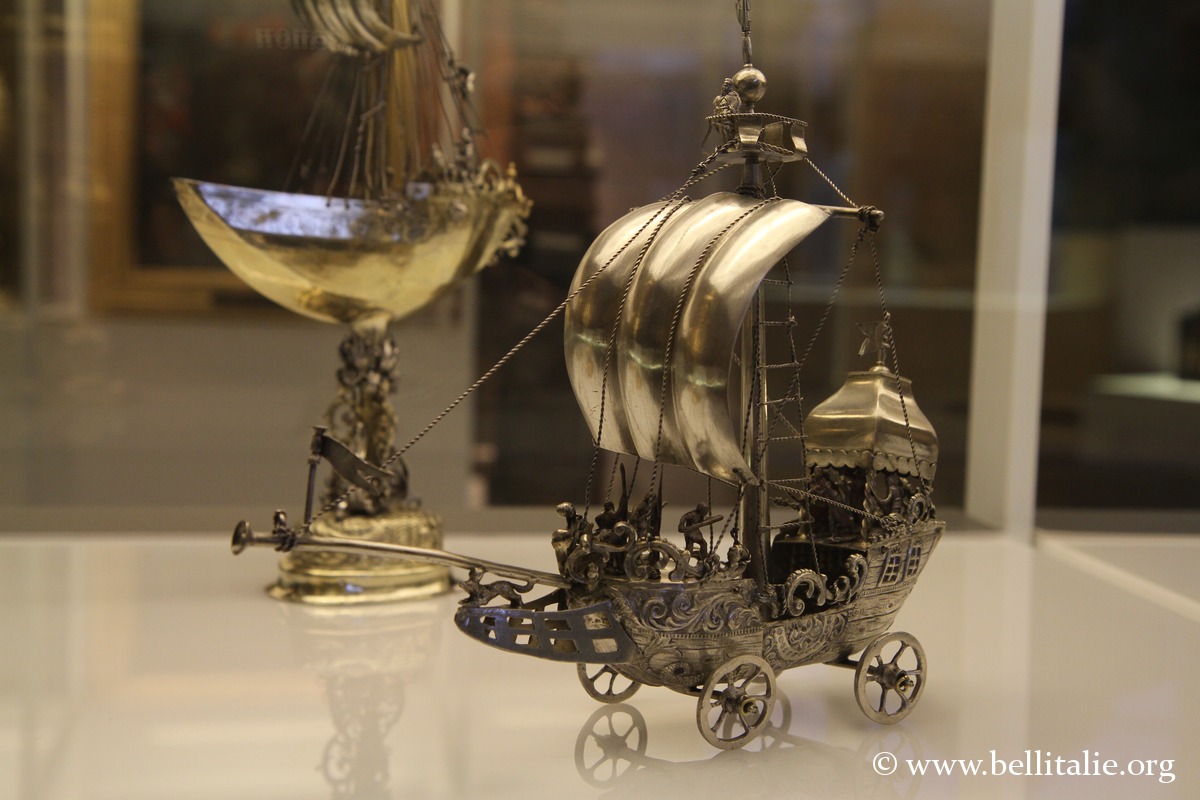
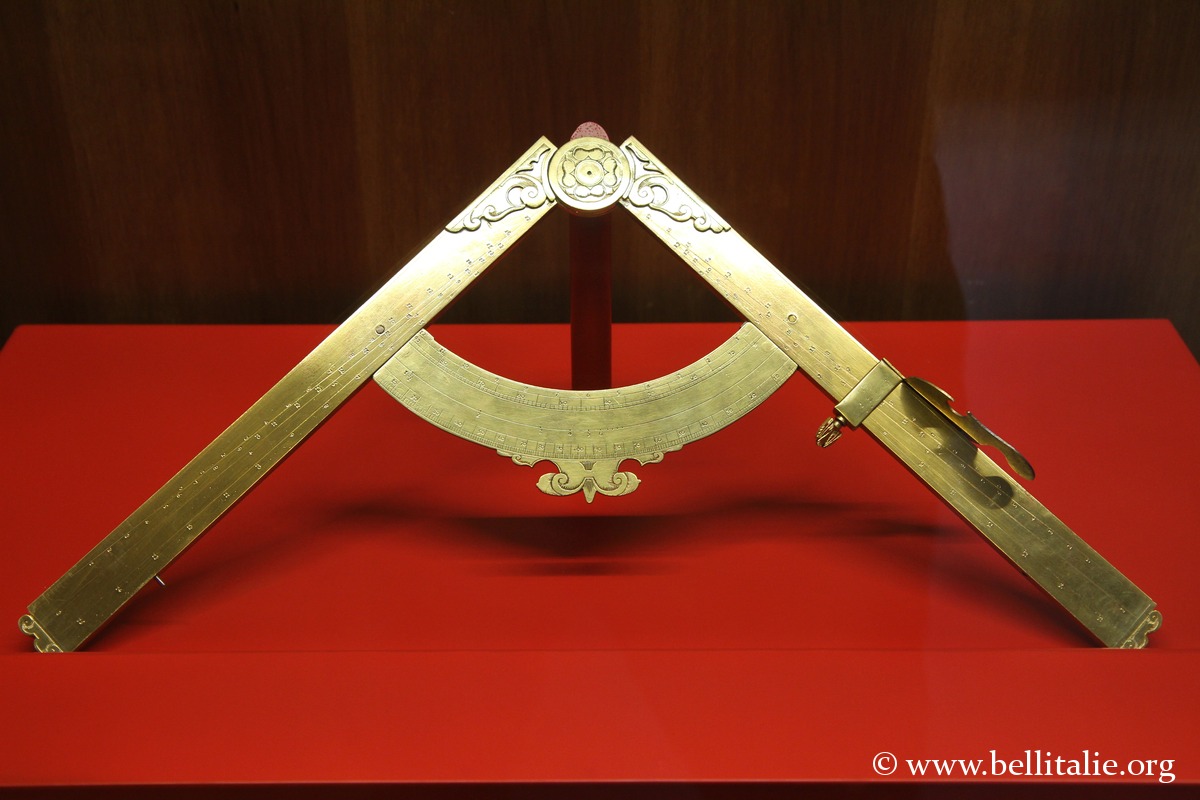
The monumental complex houses several municipal museums, known as Musei del Castello: the Museum of Ancient Art (Lombard, from the 4th to the 16th century), the Museum of Decorative Arts (ivories, glass, ceramics, fabrics, etc.) and the Picture Gallery (Italian painting from the 13th to the 18th century, including Lombard and Venetian) around the Ducal Courtyard. In the basement are the Prehistory, Protohistory and Egyptian sections of the city’s Archaeological Museum, while the Rocchetta houses the Museum of Musical Instruments and the Museum of Art Objects.
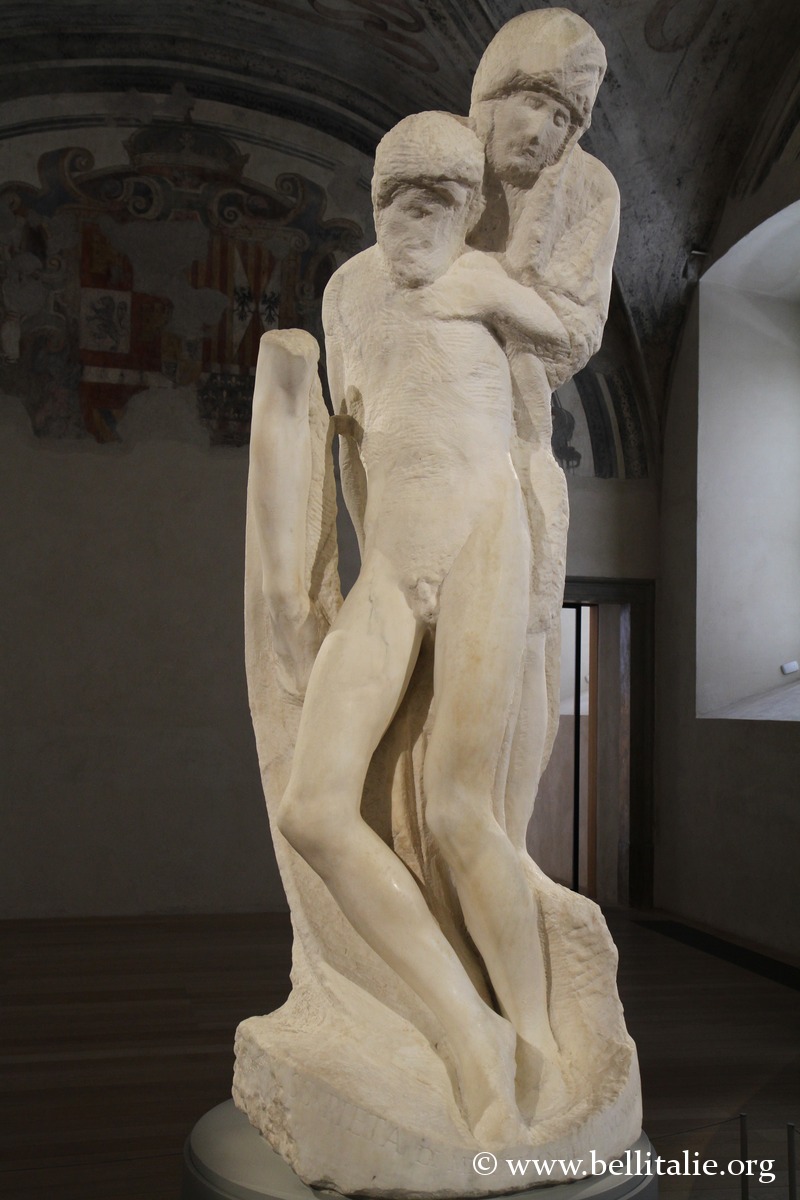
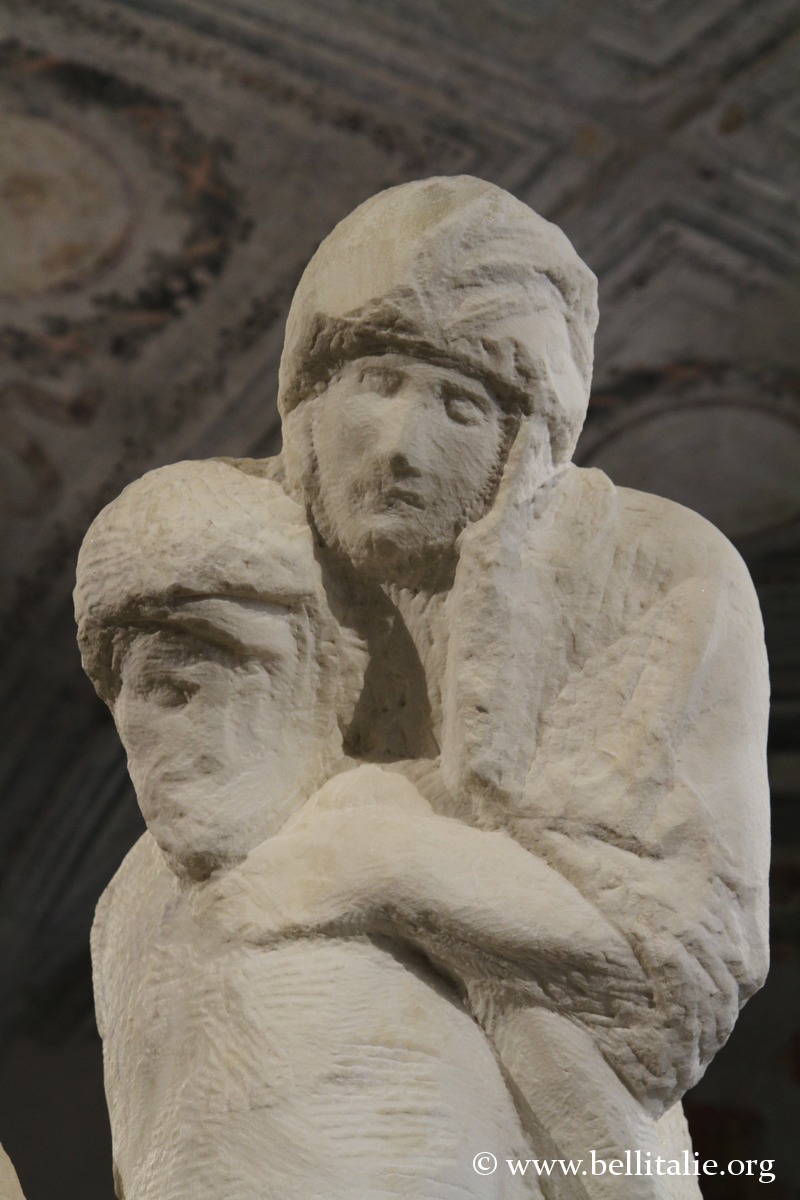
Among the masterpieces kept there, the Pietà Rondanini is in a dedicated room. It is an unfinished work and the last by Michelangelo. One can also discover the frescoes of Leonardo da Vinci in the Museum of Ancient Art, the tapestries of Bramantino in the ballroom, several remarkable paintings, etc.
Museum of Ancient Art
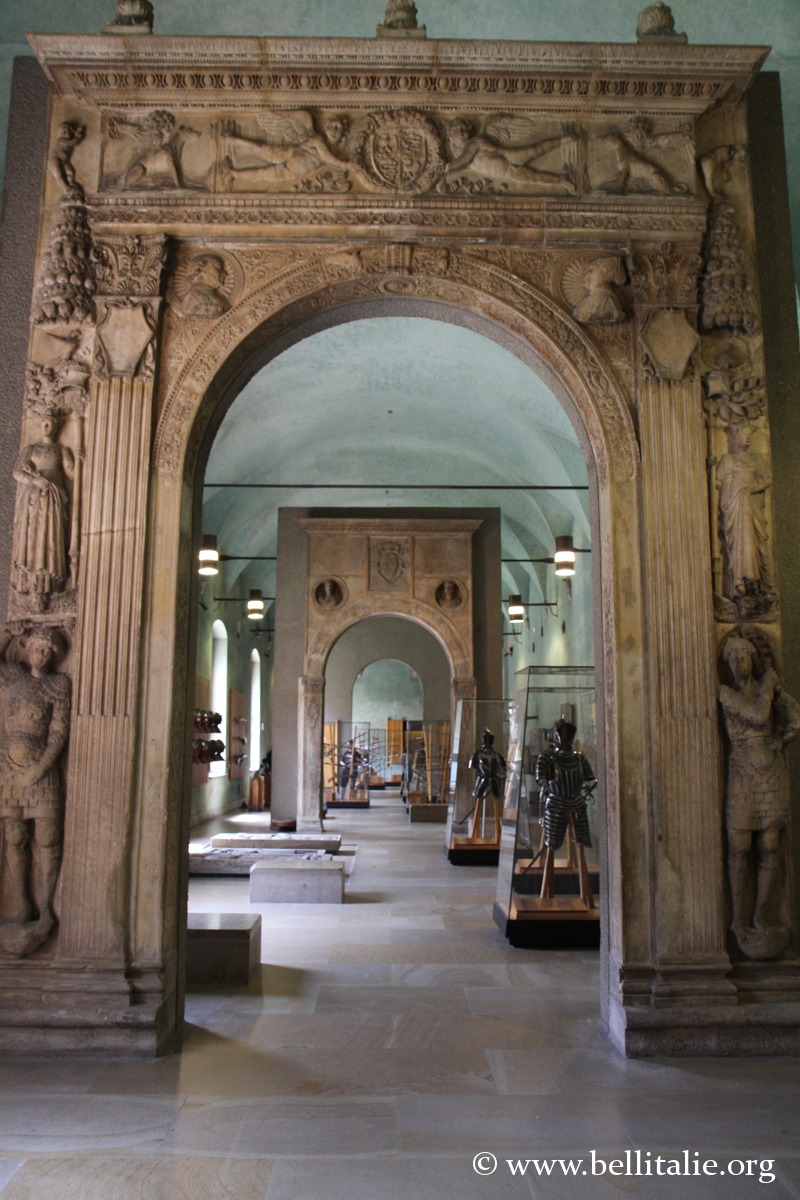
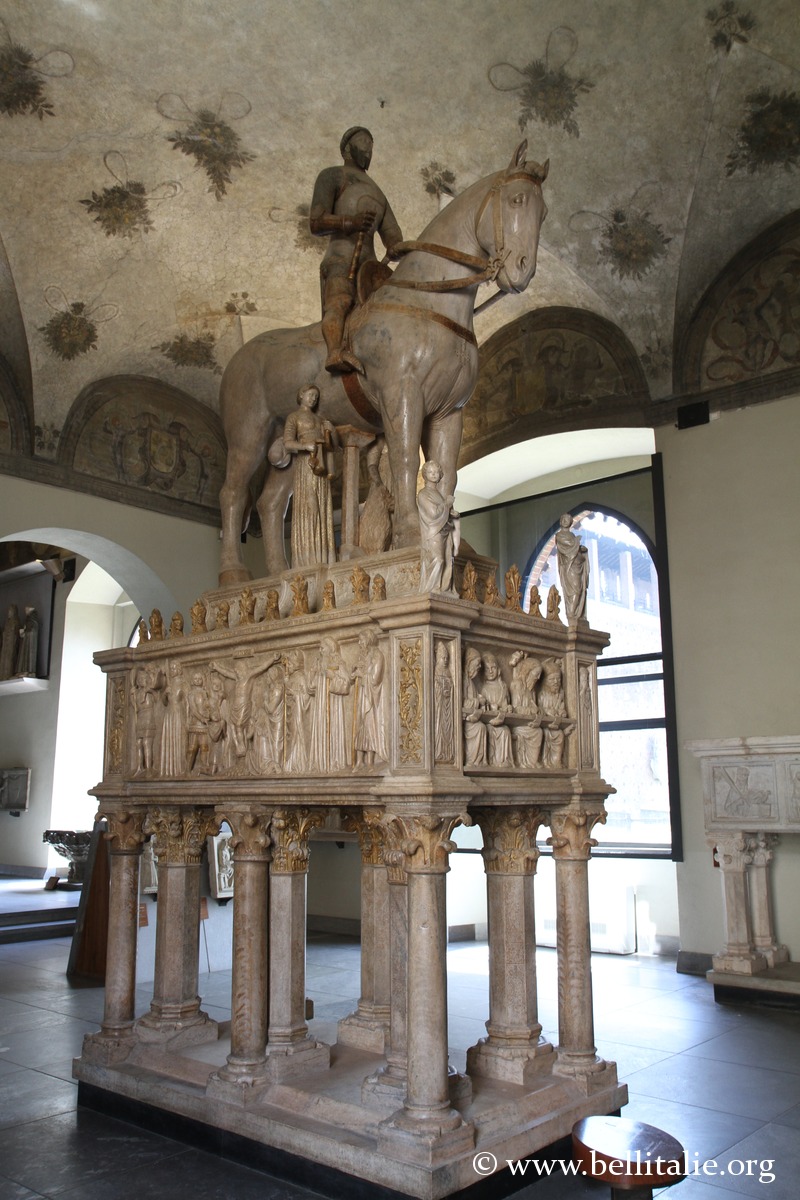
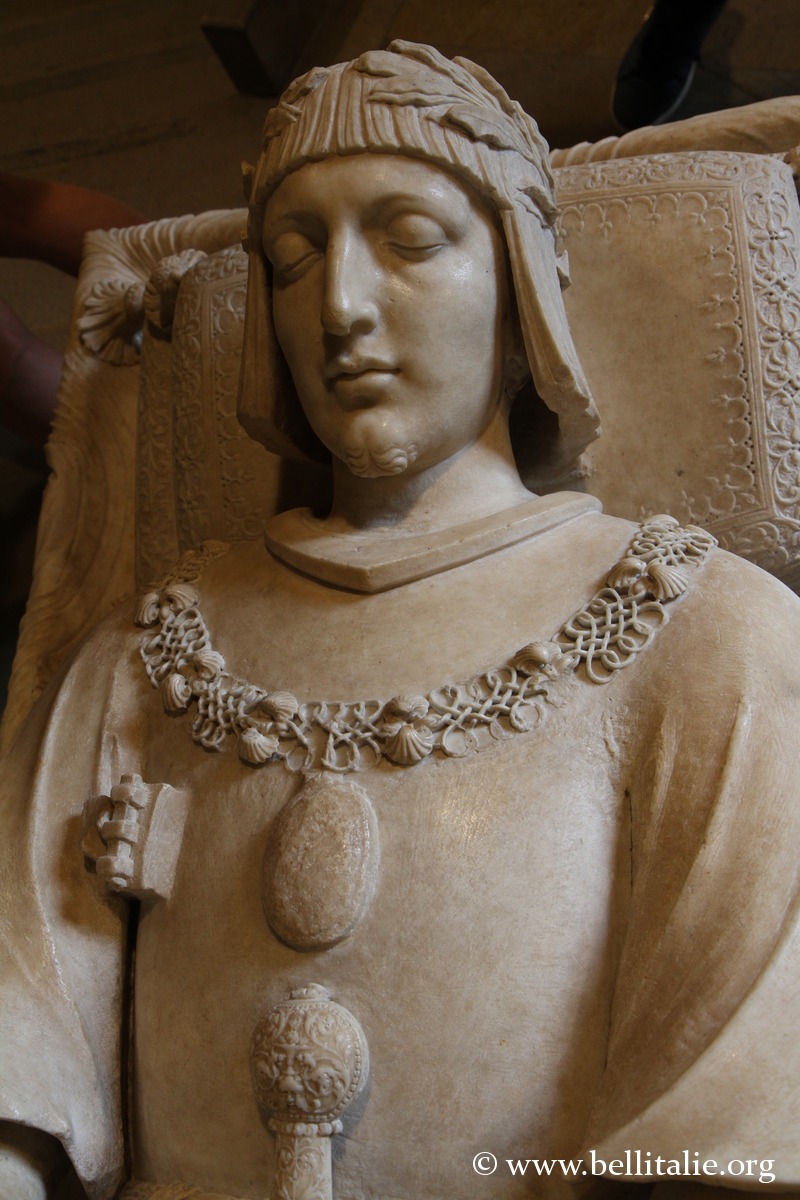
The museum’s collection, probably the most interesting in the complex, preserves sculptures from places of worship, excavations, city gates and Milanese residences. These are mainly Lombard works made between the 5th and 16th centuries, with sculptures by Tuscan artists.
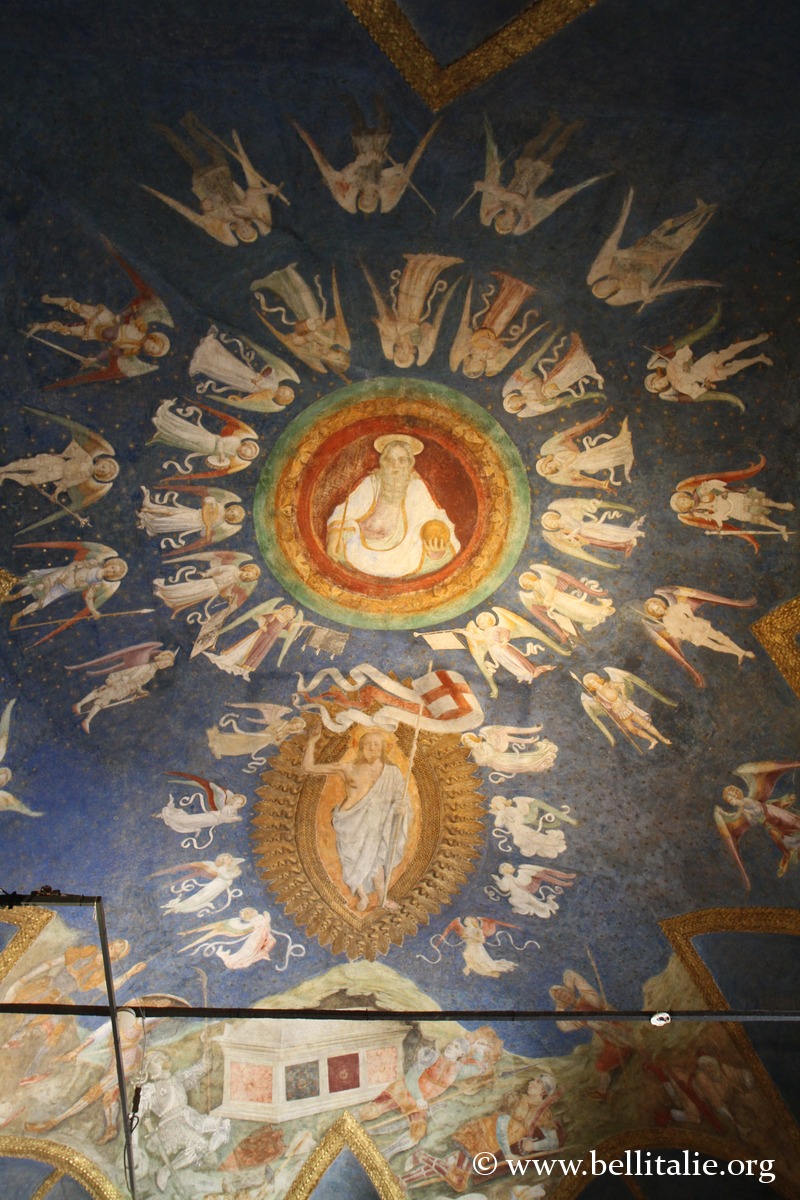
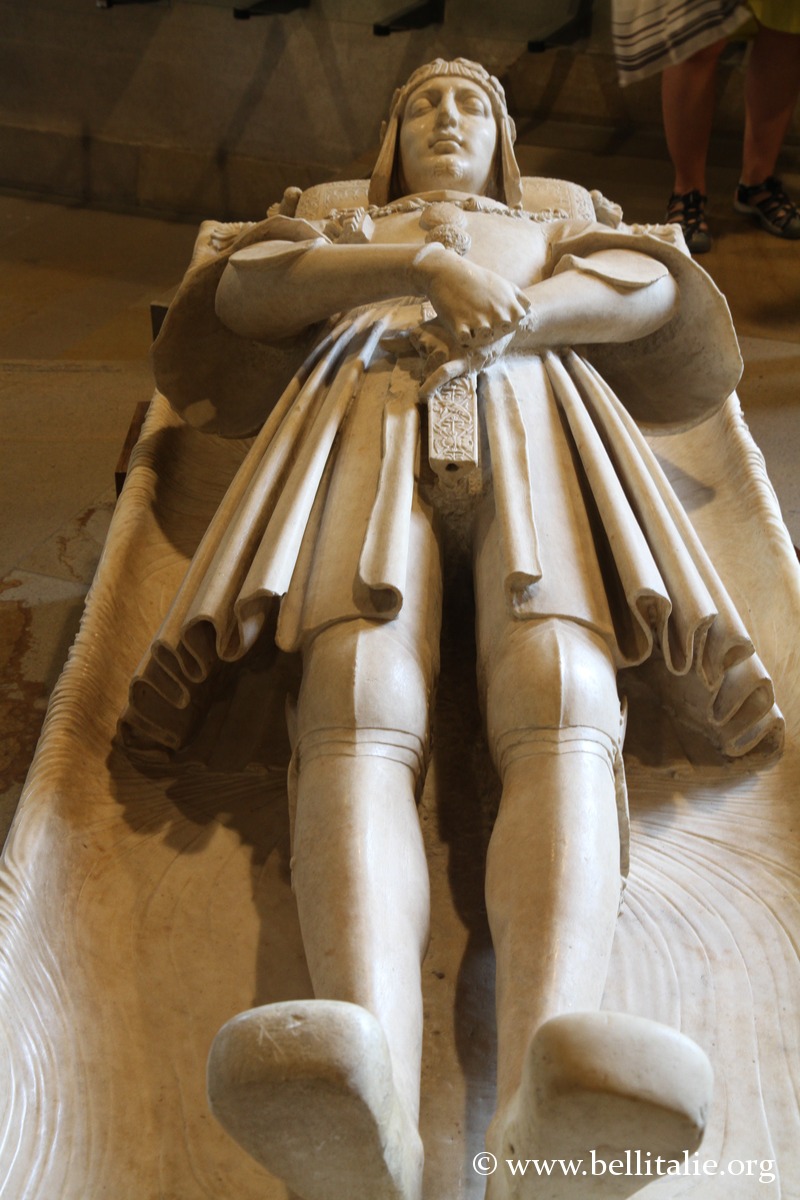
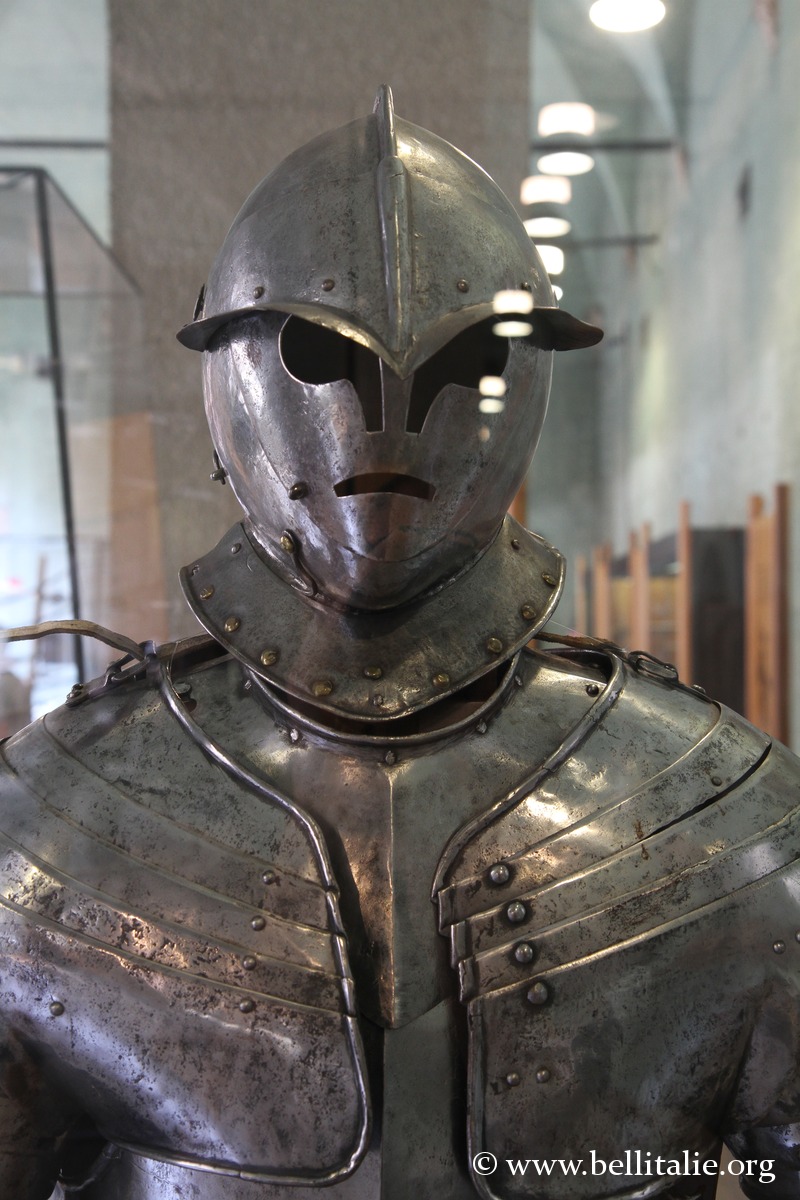
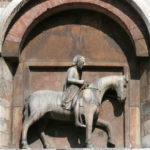
The visit passes through rooms of the ducal apartments, including the Ducal Chapel and the armoury with displayed weapons, or especially the Hall of the Axes which was painted by Leonardo da Vinci. Among the masterpieces, let us mention a monument to Bernabò Visconti from the 15th century, the funerary complex of Gaston de Foix from the 16th, etc.
Archaeological Museum – Prehistory and Protohistory Section
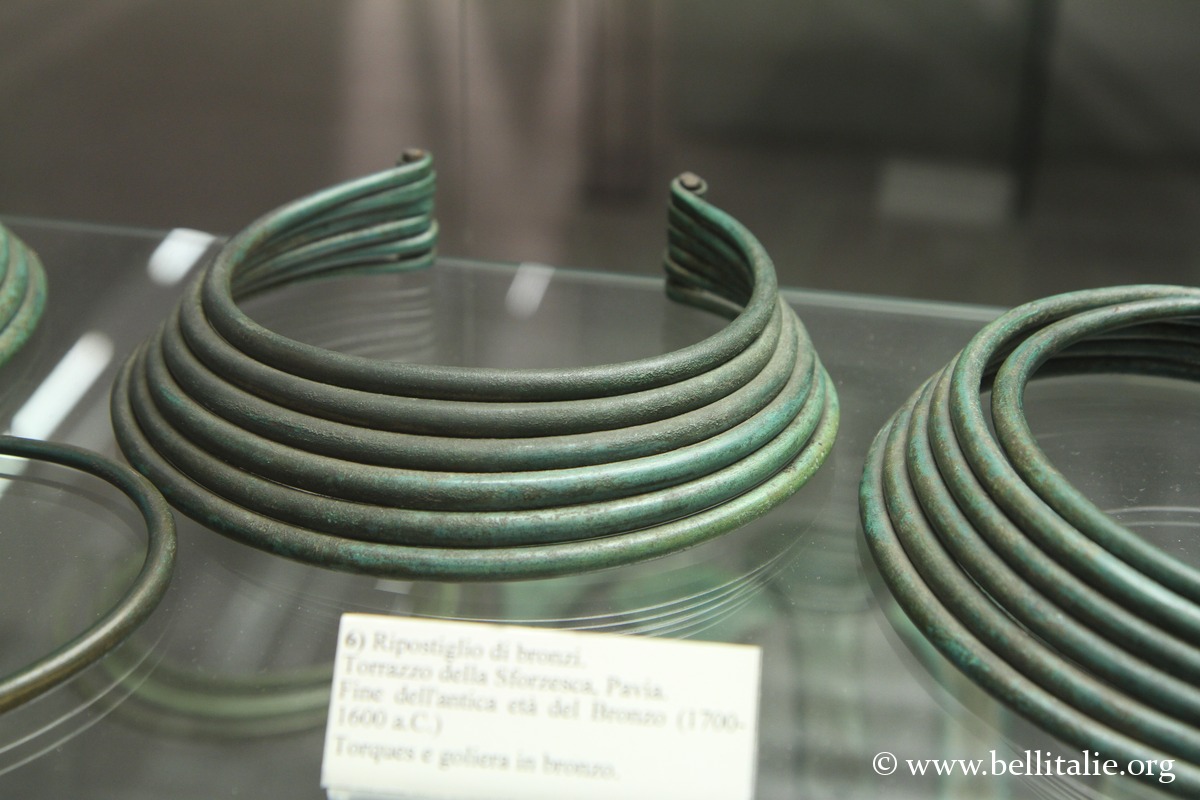
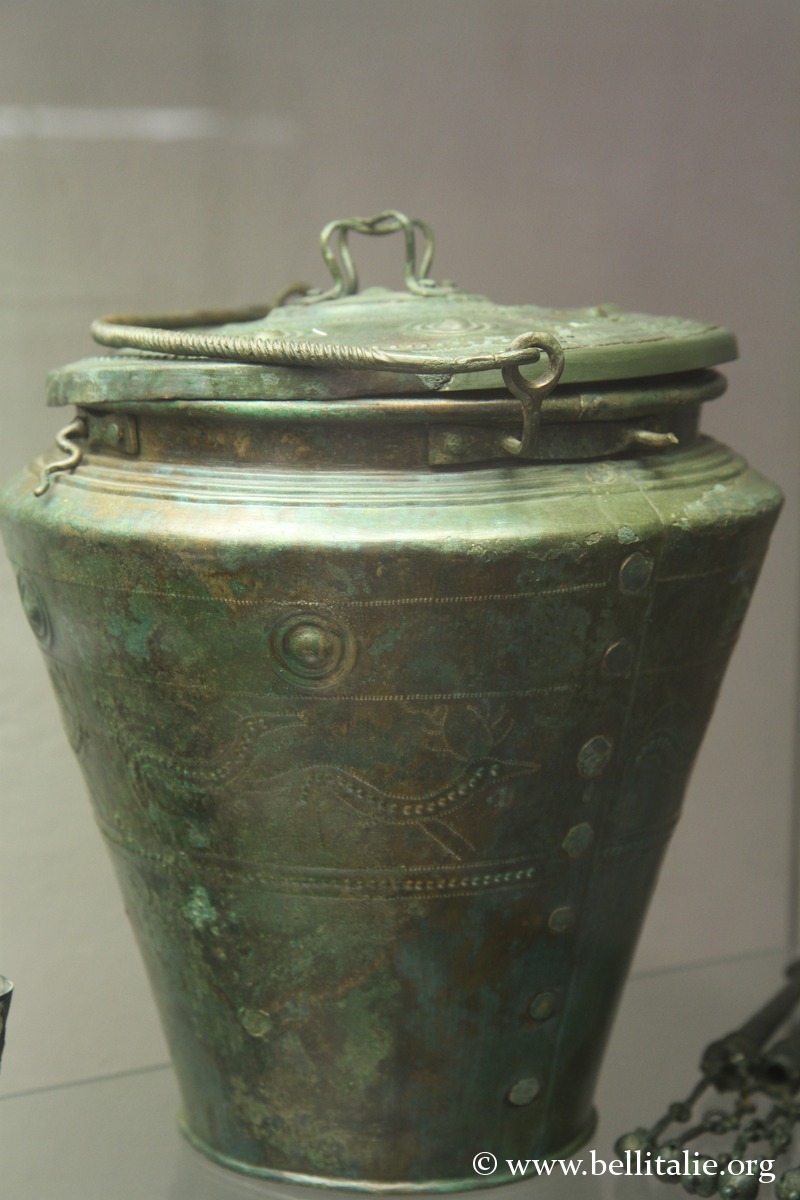
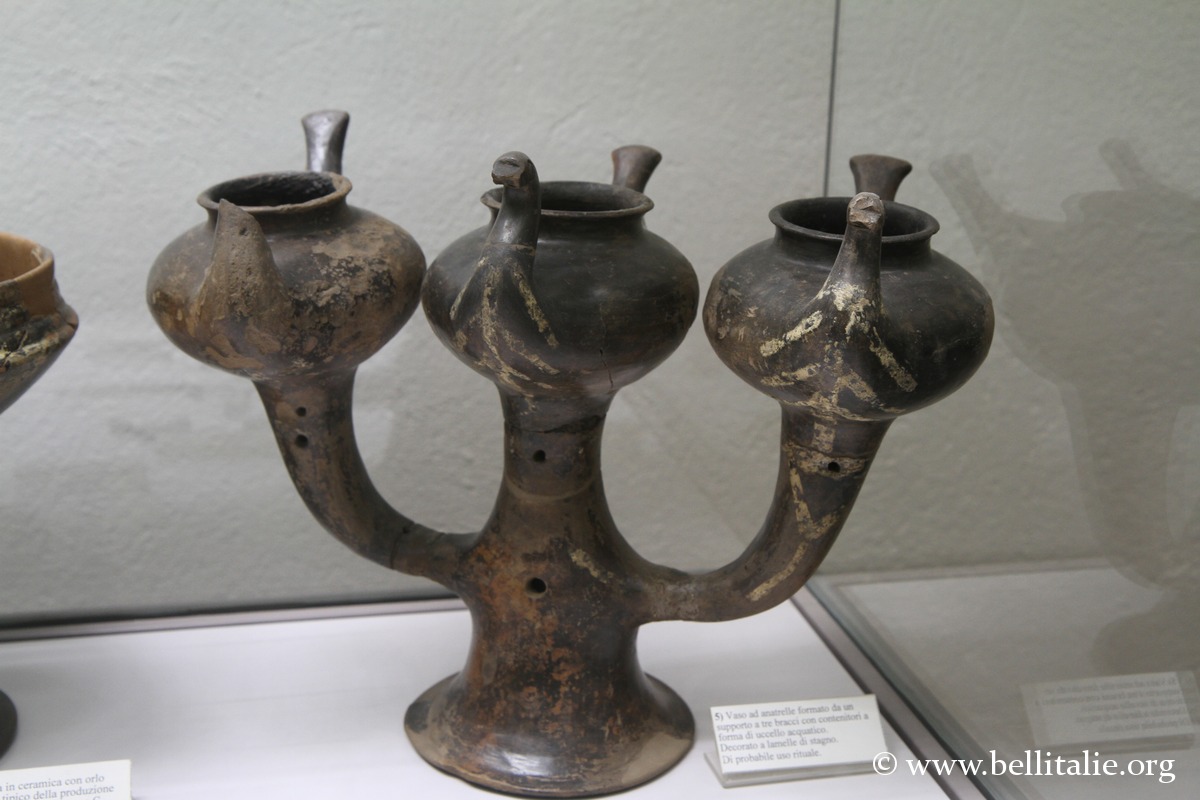
The collection of this section documents the cultural and technological evolution of the main cultures from the Neolithic (6th-4th millennium BC) to Romanisation (end of the 2nd century BC), with knapped or polished stones, ceramics.
The Bronze Age and its evolution are documented with funerary urns, axes or spears, while from the Iron Age are exhibited the funerary objects of the Golasecca culture, including the rich “Warrior’s tomb” of Sesto Calende from the end of the 5th century BCE, and Celtic finds from the surrounding area of the 5th century BC.
Archaeological Museum – Egyptian Section
This is one of the most important collections in Italy, illustrating various aspects of the rich Egyptian society, from the figures of the pharaohs to craftsmanship, with objects of worship (statues of deities, amulets or mummies), sarcophagi, or objects of daily life.
One section is devoted to the excavations carried out in the 1930s in the village of Tebtynis and in the sacred area of Medinet Madi where an important temple stood.
Pietà Rondanini-Michelangelo Museum
The space of the former Spanish hospital of the castle has housed since 2015 the Pietà Rondanini, the last work of Michelangelo Buonarroti, who worked on the sculpture during the last ten years of his life, notably modifying it.
Picture Gallery
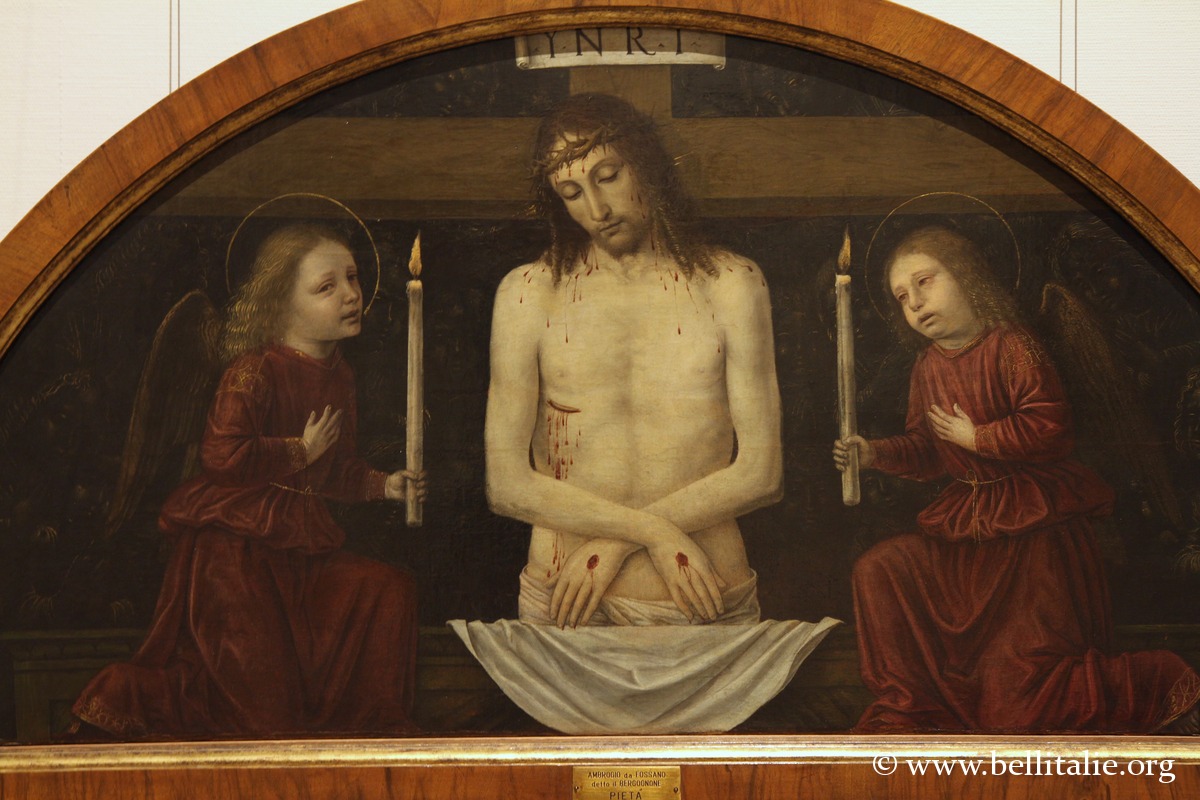
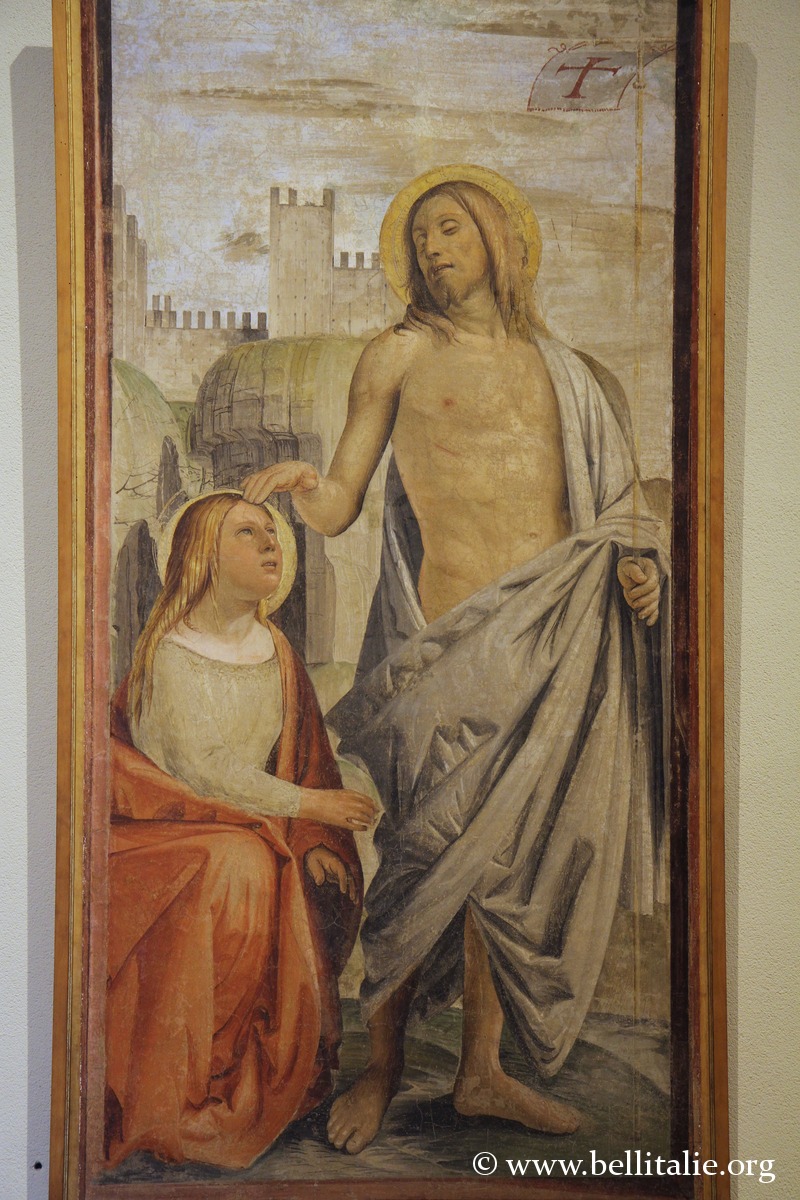
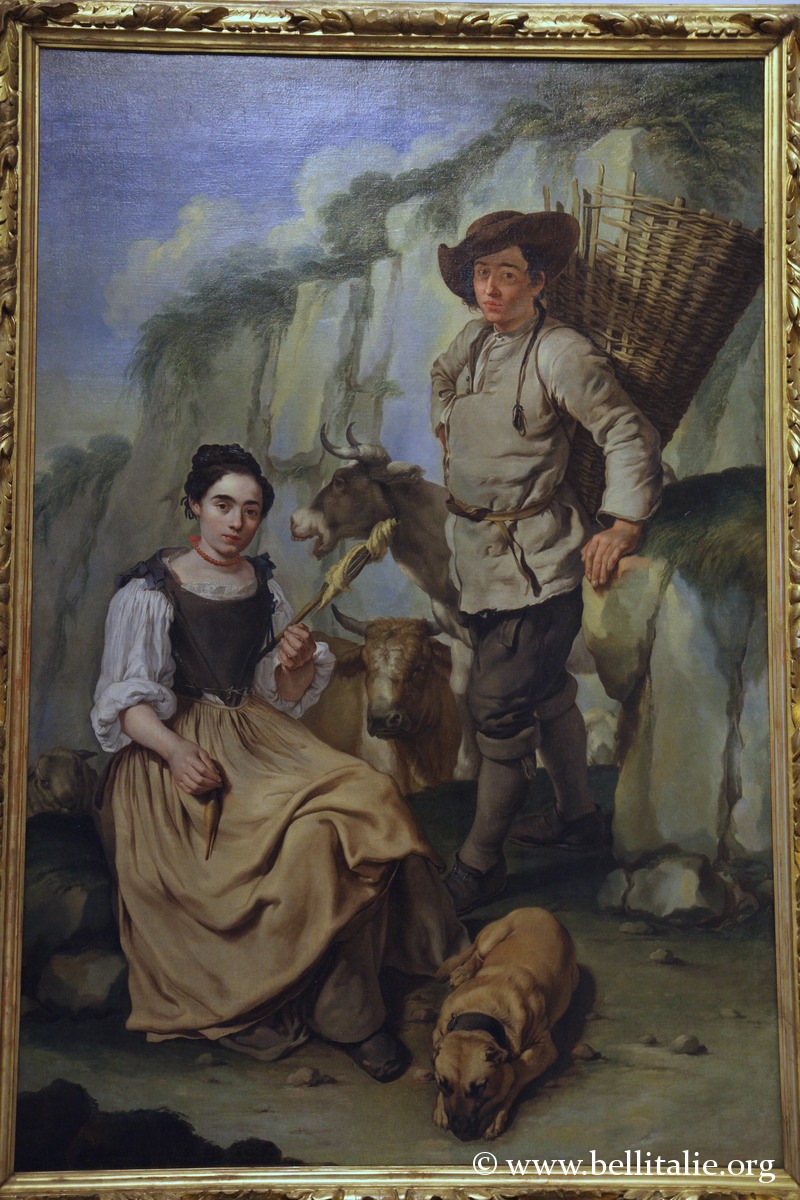
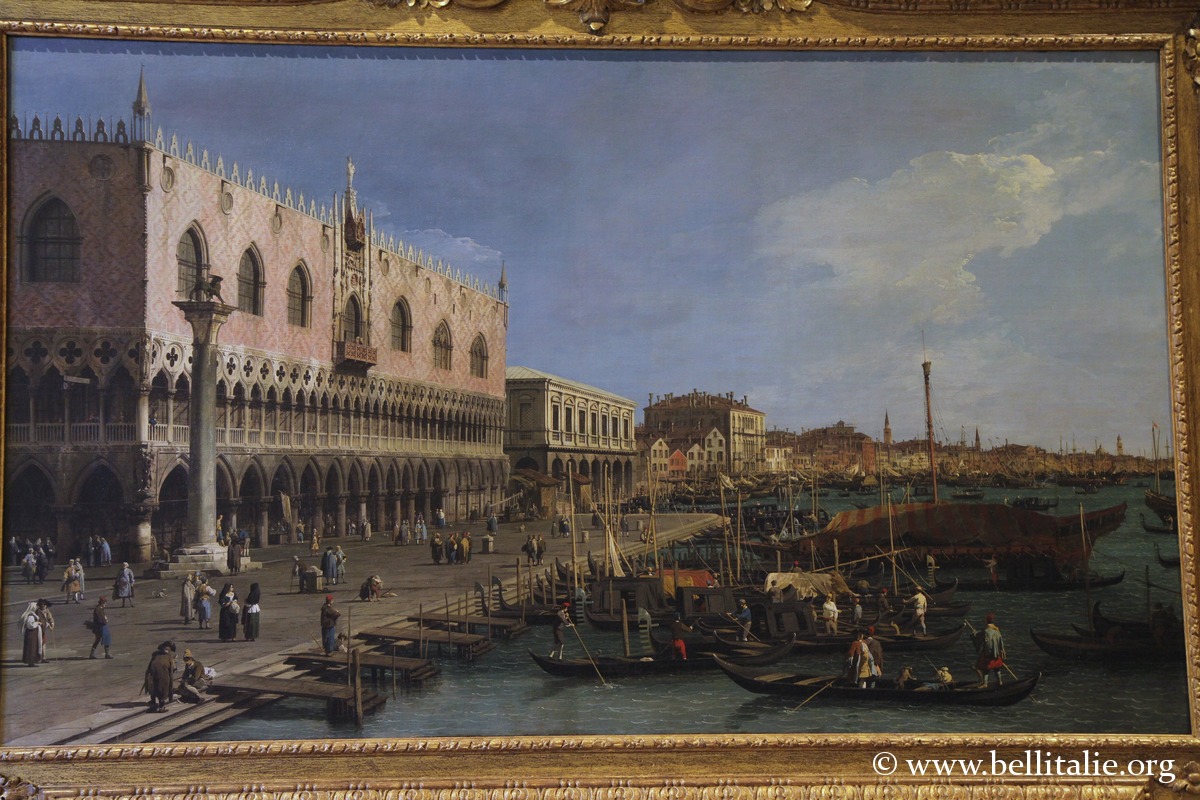
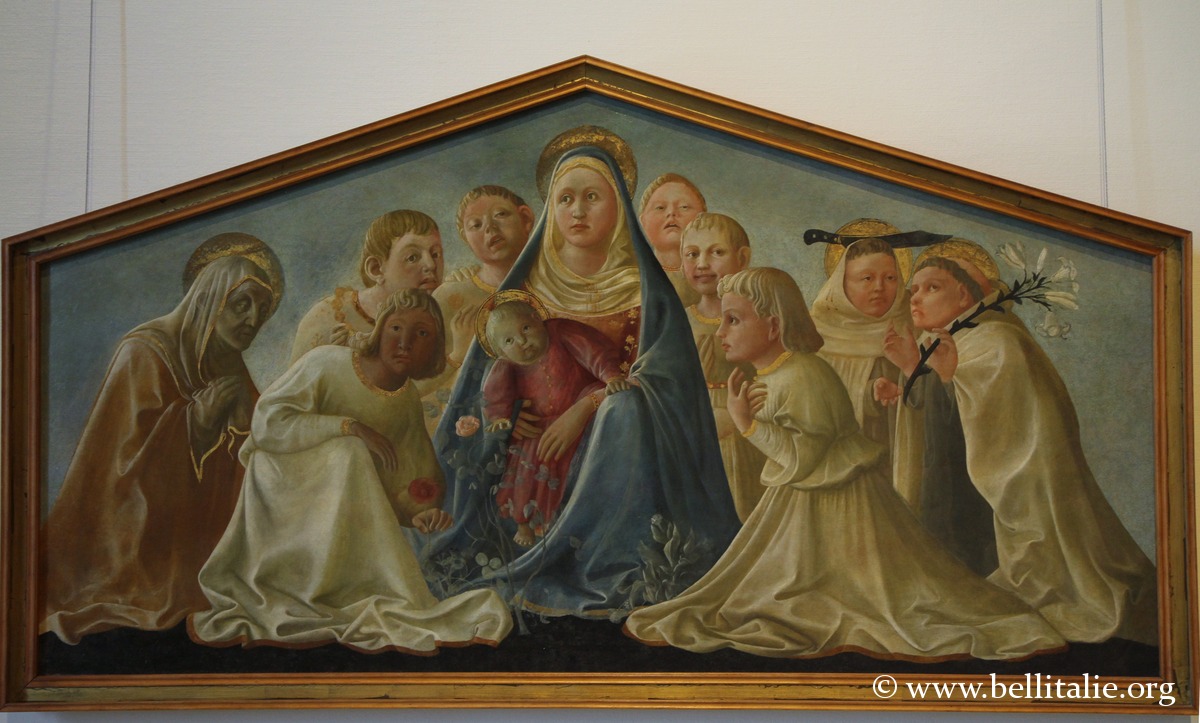
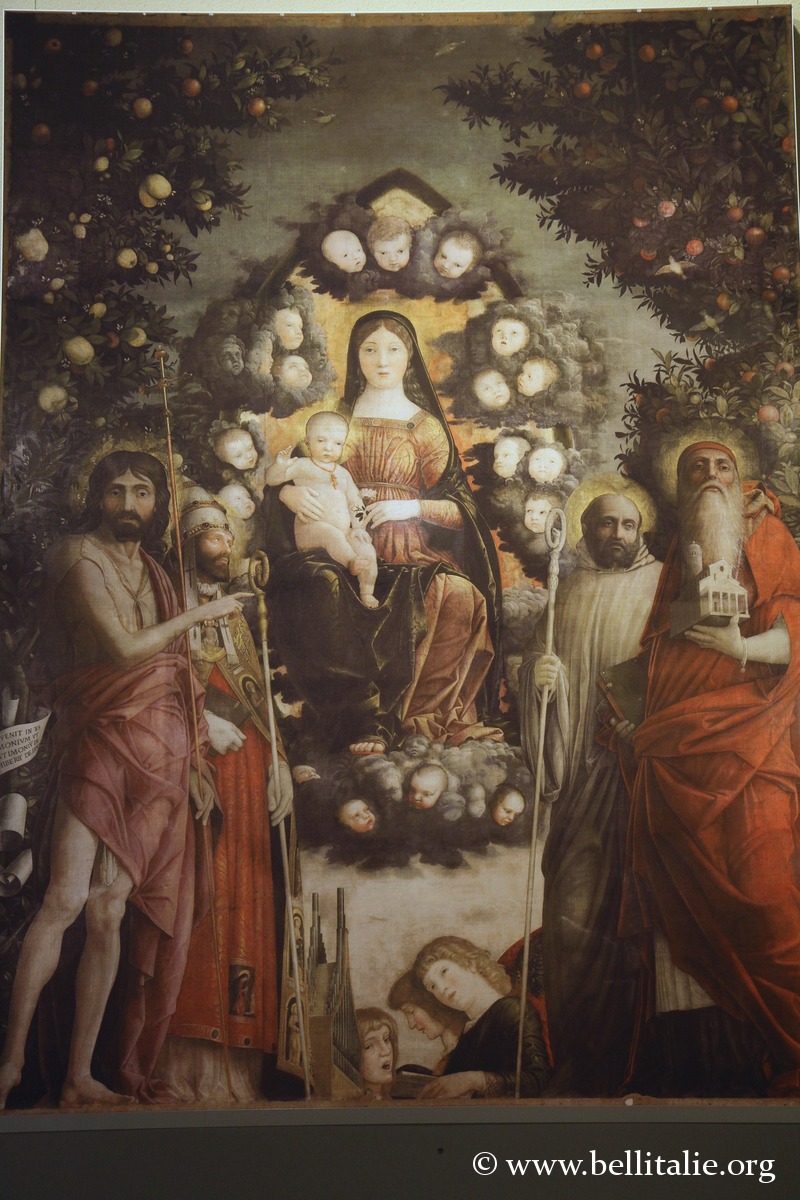
Collection of paintings mainly Milanese and Lombard from the 15th to the 18th centuries which were left to the city by families of nobles and collectors, enriched by a selection of Venetian, Flemish and Dutch works of the 17th century, with local names such as Foppa, Bramantino and Bernardino Luini for the most regional ones, and also Mantegna, Giovanni Bellini, Lorenzo Lotto, Correggio, Tintoretto and Canaletto.
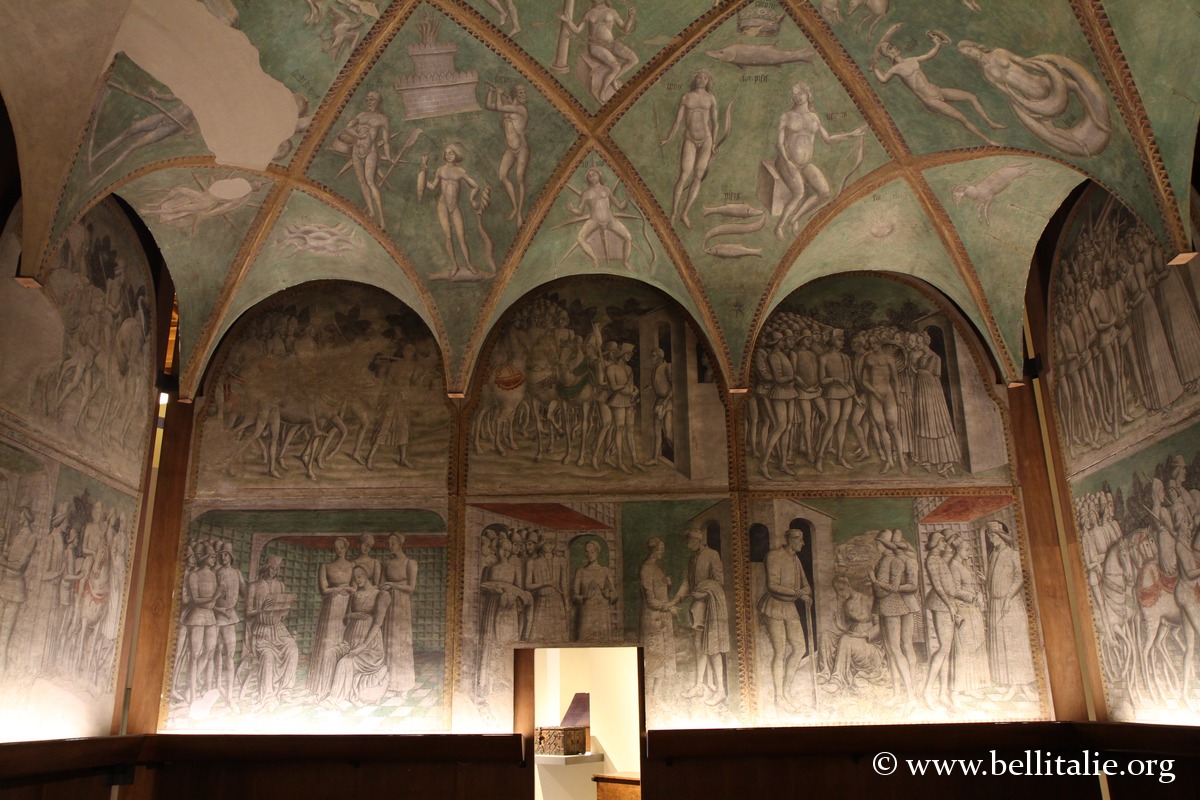
The Room of Griselda is also a beautiful discovery, where the frescoes covering its walls illustrate the stories of Griselda, the last tale of the Decameron by Boccaccio, originating from the Castle of Roccabianca. The pretty ceiling bears an original representation of the constellations.
Museum of Decorative Arts
This museum has an important collection of high-quality manufactured objects, in particular Italian ceramics from the Renaissance to the 19th century, precious ivory pieces from late antiquity and the Middle Ages, medieval goldsmith work and Renaissance bronzes.
There is a collection of Murano and Bohemian glass (15th-18th c.), 20th-century ceramics, and a recent section of glass from the second half of the 20th century.
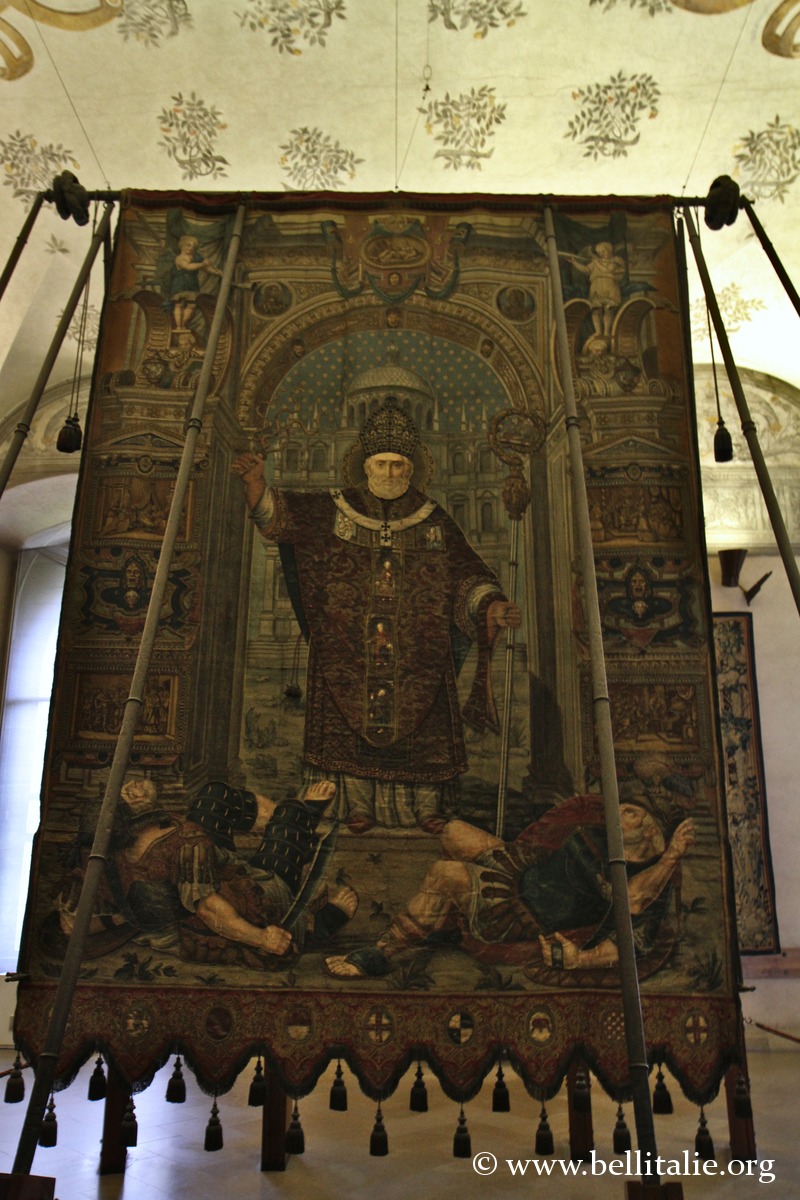
In the Ballroom are the complete cycle of twelve Trivulzio tapestries designed by Bramantino in the early 16th century.
Museum of Furniture and Wooden Sculptures
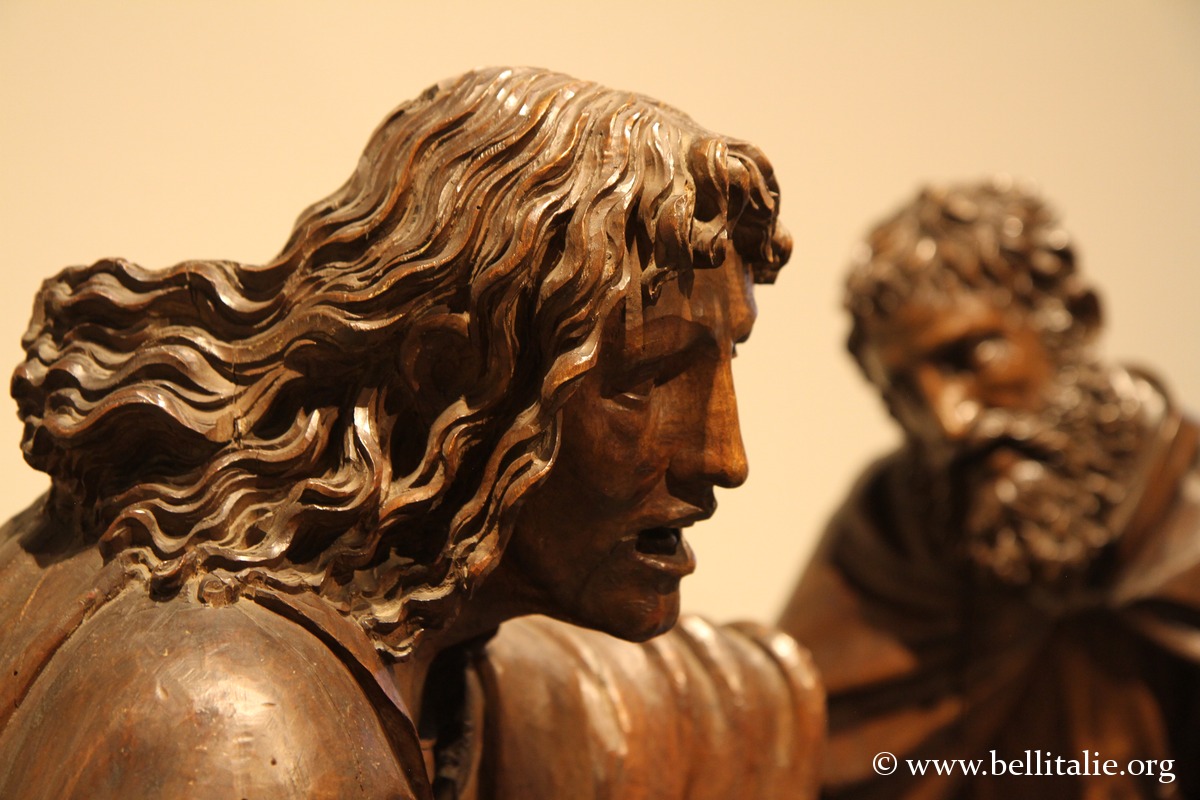
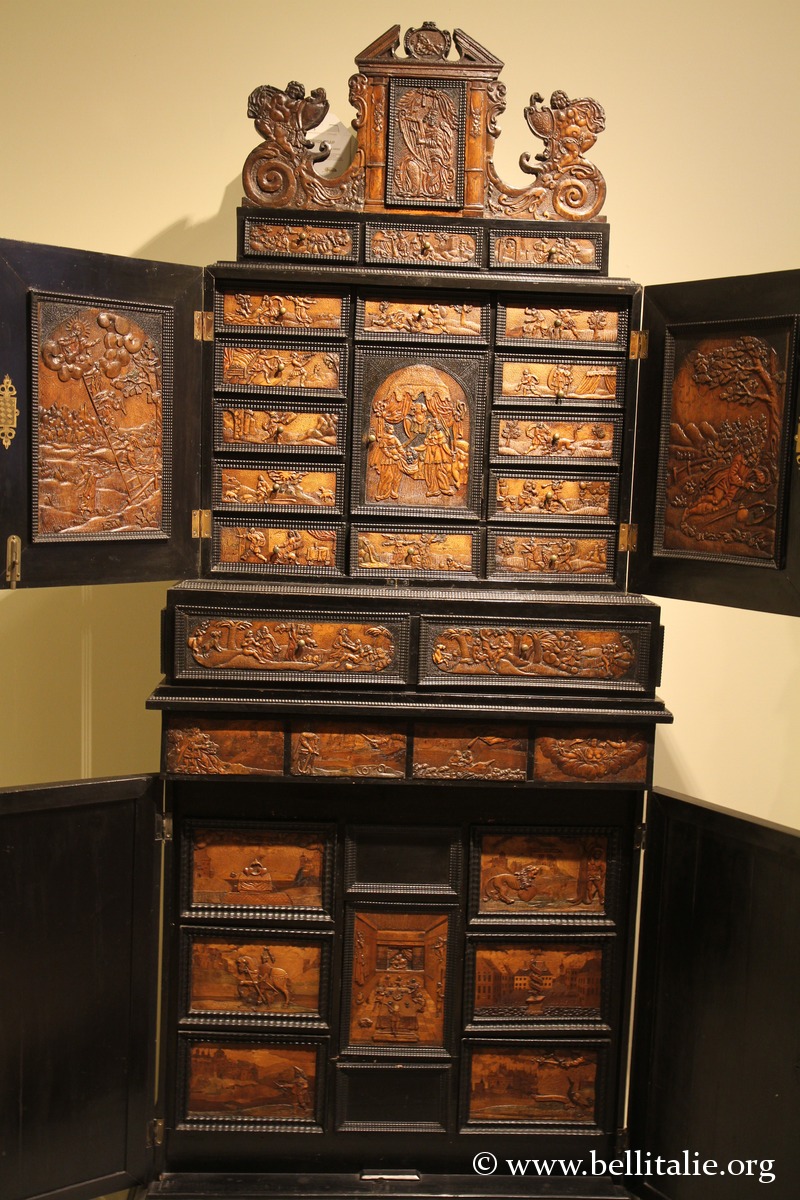
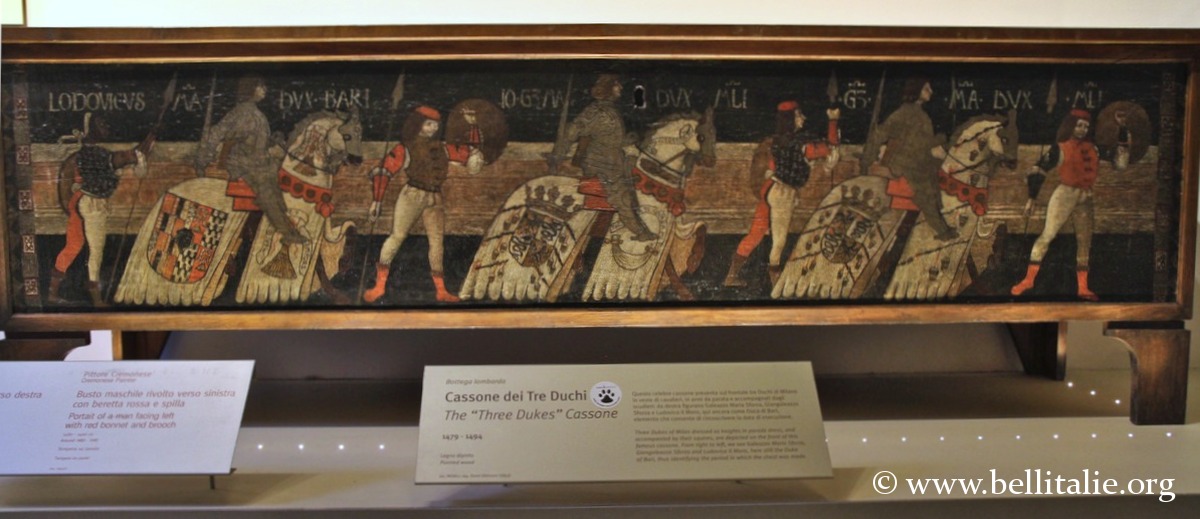
This museum tells the history of furniture from the 15th to the 20th century, including wooden sculptures of the Renaissance, placed in their period context, accompanied by contemporary objects and paintings. A section is dedicated to contemporary furniture with creations by masters.
Museum of Musical Instruments
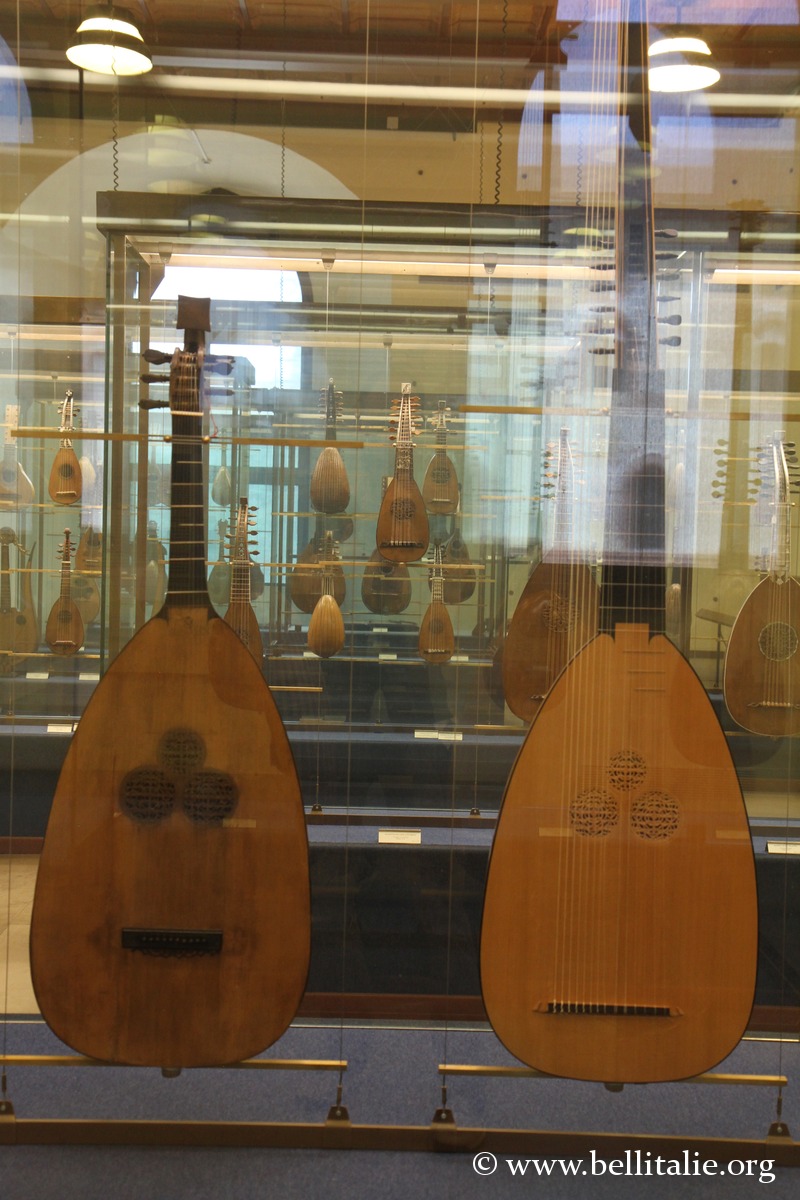
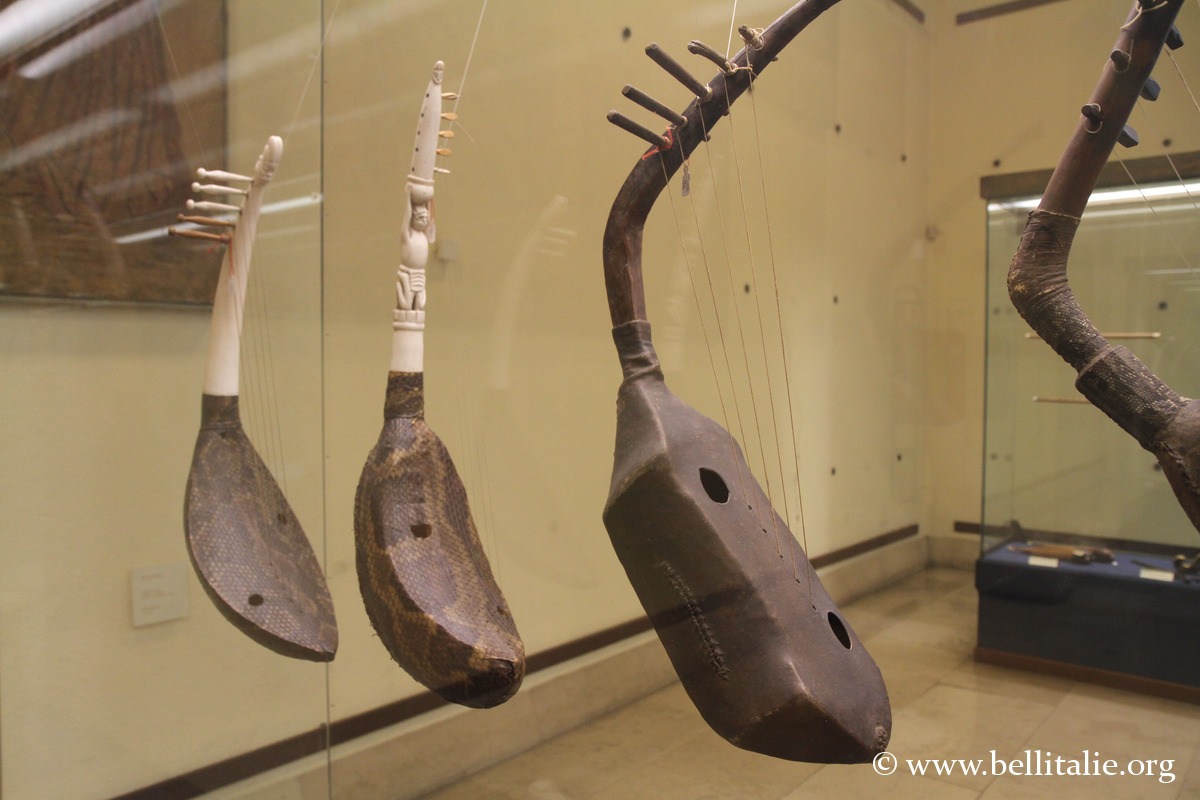
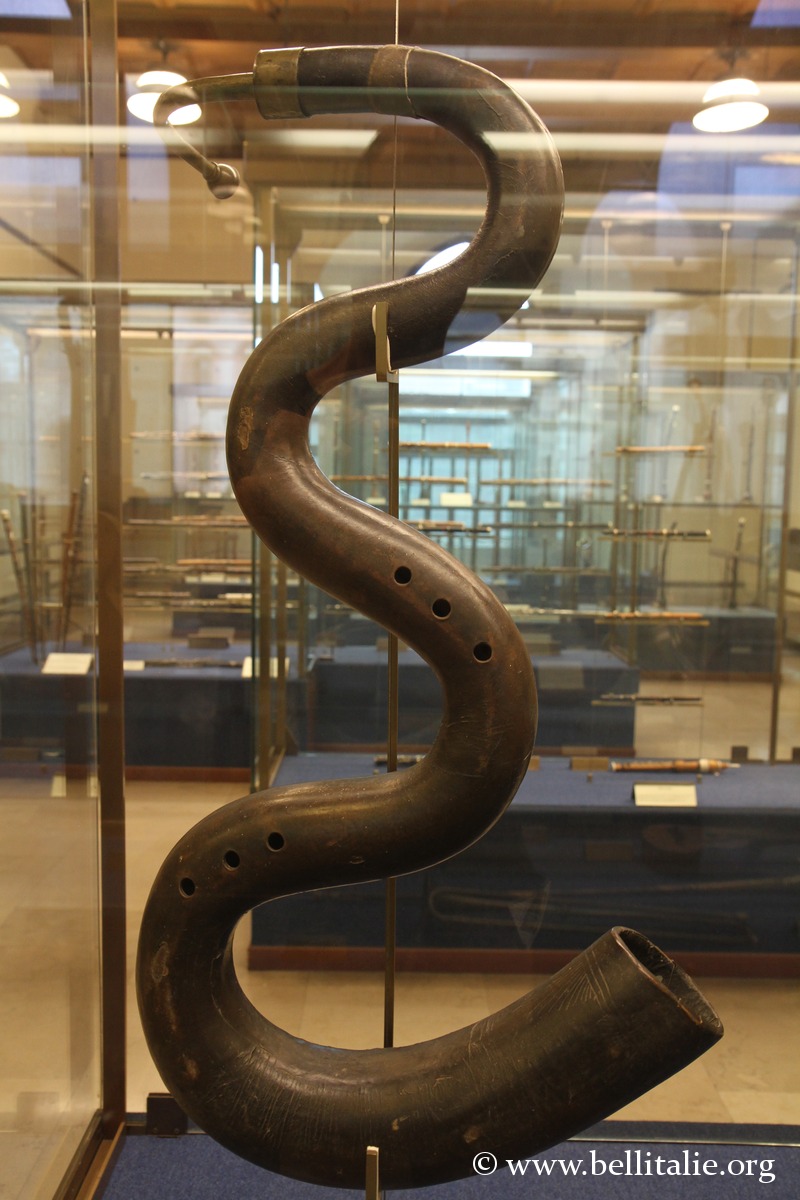
The collection of musical instruments is one of the most important in Europe, with nearly 900 objects from around the world, string, keyboard and wind instruments, including remarkable pieces, from the oboe to the viol. There is also the sound equipment of the Rai studios in Milan which produced, among other things, experimental electronic music until the 1980s.
Visit and tickets
One can visit part of the castle such as the courtyard without having to access the museums.
Gallery
Map
If you see this after your page is loaded completely, leafletJS files are missing.
Information
- Wikipedia page: en.wikipedia.org
- Official website: milanocastello.it, PDF leaflet of the museums
- Tourist portals: www.yesmilano.it
- What to see in Milan
- Itinerary ideas for visiting Milan

- Milan Cathedral
- Sforza Castle of Milan
- Victor Emmanuel II Gallery in Milan
- The Last Supper and Santa Maria delle Grazie
- Milan’s La Scala
- Basilica of Sant’Ambrogio in Milan

- Piazza dei Mercanti and Medieval Milan
- Selection of hotels and luxury hotels in Milan
- Leonardo da Vinci Museum of Science and Technology
- Brera Art Gallery
- Basilica of San Lorenzo, Milan
- Navigli District and Canals of Milan
- San Maurizio al Monastero Maggiore in Milan
- Milan Civic Archaeological Museum
- Basilica of Saint Nazarius in Milan
- Other Renaissance and Baroque monuments
- Neoclassical, 18th and 19th centuries in Milan
- The Museums of Milan
- Shopping, the Fashion Quadrilateral and Markets in Milan
- Squares and other sites of Milan





Comments