


Housed in the buildings of the former convent of the Monastery of Saint Maurice dating back to the 7th century AD, the Milan Civic Archaeological Museum (Museo Civico d’Archeologia di Milano in Italian) is the main site for discovering Mediolanum, Roman-era Milan.
Visit and description
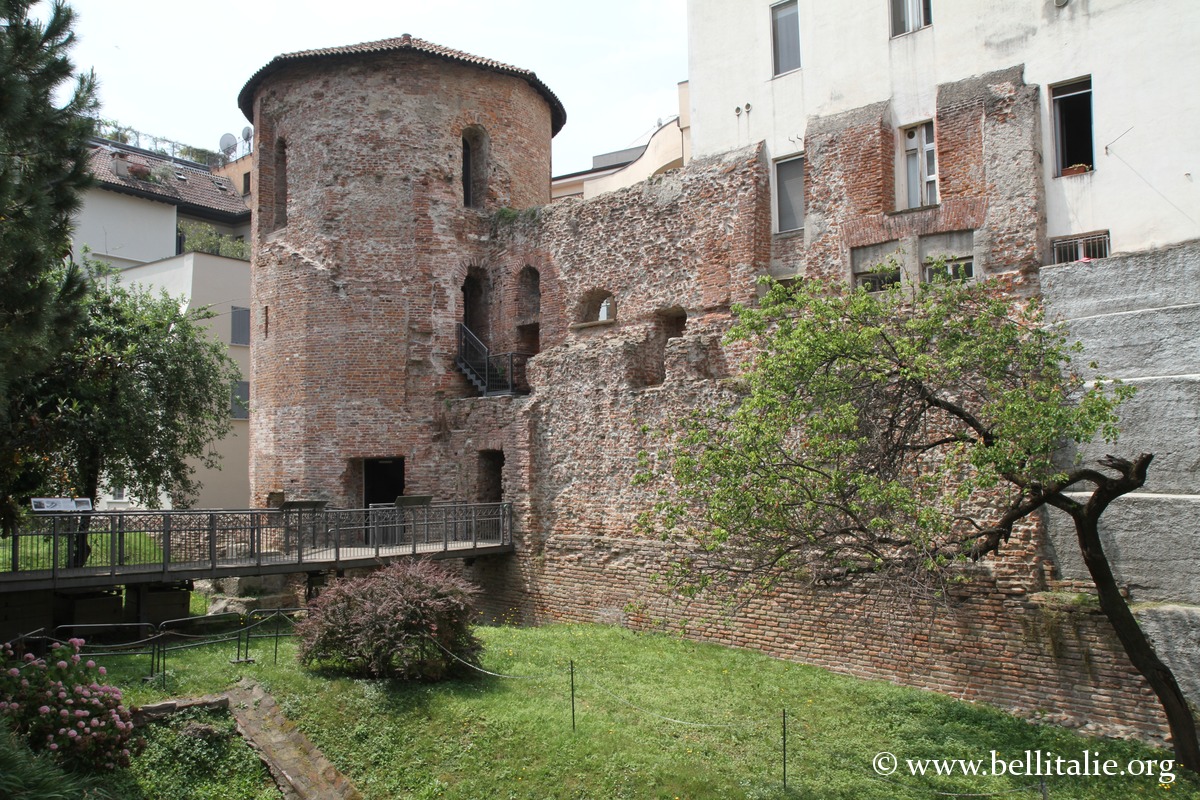
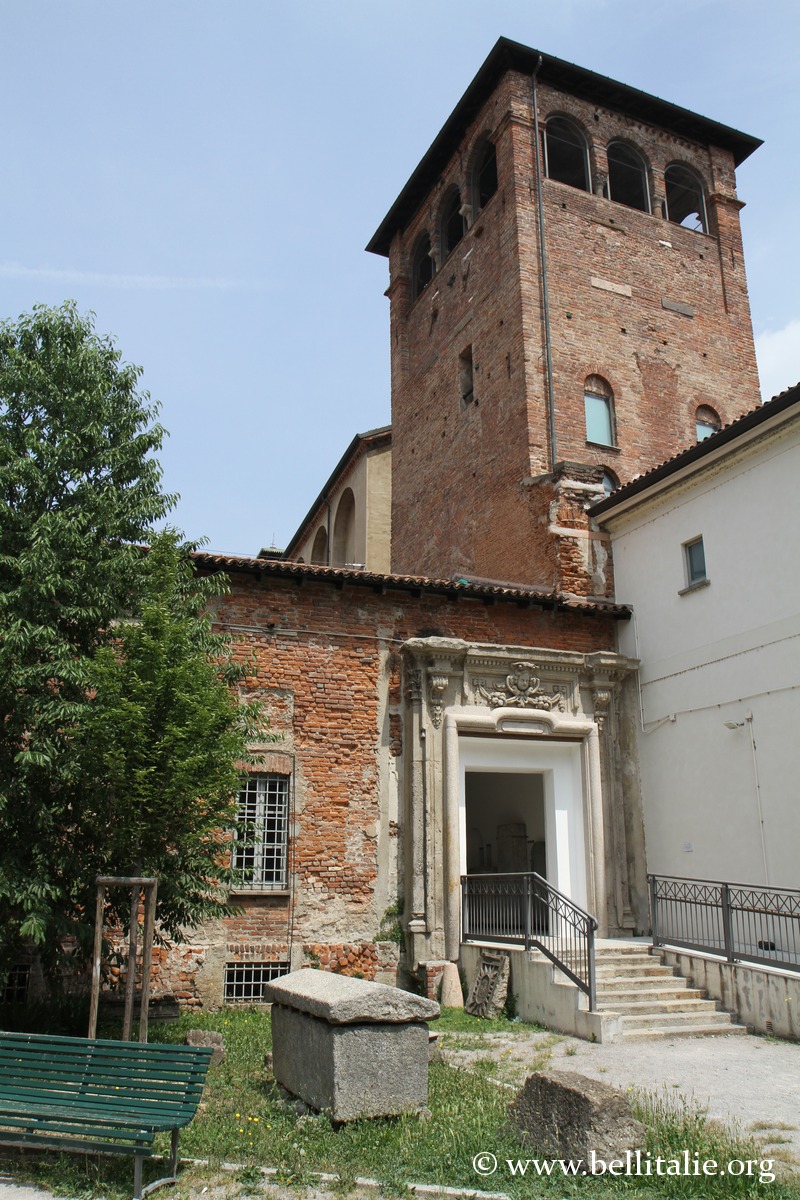
The route passes through the former entrance cloister of the monastery and through major archaeological evidence from a central area of the ancient city, with the remains of three monumental complexes, including the walls with a well-preserved tower, the circus of the 3rd and 4th centuries AD with its almost intact tower, and a villa occupied in the 1st and 3rd centuries AD, visible in particular on Via Brisa with remains of a bath complex.
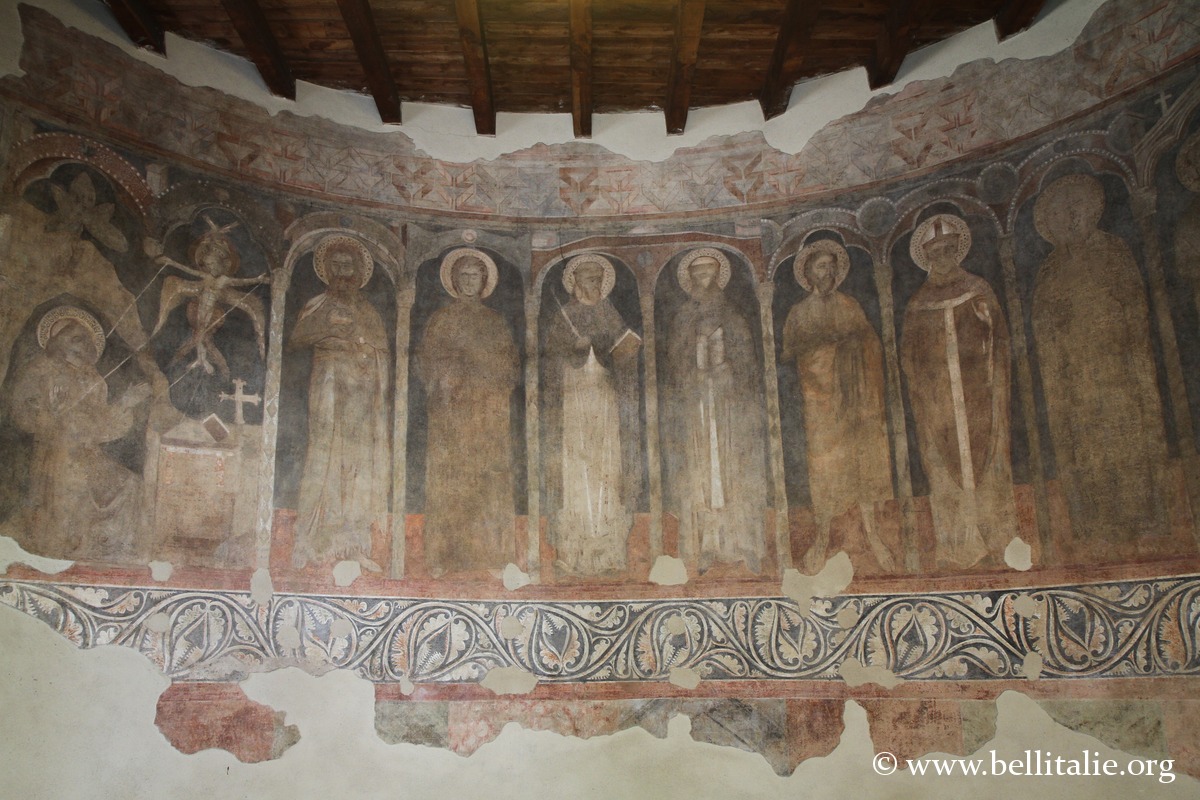
The Benedictine monastery in fact used the circus tower as the bell tower for its church and later installed a chapel in the polygonal tower of the ancient fortifications.
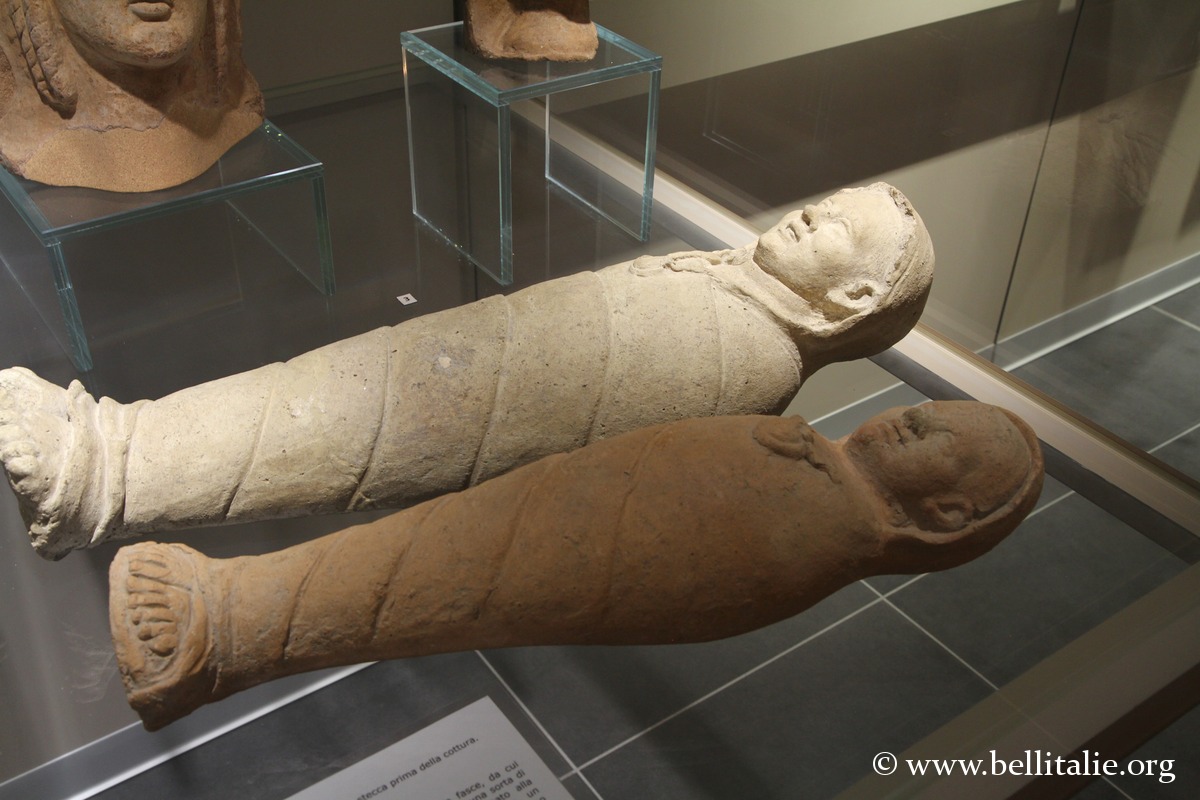
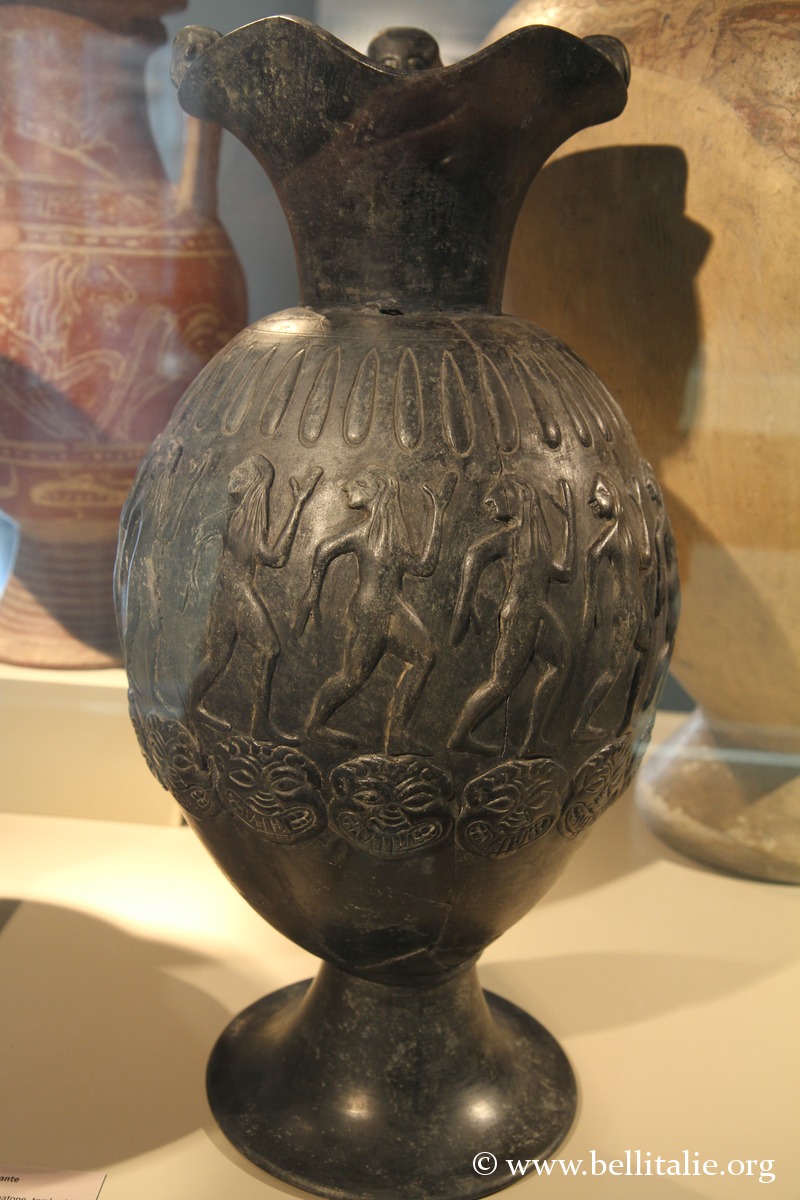
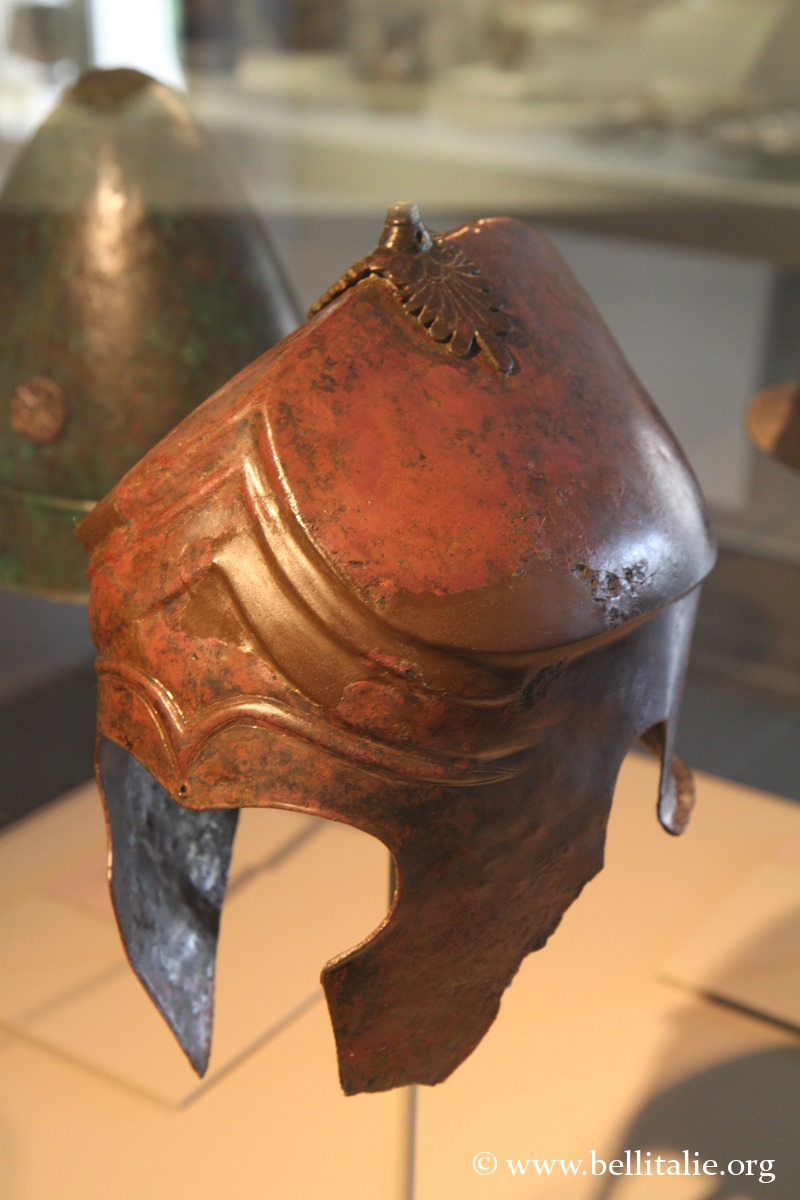
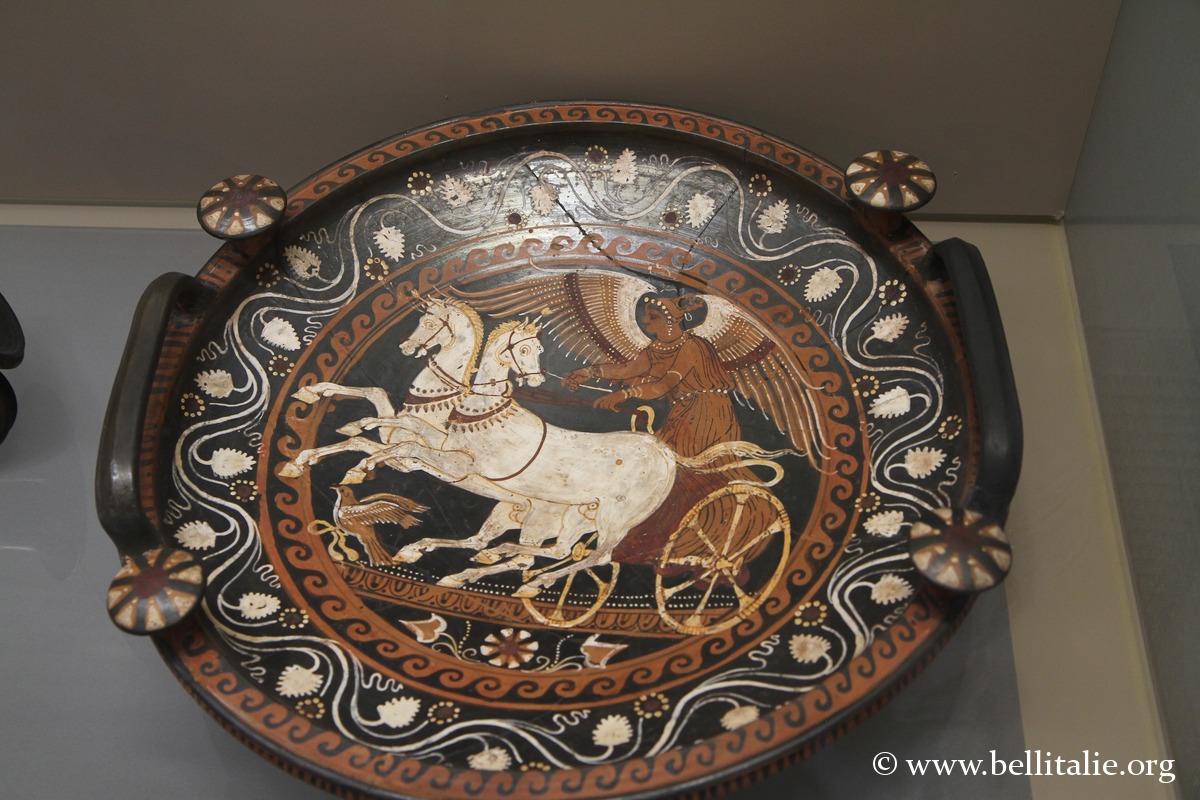
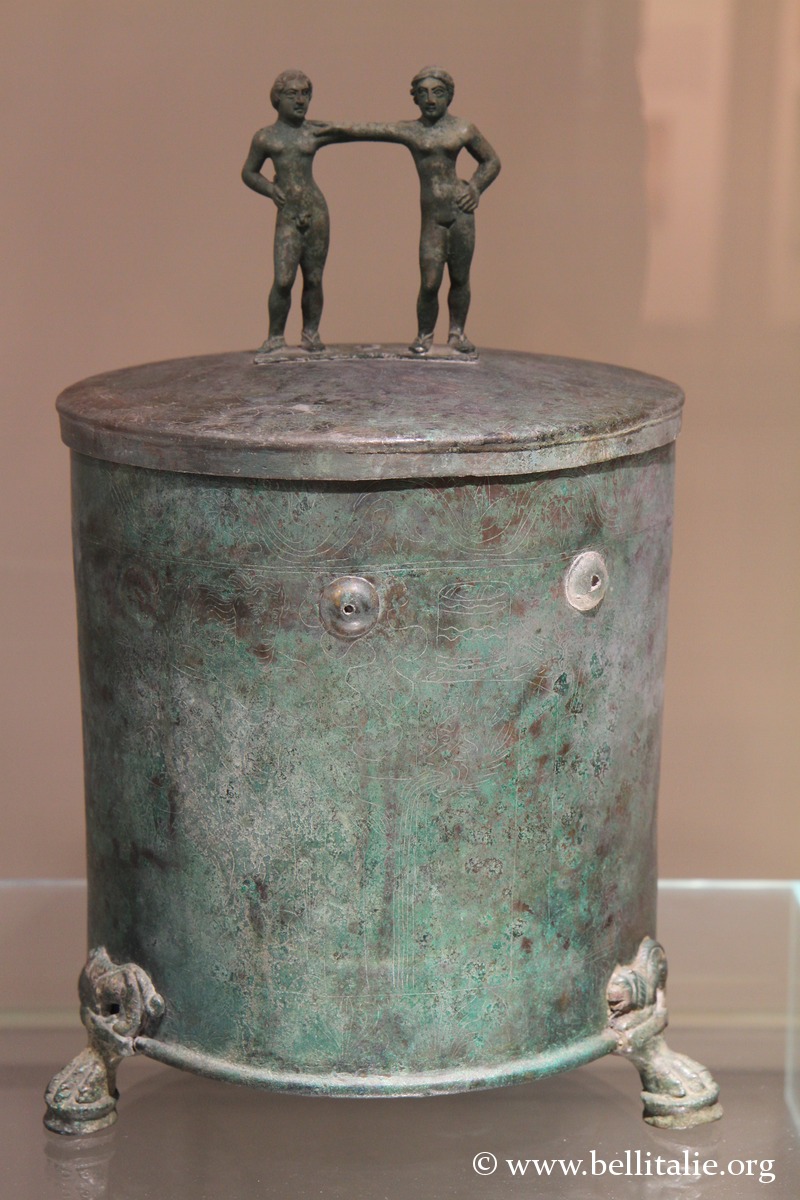
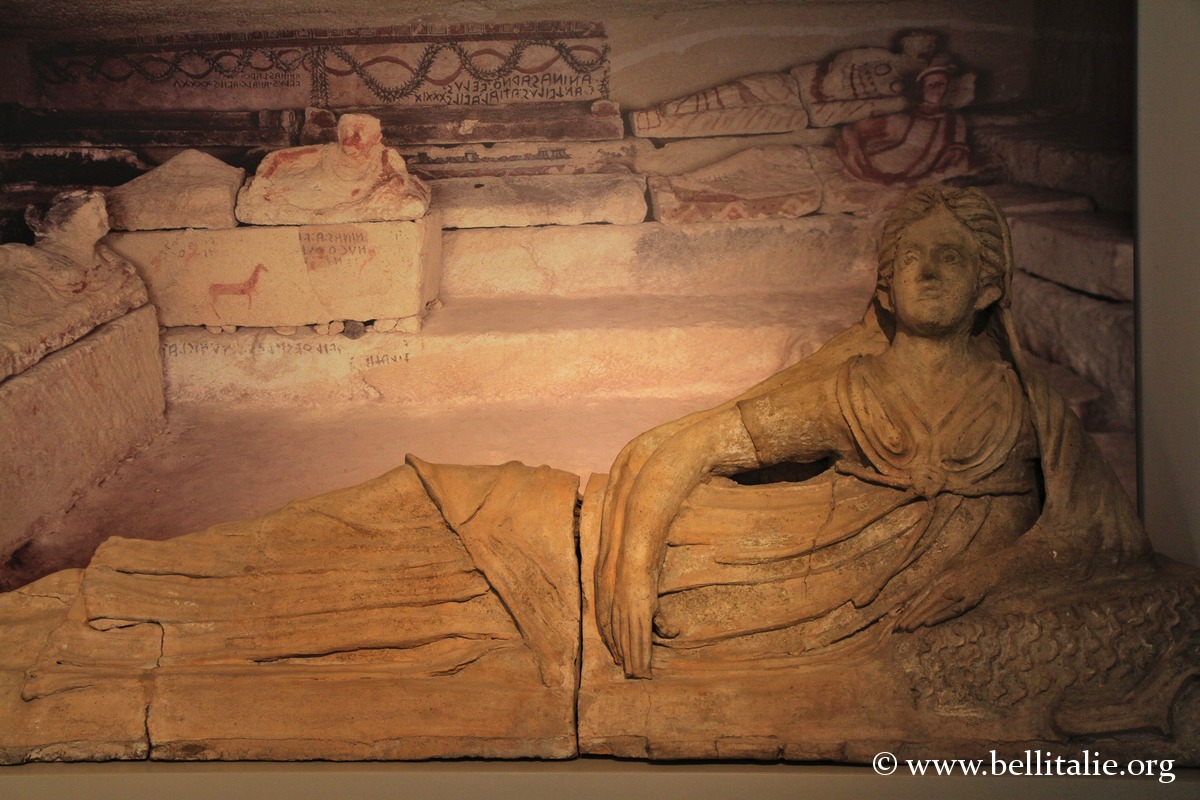
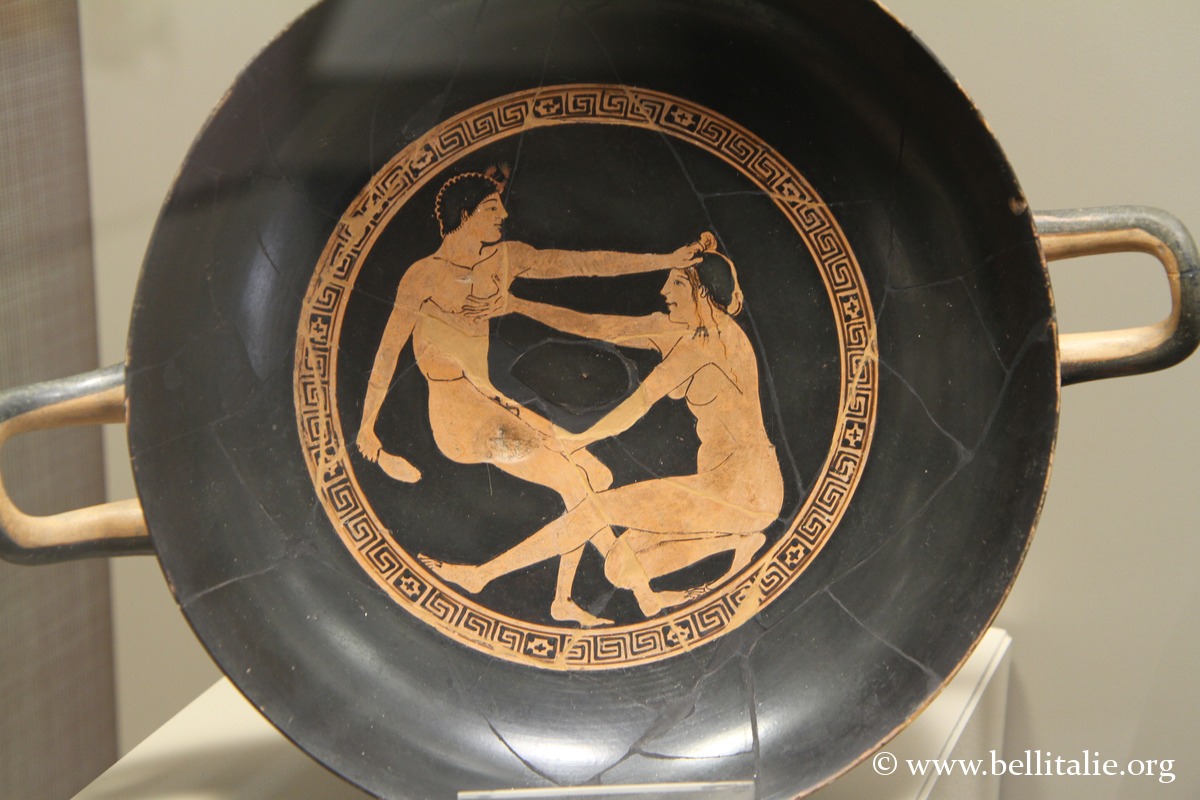
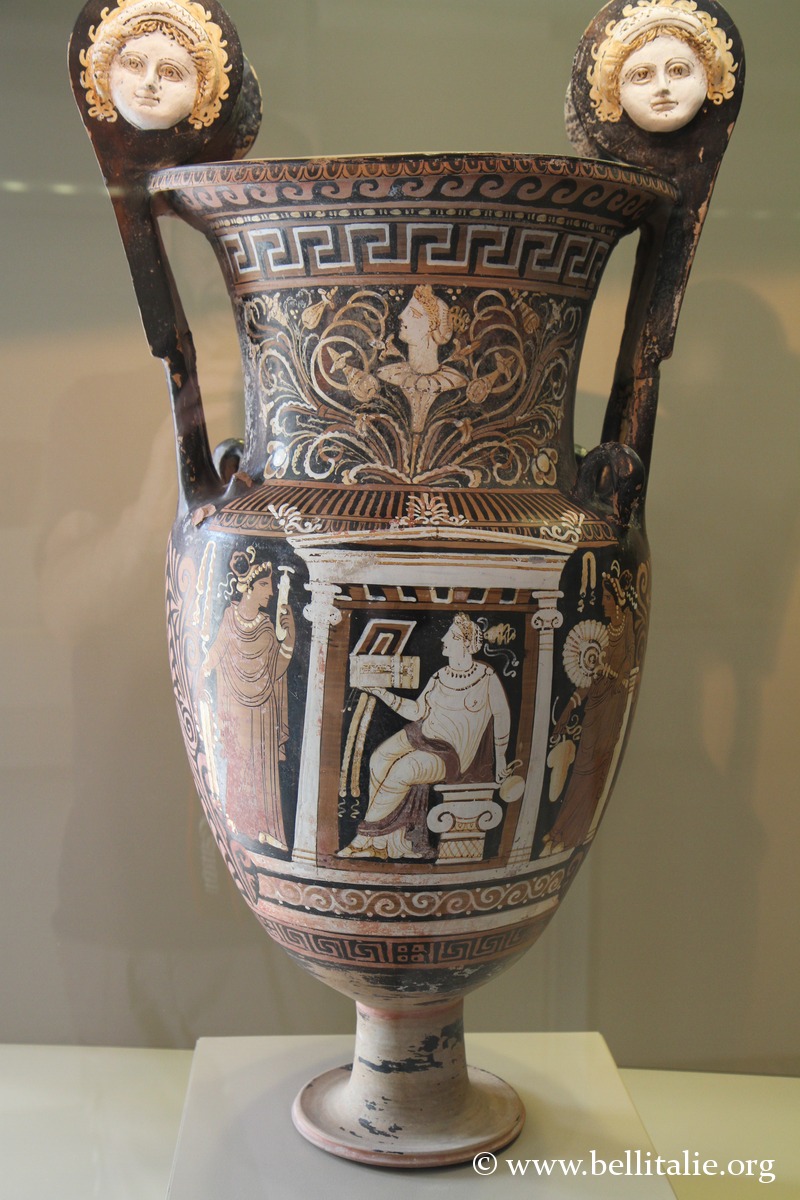
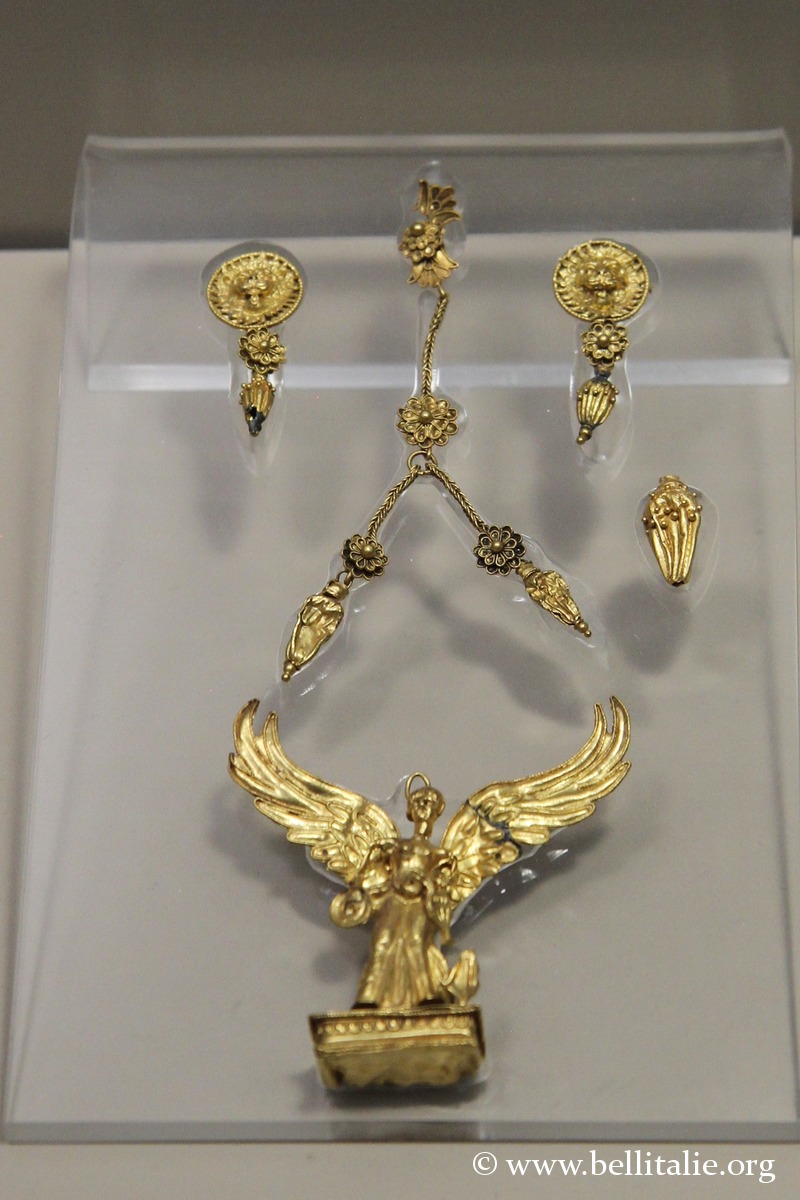
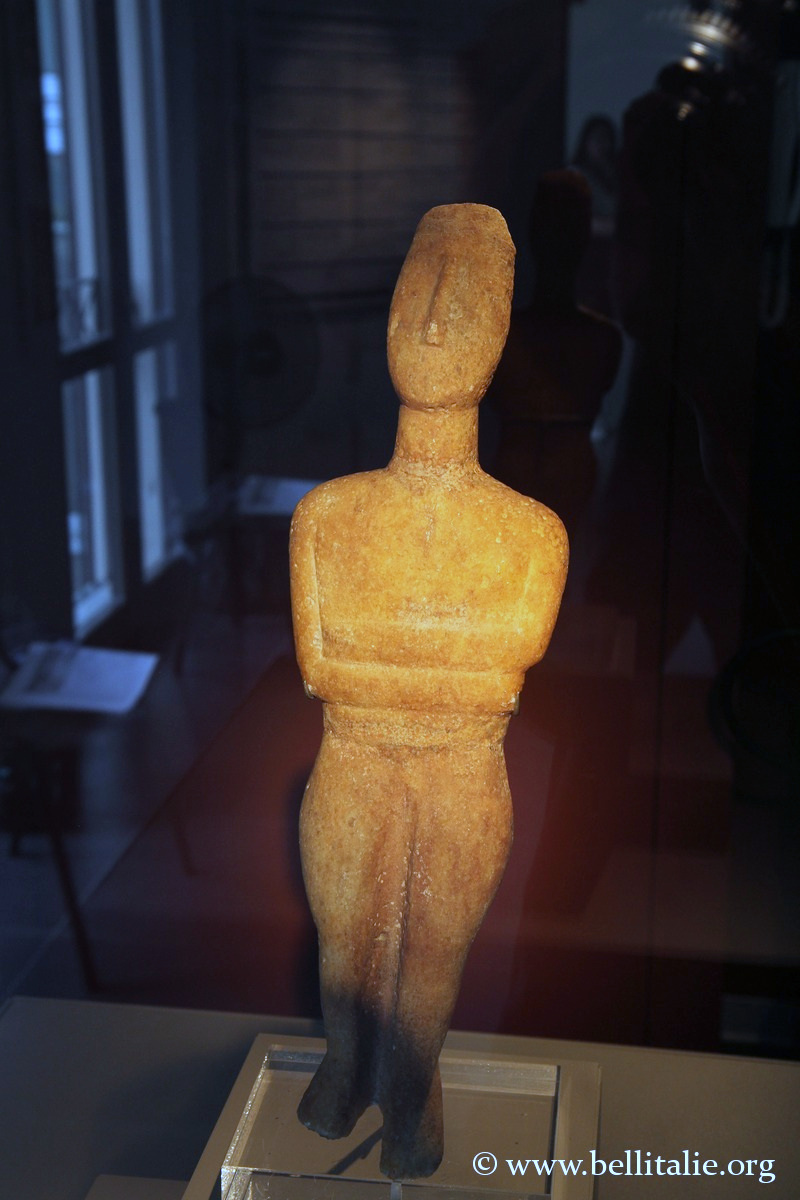
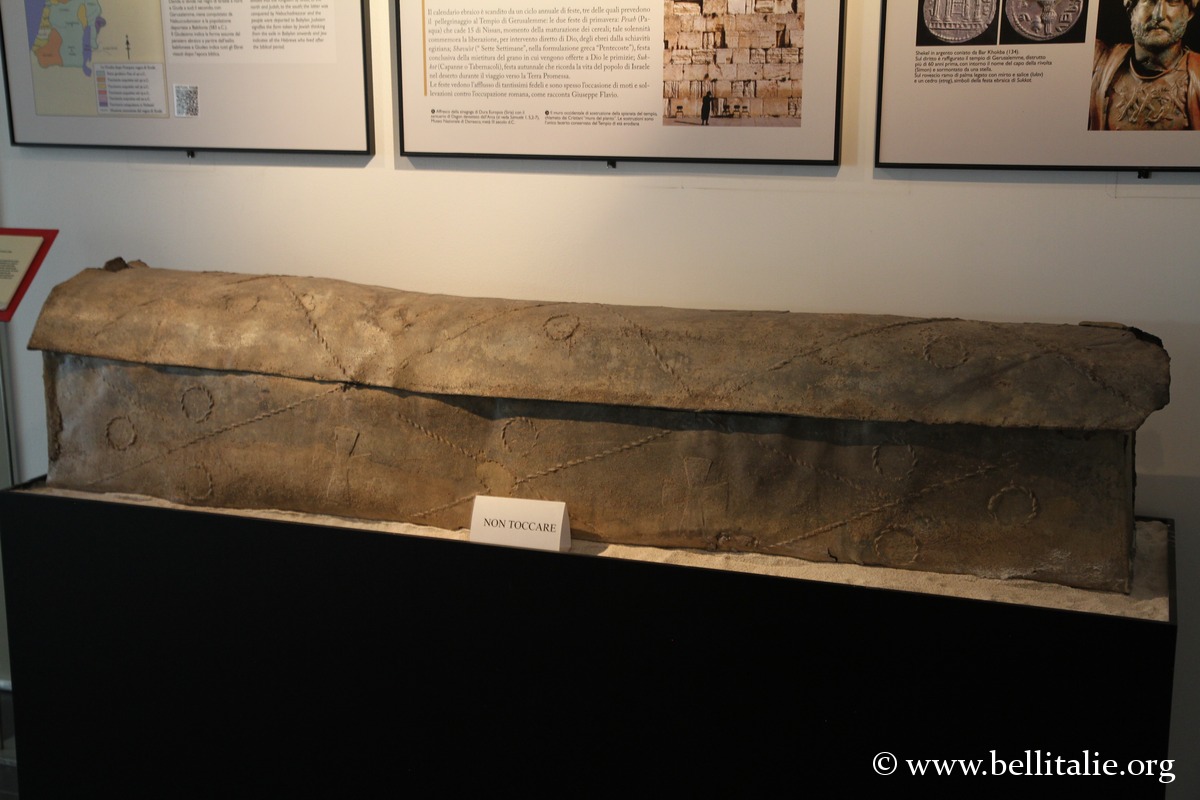
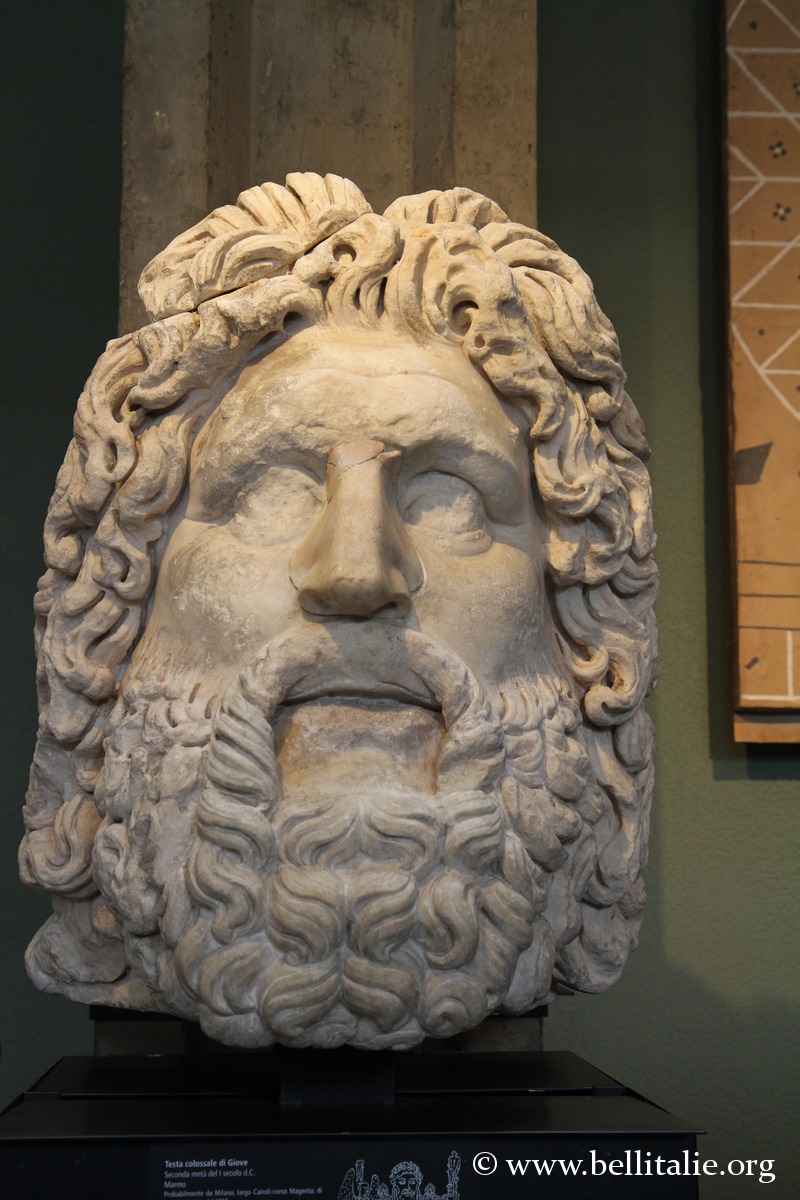
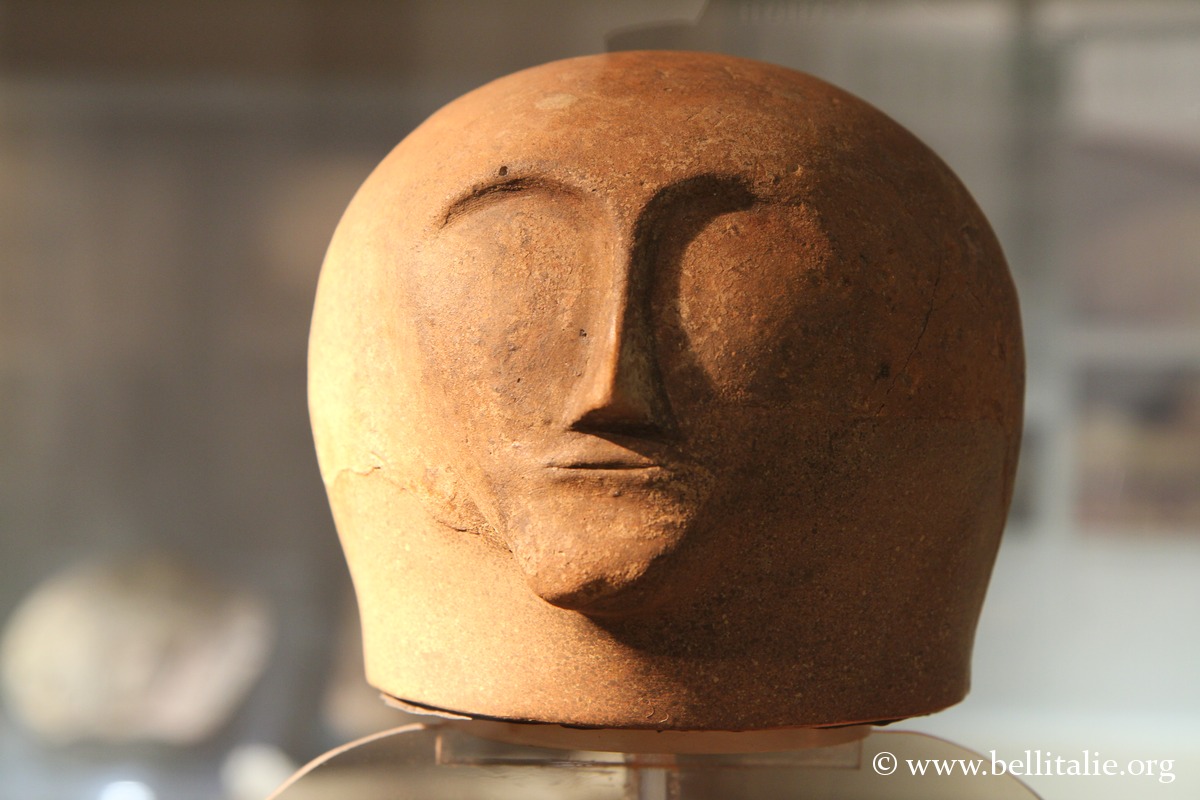
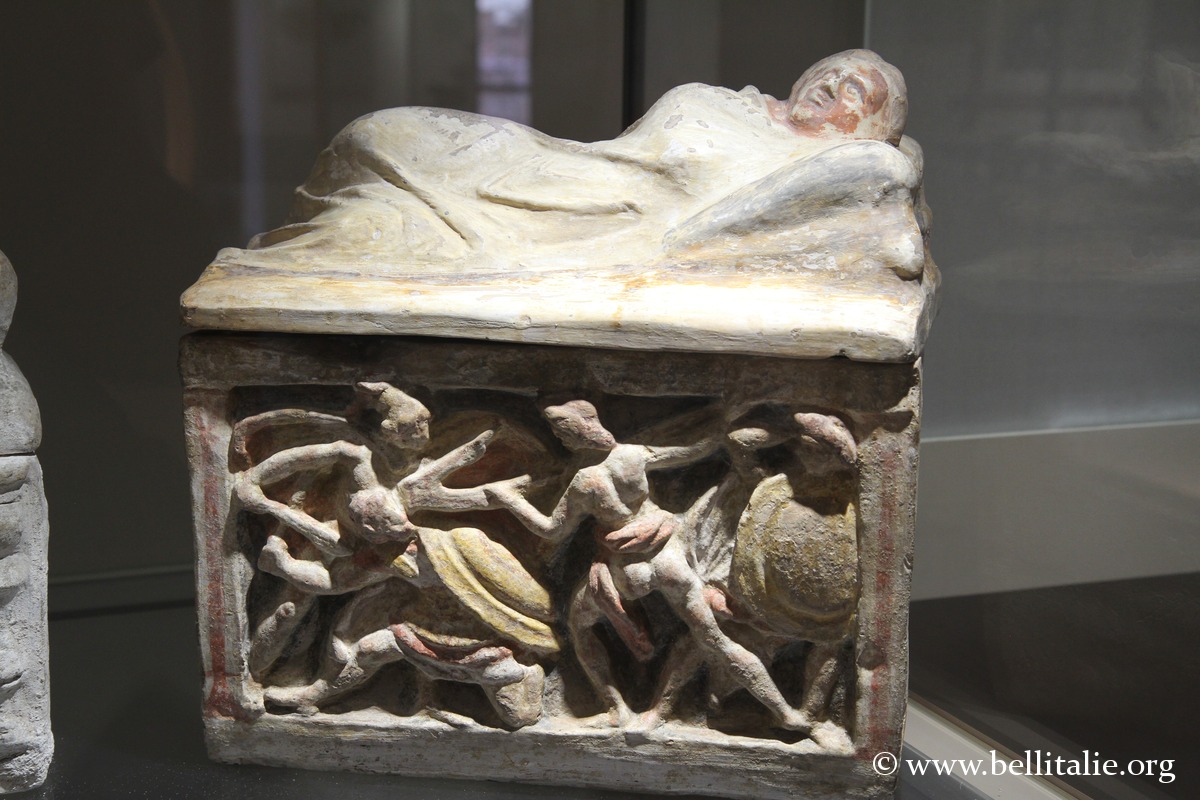
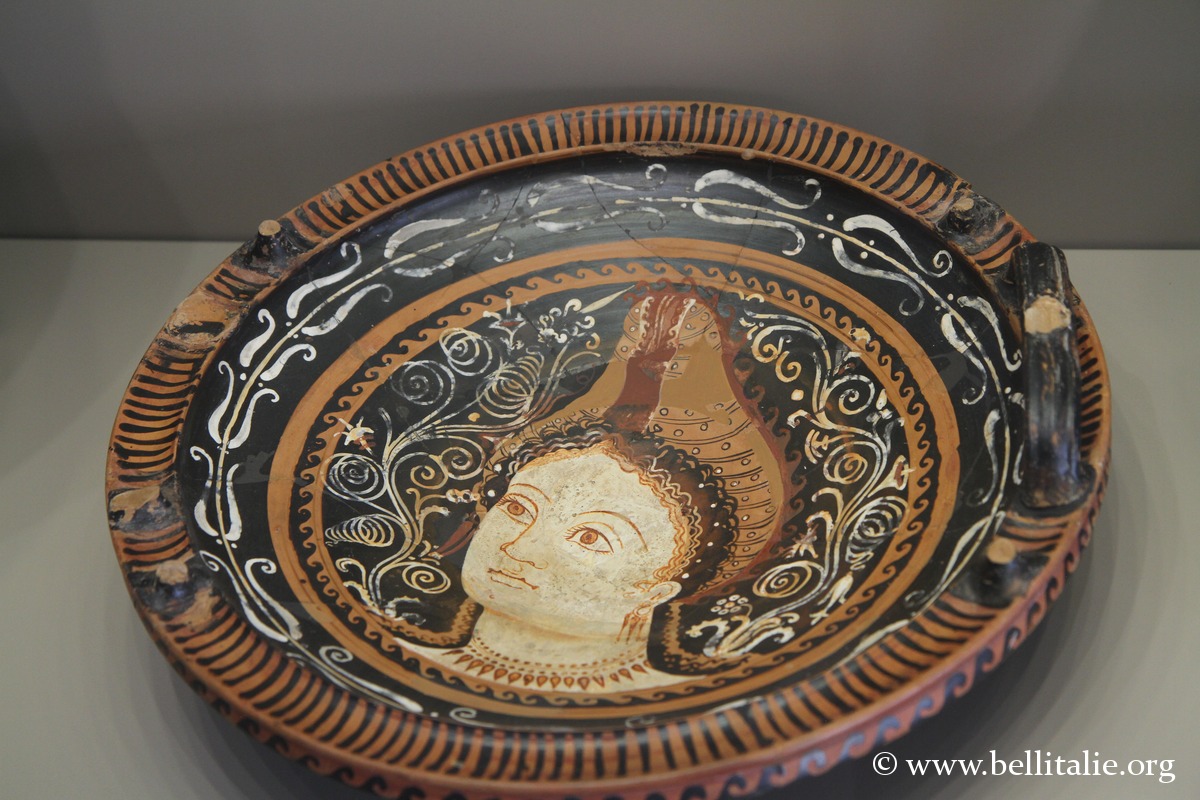
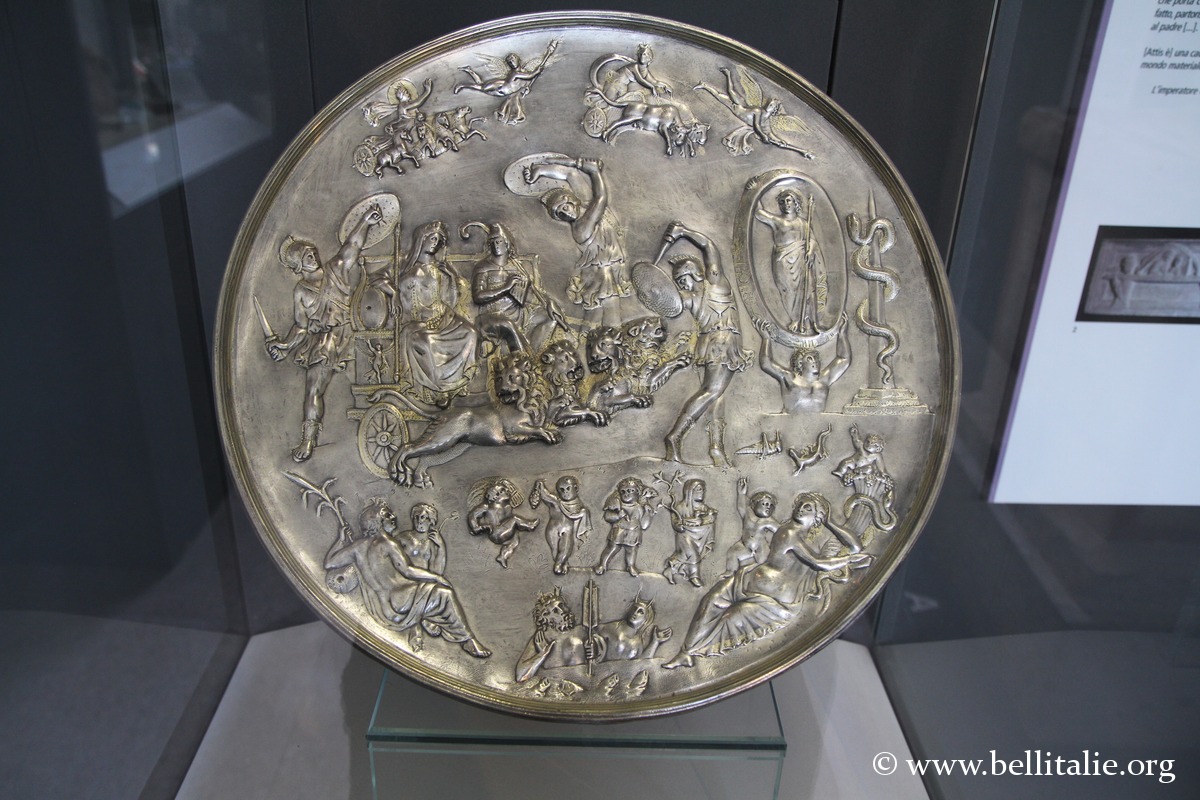
It comprises several sections: local archaeology, Greek and southern Italian ceramics, Etruscan art, Roman archaeology, the results of excavations at Caesarea Maritima in Israel, the early Middle Ages, and sculptures from the Gandhara region in northern Pakistan. The prehistoric and Egyptian sections are housed in the Sforza Castle.
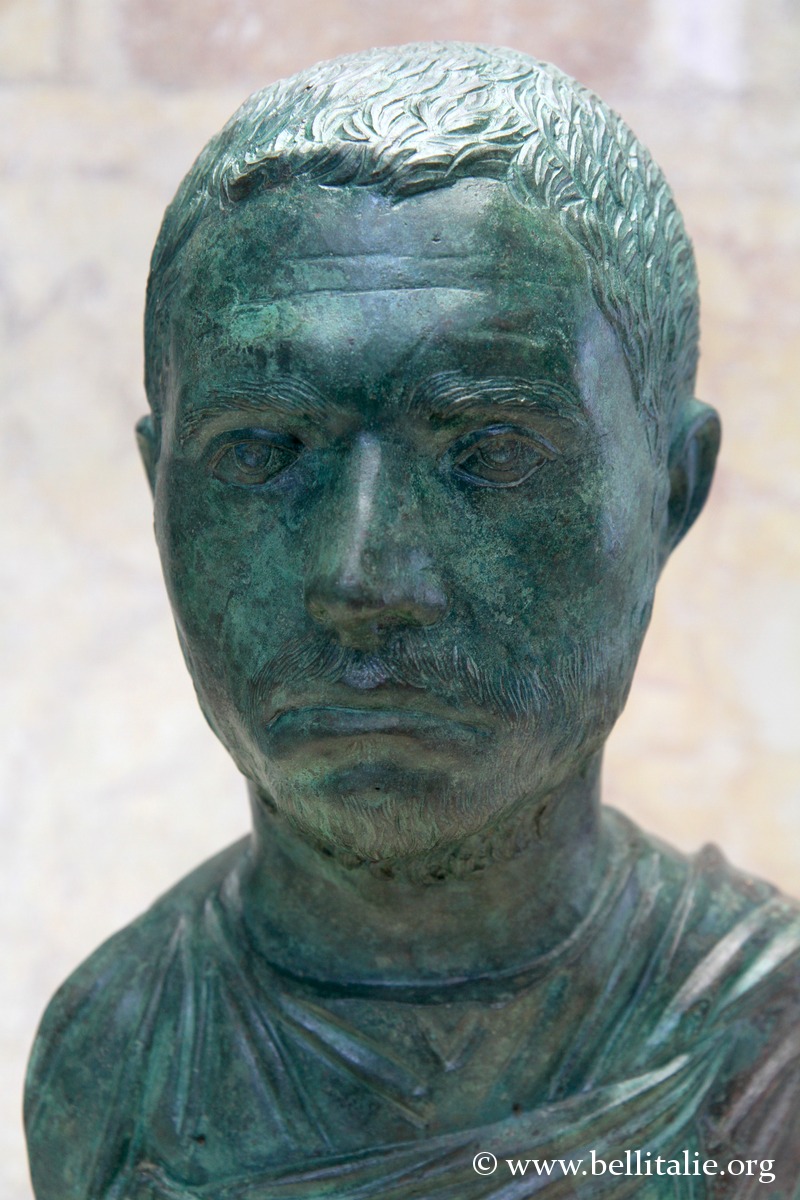
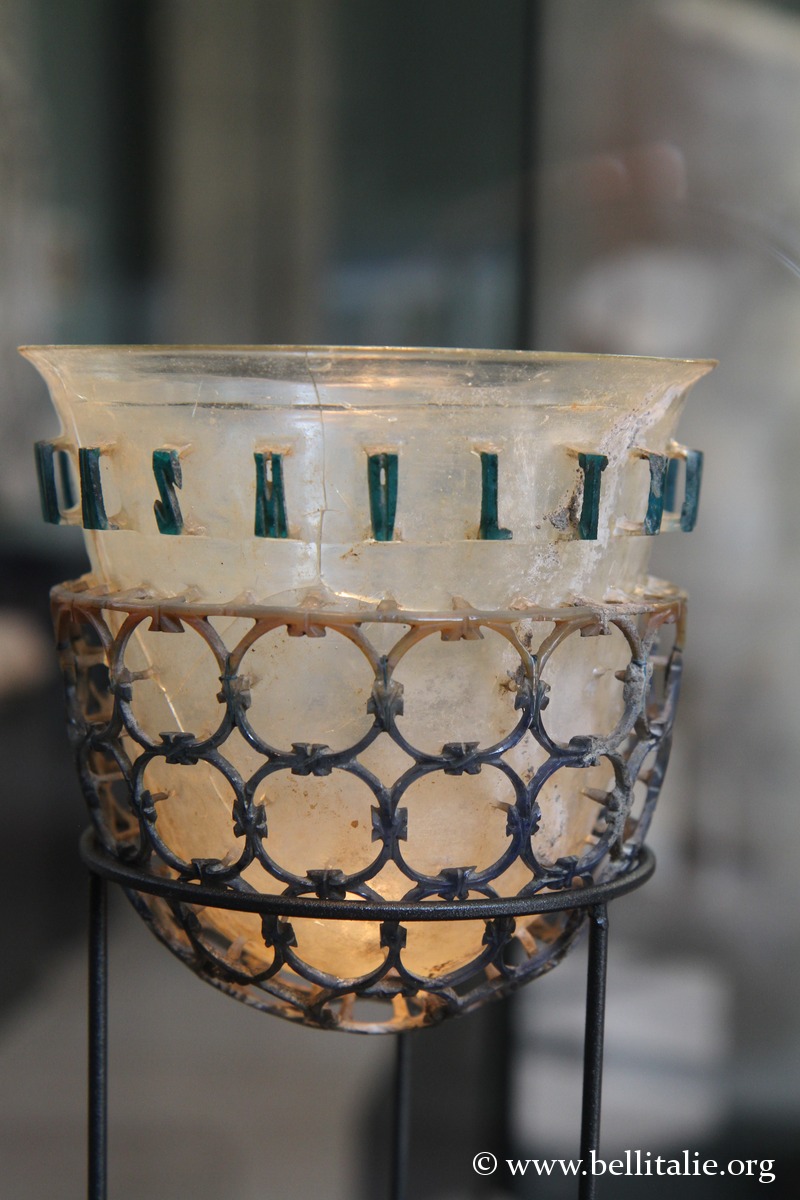
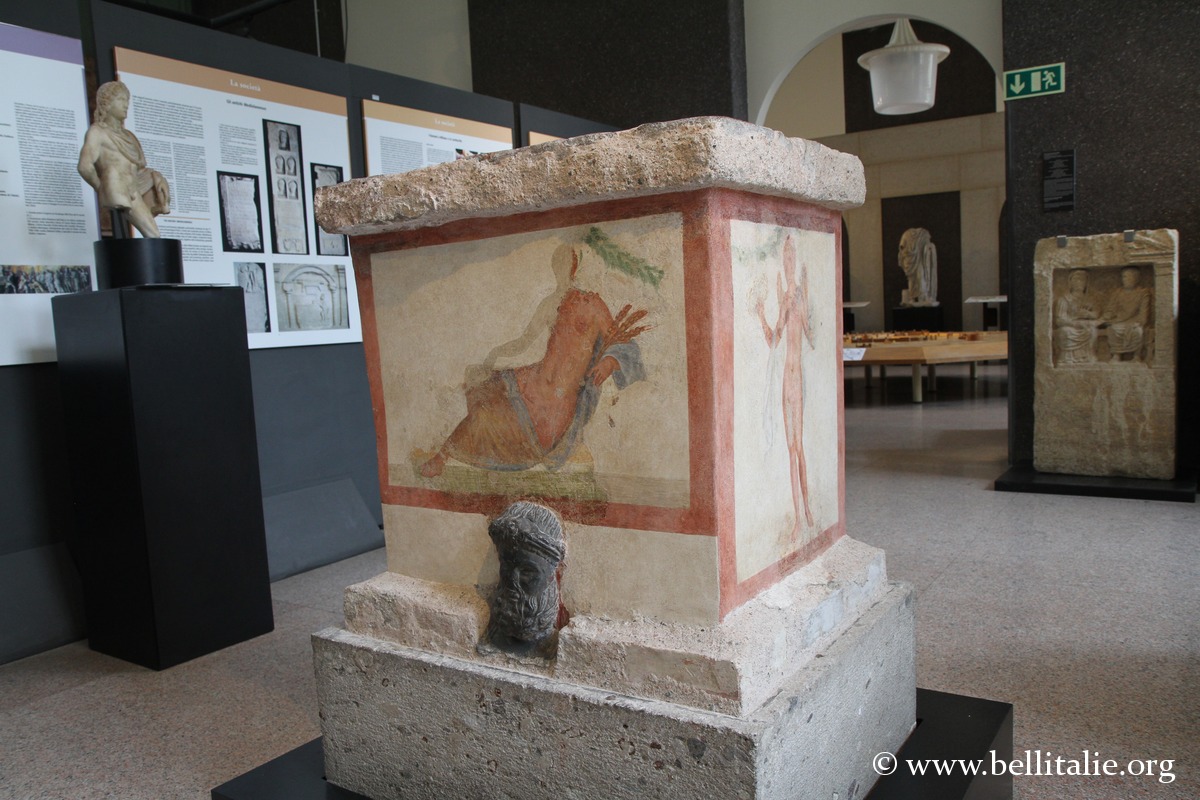
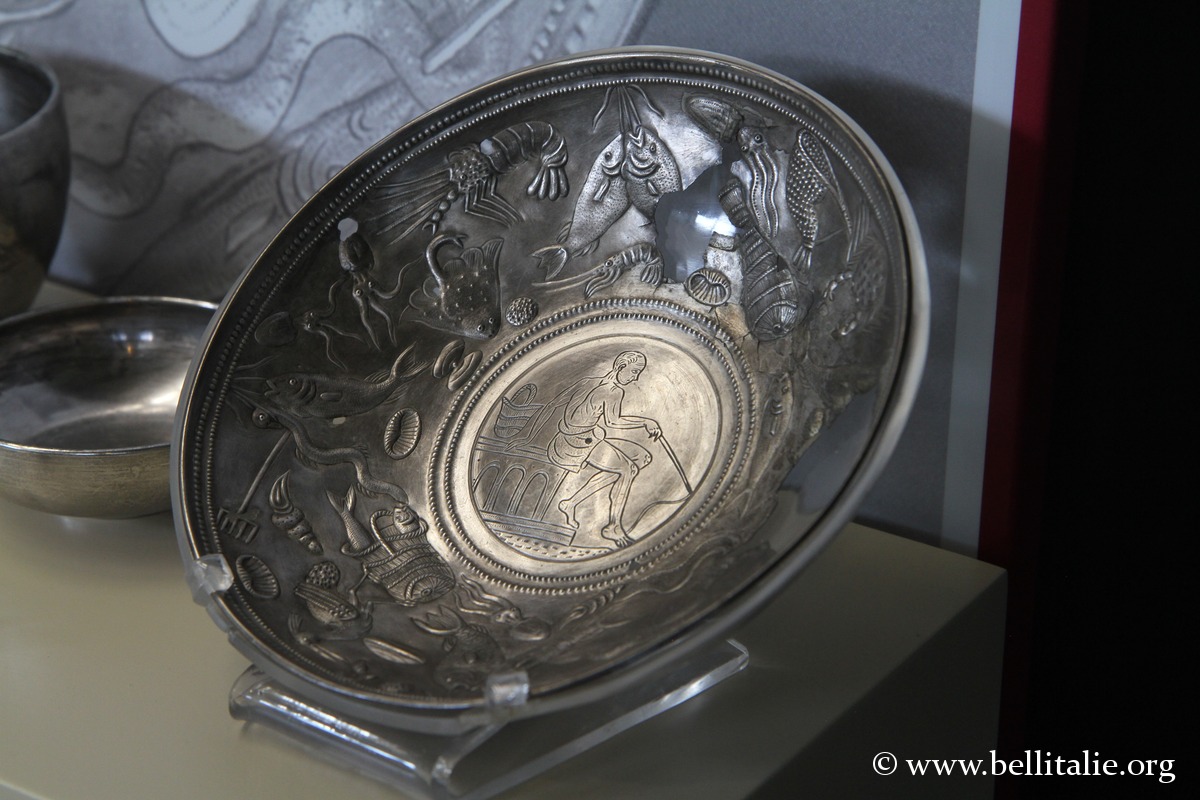
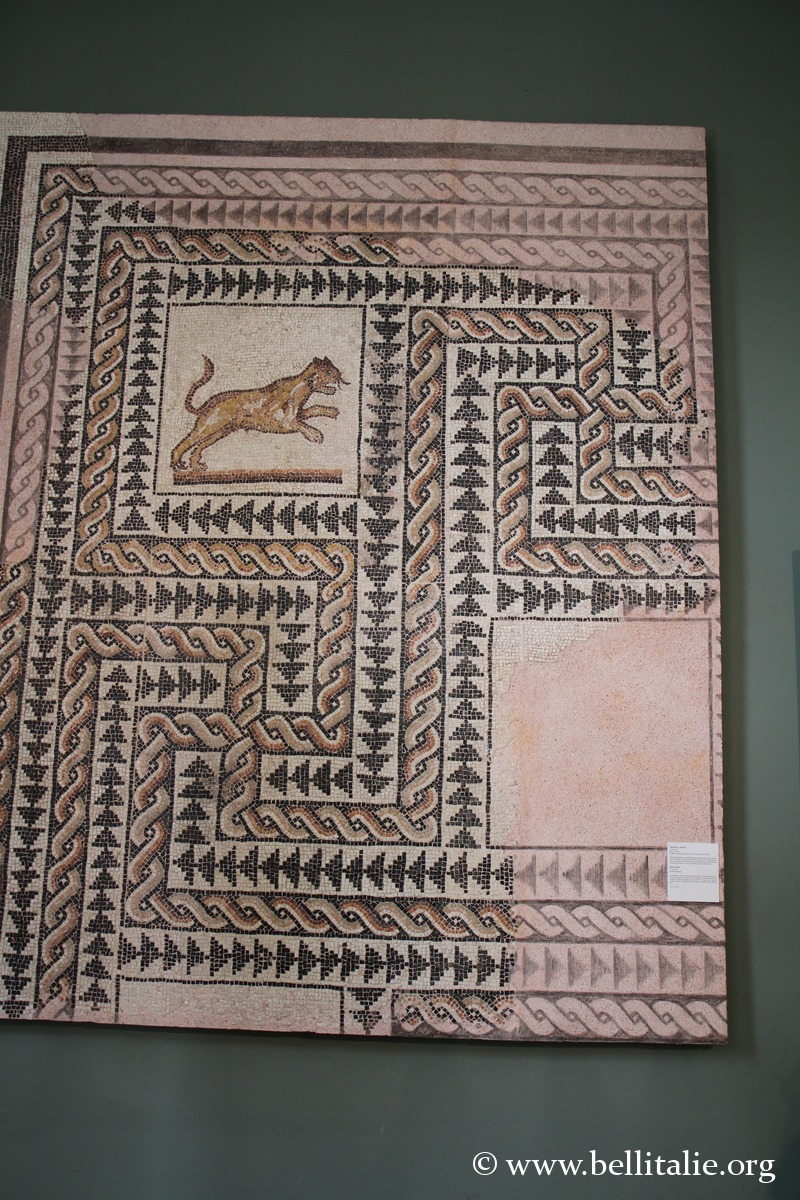
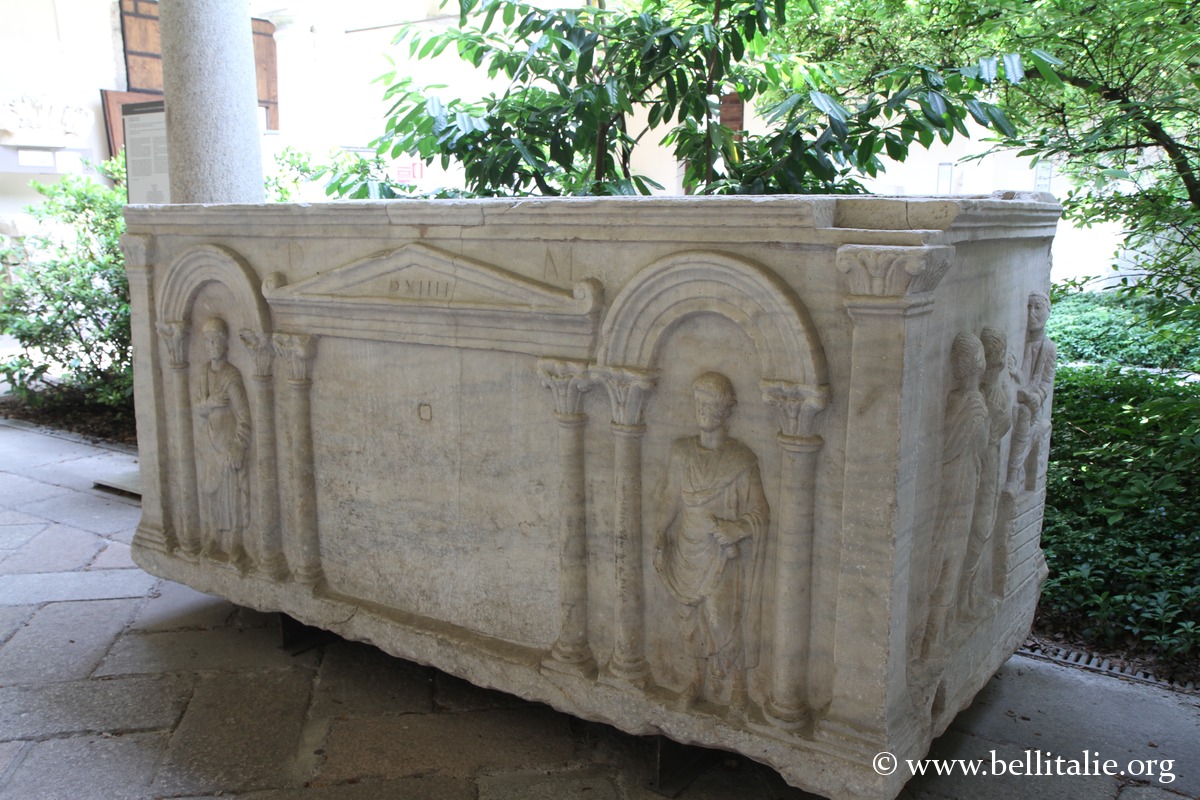
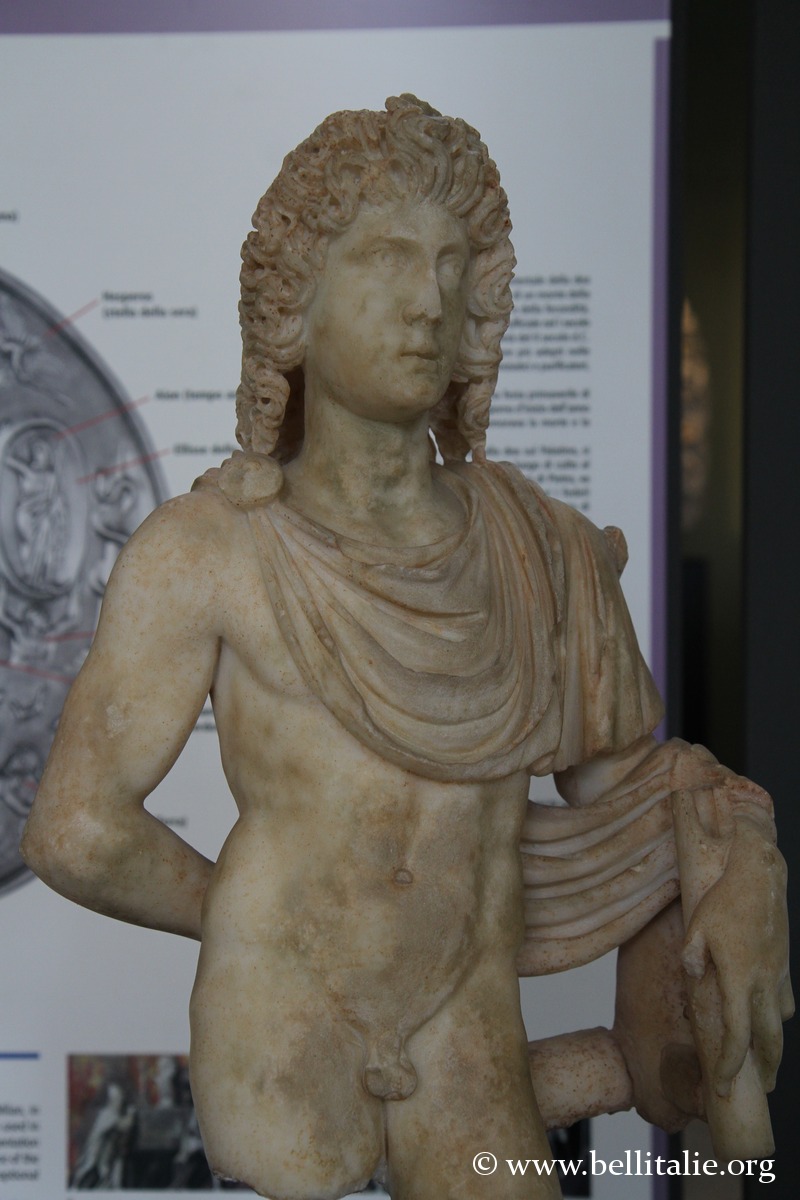
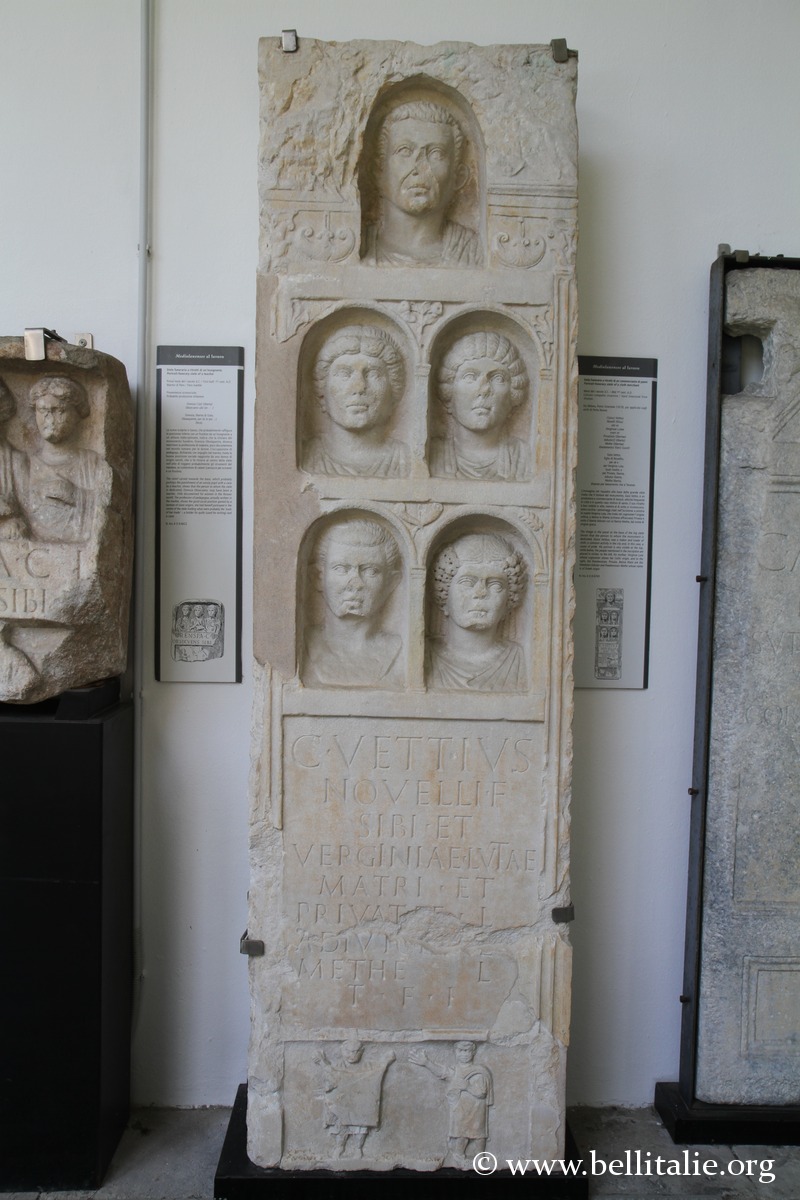
The “Ancient Milan” section offers a chronological and thematic route through the main stages of the city’s development from the settlement of the Celtic Insubres tribe in the 5th century BC to the transfer of the imperial court to Ravenna in the 5th century AD, passing through the century in which Mediolanum was the capital of the Roman Empire. There you can see, among other things, sculptures, statues, busts of powerful figures or wealthy merchants, architectural decorations from public buildings, and objects of daily life, including local and imported productions.
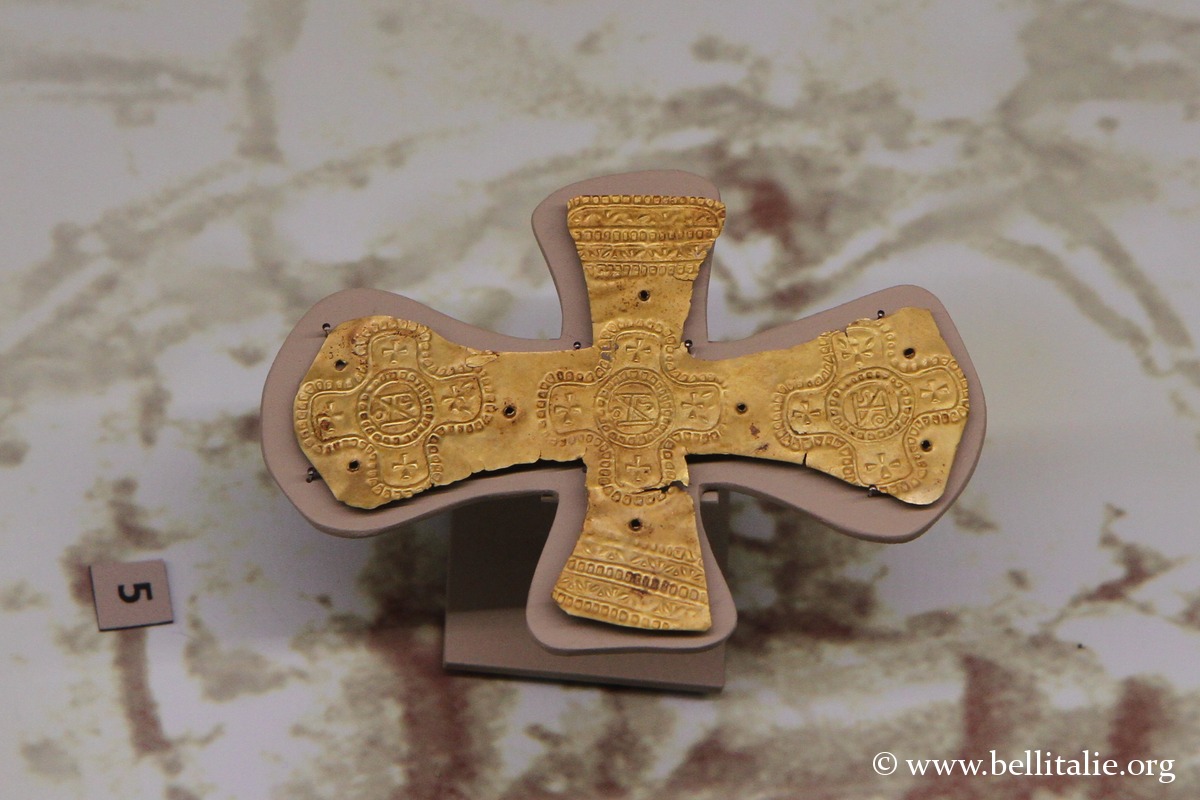
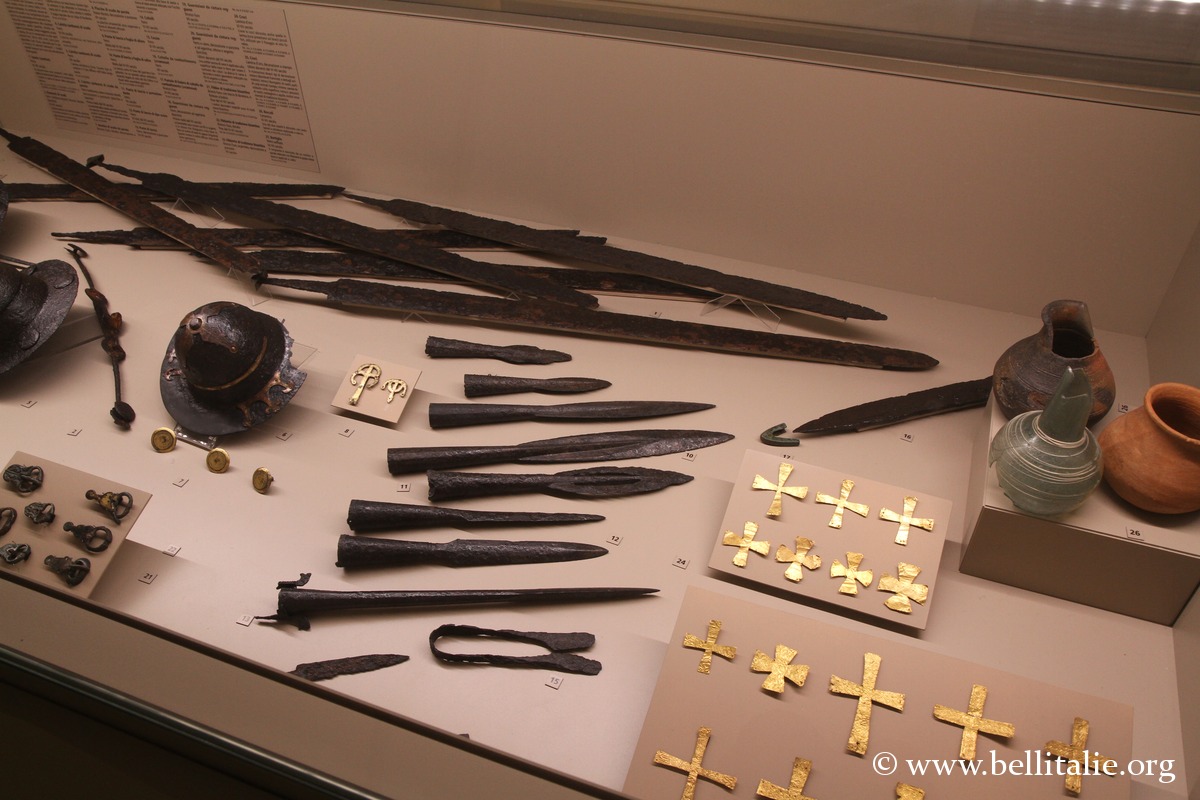
The Early Middle Ages section concerns the Goths and the Lombards, with objects from the province, including funerary items, weapons and jewellery from the necropolises of Lombardy.
Roman remains in Milan
Not far from the museum, the Roman theatre from the late 1st century BC lies beneath the current Stock Exchange building (Piazza degli Affari) and the Roman forum was further east, at the site of the Ambrosian Library, with period paving slabs visible in the crypt of San Sepolcro.
Outside the Roman walls lies the archaeological park with the remains of the amphitheatre, which was 160 metres long.
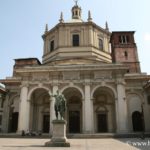
Not far away, a Roman portico was re-erected in front of the Basilica of San Lorenzo, a church that has retained its 4th-5th century structure, preserving Roman and early Christian elements.
The basilicas built by Ambrose of Milan in the 4th century all preserve, to a greater or lesser extent, traces of their origin in late Roman and early Christian times, as well as from subsequent periods, such as the Basilica of Saint Nazarius (San Nazaro) with its original structure, San Simpliciano and Sant’Ambrogio.
Map
If you see this after your page is loaded completely, leafletJS files are missing.
Information
- Official website: www.museoarcheologicomilano.it
- Wikipedia page: en.wikipedia.org
- Cultural and tourist sites: milanoarcheologia.beniculturali.it
- What to see in Milan
- Itinerary ideas for visiting Milan
- Milan Cathedral
- Sforza Castle of Milan
- Victor Emmanuel II Gallery in Milan
- The Last Supper and Santa Maria delle Grazie
- Milan’s La Scala
- Basilica of Sant’Ambrogio in Milan

- Piazza dei Mercanti and Medieval Milan
- Selection of hotels and luxury hotels in Milan
- Leonardo da Vinci Museum of Science and Technology
- Brera Art Gallery
- Basilica of San Lorenzo, Milan
- Navigli District and Canals of Milan
- San Maurizio al Monastero Maggiore in Milan
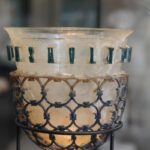
- Milan Civic Archaeological Museum
- Basilica of Saint Nazarius in Milan
- Other Renaissance and Baroque monuments
- Neoclassical, 18th and 19th centuries in Milan
- The Museums of Milan
- Shopping, the Fashion Quadrilateral and Markets in Milan
- Squares and other sites of Milan





Comments