


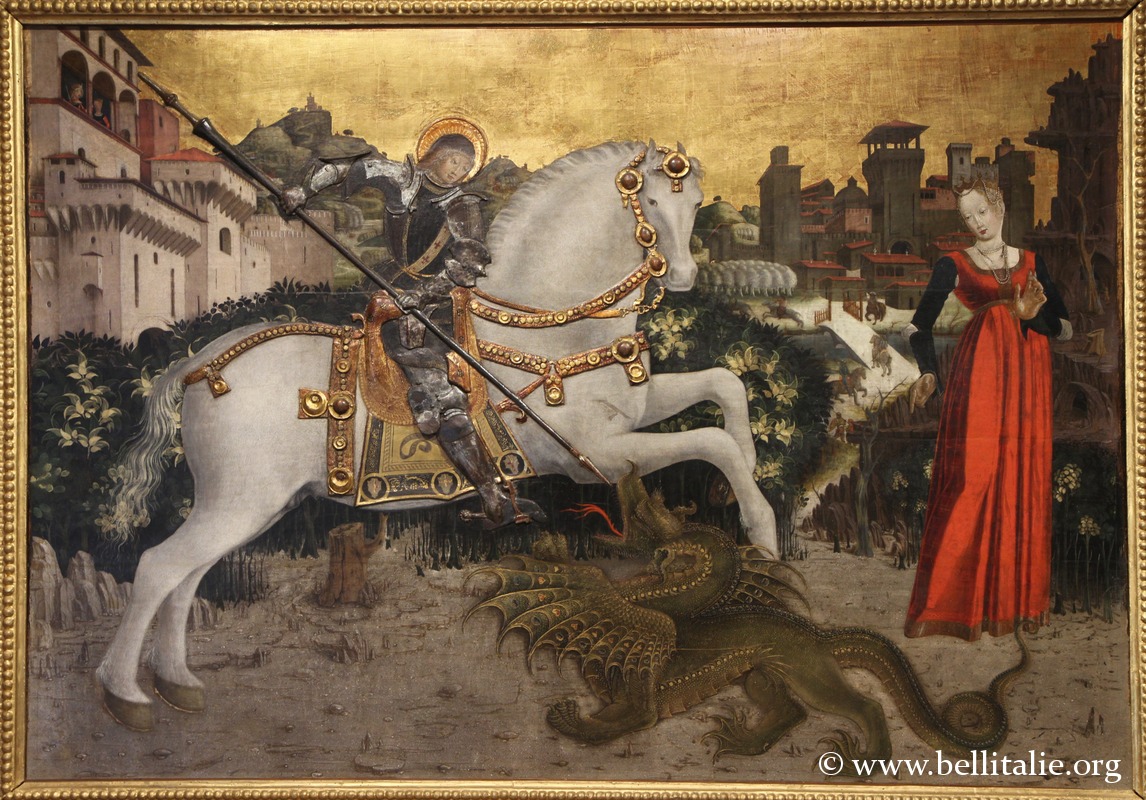
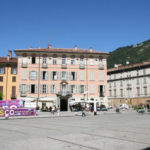
Formerly housed in the Palazzo Tosio, the Pinacoteca Tosio Martinengo holds a fine collection spanning from the Renaissance to the early 19th century, above all with painters of the Lombard, Brescian and Bergamasque schools in particular. Its nearly 500 works are spread across 21 rooms with ceilings adorned with frescoes, with paintings, but also some sculptures, goldsmith work and objects.
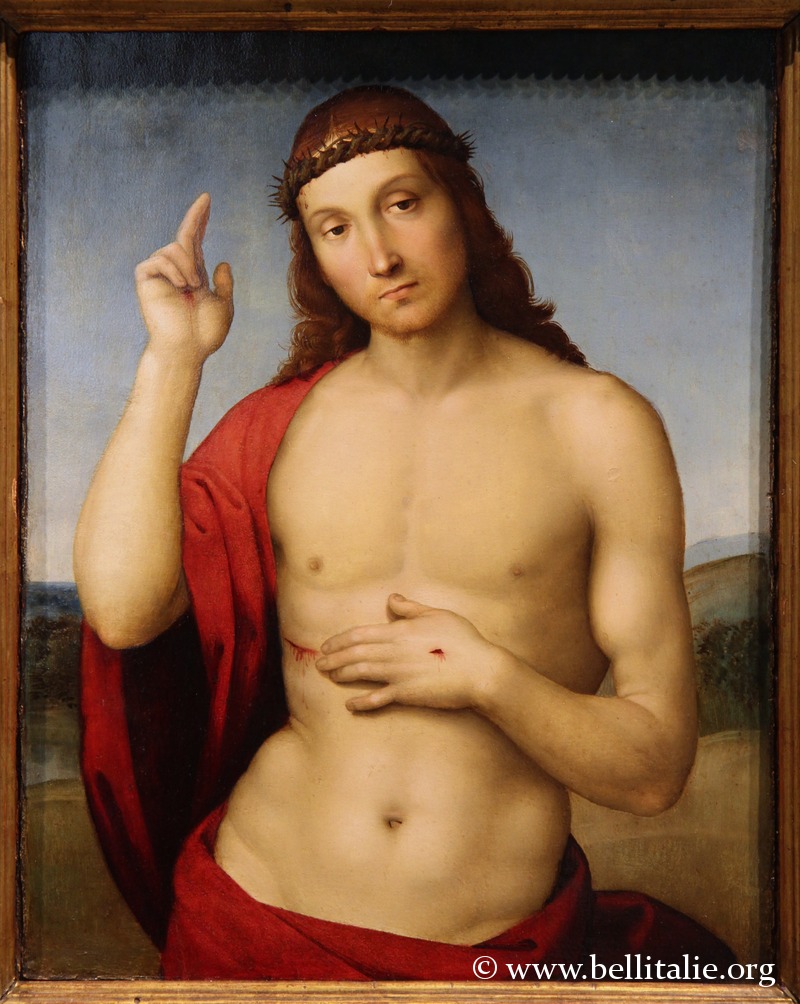
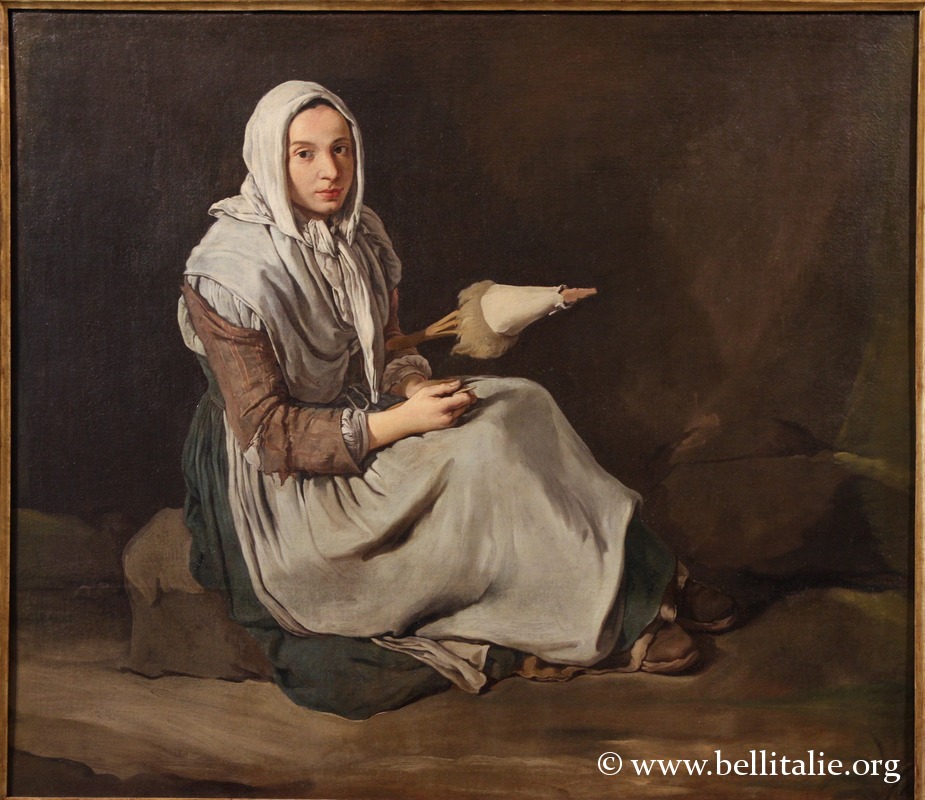
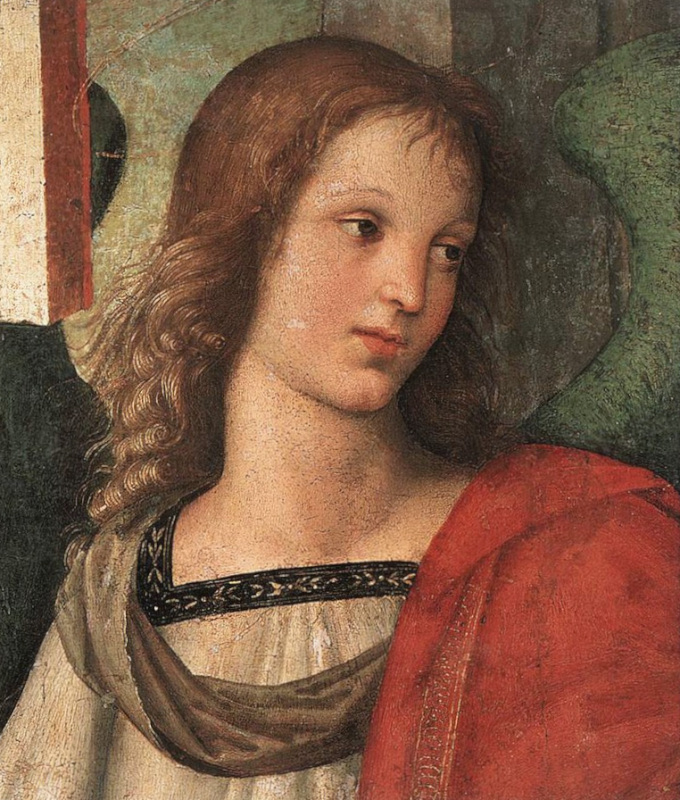
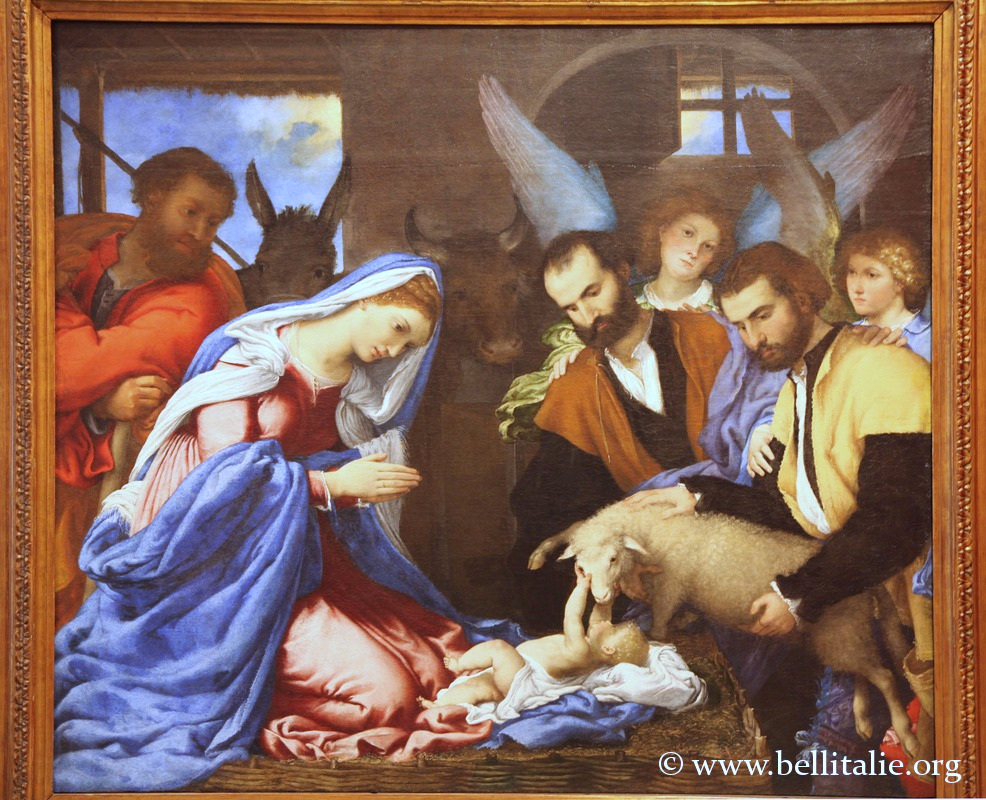
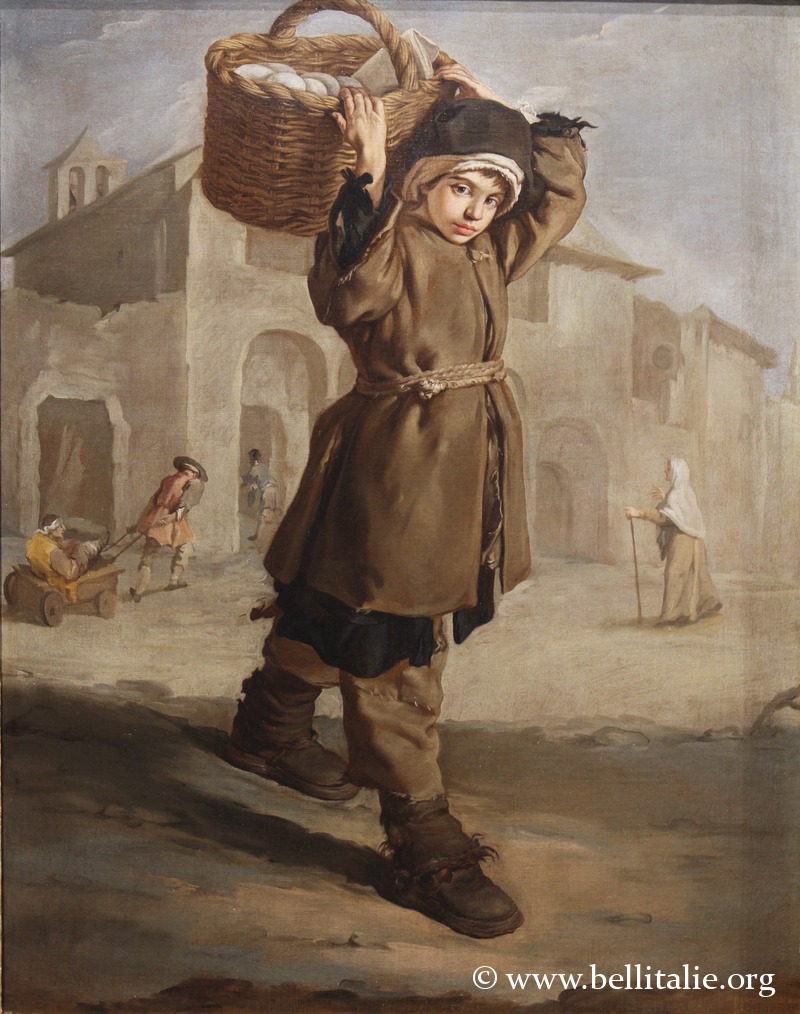
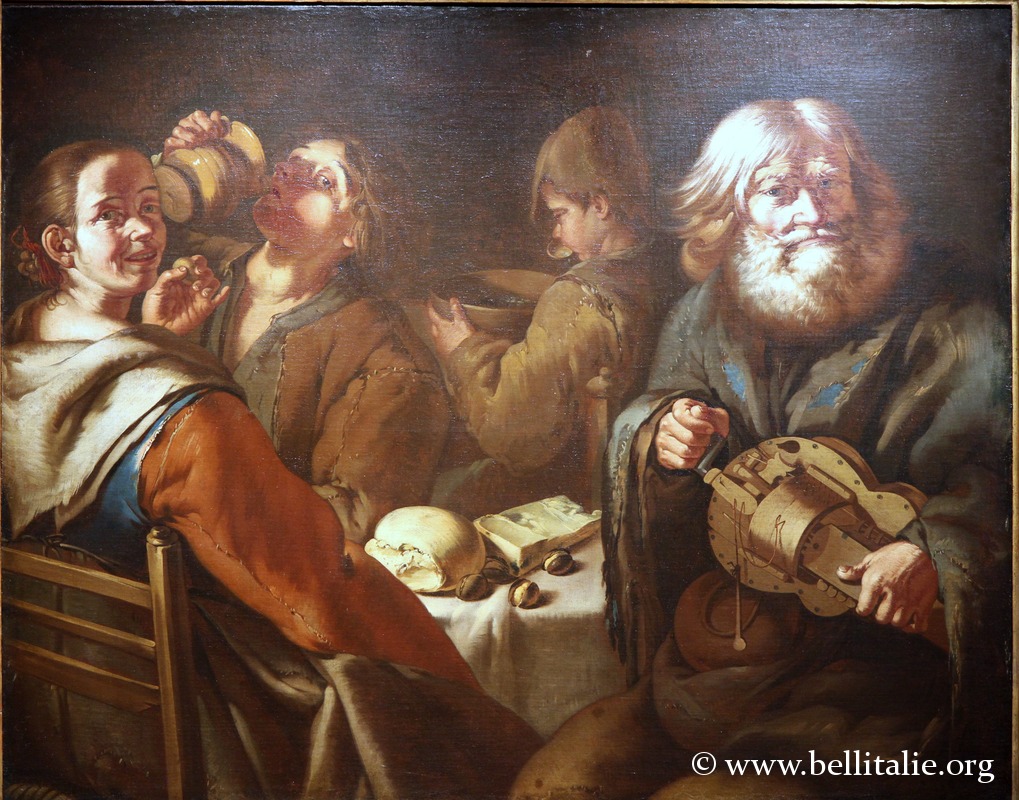
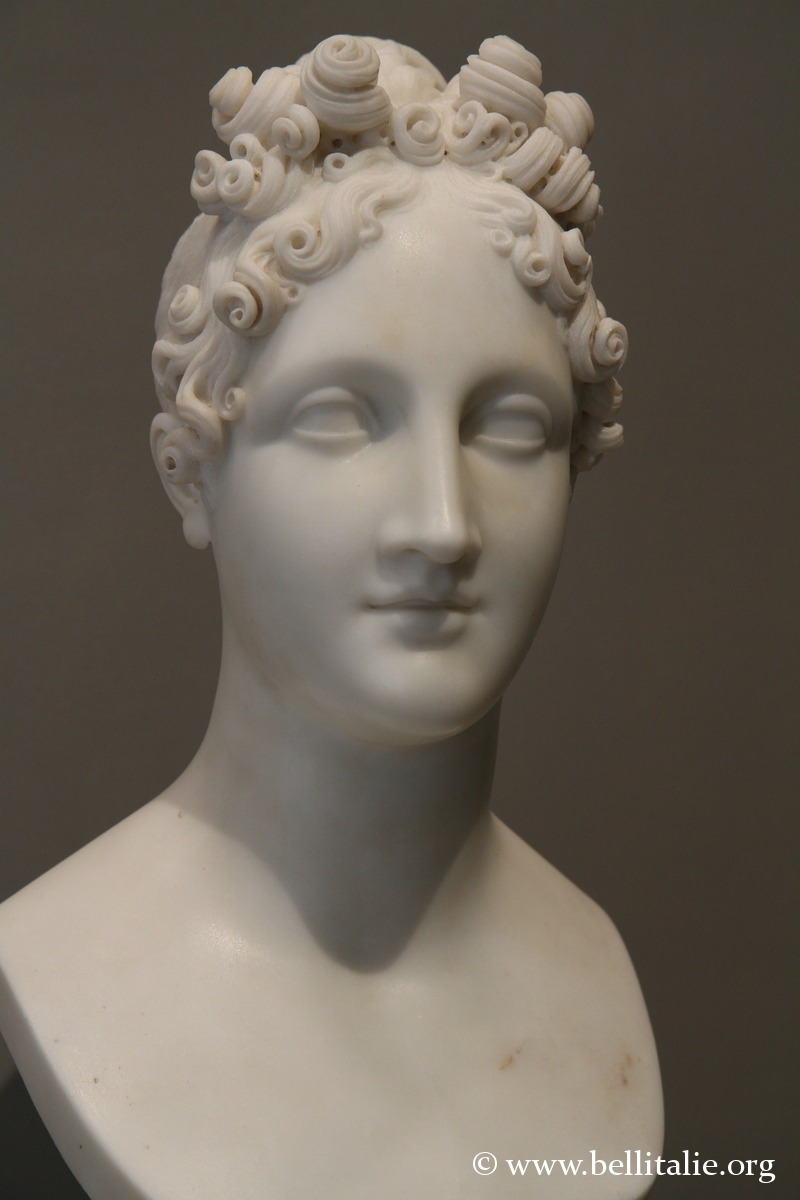
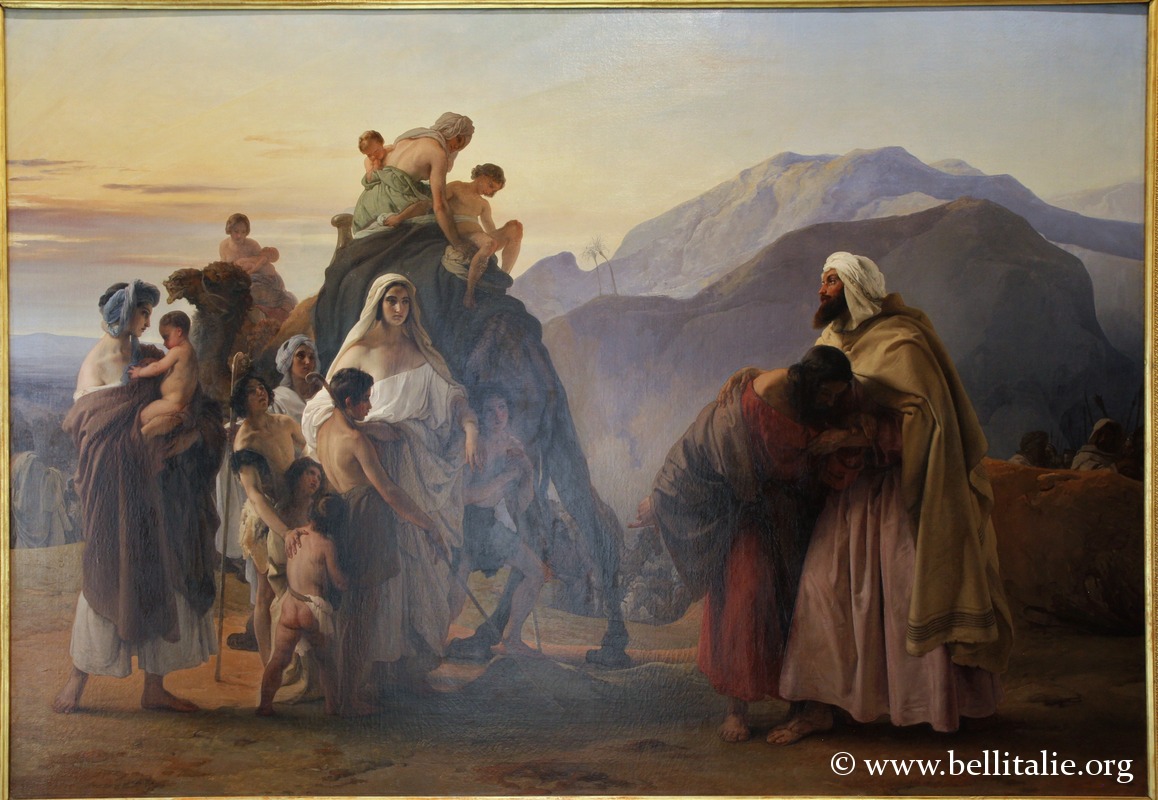
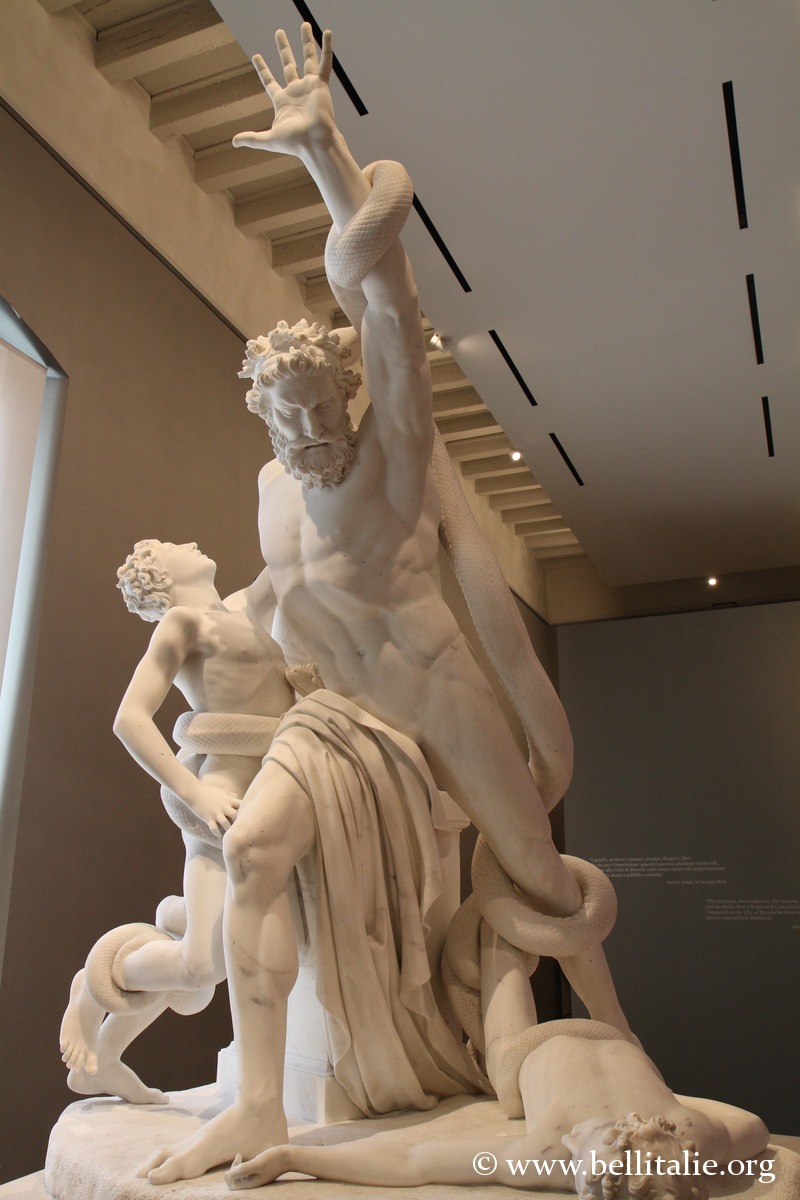
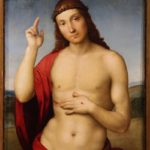
The route is organised chronologically, beginning with the 14th century, from which stand out the Angel and the Redeemer by Raphael or the Adoration of the Shepherds by Lorenzo Lotto. It then enters the heart of the exhibition around the Brescian school of the Renaissance with Savoldo, Foppa, and above all Romanino and Moretto. The following rooms show naturalistic works such as those from the series of “beggars” by Giacomo Ceruti from the 18th century, then joins the 19th with Hayez or the sculpture of Canova.
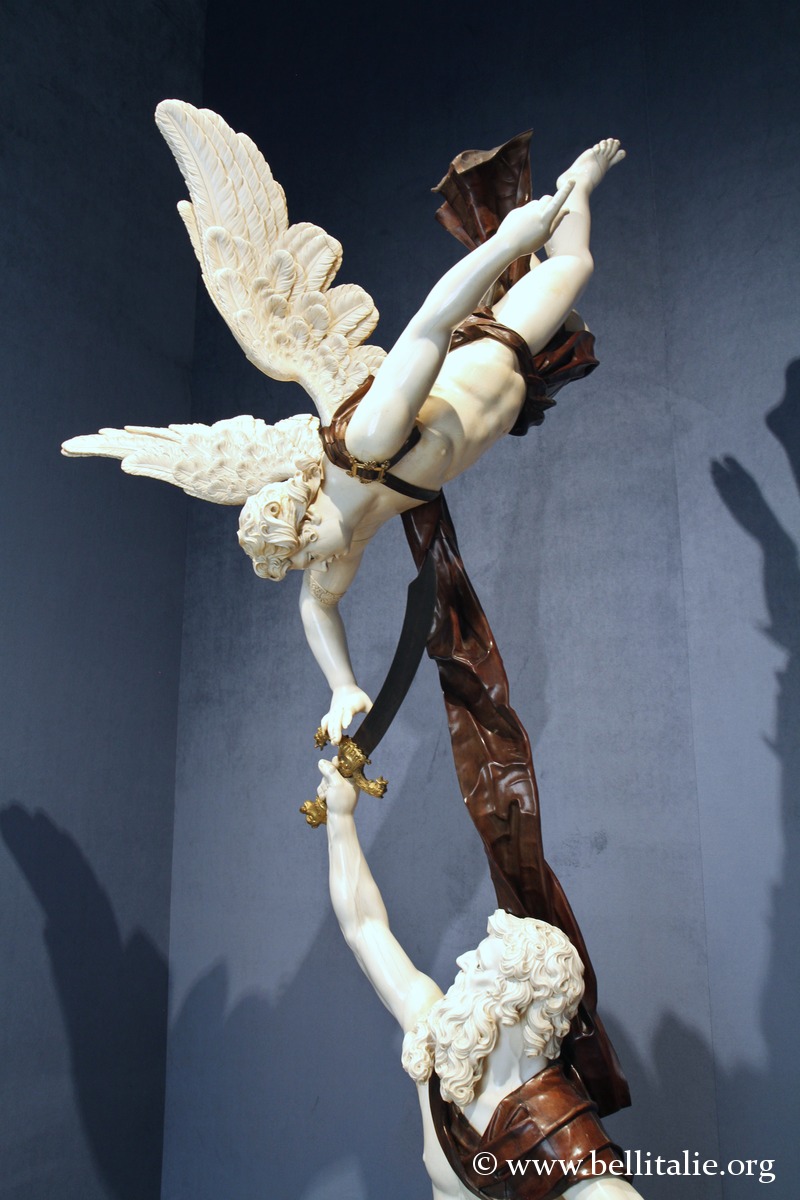
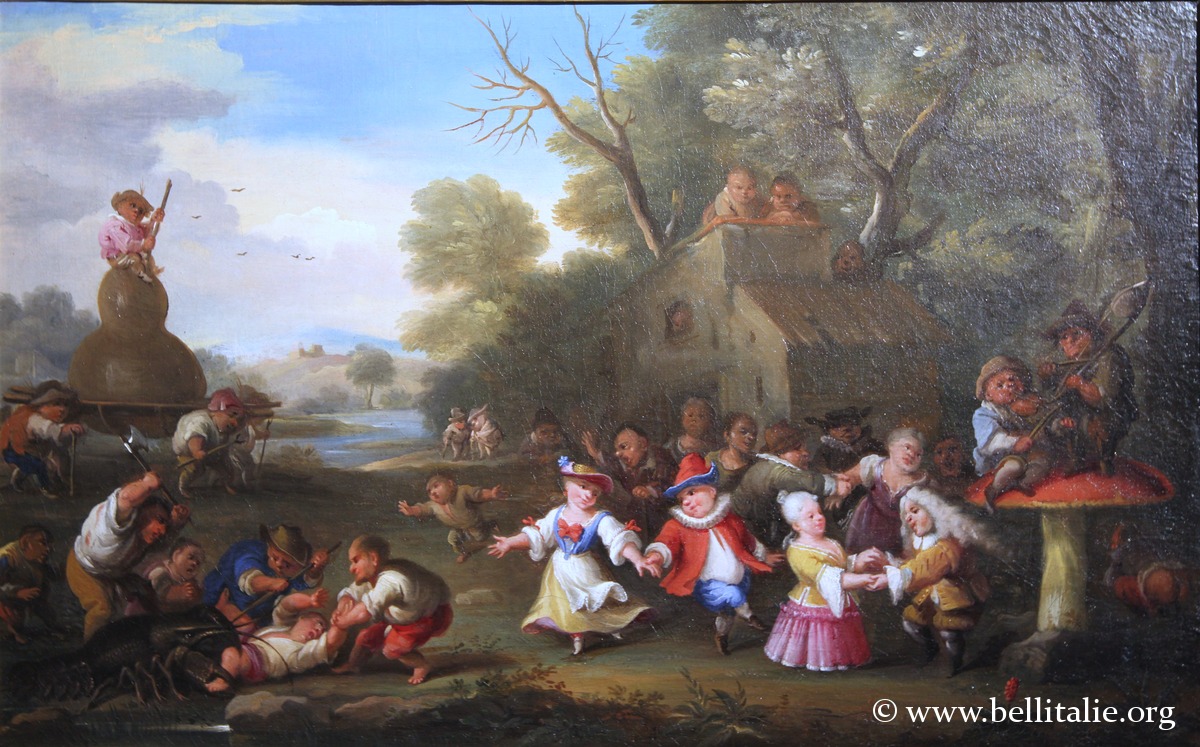
Also exhibited are sculptures or furniture such as cabinets decorated with pygmies and a very fine and pertinent collection of Venetian glass.
Exhibition route, from Raphael to Canova
Tosio Collection
The heart of the museum and its origin come from the collection assembled by Count Paolo Tosio, which was bequeathed by his will to the city upon his death in 1846. It included masterpieces of old painting, but was above all known for the paintings and sculptures of artists successful in the count’s own time, with protagonists of Neoclassicism such as Andrea Appiani, Antonio Canova, Berthel Thorvaldsen, Pelagio Palagi and Luigi Basiletti, with in particular themes around landscape or Romanticism.
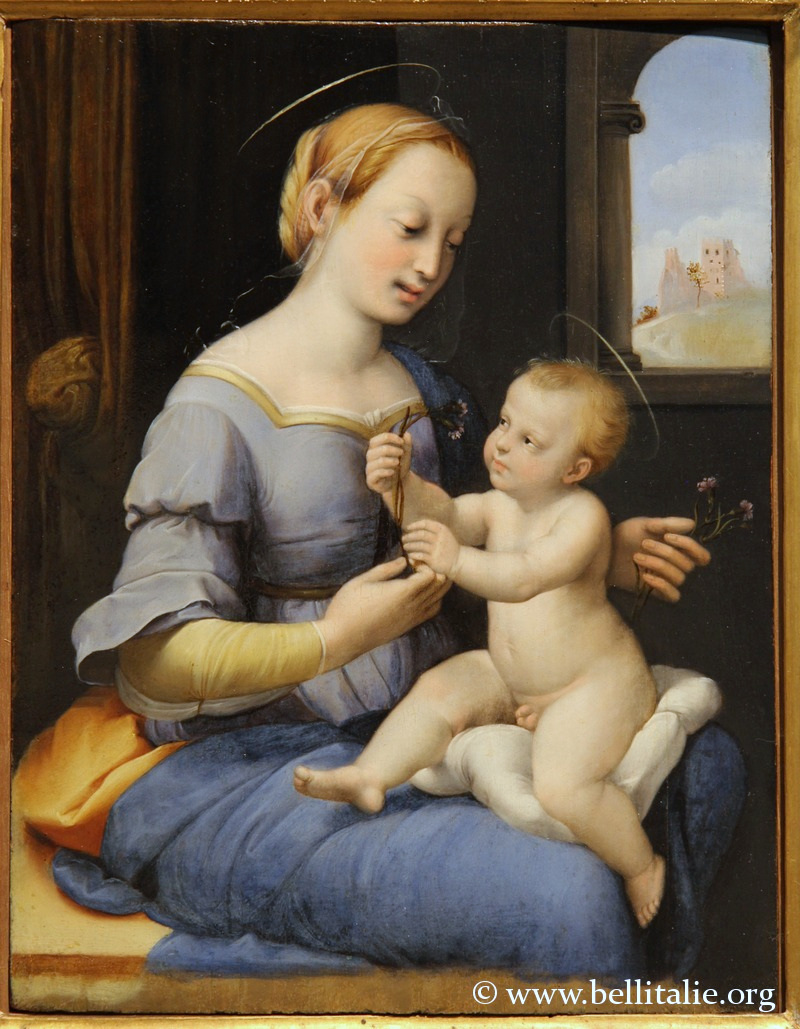
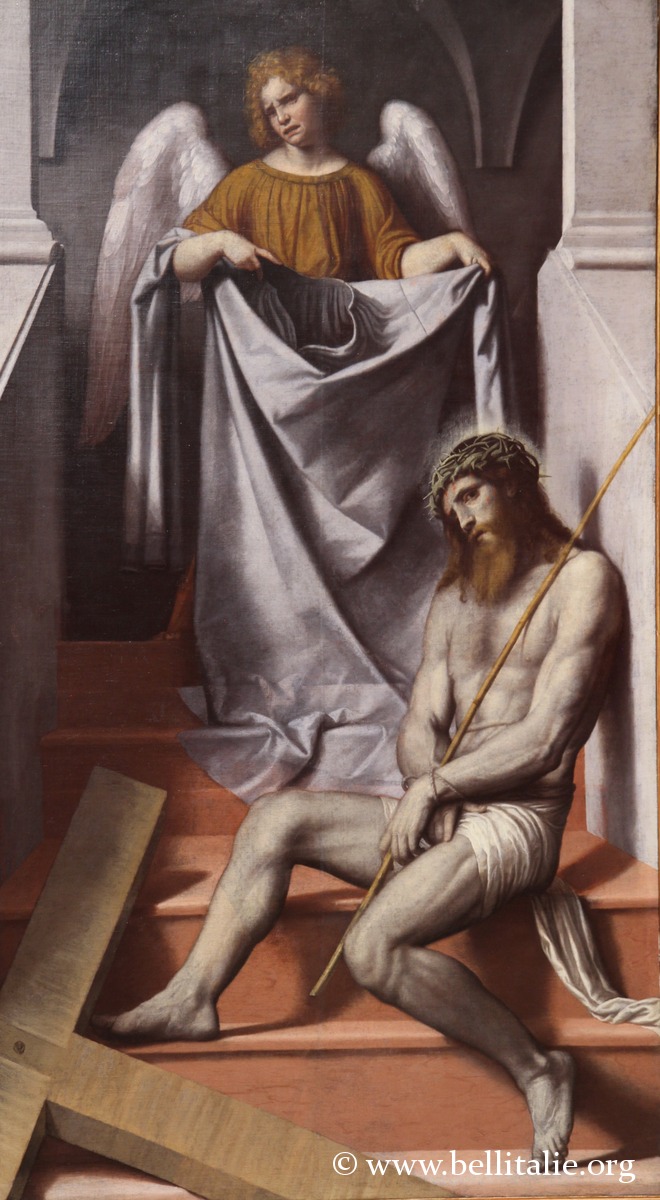
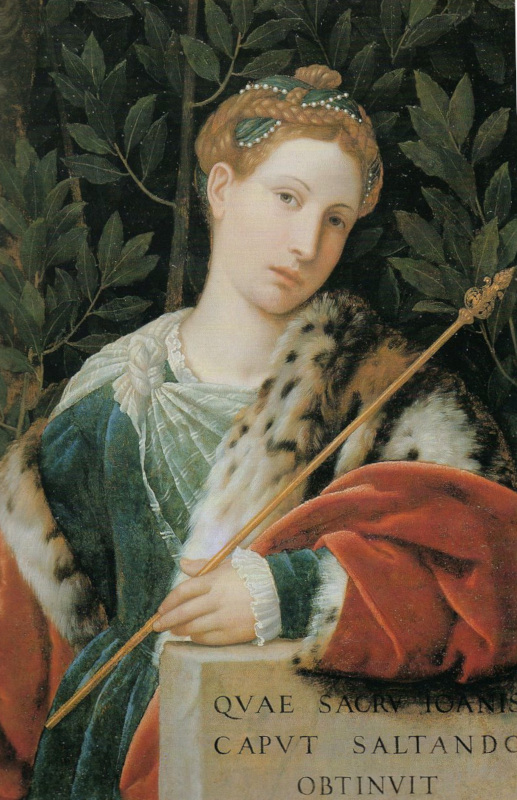
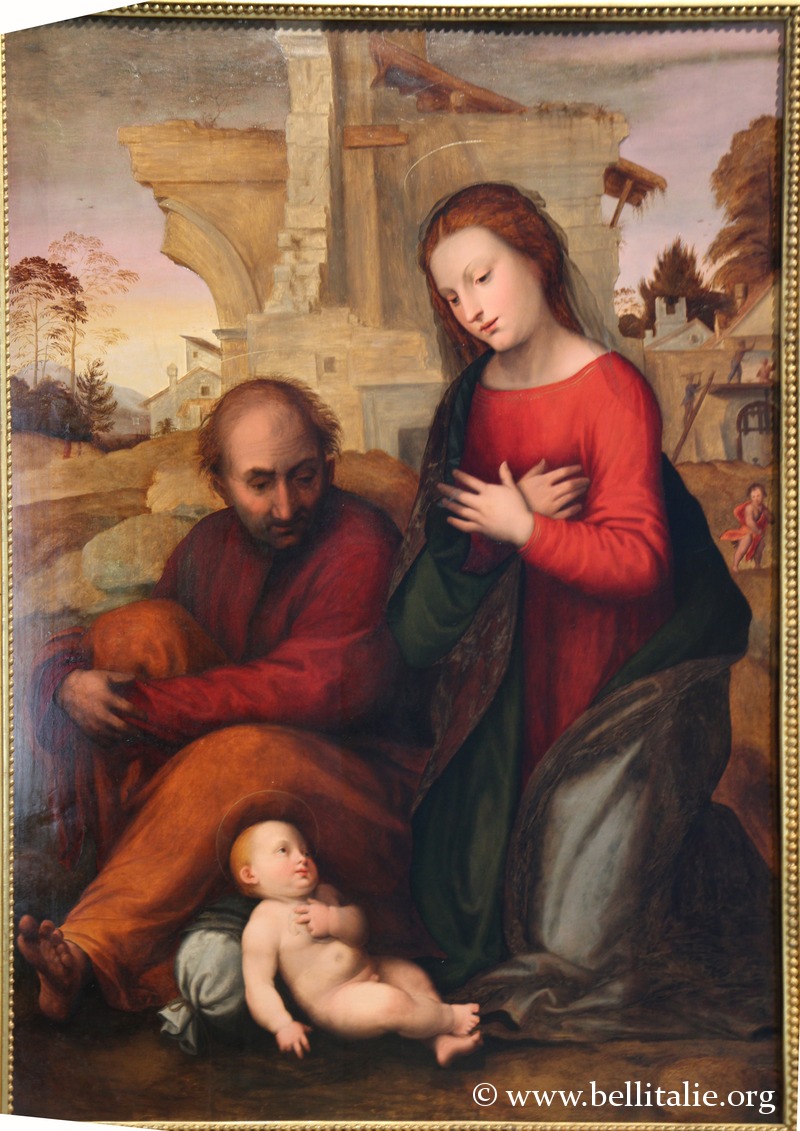
But Tosio’s interest was broader. He acquired three paintings linked to Raphael: the Redeemer, the Madonna of the Pinks, and a Portrait of a Young Man which turned out to be one of the angels from a portion of the dismembered altarpiece of Baronci that was in Saint Nicholas of Tolentino, Raphael’s first work. His painting expresses purity and gentleness, characteristics found in other choices by Tosio: the Virgin and Child with Saint John by Francesco Francia, the Adoration of the Shepherds by Lorenzo Lotto, and works by Moretto, the only painter of the Brescian school who interested Tosio, perhaps also for their religiosity and piety.

The Brescian school of the 16th century
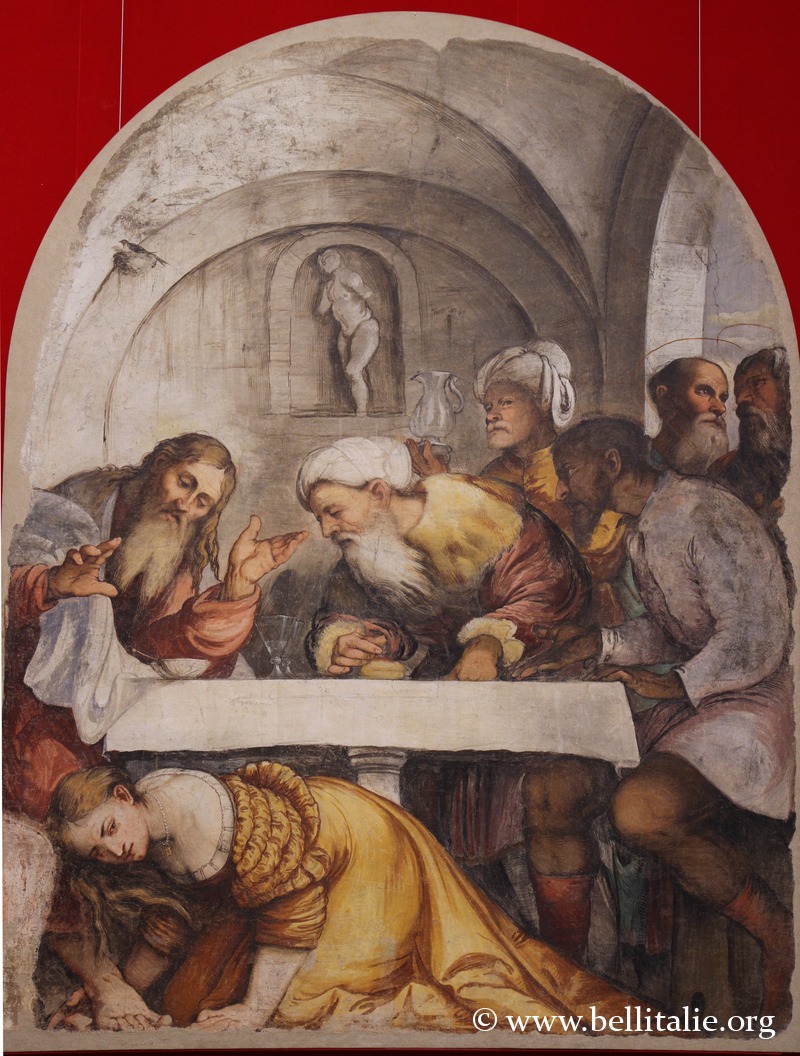
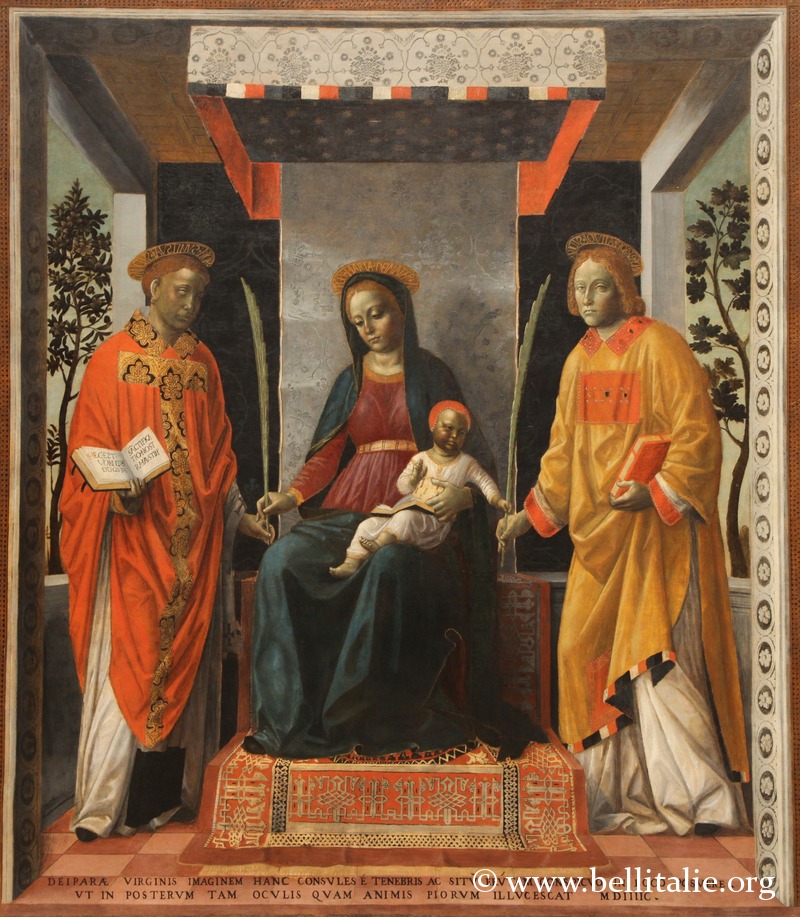
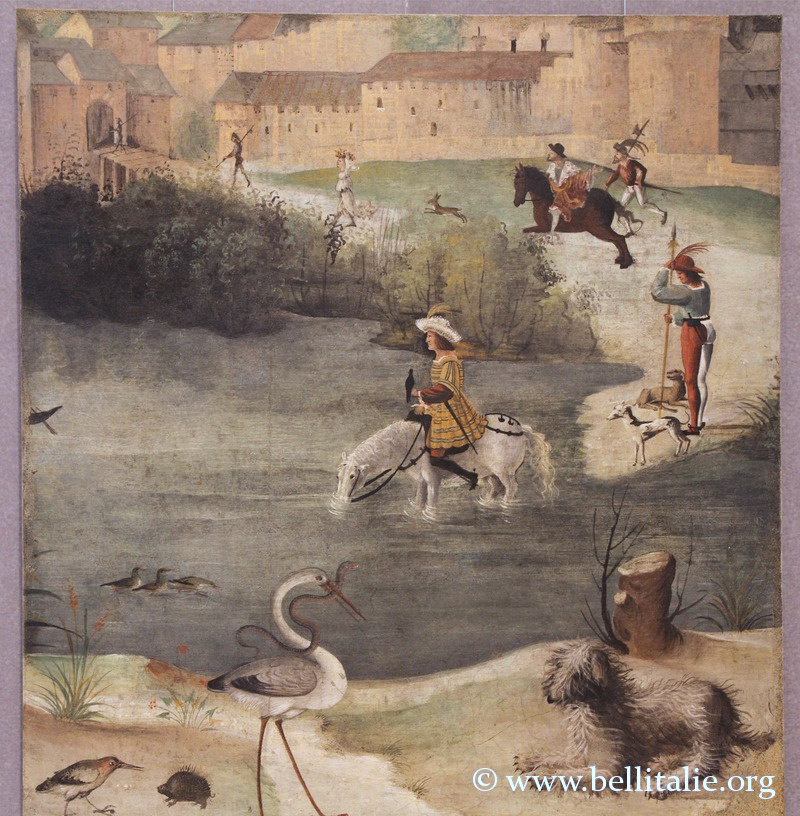
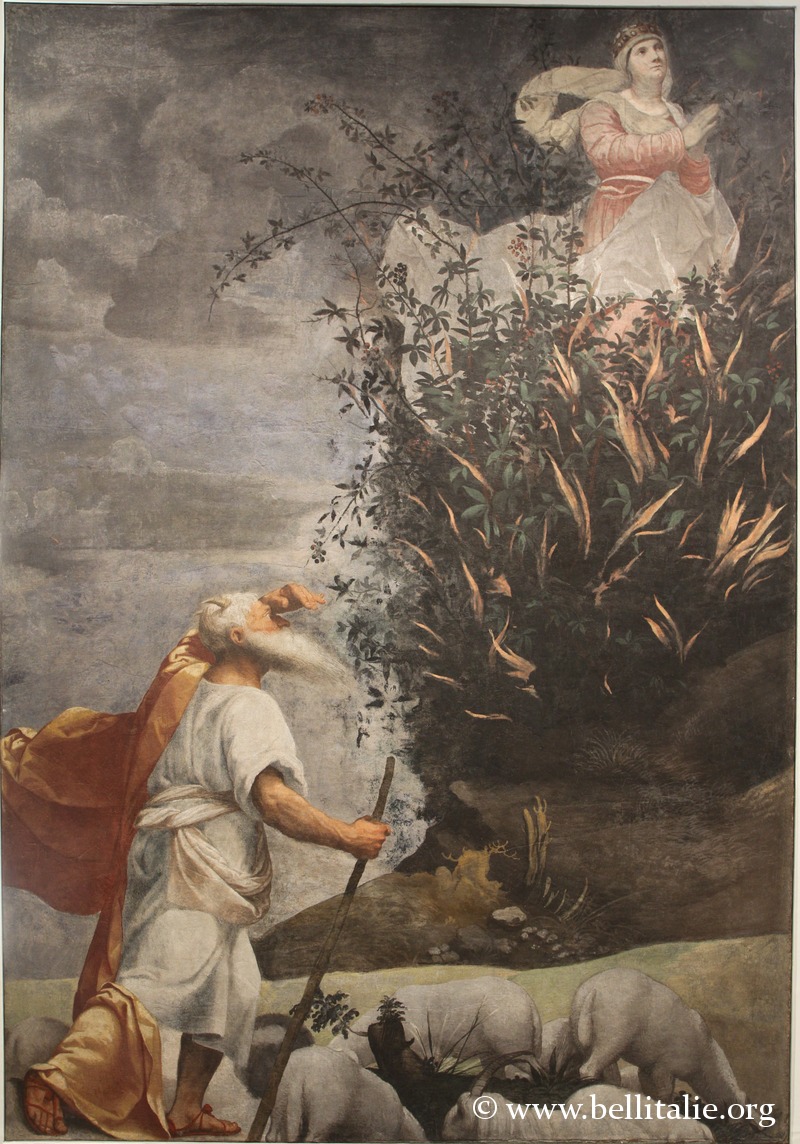
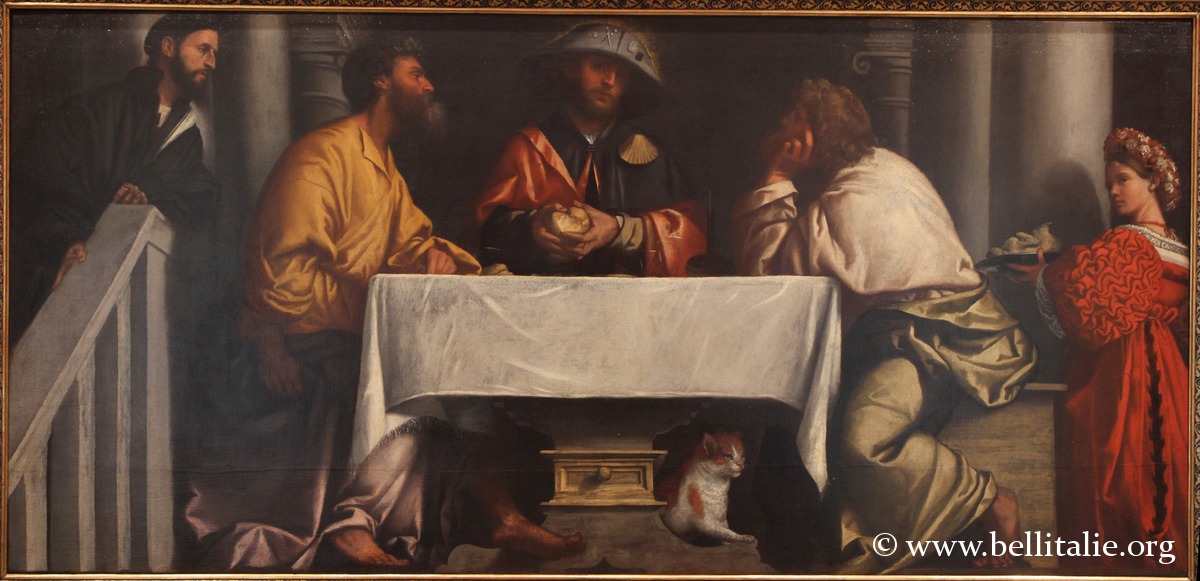
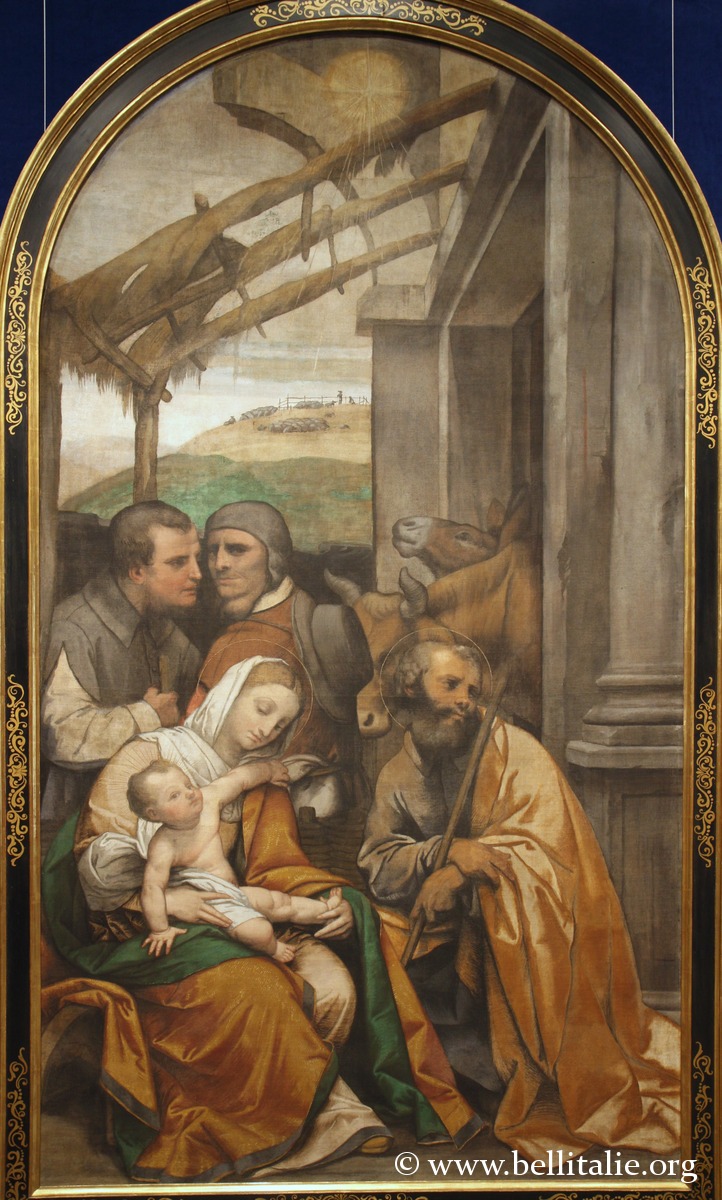
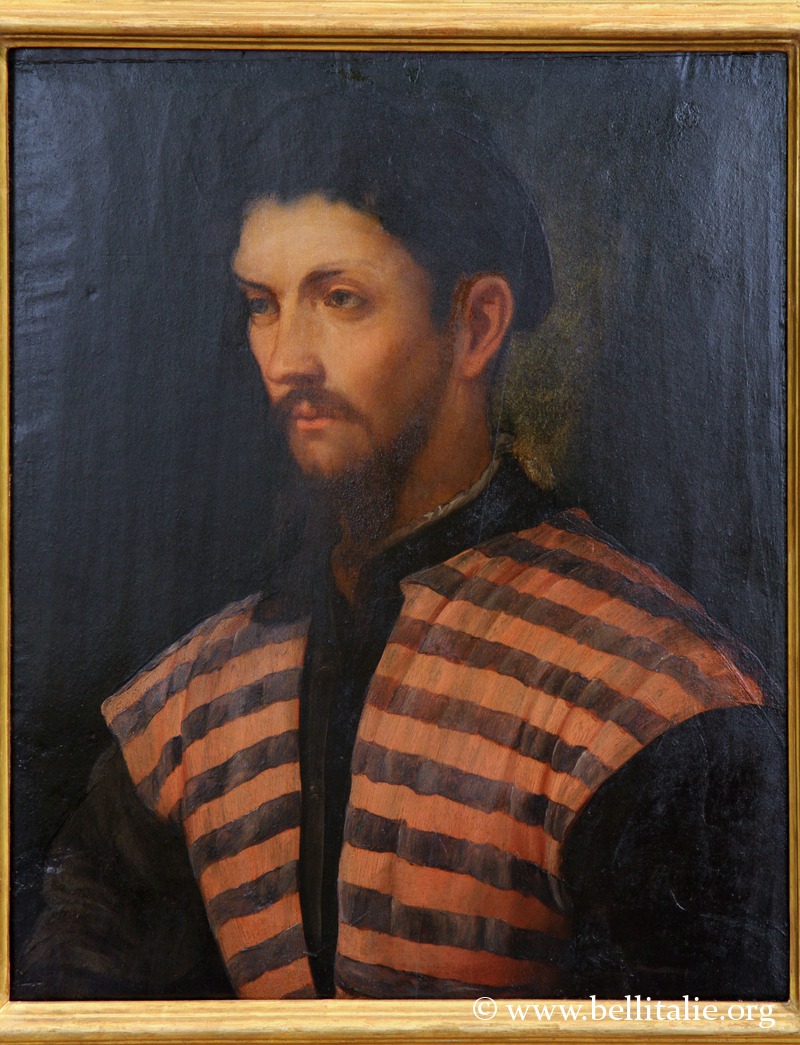
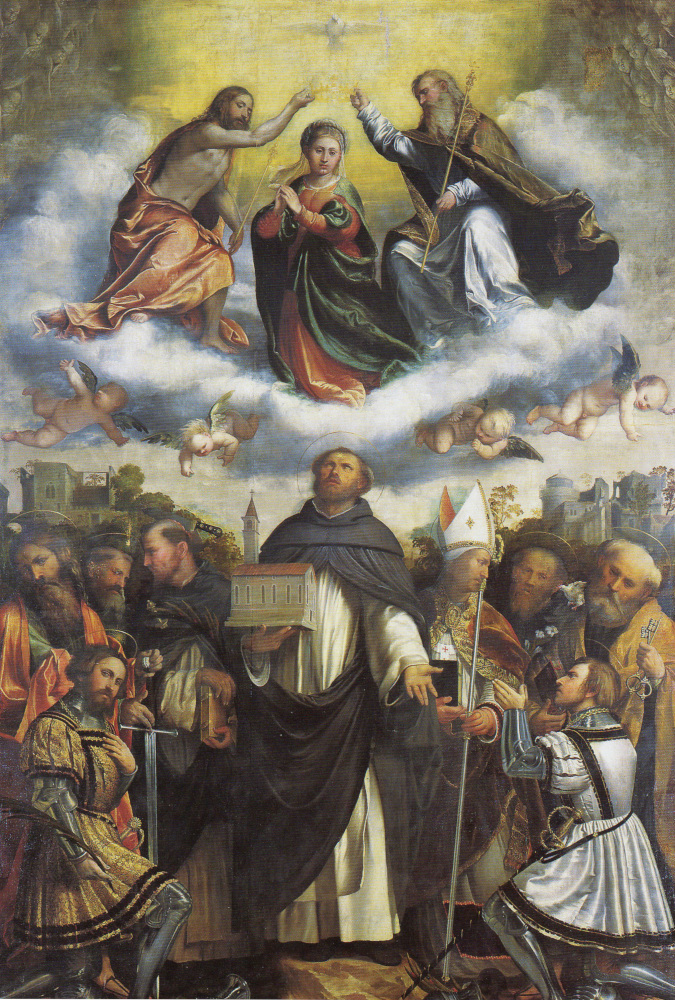
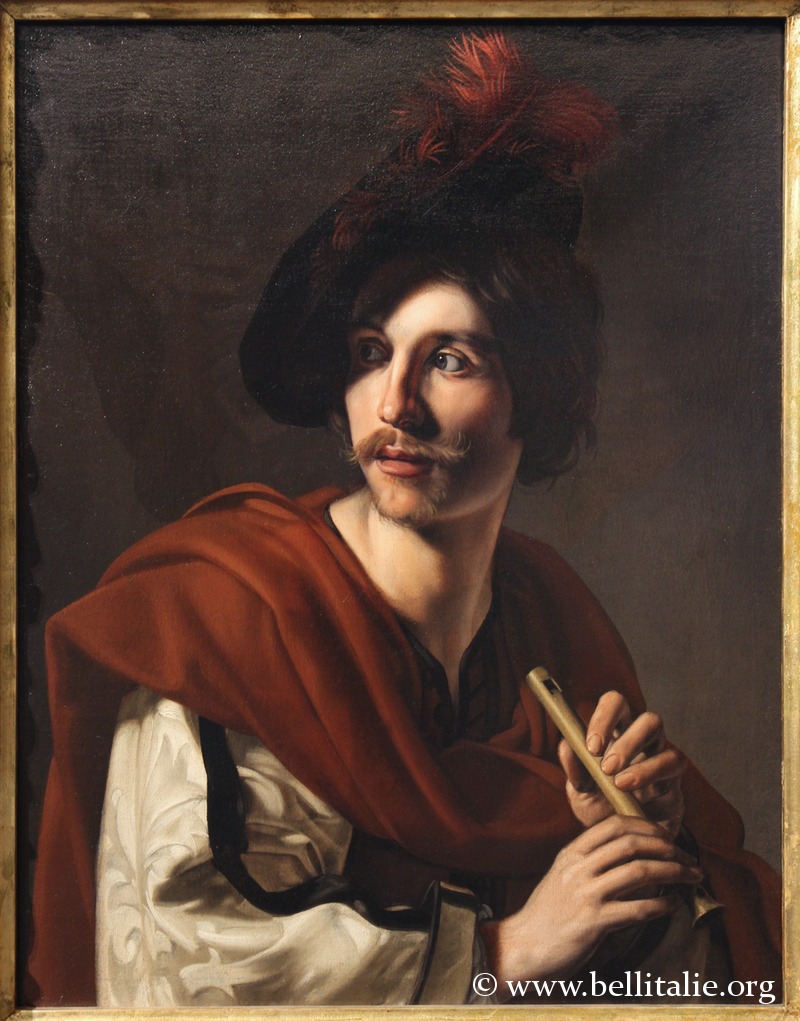
The 16th century was the prosperous period of the painters of Brescia, with its realism that was at the time at the avant-garde of Italian art, breaking with the artistic idealism of the Renaissance. The beginning of this period originates here in the work of Vincenzo Foppa, with in particular his last work, the Banner of Orzinuovi (1514), with its striking realism. Foppa’s successors, influenced by Venetian painting and Titian, are found with Savoldo, Romanino and Moretto, the heart of this Brescian school, each with very distinct styles: austerity and meditation with the Flute Player (1540) by Savoldo, accompanied by effects of light and shadow that inspired Caravaggio; the expressionist, colourful, popular and theatrical painting, often nonconformist and modern, of Romanino, with a Nativity (1545) or two supper scenes; in the work of Moretto the spirit is embodied in the real with sincerity, linking sacred and earthly figures, as for example Moses and the Burning Bush (1525).
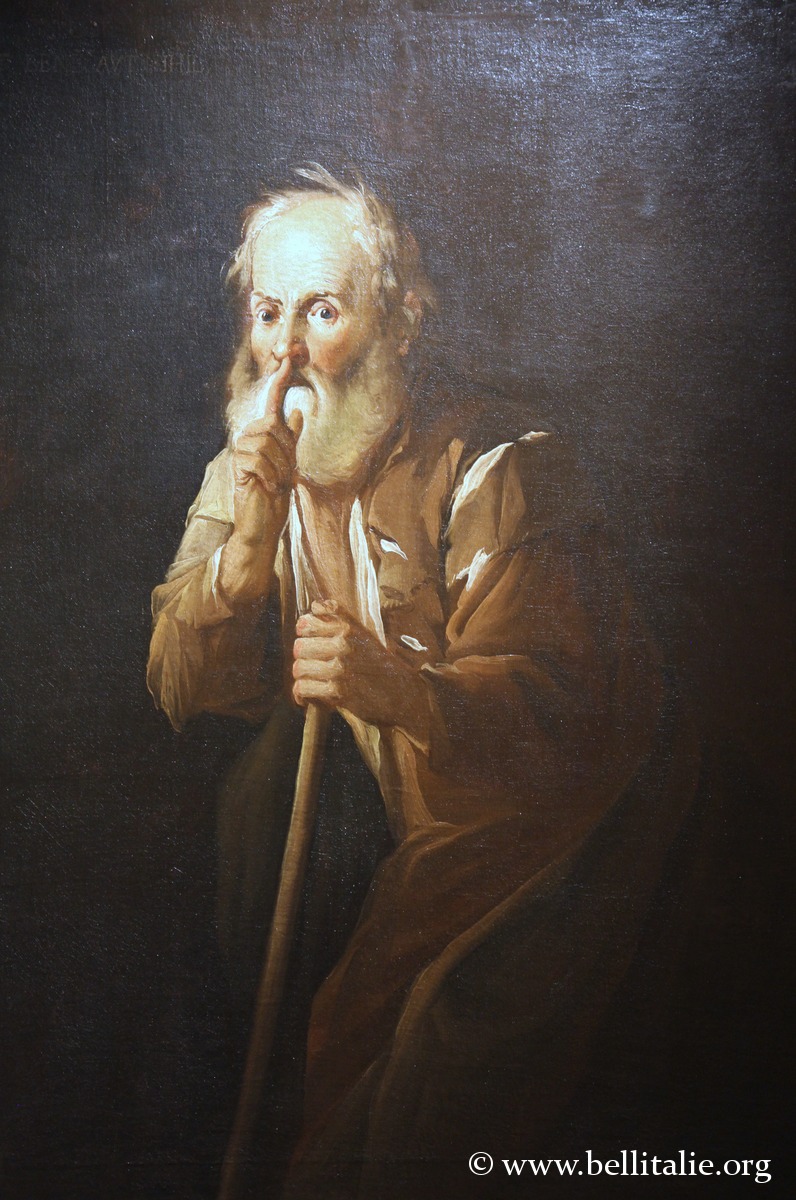
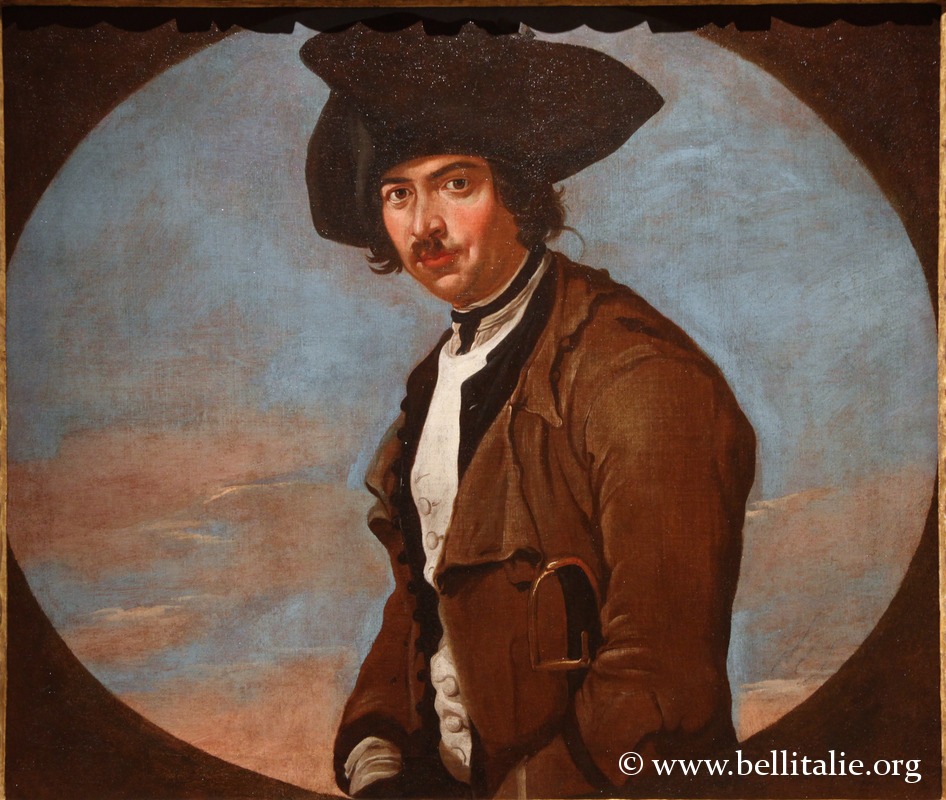
In the register of the 18th century, Giacomo Ceruti, known as il Pitocchetto, was a Milanese painter active in Brescia at the beginning of his career, who left there a remarkable series of works centred on scenes of daily life, of figures of modest people, with an intense realism, while remaining simple and honest, without lapsing into caricature or the picturesque, in particular with his Washerwoman (1736).
Venetian glassware
The Venetian glasses of the Brozzoni collection, exhibited in room 13, were donated by the Brescian collector Camillo Brozzoni to the Municipality with his art collections upon his death in 1863.
It is precious for its early date and the richness of its objects, testifying to the full range of techniques and typologies of Venetian and Murano production between the 15th and 18th centuries.
Information
- Wikipedia article: en.wikipedia.org
- Tourist portals: www.bresciamusei.com
Map
If you see this after your page is loaded completely, leafletJS files are missing.






Comments