


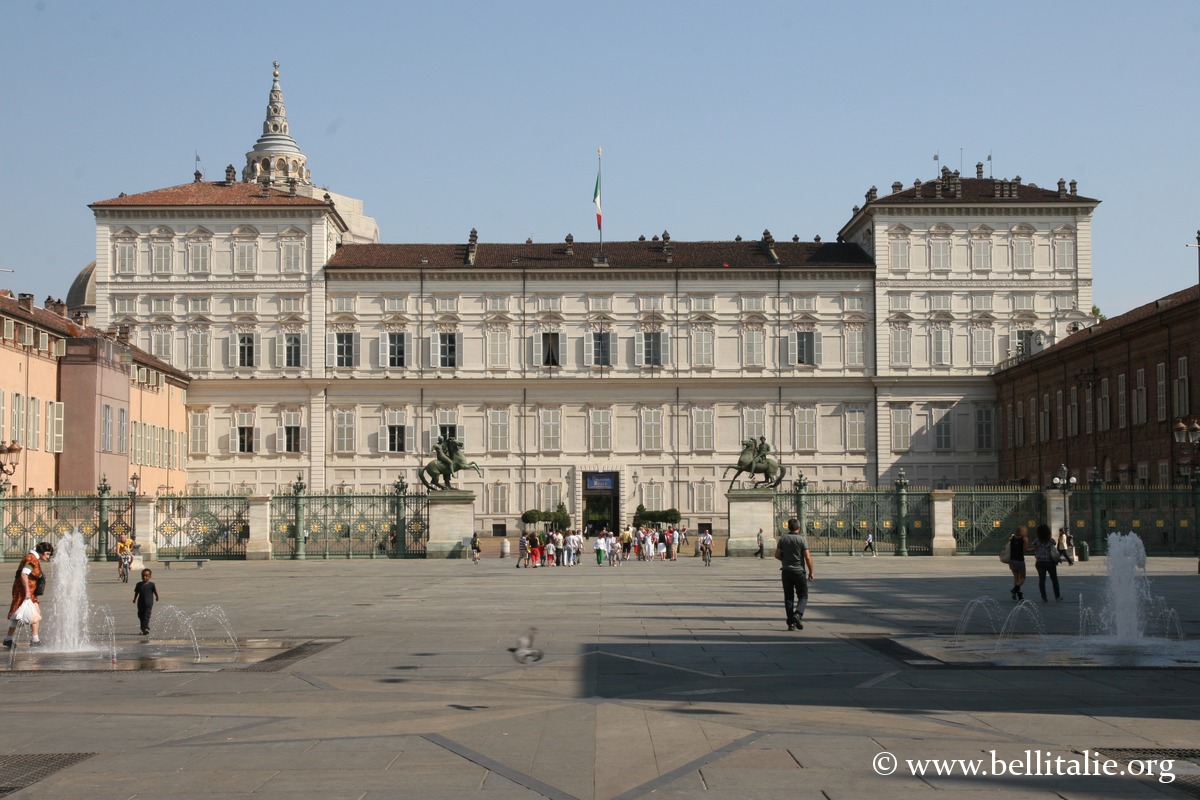
The sumptuous Royal Palace of Turin, royal residence of the Savoy, is nowadays part of the Royal Museums. The latter also give access to the Chapel of the Holy Shroud by Guarini as well as to the Royal Armoury, the Royal Library, the Museum of Antiquities, the picture gallery of the Sabauda Gallery, and the gardens.
Royal Palace of Turin
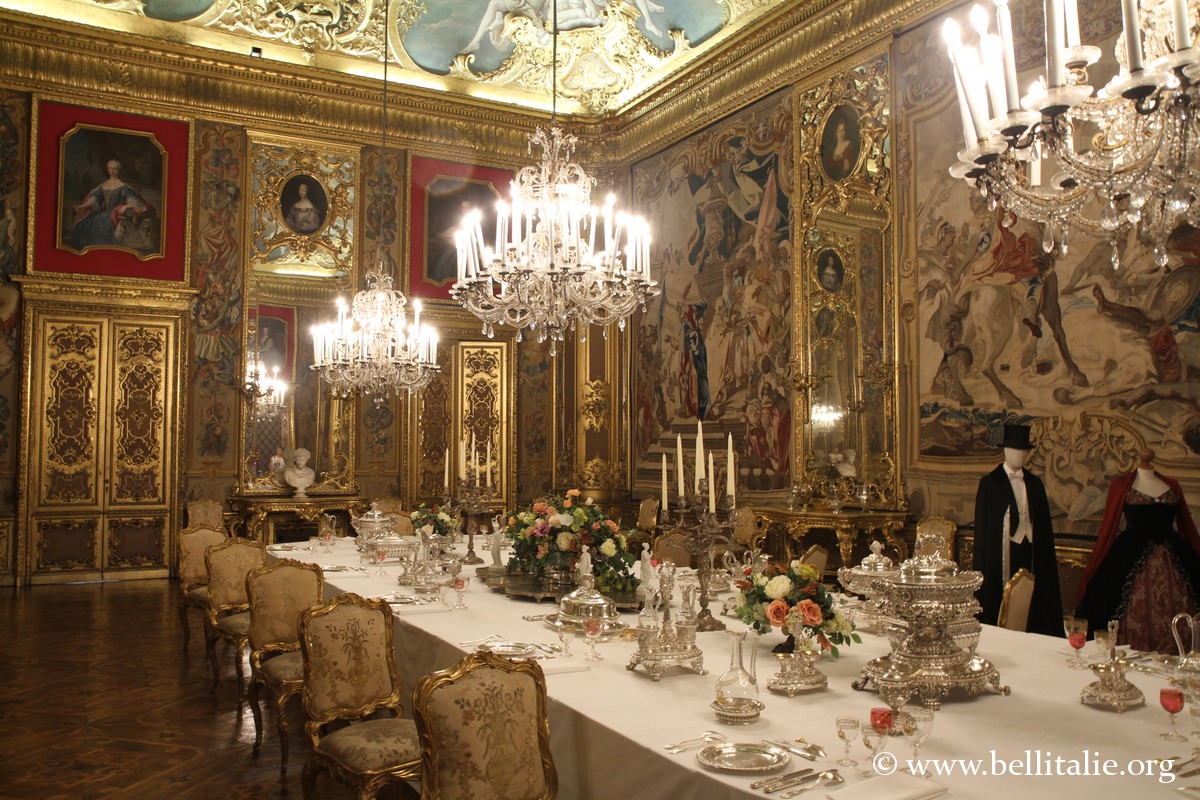
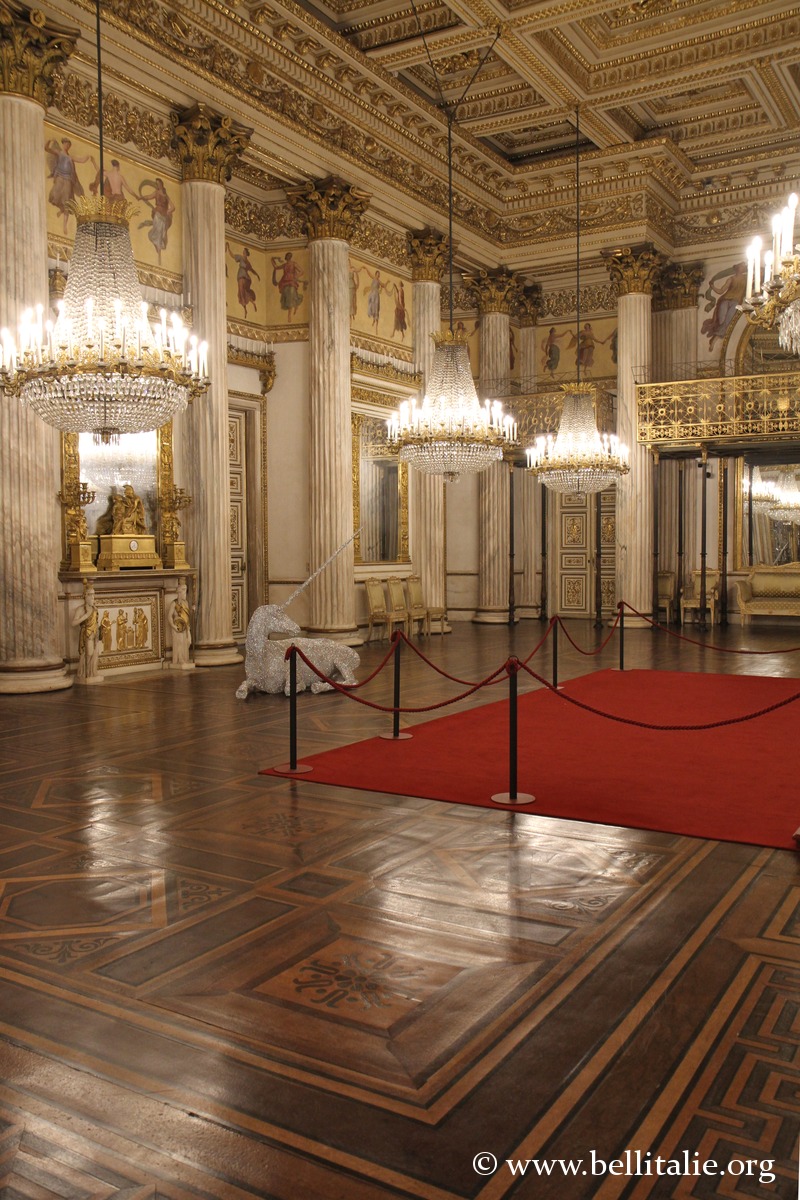
The Royal Palace is one of the most important buildings in Turin, one of the historic residences of the royal family of Savoy until 1865. It preserves traces of its past splendour, when it was frequented by nobles, kings, and ambassadors. Its ostentatious style recalls Versailles, with the throne room, the dining rooms, the ballroom, tapestries, etc.
In 1563 Turin became the capital of the Duchy of Savoy, and shortly afterwards, in 1584, Emmanuel Philibert of Savoy entrusted Ascanio Vitozzi with the construction of a new palace, and upon his death he was succeeded by the architect Amedeo di Castellamonte.
Over time, the royal architects succeeded one another to embellish, enlarge and decorate it.
With the transfer of the Italian capital from Turin to Florence in 1864, before Rome, the palace gradually lost its role as a residence and then became state property with the Italian Republic in 1946.
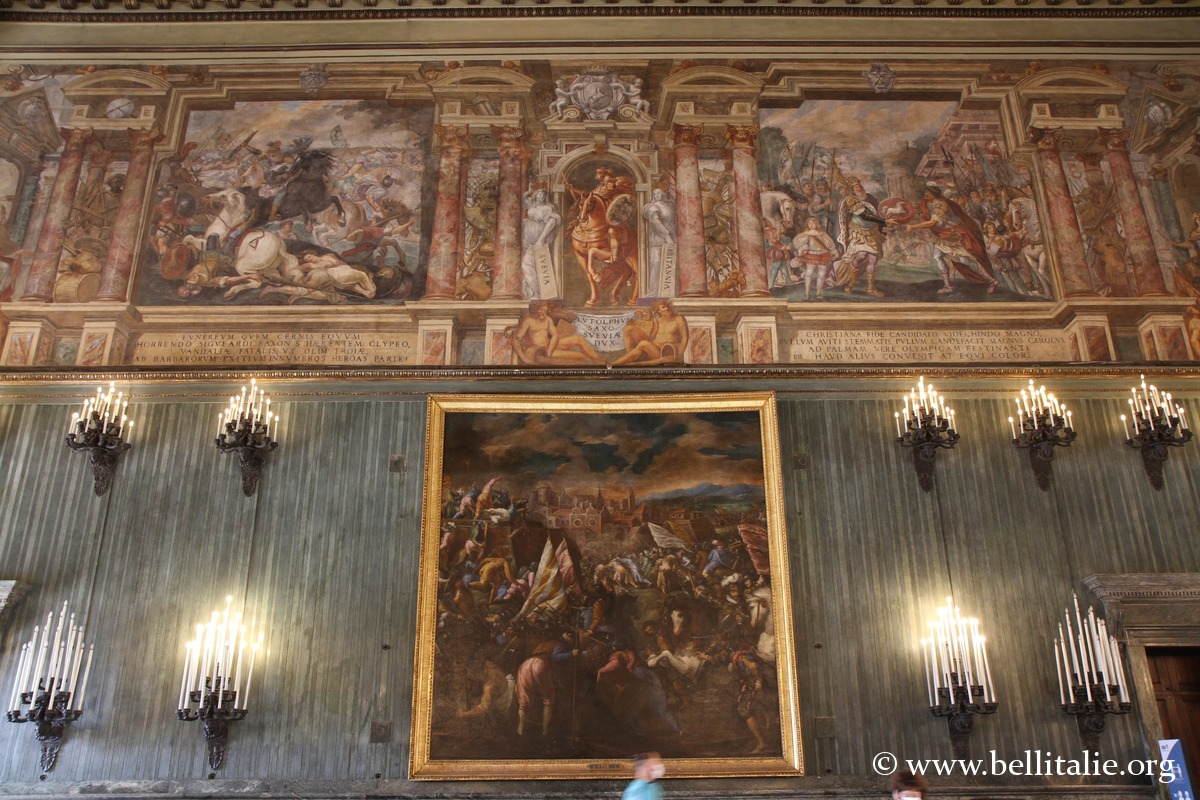
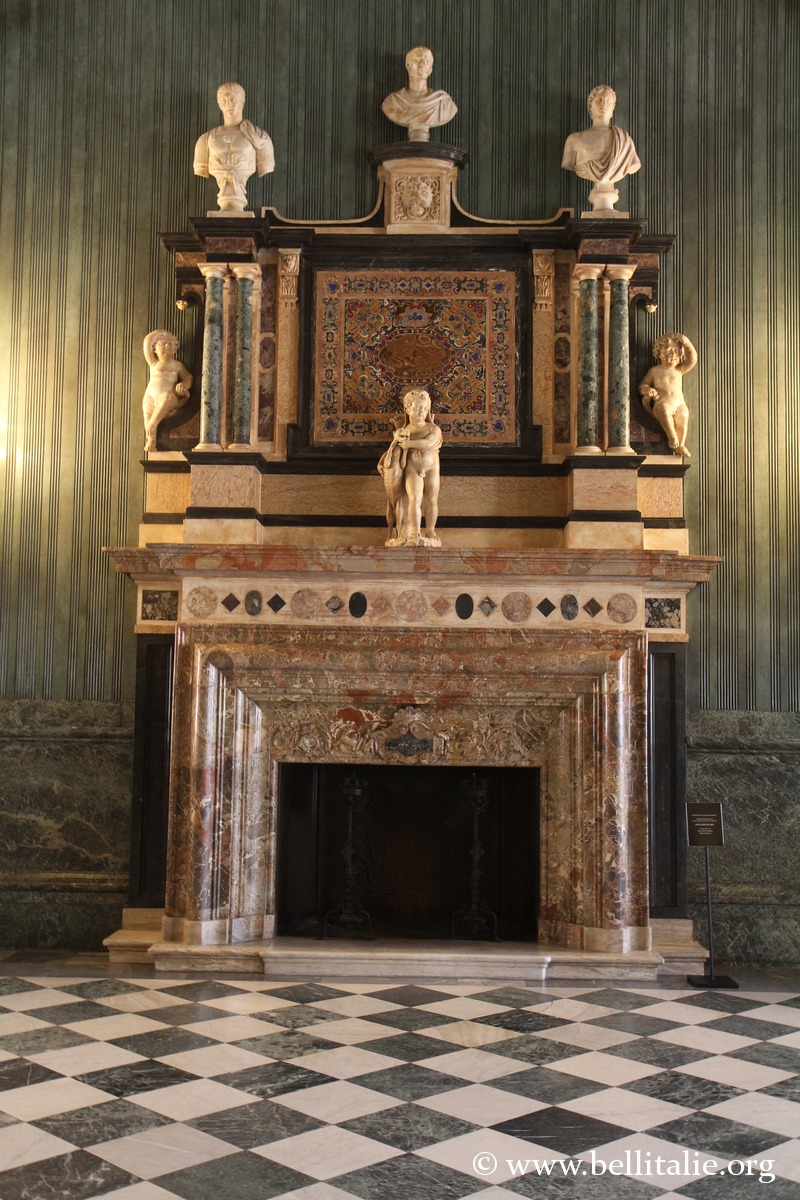
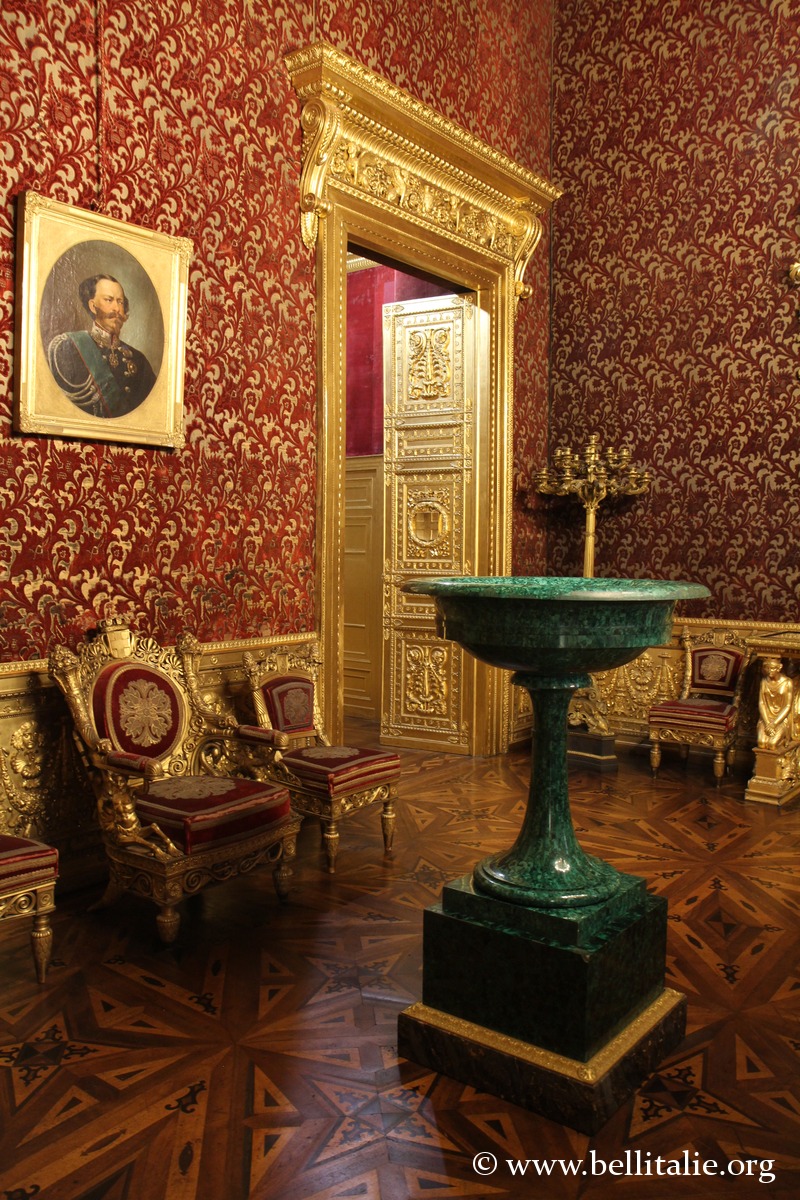
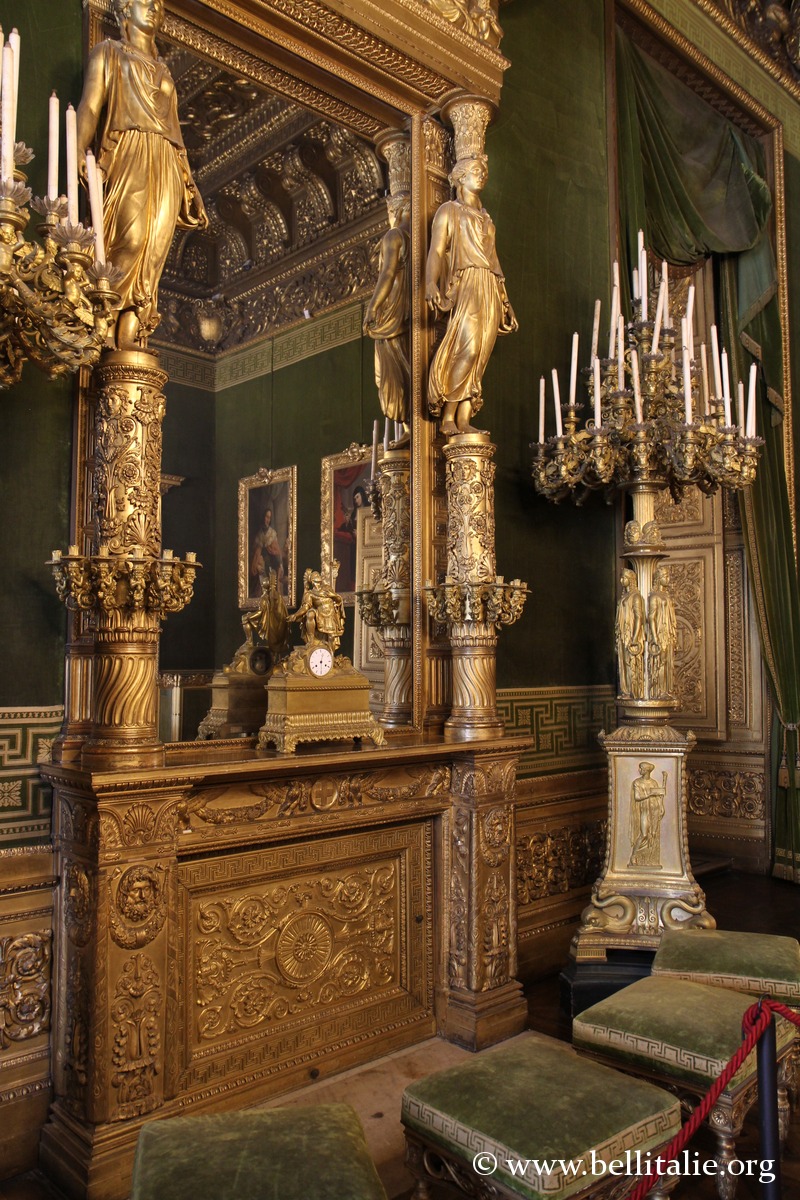
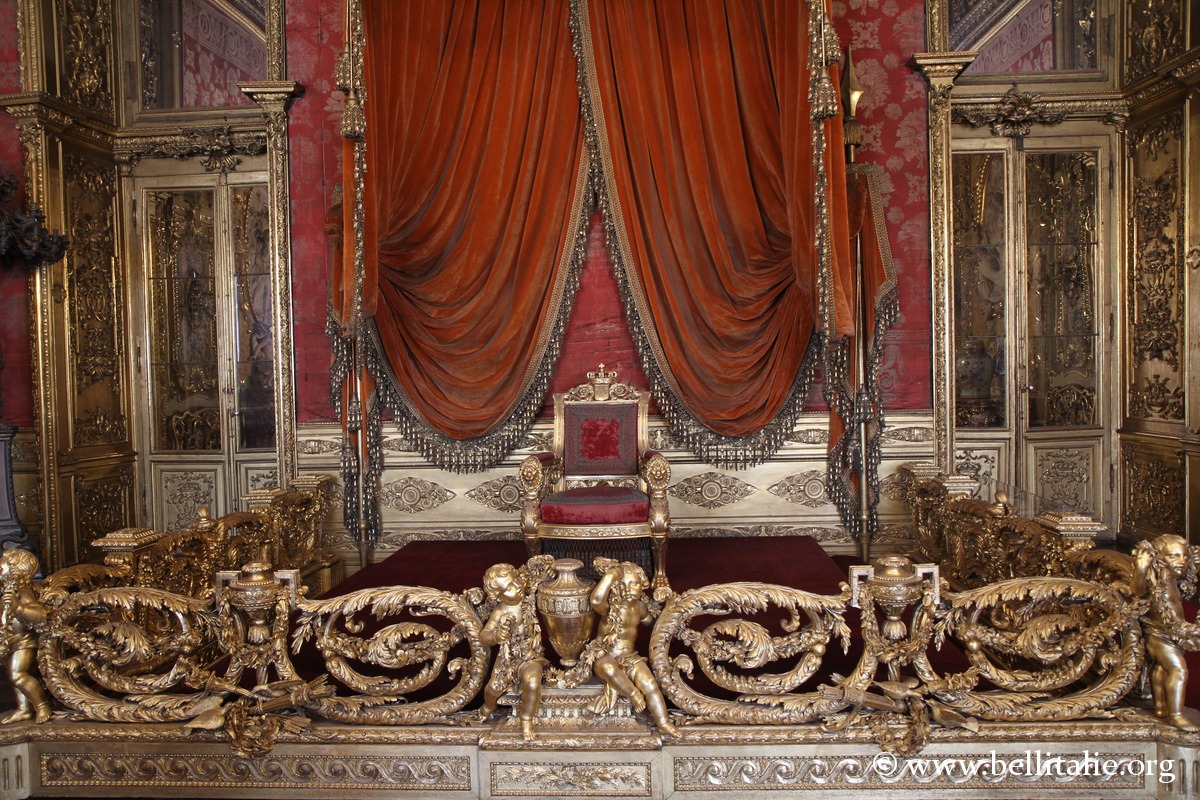
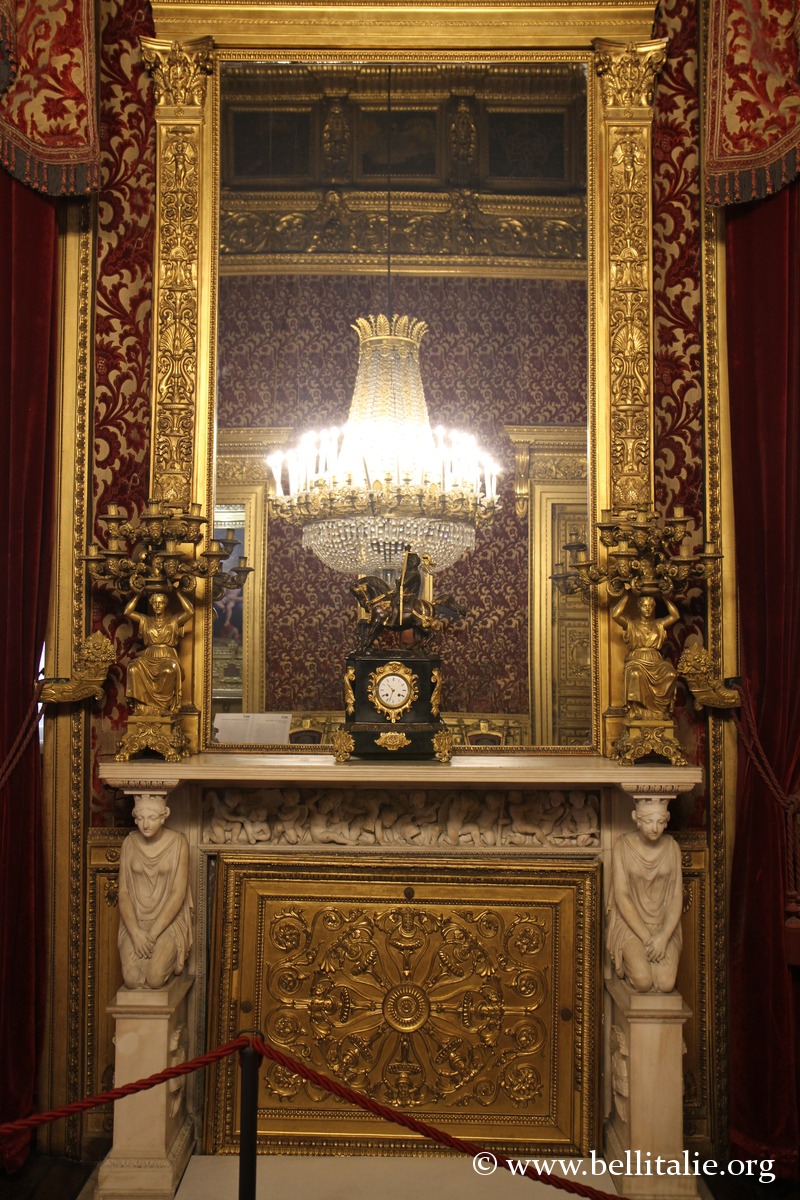
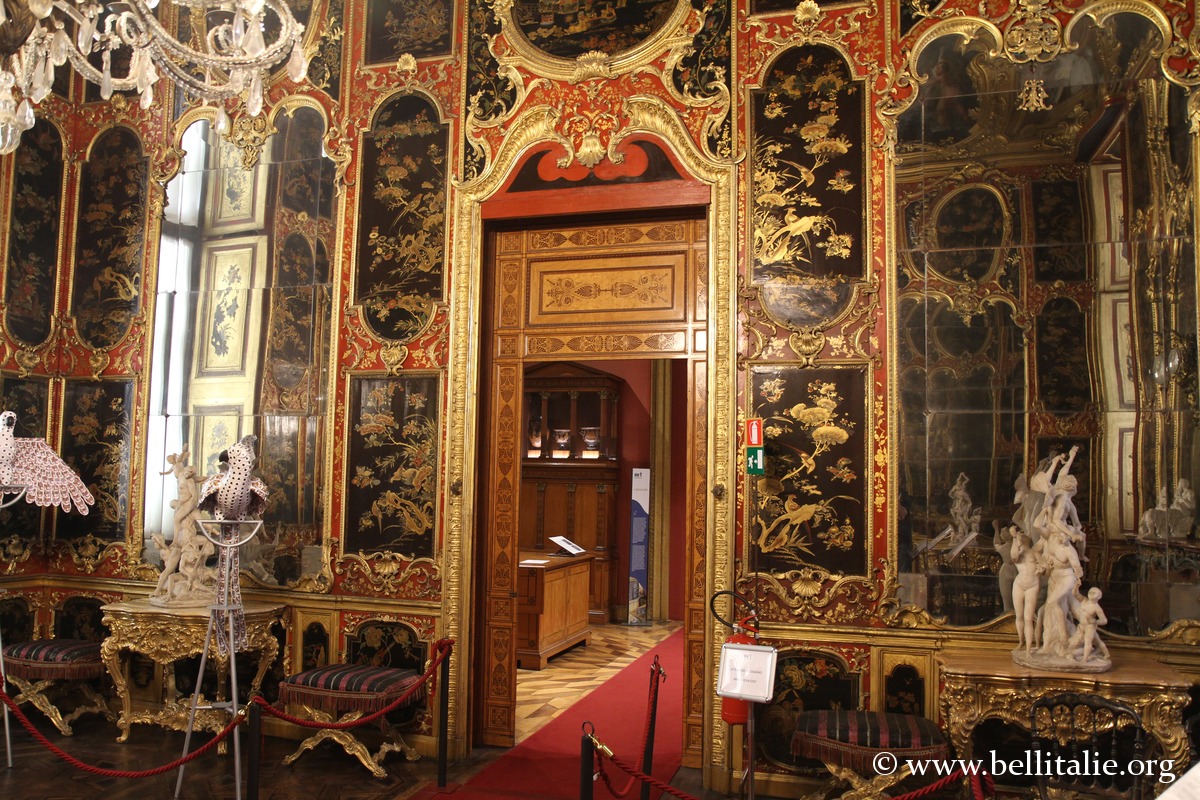
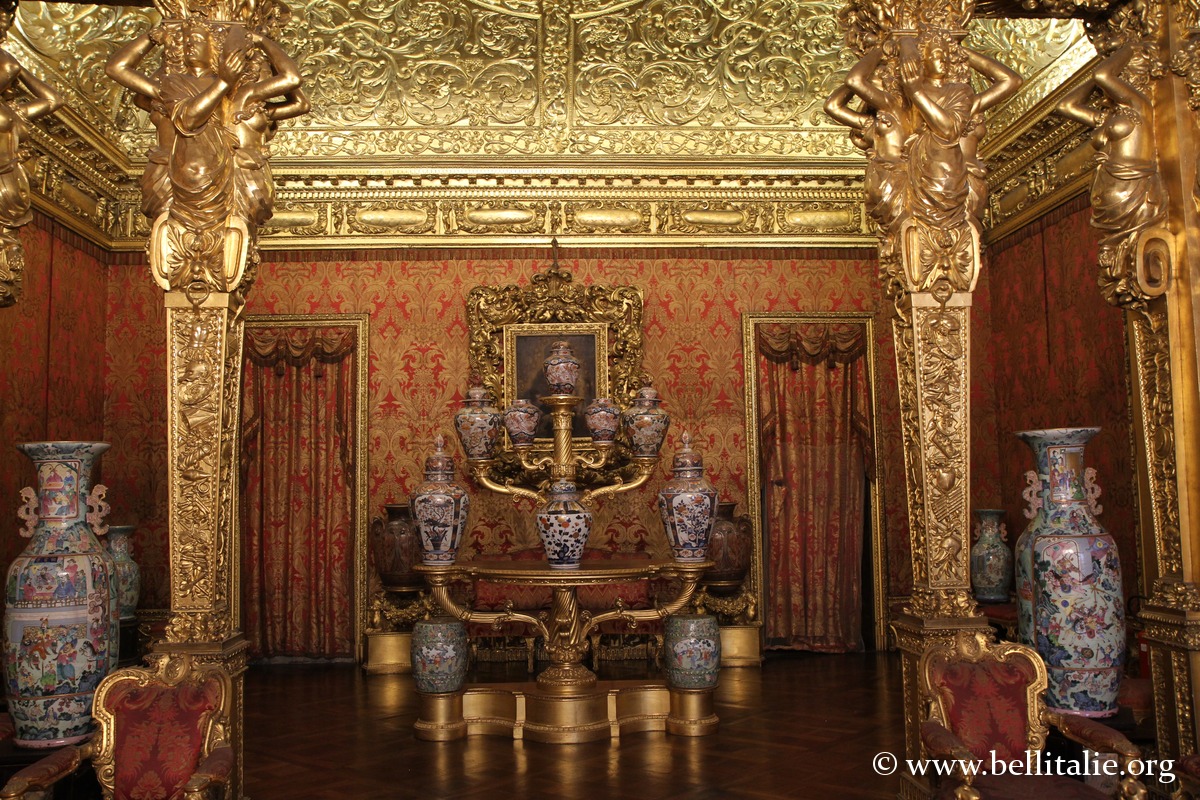
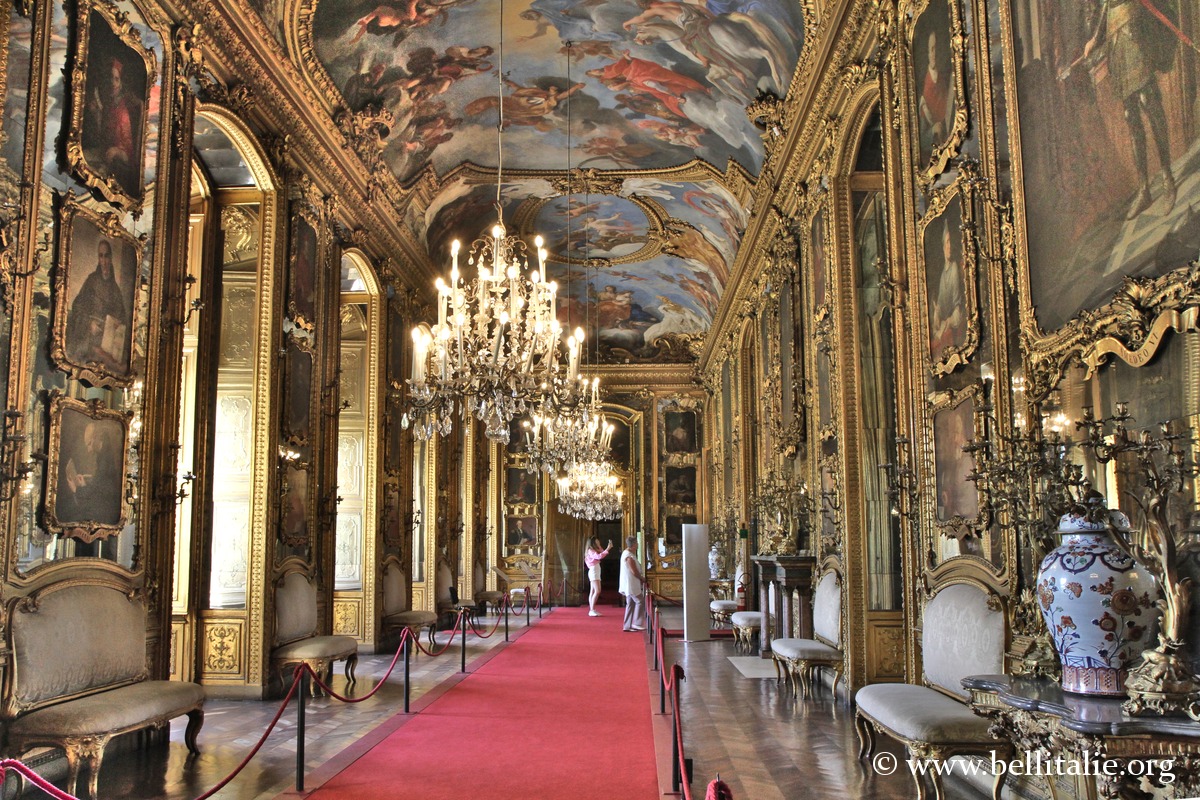
The rooms on the first floor are adorned with sculpted ceilings with large allegories by Jan Miel and Charles Dauphin that exalt the virtues of the sovereign.
In 1688, Daniel Seyter was called from Rome to paint the sumptuous gallery overlooking the gardens. He contributed, together with the Genoese Bartolomeo Guidobono, to the ground-floor apartments. Victor Amadeus II entrusted from 1713 to Filippo Juvarra the creation of administrative buildings, secretariats, state archives, as well as the Royal Theatre
The next Royal architect, Benedetto Alfieri, designed the decorations of the second floor, and the new rooms of the Archives decorated with frescoes by Francesco De Mura and Gregorio Guglielmi.
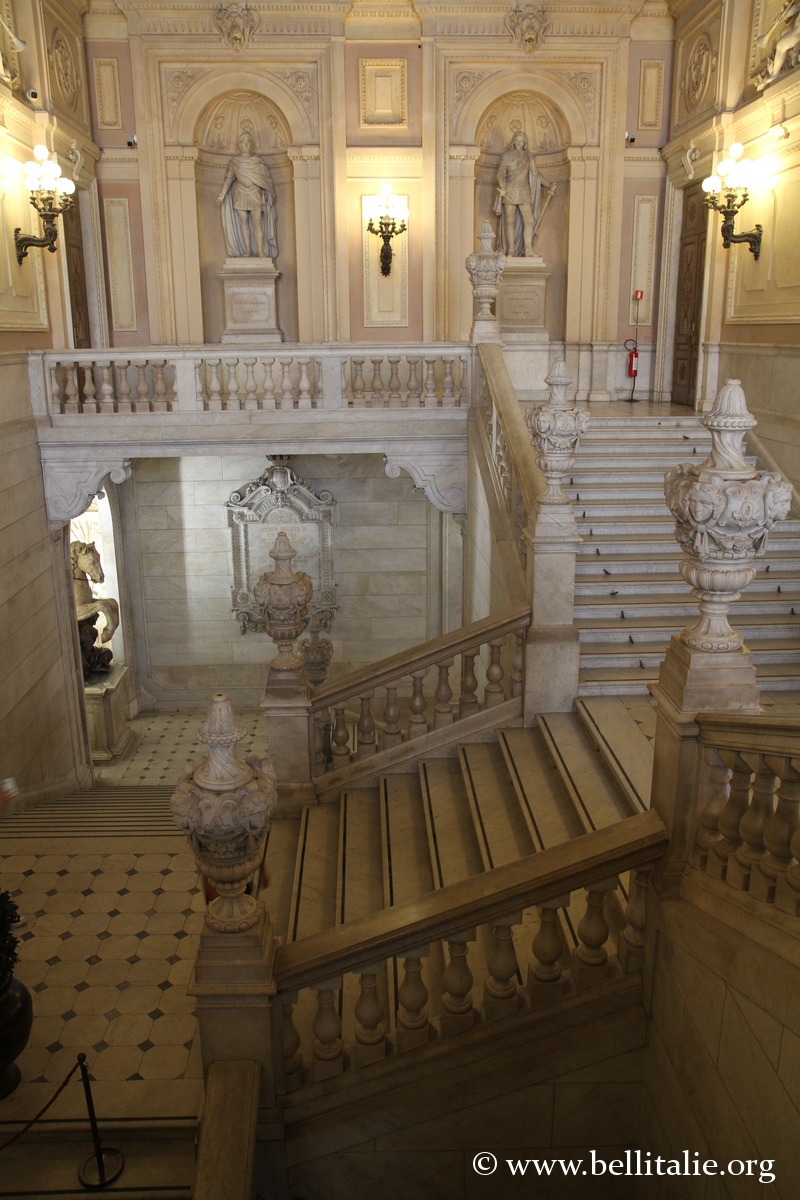
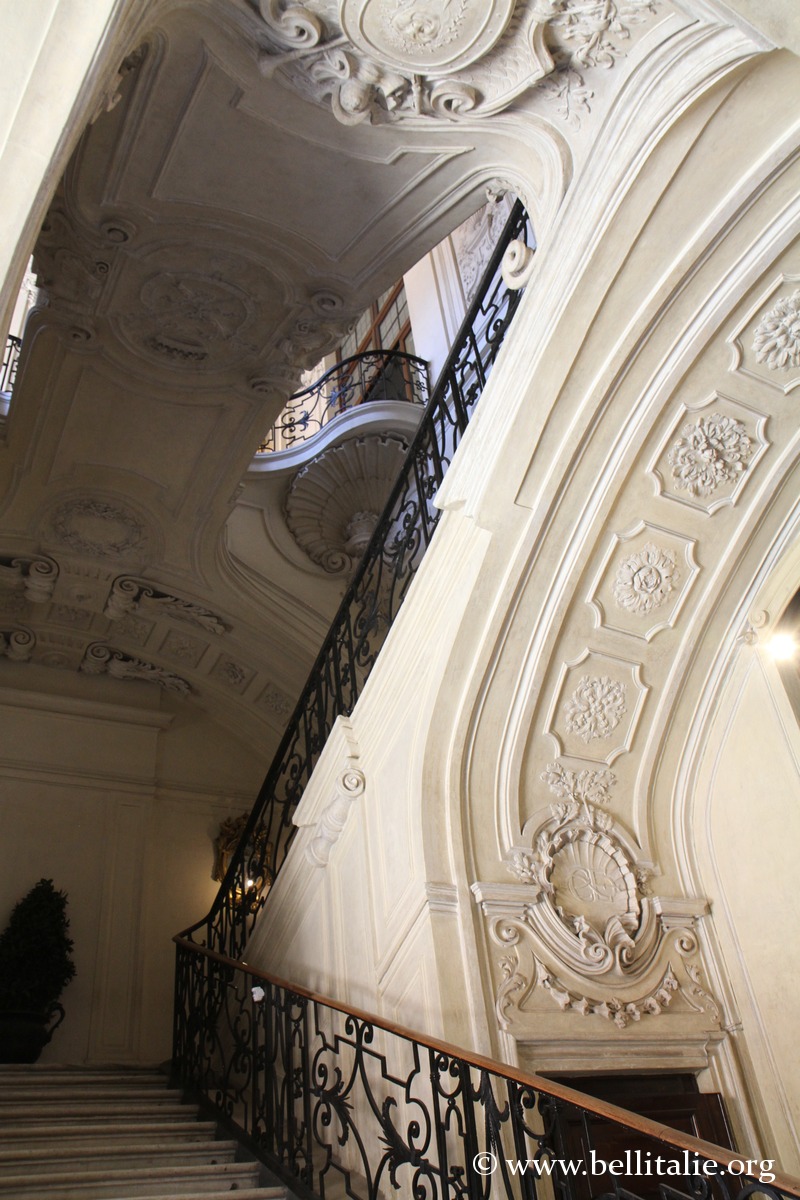
With Charles Albert from 1831, there were numerous renovations carried out by Pelagio Palagi and in 1862 the new staircase of honour.
Chapel of the Holy Shroud
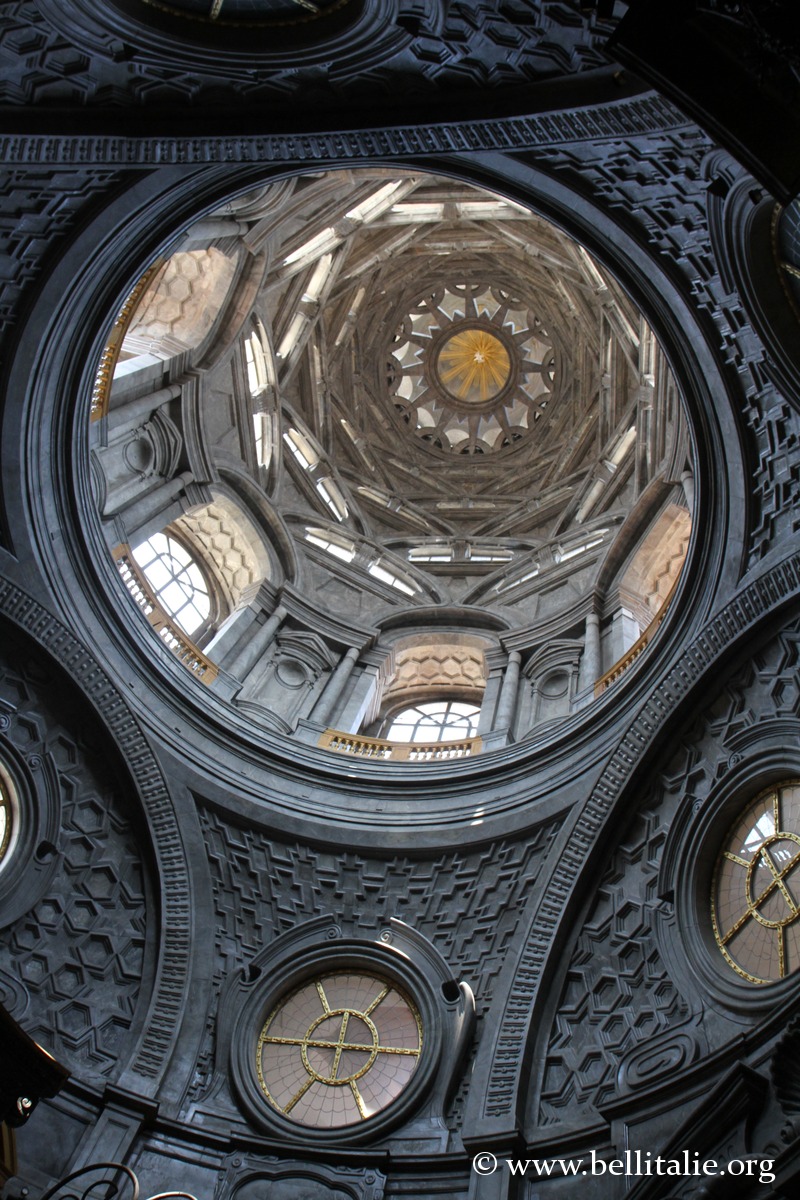
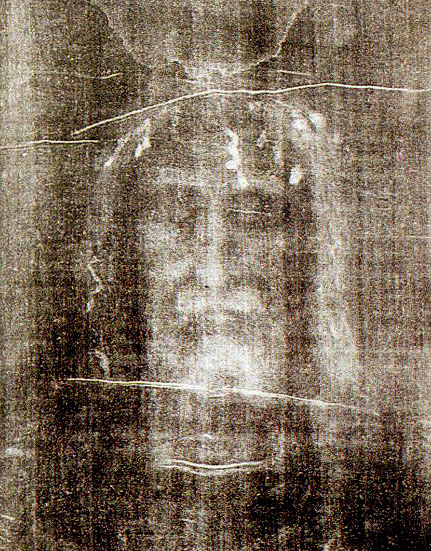
The Chapel of the Holy Shroud (Cappella della Santa Sindone in Italian) is a Baroque masterpiece founded in 1690, created by Camillo-Guarino Guarini, Theatine father and mathematician, to house the Holy Shroud. This precious relic, ceded to the House of Savoy in 1453, is a linen cloth on which the printed image is identified by the Church as that of the face of Christ, as it is considered to be the shroud that wrapped the body of Jesus when he was laid in the tomb.
The chapel consists of a rotunda topped by an original tall dome. Previously placed on the central altar, the Holy Shroud has since 1993 been kept in a large glass and aluminium display case at the back of the left nave of the cathedral.
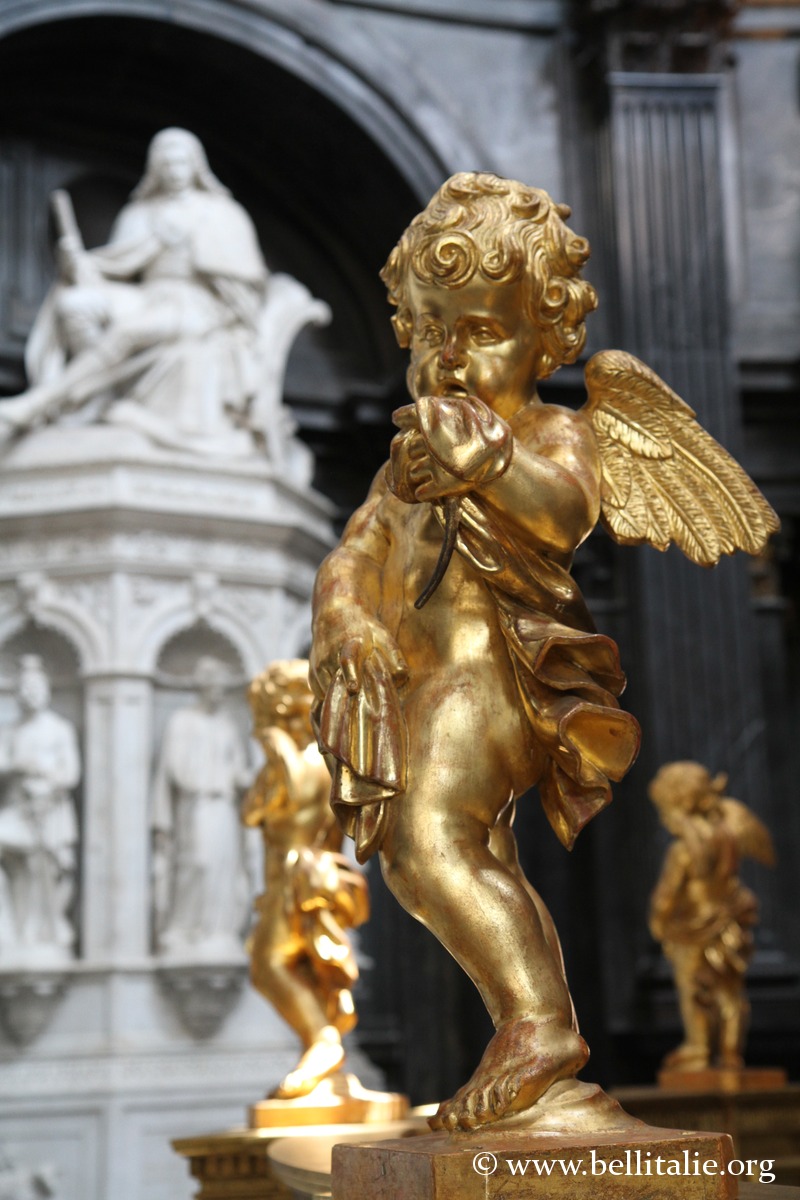
Guarini integrated the old cylindrical body into a new structure formed by three inclined arches, and above all an audacious dome conceived as a reliquary tower with superimposed levels of arches that converge towards the star. The interior is covered with veined black marble and adorned with beautiful decoration with arches, pillars, statues or bronze capitals. Set on fire in 1997, it was not reopened until 2018.
Royal Museums
The Royal Museums of Turin were established in 2016 by grouping together several museums, including the Royal Palace itself with the Royal Gardens, the library and the royal armoury, the picture gallery of the Sabauda Gallery, the Museum of Antiquities, the Palazzo Chiablese and the Chapel of the Holy Shroud.
It is thus a vast space with a route of nearly 3 kilometres, 400,000 works of art, which welcomes more than 500,000 visitors per year.
Royal Library
This library was for a long time and remains one of the most important institutions in Turin, with its testimonies of more than a thousand years. Founded in 1839 by Charles Albert of Sardinia, it currently holds around 200,000 printed volumes, including 4,500 manuscripts, 187 incunabula, etc. Among the extraordinary works are the Self-Portrait of Leonardo da Vinci, the Turin Codex of Leonardo da Vinci, the engineer’s notebook of Francesco di Giorgio Martini, or drawings and paintings by great artists.
Royal Armoury
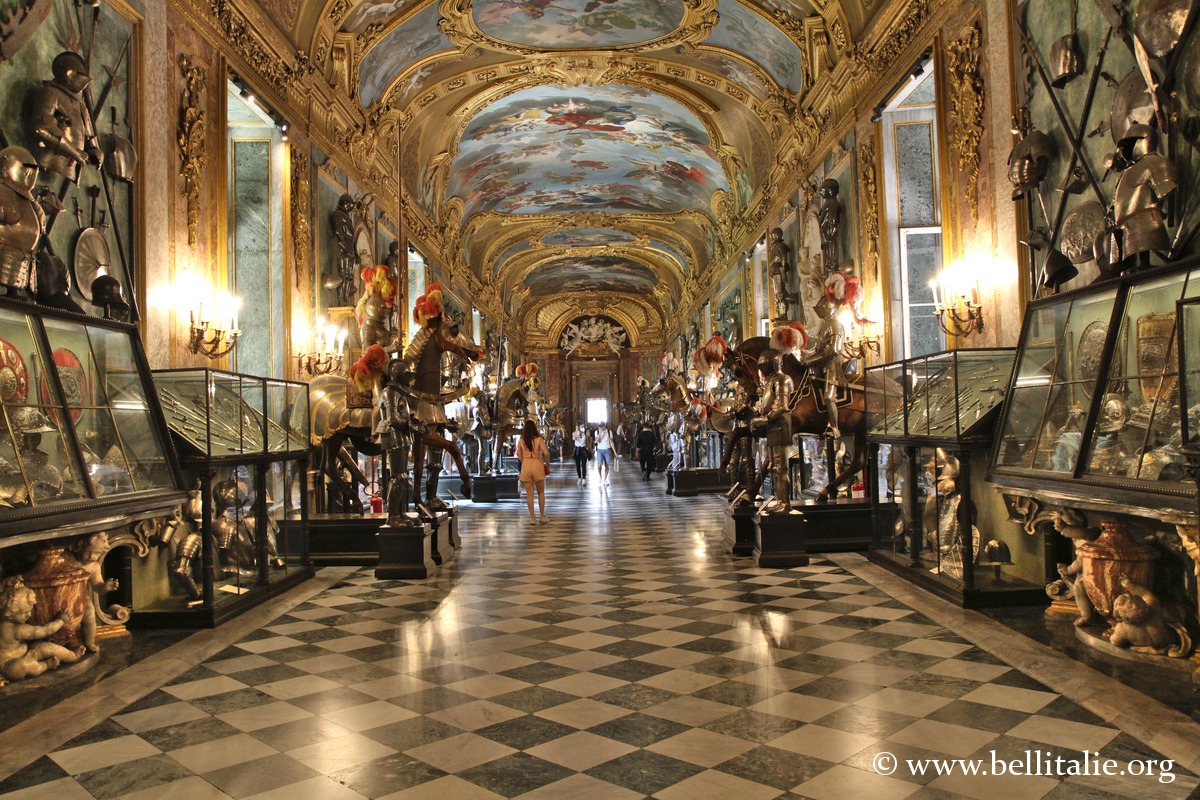
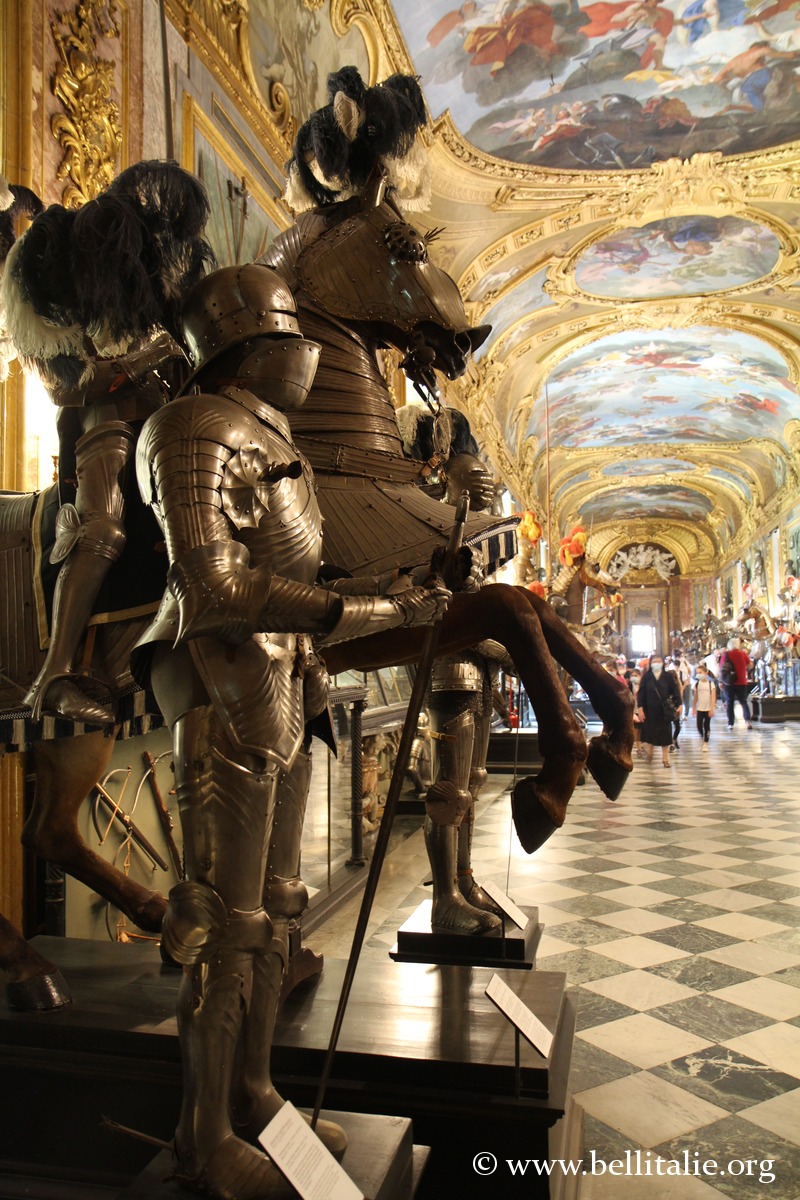
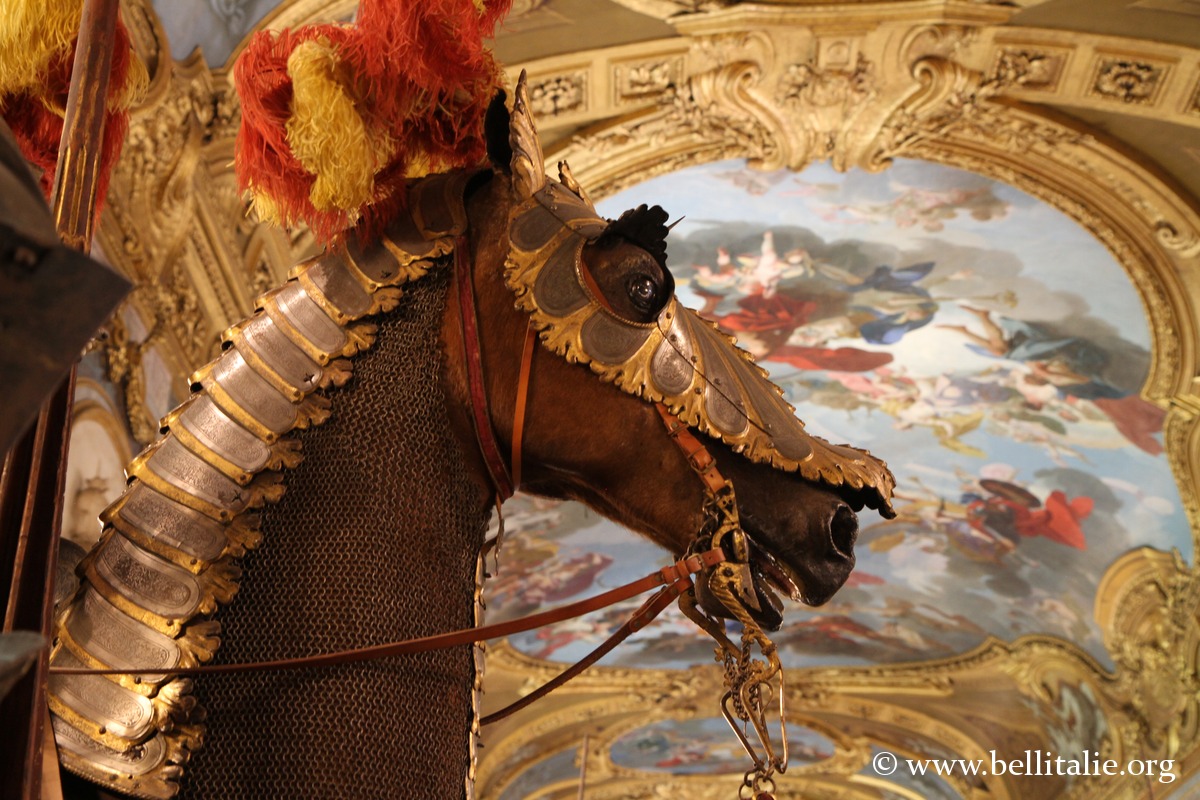
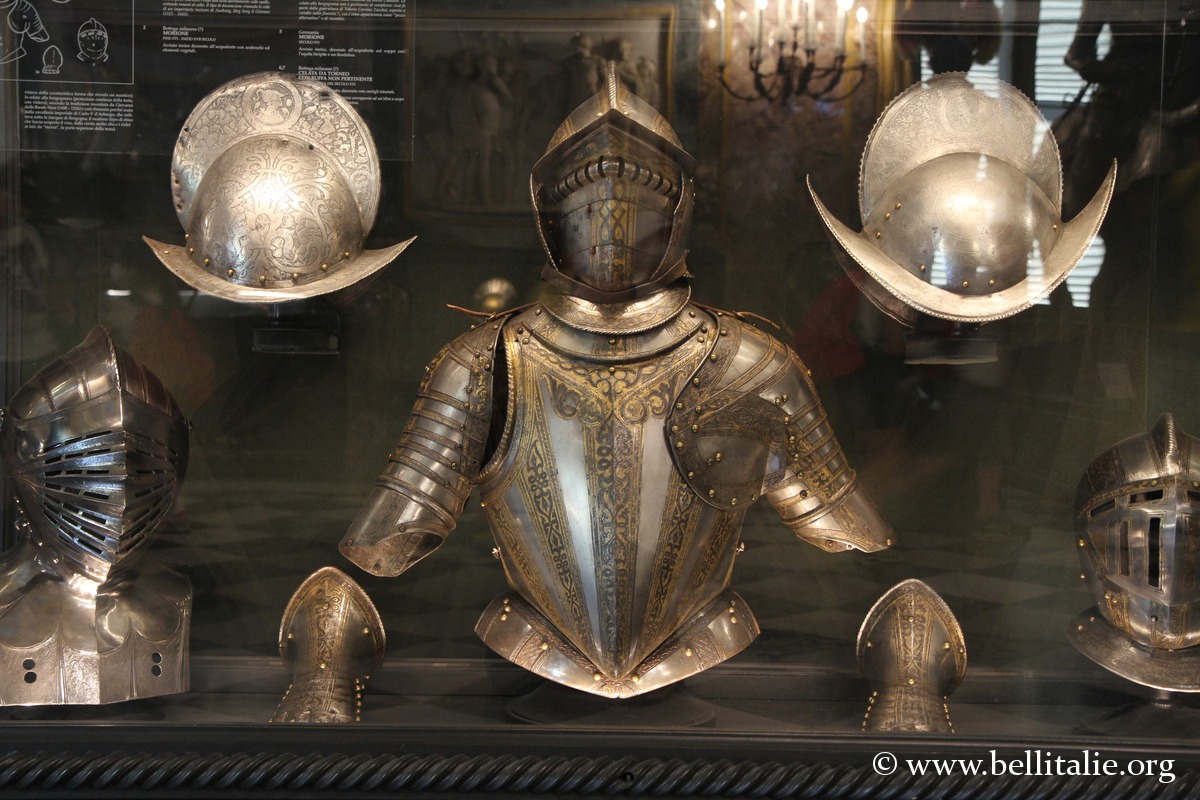
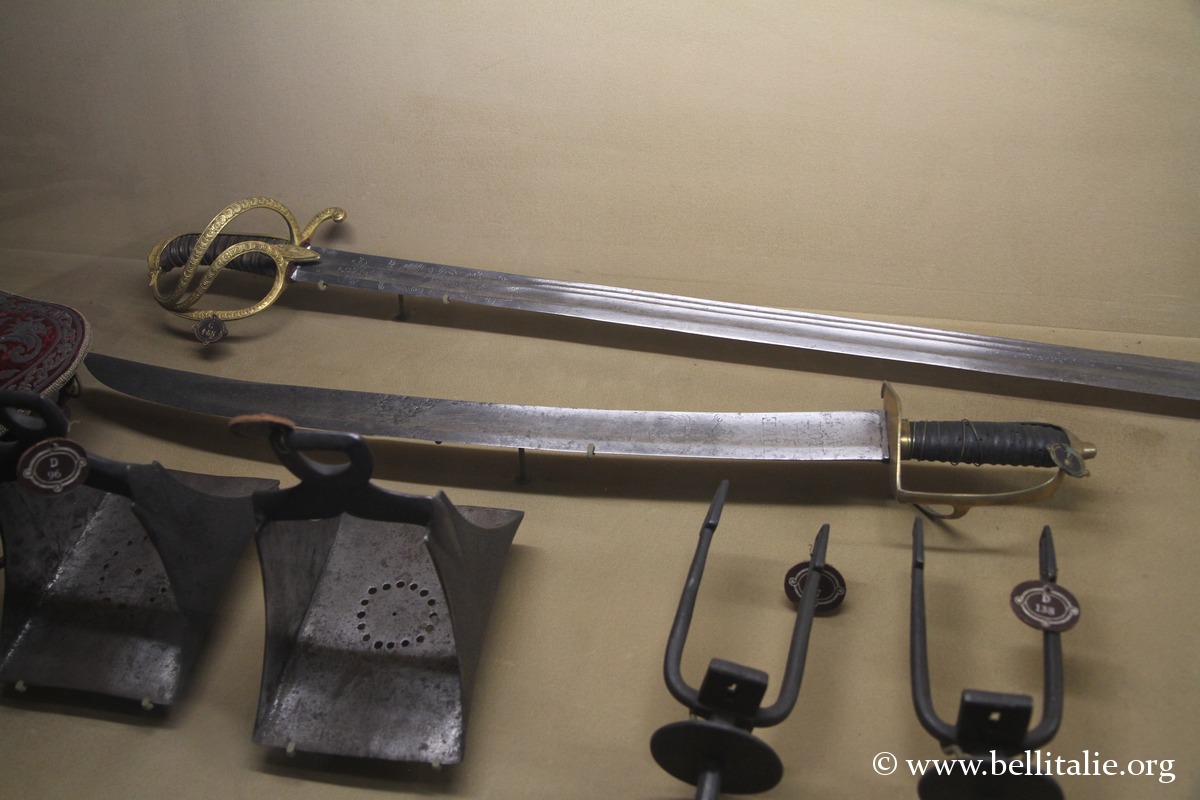
The collection of the royal armoury, founded by Charles Albert of Savoy and opened to the public 5 years later in 1837, brings together remarkable historical armour and weapons, with many unique pieces that belonged to illustrious figures.
It occupies the 18th-century Beaumont Gallery and the Rotunda room.
The collection originally came from the collections of the Museum of Antiquities and the arsenals of the cities of Turin and Genoa, and was later completed.
In 1997, it was inscribed together with the Royal Library as a World Heritage Site by Unesco.
Its collection is among the richest in the world, along with the Royal Armoury of Madrid, that of Vienna or of the Knights of Malta.
The weapons and armour it contains cover a period ranging from the Neolithic to the 20th century, and especially remarkable pieces from the royal House of Savoy of the 16th, 17th and 18th centuries. These include the sword of Saint Maurice from the 13th century with a decorated leather scabbard from the 15th century, a stirrup adorned with enamel of Neapolitan manufacture from the 14th century, the sword used by Napoleon Bonaparte in the Egyptian campaign and at Marengo, the weapons of the kings of Sardinia, including the Japanese armour given in 1870 to Victor Emmanuel II of Savoy, a Smith & Wesson revolver, etc., as well as precious objects, flags and medals.
Museum of Antiquities
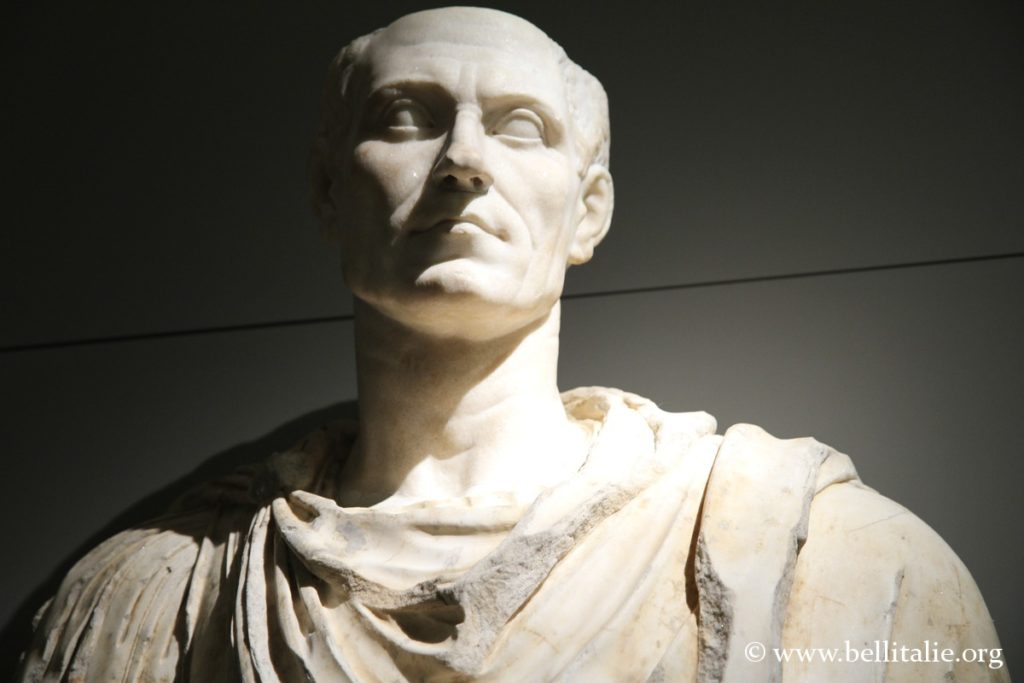
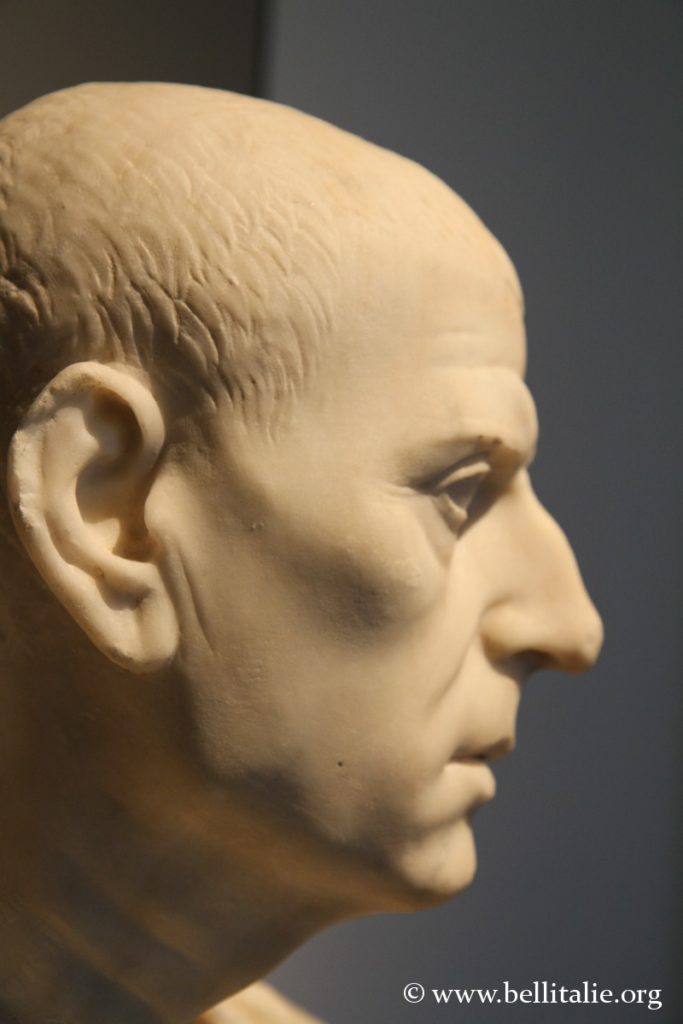
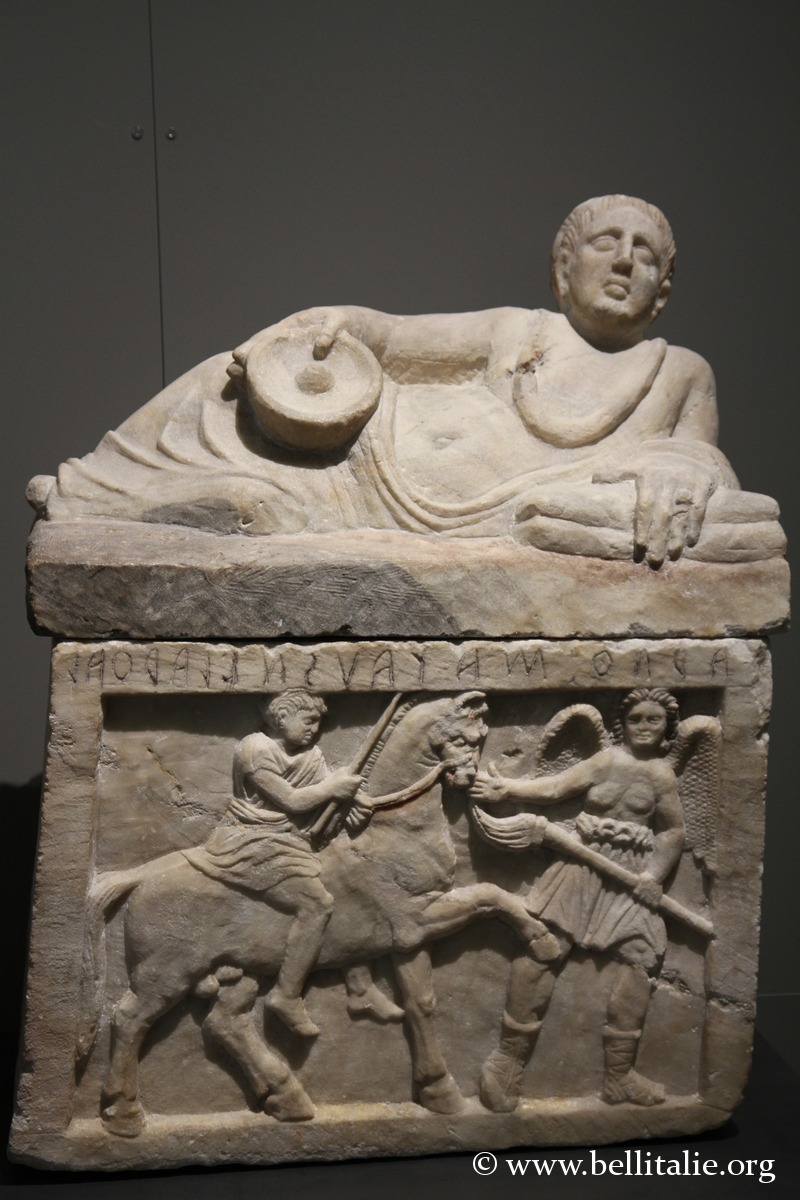
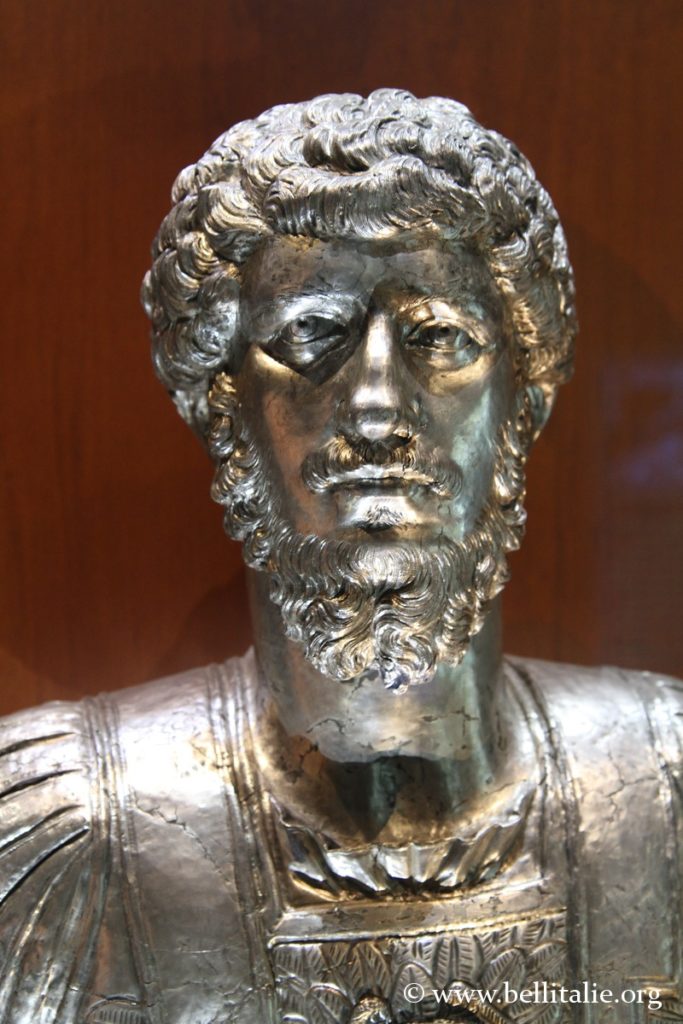
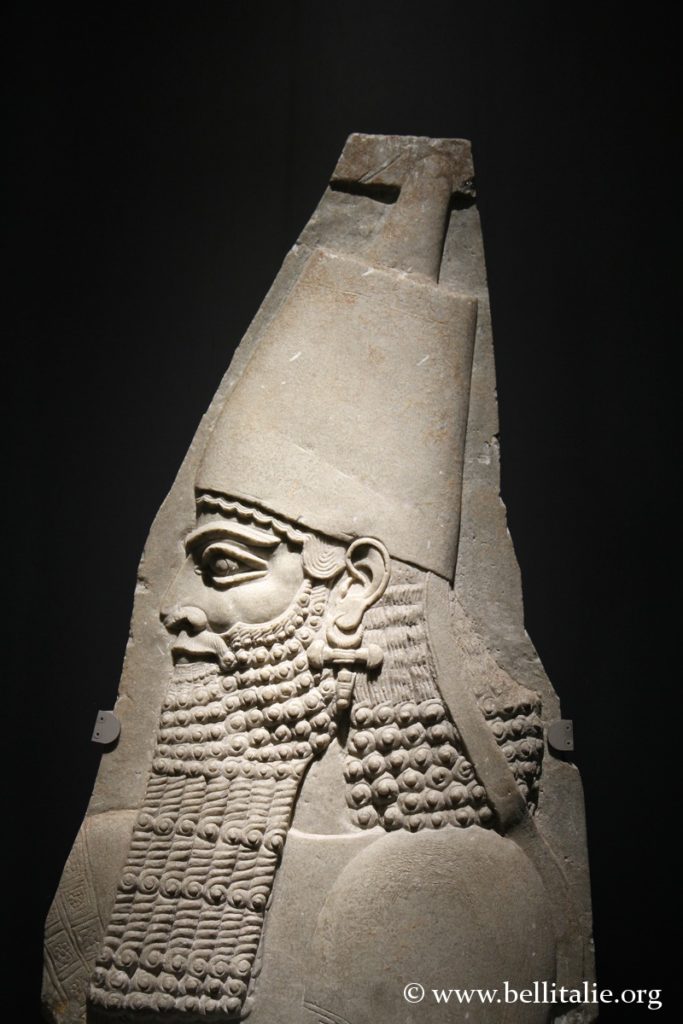
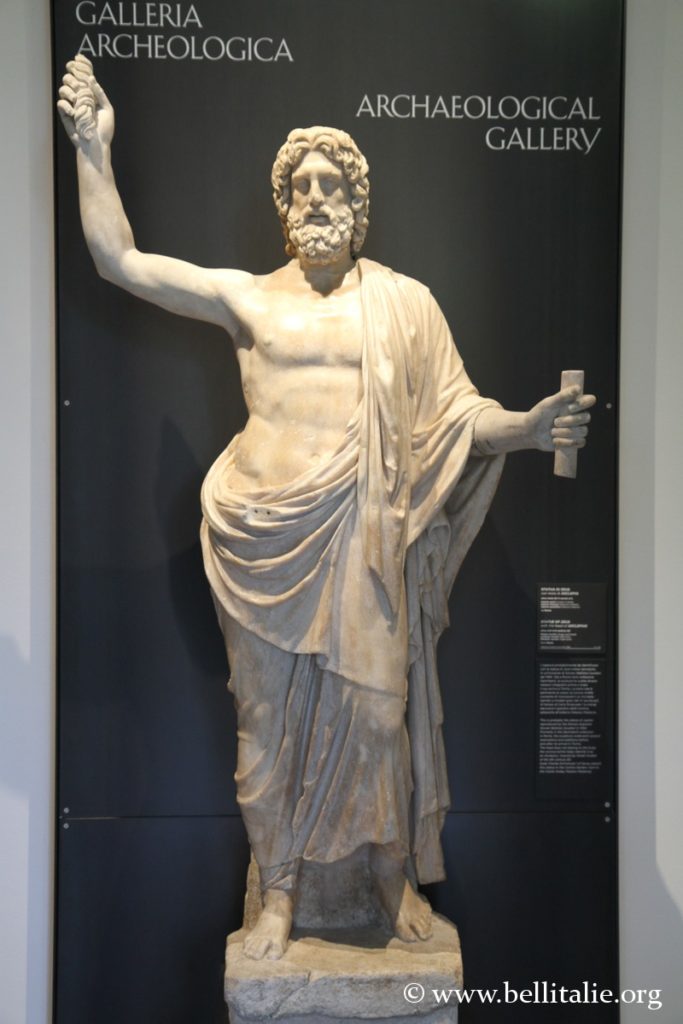
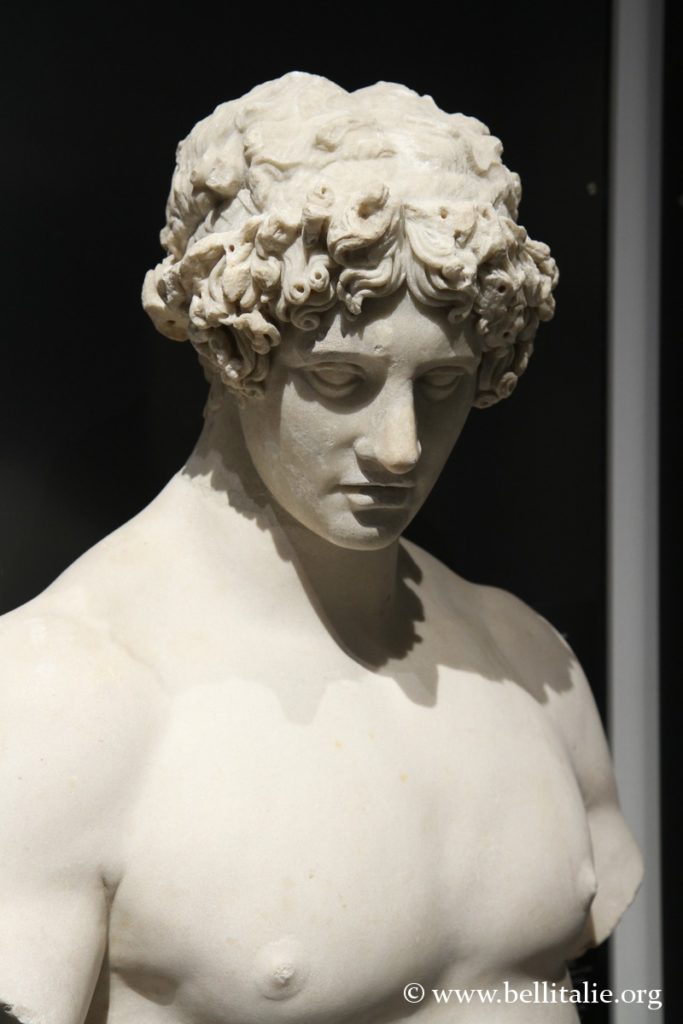
Founded at the beginning of the 16th century to house the works and objects purchased by the dukes of Savoy over time, this museum was integrated in 1724 into the Royal Museum of the University of Turin.
The archaeological museum was created in 1940 when it was separated from the Egyptian collection in order to preserve the Greco-Roman objects.
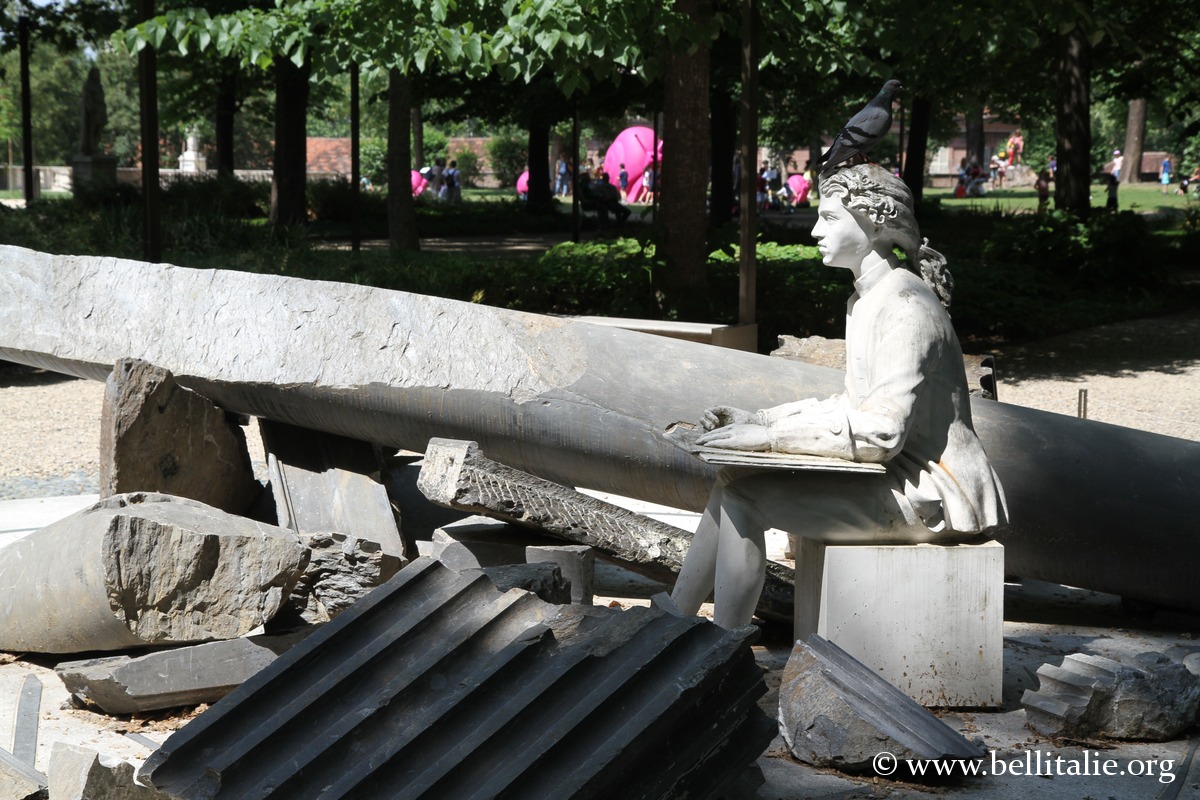
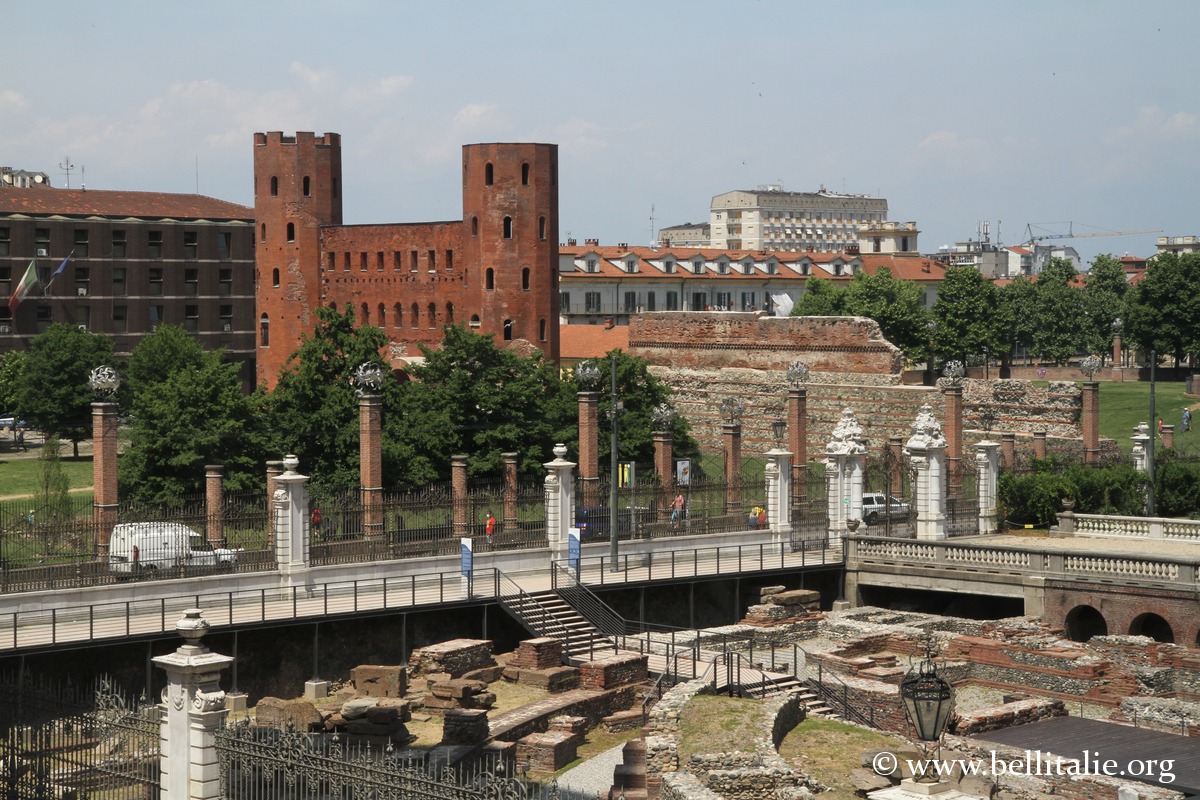
It thus houses in particular numerous remains from ancient Piedmont, with rooms devoted to the History of Turin, opposite the remains of the Roman theatre.
On the ground floor, the Manica Nuova section consists of the exhibition Archaeology in Turin and the rooms of the Marengo treasure. The Territorio section, dedicated to the archaeology of Piedmont, is partly underground. The Historical Collections are the core of the museum, with numerous Greco-Roman antiquities in particular.
Sabauda Gallery
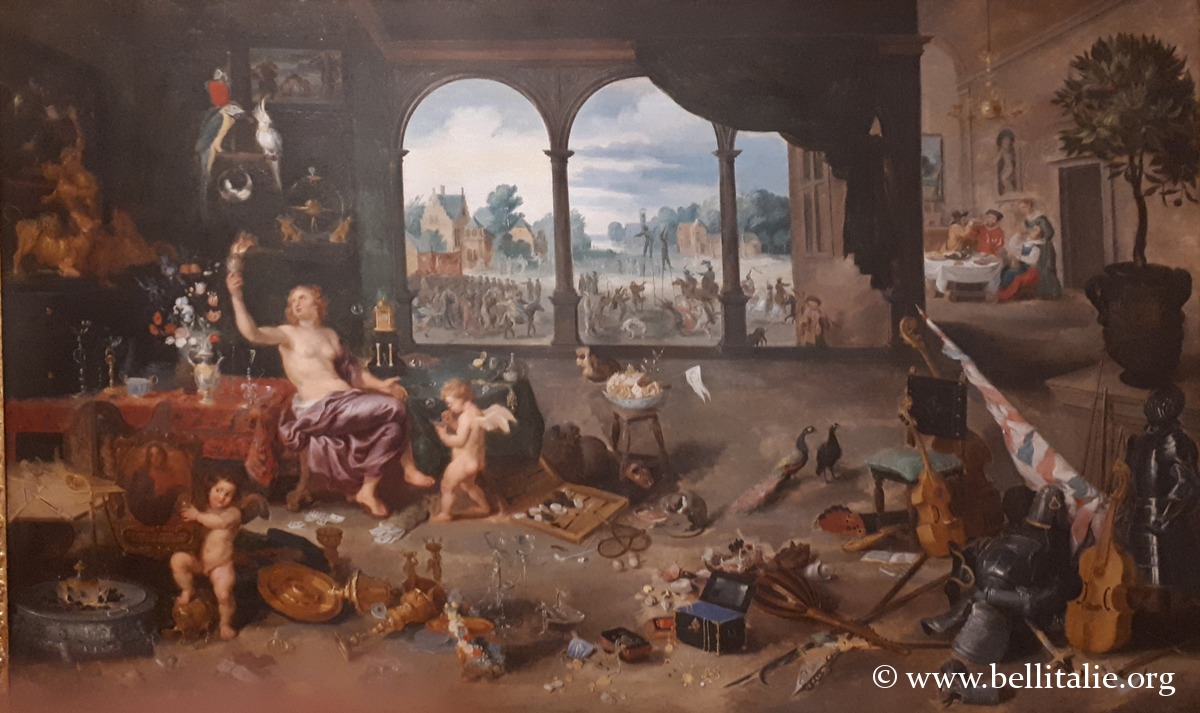
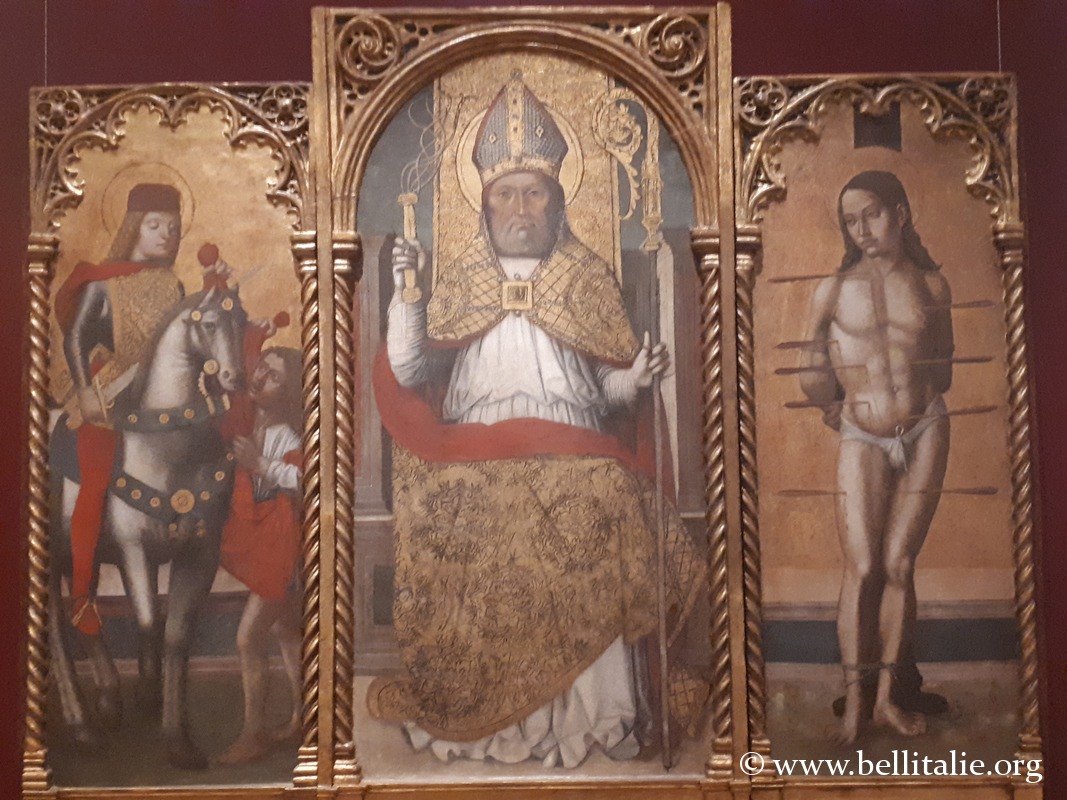
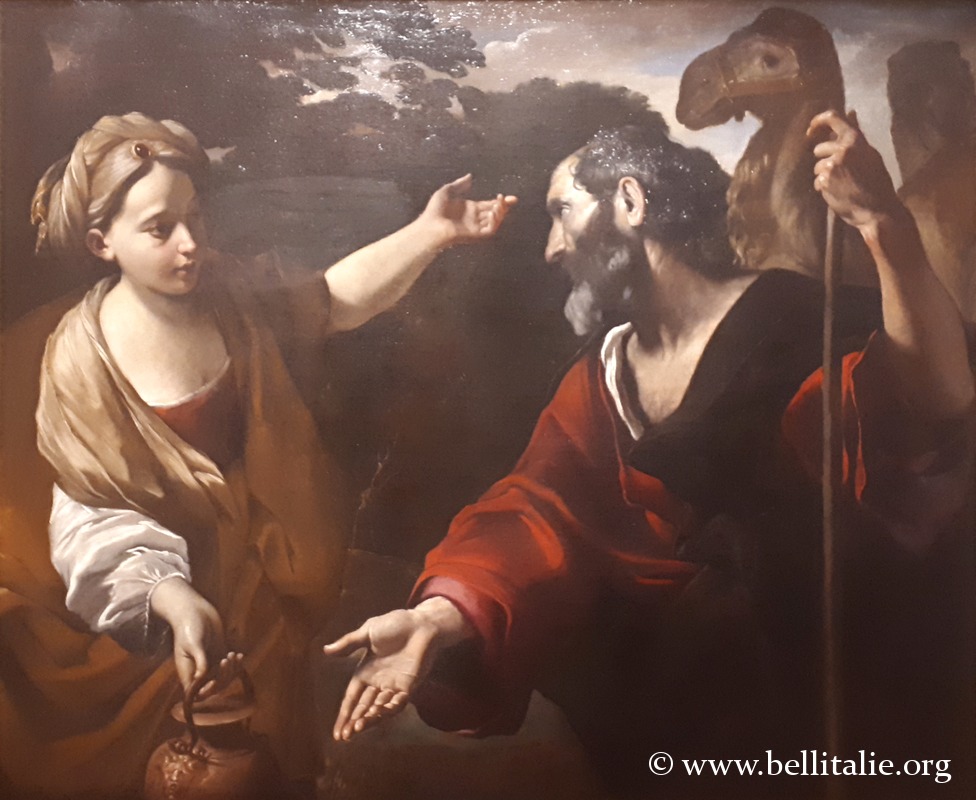
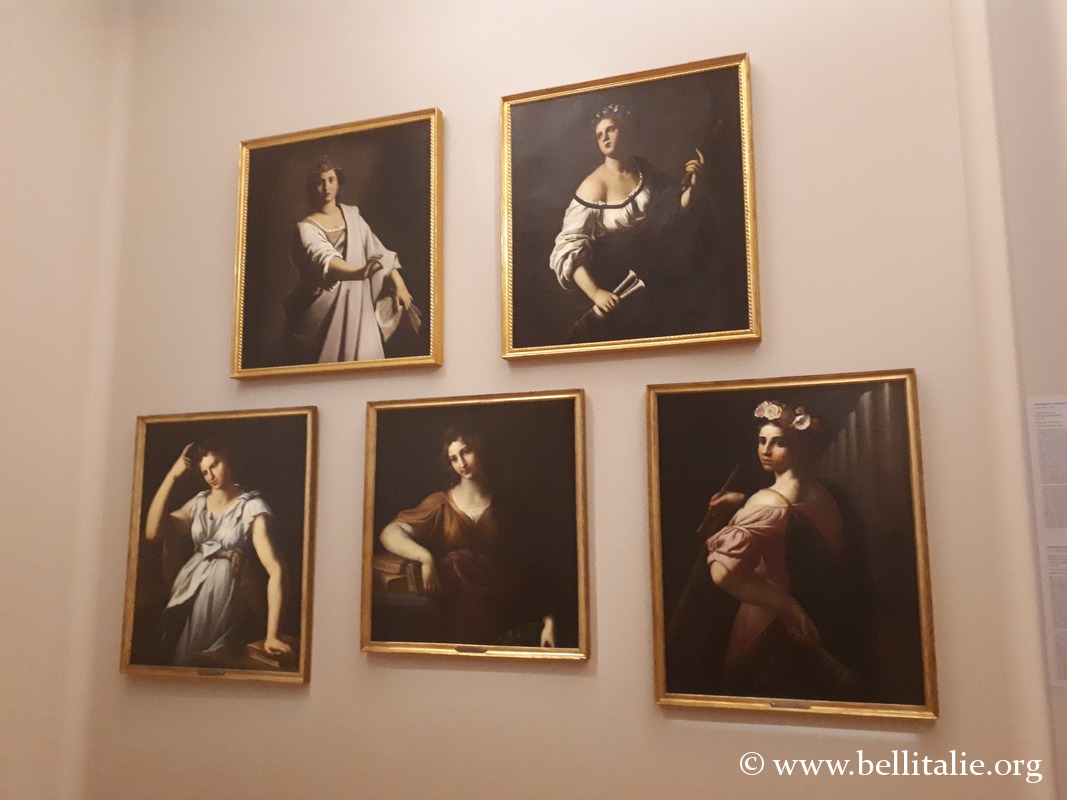
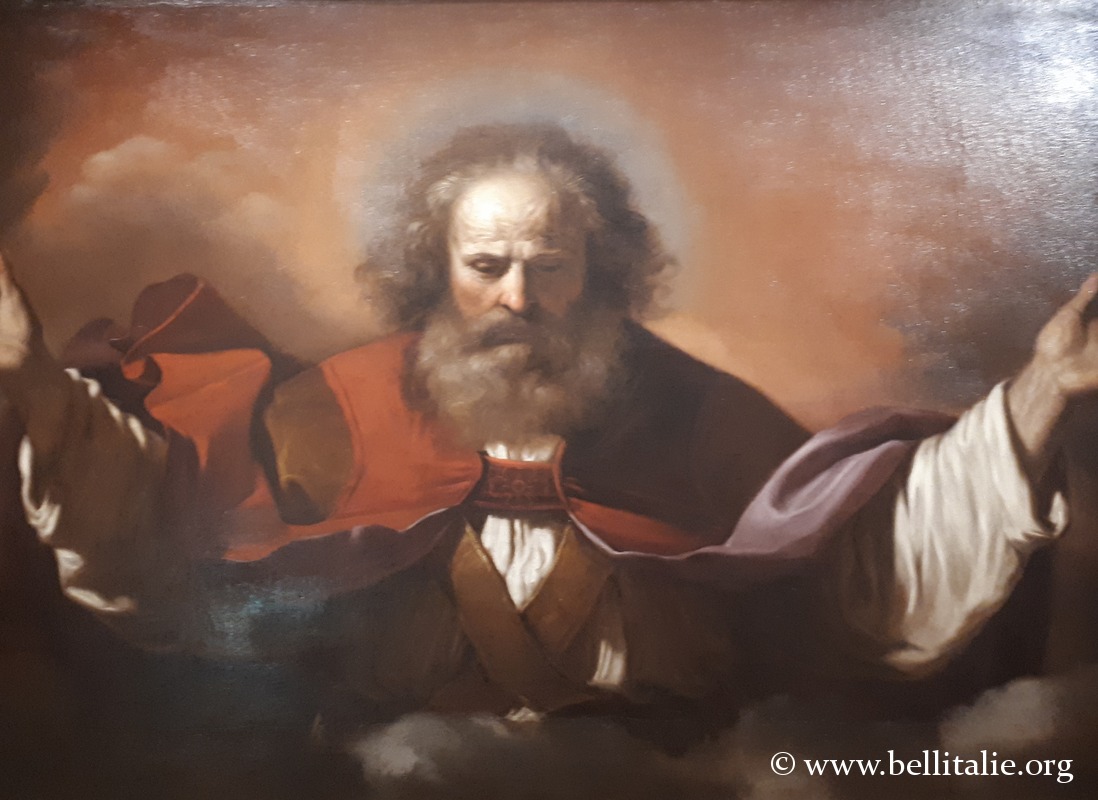
This gallery is an important picture gallery that brings together a fine collection of 700 paintings
ranging from the 13th to the 20th century, including a section devoted to Piedmontese painting (Giovanni Martino Spanzotti, Macrino d’Alba, Gerolamo Giovenone, Bernardino Lanino, Il Moncalvo, Tanzio da Varallo, Gaudenzio Ferrari and Defendente Ferrari, etc.), a section of Italian painting (Beato Angelico, Duccio di Boninsegna, Piero del Pollaiolo, Andrea Mantegna, Bronzino, Filippino Lippi, Daniele da Volterra, Il Veronese, Oretto, Guercino, Orazio Gentileschi, Giambattista Tiepolo, Guido Reni, Bernardo Bellotto) and an important group from the Flemish and Dutch Schools of the 15th to 17th centuries, with names such as Van Dyck, Rubens, Rembrandt, Brueghel, Memling and Van Eyck.
Royal Gardens
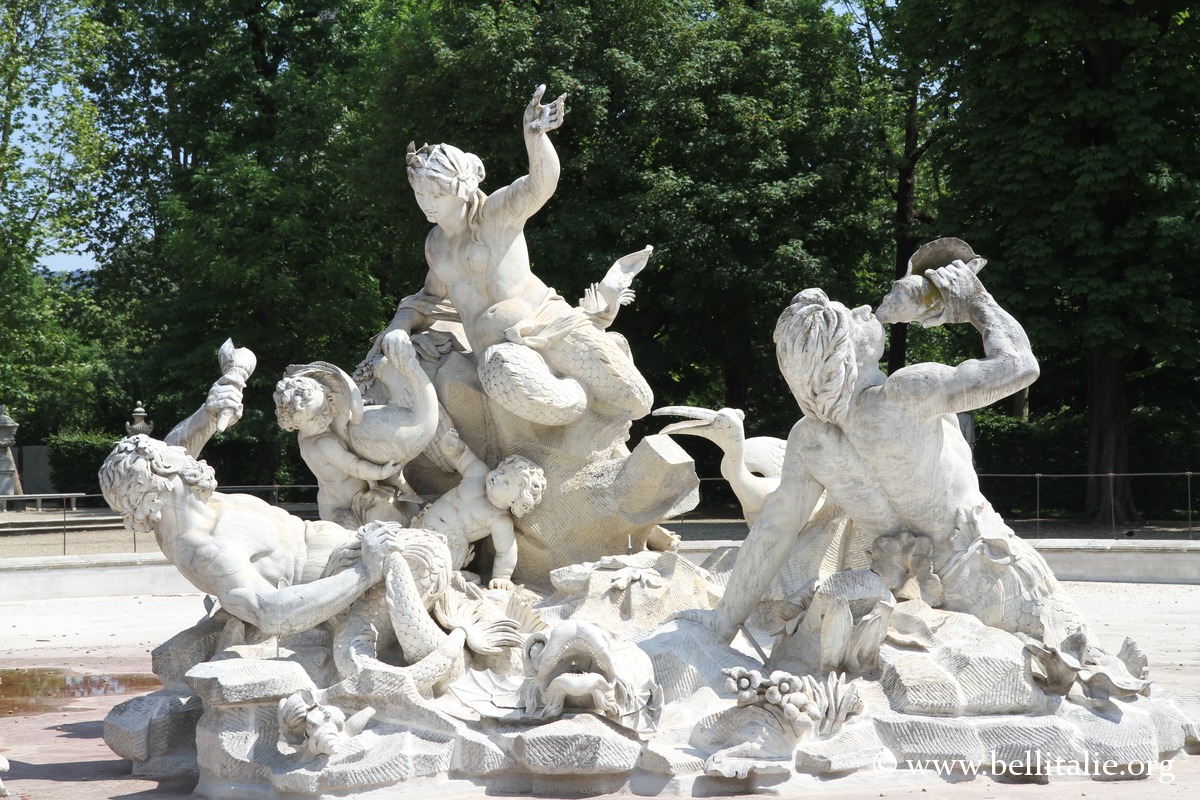
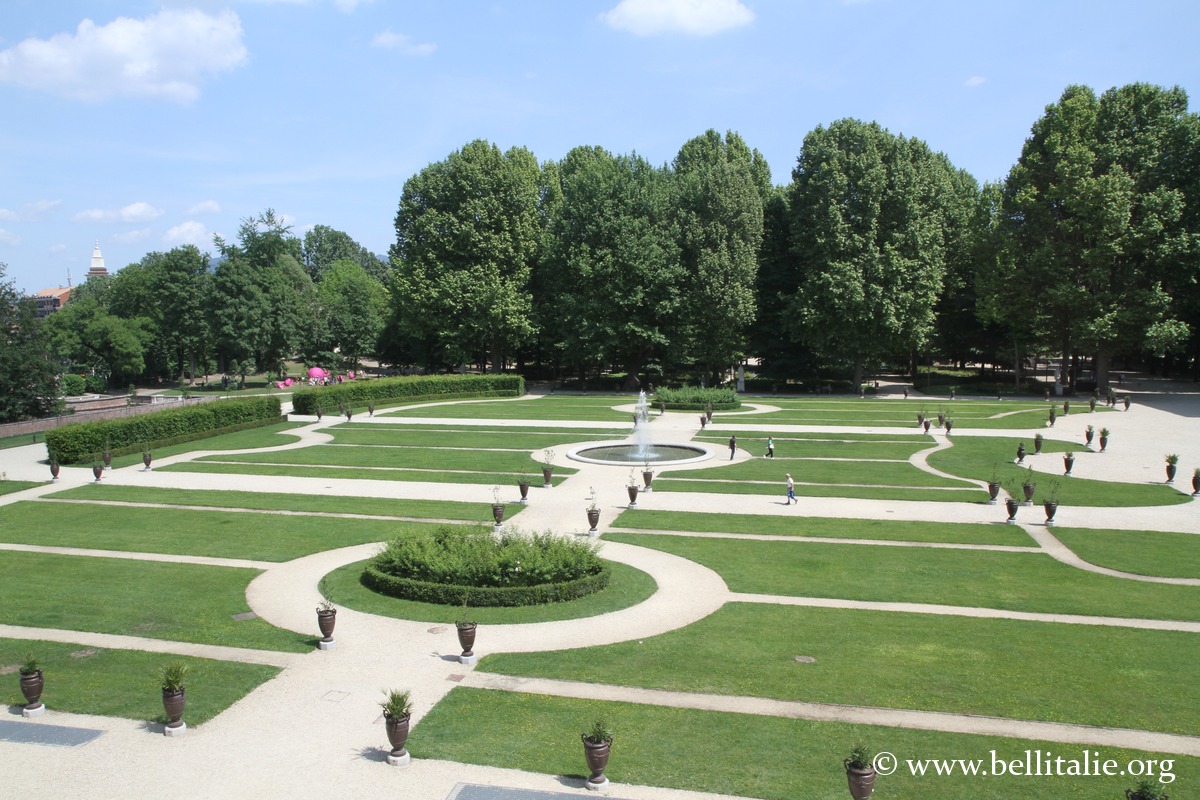
In the royal gardens designed by André le Nôtre one can discover in particular the Fountain of the Tritons, and several areas, including the Duke’s Garden, which is the oldest part, the Bosquet Garden, the Garden of the Arts, the ramparts and the Garittone, and the Lower Gardens
Chiablese Palace
This palace is the venue for temporary exhibitions of the Royal Museums of Turin.
Map and address
Piazzetta Reale, 1, 10122 Torino
If you see this after your page is loaded completely, leafletJS files are missing.
Information
- Official website: www.museireali.beniculturali.it
- Wikipedia article: fr.wikipedia.org
- Archaeological gallery: museireali.beniculturali.it
- Rooms of the Royal Palace: mole24.it
- What to see in Piedmont
- Turin
- Saint Michael’s Abbey, La Clusa
- Lake Maggiore
- Susa Valley and Chisone Valley
- Susa
- Lake Orta
- Cuneo and Surroundings
- The Langhe
- Montferrat
- Roero and surroundings
- Asti
- Alba
- Domodossola and Val d’Ossola
- Valsesia
- Sanctuary of Mount Oropa
- Saluzzo and surroundings
- Usseaux and Fenestrelle Fort
- Casale Monferrato
- Vercelli
- Ivrea, Canavese and Biellese
- Novara
- What to see and do in Turin
- Turin in 1 day, 2 days and more
- Piazza Castello in Turin
- Egyptian Museum of Turin
- Mole Antonelliana
- Turin Cathedral of Saint John the Baptist
- Piazza San Carlo in Turin
- Palazzo Madama, Turin
- Palatine Gate of Turin
- Royal Palace of Venaria
- Other monuments and places in Turin
- Stupinigi Hunting Lodge
- Rivoli Castle
- Moncalieri Royal Castle
- Turin Hills


Comments